





What Is Embroidery? How to Use It in Your Fashion Business


Embroidery is one of the oldest ways to decorate fabric, but it still has a place in modern fashion. By adding thread-based designs and texture, embroidery can turn a simple garment into something more distinctive and give a fashion brand its own identity.
If you're thinking about starting a fashion business, it's worth exploring custom embroidery. In this guide, we'll explain what embroidery is, how it works, and the different styles you can use on clothing. You'll also learn what to consider when creating and selling embroidered apparel for your own brand.
What Is Embroidery?
Embroidery adds character to fabric with stitches. Using a needle and thread, you can create anything from simple lettering to colorful patterns that stand out through their texture. Want to make a design more eye-catching? Details like beads, sequins, and pearls can bring even more personality to the finished piece.
Embroidery has a long history across cultures, and each region has developed its own styles and traditions. Today, you don't have to look far to spot it. Think of a logo on your favorite gym bag, initials on a shirt, or decorative stitching on a jacket. These small details show how embroidery can turn an everyday item into something a little more special.
As a fashion business with a clothing line:
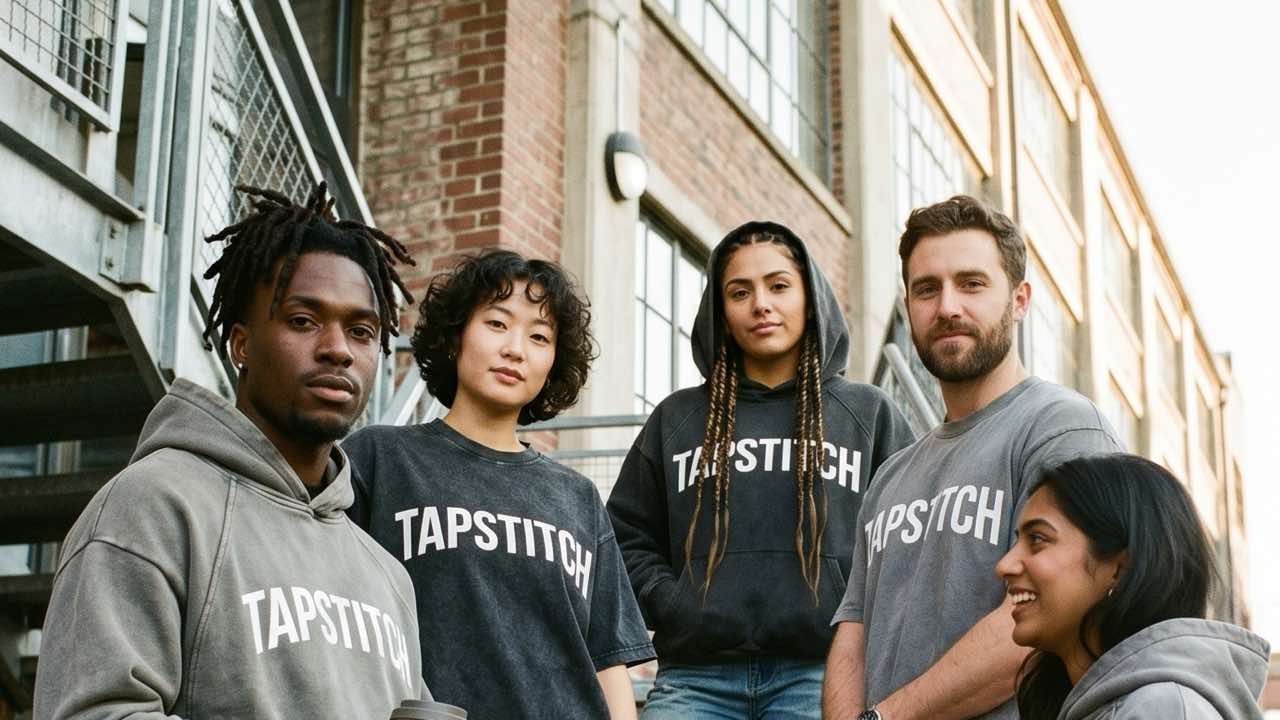
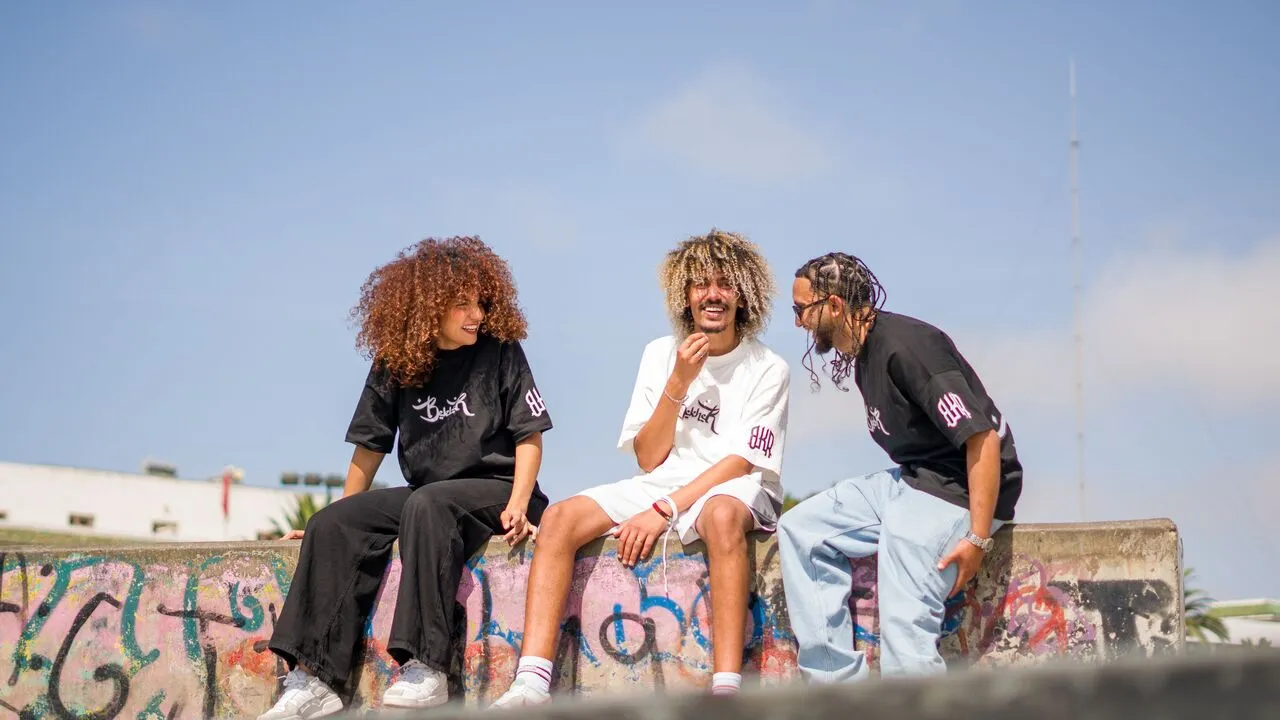
It can also help create a more recognizable style. Streetwear labels might use bold lettering or raised designs on hoodies, while minimalist brands often prefer small, clean logos on T-shirts and polo shirts. It's also a popular choice for personalized pieces, such as monogrammed caps, custom sweatshirts, and embroidered bags.
How Does Embroidery Work?
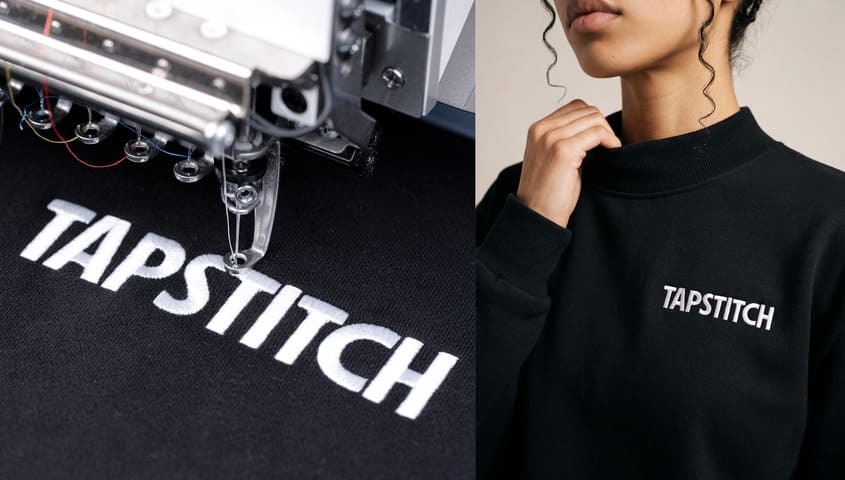
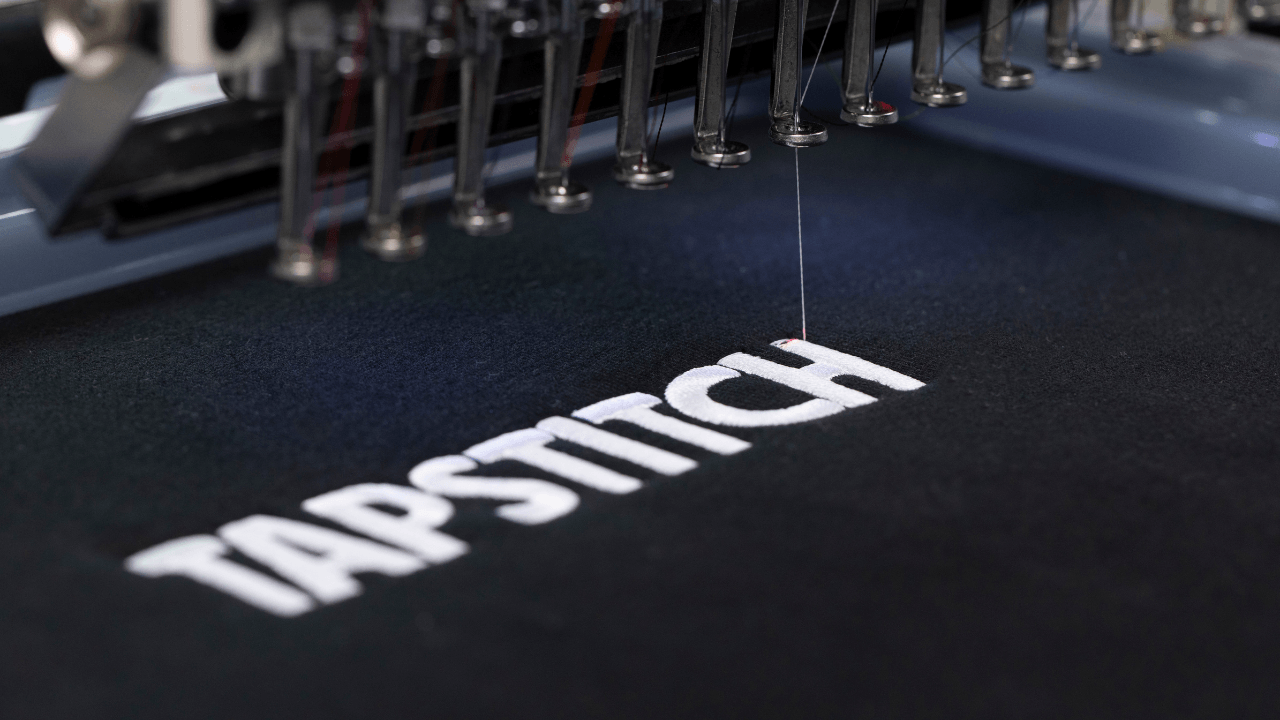
Creating an embroidered design involves more than just stitching thread onto fabric. From preparing the artwork to securing the garment and finishing the stitches, each step helps bring the design to life.
1. Prepare and Digitize the Design
For machine embroidery, convert the design into a digital stitch file that tells the machine how to sew the pattern. If you're embroidering by hand, you can trace the design onto the fabric using a stencil or transfer method.
2. Choose the Fabric and Thread Colors
The different types of fabric and thread you choose can affect how your embroidery looks and holds up. Before starting, keep these tips in mind:
- Choose the right fabric: Cotton, denim, and heavyweight hoodies are good options for many embroidery designs.
- Consider fabric thickness: Lightweight or stretchy fabrics may need a stabilizer to prevent puckering around the stitches.
- Pick suitable thread colors: Use contrasting colors to make a logo stand out, or matching shades for a more subtle look.
3. Set Up the Garment
Secure the fabric in an embroidery hoop or frame to keep it from shifting while you work. For extra support, add a stabilizer to the back. Cut-away stabilizers usually work well for knits and stretchy fabrics, while tear-away options often suit more stable woven materials. Using the right stabilizer helps prevent puckering and keeps the design looking neat.
4. Stitch and Finish the Design
Once the stitching is done, trim any loose threads and remove the stabilizer if needed. Gently press the garment to smooth the fabric and tidy up the finished design. Before calling it done, check the stitching for loose threads, uneven areas, or any details that need a touch-up. A final inspection ensures the embroidered piece is ready to wear.
What Are the Different Types of Embroidery for Clothing?
Embroidery can be done by hand or with a machine, and each approach has its own strengths. The best choice depends on the look you're after, how detailed the design is, and how many pieces you need to make.
Hand embroidery
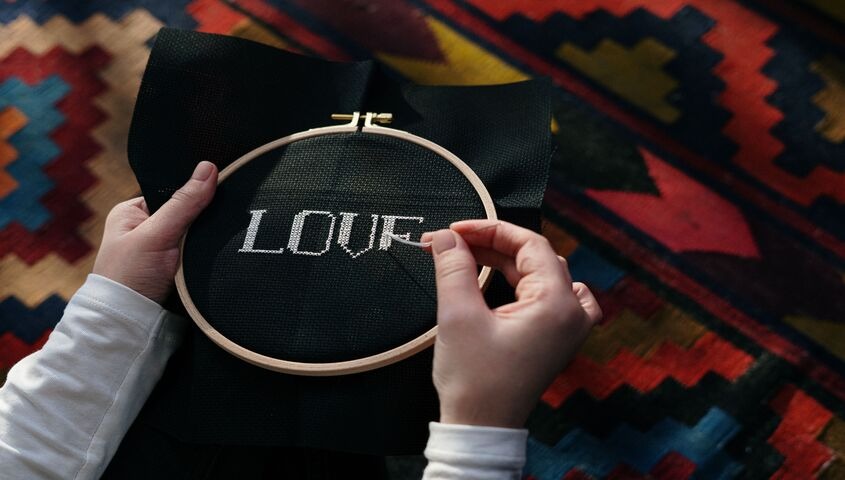
Hand embroidery is all about creating designs one stitch at a time, using a needle and thread. Techniques like cross-stitch, satin stitch, chain stitch, and French knots let you add different patterns and textures to a piece of fabric. Because every stitch is handmade, the finished design often has its own character.
This approach works well for one-of-a-kind pieces, handmade collections, and detailed fashion designs. The trade-off is time: each garment takes longer to complete, making hand embroidery less practical when you need to produce large quantities.
Machine embroidery
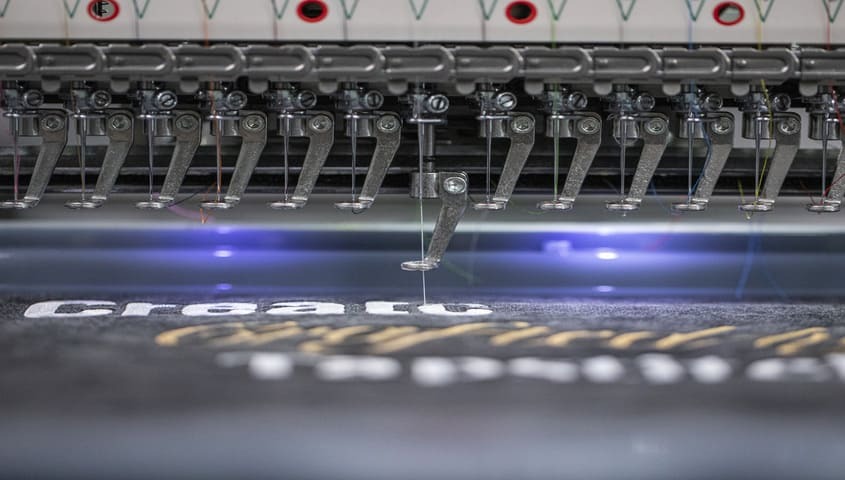
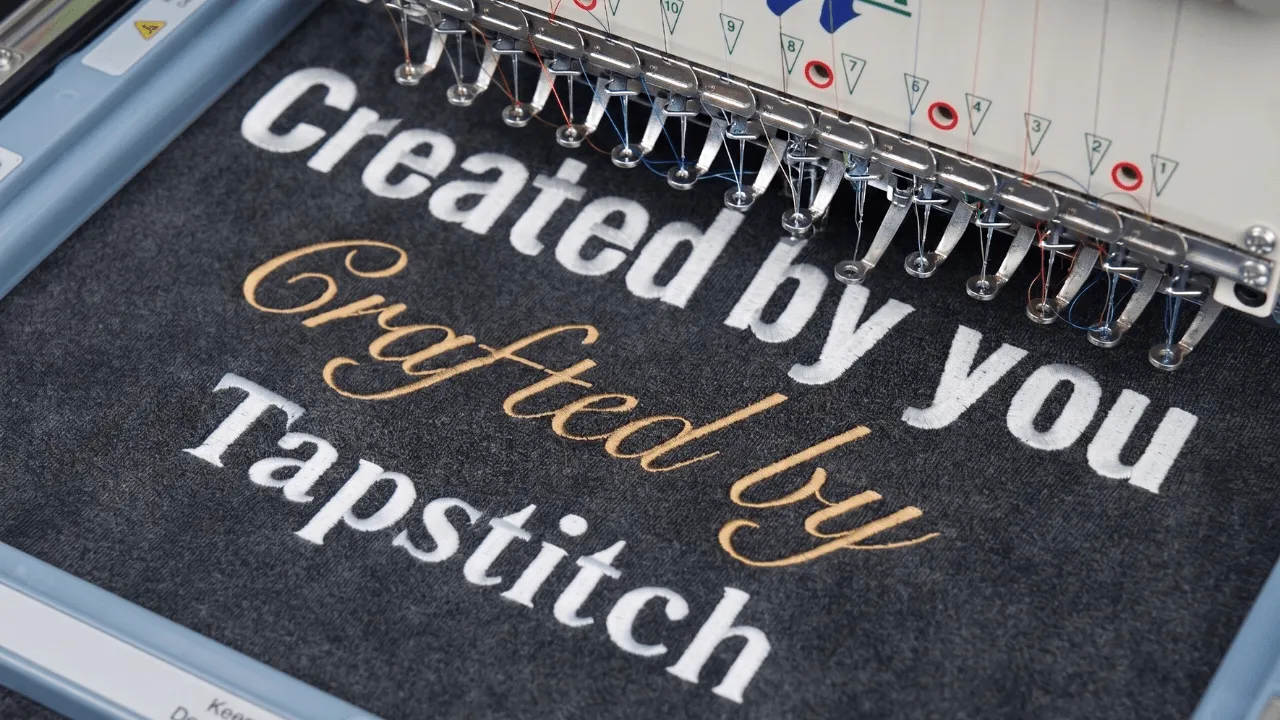
Machine embroidery is a practical choice when you need to put the same design on multiple garments. Once the artwork is converted into a stitch file, the machine follows the instructions to sew the pattern onto the fabric. This makes it easier to keep logos and other designs consistent across a clothing collection.
For fashion brands, machine embroidery works well for items like branded T-shirts, hoodies, caps, and bags. It also saves time compared with stitching each piece by hand, making it a good fit for larger orders and custom apparel.
Hand Embroidery vs. Machine Embroidery
Both hand and machine embroidery have their advantages, but they suit different needs. If you're deciding which method works best for your clothing designs or fashion business, here's how they compare.
What Is Embroidery Used in Fashion?
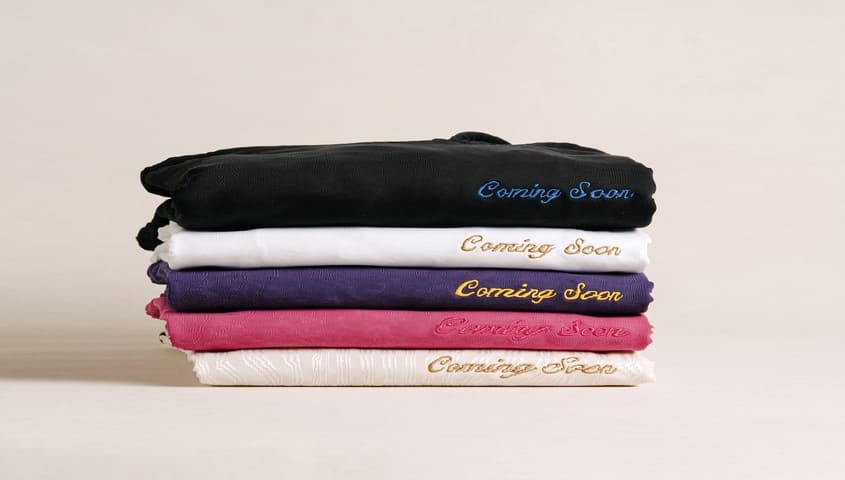
Embroidery can add a unique touch to all kinds of clothing, from everyday basics to statement pieces. Here are some popular ways fashion brands use it across their collections.
T-Shirts and Polo Shirts
T-shirts and polo shirts are great choices for embroidery, especially if you want to give everyday basics a more polished look. A small chest logo, simple lettering, or minimalist graphic can make a big difference without making the design feel too busy. When planning your T-shirt design, keep the artwork clean and easy to recognize so it works well with stitched details.
For a fashion business, embroidered T-shirts and polos are also practical options for branded merchandise, team uniforms, and company apparel. Even a small embroidered logo can give a plain garment a more professional finish.
Hoodies and Sweatshirts
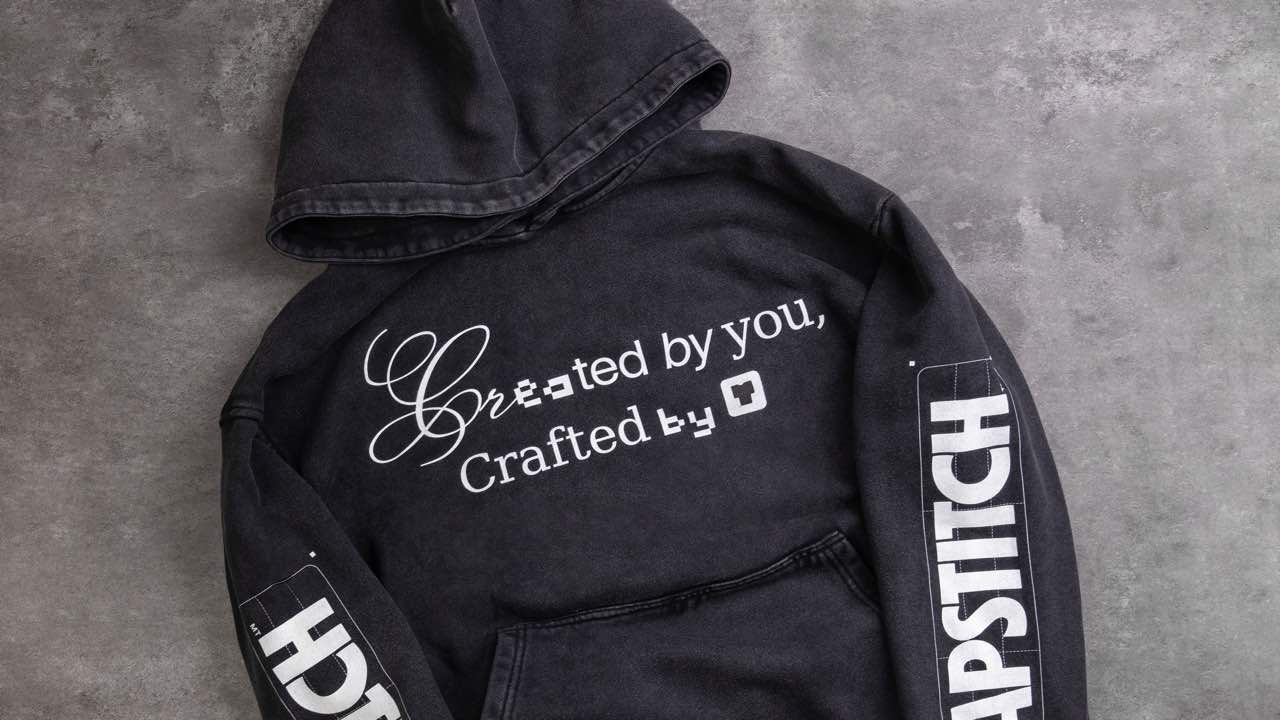
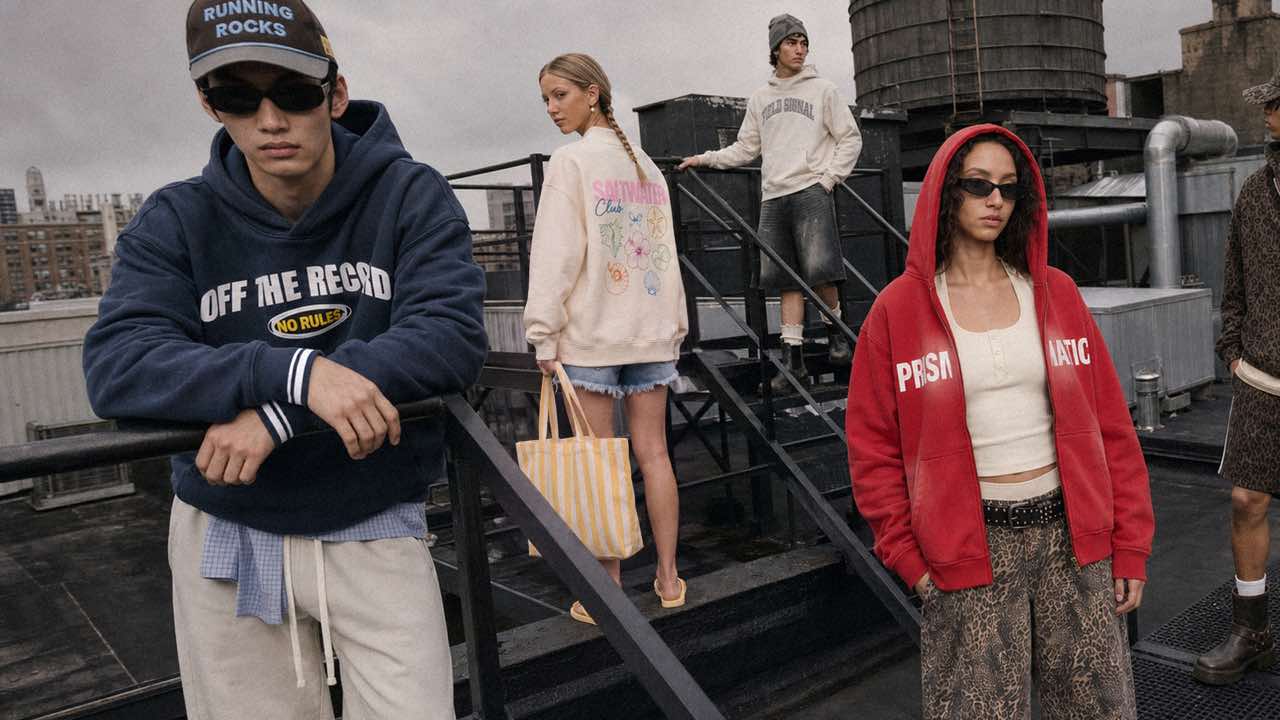
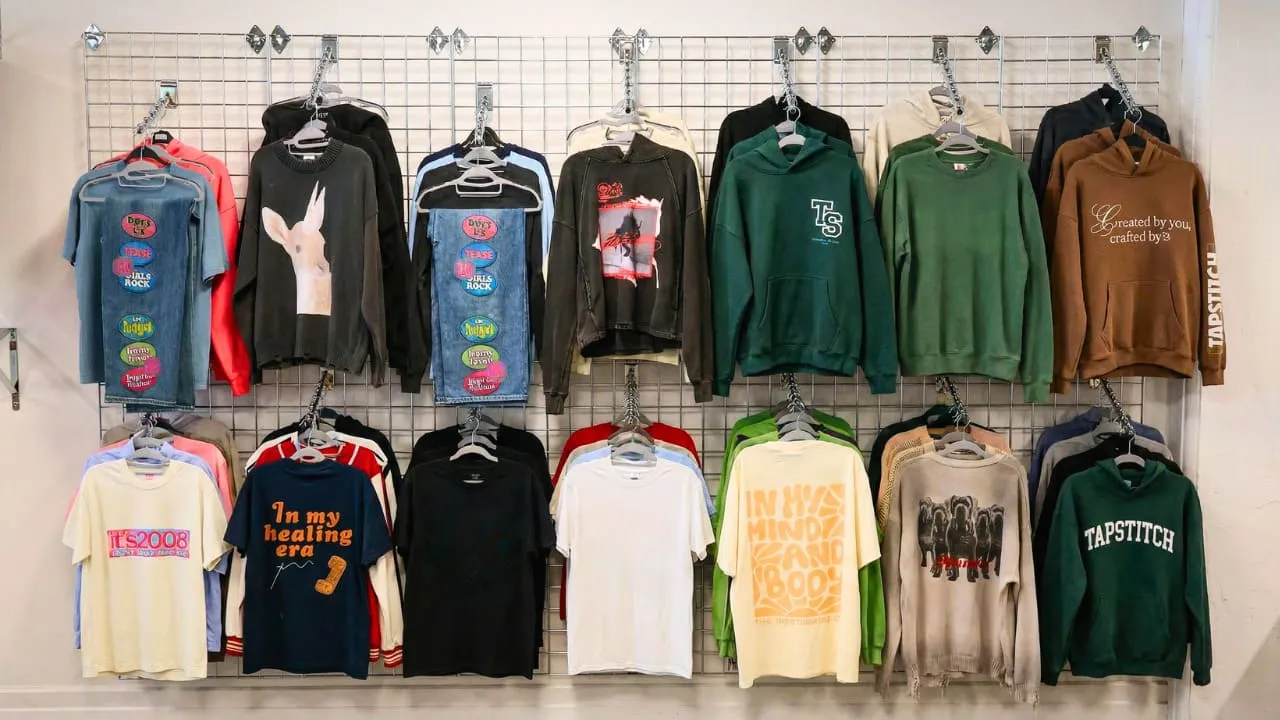
Hoodies and sweatshirts are great for embroidery, especially if you want a more distinctive look. A small logo on the left chest keeps things simple, while embroidered lettering along the sleeve or a bold design across the back can make a stronger statement. You could also try a small embroidered symbol near the cuff or a simple graphic on the hood for a subtle detail. Whether you're creating minimalist basics or streetwear, these placements help you add personality without overcomplicating the design.
Read more: 20 Most Popular Custom Hoodie Design Ideas in 2026
Denim and Outerwear
Denim jackets and outerwear offer plenty of room to get creative with embroidery. Add a small logo to the chest of a denim jacket, stitch a graphic onto the back, or use subtle details on bomber jackets and puffer vests to give them a personal touch. Since these pieces are often worn season after season, choose a design and placement that complement the garment without making it feel too busy.
Accessories
Accessories give fashion brands more ways to show off their style beyond clothing. An embroidered logo on a tote bag, a small design on a cap, or custom lettering on a beanie can help tie a collection together. You could also add embroidered initials or patterns to socks and blankets to create personalized products. These details give customers more ways to connect with your brand and help turn everyday accessories into products that feel distinctly yours.
How to Start an Embroidered Clothing Business
Selling embroidered clothing online lets you turn your designs into your own fashion brand. The tricky part is deciding what to sell, where to find customers, and how to handle production without letting costs run out of control. Here's how to get started.
Step 1. Choose Your Clothing Products and Embroidery Styles
Before you start designing, think about the kind of clothing you want your brand to be known for. If you're going for a streetwear look, oversized T-shirts, heavyweight hoodies, and embroidered caps are good places to start. For a cleaner, more classic style, polo shirts with small chest logos might be a better fit.
Your embroidery style should match the garments, too. Simple lettering and small logos work well for everyday basics, while larger graphics or 3D puff embroidery can give streetwear pieces a bolder look. You don't need to launch a huge collection right away. Start with a few products that fit your brand, then see which designs your customers respond to.
Step 2. Choose the Right Platform to Sell Your Products
Where you sell matters just as much as what you create. The right platform depends on your budget, how much control you want over your store, and where your customers prefer to shop.
- Etsy: A good starting point if you're selling personalized gifts, embroidered accessories, or unique clothing. Its existing audience makes it easier to reach shoppers who are already looking for something different.
- Shopify: If you want to build a fashion brand under your own name, Shopify gives you more control over your store's design, branding, and marketing. It's also a practical option as your business grows.
- WooCommerce: This works well if you already use WordPress or want more freedom to customize your online store. You can shape the shopping experience around your brand, though you'll need to handle more of the setup yourself.
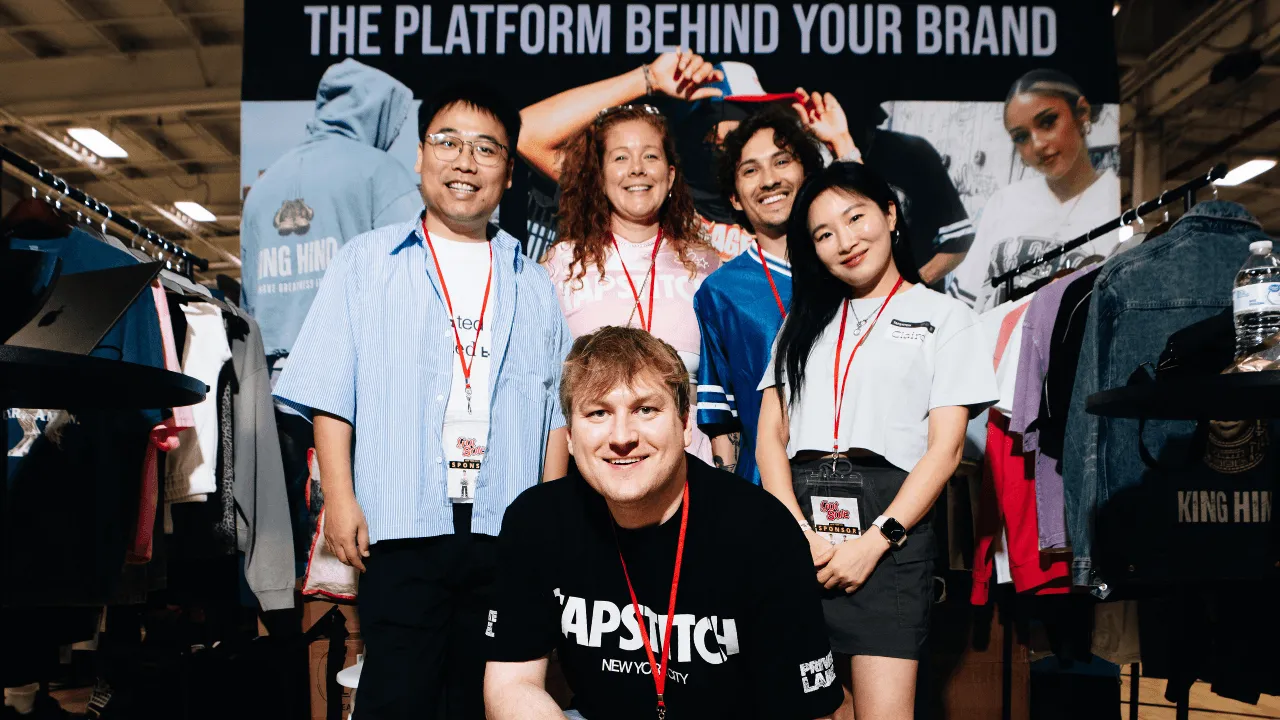
You don't have to manage every sales channel on your own. Tapstitch integrates with platforms such as Shopify, Etsy, and TikTok Shop, helping you connect your store with your apparel production and fulfillment workflow. Choose one platform to start with, get comfortable with it, and expand when you're ready.
Step 3. Create Your Design
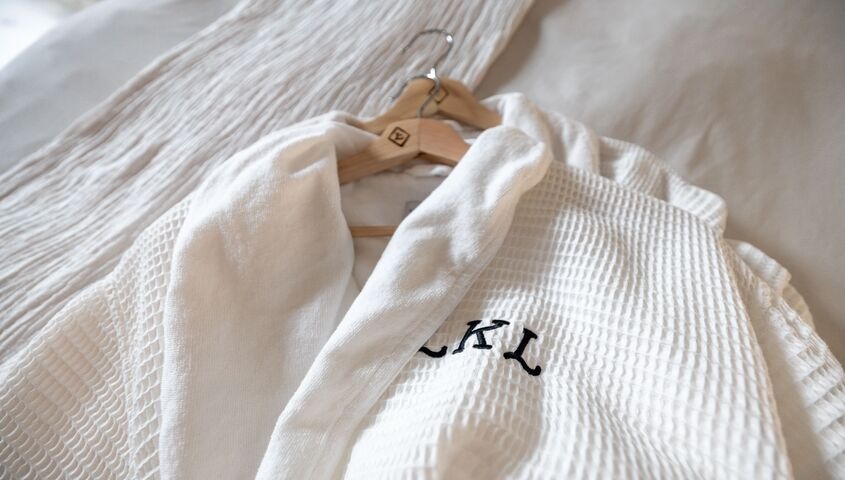
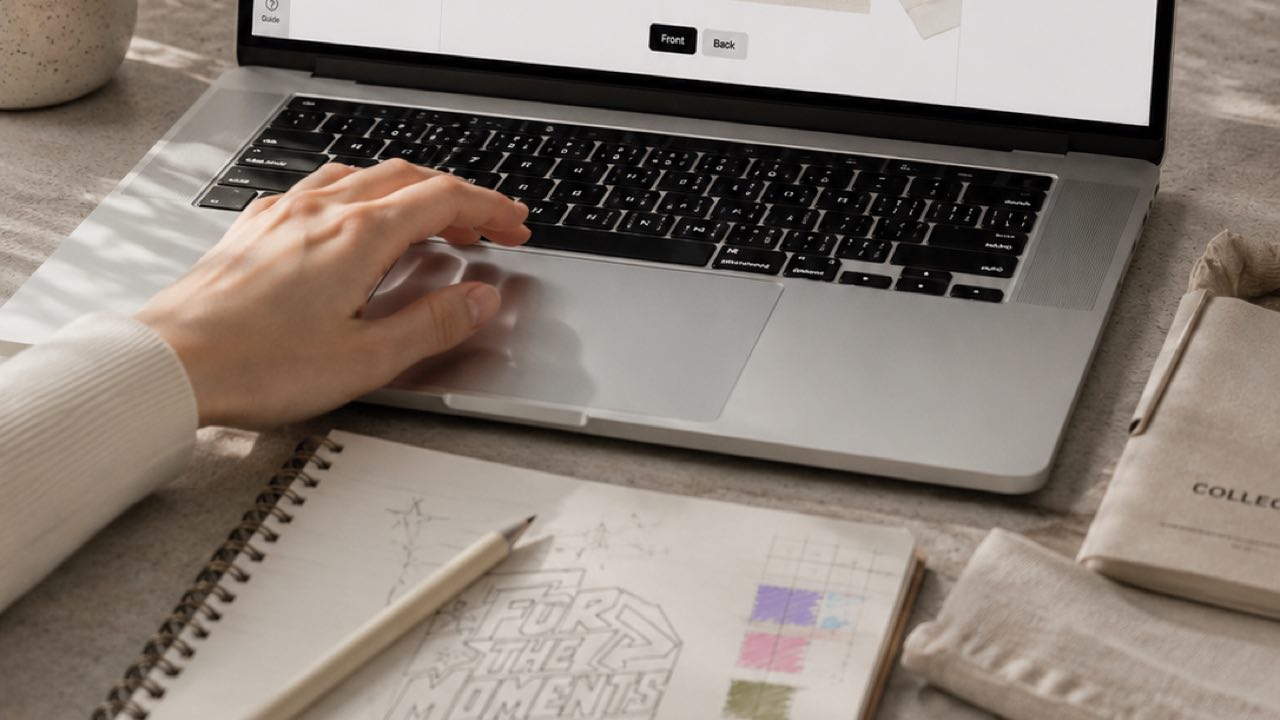
Now comes the fun part: bringing your ideas to life. When designing for embroidery, keep in mind that thread doesn't work like ink. Very thin lines, tiny details, and small lettering can be hard to stitch clearly, so designs with clean lines and bolder shapes usually work better. You don't have to keep everything simple, but make sure the details are large enough to stand out on the finished garment.
If you're not sure where to start, explore different hoodie design ideas, draw inspiration from trending shirt designs, and check the right shirt design size before finalizing your artwork. A little planning at this stage can save you from design issues later.
Step 3. Find a Reliable Embroidery Supplier
Unless you're planning to embroider every piece yourself, you'll need a supplier who can bring your designs to life. Look for one that offers the clothing styles you want to sell, delivers consistent embroidery quality, and fits your budget.
Before settling on a supplier, compare a few key details:
- Product quality: Check the fabric, stitching, and how the finished embroidery looks on the garment.
- Customization options: Make sure the supplier can handle your preferred designs, placements, and embroidery styles.
- Order requirements: Check for minimum order quantities and any upfront costs, especially if you're just starting out.
- Production and shipping: Find out how long orders take to produce and deliver, and whether tracking is available.
- Order fulfillment: If you're selling online, a supplier that ships orders directly to your customers can save you time and the hassle of managing inventory.
Step 4. Publish and Market
Start with a small collection and track which designs get the most clicks, saves, and orders. Ask your social media followers to vote on upcoming colors or styles, then use their feedback to plan your next release. With Tapstitch print-on-demand model, you can test new designs without buying large quantities of stock upfront, making it easier to see what sells before expanding your collection.
Create Custom Embroidered Apparel with Tapstitch
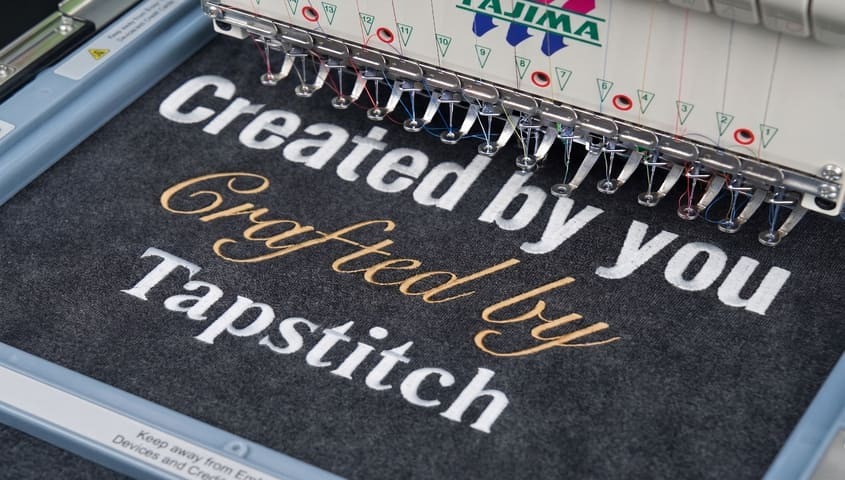
Want to launch your own embroidered clothing line without investing in embroidery equipment or buying inventory upfront? Tapstitch offers custom embroidery on fashion-forward apparel, with in-house production to help bring your designs to life.
Here's how Tapstitch can help you get your embroidery clothing business off the ground.
1. Launch Without Holding Inventory
You don't need to fill your storage space with T-shirts and hoodies before opening your store. With Tapstitch embroidery service, products are made when customers place orders. That means less money tied up in inventory and more room to focus on your designs and marketing.
2. Test Designs Without Large Upfront Orders
Not every design will be a bestseller, and that's fine. Start with a few styles, see what customers actually buy, and build on the designs that perform well. With no minimum order quantity, you can sell one piece at a time instead of committing to a bulk order before you know what works.
3. Choose from Fashion-Forward Embroidery-Ready Apparel
Embroidery isn't limited to basic T-shirts. Tapstitch offers 74 apparel styles suitable for embroidery, including hoodies, sweatshirts, tank tops, and polo shirts. Keep it simple with a small chest logo, or explore different garment styles to add variety to your collection.
When selecting the right product, this guide will help you use embroidery in design tools.
4. Let Tapstitch Handle Production and Shipping
Packing orders and arranging shipments can take time away from running your business. Tapstitch handles production and shipping, so you don't have to manage each order yourself. You can put that time toward creating new designs, improving your store, and finding your next customers.
5. Connect Your Online Store
If you're already selling on Shopify, Etsy, or another supported ecommerce platform, connecting your store with Tapstitch can help simplify order management. Instead of handling production and fulfillment separately, you can manage your storefront while Tapstitch takes care of the orders.
Embroidery Style: FAQs
Closing Thought
Embroidery may be an old technique, but it still fits right in with today's fashion trends. A few well-placed stitches can transform a basic T-shirt, add character to a hoodie, or give a simple logo a more distinctive finish. For clothing brands, it's another way to make everyday pieces feel a little less ordinary.
If you're thinking about starting a fashion brand, Tapstitch makes it easier to get started. With custom embroidery, DTG and DTF printing available, you can bring your designs to life in different ways without managing production yourself. Pick your favorite styles, start creating, and see where your ideas take you.