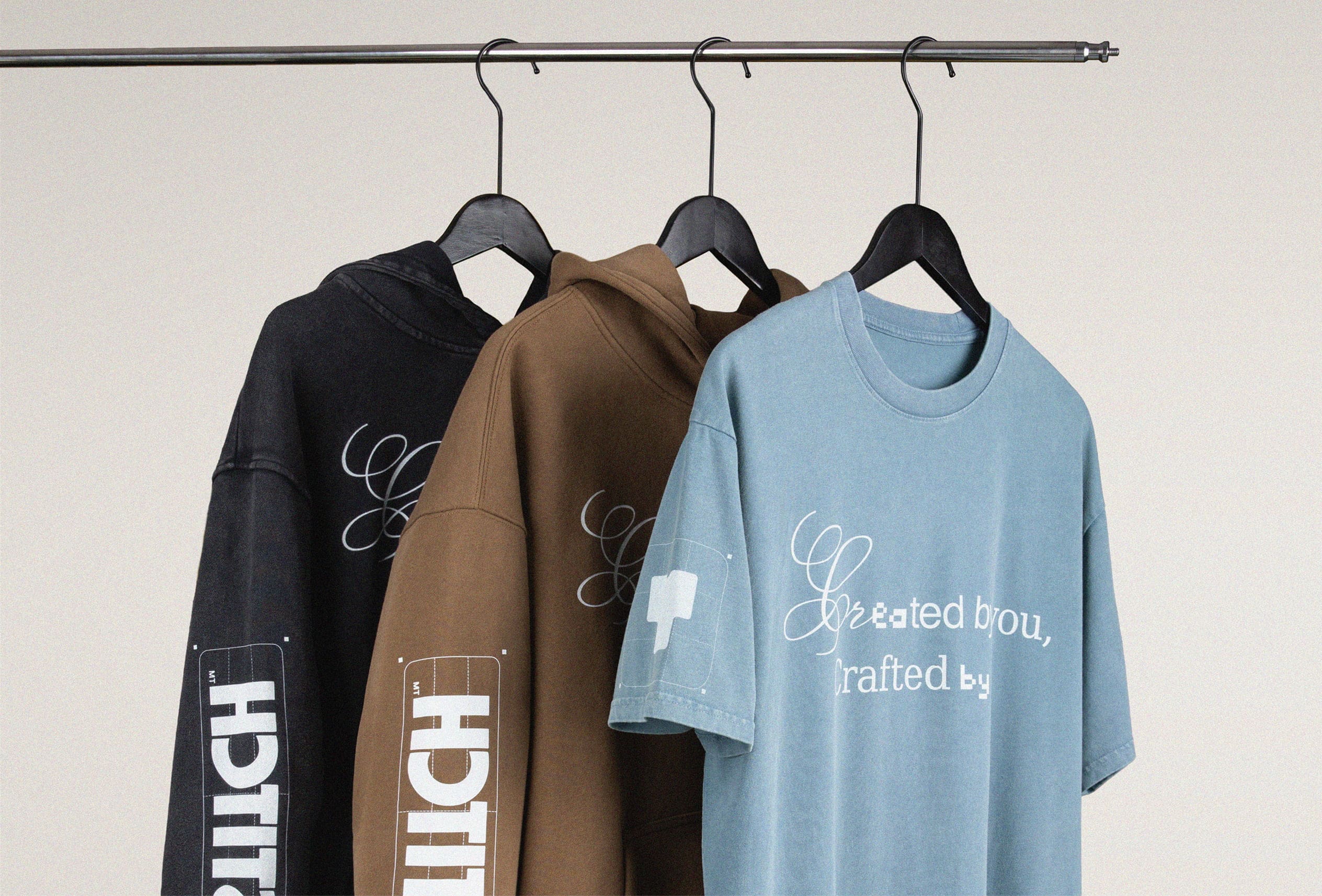







Print-on-Demand Trends 2026: Designs, Niches and Beyond
%20(3).jpg)


Trend articles in this space usually age like milk. Someone lists "personalization" and "sustainability" for the fourth year running, pads it with stock phrases, and calls it a forecast. We'd rather tell you what we actually see moving through our own print queue, because we produce for hundreds of indie brands and the orders don't lie.
So this is print-on-demand trends 2026 from the floor: what's selling, what's dying, which designs keep reordering, and how buyer behavior shifted after AI started doing half the shopping. Some of it confirms what the other lists say. Some of it doesn't. All of it is what we'd tell a founder planning their next two quarters over coffee.
Popular Product Trends for Print-on-Demand in 2026
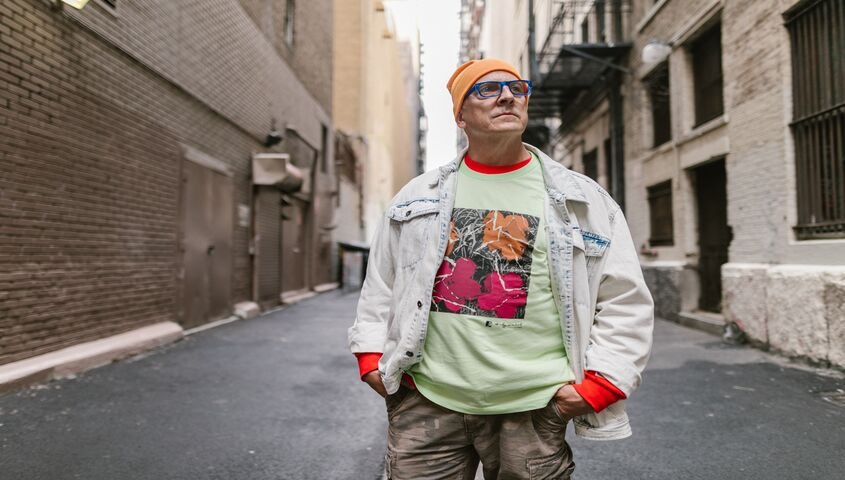
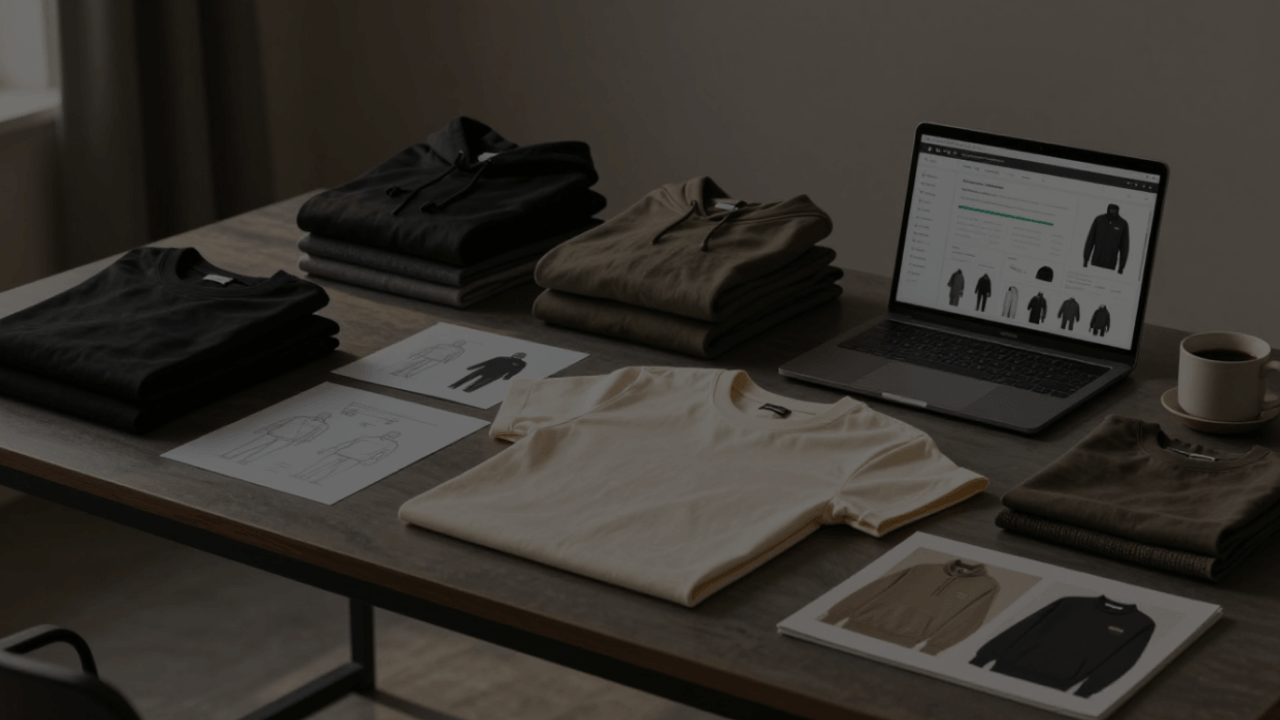
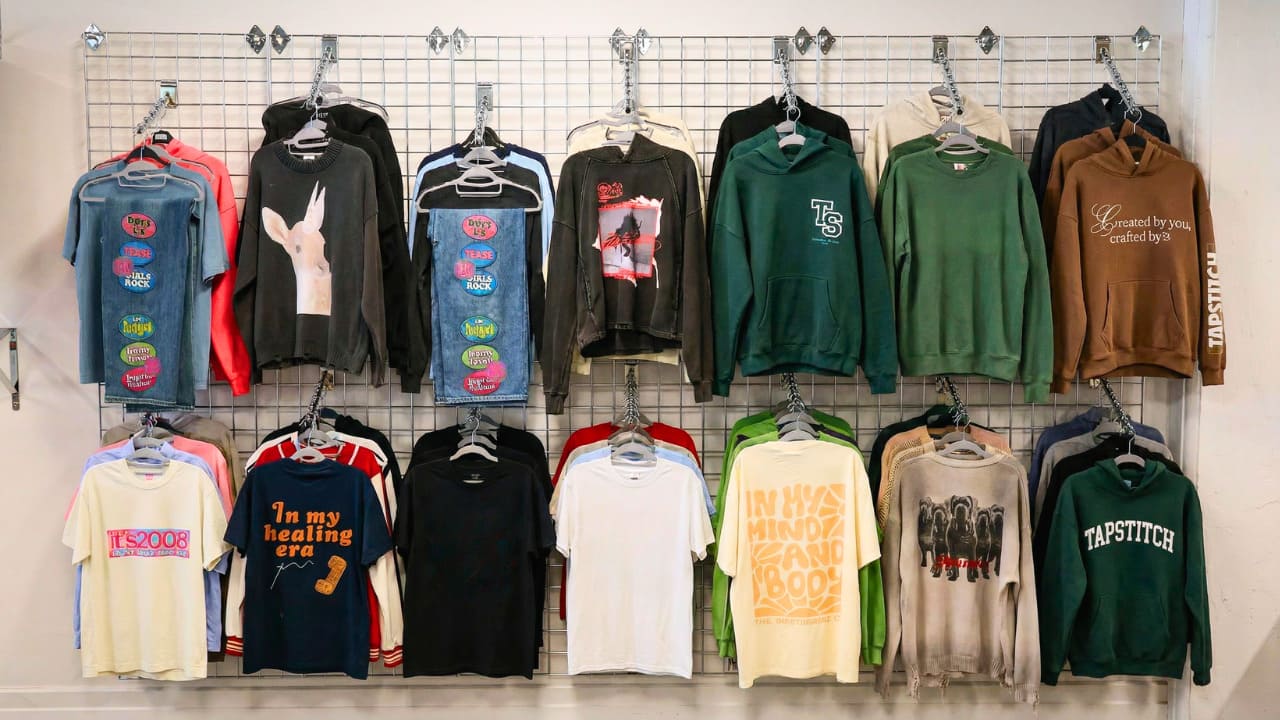
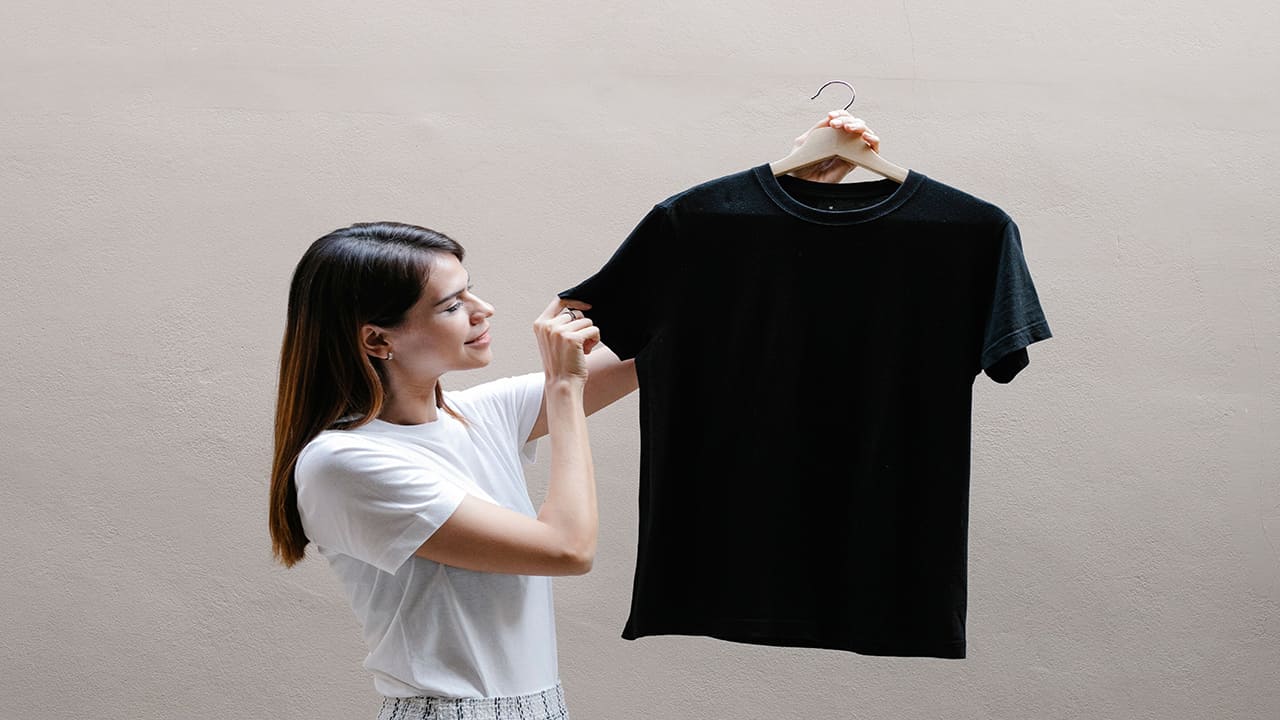
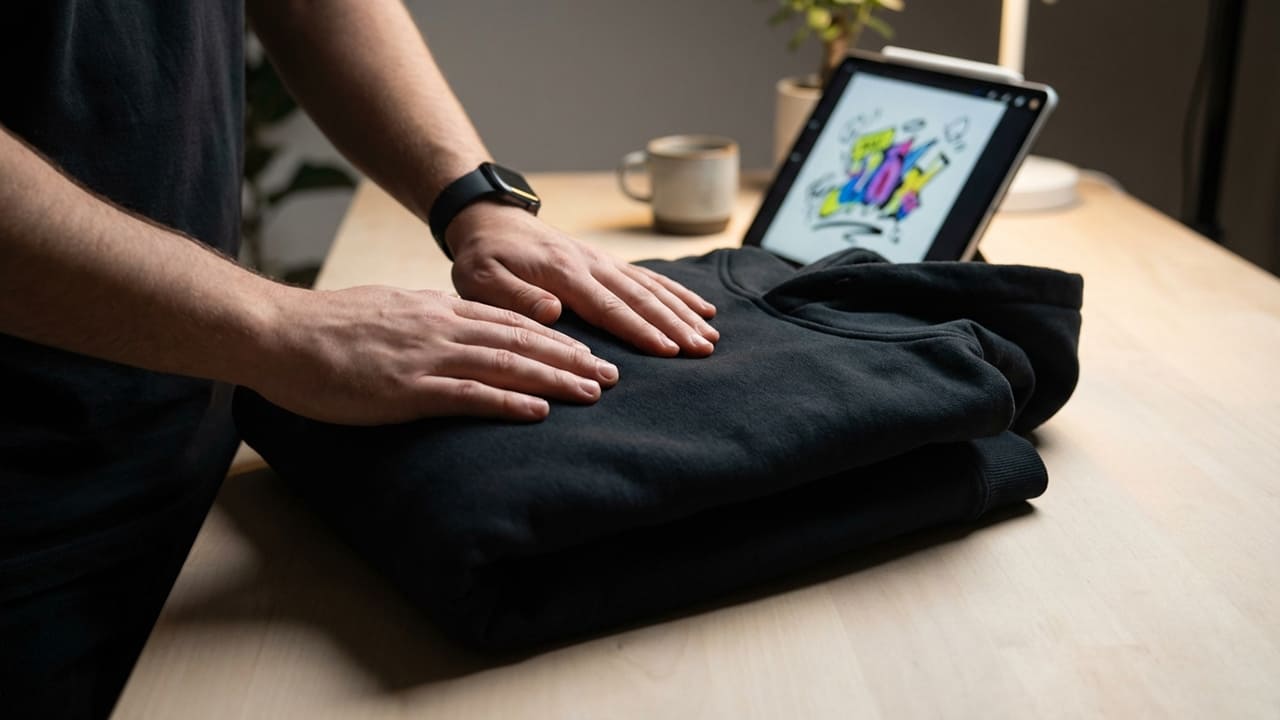
The 2026 product story is about weight and shape. Print-on-demand trends come and go, but this one is a counter-move against the thin promo tee: pieces that would sit on a boutique rack before anything is printed on them.
Heavyweight tees and boxy cuts
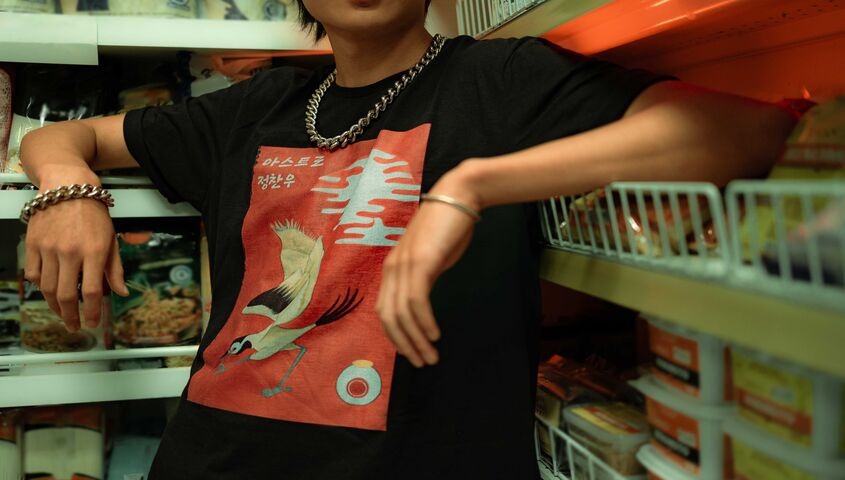
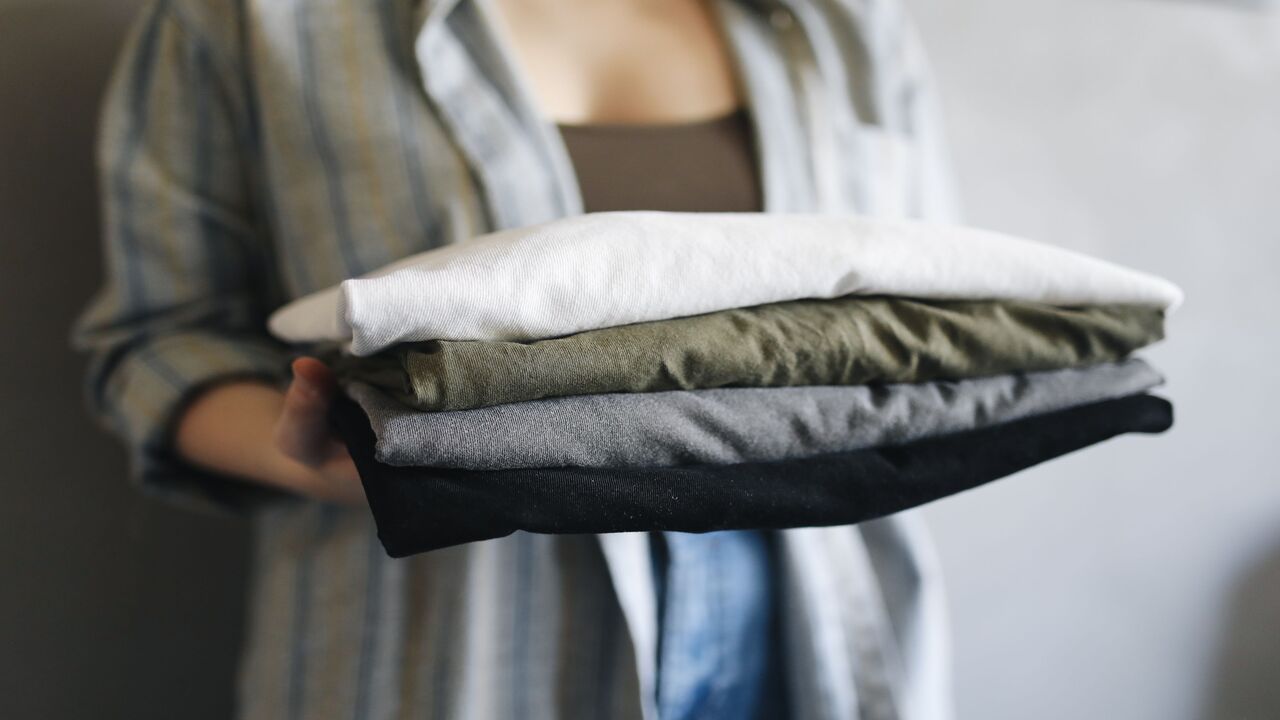
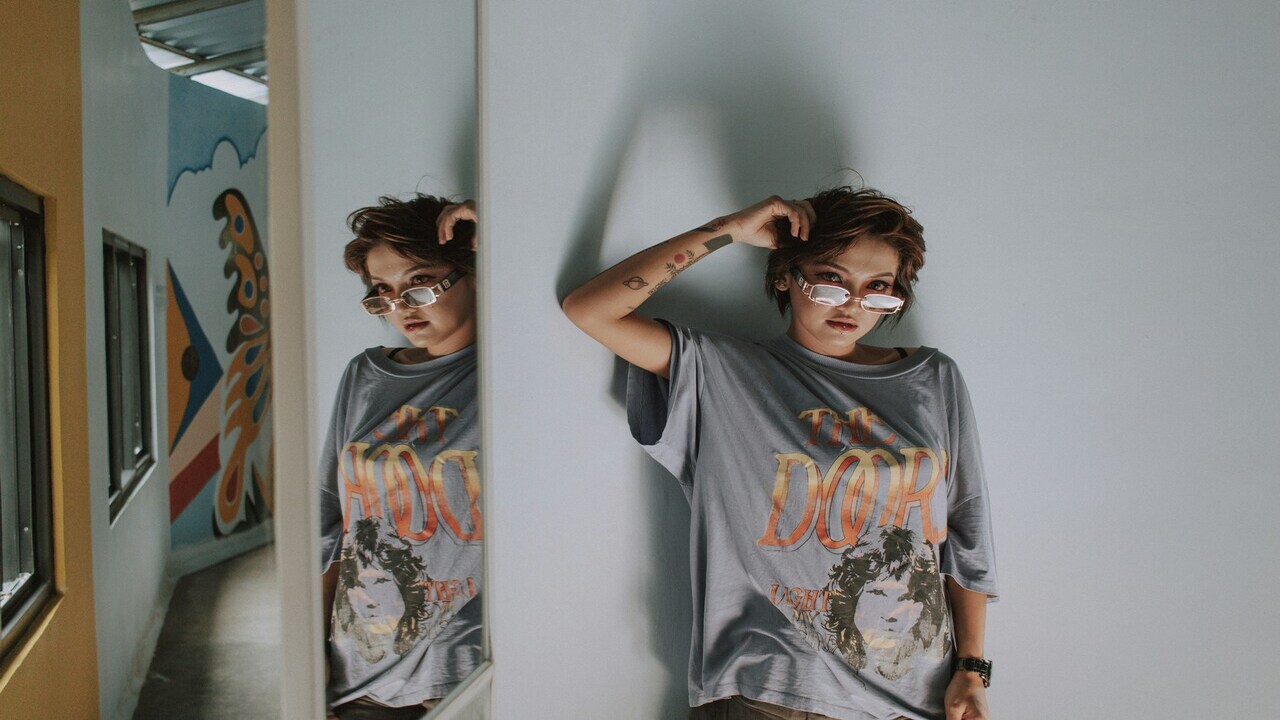
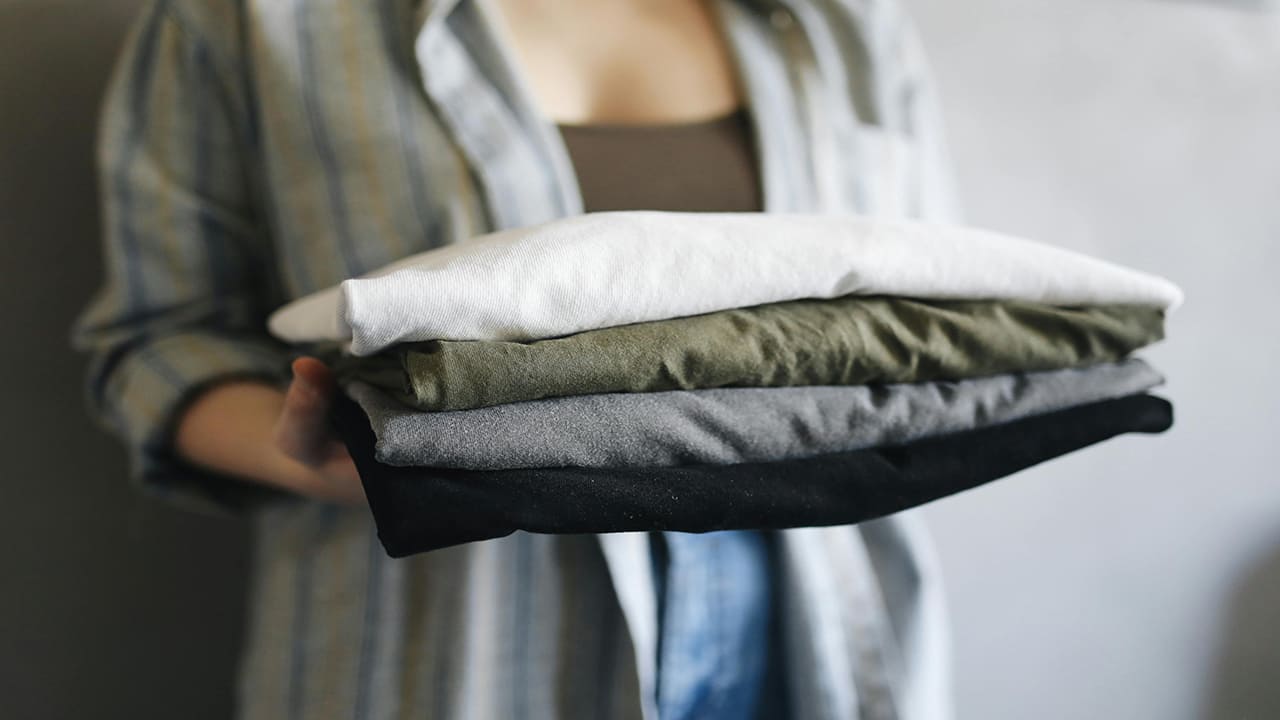
300 GSM cotton, drop shoulders, oversized fit. The 2026 buyer grew up on streetwear resale and can spot a lightweight blank from the thumbnail.
Sets, washes and hoodies
The categories moving fastest behind tees:
- Sweatpants and matching sets. The loungewear buyer became the athleisure buyer and never went back.
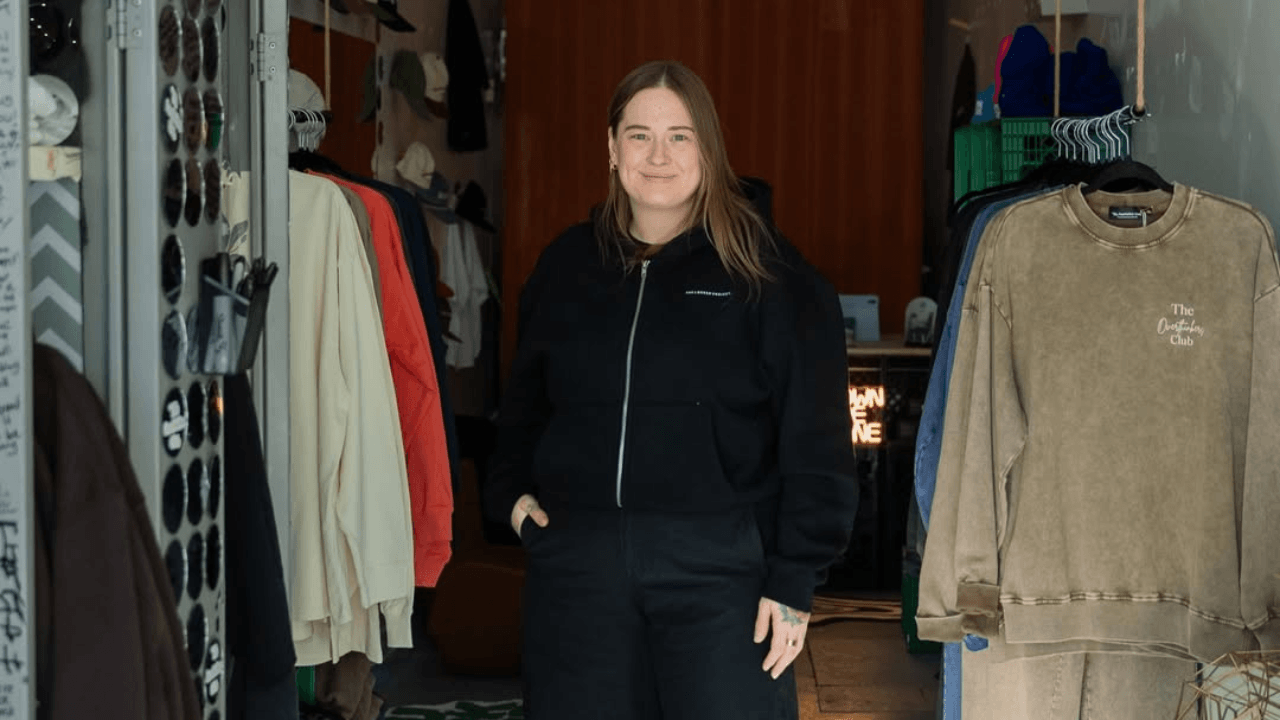
- Vintage washes. Acid wash, mineral wash, snow wash. Anything that looks like it has a past.
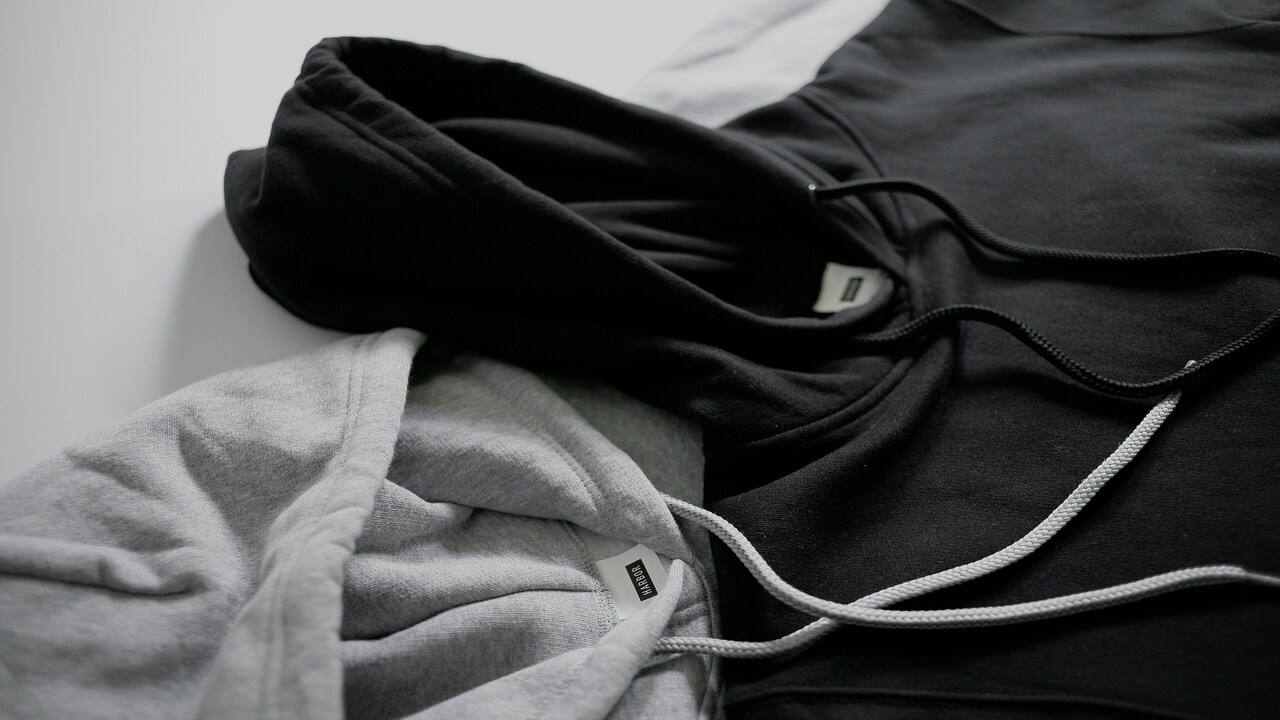
- Hoodies as the margin anchor. Higher ticket, better photos, winter demand built in.
Matching sets as the margin play
A custom hoodie sells as one piece. Add matching sweatpants, and it sells as an outfit at close to double the price, photo-ready. Brands that lead with sets see higher order values than brands selling t-shirts.
Caps and accessories as the entry ticket
A $25 cap brings in the customer who won't yet spend $70 on a hoodie. Use accessories to start the relationship and let the garments carry the margin.
Home goods on the side
Home goods are growing inside POD, and the category makes real money, but it's a brand accessory, not the spine. The spine is still the garment, and in 2026 the garment has to be good.
Shorter trend cycles
A trend now goes from first sighting to saturated in weeks. The right calendar is a quarterly drop schedule with monthly testing, not a once-a-year collection set in January.
Trending Design Ideas for Print-on-Demand in 2026

The shotgun method, hundreds of generic designs uploaded in the hope one catches, is dead. AI made generic free, so a point of view is the only thing left to sell.
The trending print-on-demand designs we see reordering:
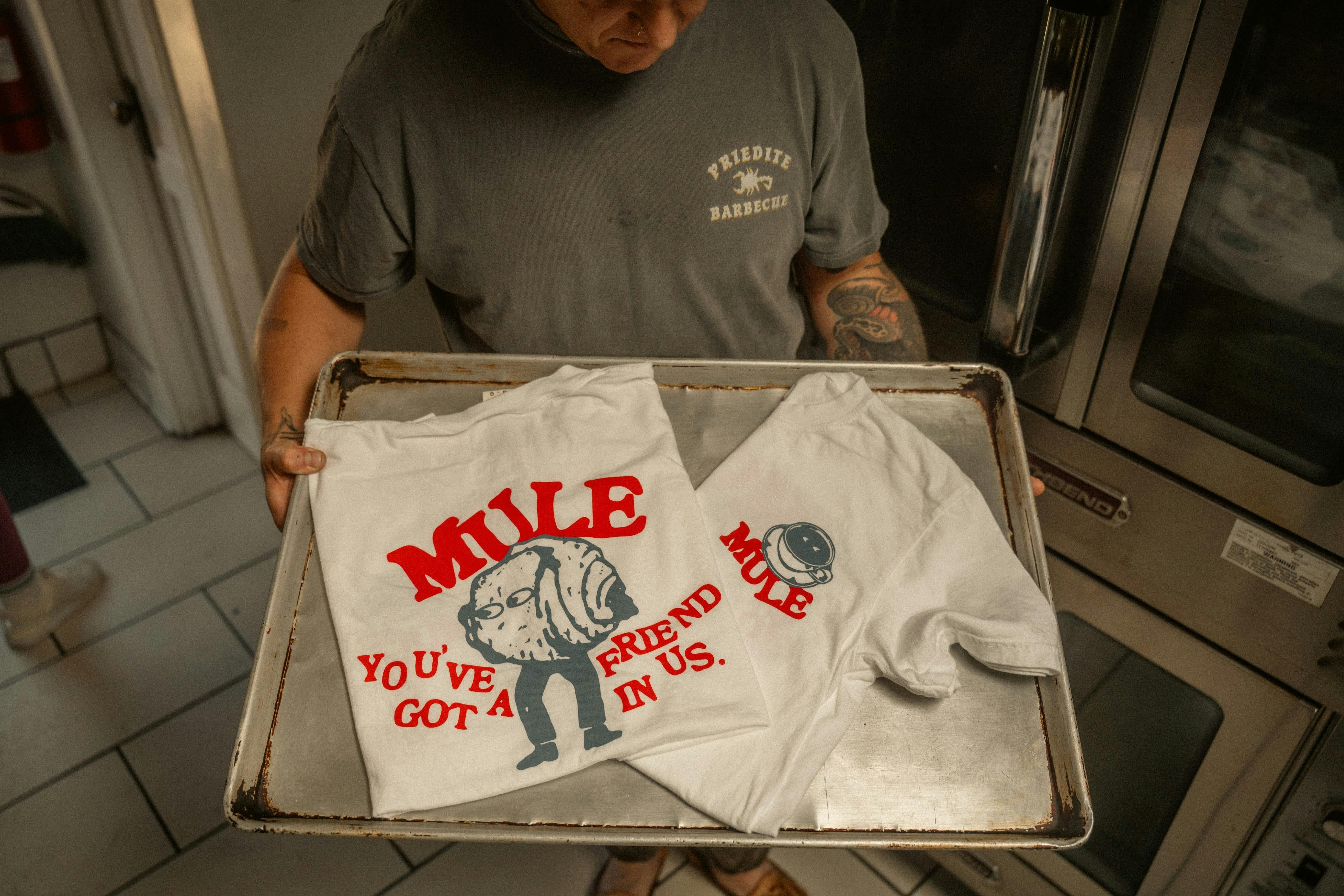
- Bold minimalist text with actual wit behind it
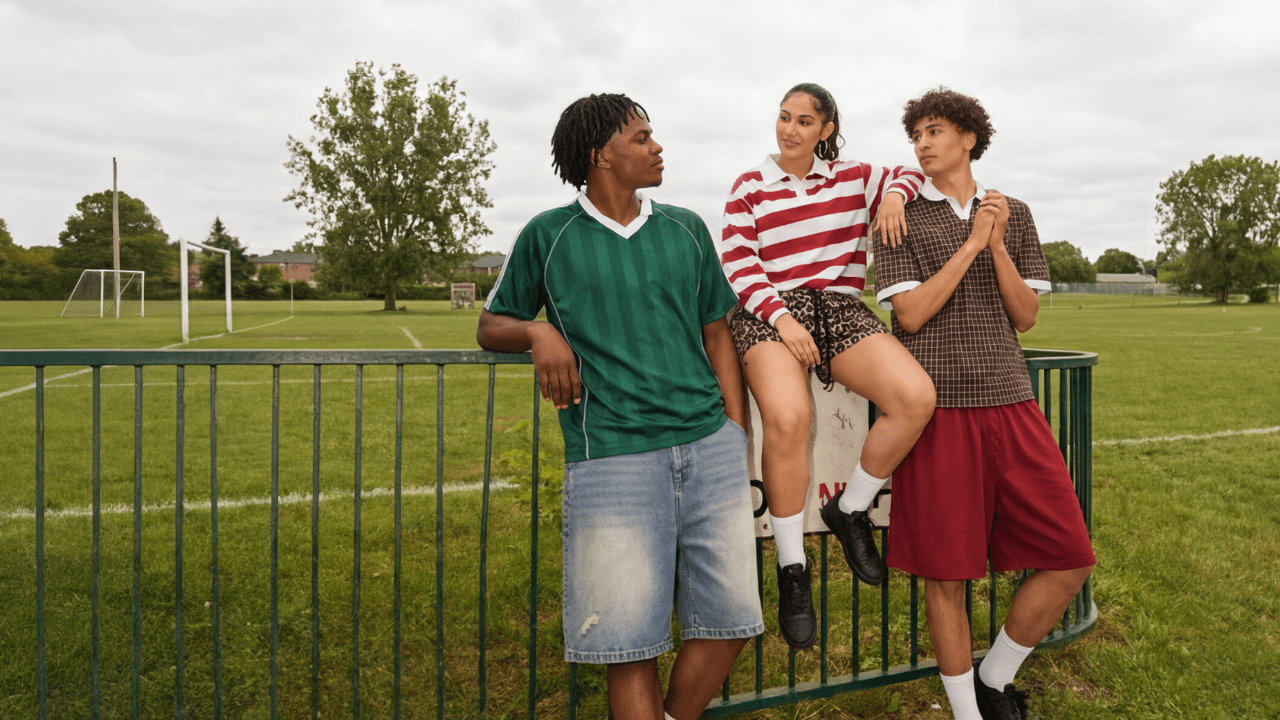
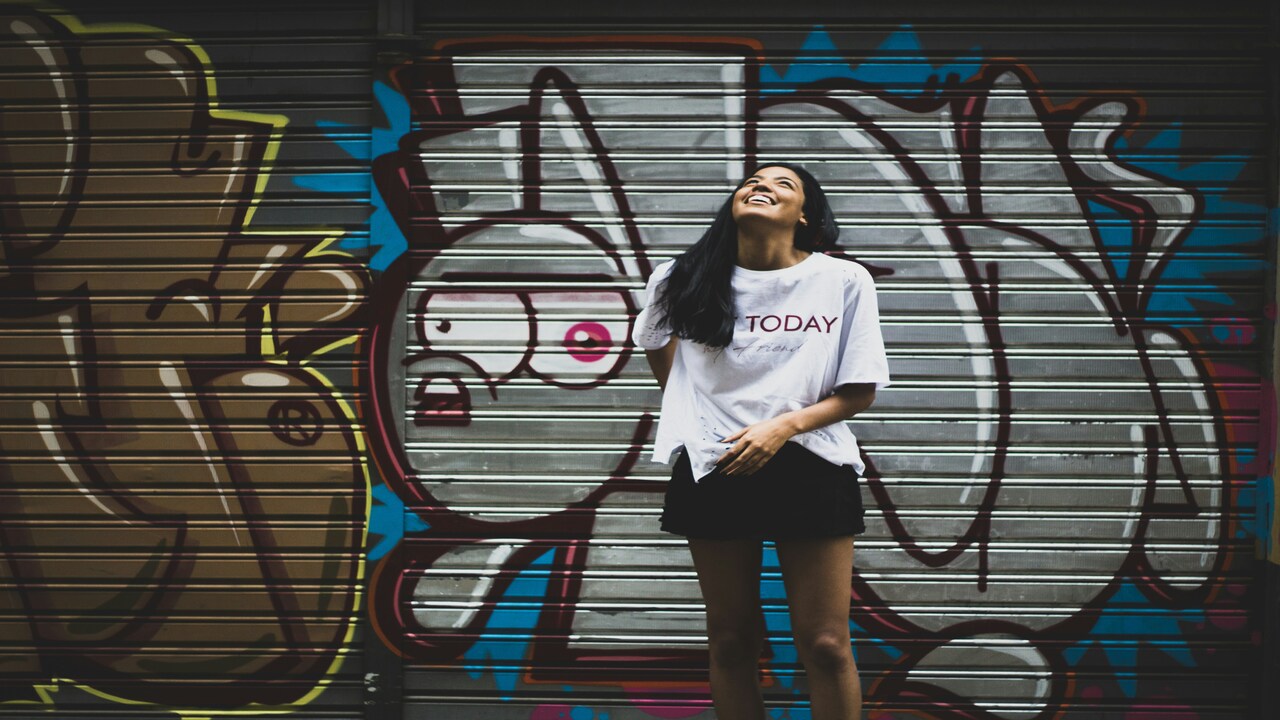
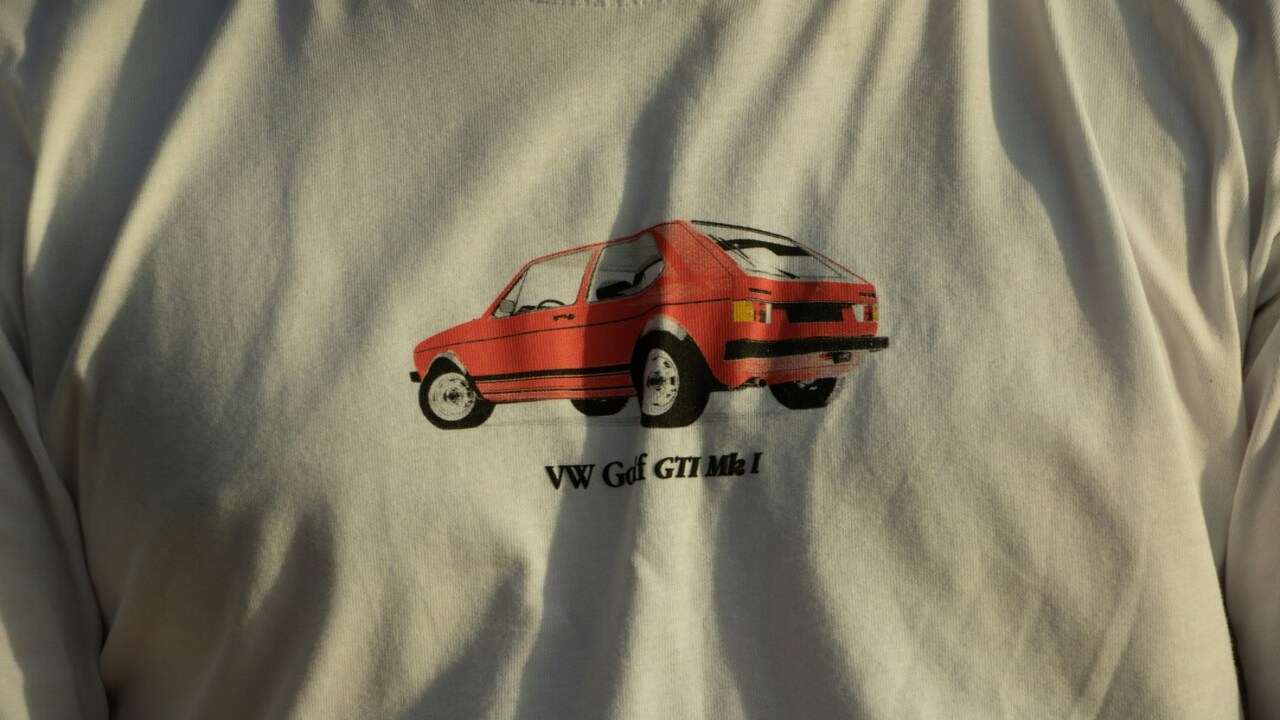
- Vintage revival graphics that reference the 90s and Y2K without cosplaying them
- Hand-drawn, imperfect illustration as a direct rebellion against AI-smooth art
- Anime and manga-adjacent work for communities that actually spend
- Pet designs that treat the dog like a family member, because the customer does
- Hyper-niche in-jokes: a design for nurses who lift outsells "gym people" by multiples, with a fraction of the audience
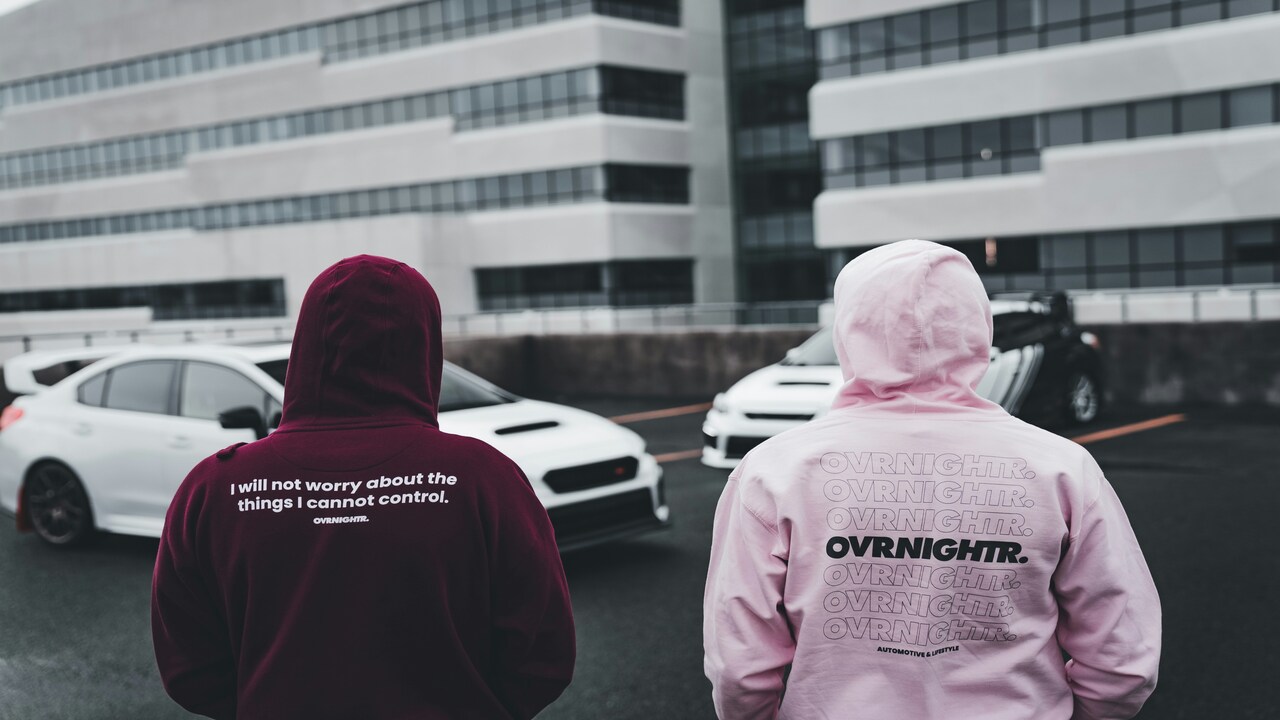
- Big back print, small front print, borrowed from skate brands and now everywhere
- Sleeve, side-seam, and neckline graphics that read as fashion branding, not merch
- Text-only typography sharp enough to screenshot ("Good Vibes Only" is over; the line that says "I'm one of you" to your niche is in)
- AI-generated surreal imagery used as a starting point, directed tightly and reworked until it can't be mistaken for anyone else's
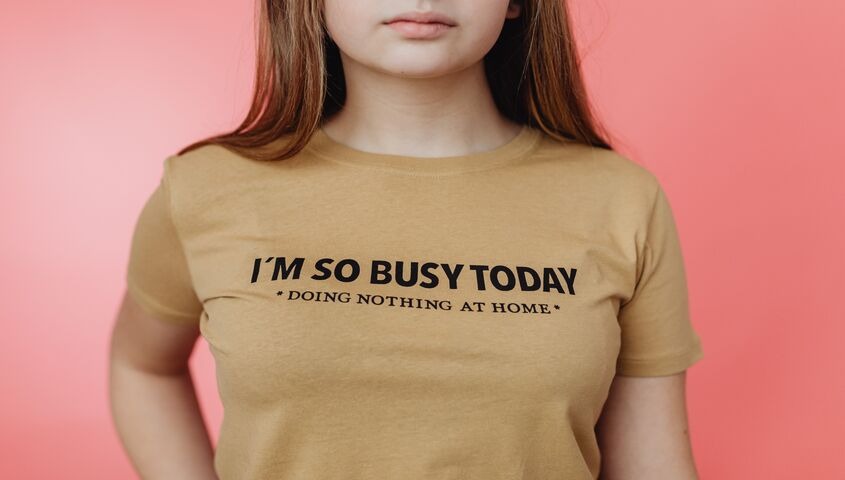
Design placement matters as much as the graphic. The same artwork reads differently at 12 inches centered on the chest and at 4 inches over the heart with the statement on the back, and 2026 buyers notice. The trending print-on-demand designs of the year all started as somebody's inside joke.
Marketing Strategy Trends for Print-on-Demand in 2026
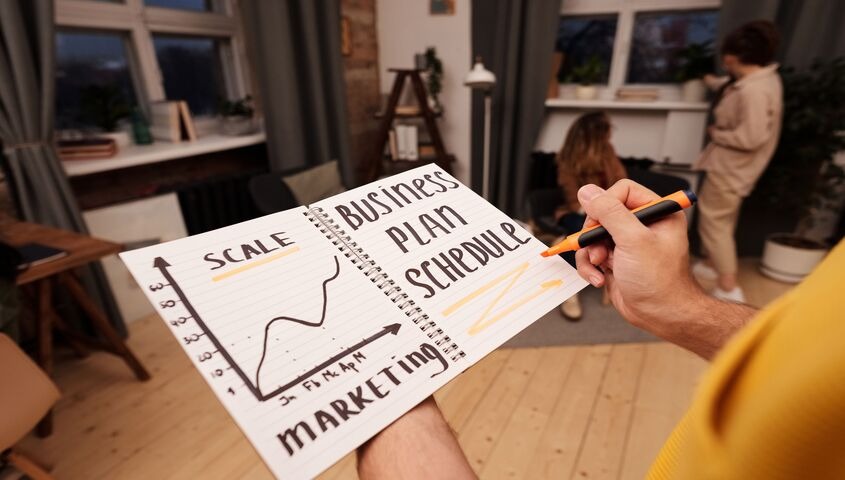
Three shifts, and all three favor small brands with taste over big stores with budgets.
Drops replaced catalogs
Limited editions get teased, sell out, and disappear. POD retires a design at no cost, so the scarcity is real, and every launch becomes an event your community announces for you.
Live and social selling went mainstream.
Social commerce took around 15% of holiday spending last year, led by short-form video and live try-ons. Clothes on bodies sell. Flat lays don't.
AI shopping assistants send qualified traffic.
Assistant-referred shoppers convert better because they arrive pre-compared. Clean product information, accurate sizing, real reviews, and plain product titles get you recommended.
Two quieter shifts:
- Owned channels beat rented ones. An email or SMS list is what separates brands that survive an algorithm change from brands that vanish with one.
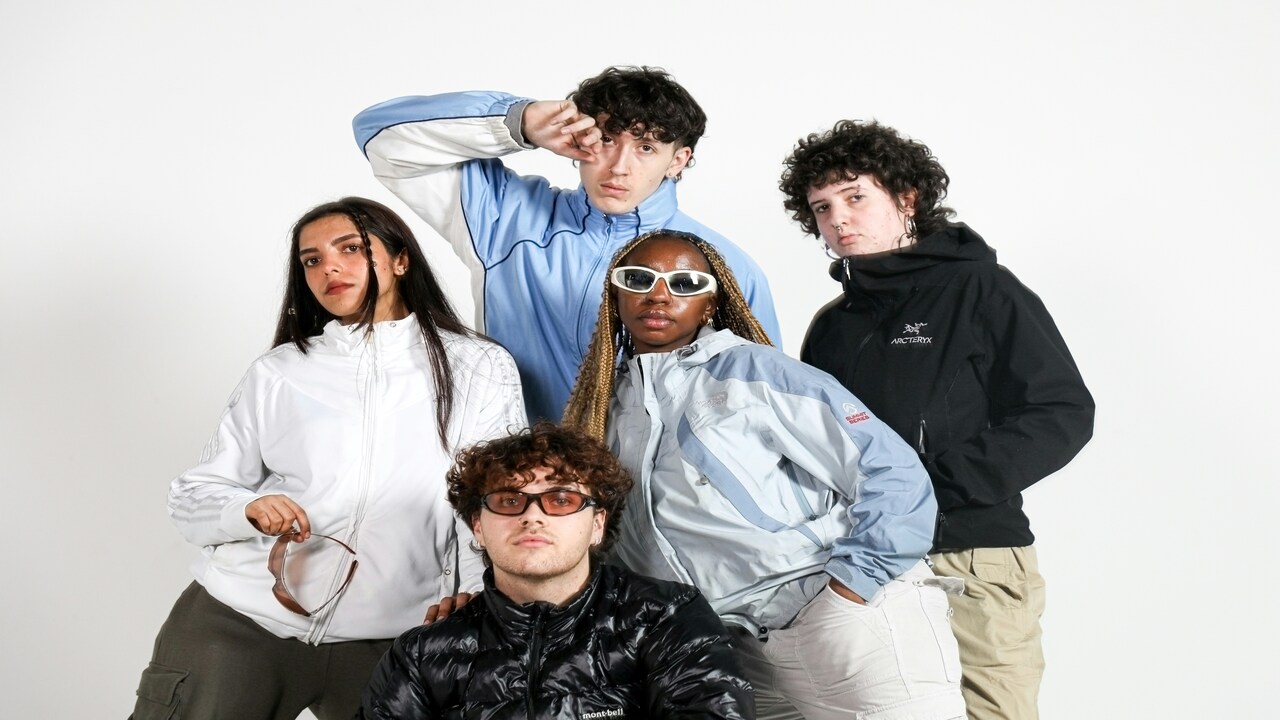
- Micro-influencer seeding beats big influencer spend. Ten people with 8,000 engaged followers in your exact niche, each wearing your piece, outperform one celebrity post at a fraction of the cost.
Customer content multiplies all of it. Tagged photos on product pages and fit-pic reposts build trust ads can't buy, because in a market where everyone can fake polish, proof from real bodies is the scarce asset.
Customer Behavior Trends for Print-on-Demand in 2026
Behavior is the layer of print-on-demand trends in 2026 most sellers skip, which is a mistake, because the 2026 buyer is harder to fool and easier to keep than any customer POD has ever had.
What the 2026 buyer brings to the checkout:
- They research before they arrive, often through an AI tool that already compared you to three competitors.
- They expect brand-level presentation from day one: branded labels, coherent feeds, packaging that doesn't scream fulfillment center.
- They care about quality they can feel, because they've been burned by thin merch before
- They reward specificity: a subculture, an aesthetic, a community in-joke.
When these buyers commit, they stay. Quality-first indie brands beat fast fashion on repeat purchases, and the 2026 customer buys less but better from brands they consider theirs.
Sustainability works the same way. Customers won't pay extra for it, but they won't reward waste either. Made-to-order prints only what sells, and brands that say so plainly, without greenwashing, earn quiet trust.
Those who say this openly and honestly rather than as part of a greenwashing tactic will win quiet customer trust.
Patience is the other shift. Buyers accept longer lead times if you're upfront about them. Surprise delays get punished. Honest timelines get rewarded.
How Tapstitch Helps You Stay Ahead of Print-on-Demand Trends for 2026
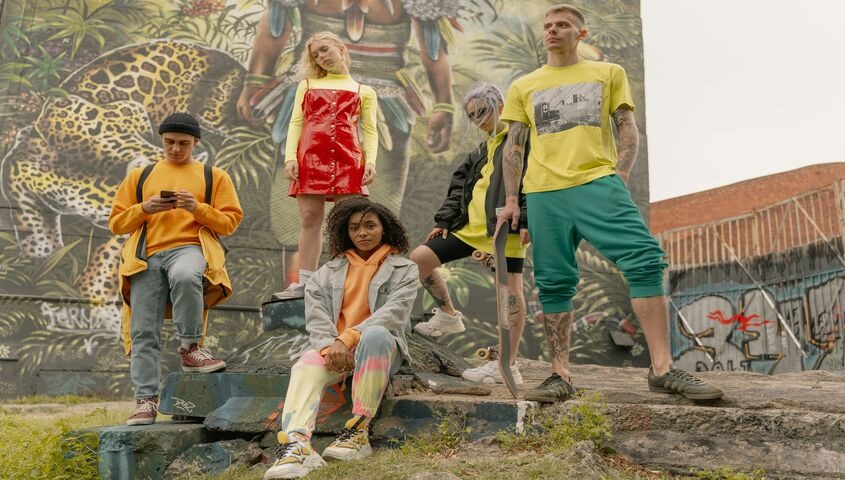
Every print-on-demand trend rests on one constraint: the garment has to be good, or the trend doesn't hold. That's what Tapstitch supplies. As a POD supplier, our catalog already carries the 2026 trends: heavyweight cotton, vintage finishes, boxy and oversized silhouettes, athleisure sets. No sourcing needed.
The drop model fits a print-on-demand supplier with no minimums and no inventory. A limited run costs nothing to launch or retire. Put a design up on Monday, read the numbers on Friday, keep what works.
The Tapstitch design tool keeps pace with how people create now, AI assistance included, so going from idea to printable custom apparel takes an evening, not a design degree. You bring the point of view. The infrastructure is our problem.
Putting it together for 2026:
- Pick the lane your audience already lives in
- Build a tight capsule on heavyweight blanks.
- Tease it like a drop.
- Launch with live content and seeded micro-influencers
- Let the order data pick your next move.
With a no-minimum catalog behind each step, being wrong is a lesson, not a cost. A POD business wins by being cheap to correct, not by calling the year right.
FAQs
Summing Up
Every one of the print-on-demand trends in 2026 points in the same direction: quality became non-negotiable, distinctiveness became the premium, and the infrastructure became invisible. Anyone can print a shirt now. Almost nobody can make someone want the shirt, wear the shirt, and come back for the next one.
Pay attention to fashion trends to design better clothing. Pay attention to design trends to have a more concrete perspective. Pay attention to marketing trends by doing drops and live marketing. But create something that fashion trends cannot provide for you: a recognizable brand.
.png)

.jpg)
.jpg)
.jpg)
.jpg)
.jpg)
.jpg)






.png)




.png)
.webp)

.jpg)






.jpg)

.jpg)

.png)
.jpg)


.jpg)
.jpg)



.jpg)
.jpg)
.jpg)
.jpg)
.jpg)
%20(1).jpg)
.png)

.png)


%20(1)%20(1).jpg)





.png)
.png)


.jpg)

.jpg)
.jpg)