




What Is Sorona Fabric? A Complete Guide to Apparel Made of Sorona


Anyone who's recently been shopping for activewear will have spotted the word Sorona on a fabric label. But what exactly is Sorona fabric, and why is it everywhere? The Sorona fiber is also DuPont's plant-based fiber, which combines the comfort and durability of a single fabric.
This guide breaks down what Sorona is, how it is produced, and why so many apparel brands now build collections around it. By the end, you will know if Sorona fabric belongs in your next clothing line.
What Is Sorona Fabric?
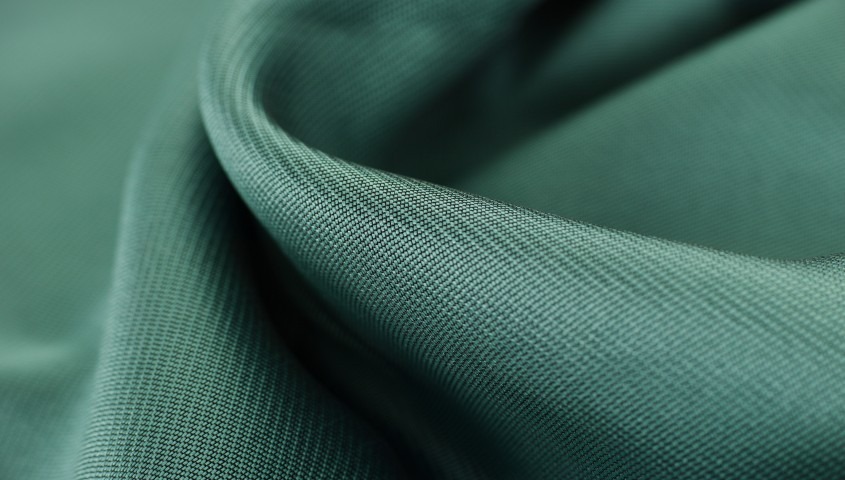
Sorona fabric is a performance fiber produced by DuPont. It is technically known as polytrimethylene terephthalate, or PTT for short.
Unlike fully synthetic fibers, Sorona contains a significant amount of plant-based material. Around 37% of the fiber comes from renewable resources, mainly glucose derived from corn, while the remaining portion uses petroleum-based ingredients to help maintain strength, durability, and affordability.
The result is a hybrid fabric. It has the softness expected from natural fibres and attributes of synthetic fibres such as strength and shape retention. That's why Sorona fabric has become so popular in clothing during the past decade.
Sorona may also appear under the generic fiber name Triexta, especially on carpet labels and technical specification sheets. Triexta refers to the broader category of PTT fibers, while Sorona is the brand name used for a specific PTT fiber. Understanding the difference can help when reading fabric labels or comparing materials from suppliers for a new apparel project.
What Is Sorona Made Of? The Science Behind the Fiber
Understanding what Sorona is made of helps explain why it performs so well. The process starts with corn or similar crops rich in natural sugar.
Here is a simple breakdown of the production process:
- Sugar or glucose is extracted from corn through a milling process.
- Microorganisms ferment the glucose into a compound called Bio PDO.
- Bio PDO is combined with a petroleum-based ingredient called terephthalic acid.
- The two ingredients bond at a molecular level to form the PTT polymer.
- The polymer is spun into fibers that become Sorona fabric.
It is a fermentation process analogous to the production of beer or yogurt, but in the case of textiles. This substitutes part of the chemical synthesis, thereby reducing the environmental impact of the fiber.
The molecular structure of Sorona has a natural zigzag shape, which gives the fiber its spring-like properties. This helps it stretch and recover its original shape, allowing the fabric to maintain its form instead of becoming loose or floppy over time.
A Short History of Sorona Fabric
Sorona is older than you might think. DuPont scientists first created the PTT polymer back in 1941. The process at that time could not be scaled up commercially due to high cost.
Nylon and polyester were less expensive to make, so PTT has been on the shelf for many years. Chemists had a sense that it could be useful. However, the raw materials were very expensive and were not economical for mass production.
DuPont revisited the polymer in the late 1990s. This time, fermentation technology made Bio PDO affordable. That breakthrough changed everything. A plant-based ingredient could finally replace part of the petroleum feedstock, without raising costs too much.
Sorona was officially launched in the early 2000s. Since then, it has branched out into fashion, activewear, home fabrics, and even car interior designs. It is also used in carpets, upholstery, and insulation for outdoor equipment today.
DuPont has continued refining the fiber over the past two decades. Newer versions like Sorona Aura and Sorona Revive target specific uses. These range from lightweight jacket fill to fabrics that resist sagging after repeated wear.
Key Properties and Benefits of Sorona Fabric

Why is Sorona fabric still the preferred choice for designers and manufacturers when it comes to apparel? The benefits go beyond sustainability.
- Softness: The fabric is smooth to the skin.
- Stretch and recovery: The fiber stretches easily and returns to its original shape.
- Washability: With repeated washing, it does not wrinkle or wear.
- Stain resistance: The fiber has an inherent resistance to most common stains.
- Color Retention: This fabric is excellent for color retention. Its colors don't fade out of the dye quickly.
- UV and chlorine resistance: It is a good option for swimwear and outdoor clothing.
- Lower energy use: Production of Sorona requires less energy than the traditional production of nylon.
These characteristics make Sorona fabric particularly suitable for activewear, outerwear, and everyday basics that are frequently washed.
Sorona vs Polyester and Other Fabrics
Many buyers compare Sorona to polyester since both belong to the same general fiber family. There are some clear differences worth knowing.
- Sorona contains renewable plant-based content, while standard polyester is fully petroleum-based.
- Sorona offers better natural stretch and recovery without added spandex.
- Sorona generally feels softer against the skin than standard polyester.
- Polyester production typically uses more energy and releases more emissions.
- The durability and ease of care of Sorona and polyester are similar.
Only thirty percent less energy is required in its production, and much lower greenhouse gas emissions are generated than when producing nylon.
Sorona vs Cotton
Cotton is 100% plant-based; Sorona is a combination of plant-based and synthetic fibers. Cotton is good at breathing and is not very easy to wrinkle, but it may shrink after washing. Sorona remains taut and wrinkle-free over time. However, cotton still wins on being completely biodegradable, which Sorona cannot fully claim.
Sorona vs Spandex
There are many types of fabrics that have spandex because of its stretch properties. Sorona is sufficient to stretch and recover on its own, so sometimes brands can go without spandex. That's important in the recycling woes because spandex blends are tougher to recycle than single-fiber fabrics.
Common Uses of Sorona in Apparel
- The material's versatility makes it suitable for various types of clothing, such as garments for outdoor activities, sports, and seasonal wear.
- It is used in Activewear like leggings
- It is used in outer garments such as jackets.
- It is used in Swimwear that needs stretch along with chlorine resistance
- It is used in Basic items such as T-shirts
- It is also used in fabrics and materials for use in the home, including bedding.
This fabric is popular for sportswear brands as it offers moisture absorption and fast drying. Outdoor brands love it because it can withstand the elements such as rain and sun. Accessories manufacturers also rely on sorona blends for bags and shoe linings, due to the fiber's high resistance to abrasion.
Many well-known apparel companies have already added sorona into their supply chains. That growing adoption explains why shoppers now recognize the name on a fabric tag. Most still cannot fully explain what Sorona fabric is off the top of their head.
Is Sorona Fabric Sustainable?
Sustainability is one of the biggest reasons Sorona fabric keeps gaining attention. It is not a perfect, fully natural fiber, but it does offer real environmental advantages over standard synthetics.
Here is what makes Sorona become a sustainable fabric:
- It reduces dependence on petroleum through plant-based content.
- Production uses less energy compared to nylon manufacturing.
- The fermentation process cuts down on certain chemical inputs.
- Sorona fabrics can enter existing polyester recycling streams.
That said, Sorona is still a blended fiber, not one hundred percent biodegradable. Brands wanting a genuinely lower-impact material often see it differently. They treat it as a middle ground between traditional polyester and fully natural fibers like organic cotton.
It is important to note that no single fabric addresses all sustainability issues. Corn still needs water, land and fertilizer. The fermentation process is cleaner than pure chemical synthesis, but it is not impact-free.
When constructing a sustainability narrative, it is better to be honest than perfect. The fact that Sorona is a genuine improvement over normal synthetics is something that needs to be communicated clearly to customers without going over the top.
Want to build a product line with a genuine sustainability story? Explore Tapstitch's fabric and print options and start designing apparel your customers can feel good about.
Where to Buy Sorona Fabric or Products
Sorona fabric shows up in two main ways for buyers. You can purchase the fabric by the yard from certified mills, or you can buy finished garments made from Sorona blends. Fabric samples are sent to DuPont for testing, and the results are used to validate the actual percentage of Sorona before a label is used.
When ordering sorona for new product development, brands must always obtain test reports from suppliers, not just marketing information. This will help to shield the brand and its consumers from mislabeled fabric.
How to Care for Sorona Fabric
One reason people love sorona apparel is how easy it is to maintain. Proper care simply helps the fabric last even longer.
Drying at high heat may not have an impact on the fiber's stretch, so avoid high heat.
Don't use fabric softeners to avoid lower moisture-wicking abilities.
If the wrinkles show, use a low setting when ironing.
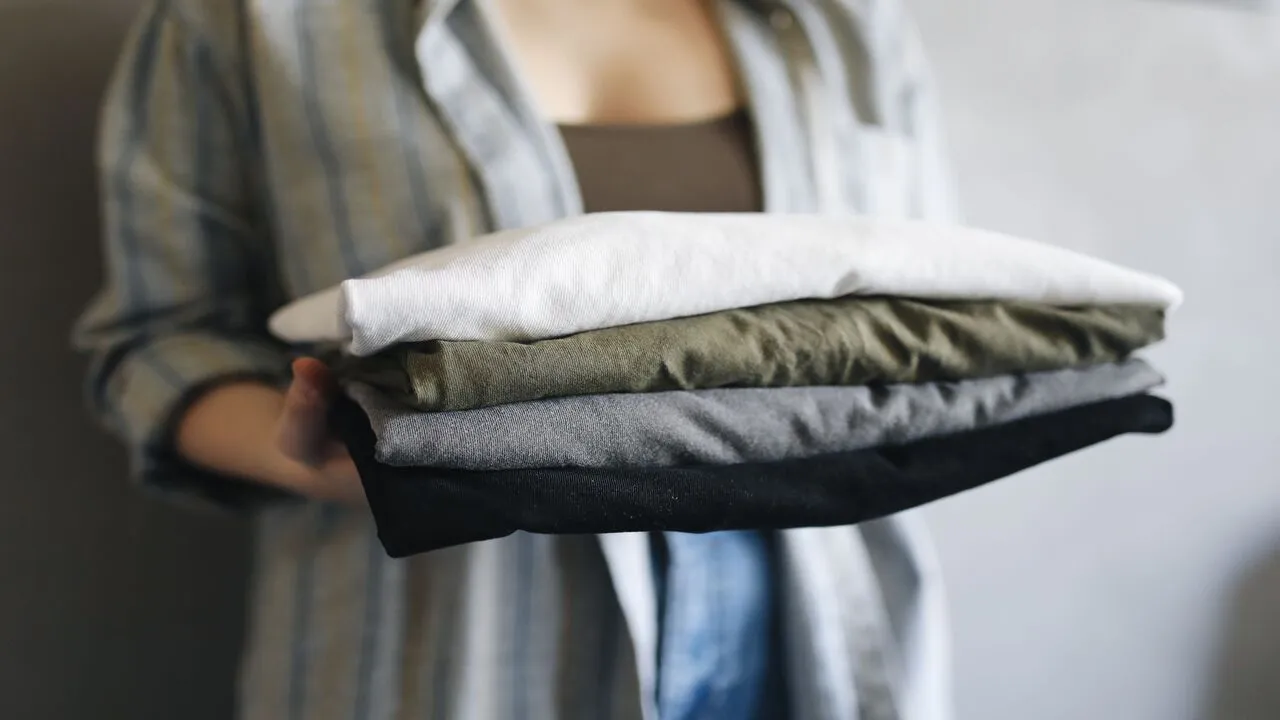
Store folded rather than hung to help maintain shape over time.
This fabric is naturally wrinkle- and stain-resistant, which means it requires significantly less care than many of the other fabrics.

Pros and Cons of Sorona Fabric
Like any material, sorona fabric comes with tradeoffs worth understanding before building a collection around it.
Pros:
- Soft, comfortable feel similar to natural fibers
- Strong stretch and shape recovery without spandex
- Resistant to stains, UV rays, and chlorine damage
- Lower environmental footprint than standard polyester or nylon
- Easy to care for and long-lasting
Cons:
- Not fully biodegradable or completely plant-based
- Can cost more than standard polyester fabric
- Sourcing corn-based glucose still relies on agricultural land use
- Limited availability compared to more common fabric types
Weighing these pros and cons helps brands decide if Sorona fits their product goals and budget.
Already weighing your fabric options? See how Sorona compares to other materials in more detail and get inspired for your next drop. Read the Full Sorona Guide
Why Brands Choose Sorona for Apparel
Fabrics that deliver comfort, performance and responsibility are always in demand. Sorona fits most of those criteria.
Today customers are asking more questions about the origin of their clothing. A plant based fabric with lower carbon footprint provides brands with a true sustainability narrative instead of just a marketing tag.
Sorona has been doing a good job in the categories including leggings, jackets and regular tee shirts. This versatility allows smaller brands to work more easily toward creating a unified line with a single reliable fabric.
Small and mid sized brands especially benefit from sorona. It lets them offer performance features without a huge budget for research and testing. The fiber already comes with proven stretch, softness, and stain resistance built in. Designers can focus on fit and style instead of reinventing fabric technology from scratch.
Retailers are also paying attention. Shelf tags that mention plant based content or lower emissions can influence a buying decision. This matters especially among younger shoppers who research materials before checking out. Sorona gives brands a real story backed by chemistry, not just clever marketing language.
If you are exploring fabric options for a new apparel line, learning what Sorona fabric is and how it fits your designs is a smart first step.
Final Thoughts
So what is sorona fabric, in simple terms? A smart hybrid fiber that combines the content of plants with the proven performance of synthetic fibers. It is long-lasting, resistant to stains, color-fast and truly soft on skin.
For apparel brands, sorona provides an effective solution to enhance their sustainability statements without compromising on comfort or durability. From activewear to outerwear and everyday essentials consider sorona fabric.
The selection of appropriate fabric defines the look, functionality, and marketability of a garment. The Sorona ticks off the boxes that are most important to today's consumers, such as comfort, durability, and a reduced environmental impact. Combined with a design partner and production partner, the combination of these fabrics is designed to make launching a new line much less overwhelming.