



What Is Branded Dropshipping and How to Get Started


Regular dropshipping didn't get its bad rep from nowhere. Too many stores selling identical products from the same supplier catalogs, with three-week shipping and nothing a customer would remember, until sellers figured out the fix: having something that was theirs.
So, what is branded dropshipping? Dropshipping is the concept where the product becomes your entire identity. This guide will talk about what branded dropshipping is, how it works, and its differences from conventional dropshipping, and we'll teach you how to set up your own within a week.
What Is Branded Dropshipping?
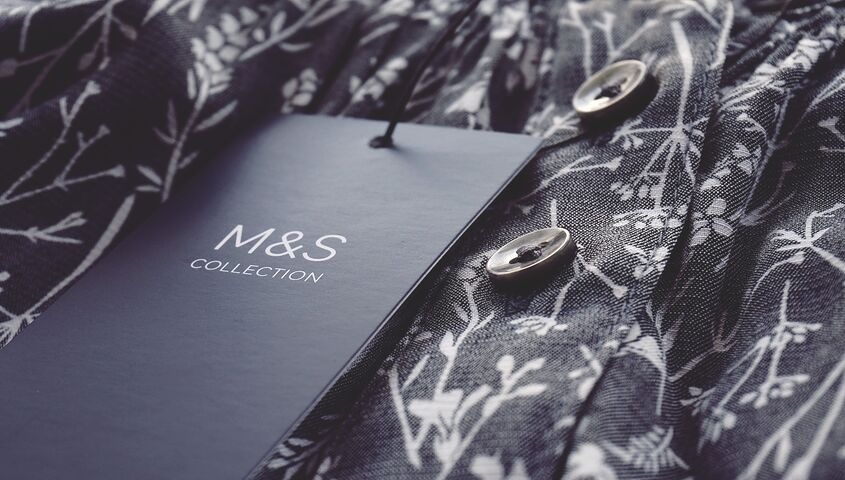
Branded dropshipping is a method of fulfillment in which someone else produces and ships your products, the same way normal dropshipping does. The difference is that the product carries your brand by the time it ships anywhere. That branding runs on a spectrum:
- Light: the supplier adds your logo sticker to the box and calls it done.
- Middle: your name goes on a printed label or a custom packing slip.
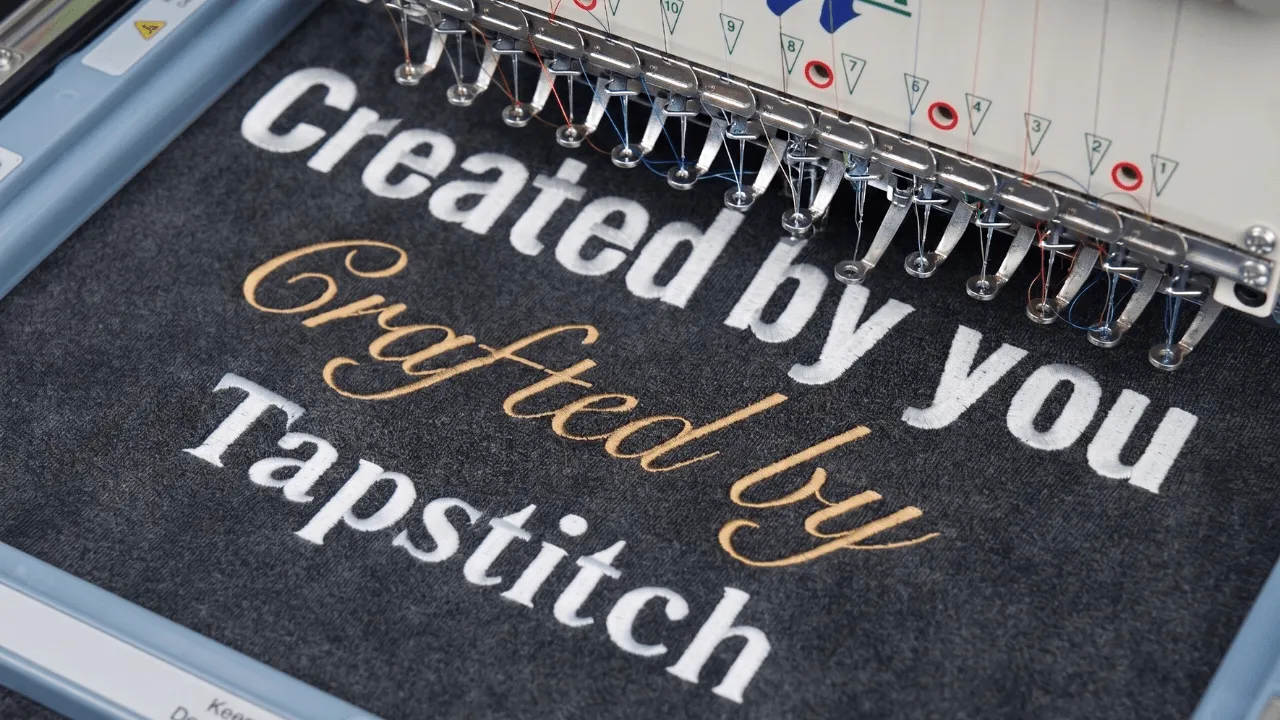
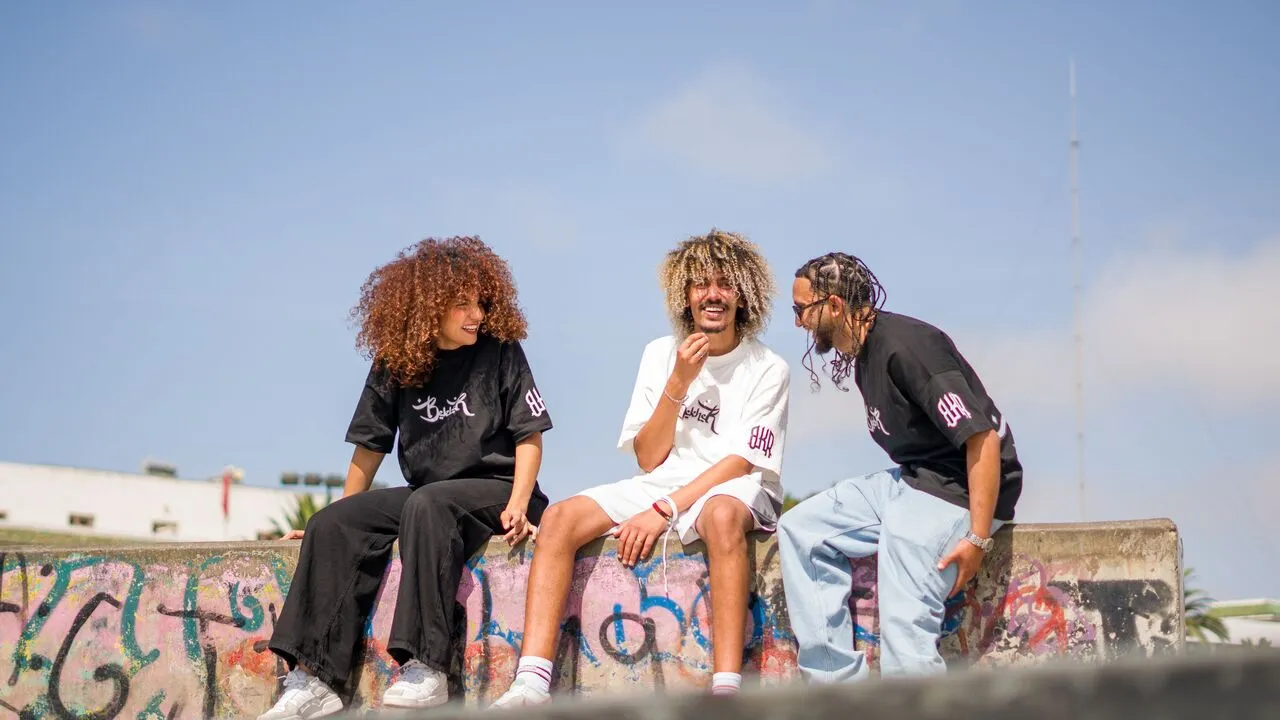
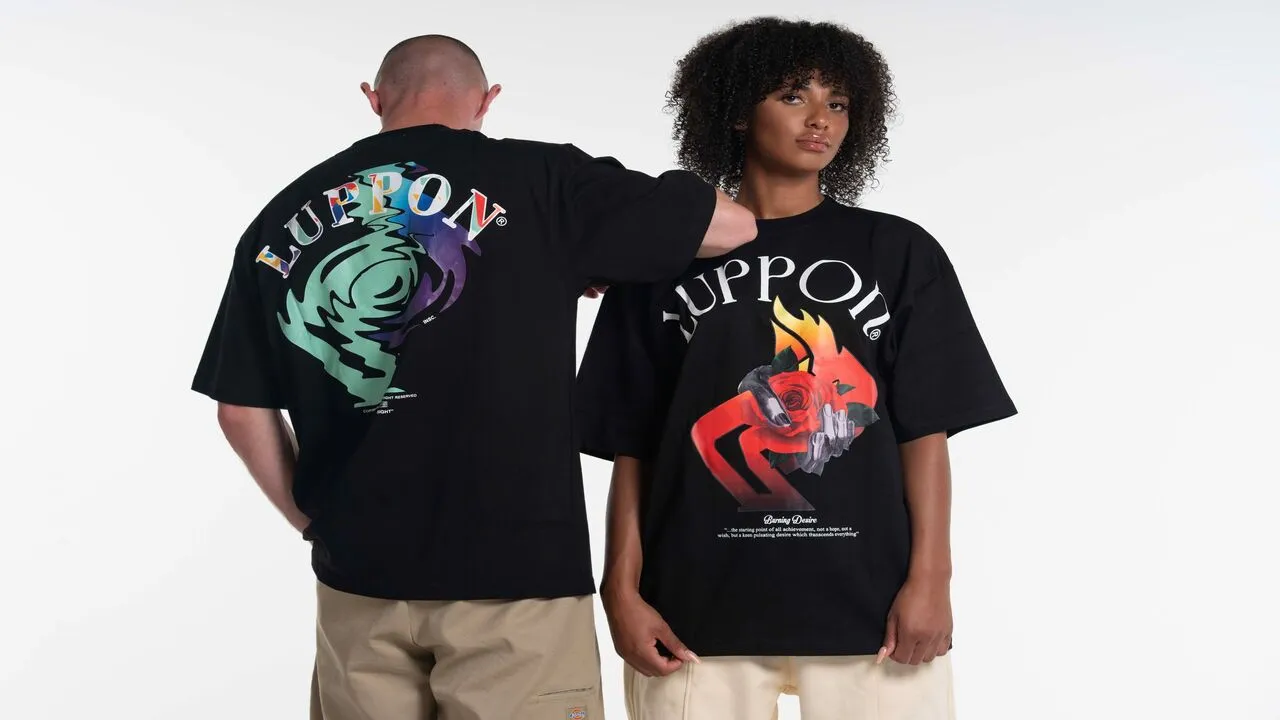
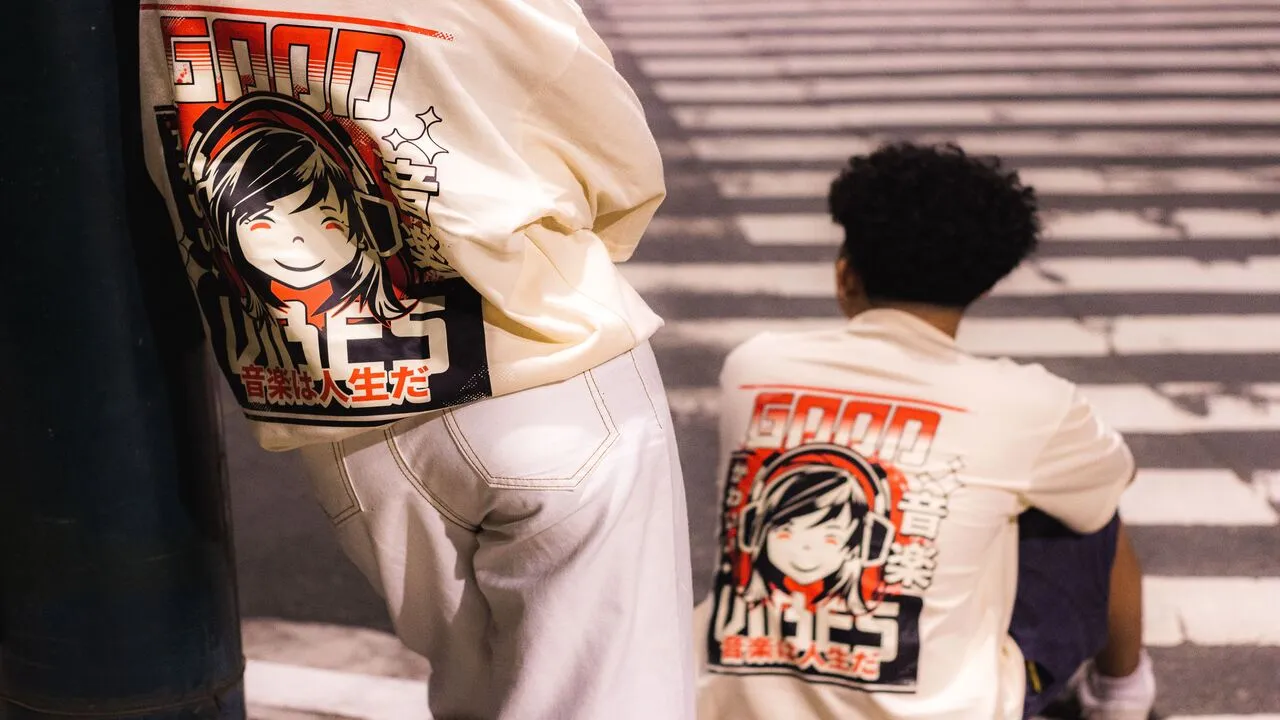
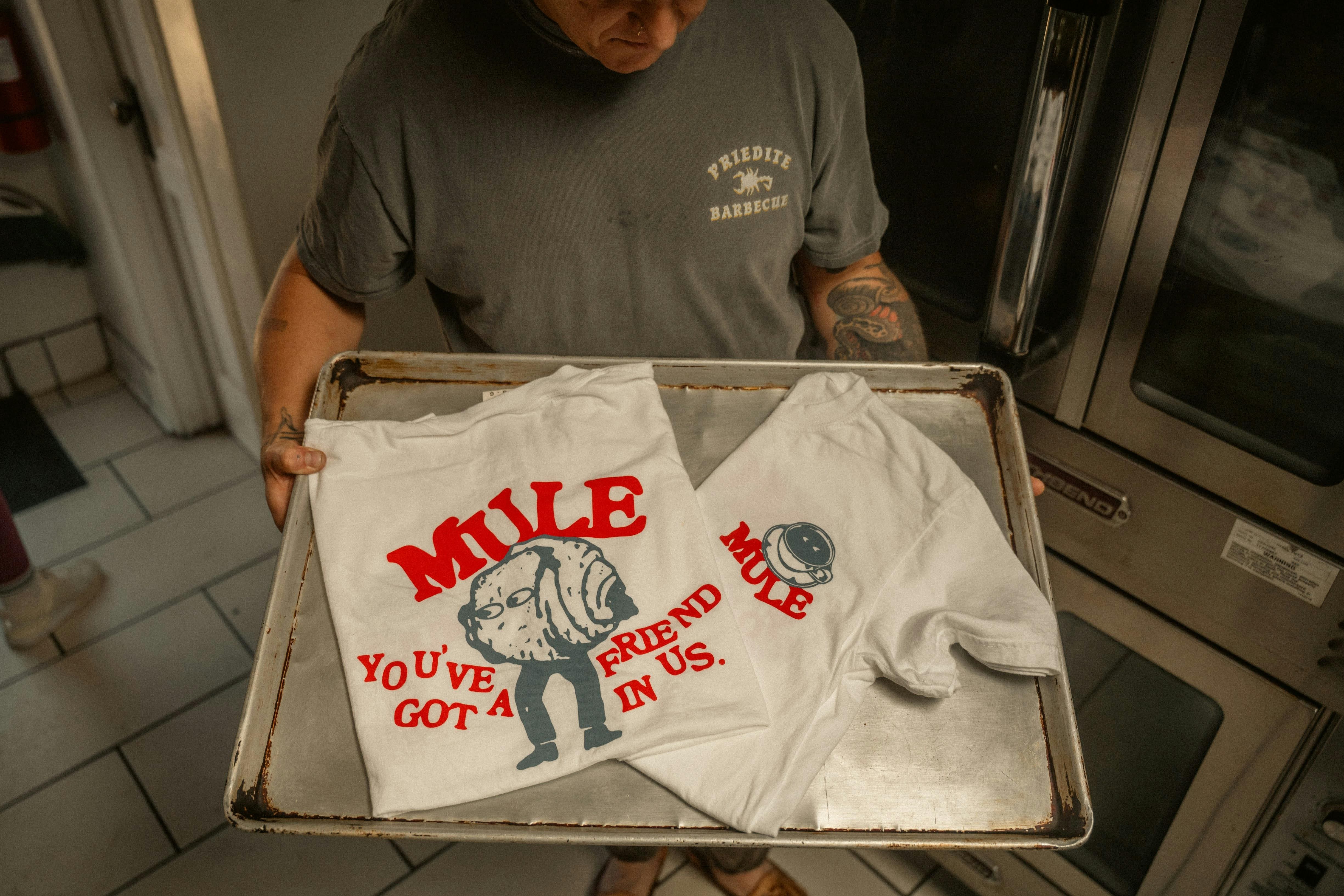
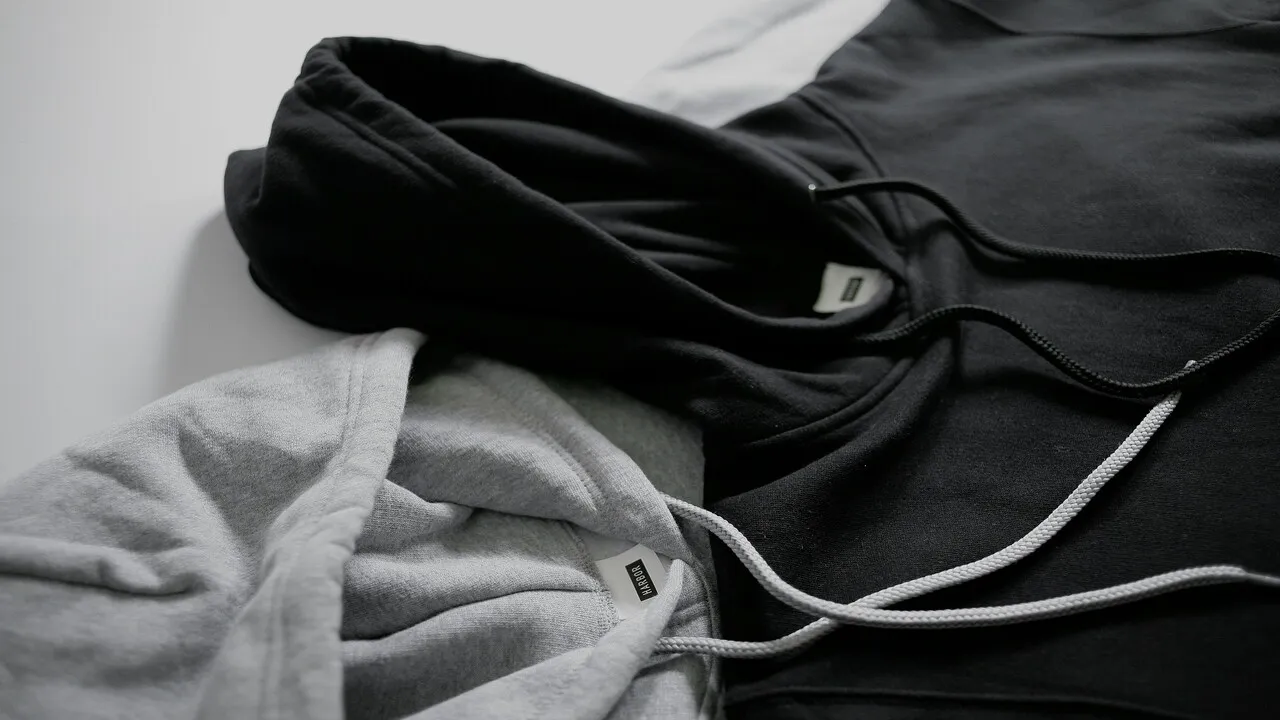
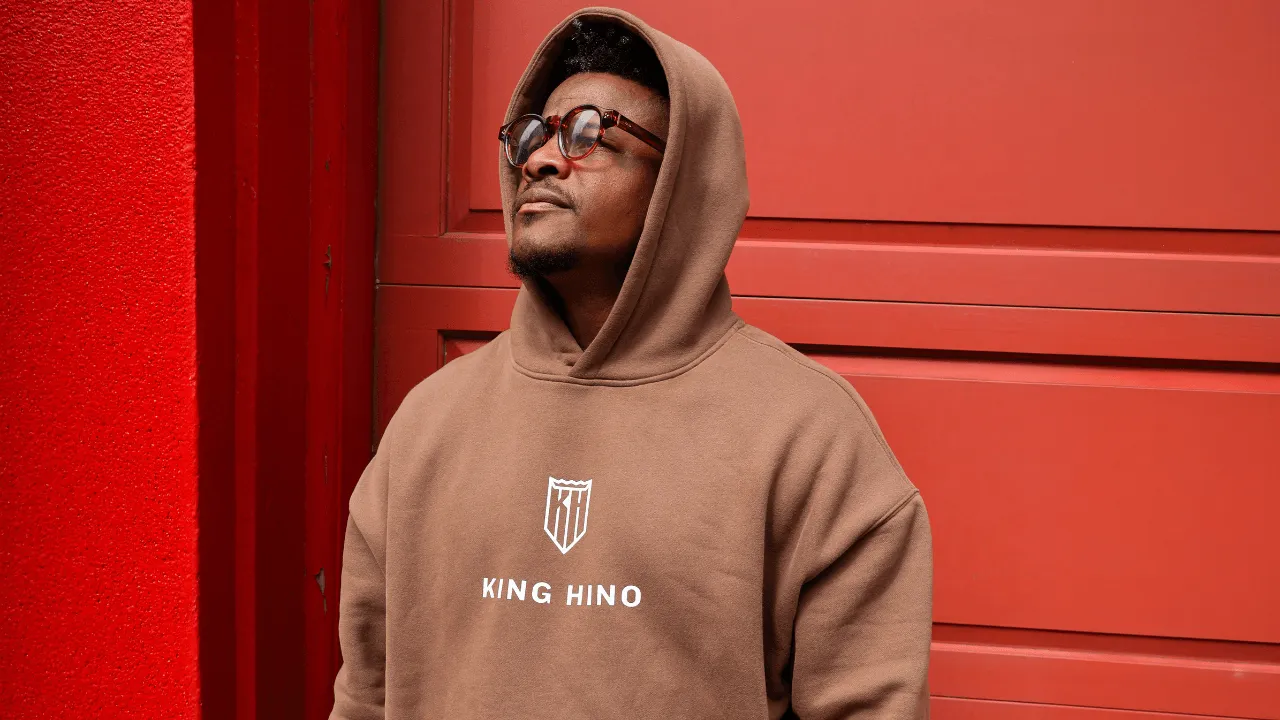
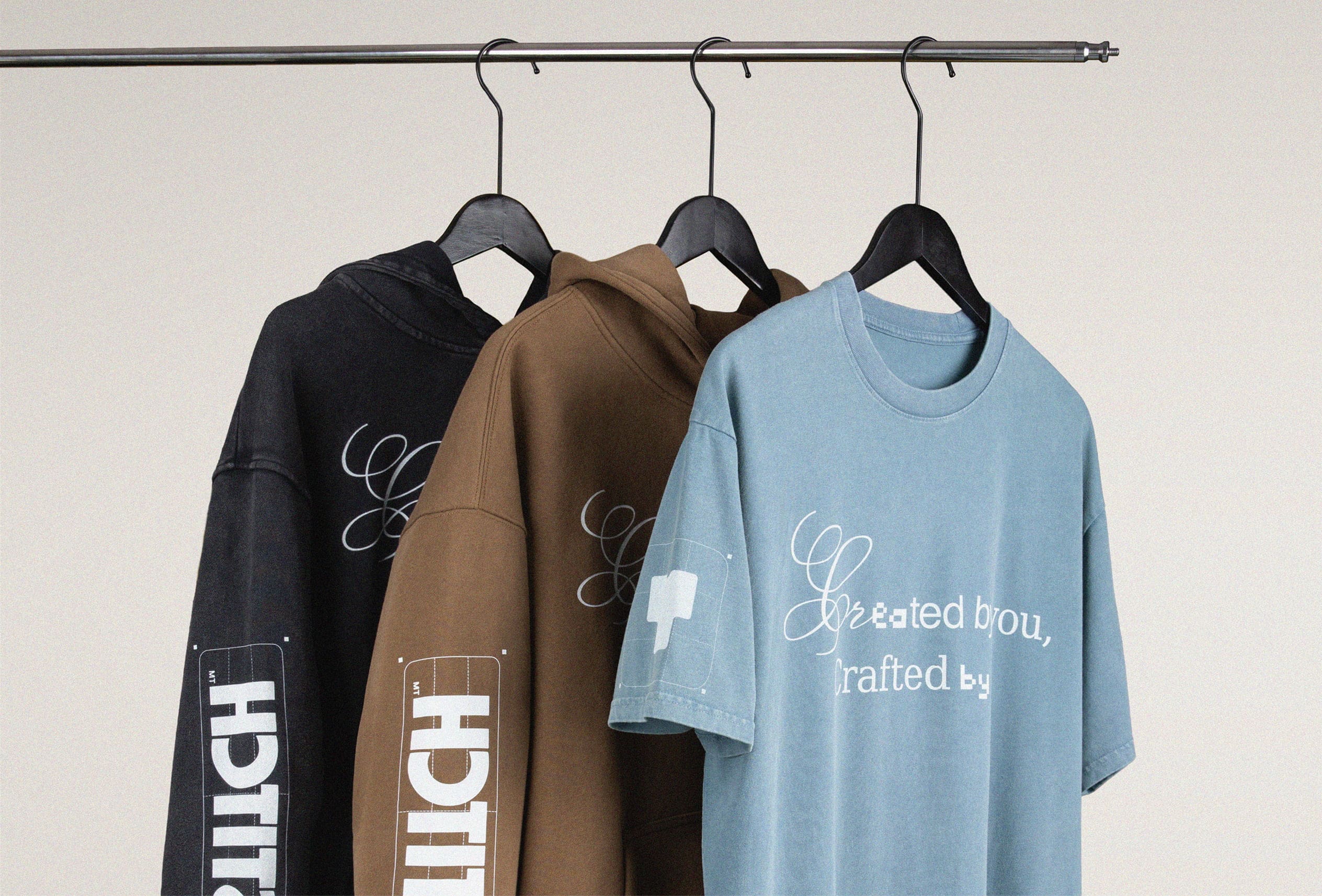
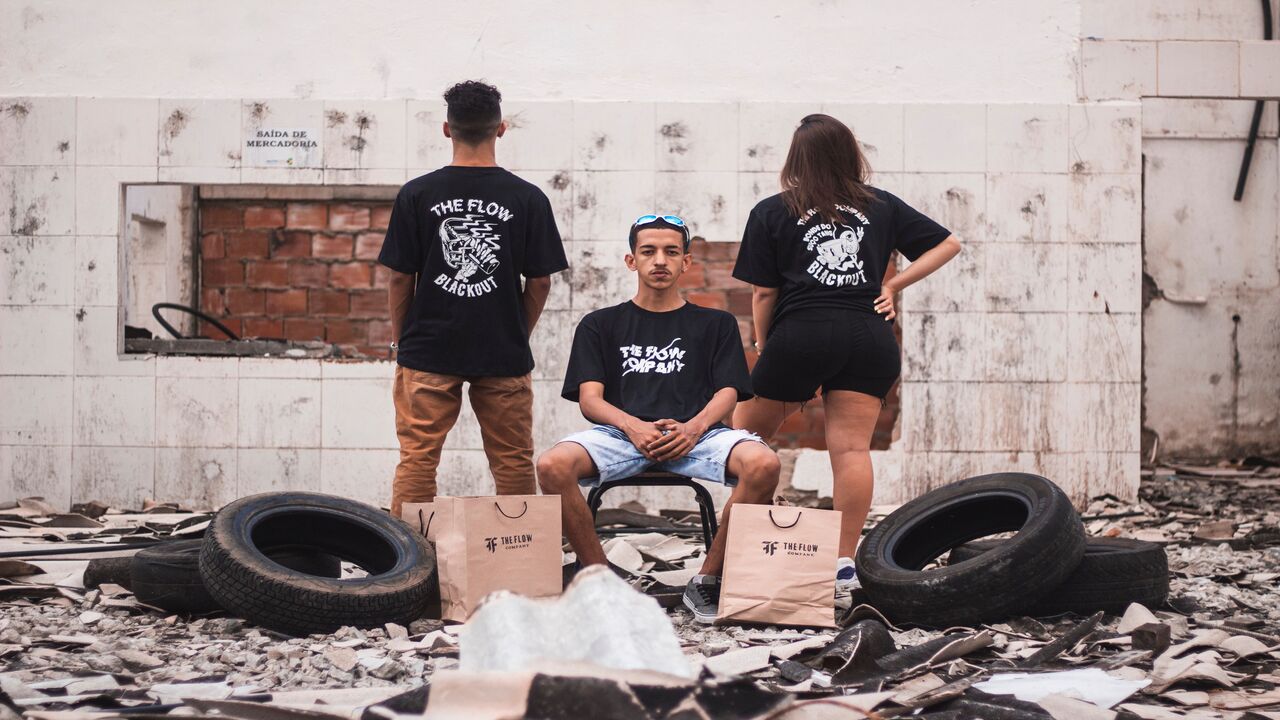
- Full: the product itself is yours. Your design on the piece, your label sewn into the collar, your insert in the bag.
The further along that line you sit, the less the customer can tell you ever used a supplier at all.
Why does that matter? Mostly because of what the customer remembers afterward. A random store sends your item in a plain gray polybag with no personality and no name. A branded product looks like it came from an actual brand, because in a practical way, it did. The economics underneath are identical, no inventory either way. The impression left on the person opening the box is not.
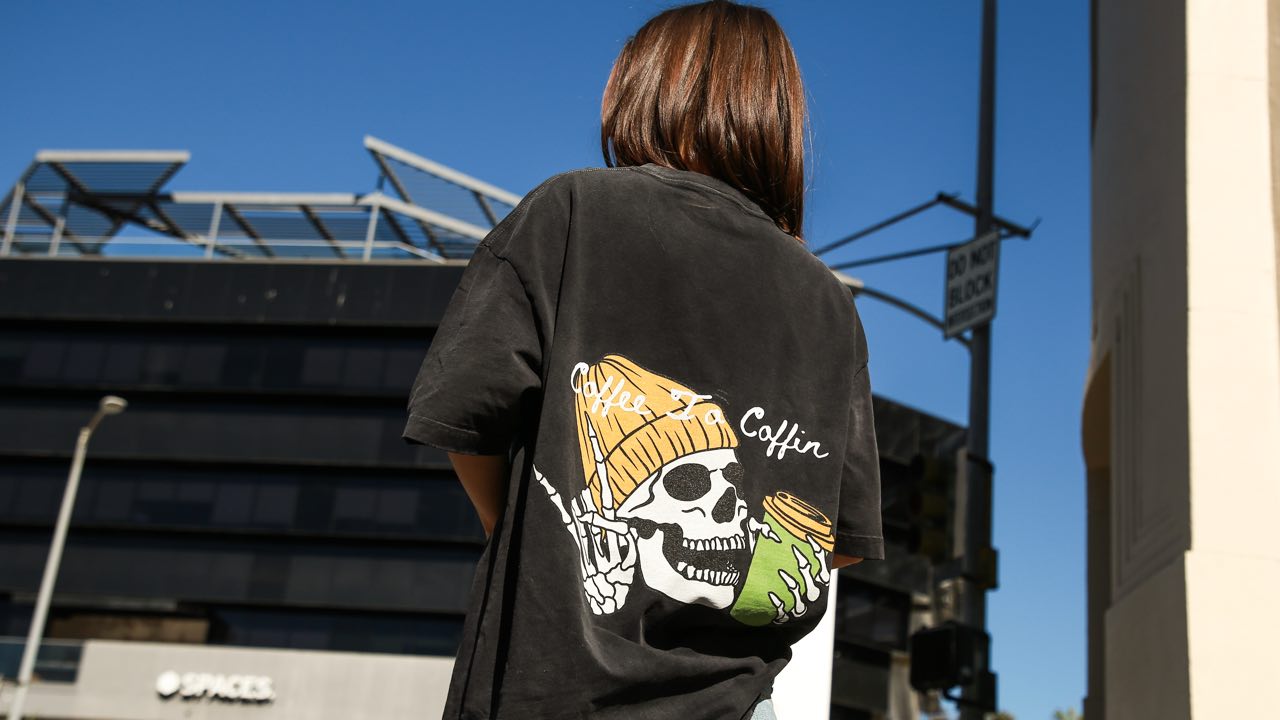
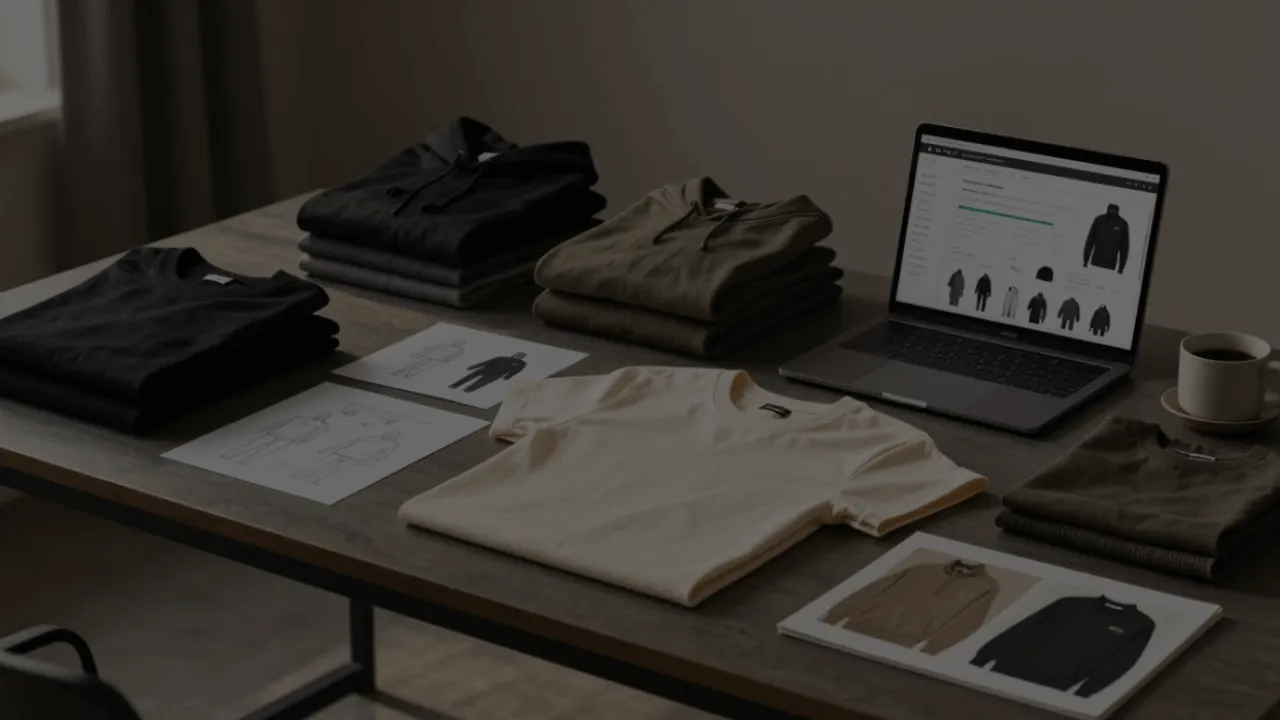
Print-on-demand is the easiest route for fashion, and it's the version we run. The product is customized and branded the moment someone buys it, so branding isn't a separate service. It's how the product gets made.
How to Start a Branded Dropshipping Business?
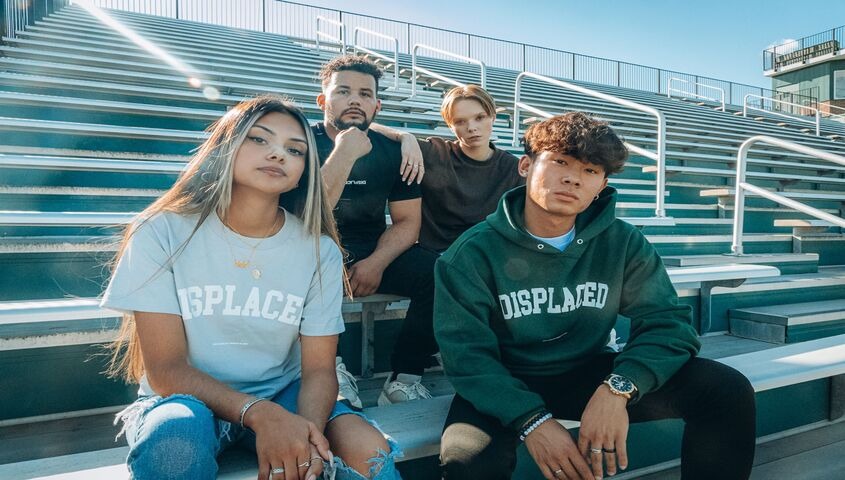
Setup takes an afternoon or two spread over a week. Most of the real effort is thinking, not clicking, which surprises people.
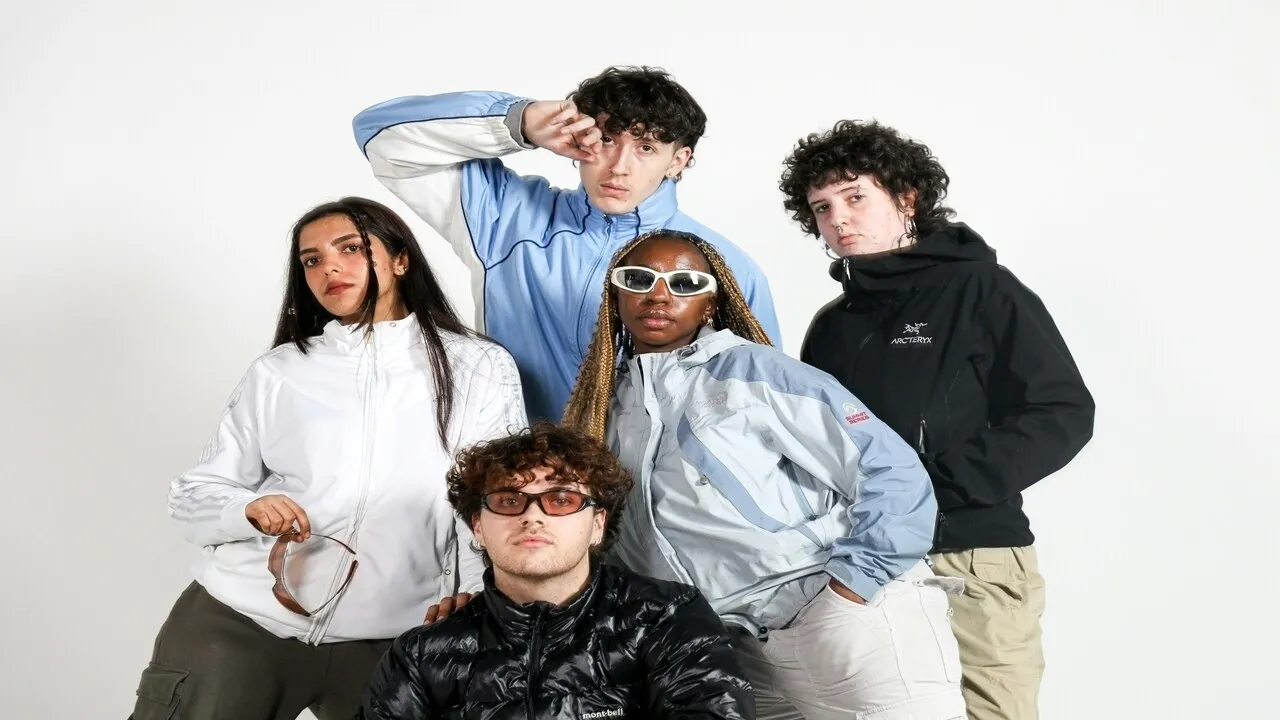
Pick what kind of person you think will buy your products, and market to them. One specific person: what they wear, what they scroll past, what they'd screenshot for a friend. Generic stores tend to die of their own genericness, and the whole advantage of a brand is that you no longer have to be for everyone.
Read more: 17 Best Dropshipping Products to Make High Profit in 2025
Create the identity before the catalog. A name, logo, your brand's colors, and a viewpoint that causes someone either to bounce off your store or stick to it. Both are useful responses. The brand nobody hates is probably a brand that nobody will remember either.
Choose the production partner carefully. The dropshipping platform and supplier that you choose to partner with will be your quality ceiling. Consider the weight of the clothing, the cutting process, branding that will be incorporated, and time required for manufacturing.
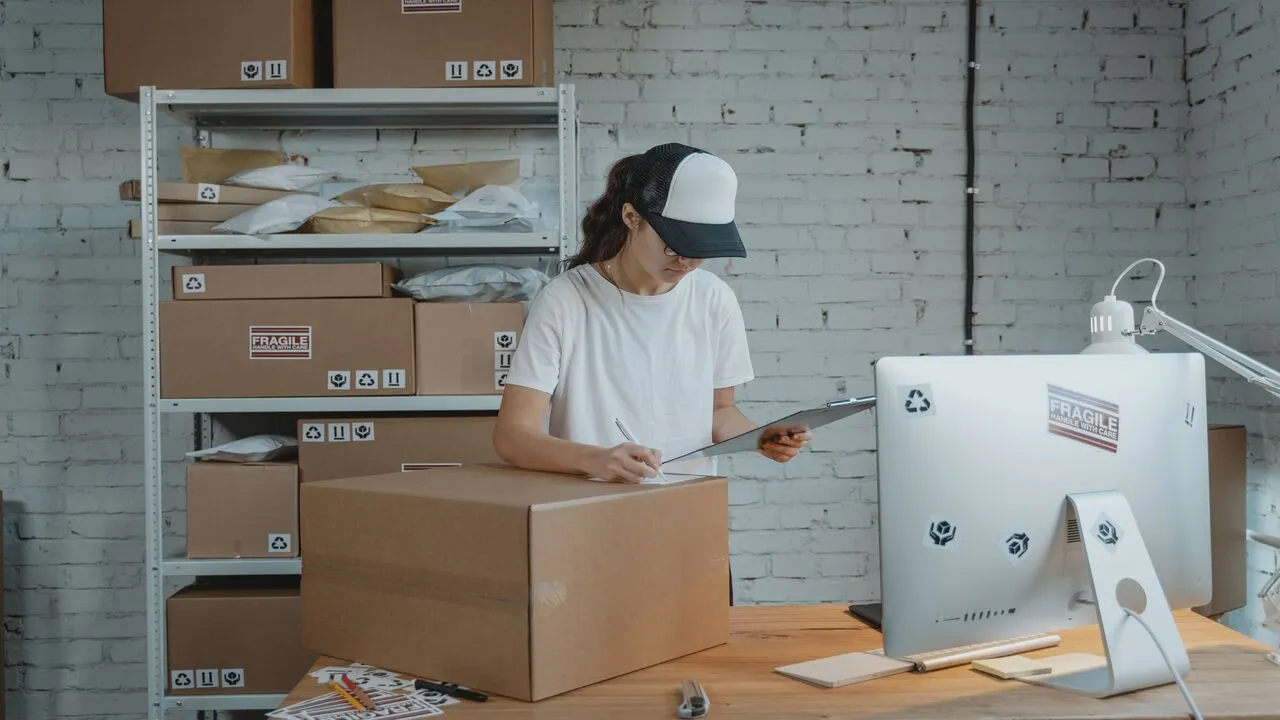
Design the moments, not just the artwork. The neck tag, the hang tag, the insert in the package. It sounds minor written down, but those small pieces carry most of the difference between merch and fashion. Order samples before anything goes live. One of each piece, in your own size. Wash them, wear them, photograph them. A brand that has never touched its own product is guessing about the one thing customers will judge first.
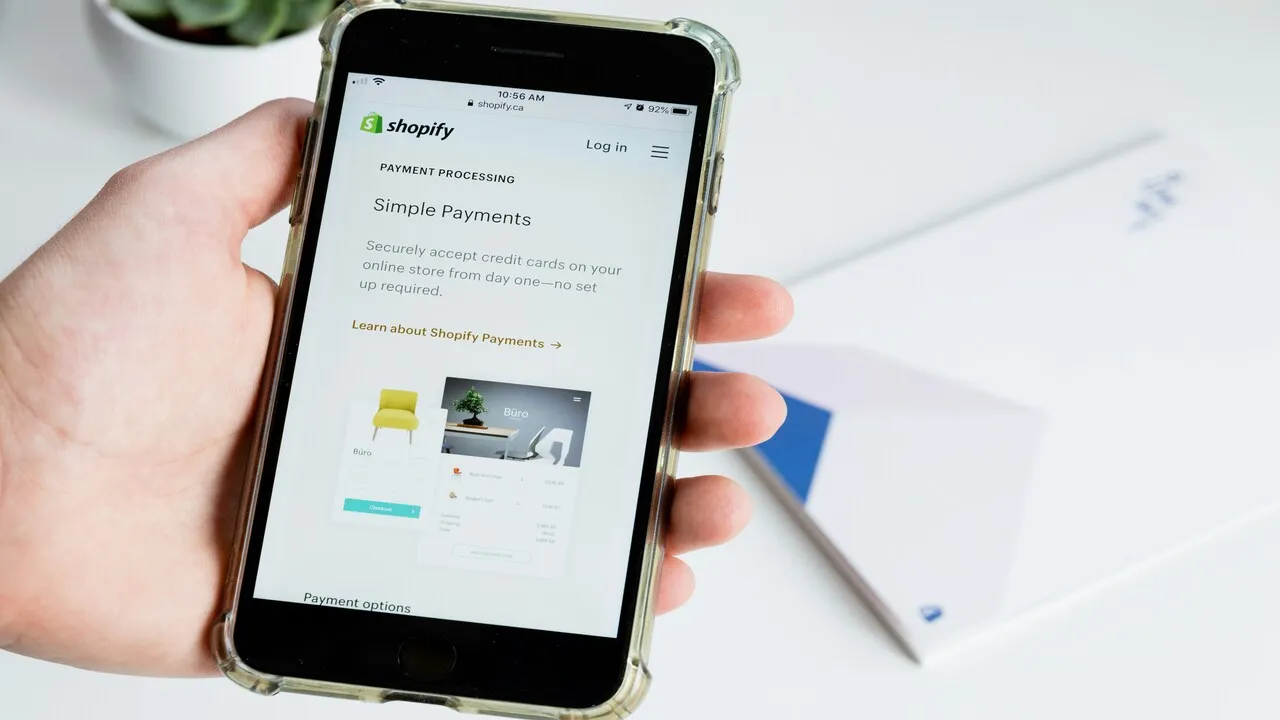
Open the shop and connect your pipelines. Shopify, Wix, Squarespace, or Etsy if you want to begin with a marketplace. As soon as they are connected, orders go straight into production, and your daily routine becomes branding and not logistics.
Don't just upload images passively. Instead, make it a drop. A date, a teaser, and a small, intentional collection. Five images that you really believe in; photograph them like a collection. Thirty images that you don't feel as strongly about, photograph them like a garage sale.
Differences Between Branded Dropshipping and Traditional Dropshipping

The two models share most of their skeleton, and nearly every difference traces back to one question: whose product is it?
The product belongs to you, or to a catalog.
Traditional dropshipping sells off a supplier's list. Any store can list the same item tomorrow, from the same photo, at whatever price they like. In brand dropshipping, the design is yours, so there is nothing identical for a buyer to find and nothing for a competitor to clone in an afternoon.
You compete on identity, or on price.
When four hundred stores sell one product, the only lever left is being cheaper. Margins fall, the winner gets undercut, and the cycle restarts. A branded product removes the comparison. The price holds at whatever the quality of the piece and the strength of the label can support.
The customer remembers you, or the item.
Someone who buys a generic phone mount remembers the phone mount. Someone who buys a piece with your name in the collar remembers you, because part of the answer to "where did you get that" is sewn into the garment. Repeat business stops being a rounding error.
The box says something, or it doesn't
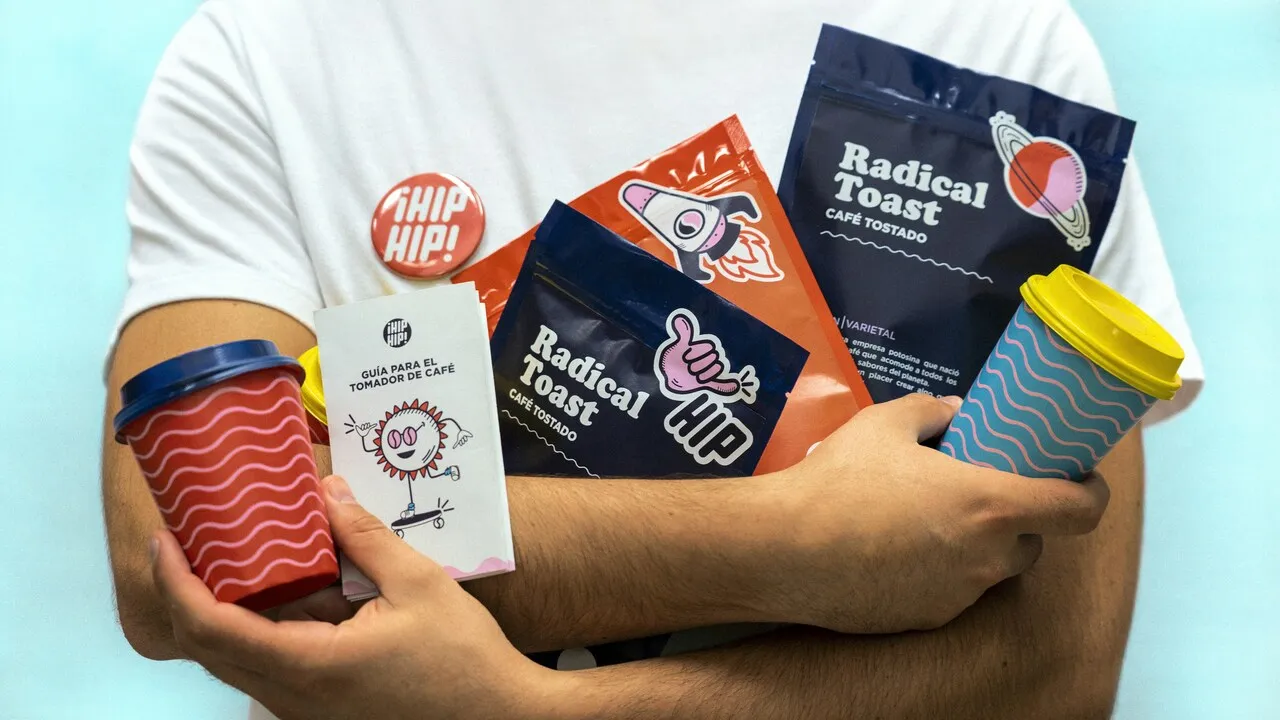
A gray polybag with a supplier's packing slip is the entire unboxing experience of traditional dropshipping. The branded version arrives with your hang tag, your insert, your label. Same logistics underneath, very different first ten seconds for the person opening it.
Your day is product research or design.
Traditional dropshipping is a research-and-ads job: find a product that's moving, list it, test creatives, move on when it fades. Branding dropshipping is a design-and-community job: build the pieces, find the niche, keep the drops coming. Neither is easier. They just reward different people.
You earn fast and flat, or slow and compounding.
The true trade-off: the brand route asks you to make something before you earn from it, and the early weeks are quiet while your dropshipping niche finds you. Traditional dropshipping skips that pre-work and can produce a sale on day one. It also skips everything that would make the sale on day 300 any easier, which is why the price war never ends.
Why Branded Dropshipping Matters in 2026?
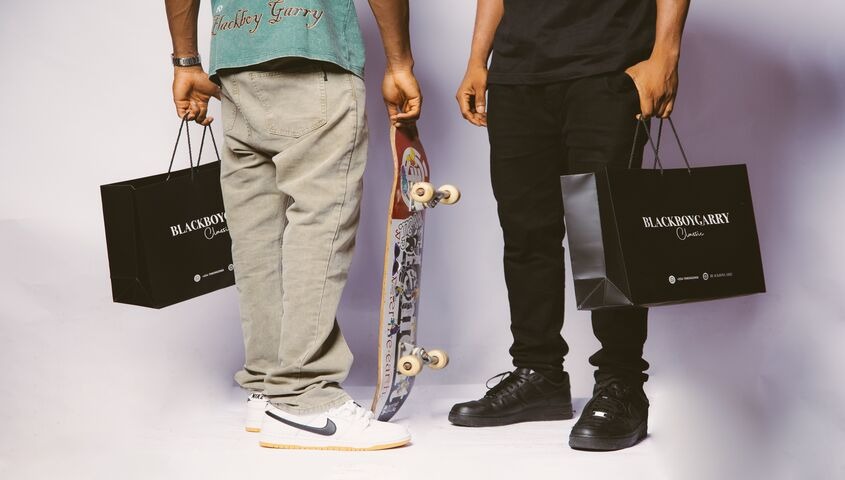
Some shifts occurred separately, but collectively they made the branded one appear to be the bare minimum, as opposed to just one of many options.
- Buyers are a lot more savvy. Most people have received enough gray-bag packages to spot the generic model at a glance, and they've gotten comfortable paying more for things that feel intentional. Presentation used to be a nice extra. Now it reads instantly through a phone screen.
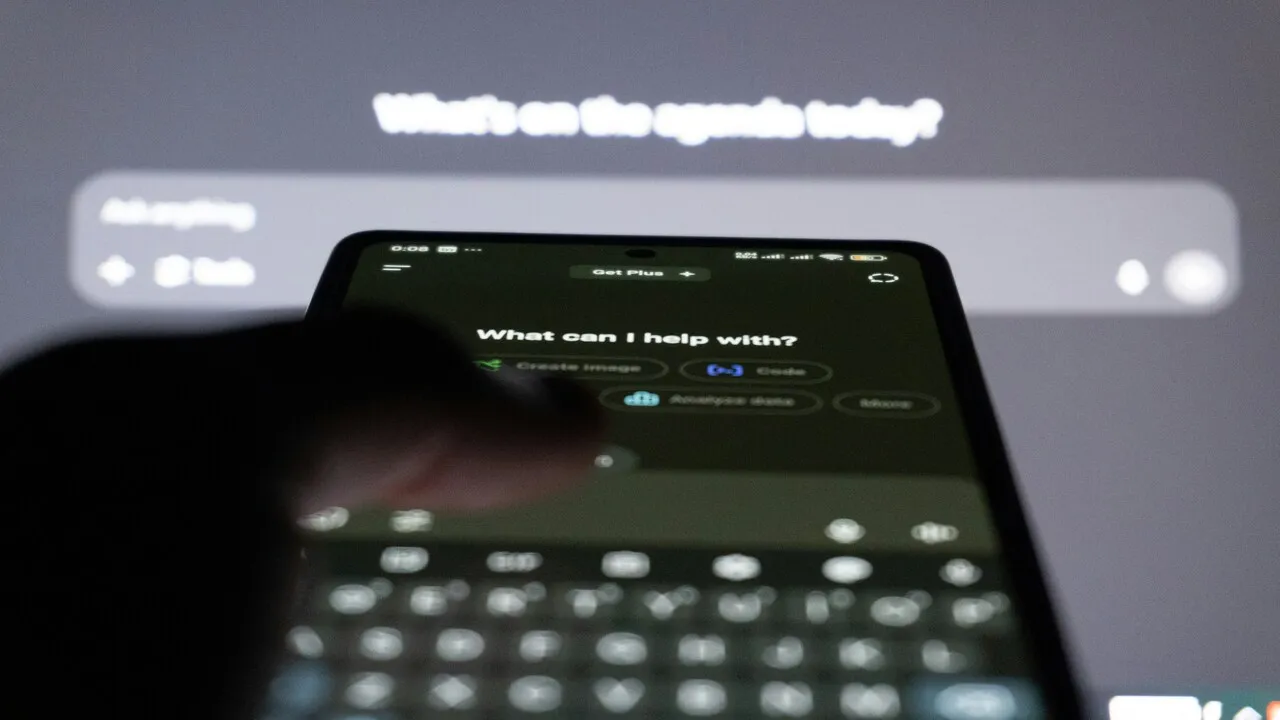
- Everyone has an AI helping them choose. A growing share of shoppers ask an assistant to find the best option before they ever see a store, and assistants recommend whatever has clear data and real differentiation. A listing identical to four hundred others gives the assistant nothing to say. A branded product with its own story is at least legible.
- Social commerce tilted toward brands too. Content sells products now, and nobody has ever made an interesting video about an anonymous phone mount. Those who have done their sums on TikTok and Instagram have generally been brands whose products are unmistakably theirs, an advantage brand dropshipping gives them every time customers post it of their own accord.
Underneath all three sits an older truth: commodity stores keep buying their next customer, while brands accumulate them. At current ad prices, owning the relationship stopped being a nice-to-have.
Start Branded Dropshipping Now with Tapstitch
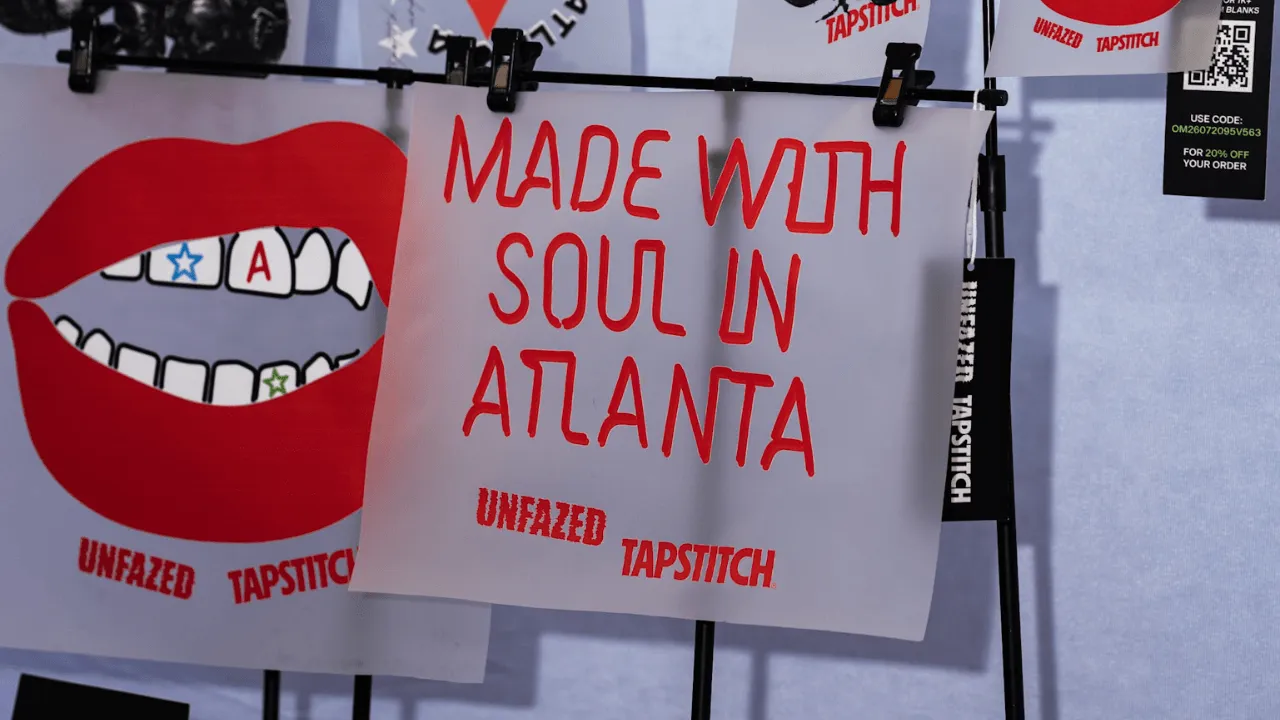
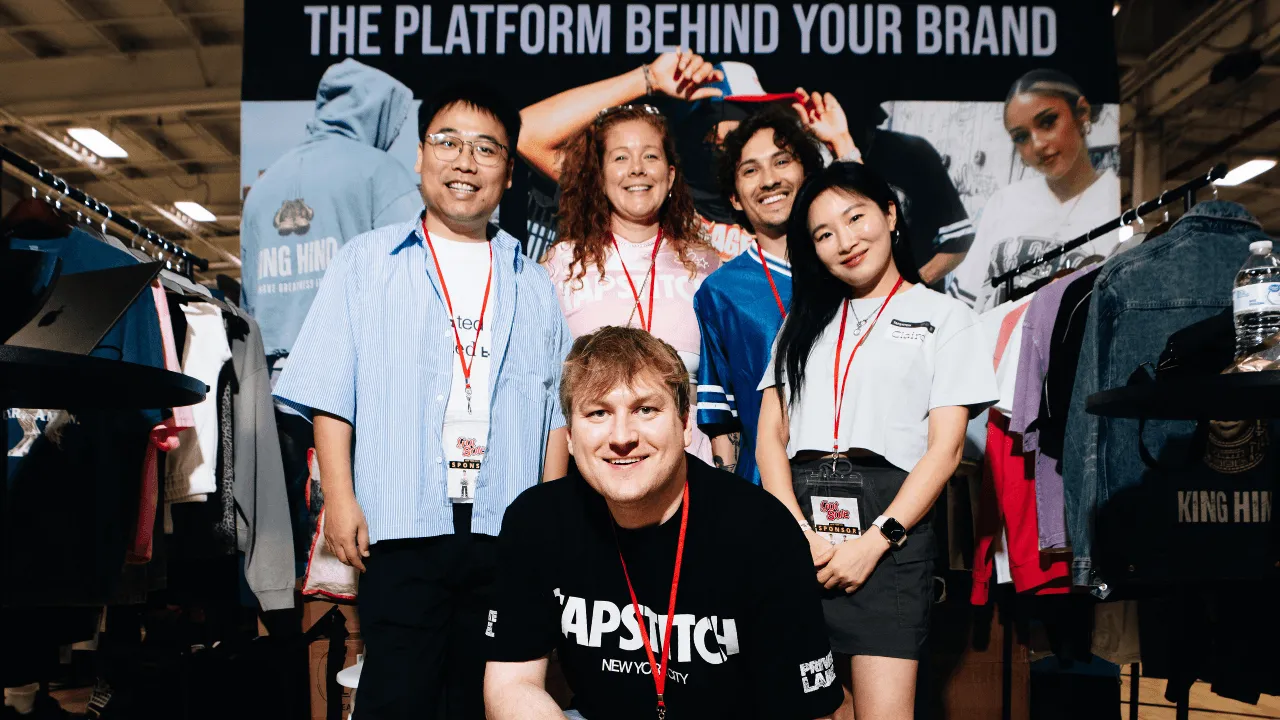
This is the part where we talk about ourselves, so consider the bias disclosed. Tapstitch is built for the apparel version of the model, which we'd argue is the strongest version anyway, since clothing is where identity matters most and quality gets evaluated by hand.
The setup in practice:
- Sign up for free and design your pieces in the browser tool.
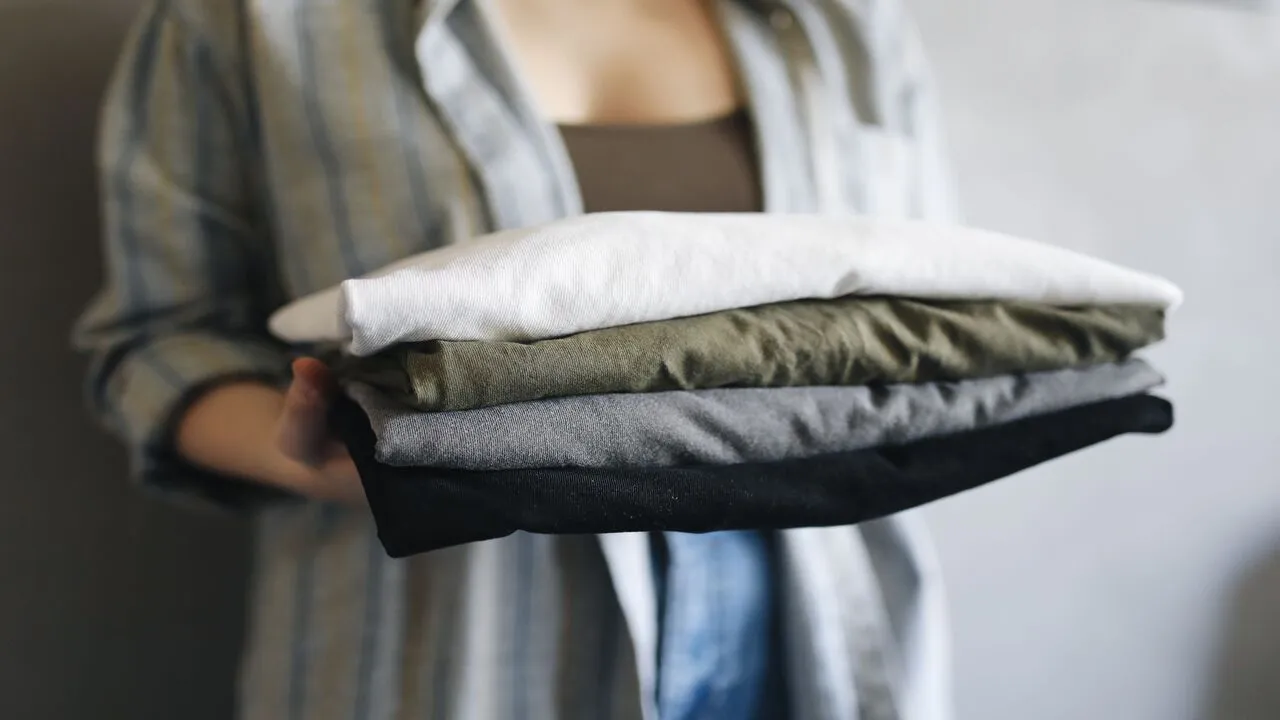
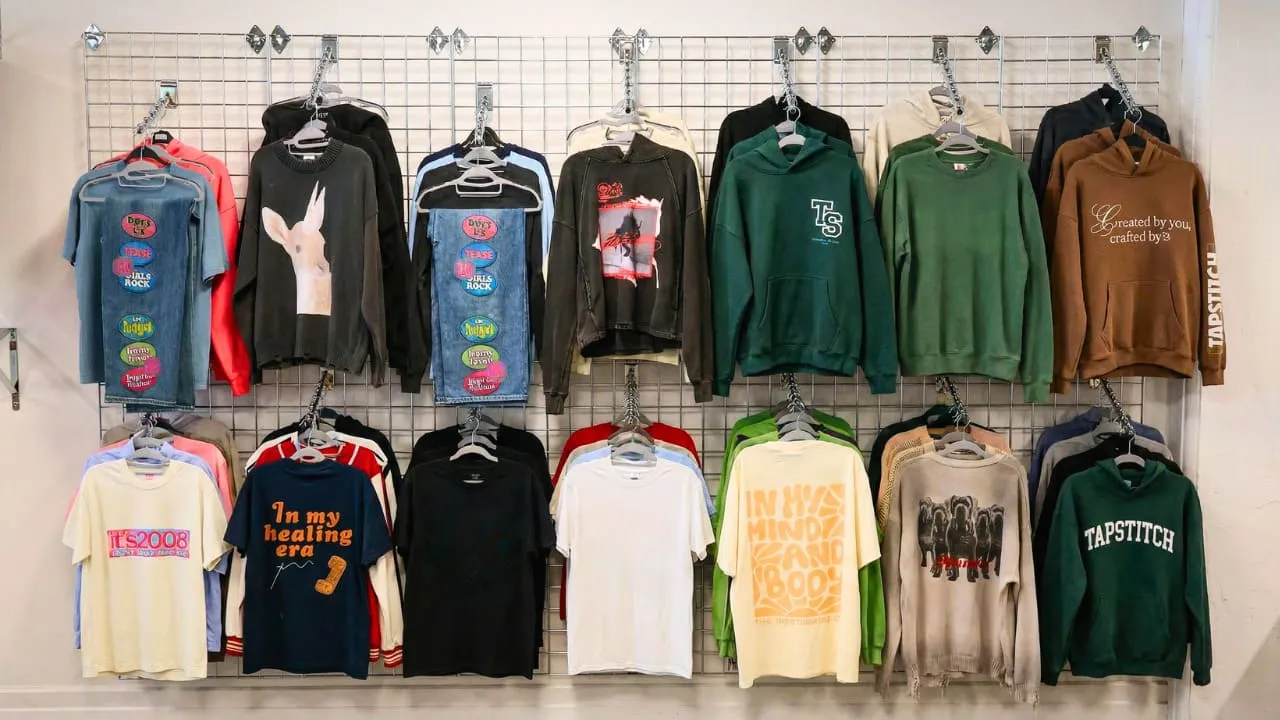
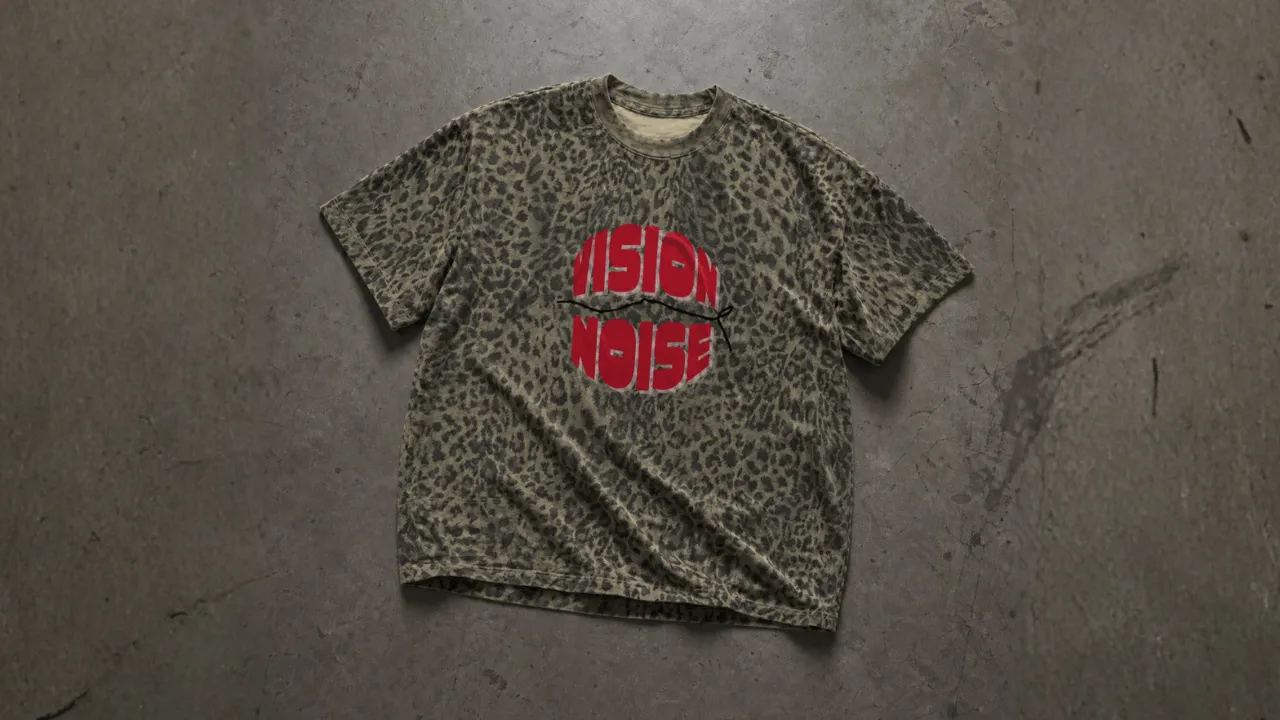
- Put them on fashion-grade blanks: heavyweight cottons, vintage washes, boxy streetwear cuts, athleisure, kids' sizes.
- Custom neck labels, hang tags, and packing pages come included at no extra cost, from your very first order.
- Production runs 2 to 5 business days after each sale; every parcel ships tracked
- No minimums anywhere, so a one-order day and a hundred-order day both just work
And nothing gets printed until a customer has already paid you. This is the whole financial model in one sentence, which is also why it takes a brand about the cost of a design and a few hours to get started.
Branded Dropshipping FAQs
Conclusion on Branded Dropshipping
So, what is branded dropshipping? Everything that made dropshipping accessible, with the one forgettable part fixed. No inventory, no minimums, no warehouse, but a product that is yours, with your name in the collar and your identity in the box.
Generic stores will keep existing, and some will keep making money for a while. The durable businesses right now belong to sellers whose customers could pick their product out of a lineup, and crossing that distance costs one design.