






SEO for Fashion Ecommerce: 8 Tips to Promote Your Business
.jpg)


Ever look up a hoodie online and end up buying it from a store you had never heard of five minutes earlier? That is not luck. That is SEO doing its job quietly in the background, moving one brand ahead of a thousand others the moment someone types a search.
That's where seo for fashion e-commerce comes in, and if you're operating or thinking about operating a clothing brand online, it is something that you must certainly grasp correctly.
What is SEO for fashion e-commerce?
Before jumping to tactics, let's begin with the basics first.
In the world of online fashion, SEO involves optimizing a clothing business to ensure that search engines recognize what it offers and display it to the right audience.
It includes a variety of items:
- The words used on product and category pages.
- The technical health of the site itself.
- The content published around the brand.
- The links pointing back to the store from elsewhere on the internet.
Done well, fashion seo brings in visitors who are already interested in what a brand sells, without paying for every single click. Done poorly, or not at all, a store can have great products and still sit on page four of the search results, invisible to the people who would have bought from it.
The difference between the two outcomes usually comes down to a handful of practices. Here are eight of them.

SEO for Fashion Ecommerce: 8 Tips to Promote Your Business
Here is where things get practical. Each of these tips covers a different layer of the same overall strategy.
1. Understand How Fashion SEO Is Different
The first thing that must be considered before discussing any tactics is an explanation of why seo for fashion brands is different from, let’s say, SEO for a plumbing or a software business.
A few reasons fashion behaves differently:
- It is seasonal. A keyword bringing in traffic in March can go quiet by June.
- It is trend-driven. Search terms shift with what is showing up on social feeds.
- It is visual first. Shoppers often browse before they search with real intent.
- It mixes research and impulse buying more than most other industries.
That combination is what makes seo for fashion its own discipline. Generic SEO advice gets a store part way there. The rest comes from understanding how people actually shop for clothes.
2. Get Serious About Keyword Research
With that difference in mind, the next step is figuring out what your actual customers type into Google.
All fashion SEO begins from the same starting point: determining how actual customers type searches for apparel like the one you are trying to market. It’s not just about general keywords like “t-shirts” or “hoodies.” Buyers make more specialized searches, including:
- "Oversized streetwear hoodie"
- "Eco-friendly custom t-shirts"
- "Boxy fit soccer jersey"
- "Heavyweight cotton tee for printing"
Each of those phrases says something about intent, and each one is a chance to rank for a search with far less competition than the generic term above it.
A few places worth checking for these keywords:
- Google's autocomplete suggestions, which show real queries in real time.
- The "People also ask" box, a free list of related questions to answer.
- Competitor product pages, since titles and descriptions often reveal which terms they are chasing.
The goal is not to stuff a page with keywords. It is to reflect the language customers already use, naturally, across the store.
3. Optimize Product Pages Properly
Once you know the right keywords, the next question is where to put them.
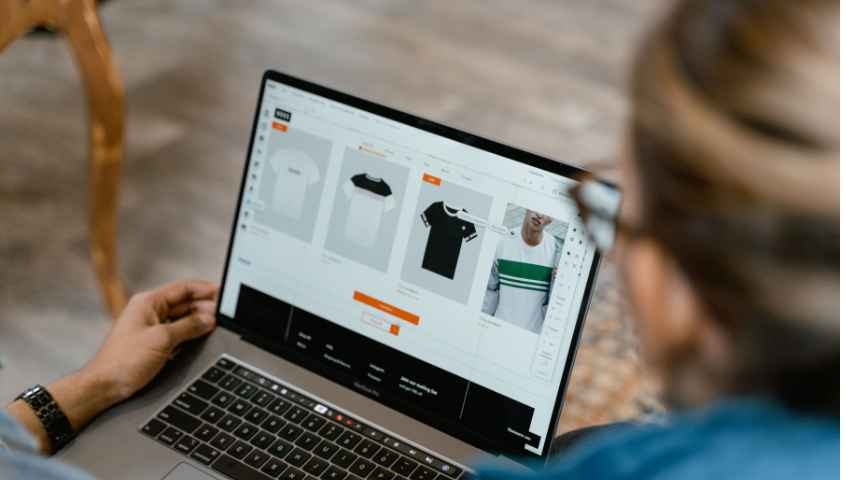
Product pages are where seo for fashion ecommerce either pays off or falls apart. This is the page Google is most likely to send someone to, and the page that has to convince a stranger to trust the brand and buy, often within seconds. A well-optimized product page usually includes:
- A title with the product name and main keyword included naturally.
- A description written for a human first, a search engine second.
- Alt text on every image, describing what is shown.
- Clear specs: sizing, material, fit, fabric weight.
- Fast load times, since a slow page loses customers before it earns them.
4. Fix the Technical Basics First
Even a well-written page can fail silently if the technical foundation underneath it is broken.
This is the part of seo for fashion ecommerce nobody enjoys discussing, but it decides whether the rest of the work counts at all. Search engines need to crawl a site cleanly. A few essentials worth checking:
- Mobile performance, since most fashion shopping happens on a phone.
- A clean URL structure, without long strings of random characters.
- An updated XML sitemap.
- No duplicate product pages competing against each other (same shirt, different color, should not create ten near-identical URLs).
If the store runs on Shopify, this layer has its own quirks worth understanding properly. The post on SEO for Shopify covers this in more detail and is worth reading before touching anything else on this list.
5. Build Category Pages That Do More Than List Products
With the technical side sorted, the next place most stores leave value on the table is the category page.
Category pages are underrated. Most fashion stores treat them as a plain grid of products and nothing else. That is a missed opportunity, since category pages often rank for broader, higher-volume searches that individual product pages are too specific to catch. A strong category page usually has:
- A short block of text explaining what the category is and who it is for.
- Links back to relevant product pages within it.
- Links forward to other related categories.
- A layout that keeps visitors moving through the store instead of leaving after one page.
Browse the full collection for a working example of how categories can group similar products together instead of scattering everything into one long list.
6. Use Content to Answer Real Questions
Product and category pages cover buyers who are ready to purchase. But not everyone searching is at that stage yet.
Some are researching. Some just want to understand something, like how fabric weight works or what makes one hoodie better made than another. This is where blog content earns its place inside a fashion seo strategy:
- It can rank for informational searches that product pages never will.
- It brings in visitors who are not yet customers, but might become one.
- It quietly builds trust before someone reaches a product page.
- It gives natural opportunities to link toward the products those questions relate to.
The trick is resisting the urge to make every article a disguised sales pitch. Answer the question honestly first. The product that follows lands better because of it.
7. Build Backlinks the Slow, Legitimate Way
Content brings people in through search. Backlinks are what convince search engines the store deserves to be shown in the first place.
Backlinks are what convince search engines that the store is worth ranking at all. Backlinks: Links from other websites pointing back to your site are some of the most compelling factors search engines use in determining whether a store should be ranked. For fashion brands, these come from:
- Press coverage.
- Collaborations with influencers.
- Guest posts on relevant blogs.
- Mentions from suppliers or manufacturing partners.
There's no quick and easy way. Purchasing links or baring a ton of links is counterproductive after the search engines catch on. Instead, it's about creating something that is truly worth linking to, such as original photography, a useful guide, or a product line that's unique and people have a conversation about. Slower, yes. But it holds up.
8. Support SEO With a Recognizable Brand
All of the above attracts customers to the store. This final one is the only one which makes them return in search, not in a generic search.
That's one of the reasons why seo for fashion brands eventually becomes a part of the brand's appearance and feeling in every available space it is displayed, such as when wrapped in a package, put on a label, or presented on a counter.
In case the identity of the brand is embedded into the product itself, custom branding services would be well worth considering, as a distinctive experience of the product contributes to turning a customer into a repeat customer who will find the brand through search engines.
Quick Reference: SEO Priorities for Fashion Ecommerce
With 8 tips on the table, here is a simple way to see how they stack up against each other.
Some of these tips pay off almost immediately. Others take months to show results but matter just as much in the long run.
The table below breaks that down at a glance.
Why Fashion SEO Takes Longer Than Other Industries
Before wrapping up, it is worth setting expectations properly.
Fashion SEO tends to take longer to show results than industries with more stable, less seasonal search behaviour. A few reasons why:
- Trends shift the underlying keywords every few months.
- Competition is unusually high, since almost every store sells overlapping products.
- Visual search and social discovery pull some traffic away from traditional search engines.
- New stores need time to build the backlinks and content history that search engines reward.
None of that makes the work pointless. It just means the payoff builds gradually rather than overnight, and it rewards brands that keep showing up consistently rather than those looking for a single quick fix.
FAQs
Final Thoughts
None of these eight tips work particularly well in isolation. Keyword research without solid product pages just tells a brand what people want, without giving them a reason to buy.
Seo for fashion ecommerce works best as a system, one where research feeds into content, content feeds into product pages, and all of it is supported by a technically sound site and a brand people actually remember.
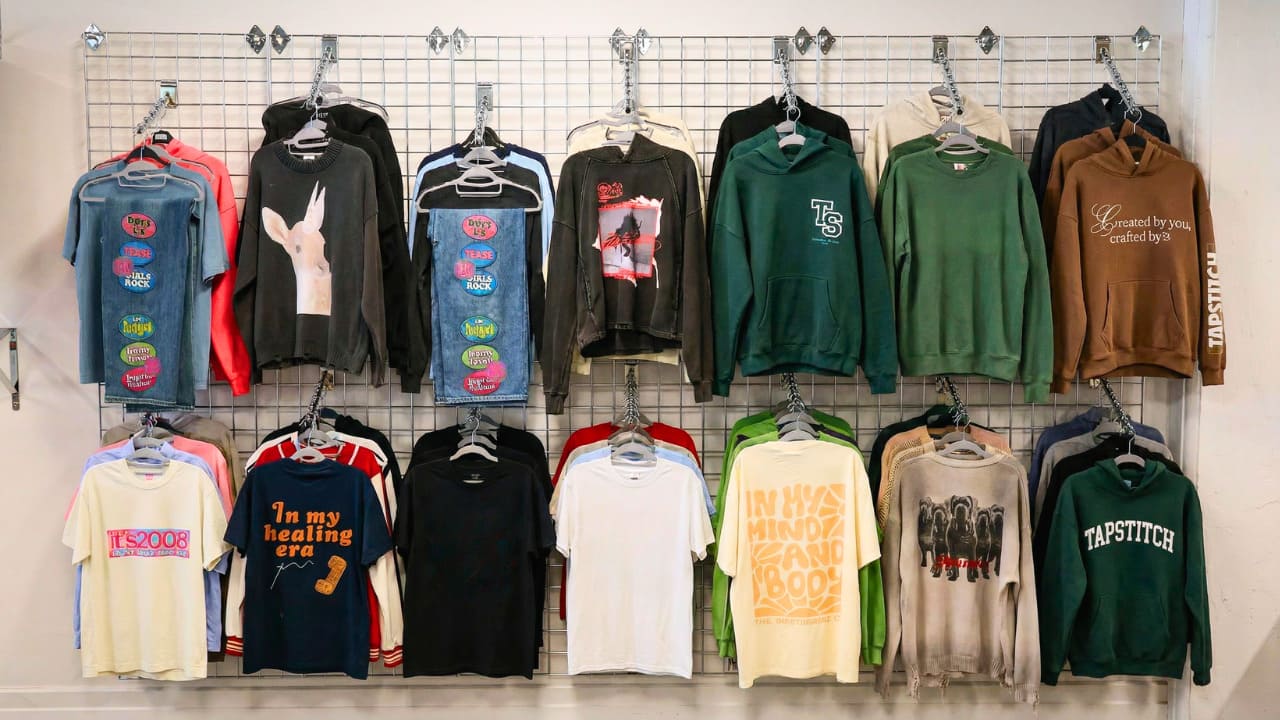
If you are building a brand from scratch, Tapstitch is a decent example of a store built around clean navigation and clear categories, both of which quietly support SEO even when a visitor never notices it.
.jpg)
.jpg)
.png)

.jpg)
.jpg)
%20(3).jpg)

.png)

.jpg)
.jpg)
.jpg)
.jpg)
.jpg)
.jpg)






.png)




.png)

.webp)

.jpg)









.jpg)


.jpg)

.png)
.jpg)


.jpg)
.jpg)




.jpg)
.jpg)
.jpg)
.jpg)
.jpg)

%20(1).jpg)

.png)

.png)


%20(1)%20(1).jpg)





.png)
.png)