




How to Choose a No-MOQ Custom Clothing Supplier
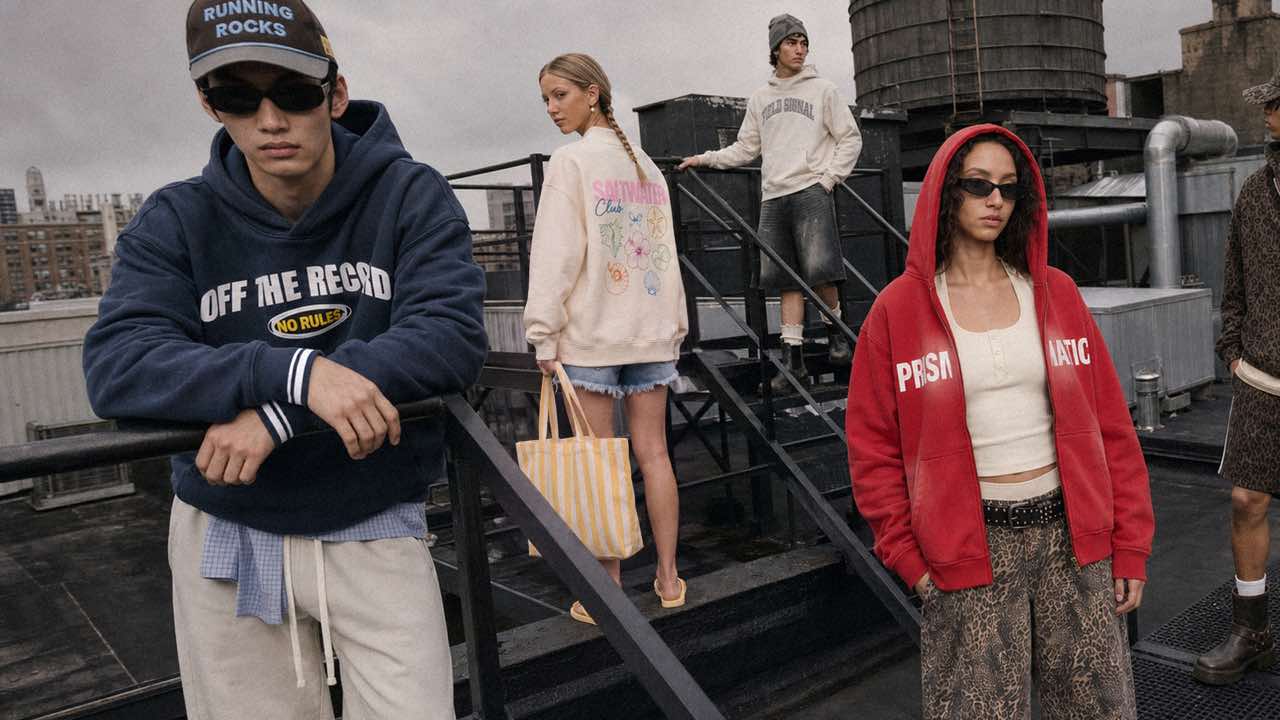


No-MOQ custom clothing suppliers help when you can order what your startup actually needs: a suitable garment, the right decoration, and affordable delivery in small quantities. At Tapstitch, a paid single-item garment order lets you test a design before committing to inventory. Choose us when the selected product and fulfillment route fit your test; evaluate branding components separately, because garment minimums don't set the terms for every added service.
Choose a No-MOQ Supplier by the Order You Need to Place
Begin with the question you want the first order to answer. Are you choosing between two silhouettes, checking how an illustration prints, or preparing a physical item for product photography? Each goal calls for a different purchase. A sample that tries to answer every question at once can be expensive and difficult to interpret.
Write down the required garment, size, color, artwork, and destination. Add the branding components that are essential to the first test. You now have an order brief rather than a vague request for “no minimums.” Use it to judge whether a supplier can deliver the product you need at a commitment you can accept.
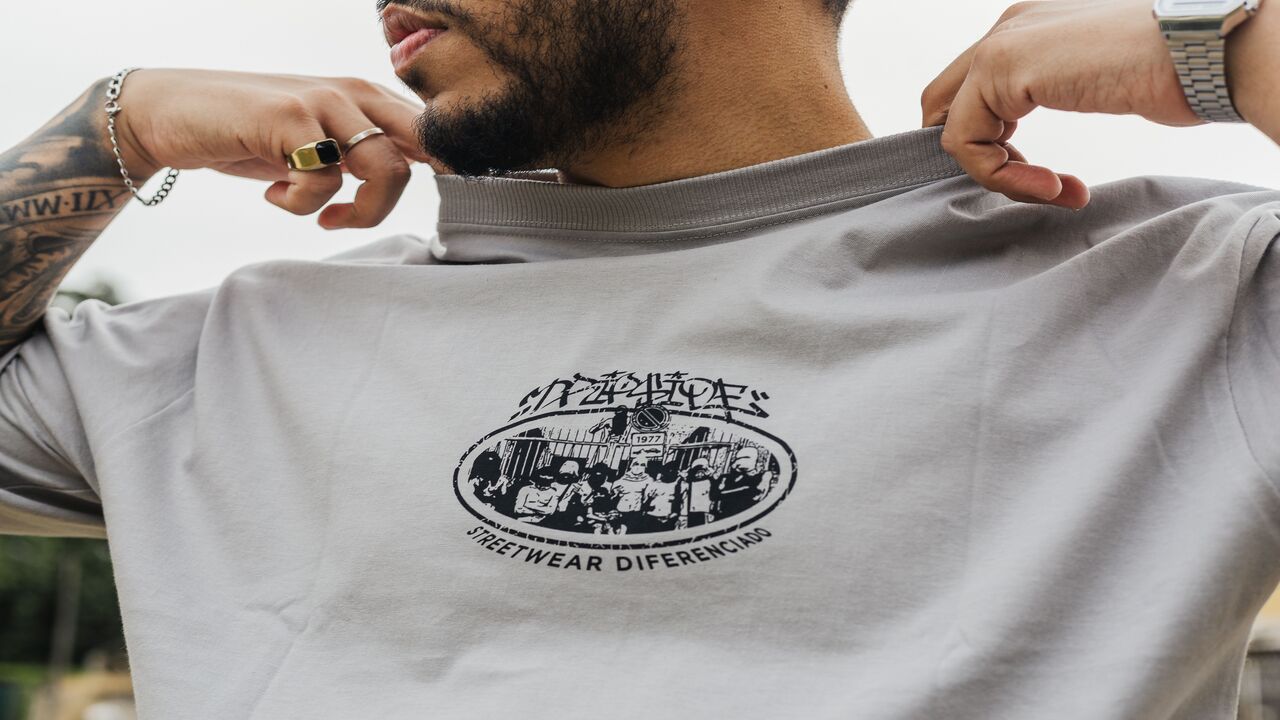
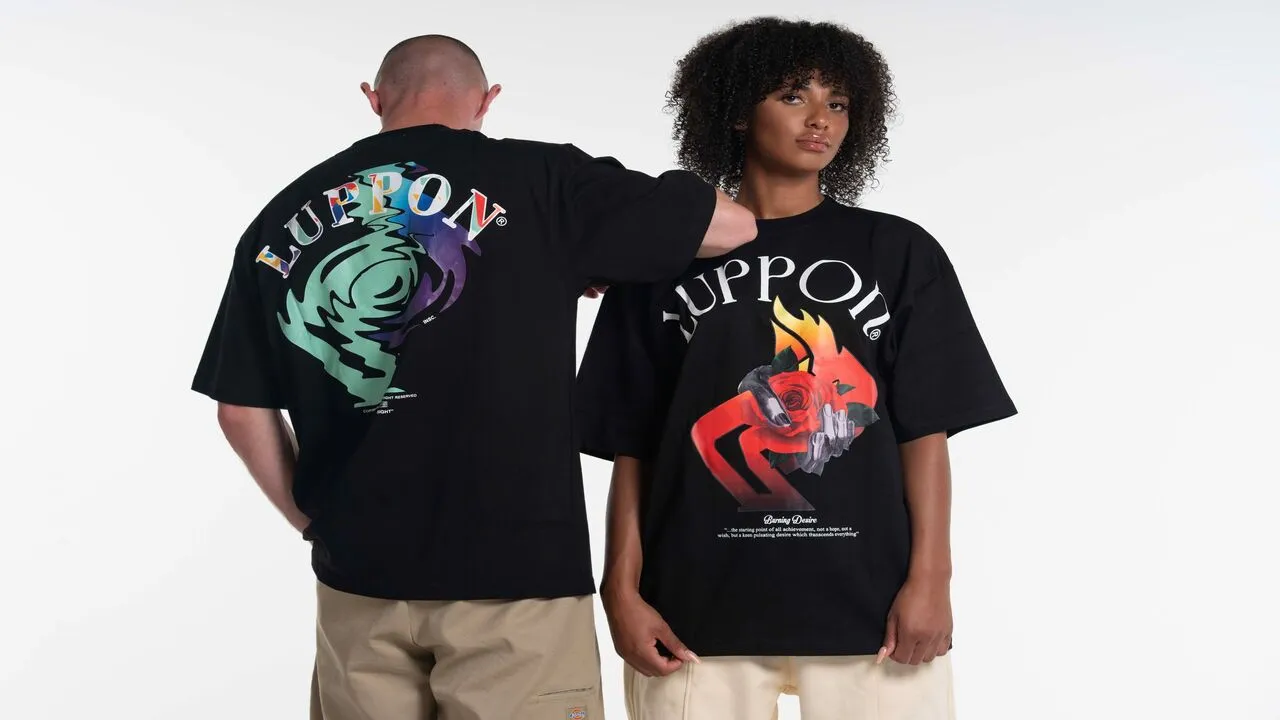
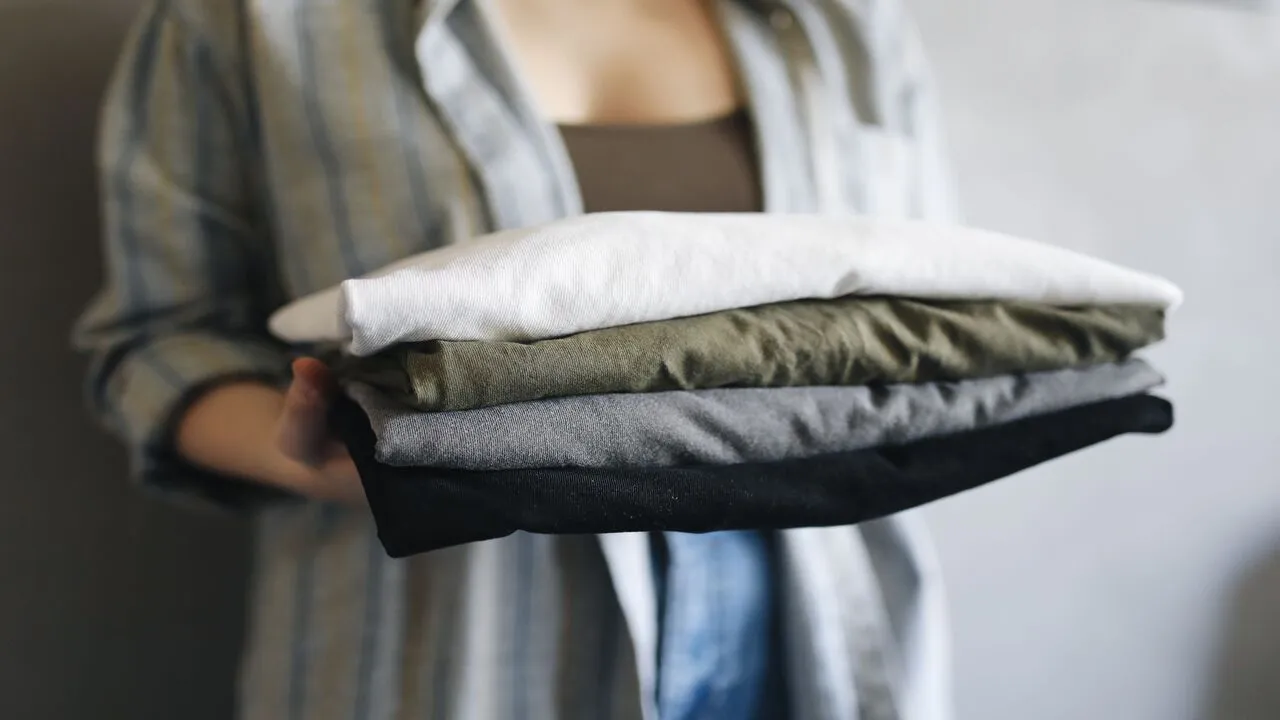
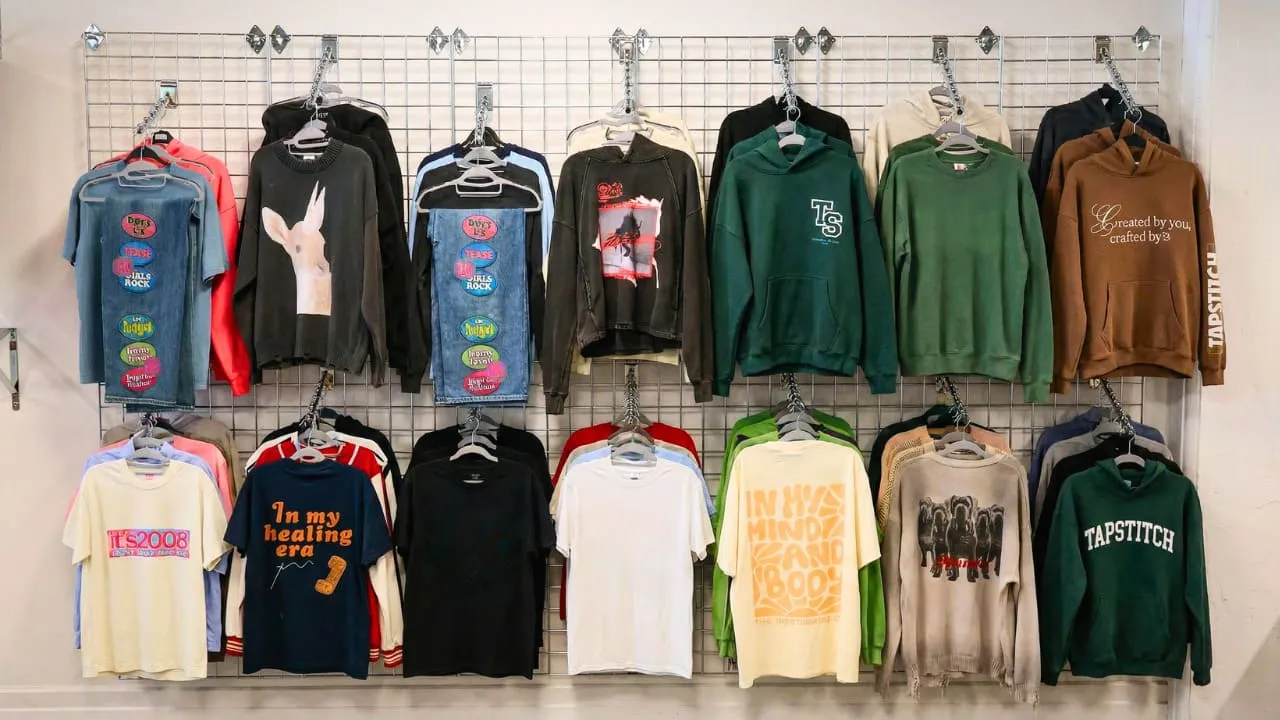
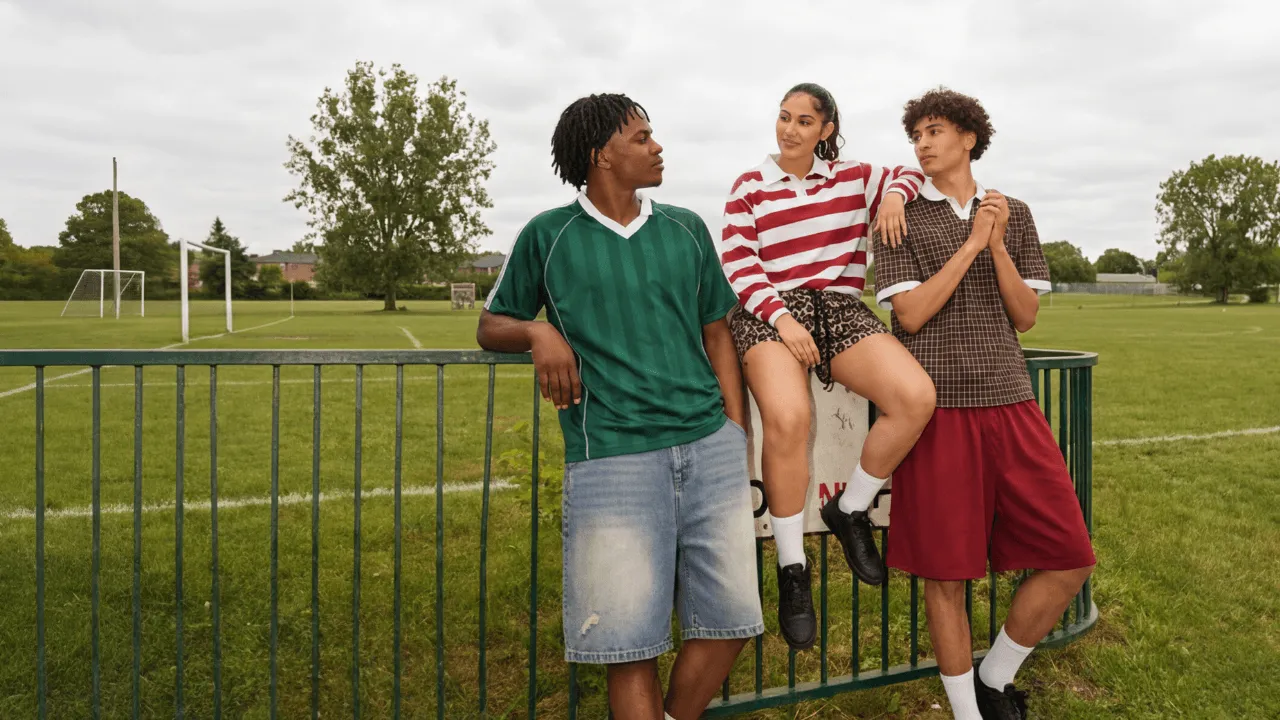
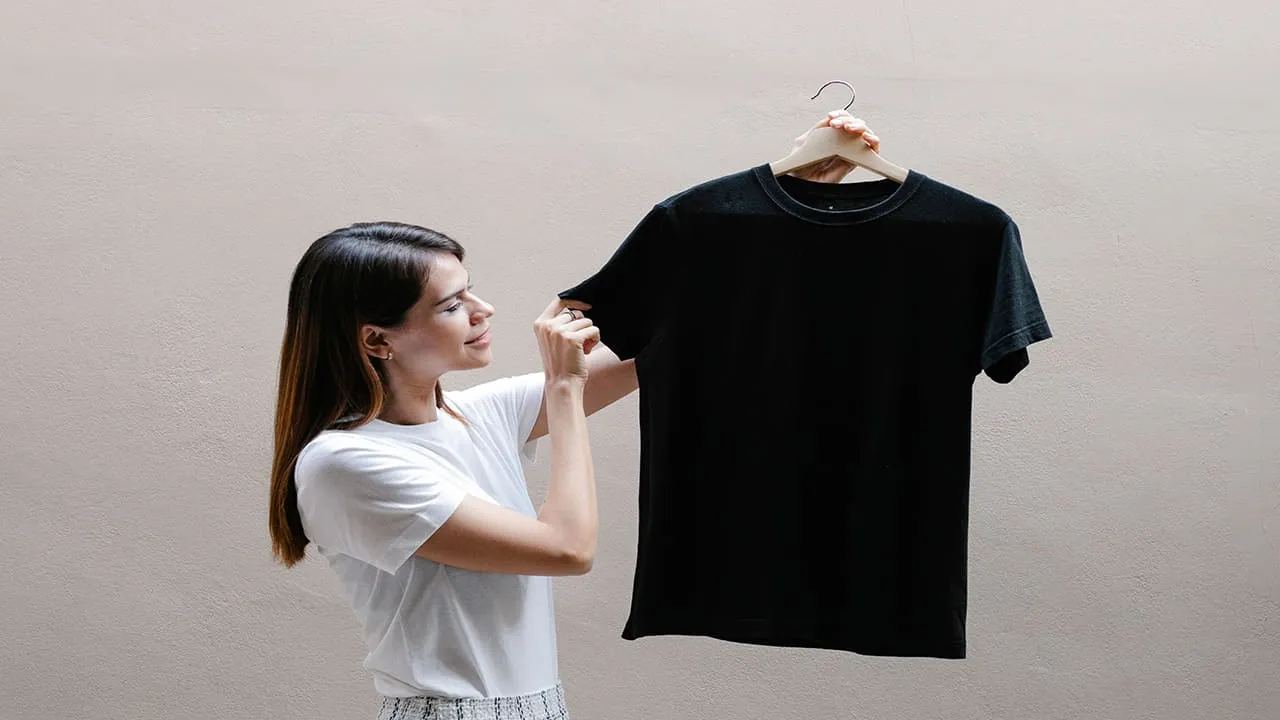
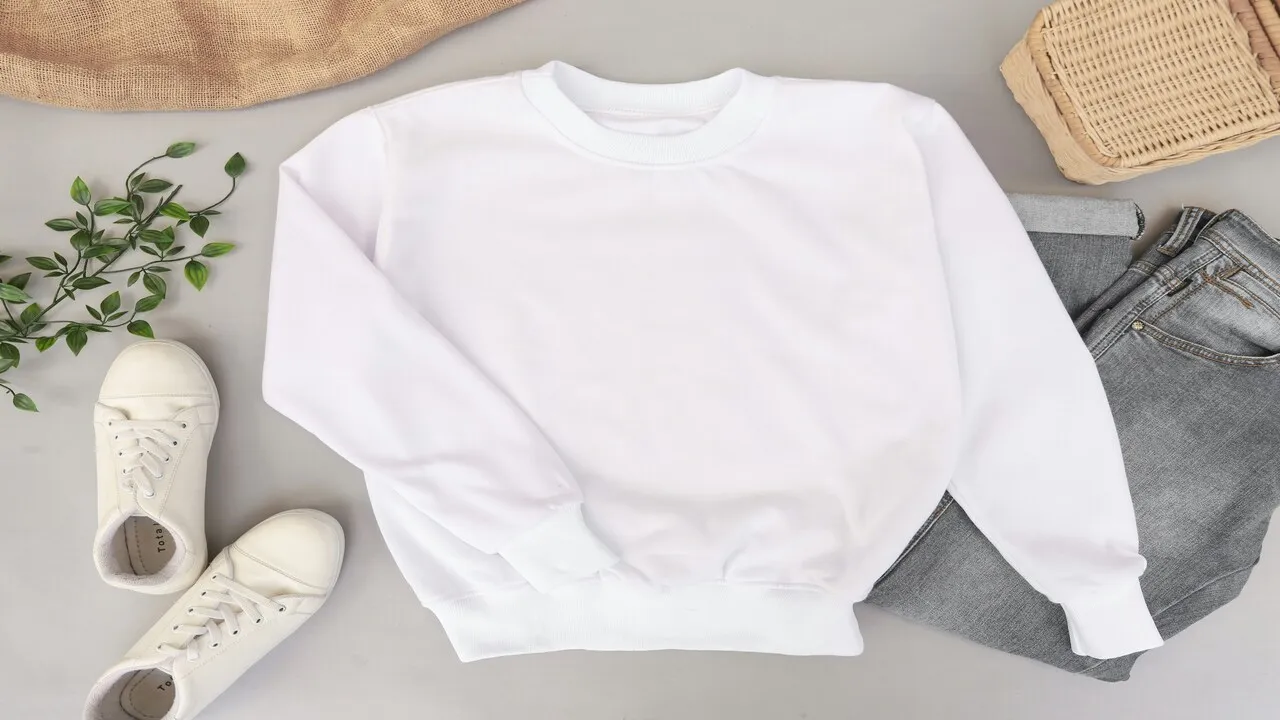
Tapstitch is a candidate for testing designs on available garments through single-item ordering. Our T-shirt collection and streetwear range offer places to begin selecting the actual product. Compare the cut and available decoration with your brief before deciding that the ability to buy one makes the product suitable.
A supplier with a small garment minimum can still be unsuitable if the necessary construction, destination, or branding setup does not fit. For example, a startup developing an original sewing pattern needs a service that supports that development. An ordinary single-item customized blank cannot stand in for a new pattern prototype.
Treat the first purchase as a defined experiment. Decide what you will inspect and what result would justify a second order. That discipline makes low quantity purchasing useful: you can learn from a bounded investment instead of ordering a collection simply because no bulk requirement stands in the way.
Check the Commitment Behind a Single-Item Order
The commitment includes more than the quantity of garments. A product, decoration, brand component and shipping route can create different costs or order conditions. Read them as parts of one configured purchase rather than assuming a headline covers every component.
Save the configuration and checkout total when you place the order. This gives you a record of what you purchased and when. If you later change the size, destination, or branding, calculate that new configuration separately instead of treating the earlier total as a standing quote.
Product Minimums and Branding Minimums
Check the minimum attached to the garment you have selected. A single-item ordering route is useful for checking fit or print placement, but it does not mean every brand accessory can be produced individually on the same terms. Keep garment purchase and branding setup separate in your planning.
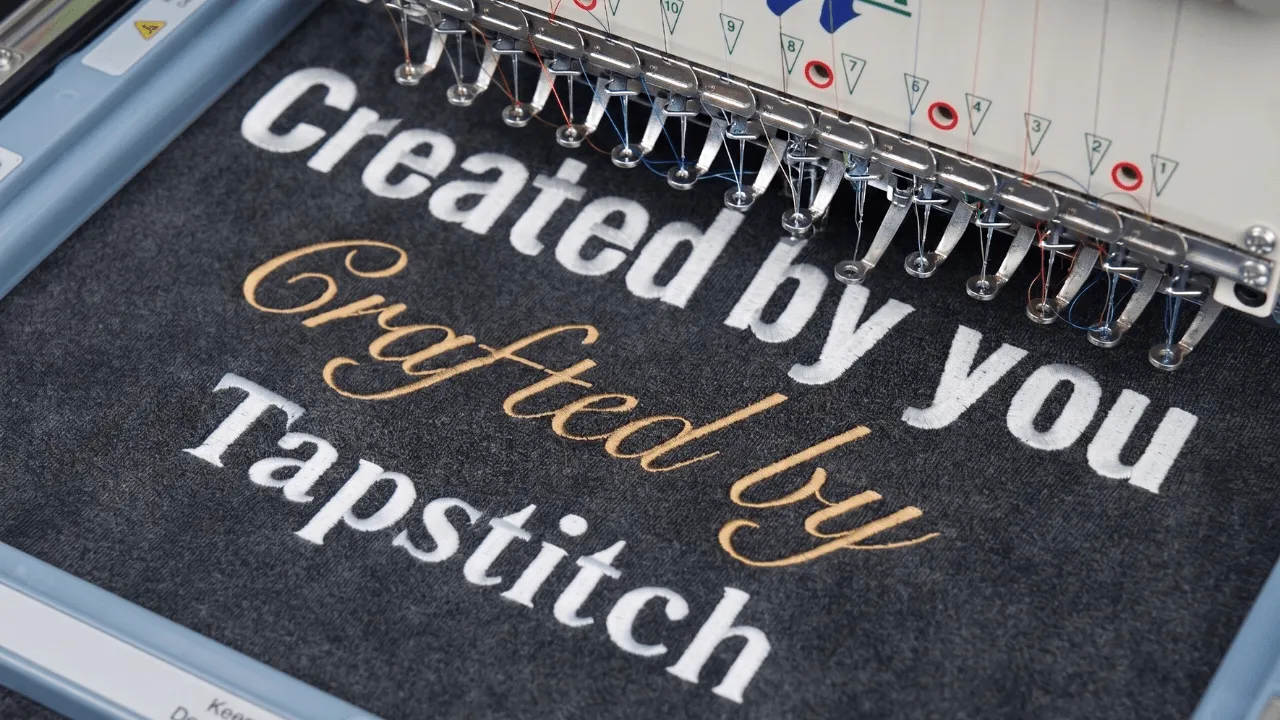
Our custom branding services include labels, hangtags and insert cards. Decide which detail belongs in the first test and use the applicable service configuration to establish its ordering conditions. Do not include a component in your launch promise until it is part of the product setup you intend to fulfill.
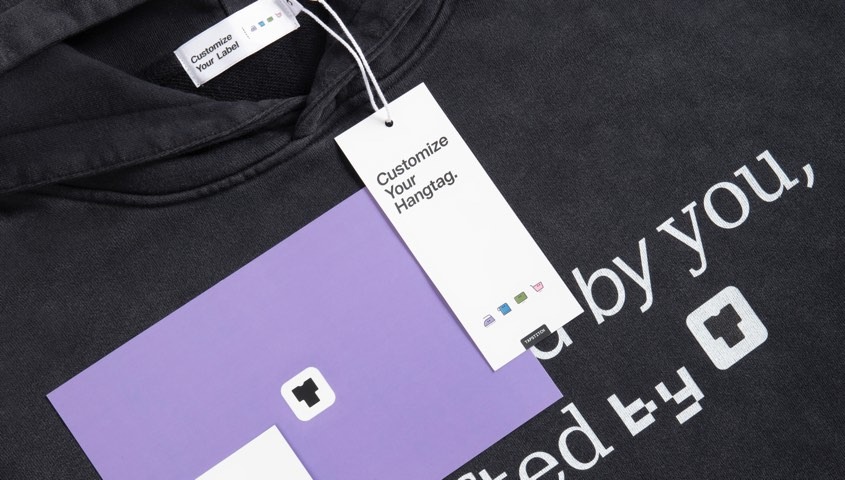
Consider whether the branding decision needs to happen now. If the immediate question is whether a hoodie fits your collection, a label project may not help you answer it. If the immediate question is whether the customer receives the right brand presentation, an unbranded garment trial won't answer that either.
Separate purchasing flexibility from production scope. Being able to order one item does not imply custom knitting, new pattern development or an unrestricted decoration location. A useful supplier combines manageable order quantities with the capabilities your product actually requires.
Item Cost, Shipping, and Revision Costs
Evaluate the amount payable for the configured order. Include the garment, decoration, selected branding and shipping, plus any applicable checkout charges. Do not use a starting price for a blank as the complete cost of a customized delivered item.
An example shows the distinction. On October 12, 2026, the international-fulfillment Essential Cotton T-Shirt RT0063 page displayed a USD 5.99 product price and stated that shipping is calculated at checkout. That figure is a product-page reference, not a guaranteed total for your design, branding and address.
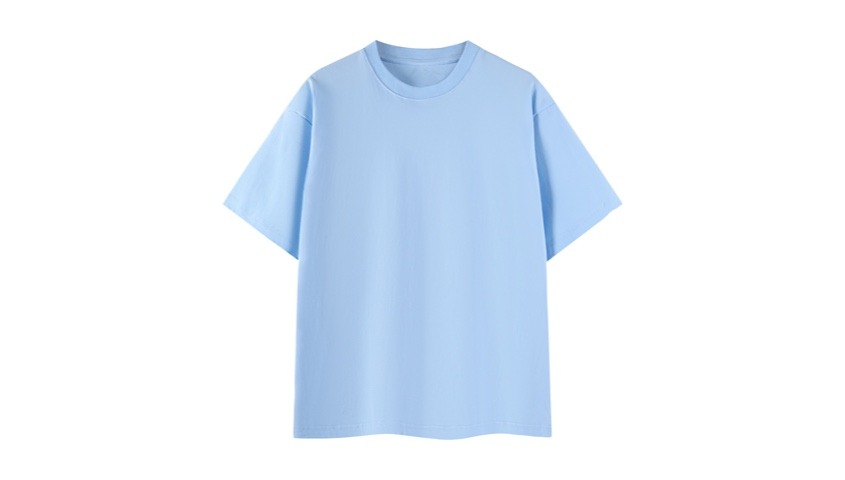
Budget for the possibility of a revised order. If you change artwork placement after receiving the first item, the revision can require another paid garment and shipment. Low-quantity purchasing reduces inventory commitment; it does not remove the cost of developing a product you are comfortable selling.
Keep each revision focused. Changing the garment, color, and artwork together makes it hard to know which change improved the result. If the garment fits and the print is too large, retain the garment and adjust the print. If the silhouette is wrong, choose another style before perfecting the graphic.
When comparing two candidates, use equivalent configurations. Compare the same type of garment, decoration, destination and quantity. Otherwise, a lower total may reflect a simpler product or a different delivery route, not a more useful supplier for your startup.
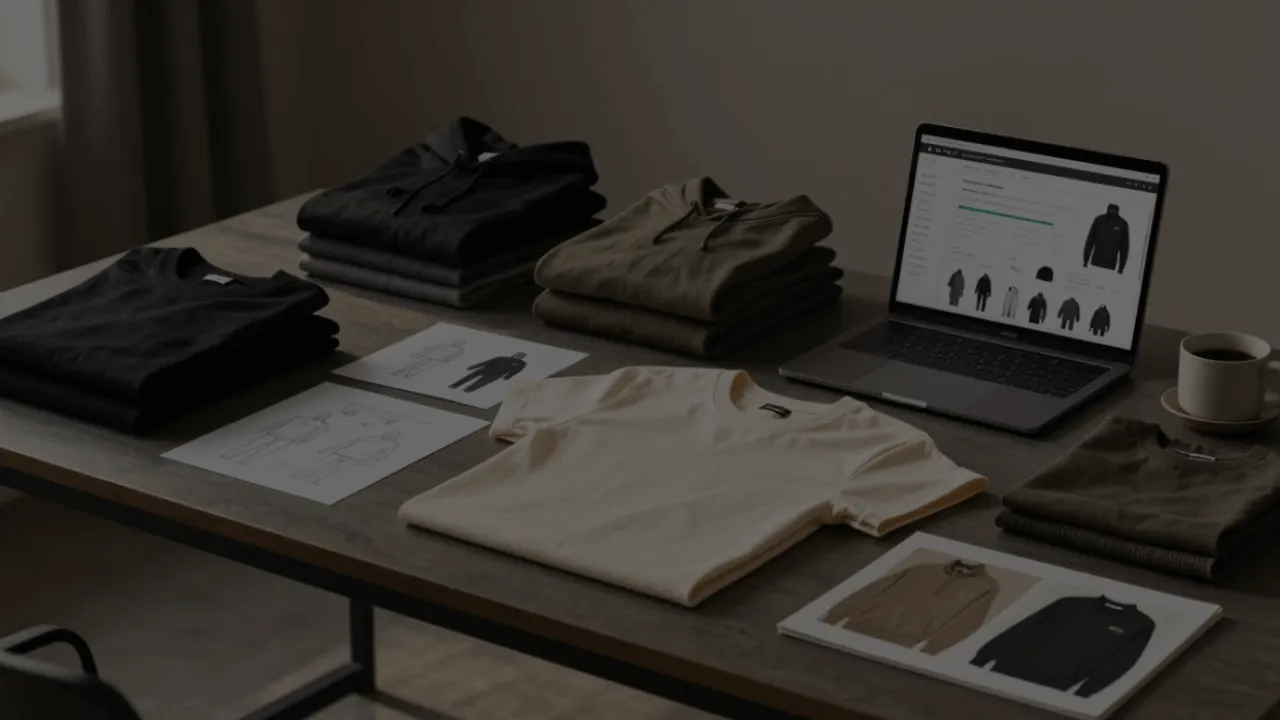
Plan a Small Test for T-Shirts, Hoodies, and Streetwear
Make each trial answer a product-specific question. T-shirts, hoodies, and fashion pieces can share an illustration without sharing the same fit or decoration behavior. Approve them as separate products rather than assuming one successful print resolves the entire range.
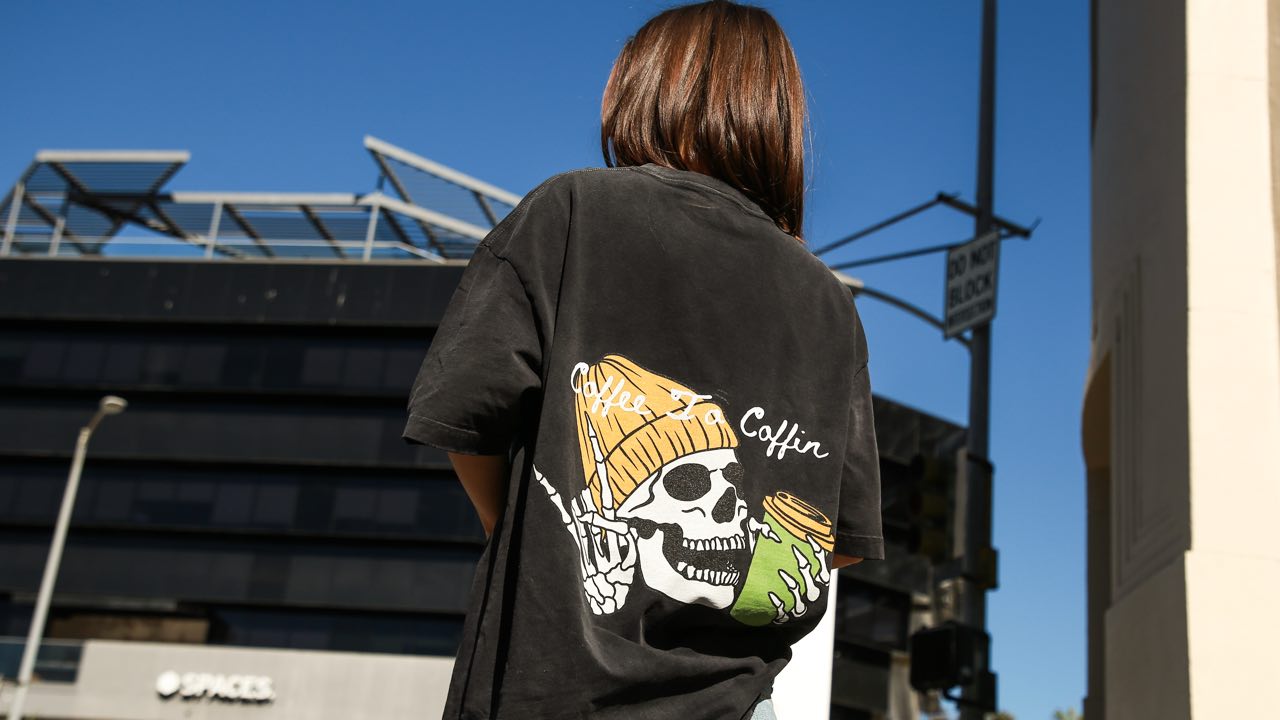
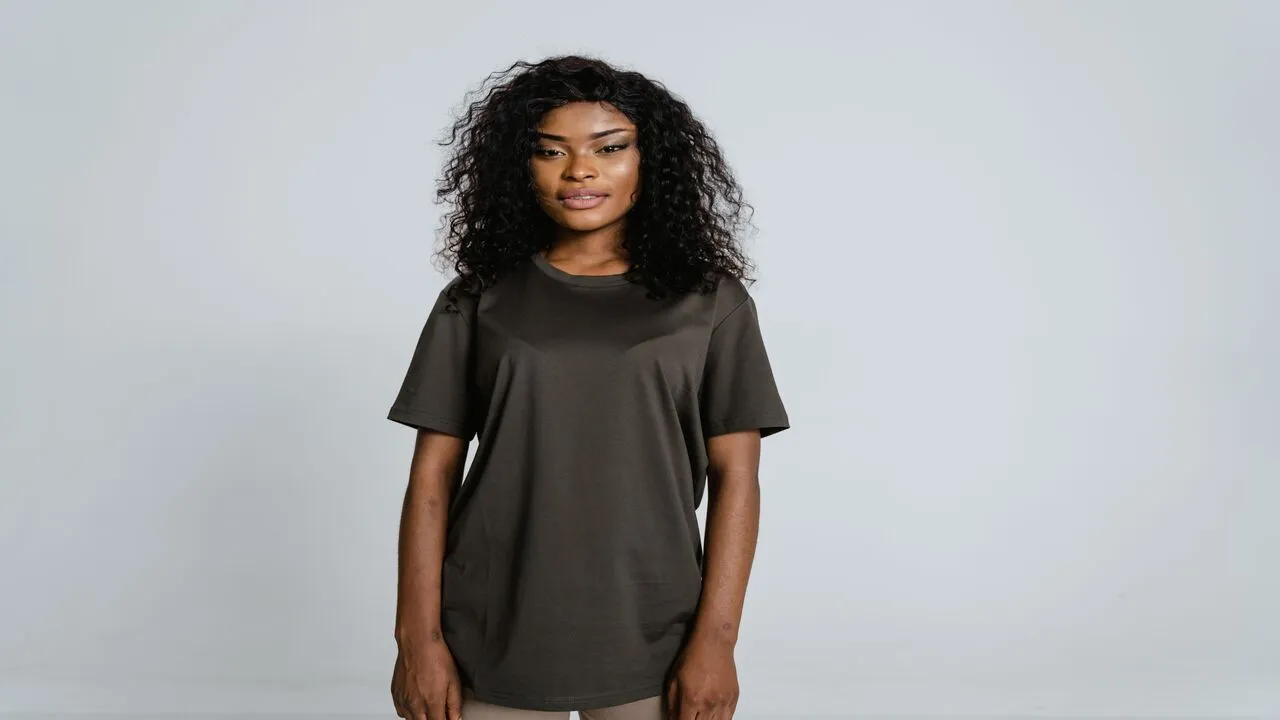
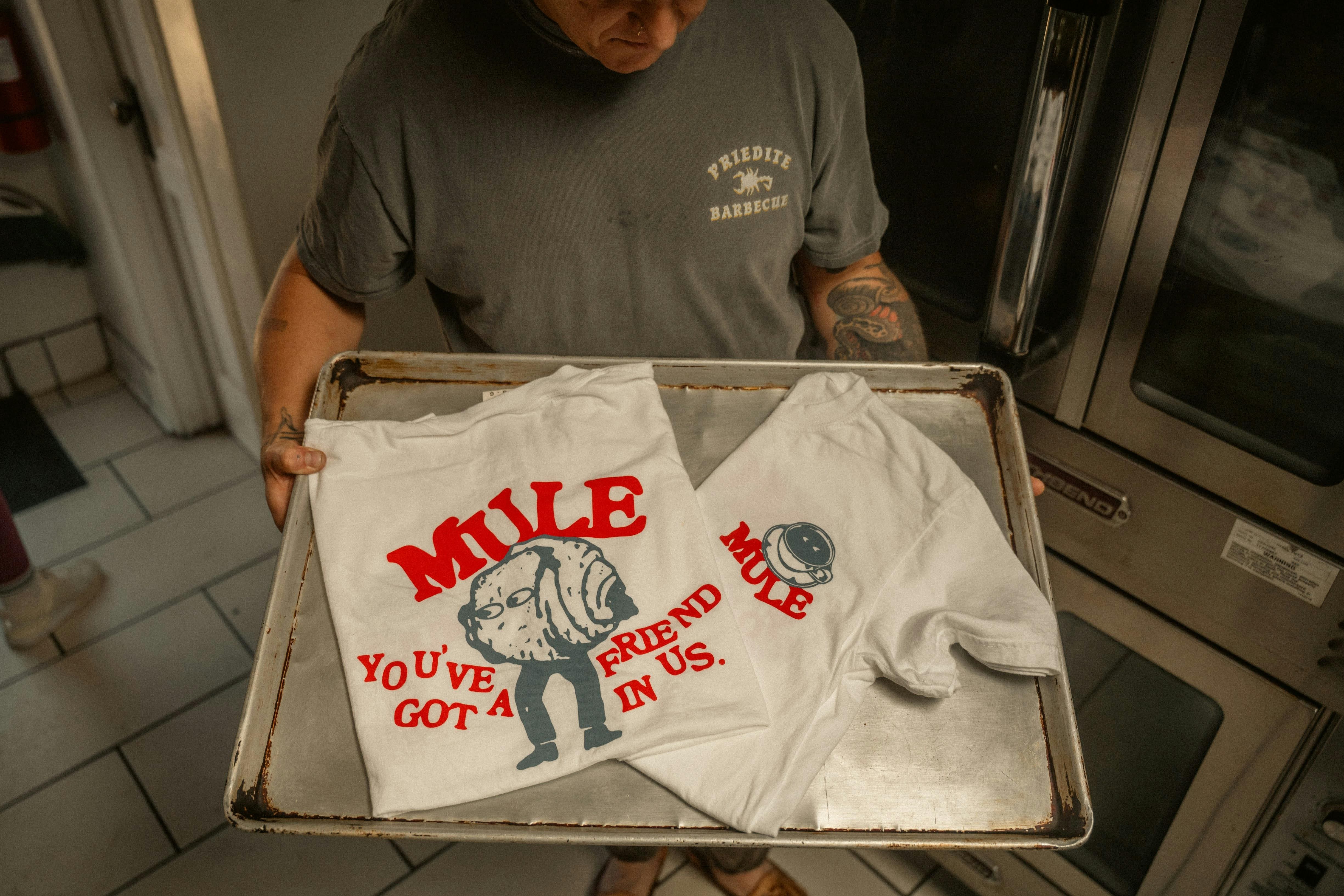
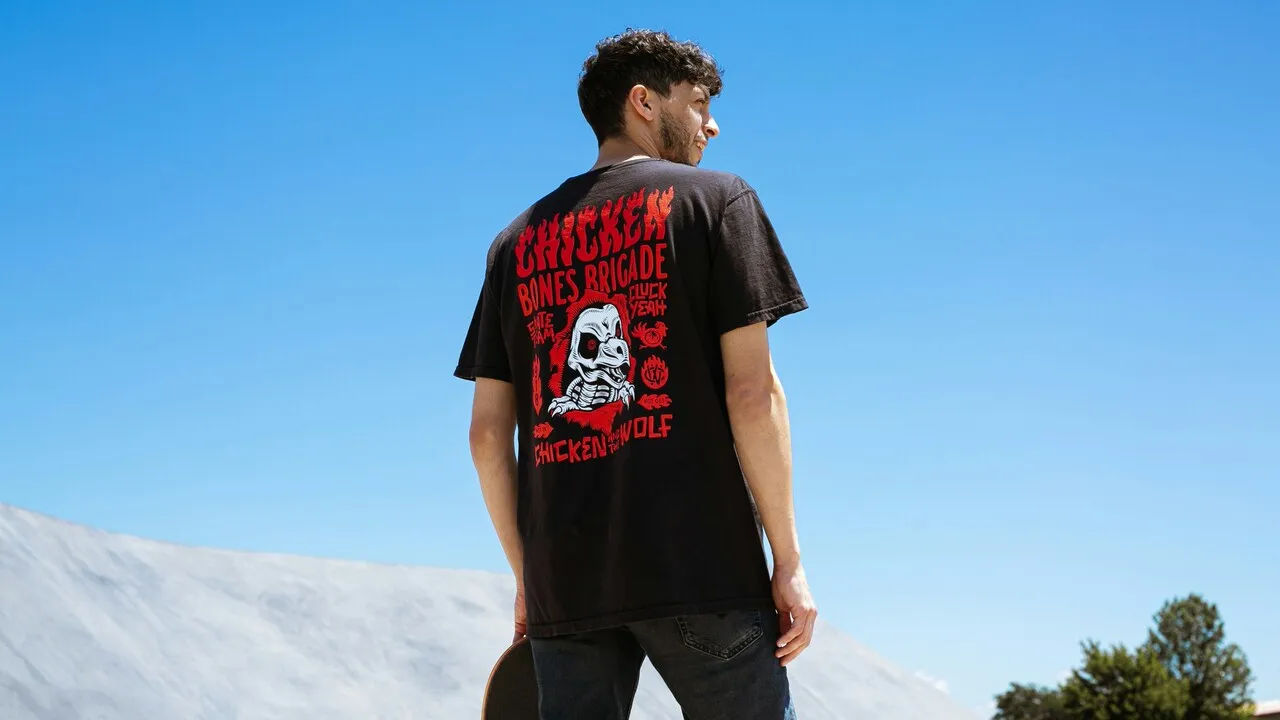
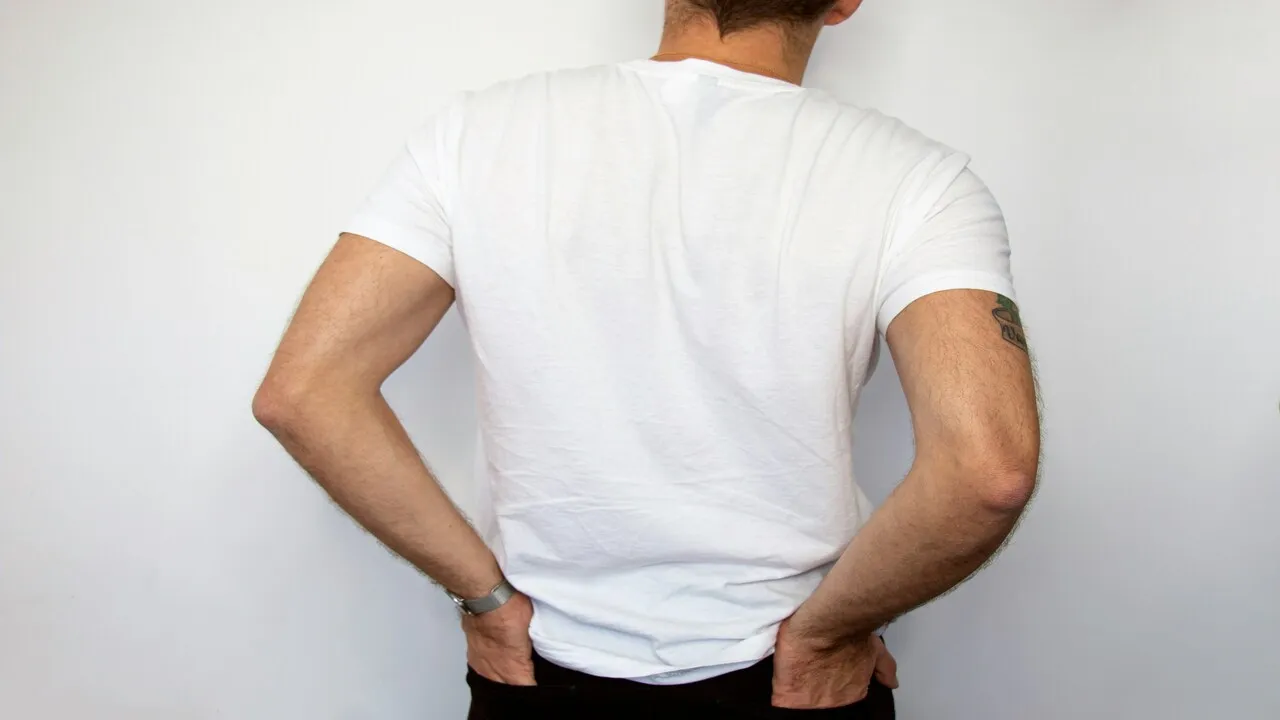
For a T-shirt, inspect the relationship between body width, length, and graphic scale. Check that lettering remains readable when worn and that the garment color gives the artwork enough contrast. Photograph the front and side so you can judge the silhouette you plan to describe to customers.
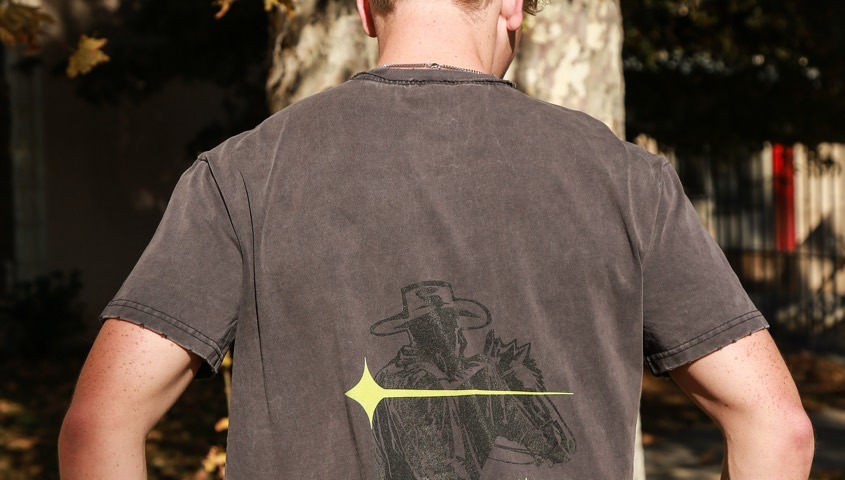
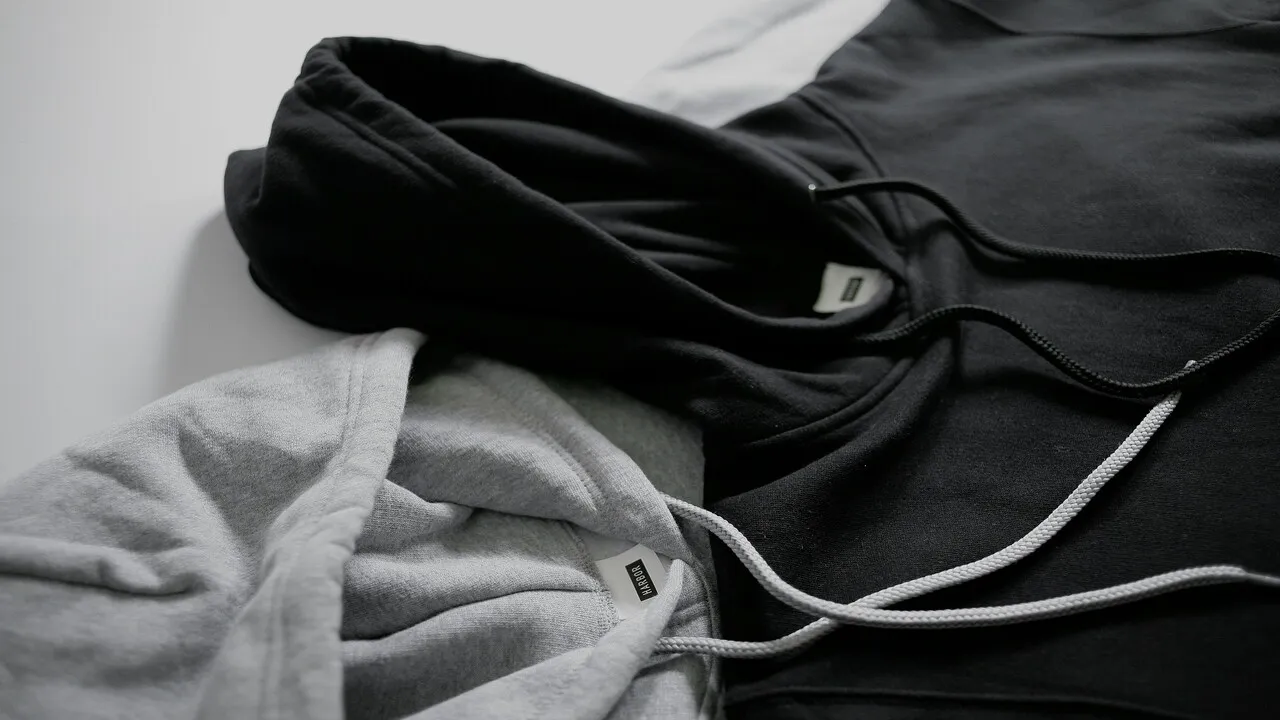
For a hoodie, look at layering and the interaction between the graphic, pocket and neckline. Consider how the hood sits and whether it covers a design element. If the product has a washed finish, assess how the artwork works with that finish rather than relying on a bright screen mockup.
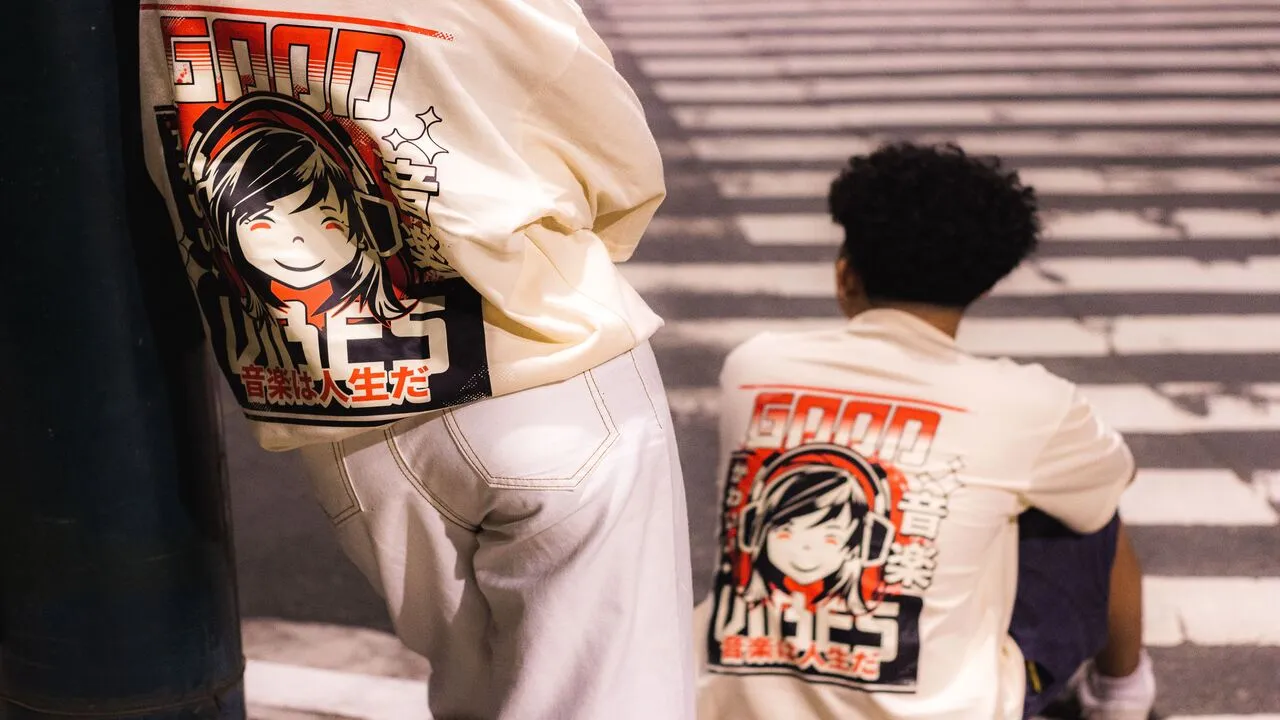
For streetwear, choose a distinct design feature to assess. It might be the shape of the blank, the garment finish or the relationship between a larger print and a relaxed silhouette. “Streetwear” is a direction for the collection, not a replacement for specifying the item.
Use a simple evaluation record:
Wash the item according to its care instructions when care performance is relevant to your offer. Keep the original measurements and photographs so you can compare the same features afterward. Describe what you observed without turning a small trial into a universal quality claim.
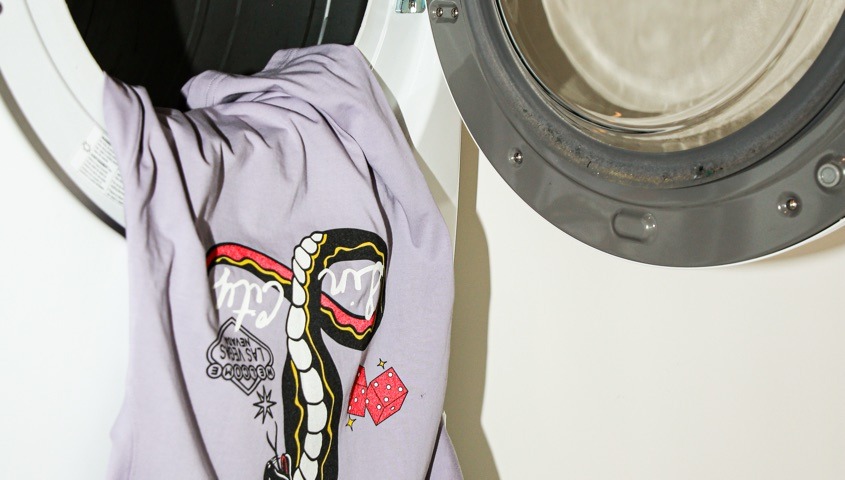
Set a stopping point before you order again. If the necessary silhouette is unavailable, repeated graphic changes will not solve that limitation. If the product meets the brief but needs a small placement adjustment, a focused revision may be reasonable. The next order should follow the result, not a feeling that buying more automatically produces progress.
Keep a comparison sheet when testing more than one garment. Give each item its own configuration, cost and evaluation result. If the tee succeeds and the hoodie needs revision, approve the tee independently instead of treating the whole test as either success or failure. That lets your next purchase follow the unresolved question. You can also postpone a product whose role is unclear, preserving the launch budget for the item that already fits the collection rather than spreading it across unrelated experiments.
Decide Whether This Supplier Fits the Next Test
Choose Tapstitch when the available garment, decoration, order total and delivery route let you answer the next product question. Select a different item or service when an essential condition doesn't meet your needs. This gives the no-MOQ decision a practical outcome instead of leaving it at “small orders are possible.”
Before purchasing, review the saved style, size, artwork and destination together. Confirm the total for that configuration and decide how much you are willing to spend on revisions. Keep the first test narrow enough that its result can guide a clear next action.
For a startup, the goal is an approved product with a manageable commitment. A single-item order is useful when it moves you toward that goal; it is not a reason to launch every design in the folder.
FAQ
Wrapping Up
No-MOQ ordering is useful when it lets you test the right garment at a manageable commitment. The decision still depends on the selected product, branding conditions, delivered cost and the question the trial needs to answer.
Keep each trial focused, record the result and use it to choose the next action. Approve a suitable configuration, revise a defined issue or select another product before expanding the range.