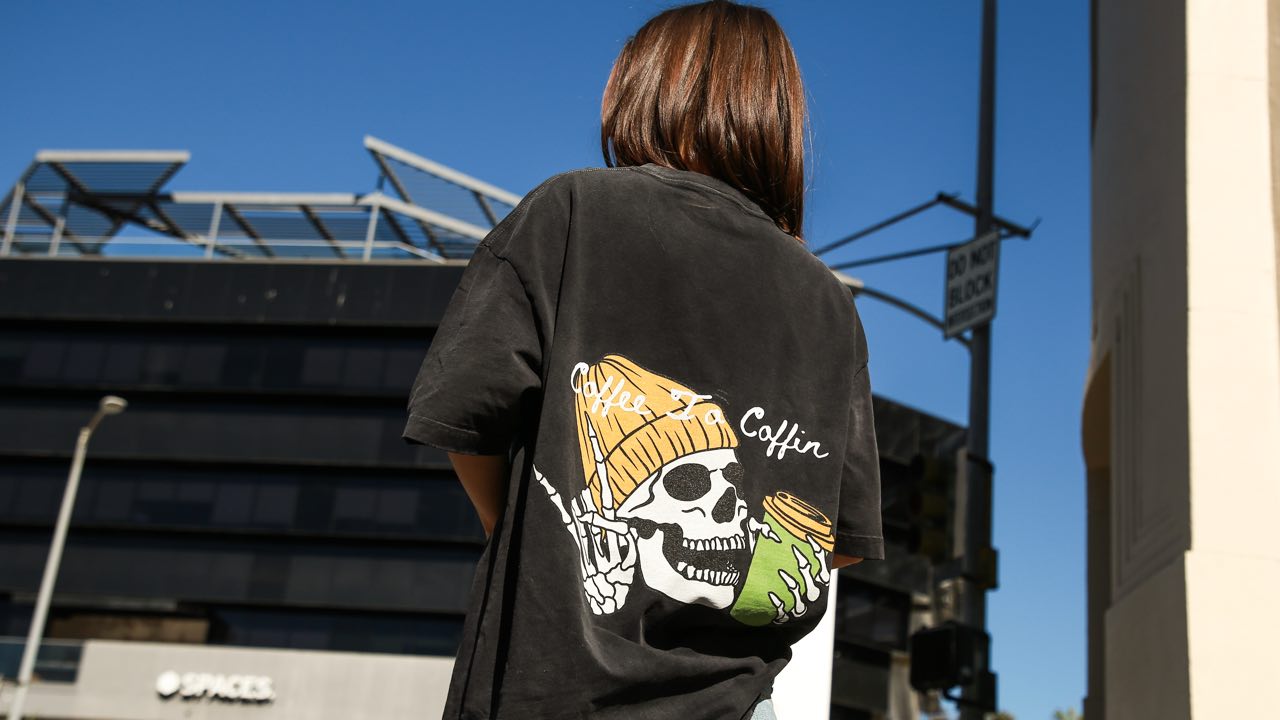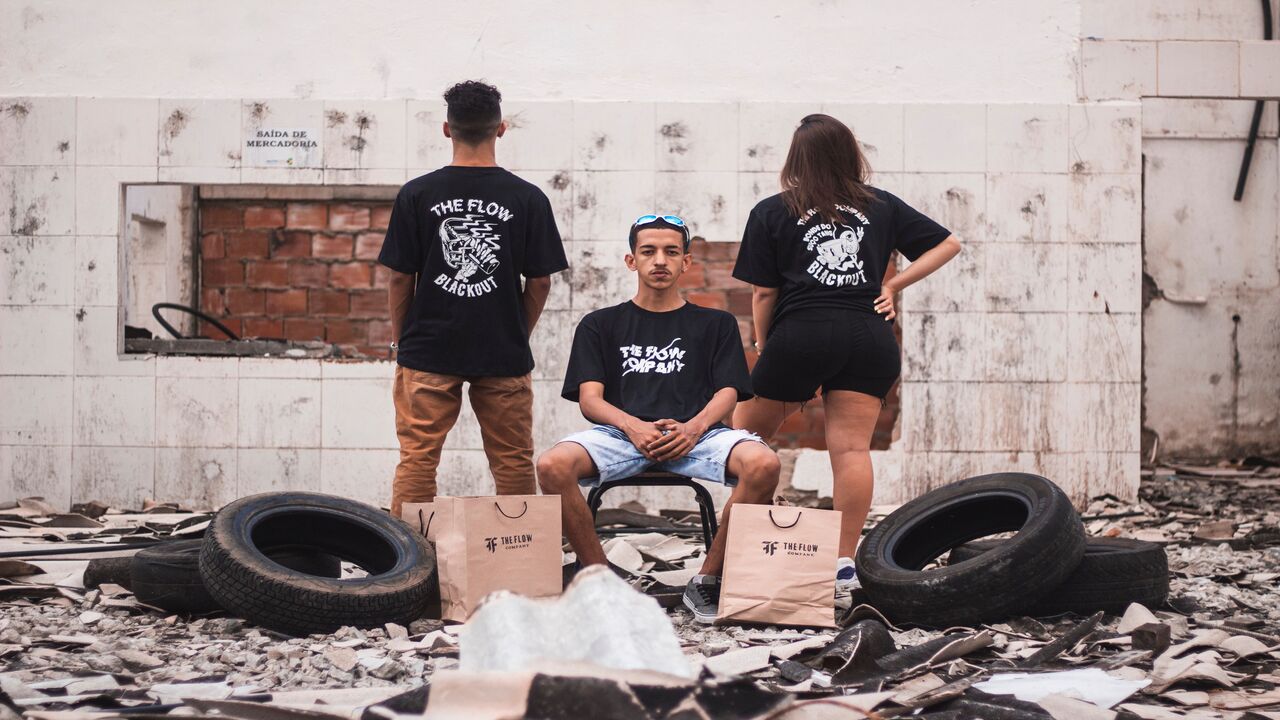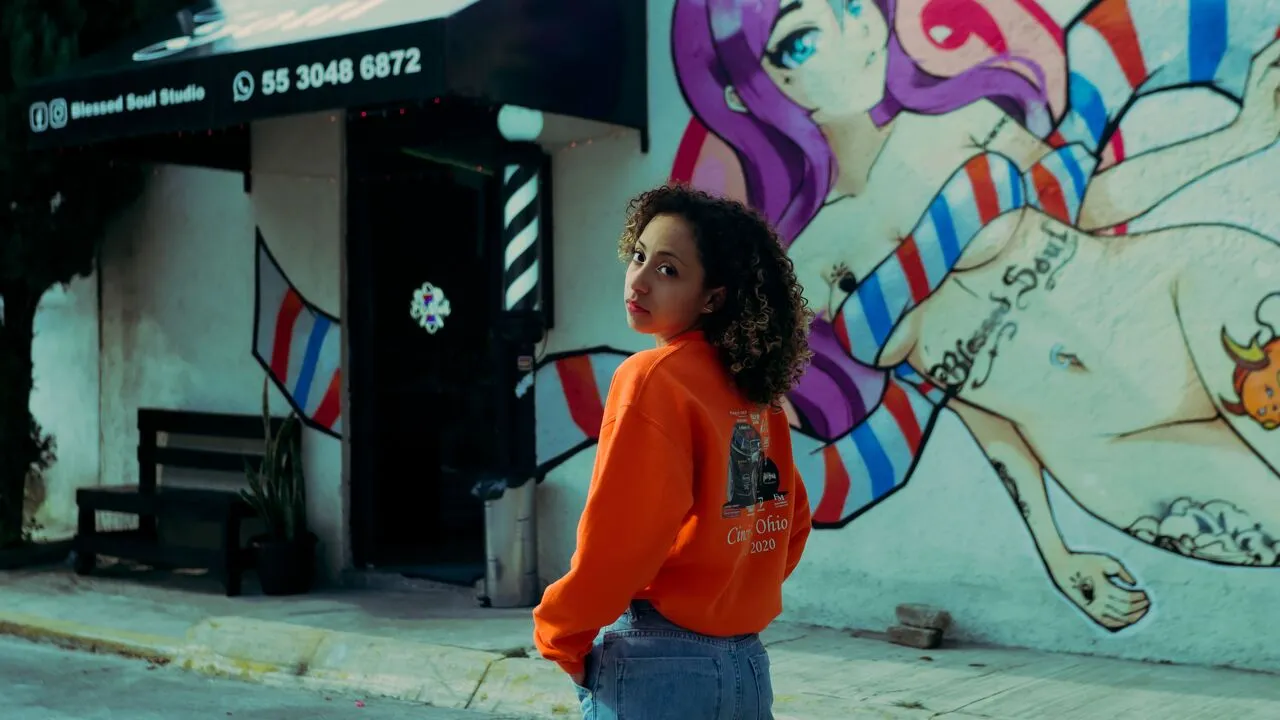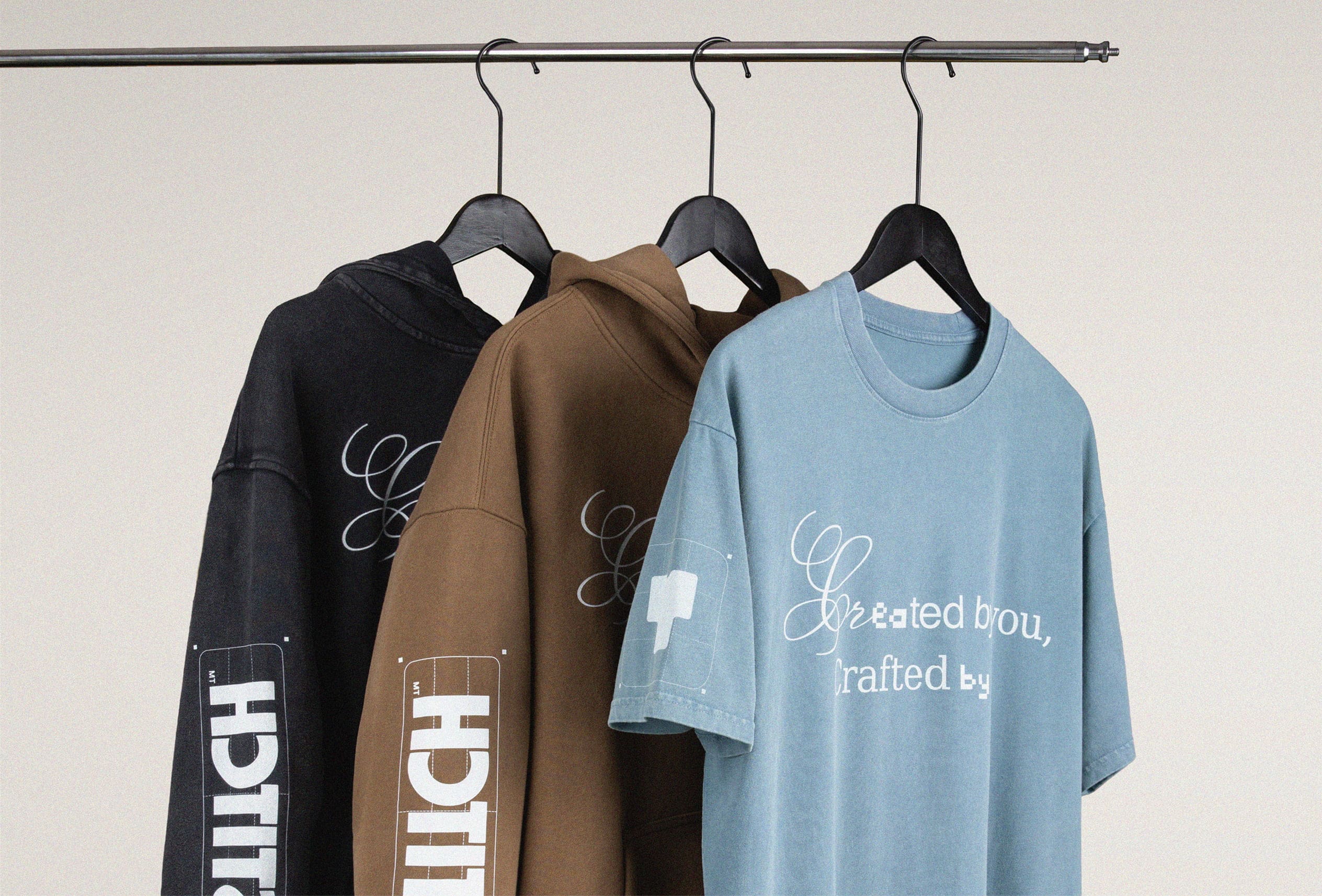





Best Print-on-Demand T-Shirts to Sell Online (2026)


The best print-on-demand T-shirt starts with the blank, not the design. No matter how good a design is, it will just end up looking bad on a T-shirt that is cheap, loses its shape after being worn a few times, and has a design that begins to fade after only a few washes.
Customers notice these details as soon as they open the package. If the shirt doesn't feel good in their hands or meet their expectations, they're unlikely to return to your store for another purchase.
Not every T-shirt blank will suit your store or your customers. Here are some of the top options for 2026 and what you should consider before making your choice.
What Are Print-on-Demand T-Shirts?
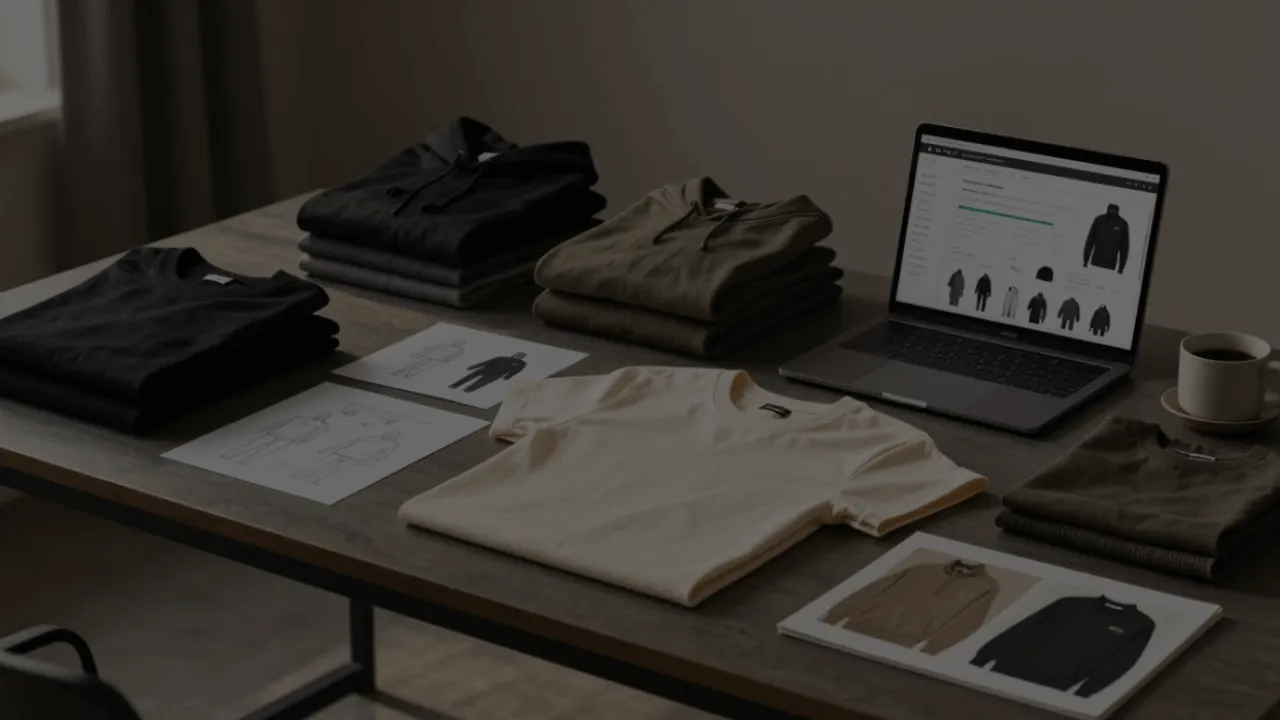
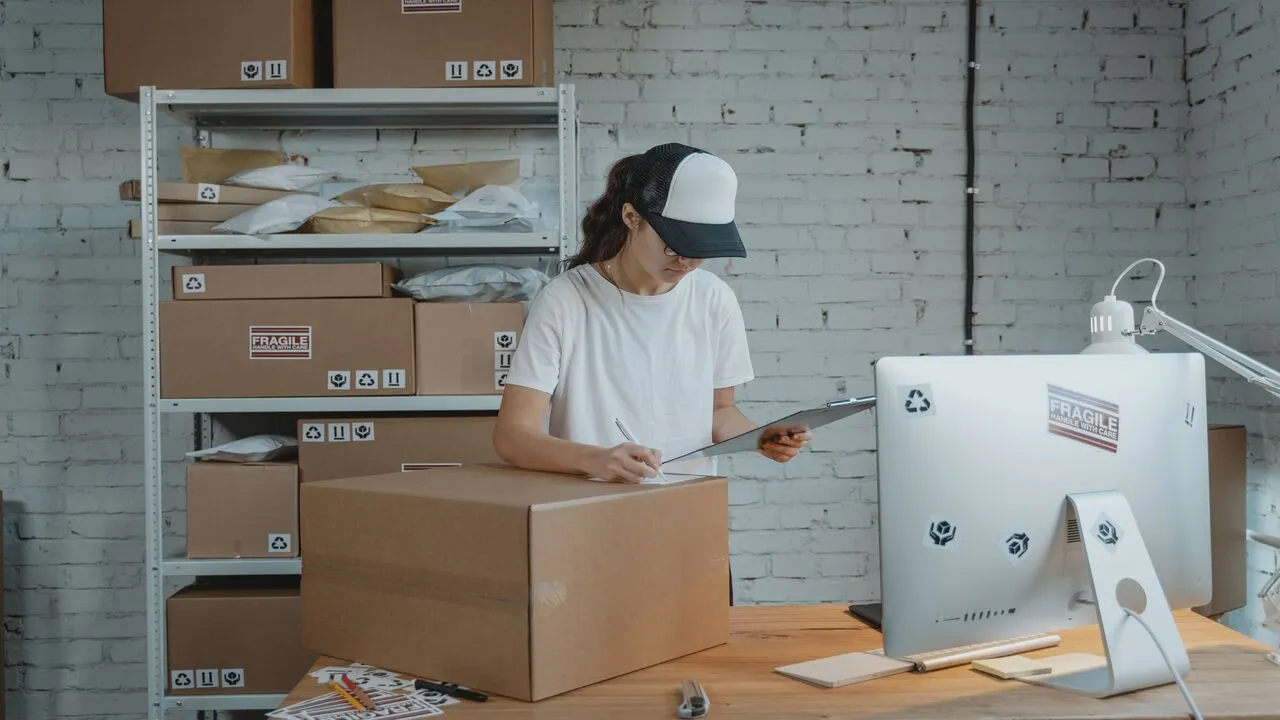
Print-on-demand shirts are blank shirts that aren’t even printed until a customer buys them. There’s no inventory or initial cost risk on your side to figure out what colors or sizes to get the blank shirts printed in. You upload your design to a blank shirt, and a purchase order immediately triggers that product to be produced, packaged, and shipped.
A few reasons this model has stuck around:
- Low startup costs with no upfront investment of purchasing a warehouse full of product or pre-selecting sizes.
- Test designs without risk. If customers don’t love what you created (which is more frequent than it looks from some’s work online), then you haven’t wasted any of your time or money.
- Scales automatically; your print-on-demand store will require far less overhead from the jump.
- It pairs naturally with a custom t-shirts storefront for sellers who eventually want bulk or fully branded options too.
Here's the part people underestimate, though: the blank shirt itself is what makes a store feel premium or forgettable. The design might be what sells the click, but the shirt is what sells the second order.

Quick Reference: T-Shirt Blanks Compared
Here's a side-by-side look at how these eight options stack up.
There's no single "right" choice on this list, honestly. It comes down to who you're selling to and what kind of designs your store is built around.
Best Print-on-Demand T-Shirts to Sell Online (2026)
So which blanks are actually worth building a catalog around? Here's the breakdown, based on fabric, fit, and the kind of store each one suits best.
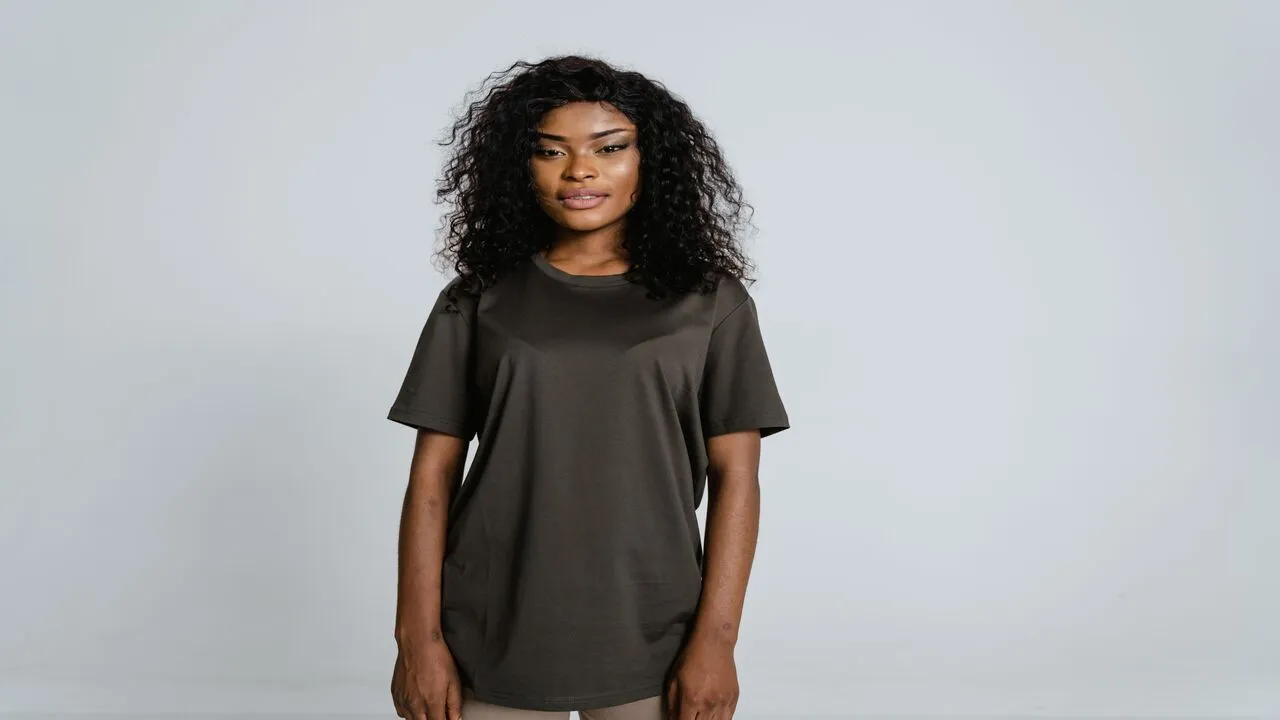
1. Classic Heavyweight Cotton Tee
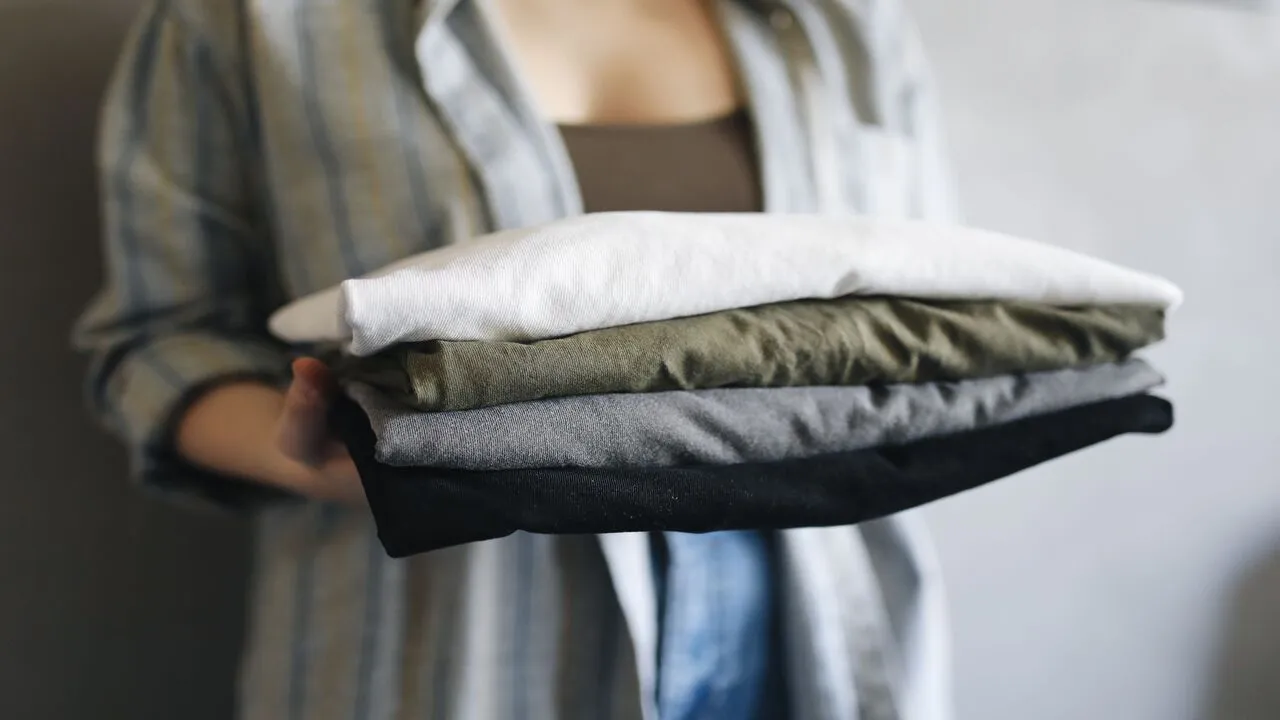
There's a reason this stays the default pick year after year. The heavyweight option is the true standard for your printed apparel, anywhere from 180 GSM to 220 GSM. It has an ample weight and prints graphics perfectly.
- Works with all sorts of designs, from minimalist to bold and bright.
- Suitable for both DTG and screen printing methods.
- A solid first print product for any store without a defined brand.
- An excellent option if you have no established customer profile.
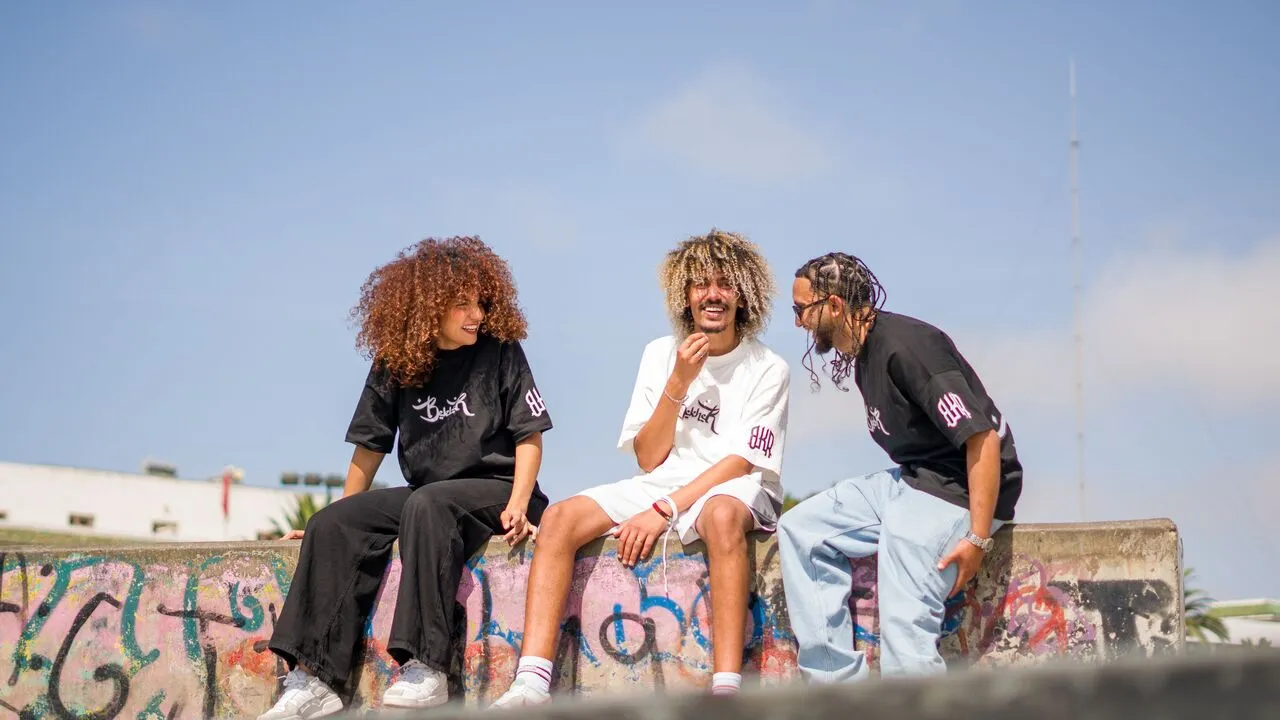
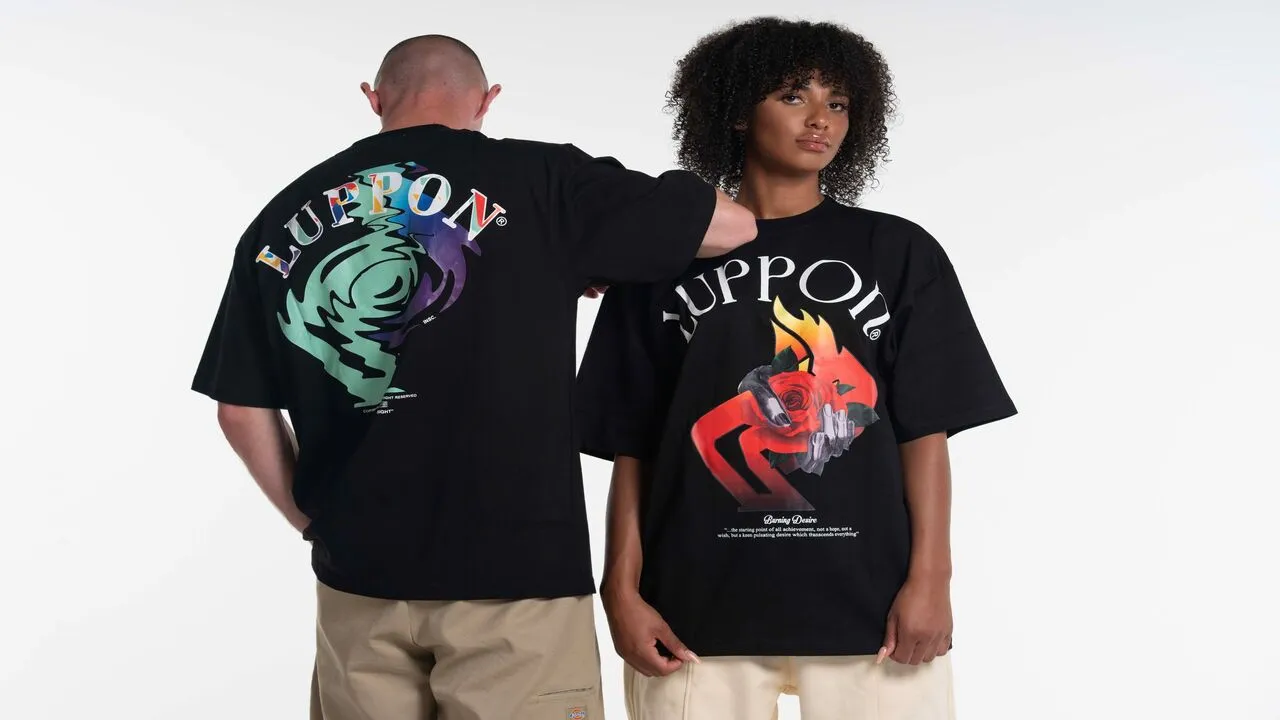
2. Oversized Streetwear Tee
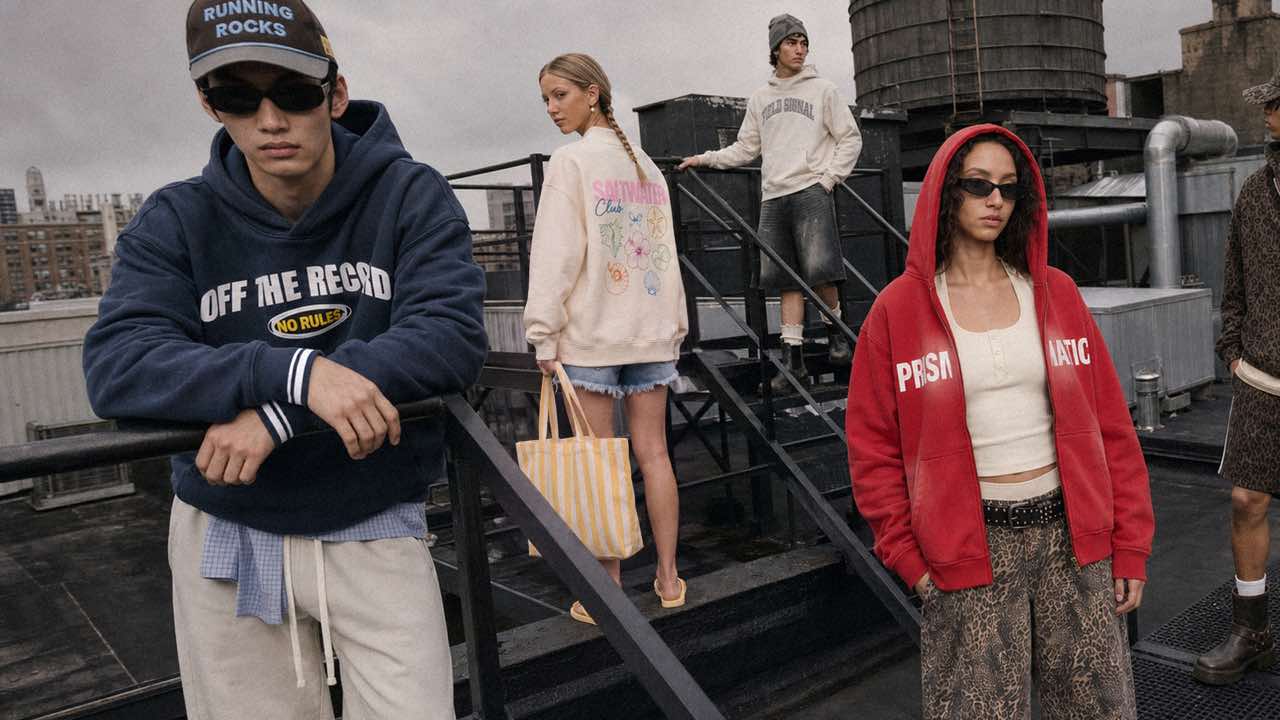
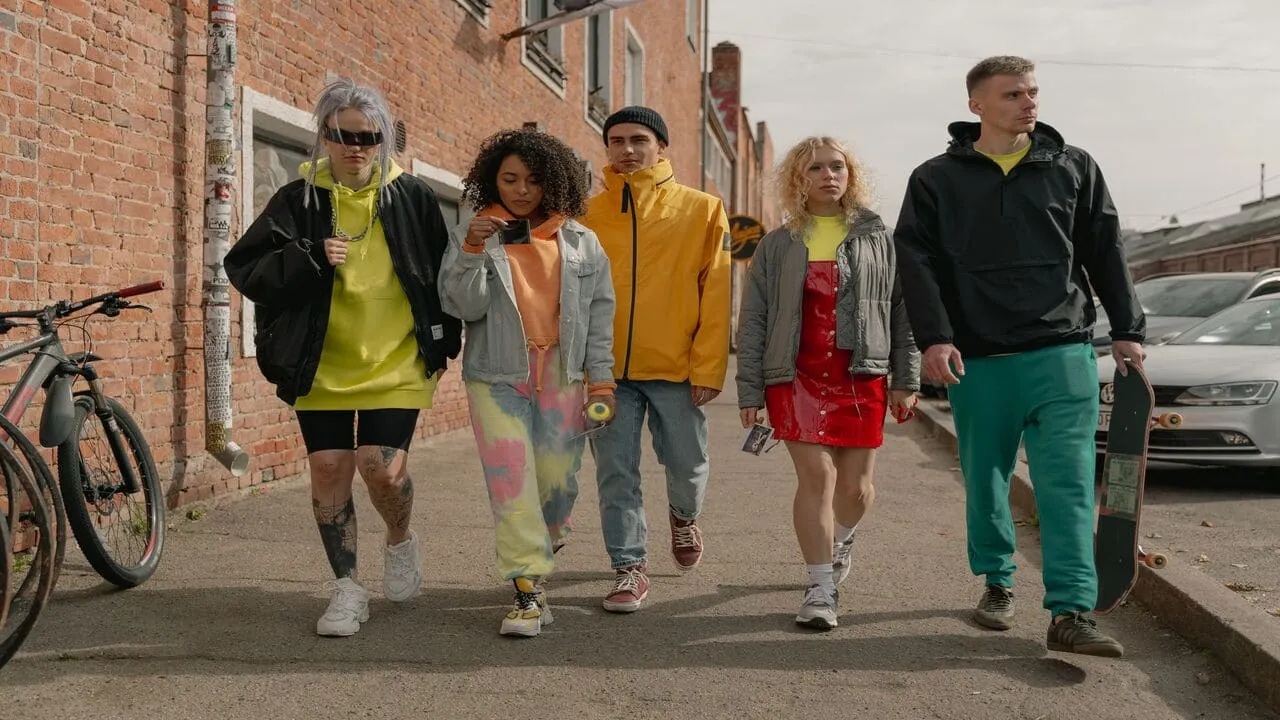
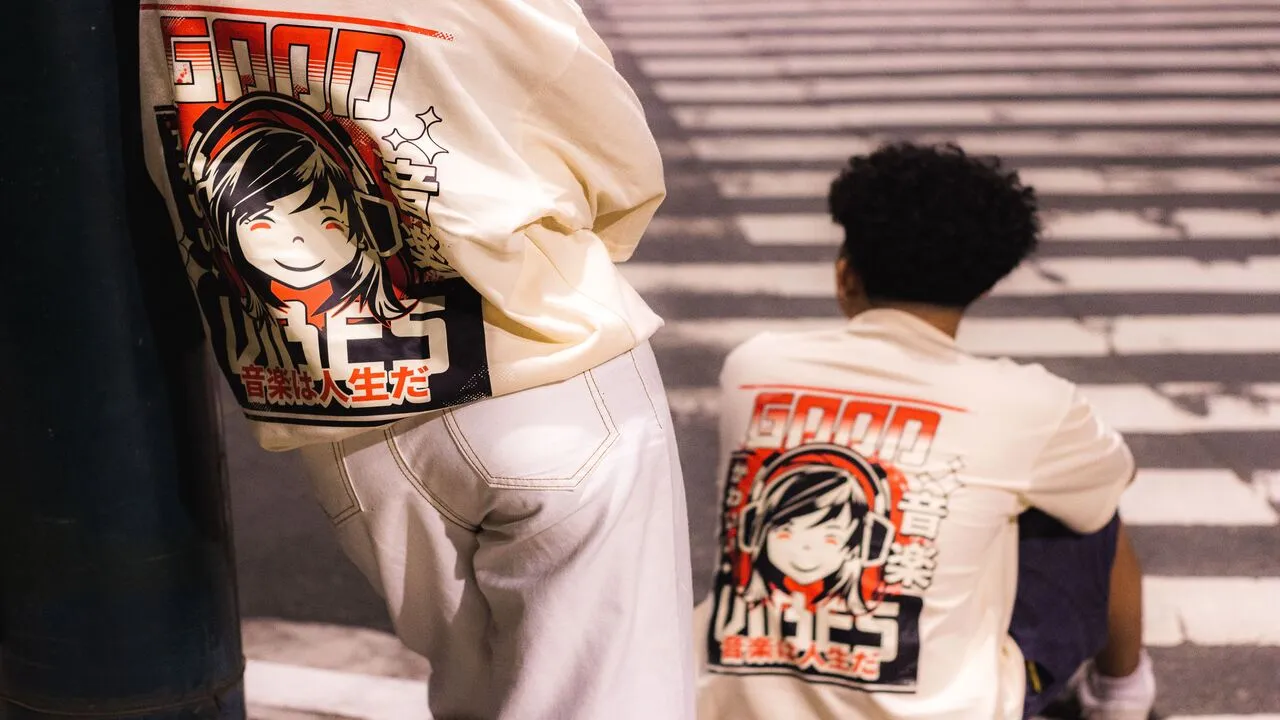
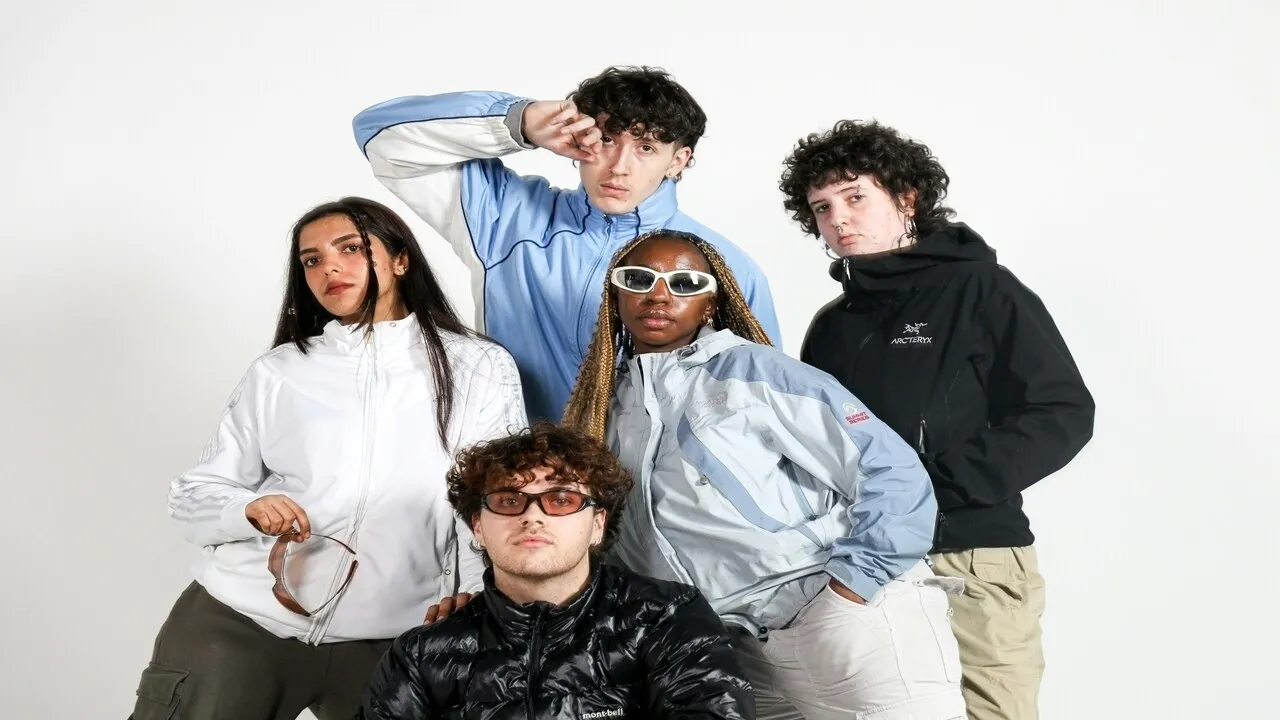
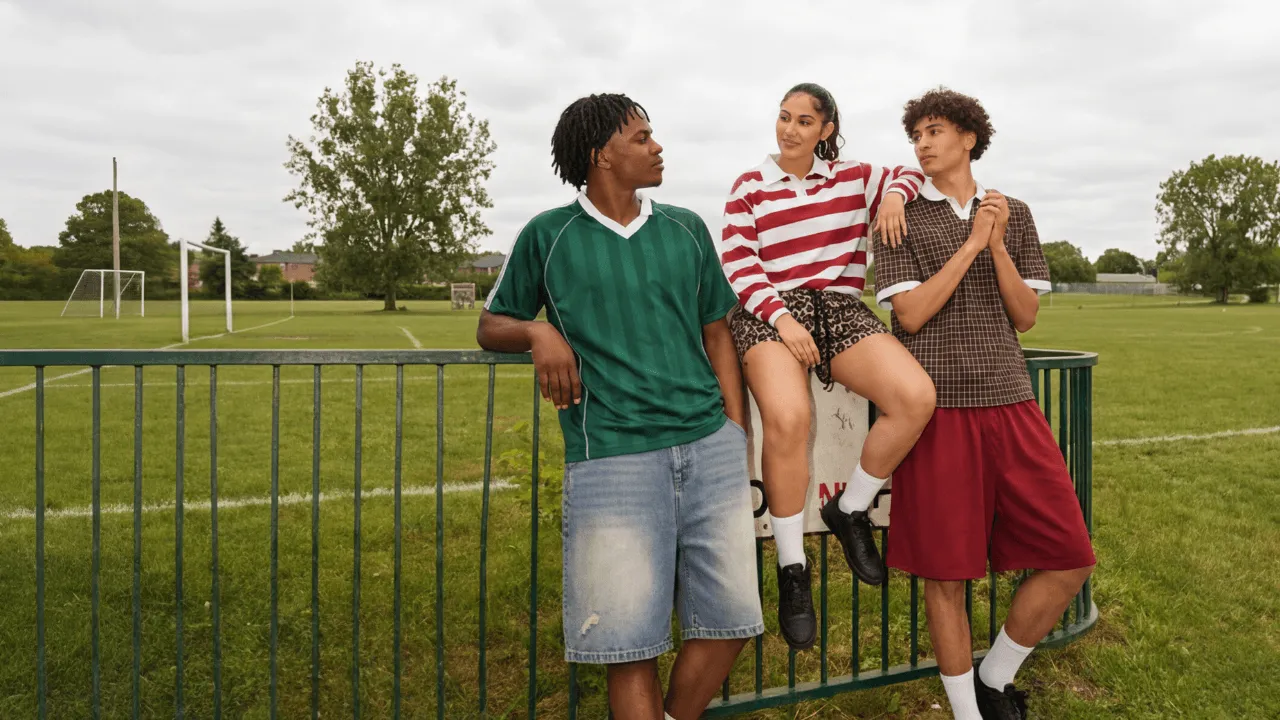
Oversized fits are going nowhere soon, with particular appeal to the under-25 crowd that flocks to streetwear and graphic t-shirt labels.
- Typically features a boxy fit with dropped shoulders and extended overall length.
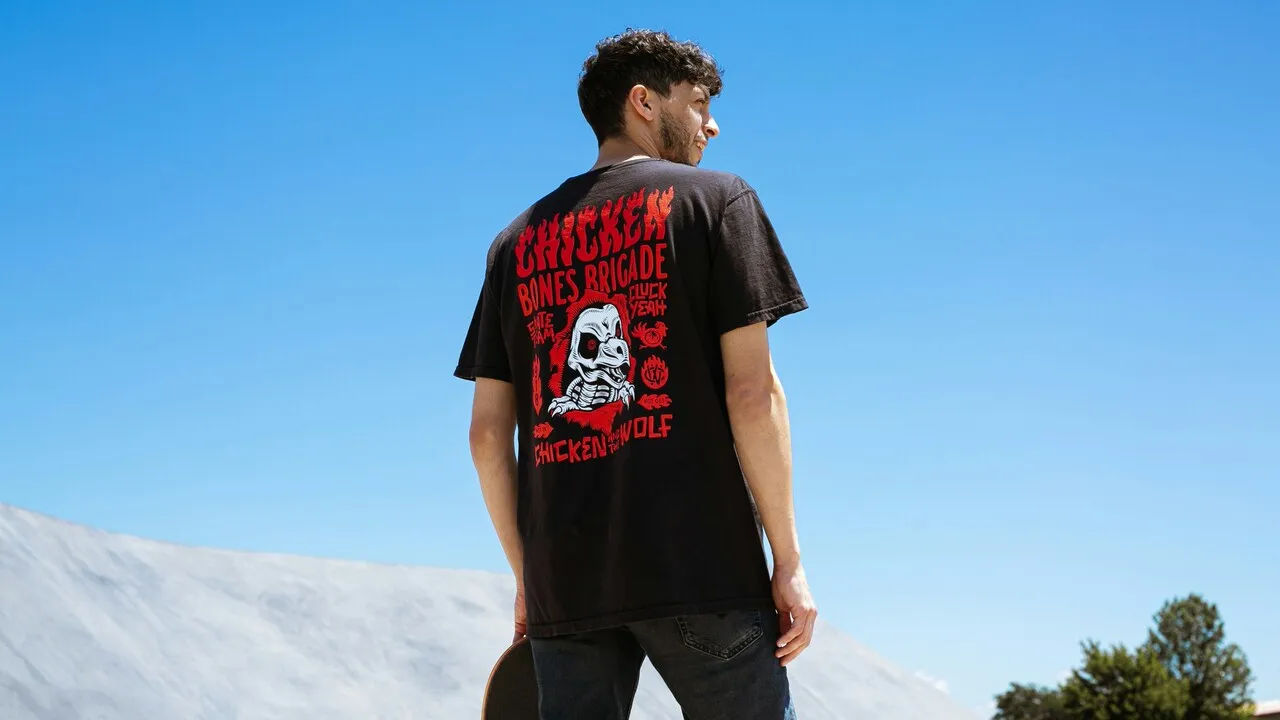
- It provides space for your larger, center-aligned graphics.
- This style works fantastically if your following is primarily young or style-conscious.
3. Eco-Friendly or Organic Cotton Tee
Many consumers are becoming very aware of what is in their clothes, and eco-friendly T-shirts are definitely something to consider stocking in your store.
- Can be ordered in organic cotton, recycled content, or a blend of both.
- Great for brands that care about sustainable/ethical clothing manufacturing.
- Appeals to consumers that are potentially willing to pay extra money for "greener" clothing.
4. Tri-Blend Soft Tee
Mix cotton, polyester, and rayon, and the end result is a shirt that feels significantly lighter and softer than your average cotton tee – customers often consider it to feel "already broken-in."
- This type of shirt is very popular with lifestyle and fashion-oriented brands.
- A bit more expensive than the standard cotton tee, so that needs to be considered in your profit margins.
5. Long Sleeve Tee
Adding long sleeves stretches a catalog past basic t-shirts without launching an entirely new product line.
- Keeps a store relevant through cooler months.
- Uses the same printing process as short sleeve shirts in most cases.
- An easy way to bump up average order value.
6. Kids and Youth Tee
This one gets overlooked more than it should. Kids' sizing opens a store up to family-oriented buyers who are often shopping for more than one shirt at a time.
- Smaller print areas mean designs sometimes need simplifying.
- Works well paired with a matching adult design for family sets.
- Worth adding once your core adult lineup already has some traction.
7. Plus-Size Tee
Size inclusivity isn't optional anymore for a store trying to reach its full potential audience.
- Extended sizing, typically running up to 4XL or 5XL depending on the supplier.
- Double-check that print placement scales properly across the full size range.
- Builds real trust with shoppers fast fashion has historically ignored.
8. Vintage-Wash Tee
If you're going for a vintage, lived-in look from day one, washed and dyed T-shirts are a great choice. They already have that soft, worn-in feel, so there's no need to wait for the fabric to soften with repeated wear
- Great for vintage and nostalgic graphics and designs.
- It costs a bit more to produce, and this is generally reflected in the cost of the shirt.
- Stands out from the mass of plain-washed blanks you can find in the market.
9. Snow-Washed Oversized Tee
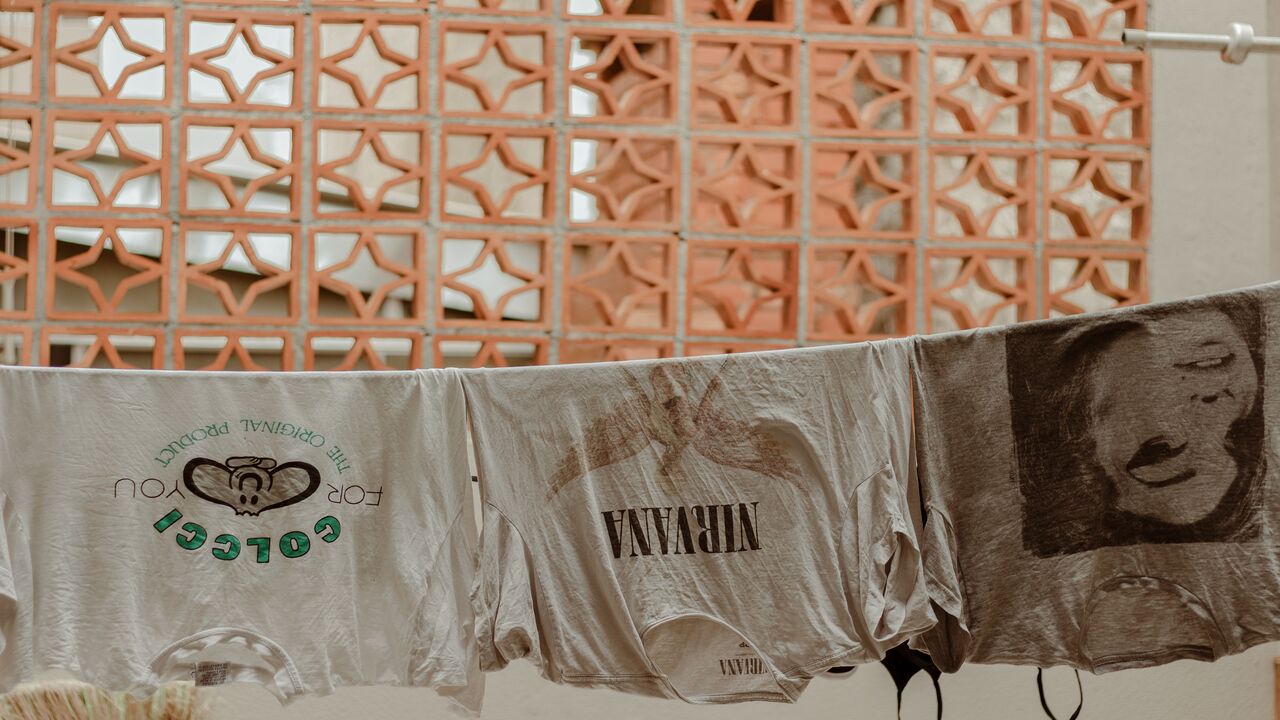
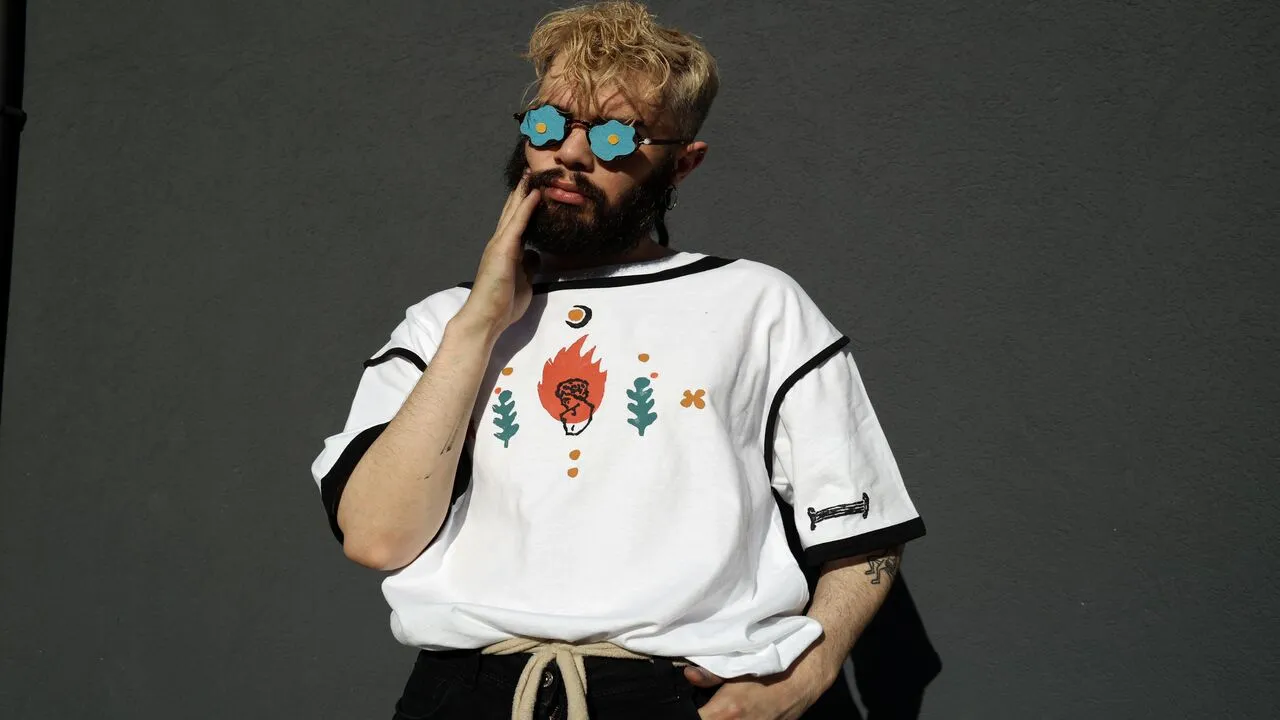
Oversized and enhanced - the snow wash effect is like flecks of clouds or snow dusted across the garment, giving each piece a one-of-a-kind appearance.
- This is a cool combination of the oversized dropped-shoulder look with a faded, well-worn texture.
- Sells higher due to the elevated streetwear feel compared to a standard blank.
- Great fit for limited runs and "one batch" releases.
10. Mesh-Blend Piped Tee
A cotton and mesh blend with bold contrast piping along the seams, built for brands that want a sportier, more athletic edge.
- Piping detail gives an otherwise simple tee a lot more visual interest without needing a busy print.
- Suits sports-adjacent or athleisure-inspired storefronts.
- A good option for a signature "hero" product rather than a full catalog staple.
11. Eco-Friendly Performance Tee
Made with Sorona fiber, this tee offers a comfortable, soft, and breathable feel with eco-friendly features.
- An excellent option for brands wanting a more sustainable option in between a basic eco tee and activewear.
- Suitable for summer collections, gym wear, and outdoor prints.
- It also fits well with brands that emphasize both a more sustainable fabric and performance.
12. Retro Raglan Colorblock Tee
This tee features raglan sleeves and a color-blocked design that brings a classic feel reminiscent of 90’s and 2000’s styles.
- Comes in multiple color combinations, providing 2 or even 3 different prints from one style.
- Suited for casual, streetwear, and lifestyle prints.
- It would look best in simpler prints as the color-block pattern does the work of being eye-catching.
Choosing the Right Print Method
The blank matters, but so does how the design actually gets onto it. Get this wrong and even a great shirt can look cheap.
DTG (Direct-to-garment). DTG printing works a bit like an inkjet printer for fabric: The design is essentially sprayed onto the T-shirt. This is how the majority of Print-on-demand suppliers do business: this is because DTG is amazing with detail, provides a colorful design, and you never run into setup costs for designs.
Screen printing. Screen printing works by pushing inks through an individual stencil or screen per ink color; to use screen printing for an individual item, you'd probably see setup costs associated with each color of the design. Bulk orders of a single design, though, can see more wear with DTG printing, with screen printing wearing a little better and generally yielding slightly bolder results.
Sublimation printing. Instead of simply dyeing the garment on the surface like most processes, sublimation is a process that dyes your polyester fabrics with vibrant, custom graphics. It actually penetrates the surface layer of the fabric and bonds to the individual fibers to achieve a smooth, high-quality printed T-shirt that won't peel, crack, or scratch.
For most new stores selling one-off, order-triggered designs, DTG is the practical default. It's what makes true print-on-demand possible in the first place: no minimums, no setup fees, and no need to guess how many of a design will sell before printing a single one.
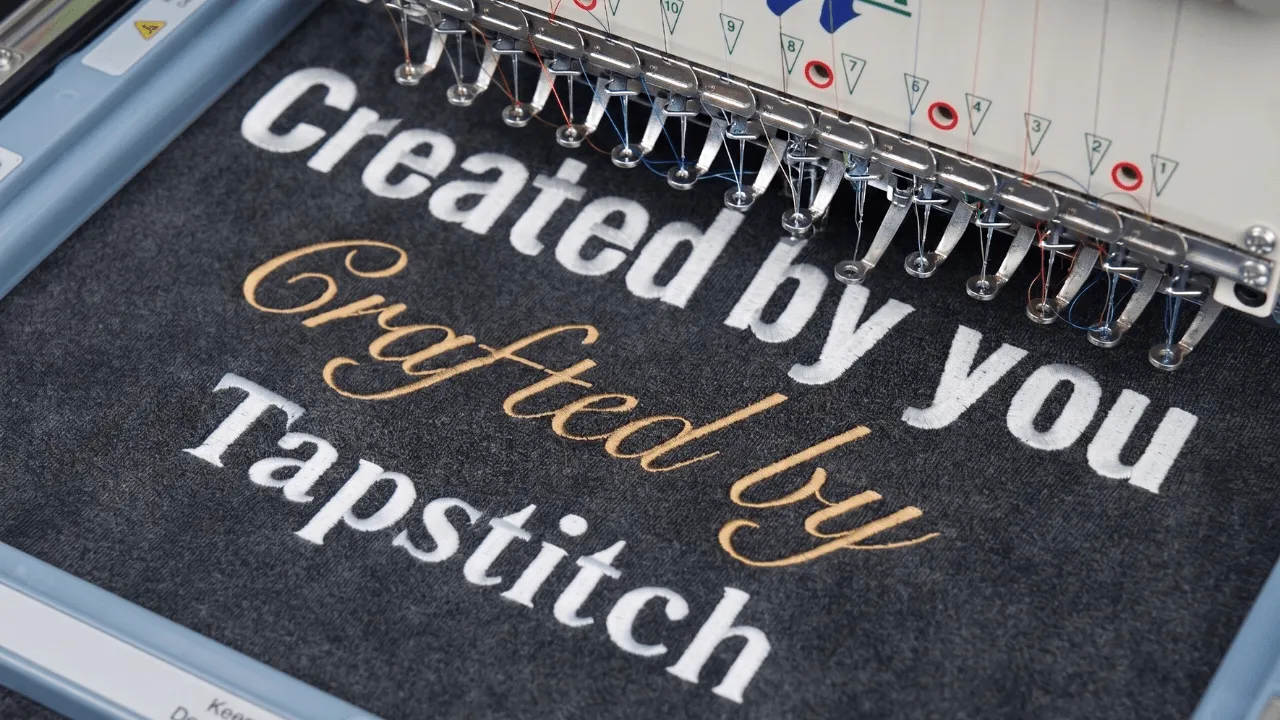
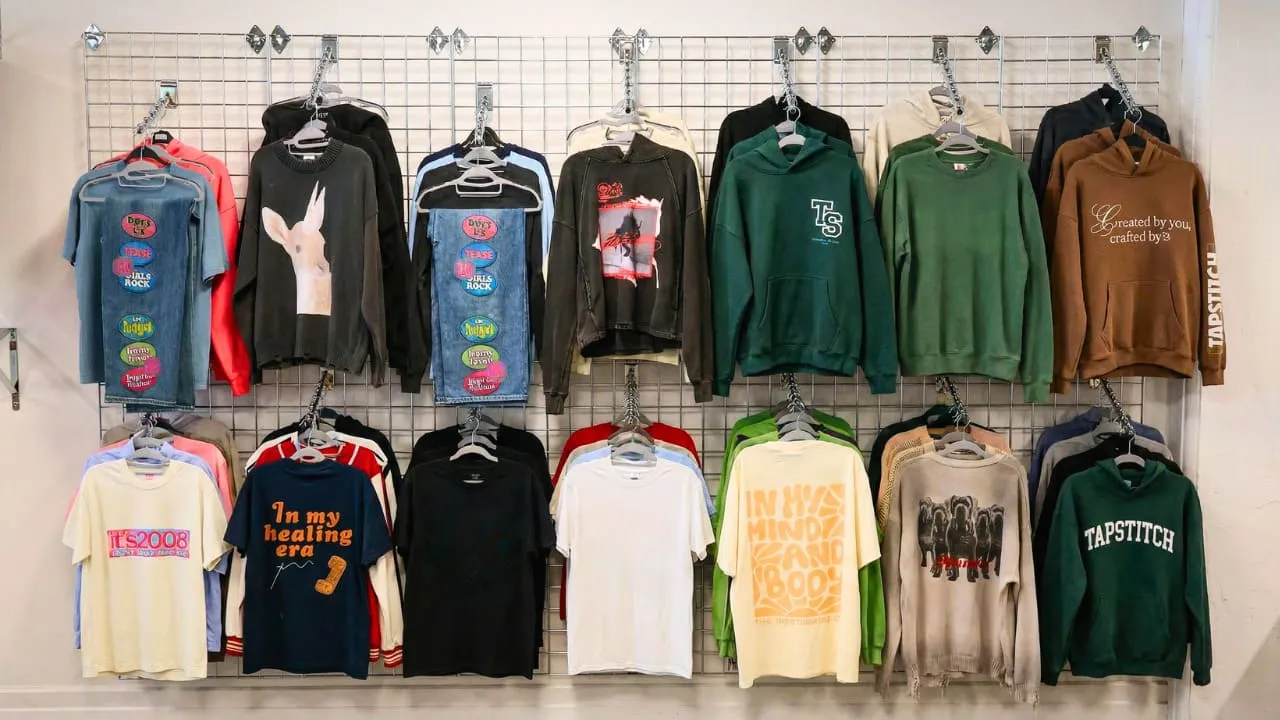
Turn your designs into high-quality products with Tapstitch, choose the right print method, and start selling with no inventory required.
Common Mistakes When Choosing POD T-Shirts
A handful of mistakes show up again and again across new print-on-demand stores, no matter the niche.
- Going with the cheapest blank you can find. A thin, flimsy shirt drives more returns and bad reviews than almost anything else in this business.
- Skipping fabric weight in the product description. More buyers now search using terms like GSM or shirt weight, and leaving it out costs both trust and visibility.
- Using one shirt type for every design. A small minimalist logo and a loud oversized streetwear graphic usually call for two different blanks, not one.
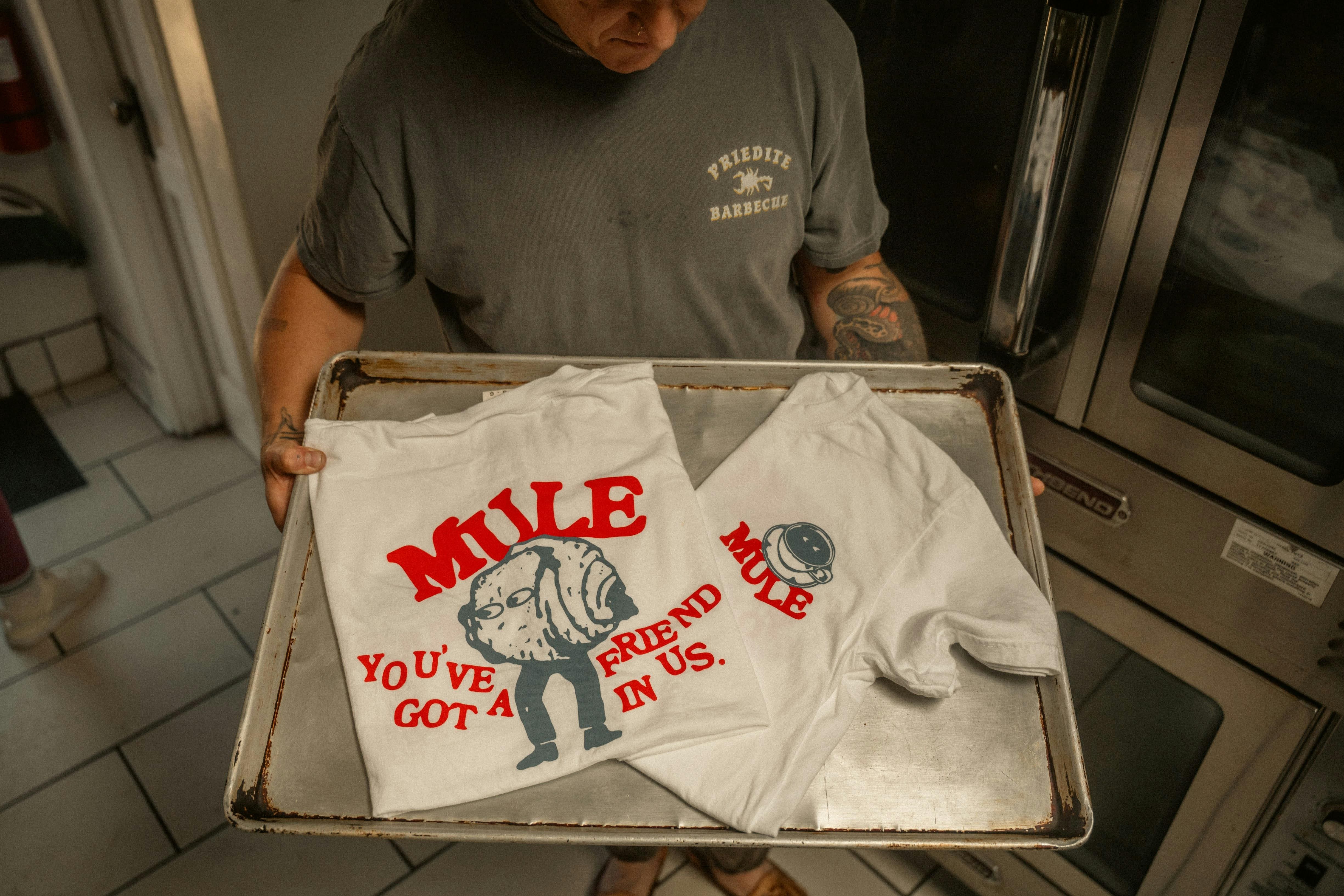
- Never ordering a sample. A physical sample catches print quality issues before your customers do, and it's a lot cheaper than a wave of refund requests.
None of these mistakes are expensive to fix.
How to Start Selling Print-on-Demand T-Shirts
The first step of choosing the right blank shirt will resolve half of the problem. It'll generally involve the following:
- Get a product and audience finalized before choosing blanks.
- Not all eight of the shirts listed above: begin with only one or two.
- Upload and apply the designs to your blanks.
- Price your shirts to cover blank cost, printing, shipping, and an actual margin.
- Launch through your storefront and pay close attention to the feedback that starts rolling in.
For a full walkthrough of setup, pricing, and platform choices, Tapstitch's guide on how to sell print-on-demand t-shirts covers the whole process in more detail.
FAQs
Final Thoughts
The shirt itself isn't just background detail in a print-on-demand T-shirt business. This is the actual product your customers are getting in their hands, and it's ultimately what's going to build the credibility and brand loyalty needed for your customers to return and make repeated purchases.
Start by testing one or two of the options mentioned above with sample orders before launching. Once you're happy with the quality and customer response, you can confidently expand the rest of your catalog.