






90s Fashion Trends & Outfits That Still Work Today
.jpg)


The 90s weren't left behind. Every few years, the cycle pretends to discover something new, and every time it turns out to be a slip dress, a baggy jean, or a baby tee with a sharp little graphic across the chest. The 90s fashion trends that defined the decade (Cobain in cardigans, Aaliyah in Tommy logos, Cher Horowitz in plaid) wrote the playbook for everything streetwear, prep, and minimalism are still running on today.
This wasn't an era of one look. It was an era of contradictions, and that's exactly why it keeps coming back. If you're building a brand right now, you're either pulling from the 90s on purpose or by accident. Here's what the decade actually looked like, and how to use it without turning into a costume.
What Did People Wear in the 90s
Before we get into the specific trends, it's worth noting what made the decade move differently.
The 80s were loud. Power suits, neon, hair you could see from space. The 90s pulled the volume down. Music got introspective. Nirvana, Wu-Tang, Mazzy Star, Tribe. Fashion followed. The silhouettes loosened. The colors deserted. Logos got bigger, but the energy got cooler.
Then MTV happened. Then Friends. Then Clueless. Then Sex and the City. Suddenly, the whole country could see what people were wearing in Seattle, in the Bronx, in Soho, in real time. Subcultures collided in living rooms.
That collision is the 90s aesthetic. Streetwear borrowed from sportswear. High fashion borrowed from grunge. Hip-hop borrowed from Polo. Everybody was building their identity out of pieces nobody had stitched together before.
That's the part to steal. Not the exact look. The willingness to mix.
The 90s Fashion Trends That Keep Coming Back
Eight lanes the decade left wide open, every one of them back in heavy rotation. Each carries a different mood, a different audience, and a different way to build a brand around it.
1. Grunge
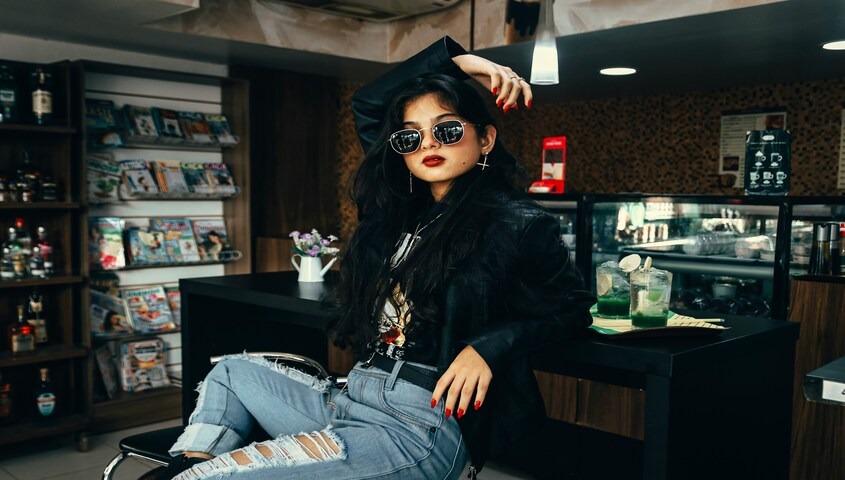
The most dominant anti-fashion trend of the decade. Grunge originated in Seattle’s underground music culture (Nirvana, Pearl Jam, Soundgarden, Alice in Chains) and elevated secondhand clothes to international style iconography.
The look: baggy flannel shirts, scuffed jeans, vintage concert t-shirts, scuffed-up Doc Martins, beanie caps, and an air of “I don’t care” that most people could mimic in about two hours. Kurt Cobain in cable-knit sweaters. Courtney Love in slip dresses and military-style footwear. Marc Jacobs was canned from Perry Ellis in 1993 for bringing it onto the runway. Then everyone else imitated his vision for the rest of the decade.
It wasn’t about the garb. It was all about the lack of glossiness. The T-shirt was worn out. The hooded sweatshirt had tears. The denim had been around the block.
This attitude is all pervasive at present times. Thick fleece, distressed fabrics, ripped hems, and other elements of style. Absolute 90s grunge passed on to the 2026 street fashion scene, with better material.
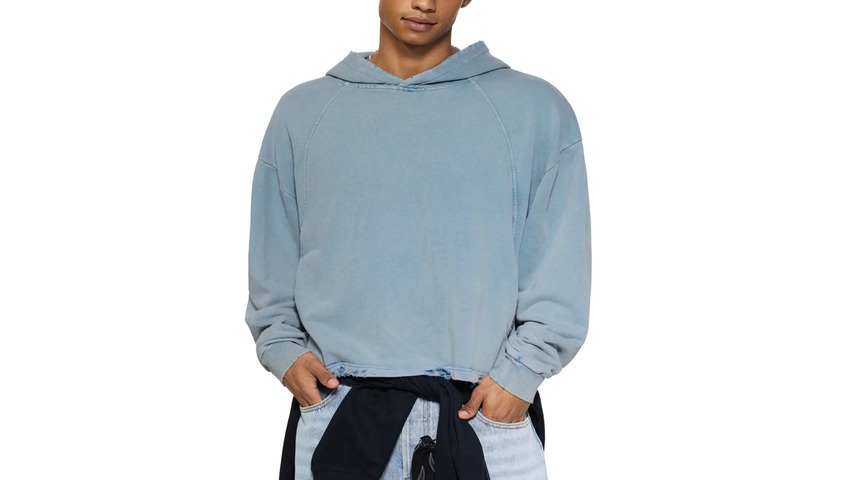
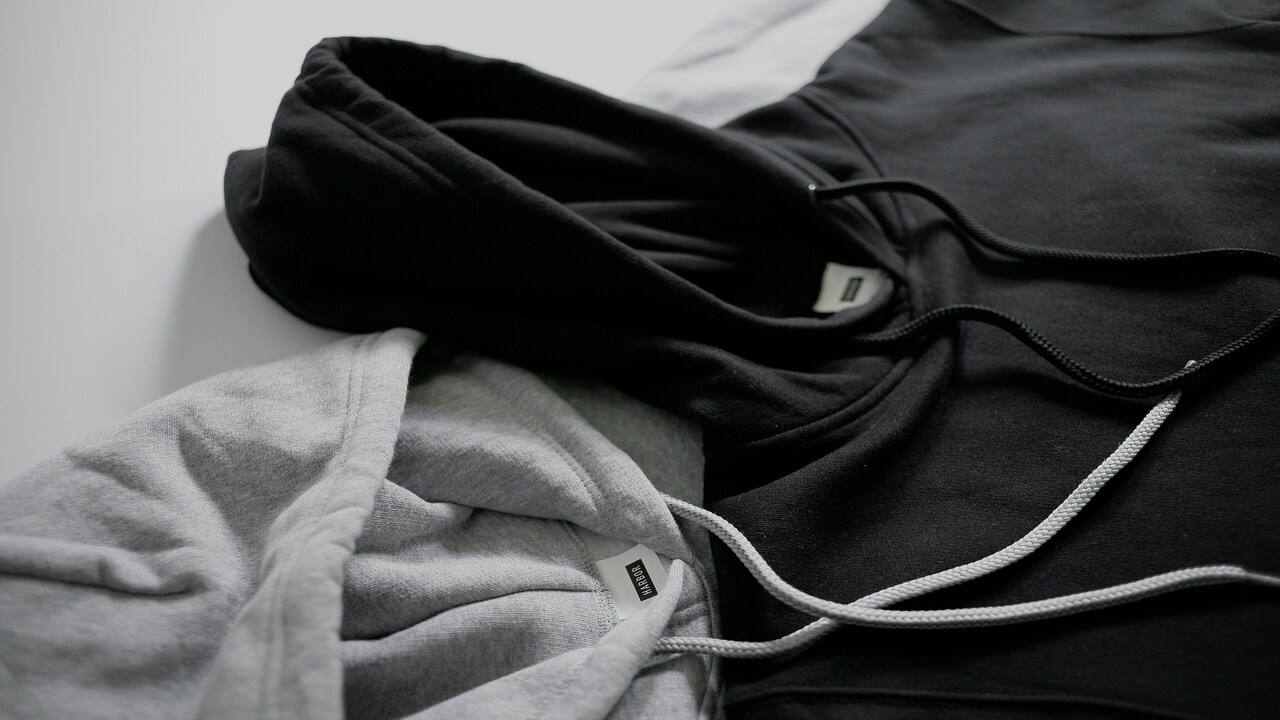
The Tapstitch pull: the Vintage Washed Frayed-Hem Hoodie. Hand-frayed edges, vintage wash, distressed details that actually look distressed. The exact piece Cobain would've thrown over a tee for an unplugged set. Lived-in straight off the rack.
2. Hip-Hop & Streetwear
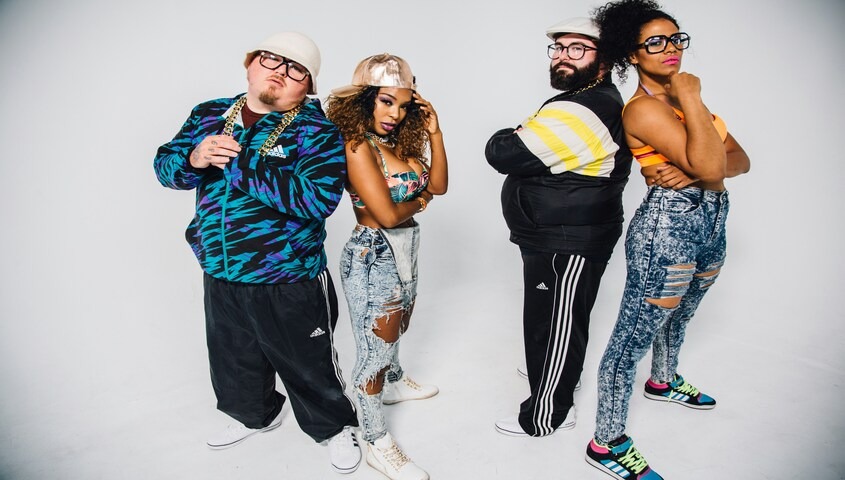
If grunge was the dressed-down 90s, hip-hop was the dressed-up one. And it shaped streetwear permanently.
Tupac in Versace. Aaliyah in a baggy Tommy Hilfiger. TLC in oversized everything. Biggie in Coogi sweaters. The Wu-Tang Clan is turning Polo into a uniform. The look was big. Wide-leg denim, oversized graphic tees, sportswear logos worn loud, jerseys with no game attached. Phat in every sense of the word.
This was the generation that created the bond between music, branding, and personal style. FUBU. Cross Colours. Karl Kani. Phat Farm. Sean John. Not only were they brands, but brands that said that hip-hop did not need the approval of European haute couture to create its own look.
It was about the fit. Oversized was not something that had been made popular yet. It was more about the boxier cuts, the dropped shoulders, and the generous sizing. Clothing that provided comfort but allowed you to stand out. All of these are back.
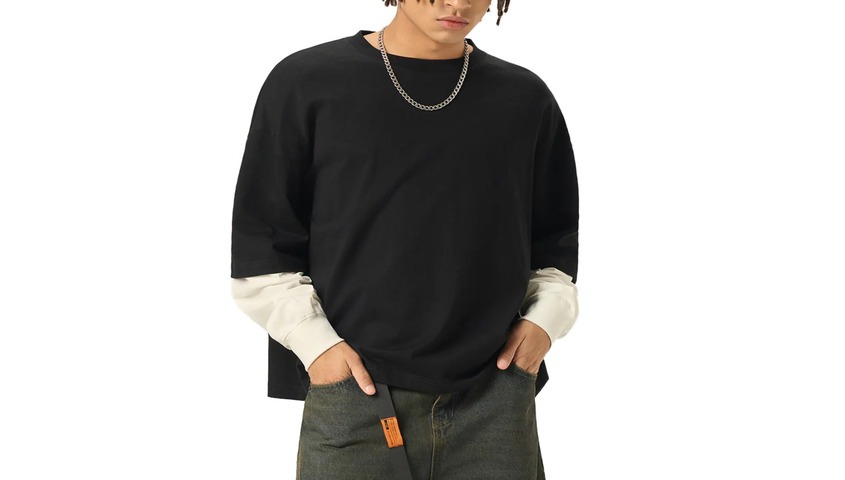
The Tapstitch pull: the Layered Long Sleeve Oversized Tee. Double-sleeves, oversized bodies, soft cotton material. The same silhouette used in 90s music videos by Aaliyah and TLC. Already layered, requiring no additional styling at all.
3. Minimalism
While grunge was getting messy and hip-hop was getting loud, a third lane quietly took over the editorial pages.
Calvin Klein. Helmut Lang. Jil Sander. Prada's mid-decade pivot. Carolyn Bessette-Kennedy is walking out of her apartment in a slip dress. Kate Moss in a white tank top and jeans for the Calvin Klein campaign that defined a decade.
90s minimalism was not austere. It was confident. Lines were clean. Palettes were neutral: black, white, beige, grey, navy. Good materials spoke for themselves. No excess. The aesthetic screamed, “I have nothing to prove.” And somehow it resonated more than all the brash statements being made around it.
This is one of the best underdog paths to raid at the moment. While all the other kids run after the flashiest graphic, a perfectly tailored tank in unbleached cotton packs more punch than half the drops you see on your feed.
The Tapstitch pull: the Slim-Fit Topstitch Tank Top. The Mark Wahlberg / CK '92 undershirt-as-shirt move. Ribbed, slim, no logo, no fuss. The piece Carolyn Bessette would've layered under everything if she had a Tapstitch login.
4. Prep & Polo
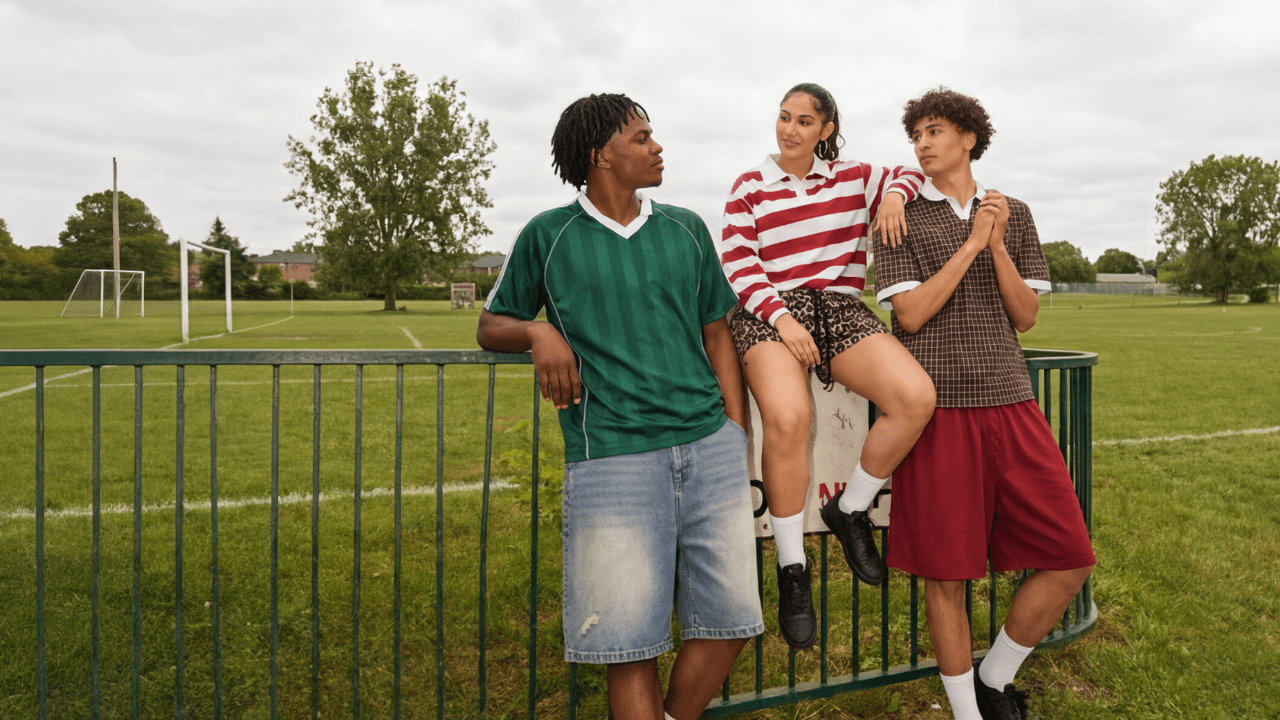
Polo Ralph Lauren. Tommy. Lacoste. Nautica. Gap. The aesthetic: polo shirts in primary colors, pleated khakis, button-downs tucked in, and sweaters worn over the shoulder. Rachel's wardrobe from Friends. The Fresh Prince of Bel Air's Will Smith during his school days. The wholesome interpretation of the decade.
However, something happened in the nineties with prep. Hip-hop culture took it and redefined it. Suddenly, Polo was not only an outfit for preppies. It was Snoop Dogg's oversized Tommy look or the Lo Lifes in New York who were infatuated with Polo and wore it in street fashion. Worlds apart in both attitudes and the interpretation of brands.
This contrast is the essence of style. You can dress preppy without being conservative. It all comes down to wearing the proper polo at the proper time and place.
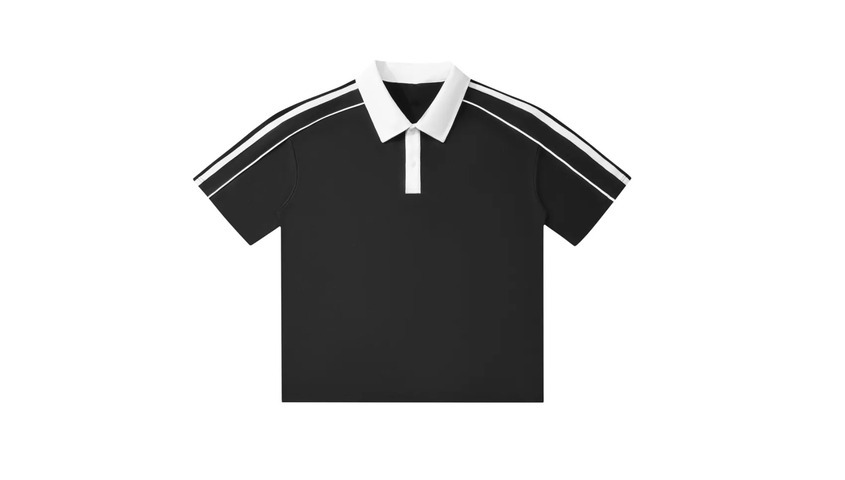
The Tapstitch pull: the Contrast Collar Short-Sleeve Polo. Relaxed fit cotton body, '90s editorial aesthetic. Not your country club shirt, but definitely your Calvin Klein model shot shirt. Tailored for those tapping prep without being preparatory.
5. Athleisure & Sportswear
Before athleisure became a Lululemon catchphrase, it was its own 90s aesthetic.
Adidas tracksuits were never meant to go for a jog. Soccer jerseys that didn’t play soccer. Nike Air Whatever. The Spice Girls in Adidas Sambas and Gazelles. Will Smith in rainbow windbreakers. Princess Diana created the off-duty look in cycling shorts and sweatshirts.
The difference between 90s sportswear and modern interpretations lies in the fact that the former wasn’t intended to improve performance. It was all about looking cool. Track pants with loafers. Jerseys with denim jackets. The athletic garment was a fashion statement rather than workout apparel.
The tracksuit was gradually introduced in the hip-hop community and then made its way to the runway, evolving in the process. Featured in hip-hop music videos, adopted by any credible streetwear brand, and worn by those who would never attend a 5K run. One of the most direct transfers from the 90s to contemporary times.
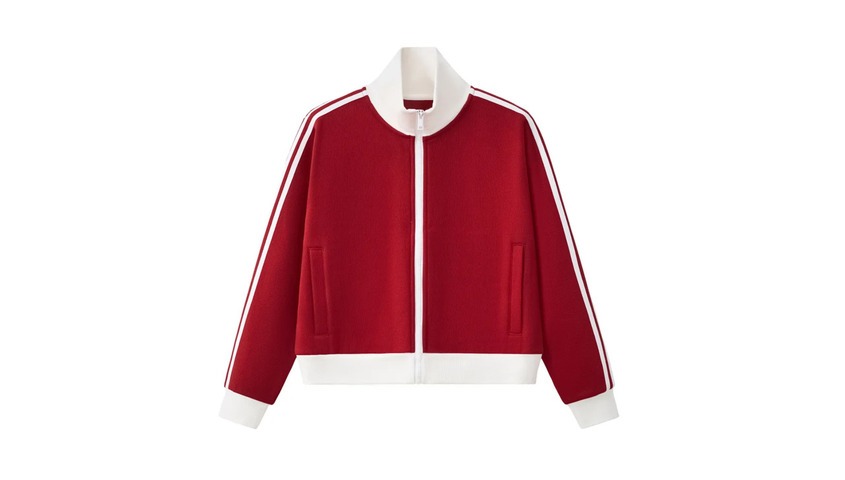
The Tapstitch pull: the Contrast Side Stripe Fleece Track Jacket. Side stripes, snap-front, fleece weight. Pure Spice Girls / Adidas energy translated to a blank, a brand can drop a chest patch on and run with.
6. The Baby Tee & Crop Top Era
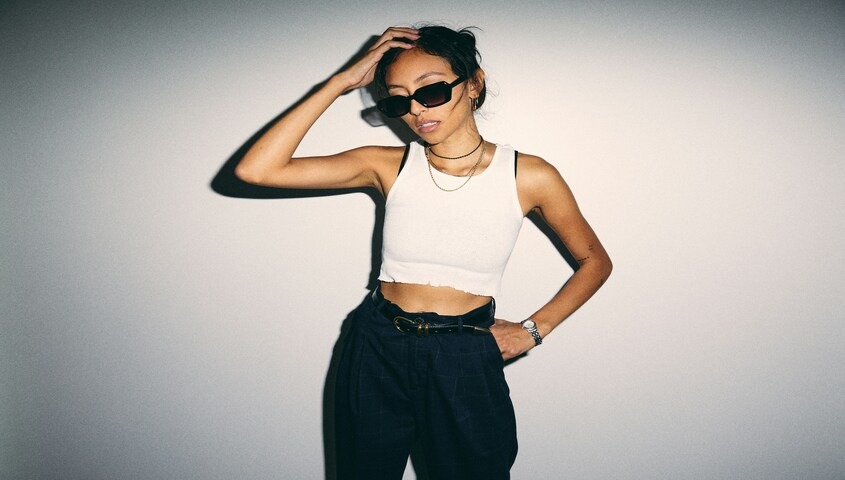
If Clueless built one specific look that refuses to die, it's this one.
Cher Horowitz in plaid mini skirts and matching jackets. Dionne in the bucket hat. Britney in a baby blue baby tee for the Hit Me Baby video. Christina Aguilera is tiny. Gwen Stefani in crop tops and bindis (we don't have to defend everything). The Spice Girls are turning the baby tee into a uniform.
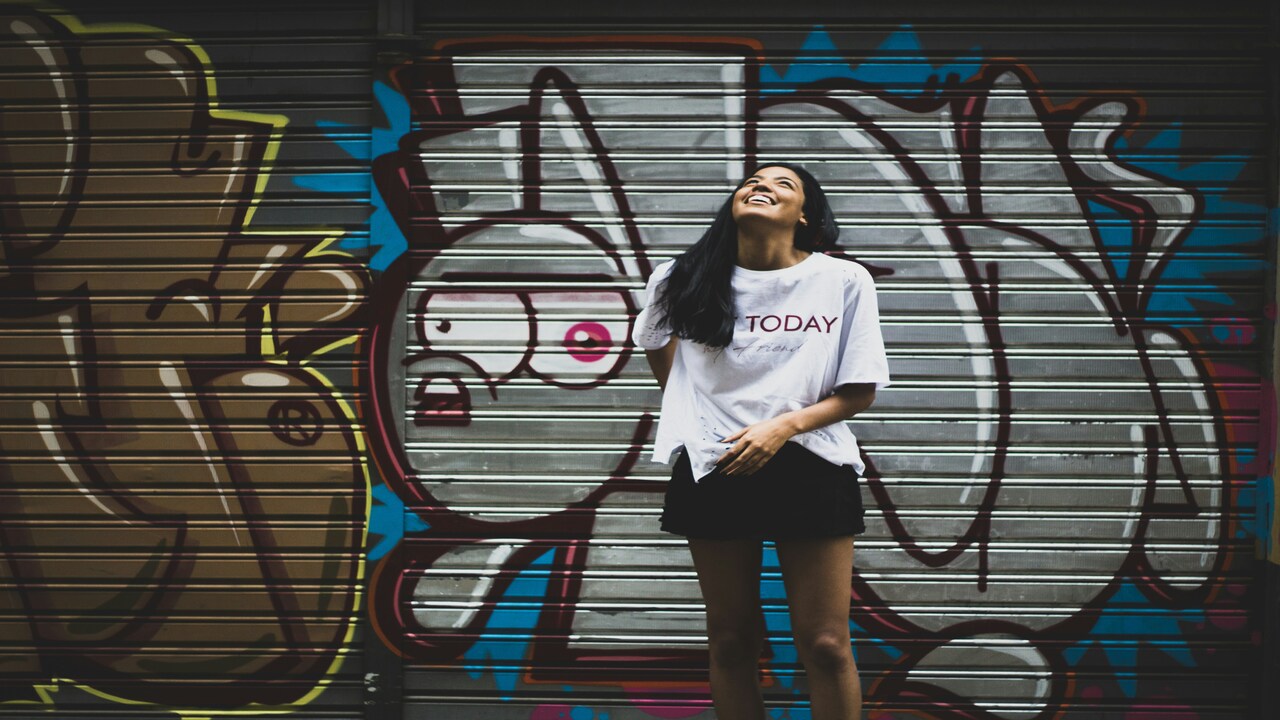
The baby tee was small, fitted, slightly ironic. Usually, with a graphic that took itself half-seriously. "Princess." "Spoiled." "Angel." Brand logos pulled from kids' merchandise. There was a wink to the whole thing. The fashion was deliberately small to subvert how serious 90s fashion wanted to be. As if anyone could look at a baby tee and not smile.
This is one of the loudest 1990s fashion comebacks happening right now. Crop tops, fitted tees, slim cuts on women's pieces. The whole baby tee aesthetic is back in rotation, and the brands building around it are moving fast.
Learn more: Gen Z Fashion Trends 2026: 10 Best Design Ideas
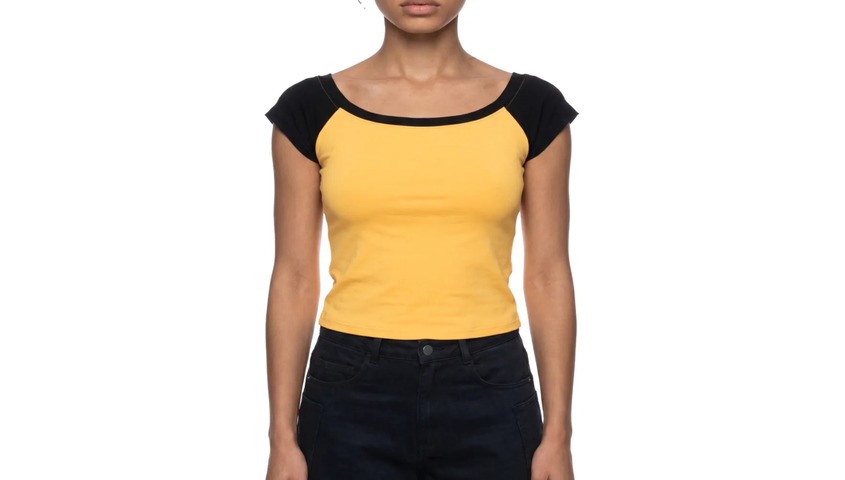
The Tapstitch pull: the Color Block Raglan Baby T-Shirt. It's literally called a baby tee. Raglan sleeves, color blocking, fitted cut. Cher Horowitz would've added it to her closet rotation app on day one.
7. Baggy & Distressed Denim
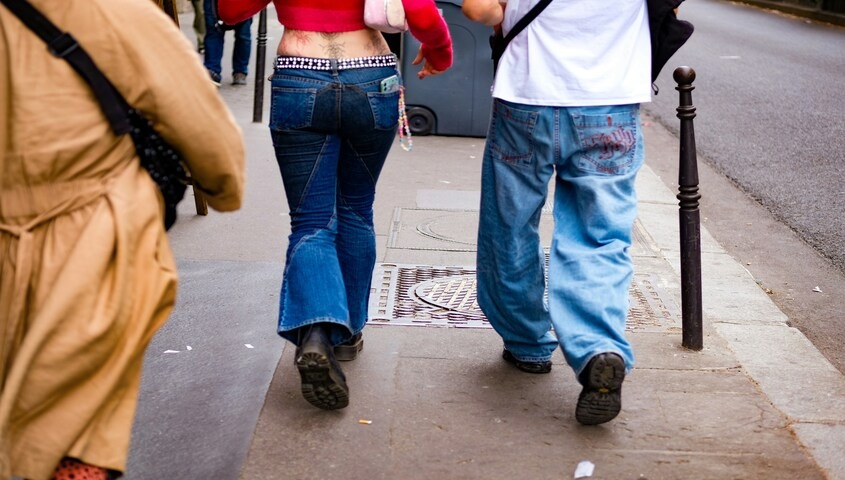
Denim in the 90s was a personality test.
Skinny jeans didn't exist yet. The whole spectrum ran from Levi's 501s to JNCOs so wide you could hide a small dog in them. Wide-leg, low-rise, distressed, acid-washed, tinted, layered. Double denim. Triple denim if you were brave enough.
Mom jeans. Dad jeans. Carpenter jeans. Bootcut. Flare. The cargo pant moment. Britney and Justin's matching denim ensemble at the AMAs (still iconic, still wrong, still right). Aaliyah in baggy jeans and a tube top. TLC in overalls with one strap unbuckled. JNCOs were genuinely the bomb to a very specific kind of 14-year-old in 1998.
It was always a little large, always well-worn, always with visible imperfections. Lines where the fabric had faded. Tears and holes. Frayed edges. Damage that looked like wear rather than design.
That's the vibe that’s returning to the racks today. Skinny jeans were defeated. Sun-bleached, torn jeans are here to stay, and they're a straight-up copy from the 90s.
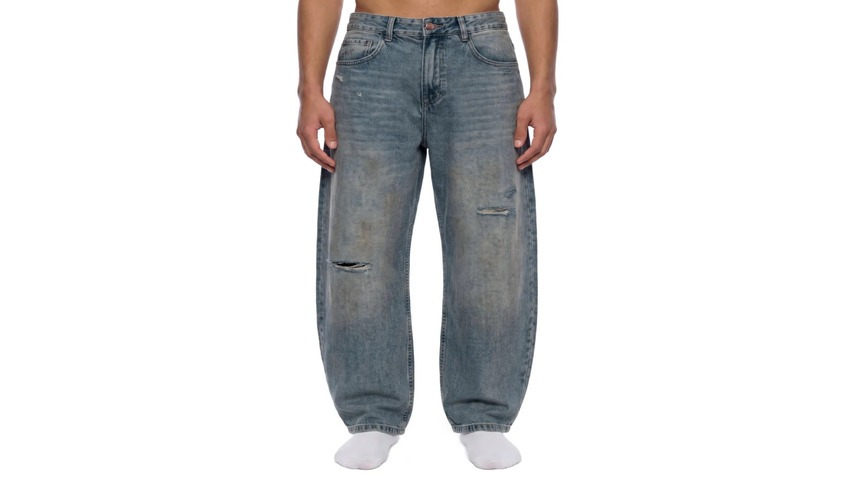
The Tapstitch pull: the Distressed Barrel Leg Jeans. Distressed and barrel leg, the exact 90s denim cut. Pre-built for brands that don't want to fake the wear-in process. Looks like it came out of a Buffalo Exchange in '96.
8. Varsity, Letterman & Collegiate
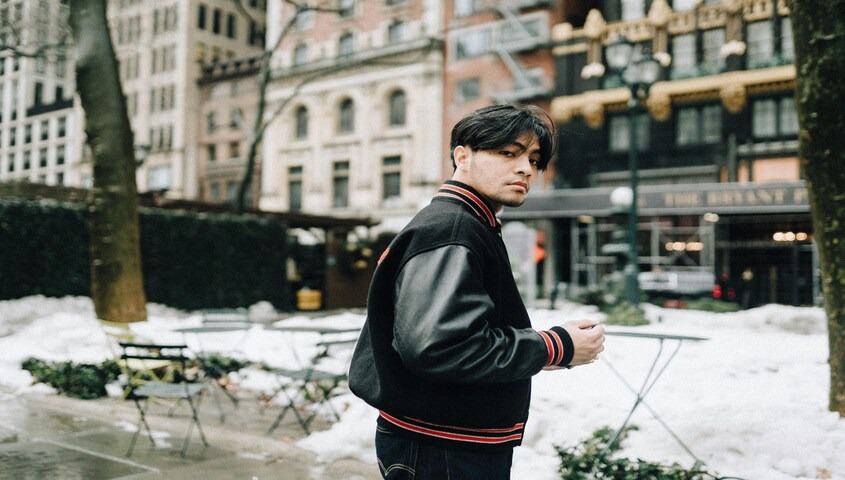
Ross Geller dressed like this for ten years, and we let him.
The collegiate look ran the entire decade. Varsity jackets, letterman sweaters, baseball tees, college sweatshirts. Heather Grey was the unofficial color of the era. "Property of [University]" sweats are sold by the millions. Whole "I might be auditing this class, but I'll wear the merch" energy.
The same applied to hip hop. Biggie is wearing the oversized varsity jacket. Then ten years later, Kanye wore the collegiate sweatshirt, a straight ripoff from the '90s. Even today, every Property of shirt and collegiate dropdown in streetwear lines, it's just the '90s speaking through it.
The varsity jacket has especially evolved into one of the most consistent silhouettes in indie fashion. Built-in logo board. Contrast panels on the sleeves and chest are practically branded already.
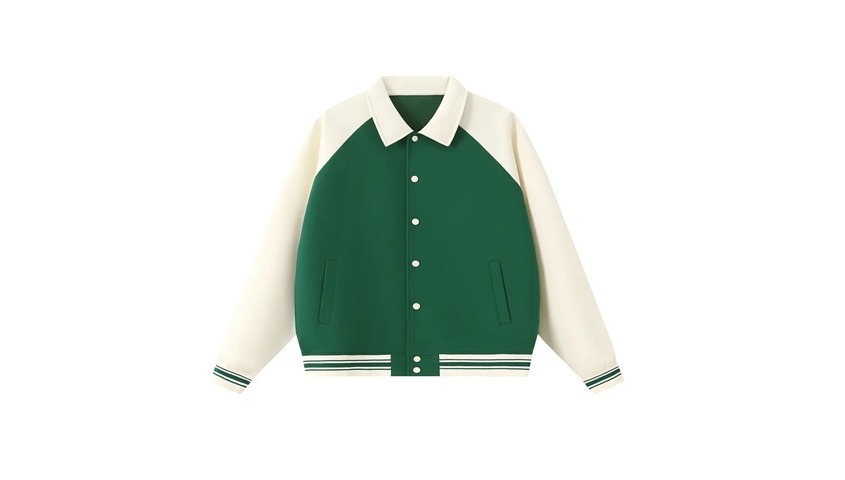
The Tapstitch pull: the Contrast Raglan Sleeve Baseball Jacket. Vintage wash, fleece weight, varsity silhouette. Looks thrifted from a college bookstore in '95 instead of fresh off the line. The 90s execution, not the 2026 imitation.
The 90s Iconography Worth Knowing
You can't really build from the 90s outfits without knowing where the references live. The shorthand:
- Grunge: Kurt Cobain, Courtney Love, Eddie Vedder, Marc Jacobs '93 Perry Ellis show, Doc Martens, Daria.
- Hip-Hop: Tupac, Aaliyah, TLC, Biggie, Wu-Tang, FUBU, Cross Colors, MTV Cribs, Yo! MTV Raps.
- Minimalism: Calvin Klein, Helmut Lang, Carolyn Bessette-Kennedy, Kate Moss, the Friends’ neutral apartment palette.
- Prep & Pop: Tommy Hilfiger, Polo, Friends, Clueless, Saved by the Bell, Fresh Prince.
- It-Girls: Cindy Crawford, Naomi Campbell, Linda Evangelista, Christy Turlington, the Versace '91 runway moment.
- Subcultures: Rave, riot grrrl, skater, hip-hop, hippie revival, all running parallel.
These references are the vocabulary. You can quote them, twist them, or reject them. But you can't build from a decade you don't actually know.
How to Wear 90s Fashion Now (Without Looking Like a Halloween Costume)
There's a fine line between referencing an era and cosplaying an era. The brands and stylists getting the 90s right in 2026 are doing three things.
Picking one signal, not five.
A single 90s element in an otherwise modern fit lands harder than head-to-toe period dressing. A baggy jean with a clean tee. A baby tee with current-cut denim. A varsity jacket over something contemporary underneath. Pile on the references, and you start looking like the costume rack at a Y2K party.
Updating the fabric.
90s nostalgia, modern construction. Heavyweight cotton instead of the thin, papery tees of the era. Better stitching. Better drape. Cleaner washes. The references are 30 years old. The garment shouldn't feel that way.
Letting the silhouette do the talking.
The 90s were defined by shape. Oversized, baggy, boxy, cropped, slip-cut. You don't need a giant graphic if the silhouette is already saying something. Sometimes the most 90s thing you can do is wear a perfectly oversized tee and shut up about it.
That's how it lands. Specific reference, modern execution, restraint.
Build Your Own 90s-Inspired Drop with Tapstitch
The 90s weren't a single aesthetic. They were a permission slip. To mix, to layer, to throw a soccer jersey under a denim jacket and call it style. Every era since has been remixing that decade. Some on purpose. Most by accident.
If you're building a brand pulling from the 90s, the move is to pick your lane. Grunge, hip-hop, minimalism, prep, athletic, baby tee. Then execute it with garments that feel like 2026. The references are free. The construction is what people actually pay for.
With Tapstitch, you can pull from the catalog without committing to a warehouse full of inventory. No MOQs. Production handled. Fulfillment sorted. You design the era. We make the pieces.
Pick your blank. Upload your design. Drop your decade.
FAQs
What was the most popular fashion trend in the 90s?
It depends on where you were standing. Grunge defined the early 90s in alternative culture. Hip-hop streetwear defined the mid-decade in urban culture. Prep and minimalism owned the magazine pages. The real answer is that the 90s were the first truly fragmented fashion decade. There wasn't one look; there were six or seven running at the same time. That's part of why it's so referenced now. There's a 90s aesthetic for every kind of brand.
What did people wear in the late 90s?
The late 90s outfits leaned harder into Y2K precursors. Slip dresses, baby tees, low-rise jeans, futuristic silver and metallic finishes, butterfly clips, tinted sunglasses, kitten heels. The athleisure trend exploded. Logo mania peaked. Crop tops moved from subculture to mainstream. The Spice Girls, Britney, Christina, Destiny's Child. The late 90s pop machine essentially set the template for the early 2000s.
Is 90s fashion coming back in 2026?
It never left. Wide-leg denim, oversized tees, baby tees, soccer jerseys, slip dresses, heavyweight hoodies, distressed details, vintage washes, varsity jackets. The entire current independent fashion landscape is running on 1990s fashion DNA. The smart move right now isn't asking if it's back. It's picking which 90s lane fits your brand and executing it with current construction.
How do I dress in the 90s without looking like a costume?
Select one message, not all five. Change the fabric. Give Silhouette the task of making the connection. A baggy pair of jeans, tailored to perfection with a modern shirt, screams 90s fashion without having to shout it out. Over-committing to all the 90s trends definitely looks more like a party costume than real style.
What 90s pieces should every brand consider?
If you're developing a brand that uses the look of the decade, these are the shapes that will work best in 2026: boxy oversized T-shirts, vintage wash hoodies, loose fit, raw hem jeans, soccer jerseys, varsity jackets, slip-on tank tops, baby tees, and basic neutral color clothing. Find your lane, develop your silhouette, and make it happen.
Summing Up
The 90s gave us grunge and Gucci. Tupac and Tommy. Carolyn Bessette and Cher Horowitz. It was the first decade where subcultures weren't separated by geography anymore. MTV and the early internet started collapsing the distance, and fashion was the first thing to mix.
That collision is the gift. It's why thirty years later, every relevant brand in independent fashion is still pulling from the same well. The late 90s fashion weren't perfect. But they were the last era where everybody was building something genuinely new.

%20(1).jpg)
.jpg)
.jpg)
.webp)

.jpg)
.jpg)
.jpg)
.png)
.jpg)
.jpg)
%20(3).jpg)

.png)
.jpg)
.jpg)
.jpg)

.jpg)
.jpg)
.jpg)







.png)



.png)
.jpg)






.jpg)


.jpg)

.png)


.jpg)
.jpg)





.jpg)
.jpg)
.jpg)
.jpg)
.jpg)
%20(1).jpg)

.png)

.png)


%20(1)%20(1).jpg)