






18 Untapped High-Demand Products With Low Competition (2026)
.jpg)


Finding a product people actually want to buy is only half the challenge. The other half is finding one that isn’t already crowded with sellers.
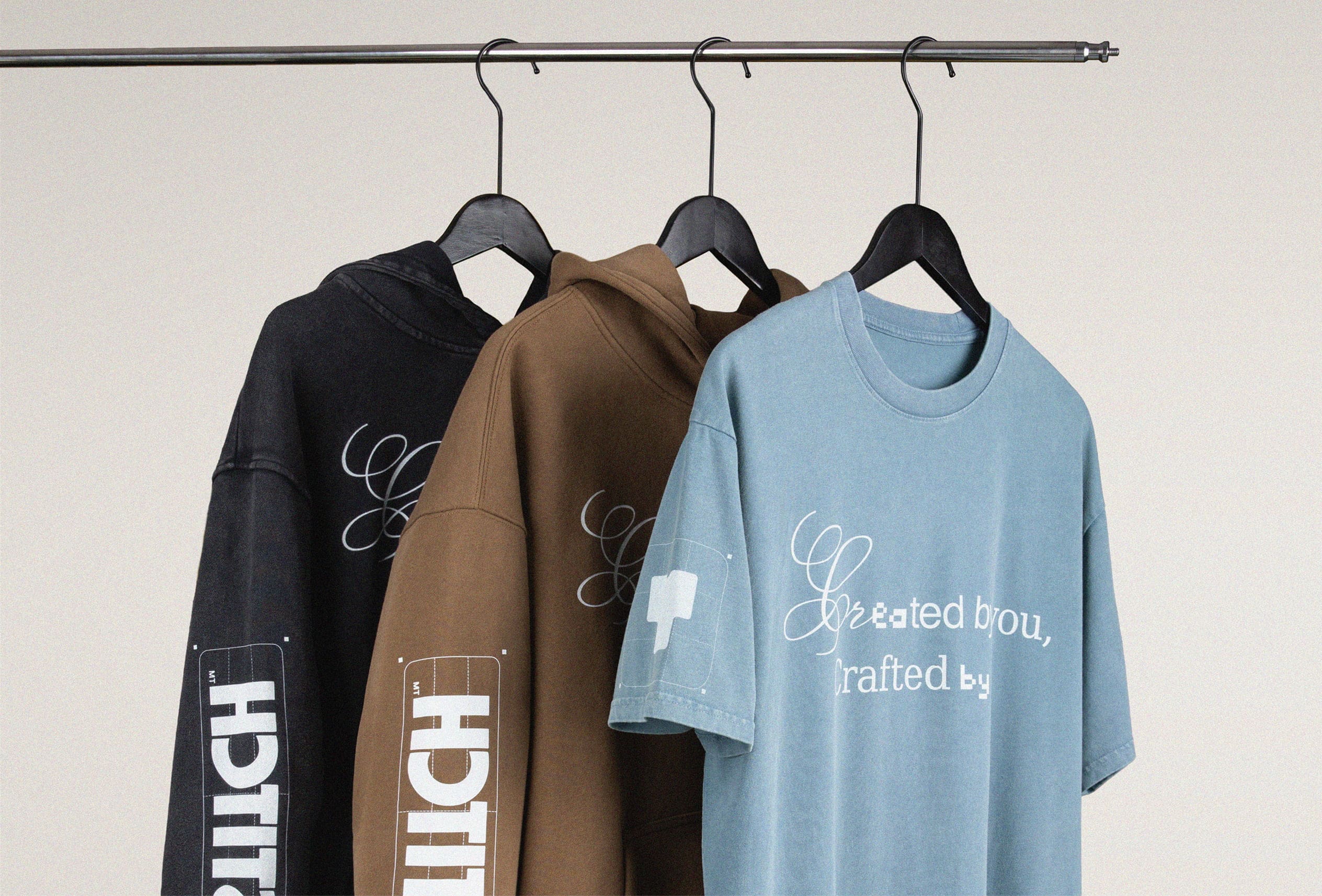
Demand also changes over time. A product that seems niche today can quickly become more popular as trends and customer needs shift. In this article, you’ll find 18 high-demand products with low-competition ideas, four ways to spot promising opportunities, and a simple look at how you can start selling custom clothing with Tapstitch without keeping inventory.
What Are High-Demand, Low-Competition Products?
Finding a product with strong demand and relatively little competition can feel like finding a gap in the market before everyone else notices it. These opportunities often appear when customer needs start changing faster than existing sellers can respond.
But they do not always last. As more businesses enter the market, competition can rise quickly, which is why timing matters. The goal is not just to find a popular product, but to recognize a promising niche early enough to build a position before it becomes crowded.
18 High-Demand, Low-Competition Products to Sell in 2026
High demand does not always mean you have to enter an overcrowded market. In many categories, there are still opportunities to stand out by targeting a specific audience, solving a niche need, or offering something more personalized than what is already available.
The products below have strong selling potential in 2026, especially when you focus on a clear niche instead of trying to compete with everyone at once.
Custom T-shirts
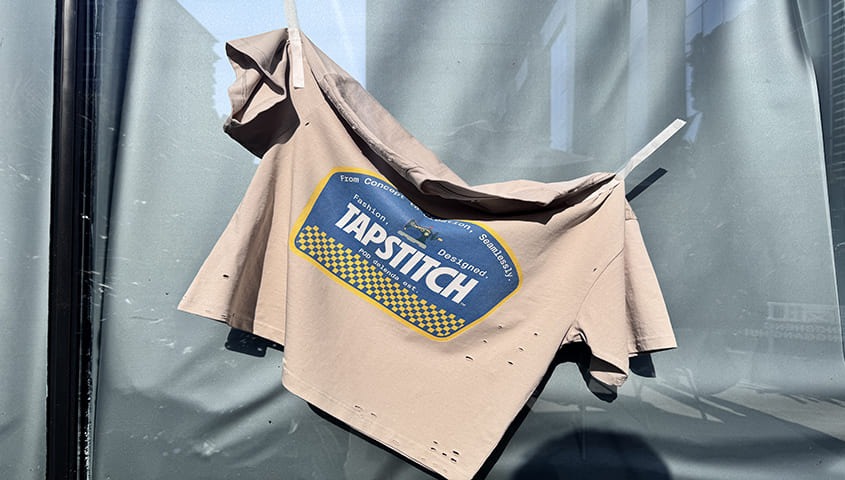
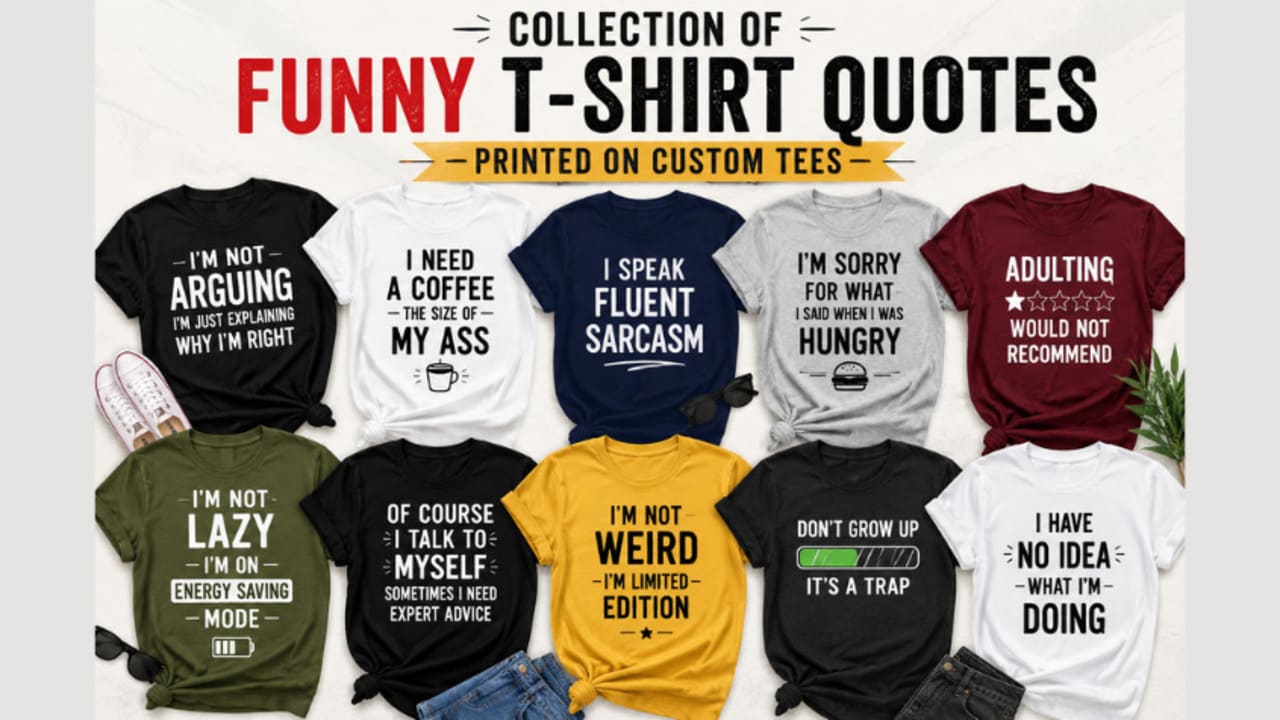
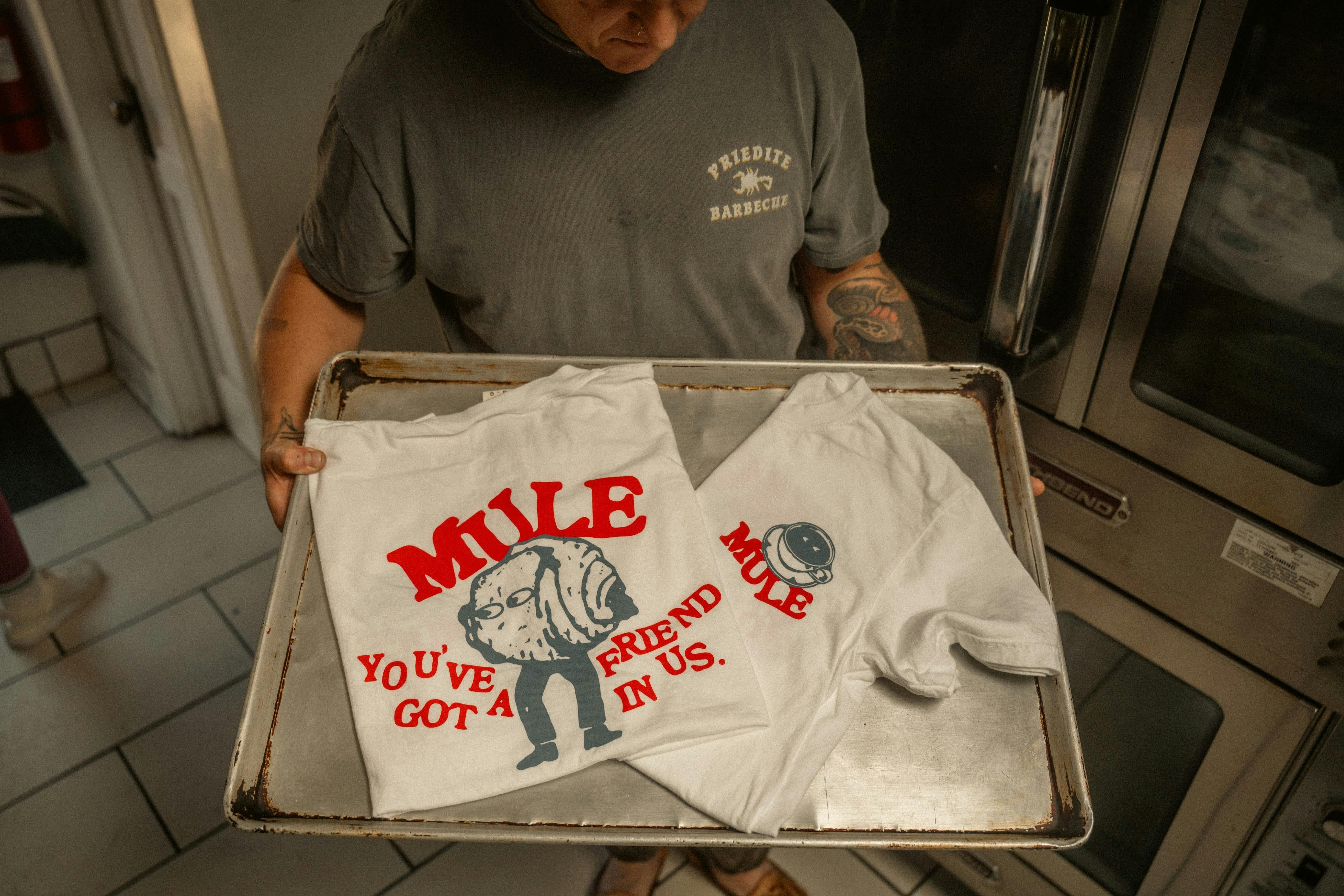
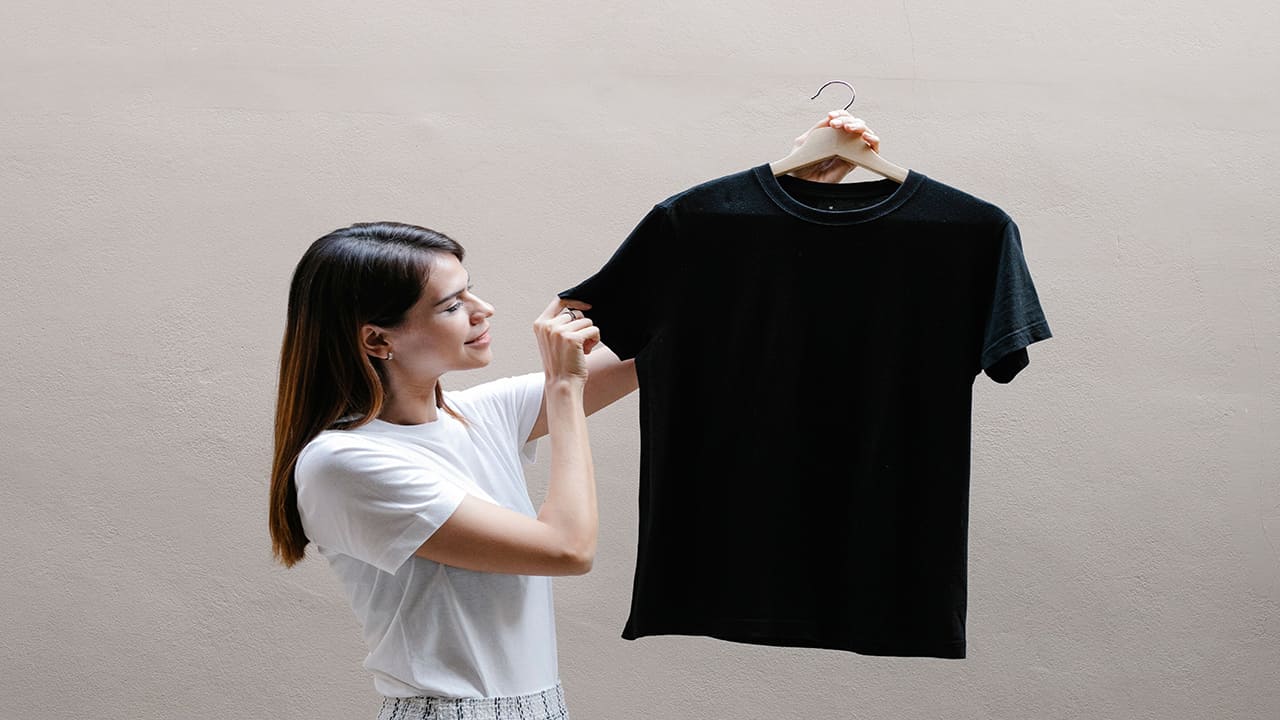
T-shirts are already a proven seller, but the real opportunity often comes from going more specific. Different designs, audiences, and occasions can turn a simple T-shirt into a product with a much clearer purpose.
Before you start selling, look for niches that combine steady demand with relatively lower competition. For example, you might create personalized Mother’s Day shirts, matching tees for church groups, apparel for local clubs, or designs made for a specific hobby or community.
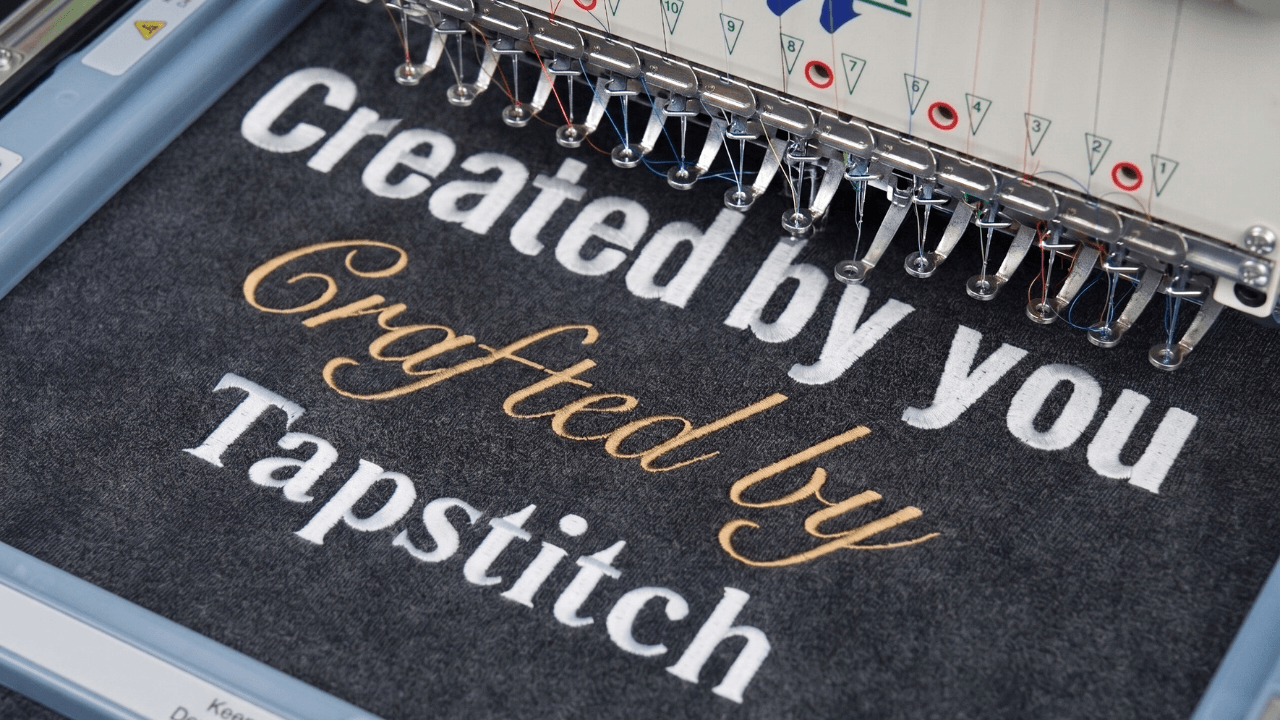
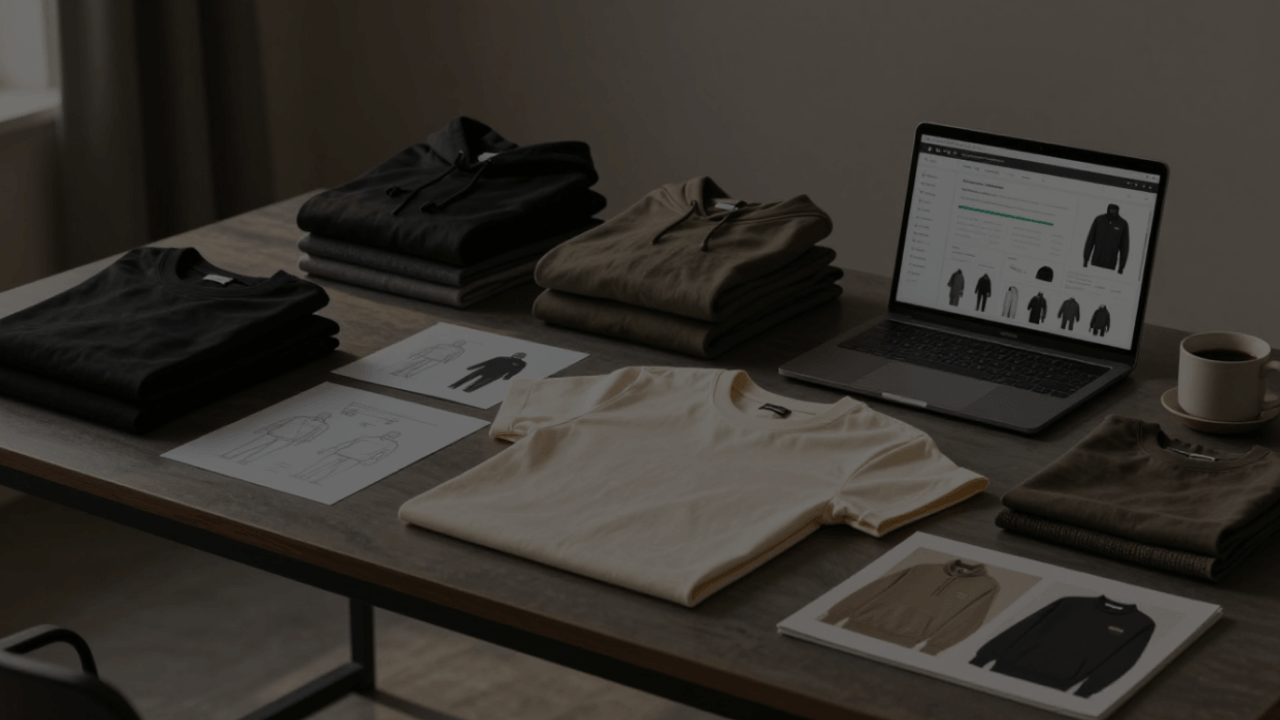
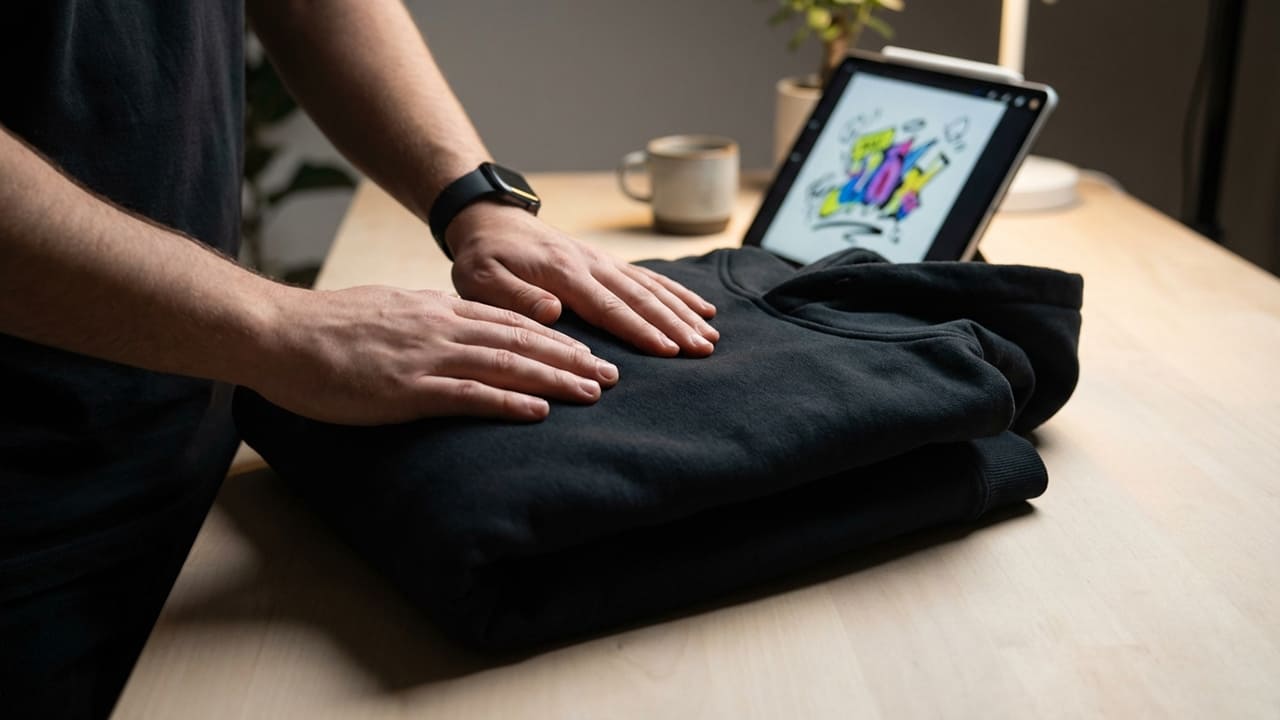
Print-on-demand is also one of the easiest ways to start selling custom T-shirts. You can create and test designs without meeting MOQs or managing inventory yourself. With Tapstitch, you can customize apparel, connect products to your online store, and have orders produced and shipped to customers worldwide.
Personalized Jewelry
Shoppers are always looking for clothing and accessories that feel a little more personal to them, and jewelry is one of the easiest ways to express individual style.
Instead of competing in the broader jewelry market, sellers can focus on smaller niches such as couples jewelry, pet memorial pieces, birthstone gifts, or personalized items for bridesmaids and family members. Choosing a clear audience or occasion can make it easier to create products that stand out and speak to a specific type of buyer.
Niche Beauty Products
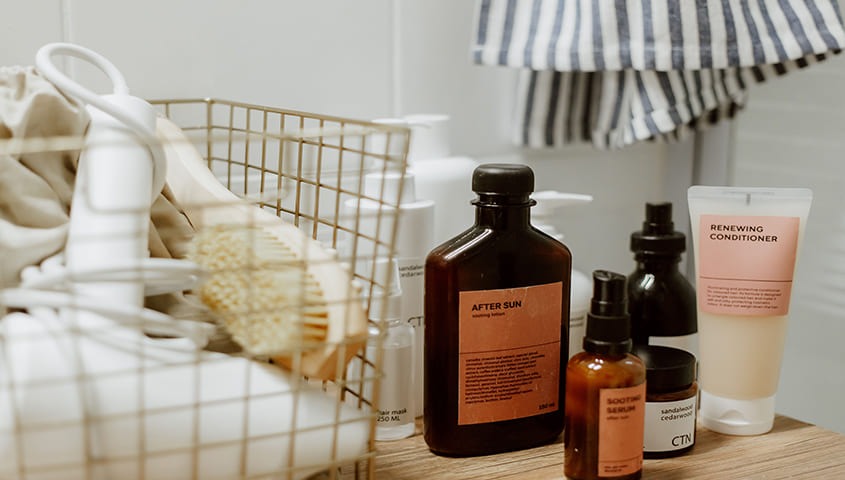
Beauty products are always in demand, but you do not have to compete with every big brand out there. A better approach is to focus on a smaller niche and offer something made for a particular type of customer.
That could mean products for dry or sensitive skin, compact beauty items for travel, refillable packaging, or products built around a certain routine. The more specific your niche is, the easier it is to understand what your customers actually want and create products that feel made for them.
White-Label Skincare
Starting a skincare brand does not always mean creating every formula from scratch. With white-label skincare, you can choose ready-made products from a manufacturer, add your own branding, and sell them under your own name.
The real opportunity usually comes from how you position the products. Instead of trying to appeal to everyone, you could focus on a more specific audience, such as simple routines for busy shoppers, travel-friendly skincare, or products made around a certain skin concern.
Occasion-Specific Apparel
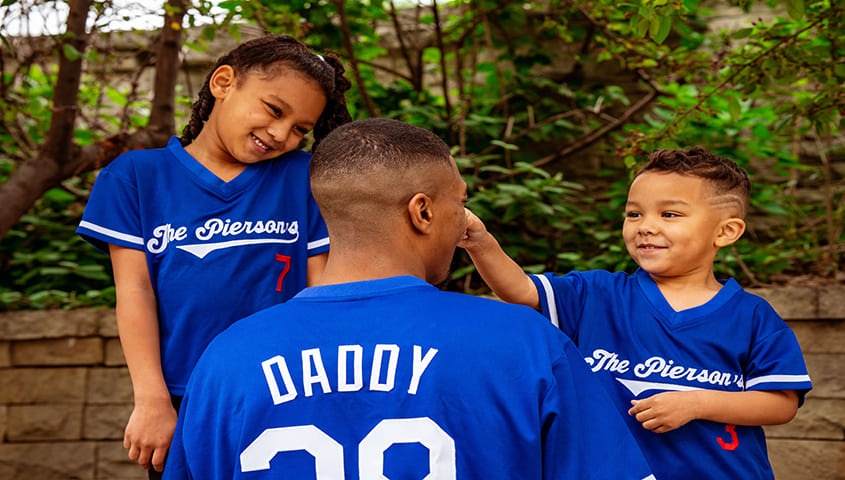
Holiday and event-themed clothing may not sell all year, but it can do very well when the right season comes around. The key is to go beyond generic holiday designs and focus on a more specific audience or occasion.
For example, you could create Christmas’s Day custom hoodies made as gifts for friends, Fourth of July tees for pet owners, or matching apparel for a family reunion. These smaller niches can give you more room to stand out while still benefiting from seasonal demand.
Another advantage is that you can bring the idea back each year with updated designs, new colors, or a fresh theme instead of starting from zero every season.
Art Prints
Art prints are a good example of products with high demand and low competition when you focus on a clear niche instead of broad, generic wall art. You can create designs around popular aesthetics, seasonal themes, quotes, hobbies, or interests that speak to a specific type of buyer.
Smaller niches such as retro kitchen prints, nursery art, travel-inspired posters, or seasonal decor can give you more room to stand out. A clear style or theme also makes it easier for shoppers to find something that feels right for their space.
Baby Products
Baby products tend to see steady demand because parents are always looking for items that make everyday life a little easier. Safety, comfort, and practicality usually matter more than flashy features, especially when shopping for newborns and young children's clothing.
Instead of trying to sell to every parent, it can help to focus on a smaller need or moment, such as feeding, travel, sleep, or personalized baby gifts.
Pet Accessories
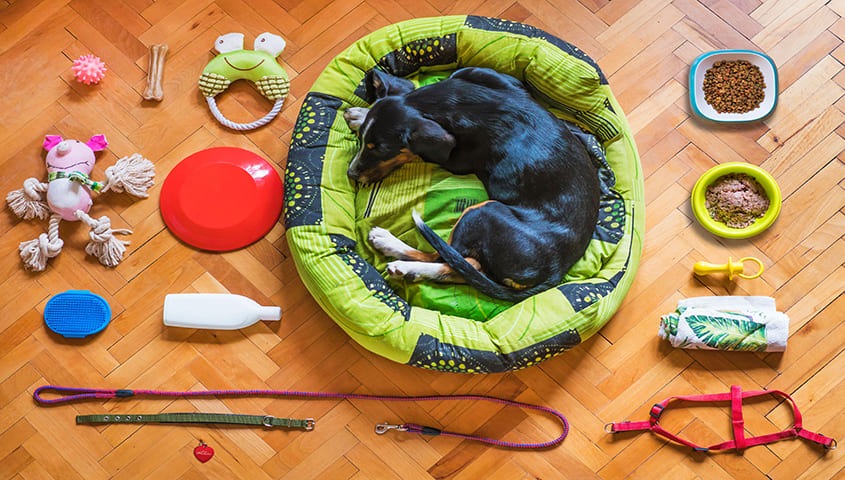
Many pet owners treat their pets like family, so they are often happy to spend a little more on products that feel useful, safe, or better made. There is also growing room for more eco-friendly options, especially for shoppers who already pay attention to sustainability in other parts of their lives.
Ideas could include biodegradable waste bags, toys made from recycled materials, or treats made with responsibly sourced ingredients. Focusing on a specific type of pet owner can also make it easier to build a more recognizable niche.
Sustainable Home Products
More shoppers are looking for simple ways to cut down on waste at home, which creates room for practical products they can use every day. Reusable drinkware, food storage bags, biodegradable straws, and non-toxic cleaning products are all good examples.
Smaller items such as beeswax wraps or vegan food wraps can also work well because they are easy to use, easy to bundle, and useful enough to buy again. Instead of trying to sell “sustainability” as a broad idea, it helps to focus on products that make an everyday habit a little easier.
Personalized Gifts
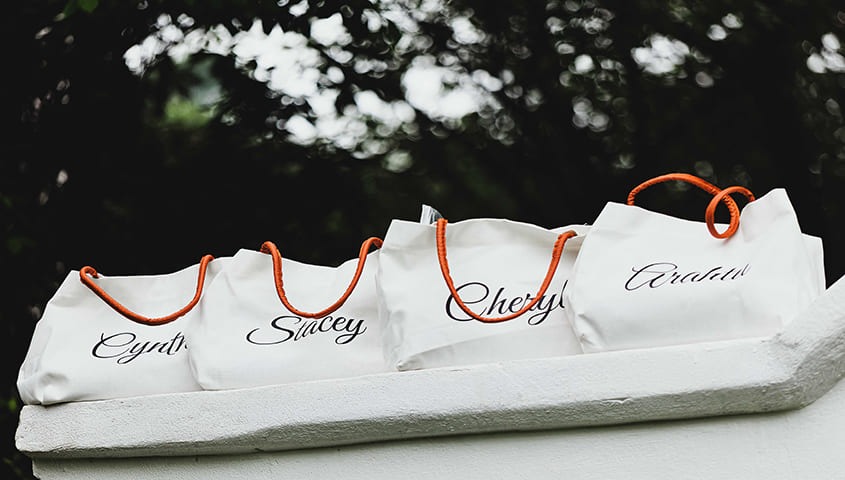
There is always a reason to buy a gift, whether it is for a birthday, anniversary, holiday, or just to show someone you care. But with so many ready-made options out there, shoppers often look for something that feels a little more personal.
That is where personalized gifts can stand out. Adding a name, date, message, photo, or custom design gives buyers more involvement in the final product and makes the gift feel more thoughtful.
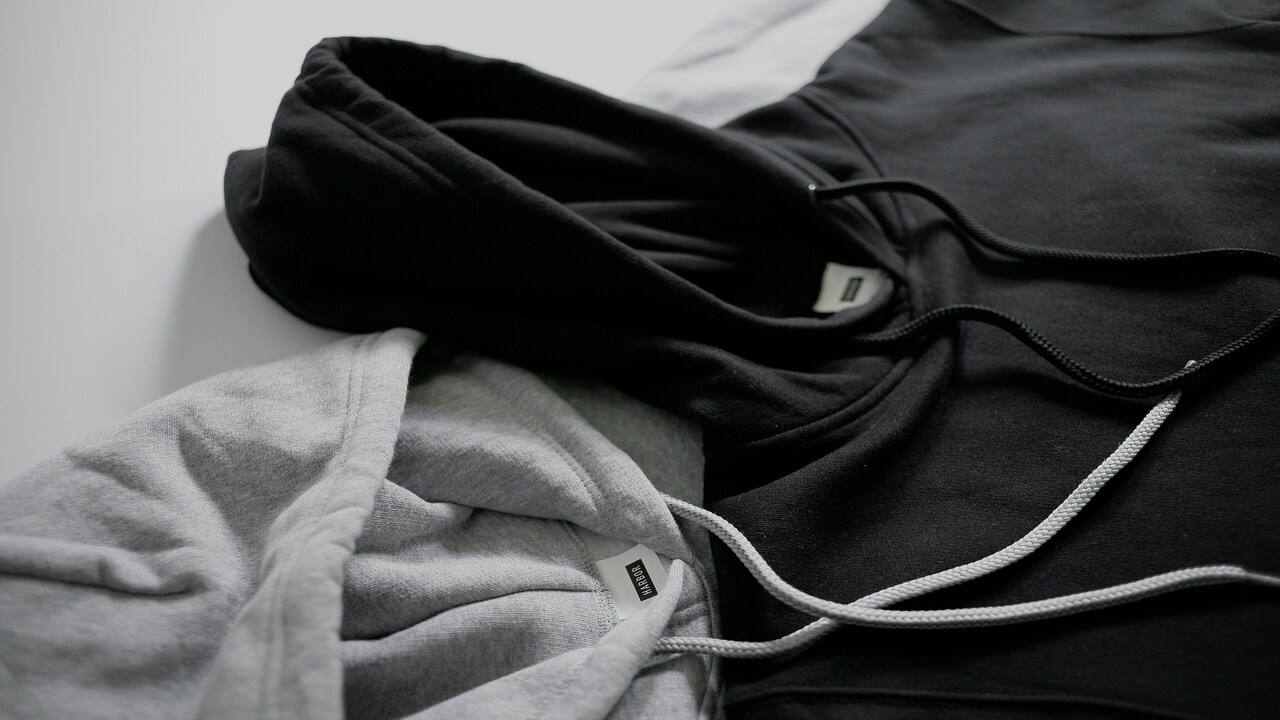
Personalization can also raise the perceived value of a product, especially when customers are buying for someone important to them. A good-quality base product matters too. For items like personalized hoodies, choosing a well-made blank helps the print look better and gives the finished gift a more premium feel.
Kitchen Gadgets
The kitchen is one place where people are always looking for small upgrades that make everyday tasks quicker or easier. Simple products like food prep tools, storage organizers, reusable kitchen accessories, and space-saving gadgets can appeal to shoppers who want a more practical setup without completely changing their kitchen.
There is also plenty of room beyond everyday cooking. Dinner parties, family gatherings, and holiday meals can create demand for serving trays, drinkware, table accessories, and other products that make hosting feel a little more special. Focusing on a specific use or audience can also help you avoid competing with every generic kitchen product on the market.
Health Watches
Health watches have become a practical everyday accessory for people who want to track things like steps, workouts, sleep, and other activity data from their wrist. Many models are lightweight enough for daily wear, which makes them useful both during exercise and throughout the rest of the day.
If you are looking for products with high demand and low competition, it can make sense to look beyond the watch itself and focus on smaller accessories around it. Personalized watch straps, for example, let customers change the look of a device they already own with different colors, patterns, names, initials, or custom designs. For sellers, this can be a more focused niche than competing directly in the crowded smartwatch market.
Custom Sportswear

Sportswear has a wide audience, from gym-goers and runners to school teams, clubs, and casual fitness fans. Custom options make it easier to serve smaller groups that want clothing with their own colors, names, logos, or team identity.
You could focus on workout tops, team shirts, running gear, or event apparel for local races and fitness groups. Demand can also pick up around certain seasons and events, especially when people are joining new programs, playing team sports, or shopping for activewear as gifts.
Phone Accessories
Phone accessories stay in demand because people use their devices for almost everything, from work and messaging to entertainment and shopping. New phone releases also create fresh opportunities for cases, chargers, stands, grips, and other add-ons.
The high-demand products to sell are often more specific. Seasonal designs, event-themed cases, personalized accessories, or products made for a certain lifestyle can feel more relevant than generic options.
Educational and Sensory Toys

Toys and games continue to sell well because parents are always looking for new ways to keep kids entertained, learning, and engaged. Demand often picks up even more around birthdays, school breaks, and the holiday season.
There is also room to stand out by focusing on a more specific type of product. Wooden puzzles, sensory toys, and other educational options can appeal to parents who prefer simple, screen-free play or want to avoid too much plastic.
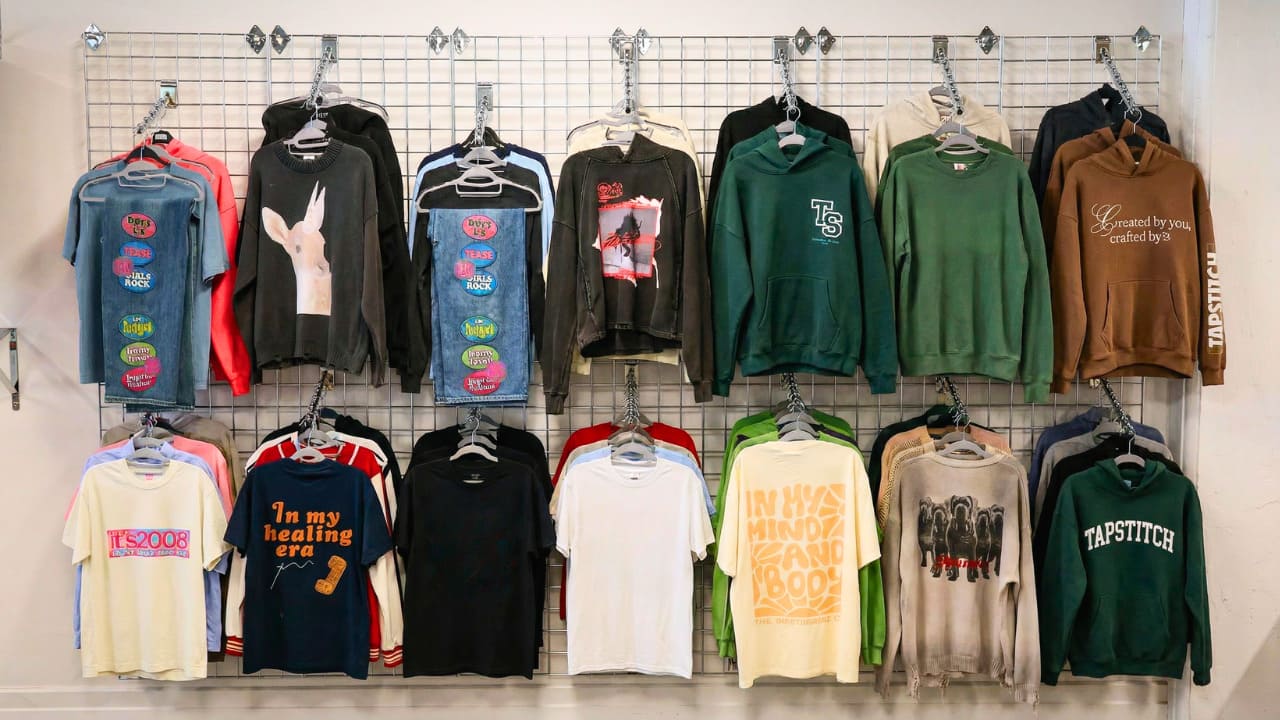
Trend-Driven Clothing
Fashion moves quickly, and shoppers are often interested in new colors, cuts, prints, and aesthetics before they become mainstream. That gives smaller sellers a chance to test trend-driven clothing while demand is growing and competition is still relatively manageable.
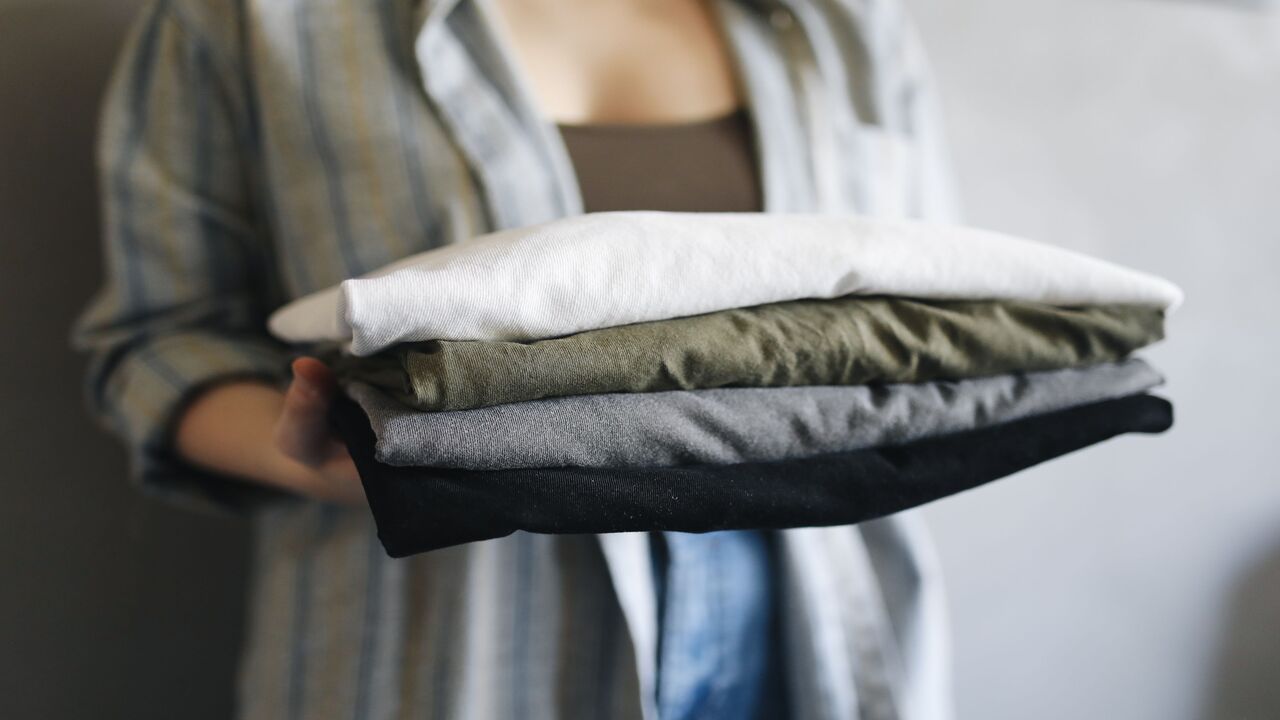
The key is to focus on a specific style instead of trying to follow every trend at once. Oversized custom t-shirts, washed hoodies, vintage-inspired graphics, sporty looks, or seasonal color palettes can all attract different audiences. With print-on-demand apparel, you can test new ideas in smaller batches and update your collection as trends change without committing to large amounts of inventory.
Home Repair Tools
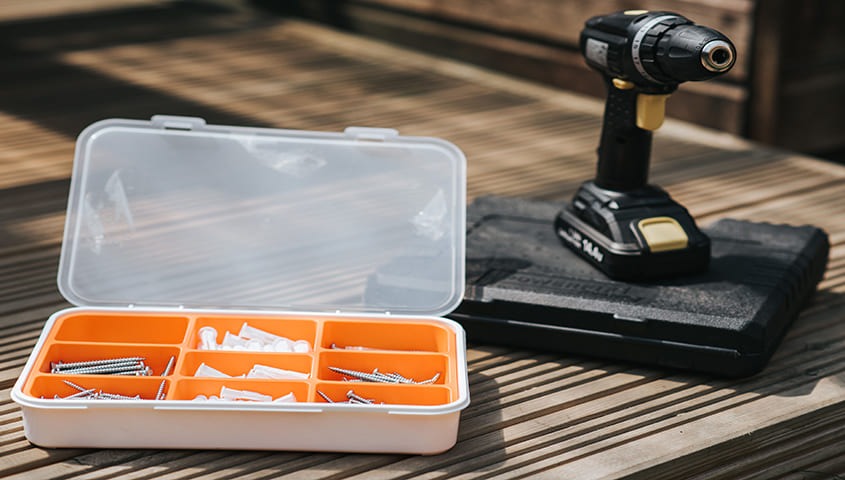
Small repair and maintenance jobs come up all the time, which keeps basic home tools useful for both homeowners and renters. People often want simple products that help them fix, assemble, measure, or organize things without calling in a professional.
That creates room for more focused products, such as compact repair kits, magnetic tool holders, precision screwdrivers, or tools made for small apartments and quick DIY jobs. Instead of competing across the whole hardware market, a specific use case can make the product much easier to position.
Music Accessories
Music accessories can be a practical niche because buyers range from beginners to experienced musicians, and many of them regularly replace or upgrade smaller pieces of gear. Items like guitar straps, picks, stands, cables, cases, and practice accessories are often easier to sell than larger instruments.
For sellers researching high-demand products with low competition in the USA market, it can help to look beyond musicians alone. Podcasters, streamers, and video creators also shop for microphones, desk stands, pop filters, and other audio gear. Narrowing the focus to one type of customer or setup can make the niche easier to position and less crowded.
4 Tips to Help You Find Trending Products to Sell

Finding a product that looks popular is easy. The harder part is figuring out whether there is still enough room for a new seller to enter the market. Before choosing what to sell, it helps to look at demand, competition, customer interest, and whether the product can still leave you with a healthy margin.
Here are four simple ways to narrow down your options.
1. Check Search Trends and Customer Interest
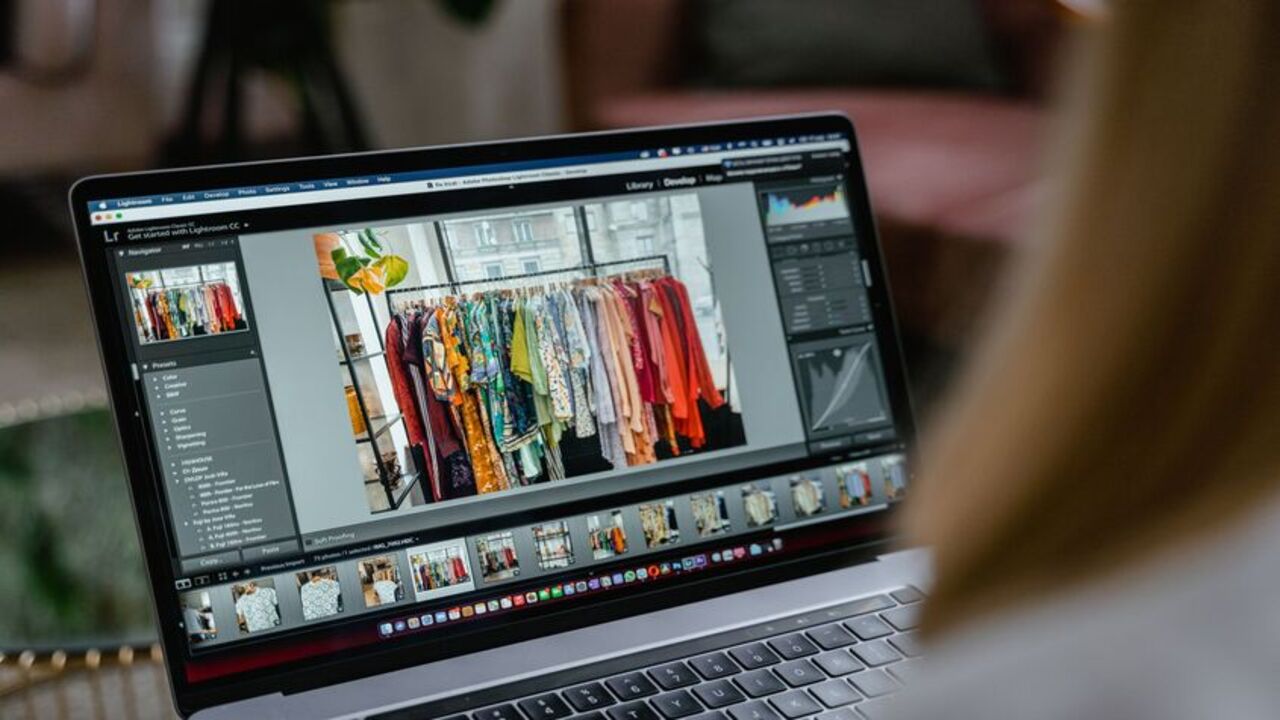
Start by looking at what people are actively searching for. Tools like Google Trends can help you see whether interest in a product is growing, seasonal, or already starting to fall.
You can also check marketplaces such as Amazon, Etsy, or TikTok Shop to see what shoppers are browsing, reviewing, and buying. The goal is not to chase every viral item, but to find products with steady or growing interest.
2. Look at the Competition
Use keyword tools, and a quick competitor check to get a sense of how much interest there is in a product and how crowded the market already looks. A strong opportunity usually has clear demand without too many established sellers dominating the space.
Look at what products are getting reviews, showing up repeatedly, or gaining attention over time. Try to focus on steady interest rather than jumping on something just because it went viral for a week.
3. Read Reviews and Look for What Is Missing
Customer reviews can tell you a lot about what buyers actually want. Pay attention to repeated complaints, feature requests, sizing issues, packaging problems, or products that customers wish came in more colors or styles.
These small gaps can lead to better product ideas. Instead of creating something completely new, you may be able to improve an existing product or offer a version made for a more specific group of customers.
4. Compare Costs and Profit Potential
A trending product is not always a profitable one. Before you start selling, work out how much the product will cost to source, customize, package, and ship.
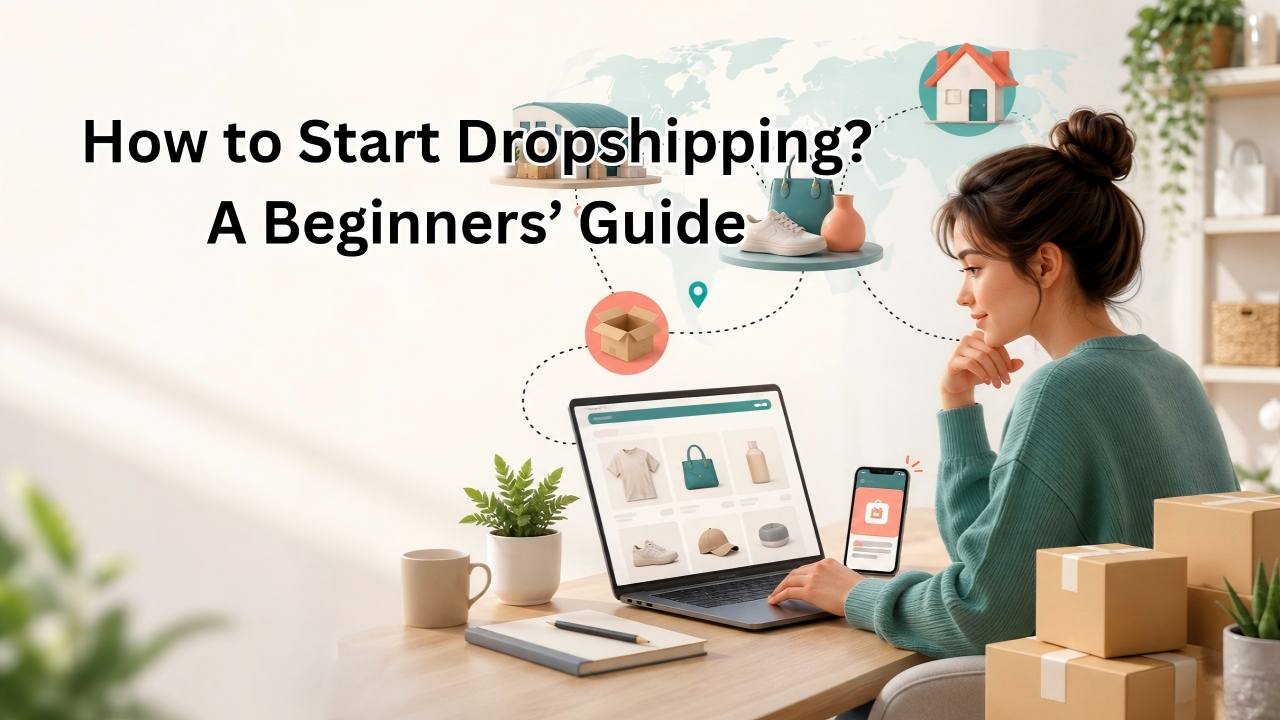
Then compare that with the price customers are willing to pay. Products with enough margin give you more flexibility for marketing, discounts, and unexpected costs. If you are using dropshipping, you can also test new ideas without buying large amounts of inventory upfront.
How to Sell High-Demand Products with Tapstitch
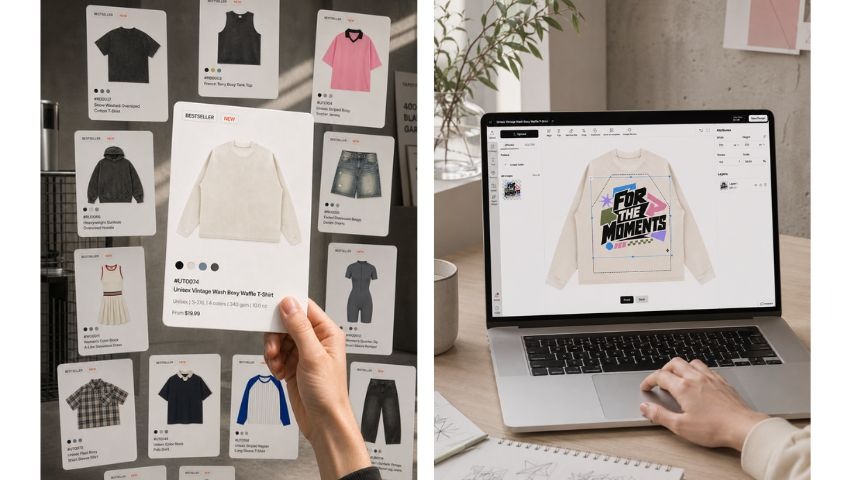
If you are looking for high-demand products with low competition in the USA market, print on demand offers a lower-risk way to test new ideas. Tapstitch has no minimum order requirement, so you can try different products and designs without buying inventory in bulk. Orders can also be shipped to customers worldwide, making it easier to sell beyond one local market.
Here is how to get started:
1. Create a Free Tapstitch Account
Sign up for a free Tapstitch account to start browsing products and creating your first designs. There is no upfront membership fee or minimum order quantity to get started.
2. Choose a Product from the Catalog
Browse Tapstitch’s catalog of 1,000+ fashion-forward apparel, including custom T-shirts, kids’ clothing, sportswear, hoodies, and more. Pick a product that fits your niche, audience, and price range before moving on to the design.
3. Create Your Design
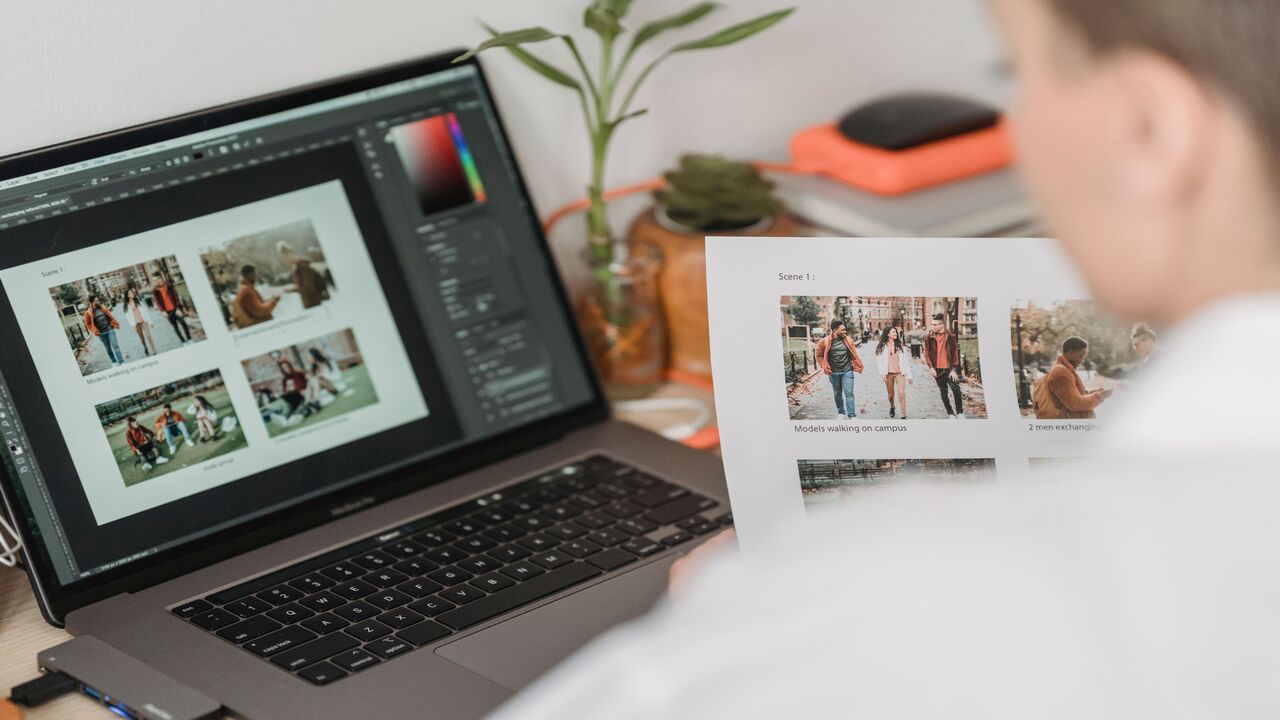
Tapstitch’s free design tools are simple enough for beginners to use. You can upload your own artwork, customize a design, or use AI design features to turn an idea into a visual without needing advanced design skills.
4. Connect Your Online Store
Once your product is ready, connect Tapstitch with your ecommerce store. Tapstitch integrations such as Shopify and Etsy can help automate the order process, so customer orders move into production and fulfillment with less manual work.
5. Start Promoting Your Brand
Share your products on social media, create content around your niche, test different marketing channels, and pay attention to which designs attract the most interest.
FAQs
Conclusion
Finding products with high demand and low competition is only the starting point. What matters next is how well you test your ideas, understand your customers, and keep improving your store over time.
If you are building an apparel business, Tapstitch can take care of production, packaging, and shipping while you focus on your designs, marketing, and brand. With less time spent managing fulfillment, you can put more energy into growing the parts of the business your customers actually see.

%20(1).jpg)
.jpg)
.jpg)
.webp)

.jpg)
.jpg)
.jpg)
.png)
.jpg)
.jpg)

%20(3).jpg)


.png)
.jpg)
.jpg)
.jpg)
.jpg)
.jpg)
.jpg)






.png)




.png)
.jpg)











.jpg)



.jpg)

.png)
.jpg)


.jpg)
.jpg)



.jpg)
.jpg)
.jpg)
.jpg)
.jpg)

%20(1).jpg)
.png)

.png)



%20(1)%20(1).jpg)