






What Is GSM in Fabric? A Complete Guide for Beginners
.jpg)


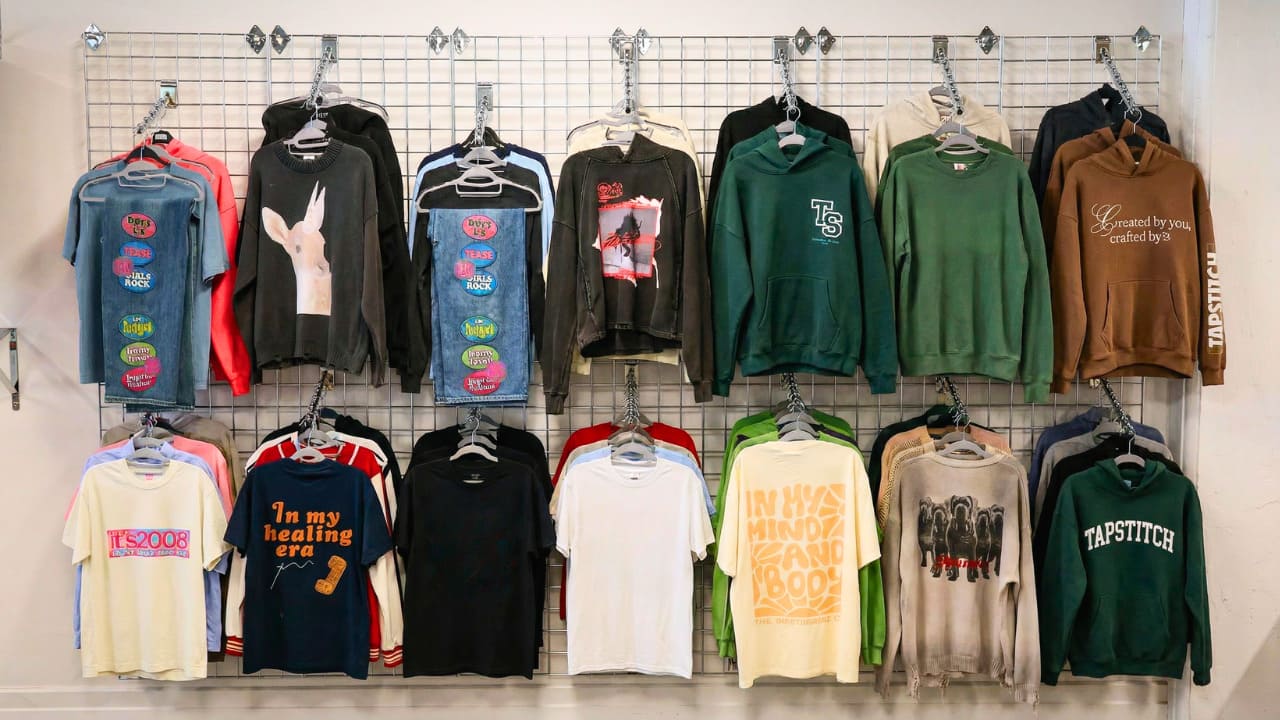
You know that feeling when you pull a T-shirt off the racks at the shop, and it feels… just right? It has a certain weight. You can immediately tell it will last more than a few washes because it maintains its form when you stretch it a little. At the same price, you then purchase the shirt just next to it. But it has the texture of tissue paper.
We have a term for that discrepancy. If you’ve ever wondered what is GSM in fabric, it’s the measurement used to describe fabric weight—and once you understand it, buying fabric or clothes becomes a very different experience.
What Is GSM in Fabric?
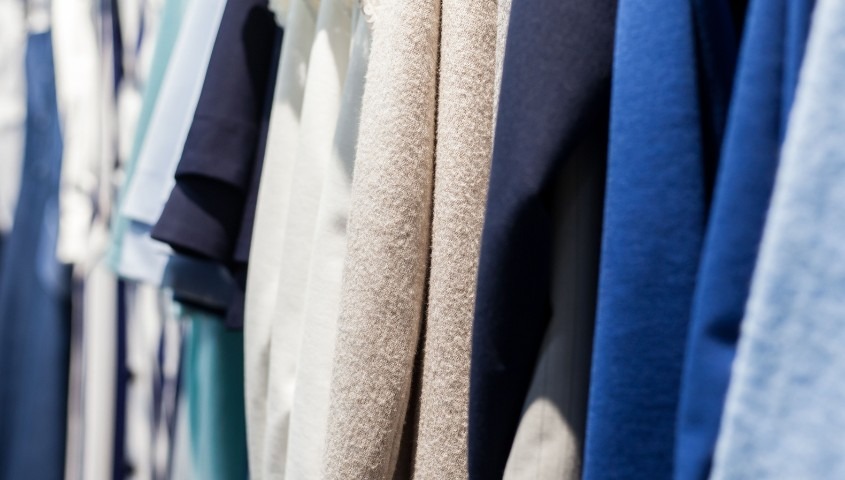
GSM stands for grams per square meter. It provides the weight of a cloth per square meter. Higher numbers indicate heavier and denser materials. Lighter and thinner are indicated by a lower number.
That's genuinely the whole definition. However, when it comes to comprehending what GSM is in cloth and why two shirts that look identical on the rack can feel completely different in your hands.
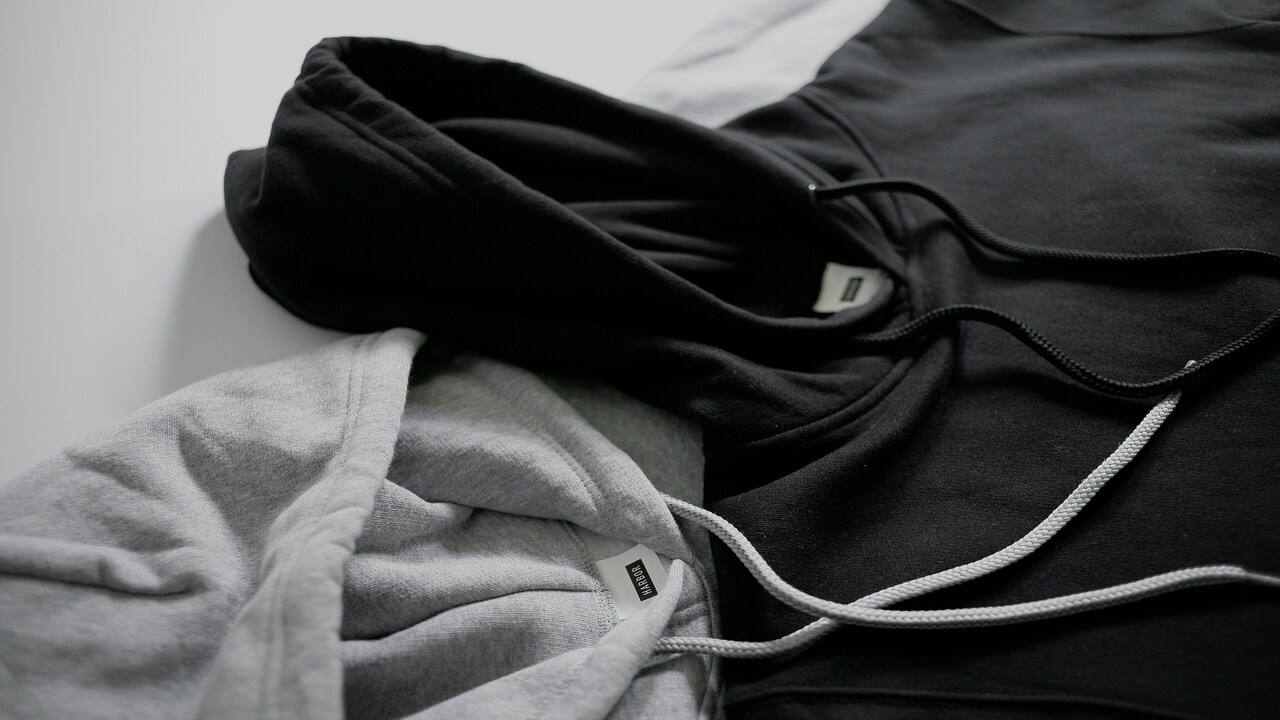
Imagine you walk into a store and see two hoodies. One feels light, while the other feels thick, warm, and durable. The thicker one most likely has a higher GSM because it contains more fabric in every square metre.
Why GSM Matters
Even though the majority of people have never heard of GSM, they have always noticed a difference. Here are some real changes that fabric weights make to an item of clothing you wear every day.
Durability
With an increase in weight of the material, the weave gets tighter and hence a tighter weave leads to a longer lifespan of the material after washing and use. For a 220 GSM T-shirt as against a 140 GSM T-shirt in pure cotton, the 220 GSM T-shirt is likely to last much longer since they have more dense fabric woven in such a fashion that these yarns tend to stretch and pill much less.
Drape
Lighter fabrics move and flow. They hang loosely from the body and catch a breeze. Heavier fabrics hold their shape and give a garment real structure. A flowy summer dress needs low GSM. A structured blazer needs high GSM. Putting the wrong weight in the wrong garment creates something that either looks stiff.
Warmth
More material means more insulation. That's really all there is to it. Every good winter coat you've ever owned felt heavier than your spring jacket for exactly this reason. The extra grams trap heat and hold it close to your body.
Opacity
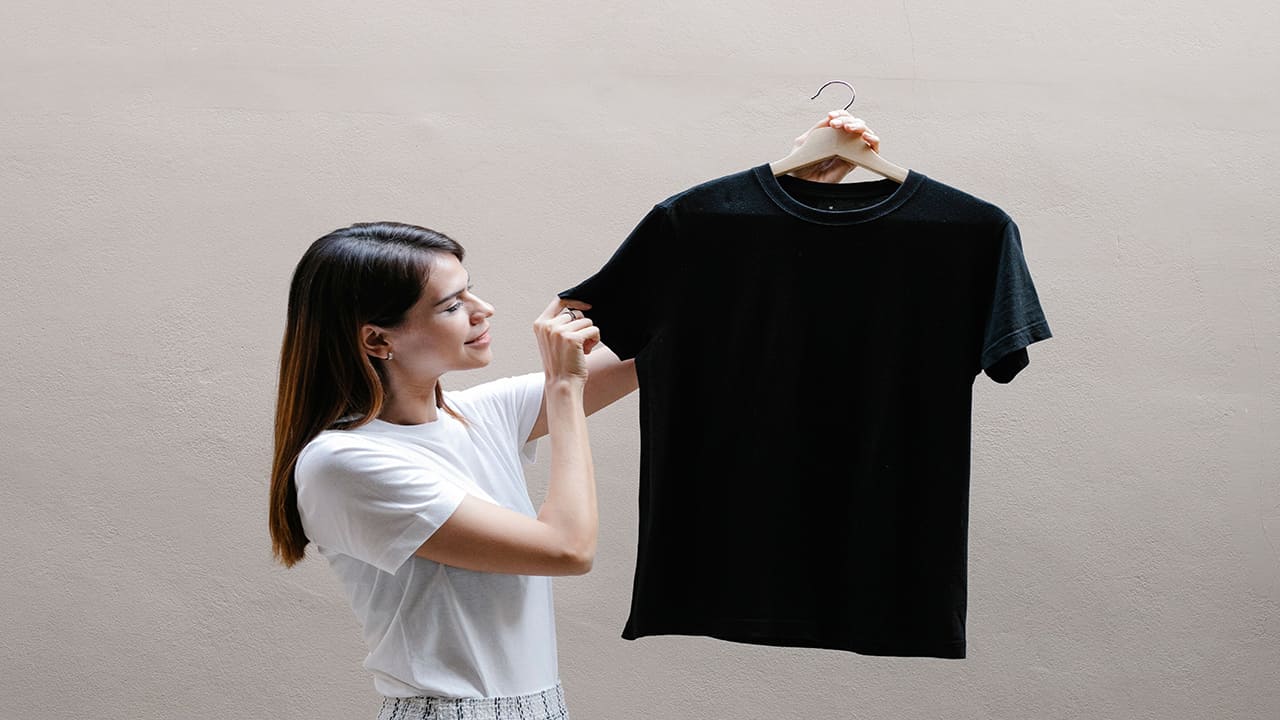
Thin, low-GSM fabrics are often see-through, especially in lighter colors. If you've ever bought a white shirt and discovered it was basically transparent in sunlight, you experienced low GSM firsthand. Higher GSM fabrics block light properly and give you the actual coverage you were expecting.
Print Quality
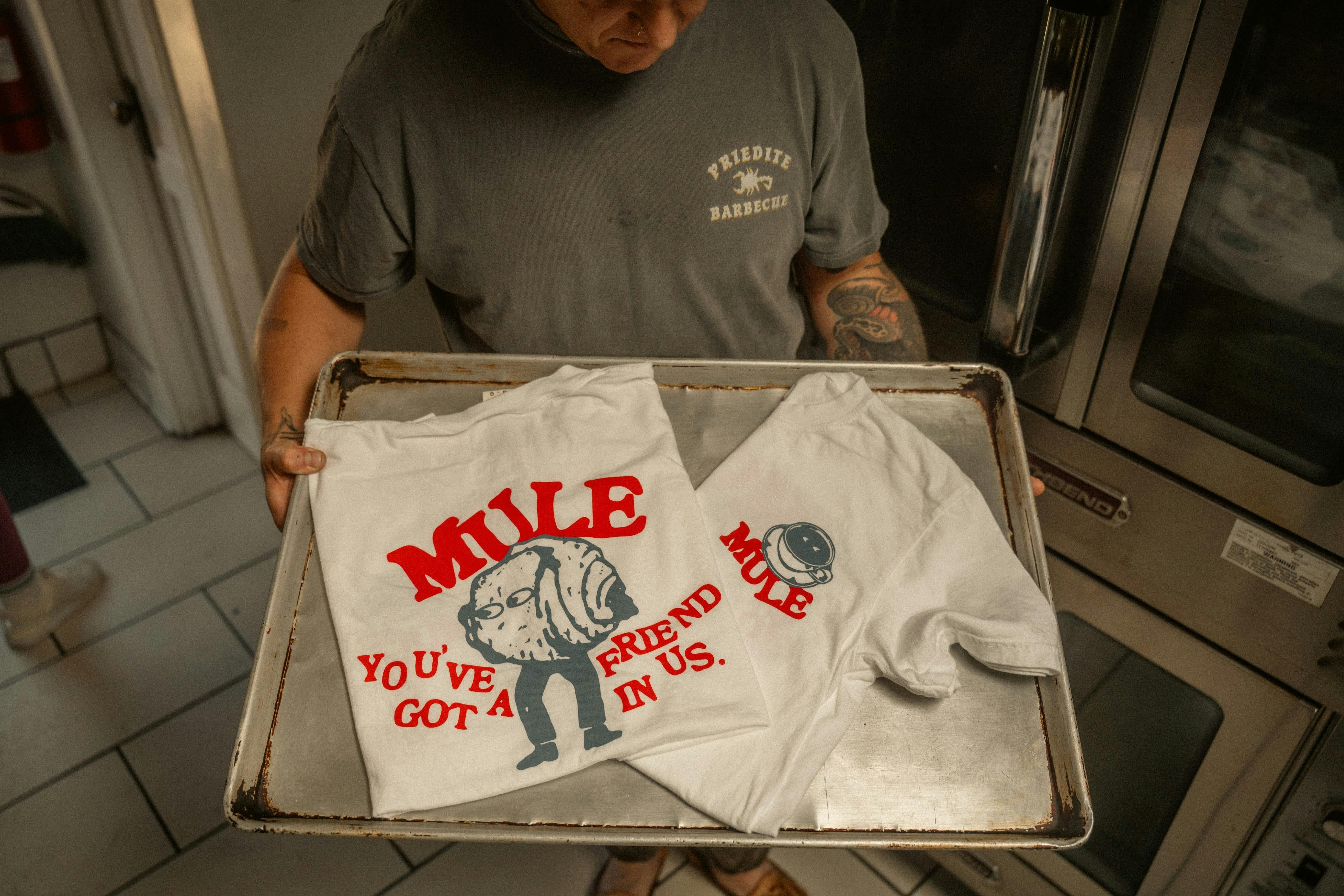
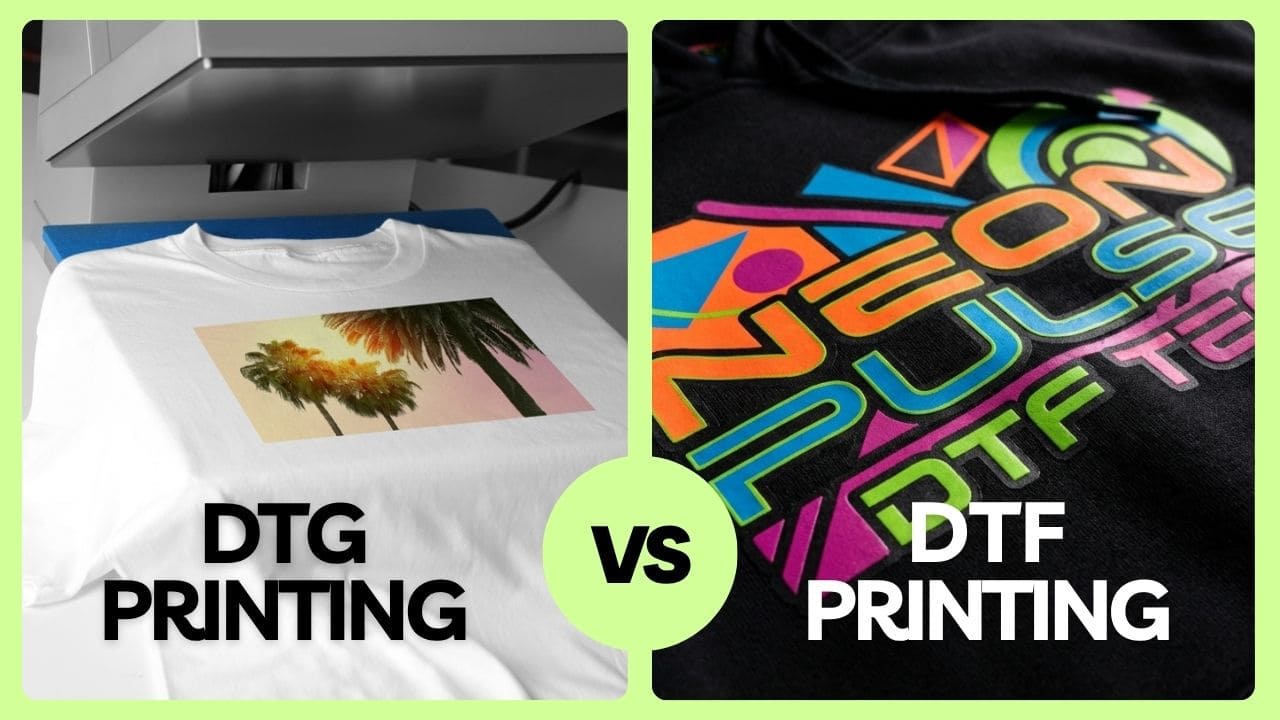
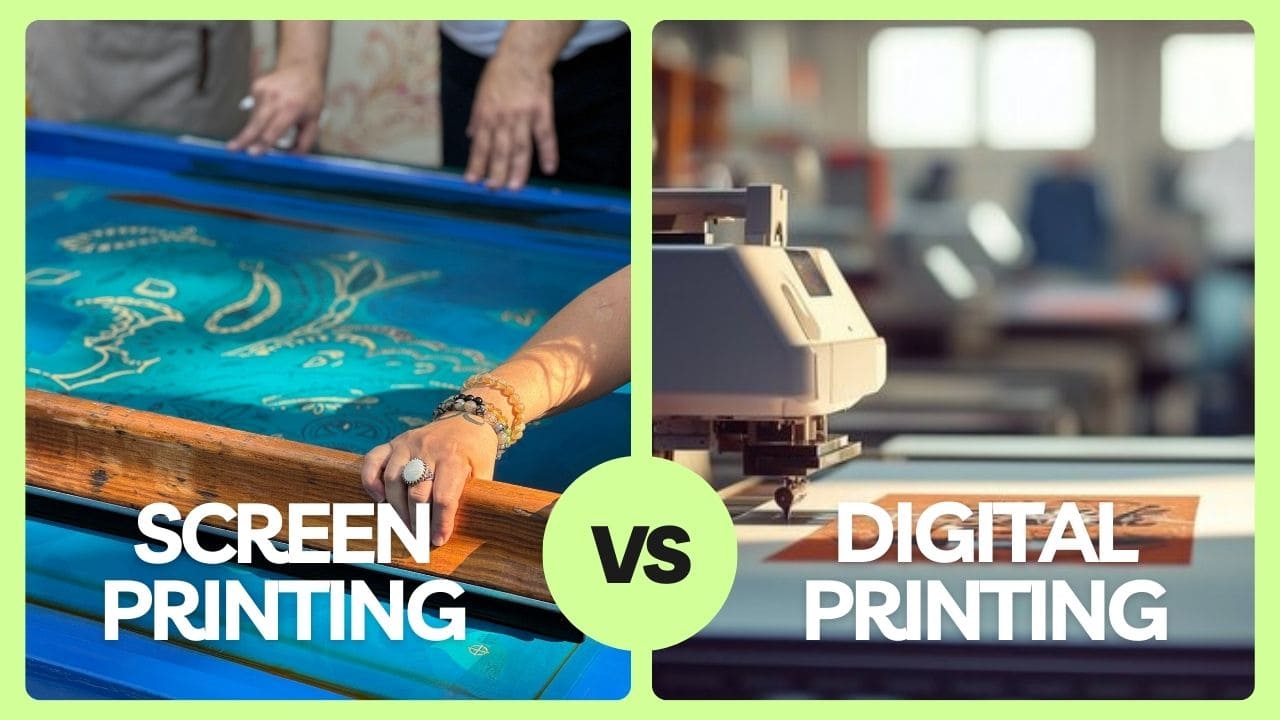
This is an issue that's important to anyone who's in the custom clothing business. Direct-to-garment printing is particularly effective on heavier fabrics, due to the greater amount of material with which the ink can bond. Sharp edges, brilliant colour, and extended durability and resistance to cracking. Before placing an order for custom t-shirts or custom hoodies for your brand.
GSM Ranges for the Most Common Garments
Knowing the categories is useful. Knowing what GSM to actually look for when buying or sourcing specific garments is more useful. Here's the practical breakdown.
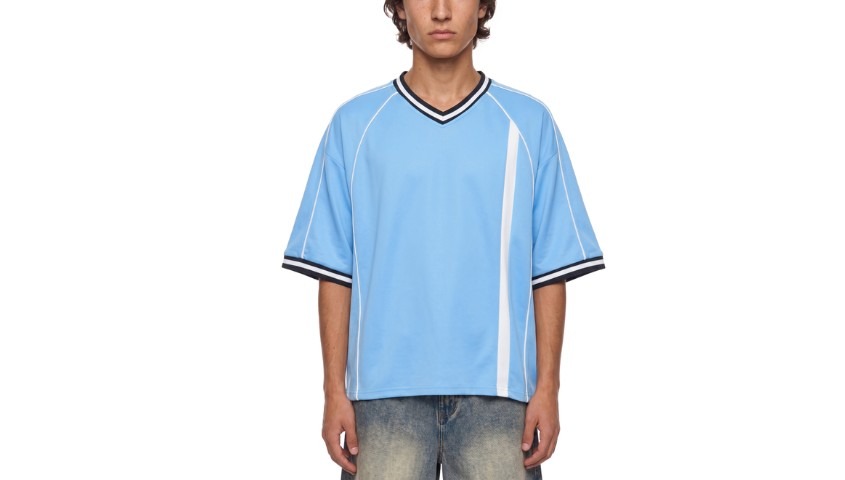
T-Shirts
T-shirts are where GSM makes the most obvious difference to everyday buyers. You can usually feel it before you even check a label.
An event tee or giveaway shirt will typically be of a lighter fabric that feels alright when it's new, but will quickly start to lose its form and sag with wear. If you choose a shirt of a midweight, you'll find that it'll hold up much better to washing and feel much more comfortable to wear. This sort of shirt looks neither too cheap nor too expensive.
Hoodies and Sweatshirts
Hoodies need warmth, structure, and the ability to hold their shape over years of heavy use, so they sit in a much heavier range than tees.
You can spot those at the bottom of the price scale, even cheap shirts that you'll receive at conferences, trade shows, and other giveaways, by looking at their GSM. Those are your good for- a- few- times, two-wash shirts that quickly look rumpled. They're easy to wear, easy to wash, and don't scream inexpensive or high-quality.
For custom hoodies, landing in the 360 to 420 GSM range makes a real difference to how customers perceive your brand. The hoodie is a pricey product that a clothing brand produces, and the first time a customer wears it, it is something they remember.
Denim
You will also come across denim being listed in ounces per yard in the United States instead of GSM. As GSM, this gives you an indication as to how light or heavy your denim is.
Your standard, average pair of jeans is generally made with 11- 14 oz per square yard of denim, which translates into 370-475 GSM. If your jeans fall in this range, you have the perfect balance of comfortable but durable wearability and what most of us have as a go-to style.
8- 10 oz per yard denim will fall into the lightweight category. Lighter denim is softer, more flexible, and more breathable, and as such will be the perfect weight for a hot climate.
14oz plus per yard denim will be in the heavier category. At first, it will feel stiff and difficult to wear, but with wear and time, it will soften and develop fades that are specific to that individual pair of jeans.
Activewear
Activewear falls at the low end of the GSM scale since the material should allow movement and ventilation when it comes to exercise. The majority of activewear falls between 150 and 250 GSM. In this category, the type and amount of fiber and stretch characteristics are more important than weight, and the number of specs will be more than just GSM.
GSM and Oz: Two Ways to Say the Same Thing
Some suppliers, especially in the US, display their weight in oz / yd2 (ounces per square yard) rather than g/m2 (grams per square meter).
How to convert between them:
- To convert oz to GSM: multiply by 33.91
- To convert GSM to oz: divide by 33.91
Therefore, a 6 oz fabric is around 203GSM. A 300GSM fabric would be 8.8oz. Knowing this can save confusion when comparing products from different suppliers and different markets.
Does Higher GSM Always Mean Better Quality?
No. A 400 GSM T-shirt in summer would be very uncomfortable. The 120 GSM winter coat would make you cold. GSM does not determine the quality per se, it is the measurement of weight and density. The correct GSM is the one that suits the purpose and the occasion on which the garment will be worn.
What higher GSM reliably indicates is that more material went into the fabric. However, a properly sewn 180GSM shirt made of fine long staple cotton will perform better over the years than a cheaply made 280GSM shirt made from cheap fiber. The weave, the type of fiber, and the finishing of the material play a role as important as their weight.
Use GSM to confirm a fabric is appropriate for the garment's purpose. Then evaluate fiber type and construction quality within that range. Both pieces of information together give you an accurate picture of what you're actually buying.
GSM and Print on Demand
If you're building a print-on-demand brand through Tapstitch, understanding GSM can help you choose fabrics that align with the look, feel, and purpose of your products.
Why it matters for printing specifically:
- If the printed materials are thinner at the bottom end of the GSM range, it can cause printing issues, as the printed materials have less glue to attach to the thinner materials.
- This means that the print often bleaches out or breaks earlier than expected.
- Heavy fabrics create more durable patterns, quicker, and hold up to more washings.
If the consumer orders a t-shirt with a personalisation on it, and the shirt feels flimsy, the consumer's impression of the company is instant. A heavier garment looks good, even before the client sees the design! Once a first impression is formed, it is difficult to change it.
How GSM Affects Your Costs and Shipping
This one can seriously affect your budget on both the production and shipping sides of things. Heaviness is usually synonymous with higher quality fabric that will produce a great finished product, yet it also means a heavier pocket for your business! This is what we mean by balancing your GSM.
The higher the GSM value, the higher will be the cost of blank apparel. For example, a 400 GSM hoodie will typically be much more expensive than a 300 GSM hoodie, excluding printing and labelling.
- Uses more fabric during production
- Increases the cost of blank garments
- Raises manufacturing expenses
Choosing a heavier GSM will mean that the material will feel more luxurious and substantial. Fabric with a higher GSM will hold its structure well and is a much better choice for colder temperatures.
- Heavier packages cost more to ship
- International shipping fees can increase
- Bulk orders become more expensive to transport
How to Pick the Right GSM
Selecting the right GSM comes down to the kind of clothes you are interested in making and who your potential clients are going to be. Consider the climate where your customers will be located, what the fabric will be utilized for, and the kind of status that you want your business brand to indicate before selecting the fabric GSM.
Lower GSM can be suitable for apparel intended for warmer climates, such as clothes for summer collection, and more comfortable day wear. The breathable material permits ventilation in hot temperatures.
Higher GSM fabric makes sense when sturdiness and a more sophisticated feel are extremely significant. It will also take a more number of repeated washings before it gives up the good quality of how the clothing looks and fits well, and might be more costly than fabrics having less GSM value. It also creates a higher feel as well as a drape on the body.
The Tapstitch catalog lists both GSM and fiber composition for each blank garment across their full collection. That combination of information is what you actually need to compare options properly and find the right blank for your specific product.
- You're looking for something that flows and drapes, not holds.
- Tapstitch catalog provides the final use as well as the GSM and fiber composition for each blank garment. When viewed as a set, these specs make it easier to compare fabric options and select a blank that will be appropriate for your product.
Wrapping Up
When you know what GSM is in fabric, you can use it to make better choices – either when buying for your own use or when finding fabric blanks to source for a brand. It's a very real indication of how it feels, how long it can last, and if it's the right option for your project.
Sometimes it's simply a few grams per square meter that can be the difference between a piece that feels great and a piece that will fall apart after a season. Now you know what to look for when you make your purchase; you'll be able to identify that difference.
If you're looking for quality blanks for print on demand, Tapstitch offers a full range of garments with clear GSM specifications so you can make the right choice from the start.
Browse Tapstitch full catalog and find the fabric weight that fits what your brand is trying to say.
.jpg)
.jpg)
.png)

.jpg)
.jpg)
%20(3).jpg)
.png)
.jpg)
.jpg)
.jpg)
.jpg)
.jpg)
.jpg)








.png)




.png)
.webp)

.jpg)












.jpg)



.jpg)

.png)
.jpg)


.jpg)
.jpg)




.jpg)
.jpg)
.jpg)
.jpg)
.jpg)

%20(1).jpg)

.png)

.png)


%20(1)%20(1).jpg)





.png)
.png)