






Best Business to Start with Little Money for 2026


The best business to start with little money in 2026 isn't a secret. That’s how times have changed. It wasn't long ago that one would need a brick-and-mortar storefront, a warehouse to store their goods, and even serious capital to be in business. Today, all one needs is a computer, a focus area, and the ability to get their product to their customer.
The barriers fell. The tools became affordable. What once took months and thousands of dollars, you can now get up and running in an afternoon at Starbucks.
Here are 20 of the best low-cost business ideas for 2026, plus how to actually launch one when your bank account is closer to broke than bootstrapped.
20 Best Small Business Ideas for Beginners
Twenty lanes. All low capital. All running real revenue right now. Pick the one that fits your skill set and your patience level, not the one that sounds best at a dinner party.
1. Print-on-Demand (POD)
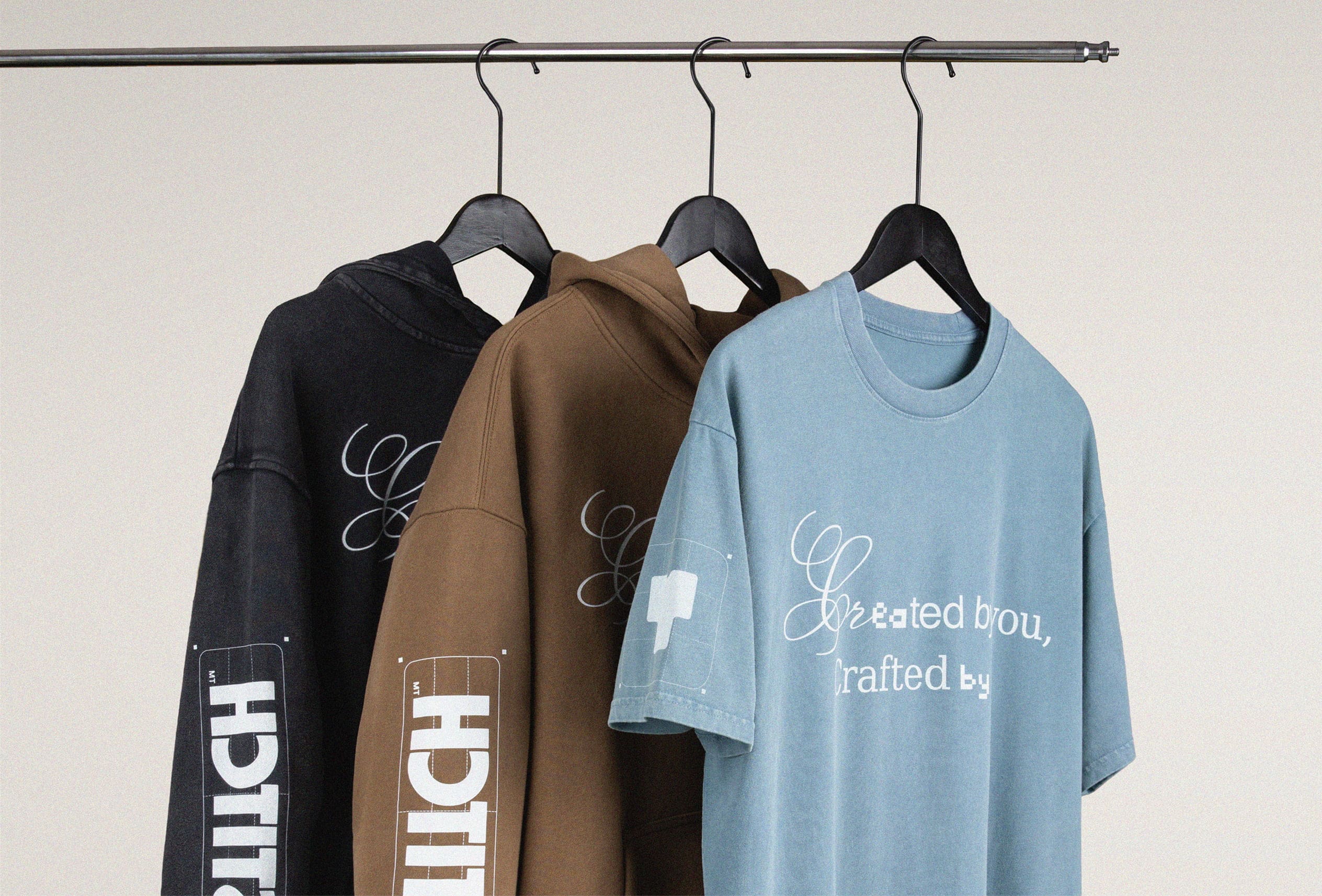
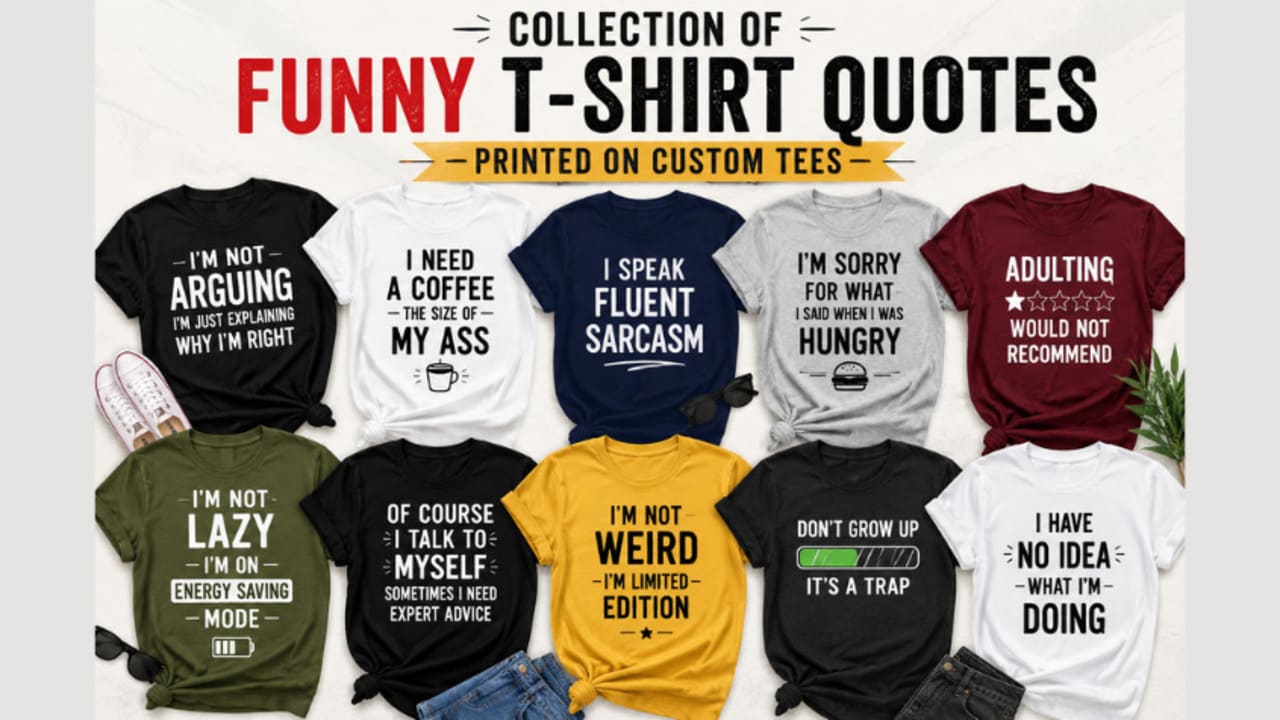
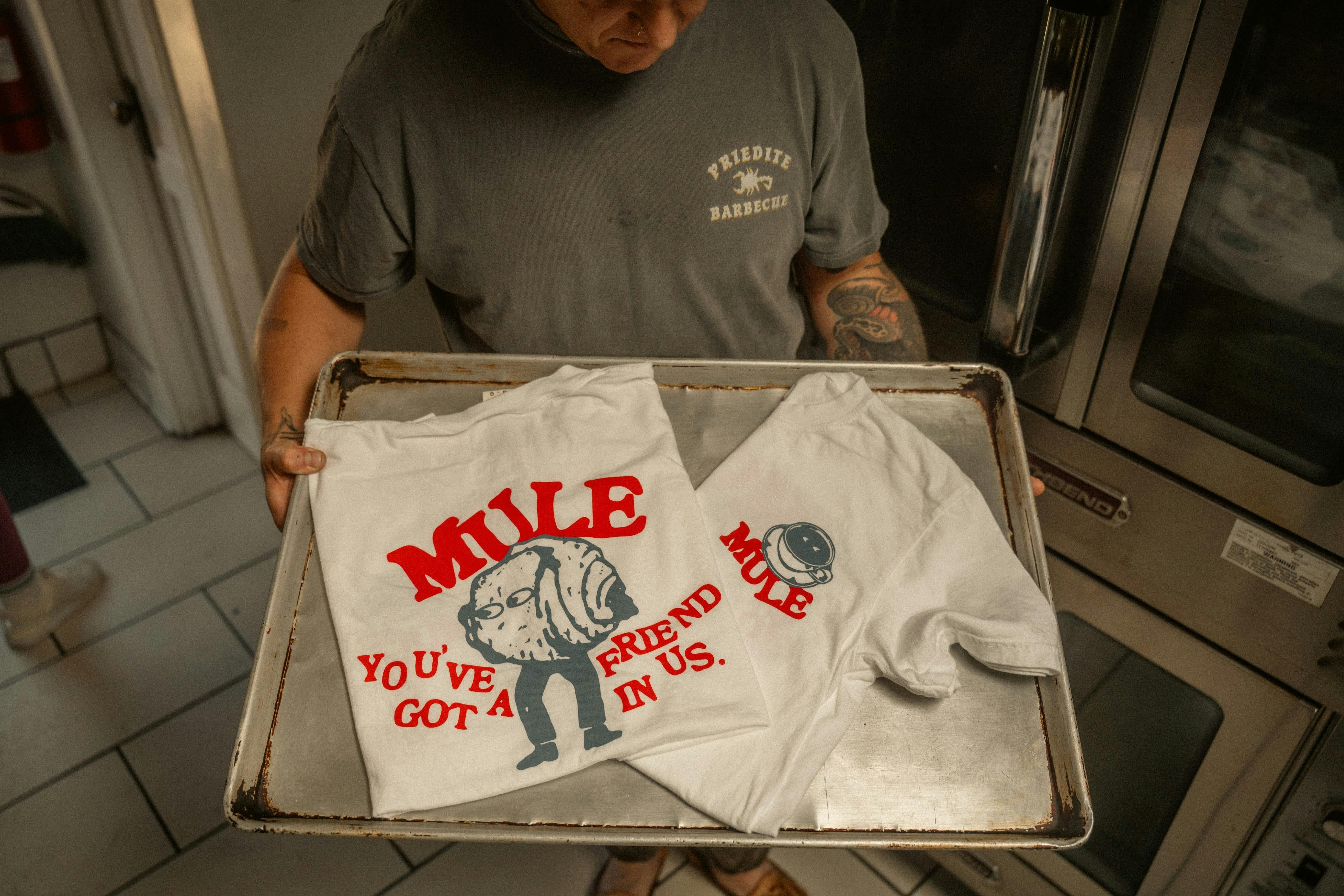
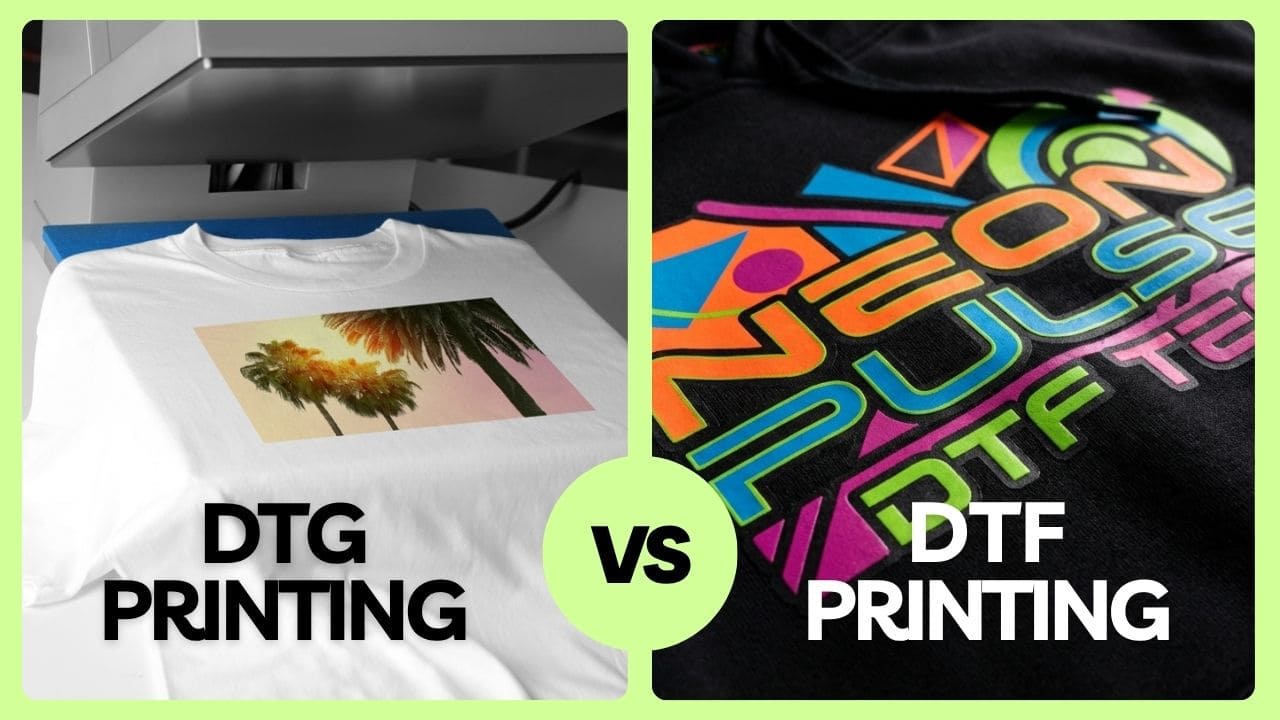
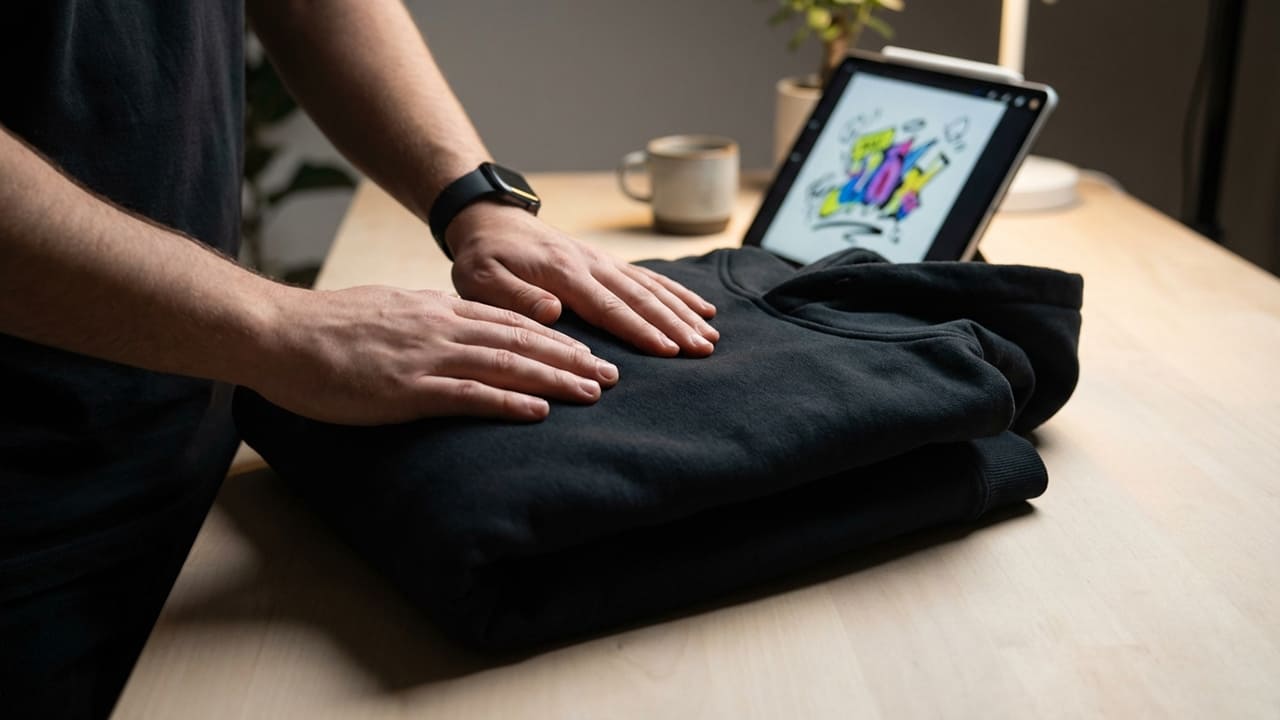
The cleanest entry point in 2026. You design, a partner prints and ships, you keep the margin. No warehouse, no inventory, no risk on stock that doesn't move. Apparel, hats, accessories, stickers, posters. All of it scales the same way.
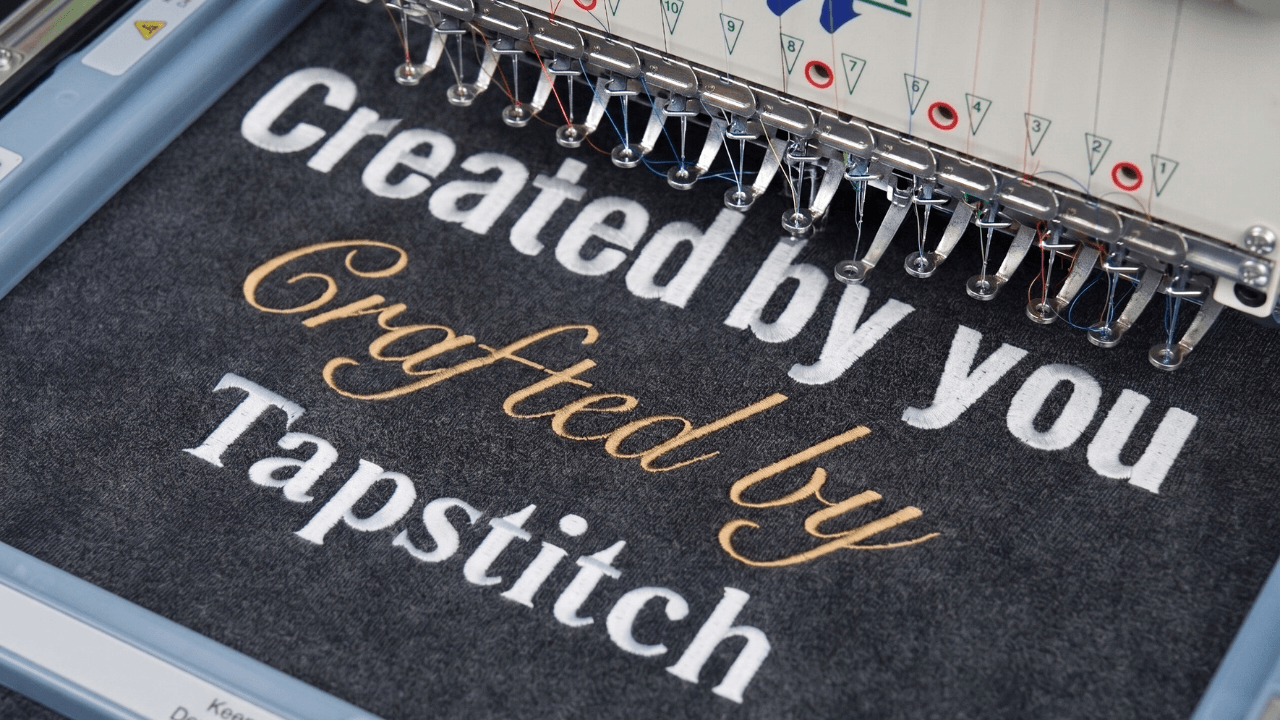
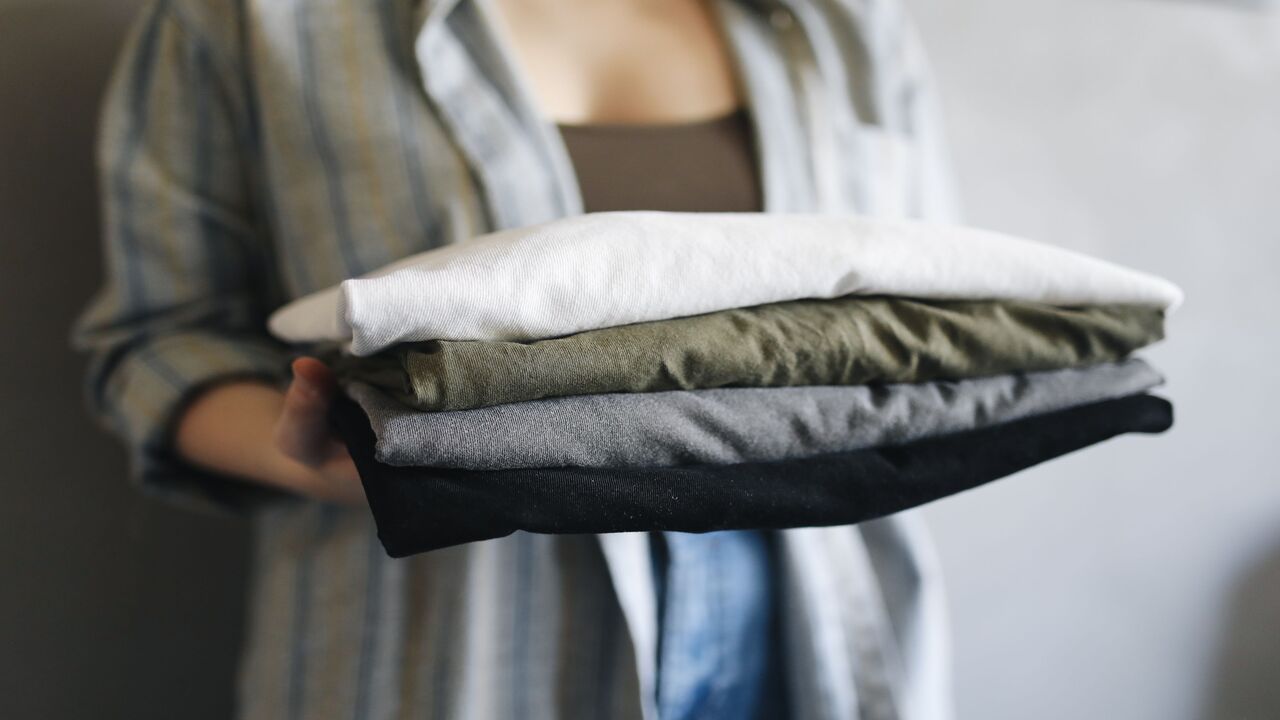
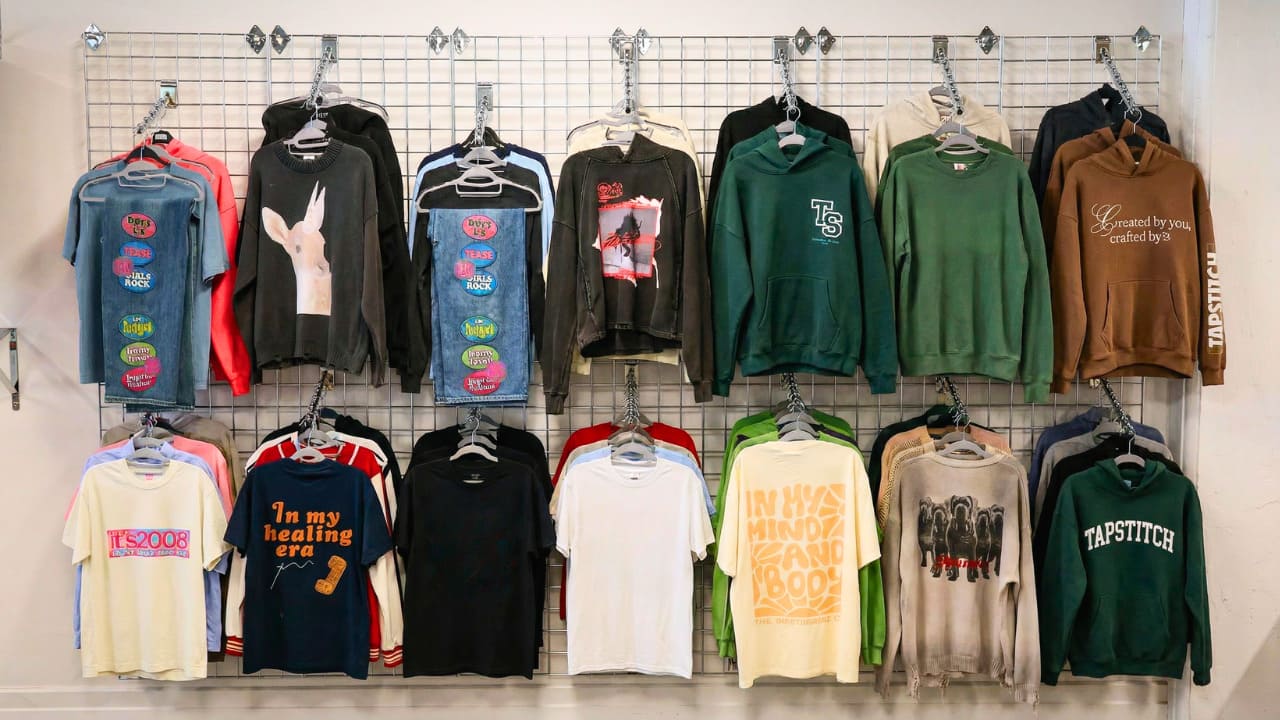
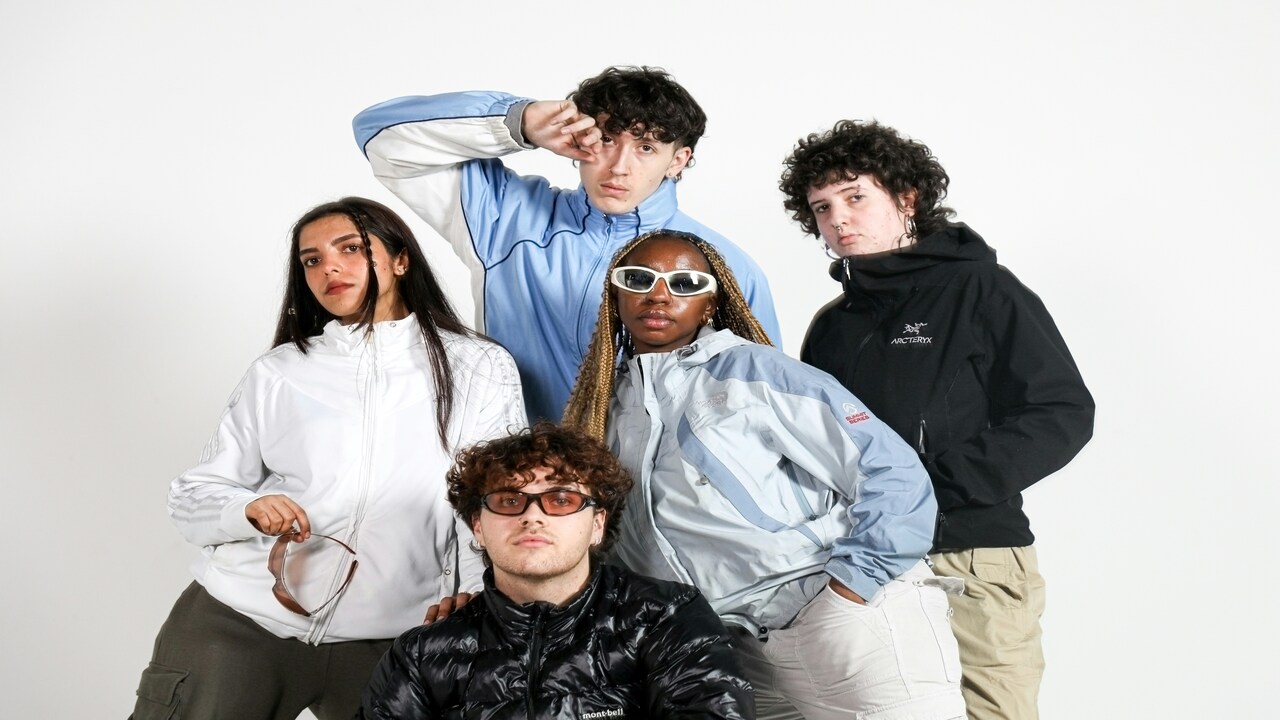
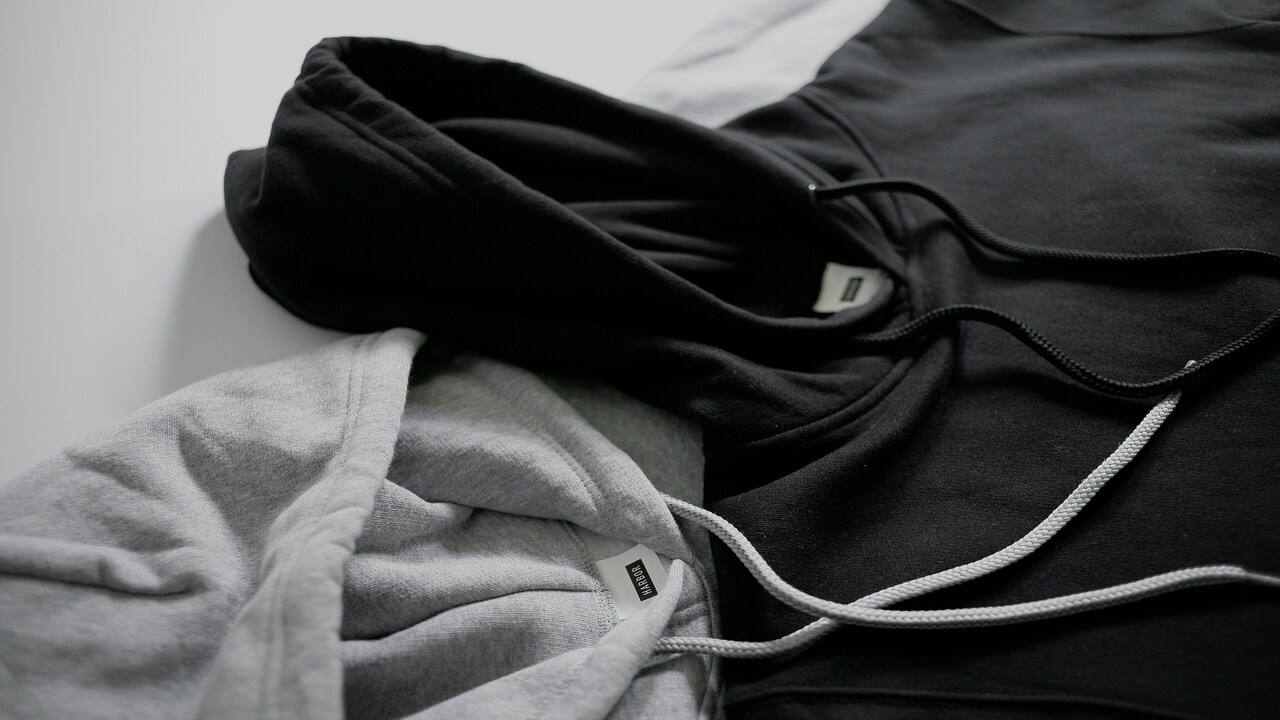
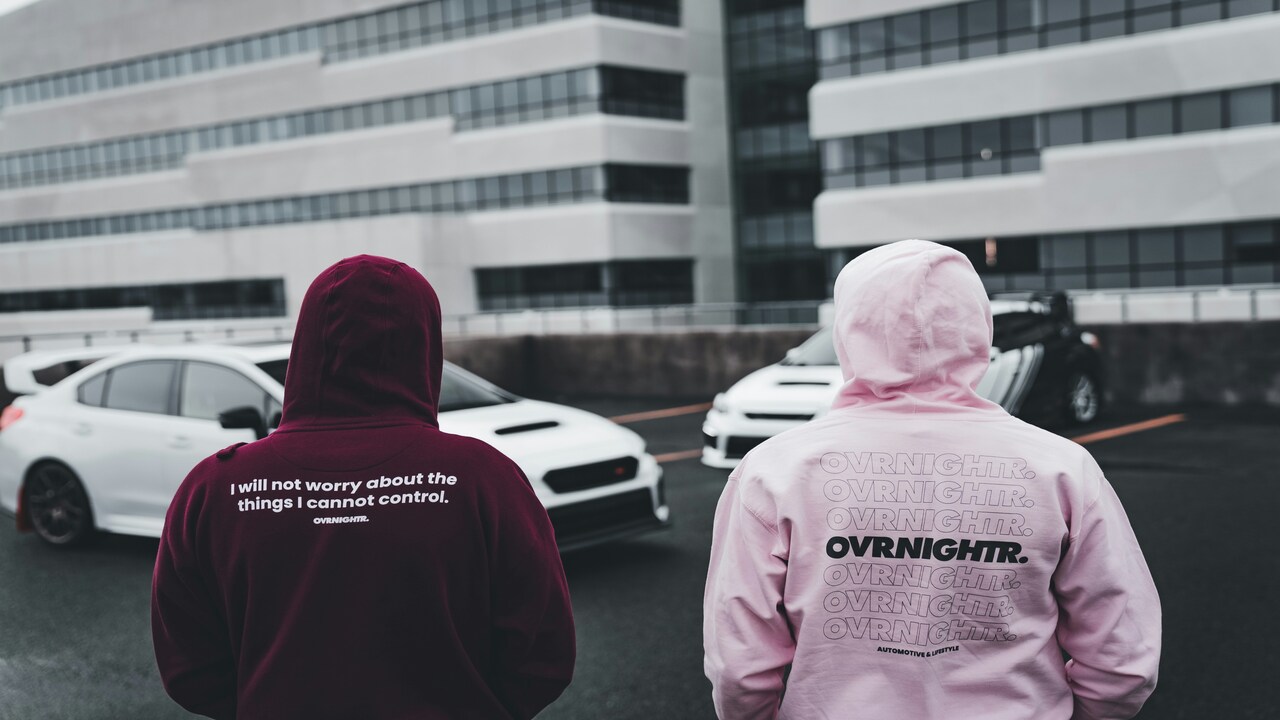
What changed in the last three years is the product quality. Early POD was thin tees and obvious cheap blanks that screamed: "I bought this from a website." That era is over. Modern partners like Tapstitch use the same heavyweight cottons, vintage washes, and fashion-cut silhouettes that independent streetwear brands sell for $80 a piece. The garment is no longer the weak link. Your design is.
It aligns with how shoppers behave today. Following brands on TikTok, clicking the link to shop, and converting if the product seems wearable in the real world. This is the only way of doing business that allows one founder to validate that theory every week without wasting money on unsold stock.
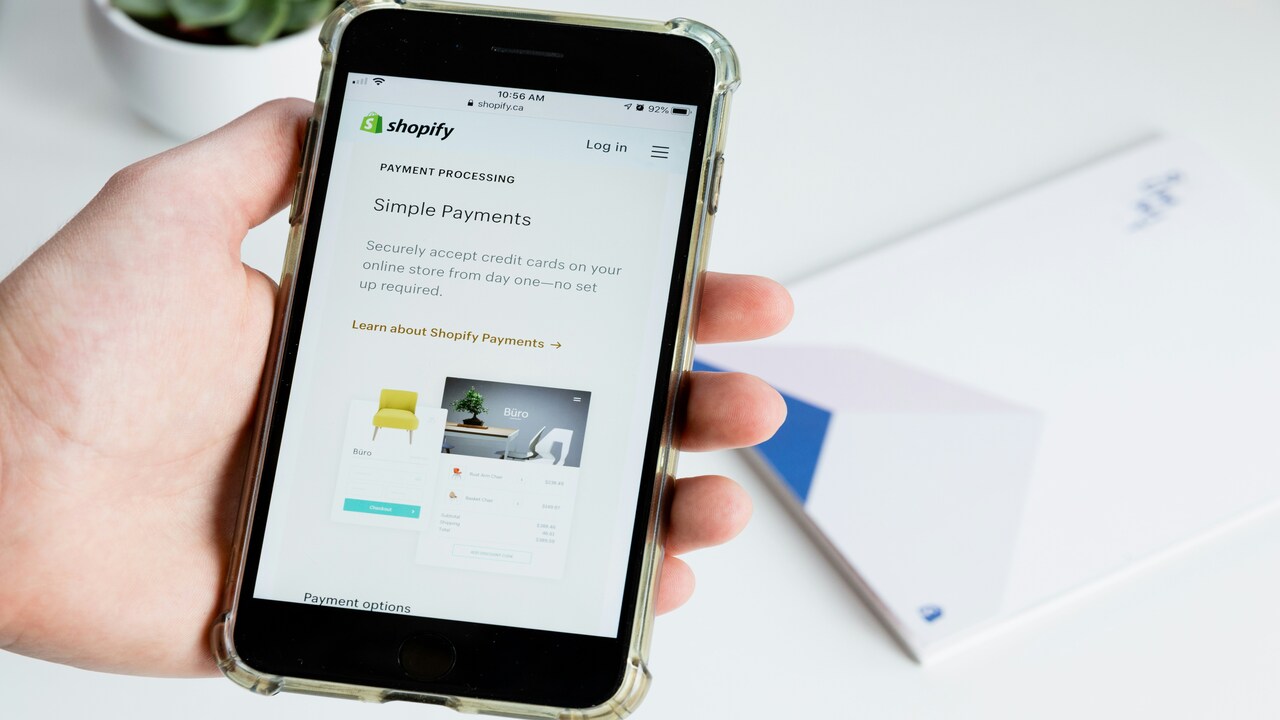
Gross margins range from 30% to 60% on average for clothes, including all fees. Better if you have a brand that sticks. The only barriers to your first sale are a creative design and a link to Shopify. Capital required? Less than $50 if you have a laptop.
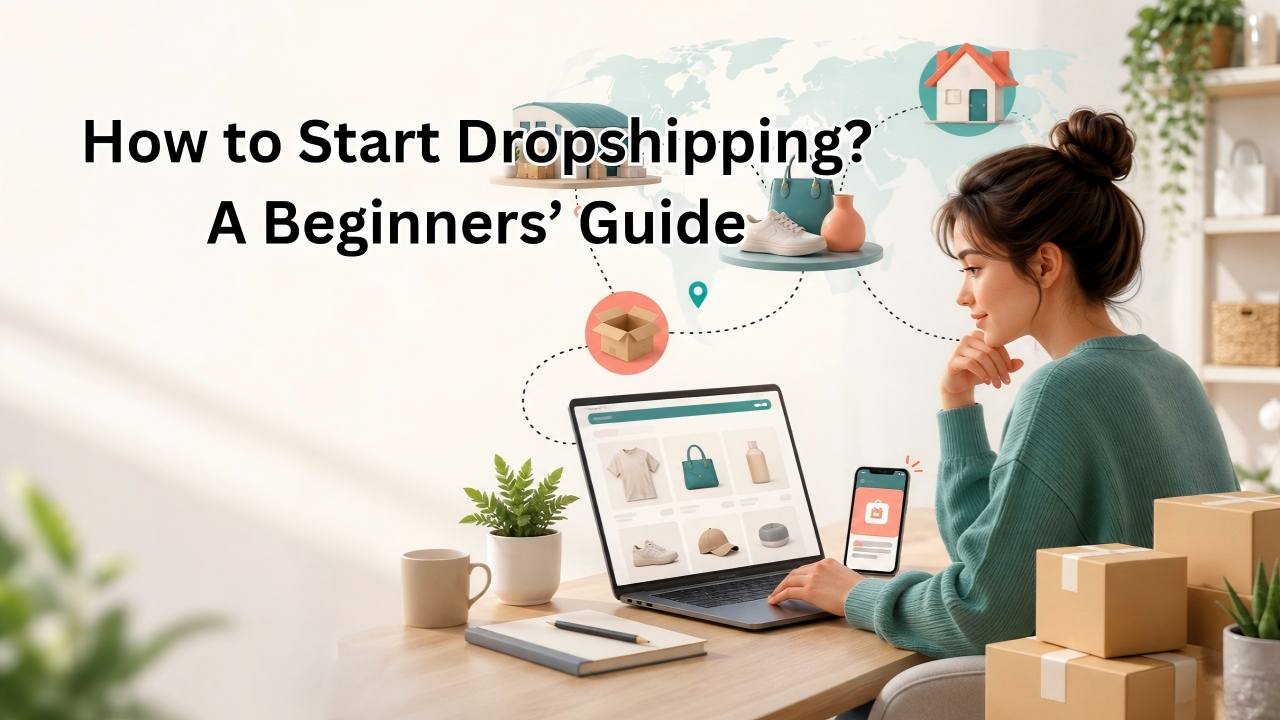
2. Dropshipping
Same concept as Print On Demand, but without the design process. The products are curated from the manufacturer, added to your store, and then shipped to the customers directly when they're sold.
This option offers lower margins because you’re not creating any creative value. However, it is much faster to get started and experiment with different niches, without losing money on the development process.
3. Custom Apparel
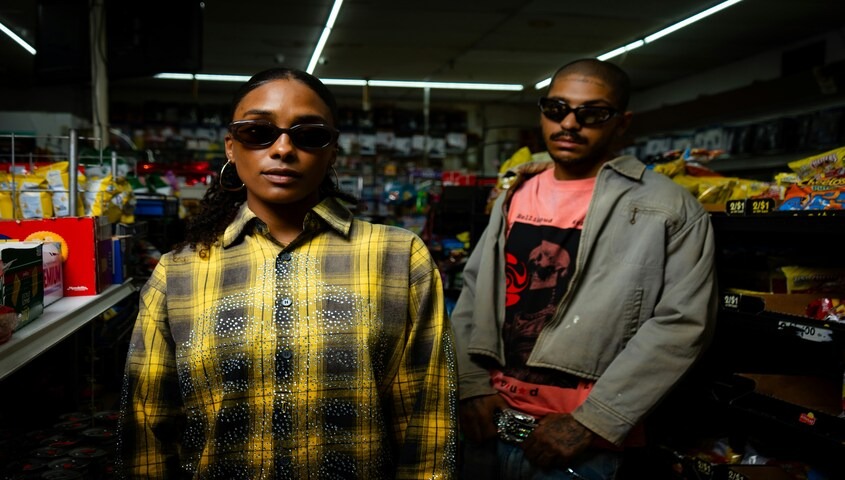
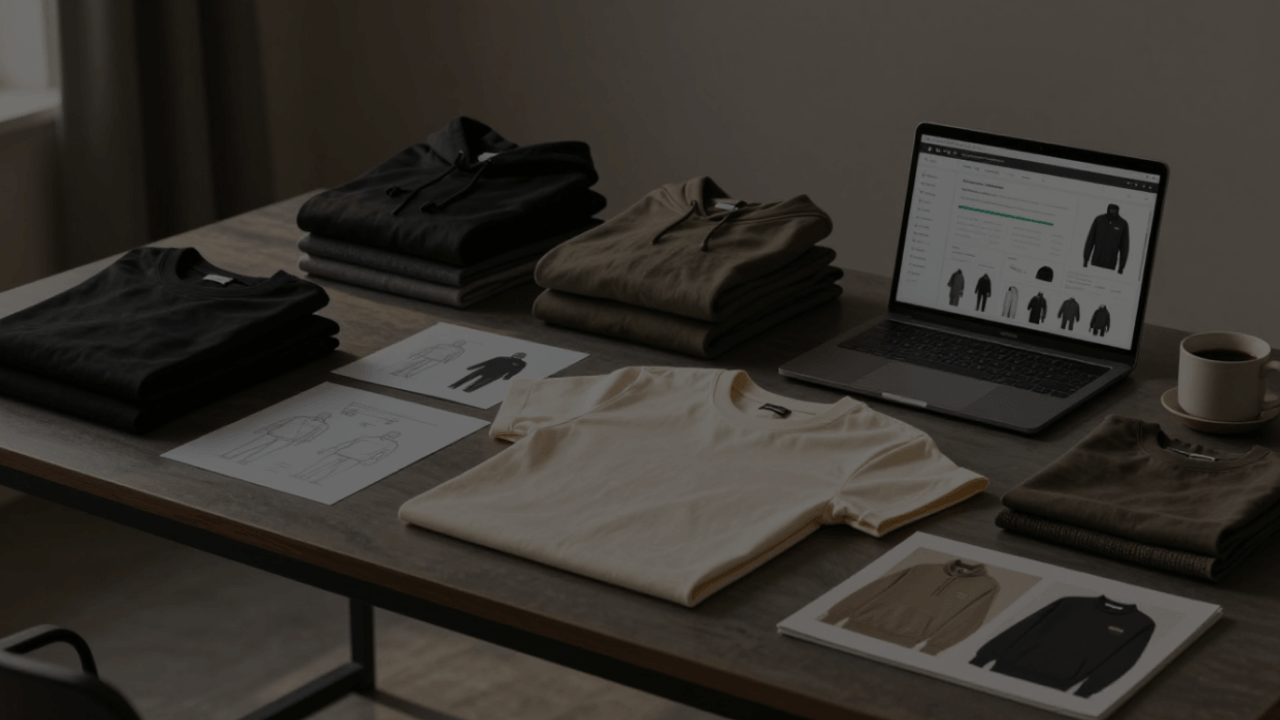
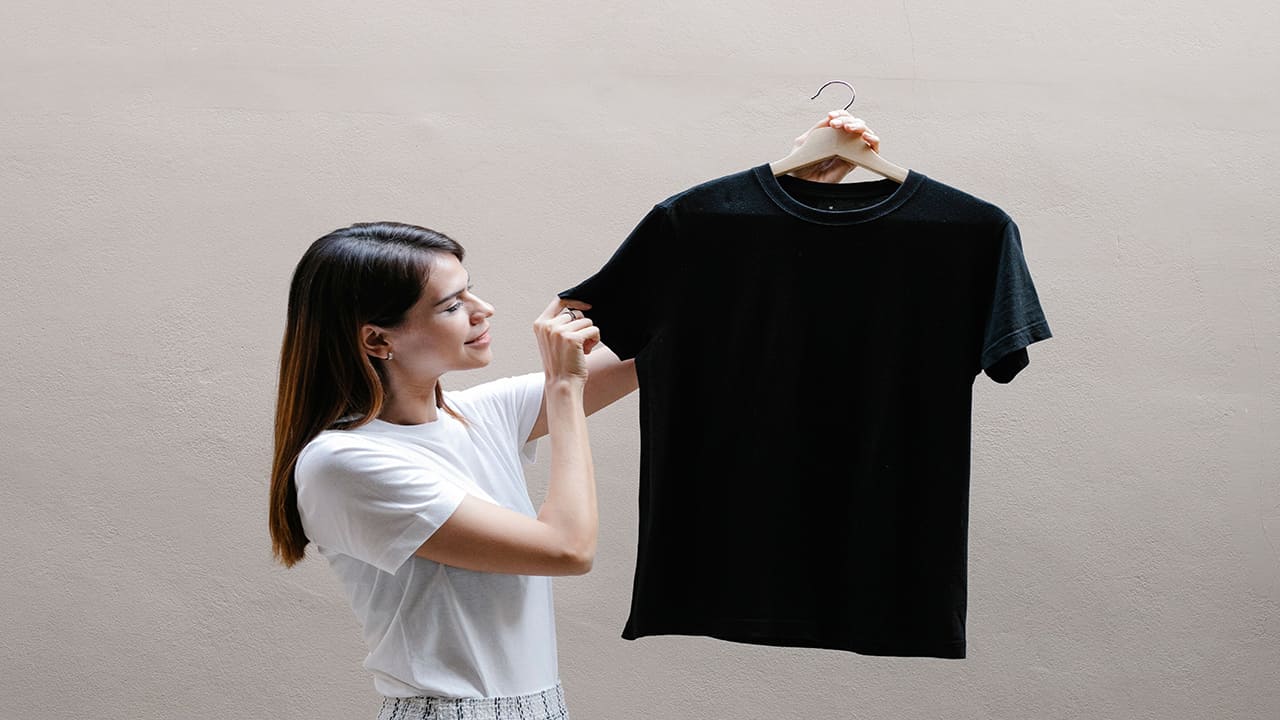
Custom apparel falls in between POD and fashion. Here, you design actual garments, put them out there with your brand logo, and attract clients through quality rather than commodification. The proper partner does all the manufacturing and shipping for you.
This is where true equity lies. A fashion label has second-hand value. Dropshipping, on the other hand, lacks that.
Tapstitch supports this model too, and we make it easy to get started. We provide fashion-forward blanks so you can build a brand from day one.
4. Freelance Writing & Copywriting
The ability to write something that can stop someone from scrolling is still a marketable skill. Companies still need copywriters, even with the huge influx of AI. Startups need ghostwriters. Newsletters need article writers. The rate varies from $0.10 per word upwards of thousands, depending on your credentials.
5. Social Media Management

It is common knowledge that every entrepreneur understands the need for posts. However, most of them dislike doing it. This difference creates an opportunity for you. By managing three to five clients per month, ranging between $500 and $1,500, you will be running a business using just your smartphone.
The secret lies in developing editorial taste rather than video editing skills. All you need is to learn how the brand speaks.
6. Graphic Design Freelancing
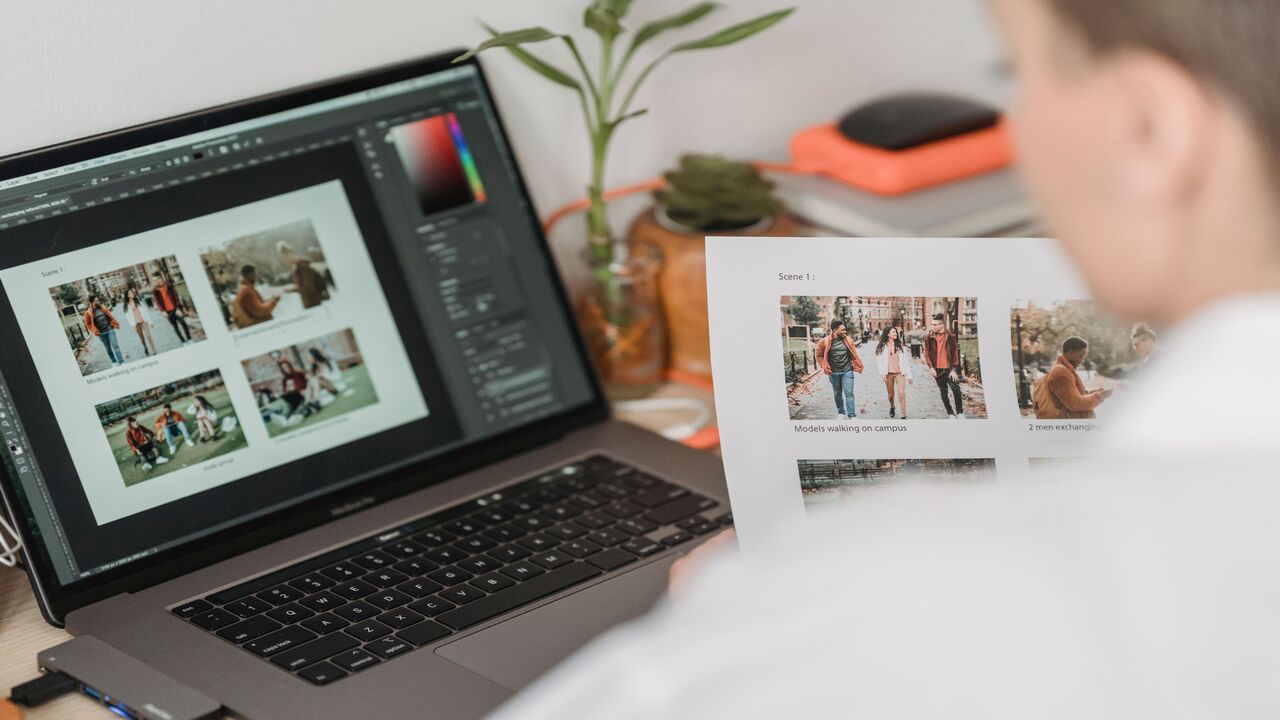
Logos, social graphics, packaging, tshirts design, and advertisements. All businesses require visual aids, and all of them cannot afford to hire a professional designer. Even though Canva and Figma helped kick-start designer careers, good taste is what separates the people who get hired from the ones who don’t.
Showcase your talent through three passion projects and start earning some money.
7. Virtual Assistant Work
Triage emails, manage calendars, do some project work, and answer client queries. Founders, CEO’s, and small business owners outsource all this mundane stuff every day. For regular VA work, you can charge from $20 to $40 an hour, maybe even more.
It may be dull, but your wallet will say otherwise.
8. Affiliate Marketing

You create a community around your passions (working out, money management, clothing, and fishing), and then you make money by selling products that this community already buys. The numbers are impressive. An internet blog or TikTok channel with 10,000 fans can earn $1,000 a day through marketing.
Your investment is only the time spent.
9. Niche Newsletter
Substack, Beehiiv, ConvertKit. Pick one and start writing. The specialized newsletter, even in its silence, is the best media startup of the decade because of the direct link between the writer and the reader, zero publishing costs, and recurring revenue from subscribers.
The more specialized, the better. “Real estate investing for nurses” will always beat “personal finance.”
10. Online Tutoring or Coaching

Everything that you know that others wish to know (language, software, musical instruments, any sport, any skill) is monetized through sites such as Wyzant, Italki, or Cambly. Coaching gets paid more than tutoring but both are equally effective.
11. Photography
Weddings, real estate, merchandise, portraits, social media. Each category has its own demand level and price point. The photographer will require a camera, which can be a secondhand DSLR costing between $400 and $600 to start. A photographer will have to exercise patience before earning any money.
Cell phones have not killed the profession of photography; they have only made photographers more valuable.
12. Reselling & Vintage Flipping

Morning: Goodwill. Afternoon: Depop or eBay. Vintage and thrifted items are fetching a lot of money at the moment, and they are all around you. Your markup on purchases can range from 5x to 10x.
This is not an office job; it is street business. The income will come your way the very week you begin.
13. Content Creation (YouTube, TikTok, Substack)
The creator economy is no longer a gimmick. People with a small following are earning hundreds of thousands, even millions, of dollars from ad revenue, sponsorship opportunities, affiliate commissions, and product sales. It’s a trade for time, not for money. It takes 12 to 24 months to earn any serious money as a creator.
But when it finally happens, it happens big.
14. Etsy & Handmade Goods

Whatever craft you engage in—whether it be jewelry making, candle making, ceramics, printing, or woodworking—you should still try selling products on Etsy. The people are ready; all you have to do is come forward with something that interests them.
The makers who succeed at Etsy run their businesses as brands, not hobbies.
15. Web Design
Small businesses still need websites, and many are using dated templates. If you can build a clean Shopify, Squarespace, or Webflow site, there's a roster of clients waiting for you. Project rates start at around $1,500 and scale to five figures for custom work.
Learn one platform deep. Sell that.
16. Pet Sitting & Dog Walking

Rover and Wag turned this into an actual money-making opportunity for individuals who have a greater affinity for animals than for meeting people. Dog walking ranges from $20 to $40 per walk. Pet sitting during nighttime generates between $75 and $150 per night.
Glamour less, consistency more.
17. Residential Cleaning
Residential cleaning is a multi-billion-dollar business that no one under 40 would want to get involved in. That’s precisely why there are opportunities still available. Begin by working alone, setting your rates between $30 and $50 an hour, and re-investing profits to help grow your team.
Unsexy, lucrative, recession-proof.
18. Lawn Care & Handyman Services
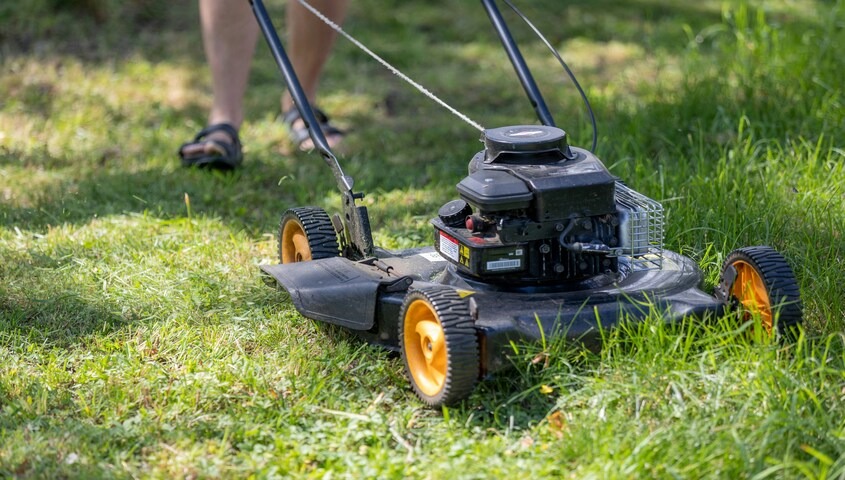
Same logic as cleaning. People always need their grass cut, their gutters cleared, and their light fixtures installed. The barrier is showing up reliably and doing the work well. That barrier is lower than most people think.
A pickup truck and a willingness to sweat are the entire startup kit.
19. Candle Making & Small-Batch Goods
Candles, soaps, body products, and room fragrances. The initial investment in materials is several hundred dollars. Profit margin ranges from 60% to 80% when creating a premium brand based on taste rather than price. You can sell directly via Shopify or wholesale to nearby boutiques.
It’s a legitimate business that you can grow or maintain forever at whatever size you like.
20. Bookkeeping
All small business owners are poor at accounting. Most of them recognize that about themselves. If you are able to get certified in QuickBooks or Xero (they both offer certification programs for weekends), you can easily make $300-$1,000 from each client per month by handling their accounting for them.
Tedious mathematics. Reliable income. Repeated revenue.
How to Start a Business with No Money
Most "how to start with nothing" recommendations are outright lies. You will be spending resources, and it is a matter of whether you spend your money or your time. Most newbies fail to understand that they have more of one resource than the other.
The real playbook looks like this:
Pick the leanest model first.
The lower the launch cost, the sooner you will know whether it works. POD, freelancing, dropshipping, and content. Nothing requires money. Everything requires work and persistence.
Leverage your existing assets.
Your laptop. Your phone. Your subscription services. The free version of all the tools you will need in year one. Do not buy anything until you have no choice because you need to feel like a business owner.
Start charging immediately.
"I will create an audience first and monetize later" is how most people give up before earning their first penny. Ask friends and family for money. Even if your first project generates only $50, you still need to charge for it. It doesn't matter if it comes in dollars or cents. The habit matters.
Reinvest everything for the first 90 days.
Profits come later. Year one is all about acquiring tools, gaining skills, and driving traffic. Take too much cash out of your venture too soon, and you will strangle its growth.
Do not quit your job until the numbers make sense.
If your venture brings $500 per month, you can treat it as a side hustle. A business clearing $4,000 a month is a runway. Wait for the second number before you do anything dramatic.
That's it. There's no secret. Most people who say they have no money just have no plan.
FAQs
What is the most profitable business to start with little money?
Margin matters more than revenue at this stage. Services like POD, freelance writing, design, and social media management run at 60-90% margins. No inventory, no overhead. POD apparel scales fastest of the bunch.
Can I start a small business with no money?
Not really. But under $100 gets you there. POD, dropshipping, freelancing, and content all run on a laptop and a domain. Your real cost is time. The founders who win treat it that way.
How quickly could I start earning money with my business?
Services (freelance, VA, social media, cleaning) can pay the week you launch. Product businesses (POD, dropshipping, Etsy) usually take 30 to 90 days. Content plays (newsletter, YouTube, TikTok) need 6 to 18 months to turn profitable.
Final Verdict
The best business to start with little money in 2026 is the one you'll still run in 18 months.
Pick what fits your skills, your taste, and your tolerance for the boring parts. Then execute. Capital isn't the problem anymore. Tools are cheap, platforms are free, production partners cover the rest. Discipline is the part nobody can hand you.
That's the whole game.

%20(1).jpg)
.jpg)
.jpg)
.webp)

.jpg)
.jpg)
.jpg)
.png)
.jpg)
.jpg)
%20(3).jpg)

.png)
.jpg)
.jpg)
.jpg)
.jpg)
.jpg)
.jpg)





.png)


.png)
.jpg)







.jpg)


.jpg)
.png)
.jpg)


.jpg)
.jpg)




.jpg)
.jpg)
.jpg)
.jpg)
.jpg)

%20(1).jpg)

.png)

.png)


%20(1)%20(1).jpg)