






Redbubble Alternatives: 10 Better Sites Like Redbubble for POD


Redbubble made it easy to upload a design and sell it as a tee. It just never made it yours: the storefront, the customer, and most of the profit all belonged to Redbubble.
That's why so many sellers go hunting for sites like Redbubble in 2026. They want print-on-demand without the marketplace handcuffs. Here are 10 Redbubble alternatives worth the switch, plus what to actually look for before you pick the next one.
Why Brand Owners Start Looking for Redbubble Alternatives
Every "I'm leaving Redbubble" thread on Reddit, Twitter, and Discord boils down to the same three frustrations:
- The margin. Redbubble pays artists 10%-20% of the base price and keeps the rest. Run your own shop on a POD platform, and you keep 30%-60% of retail.
- The brand. Customers buy from Redbubble, not from you. No mailing list, no repeat buyers, no brand built on someone else's customers.
- Quality of clothing. One shirt feels great, the next feels like paper. You can't control what your customer receives.
Sellers who switch to a real POD partner solve all three at once. That's the pitch behind every site on this list.
Redbubble Alternatives Comparison Quick View
Before the deep dive, here's how the top 10 stack up on the metrics that actually matter when picking a Redbubble alternative.
Two clusters jump out. The marketplace-only platforms (TeePublic, Society6, Threadless) feel safe but trap you in someone else's brand. The full-control platforms (Tapstitch, Printify, Printful, Gelato) are where real brands actually get built.
Top 10 Redbubble Alternatives for POD Sellers
Here's the honest take on the 10 best Redbubble alternatives in 2026, what each one is actually good for, and where each falls short.
1. Tapstitch
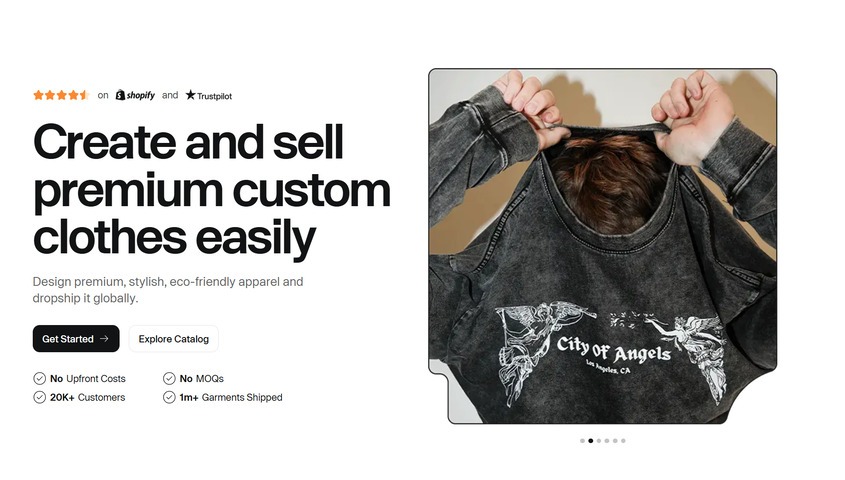
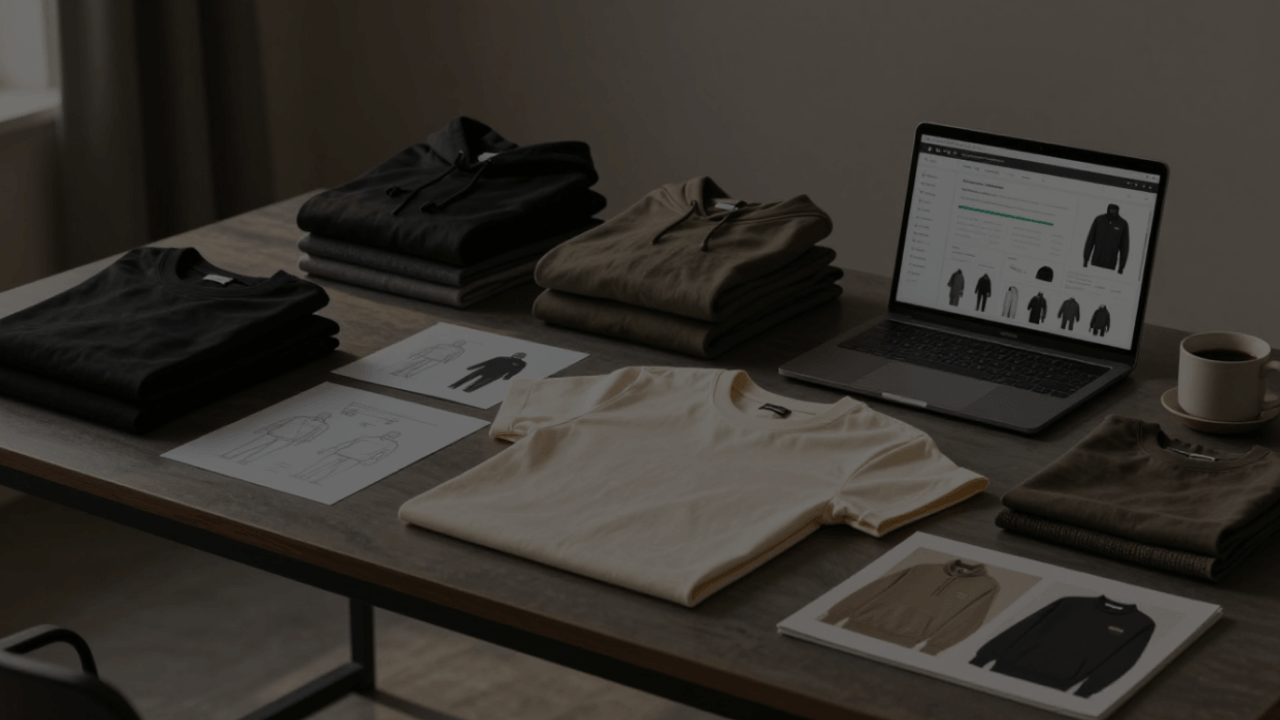
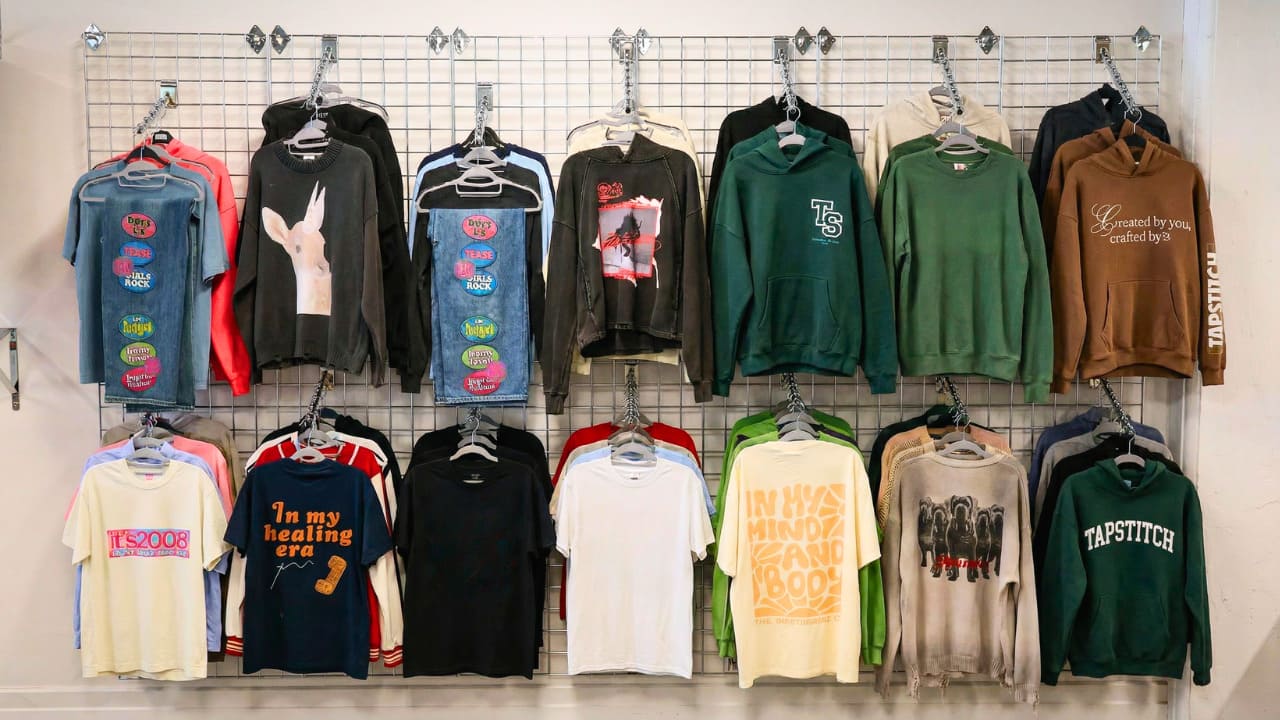
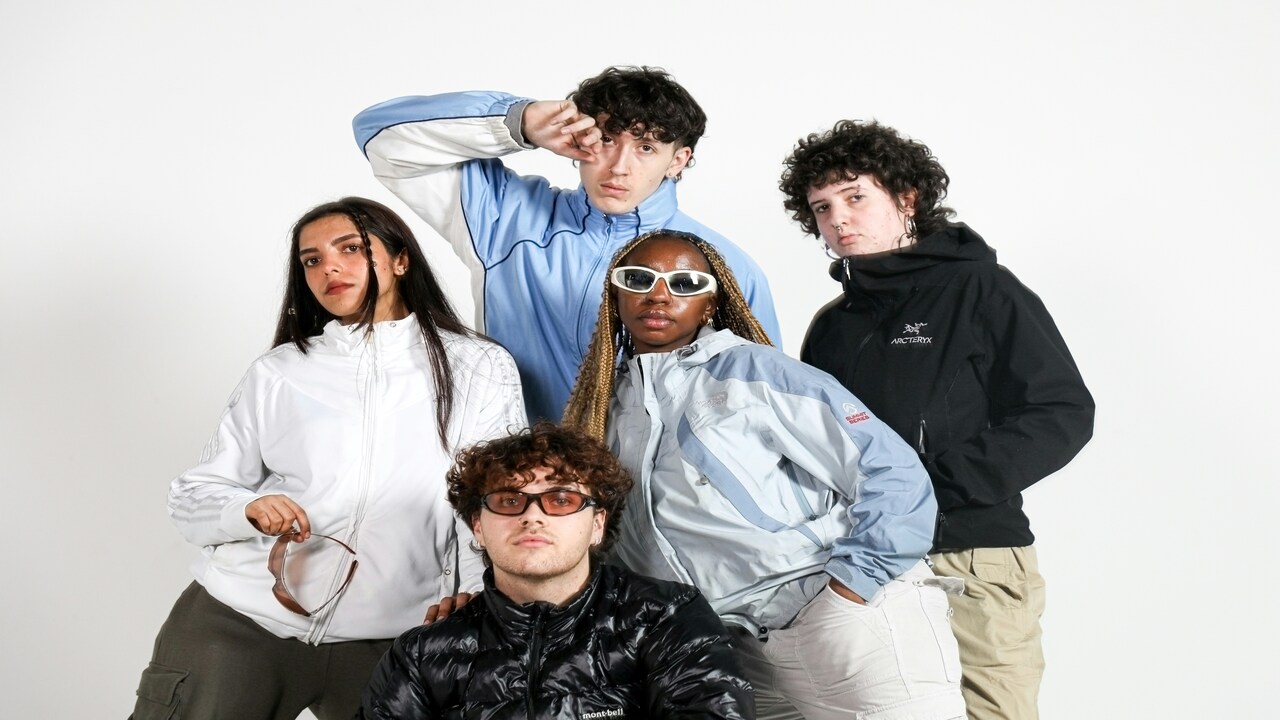
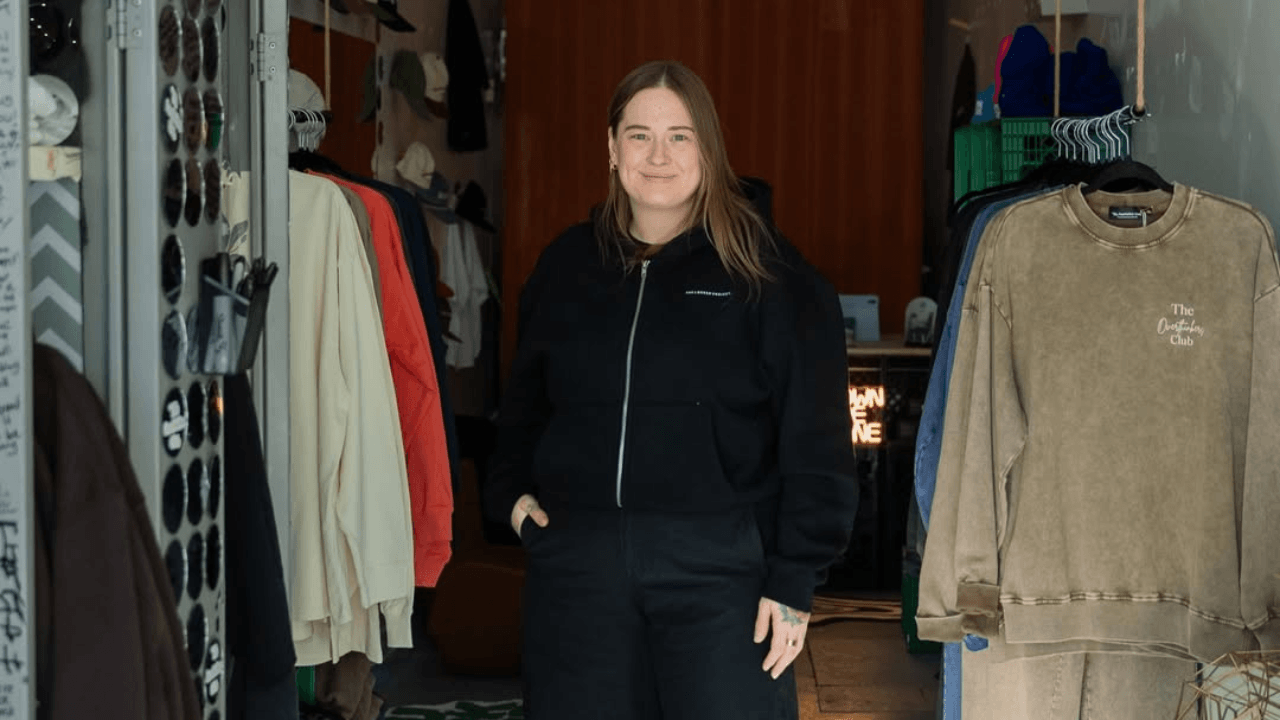
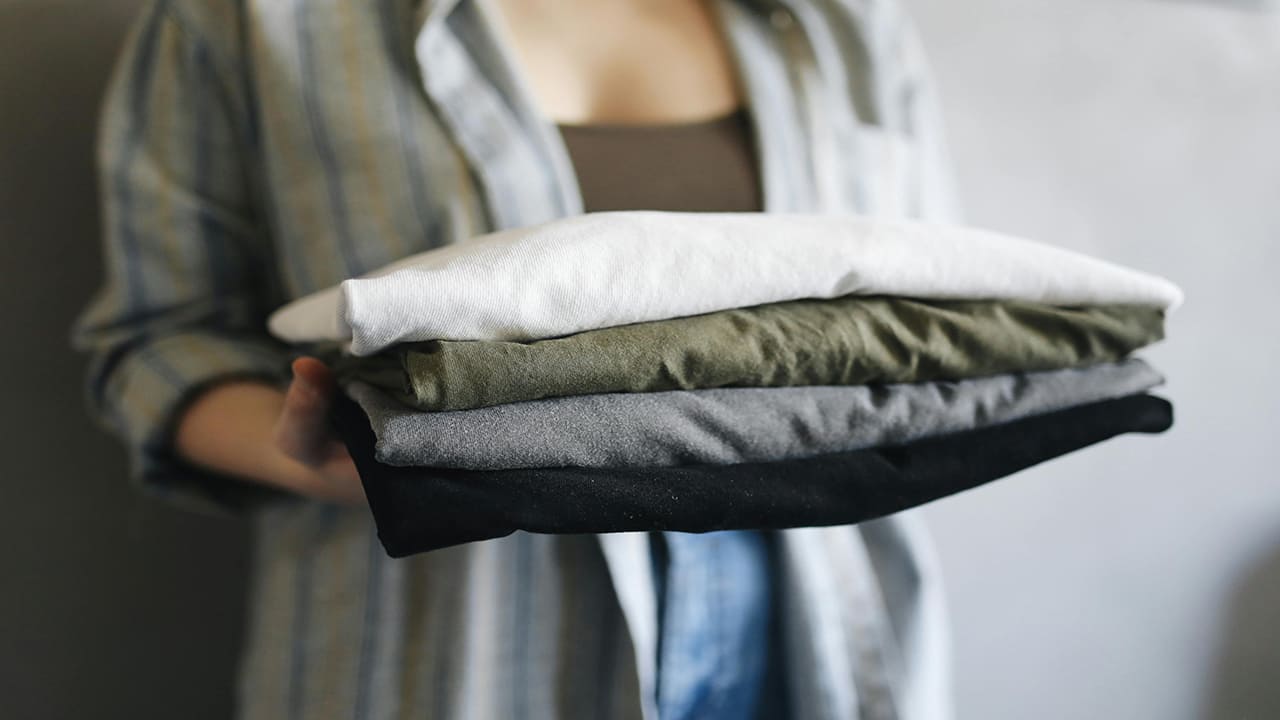
Tapstitch caters to independent apparel creators looking for genuine, fashion-quality blanks as opposed to the generic catalog offered by most POD providers. This includes heavy cotton tees, vintage wash tees, baby tees, French terry crewnecks, and oversized fits that are utilized by independent streetwear brands in their retail releases.
What makes it different is the T-shirt. All POD services rely on similar blanks like Gildan 2000 or Bella Canvas 3001, and as a result, your custom T-shirt will be no different from 50 other shops providing the same T-shirt in their offer. Tapstitch offers its own collection of fashion items designed for long-lasting brands.
Best for: streetwear brands, fashion-forward founders, anyone selling at $40+ retail and needing the garment to back the price.
2. Printify
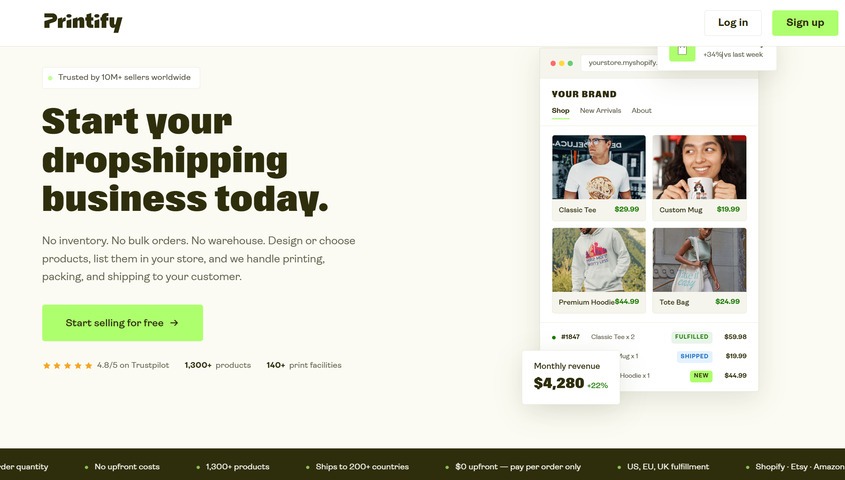
The biggest catalog among all. Printify is a platform. They do not print anything themselves; they just connect you with their partners in the print market. This gives you access to 700+ products and lots of vendors who compete on price.
The difficult part comes with consistency. The hoodie could be shipped from a Latvian seller one month and a Texas seller the following month, depending on what’s in stock. There may be differences in quality. There will definitely be differences in delivery time. But you get variety in exchange.
Best for: sellers who want every product type imaginable in one dashboard and don't mind managing vendor variability.
3. Printful
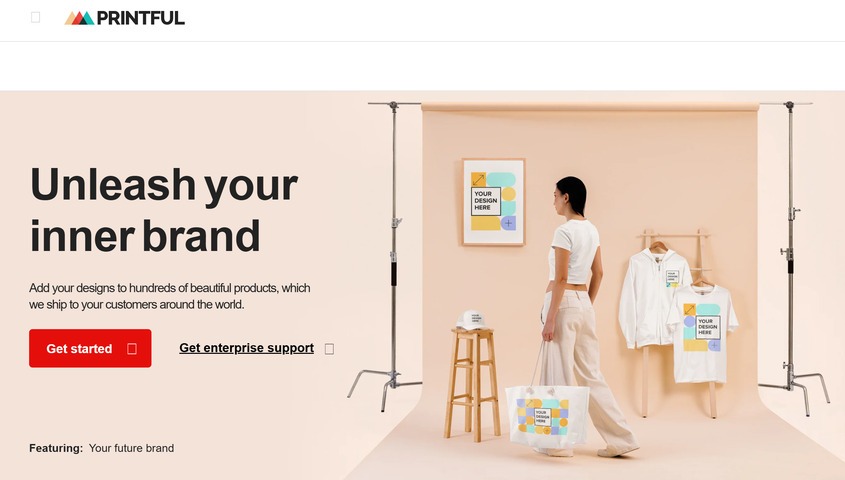
Long-standing champion for quality POD services. Printful utilizes print on demand in its own fulfillment centers worldwide, which ensures consistency and reliability. Works with such platforms as Shopify, Etsy, Squarespace, WooCommerce, and nearly every other significant e-commerce platform out there.
The problem here is the price. The minimum pricing from Printful is higher than that of Printify and Tapstitch, thus impacting your margin negatively if you are competing on price. However, if you are using a premium pricing strategy, then this works fine for you.
Best for: established brands willing to pay a premium for reliability and integration depth.
4. TeePublic
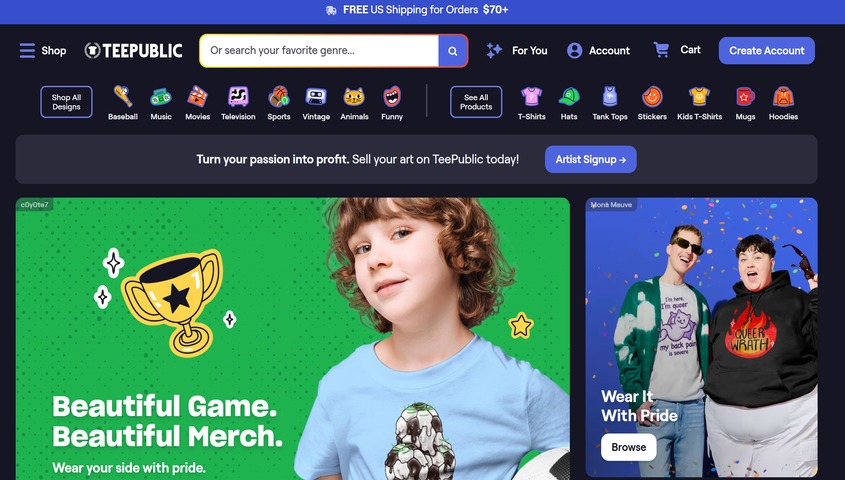
TeePublic is a marketplace rather than a print-on-demand site. It is run by the parent company behind Redbubble, so the business model is similar: You upload a design, and TeePublic does everything else for you. You get your royalty, but if you don’t like Redbubble’s margin structure, you will definitely hate TeePublic’s.
Where it differs slightly is curation. Smaller, more focused catalog. Decent community for niche designs. But you're still building on rented land with someone else's branding on the package.
Best for: artists who specifically want the marketplace model and don't care about long-term brand-building.
5. Society6
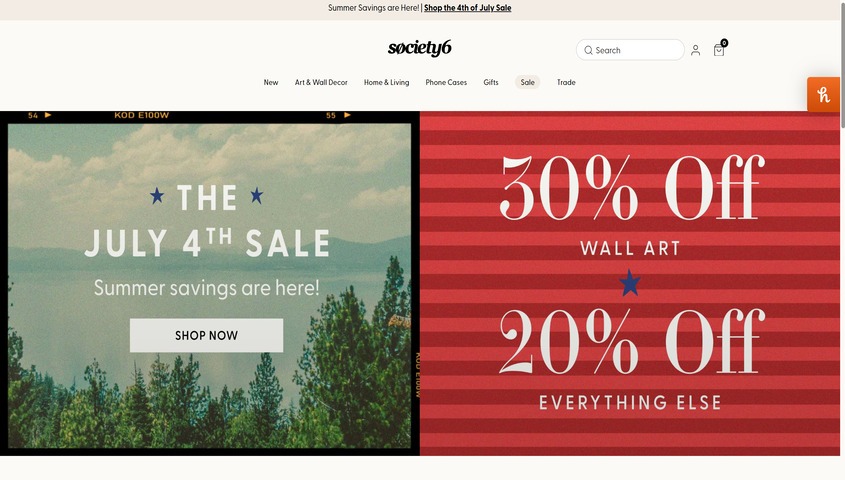
The art community has Redbubble. Society6 emphasizes design and the collector of art. Their products include art prints, home decor items, clothes, and accessories. It is a very beautiful website, and users expect a premium look, which could benefit the artist.
It is cheaper compared to Redbubble on most products. One loses out on margins to tap into a pre-existing network of art collectors. This does happen sometimes, but usually not.
Best for: illustrators and fine artists targeting collectors who want curated design.
6. Zazzle
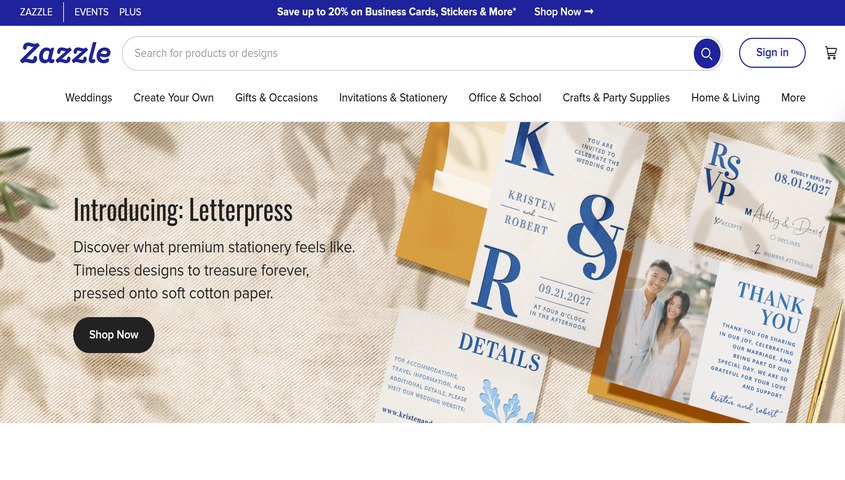
Customizable products have been available at Zazzle since its launch in 2005 and include everything from invitations, business cards, mugs, clothes, to even stamps! The product range offered by Zazzle is pretty much amazing.
This trade represents the age of the platform. The interface looks old. Not all users get the same experience. Branding is not what Zazzle excels at. However, for niche markets of gifts and wedding goods, Zazzle carries out many transactions.
Best for: niche gift sellers, wedding stationery designers, corporate gift specialists.
7. Spreadshop / Spreadshirt
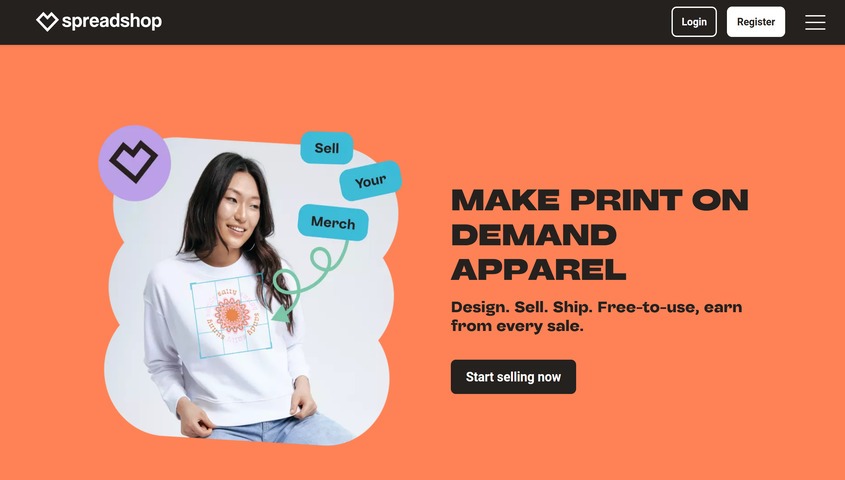
Two things make up Spreadshirt: the marketplace (Spreadshirt), and the free store builder (Spreadshop). But the most exciting thing about this company is the Spreadshop, which provides you with a customizable storefront with fulfillment from them, without any monthly fees or setup cost.
The quality is decent. Catalog skews heavily toward apparel. Branding control is more limited than the dedicated POD platforms, but for a free instant storefront it punches above its price.
Best for: small clothing brands that want a quick free storefront without setting up a full Shopify store.
8. Threadless
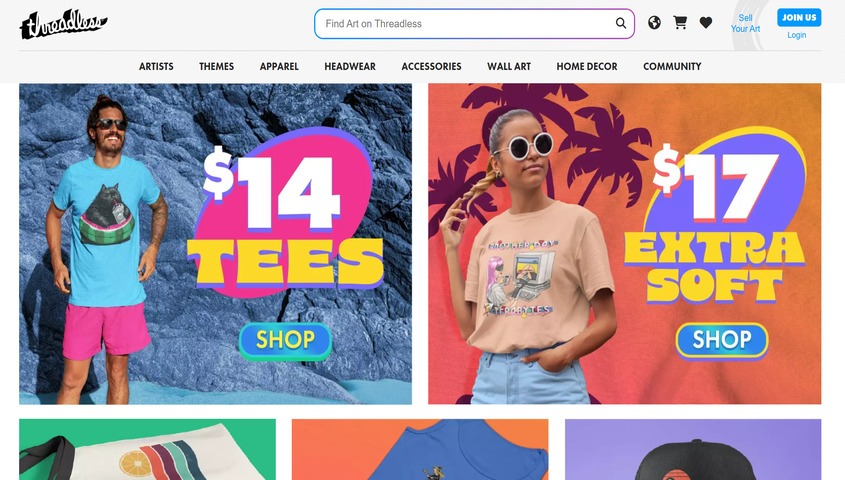
The community-selected marketplace. Artisans design art pieces, and Threadless community members vote. The best designs become Threadless products. This is a curated marketplace which emphasizes discovery and competition.
The royalty rates are minimal. The product selection is limited. However, the community-selected concept still attracts artists who are fans of the contest approach.
Best for: design-led artists who want community feedback and curation over open marketplace exposure.
9. Bonfire
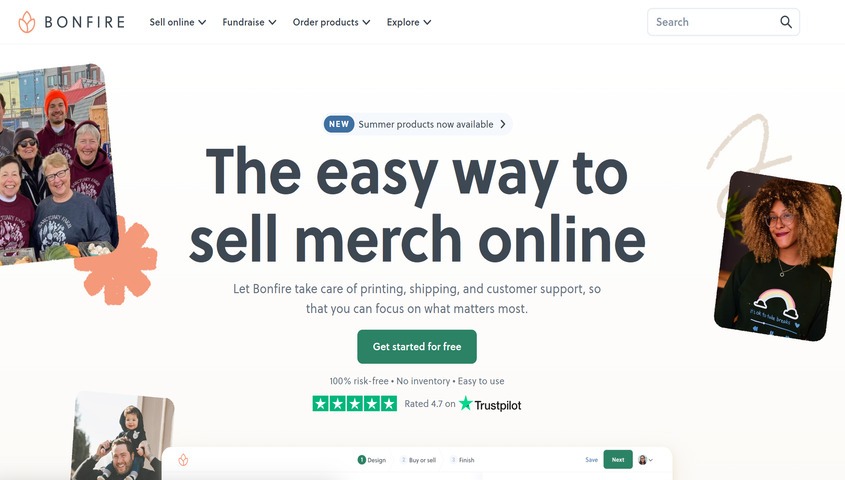
Print-on-demand service in a storefront format for clothes to use in campaigns and causes. Process: pick your goal, markup rate, run your campaign, and Bonfire will print and ship it after the campaign is done.
Limited product range. Low customization options. However, this campaign approach is unique for one-shot launches.
Best for: nonprofits, fundraisers, churches, school groups, one-off cause campaigns.
10. Gelato
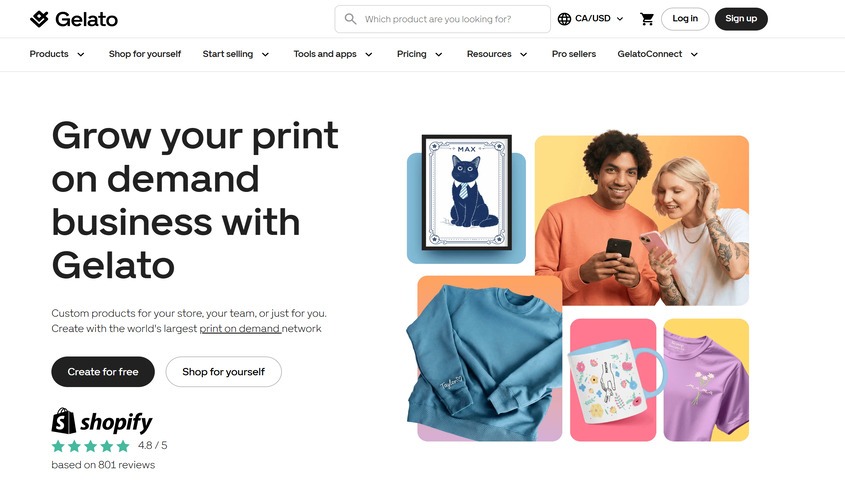
Global production network. Gelato collaborates with printing companies in more than 30 different countries, which allows them to print and deliver their products closer to customers all around the world. As a result, it reduces environmental impact, increases shipping speed, and eliminates potential issues with customs procedures for international products.
Gelato has a strong catalog for custom apparel, printing, and home products. Competitive prices. Great integrations with top ecommerce platforms.
Best for: brands selling internationally who want fast local shipping into multiple markets without managing it themselves.
Other Sites Like Redbubble
A few smaller and more specialized platforms worth knowing even if they didn't crack the top 10.
CafePress. One of the original POD marketplaces. Still around. Mostly aimed at gift and novelty markets, with very limited brand-building potential.
Spring (formerly TeeSpring). Pivoted from t-shirt fundraisers to a creator-economy platform with integrations into YouTube, TikTok, and Twitch. Better for creators with built-in audiences than for cold-start brands.
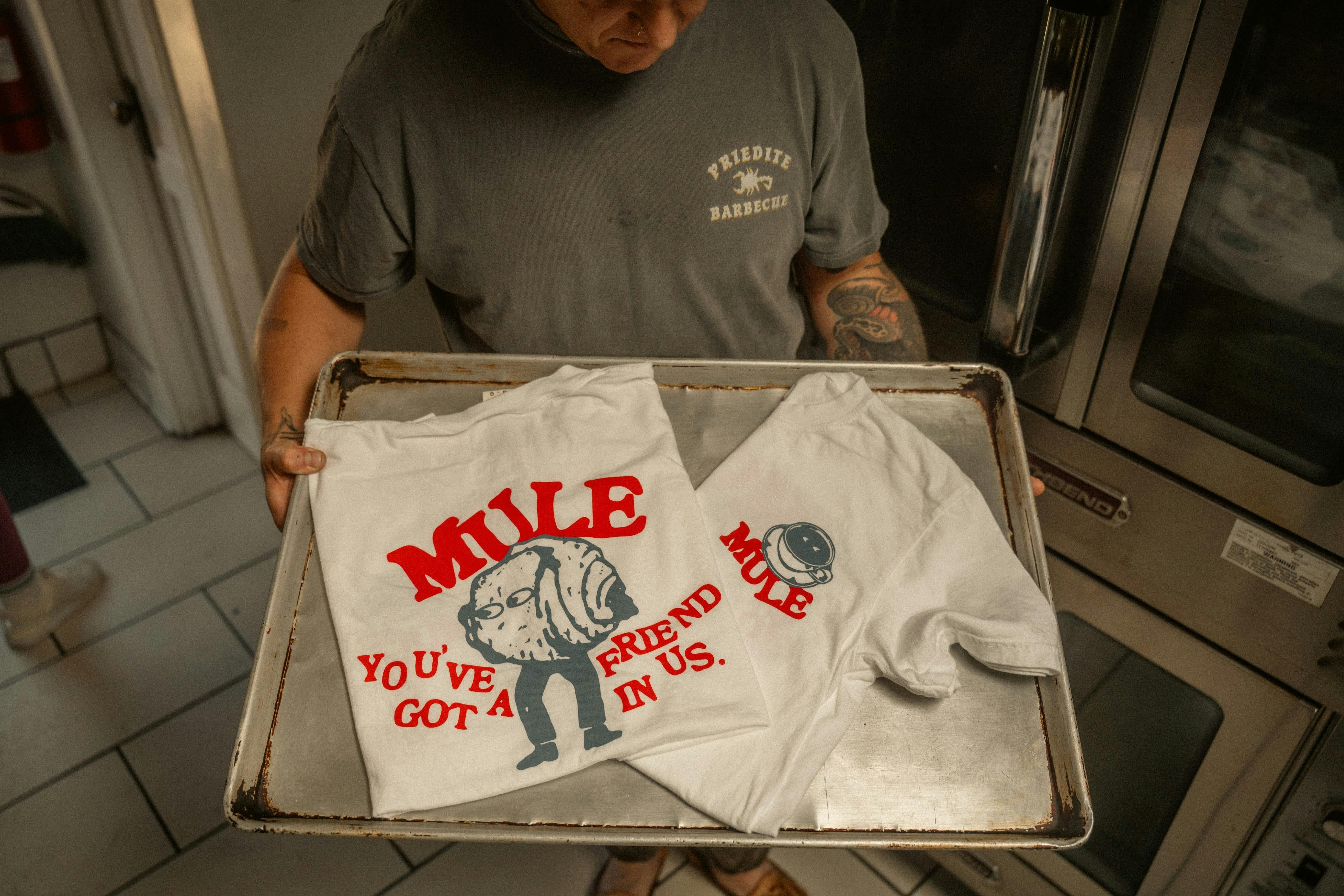
Sticker Mule. Specialized in stickers, decals, and small-format prints. Excellent quality, narrow catalog, no apparel.
Vistaprint. Best known for business cards but has built out a POD apparel arm in recent years. Better for corporate gifts and uniforms than indie fashion.
Custom Ink. Bulk-focused. Great for team shirts, events, organizations. Not designed for solo brand sellers.
Inkthreadable. UK-based POD with strong sustainability credentials. Good for European brands wanting ethical sourcing baked in.
ShineOn. Specialized in print-on-demand jewelry and small giftables. Different niche, same on-demand model.
Most of the above work for specific niches rather than general brand-building. The 10 platforms above remain the picks for actual long-term brand work.
What to Look for in Redbubble Alternatives
Picking the right Redbubble alternative isn't about feature lists. It's about matching the platform to how you actually plan to operate. A few things that decide the fit.
Business Needs
Are you building a brand, or are you placing designs on someone else's catalog? If it's a brand, you need full storefront control. Your domain, your customer list, your branding on every touchpoint. That rules out the marketplace platforms entirely.
Catalog Sizes
A 700-product catalog sounds impressive until you realize 600 of those products are vendor-inconsistent. Smaller, curated catalogs from focused providers tend to outperform sprawling networks when it comes to brand quality. Less is often more in POD.
Pricing Structure
Royalty models (Redbubble, TeePublic, Society6) pay you 10 to 20% of the sale. Direct POD models (Tapstitch, Printify, Printful) let you set retail and keep the margin above production cost. The math heavily favors direct POD once you're moving real volume.
Branding Options
Custom packaging. Custom tags. Branded inserts. The ability to put your name on the package, not the platform's. This is where the marketplaces lose the hardest. A buyer who gets a tee in a plain mailer with no branding has no idea who they actually bought from.
Production Quality
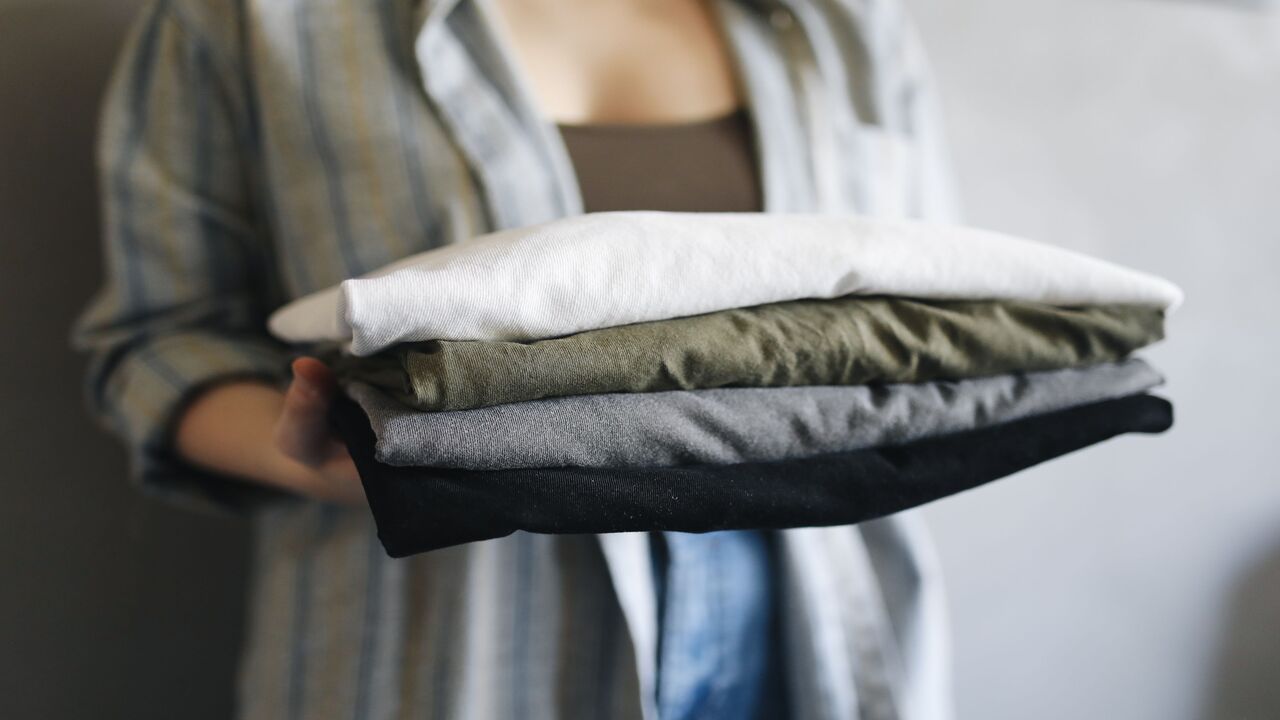
The garment is the brand's first impression. Cheap blanks generate two-star reviews regardless of how good the design is. Picking a platform with consistent retail-grade quality is the difference between repeat customers and one-shot sales.
Integrations
Shopify, Etsy, WooCommerce, BigCommerce. The platform needs to plug into your storefront so the order flow runs hands-off. Any partner that requires manual order entry breaks the moment you scale past a few orders a day.
Redbubble Alternatives FAQ
Can I really make money on sites like Redbubble?
Yes, but it is slow. Online marketplaces such as Redbubble, TeePublic, and Society6 give a royalty based on sales, which amount to between 10% and 20% of the base price. You have to make a lot of sales or have artwork that becomes viral to make money. The few artists who actually make money are those who went from the online marketplace to printing directly at their own online storefront.
Which site is better than Redbubble?
For effective brand building, Tapstitch, Printify, and Printful outperform Redbubble. Tapstitch excels in garment quality and its fashion-level catalog. Printify offers the most extensive. Printful provides the deepest integration.
Is it better to sell on Tapstitch or Redbubble?
Different business models, all based on sales. With Redbubble, you will get the storefront and earn a royalty. In the case of Tapstitch, it will produce and ship the product to the customer from your very own storefront. If you are trying to make yourself a brand that the consumer can recognize, then you must choose Tapstitch.
How many platforms should I sell on?
The most successful POD brands go for just one manufacturer and only one or two ecommerce platforms for their sales. It is too much to have five manufacturers of products. This is going to result in chaotic inventory management, confusion about margins, and quality variations.
Are POD platform fees worth paying?
It is true that sometimes the free tier does well for you. The paid tiers of both Printify (Premium) and Printful (volume pricing) will be beneficial when your revenue hits $1,000+, and until then, do not subscribe.
Wrapping Up
Sites like Redbubble are simple to begin with but difficult to scale up. The royalty-based approach works against brand owners; it works for marketplaces, who benefit from most of the gains.
To have a brand that your customers will keep coming back for, an ideal Redbubble competitor would be a platform that can provide you with a storefront, decent margin, and high-quality garments. From the 10 above suggestions, you need to pick the right one according to your preference: wide catalog, deeper integration, or physical product experience.
.png)

.jpg)
.jpg)
%20(3).jpg)

.png)
.jpg)
.jpg)
.jpg)
.jpg)
.jpg)
.jpg)






.png)




.png)

.webp)

.jpg)








.jpg)



.jpg)

.png)
.jpg)


.jpg)
.jpg)





.jpg)
.jpg)
.jpg)
.jpg)
.jpg)

%20(1).jpg)

.png)

.png)



%20(1)%20(1).jpg)





.png)
.png)


.jpg)