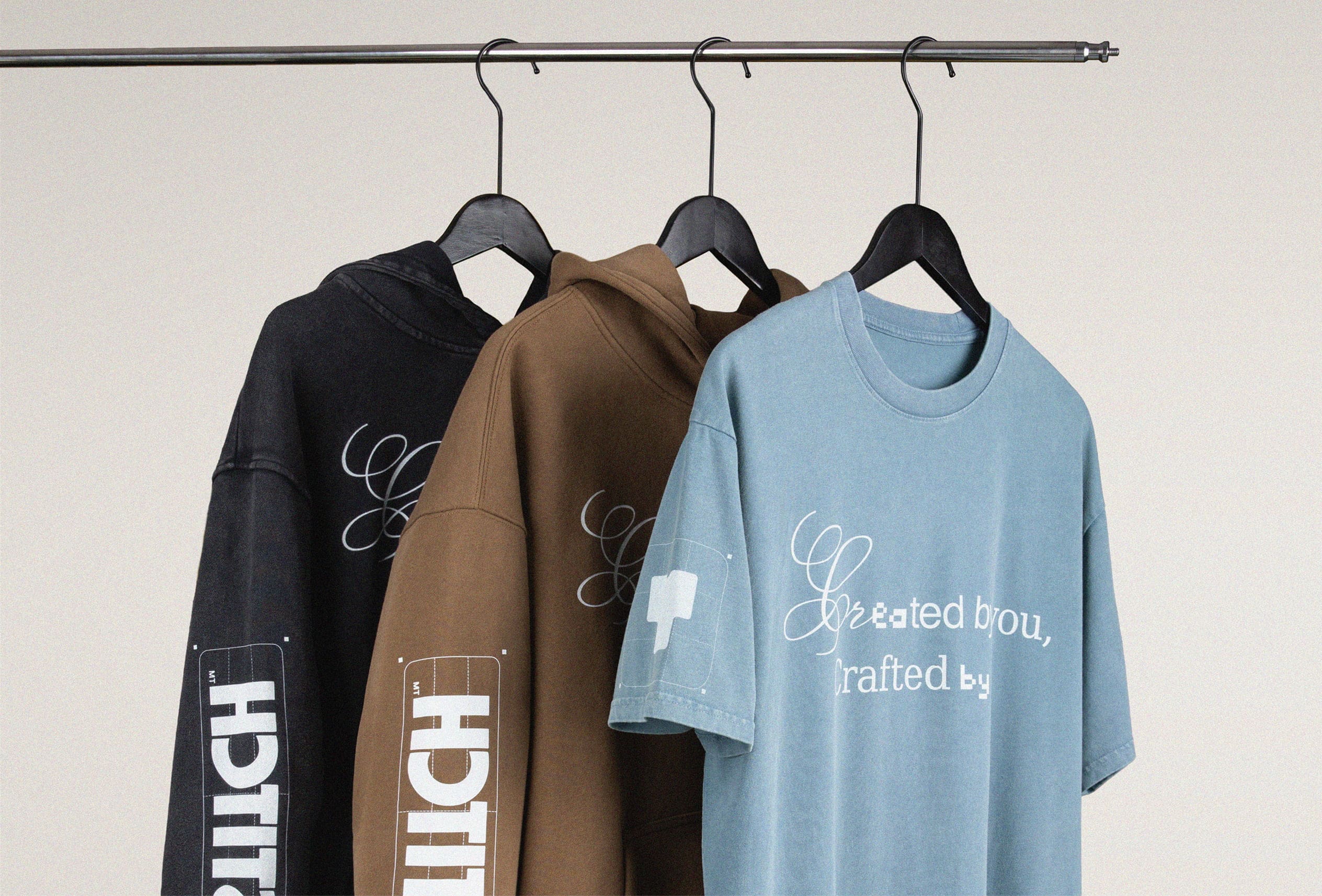







18 Ecommerce Business Ideas to Start for 2026



Starting a profitable eCommerce business begins with choosing the right niche and products to sell. With online shopping continuing to grow worldwide, more people are looking for ways to start an online business, work from home, and build new income streams with lower startup costs.
In this guide, you’ll discover 18 eCommerce business ideas with high demand and strong growth potential. From print-on-demand and dropshipping to digital products and sustainable products, these ideas can help you find the right opportunity and start building a successful online store.
Why Should You Start an e-Commerce Business?
Starting an e-commerce business today opens the door to so many possibilities. You can reach customers almost anywhere without the high costs of running a physical store. As more people shop from their phones and bring wellness products into their everyday lives, it’s become easier than ever to build an online business with real growth potential.
Top 18 eCommerce Business Ideas to Try
Ready to explore your options? Here are 18 best small business ideas worth considering as you plan your next online venture.
1. Print-on-Demand (POD)
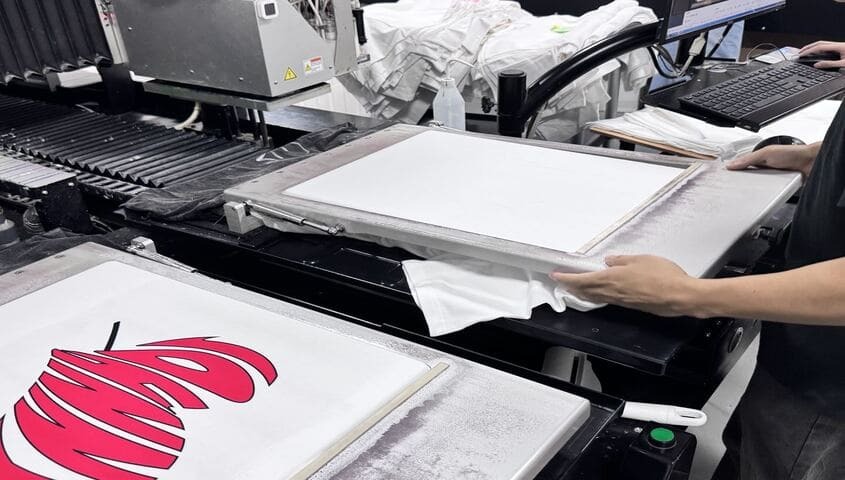
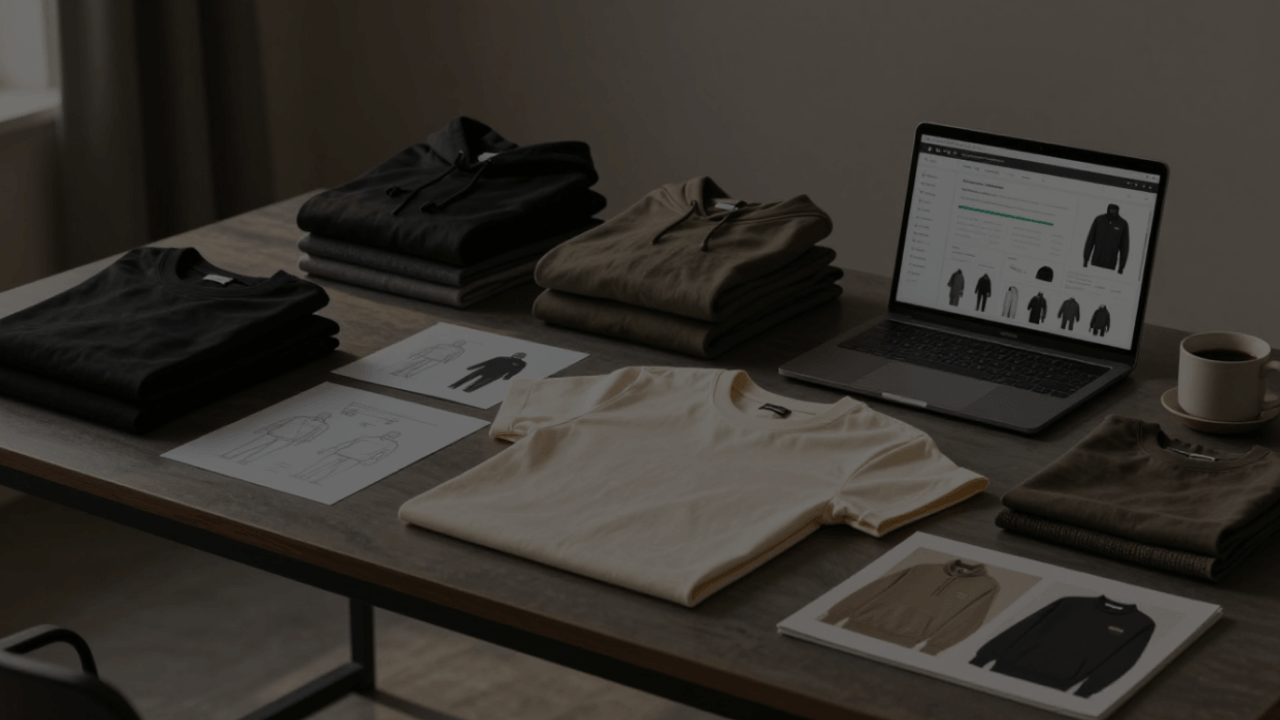
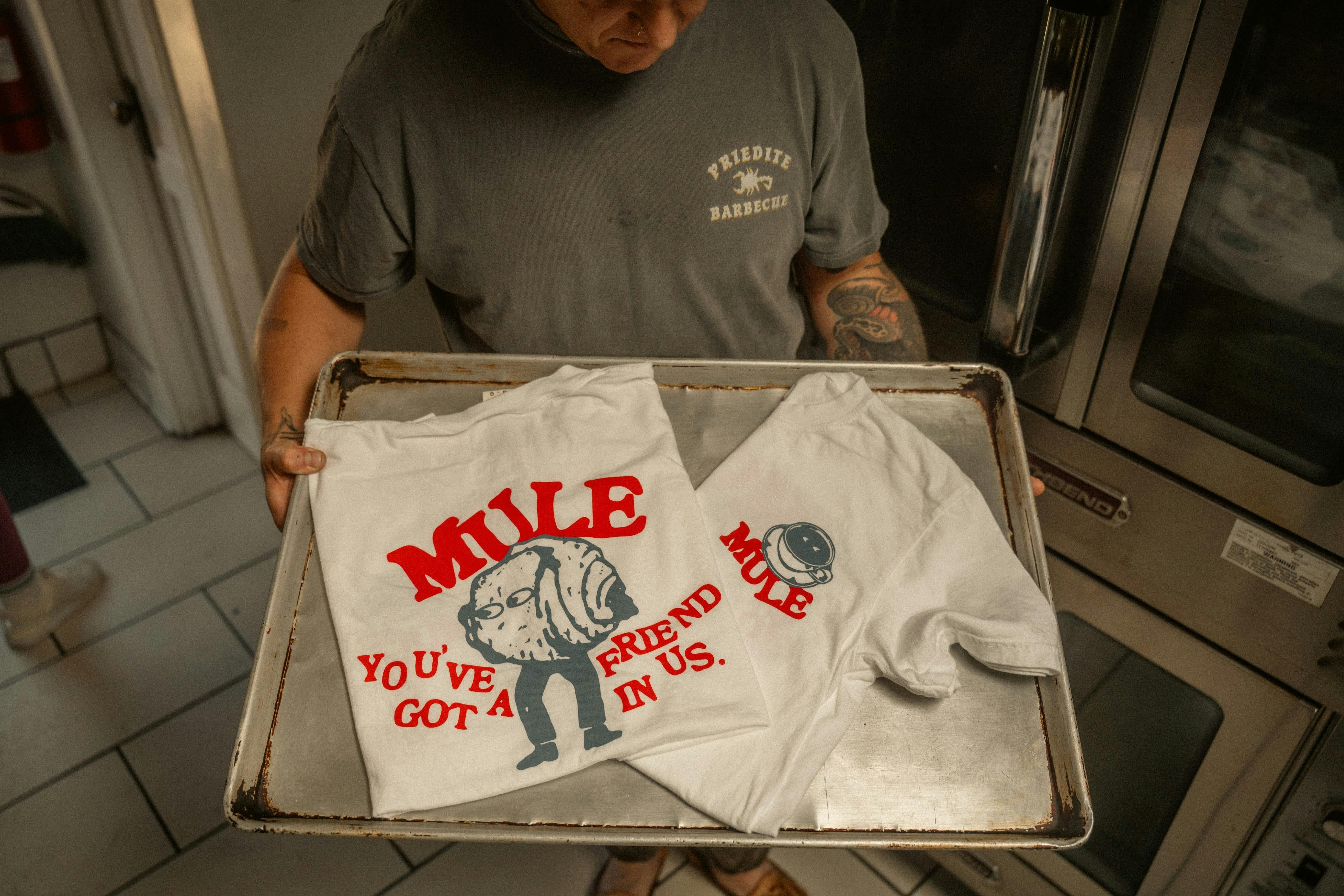
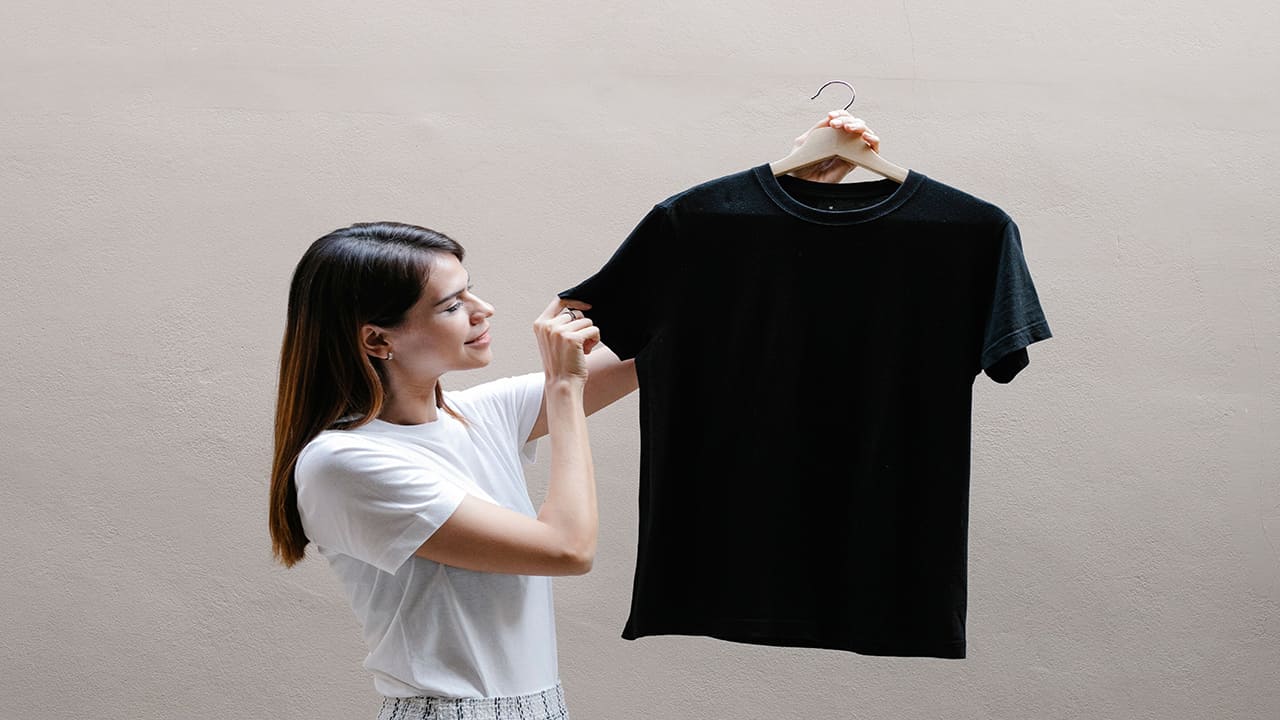
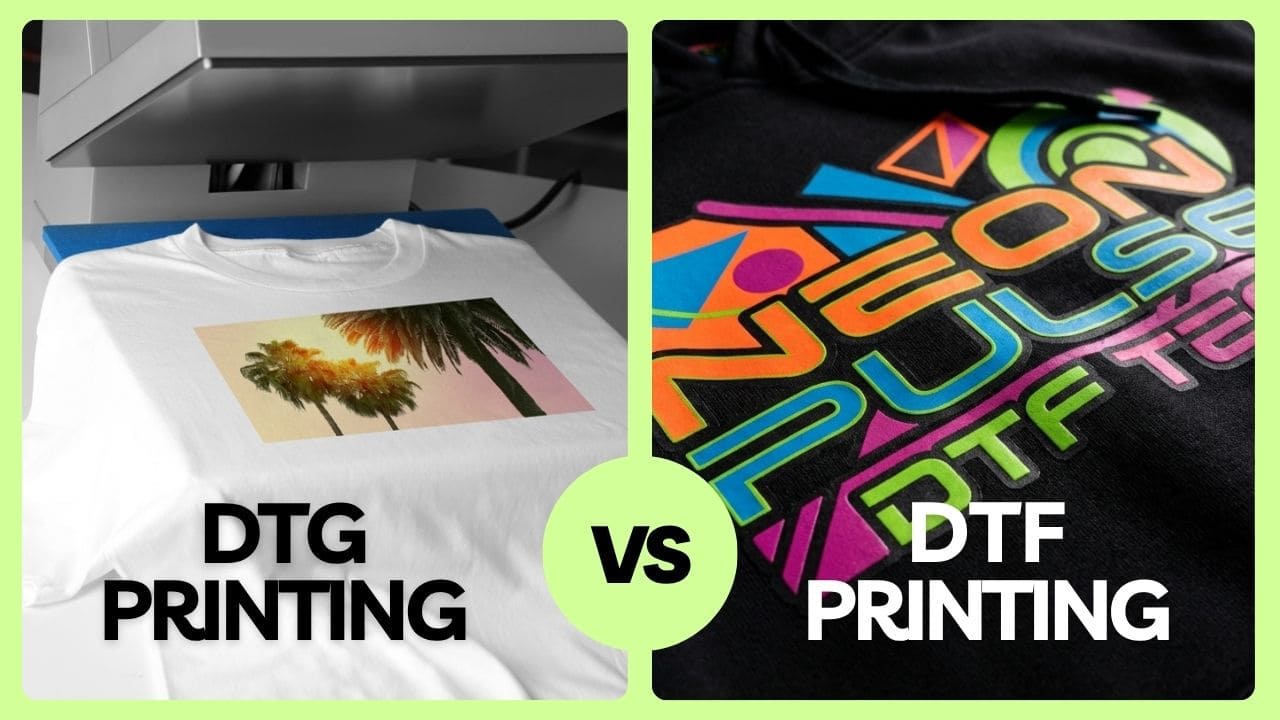
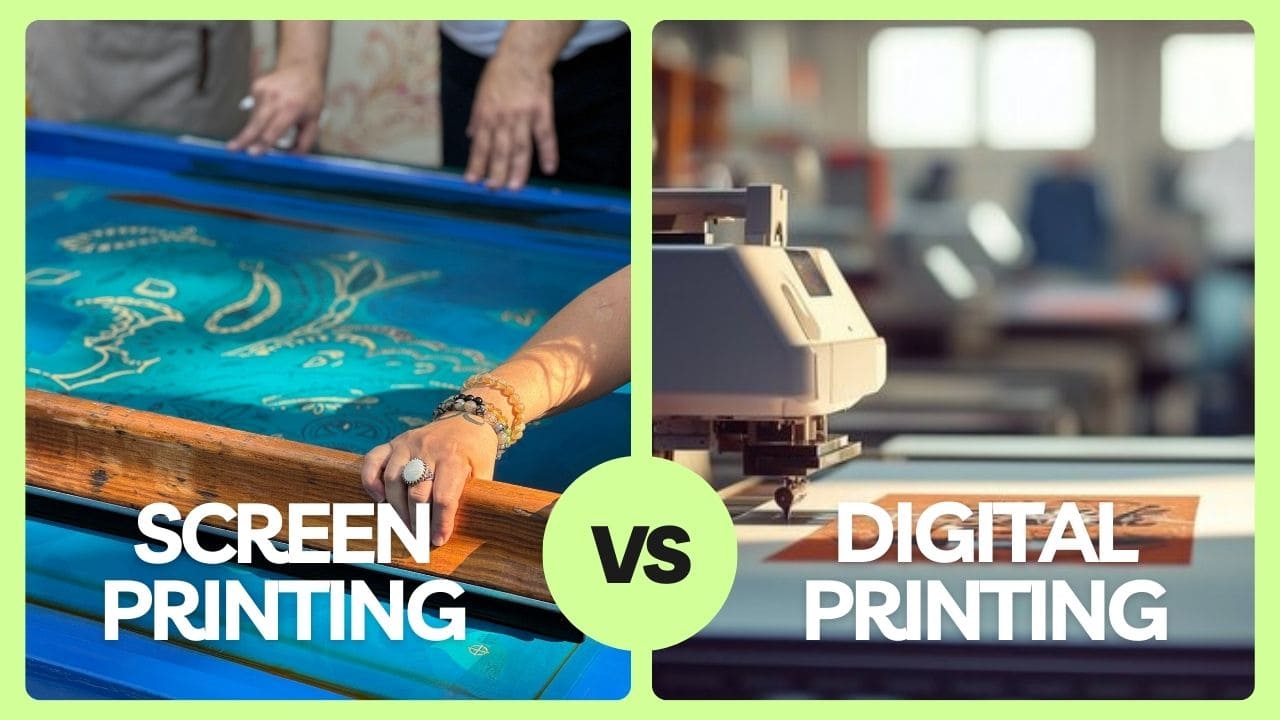
Print on demand is one of the best small business ideas for beginners who want to start an e-commerce business with low upfront costs and less risk. Instead of buying inventory in advance, you can create and sell custom products only after a customer places an order. This makes it a beginner-friendly way to launch your first online store without worrying about unsold stock.
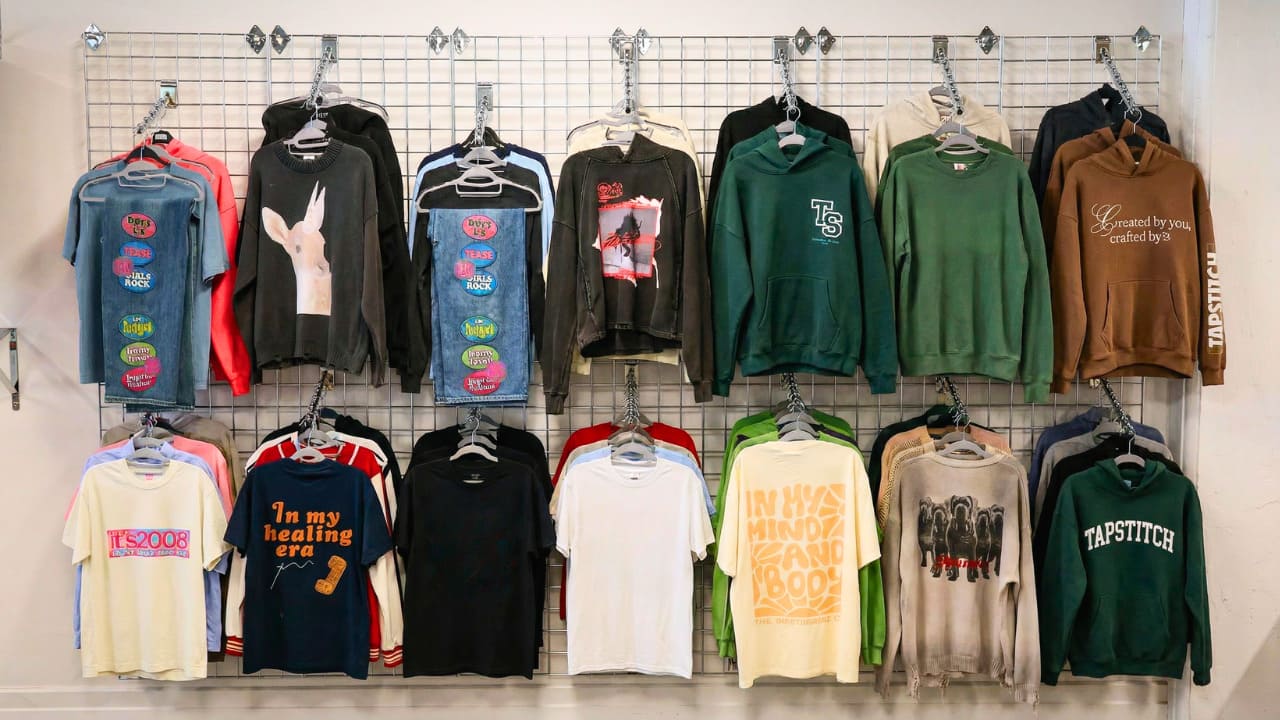
With print-on-demand manufacturers like Tapstitch, there is no MOQ, so you can test new product ideas, try different designs, and build a product line at your own pace. Tapstitch also offers unique fashion blank apparel, giving small business owners more room to create custom products that feel fresh, stylish, and aligned with their brand.
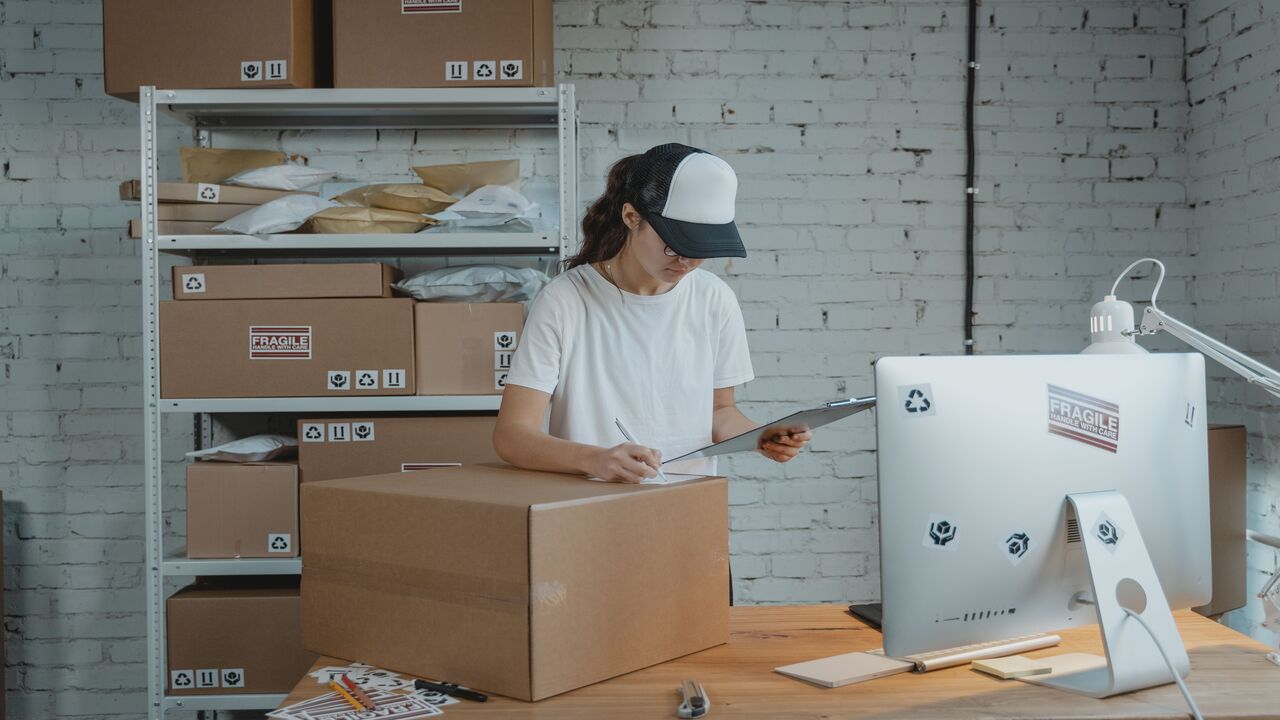
Many print-on-demand partners also integrate with top eCommerce platforms. Your supplier produces, packs, and ships the orders, so you don't have to manage the fulfillment process yourself. That means you can focus on running your online store, building a niche brand, optimizing your product pages, and bringing in more customers.
2. Sell Art Prints Online

Artwork is one of the easiest ways to add personality to a space, and art prints offer a more affordable alternative to original pieces. That’s where art prints come in. They’re affordable, easy to style, and a simple way for shoppers to add personality to their space.
For creators, art prints can also be a smart product to sell online. Once you’ve created a design, you can sell it again and again without starting from scratch each time. Use POD, which is a low-cost way to test different styles, see what your audience likes, and grow your product range over time.
3. Digital Products
Digital products like website templates, software tools, and downloadable content are a flexible way to start selling online. They don’t require inventory, storage, or shipping, which makes it easier to test new ideas and reach customers around the world.
They also give you plenty of room to add value. You can personalize the experience, offer subscriptions, create bundles, or include bonus content to keep customers engaged over time.
4. Beauty and Skincare
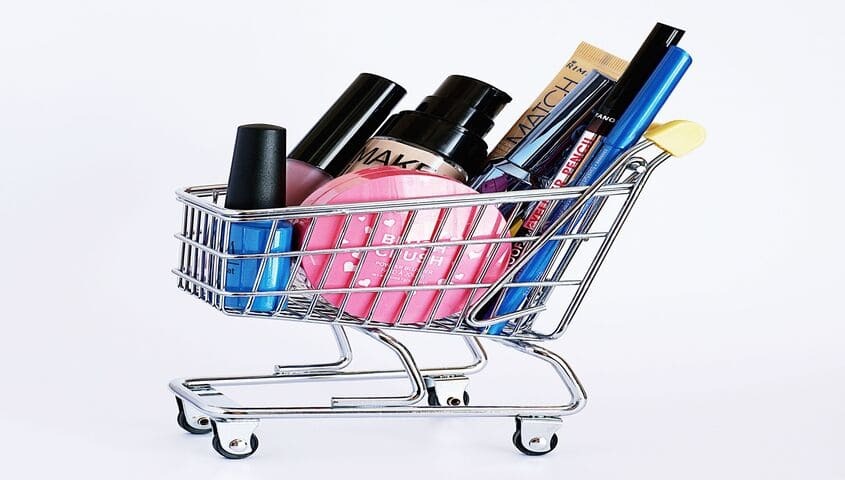
Skincare and cosmetics have become everyday essentials for many consumers, making them a promising category for online sellers. But instead of competing with big beauty brands, it’s smarter to start with a clear niche.
You could focus on natural skincare, vegan beauty products, sensitive skin solutions, or simple everyday essentials. A smaller product range is often easier to brand, market, and sell because customers can quickly understand what your store is about.
5. Health and Fitness Equipment
If you're passionate about health and fitness, there are plenty of ways to turn that interest into an e-commerce business. You could create digital products like workout guides, meal plans, and online courses, or sell fitness accessories that match your audience's needs. Starting with a niche can also make it easier to attract the right customers.
As more people exercise at home or look for simple ways to stay active, products like resistance bands, recovery tools, and smart fitness accessories continue to attract attention. If you understand what your audience is looking for, this category offers plenty of room to build a brand around practical, everyday products.
6. Affiliate Marketing Website

Affiliate marketing is a great E-commerce business idea if you don’t want to create or ship products yourself. Instead, you recommend products from other brands and earn a commission when someone makes a purchase through your link.
It’s also smart to work with more than one partner in the same niche. For example, if your content focuses on custom products, you could promote print-on-demand companies that sell custom apparel, personalized phone cases, accessories, or other made-to-order items.
7. Sustainable Fashion
Starting an online store in ethical fashion is a great way to build a business with purpose. More shoppers are thinking carefully about what they buy, how their clothes are made, and whether a brand’s values match their own.
This creates a real opportunity for brands that focus on sustainable apparel, durable materials, and responsible production. Instead of chasing fast fashion trends, you can build a store around pieces that feel thoughtful, long-lasting, and better for both people and the planet.
You can also make your business more sustainable by offering custom items, keeping inventory low, and avoiding unnecessary waste. For eco-conscious customers, these small choices can make your brand feel more trustworthy and worth supporting.
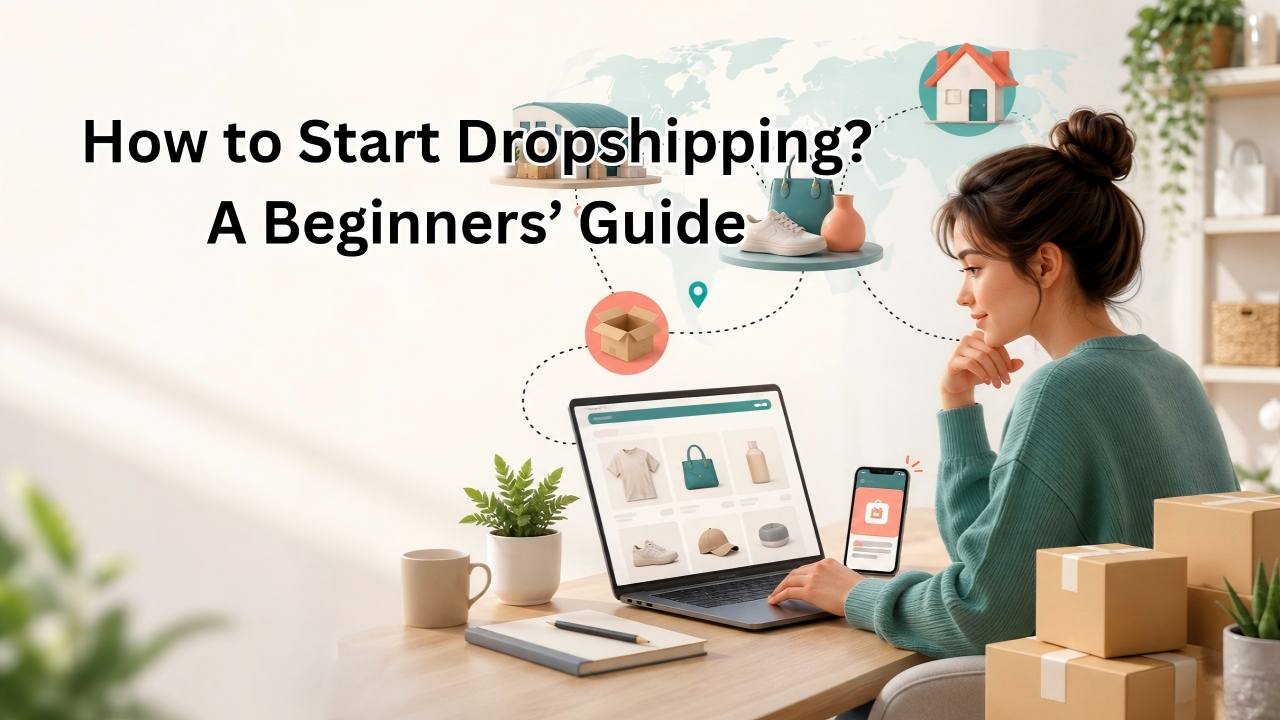
8. Dropshipping

For entrepreneurs with a limited budget, dropshipping offers a low-cost way to launch an online store. You don’t need to buy products in bulk or keep inventory at home. Instead, you only pay for an item after a customer places an order, and your supplier takes care of the shipping.
This setup makes it easier to test different products, learn what your audience likes, and make changes to your store without taking on too much risk.
And if you want something with a stronger brand feel, print-on-demand is another model worth exploring. It works in a similar low-inventory way, but gives you more freedom to create your own designs and choose products that better match your brand.
9. Unique Pet Supplier
Pet products are a strong eCommerce business idea because pet owners love finding items that make life better, easier, or more fun for their animals. From everyday essentials to thoughtful gifts, there’s plenty of room to build a store around products people feel happy buying for their pets.
Unique pet products can make this niche even more appealing. You could sell personalized collars, pet clothing, toys, bowls, beds, or accessories designed around a pet’s size, breed, or personality. When a product feels made just for their furry friend, customers are often more excited to buy — and more likely to come back for more.
10. Online Education
If you have valuable skills or industry experience, coaching and online courses can be a practical way to build an e-commerce business. Coaching is ideal if you enjoy working directly with people, whether you're helping them develop a new skill, grow a business, or achieve a personal goal. The personalized support also allows you to charge higher prices.
Online courses are a good choice if you want to reach more people without teaching every session live. You can package your knowledge into lessons that students complete at their own pace, then focus on promoting your course and updating the content based on feedback over time.
11. Sell Vintage Clothing
Selling vintage online is a great way to build a business around style and sustainability. Many Gen Z and Millennial shoppers are looking for clothing that feels unique, affordable, and better for the planet, which makes this niche especially appealing. You can source pieces from thrift stores, wholesalers, local markets, or curated suppliers, then focus your store around a specific era, aesthetic, brand, or clothing category.
12. Personalized Gift
A name, a date, a funny quote, or even a pet’s face can turn a simple product into something people actually want to keep. That’s why personalized gifts are such a strong eCommerce idea. You can take blank or wholesale items and make them feel special with custom designs, messages, or artwork.
These products are especially popular for birthdays, holidays, weddings, pet gifts, and other meaningful moments. A personal touch can make an everyday item feel more thoughtful, which often leads to repeat purchases and more social media sharing.
13. Handicrafts Item

If you enjoy making things by hand, your creativity can become the heart of a small online business. Products like handmade jewelry, art prints, ceramics, candles, organic soaps, and home decor pieces all have a special charm because they feel personal, original, and made with care.
What makes handmade items special is that they don’t feel mass-produced. Customers often love the story, detail, and individuality behind each piece, which can make your products feel more meaningful.
14. Home Security Gadgets
Smart home security is a practical eCommerce niche because more people want simple, reliable ways to keep an eye on their homes. Products like security cameras, smart locks, alarm systems, motion detectors, and baby monitors can help homeowners and renters feel safer without making home protection feel complicated.
15. Gaming Gear
Gaming is no longer a small hobby for a limited audience. It has become part of everyday entertainment, with players spending more time and money on creating a better setup.
That makes gaming accessories a strong eCommerce niche. Many gamers are looking for products that make their space more comfortable, personal, and fun, from mechanical keyboards and custom controllers to desk accessories, headset stands, LED lighting, and themed merchandise.
16. Travel Accessories

Travel accessories are a useful e-commerce niche because they solve small problems that can make a big difference during a trip. Products like packing cubes, travel pillows, toiletry bags, passport holders, luggage tags, and portable chargers help travelers stay organized and travel more comfortably.
Rather than trying to sell every travel product, focus on a specific audience or type of trip. For example, you might build your store around carry-on essentials, business travel, or family vacations. A clear niche can make your product selection more memorable and easier to market.
17. Freelance Writing Services
If you enjoy writing, freelance content writing can be one of the best small business ideas to turn your skills into an online business. Many eCommerce brands need help with product descriptions, blog articles, email newsletters, landing pages, and other content that helps them attract and convert customers.
To stand out, it helps to choose a niche instead of writing about everything. You might focus on e-commerce, tech, travel, wellness, finance, or another area you understand well. Over time, a clear niche, strong writing samples, and good communication can help you build steady relationships with clients who come back for more work.
18. Sell Photos Online
A collection of high-quality photos or illustrations can become a source of income when shared with the right audience online. Many eCommerce brands, websites, and marketing agencies are always looking for high-quality images, graphics, and design elements they can use in ads, product pages, blogs, and social media.
To make your work stand out, try focusing on a clear niche instead of uploading random visuals. You could specialize in food photography, travel images, lifestyle shots, product mockups, or digital illustrations for a specific audience.
How to Pick the Best e-Commerce Business

Before jumping into a business model, use the following tips to narrow down your options and choose an online business idea that truly fits your goals.
Research Market Demand
Even if an idea sounds exciting, it’s worth checking whether people are actually willing to buy it. Start by looking at search interest, similar products, and customer reviews. Google Trends can help you see whether demand is growing, while marketplaces like Amazon or Etsy can show what is already selling.
Competition is not always a bad sign. If other stores are doing well, it often means there is real demand. The key is to find your own angle, such as focusing on a specific audience, style, problem, or value. For example, instead of selling general skincare products, you might build a store around eco-friendly skincare for sensitive skin.
It’s also smart to pay attention to product risks. Items like supplements, electronics, baby products, and anything with strict safety rules can be harder for beginners to manage. Starting with a product that has clear demand and fewer compliance concerns can make your first eCommerce business much easier to handle.
Analyze Competitors
A quick look at your competitors can tell you a lot before you launch a new business. Pay attention to what they do well, whether it's product quality, pricing, branding, fast shipping, or the way they communicate with customers.
Just as importantly, look for areas where they could do better. You might notice limited product options, confusing descriptions, or a less-than-ideal shopping experience. Even small gaps can help you position your business and create a stronger experience for your own customers.
Basic Your Strength
The best business ideas often come from what you already know and enjoy. Think about the skills, interests, or experiences you can bring to the table — whether that’s creating products, understanding customers, promoting a brand, or solving a specific problem.
Starting with a niche you’re familiar with can make the journey much easier. You’ll have a better sense of your audience, what they need, and how to create something valuable for them. When your business connects with your own strengths, it becomes easier to stay motivated and grow over time.
Test Your Idea Before Scaling
Before investing too much time or money, it’s a good idea to test your idea on a smaller scale first. Start with a few products, run simple marketing campaigns, or ask potential customers for feedback. This early stage can help you understand what works, what needs improvement, and whether there is real demand before you grow further.
POD can be a helpful model when testing a new e-commerce idea. Since you don’t need to purchase inventory in advance, you can experiment with different designs, products, and customer groups while keeping your costs low.
FAQs: eCommerce Business Ideas
How much does it cost to start an e-commerce business?
The cost to start an e-commerce business depends on your business model. You can start with as little as a few hundred dollars if you choose low-investment options like POD, dropshipping, or digital products.
Is it possible to start an e-commerce business with no inventory?
Yes. Business models like print-on-demand and dropshipping allow you to sell products without keeping inventory. Instead of purchasing stock in advance, products are only produced or shipped after a customer places an order. This lowers the upfront investment and makes it easier to test new products or niches before deciding whether to expand your business.
What are the best small business ideas good for beginners?
For beginners, business models with lower startup costs are often the easiest place to start. POD, dropshipping, and online coaching let you launch without investing heavily in inventory. As you gain experience and better understand your audience, you can expand your product range or explore new opportunities.
Conclusion
Every e-commerce business starts with a single idea, but long-term success comes from testing, learning, and improving over time. Start with a model that matches your goals, test your ideas with real customers, and expand once you know what works.
If keeping inventory feels like a big commitment, POD offers a practical way to get started. With suppliers like Tapstitch and no minimum order requirements, you can launch new products, see what resonates with your audience, and expand your store as demand grows.
.png)


.jpg)
.jpg)
.jpg)
.jpg)
.jpg)
.jpg)






.png)




.png)

.webp)

.jpg)










.jpg)



.jpg)

.png)
.jpg)


.jpg)
.jpg)



.jpg)
.jpg)
.jpg)
.jpg)
.jpg)

%20(1).jpg)

.png)

.png)



%20(1)%20(1).jpg)






.png)
.png)



.jpg)

.jpg)
.jpg)