






70s Fashion Ideas: How to Dress More 70s


70s fashion ideas keep getting recycled because the decade did everything at once. Bowie was reinventing himself with every album. Studio 54 was glittering. Stevie Nicks was floating around in lace. The Ramones were tearing it up at CBGB. Earth, Wind, and Fire was running Soul Train. The decade didn't have one look. It had eight, and they were all running in parallel.
That's the gift. Every aesthetic alive in independent fashion right now has traces from the 70s. You just need to find the style you like, build a drop around it, and make it land with modern consumers. Here are the 70s fashion ideas that still hit, and how to wear them without looking like a costume.
What Made 70s Fashion 70s
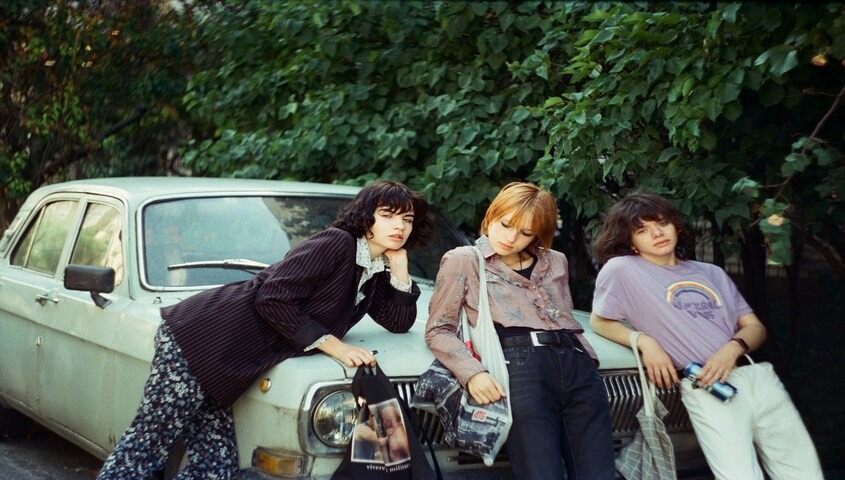
The 60s ended in idealism. Woodstock. Free love. The hippies actually believed they could fix the world.
The 70s woke up to the hangover. Watergate. Vietnam is dragging on. The oil crisis. Disco riots. Punk literally tearing up its own clothes. Fashion responded the way fashion always does: it splintered.
You couldn't be everything anymore. You picked a tribe. Hippies kept doing their thing, but quieter. Disco built its own world inside Studio 54. Punk burned the whole system down at CBGB. Soul Train showed America what was happening on the dance floors of Chicago and Philly. Annie Hall showed up in a blazer and changed how women dressed for the next forty years.
The 70s aesthetic wasn't just one style; it was when the mainstream split into several different streams.
That's what's to be learned from 70s fashion. Not just the look, but the freedom to pick a lane.
70s Fashion Trends That Never Die
Eight lanes the decade kicked open, every one of them back in heavy rotation. Different moods, different audiences, different ways to build a fit or a brand around them.
1. Hippie & Bohemian
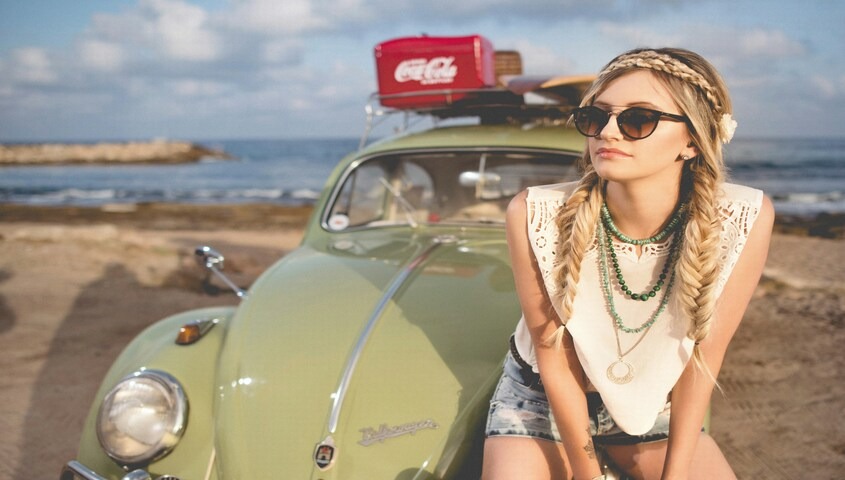
The carryover from the late 60s that defined the early 70s. Woodstock had already happened. The communes were still going. Joni Mitchell, Carole King, James Taylor, Cat Stevens. The entire folk-singer-songwriter subculture had created a uniform.
Its elements: peasant blouses, fringed vests, suede skirts, bell-bottoms, embroidery everywhere, headbands, layered necklaces, patches on denim. Unshaved, unwashed. Natural color scheme. Tans, browns, yellows, rusts. Janis Joplin in feather boas and circular sunglasses. Stevie Nicks is transforming lace scarves into stage outfits. Carly Simon is doing her album covers without shoes.
It defied anything that came off an assembly line, the way grunge would do twenty years later. Hand-made. Used. Well-worn.
There was a massive revival of the bohemian style in the 2010s that has stuck around. This style created the Free People's multi-billion dollar empire. The festival look continues to follow the same style guide. But today's savvy companies that borrow from this trend only use the style elements and not the entire Coachella outfit.
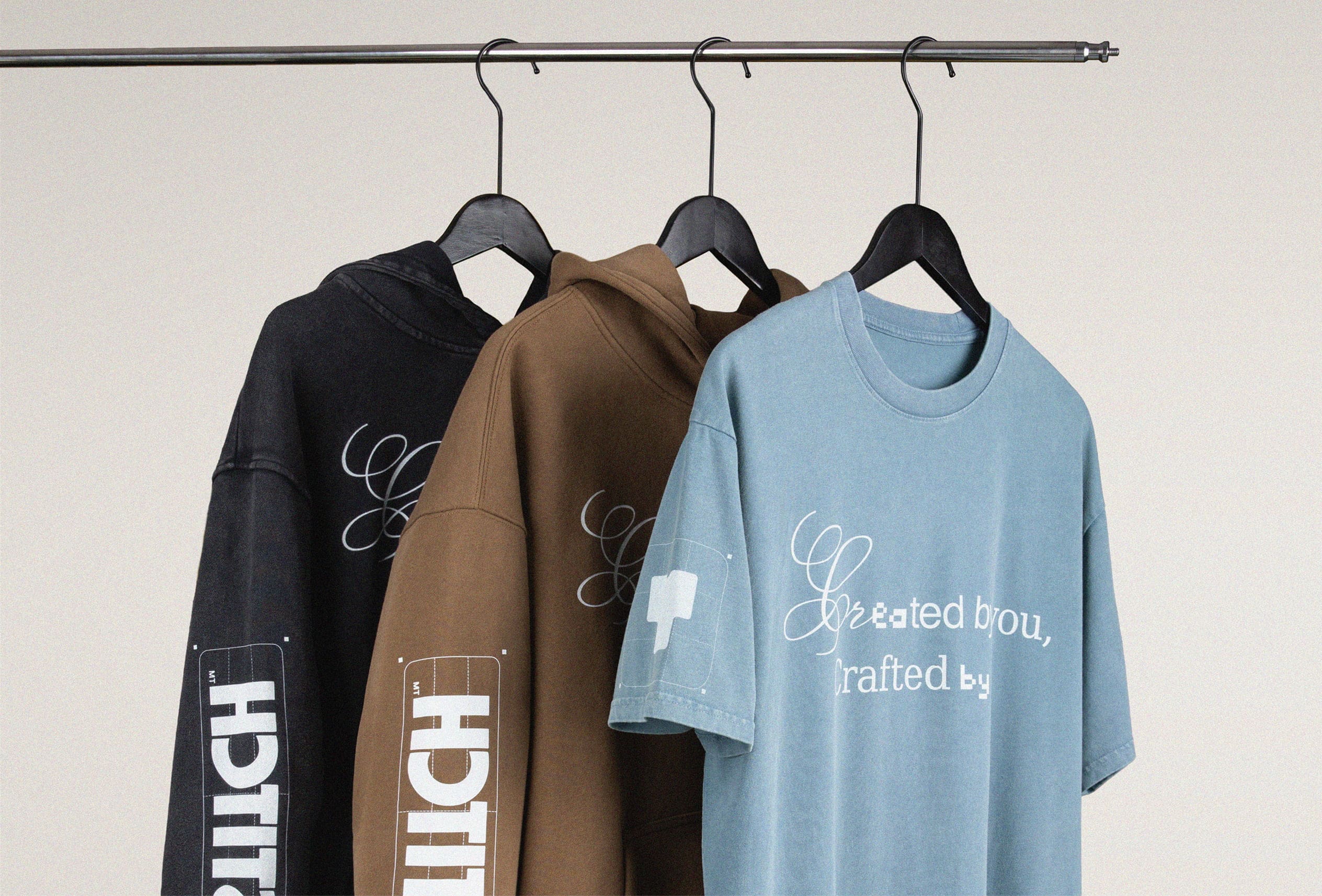
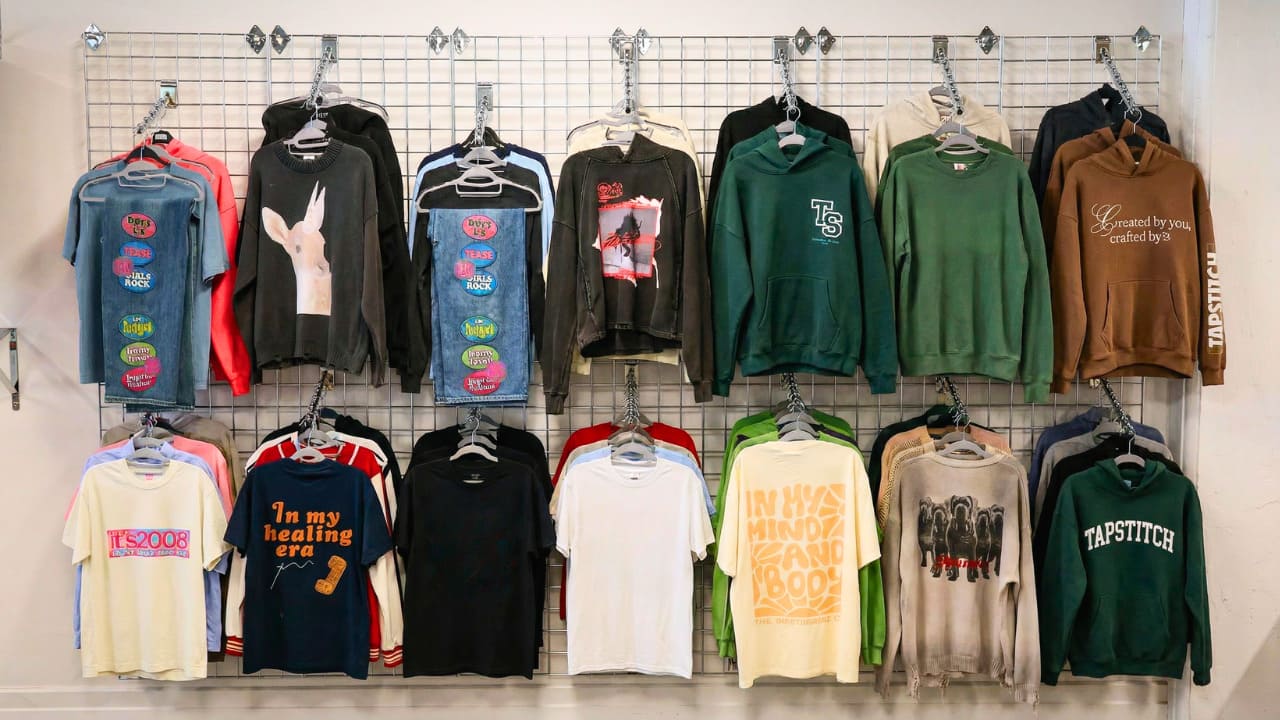
The Tapstitch pull: a relaxed mineral wash t-shirt with some psychedelic graphics paired with washed denim.
2. Disco
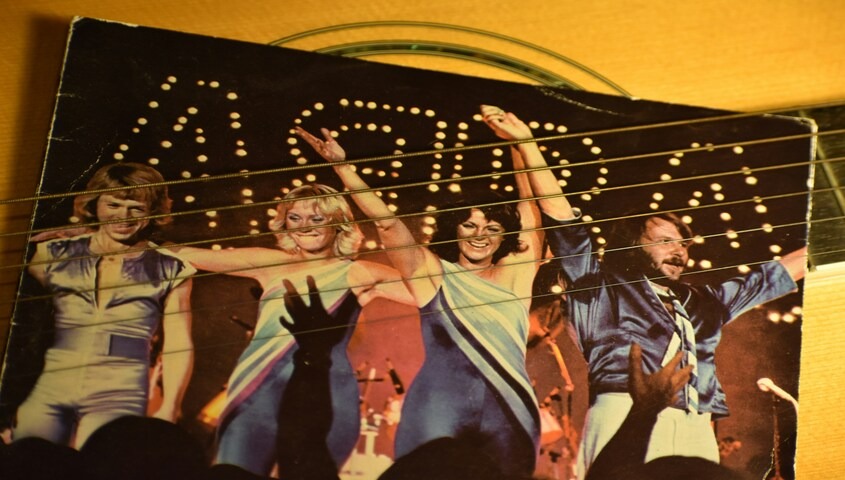
The peak fashion moment of the decade.
Studio 54. Donna Summer. Saturday Night Fever. Diana Ross. Cher. Liza Minnelli. The whole point of disco fashion was to be seen on a dance floor under disco lights. Sequins. Satin. Lurex. Halter tops. Wide-leg trousers. Wrap dresses (Diane von Furstenberg invented hers in 1974 and basically owned the decade). Body glitter. Platform shoes that put you eye-level with whoever you were judging.
Travolta in a white three-piece suit. Bianca Jagger riding into Studio 54 on a horse. The vocabulary of disco was excess, but elegant excess. There was discipline to it. Slinky on top, flared on the bottom, finish everything in something shiny.
Disco revival comes around every five to seven years, and 2026 will be one such year. The nostalgia cycle has already started rolling past Y2K styles and is spilling into that of the 70s. Sequin garments, satin shirts, pants with a flare, and made out of liquid fabric. The brands making it work are getting the silhouette but not the body glitter.
The Tapstitch pull: a bodycon t-shirt and dark flared denim. Travolta-coded, built for a 2026 closet.
3. Glam Rock
If disco was the dance floor, glam rock was the stage.
Bowie as Ziggy Stardust. T. Rex. Elton John in feathers. Roxy Music. The New York Dolls. Glam rock was theater. It turned rock music into gender-bending showmanship that refused to be overlooked. Lurex suits, platform shoes, glitter makeup, satin scarves, extreme stylization.
And Ziggy Stardust was particularly responsible for revolutionizing the possibilities of rock fashion. Prior to Bowie, rock guys dressed like workers in their blue jeans. Post-Bowie, anything goes. Mick picked up on the eyeliner look. The Queen arrived wearing a bodysuit.
Glam influences indirectly. Modern fashion isn't doing full Ziggy. But every gender-fluid silhouette, every metallic finish, every slightly theatrical menswear piece, that's glam DNA. The bands that matter still pull from it.
The Tapstitch pull: a metallic-finish or shiny tee in a slim cut. Bowie '73, not Bowie '83. Not a costume, just a tee that knows it isn't a normal tee.
4. Punk
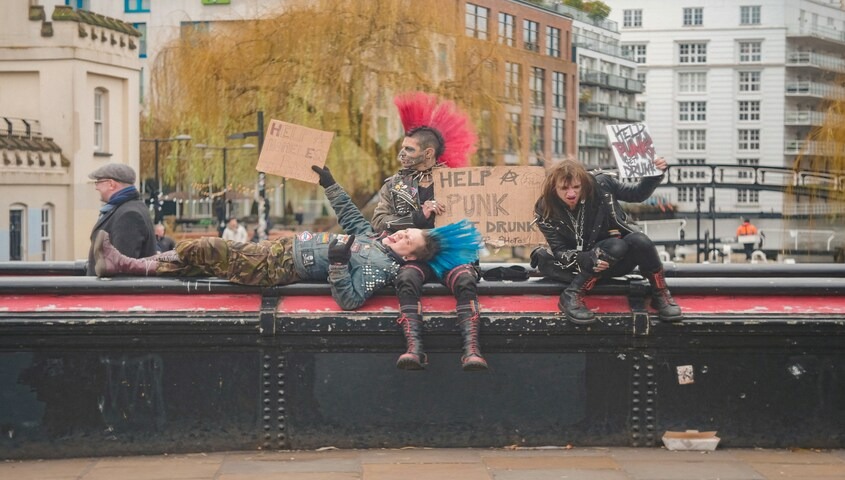
The decade's middle finger.
The Ramones. Sex Pistols. Patti Smith. The Clash. CBGB on the Bowery. Vivienne Westwood and Malcolm McLaren turned a London shop called SEX into a fashion movement. Punk rejected everything the 70s had built up to. Disco was too glittery. Hippies were too soft. Punk was angry, ripped, anti-corporate, DIY.
The look: Ripped denim, leather, band T-shirts, safety pins as jewelry, Doc Martens, bondage pants, Chuck Taylor, eyeliner, no matter your gender identity. Tartan as an act of defiance. Hairstyles that could only mean you got electrocuted by design.
Punk is the decade that has left its mark most deeply embedded in streetwear. Each ripped shirt, each safety pin, each "I did it myself" vibe is a legacy from '77. It is the do-it-yourself spirit that drives indie brands today. Create it yourself. Ask for no one's permission. When the establishment despises it, you know you're on the right track.
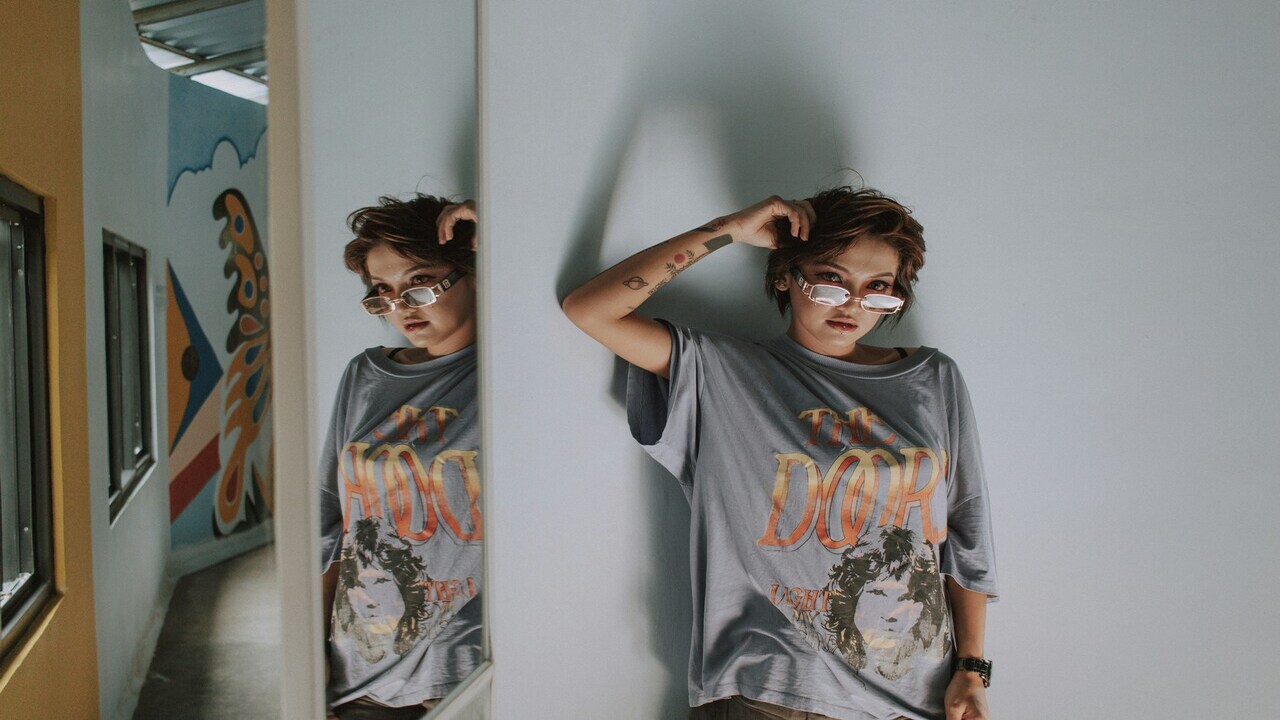
The Tapstitch pull: a heavyweight distressed t-shirt with raw edges or a graphic that looks hand-pulled, not factory-printed. Joey Ramone’s uniform, modern weight.
5. Soul & Funk
Soul Train. Earth, Wind, and Fire. Diana Ross. Marvin Gaye. Stevie Wonder. Curtis Mayfield. Sly and the Family Stone.
The look: Silk shirts worn open down to the chest, collar shirts that hugged your shoulders, three-piece suits done in bold colors, jumpsuits that fit just right, layers of gold upon gold. Funk wear was performance wear that evolved into streetwear and spoke the language of an era in African-American fashion.
The Soul Train line is some of the most influential dance footage of the 20th century. Watch ten minutes, and you'll see every silhouette of streetwear is recycled now. Wide-leg pants. Fitted tops. Patterns and prints are worn confidently. Layers. Texture. Color is used like punctuation.
This is the lane fashion media often overlooks when they talk about the 70s, even though it carried the decade. The brands paying attention are pulling directly from it now.
The Tapstitch pull: a collared raglan polo in a saturated tone. Soul Train energy, modern build quality.
6. Annie Hall & The Power Suit
The most editorial 70s lane, and the most adult.
Diane Keaton in Annie Hall (1977), stealing clothes from Woody Allen. The YSL Le Smoking tuxedo for women was introduced in the '60s, but not in full swing until the mid-'70s. Bianca Jagger wearing white YSL in her marriage to Mick. The entire concept of menswear suits for women dominated the latter part of the decade, redefining the idea of powerful dressing.
The pieces: oversized blazers, wide-leg trousers, tucked-in shirts, ties worn ironically, vests, fedoras, oxfords. Tan, gray, charcoal, pinstripe. Rumpled, intellectual, slightly androgynous. Faye Dunaway in Network. Lauren Hutton on every magazine cover that mattered.
This is the most timeless 70s lane. The other looks date themselves immediately. The Annie Hall fit could walk out of an apartment in 2026 and read polished. Most of the modern menswear-for-women trend traces straight back to '77.
The Tapstitch pull: a structured button-up in white or gray. Layer it under a vest. Annie Hall in a Tapstitch closet.
7. Western & Prairie
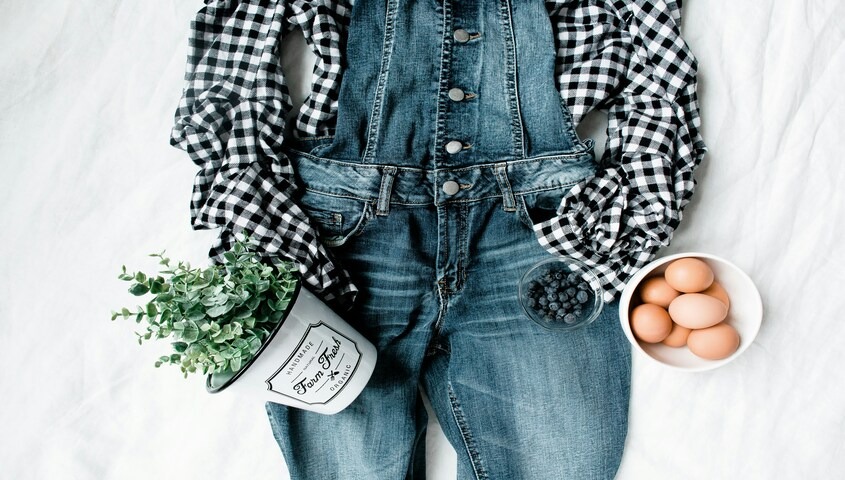
The other side of the decade.
While disco was dancing in New York, country and western music was running its own track. Dolly Parton. Tanya Tucker. Loretta Lynn. The Eagles. Linda Ronstadt. Glen Campbell. The whole California country-rock scene is pulling cowboy iconography into mainstream pop culture for the first time since the 50s.
Defining pieces: Prairie dresses, gingham, fringe, suede, pearl-snap shirt, cowboy boots, bandana, large belt buckle, yoke embroidery. Colors were from nature (earthy browns, tans, rust) to pure candy (Dolly’s pink signature).
Western fashion has been quietly building for a few years, and 2026 is when it gets loud. Beyoncé's Cowboy Carter moment. The country-music crossover into mainstream pop. Suddenly, everyone's pulling from the same well. The brands building around it are doing it cleanly. Modern construction, period reference.
The Tapstitch pull: a vintage wash denim jacket. Add a fringed-detail piece, and you've got Linda Ronstadt energy without the costume.
8. Sportswear & Tracksuits
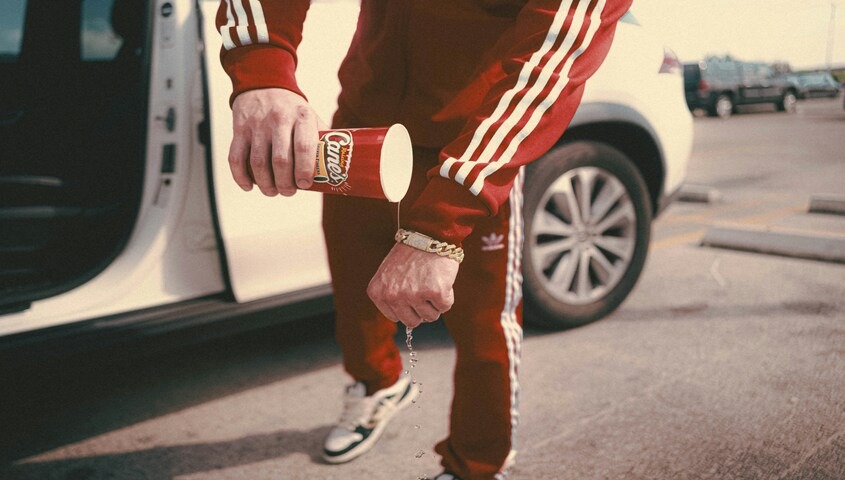
The decade when sports wear turned into street fashion, before the name was invented.
Adidas sportswear gained popularity thanks to Run-DMC, who started wearing it in the 70s, along with the pioneers of breaking culture. Terry cloth headgear. Knee-high tube socks. Tennis outfits from the Wimbledon days are creeping into everyday clothing. Bjorn Borg. Billie Jean King. The poster of Farrah Fawcett wearing her red Speedo (1976).
What made 70s sportswear different from now: it wasn't performance gear. The track jacket was a fashion piece that happened to share construction with athletic wear. Same garment, repurposed for the dance floor, the boardwalk, the city.
This is the lane that bridges the 70s to the 90s to now. Every "track jacket as outerwear" move you see right now is running on a 70s silhouette.
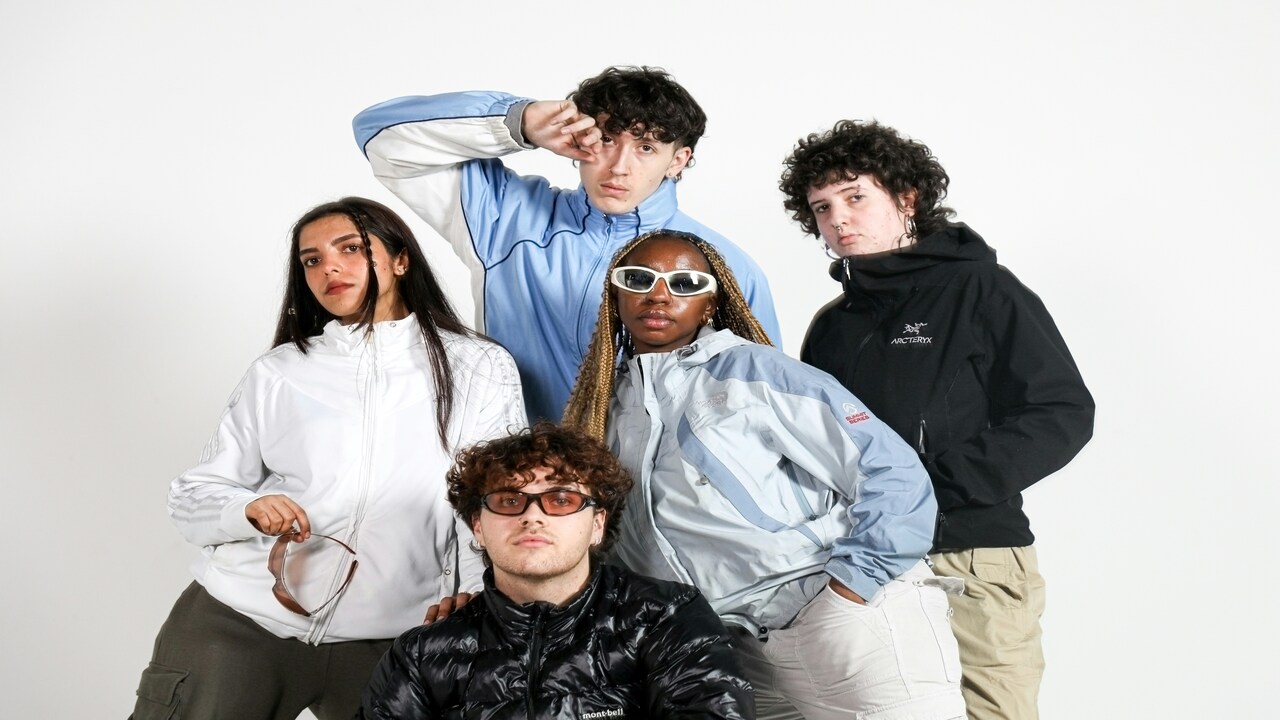
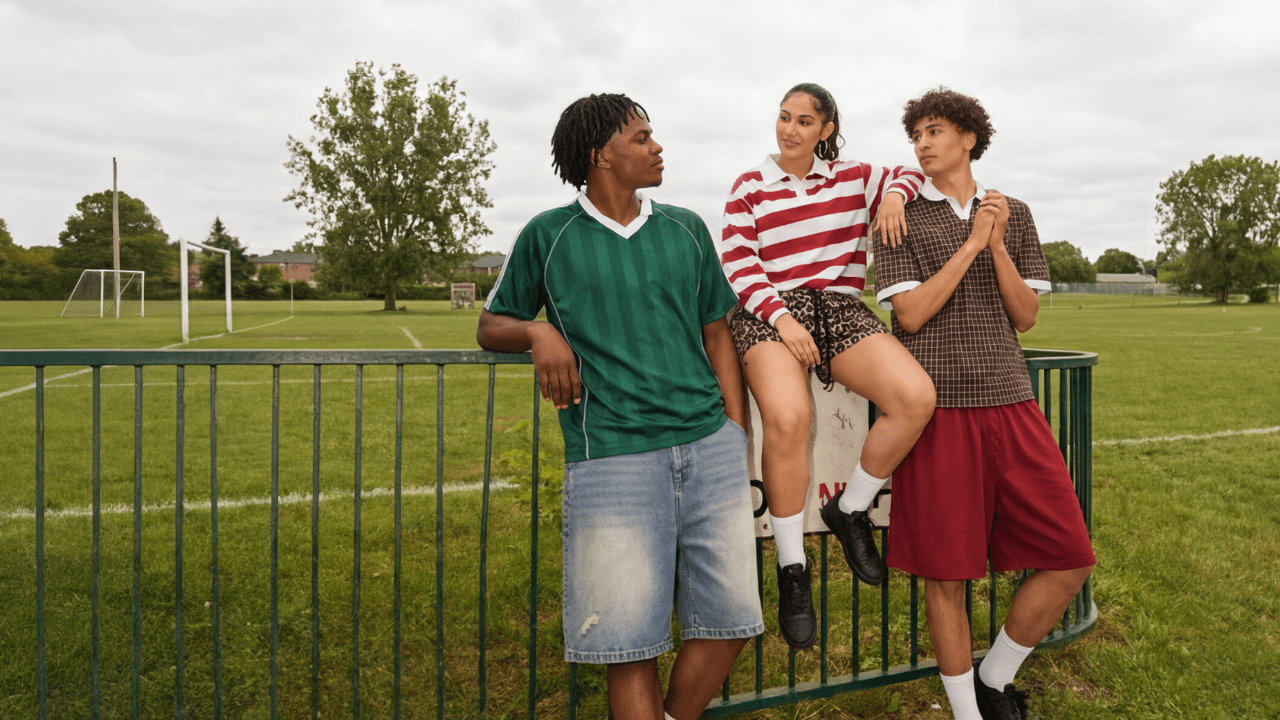
The Tapstitch pull: a contrast-stripe track jacket or piped bomber jacket in a relaxed cut. Adidas '78 vibe, current weight.
The 70s Iconography Worth Knowing
You can't really build from the 70s without knowing where the references live. The shorthand:
- Hippie & Bohemian: Joni Mitchell, Stevie Nicks, James Taylor, Cat Stevens, Laurel Canyon, Woodstock leftovers.
- Disco: Studio 54, Donna Summer, Diana Ross, Bianca Jagger, Halston, Diane von Furstenberg, Saturday Night Fever.
- Glam Rock: Bowie/Ziggy, T. Rex, Elton John, Roxy Music, the New York Dolls.
- Punk: Ramones, Sex Pistols, Patti Smith, the Clash, CBGB, Vivienne Westwood, Malcolm McLaren.
- Soul & Funk: Soul Train, Earth, Wind and Fire, Diana Ross, Marvin Gaye, Curtis Mayfield, Don Cornelius.
- Annie Hall / Power Suit: Diane Keaton, YSL Le Smoking, Bianca Jagger, Faye Dunaway, Lauren Hutton.
- Western & Prairie: Dolly Parton, Linda Ronstadt, the Eagles, Tanya Tucker.
- Sportswear: Bjorn Borg, Billie Jean King, Farrah Fawcett, the early b-boy scene.
These references are where the styles were defined. Quote them, twist them, ignore them, or implement them however you want. But you need to know them, and well, if you're trying to replicate the vibe.
How to Dress 70s With Normal Clothes (Without the Costume Energy)
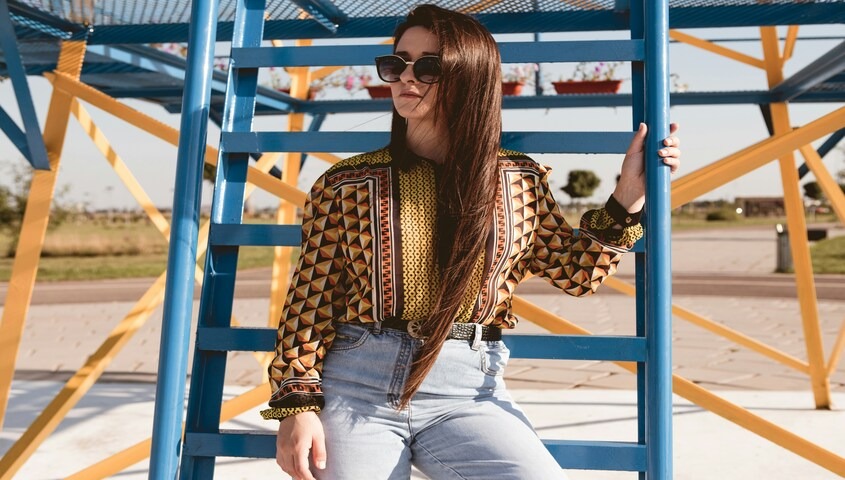
The hardest part of pulling from the 70s isn't the references. It's restraint. A full disco fit walking into a 2026 cafe reads as Halloween. The trick is doing the 70s the way the people who actually lived it did. Casually. As a wardrobe, not as a theme.
- Choose one indicator, not five. Flared jeans with a t-shirt equal the 70s. Flared jeans with peasant blouses, fringe vests, headbands, and platform shoes equal a costume. Only one indicator, followed by regular clothes.
- Update the material. Nostalgia for the 70s with a contemporary interpretation. The original fabrics were light, scratchy, and synthetic. This new design allows you to achieve the look without having a heat rash.
- Refer to the silhouette, not the styling. The defining feature of the 70s was the silhouette. Flared trousers. Fitted tops. Large collars. Structured jackets. Lightweight fabrics. No need for bell sleeves or paisleys to get the 70s vibe.
- Mix in modern basics. A 70s collar shirt with current jeans. A wide-leg pair of trousers with a clean white tee. A fringed jacket over an otherwise minimal fit. The era references on top of normal clothes are exactly how they land.
That's it, five ways to execute 70s fashion ideas in 2026 without looking like you're headed to a theme party.
Build Your Own 70s-Inspired Drop with Tapstitch.
The 70s were the first decade when every subculture got loud at the same time. Hippie, disco, glam, punk, funk, country, athletic. Eight different fashions running on parallel tracks. That's the gift the decade has left for any independent brand pulling from it now. There's a 70s for every aesthetic.
If you're building around any of those lanes, the play is the same. Pick the era. Execute it with modern construction. Tapstitch handles production. You handle the story.
FAQs
What was the most popular fashion in the 70s?
It all depends on which half of the decade you're talking about. The first half was characterized by the hippie bohemianism that was left over from Woodstock. Disco reigned supreme in the middle part of the decade. The late 70s had punk on one end, and elegant YSL menswear for women on the other.
How do I dress in the 70s with normal clothes?
Pick one signal. A flared jeans. A wide-collar shirt. A fringed accessory. A track jacket. Pair it with the rest of your wardrobe as-is. The 70s only read as a costume when you do all of it at once. One reference plus normal clothes equals 70s style. Five references equals Halloween.
Is 70s fashion coming back in 2026?
It already came back. Wide-leg denim, satin shirts, vintage washes, western wear, fringe accessories, flared trousers. The whole 70s vocabulary is in rotation right now. Y2K had its run, the 90s are still here, and the 70s have been quietly building for two years. 2026 is when it goes mainstream.
What 70s outfits work today?
Cleanest takes: high-waist, wide-leg jeans and a tucked tee; a wide-collared shirt made from satin or polyester to match contemporary denim; an Annie Hall ensemble; a fringed jacket with a clean tee; a color-blocked tracksuit. Any look that takes a 70s silhouette but eschews 70s style.
What 70s style is best for a clothing brand?
It depends on the target demographic. Streetwear brands take cues from Soul Train and the decade-ending Adidas running line. Editorial brands draw inspiration from Annie Hall and YSL. Rock bands take inspiration from punk DIY aesthetics. Festivals skew toward bohemian. Western is having its biggest year ever. Choose the right aesthetic for your target market, then build it with today’s technology.
Summing Up the 70s
The 70s gave us Bowie and Bianca. Donna Summer and Dolly. Studio 54 and CBGB. Stevie Nicks and Patti Smith. The decade ran on contradiction, and that's exactly why every brand worth watching is still mining it.
70s fashion ideas don't expire because the silhouettes they invented are still doing the work. Wide leg. Fitted top. Wide collar. Fringe. Western. Glam. Punk. The references are free. The garment construction is what people actually pay for.

%20(1).jpg)
.jpg)
.jpg)
.webp)

.jpg)
.jpg)
.jpg)
.png)
.jpg)
.jpg)

%20(3).jpg)


.png)
.jpg)
.jpg)
.jpg)

.jpg)
.jpg)
.jpg)






.png)



.png)
.jpg)








.jpg)
.jpg)

.png)
.jpg)


.jpg)
.jpg)





.jpg)
.jpg)
.jpg)
.jpg)
.jpg)
%20(1).jpg)

.png)

.png)


%20(1)%20(1).jpg)