





Dropshipping Guide for Dummies: How to Start Dropshipping in 2026


Everyone seems to be talking about dropshipping as one of the trending ways to start an online business, but few people explain what the entire process actually looks like. From choosing the right products and finding reliable suppliers to understanding your responsibilities and avoiding common mistakes, there are many steps involved before launching a successful store.
This dropshipping guide walks you through 7 step-by-step processes to help you understand how dropshipping works, decide if this business model is right for you, and build a strong foundation for your online business. We’ll also explore print on demand as another option for selling custom products online.
What is Dropshipping and How Does It Work?

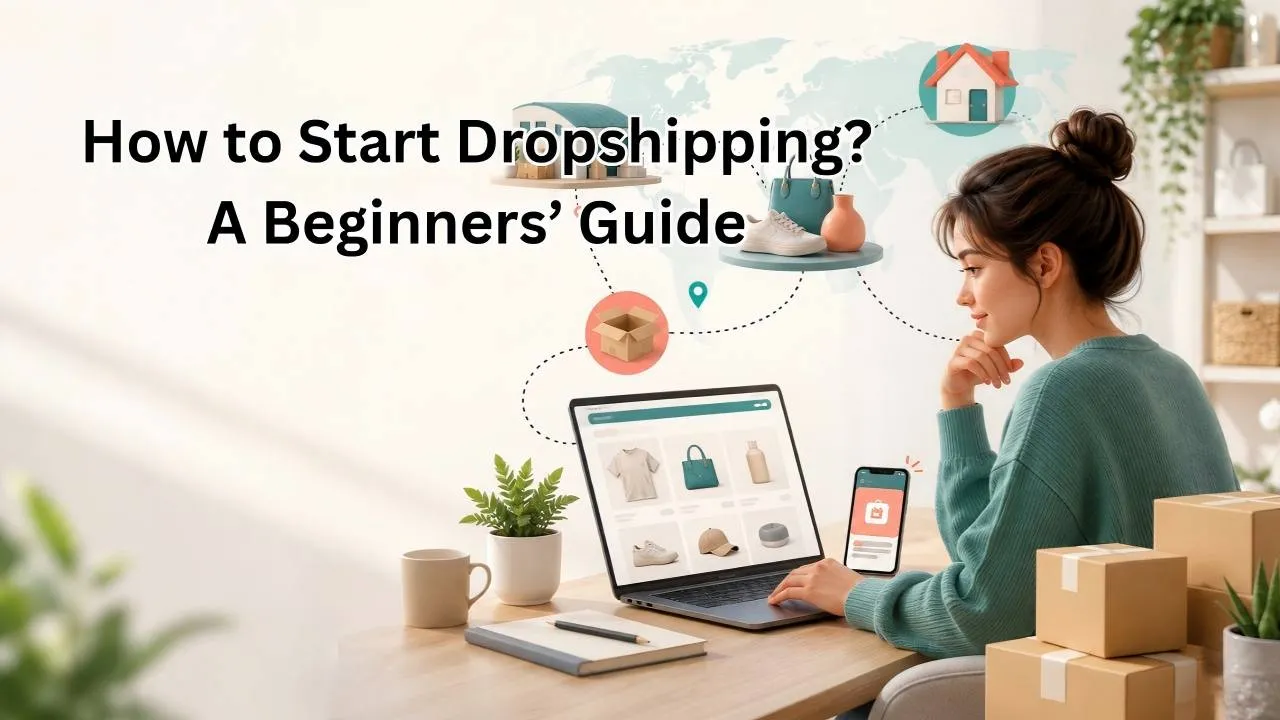
Dropshipping allows entrepreneurs to sell products online without handling inventory themselves. Instead of purchasing products in advance and storing them, sellers work with suppliers who keep the stock and take care of fulfillment when an order comes in.
The process usually works like this:
1. You list products in your store: Choose products from a supplier and add them to your e-commerce store with your own pricing, descriptions, and branding.
2. A customer buys from your store: When someone places an order, they pay you directly through your online store.
3. You send the order to your supplier: After receiving the order, you provide the supplier with the necessary customer details so they can prepare the shipment.
4. Your supplier handles fulfillment: The supplier packages the product and ships it directly to your customer, while you avoid dealing with inventory or warehouse management.
5. You focus on growing your business: Your job doesn’t end after the sale. Managing customer questions, collecting feedback, and improving the shopping experience are important parts of building a successful dropshipping store.
Print-on-Demand vs. Dropshipping: What's the Difference?
At first glance, print-on-demand and dropshipping may seem similar because both let suppliers handle inventory and shipping. But the products you sell and the way you create your brand are quite different.
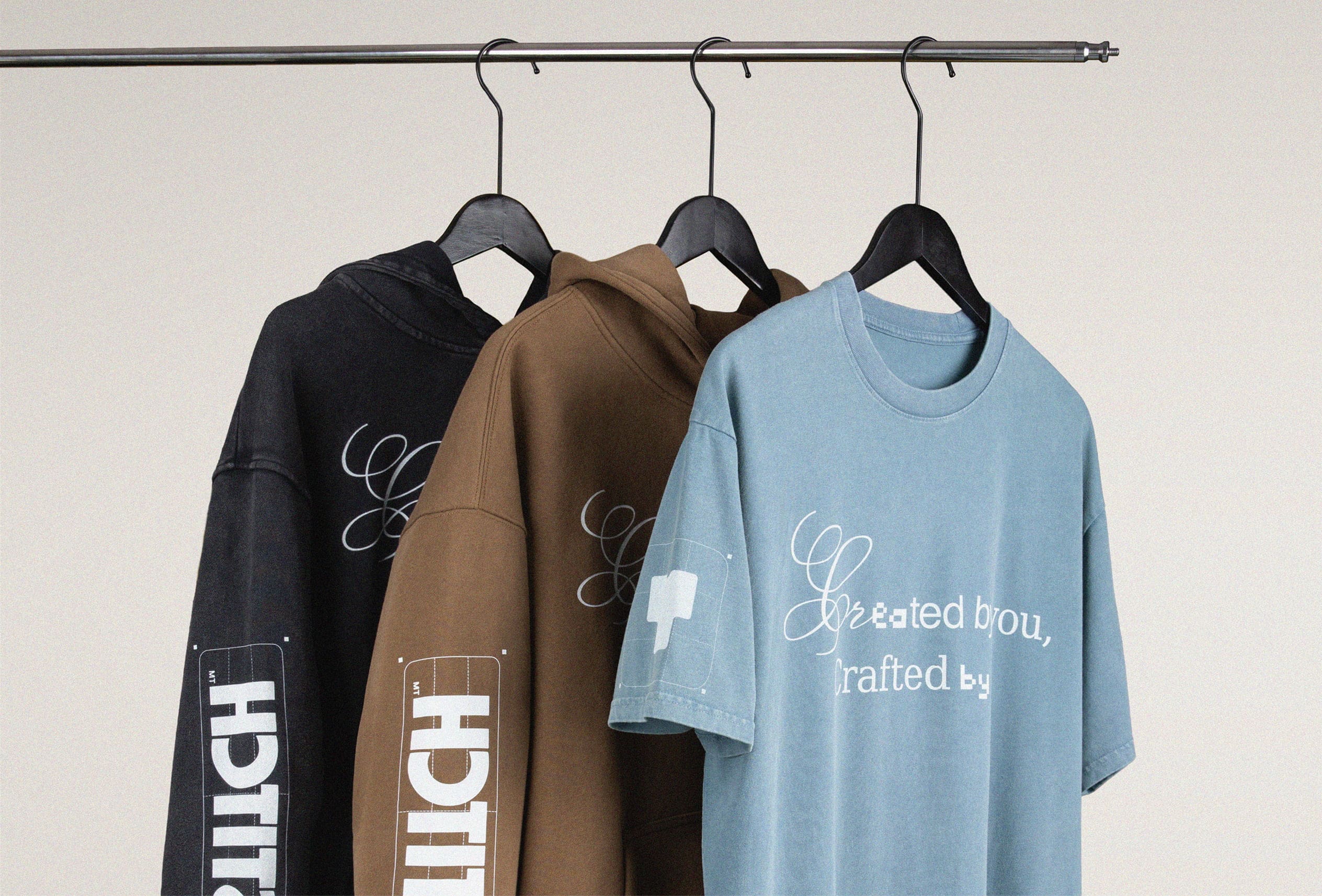
Not sure whether dropshipping or print on demand is the better choice for your business? Tapstitch combines both models in one platform, giving beginners access to fashion-focused blank products, custom branding options, and flexible fulfillment solutions.
Whether you want to test new designs or build a recognizable clothing brand, Tapstitch helps turn your ideas into products customers can buy.
Dropshipping Guide: How to Start in 7 Steps
In a traditional retail business, you usually buy products first, manage storage, and ship orders to customers. Dropshipping removes those steps from your side, allowing you to focus more on finding products, building your store, attracting customers, and growing your brand. Now, let's explore how to start a dropshipping business.
Step 1: Choose a Profitable Dropshipping Niche
Before you start adding products to your store, take some time to understand your target customers and choose a niche with real potential. A clear niche makes it easier to decide what products to sell, create better marketing content, and build a store that feels more trustworthy.
Understand Your Target Audience
Start by identifying who you want to sell to. Consider their lifestyle, interests, problems, and buying habits. The more you know about your audience, the easier it is to choose products that match their needs instead of simply chasing random trends.
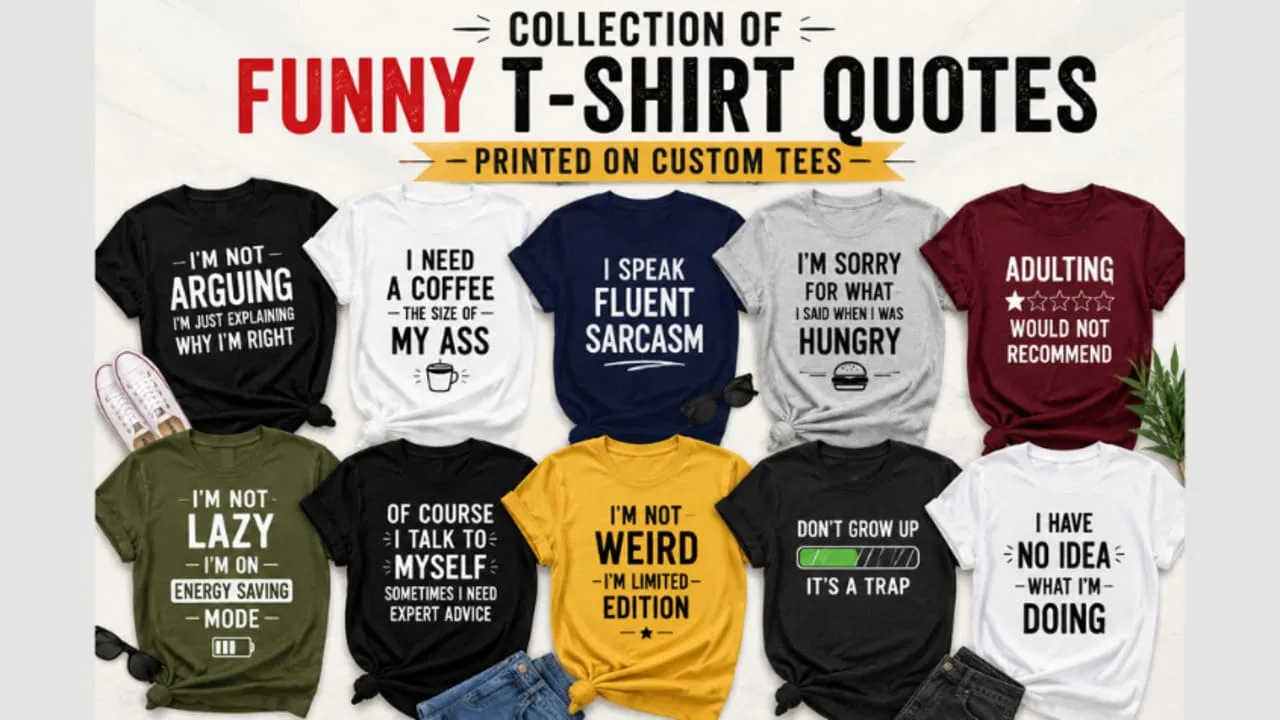
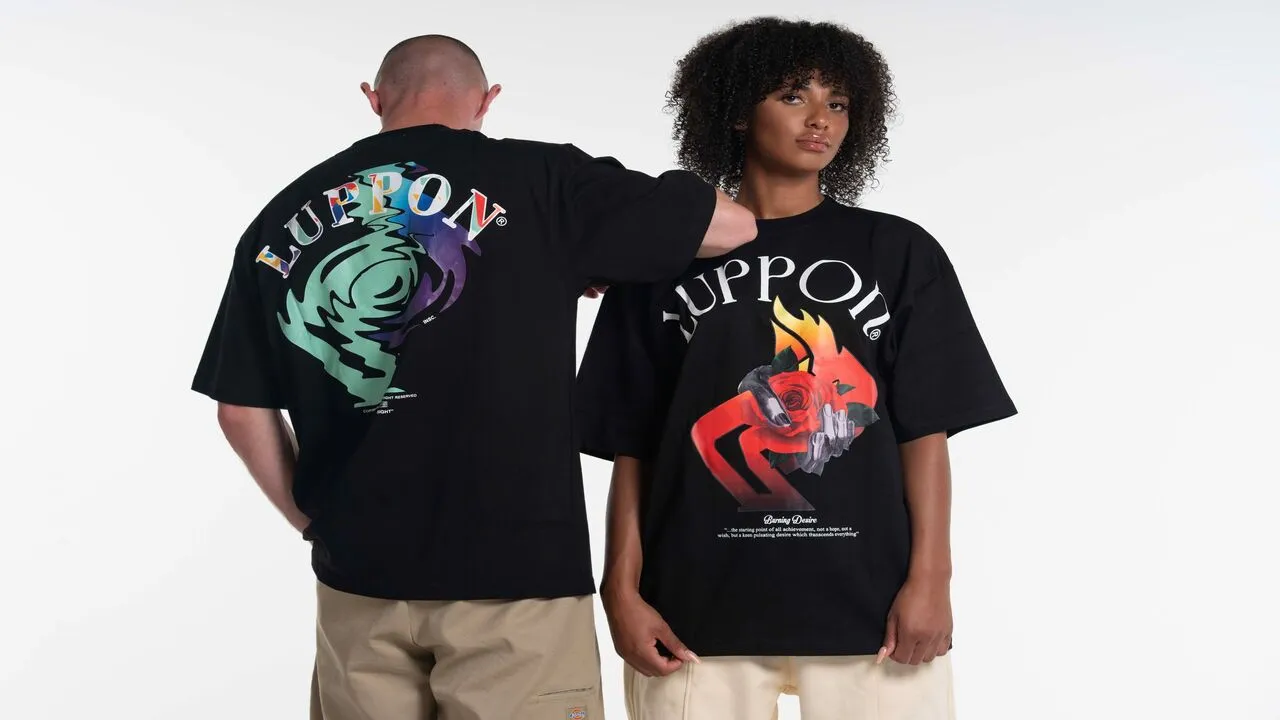
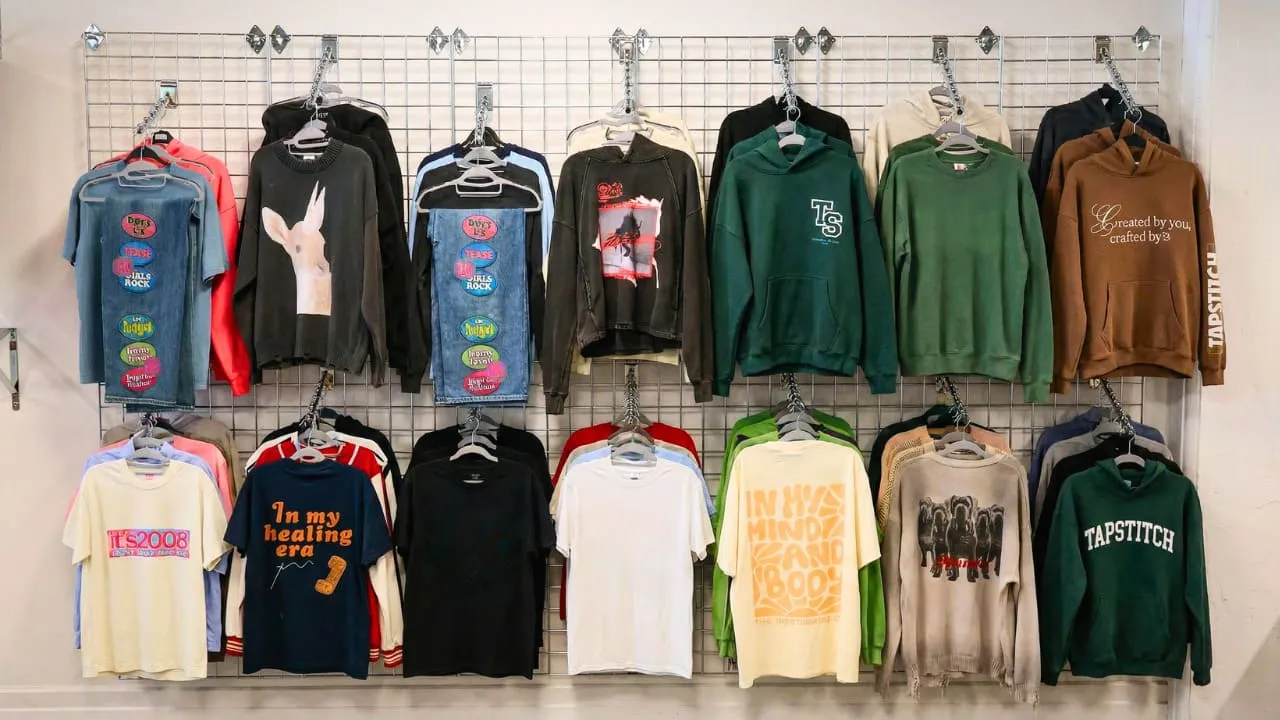
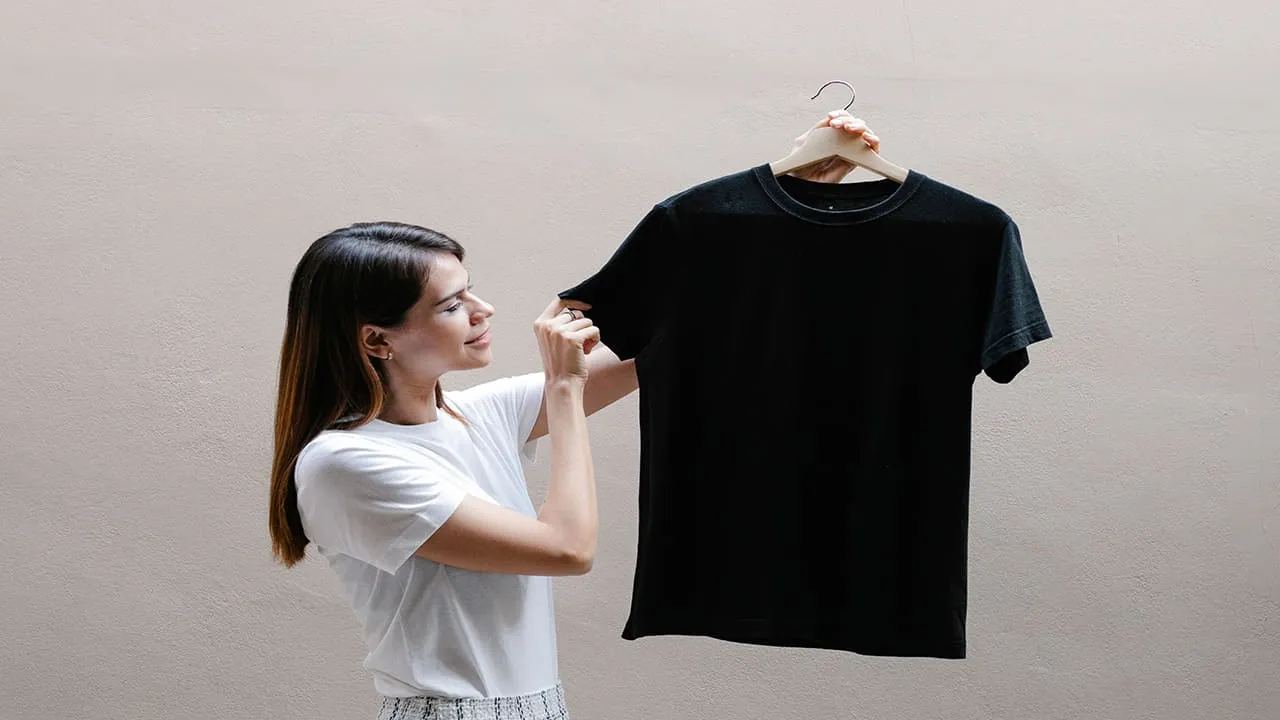
For example, a fashion-focused t-shirt dropshipping store might target streetwear lovers who are looking for unique designs, or fitness enthusiasts who want comfortable and stylish activewear for everyday workouts. Understanding these customers helps you create products and content that speak directly to them.
Check Market Demand
A good niche should have enough customer interest to support long-term growth. Use tools like Google Trends, marketplace searches, and social media platforms to see whether people are actively looking for products in that category. You can also study competitors to understand their pricing, product positioning, and what opportunities they may be missing.
Evaluate Product Potential
Not every popular product will be the right choice for your store. Look beyond sales numbers and consider factors like profit margins, competition, customer reviews, and whether the product has room for improvement. Some emerging products may have fewer sales at first but could become strong opportunities as demand grows.
Read more: 18 Best Dropshipping Niches to Sell Now (2026 Guide)
Step 2: Research Products and Analyze Competitors
Finding the right products can make or break your dropshipping business. Even with great marketing, it’s difficult to sell products that don’t match customer demand. Before adding products to your store, take time to research whether they have the potential to attract buyers and generate profit.
When evaluating a dropshipping product, consider factors like:
- Customer demand: Does the product solve a problem or offer something customers are actively looking for?
- Competition level: Are there too many sellers offering the same product, or is there room to create a better offer?
- Profit potential: Can you maintain a healthy margin after considering supplier costs, shipping fees, and marketing expenses?
- Shipping requirements: Is the product easy to store and ship without high costs or damage risks?
After identifying potential dropshipping products, the next step is to study your competitors. Competitor research helps you understand what already works in the market and where you can create a better customer experience.
Start by looking at successful stores in your niche. Pay attention to:
- Which products receive the most attention and customer reviews
- How competitors present their products through images, descriptions, and pricing
- What makes their brand different from others
You can also subscribe to competitor newsletters, follow their social media accounts, and analyze their marketing campaigns to see how they attract and engage customers. Tools like SEMrush and SimilarWeb can provide additional insights into their website traffic, keywords, and online strategies.
The goal isn’t to copy what competitors are doing. Instead, use your research to find gaps in the market and create a product offering that gives customers a reason to choose your store.
Step 3: Find Reliable Dropshipping Suppliers
Choosing the right supplier is one of the most important decisions when starting a dropshipping business. Your supplier directly affects product quality, shipping speed, customer satisfaction, and your overall brand reputation. A low-quality supplier can quickly lead to negative reviews and unhappy customers, even if your marketing is successful.
When comparing dropshipping suppliers, look beyond just the product price. Consider these key factors:
Product Quality and Reliability
Before committing to a supplier, check product samples whenever possible. Testing the product yourself allows you to evaluate quality, packaging, and whether it matches your store’s expectations.
Shipping Speed and Fulfillment Options
Customers expect fast and reliable delivery. Review shipping methods, estimated delivery times, and whether the supplier can handle orders consistently as your business grows.
Pricing and Business Terms
Look for suppliers that fit your budget and business model. Many beginner-friendly suppliers offer features such as no minimum order quantity, no large upfront investment, and flexible ordering options.
Platform Integration and Supplier Support
A good supplier should work smoothly with your ecommerce platform and make order management easier. Automated syncing, inventory updates, and responsive support can save you time as your store grows.
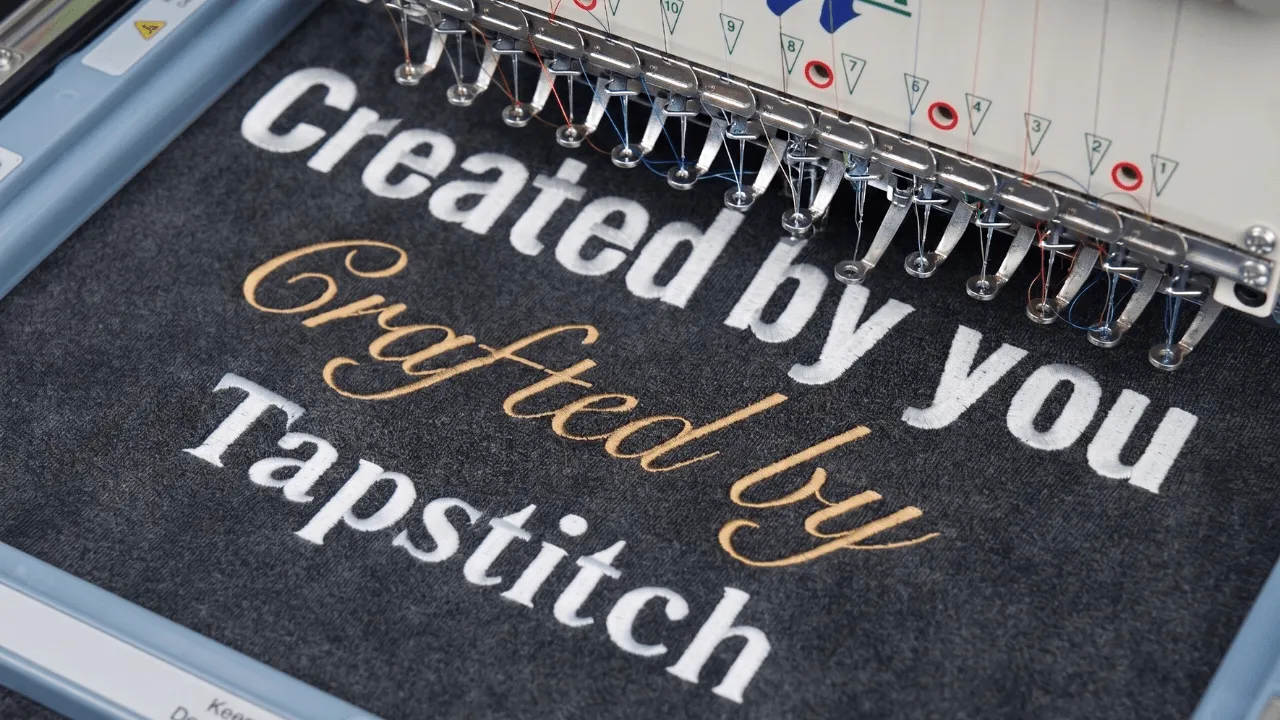
If you want to build an online store with custom products, print-on-demand can be another option worth considering. Tapstitch combines dropshipping and POD services, allowing you to create custom apparel without managing inventory. With a wide range of fashion blank products, flexible customization options, and fulfillment support, you can test new designs and build a more recognizable clothing brand.
For a complete comparison, see more of the best dropshipping suppliers.
Step 4: Build Your Dropshipping Store
Your store is where potential customers decide whether your products are worth buying. A clean layout, clear product information, and reliable shipping details can go a long way toward building trust and turning visitors into customers.
Here are a few things to keep in mind when setting up your store:
Choose a Template that Fits Your Brand.
You don't need to build everything from scratch. Most ecommerce platforms offer ready-made themes that you can customize to match your brand's style. Keep the layout simple and make sure shoppers can find products without clicking through too many pages.
Write Product Descriptions that Answer Real Questions.
Instead of listing features alone, explain what makes each product useful and why someone might want to buy it. Include important details such as sizing, materials, colors, and fit, so customers know what to expect.
Decide Where You'll Sell
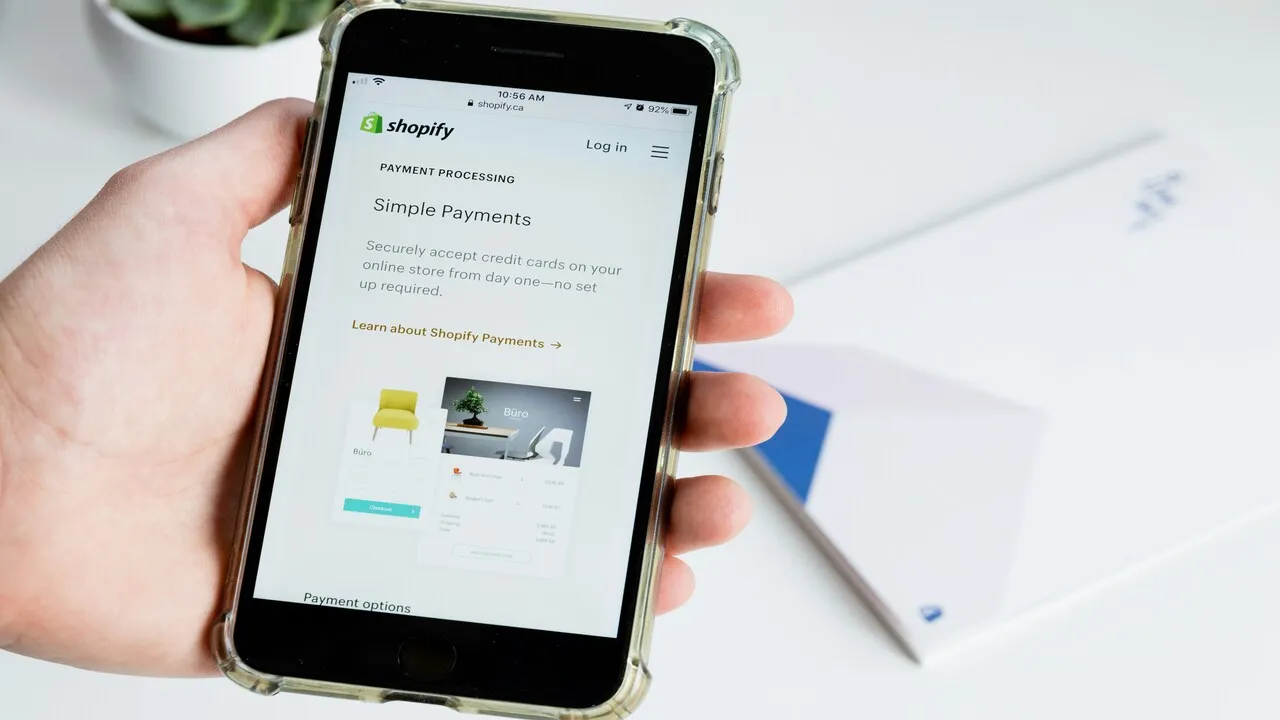
Marketplaces like Etsy, Amazon, and eBay give you access to existing shoppers, but you'll typically pay selling fees. Platforms like Shopify let you build your own online store, usually with a monthly subscription. Your website choice depends on your budget, business goals, and how much control you want over your store.
Use Clear, Appealing Product Visuals
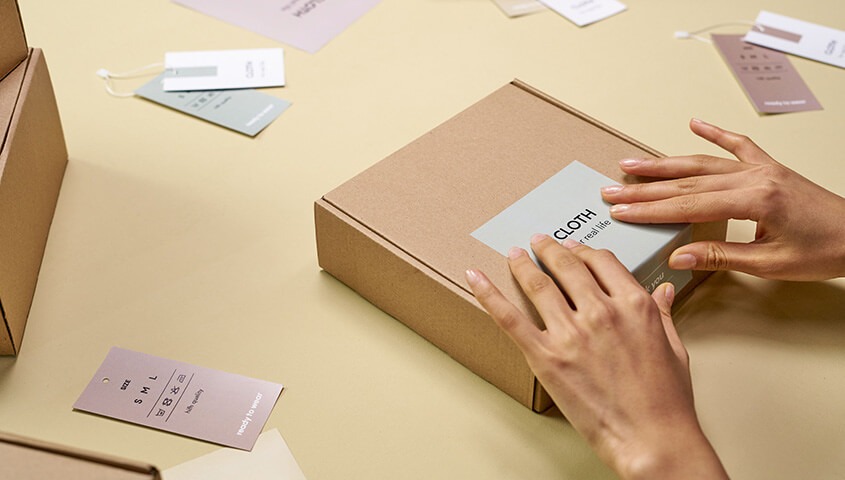
Good photos and videos help customers see what they're getting before placing an order. If you're selling custom apparel through a POD supplier like Tapstitch, you can use its design tool to create product mockups without having to photograph every design yourself.
Make Shipping and Return Policies Easy to Find
Clearly explain delivery estimates, shipping costs, return conditions, and how customers can contact you. Be realistic about fulfillment times, especially when products are made to order. Clear expectations can help prevent confusion and give shoppers more confidence when checking out.
Step 5: Set Up Payments, Shipping, and Order Fulfillment
Once your store is ready, make sure the buying and delivery process works smoothly from start to finish. Customers should be able to pay easily, understand when their order will arrive, and receive updates along the way.
Set Up Your Payment Options
For dropshipping beginners, setting up convenient payment methods is an important step before launching a store. Choose options supported by your ecommerce platform, and check transaction fees to make sure they don't eat too much into your profit margins.
Decide How You’ll Handle Shipping
Shipping costs and delivery times can have a big impact on the customer experience. Check your supplier’s shipping methods, delivery estimates, and shipping rates before listing a product. Be clear about these details in your store so customers know what to expect.
Keep Order Fulfillment Organized
When an order comes in, it needs to reach the supplier quickly so they can prepare and ship it. Make sure tracking information is available when possible, and keep customers informed if there are delays or other issues. A smooth fulfillment process not only saves you time but also helps build trust with your buyers. Tapstitch also makes it easier to manage fulfillment by providing a clear shipment history for your orders.
Step 6: Provide Customer Service

Good customer service matters just as much as the products you sell. Even though your supplier handles shipping and fulfillment, customers will still come to you when an order is late, a product arrives damaged, or they have questions about their purchase. How you handle these situations can affect whether they shop with you again.
- Make it easy for customers to reach you. Set up a clear way for shoppers to contact your store, whether through email, live chat, or a contact form. Try to respond within 24 hours, and let customers know when they can expect an update if you need more time to resolve an issue.
- Keep customers informed. Order confirmations, shipping notifications, and tracking updates help customers know what’s happening with their purchases. You can automate routine messages and answers to common questions, but make sure customers can still reach a real person when they need extra help.
- Handle problems professionally. If a package is delayed or a product doesn't meet expectations, don't leave the customer guessing. Explain the situation, offer a practical solution, and follow up when necessary. For example, if a customer orders a custom T-shirt and receives the wrong design, respond promptly and work with your supplier to resolve the issue.
Good customer service won't prevent every problem, but it can help you earn customer trust, encourage repeat purchases, and build a stronger dropshipping business.
Step 7: Launch and Market Your Dropshipping Store
Once your store is ready, the next challenge is getting people to visit it and make their first purchase. You don't need to try every marketing channel at once. Start with the ones that make sense for your audience and budget, then see which brings in the best results.
Run Paid Ads to Reach Potential Customers
Platforms like Facebook, Instagram, and Google Ads let you put your products in front of people who may be interested in buying them. Start with a small budget, test different images and ad copy, and keep an eye on clicks and sales before spending more. Paid ads can bring traffic quickly, but you'll need to watch your costs to make sure they're not eating into your profits.
Build an Email List
Not everyone who visits your store will buy something right away. Email gives you a way to stay in touch with those visitors and encourage them to come back. You could offer a welcome discount to new subscribers, share product updates, or send reminders to shoppers who leave items in their carts. Tools like Klaviyo and Mailchimp can help you manage your campaigns and send relevant messages to different customer groups.
Work with Influencers and Creators

Creators who already have an audience in your niche can help introduce your products to potential buyers. Look for people whose content and followers match your target market, rather than choosing someone based on follower count alone. Depending on your budget, you could send products for them to try, arrange a paid collaboration, or encourage them to create user-generated content (UGC) that you can use in your marketing.
Improve Your Store's SEO
Search engine optimization (SEO) helps people find your products when they search online. Start by writing useful, original product descriptions and using relevant keywords in your page titles, meta descriptions, and headings. SEO for ecommerce usually takes time, but it can bring visitors to your store without requiring you to pay for every click.
As you test these channels, track where your visitors and sales come from. You don't have to be everywhere at once. Focus on what works for your audience, make adjustments as you go, and put more effort into the channels that bring meaningful results.
Pros and Cons of Dropshipping
Dropshipping has its perks, but it's not without challenges. Before jumping in, let's look at the pros and cons to see if it's the right business model for you.
Advantages of Dropshipping
- Low startup costs: You don't have to buy products upfront or pay for warehouse space. You can start selling first and only pay your supplier when orders come in, which makes it easier to get your business off the ground without spending a lot at the beginning.
- Less work on inventory and shipping: Your supplier takes care of storing products, packing orders, and shipping them to customers. That leaves you more time to work on your store, marketing, and customer relationships.
- Less risk of unsold stock: You only order products when a customer buys them, so you won't end up with boxes of unsold items taking up space or money. This also gives you more room to try different products and see what sells before committing.
- More flexibility to test products: Trends and customer preferences can change fast. With dropshipping, you can add new products to your store or remove ones that aren't selling without worrying about clearing out piles of stock. It's easier to see what customers like and adjust your product range as you go.
Disadvantages of Dropshipping
- Less control over product quality: Since you don't handle products yourself, it's hard to know exactly what customers will receive. Ordering samples before listing products in your store is a good way to check the quality firsthand.
- You're still responsible for customer complaints: If an order arrives damaged or the product doesn't match its description, customers will turn to your store for help. You may need to arrange a replacement or refund, even when the problem comes from your supplier.
- Profit margins can be tight: You don't have to buy products in bulk, but dropshipping suppliers charge for handling and shipping orders, too. These extra costs can add up quickly, leaving you with less profit per sale, especially if you're selling products that many other stores offer.
These challenges don't mean dropshipping isn't worth trying. The key is to research suppliers, understand your costs, and check product quality before you commit. Not sure where to find reliable suppliers? Check out our guide to the 15 Best Dropshipping Websites to compare your options and find the right fit for your business.
Common Dropshipping Mistakes Beginners Should Avoid

Starting a dropshipping business comes with a learning curve, and a few avoidable mistakes can make it harder than it needs to be. Keep an eye out for these common pitfalls as you get started.
- Depending on just one supplier: If your only supplier runs out of stock, raises prices, or experiences shipping delays, your business could take a hit. It's worth researching backup suppliers, so you have other options if something goes wrong.
- Putting all your eggs in one product basket: A product that's popular today may lose demand next month. Rather than relying entirely on one viral item, test different products and pay attention to what your customers keep buying.
- Making your store difficult to navigate: Shoppers may leave if they can't find product details, understand your pricing, or check out easily. Keep your layout simple, use clear product photos and descriptions, and make sure the checkout process works smoothly.
- Treating customer service as an afterthought: Even if your supplier handles shipping, customers will contact you when something goes wrong. Reply promptly, explain delays clearly, and have a plan for handling returns, refunds, and damaged products.
- Ignoring inventory and order updates: Stock levels can change, and orders don't always ship on schedule. Check your supplier's inventory regularly and keep an eye on order status so you can address problems before customers start asking questions.
FAQs: Dropshipping Guide
Conclusion
Starting a dropshipping business doesn't have to be complicated, even if you're new to ecommerce. With the right products and reliable suppliers, this dropshipping guide can help you take your first steps without investing in inventory upfront. You'll still need to put in the work, from marketing your store to keeping customers happy, but avoiding common beginner mistakes can make the process easier. If you want to take things further, POD is another option worth exploring. Custom designs and branding help give your products a distinct identity, making it easier to stand out from competitors and potentially earn higher profit margins.