






A Beginner’s Complete Guide to Shopify Dropshipping in 2026



You've probably seen those TikToks. There is a young man in his twenties who tells you about how he made $30,000 in the last month selling products that he has never laid eyes on himself. You probably have rolled your eyes at him, but wondered whether there was some substance to what he said.
It turns out that there is. Shopify dropshipping is a legitimate way of doing business, and people are doing exactly that in 2026. What those viral videos conveniently leave out is everything that actually got them there: the supplier headaches, the ad spend that went nowhere, the wrong product choices, and the weeks of flat-zero sales before anything clicked.
This guide doesn't sell you the fantasy version. It covers what the model actually demands, what it realistically pays, and how to build something that doesn't fall apart after the first bad month. If you're here looking for no fluff but actionable steps, you're exactly where you should be.

How Does Shopify Dropshipping Work?
Most newbies go directly to creating their store before they even know what is really going on. That gap in understanding is usually what causes problems three weeks after launch.
The Basic Order Flow
The dropshipping on Shopify cycle works like this:
- A customer finds your store and places an order.
- Payment lands in your account.
- You forward that order to your supplier at a lower cost.
- The supplier ships the product straight to your customer's door.
- The margin between those two prices is yours to keep.
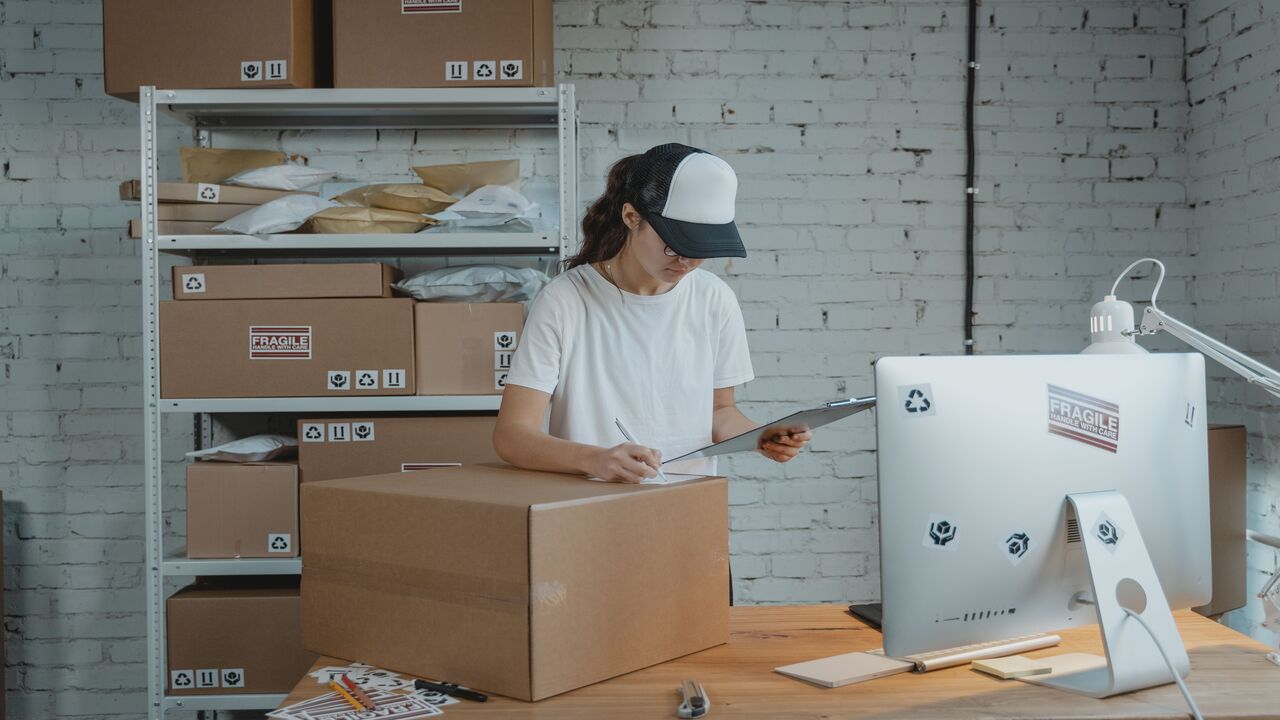
You never handle the product. The warehouse, the packaging, the shipping label, none of that touches your hands. Your job is to own the customer relationship and bring people to the store.
What You Are Actually Responsible For
Here is where the model gets misread. People assume dropshipping is passive. It genuinely is not. Your responsibilities include store design, product selection, pricing, copywriting, marketing, and every customer service interaction that comes your way.
The supplier stays completely behind the curtain. Your customers know only your brand name. When a delivery runs late or a product arrives damaged, you are the one sorting it out. Most people who burn out on this model underestimate how much the marketing and service side actually demands.
Learn more at Tapstitch Dropshipping.
Why Shopify Wins for Dropshippers in 2026
There are other options. WooCommerce, BigCommerce, Wix. Yet why does the large majority of hardcore dropshippers choose Shopify? For several practical reasons.
Designed to Sell
Shopify was created with e-commerce in mind. The checkout is optimised. Payment integration works smoothly. The App Store fills any potential gaps, from customer abandonment tools to automated order management solutions.
WooCommerce can be made to work as well, but because it runs on WordPress, you also have to deal with hosting, plugin compatibility, security updates, and server efficiency on top of all that. For someone just starting in dropshipping Shopify style, that extra layer of maintenance is a real time drain that adds zero revenue.
Pros and Cons of Shopify Dropshipping
Before you commit budget and time to this, here is an honest look at both sides.
Pros:
- Zero inventory investment means your financial exposure stays genuinely low from day one
- A fully functional store can be live within a few days of starting
- Shopify's app ecosystem handles automation, analytics, and marketing in one place
- You can manage the whole operation from a laptop with a decent internet connection
- Scaling your order volume does not require hiring staff or expanding warehouse space
- The product range is effectively unlimited since you are never tied to physical stock
Cons:
- Margins are thinner than traditional retail because the supplier takes their cut first
- Product quality and packaging presentation are largely outside your control
- Overseas dropshipping suppliers often have shipping windows that frustrate customers used to two-day delivery
- Every customer complaint lands on your desk regardless of who caused it
Shopify Plans: What You Actually Need
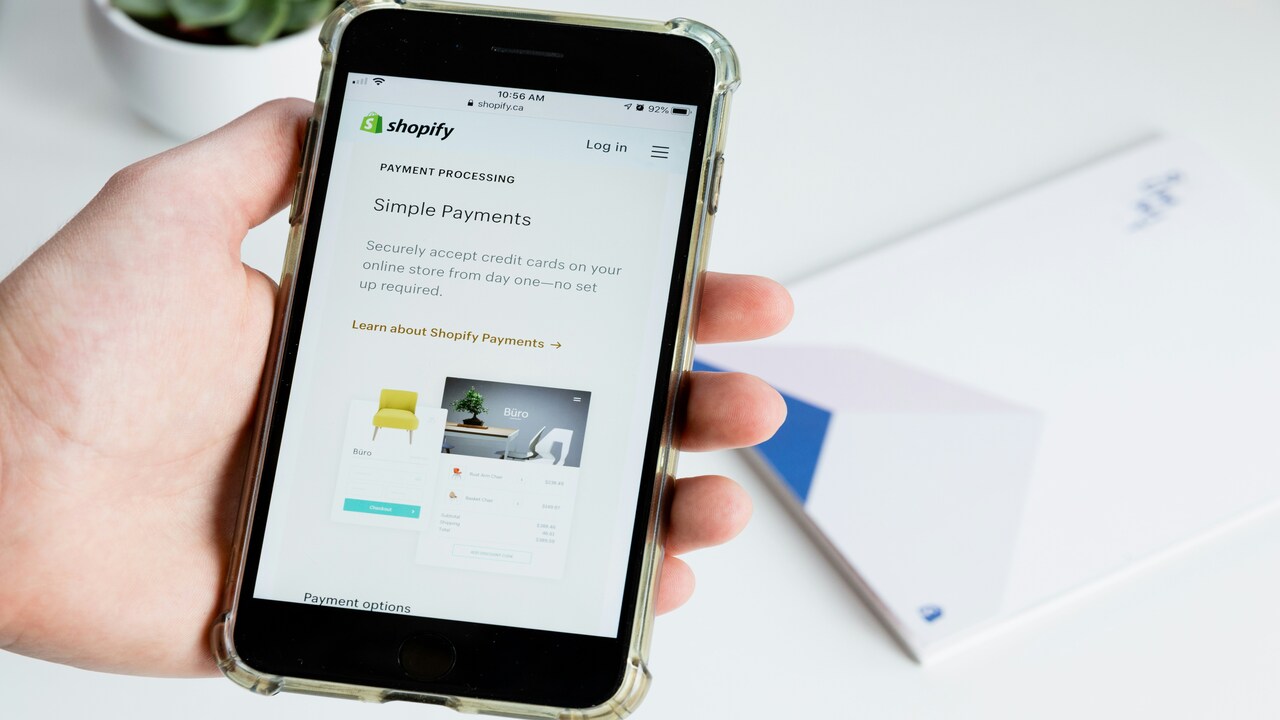
You do not need to overspend to get started. The Basic plan handles everything a new store requires. Here is the pricing breakdown:
Start on Basic and upgrade when your revenue justifies it. Shopify also gives you a 3-day free trial to build and test before spending anything.

Step-by-Step Guide For Starting Dropshipping On Shopify
What all the other Shopify dropshipping guides give you is a numbered list. What actually helps is understanding the decision that lives inside each step. That is what this section covers.
Step 1: Define Niche Before You Define Products
It is important to note that your choice of business niche will shape everything from branding and marketing positioning to your suppliers. Choose the wrong niche, and you will have to start again.
While a broad niche like "household items" will face competition from all directions, a more narrow niche like "minimalist office supplies for work-from-home professionals" will serve as your own turf. You should perform some tests:
- Is there enough search volume for this product category using Google Trends?
- Are there any active communities on TikTok/Instagram talking about this product type and purchasing it?
- Can you create an identity that feels unique, not generic?
- Will you make money on margins at reasonable prices?
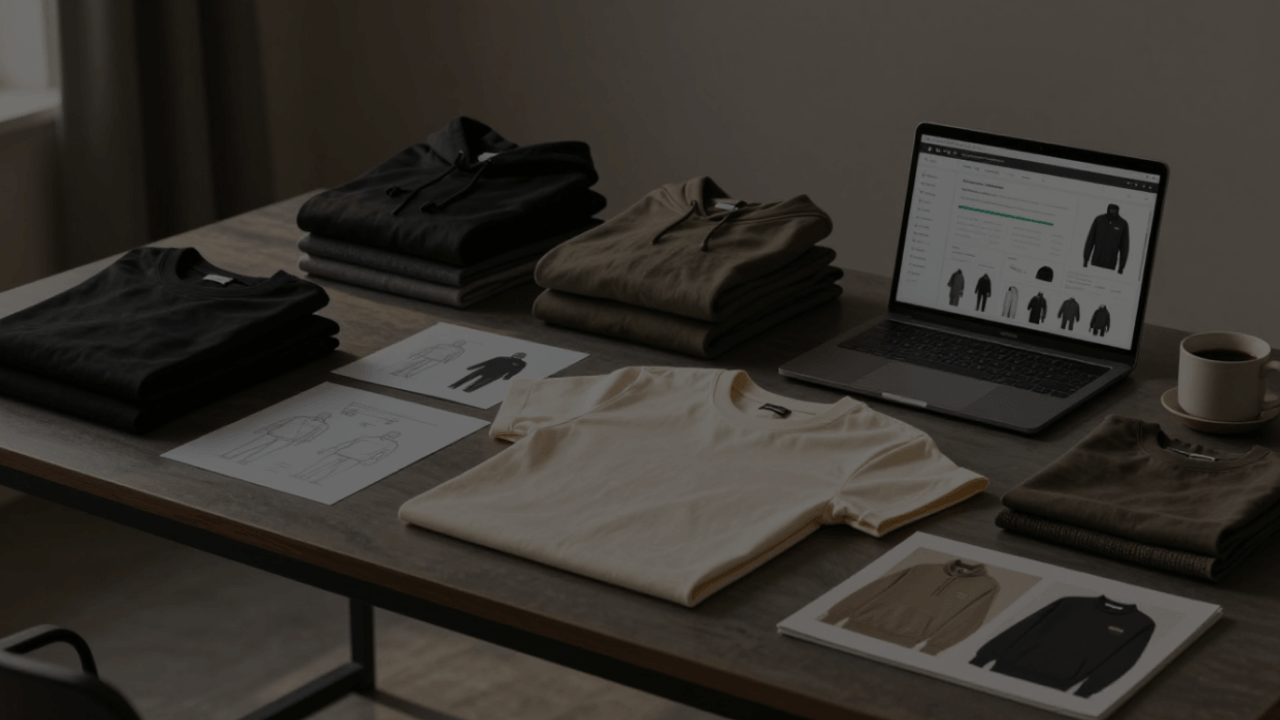
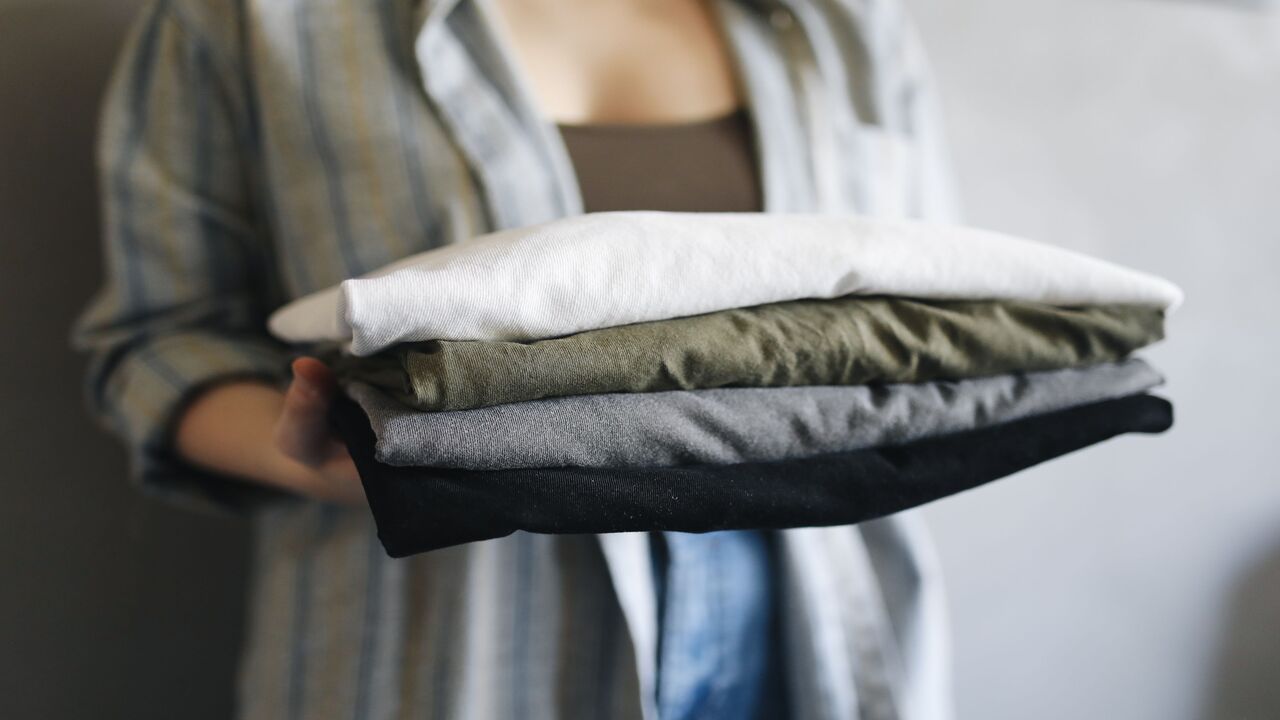
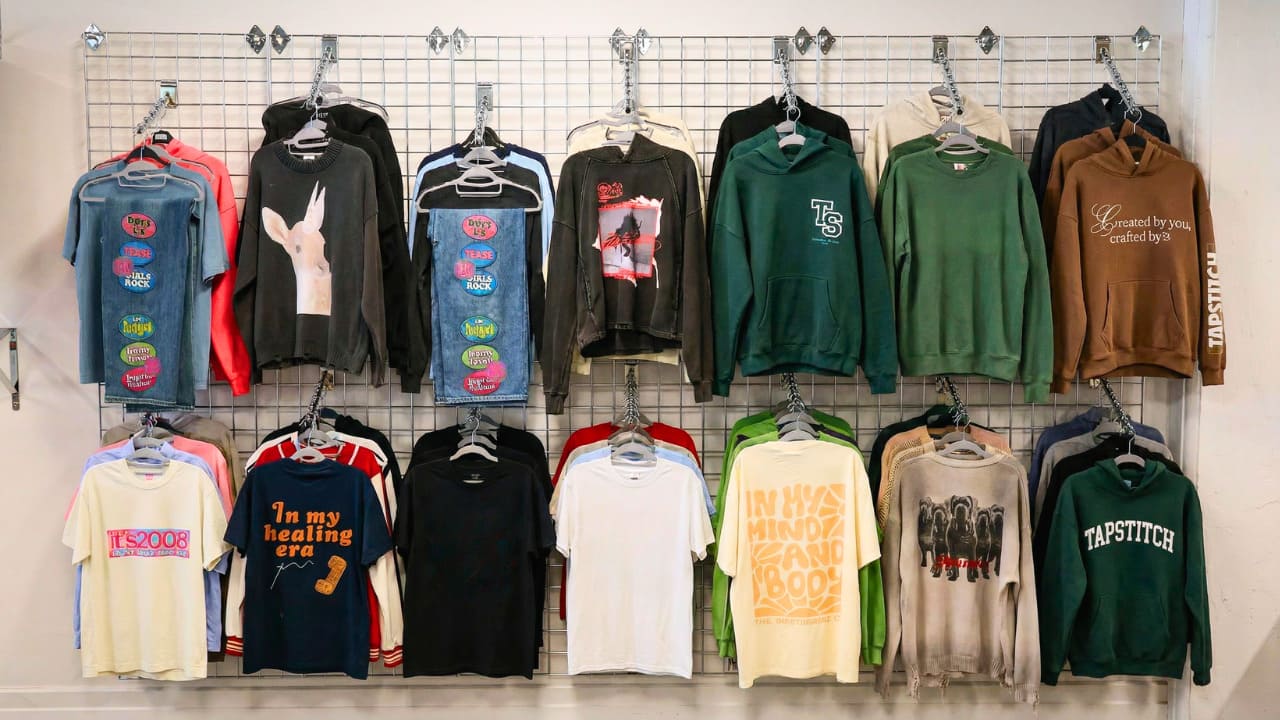
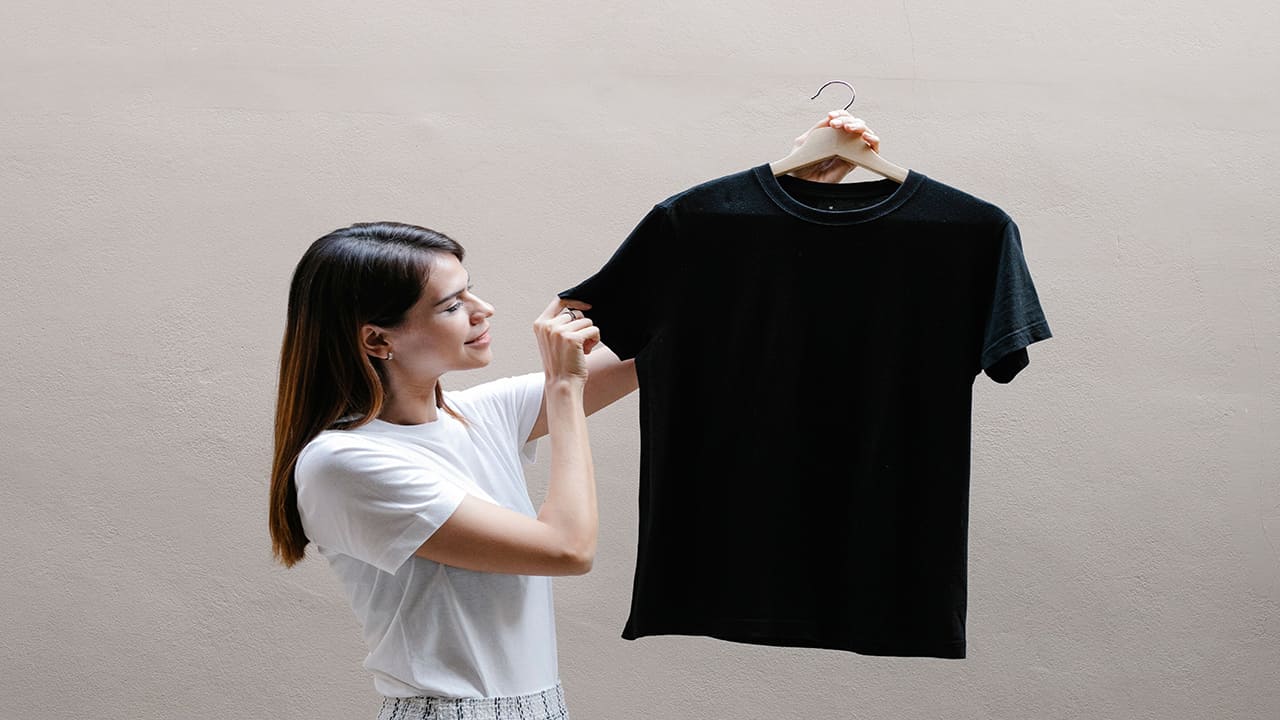
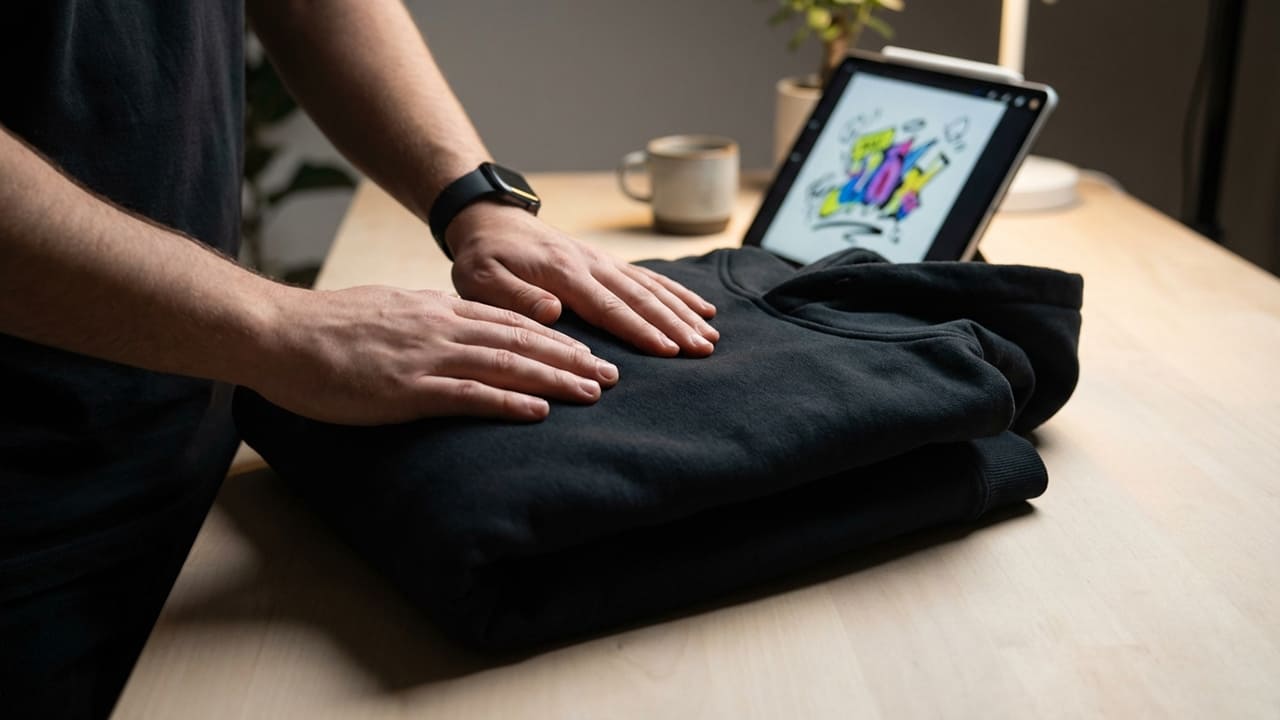
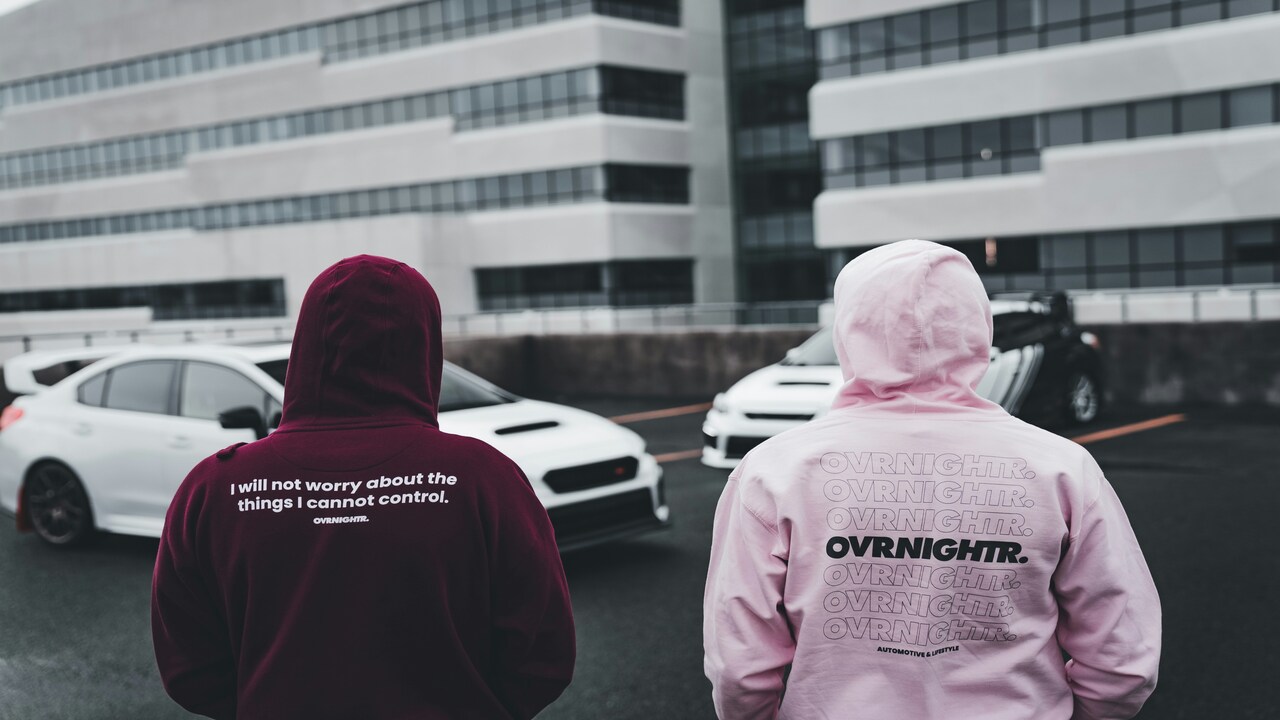
Apparel performs especially well for new dropshipping on Shopify stores. Tapstitch offers 1000 or more on-trend clothing pieces with no minimum order, giving you real room to test before you scale.
Step 2: Vet Your Supplier Before You List a Single Product
Rushing this step is the fastest way to tank your store's reputation within the first month. Your supplier's fulfillment speed, product quality, and communication style all become part of your brand's story, whether you like it or not.
Two main supplier types exist in this space. Niche suppliers like Tapstitch focus on a specific category, ship faster, and plug directly into Shopify, so order routing happens automatically.
When you evaluate any supplier, push on these specifics:
- Actual shipping times to your main customer geography, not the best-case estimate
- Real product quality confirmed through sample orders before you list anything publicly
- A return and refund policy that is clear enough to put in your store's policy pages
- A direct Shopify integration that removes manual order forwarding from your workflow
- Responsive customer support when something goes sideways
See the full product range in the Tapstitch catalogue.
Step 3: Build a Store That Looks Like a Real Brand
An untidy appearance of a Shopify store before reading about any product kills potential sales. A customer decides whether to trust you based on your site's design, structure, and professionalism.
Select a simple and efficient-looking template from the Shopify free templates. Create all your major pages before launching:
- Home page with a clear headline and strong visual above the fold
- About page that gives your brand a real story and a face
- Contact page so customers know support exists
- Refund Policy written in plain language
- Shipping Information with realistic, honest delivery windows
Step 4: Connect Your Supplier Integration
Here comes the crucial part, making all operations scalable. Integration solutions such as Tapstitch link right into your Shopify online store with the help of Tapstitch Shopify integration.
The moment everything is set up, inventory is synchronised, orders go straight to the supplier without any further action from you, and tracking information comes directly to your buyer. All you have to do is promote your products.
Step 5: Write Product Pages That Do the Selling
Pasting supplier descriptions into your listings is a mistake on two levels. Google sees duplicate content and ranks you lower for it. Your customer reads generic copy that speaks to no one in particular and buys from someone who bothered to write something real.
For every product page, do this instead:
- Write a lead paragraph that describes the product's appeal in plain, specific language
- Follow with a short bullet list of key features, including fabric weight, sizing range, and care instructions for apparel.
- Add a size guide to every clothing product without exception
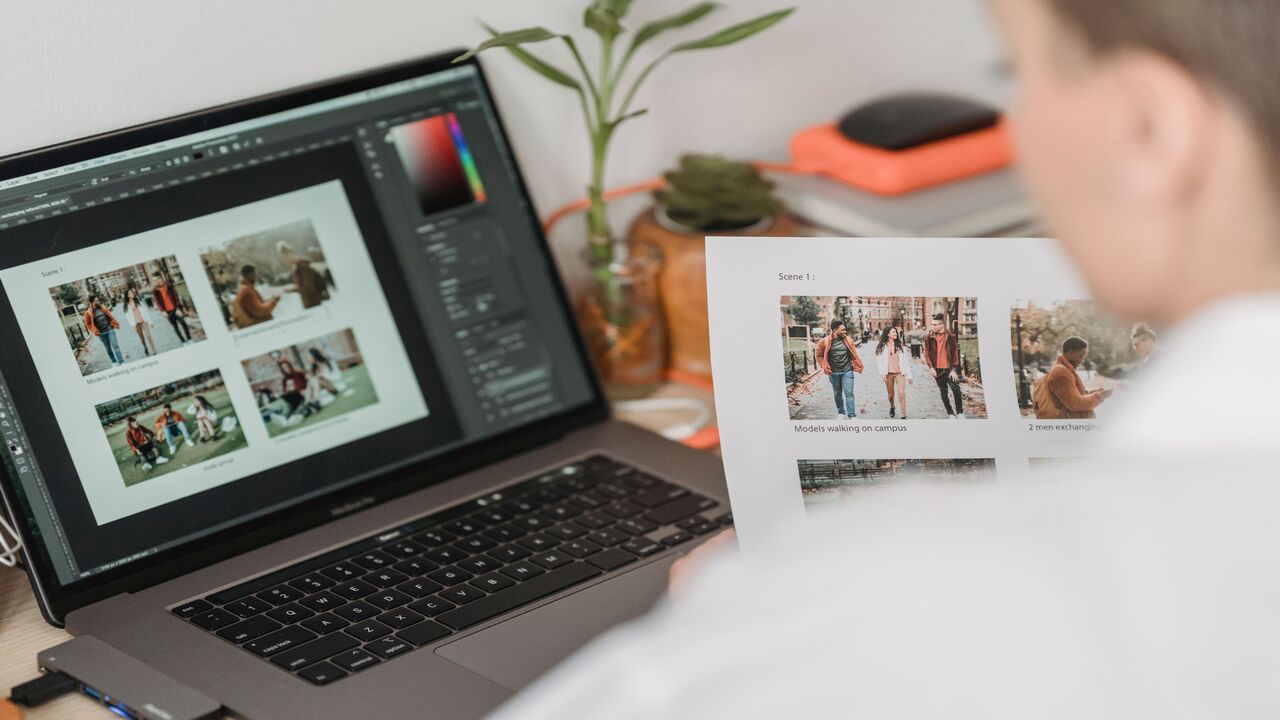
- Use images that show how the product actually fits and moves on a real person
- Price with a 30% to 50% markup over supplier cost as a baseline, then adjust based on market research
Step 6: Drive Traffic Before You Declare the Store Dead
A live store with no promotion is just a website nobody has heard of. Here are the three channels worth focusing on first as part of this how to dropship on Shopify strategy.
The use of organic social media via TikTok or Instagram works perfectly for fashion. Video content illustrating the fit, movement, and styling of outfits costs nothing in terms of ad money but reaches a genuine audience. Shopify SEO through blogging generates traffic gradually yet effectively over time and does not incur any further expenses.
A good post that targets your audience will generate steady organic traffic even years later. Paid ads on Google or Facebook will speed up the process once you have established your base conversion rate. This is how rookies spend all their money within two weeks.
Mistakes That Kill New Dropshipping Stores
Following the setup steps correctly is not enough on its own. These are the specific traps that end stores early.
Going Too Broad With the Niche
Trying to sell across too many categories spreads your brand identity thin and makes your marketing unfocused. A store built around one clear category gives customers a reason to remember you and come back.
Letting Shipping Times Surprise Your Customers
Finding out your supplier ships from overseas only after your first complaint is too late. Verify delivery windows before listing any product.
Launching Without a Brand Identity
A store name, a logo, a colour palette, and a consistent tone in your copy are not optional finishing touches. They are the reason a customer trusts you enough to enter their card details. Build these before you write a single product description.
Scaling Ad Spend Before Testing
A lot of beginners treat paid ads as an on switch for revenue. They are not. Run small tests across different creatives, audiences, and landing pages first.
What Can You Realistically Earn?
The income numbers that circulate online skew heavily toward outliers. Here is a grounded look at how the margins actually stack up across different price points in the apparel category.
These figures represent gross margins before marketing costs. Your actual take-home depends on four variables:
- Ad spend is the biggest cost variable, especially in your first few months
- Average order value determines how much margin each transaction generates
- Supplier pricing sets the floor on every product you list
- Return rate cuts directly into profit when product descriptions or sizing information mislead buyers
Stores with a strong organic social following hold higher net margins consistently because they are not paying per click for every customer they bring in.
Dropshipping vs. Print on Demand: A Quick Comparison
Once beginners start exploring apparel, this question comes up regularly. Both models skip inventory, but they serve different business goals.
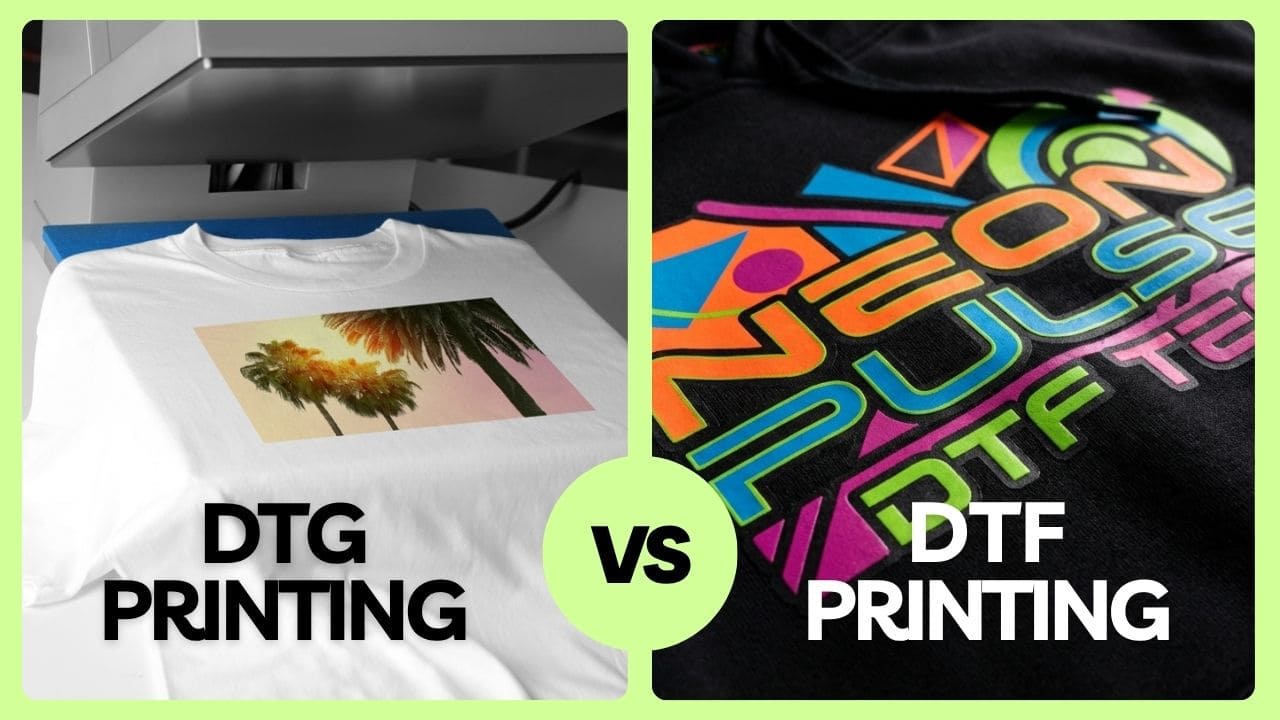
Standard Shopify dropshipping sells existing finished products from a supplier's catalogue under your brand's pricing. Print on demand adds your original designs to blank products before manufacturing, which gives you full creative control at the cost of slightly longer production times.
Here is where each model wins and loses:
- Customisation: Dropshipping gives you limited personalisation. Print on demand gives you full design ownership.
- Speed to launch: Dropshipping is faster since the products already exist in finished form.
- Brand differentiation: Print-on-demand products are genuinely unique and harder for competitors to copy.
- Margin potential: Strong original designs in print-on-demand can carry higher perceived value and pricing power.
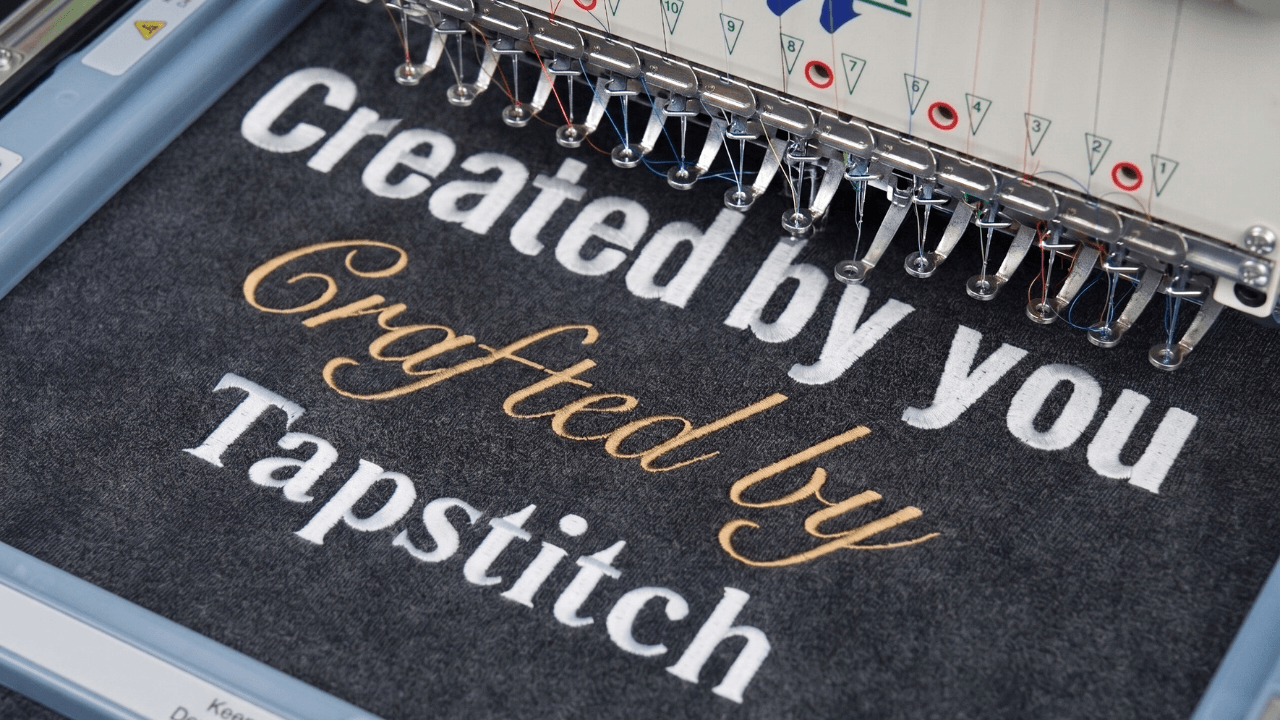
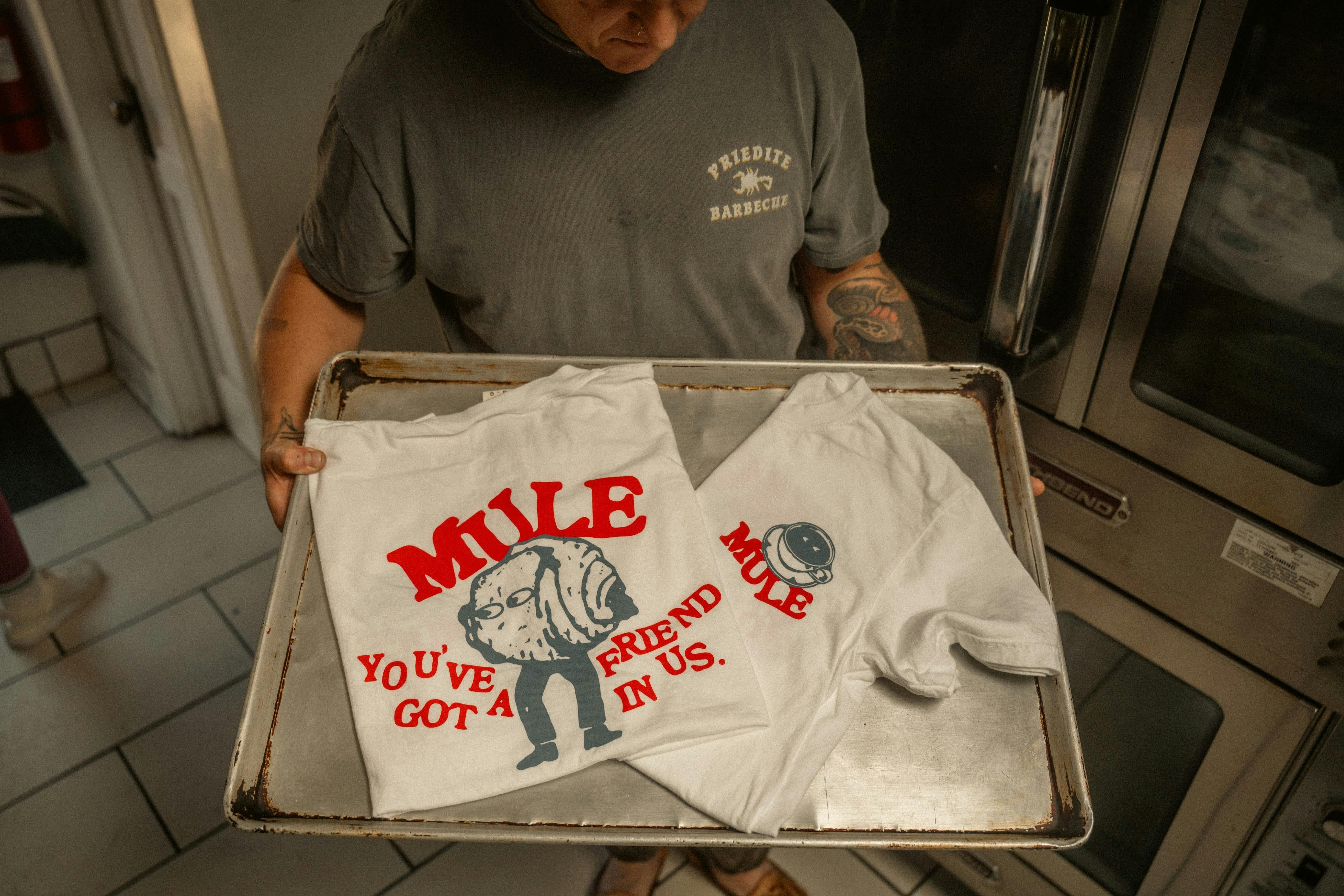
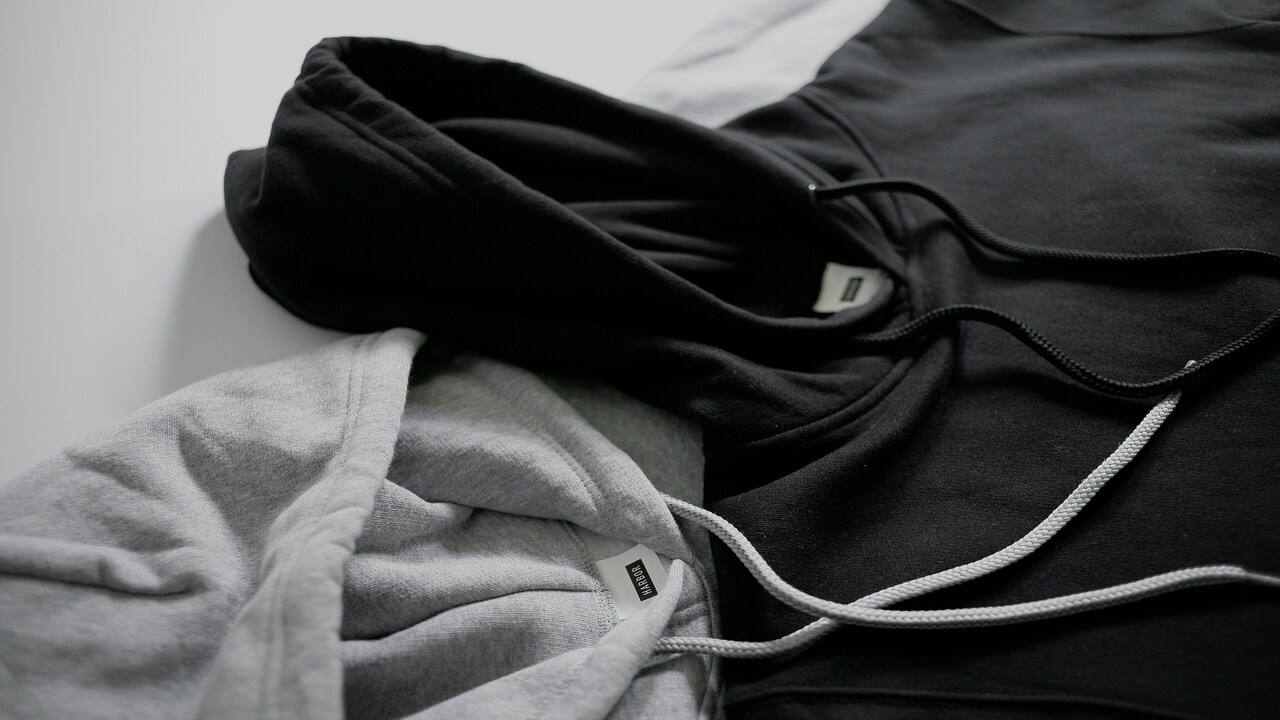
Tapstitch bridges both approaches. You get access to premium apparel with your own branding applied, no minimum order requirements, and direct Shopify integration.
That combination makes it a practical starting point for anyone building a clothing brand who wants the operational simplicity of dropshipping alongside the identity of a real label.
Frequently Asked Questions
Conclusion
In 2026, successful dropshipping with Shopify comes down to those who take it seriously right from day one. This means that software, integrations, and access to quality suppliers are better than ever before, compared even just to two years prior. One thing that has not changed is the necessity of choosing an appropriate niche, partnering with a trustworthy supplier, setting up your store to be credible, and marketing yourself in such a way that people can find you.
Your move is easy: choose a niche, examine a reputable supplier’s catalogue, and sign up for a free trial on Shopify. Once you have made your inventory decision with premium clothing and have everything ready to go, start your store with Tapstitch.

%20(1).jpg)
.jpg)
.jpg)
.webp)

.jpg)
.jpg)
.jpg)
.png)
.jpg)
.jpg)
%20(3).jpg)

.png)
.jpg)
.jpg)
.jpg)
.jpg)
.jpg)
.jpg)




.png)




.png)
.jpg)










.jpg)



.jpg)

.png)
.jpg)


.jpg)
.jpg)


.jpg)
.jpg)
.jpg)
.jpg)
.jpg)

%20(1).jpg)
.png)

.png)


%20(1)%20(1).jpg)