






Etsy SEO 101: How Beginners Do SEO on Etsy


The shops sitting on page one of Etsy aren't winning because of taste alone. They figured out what the algorithm wants, gave it cleanly, and let the reviews compound. Taste makes a great product. Etsy SEO is how anybody finds it.
If you're a few months in, posting listings into the void and wondering why your work won't surface, this is for you. Real rules, real moves, written for somebody trying to build a brand on Etsy and not just memorize vocabulary.
What is Etsy SEO?

So what is SEO on Etsy? At its core, it's one question the algorithm asks on every search: should this listing show up?
The signals you feed it span the whole shop. Listing titles. Tags. Categories. Attributes. Photos. Pricing. Shipping. Reviews. About page. Even your shop name pulls weight. Each piece is a vote. Stack the votes the right way, and Etsy moves you up.
However, most newbies get it all wrong. They see SEO on Etsy as limited to the creation of titles and keywords. The title should be spotless, some keywords should be included, and you should press publish before refreshing the statistics page for two weeks straight. What Etsy is actually doing is keeping an eye on how your listing performs once a customer reaches it through the search feature. The clicks, likes, purchases, and reviews hold more significance than anything else, yet no one optimizes for them in the beginning.
Run the readable layer right and the behavioral layer right, and the algorithm starts lifting you faster than you'd guess.
How Does Etsy SEO Work?
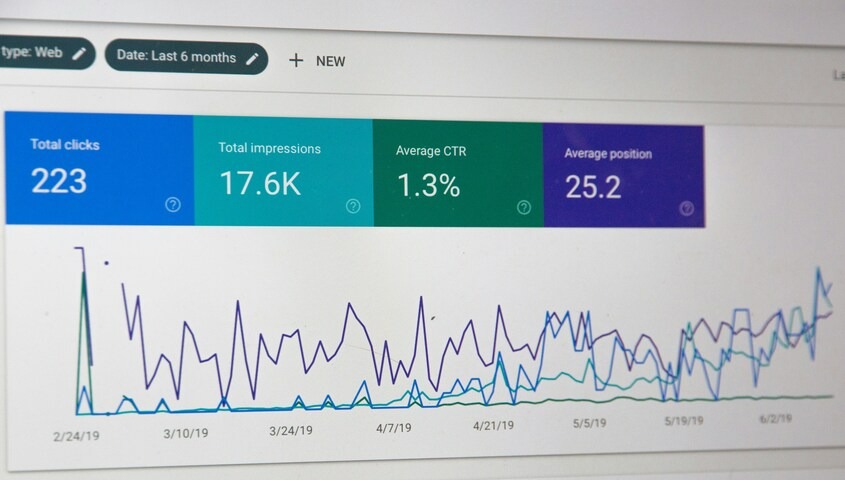
There hasn’t been much secrecy about the inputs on Etsy. They include:
- Query match. The degree to which your title, tags, attributes, and category relate to the phrase used by the user. Perfect match, perfect placement – theoretically simple, practically complex, as users search differently from how you list products.
- Quality score. This is mostly behavior-driven. Click-through, favorite, and conversion rates. Listing receives clicks and conversions? Good for Etsy's algorithm. Doesn’t Listing pass the test? It slowly sinks into oblivion.
- Customer and market experience. The trust factor. Customer reviews, number of completed transactions, compliance with policy, and response time. A shop that successfully processed 200 orders will outshine another that, despite just having processed 20, received complaints from two users.
- Recency. Newly listed products or recently renewed listings receive a temporary bonus, enabling Etsy to test the relevancy of a product within its database. Passes the test? Listing gets promoted further.
- Shipping fees. Free shipping or shipping to the US under $35 receives preference. The explicit factor introduced in 2019 still applies now.
- Personalization. Search results vary depending on what the individual user has previously searched for, added to favorites, and purchased. It can't be optimized, though maintaining brand consistency helps here. An Etsy user who once liked something you've created will be shown other such listings as well.
- Translating listings. Etsy automatically translates, but creating a tag in the native language for key markets (Spanish, French, German, etc.) increases visibility without increasing the number of products.
As a general rule, it's hard enough to optimize one of the inputs. But if you do all of them well, chances are you'll find yourself ranking on the first page. If you fail at all except for two of them, odds are you'll rank somewhere around page 30.
Etsy SEO Tips for Sellers to Optimize Their Shop
What follows is the working list. Pick three to start. Apply them across every listing. Come back for three more.
1. Research Like a Buyer, Not a Seller

You know what your product is. The buyer doesn’t. The buyer searches for what they want, not what you say it’s called. All you need to do is determine the precise keyword combination the buyer uses, and make sure that those keywords make their way into your listing.
Go to Etsy in an incognito window. Search your category. Notice how the auto-complete drops down. This will give you a live and free list of the actual search terms that people use. Then run these terms through eRank and/or Marmalead. Both services are free to start.
Skip this step, and every other piece of your SEO is built on guesswork.
2. Front-Load Your Titles
A title offers you 140 characters. The first 50-60 characters carry the most weight for both Etsy and the eyes that scroll through the listings. Begin your title with a strong phrase of keywords. Add the modifiers to it.
Less effective: Cute Handmade Item, Perfect Gift for Mom
More effective: Personalized Linen Apron with Pockets, Custom Kitchen Apron, Mother's Day Gift
The latter one is better because it begins with a phrase that exactly matches the keywords used by the potential buyers. No use in spending the precious characters on adjectives like "cute."
3. Use Every Tag, Make Every Tag Count
There are 13 tags allowed on Etsy. Use all 13. You’ll be doing your competitor a favor if you use fewer than 13 tags.
Every tag should be a phrase. “Apron” and “gift” are already incorporated into your product title or category. They are too competitive. Your tag, on the other hand, could say something like “personalized kitchen apron with pockets.” Not as many people are searching for it, but those who do are buying.
The long tail rules on Etsy. It always has.
4. Fill Every Attribute Box
Minimum effort for maximum return here. Etsy allows you to fill in color, material, size, occasion, room, style, and others. An empty field is one more missed signal for ranking you.
Invest your time in each listing for ten minutes. Choose the most specific category from those provided by Etsy. Do not pick the catch-all category. A detailed listing looks like a professional listing.
5. Photograph Like You Mean It

Ten photo slots. Earn for everyone.
The mix that converts:
- A clean main shot on a neutral background
- Two or three lifestyle shots showing the product in actual use
- One detail shot (texture, stitching, hardware)
- One scale shot (a hand, a desk, a familiar reference)
- A variation shot if you offer colors or sizes
- A few mood or aspirational shots that match the buyer's taste
Click-through rate improvement by using real photographs is one of the greatest unlocked potentials within Etsy SEO. High-quality images drive higher CTRs, which then increase quality score, and that pushes your product further down the page.
Taking good photographs is not a sub-task; it is the task.
6. Write Descriptions That Don't Sound Written

Etsy will tell you that description does not influence search ranking. Technically correct. Your description determines whether you get conversions or no sales at all, which indirectly influences search ranking. The first 160 characters are seen in Google search and Etsy snippet view. Write that line like you're writing a billboard copy, not just warming up.
Start off by telling your customer what they will get. Product specifications under the hood. Then, instructions for care, processing time, and customization options are provided at the end. Short paragraphs, actual white spaces. They're viewing your listings on their phone screen, after all.
One last piece of advice: write your description the same way a buyer would describe the item to their friends.
7. Build Shipping Into the Price
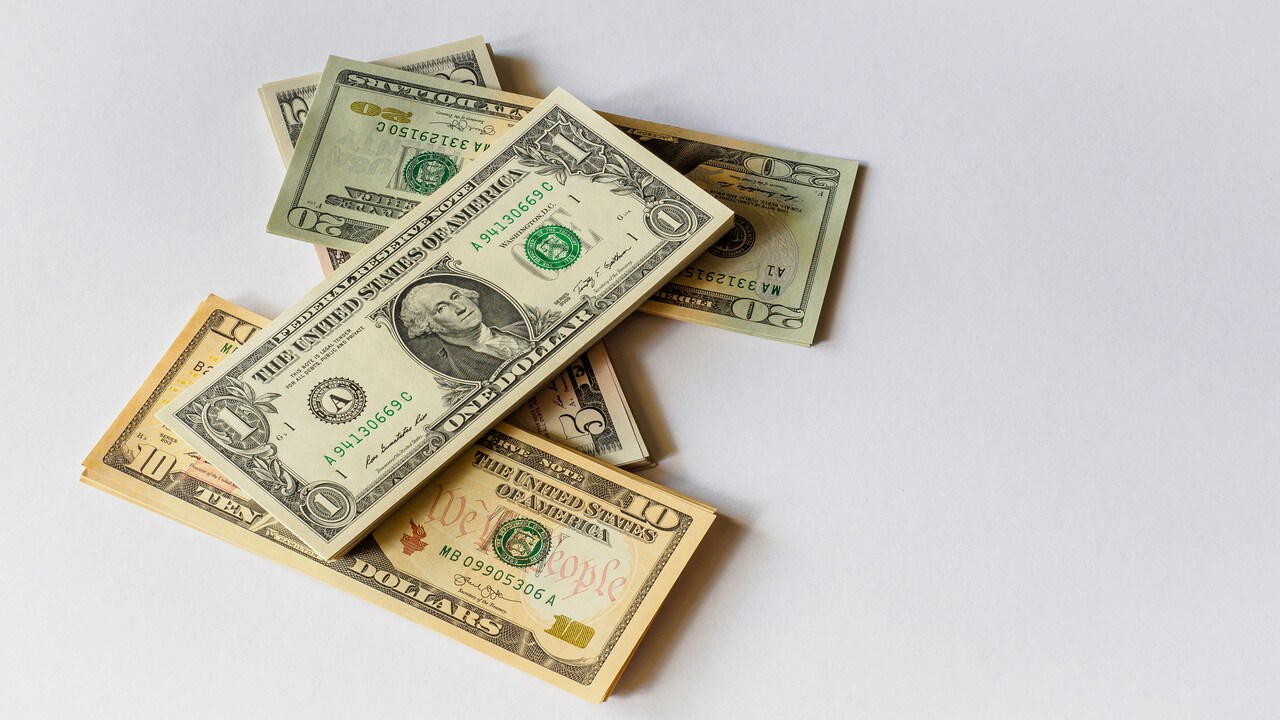
The Etsy algorithm rewards sellers who offer free shipping or have US shipping under $35 for their product. This often makes sense since the product priced at $25 with an additional charge of $5 for shipping won’t convert as well as that priced at $28 with free shipping.
Make it part of the pricing if you can. If not, get it below $35 and keep it there.
8. Earn Five-Star Reviews on Repeat

This is the part nobody can shortcut.
Reviews are critical for Etsy. An Etsy store with 100 five-star reviews is worth much more than an Etsy store with 10, regardless. Plus, there is one metric that cannot be gamed by copywriting. It is generated by one thing, and only one thing: exceeding the buyer's expectations.
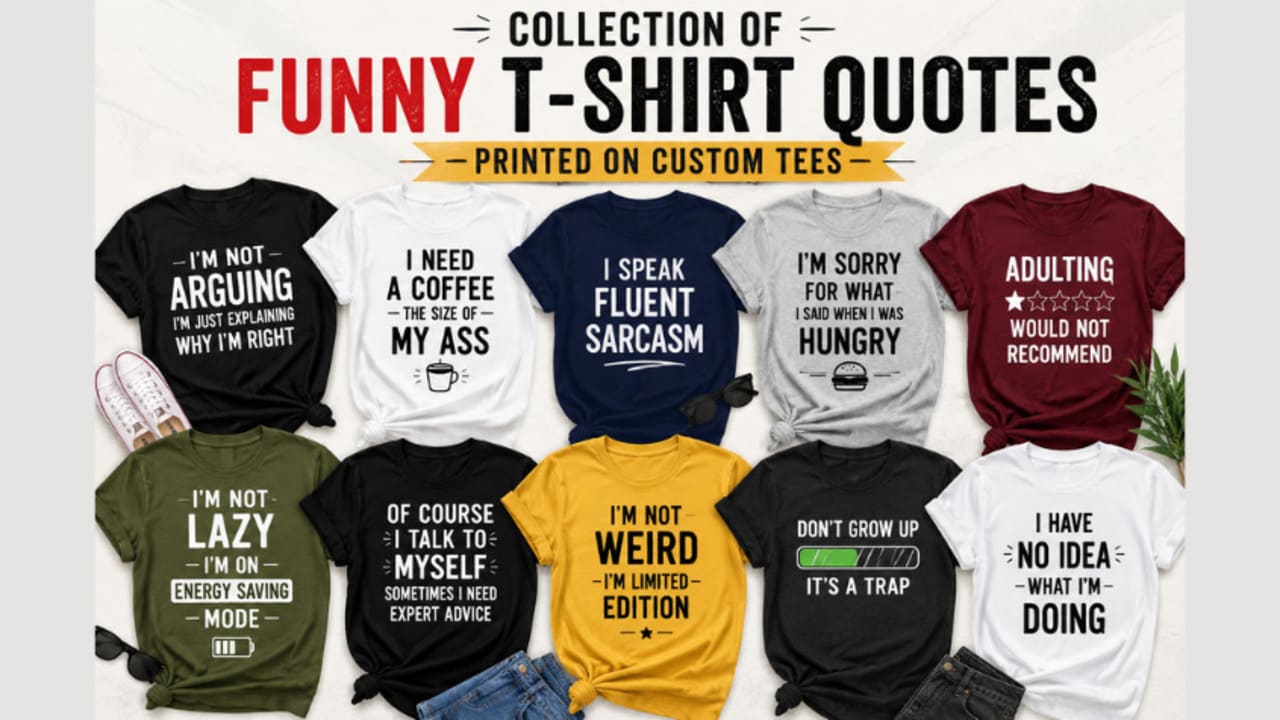
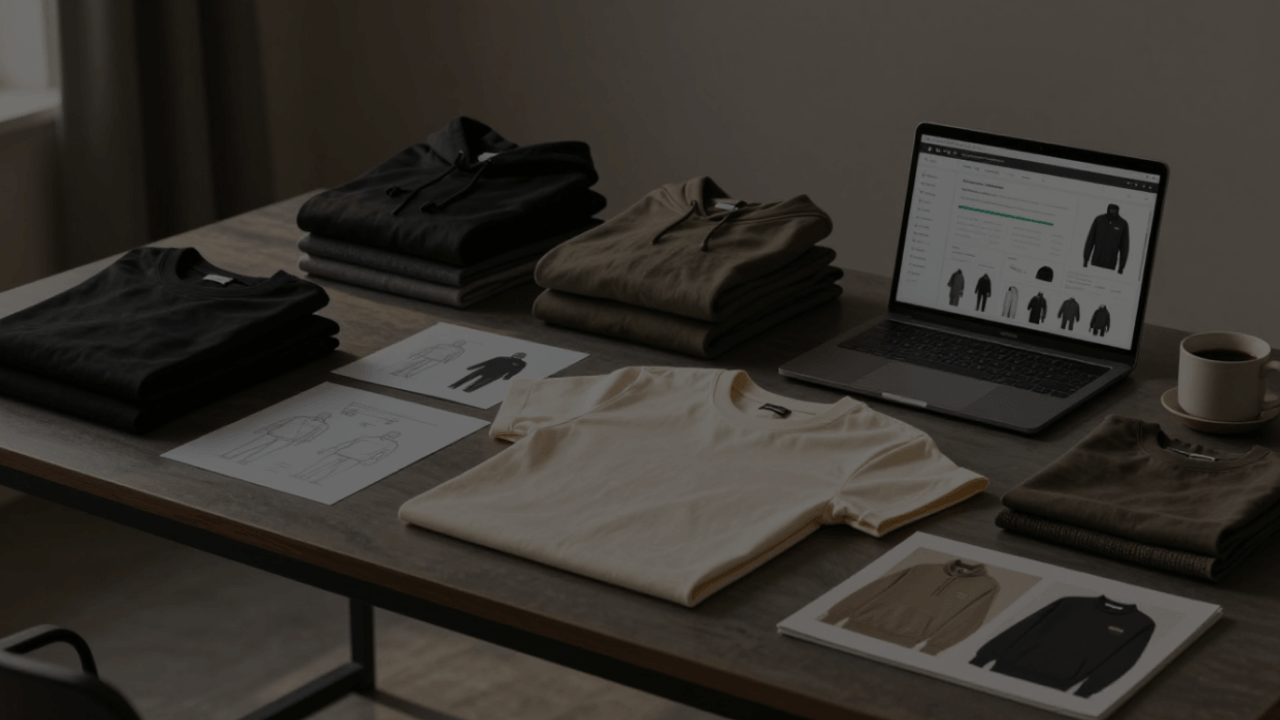
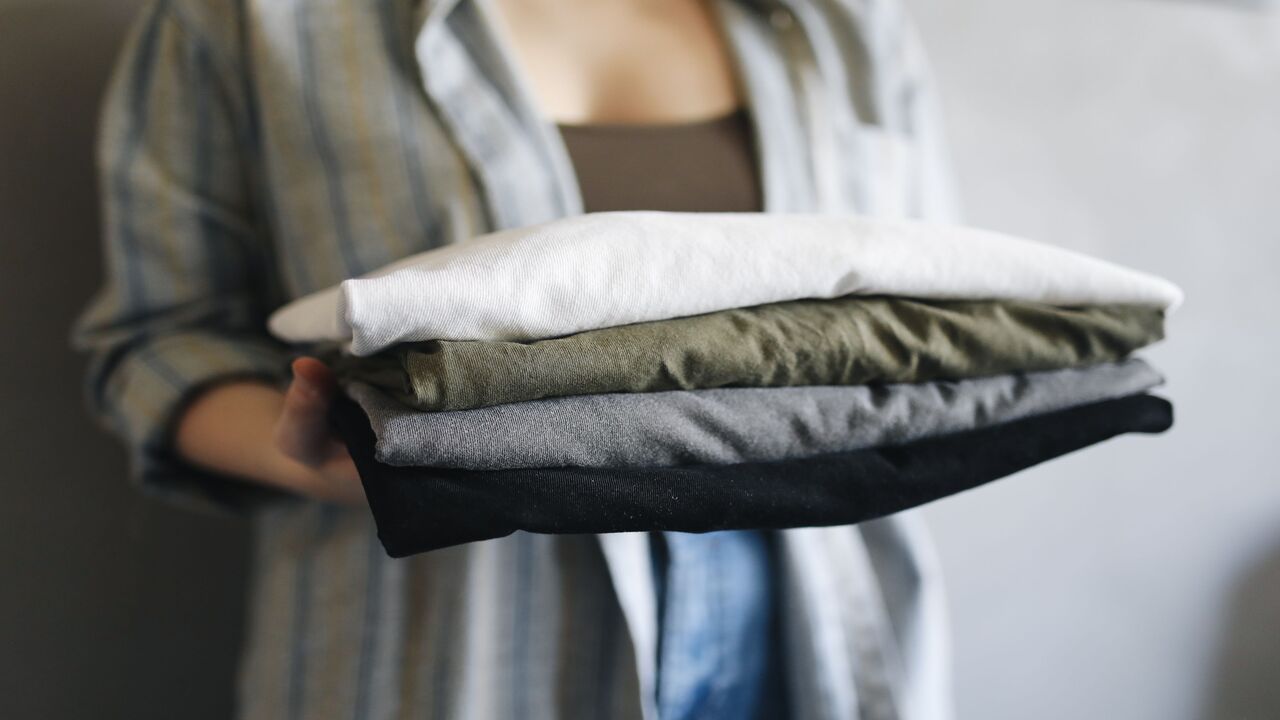
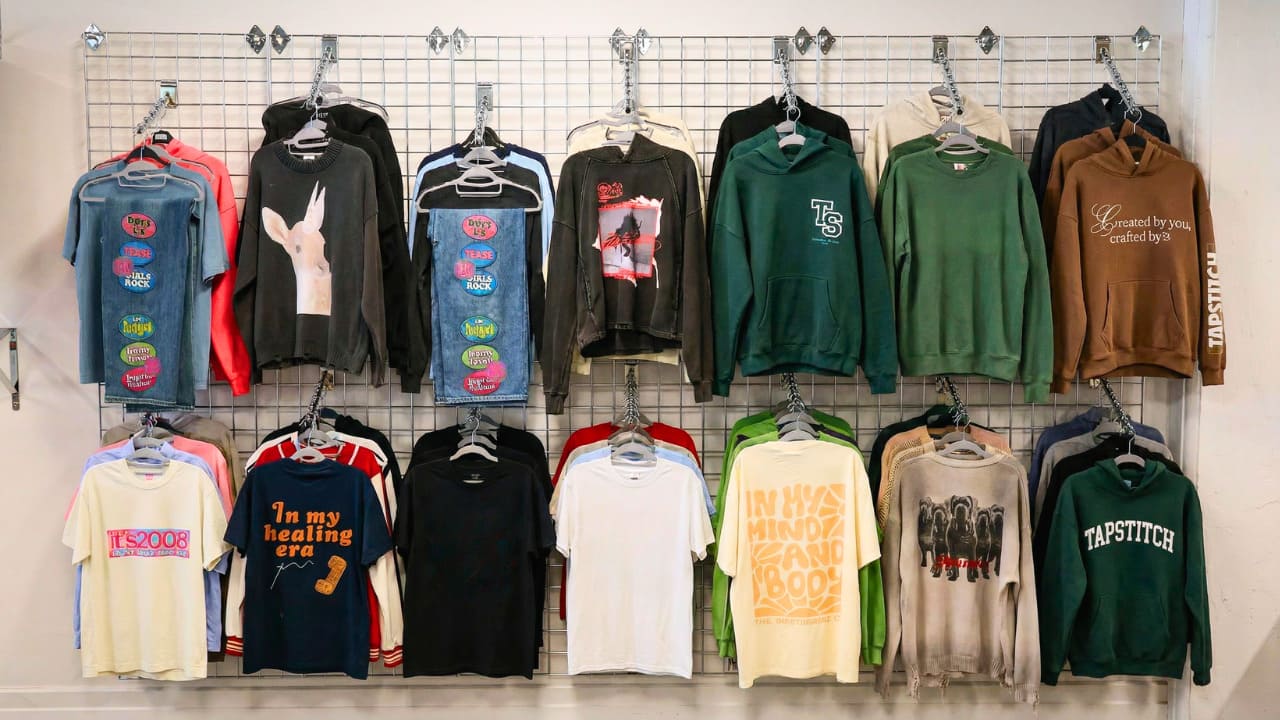
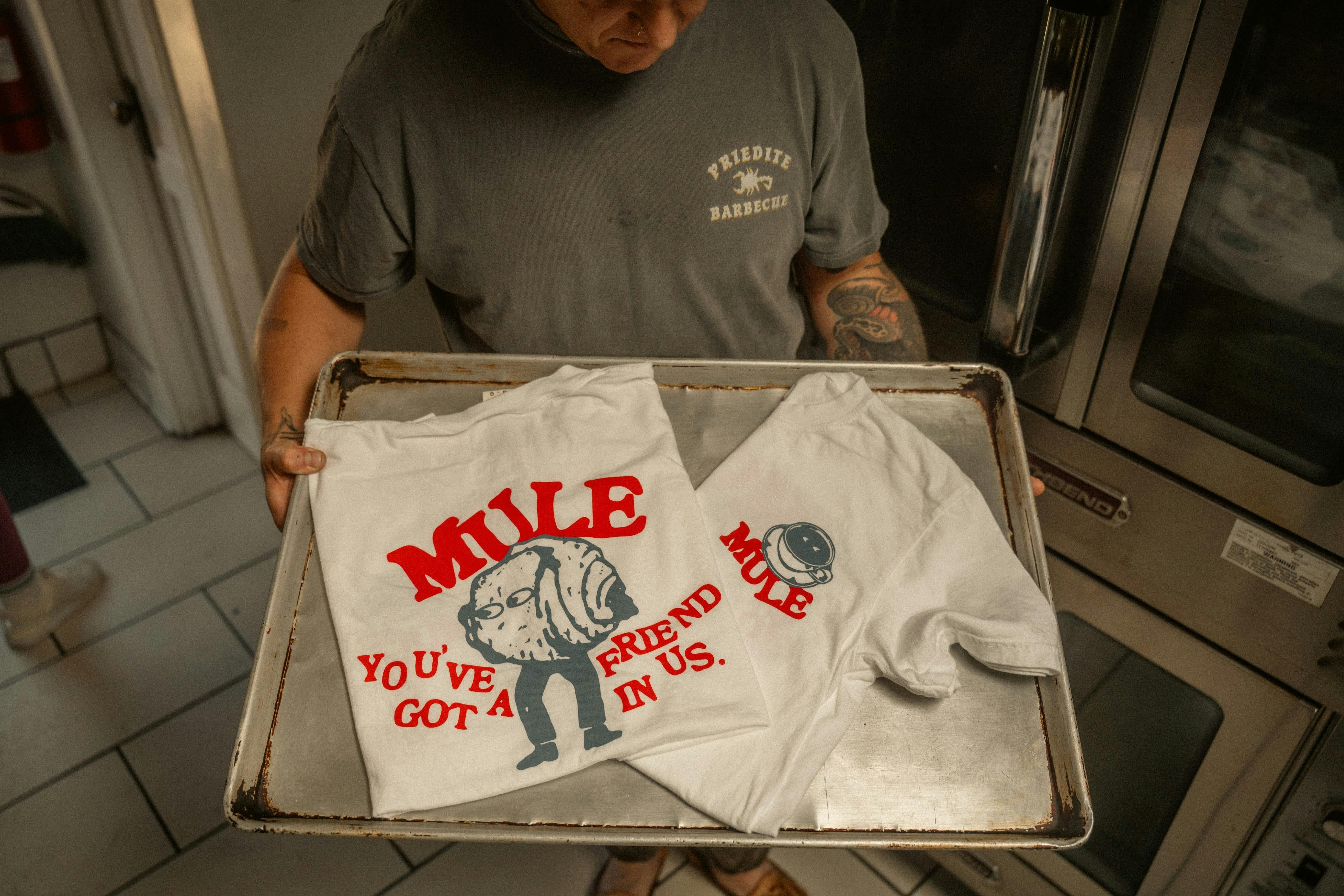
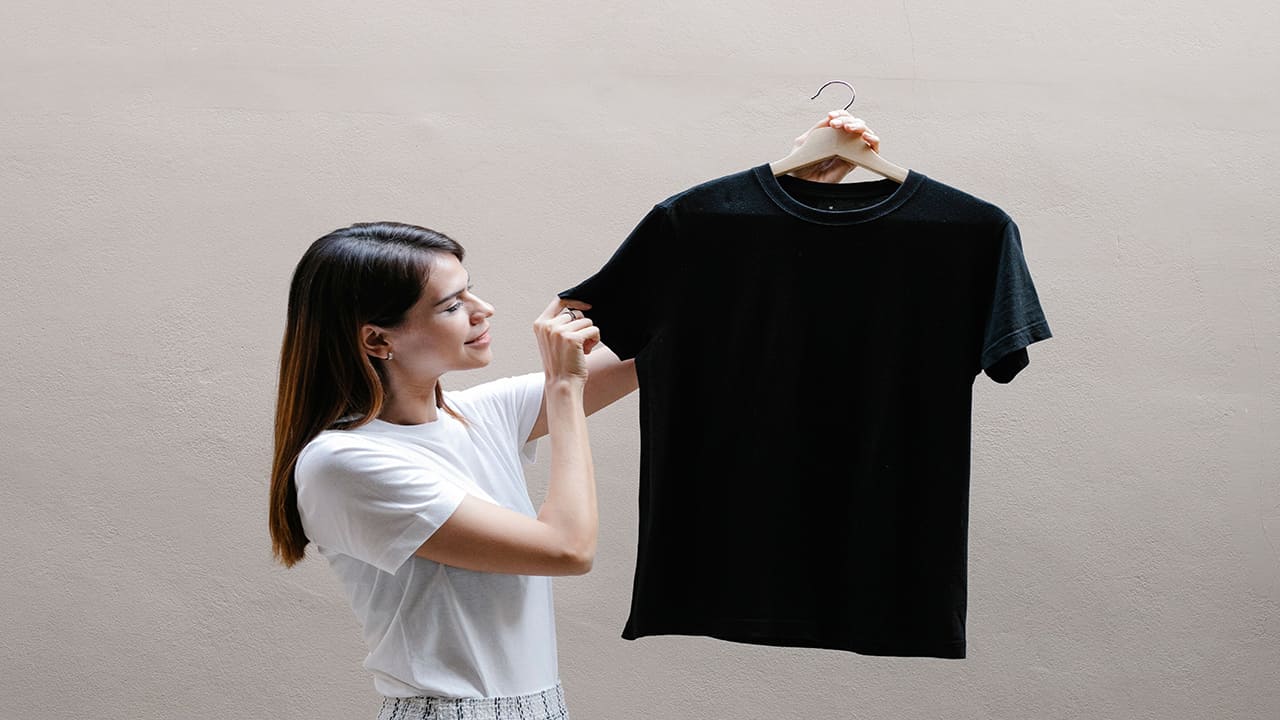
That’s precisely what makes quality product listings 50% of Etsy SEO. The case is being made most strongly for apparel. If you sell someone a t-shirt and they receive a poor-quality blank that is rough and scratchy with a plasticky printed graphic, they will leave you a three-star rating and file a return. On the other hand, when your buyer receives a thick, heavy cotton shirt with a premium graphic design, they leave you five stars.
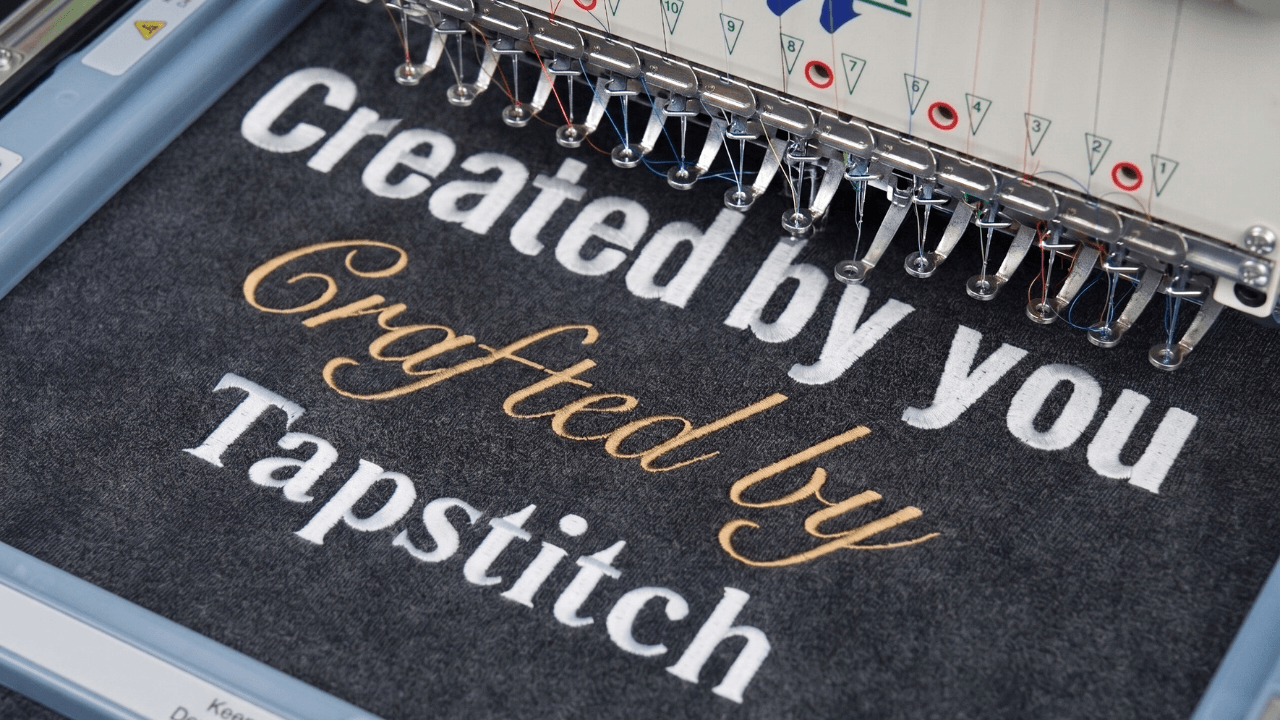
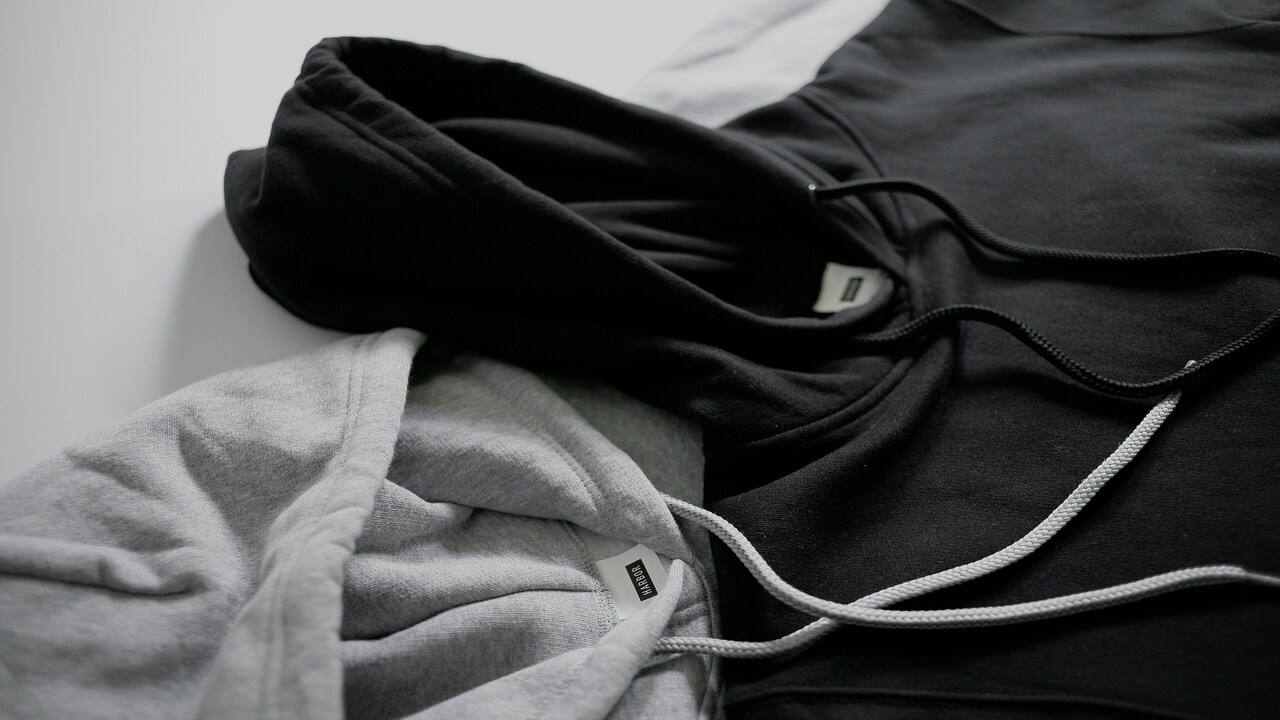
This is where Tapstitch comes into play. Fashion on demand rather than simple print on demand. Heavy cotton materials, vintage wash finishes, dropped shoulder silhouettes, baby tees, and French terry crewnecks. The exact materials used by independent streetwear brands for their drop collections are only produced once you place your order on Etsy. Reviews that will determine your listing ranking based on the product itself.
9. Renew With a Strategy
Newly listed and renewed items get a small, temporary lift. Most beginners abuse this and renew everything once a week. Operators use it surgically.
The play: renew an underperforming listing after you've fixed what was broken about it. New photos. Sharper title. Better tags. Then renew. You're handing the algorithm a fresh reason to test the listing, and a better listing to test.
Renewing a broken listing twice produces the same broken result. Twice.
10. Group Listings Into Real Sections
Shop Sections (collections on the front page of your shop) assist shoppers in locating your products and let Etsy know your shop is well-organized. Both increase your quality score!
Create from five to fifteen shop sections. Use the terminology a shopper would use, not your own internal terminology. Kitchen Aprons sounds better than Apron Collection. Mother's Day Gifts are better than Spring Releases.
11. Finish the About Page
A blank About page reads as suspicious to Etsy and to buyers. Add the banner. Upload the profile photo. Write the announcement. Fill out the policies in full. Tell the story behind why this shop exists.
This isn't filler. Having a fully functional About page will boost your SEO trust factor straight away. Buyers convert more often if there is an actual person behind the process who can tell them their story. The algorithm sees that someone is converting. This conversion boosts your ranking, thus closing the circle.
Etsy SEO FAQs
How long does it take for Etsy SEO to work?
30 to 90 days for the change to take effect. When Etsy launches or revises a listing, it is tested for a number of weeks, after which its ranking is established. The biggest mistake that beginners make is editing continuously. Each edit resets the testing period. Set up your listing right and leave it be for at least one month.
Do product descriptions work for Etsy SEO?
The answer to that would be indirectly but strongly. According to Etsy, descriptions do not impact rankings directly but have an impact on conversions, which is the most influential factor in indirect ranking on their platform. A powerful description will change clicks into purchases, thus improving your listing’s ranking. Even listings with impeccable tags can be ruined by a weak description. Descriptions containing keywords contribute to Google indexing.
Should I change my shop name for SEO?
Hardly ever. The name of your shop is your brand equity. Changing it means disrupting your repeat customers, breaking your links, and negatively affecting your ranking until Etsy indexes again. If you aren’t sure that your shop name isn’t a problem in terms of not being on-brand, then don’t change it.
To Summarize
SEO on Etsy isn't a hack. It's a habit. The shops on page one are running this checklist every week. Title current. Tags pulling weight. Photos shot properly. Reviews stacking. About page polished. Sections clean. Renewals timed.
None of it is hard. All of it requires you to keep doing it.

.jpg)

%20(1).jpg)
.jpg)
.jpg)
.webp)

.jpg)
.jpg)
.jpg)
.png)
.jpg)
.jpg)

%20(3).jpg)



.png)

.jpg)
.jpg)
.jpg)
.jpg)
.jpg)
.jpg)







.png)




.png)

.jpg)












.jpg)


.jpg)

.png)
.jpg)


.jpg)
.jpg)




.jpg)
.jpg)
.jpg)
.jpg)
.jpg)

%20(1).jpg)

.png)

.png)



%20(1)%20(1).jpg)