






Best Products to Sell on Shopify (2026)



If you're trying to guess what the best products are to sell on Shopify in 2026, you're going to be behind before you even get started. Data talks, and there are plenty of them available. The numbers tell us precisely which industries are making the profits. The transaction volume at Shopify annually amounts to hundreds of billions, but what's selling the best and how they're doing it is in constant flow.
People's tastes are always changing. Customers don't just want a product; they want a product that feels like a brand chose it. Below are 20 top trending products to sell on Shopify, plus how to figure out which one belongs in your store and the model that lets you skip inventory entirely.
20 Top Trending Products to Sell on Shopify
Twenty lanes. All running real revenue right now. Some are evergreen, some are riding cultural momentum, and a few are quietly outpacing everything else in 2026.
1. Custom T-shirts

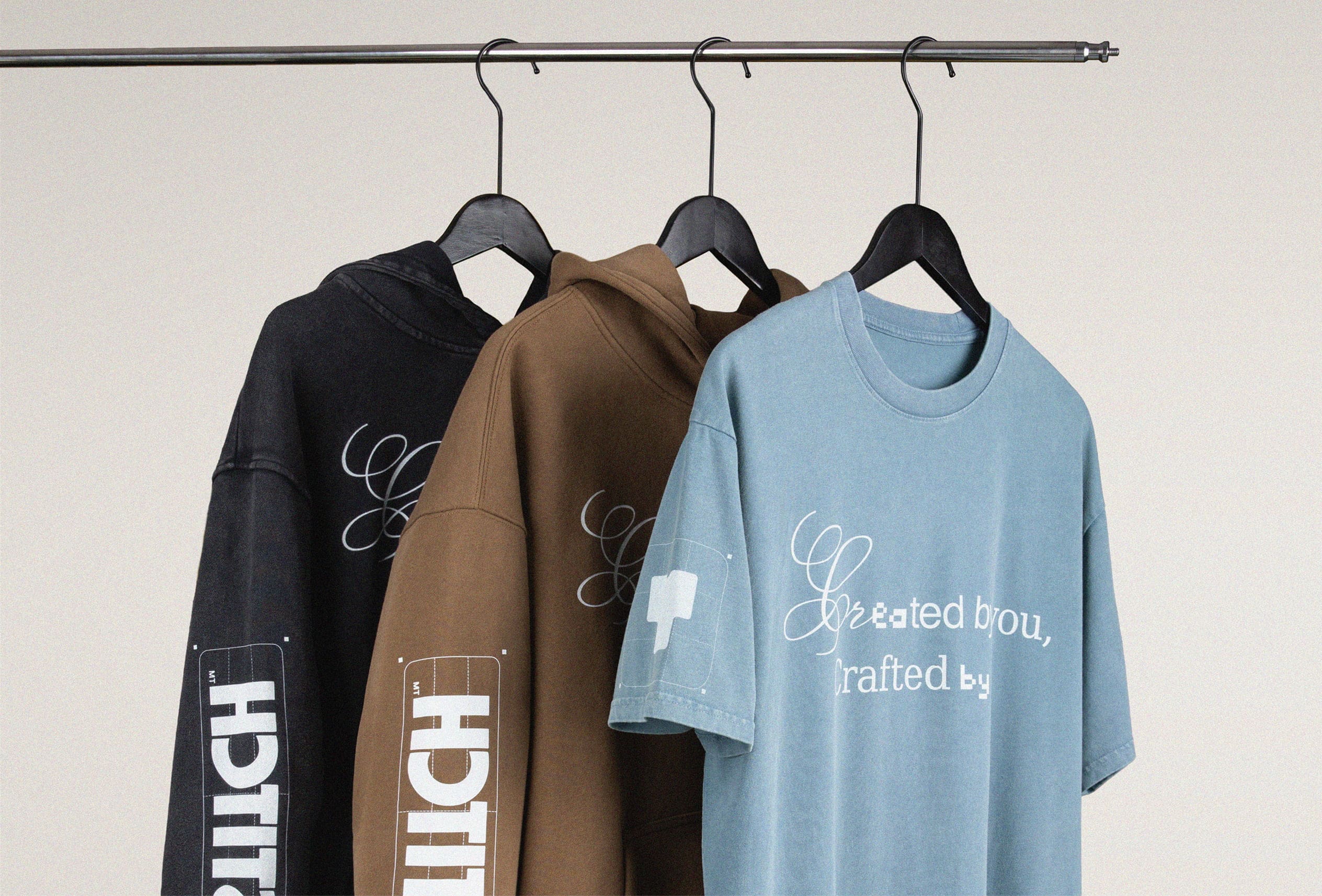
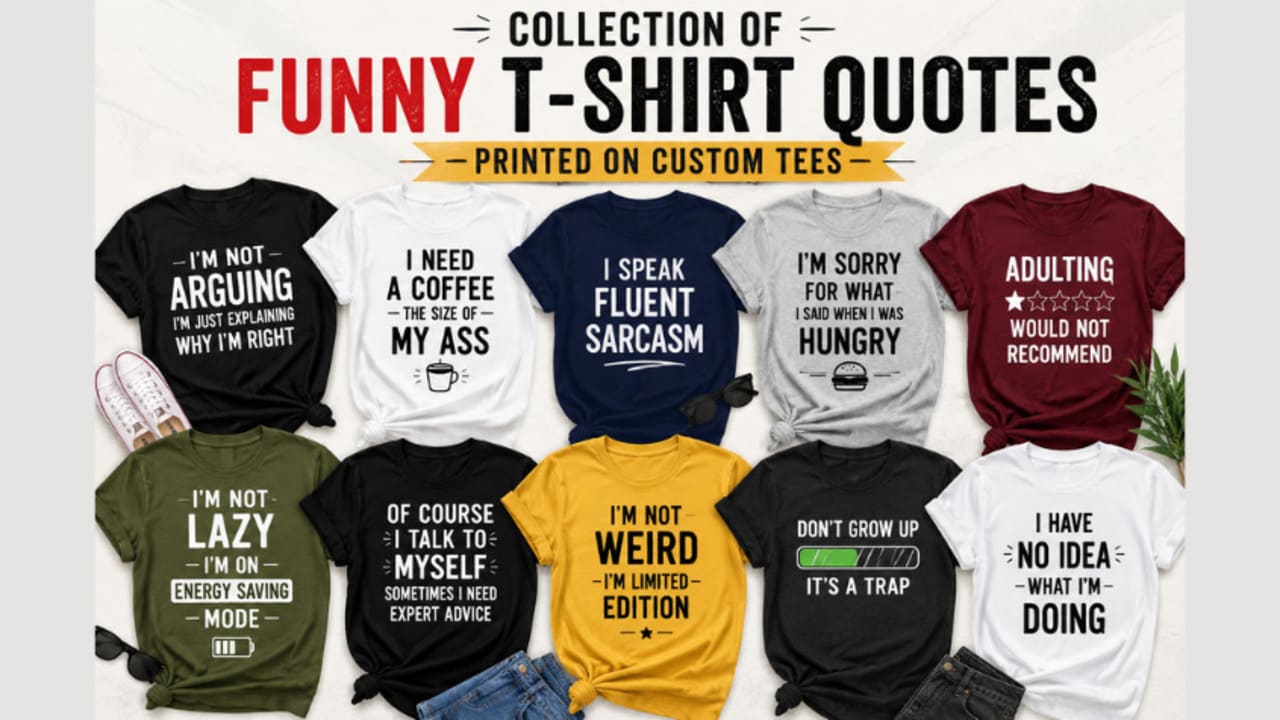
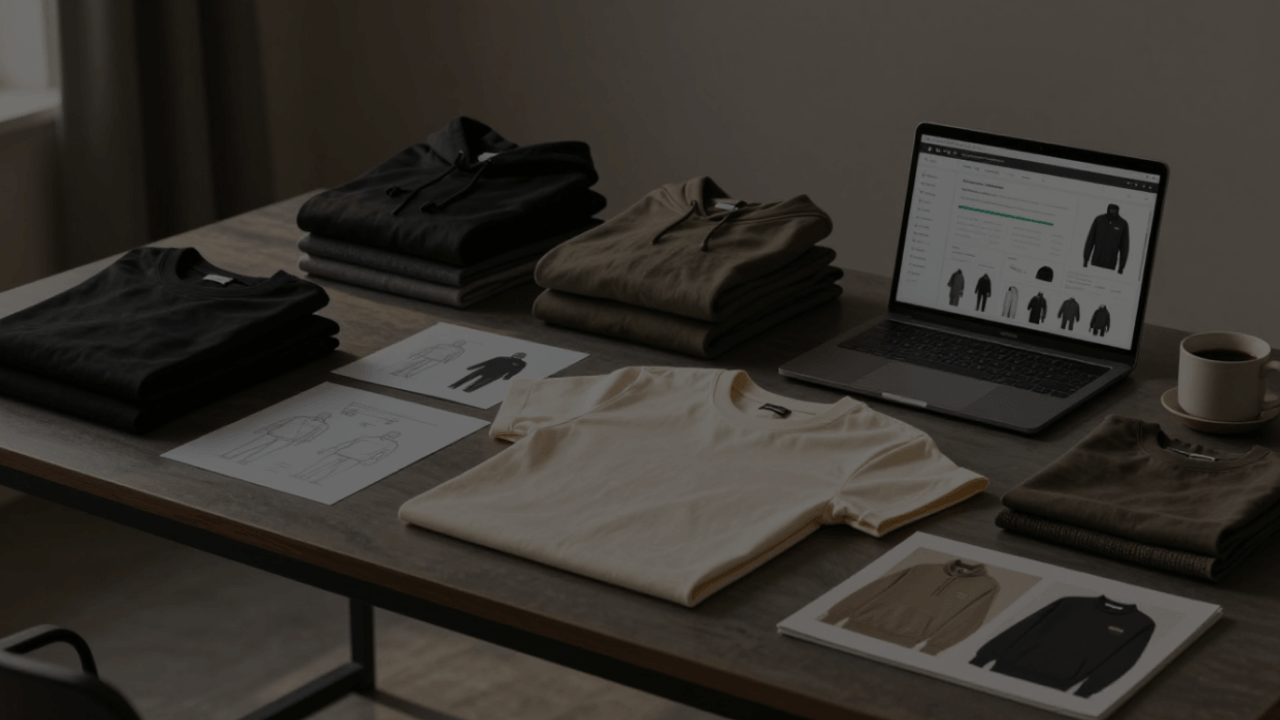
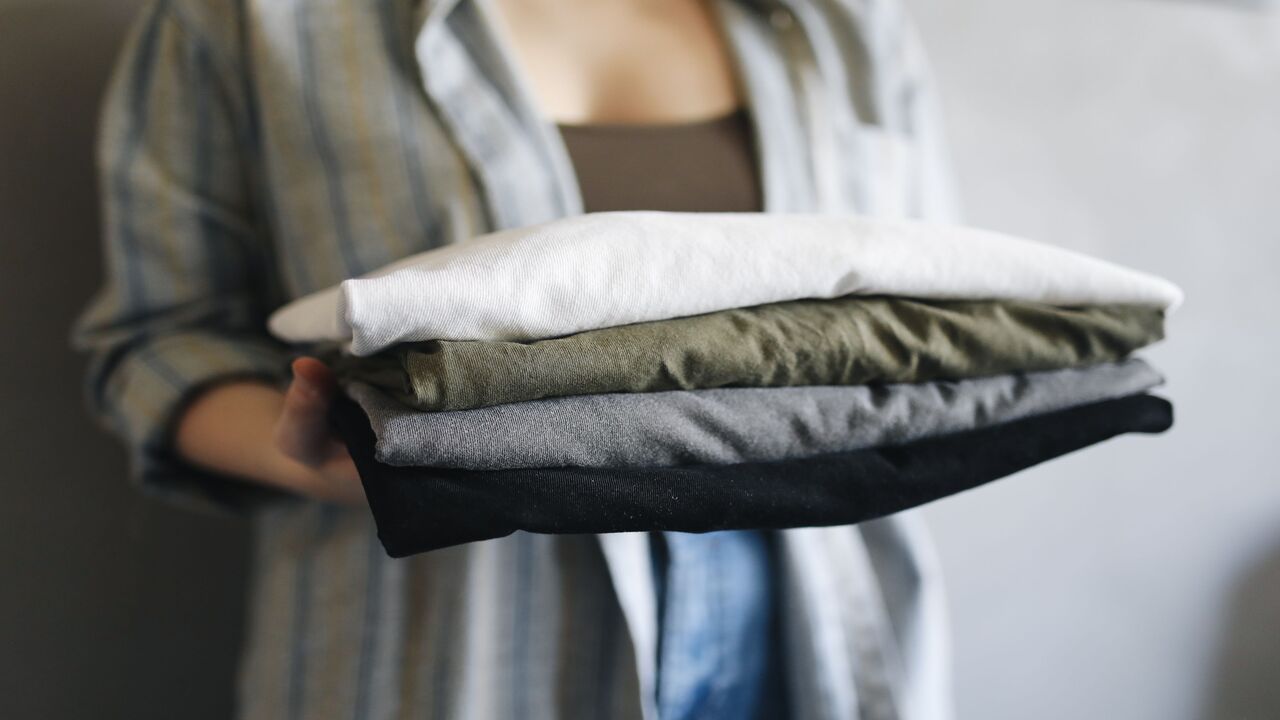
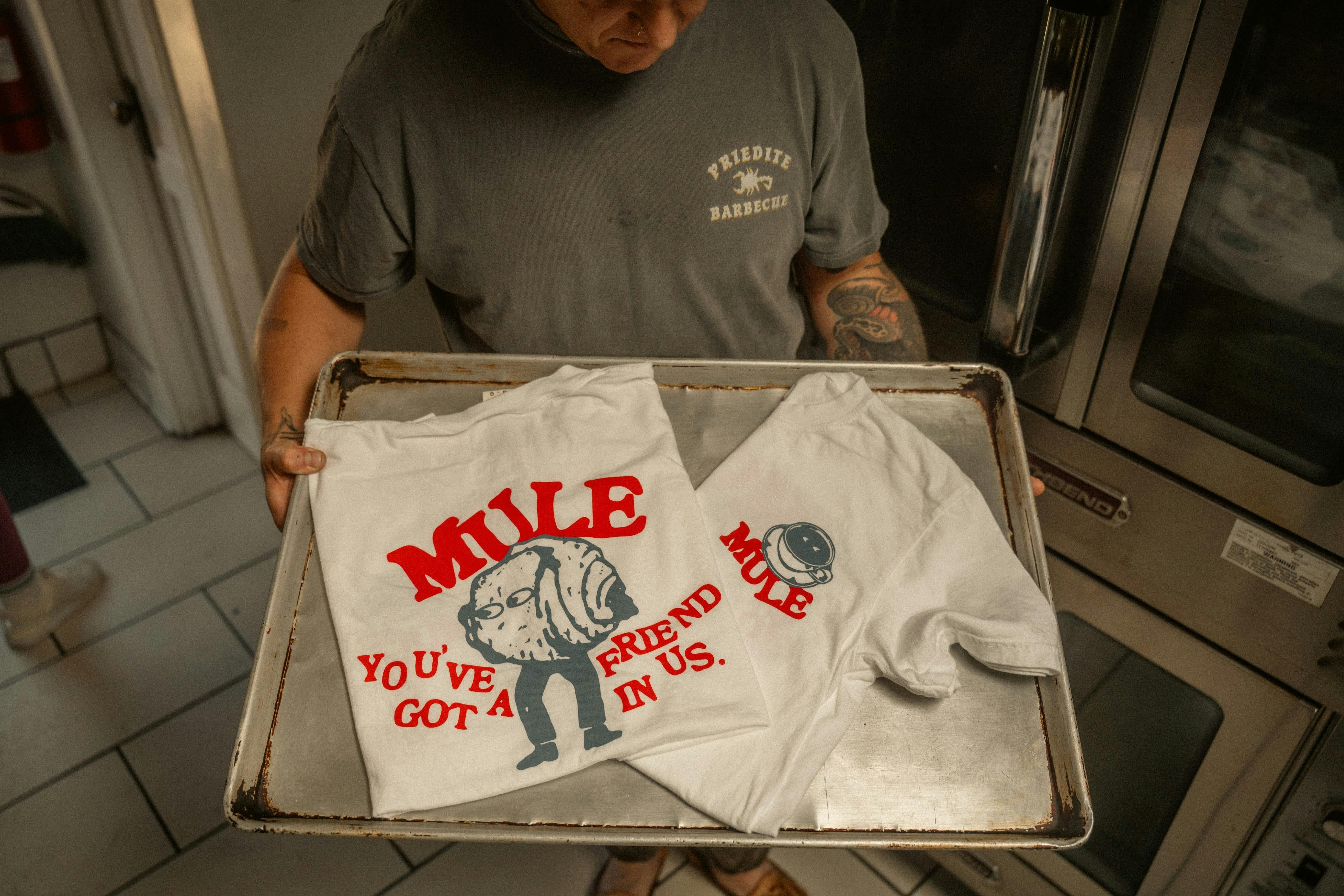
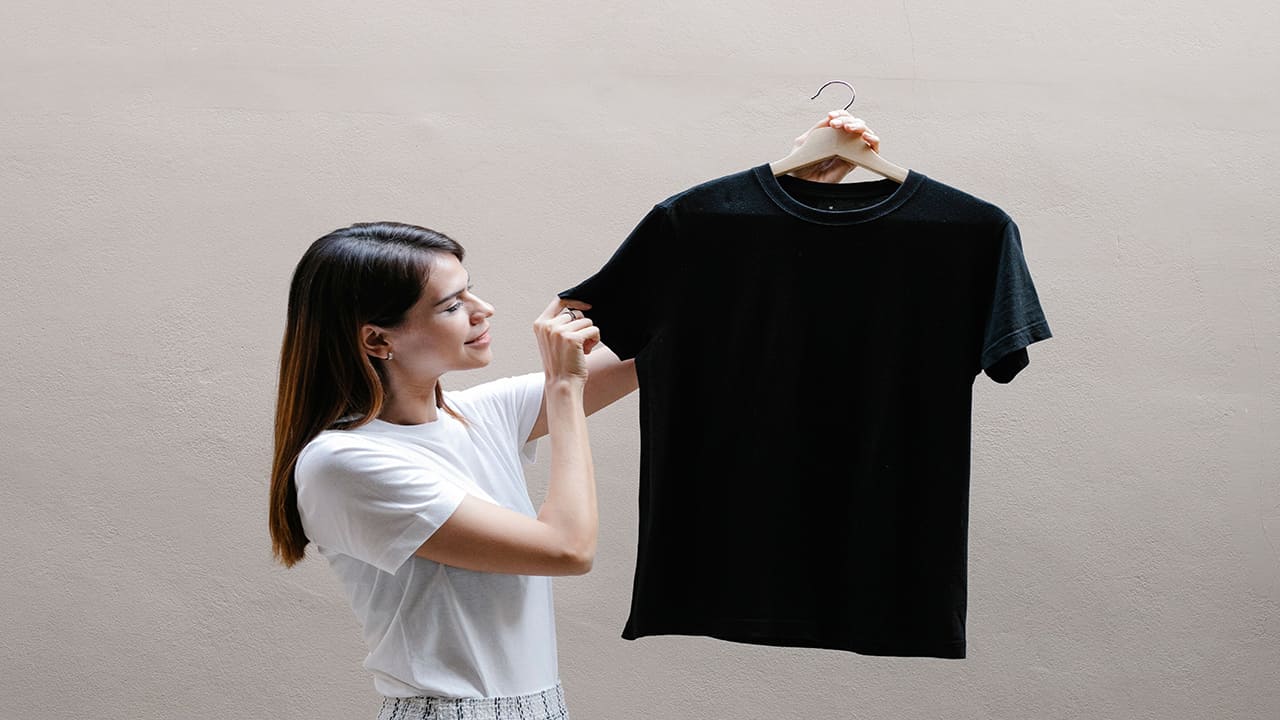
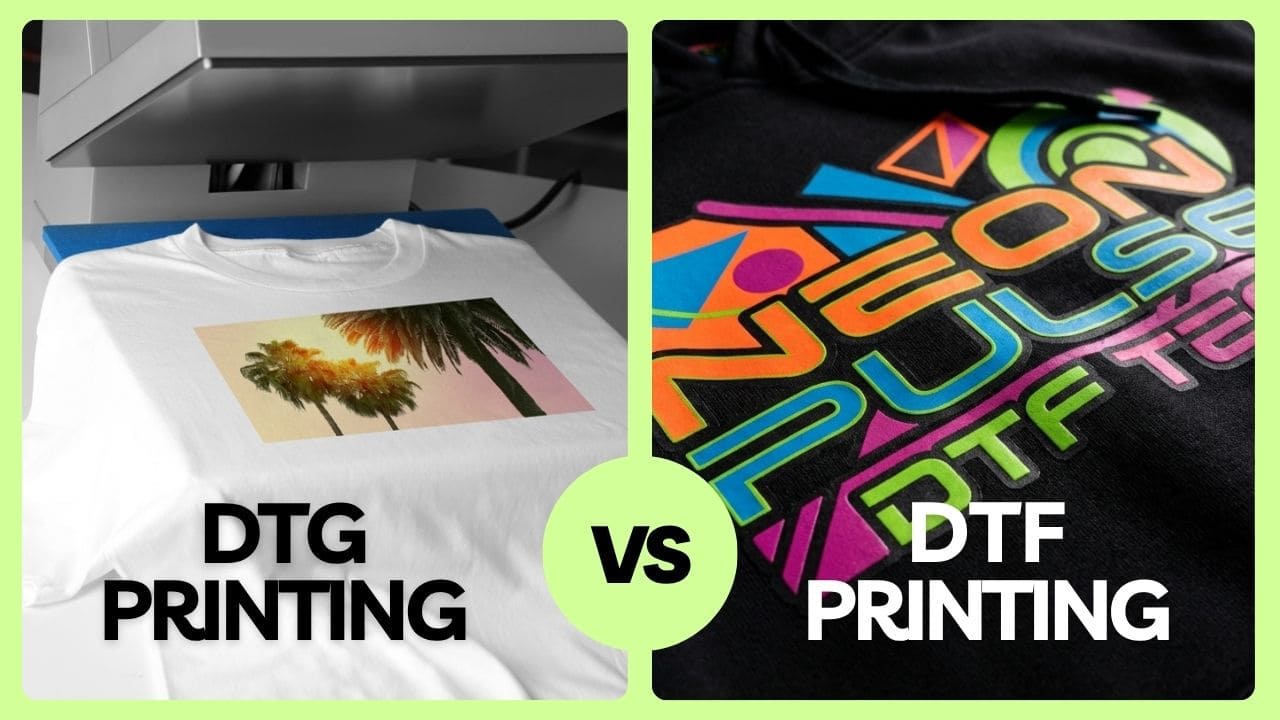
Custom T-shirts are consistently among the top sales performers across all Shopify stores. Custom T-shirts are not a trend, but they are here to stay. The one thing that’s different from three years ago is the quality standard. People know right away if they’re looking at a lightweight and basic design, and they’ll be out of there just as quickly.
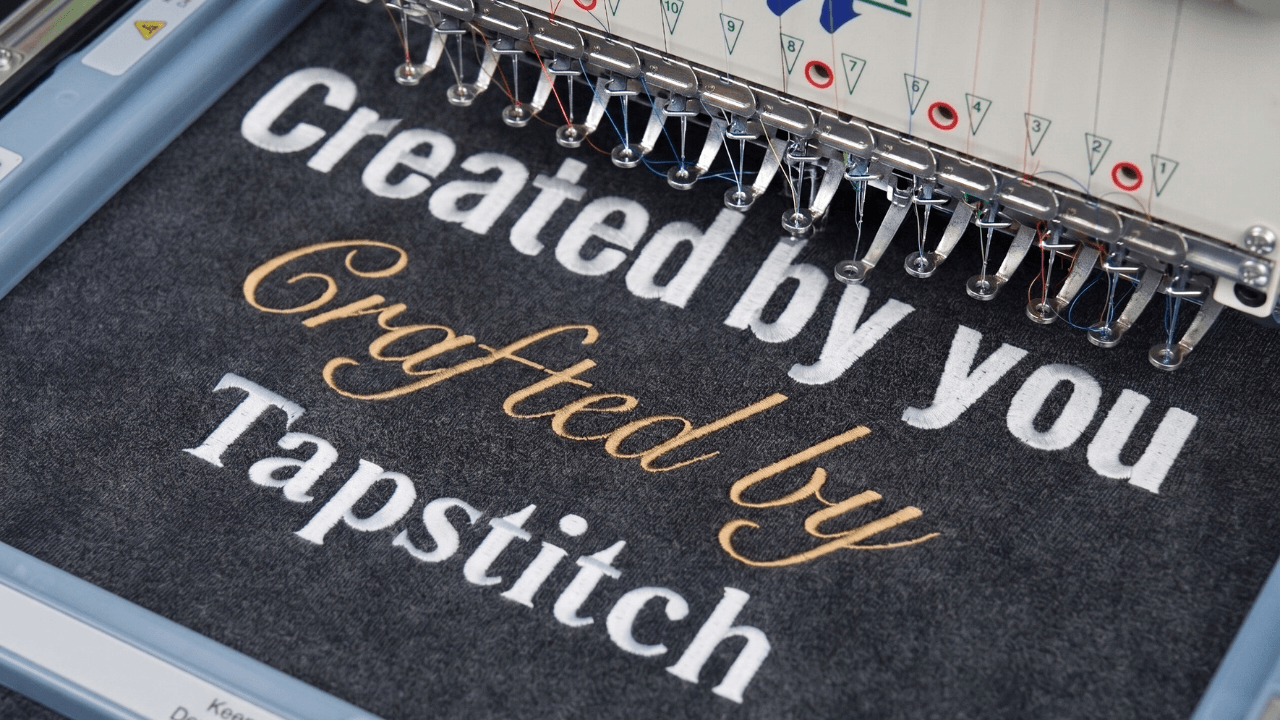
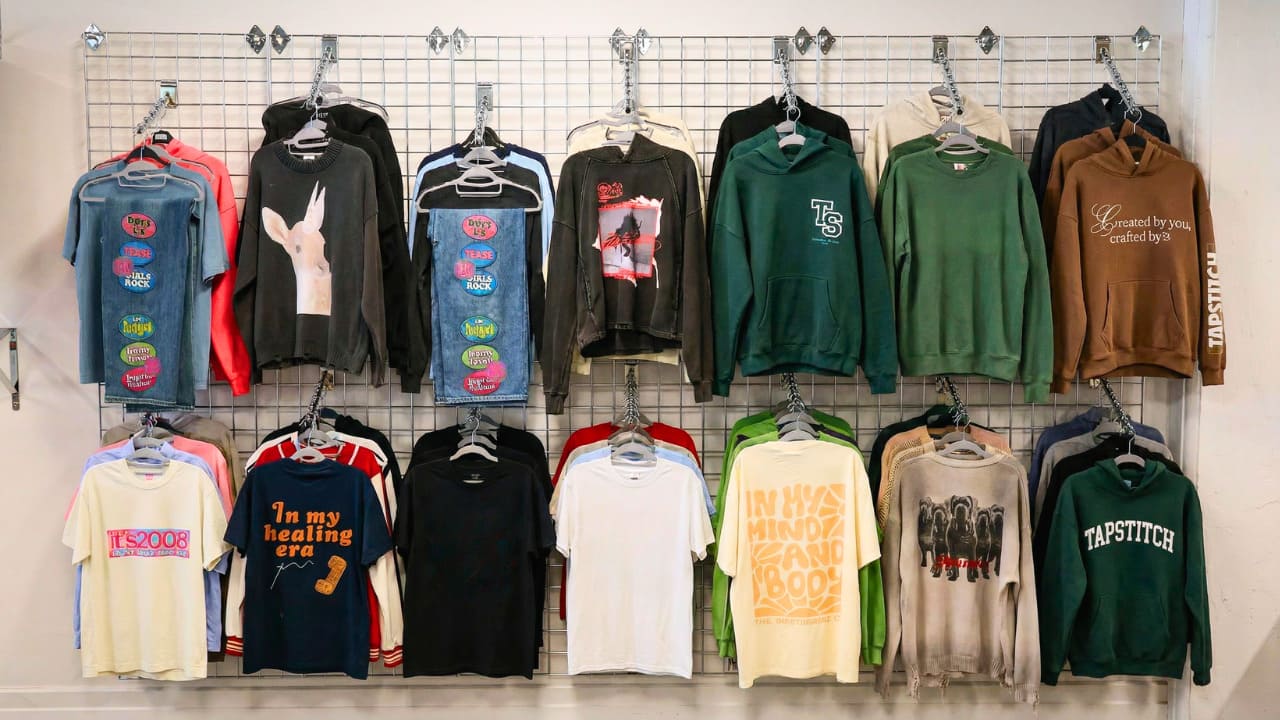
The brands that are dominating in the clothing niche in 2026 will be those that utilize proper materials, proper washes, and modern silhouettes. Not just any t-shirt will do anymore, even with a killer design. People want heavy cottons, nice vintage washes, and cuts that look good and keep their shape. At Tapstitch, we know what people are buying and what's no longer selling. You can design your product and post it directly on your store from our site. No stock required. No minimum order quantities, and your margins can range between 30% and 60% per piece. If you want to go the custom t-shirt route, there's no better place to start than Tapstitch.
2. Skincare & Serums
Skincare products have some of the highest gross margins among things to sell on Shopify. Mark-ups range from 5x to 10x, and consumer loyalty levels are much higher than in other categories. People tend to buy whatever product has worked for them and keep buying it for their entire lives.
There is no need for advanced chemistry knowledge when sourcing private-label or white-label suppliers.
3. Pet Products

Dog spending, and pet spending in general, is essentially recession-proof. A dog owner will sacrifice their own coffee intake before sacrificing their dog’s treat intake. Collars, dog beds, vitamins, treats, and accessories all sell for premium pricing and are easy to source for good prices.
The secret to success is niche marketing. You've got to speak specifically with the owners about your branding. "Products that calm elderly dogs" sells better than any generic "pet store" Shopify name ever would.
4. Custom Hoodies

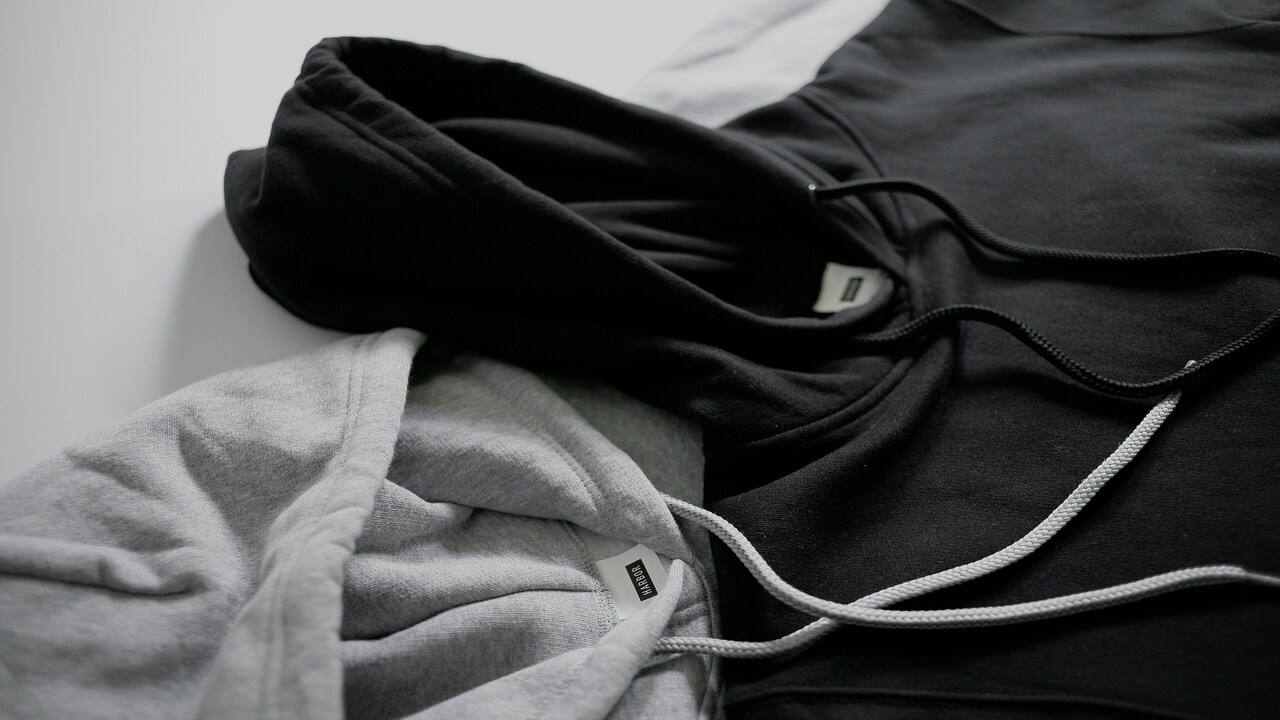
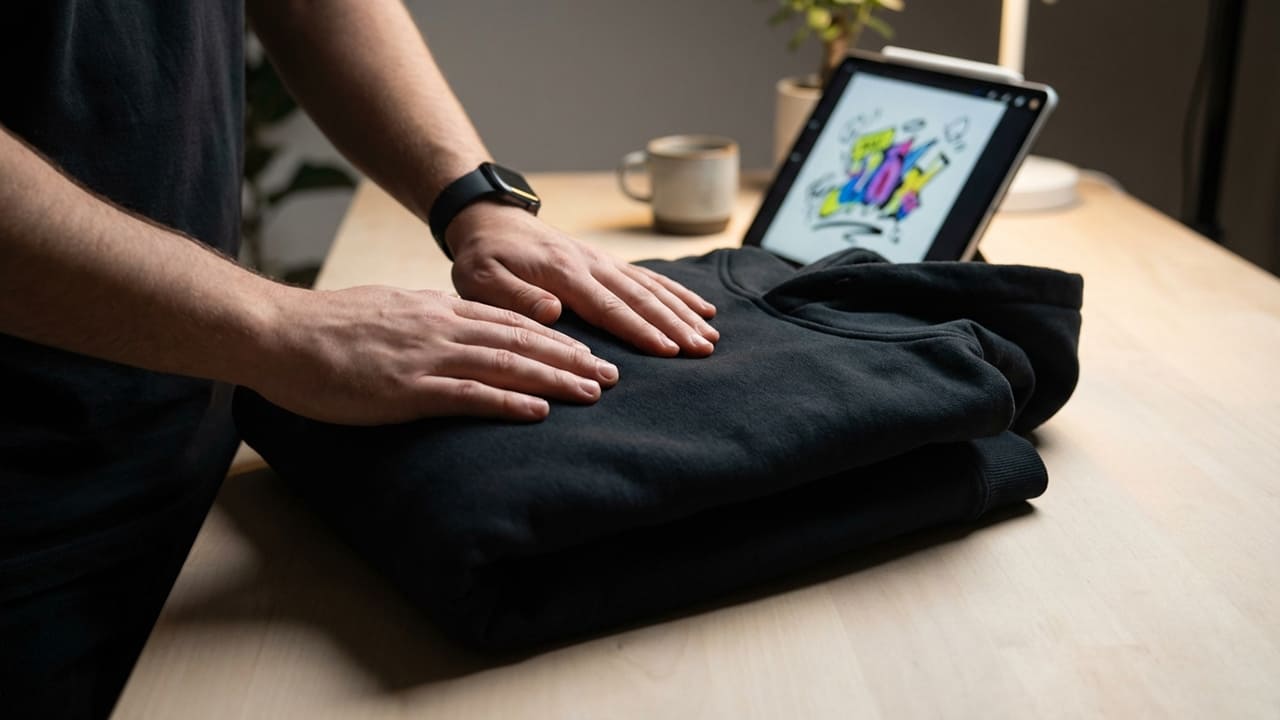
Hoodies are another fantastic apparel product to customize. They're all-season, higher-quality, and can sell for a lot more than a t-shirt. Of course, you can easily sell both, aimed at the same consumer segment as customized tees. The optimal launch price for hoodies will be between $60 and $120, with a minimum gross profit margin of 50 percent if the base design matches the streetwear worn by your consumer segment.
It’s within this context that the micro-apparel brand entrepreneur can move from a passion to making some real income. Delegate the manufacturing of hoodies to your POD supplier.
5. Activewear & Athleisure
Leggings, sports bras, joggers, and baggy crewnecks. The industry is valued at around $400 billion, and Shopify is one of the most profitable platforms for selling your independent activewear brand. Independent women business owners are dominating this market currently.
The quality of clothing takes precedence over all other factors. Consumers do their research when comparing materials.
6. Phone Accessories & Cases
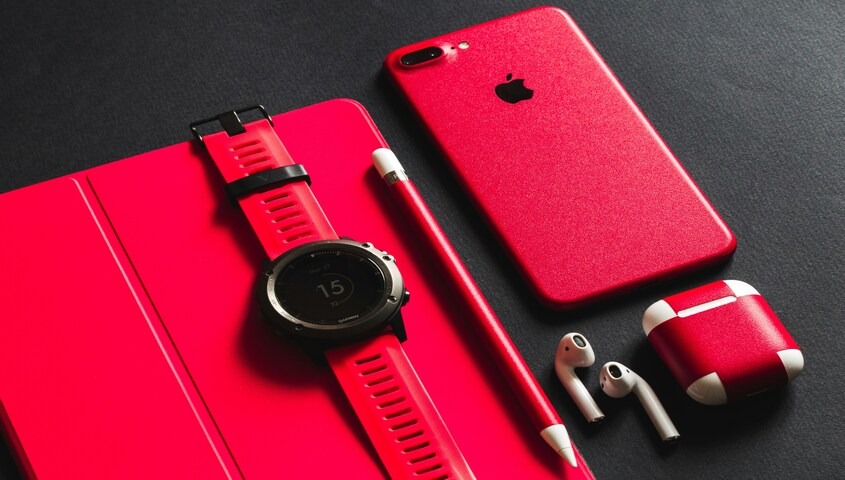
Everyone has a phone, and even if they're not changing their case all the time, they're changing their phone at least once every few years. Cases, case wallets, MagSafe accessories, chargers, and AirPods cases are all in constant need. They’re cheap to procure, yield good margins, and people purchase many each year. Another reason phone accessories are very easy to sell is that product cycles are fast.
The top retailers in this space think of cases as fashion statements rather than practical tools.
7. Home Decor & Wall Art
Selling posters, framed prints, porcelain vases, couch pillows, fragrant candles, and mirrors for prices people are willing to spend on their rental means you're in business. The trend in home interior design born during lockdowns hasn’t died out; it's transformed into something else. People are no longer looking for factory-made products; they need designer home decor.
The print-on-demand wall art business needs minimal startup costs and unlimited growth potential.
8. Jewelry & Accessories

One of the most common things to sell on Shopify in 2026. Demi-fine, gold-filled, and stainless steel jewelry have been doing well recently. Customers require products that feel luxurious but aren’t priced accordingly. Order amounts tend to be high as most customers buy at least two items.
Jewelry tends to have some of the best repeat purchase rates in Shopify.
9. Health Supplements & Vitamins
Supplements represent a $150 billion business, and Shopify stores are taking market share from GNC. Subscription plans mean repeat orders, and loyalty means repeat customers year after year.
The issue is compliance. Do your research regarding FDA labeling guidelines before going live.
10. Eco-Friendly Reusables
Bottles, wraps, bags, utensils, cleaners. These are just some of the reusable products that have become the new norm for an entire generation that doesn’t see sustainability as a trend but as an approach to shopping.
The brand with an engaging origin story beats the one with lower prices.
11. Custom Tote Bags
Probably one of the most overlooked product categories in Shopify stores. They are cheap to manufacture, have high value in consumers' eyes, and serve as marketing tools for your store as well. White canvases with prints are sold for $30-$50, with margins greater than 60%.
Send these products to your POD partner and launch a new design each week.
12. Candles & Home Fragrance

The industry has surpassed $13 billion in global sales, and Shopify remains the go-to e-commerce solution for independent candle companies generating genuine income. Margins range between 60 percent and 80 percent when you get the packaging and fragrance right.
It's all about branding here. The wax is basically similar. The narrative isn't.
13. Specialty Coffee & Tea
One-origin coffees, matcha, mushroom mixes, functional teas. The specialty drinks category is exploding because consumers view their daily routine as an art form. Subscription services turn impulse buyers into subscribers for the entire year.
This is one of the rare product categories in which small brands regularly beat out larger competitors.
14. Baby & Kids Apparel
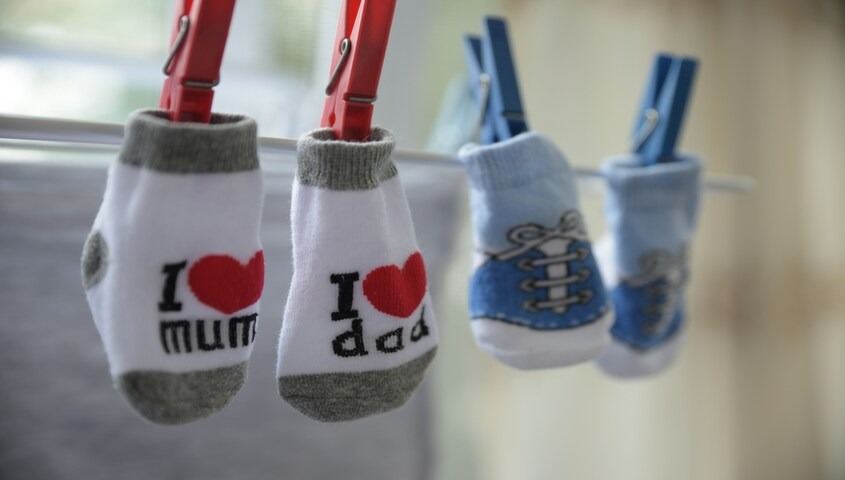
Parents will always find a way to spend on their kids. Always. There have been many innovations in the custom baby clothes and kids’ apparel segment, with moms creating many successful labels. Kids’ onesies, baby tees, kids' graphic tees, matching hats, and complete family outfits are sold at premium prices.
POD providers already offer kid-size options for adult blanks, which means that your full family apparel line can be launched using just one supplier. Tapstitch also has kids' apparel, t-shirts, shorts, and all the essentials ready for your brand and Shopify storefront.
15. Custom Hats & Headwear
Snapback, dad caps, bucket caps, truckers. In the clothing industry, the most profitable accessory is the headwear range, with products retailing for $30-$60 and that only cost $8 to manufacture. Shopify's hat brands have outperformed competitors in this segment.
Quality embroidery is what makes one hat sell and another fail.
16. Digital Products & Printables
Templates, planners, presets, ebooks, online courses, design assets. Zero inventory, zero shipping, zero refund headaches. Margins are functionally 100% after the initial creation cost.
The catch is competition. Niche is tight enough to own a corner of the market.
17. Books & Journals

Journals and pocket books are definitely back in style in 2026. Print-on-demand journals, workbooks, planners, and self-publishing are quietly among the most profitable things to sell on Shopify. Notebooks and journals are common gifts, and anyone who keeps one often has many.
There are also plenty of niche communities interested in religious, health and well-being, or productivity-related products, which means you can have a whole catalog of different journals to sell.
18. Subscription Boxes
Subscription boxes for every niche. Coffee, snacks, books, beauty, dog treats, and hobby materials. The subscription model is the holy grail of e-commerce because it adds up. Having one hundred subscribers paying you $40 per month equates to $48,000 annually.
Customer acquisition isn’t the problem; curation is.
19. Smart Home Gadgets
Smart plugs, lighting strips, security cameras, robot vacuum cleaners, and indoor air quality sensors. The field is dominated by mainstream competitors, yet independent brands on Shopify are carving out their niche by offering style along with functionality. Consumers will pay extra for a smart gadget that isn’t obviously a smart gadget.
20. Yoga & Fitness Gear

Yoga mats, resistance bands, foam rollers, branded clothing, fitness diaries. The home fitness segment didn't disappear when gyms reopened; it evolved into one dominated by premium brands. Bundling will beat stand-alone SKUs any day.
How to Find the Best Products to Sell on Shopify
Twenty lanes are a lot. Most founders pick the wrong one because they pick the one that sounds best at a dinner party, not the one that fits their actual situation. Here's the filter that actually works.
- Start with a category you'd buy from yourself. If you don't pay for it, you can't sell it well. Taste in a category is half the job, and you can't fake it.
- Check the margin before the trend. A trending product with a 12% margin is a treadmill. A boring product with a 60% margin is a business. Run the math before you fall in love with the idea.
- Watch what's selling on TikTok Shop and Amazon Movers. Both platforms surface velocity faster than Shopify itself does. If a product is climbing on TikTok and Amazon at the same time, the demand is real, not algorithmic.
- Find a niche, not a category. "Skincare" is a category. "Skincare for postpartum hormonal acne" is a niche. The narrower the audience, the easier it is to win on Shopify.
- Validate before you stock. This is where most new founders burn capital. Run print-on-demand or dropshipping for the first 90 days, see what actually sells, and only then decide what's worth holding inventory on.
- Optimize for repeat purchase. A product customers buy once is a transaction. A product they buy four times a year is a business. Pick categories where lifetime value is built in.
That's the playbook. Cleaner than the influencer version. Closer to how the brands that actually win do it.
Sell Smarter on Shopify, Power Your Brand with Tapstitch
If your product line is apparel, then Tapstitch is the right fit. Our fashion blanks are for the Shopify entrepreneur who needs quality products to live up to their brand, without investing in their own production line and warehousing. Customizable t-shirts, hoodies, and children’s clothing, with enough silhouettes for any type of brand. All these items will be manufactured and shipped to the customer on demand.
No minimum order quantities, no inventories, and no manufacturing troubles. Since Tapstitch seamlessly integrates with Shopify, the process becomes fully automated once you place an order in your online store.
This is how indie apparel brands are scaling on Shopify in 2026. They're not stocking warehouses. They're shipping fashion-grade pieces on demand and putting every dollar of saved capital back into the brand.
FAQs
Which is better: Shopify or Etsy?
Different lanes. Etsy gives you built-in traffic but forces you to compete on price. Shopify hands you the
customer relationship and the margins, but the traffic is on you. Smart move: run both. Shopify for the brand you're building. Etsy for quick tests and one-off sales.
Which products are no longer trending?
Generic dropshipping is dead. Faceless phone cases, fidget spinners, and the 2020 to 2023 POD mug wave are done. Single-use plastics are sliding. Anything that competes head-on with Amazon pricing doesn't pencil out. The lesson isn't to avoid these categories. It's to find a sharper niche inside them.
How much does Shopify take from shop owners?
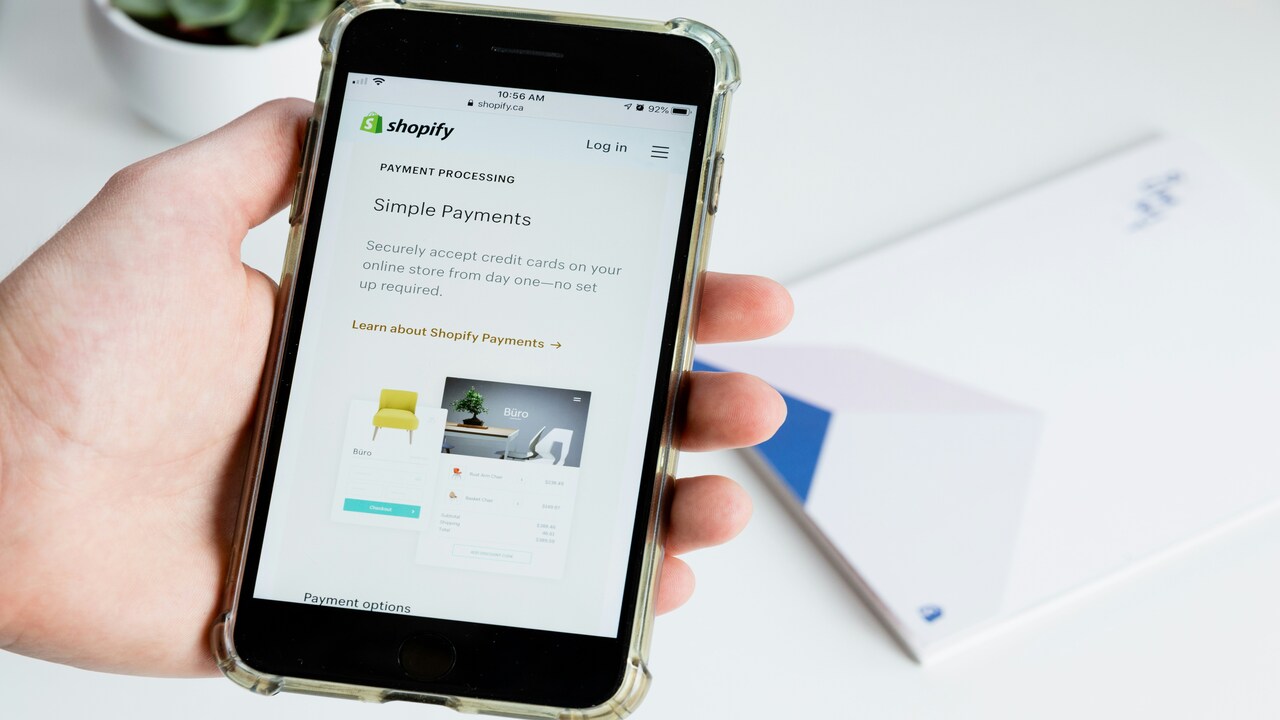
The 2026 basic plan runs $39/month. Payments add roughly 2.9% plus 30 cents per transaction through Shopify Payments. Third-party gateways tack on another 0.5% to 2%. No listing fees. No per-product fees. That's why brands prefer it.
Is Shopify good for beginners?
Yes. Built for non-coders. Themes, payment gateways, shipping, email marketing, and print-on-demand plugins all run plug-and-play. There's a learning curve, but it's gentle.
Which is the most profitable product on Shopify?
Margin beats revenue at the start. Top five by margin: digital products (up to 100%), candles and limited-run goods (60 to 80%), skincare (70%+), jewelry (50 to 70%), and custom apparel through print-on-demand (30 to 60%).
Wrapping Up
The best products to sell on Shopify in 2026 are those with high margins, repeat purchase potential, and a niche tight enough to own. Trends matter, but they don't beat fundamentals. A boring product in a great niche outperforms a trending product in a crowded one.
Pick the category that fits your taste. Validate it with a low-risk model first. Reinvest your first wins into building a brand that customers remember. The platform is doing its part. The opportunity has never been bigger. The only thing left is the decision to start.

%20(1).jpg)
.jpg)
.jpg)
.webp)

.jpg)
.jpg)
.jpg)
.png)
.jpg)
.jpg)

%20(3).jpg)



.png)
.jpg)
.jpg)
.jpg)
.jpg)
.jpg)
.jpg)







.png)




.png)

.jpg)











.jpg)

.jpg)

.png)
.jpg)


.jpg)
.jpg)




.jpg)
.jpg)
.jpg)
.jpg)
.jpg)

%20(1).jpg)

.png)

.png)



%20(1)%20(1).jpg)