




Print-on-Demand VS Dropshipping: Build Your Brand or Just Sell Products


These two models get lumped together constantly, and on paper the confusion makes sense. Neither asks you to hold inventory, and both run from a laptop. Look closer, though, and print-on-demand vs. dropshipping becomes a real fork in the road: one builds an asset with your name on it, and the other mostly builds a store.
We should say upfront that we're not neutral here. Tapstitch is a print-on-demand company, so what we offer instead of neutrality is specifics, from watching both models play out through the founders we print for. Which one is better depends on what you're trying to end up with, so that's how we'll frame it.
What Is Print-on-demand?
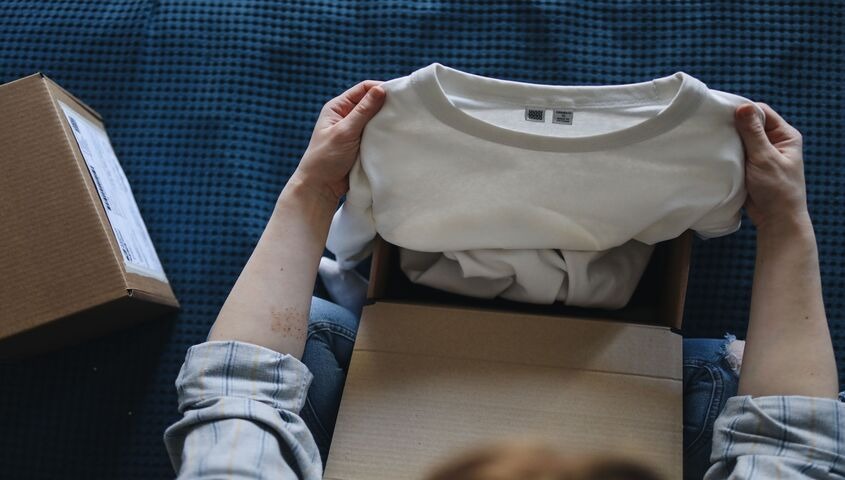
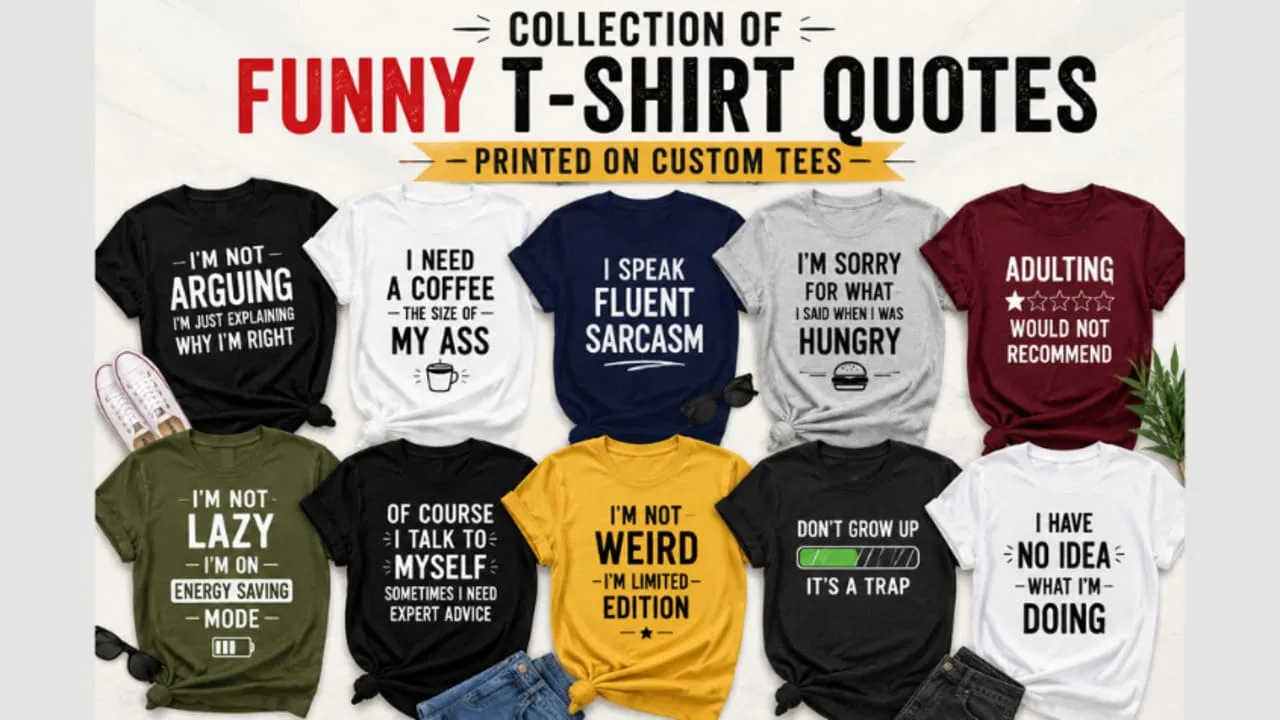
Print-on-demand means the product doesn't exist until someone has paid for it. Your design goes on a garment, the listing sits in your store, and each order triggers one piece getting printed and sent to that one customer. Whatever doesn't sell was never made, so there's nothing in your hallway to feel guilty about.
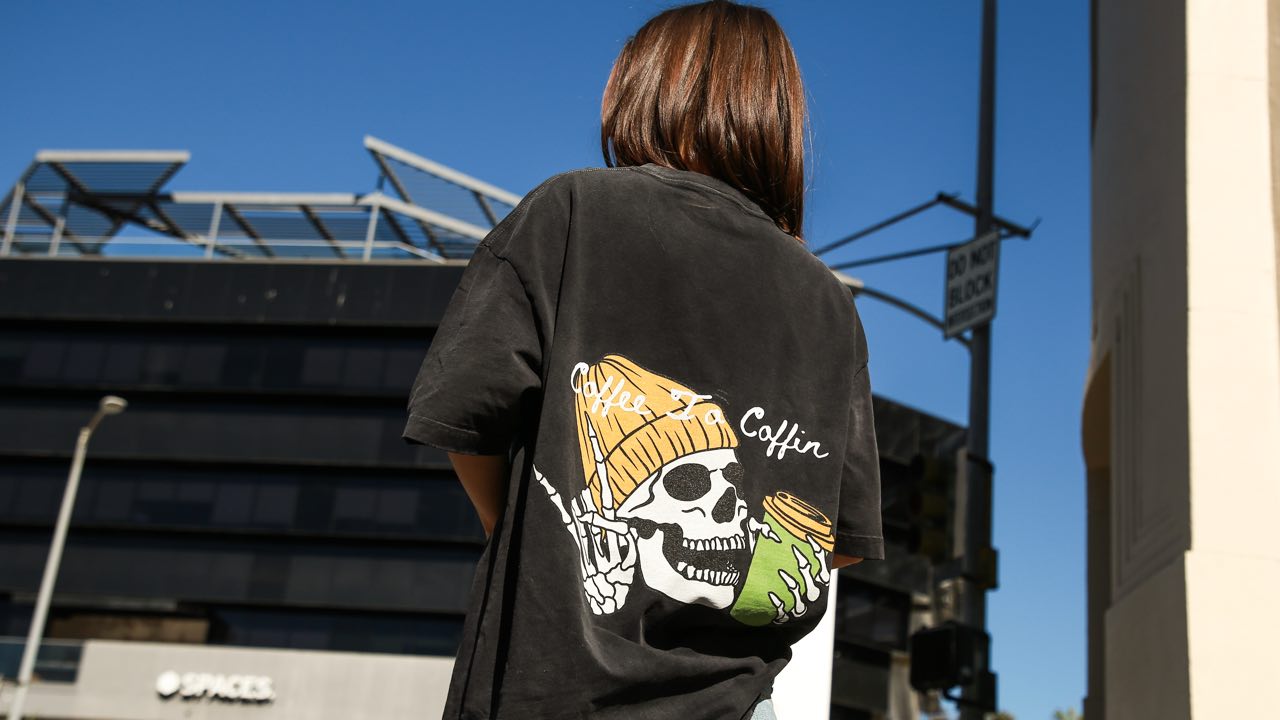
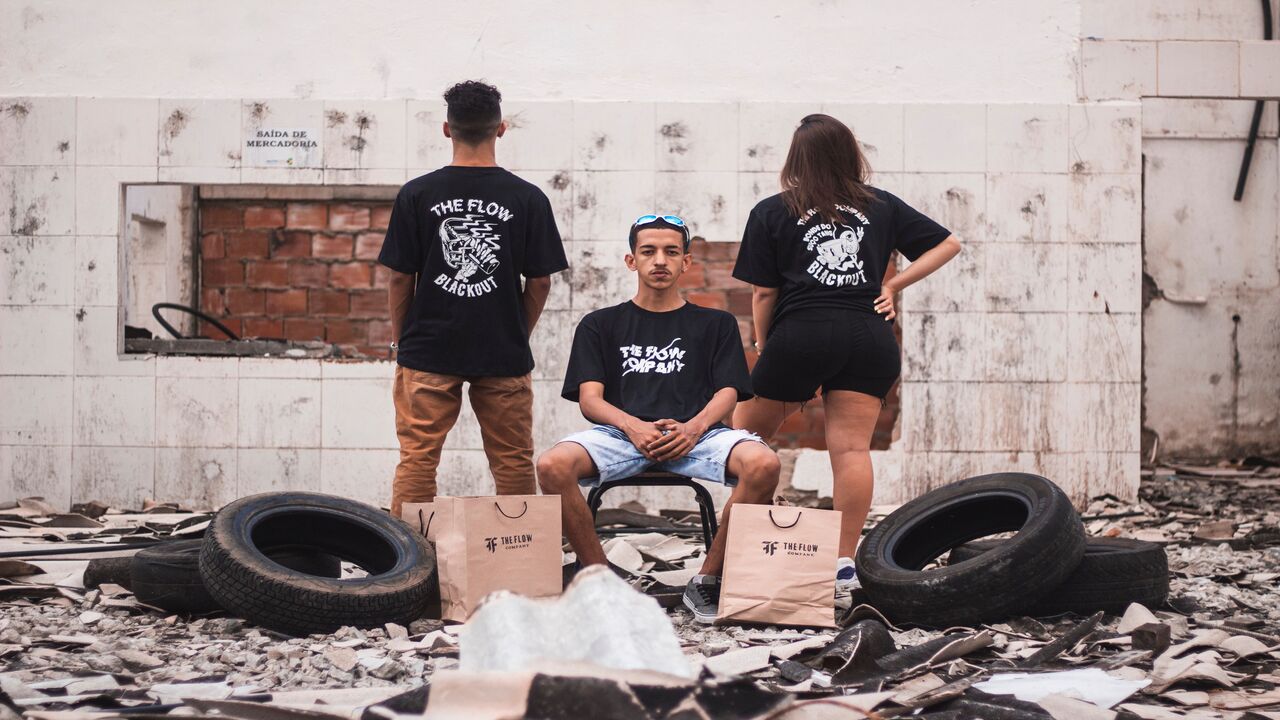
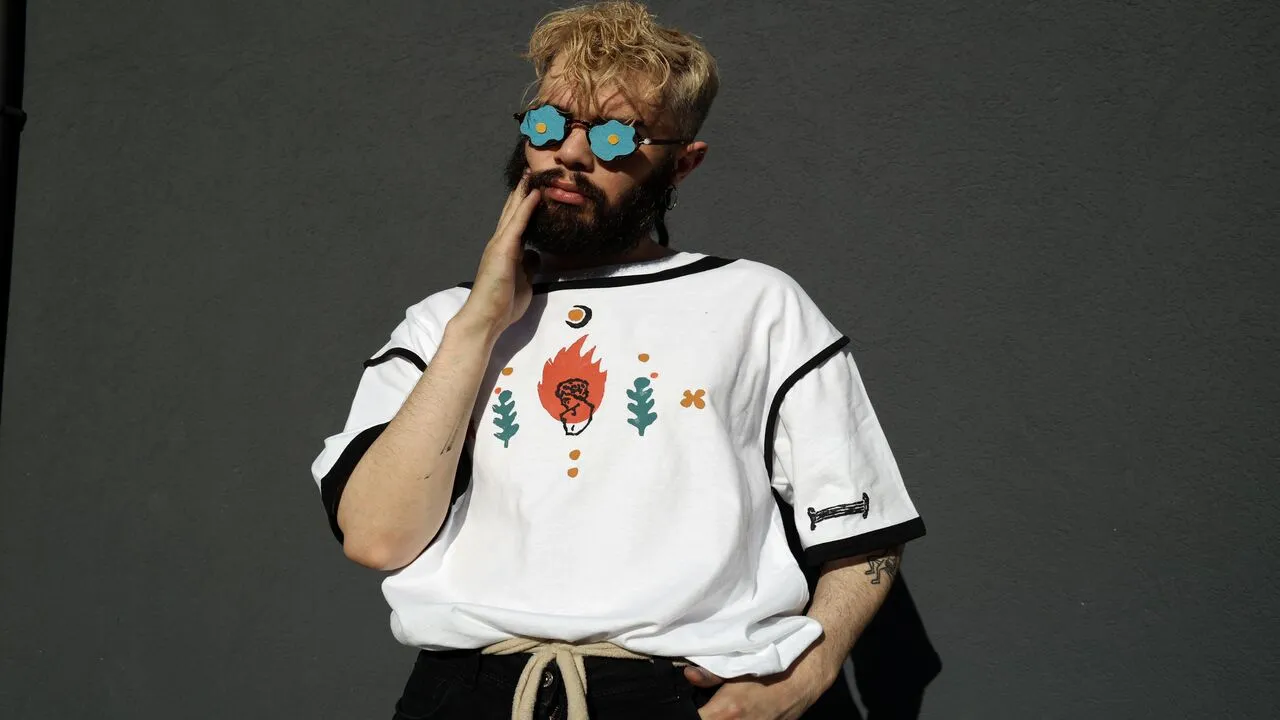
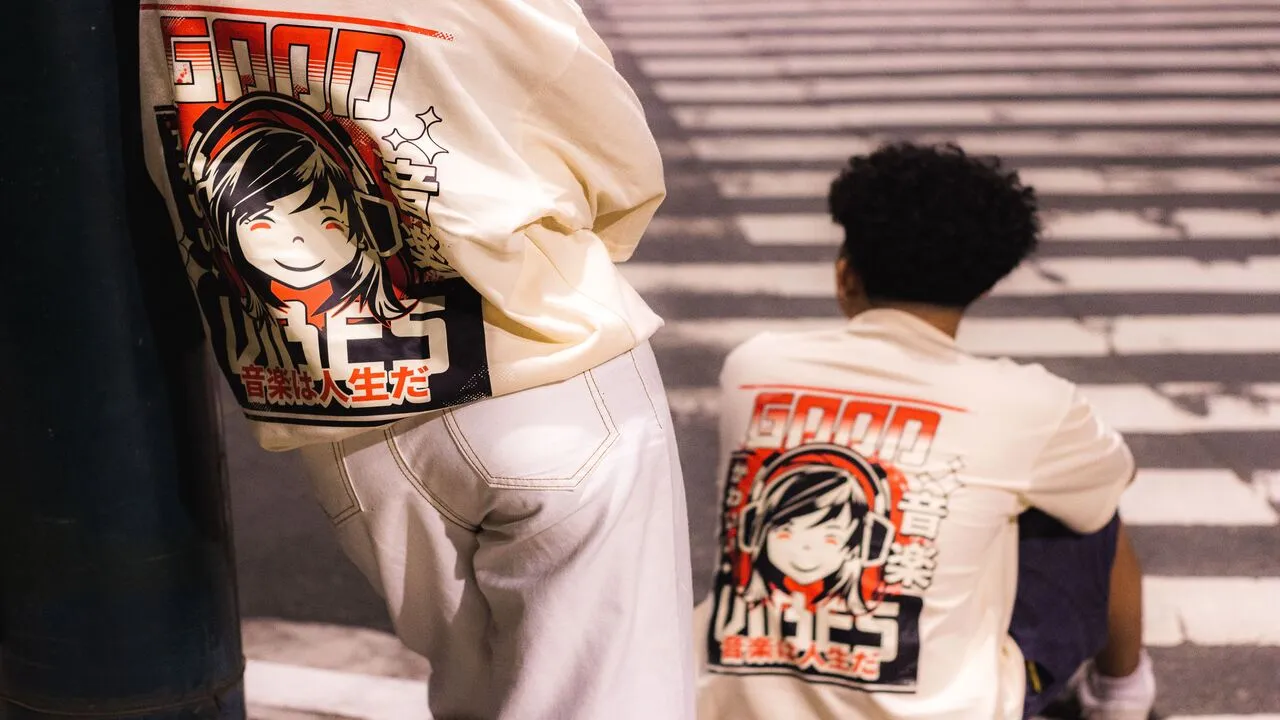
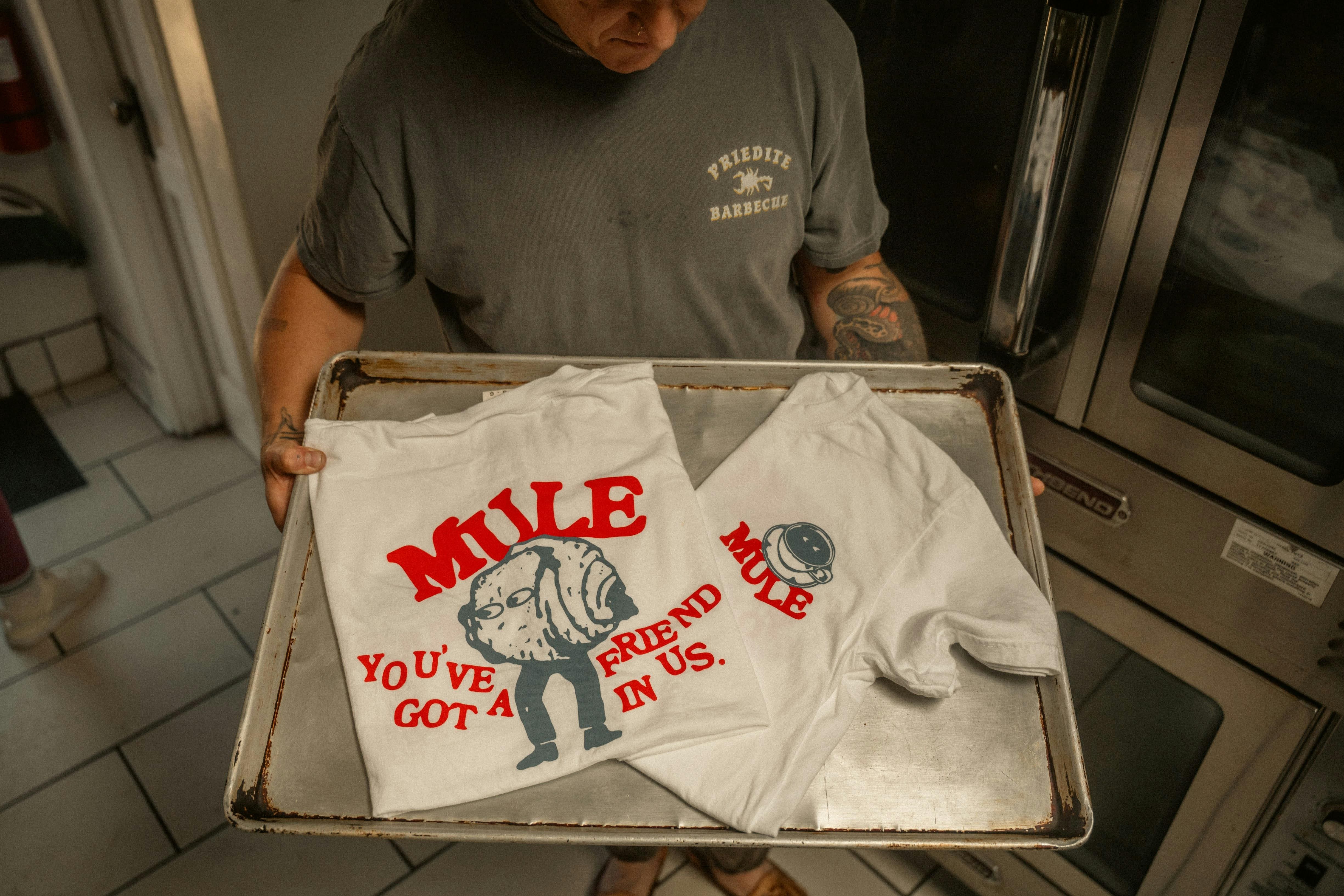
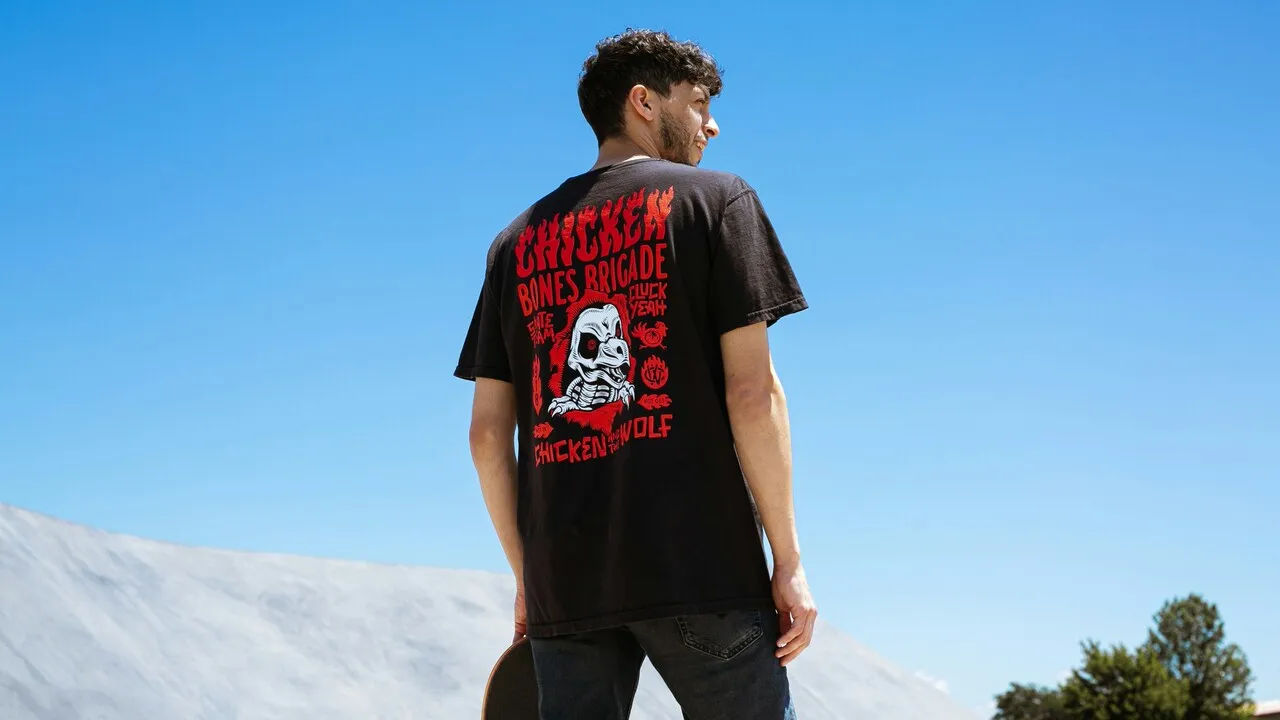
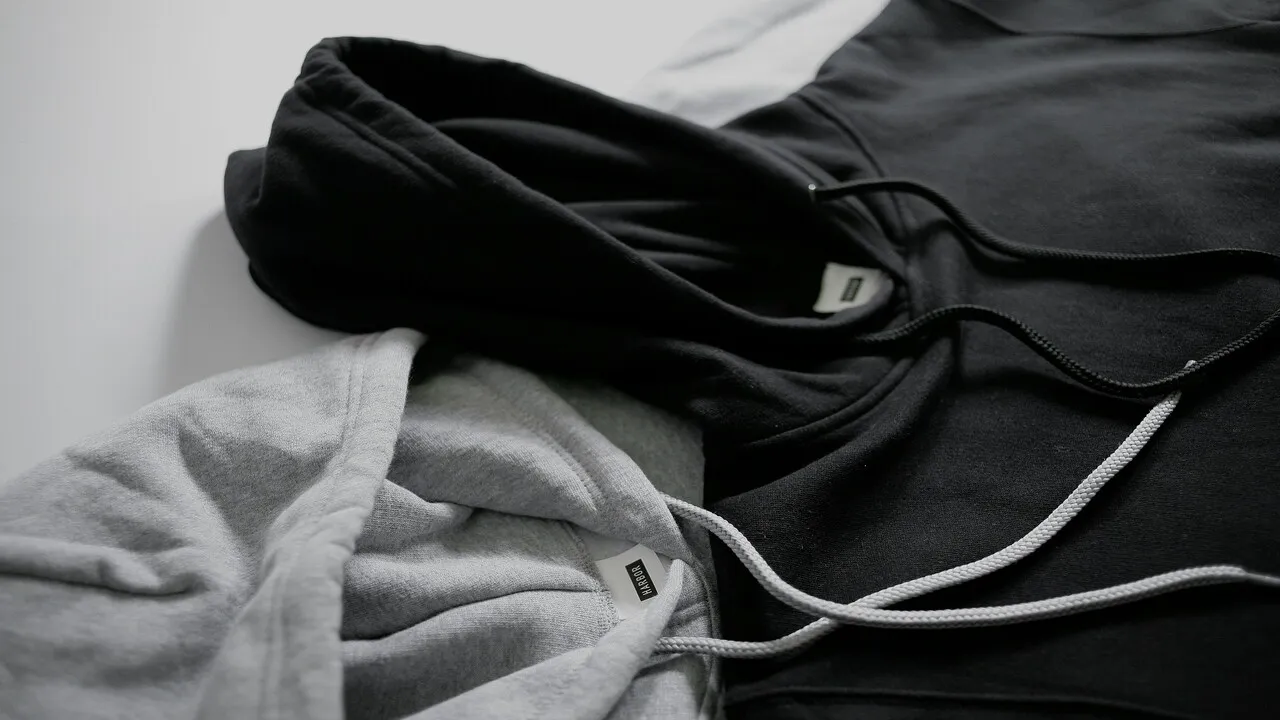
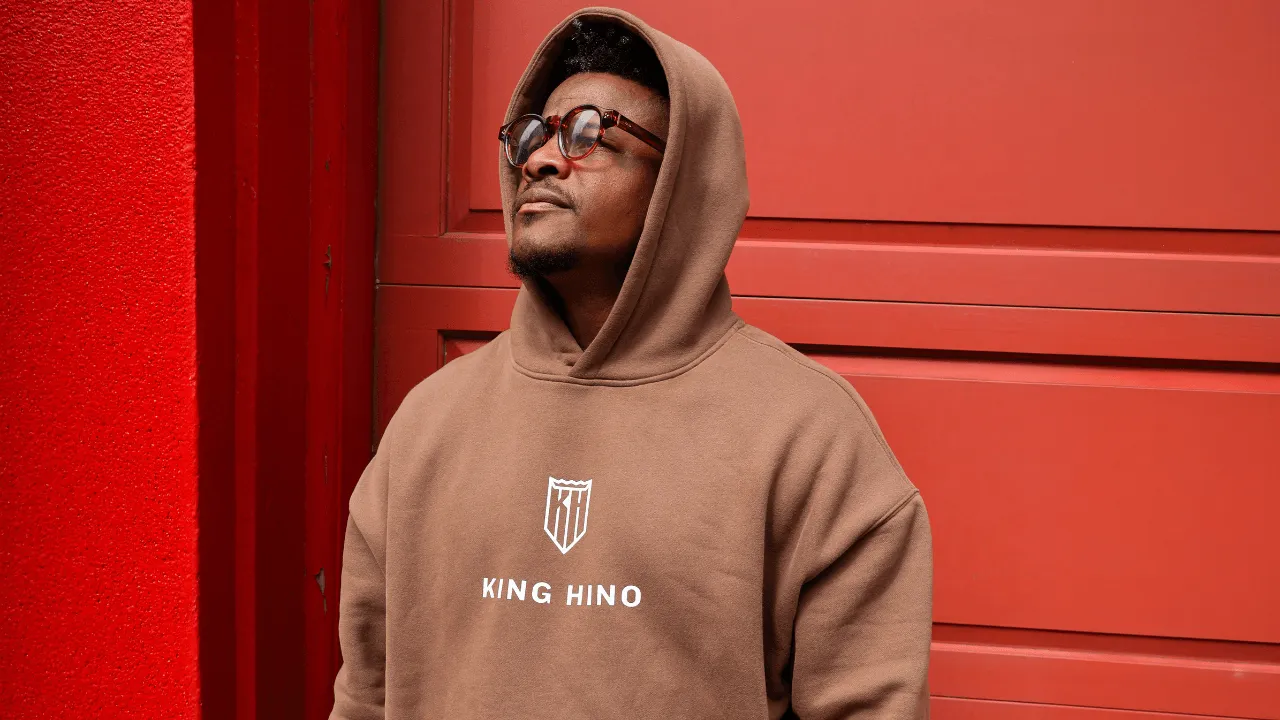
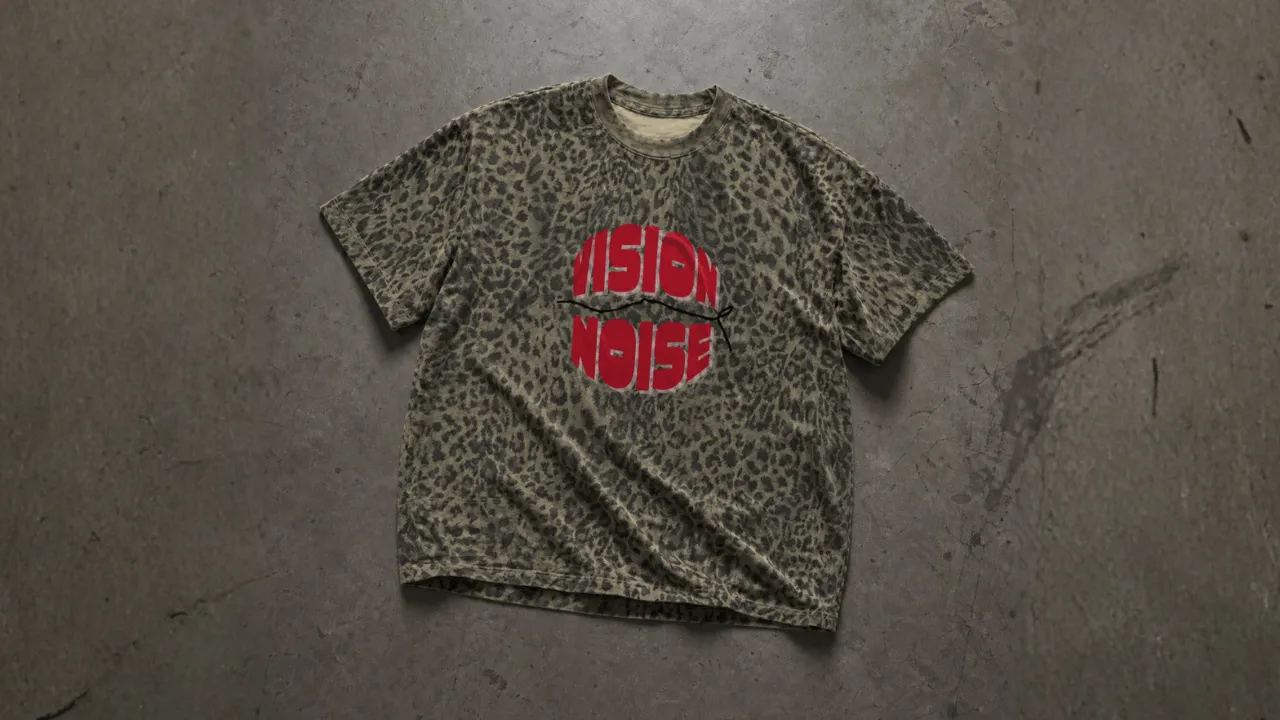
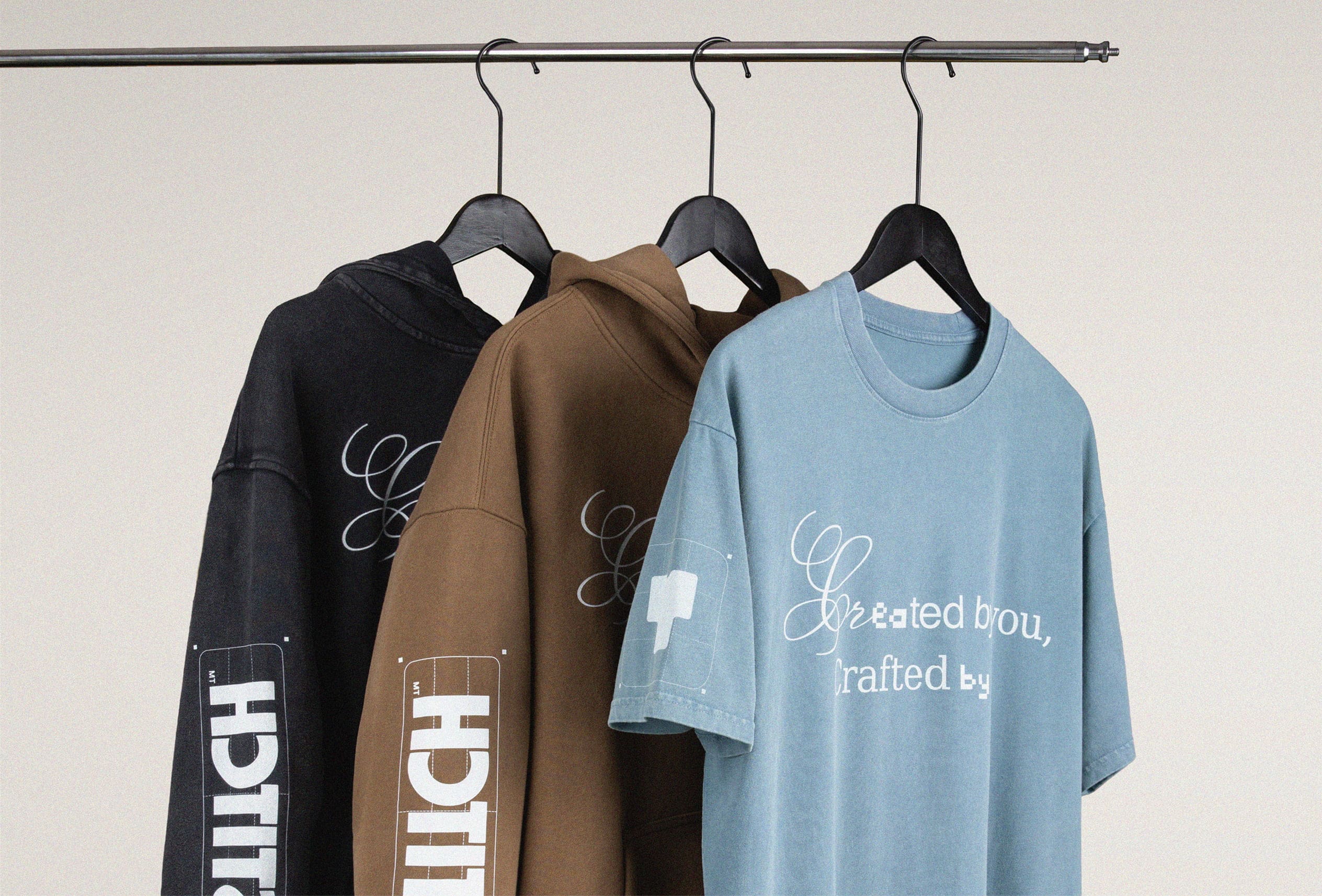
Design is the word carrying that whole paragraph, by the way. A POD piece has your artwork on the front and your label in the collar, so every sale is somebody picking your thing on purpose, not a thing you happened to be reselling that week. The blank matters enormously too, and we'd know, since the gap between a $6 promo tee and a 300 GSM heavyweight cut is roughly the gap between merch and fashion. But if you want it in one line: production model on the outside, brand-building machine underneath.
What Is Dropshipping?
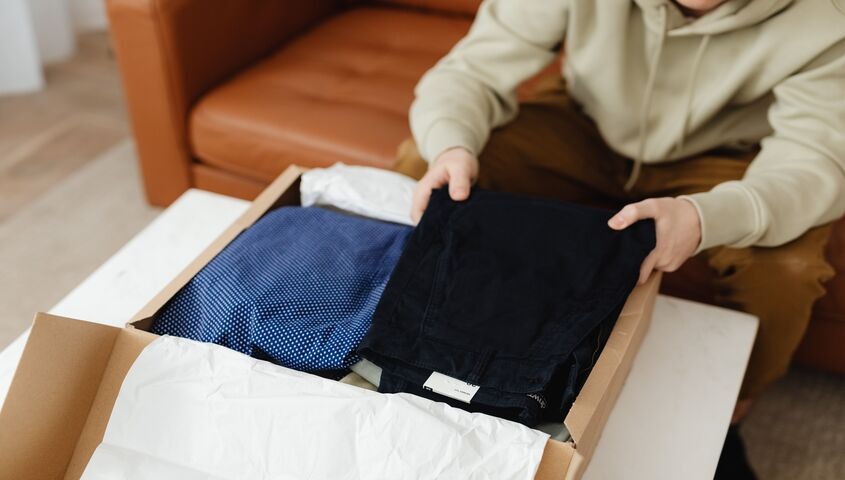
Dropshipping means you sell existing products from a supplier's catalog, and the supplier ships them straight to your customer. You never touch the item. Your job is picking products, building the storefront, and driving the traffic, and your profit is whatever sits between the supplier's price and yours.
It's a real model with real businesses built on it, and it deserves a fairer description than either its promoters or its critics usually give it. The core fact is that the product isn't yours. The same item you sell tonight can be sold by four hundred other stores tomorrow morning, usually from the same supplier photo, and sometimes at a price that makes your margin look like a rounding error.
Similarities Between Print-on-demand and Dropshipping
The overlap is real, which is why people mix them up. Here's what the two models share.
Neither requires inventory
Both let you sell physical products without buying stock upfront. That removes the single biggest financial risk of traditional retail: the pallet of unsold units you paid for in March and are still looking at in September.
Both hand fulfillment to someone else
A third party picks, packs, and ships. You're never printing labels at midnight or driving to the post office with a car full of boxes. Your job ends at the sale.
Both start for close to zero
A laptop, a store subscription, and wifi. No lease, no equipment, no staff. Whether it's POD or dropshipping, the entry cost is a rounding error next to opening a physical shop.
Both plug into the same storefronts
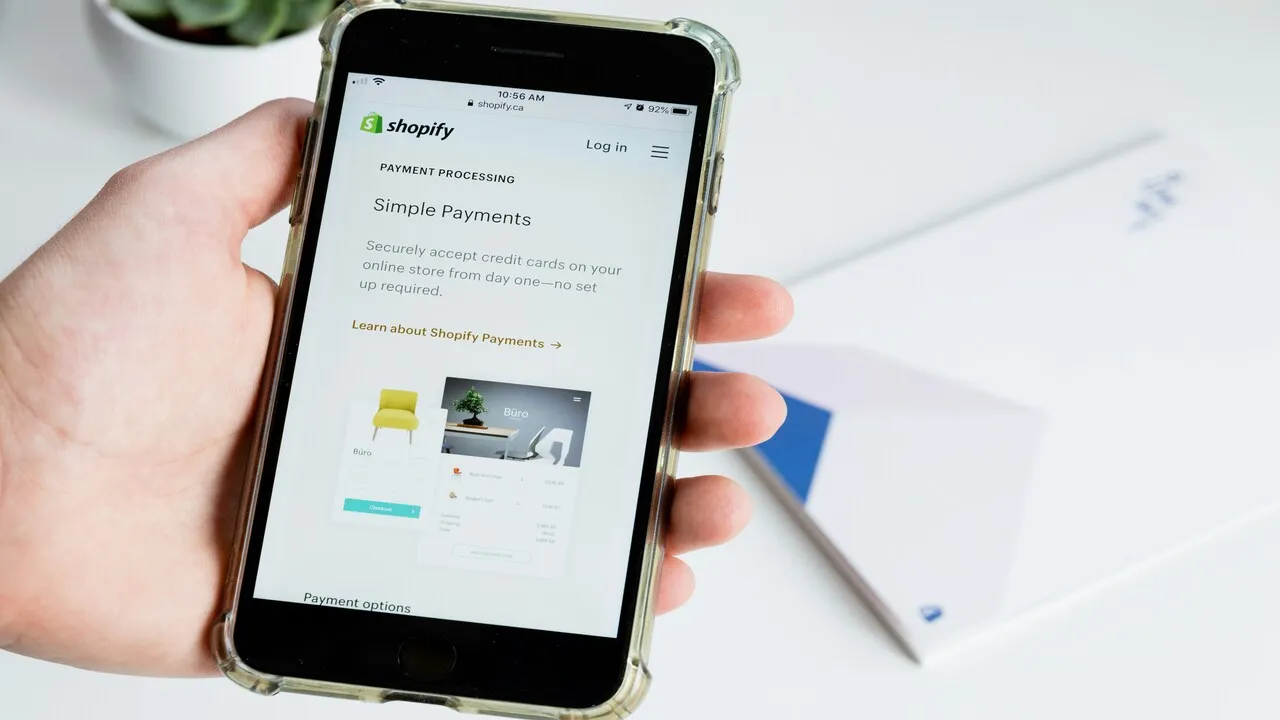
Shopify, Etsy, TikTok Shop, WooCommerce. The customer-facing side is identical, and a buyer scrolling either kind of store has no way to tell which model sits behind it.
Both live or die on attention, not operations
Neither model rewards warehouse skills. Both reward the ability to get a product in front of the right people online, which is the skill most first-time founders underestimate and the one that decides everything.
Both depend on a partner you don't control
Your supplier or your print partner sets the quality floor. In either model, if the partner ships late or ships junk, the one-star review lands on your store, not theirs. Choosing that partner carefully is the one operational decision that matters in both.
People sometimes file print-on-demand under dropshipping, as a sub-genre where the product gets customized before shipping, and sure, if you squint, the org chart works out that way. It's a bit like calling a food truck a vehicle though. Nobody's wrong, exactly, and yet the interesting part got left out entirely.
Differences Between Print-on-demand and Dropshipping
So what is the difference between dropshipping and print-on-demand, practically speaking? Seven things, and they compound.
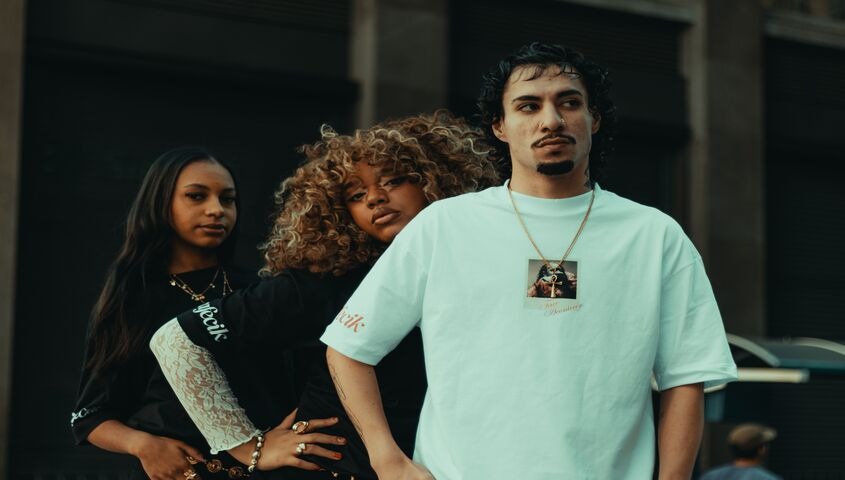
The product is yours, or it isn't
POD products carry your original design and can't be bought anywhere else. Dropshipped products are somebody else's catalog, available to any seller with an account. This one difference drives all the others.
You compete on design, or on price.
With dropshipping, you compete on price, speed, and ad spend, because the product is identical across every store selling it. With POD you compete on design and brand, which is a game a small founder can win, since taste doesn't require a budget.
Customers remember you, or the gadget
People who buy a dropshipped gadget remember the gadget. People who buy a piece with your label in the collar remember you. They come back, follow the next drop, and tell someone where the piece came from. One model accumulates customers, the other accumulates transactions.
You set the price, or the market does
A commodity product has a price ceiling set by everyone else selling the same thing. An original piece on a fashion-grade blank prices on its own merits. Our sellers regularly run a $12 base into a $38 sale, and the buyer doesn't cross-check that price against four other stores because there's nowhere else to check.
The product is made after the order, or pulled from a shelf
Dropshipped items already exist in a warehouse somewhere and ship when ordered. POD adds a production step, since the piece gets printed after payment. That means a made-to-order window on every POD order, which you state on the product page, and in exchange, nothing is ever made that hasn't been sold.
You can hold the product before you sell it, or you can't
With POD you choose the blank and order a sample of your own design before it goes live. You know the weight, the fit, how it washes. With dropshipping you're usually trusting a supplier's photo, and the first person to hold the item is your customer.
Returns come back to your brand, or to a catalog.
A returned POD piece is a custom item nobody else can resell, so return policies tend to be tighter and the fix is getting the size chart and photos right before the sale. A returned dropshipped item often routes back through the supplier, on their terms and their timeline, with you relaying messages in the middle.
As for dropshipping vs print-on-demand profit speed, it plays out like this: dropshipping can produce a first sale faster, since you can list a proven product tonight without designing anything. POD earns slower at the start because the design has to exist and find its audience first, and then the curve bends the other way, because repeat customers and pricing power compound while commodity margins erode. Quick money versus a growing asset is a fair summary of the whole comparison.
Print-on-demand VS Dropshipping: Pros and Cons
Neither model is free money. Each one trades something for its main advantage, and that trade usually decides whether a store is still open a year later. The lists below put both sides next to each other so the pattern is easy to see before we get to the verdict.
Pros
Start with what each model does well.
print-on-demand:
- A product nobody else can sell, since the design is yours.
- Real pricing power, with margins in the 30 to 60% range when the garment justifies the price
- Branding on the piece itself: neck labels, hang tags, the packaging moment
- You're the designer of record, not a middleman, which matters when customers decide who to trust.
Dropshipping:
- Speed to first sale, sometimes within a day of opening the store
- An essentially unlimited catalog to test across
- No design work required
- Freedom to chase demand wherever it moves this month
Cons
Now the costs, which are real on both sides.
print-on-demand:
- Asks more of you creatively, since the design has to be good and the niche has to be real
- Quieter early weeks while the audience finds you
- Per-unit costs run higher than bulk manufacturing, the price of never holding stock.
Dropshipping:
- Price wars are the default condition, because everyone sells the same item.
- Customer loyalty mostly doesn't exist.
- Quality depends on a dropshipping supplier you've never met.
- Overseas shipping times can stretch past what modern buyers tolerate
- A winning product can get cloned into oblivion in a month, even when you did everything right.
Which Is Better for Your Fashion Brand?

If the goal is a fashion brand, and not just revenue this quarter, the dropshipping vs print-on-demand question stops being close. A brand is a recognizable point of view attached to a product people can't get elsewhere, and print-on-demand literally produces that. It is not a description of reselling catalog items, however profitably.
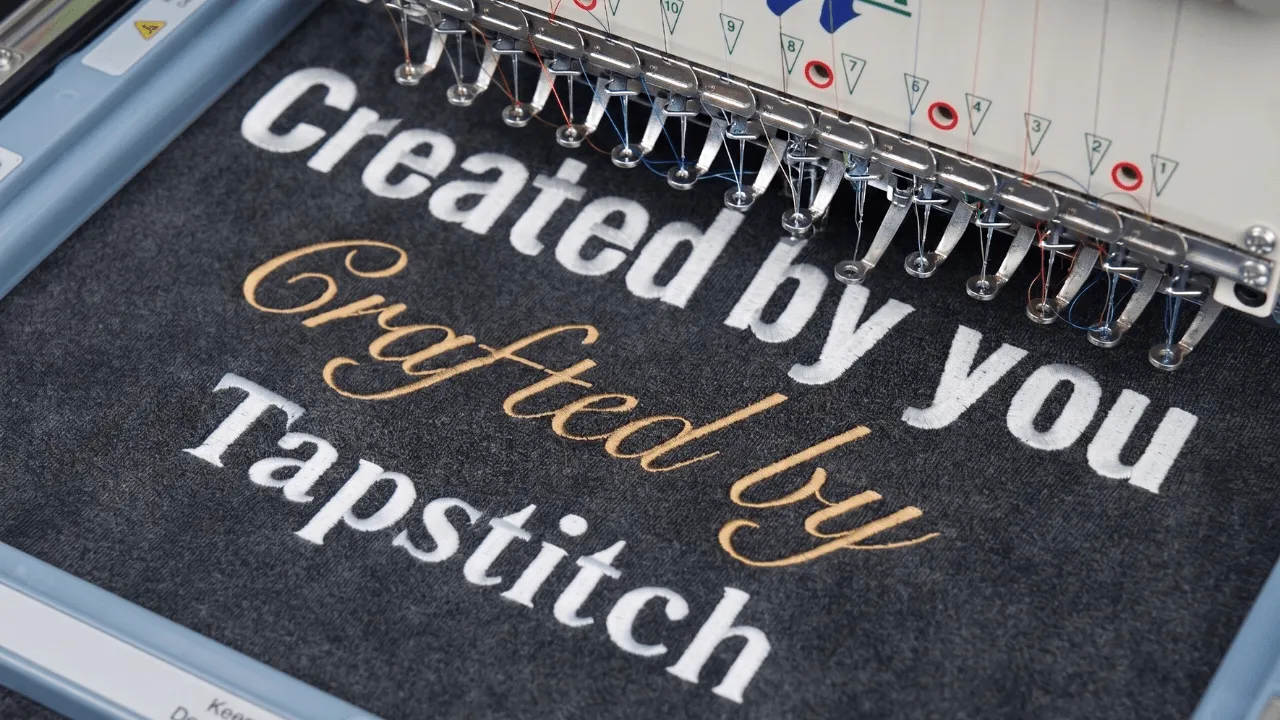
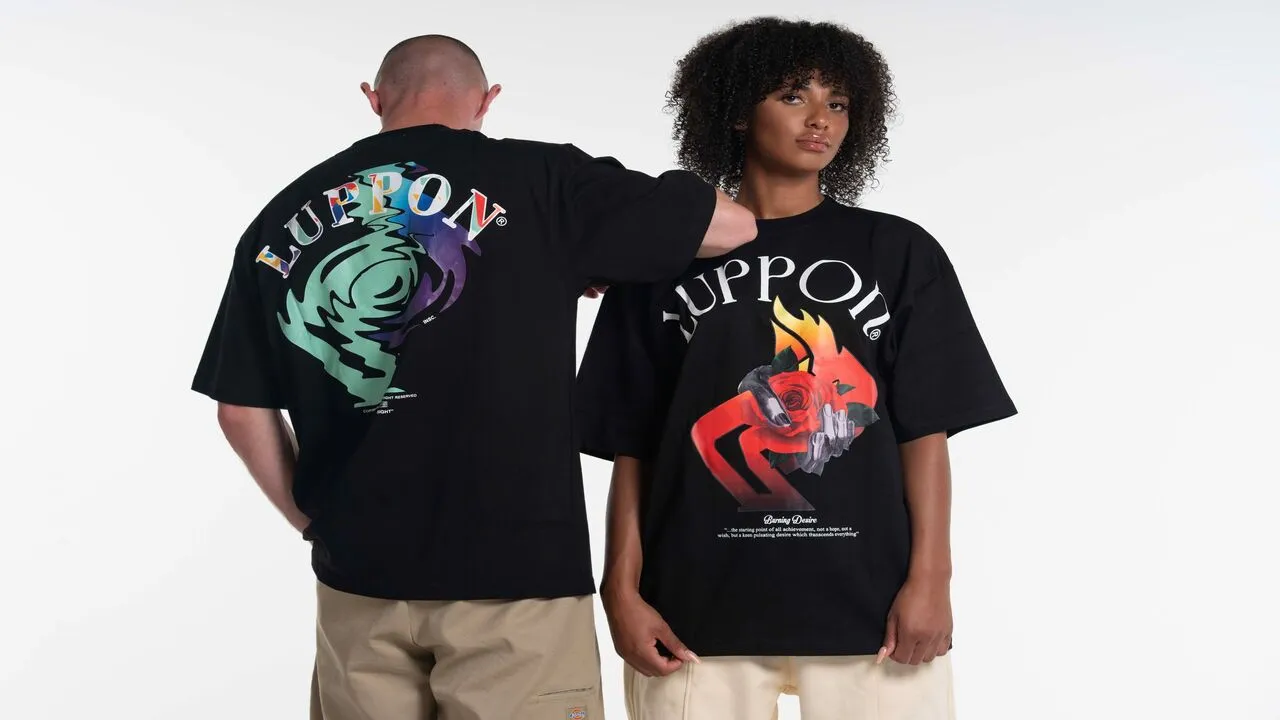
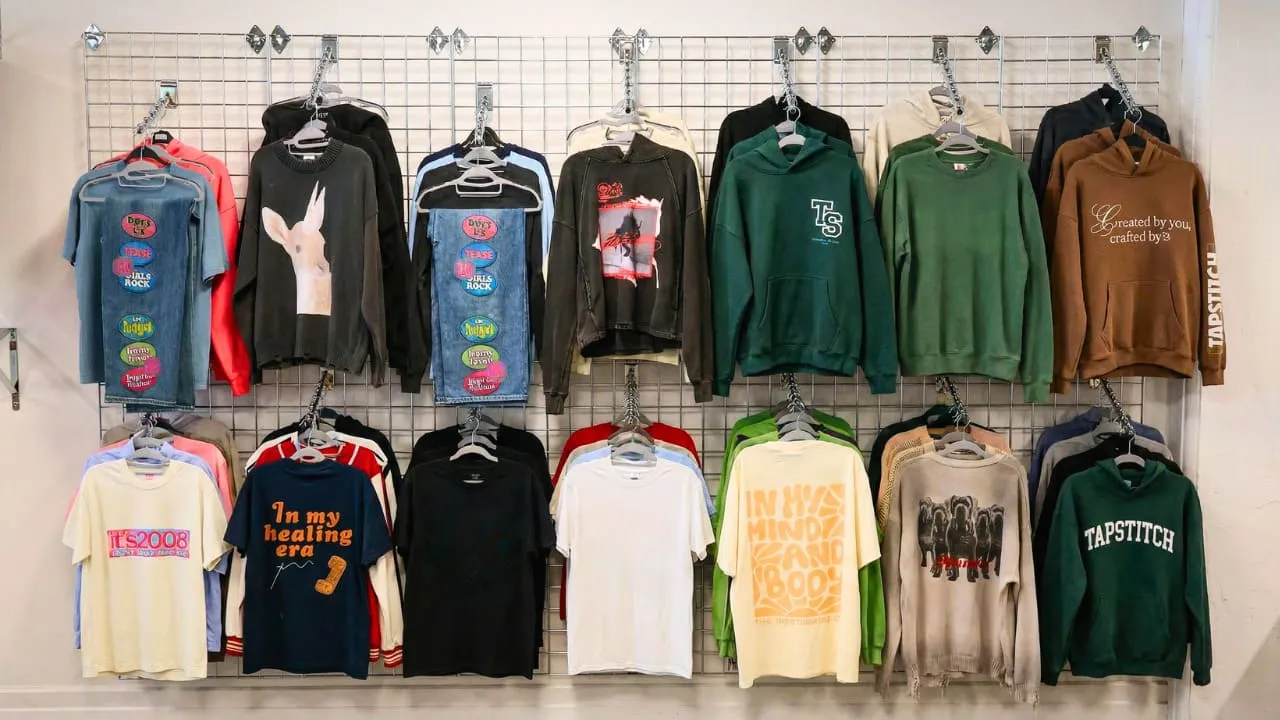
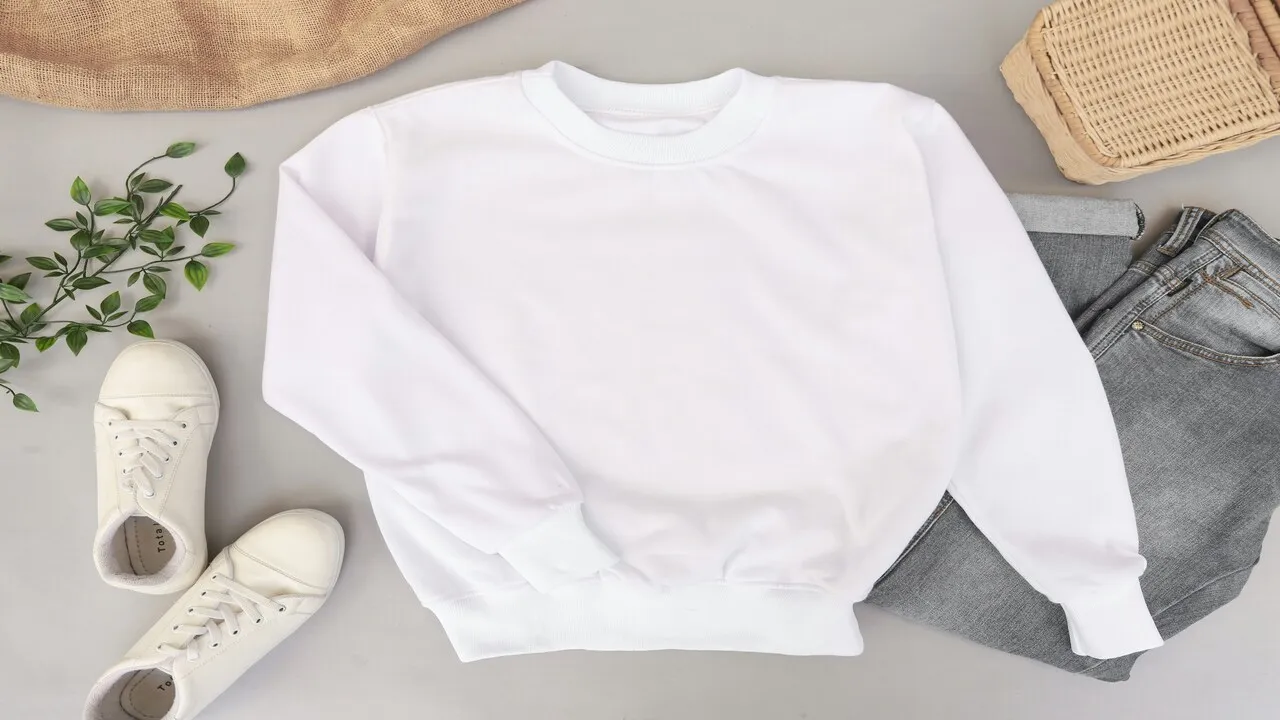
The fashion-specific case is even stronger. Clothing buyers feel quality with their hands, come back to labels that fit their identity, and screenshot pieces for the group chat when something lands. All of that requires the piece to be yours. On our side of the model, that means heavyweight cottons, vintage washes, boxy streetwear cuts, and your branding sewn and printed into the piece from the first order, with production running 2 to 5 business days after each sale and no minimums anywhere in the process.
Where dropshipping earns a place in a fashion founder's world is accessories and adjacent products you don't want to design yourself. Some brands run POD for the garments that carry the label and dropship the sunglasses. That split can work fine. The label, though, wants to be yours.
Frequently Asked Questions
Print-on-Demand VS Dropshipping: Final Words
Strip the jargon off, and the choice reads like the title of this post. Dropshipping vs print-on-demand is selling products versus building a brand, and both are legitimate answers as long as you pick on purpose rather than by accident.
If you want fast cash flow experiments with minimum attachment, dropshipping does that. If you want a label people recognize in two years, with customers who came back on purpose, that's the print-on-demand road, and it's the one Tapstitch have spent years paving. Decide what you're building before you build it, because the models look similar for exactly one week and then take you somewhere completely different.