





How Does Print on Demand Work? A Complete Beginner's Guide (2026)
.jpg)


There's a lot of guesswork online about how print on demand actually operates. Half the articles are written by people who have never printed a single shirt. The other half read like they were commissioned by companies that want you to sign up before you understand what you're signing up for.
We do this every day. We print, we pack, we ship. So this guide answers: How does print on demand work? From the floor, not from an outline. If you're figuring out whether print on demand fits what you're building, keep reading. Everything here comes from doing this every day, not writing about it.
What Is Print on Demand?
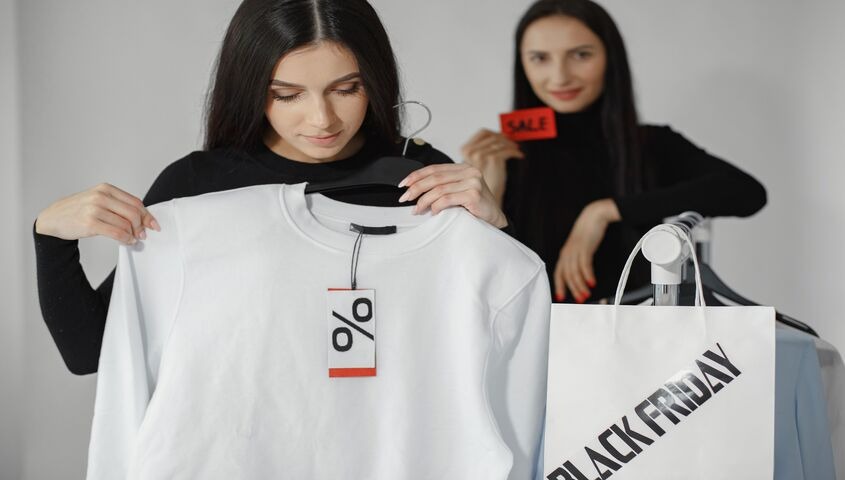
Print on demand is a type of fulfillment where your product is created only when it has been purchased. You just provide your design. Someone purchases it. It gets printed and delivered the very same day. No stock. No bulk purchasing. No storage space.
This is what print on demand is all about. All other retail businesses make their products and hope for buyers. Print on demand waits for its customers and then manufactures its products. The risk is close to nothing because you don't need to keep unsold stock.
The market is much larger than you might think:
- T-shirts, hoodies, sweatpants
- Hats and tote bags
- Phone cases and mugs
- Posters, stickers, and prints
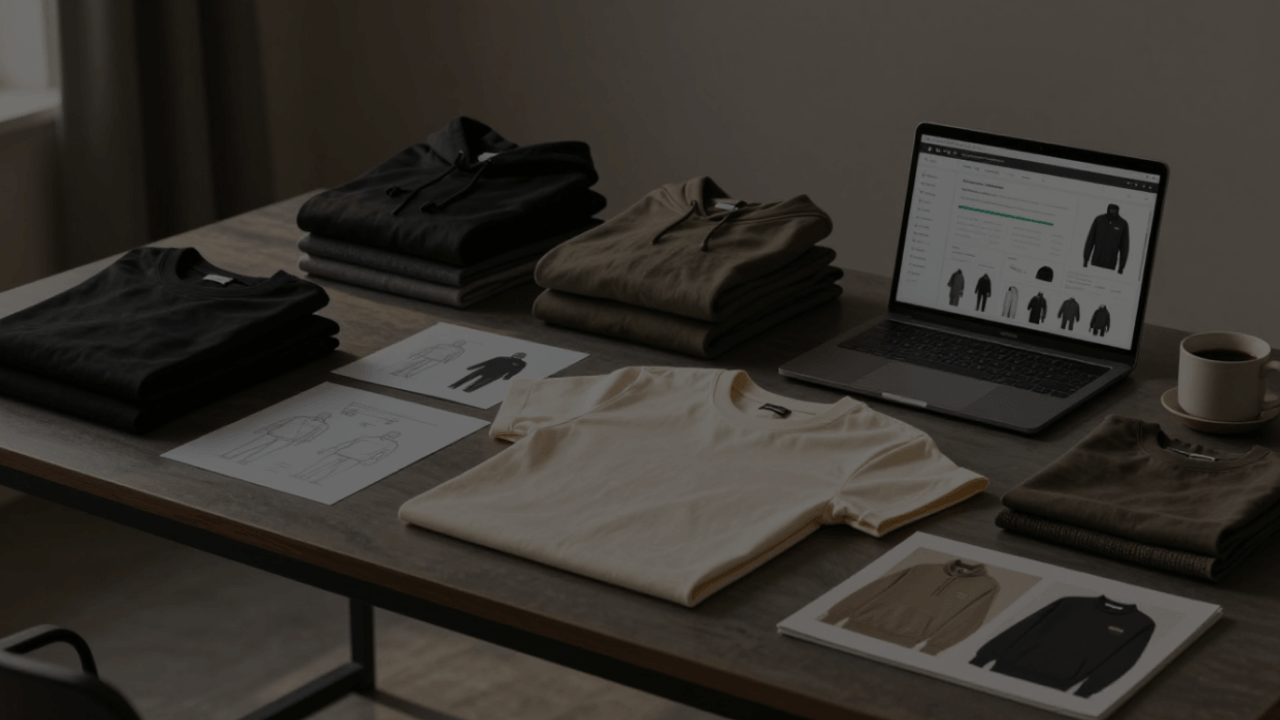
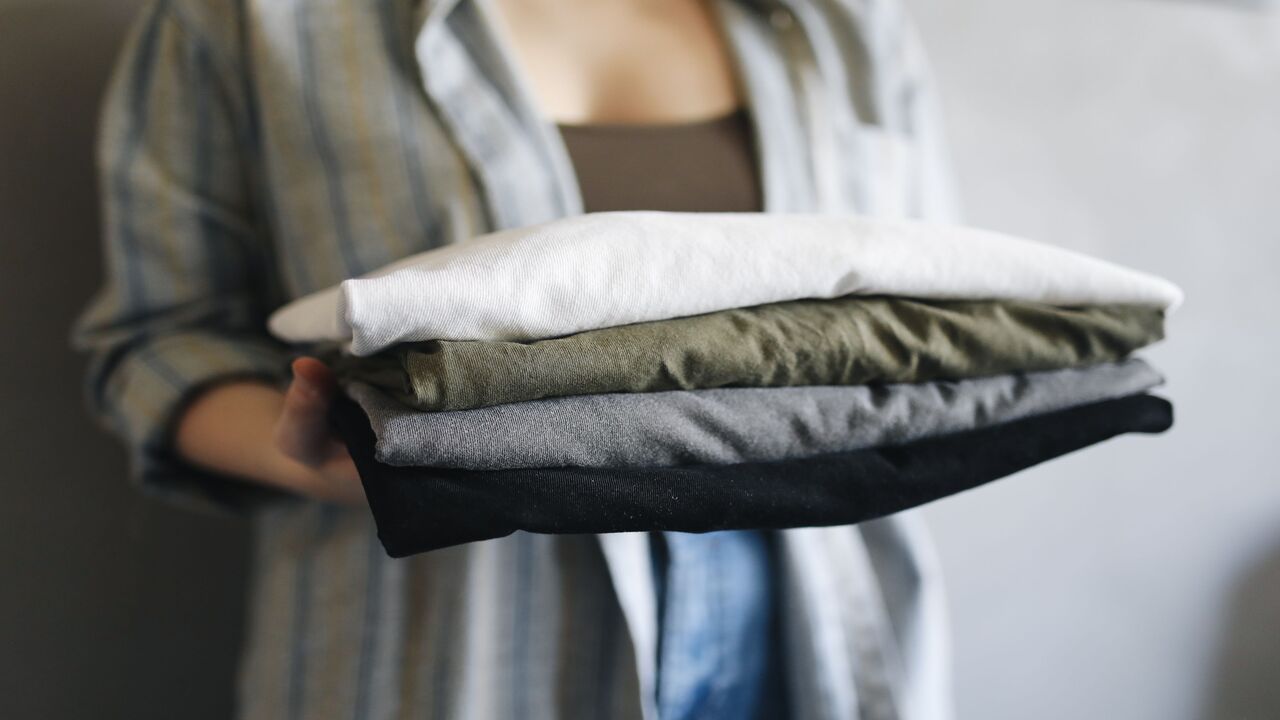
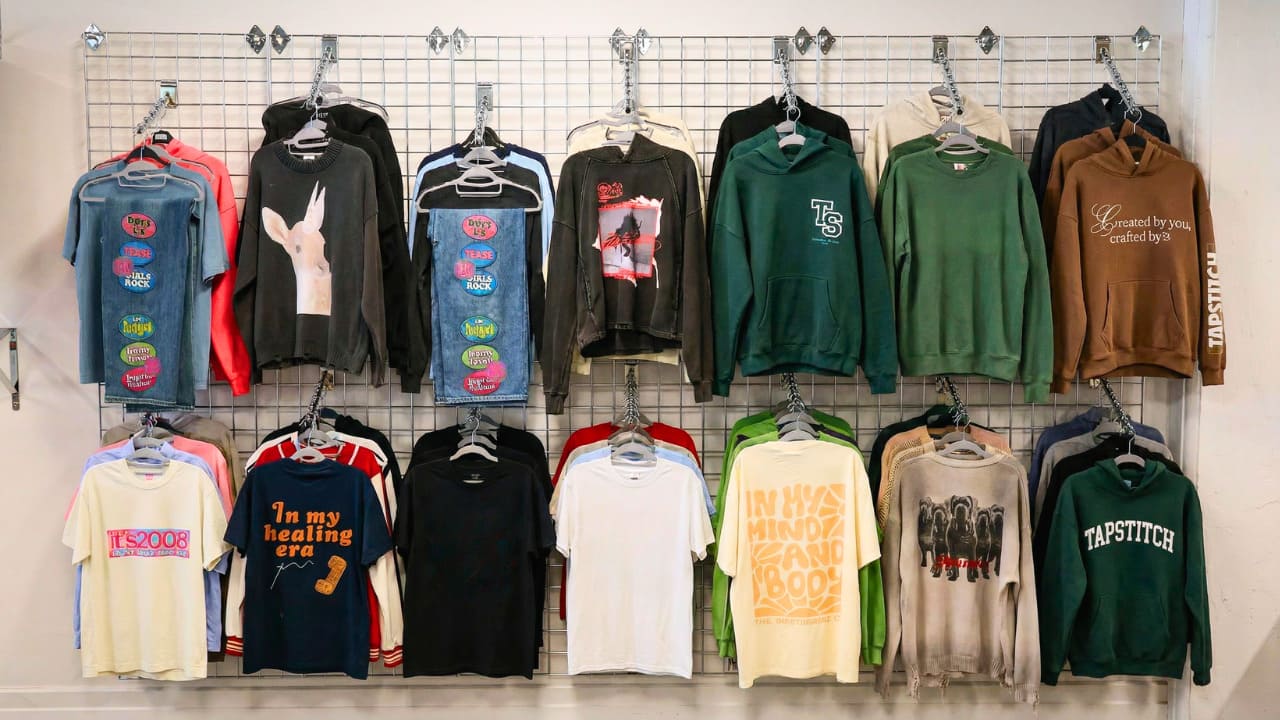
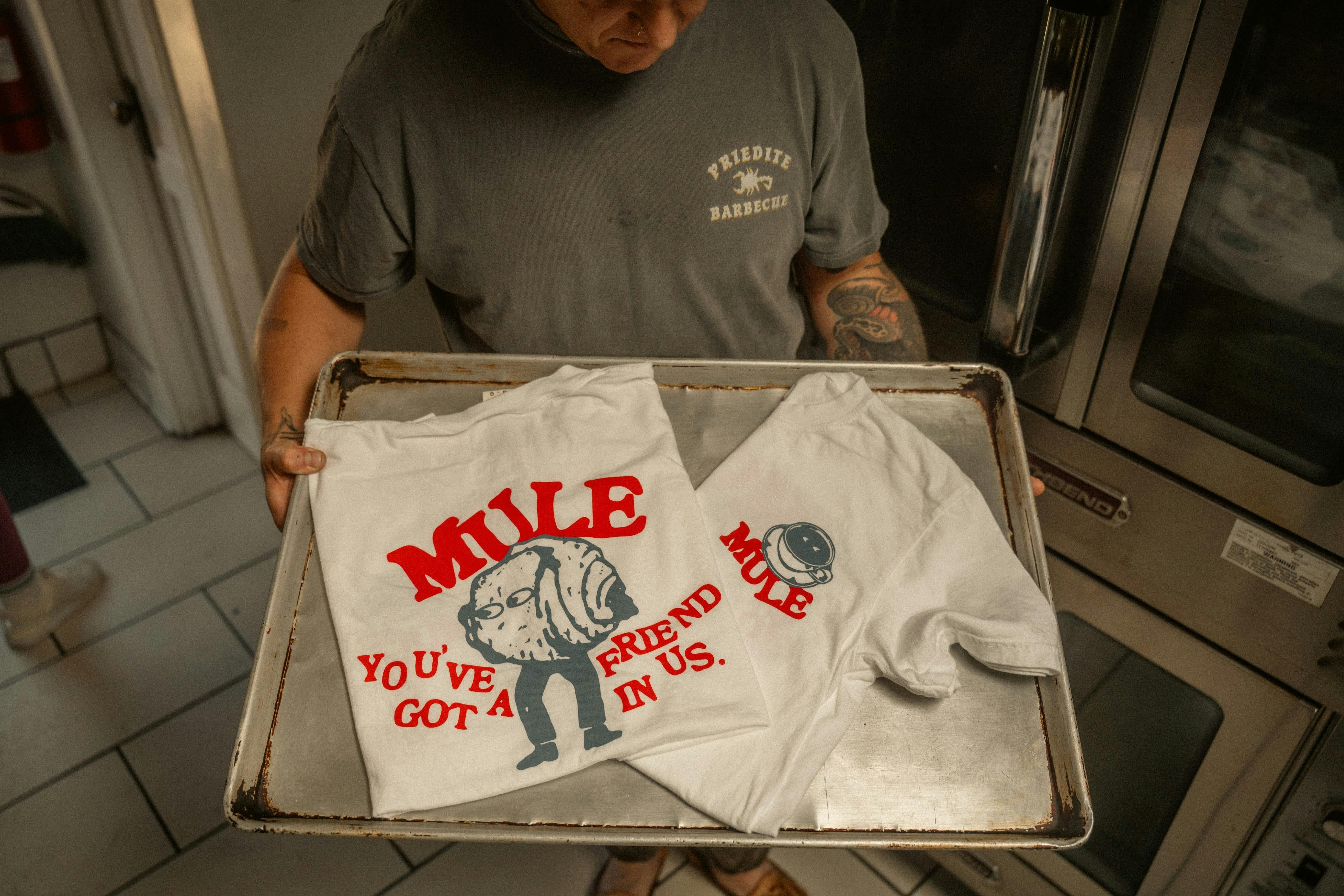
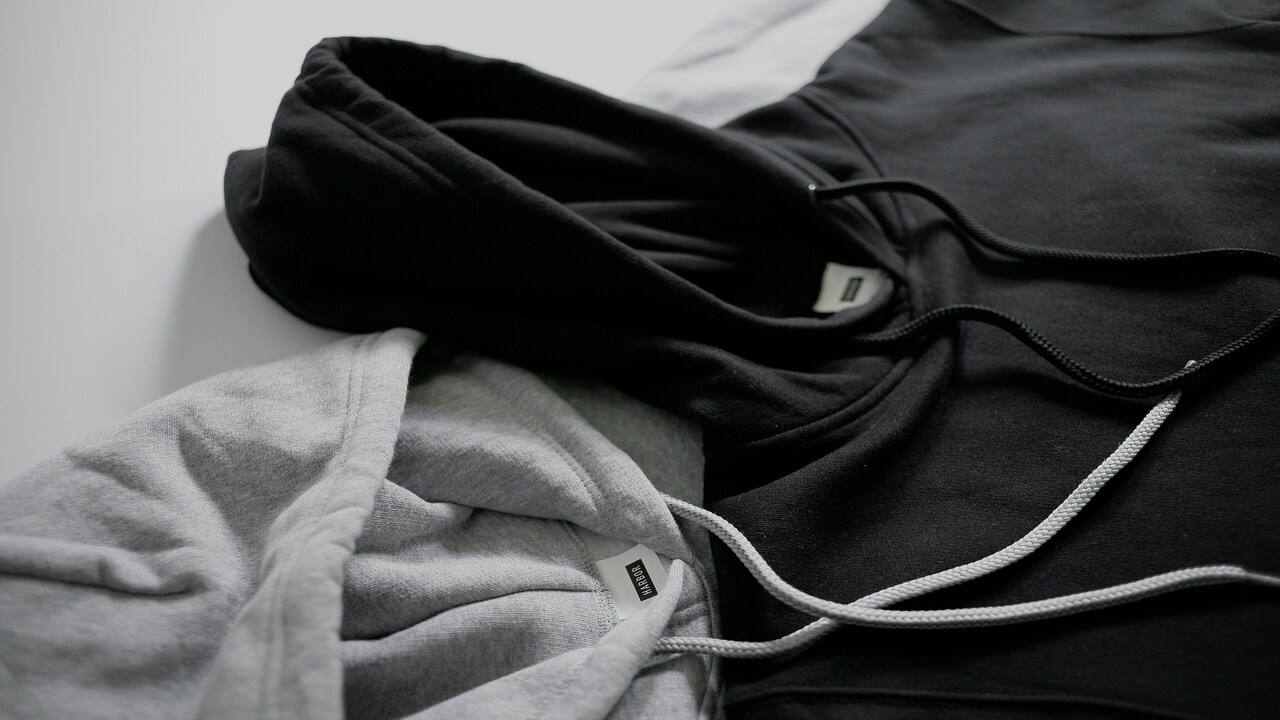
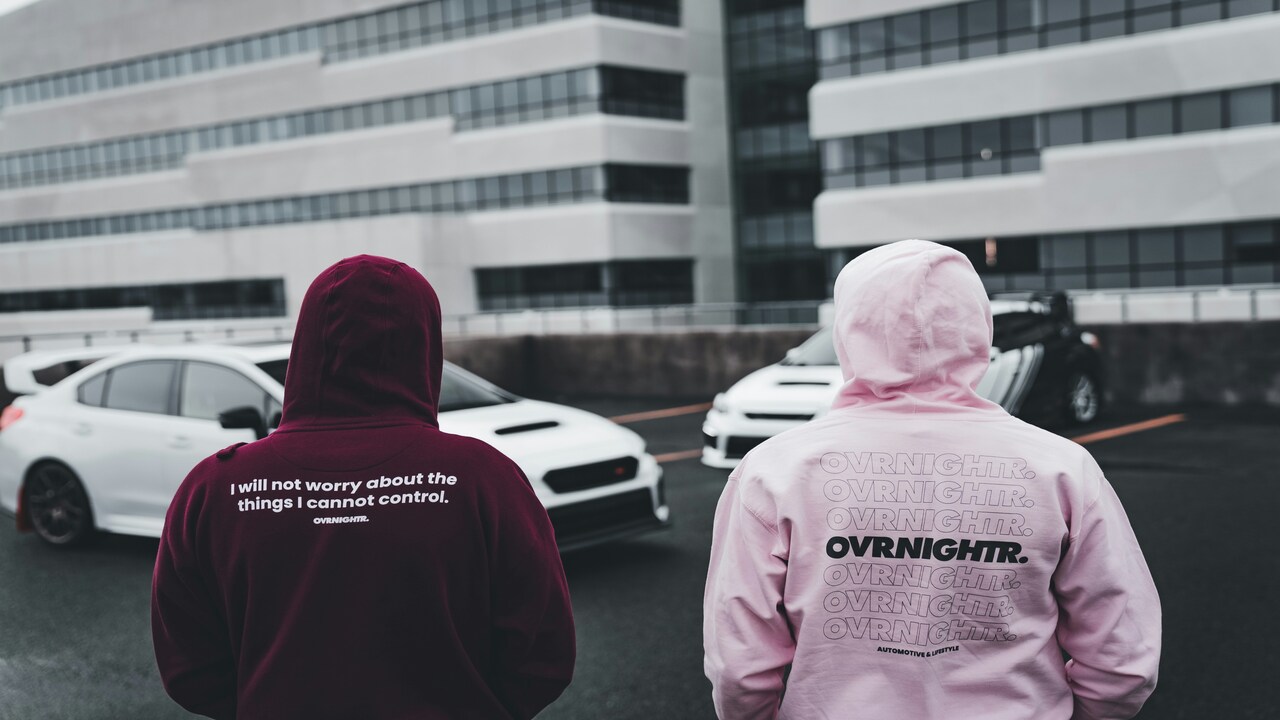
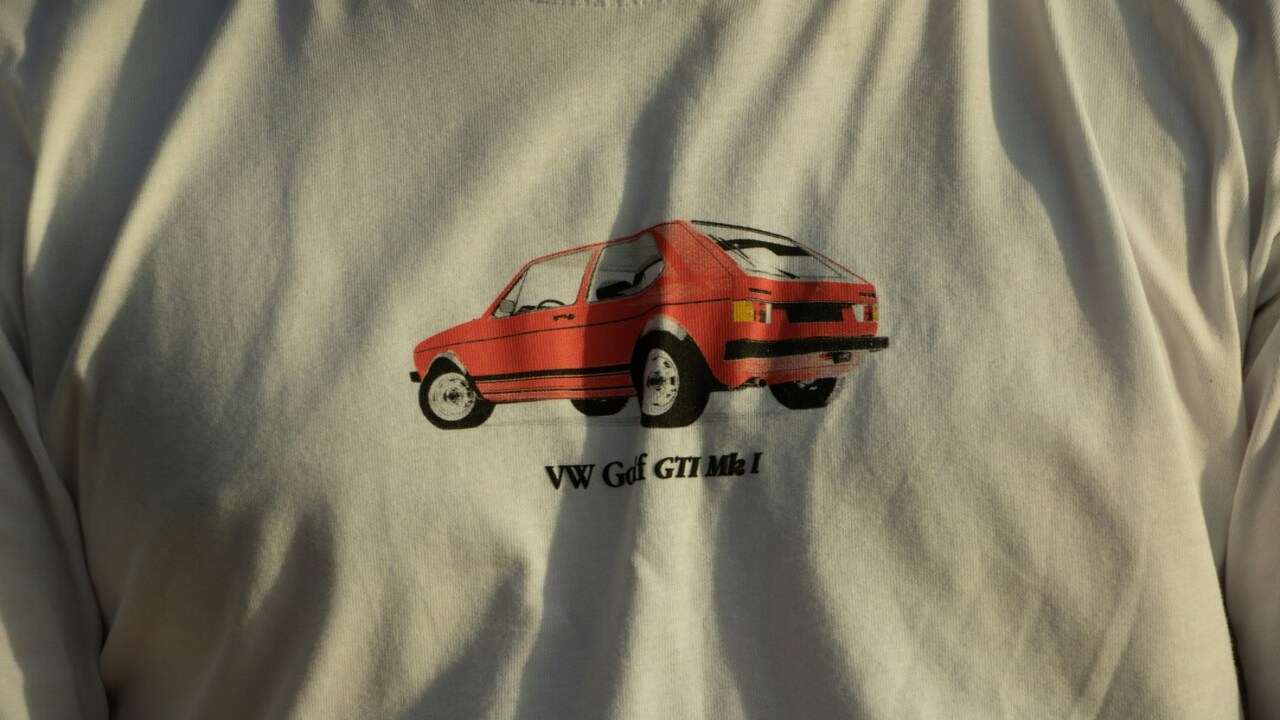
If it can be printed on and shipped in a box, print on demand can handle it. The real money maker here is apparel. You can sell clothes anywhere, and the profits can be high if the quality of the garment and printing is done properly. That's where the distinction between fashion-on-demand and generic POD becomes obvious. The customer knows as soon as they open the package. If you want to build a brand, you need to sell the whole experience.
How Does Print on Demand Work?
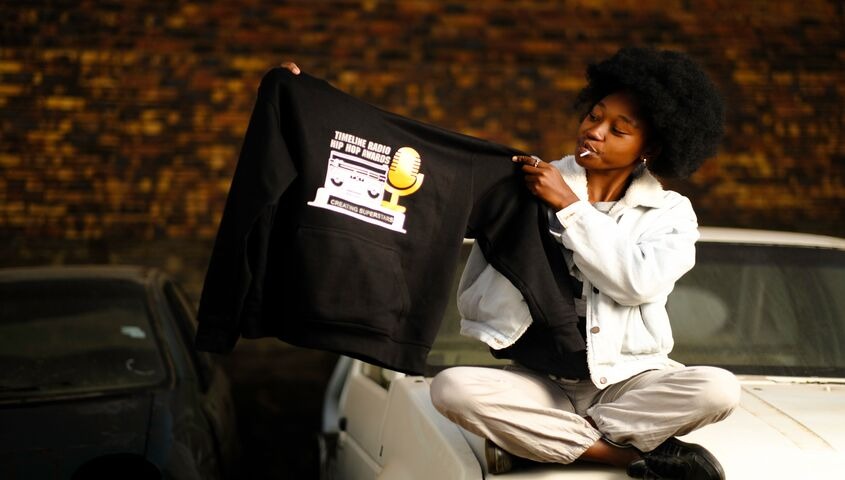
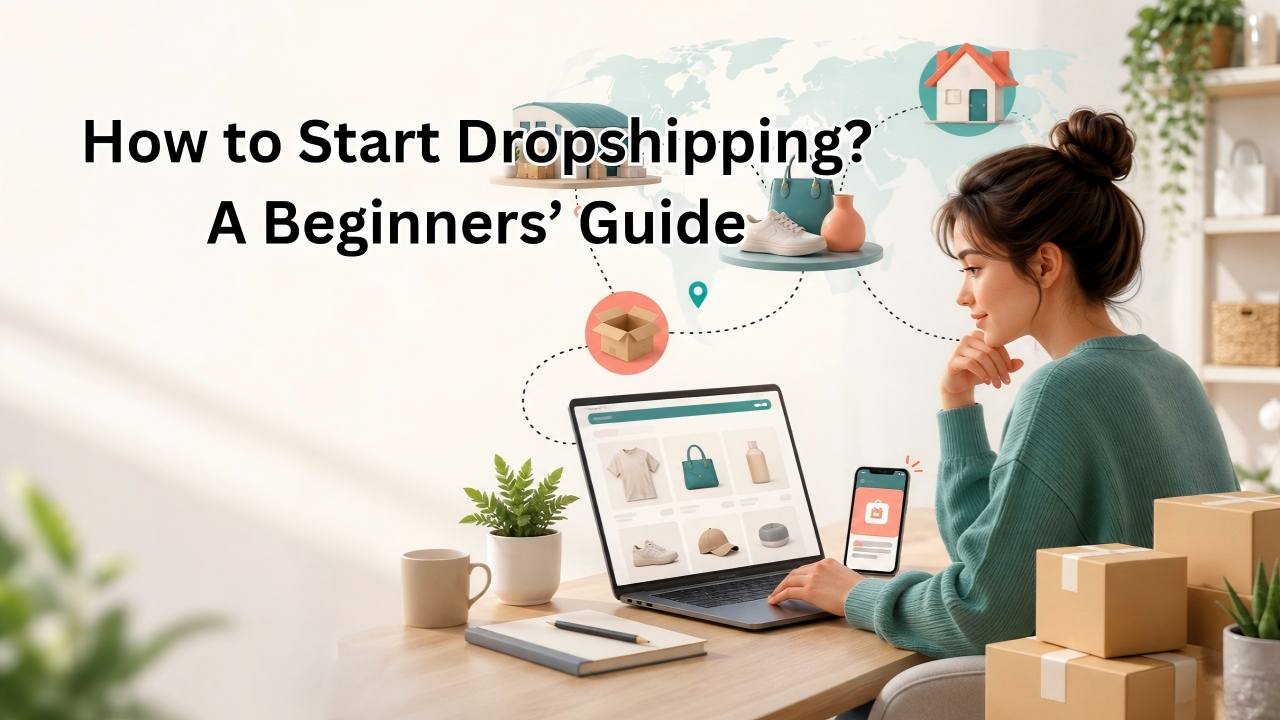
Here's the actual sequence, step by step, from the moment you upload a design to the moment a customer opens the box. This is how print on demand works in practice, not in theory.
Step 1: You upload a design.
PNG with a transparent background, typically 300 DPI, sized correctly for the print area of whichever product you picked. Most print-on-demand platforms have a built-in design tool. Ours works in your browser and previews the print in real time on the actual blank you selected.
Step 2: You pick the blank and set the price.
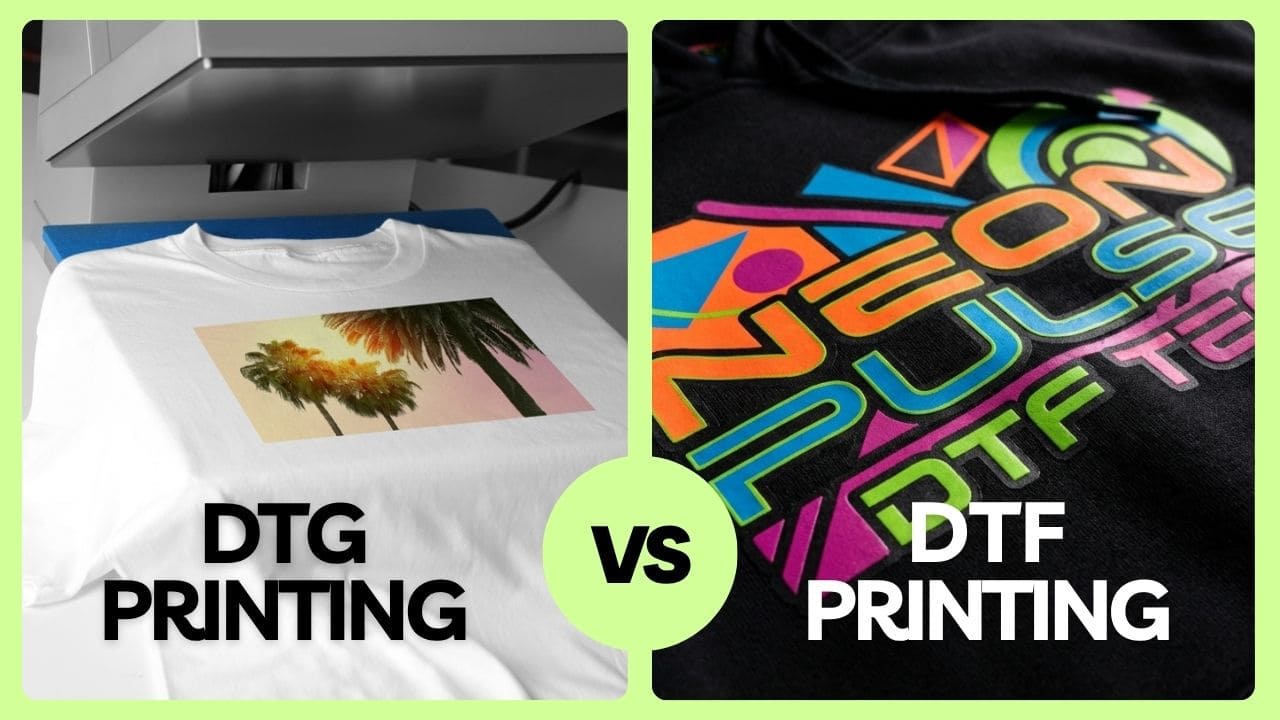
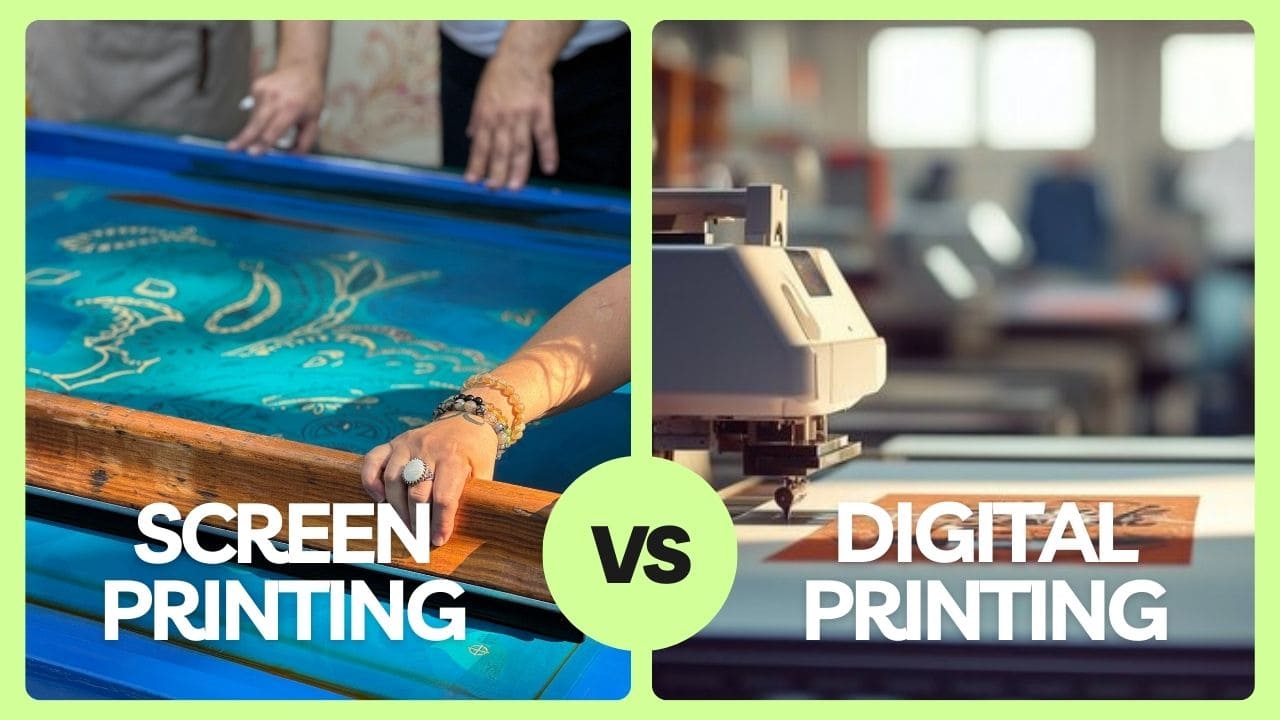
You will choose everything from the clothes themselves to the color and what method the print will use. DTG provides photo-realistic, colorful designs, while DTF will give you graphic and bolder designs on dark fabrics. The platform will give you the base price per unit, and you determine the sale price.
Step 3: You list the product on your store.
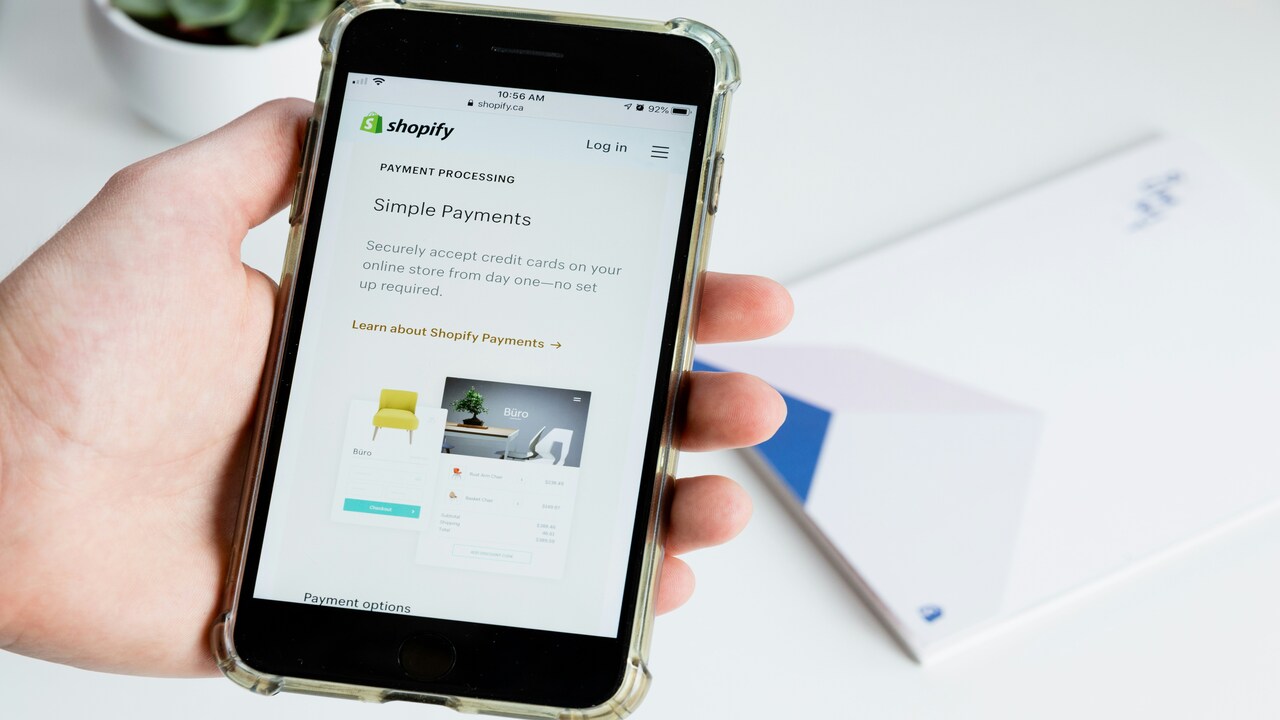
Shopify, Wix, Squarespace, Etsy, or even your own website. All print-on-demand websites link the product to your website, so the product appears immediately on your page with pictures, sizes, and prices ready to go. It only takes two minutes to do this on Tapstitch.
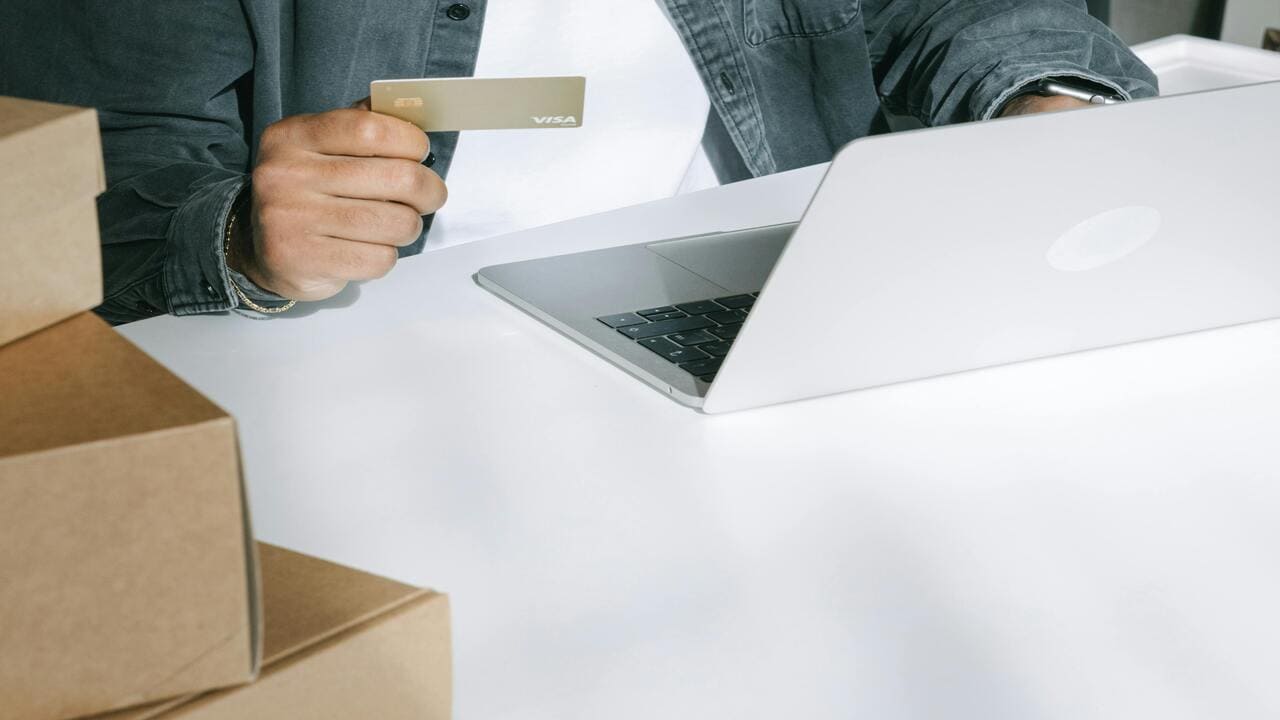
Step 4: Someone buys.
Your store captures the order and the payment. The order details, design, blank, size, and shipping address all get pushed to the print-on-demand partner automatically. You don't lift a finger.
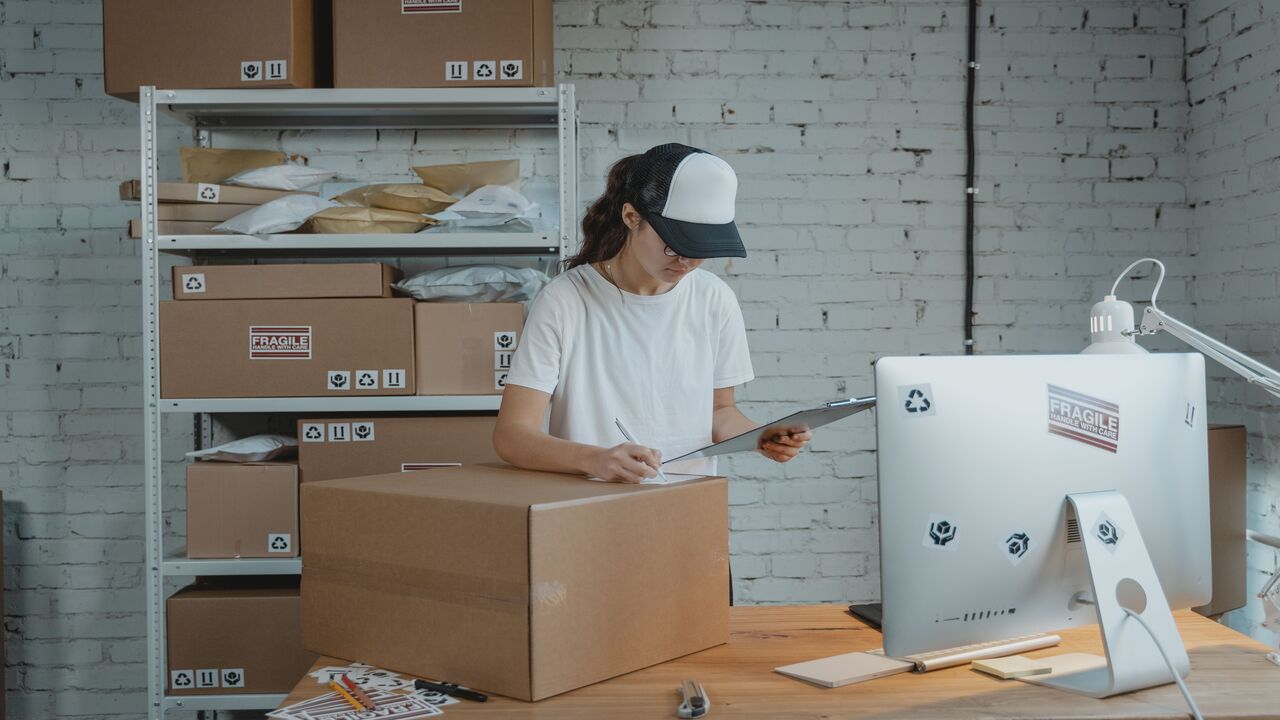
Step 5: We print it.
The design gets printed onto the actual blank in the actual size ordered. Production runs same-day on most orders in our system. The end-to-end production window sits at 2 to 5 business days depending on volume and design complexity.
Step 6: We ship it.
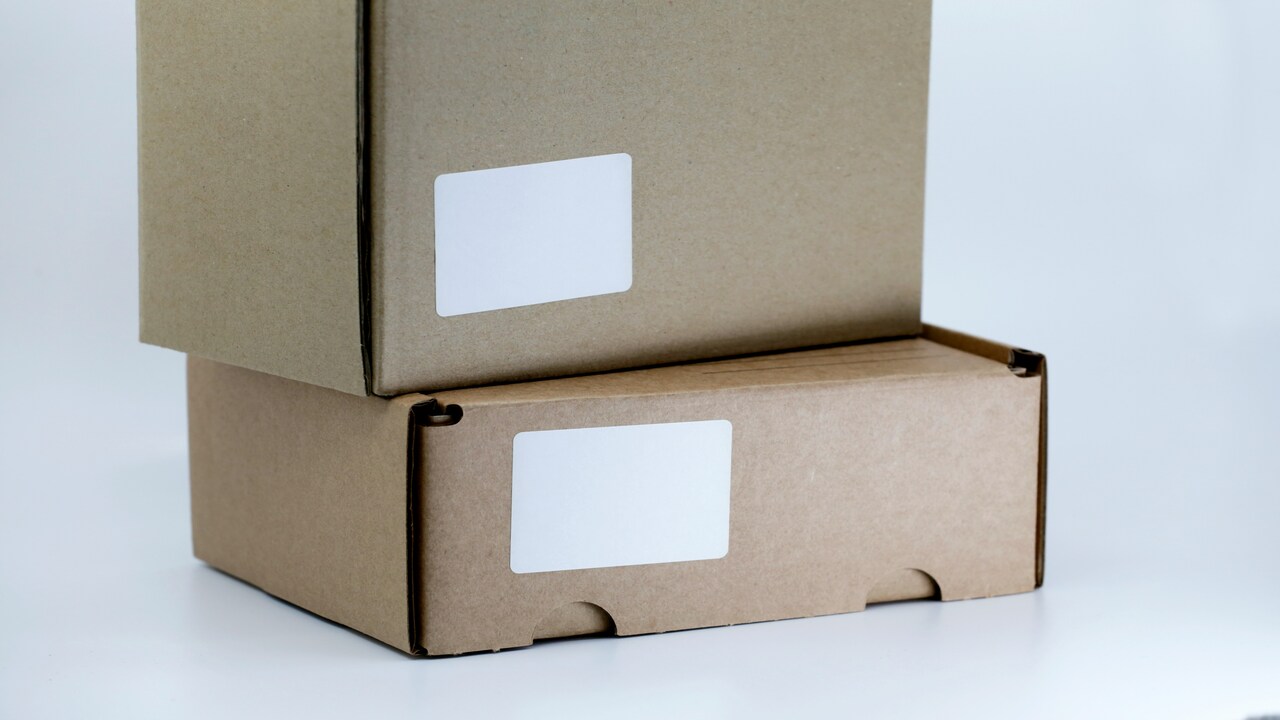
The piece leaves our facility with a tracking number that gets pushed back to your customer automatically. Every parcel is tracked door to door, dispatched from our US and China facilities.
Step 7: You collect the margin.
We receive the base cost from you when they order. The difference goes directly into your account.
The whole cycle happens without you touching a box, printing a label, or driving to a post office. That's the mechanical side of it. The economic side, which most guides skip, is that print on demand only exists because someone else agreed to eat the complexity of one-off manufacturing in exchange for a slice of your margin.
Is Print on Demand Worth It?
Yes, if you're clear-eyed about what it does and doesn't do. As a first-time business? Almost always. As your long-term production model on a massive scale? That's a different question.
What are you trying to build? If you want to test 30 designs this quarter without eating $8,000 in dead stock, print on demand is the only sane option. If you want to hit 5,000-unit orders on a single design at wholesale margin, this isn't what you want. Bulk manufacturing wins on unit cost at that scale.
For the vast majority of founders (people building indie apparel brands, creators launching merch, designers testing whether their aesthetic sells), is print on demand is worth it comes down to a single question: do you want the shortest path from idea to income in the apparel game? If yes, this is that path. The math is:
- Zero upfront inventory cost. Your out-of-pocket to launch is a design and a storefront subscription.
- Margins run 30 to 60% on apparel if you price with real intention. Higher on custom hoodies. Lower on discounted tees.
- Cash flow is positive from day one. You get paid before we print. No 90-day supplier terms. No float.
Chasing a $100k side hustle in year one? For most people, no. Building a real brand over 24 months? Yes, and it's the only cheap way to run 50 experiments while you find what actually sells. The founders who win treat print on demand as an incubator, not a lottery ticket.
Pros and Cons of Print-on-Demand
The honest breakdown, from operators who see every side of it.
Pros:
- No inventory risk. Nothing to buy, nothing to store, nothing to write down when a design doesn't sell.
- Unlimited catalog size. List 200 products if you want. Nothing costs you until someone buys.
- Global fulfillment from day one. Your customer in Melbourne gets the same product as your customer in Manchester.
- Fast iteration. Test a design on Monday, kill it Friday, ship a replacement by the weekend.
- Low barrier to entry. No investors, no warehouse space, no minimum orders. Just a design and a storefront.
Cons:
- Per-unit cost is higher than bulk. A factory running 10,000 units will always beat you on price. Margin discipline matters.
- Less control over packaging. Most print-on-demand partners stop at branded packing slips and neck labels. Tapstitch adds hang tags and custom packing pages at no extra cost, but fully custom boxes are still rare.
- Longer shipping times than Amazon Prime. Two-day buyers aren't your customers.
- Quality varies between providers. Some print-on-demand platforms use paper-thin blanks. Tapstitch runs heavyweight cottons, vintage washes, and streetwear cuts. Choose your supplier carefully.
The cons are manageable. The pros are what get a brand off the ground without inventory.
Tips for Starting a Print-on-Demand Business with Tapstitch
Everything above is the model. Here's how to actually run it, from people who live inside it.
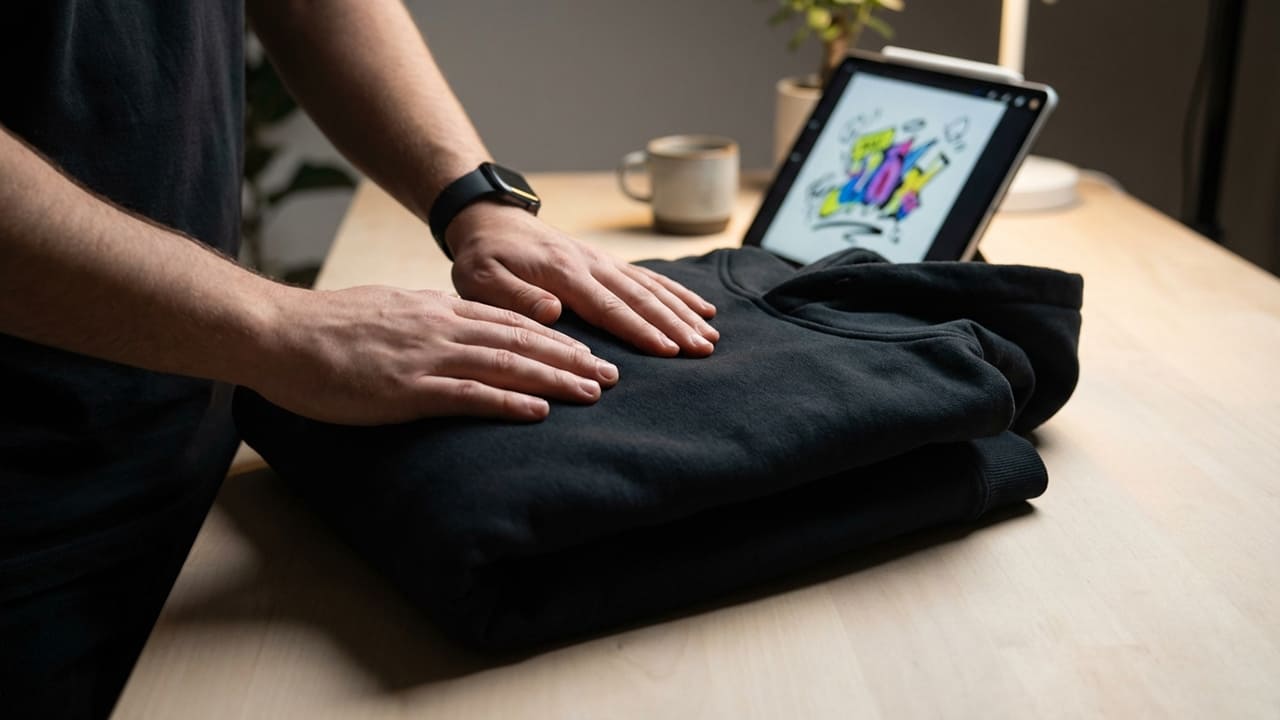
- Pick the blank before the design. Most founders reverse this order and end up with a killer graphic on a blank that feels like an oil rag. Look at the catalog. Feel the weight. Order a sample. If you would wear it plain, the design will land. If you would not, it won't matter how sharp your graphic is.
- Design for the print method. DTG is best for photorealistic and complex color work on cotton. DTF handles bold graphics on darker fabrics with heavier ink lay-down. Design files should be 300 DPI, PNG with a transparent background, sized to the print area of the specific blank. This is the single thing most first-time uploaders get wrong.
- Order samples of your own product. You need to know what the customer is gonna get. You need to experience your brand before anyone else does. Sample cost is 10 minutes of your time and the price of one shirt. Skipping it is the number one reason bad print-on-demand businesses never grow past friends-and-family sales.
- Price for real margin. A $12 base-cost tee sold at $28 leaves you $16 gross, which is thin after ad spend and payment processing fees. The same tee sold at $35 to $42 leaves real profit. Fashion-grade blanks let you price at the top of the range because the product supports it. Cheap blanks force you to compete on price, which is a race to zero.
- Focus your first five designs. Not 50. Not 200. Five. Narrow niche, tight aesthetic, one voice. Then use the sales data to decide which ones to expand. Every print-on-demand brand we've watched launch well did fewer, better designs before they scaled the catalog.
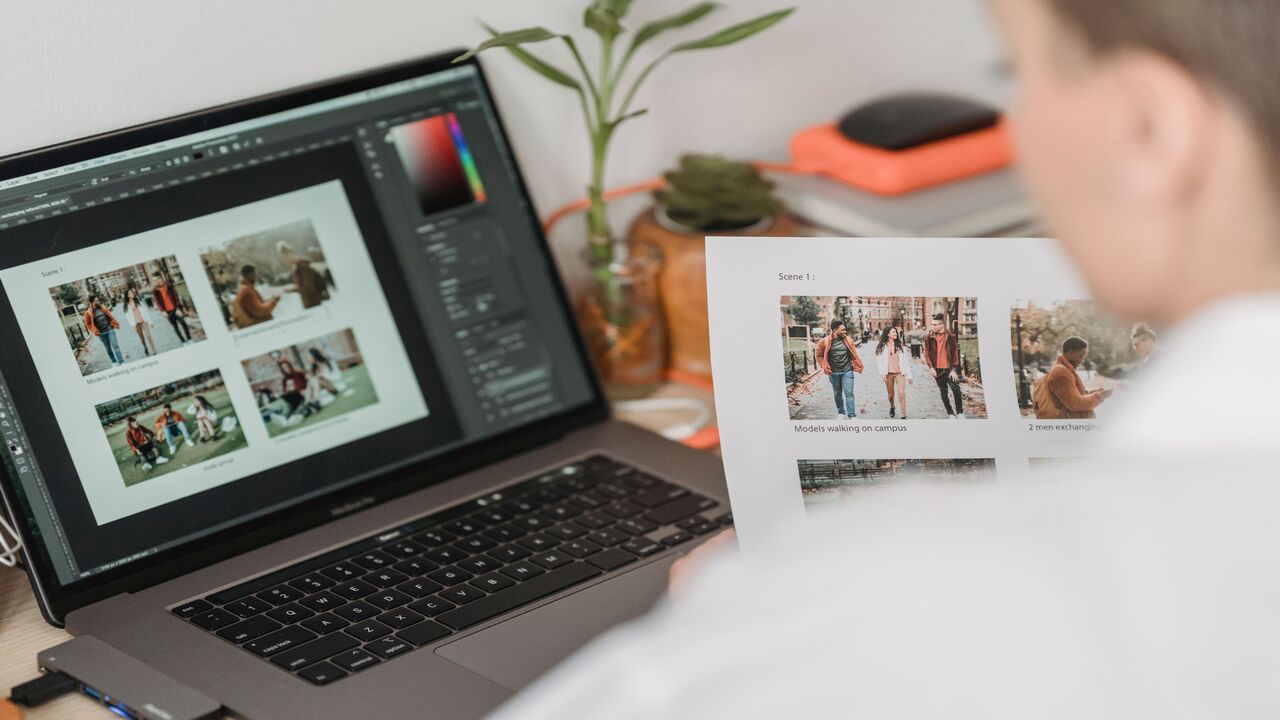
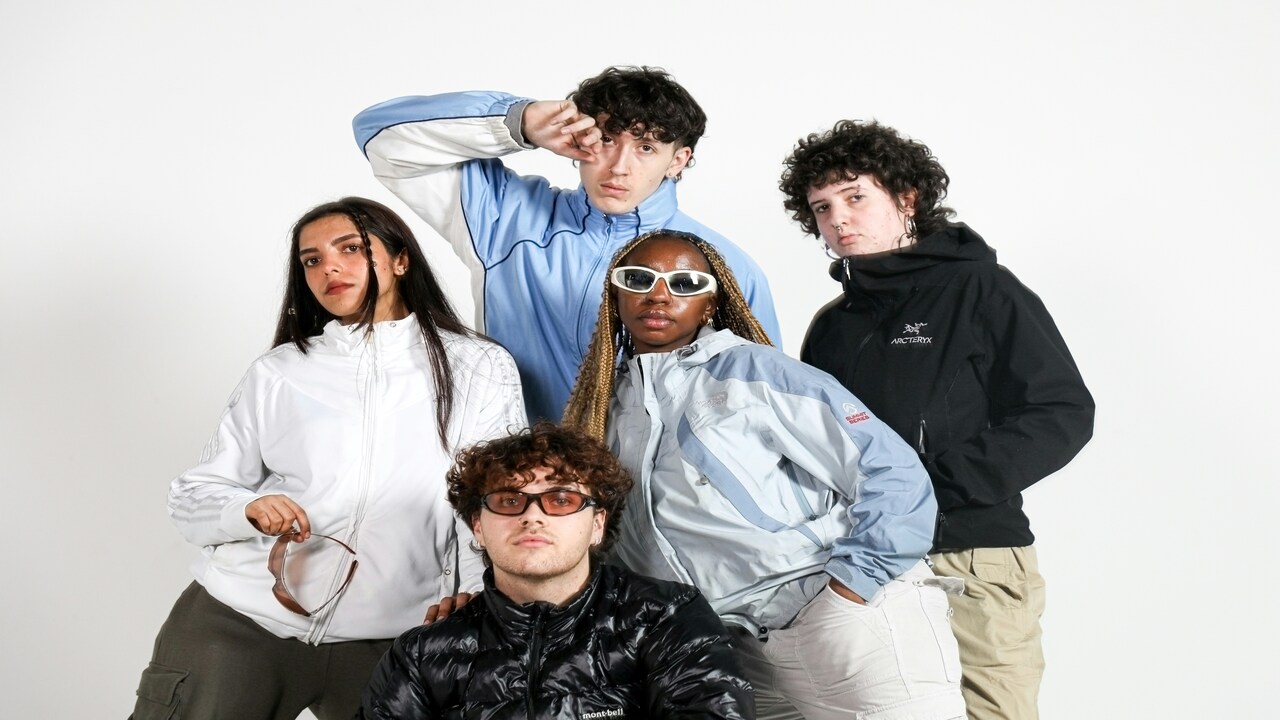
- Set up real product photography. Mock-ups of your platform work for a launch, but if you want to build a real brand vibe, you'll need real photos of real people selling your vibe. Real photos convert 2 to 3 times better than mock-ups.
- Test one channel at a time. Instagram, TikTok, Etsy, Google Ads, or a Shopify site with SEO content. Master it, then bring on the next when that one’s making you money. Founders who try to do all five channels from the get-go generally fail at all of them.
- Reinvest early margin into content, not ads. In the first 90 days, spend your gross margin on making more content, more designs, and better photos. Ads amplify things that work. They don't fix things that don't.
The playbook isn't complicated. Most brands that fail at print on demand fail because they skipped the fundamentals, not because they got the strategy wrong.
Print-on-Demand FAQs
The Bottom Line
That's how POD works in 2026, from the people who print the shirts. The model is simple. The execution is where founders separate. The answer to every question above lives in the same place: the first piece you actually ship.
Design it, price it, order a sample, and see how it feels when it lands. One week from now, you either have a brand, or you have data on why not.
.png)

.jpg)
.jpg)
.jpg)
.jpg)
.jpg)






.png)




.png)
.webp)

.jpg)





.jpg)


.jpg)

.png)
.jpg)


.jpg)
.jpg)


.jpg)
.jpg)
.jpg)
.jpg)
.jpg)
%20(1).jpg)
.png)

.png)


%20(1)%20(1).jpg)





.png)
.png)


.jpg)

.jpg)
.jpg)