






19 Low-Cost Business Ideas with High Profit



There's something nobody really mentions about high-profit businesses, which is that most of them are boring on purpose. The money hides in unglamorous corners like vending machines and candle wax while everybody fights over whatever looked exciting on their feed that week, usually in a category with no margin left in it.
So when we put together this list of low-cost business ideas with high profit, the rule was that the profit had to come from how the business is structured, not from the founder being unusually talented. Cheap to enter, margin baked in, real numbers wherever we have them, and a short section at the end on actually picking one.
19 Low-Cost Business Ideas with High Profit
Nineteen entries, each with the margin math, the startup cost, and where it tends to go wrong. We open with the one we run ourselves, so you know where the bias sits.
1. Print-on-Demand
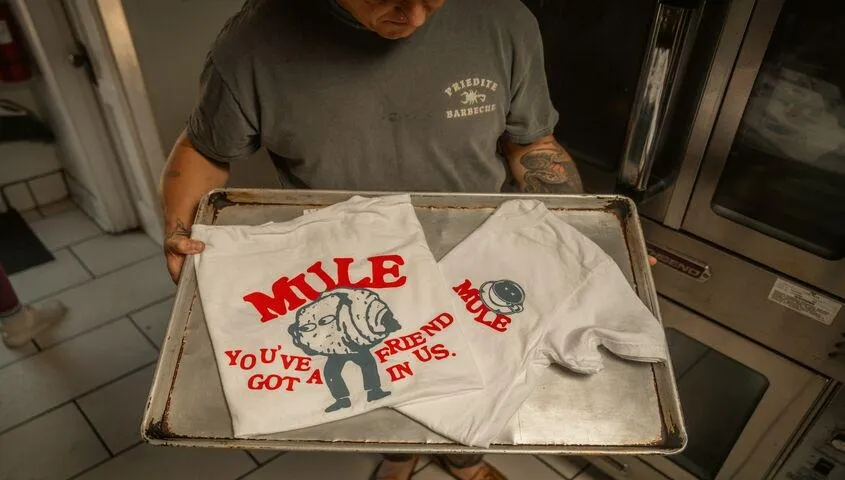
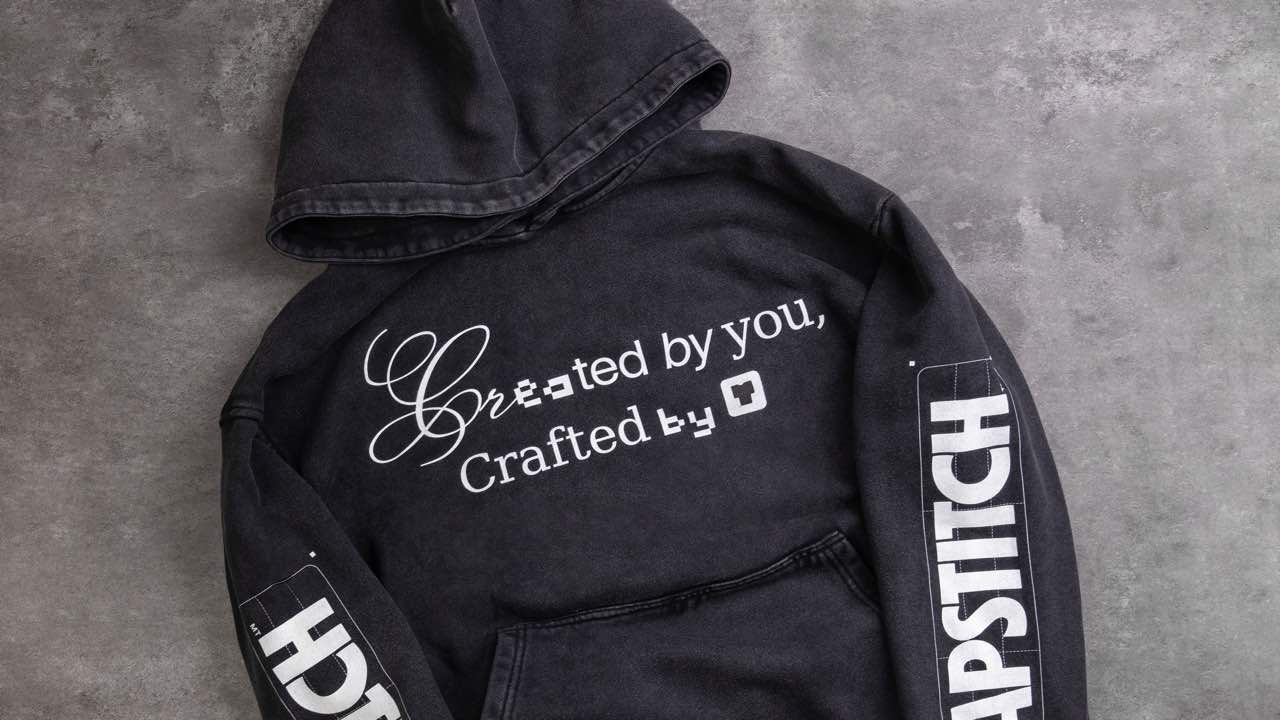
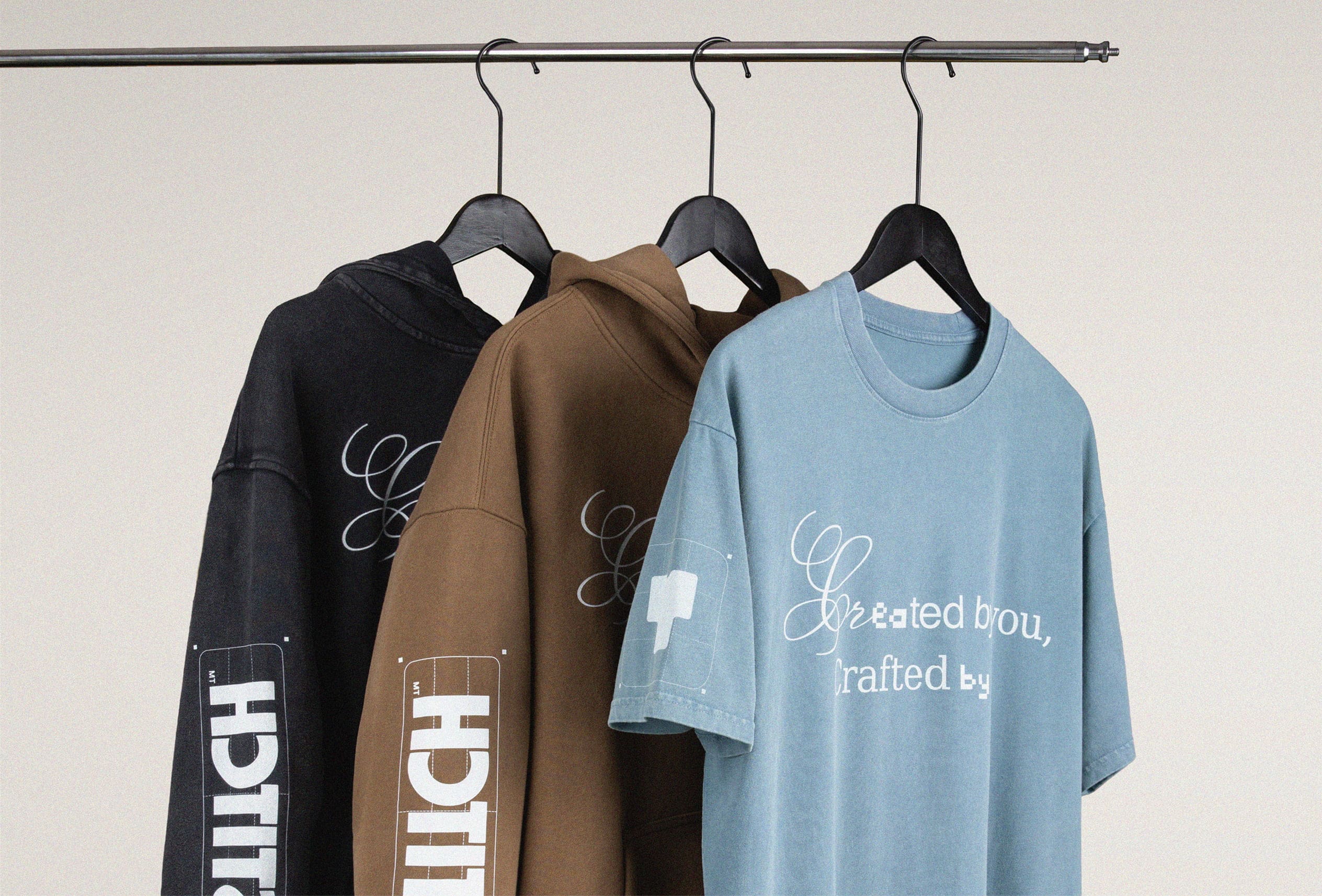
We'll start with the one we know from the inside, since we're the ones physically running the printers. The model, if you haven't come across it: you design apparel, you list it in a store, and each piece gets produced after somebody has already paid for it, which means there's no warehouse anywhere in your life and no January markdown pile either.
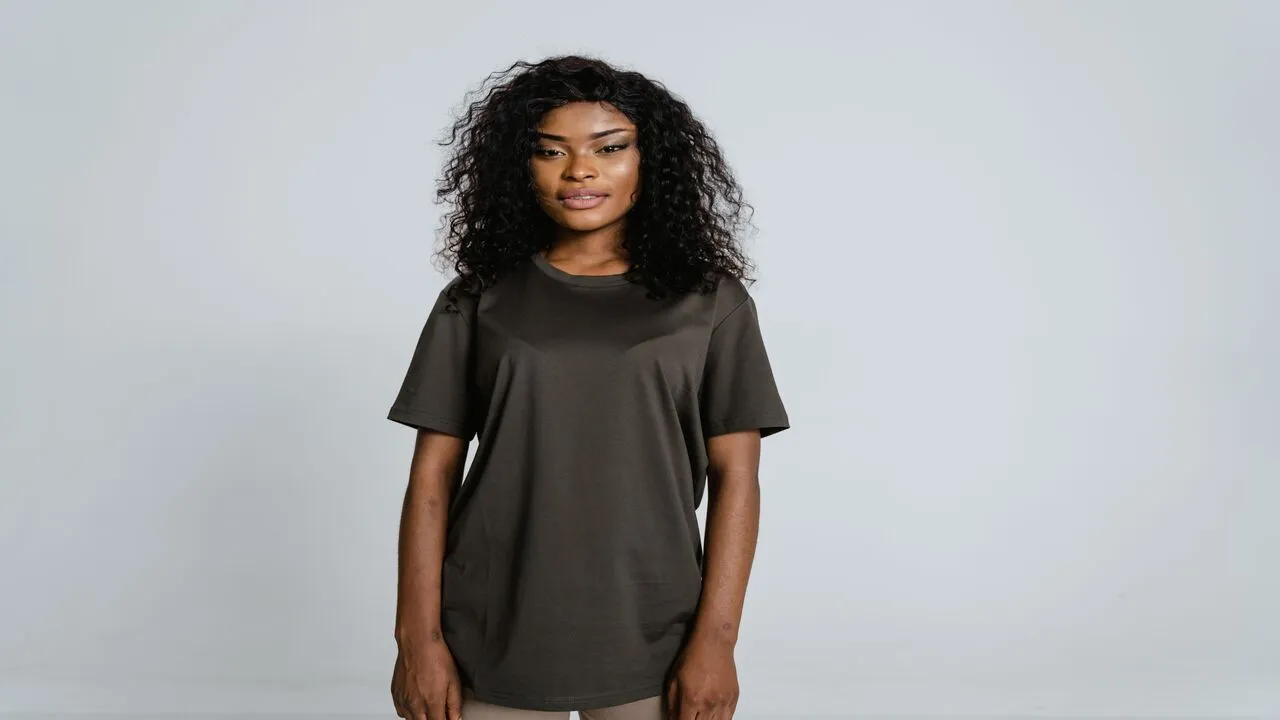
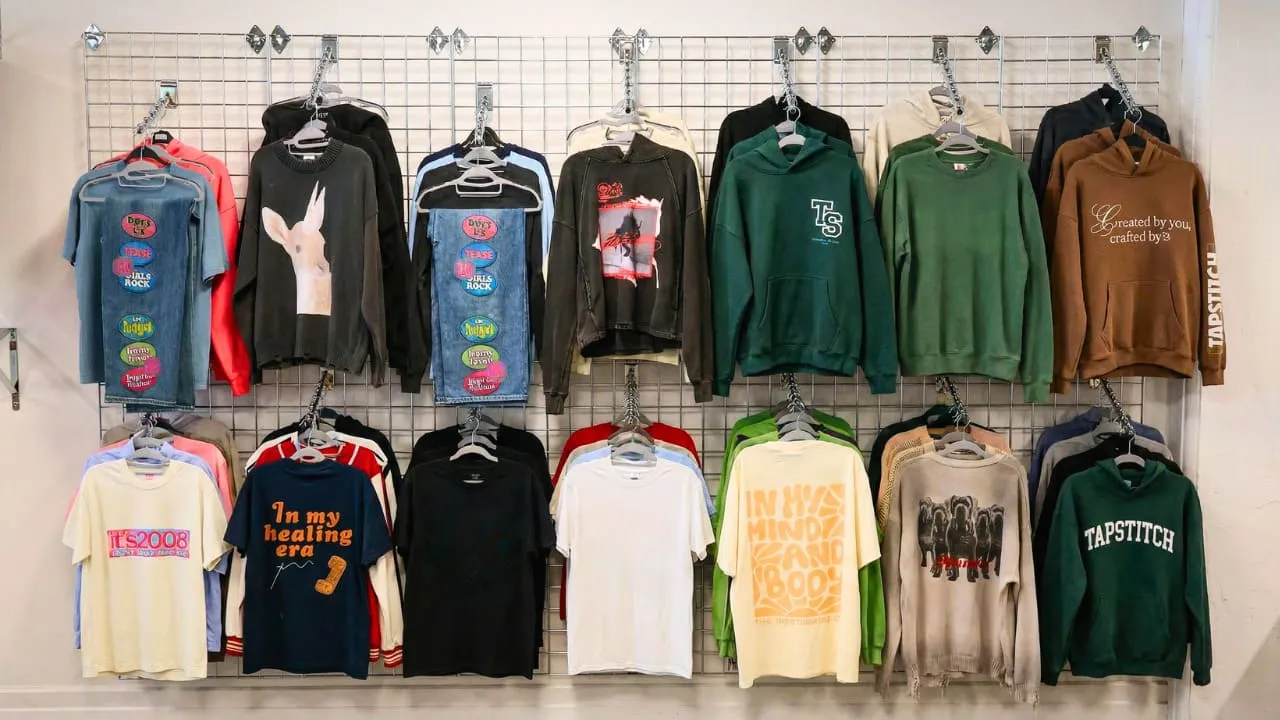
It leads this list because of the margin math. A heavyweight tee that costs you around $12 at base will sell for $35 to $42 as long as the garment underneath is genuinely good, and fashion-grade blanks are why we harp on about garment quality so much. You keep that spread on every single order, starting with the first one, and nobody is asking you to commit to five hundred units to get there. Realistically, you're looking at 30 to 60% margins depending on how you price, and the startup cost is close enough to zero that the difference doesn't matter.
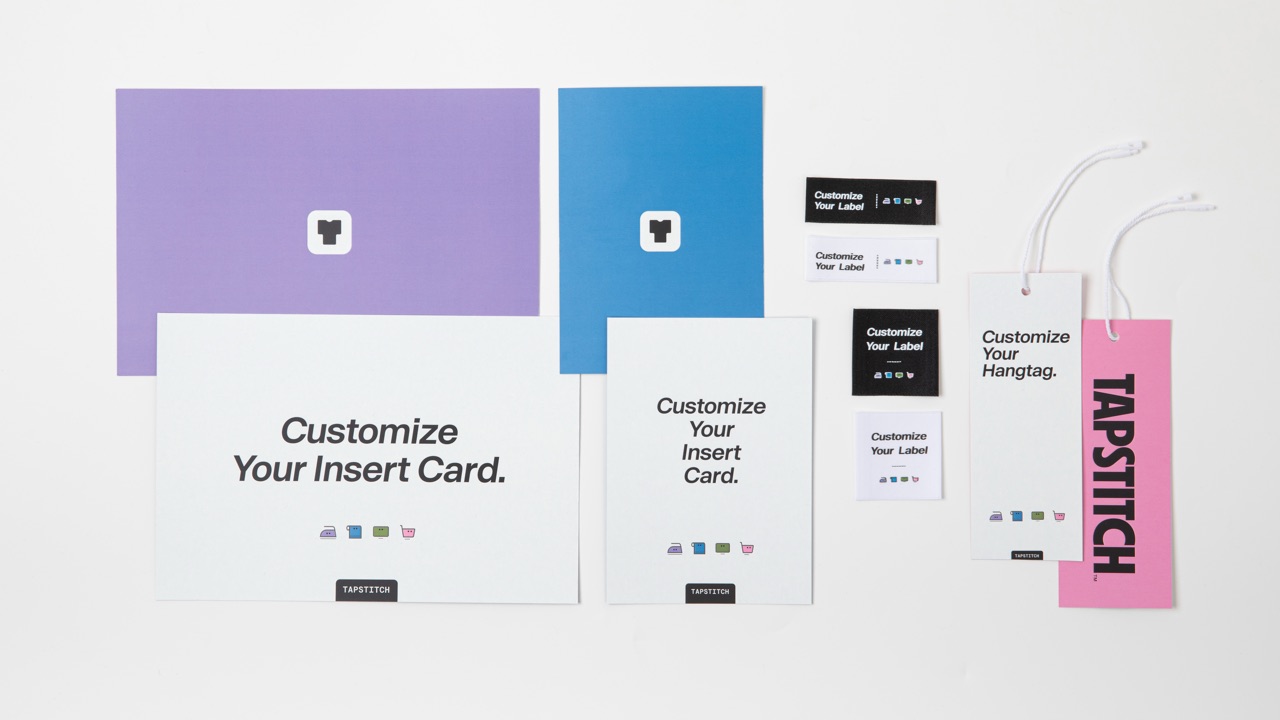
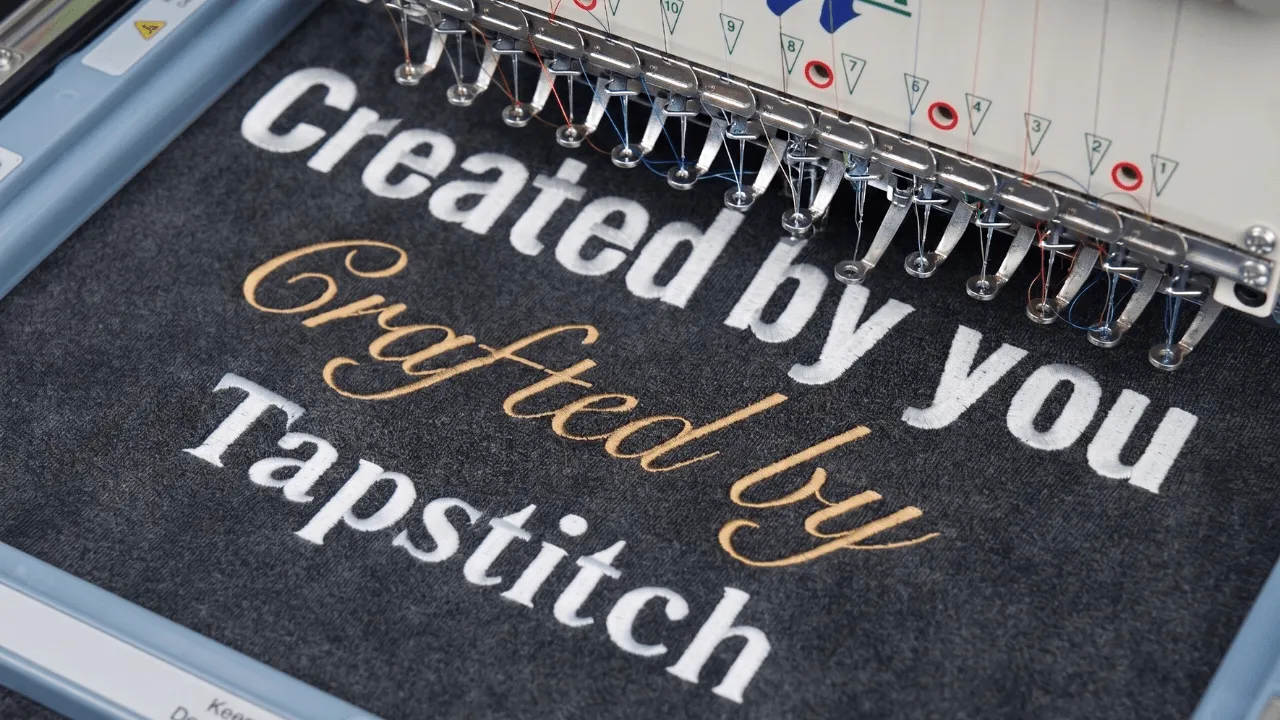
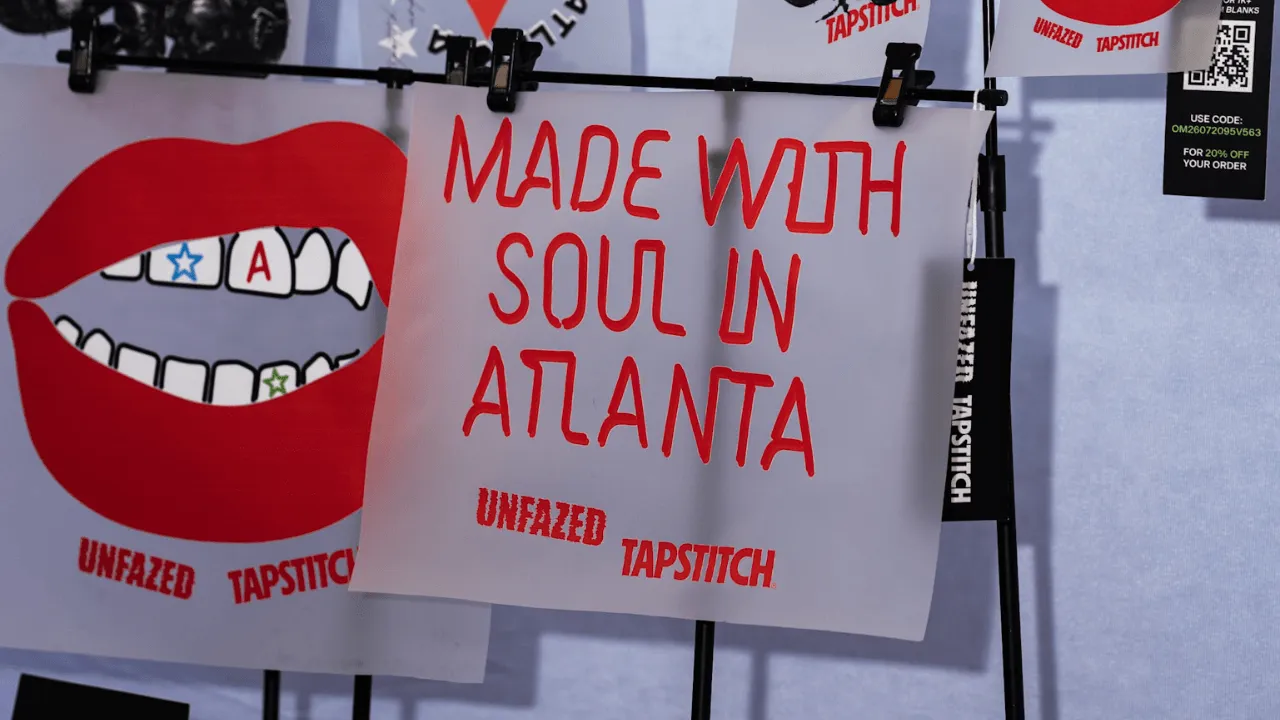
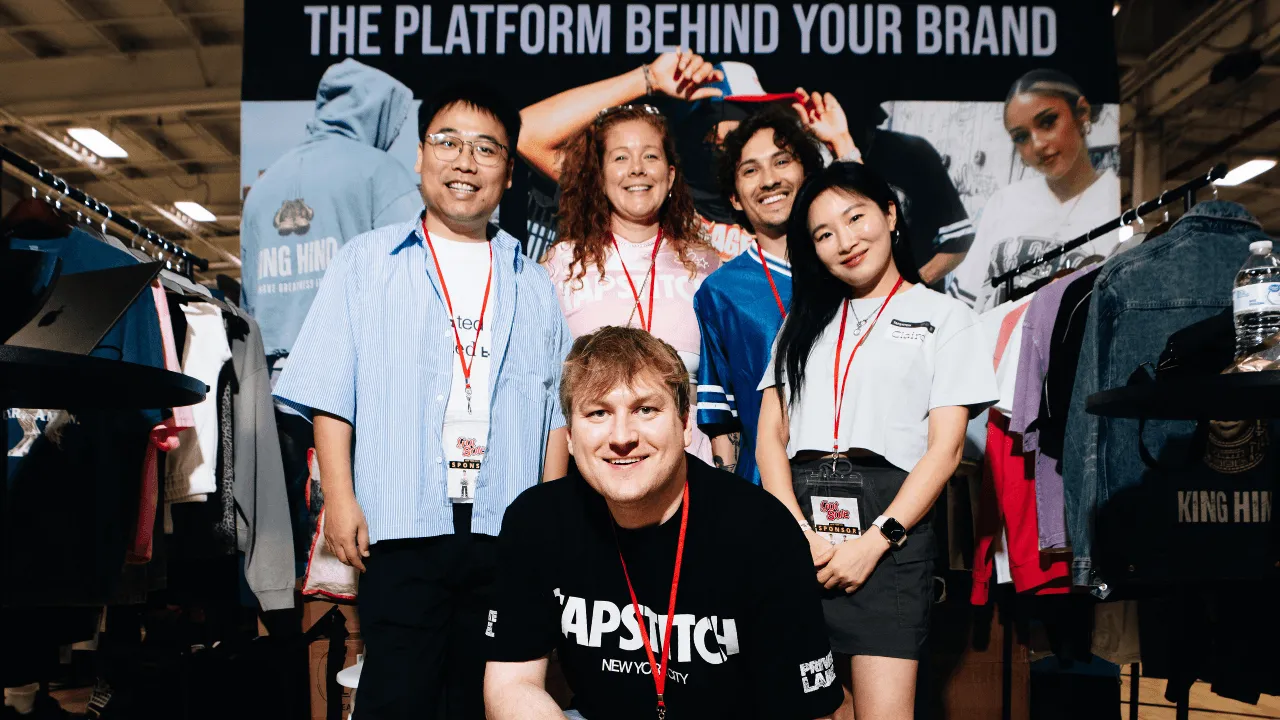
If you want to see the model from the inside, Tapstitch print-on-demand is the version we run: free design tool, 1,000+ fashion-grade blanks, your neck label on every piece, and nothing printed until it's paid for.
2. Dropshipping
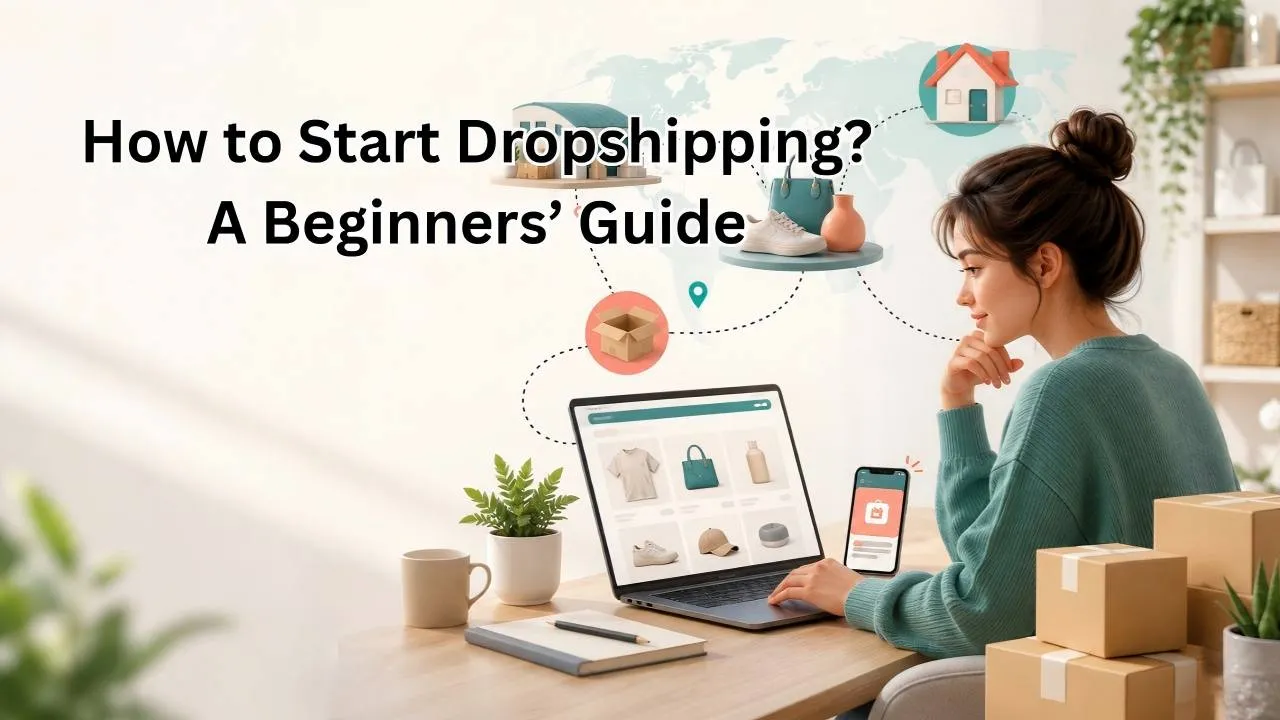
With dropshipping, you list products from a supplier, the dropshipping supplier ships them straight to the buyer, and you keep whatever sits between your price and theirs. It still works in 2026, though mostly for people who approach it the way an actual retailer would, with curation and quality control and someone answering customer emails, rather than as a shortcut somebody sold them in a YouTube ad.
The failure mode is racing to the bottom on the same generic products as everyone else. What tends to work instead is picking a niche where you personally know what good looks like, because your taste ends up being the only thing a competitor can't copy in an afternoon. Entry costs are under $100 in most cases, and margins float anywhere from 15 to 40% depending on how commoditized your corner is. The way out of the commodity trap is a product nobody else can list, which is what Tapstitch dropshipping is built for: your designs, our production, shipped to the buyer with your label inside.
3. Selling Digital Products

Templates, planners, presets, fonts, guides, that whole family. You make the file once and then sell it indefinitely, which is why the margins in this category are somewhere north of 95% once platform fees come out, and why every list like this one includes it.
The catch is that the work is entirely upfront and the market is genuinely crowded, so the sellers who do well tend to solve one oddly specific problem for one specific person. A budgeting spreadsheet disappears into the noise. A budgeting spreadsheet built for freelance tattoo artists gets found, gets shared around, and keeps selling for years.
4. Custom Merch for Local Businesses
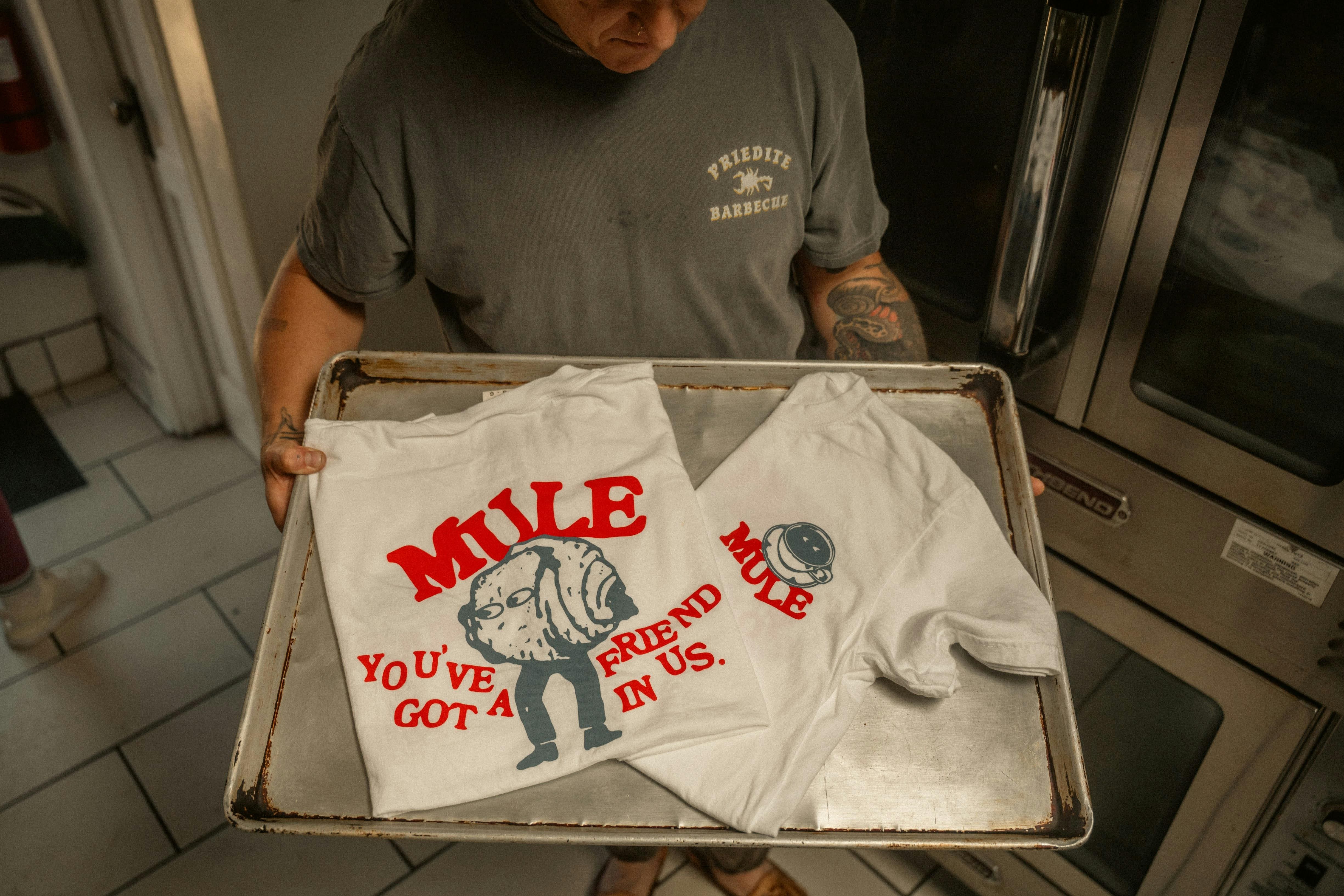
This is the B2B version of print on demand, and honestly it's underexploited. Every gym, café, barbershop, and brewery in your town would like branded apparel that doesn't look like a bowling league uniform, and almost none of them know how to make that happen. You handle the design, run production custom apparel through a POD partner, and charge for the service on top of the pieces themselves.
What makes it attractive is the shape of the revenue. A local client who reorders quarterly is worth more than fifty strangers who bought once; there's no algorithm deciding whether you eat this month, and your entire go-to-market is a portfolio and the willingness to walk into businesses within ten miles of your house. Startup cost is a handful of samples.
5. Vending Machines
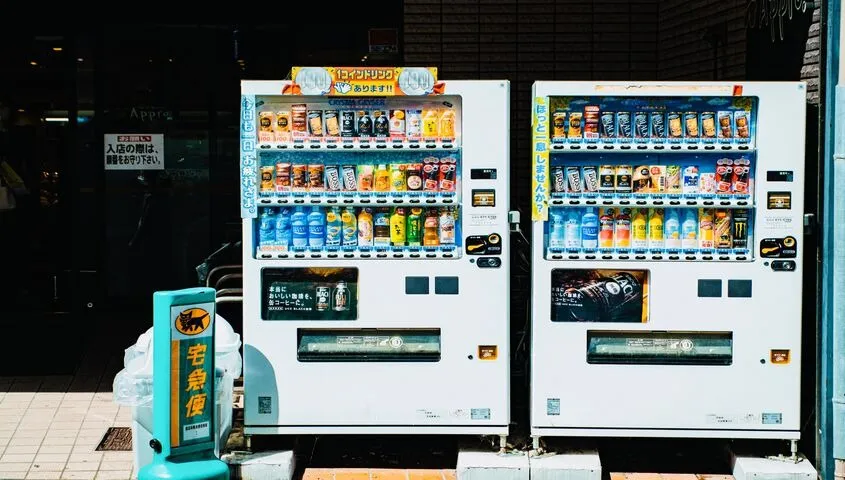
The internet's favorite boring business, and for once the internet is onto something. A used machine runs $1,500 to $3,000, the location does the selling for you, and restocking takes maybe an hour a week. Any single machine earns modest money, but machines stack, and very little about the operation needs you present.
The real skill turns out to be location scouting rather than anything operational, since a machine in the right spot can out-earn one in the wrong spot by a factor of ten.
6. Pressure Washing

You can get started for roughly $600 in equipment, and a driveway job bills somewhere between $150 and $300 for a couple of hours of work. That's more or less the entire pitch. Demand renews itself because driveways don't stay clean, and the before-and-after footage does your marketing without you having to think about it much.
Of all the easy businesses to start with hand tools and a free weekend, this one probably has the shortest distance between buying the equipment and depositing the first check.
7. Car Detailing

Similar energy to pressure washing but with a higher ceiling, since going mobile means no shop rent and a premium detail bills anywhere from $150 to $400 per vehicle. The customers who care enough to pay that tend to book monthly, so one good client quietly becomes a subscription. You can assemble the starting kit for a few hundred dollars, and in the early days the margin is mostly your own labor, which is exactly what you want when you're starting without savings.
8. Social Media Management
Small businesses know they're supposed to be posting and would rather do nearly anything else with their time. If you can run three client accounts at $800 to $1,500 a month each, you have replaced a salary with a laptop and a scheduling tool, and the overhead is minimal.
The way in is proof rather than credentials. Grow one account, yours or a friend's business or anything else you can point at, and show the graph in your pitch.
9. Online Tutoring

Math, coding, languages, test prep. Rates land between $25 and $80 an hour depending on the subject; everything happens over a video call, and parents both pay reliably and refer aggressively once they trust you. There's essentially no startup cost if the knowledge is already in your head. The constraint you'll eventually hit is hours in the week, which is the point where tutors tend to package what they know into a course and stop trading time directly for money.
10. Event and Party Rentals

Bounce houses, photo booths, folding chairs, those big yard letters that spell out birthday names. People pay surprising amounts to borrow physical objects for one Saturday. A single bounce house costs about $1,500 and rents for $150 to $250 a weekend, so even a slow season doesn't wreck the math, and nobody on your feed is competing with you for this.
11. Candle and Home Fragrance Making
The unit economics are what carry this one. Wax, wick, fragrance oil, and a jar cost maybe $3 to $5 per candle, and with decent branding, the finished product sells for $20 to $35. The complication is that the product itself is completely commoditized, so the branding isn't a nice-to-have here; it's the actual business. Run it like a small fashion label, with an identity and drops and a consistent aesthetic, and it works. Run it like a craft fair table, and it stays a hobby indefinitely.
12. Errand and Senior Assistance Services

Groceries, pharmacy runs, rides to appointments, patient help with a printer that won't connect. Between an aging population and overloaded families, people will pay $25 to $50 an hour for someone dependable, and you already have that dependability. Growth in this business is almost entirely referrals, so one family looked after well tends to turn into their whole street over a year.
13. Selling Wall Art
Design prints and sell them through print-on-demand fulfillment, without ever touching a frame or a shipping tube yourself. The margin structure works the same way apparel does, production happening only after payment, and a single strong design can keep selling for years after you made it. It also pairs naturally with an apparel catalog, since the same aesthetic and the same audience give you a second product category for basically no extra effort.
14. Local Experiences and Tours

Food walks, photography spots, neighborhood history, whatever your city has that a visitor couldn't find alone. The booking platforms bring the audience, and your cost of goods is knowledge you already carry around. At $50 to $100 per person with groups of six to ten, a few weekend hours start adding up quickly for anyone living somewhere tourists actually go.
15. Bookkeeping for Small Businesses
Every business needs it done, most owners actively hate doing it, and modern software has made it learnable in months rather than the years it used to take. Monthly retainers run $300 to $800 per small client. Better still, clients stay for years once you have them, because switching bookkeepers ranks somewhere below dental work on most people's lists. A certification course costs a few hundred dollars up front, and after that the margin is essentially the entire retainer.
16. Mobile Phone Repair

Screens crack every day of the year, and a repair bills $80 to $150 while the part costs a fraction of that. You can learn the skills from kits and practice devices, and the whole operation fits in a backpack if needed. What people are really paying for is speed, since "fixed today at your office" beats "mail it away for two weeks" by enough that the premium takes care of itself.
17. Wash-and-Fold Laundry Service
Pickup, wash, fold, deliver, charge by the pound. The target customer would happily pay $40 to get their Sunday back, and demand recurs weekly because laundry is one of the most renewable resources there is. If you already own a machine, your startup costs are detergent and gas. Scaling eventually means a partnership with a laundromat, which is a conversation rather than a lease.
18. Meal Prep for Busy Households

Weekly prepped meals for families, gym-goers, or specific diets, cooked in batches and delivered on Sundays, for 150-300 per client per week. Five steady clients is genuine income, and the food photographs well enough to do your marketing for you. The one piece of homework this entry requires is checking your local cottage food laws before you take a dollar.
19. Print and Ship Personalized Gifts
Names, dates, pet faces, and inside jokes, printed onto apparel, mugs, prints, and totes through on-demand production. Personalization converts absurdly well for the simple reason that the product cannot be bought anywhere else on earth, and gifting demand has no off-season worth mentioning. Structurally, it's the same zero-inventory setup as the first entry on this list, aimed at the gift market instead of the fashion market, and some sellers quietly run both out of the same catalog.
How to Choose the Best Business to Start
Nineteen options, and you only need one. Four questions sort it faster than any online quiz would.
Start With the Advantage You Already Have
A truck points toward detailing and rentals, design taste points toward print-on-demand and candles, and a head for numbers points toward bookkeeping. The best business to start is nearly always the one where you arrive with some unfair advantage already in hand, even a small one.
Decide Between Margin From Labor and Margin From Product
The service entries here, the washing and tutoring and errands, pay quickly but cap out at the edges of your calendar. The product entries, POD and digital files and candles, pay slower at first and then scale past what your hours could ever produce. Plenty of people run one of each for a while and let the service income fund the product experiments.
Pick One You Can Afford to Be Bad At for Three Months
Every business on this list has an awkward opening stretch. You want one whose awkward stretch you can survive, financially and emotionally, because most people quit inside that window rather than after it.
When Stuck, Take the One You Can Test This Weekend for Under $50
Easy businesses to start have the underrated feature of being easy to un-start. Walking away from a $50 experiment costs you nothing except the lesson, which you keep anyway.
FAQs
Summing Up
If there's a pattern across all nineteen, it's that profit hides wherever costs stay low while demand renews itself on its own. Driveways get dirty again, laundry regenerates, somebody's cousin has a birthday every single week, and somebody's brand needs a new drop every season.
Our corner of the list is the printable one, and we'd argue the ratio of margin to startup cost there is about as good as it gets. Genuine low-cost business ideas with high profit don't come along that often, so when the structure works this cleanly, where you pay nothing until a piece sells and keep the spread every time one does, the only ingredient actually missing is a first design.