






How to Start Dropshipping: A Complete Dropshipping Guide
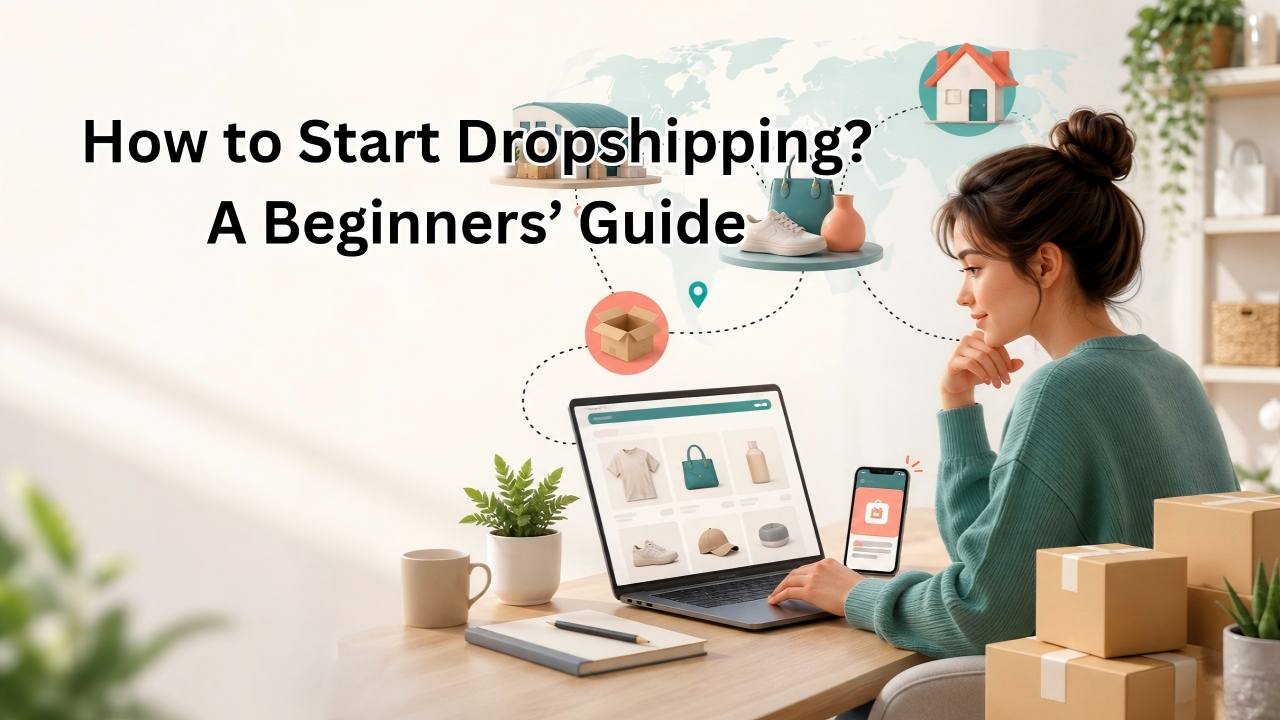


Dropshipping has emerged as a popular and potentially rewarding business model in the e-commerce industry. It enables entrepreneurs to launch online stores with relatively low upfront costs, as they can sell products without managing inventory or investing in storage facilities. The global dropshipping market is projected to continue growing, with estimates suggesting it could reach $476.1 billion by 2026.
Since dropshipping generally does not require purchasing stock in advance or maintaining warehouse space, it offers an accessible entry point for aspiring entrepreneurs, ecommerce newcomers, and businesses looking to expand with limited investment. Our beginner-friendly guide explains how to start dropshipping in 2026, covering market research, product selection, and marketing strategies to help you build a strong foundation in this growing industry.
What is Dropshipping?
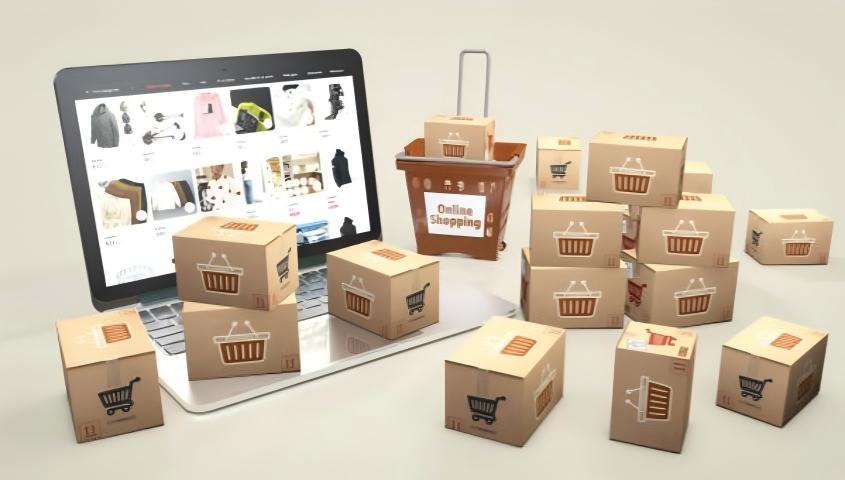
Dropshipping is a business model that allows online stores to sell products without keeping inventory. When a customer places an order, the store owner forwards the order details to a supplier, who then makes and ships the product directly to the customer.
In this setup, you serve as the connection between the supplier and the buyer. Since you don’t need to purchase or store inventory upfront, dropshipping can be started with relatively low initial costs. You only pay for products after your customer places an order, and you don’t need to manage warehousing, packing, or fulfillment. This gives you more time to focus on choosing the right products, building your store, and marketing your brand.
How Does Dropshipping Work?
Before exploring how to start a dropshipping business, it’s helpful to understand how the dropshipping model works:
- A customer places an order through an online store and pays the listed retail price.
- The store owner (the dropshipper) sends the order details to a supplier and pays the supplier’s wholesale price for the product.
- The supplier prepares, packages, and ships the product directly to the customer on behalf of the store.
As this process involves multiple parties, it’s important to understand the roles of each one. Here are some key terms to keep in mind:
- Dropshipper - The dropshipper is the seller who runs the online store but does not keep products in stock. In this case, you are the dropshipper responsible for managing the store, marketing products, and handling customer relationships.
- Supplier - The supplier is the manufacturer, wholesaler, or retailer that provides the products and fulfills orders by shipping them directly to customers.
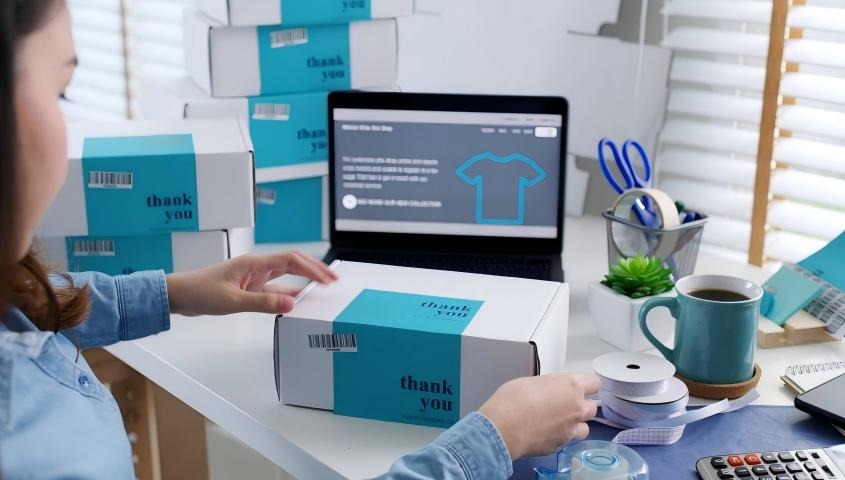
In addition to the dropshipper and supplier, other partners may play important roles, such as web hosting providers, dropshipping automation tools, payment platforms, and other service providers. Each part of the ecosystem needs to work together smoothly to create an efficient dropshipping store and a reliable order fulfillment process.
How to Start a Dropshipping Business in 7 Steps
Starting a dropshipping business involves choosing suppliers, building your store, and marketing your brand. Like other online businesses, it requires planning—but without the need to manage inventory. Let’s look at each step in detail.
1. Decide If Dropshipping Is Right for You
Dropshipping is one of several approaches to building an online store, so it’s important to consider whether this model matches your business goals before getting started.
This business model can be a good fit for individuals with strong marketing abilities who want to start an online shop without a huge initial investment. Since products are sourced from suppliers rather than stored by the seller, you can begin with an e-commerce platform and reliable suppliers instead of managing your own inventory.
However, dropshipping also comes with certain challenges. Because sellers often have limited direct access to the products they offer, maintaining consistent quality can be more difficult. Additionally, many retailers may sell similar or identical items, creating a competitive marketplace. Conducting thorough market research can help you identify customer needs, discover opportunities, and offer products that stand out from the competition.
If your main focus is building effective marketing strategies and you are not aiming to create a one-of-a-kind signature product, dropshipping may be a suitable business option to explore.
2. Choose Your Niche or Product
Choosing the right niche is one of the most important steps when starting a dropshipping business. Choosing a niche that is too broad can place you in a highly competitive market, making it difficult to stand out. On the other hand, choosing a niche that is too limited may make it challenging to attract enough potential customers.
Start by researching your competitors. Look at how many businesses are offering similar products and consider whether the market is already crowded. Evaluate whether you can compete effectively on pricing or whether you can create an advantage through better quality, unique features, improved customer service, or another value proposition.
Understanding your target audience can also help you create more effective marketing campaigns and avoid wasting resources on strategies that fail to reach the right customers. Consider factors such as your potential customers’ age, gender, income, lifestyle, and interests to better understand their needs and preferences.
Keep in mind that a successful dropshipping business does not always require a large product catalog. Focusing on a single product can also be profitable, and a one-product store may be easier to manage and optimize than a store offering many different items.
Read More: 17 Best Dropshipping Products to Make High Profit in 2026
3. Find a Reliable Dropshipping Supplier
Dropshipping suppliers play an important role in the success of your dropshipping business. They help source products, manage inventory, and handle customer orders. When selecting a supplier, it’s important to evaluate several key factors:
- Delivery speed - Check estimated shipping times based on the supplier’s warehouse locations and your customers’ main regions. Suppliers with local fulfillment centers and reliable shipping partners can often provide faster and more consistent deliveries.
- Product quality - Order samples so you can check the item and its packaging yourself. Comparing similar products from different suppliers can also help you choose the best option.
- Minimum order requirements - Some suppliers require a minimum upfront order. In many cases, ordering larger quantities lowers the cost per item.
- Integration options - Some platforms, like Tapstitch, offer popular integrations that let you import products directly into your website with just a few clicks.
- Customer support - A dependable supplier should provide responsive customer service, especially when handling issues such as returns, delivery problems, or customer complaints.
- Legitimacy and reputation - To avoid scams, check whether the supplier has a business license and read reviews of their service. Their client list can also give you clues about their reliability.
- Extra fees - Beyond wholesale prices, watch for additional costs like monthly subscriptions, packaging fees, platform charges, and refund fees. Include these when calculating your profit margins—around 20–40% after expenses is a common benchmark.
Once you have a shortlist, reach out to the suppliers directly. Before making a final decision, place sample orders to see product quality and delivery times firsthand.
4. Create Your Online Store
Your online store serves as the foundation of your dropshipping business. It displays your product offerings, helps customers learn about your brand, and provides a platform for making purchases. Several e-commerce platforms are commonly used by online sellers, including:
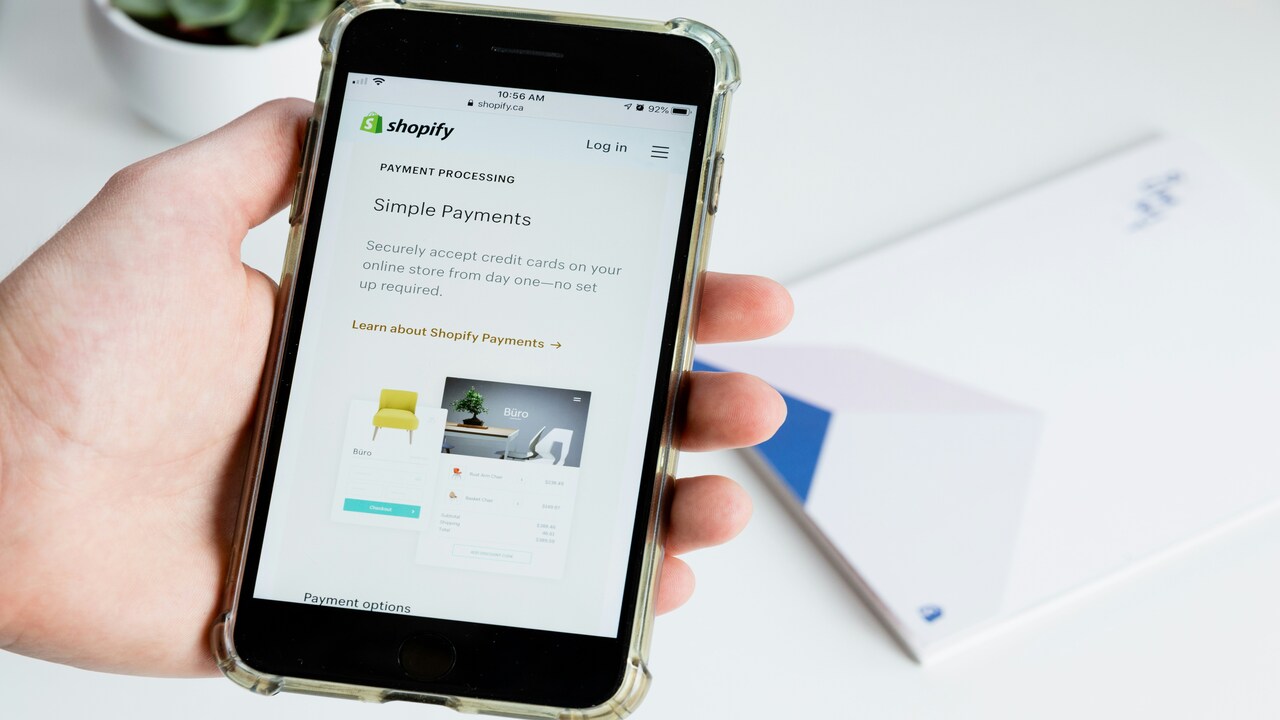
- Shopify. Shopify is a popular choice among e-commerce entrepreneurs because of its simple interface and extensive feature set. With access to thousands of apps, store owners can easily add tools and functions to improve their business operations.
- WooCommerce. WooCommerce is a flexible e-commerce solution designed for WordPress websites. It allows users to add online selling features while working within the WordPress environment they already know.
- Squarespace. Squarespace is recognized for its stylish templates and strong focus on visual presentation, making it a suitable option for businesses seeking an attractive, design-focused storefront.
- Wix. Wix is a beginner-friendly platform that works well for dropshippers with limited technical experience. It offers a drag-and-drop website builder, customizable templates, and built-in ecommerce tools to help users create and manage their stores.
When setting up your website, consider the following steps to create a professional and trustworthy shopping experience:
- Create clear store policies. Developing policies can make your website appear more reliable and professional. Important pages include a return and refund policy, privacy policy, and terms and conditions.
- Build trust with a shopping guarantee. Because new stores may face skepticism from potential customers, adding a shopping guarantee from a trusted third party can help reassure visitors that their purchases are protected.
- Consider additional sales channels. In addition to selling on your own website, you can explore marketplaces such as Amazon and Etsy. Although these platforms may charge fees, they can provide additional exposure and help introduce your brand to more customers.
5. Set Prices and Calculate Profits
A carefully selected product catalog can help increase sales by creating opportunities for cross-selling. By offering related or complementary products, you can encourage customers to purchase additional items alongside their original choices.
When selecting products from a dropshipping supplier or marketplace, take time to review feedback from other sellers and evaluate the supplier’s track record. After identifying potential products, consider ordering samples to check the product quality, packaging, and reliability before adding them to your store.
Starting a dropshipping business usually requires less upfront investment compared with many other e-commerce models. However, there are still costs to consider, such as:
- Website domain and hosting fees
- Product sample purchases
- Marketing and advertising expenses
You should also account for any tools, platforms, or services needed to operate your store efficiently, including software and automation solutions. Once you understand your total expenses, calculate your expected profit margins to determine whether your business model can generate sustainable returns. Tools such as Tapstitch’s free revenue calculator can help you estimate potential profits across different fulfillment approaches.
6. Marketing Your Brand
In ecommerce, marketing plays a critical role in helping businesses connect with potential customers. Without a strong marketing plan, dropshipping stores may struggle to attract the right audience and generate sales.
Before exploring different ecommerce marketing methods, it is important to establish a clear brand identity:
- Define your brand positioning. Identify what makes your business different from competitors, whether it is your product quality, pricing, service, or unique value proposition. Use this key message consistently throughout your marketing activities.
- Choose a memorable business name. Select a name that is simple to remember, easy to pronounce, and easy to spell. Ideally, your domain name should match or closely relate to your business name.
- Develop a visual identity. Create a consistent look for your brand by selecting colors that match your brand personality and appeal to your target customers.
- Create an attractive and recognizable logo. A well-designed logo helps customers quickly identify your brand and associate it with your products or services.
- Choose appropriate fonts. Use a distinctive font for your logo to express your brand’s style. For your website, social media posts, and email communications, choose clean and readable fonts to make your content easier to understand.

Digital marketing provides many ways to reach potential buyers. Some methods require minimal spending, while others involve larger investments. It is often best to begin with a limited budget, test different approaches, and increase spending on the channels that deliver the strongest results.
Some common digital marketing options include:
- Paid advertising on Facebook and Google. Advertising platforms such as Facebook and Google allow businesses to target specific audiences. Start by testing different ad variations to discover which products and messages perform best. Once your store receives more visitors, retargeting campaigns can help reconnect with potential customers and improve conversion rates.
- Influencer marketing. Partnering with influencers can help introduce your products to their existing audiences and build trust through social proof. Instead of paying a fixed fee upfront, consider offering commission-based partnerships in which influencers earn money based on the sales they generate.
- Content marketing. Creating useful and engaging content can attract customers without requiring a large advertising budget. Depending on your resources, you can publish blog articles, create social media videos, or produce other content related to your niche.
- Email and SMS marketing. Encourage visitors to subscribe to email or text updates so you can share promotions, product launches, and company news. Building an email list or newsletter can help maintain long-term relationships with customers.
- Online communities. Participating in relevant communities can be an affordable way to build awareness. Look for industry-related groups on platforms such as Reddit, Facebook, or online forums. Focus on providing helpful information and engaging in conversations rather than directly promoting your products.
- SEO tools and optimization. Search engine optimization (SEO) helps improve your website’s visibility in search results and attract organic traffic. Begin by researching relevant keywords using tools such as Semrush or Ahrefs, then incorporate them naturally into product titles, descriptions, image alt text, and other areas of your website.
7. Process and Fulfill Customer Orders
The final stage is order fulfillment. After a customer purchases a product from your online store, you need to place the order with your supplier and submit payment. The supplier will then process and ship the product directly to the customer. Many dropshipping automation tools simplify this workflow by allowing you to complete orders with just a few clicks while the supplier manages the remaining steps.
Setting up your dropshipping store is only the beginning. To achieve long-term success, regularly review and improve your business performance. Analyze key areas such as sales trends, customer behavior, and profit margins using tools like Google Analytics and Google Search Console. Identify what is performing well and what needs improvement, make adjustments to weaker areas, and track the impact of those changes over time.
Pros of Dropshipping
- Easy to start. Dropshipping is beginner-friendly and does not require advanced skills. With a website theme, product images, and listings, you can quickly create an online store. The startup cost is also relatively low compared to traditional businesses.
- Low startup costs. Since you purchase products only after receiving customer orders, you can start with a lower upfront investment and reduce financial risk.
- No need to manage inventory. Dropshipping eliminates the need to buy and store products in advance. This means you avoid the risk of unsold stock and can test different products without major expenses.
- Wide product selection. Dropshipping allows you to offer a variety of products, from custom items to everyday goods, without handling storage or shipping logistics.
- Sell globally. With an online store, you can reach customers around the world instead of being limited to a local market. You can promote your products in different countries regardless of where you live.
- Work from anywhere. As long as you have an internet connection, you can manage your dropshipping business from almost any location. Orders can be processed online with just a few clicks.
Cons of Dropshipping
- Less product uniqueness. Dropshipped products are often available to many sellers, making it harder to stand out from competitors.
- Less control over product quality. Since suppliers handle production and fulfillment, you may have limited ability to inspect or ensure product quality.
- High competition. Many online businesses use dropshipping, which makes it challenging to attract customers and differentiate your store.
- Shipping challenges. Working with multiple suppliers can complicate order fulfillment, especially when products come from different sources and require separate shipments.
Top Dropshipping Alternatives for Starting an Online Business
Not sure if dropshipping is the right fit for you? If you’re wondering whether there might be a better option to try, consider a few other business models as well. Here are three alternatives worth exploring.
Print on Demand
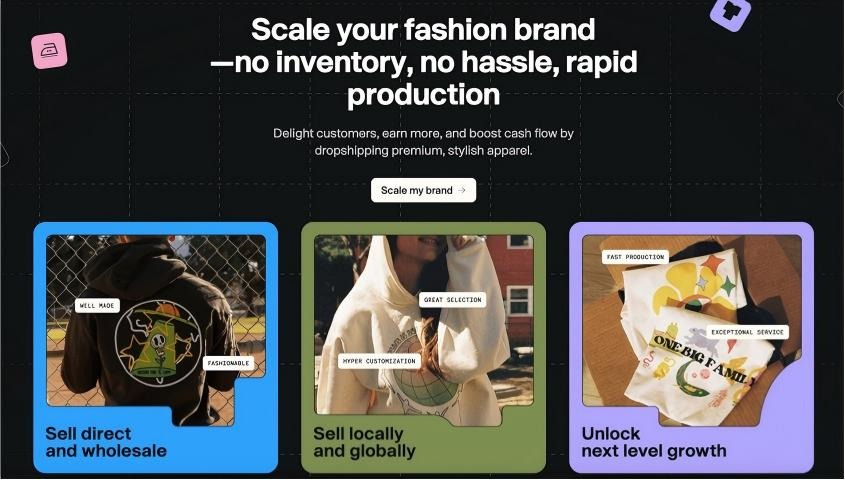
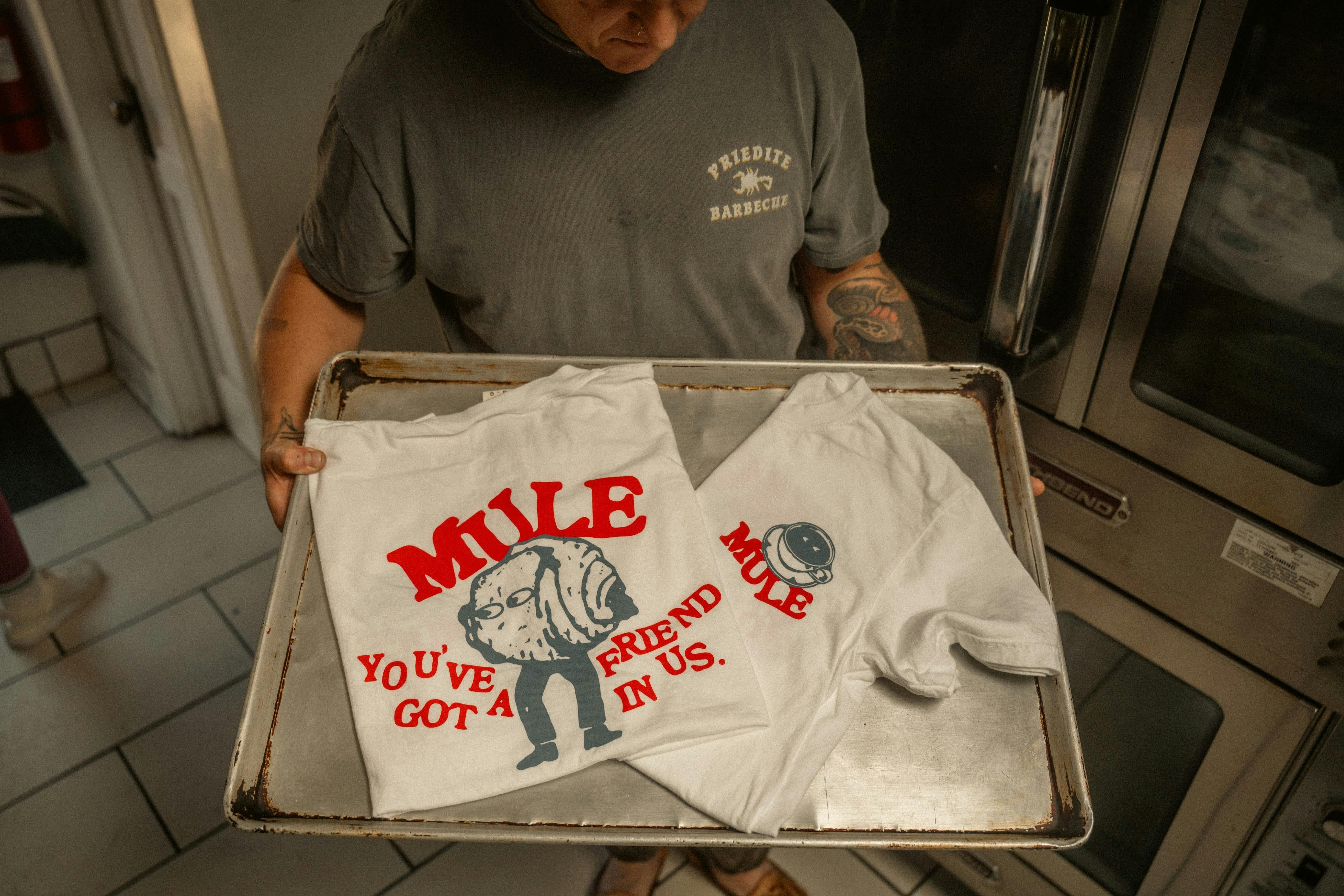
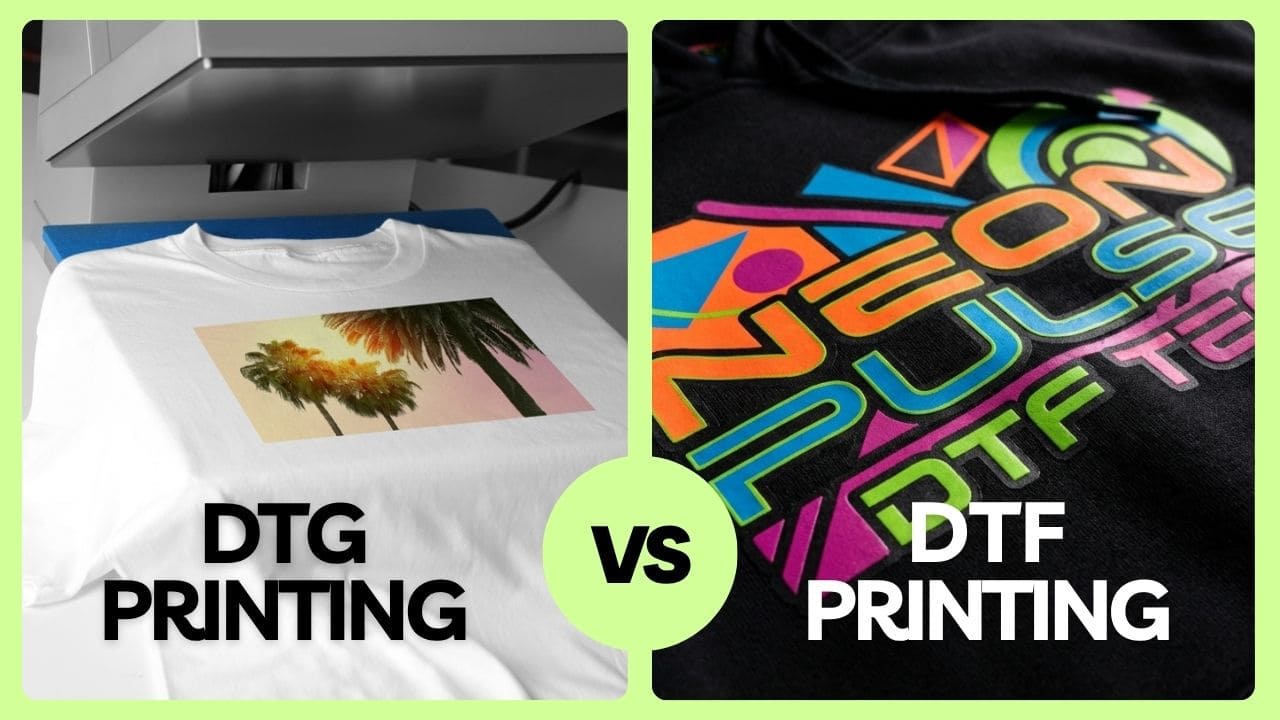
Print-on-demand (POD) works similarly to dropshipping because you don’t need to keep inventory or manage product storage. The difference is that POD allows you to add your own designs to products such as T-shirts, mugs, phone cases, and more. If you enjoy creating unique artwork, catchy slogans, or personalized merchandise ideas, POD can be a great option. A POD provider will handle the printing and shipping process, sending orders directly to your customers on your behalf.
Affiliate Marketing
Affiliate marketing is a business model where you earn a commission by recommending and promoting products from other brands. Similar to dropshipping, it doesn’t require you to buy, store, or handle inventory yourself. Instead, you can use platforms such as a website, social media channels, blogs, or email newsletters to share product recommendations and generate income. For instance, programs like Amazon’s Brand Referral Bonus allow creators and businesses to grow their audience while earning rewards from qualified sales.
Digital Products
Selling stock photos, templates, or other digital products can turn your creative skills into a source of ongoing income with minimal effort.
As you explore different online business options, you’ll find that there’s no single model that works for everyone. Whether you choose dropshipping, print-on-demand, or another approach, the best option depends on your interests, abilities, and long-term goals.
Dropshipping FAQs
Summing Up: How to Start Dropshipping
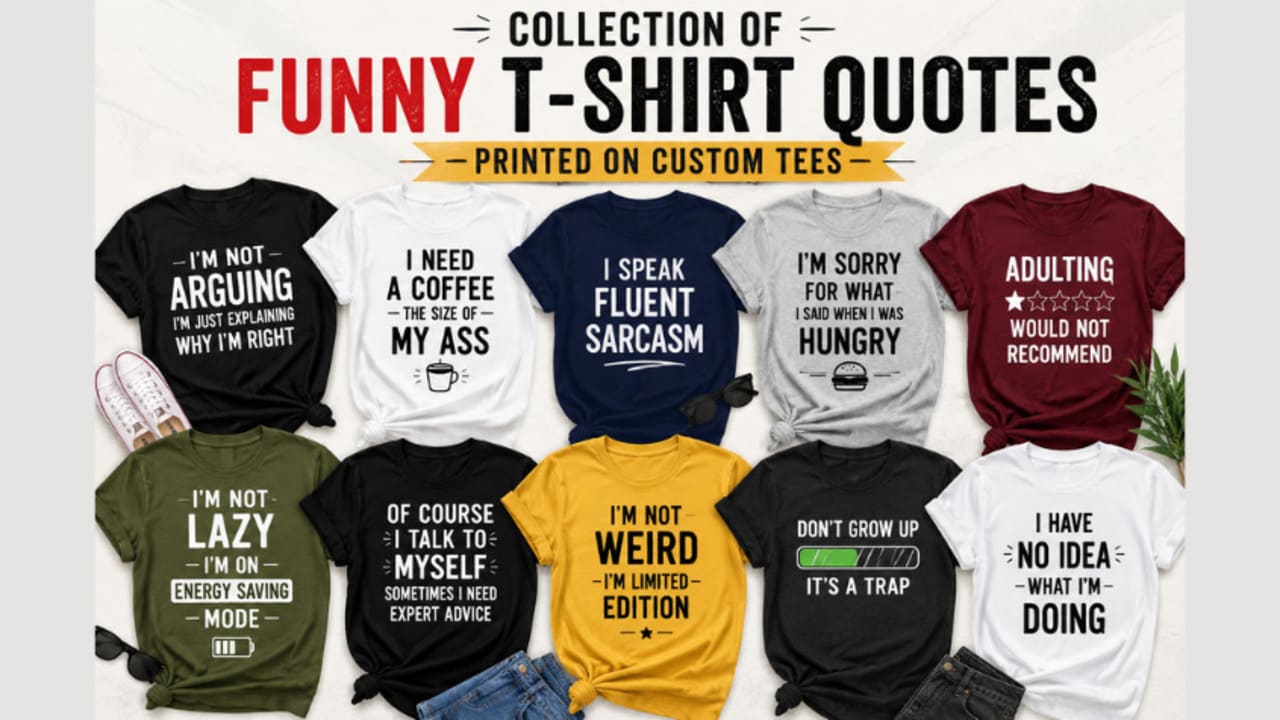
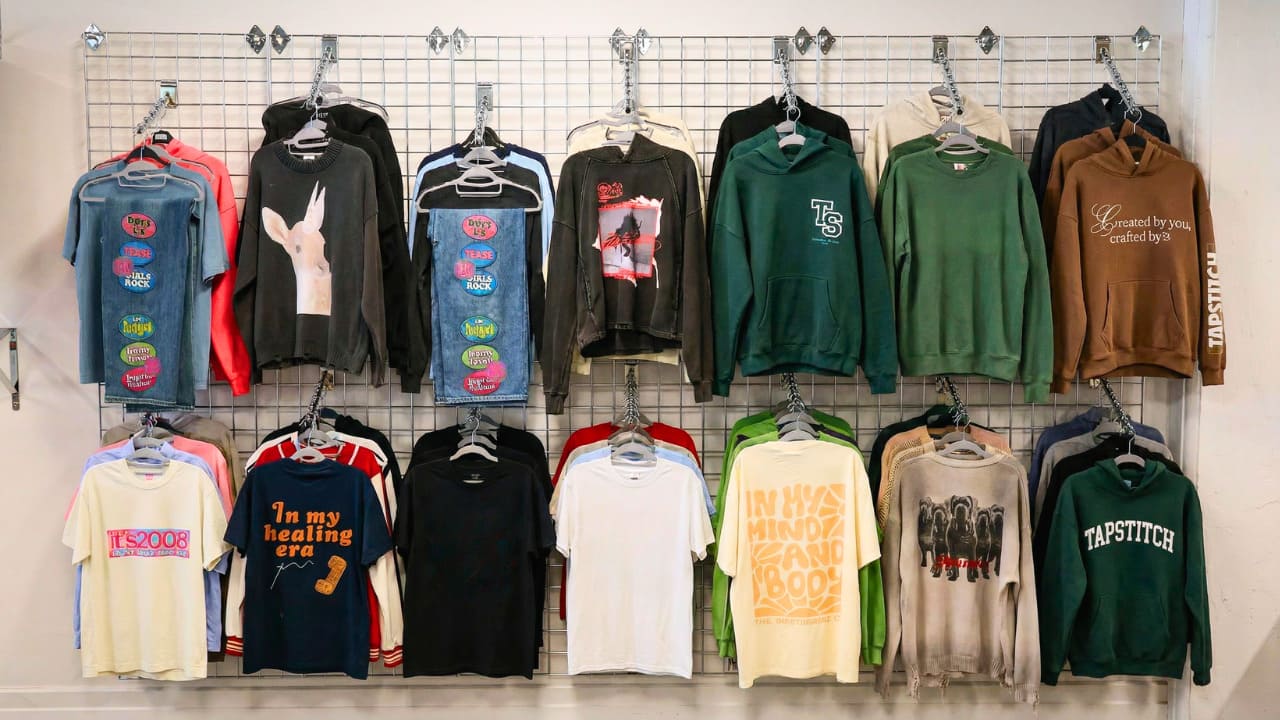
Compared with selling ordinary, mass-produced products that look the same as everyone else’s, Tapstitch print-on-demand solution helps your fashion ideas stand out. Create unique designs, build your own signature style, and develop a brand that truly reflects your vision — without inventory or upfront investment.
.jpg)

%20(1).jpg)
.jpg)
.jpg)
.webp)

.jpg)
.jpg)
.jpg)
.png)
.jpg)
.jpg)

%20(3).jpg)

.png)
.jpg)
.jpg)
.jpg)
.jpg)
.jpg)
.jpg)






.png)



.png)
.jpg)











.jpg)



.jpg)

.png)
.jpg)


.jpg)

.jpg)



.jpg)
.jpg)
.jpg)
.jpg)
.jpg)

%20(1).jpg)

.png)

.png)



%20(1)%20(1).jpg)