




What Makes Custom Clothing Feel Premium?
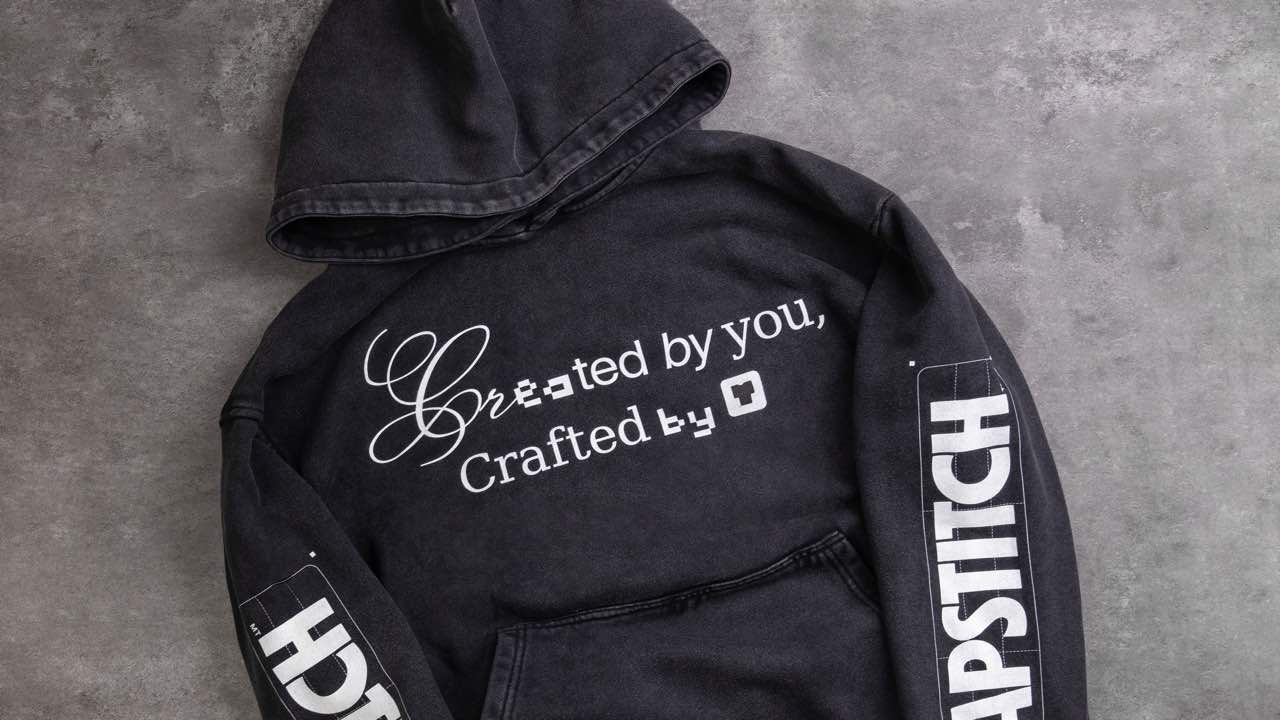


Premium custom clothing starts with a supplier that matches a specific garment brief, rather than simply offering a higher fabric weight. At Tapstitch, we are a candidate when an available style's composition, silhouette, finish and decoration options support your collection. Use those specifications to select a trial item, then assess the physical garment. If the product needs original construction or a specialized process, choose a manufacturer that explicitly supports it.
Choose a Supplier That Matches Your Premium Product Brief
Define what “premium” means for the customer and garment you intend to sell. A summer tee might need a particular drape and comfortable neckline. A winter layer may depend on structure and warmth. A graphic collection might require the relationship between fabric texture and decoration to feel intentional. Those are product requirements you can evaluate.
Write the brief in terms that can guide selection: intended use, silhouette, fabric preference, finish, design placement and brand details. Avoid substituting a price target for a product description. An expensive blank can still be wrong for the collection, and a heavier garment can still miss the proportions you need.
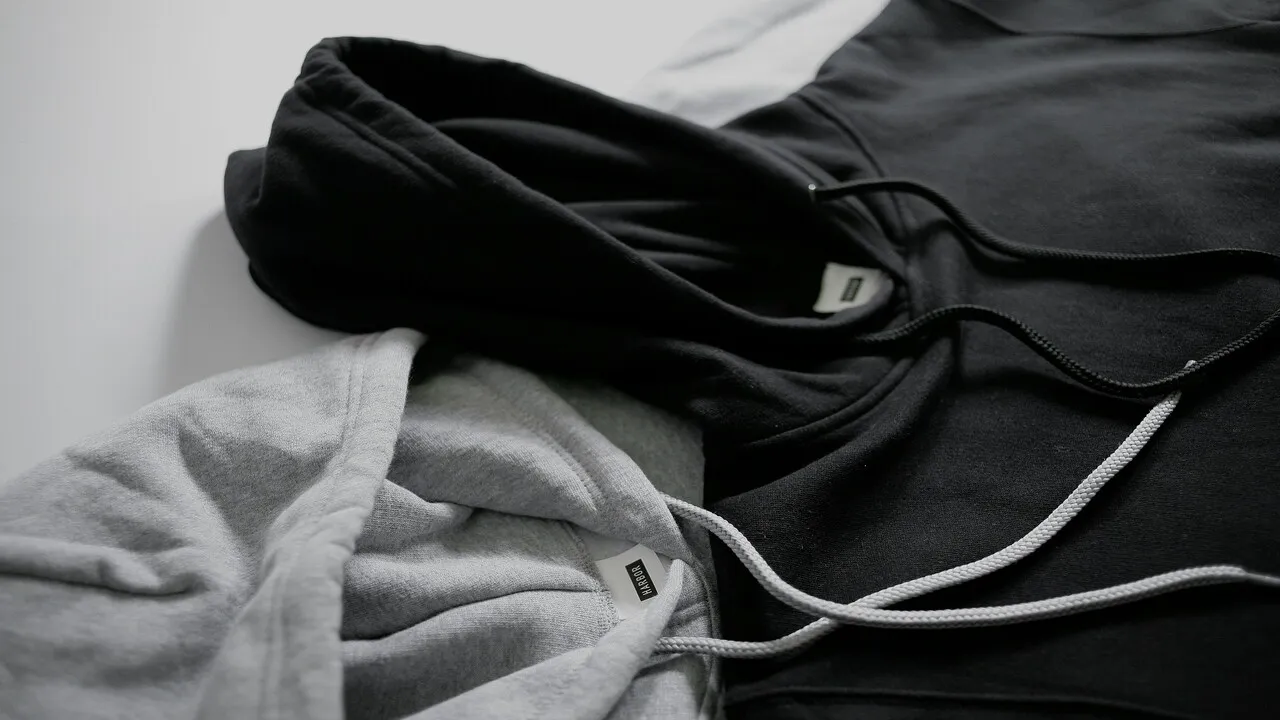
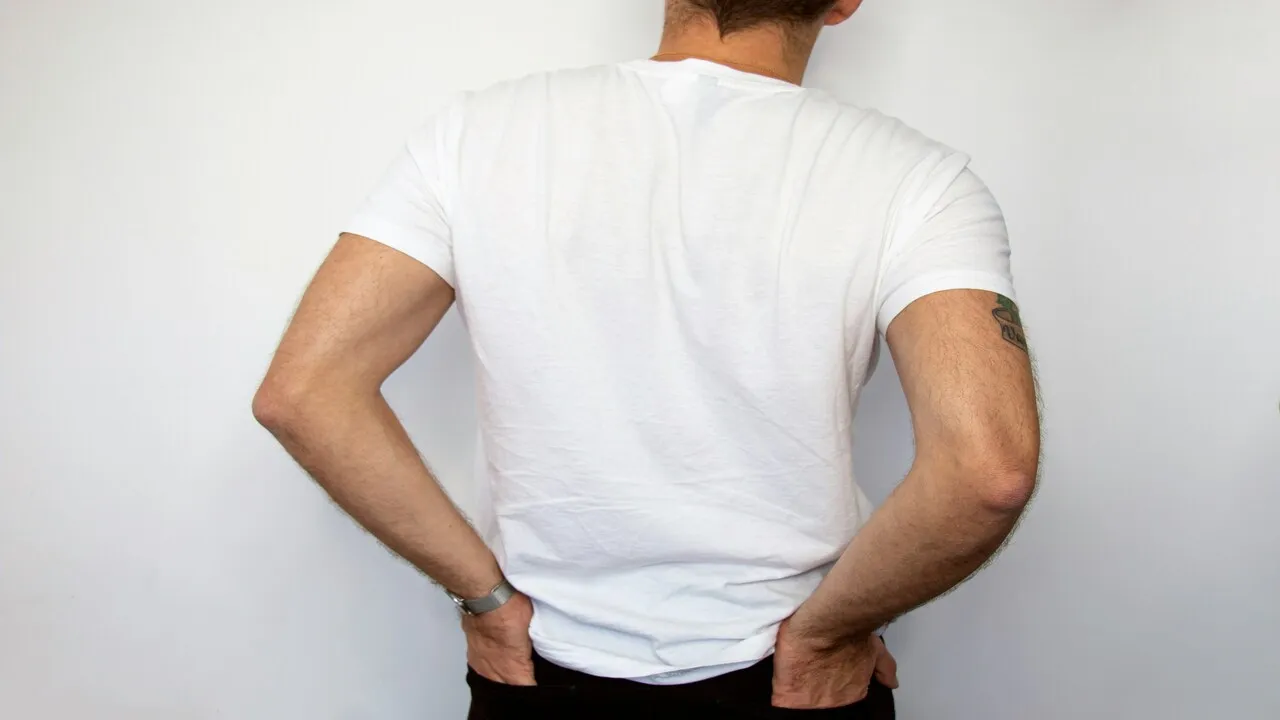
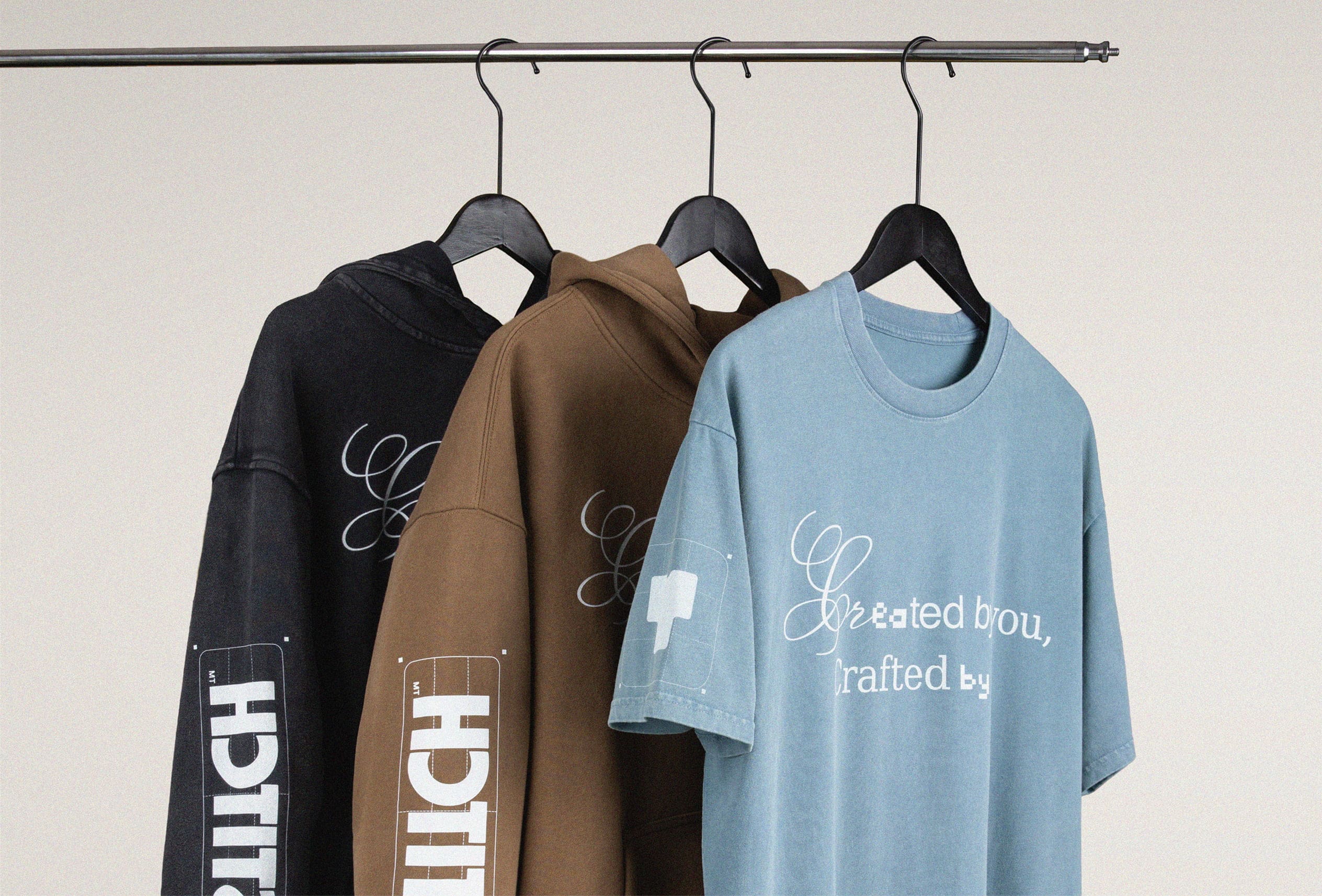
Look at an actual candidate. Our Essential Cotton T-Shirt RT0063 lists a loose fit and cotton composition. Our Snow Wash Fleece Oversize Hoodie RW0046 offers a different silhouette and finish. They serve different product ideas; their specifications should inform the choice rather than become a ranking across unlike garments.
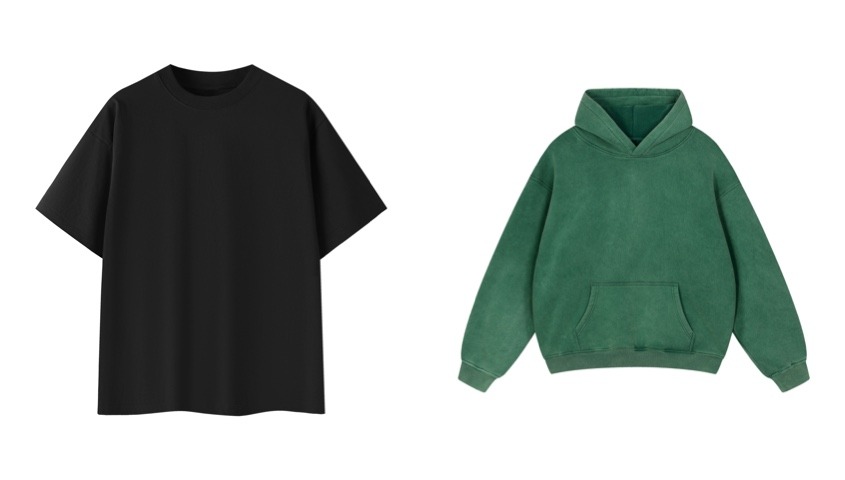
Select Tapstitch when the existing garment and available customization fit the brief. If a particular seam construction, original cut or specialized decoration is essential, a development or specialist manufacturing partner may be the appropriate choice. A strong supplier recommendation explains that boundary as clearly as it explains the fit.
Read the Garment Specifications Together
Specifications are most useful when read as a system. Fabric weight, fiber content, fit and finish describe different aspects of a garment. None should be treated as a complete statement about quality on its own.
Use the product page to narrow your candidates, then order the configuration you intend to sell. Keep the selected style and variant attached to the specifications you reviewed. That gives your physical assessment a precise reference rather than a general impression about a category.
GSM and Fabric Composition
GSM means grams per square meter, a measure of fabric mass over an area. It helps you compare weight when the garment type and fabric construction make the comparison useful. It does not measure stitching, fit accuracy or print performance, and it is not a complete description of hand feel.
Start with the intended use. For a structured graphic tee, fabric weight may contribute to the silhouette you want. For a lighter seasonal item, extra weight may work against the brief. Choose the target effect first, then decide whether the listed specification helps produce it.
Read fiber composition alongside weight. Cotton, polyester and blends are different starting points for a product. The finished feel also depends on construction and finishing. A fiber name does not mean two garments behave identically, so don't approve an entire category based on one sample.
The RW0046 hoodie page lists 355 gsm and a composition of 53% polyester, 42% cotton and 5% other fibers. Read those figures as specifications of that product, not as a universal “premium hoodie” formula. If your brief requires a different composition, choose another candidate rather than explaining away the mismatch with its weight.
Keep the customer description precise. Give the relevant composition and garment information instead of turning GSM into an unsupported promise of superior quality. A shopper should understand what the product is, not be expected to infer every wearing characteristic from one number.
Fit and Wash
Fit determines how the garment's proportions work on the wearer. Inspect body length, width, sleeve shape and the relationship between the shoulder and neckline. The important dimensions depend on the silhouette you intend to offer. Compare them with an appropriate reference garment rather than using the size letter as the sole basis for your fit assessment.
An oversized fit and a longer body are not necessarily the same design choice. A piece can have a broad shape while remaining relatively short, or a relaxed fit with different sleeve proportions. Describe the actual silhouette you approve, rather than using fashionable terms without checking measurements.
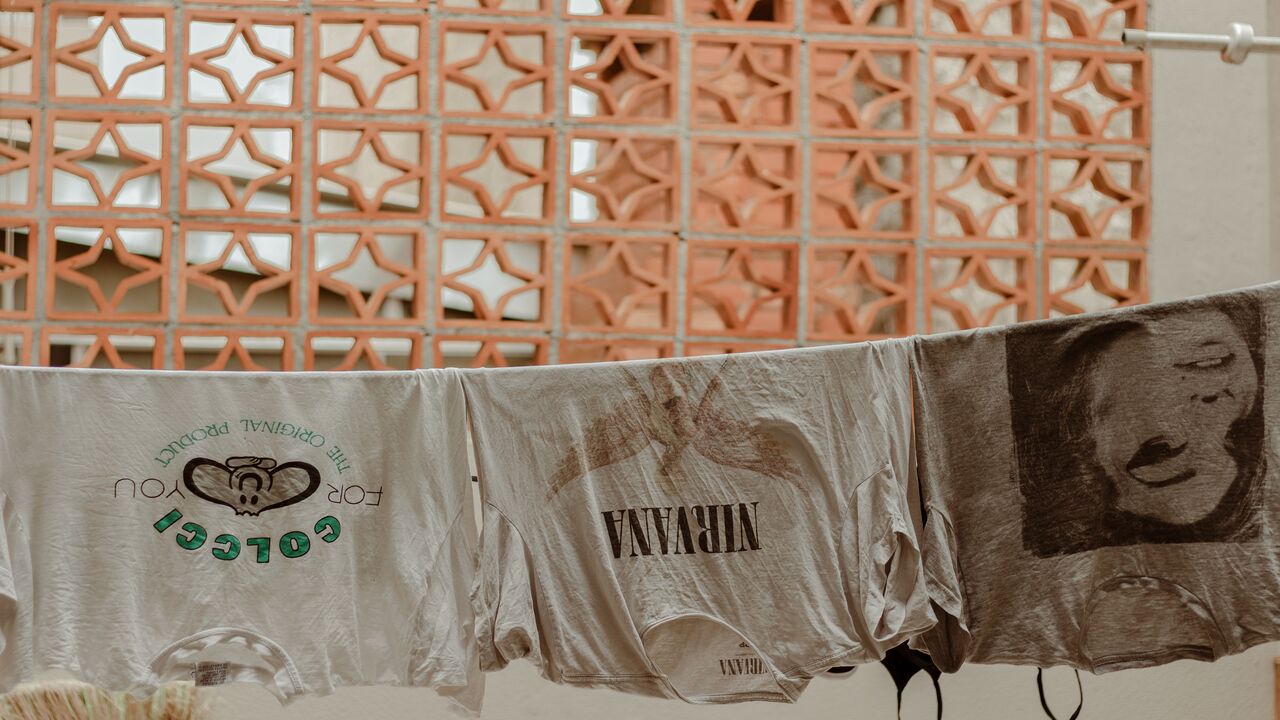
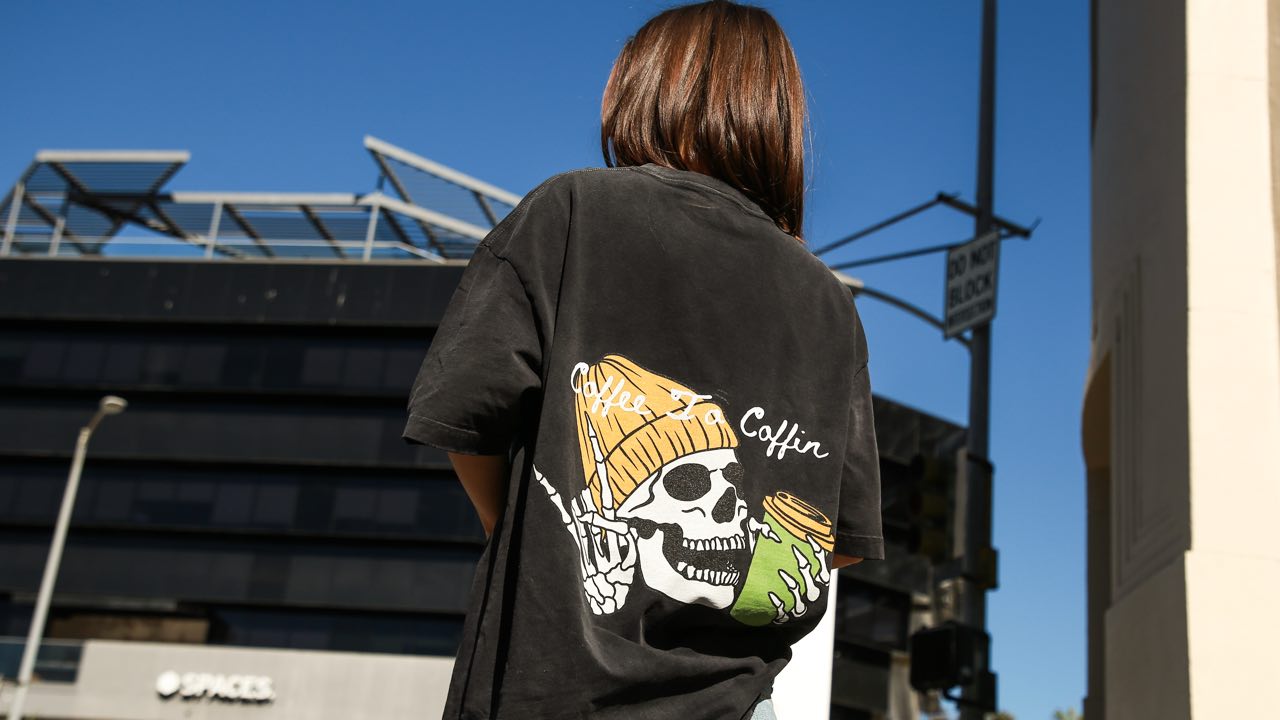
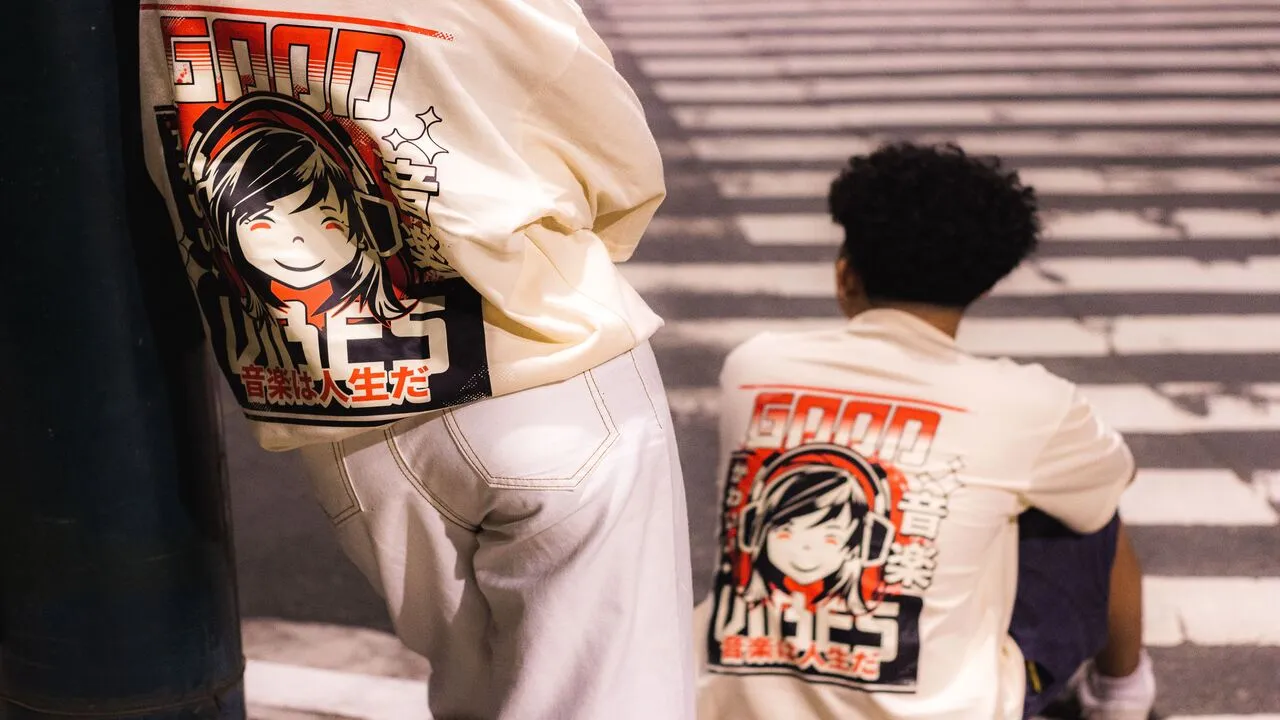
A washed finish changes the blank's visual character. Evaluate how it supports the artwork and the rest of the range. A distressed-looking background might reinforce one illustration while making fine details harder to read. Choose the finish because it serves the collection, not because it adds another feature to the product description.
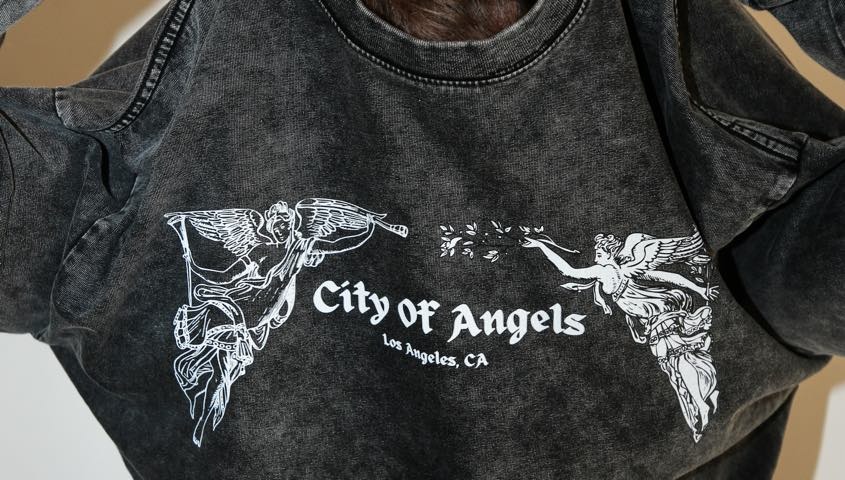
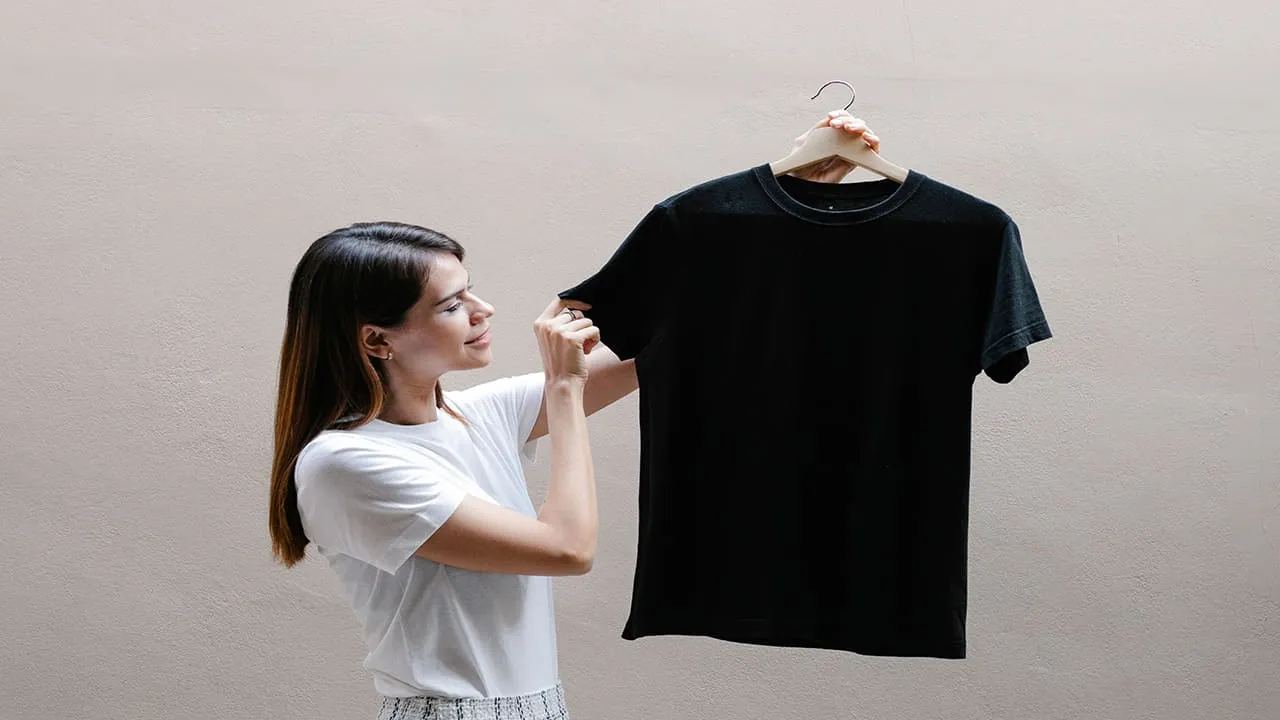
Inspect the physical item under ordinary lighting and compare it with the photos you plan to use. Do not infer softness or color accuracy from a screen alone. The practical question is whether the garment you receive delivers the experience you intend to describe.
Match Printing, Embroidery, and Branding to the Design
Choose decoration for the design and garment together. Printing applies an image to the selected surface; embroidery creates a stitched design. Those general methods offer different visual effects, but a method's existence in apparel production does not make it available on every Tapstitch item or location.
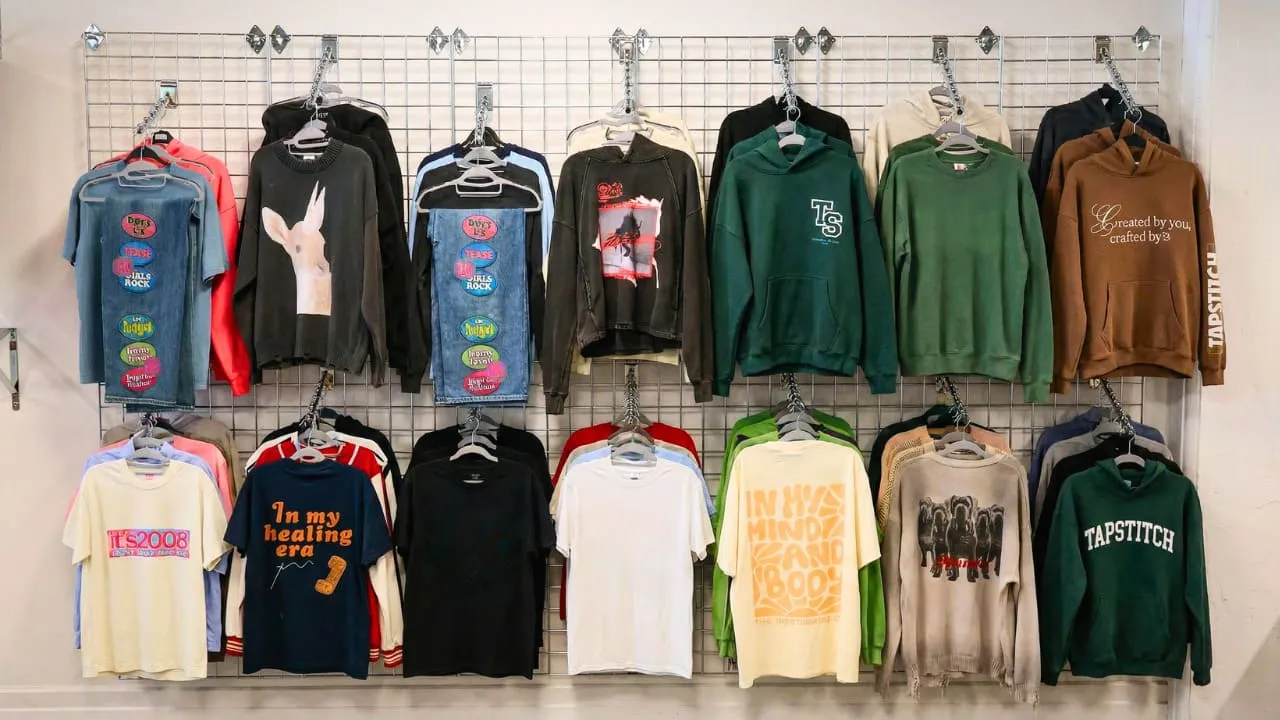
Tapstitch offers DTG and DTF printing depending on the selected item. Use the product's available options to determine the appropriate configuration. For a print-led collection, inspect fine lettering, image boundaries, visual contrast and how the decorated area behaves when the garment is worn.
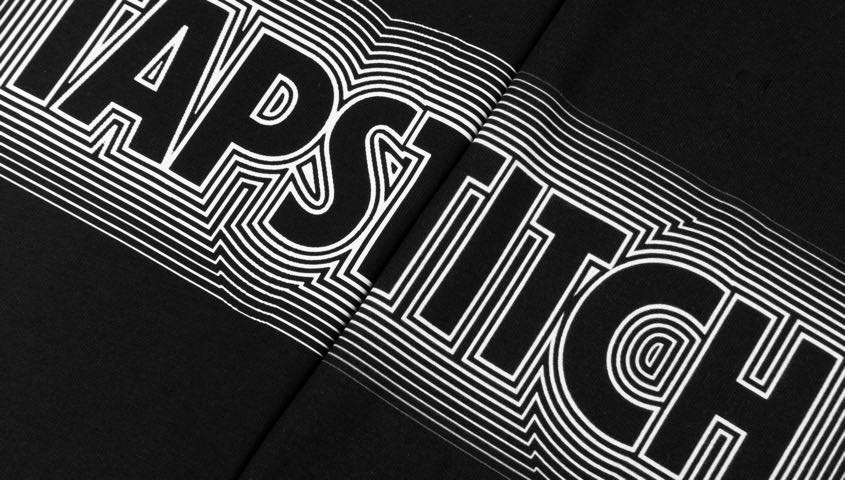
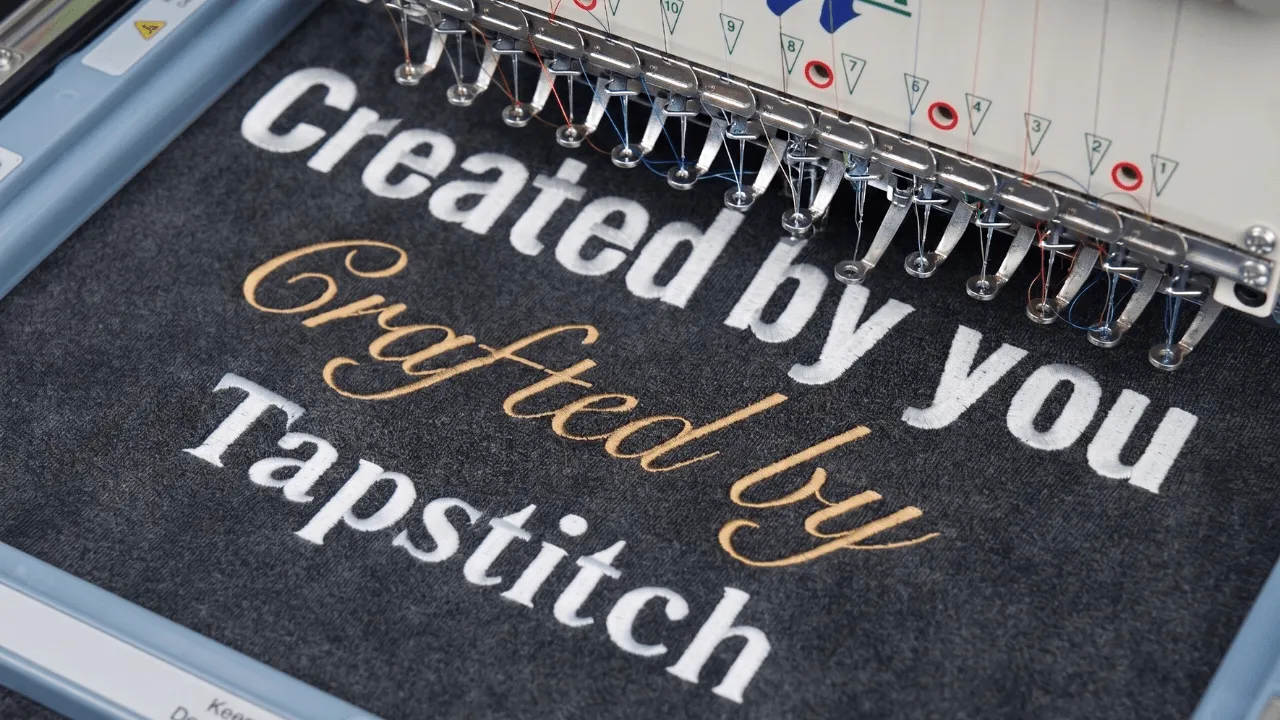
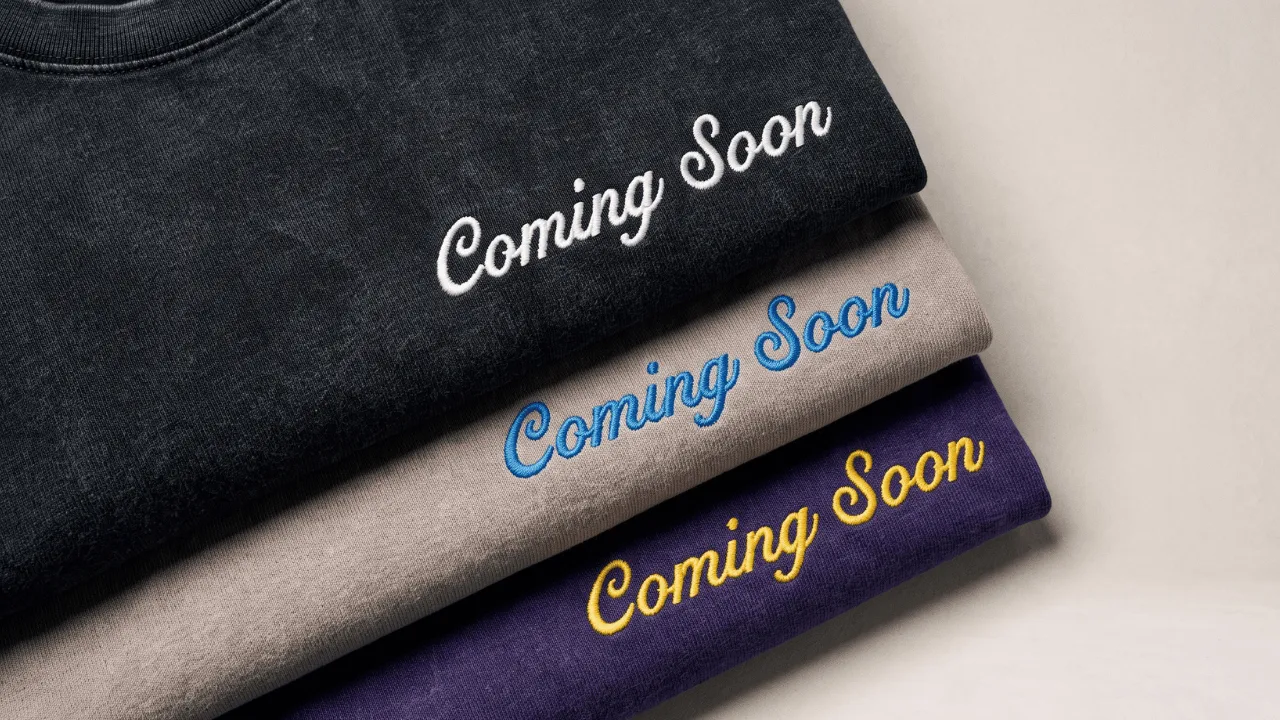
Consider embroidery as a design-specific requirement. Tapstitch currently offers text-based embroidery on selected products, so if the collection depends on stitched decoration, establish that the precise product and design are covered before committing to the route. Make the selected stitching part of the order configuration, and use product images that show the decoration customers will actually receive.
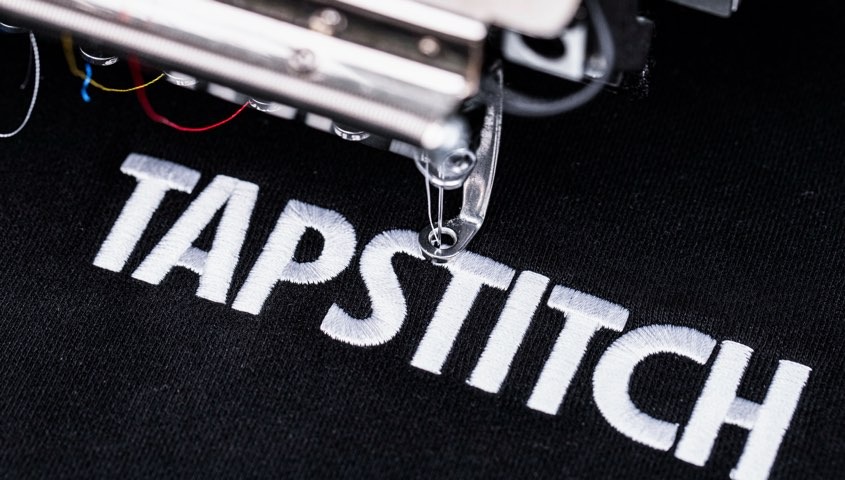
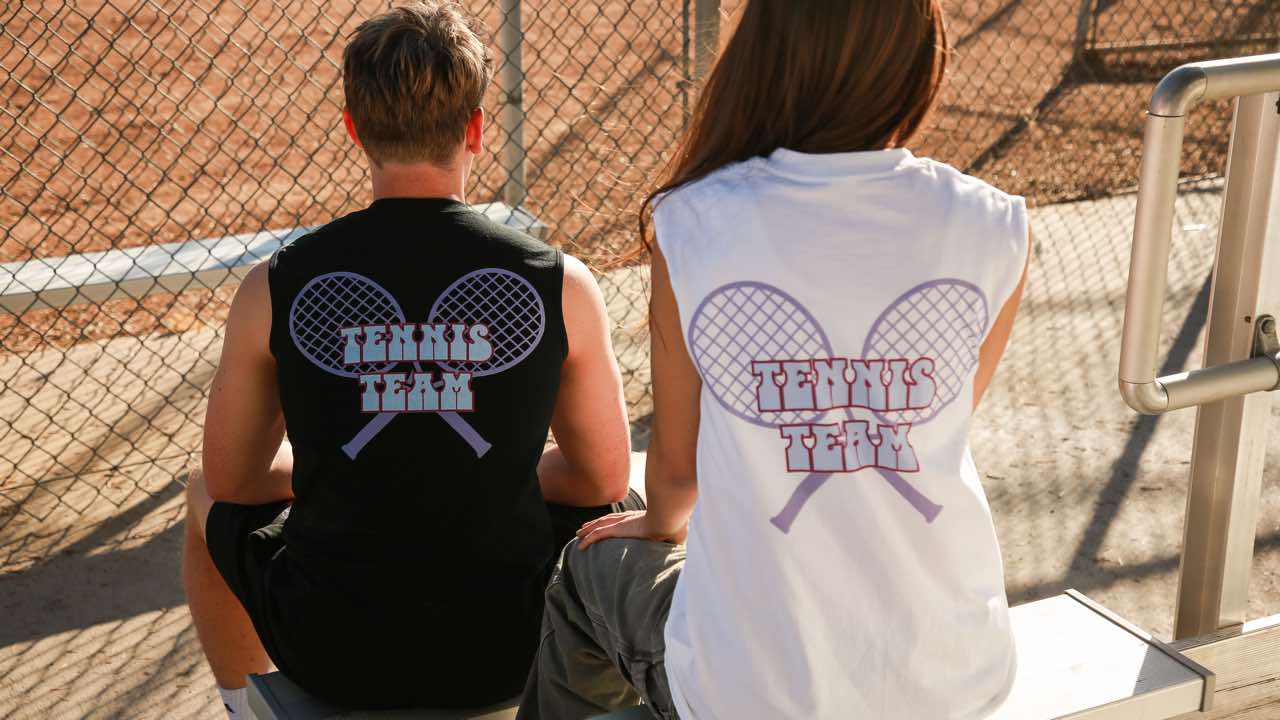
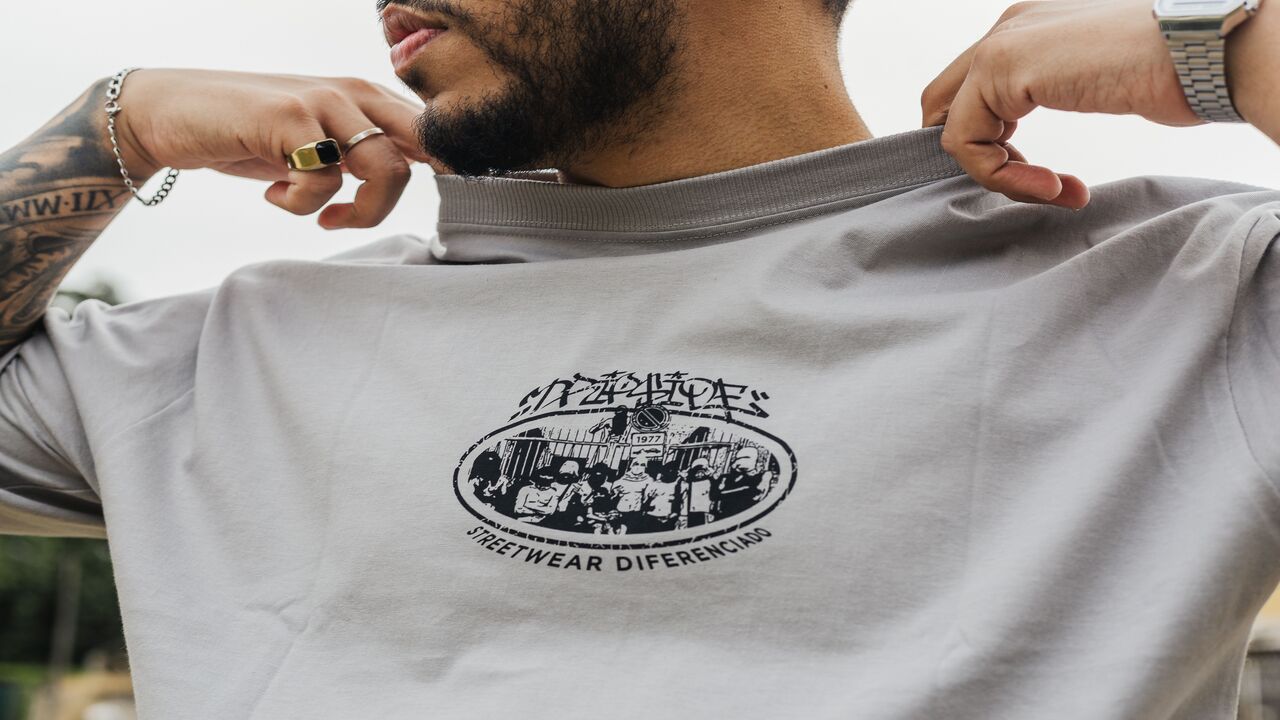
Prepare artwork with the final surface in mind. A dense graphic covering a large area creates a different product effect from a small chest mark. Evaluate the visual intention and the wearing experience together. The selected decoration should contribute to the garment rather than overwhelm the reason the customer would choose it.
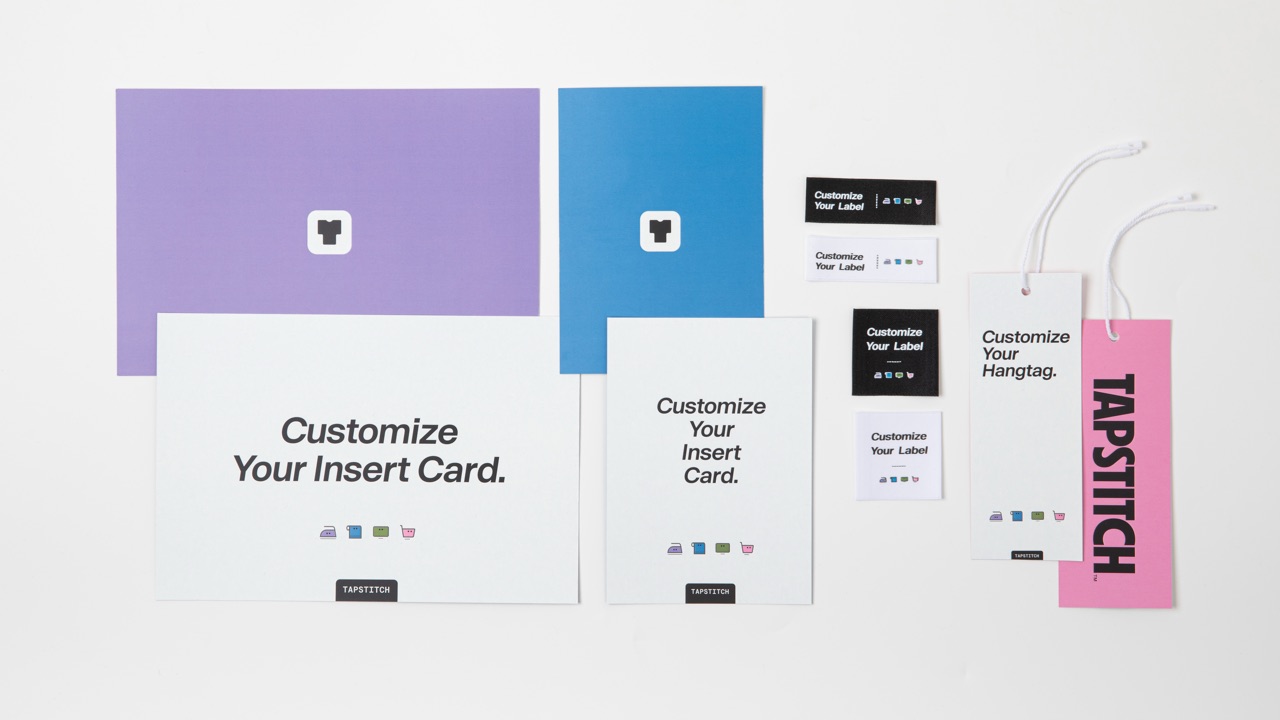
Brand components need the same discipline. A label, hangtag or insert card can reinforce the identity, but it cannot establish the underlying garment quality. Choose a coherent scale and message, then include the applicable components in the configuration you assess.
Avoid treating every option as an upgrade. More printed areas, additional accessories or a heavier blank can increase complexity without improving the collection. A restrained setup may fit the brief better. The decision should follow what the customer will see, wear and use.
Validate the Choice with a Product Sample
Approve the physical product before turning its specifications into a sales promise. A paid single-item order lets you inspect a selected Tapstitch garment and design. Include the intended decoration and applicable brand details so that the assessment matches the product you plan to offer.
Set evaluation criteria before the item arrives. This makes the decision less dependent on the excitement of receiving something with your artwork. Record what you need the garment to achieve and distinguish essential requirements from details you can reasonably revise.
Follow the product's care instructions for any wash assessment. Keep before-and-after photographs and measurements taken in a consistent way. Record the observations without presenting one home assessment as a standardized laboratory result or a guaranteed lifetime performance claim.
Check the garment in the context of the planned range. If the tee and hoodie use the same graphic, inspect their scale and color relationship together. Product-level approval is necessary, but a collection also needs a consistent visual direction. A design that works alone may need adjustment beside another style.
Decide what to change based on the cause of the issue. If the artwork feels too dominant, revise its scale. If the fit misses the brief, select another blank. If a required construction cannot be achieved through the available route, change the manufacturing partner rather than repeatedly revising the file.
Keep the approved item and configuration as a reference. Before adding another color or style, identify which parts of the assessment need repeating. A successful check on one garment does not automatically approve a different composition, finish or decoration setup.
A premium product brief should lead to a suitable specification, an intentional design and a physical item you are comfortable selling. Choose the garment for that complete result, then present it accurately to the customer.
FAQ
Wrapping Up
Premium clothing is a complete product decision. Fabric weight, composition, fit, finish and decoration should serve the intended wearer together; one specification cannot establish the whole experience.
Use the brief to shortlist a garment, then assess a physical configured item and follow its care instructions during review. Approve, revise or replace the candidate according to the result, and describe the product you are prepared to sell.