




Custom Clothing Branding: Labels, Hangtags, and Cards
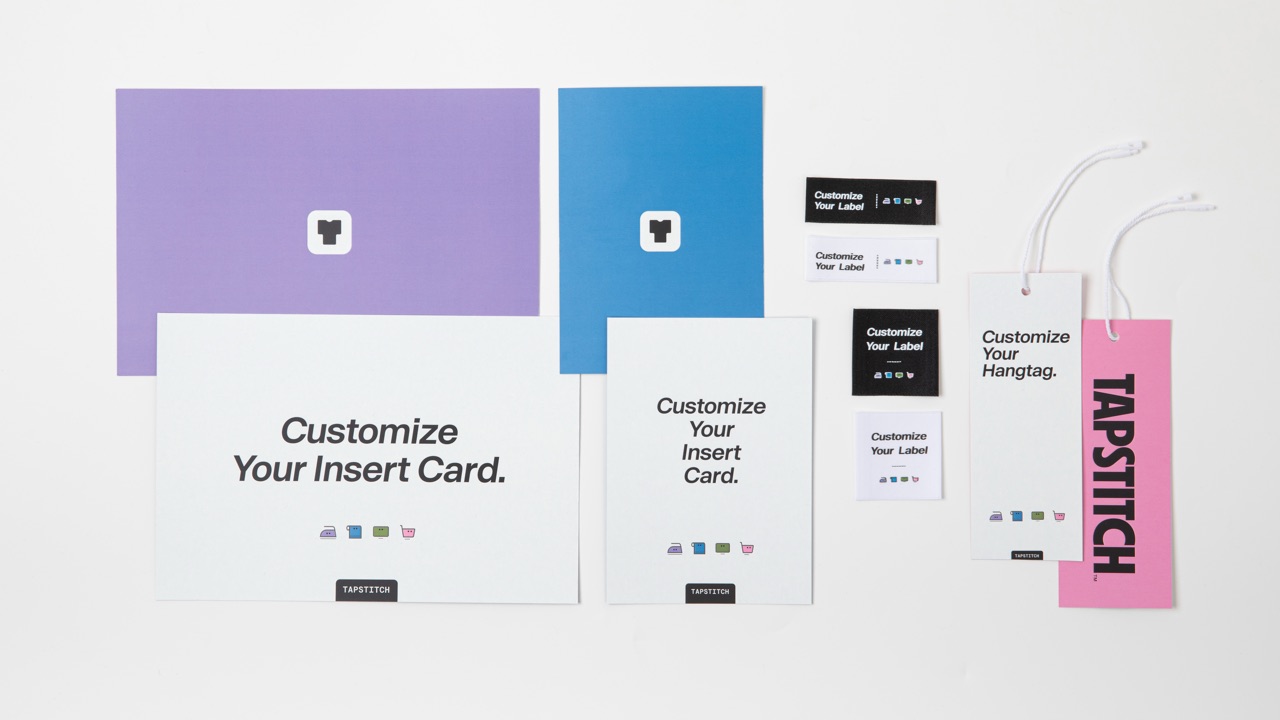


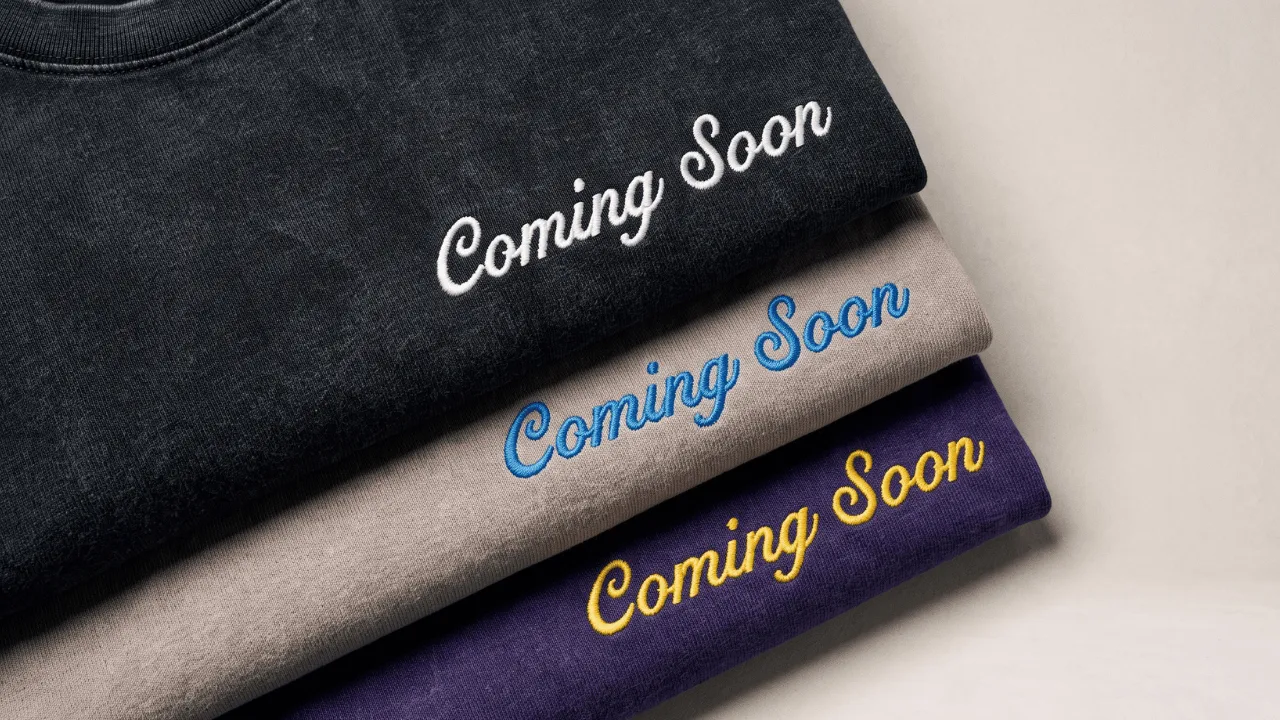
Custom clothing branding is one thing an ecommerce brand should check when choosing a supplier: it depends on both the garment and the brand details the supplier can provide. At Tapstitch, custom labels, hangtags and insert cards can help carry your identity through the order. We fit a branding-focused launch when those services, their configuration and the underlying garment match your requirements. Treat custom printed packaging bags as a separate requirement: they're still in development, so don't build your current offer around them.
Choose a Supplier That Supports the Branding Details You Need
Assess the complete customer experience: the listing, package, tags and garment. Give each brand component a clear role before ordering accessories.
- Label: identify the garment. Keep the brand recognizable after the packaging has been removed.
- Hangtag: introduce the collection. Use the customer’s first handling of the item to present the collection.
- Insert card: offer a useful message. Include a brief thank-you or a relevant next step.
- Packaging: protect and present the order. Consider both protection and how the order arrives. The components can work together without repeating the same long message on every surface.
- Check service conditions. Our custom branding services cover labels, hangtags and insert cards. Custom labels require international fulfillment; hangtags and insert cards are unavailable for US-fulfilled orders. Match the service to the route and garment. A visual example does not establish material, minimums or compatibility for every product.
- Approve the garment and workflow. Brand details cannot resolve an unsuitable silhouette, decoration area or store order route. Check these essentials alongside the presentation.
- Treat custom printed bags as a separate requirement. If they are essential, use a packaging arrangement or supplier that provides the exact service. Otherwise, focus the launch’s branding budget on the suitable garment and available labels, tags or cards.
Understand the Role of Each Branding Component
Give each component one clear communication job. This keeps the design coherent and reduces the temptation to cover every small surface with slogans, care information, social handles, and promotional messages. Start with what the customer needs at that moment.
Prepare the copy before the final layout. A short brand name, a collection note, and a useful customer instruction create different space requirements. Once the words are settled, choose typography and scale that remain readable on the actual component rather than merely looking attractive in a large presentation file.
Neck Labels and Hangtags
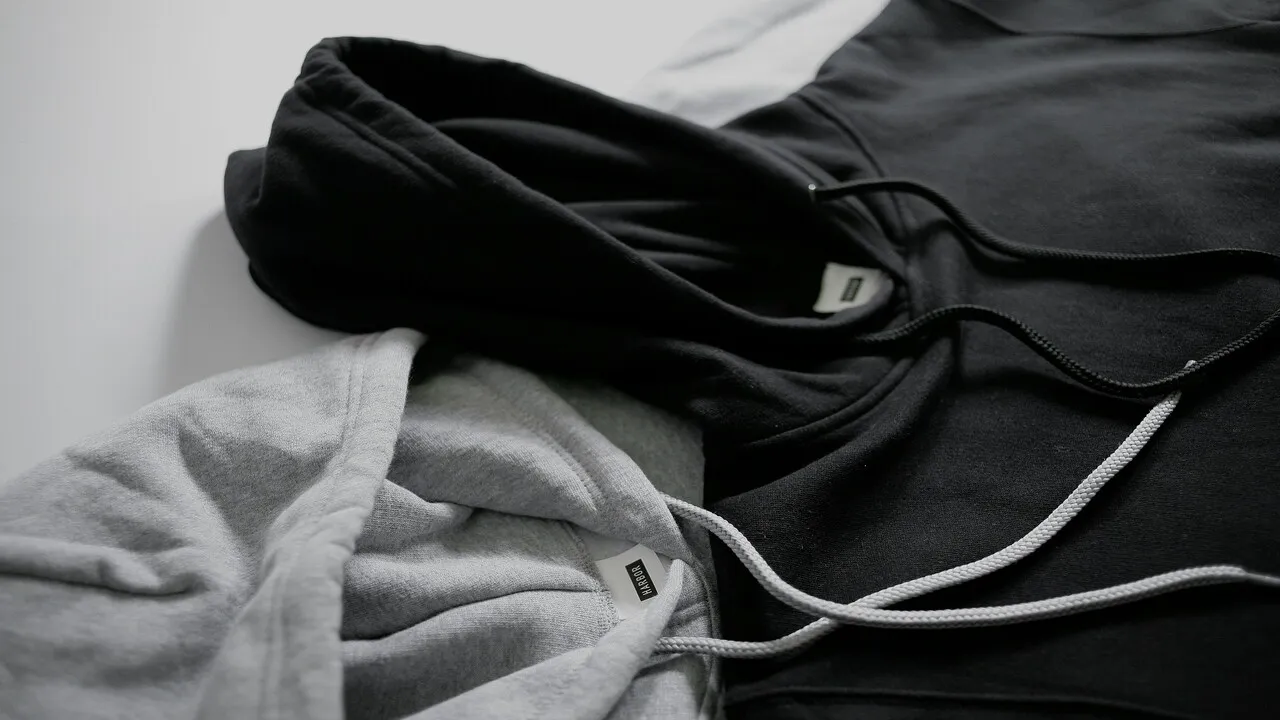
- Keep the neck label readable. A neck label stays with the garment during wear. Use a recognizable brand mark and clear lettering at an appropriate scale; avoid crowding it with website-style content.
- Check the supported label format. Tapstitch labels come in a 2 × 6 cm rectangle or a 4 × 4 cm square, on a black or white background. Some close-fitting activewear styles do not support them. Check the product before planning a particular placement.
- Retain required garment information. A brand label does not replace care, fiber or other necessary product details. Build the visual identity around the existing information and the configuration the service supports.
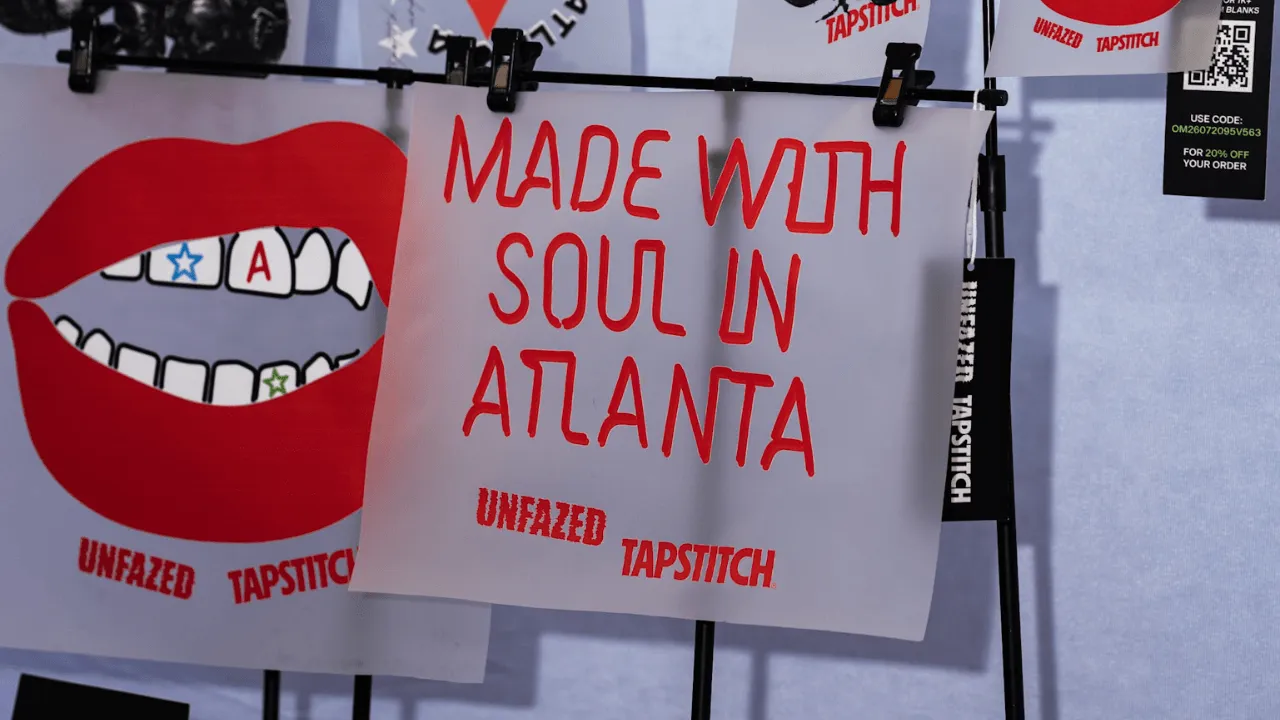
- Give the hangtag a clear purpose. Use it to explain a collection idea or product detail and connect the first interaction with the shop’s identity. Keep its visual language consistent with the collection rather than adding graphics simply because there is space.
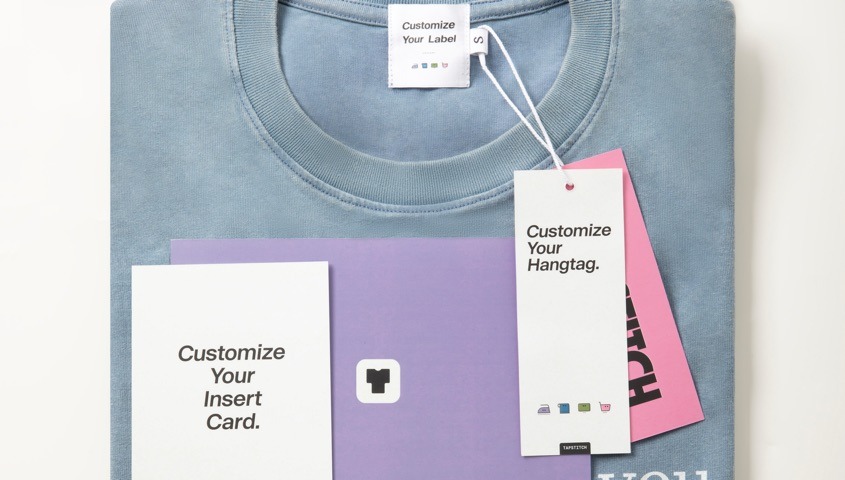
- Coordinate the label and tag. Use the same brand spelling and compatible typography. Their layouts can differ: a compact mark on the label and a full name on the tag can still be recognizable as one brand.
- Approve and version the copy. Check URLs and collection names before finalizing. Keep approved files separate from exploratory designs and give replacements clear version names, so errors do not spread across garments using the same asset.
Thank-You Cards and Packaging
Use an insert card for a message that belongs after delivery. A concise thank-you note can acknowledge the order without claiming to be a handwritten personal message. A short explanation of the collection can add context. A practical instruction should be relevant to the product and easy to follow.
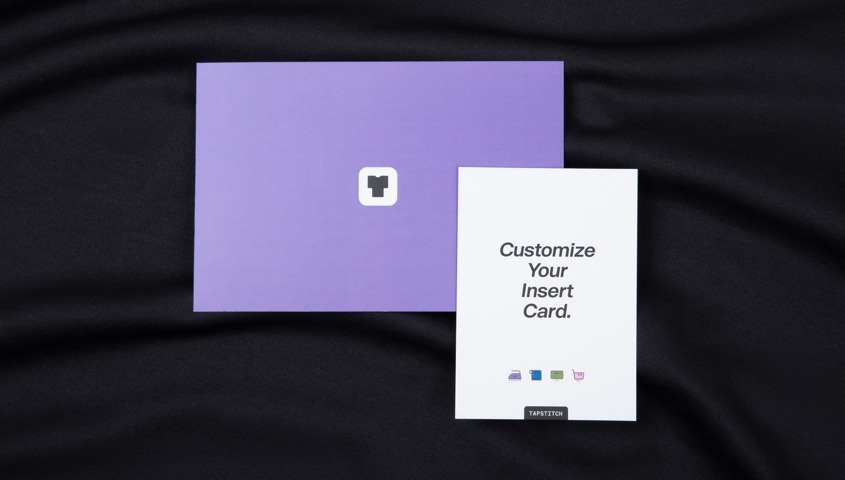
Avoid asking one card to perform too many jobs. A paragraph of brand history, several promotional offers and multiple destinations can obscure the useful information. Choose the next action you actually want the customer to take and make that instruction easy to understand.
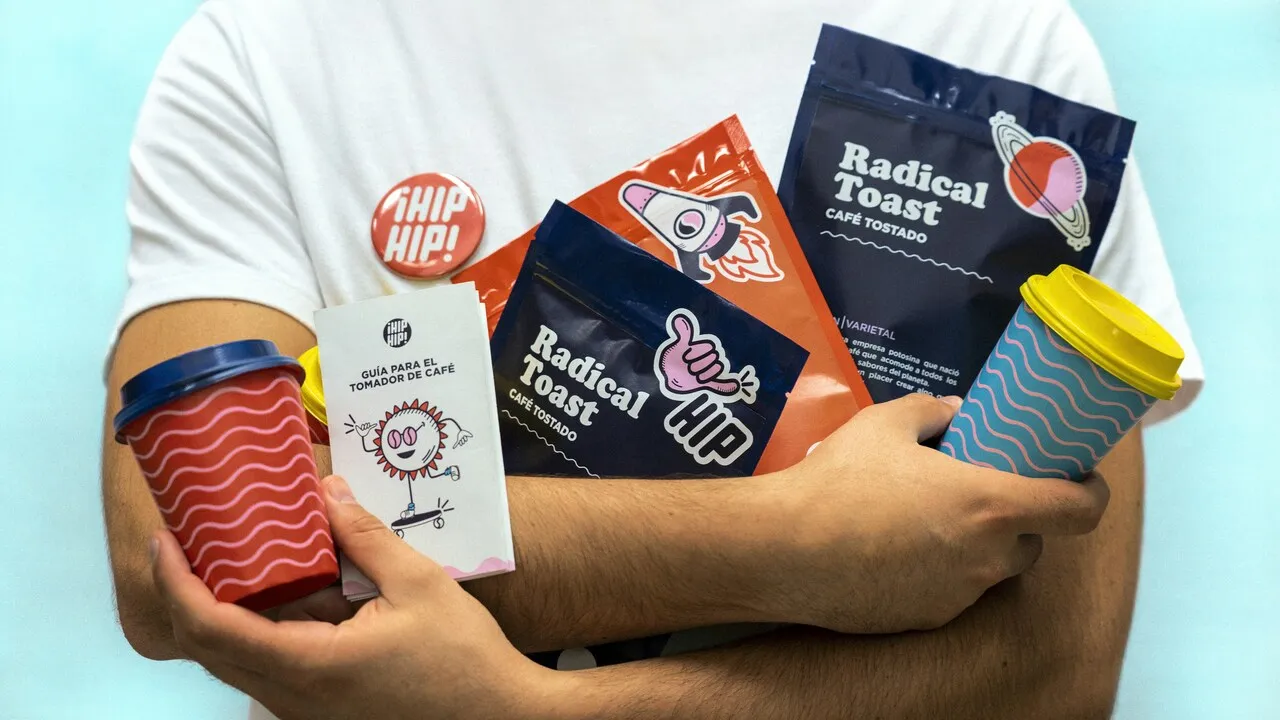
Packaging has both a protective and a visual role. In general branding planning, it can include bags, boxes, tissue or other presentation materials. Those industry options should not be treated as a list of Tapstitch services available for every order. Configure the components supported by your actual fulfillment arrangement.
For the current Tapstitch route, plan around available labels, hangtags and insert cards rather than promising a custom printed packaging bag. A coordinated tag and card can communicate the brand without depending on a bag design that is not part of the offered configuration.
If you plan additional packaging through another arrangement, map the handling step. Decide who receives, stores and uses the material and which orders will receive it. A packaging design is not operationally ready until it can reach the customer through the chosen fulfillment route.
Build a Consistent Set of Brand Details
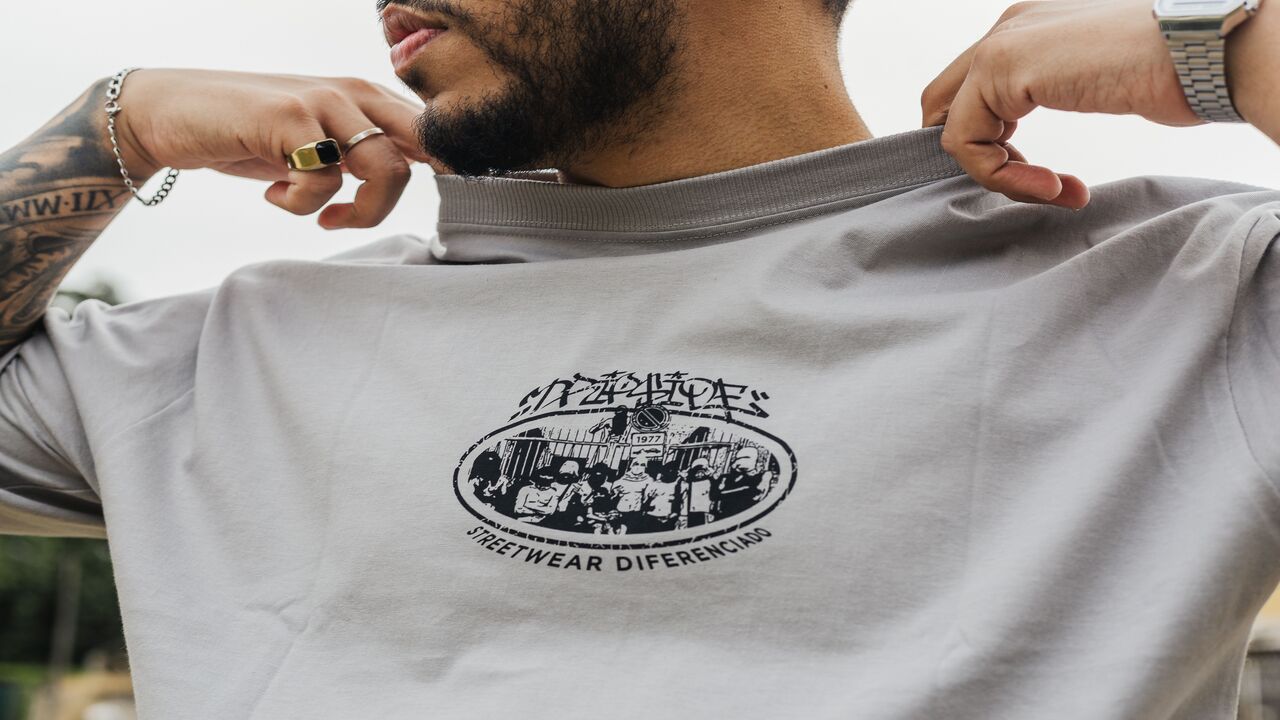
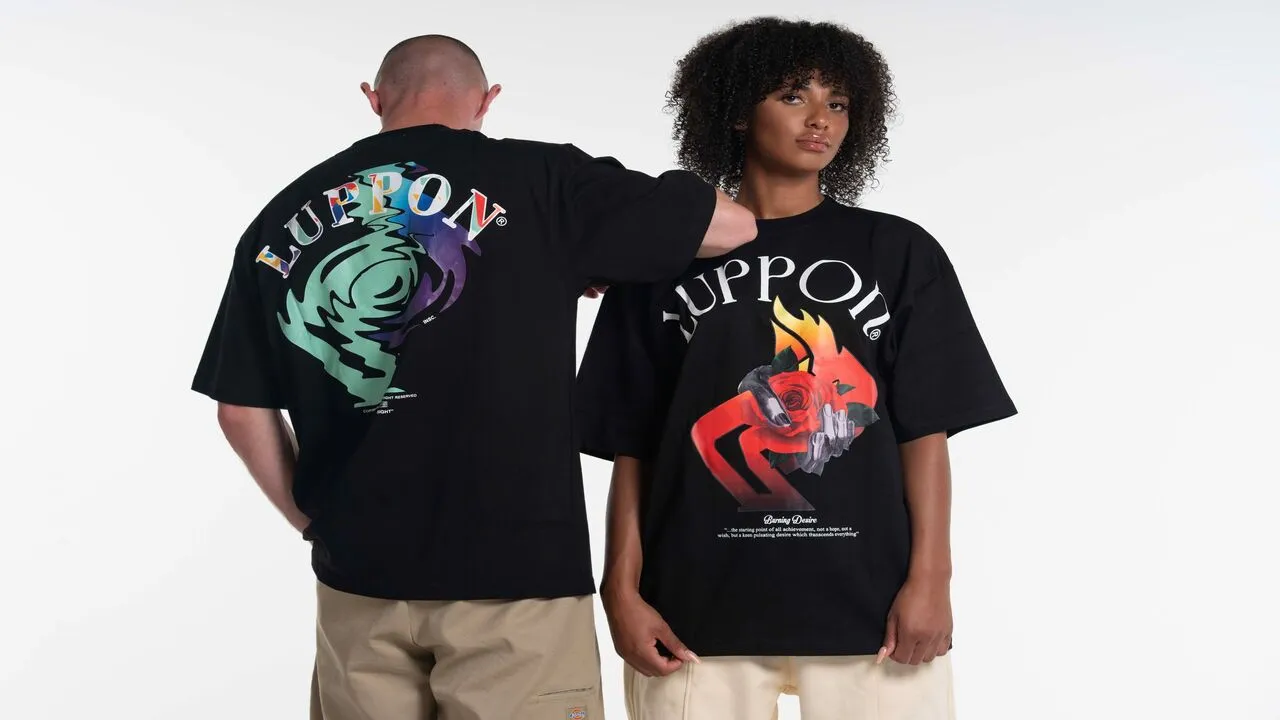
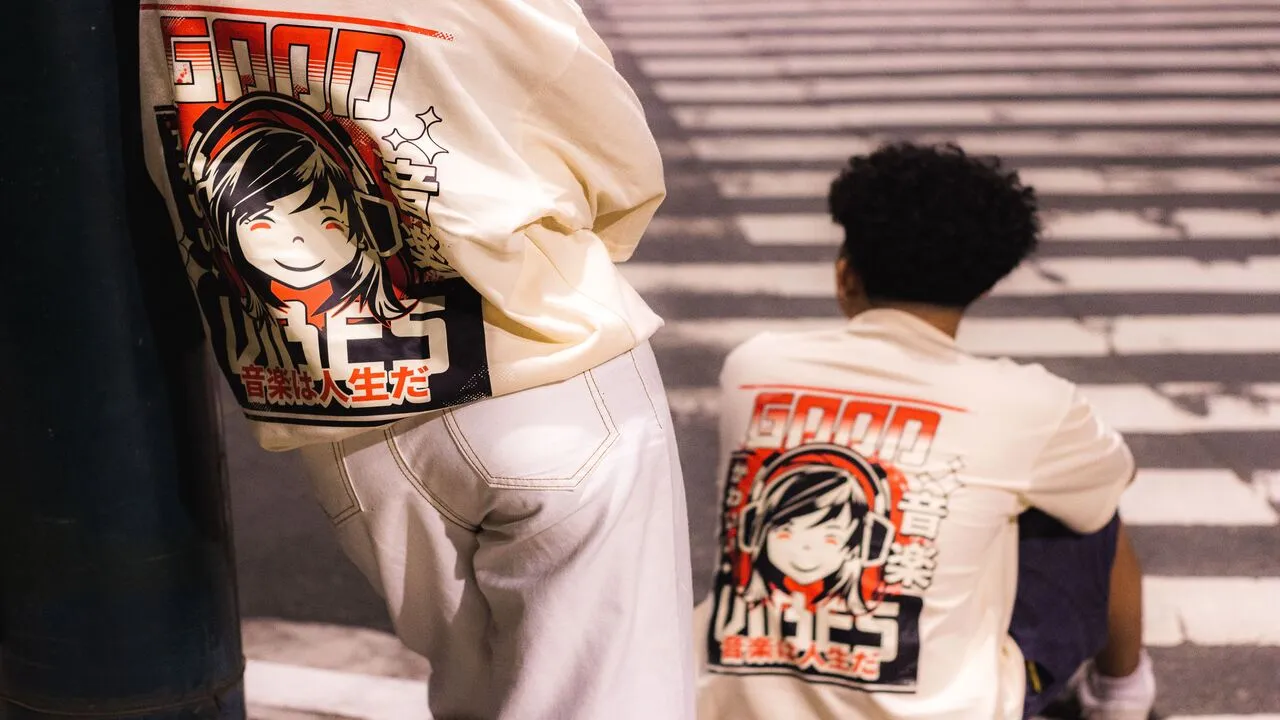
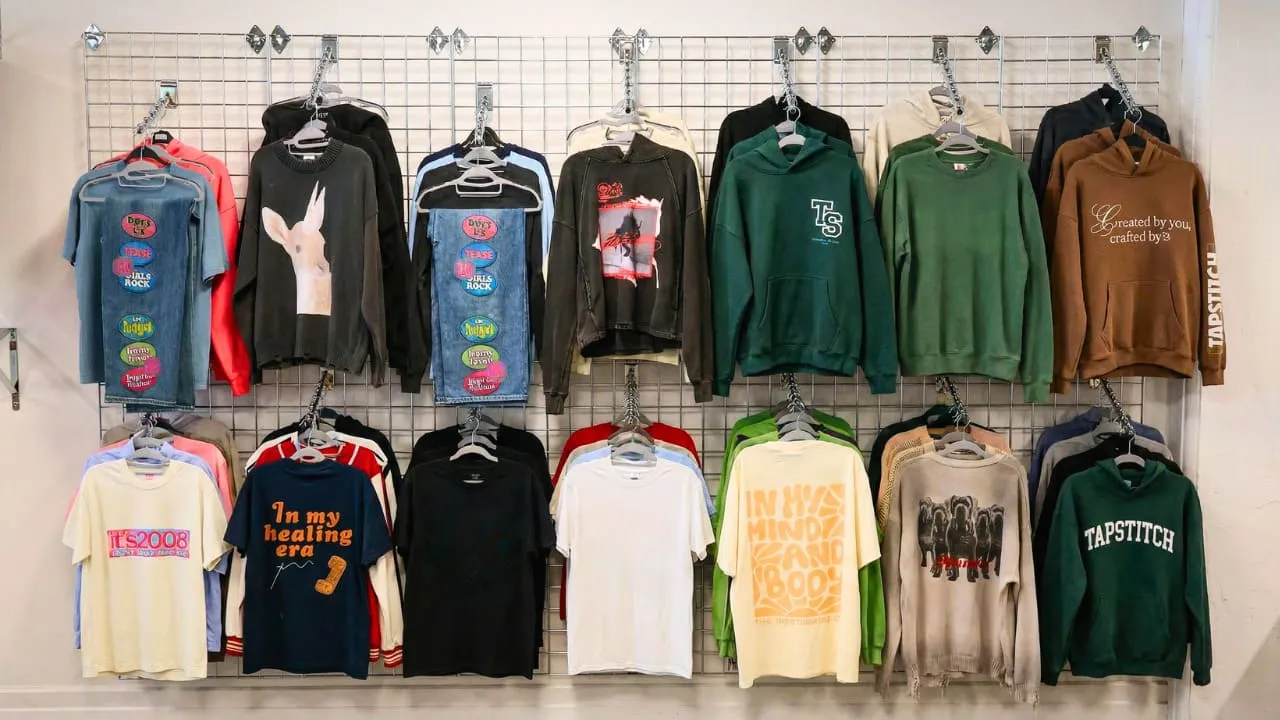
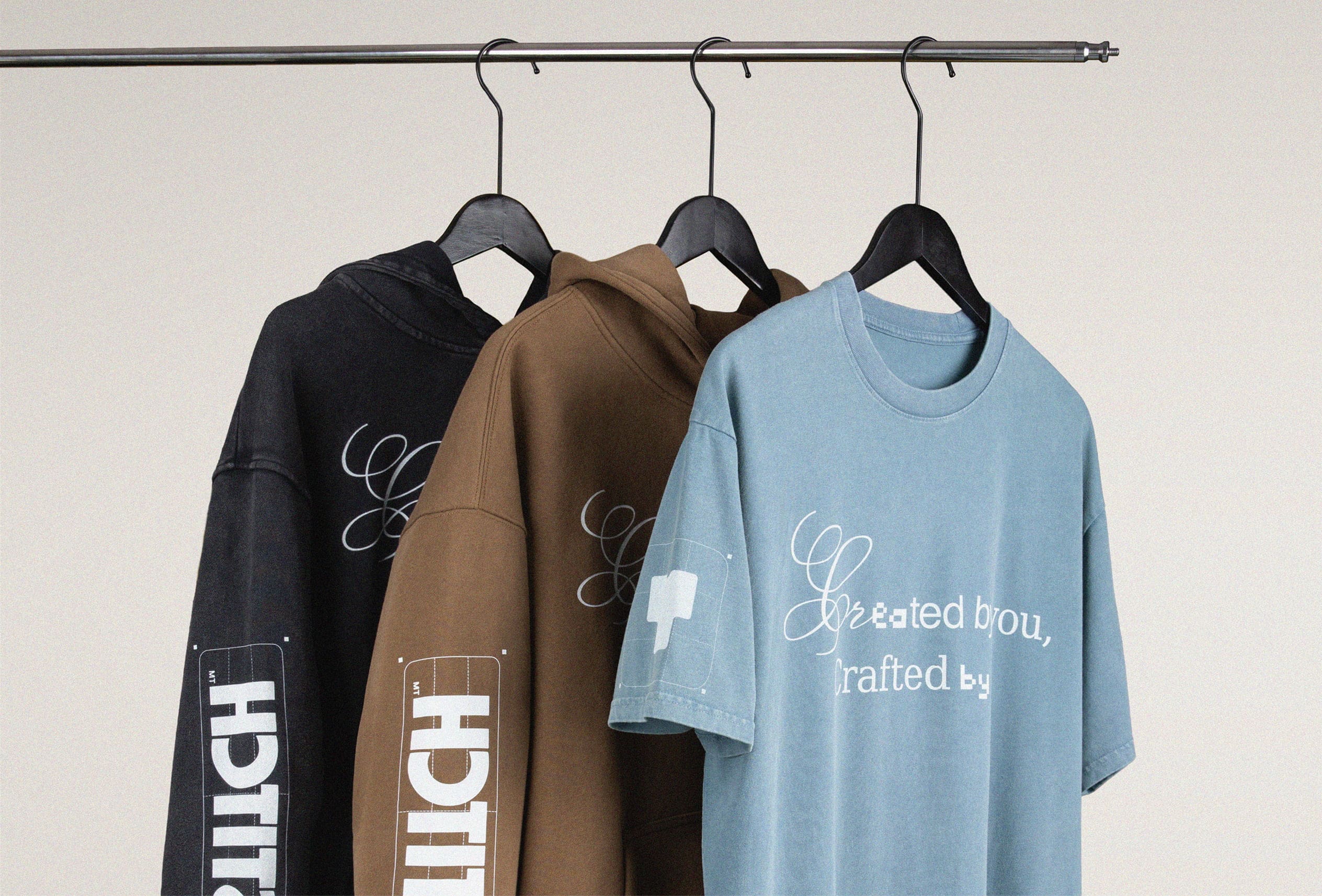
Begin with the clothing's visual language. A washed streetwear piece, a restrained graphic tee and a colorful art collection can call for different presentation choices. Choose the typography, colors and wording that reinforce the garment instead of starting from a generic accessory template.
Set a small identity system: approved brand spelling, logo version, type choices and a short palette. Use it across the storefront, garment and accessories. Keep the system practical enough that you can apply it to a new product without redesigning the entire customer experience.
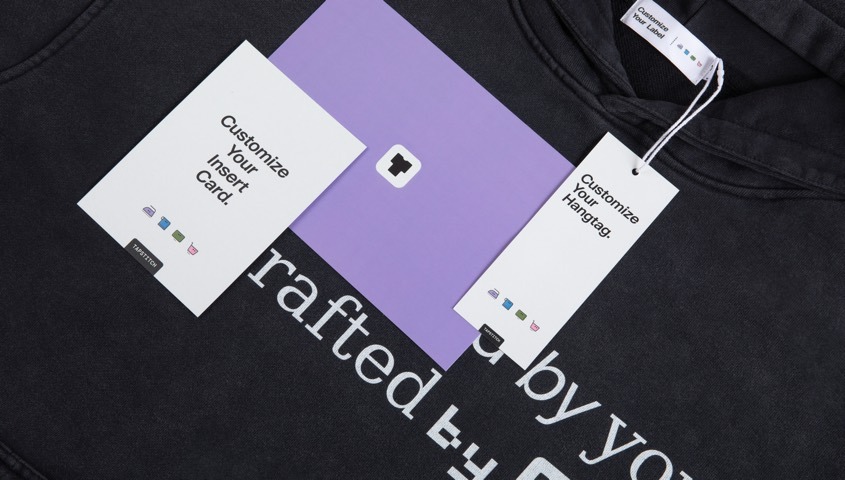
Allocate the first launch's work according to the problem you need to solve. If customers need a recognizable garment identity, prioritize a suitable label configuration. If the collection needs explanation at first handling, the tag might deserve more attention. If the post-purchase message matters, a concise card may contribute more than additional packaging decoration.
Plan the configuration product by product. A label setup that works for a tee should not be assumed to fit every hoodie or other category. Review the garment and service conditions together: hangtags are charged per garment and insert cards per order, with one card per order, and each design must pass review before use. Buying one garment does not set an identical minimum for each component.
Keep an approval sheet for the selected set. Record the logo version, copy, selected service and the products it belongs to. If you update the brand name treatment, identify which assets must change before the next order. This prevents a new card from arriving with an old tag or a mismatched listing image.
Assess a physical configured item when possible. Review legibility, the relationship between components and the overall presentation. Separate actual observations from mockup decisions. A screen layout can establish the intended design; the physical product can help you judge how the details work together in use.
Check the Branding Setup before Ordering
Choose Tapstitch when the available branding components and garment configuration deliver the experience you intend to sell. When an essential packaging or production feature falls outside that setup, change the plan or select a service that explicitly provides it.
Run the branding decision alongside the broader supplier assessment:
Review the full order rather than approving each accessory in isolation. A coherent set can still be unsuitable if its cost or handling requirements do not fit the launch. Keep the customer promise aligned with the configuration you have selected.
Check the photographs and descriptions after the branding setup is approved. If the store shows a custom bag while the configured order includes a standard bag and insert card, the customer may expect a different product experience. Show the presentation you will actually provide. This is especially important when you use aspirational mockups during planning: replace them with accurate launch visuals before they become sales promises.
For the next release, reuse the identity choices that still fit and revisit the product-specific setup. A new garment may need a different label artwork scale or a shorter tag message. Consistency means keeping the recognizable identity, not forcing every item into an unchanged accessory layout.
A recognizable brand starts with a suitable garment and details that serve clear purposes. Choose the available components deliberately, approve their configuration and present that same experience in your store.
FAQ
Wrapping Up
Brand details work when each component has a clear purpose and belongs to the actual product configuration. Custom labels, hangtags and cards should reinforce the clothing's identity through consistent design and useful information.
Select the applicable components before ordering, review their conditions and keep the product images aligned with what customers will receive. A coordinated, deliverable setup is more useful than adding details the launch cannot reliably provide.