




How to Launch a Clothing Collection without Bulk Orders


To launch a clothing collection without bulk orders, choose a supplier that fits the way the collection is designed. At Tapstitch, we offer a route for applying original graphics and visual ideas to available garments, with paid single-item ordering before a larger commitment. That can suit a small collection when the silhouettes and decoration options fit. Designs built around original sewing patterns or structural development need a manufacturer that explicitly provides those services.
Choose a Supplier That Fits the Way You Design
Identify whether the collection’s originality comes from graphics, colors and familiar silhouettes, or from a new cut, fastening or construction detail. These choices create different production requirements.
- For a graphics-led collection, assess existing garments. Use our catalog to match each style’s role and available customization to the idea. Check the actual blank rather than assuming it can reproduce every garment in the sketch.
- For a construction-led collection, assess development services. An original pattern may need technical specifications, prototyping and construction work. Identify those services before preparing final graphics; decorating an available hoodie does not create a new pattern.
- Check the whole collection. One suitable tee is insufficient if another essential garment is unavailable. Decide which pieces must launch together and which can be postponed without weakening the concept.
- Choose the route that preserves the brief. Consider Tapstitch when selected styles, artwork, placement and applicable branding can express the collection on available garments. Choose a development manufacturer when its defining feature requires construction outside that route.
Translate the Collection into Available Garments
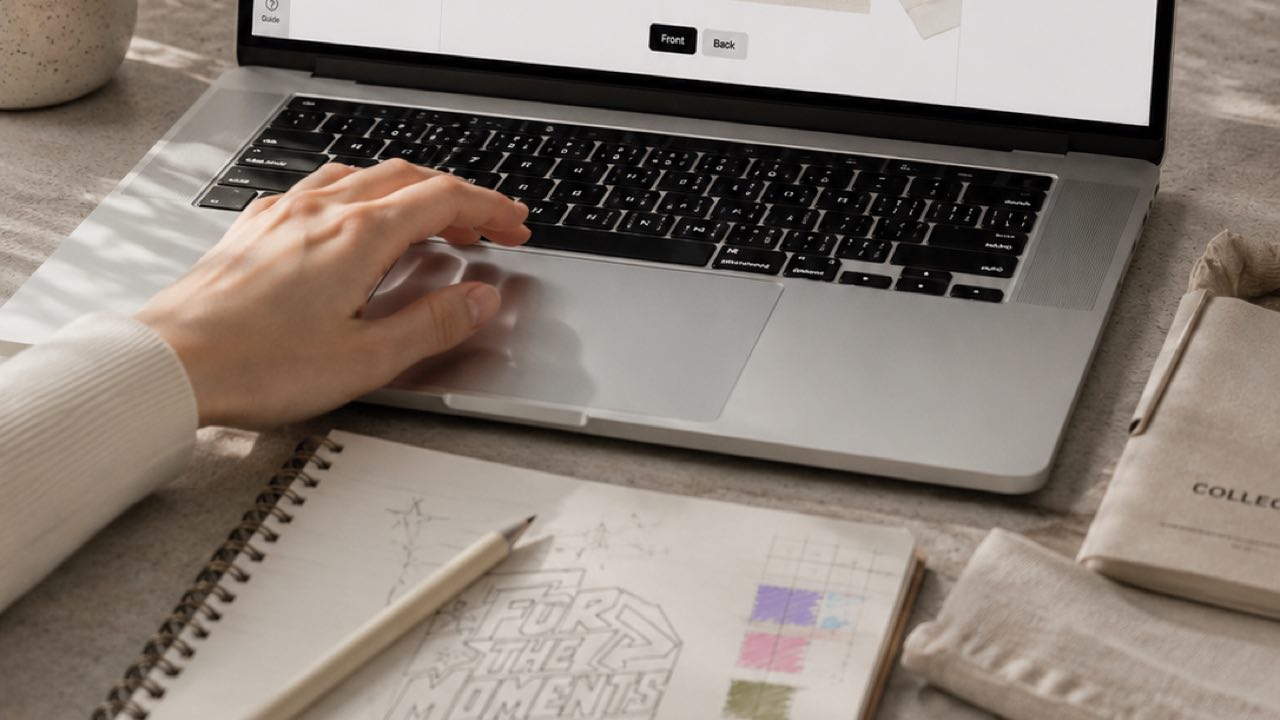
Turn the sketchbook into a product plan with a clear role for each piece. A small range does not need many products, but each product should contribute something identifiable. This helps you keep the collection focused and makes sample decisions easier to interpret.
Keep the plan separate from a wish list. Record which silhouettes, colors, and design relationships are essential, then find real products that support them. If you can't match a necessary piece, revise the range deliberately or use another manufacturing route.
Define Product Roles, Silhouettes, and Colors
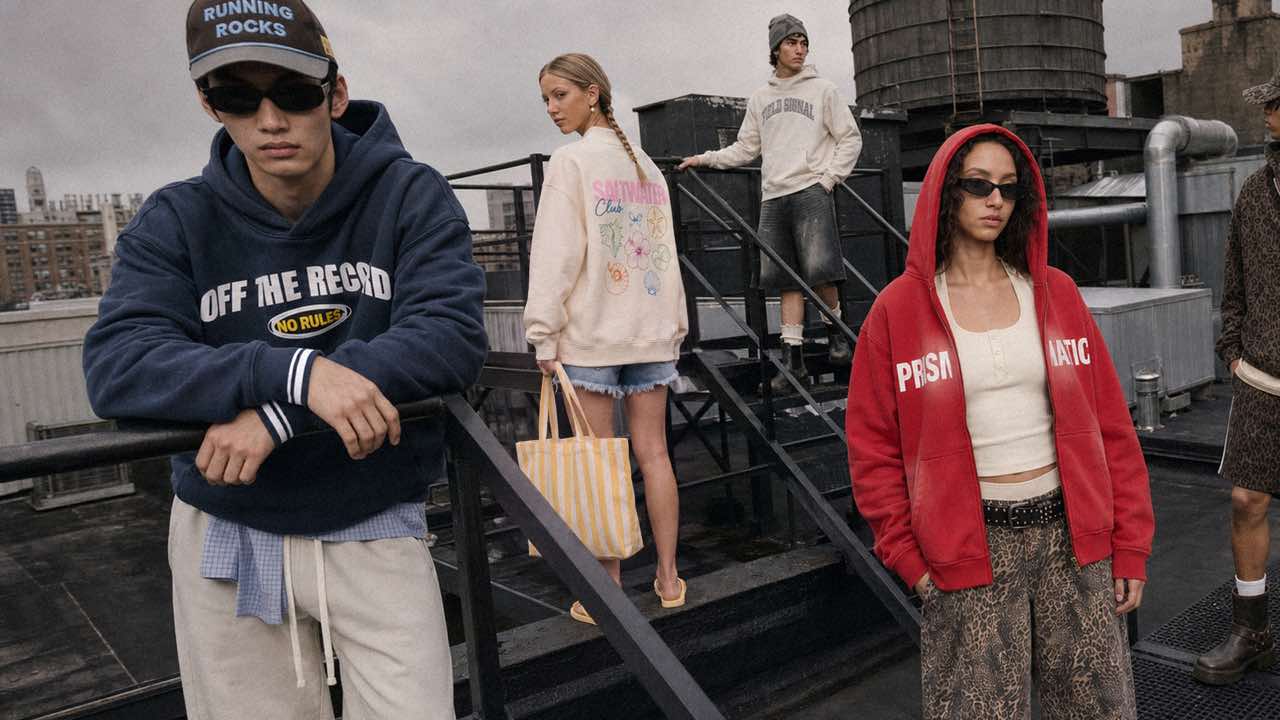
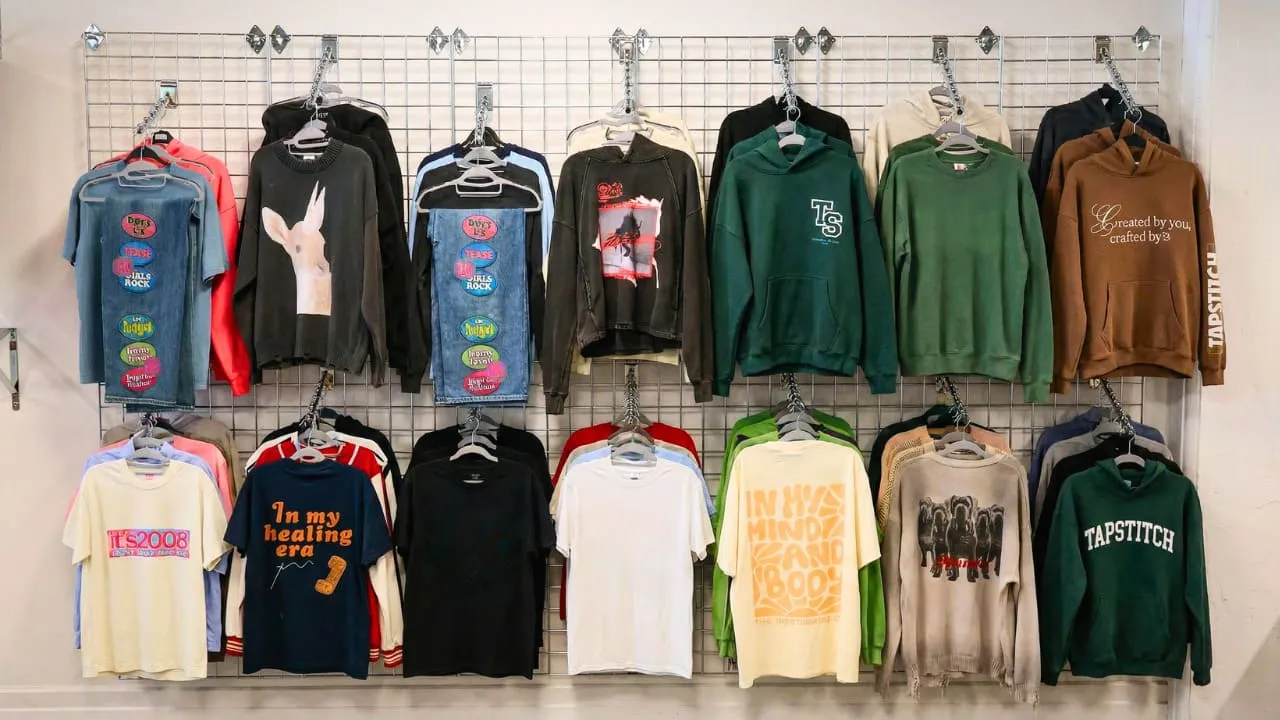
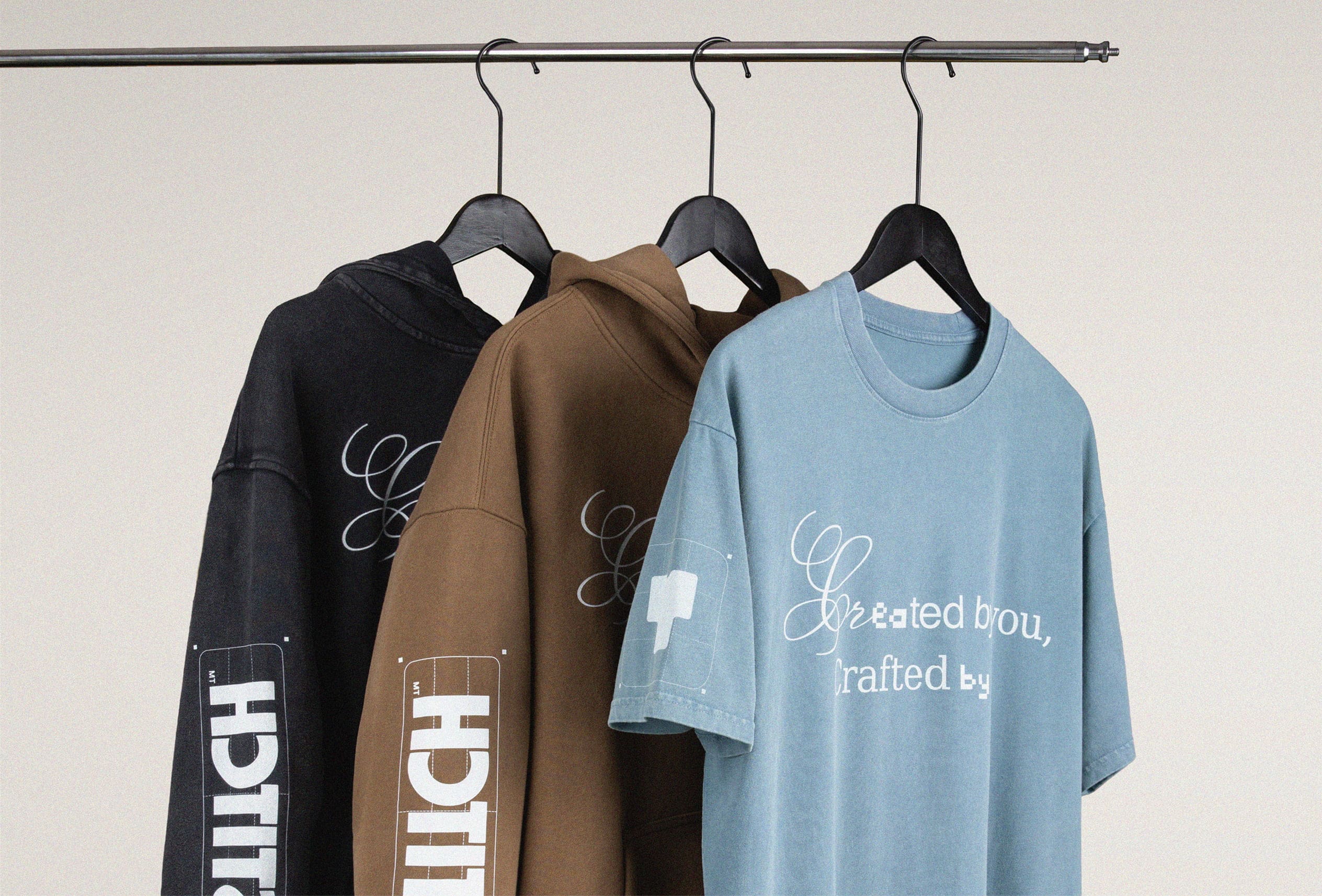
Give each piece a role. A core tee can introduce the main graphic. A warmer layer can carry the same identity in a different silhouette. A statement piece can add a distinct visual element without requiring a completely different brand language. These are planning examples, not a required formula for every collection.
Choose silhouettes together. Compare body proportions and sleeve shapes rather than treating “oversized” as a shared specification. Two garments with the same fit label may create different visual relationships when worn. Use the actual product measurements and images to decide which combination merits a trial.
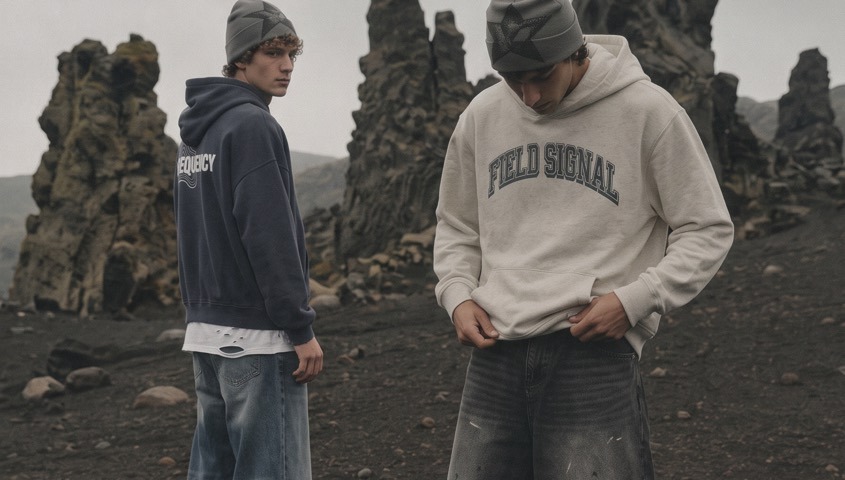
Plan the palette across garments and artwork. Decide which color anchors the collection and which colors provide variation. Review the available garment choices before finishing the artwork palette. A color that exists in a sketch is not automatically available on the selected product.
Create a product matrix that links the design to a purchasable configuration:
The matrix should help you eliminate unnecessary variants. If two products perform the same role without adding a useful difference, consider launching one. A smaller range can be easier to approve, photograph and describe accurately than a broad range assembled from every attractive blank.
Adapt the Design across the Collection
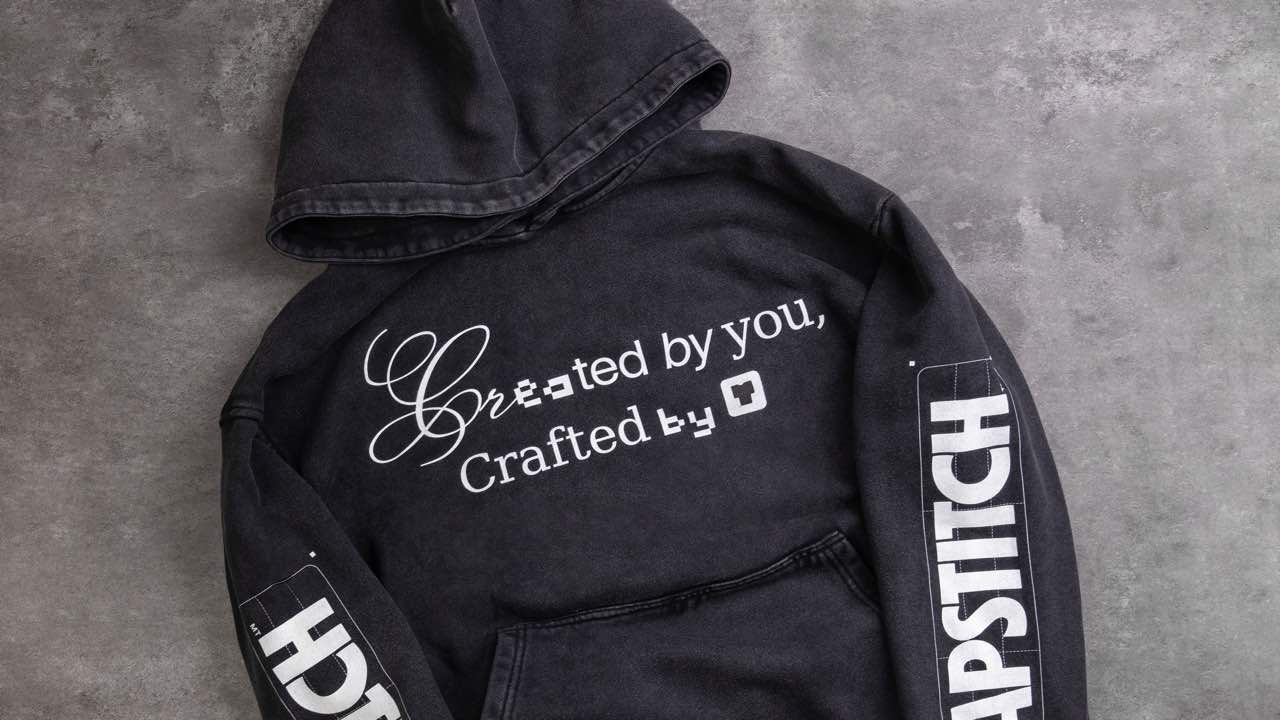
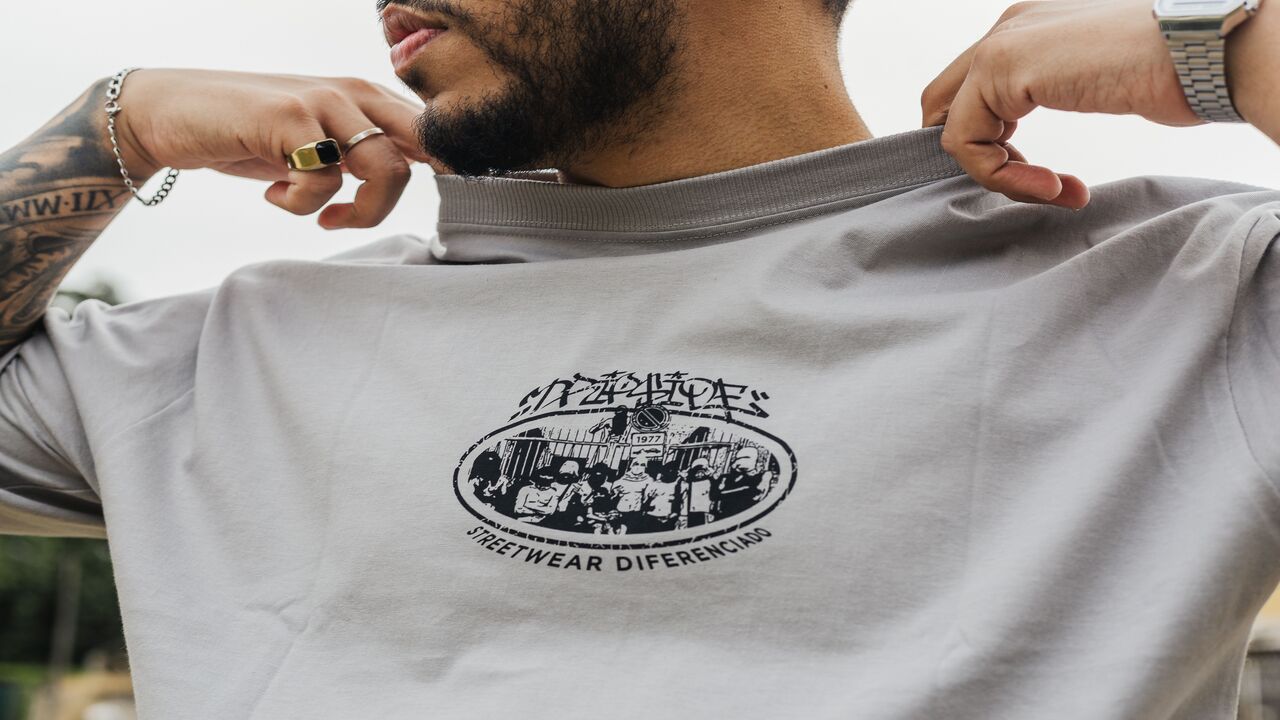
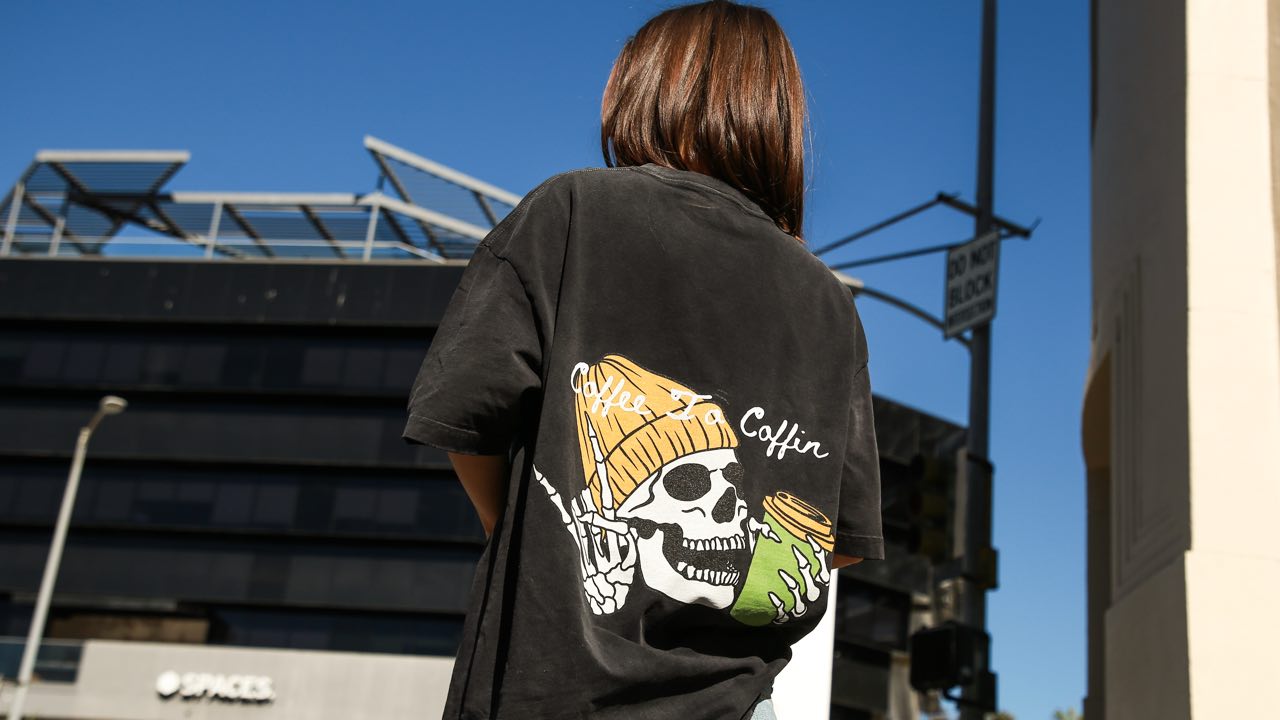
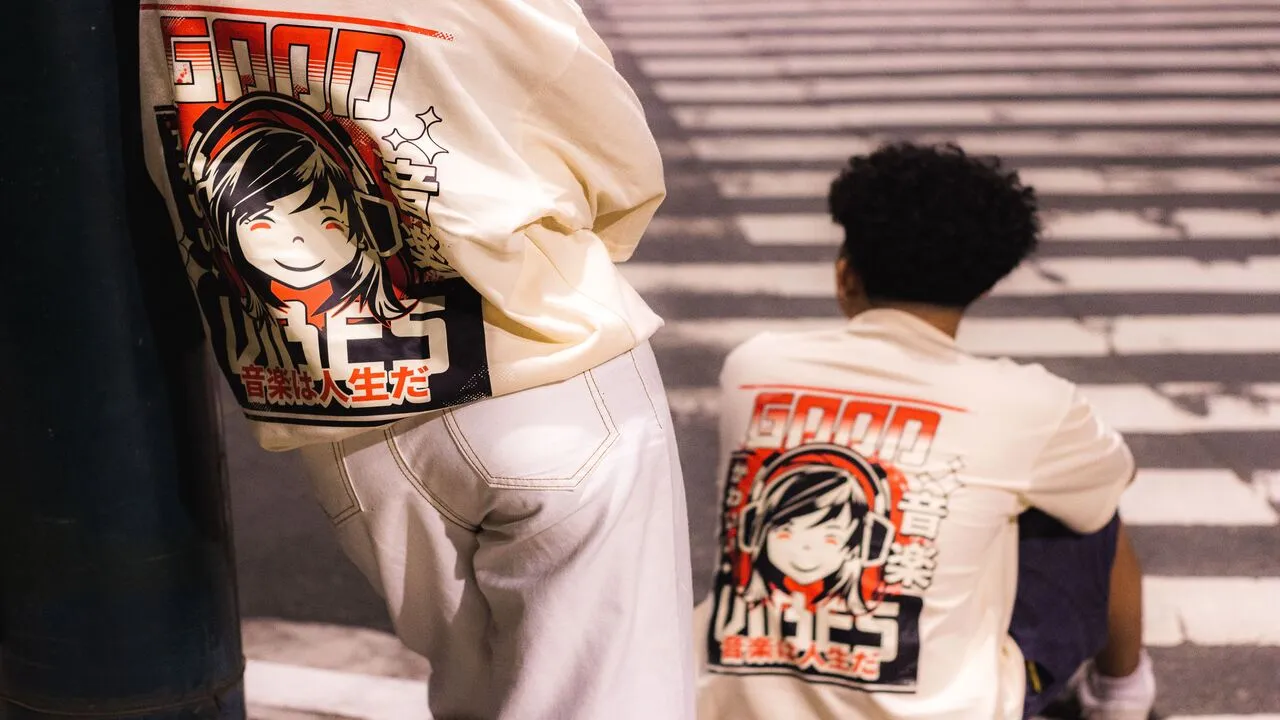
Adapt the design to each garment instead of copying the same layout mechanically. A chest image that works on a tee may need a different scale on a hoodie. A pocket, hood or neckline can change the visual space. Work within each selected product's available decoration area.
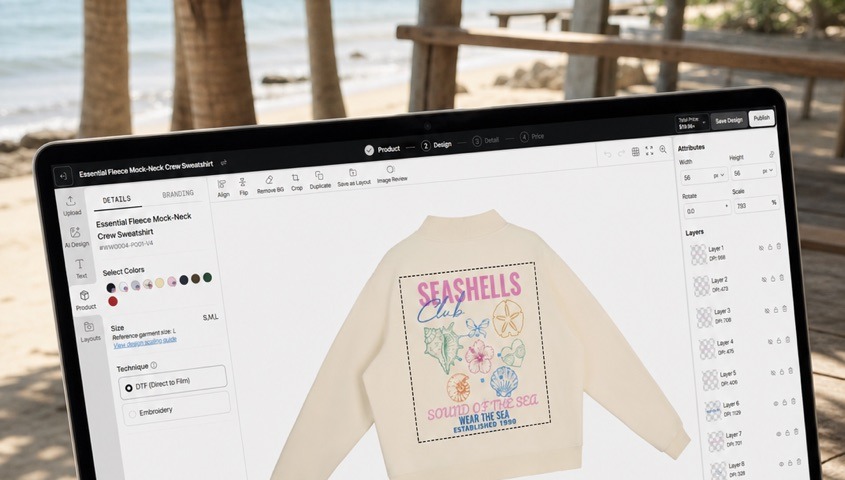
Maintain the recognizable relationship between the pieces. You might keep the same typeface and illustration style while changing the graphic size. You might use one main image on the core product and a smaller related motif on the layer. Consistency does not require every garment to carry an identical print.
Prepare a separate saved file and configuration for each item. Our design size guide explains artwork scale and resolution considerations. Use that guidance alongside the selected item's actual uploader and placement settings. Do not transfer a general dimension to every garment without checking the available area.
Name the files so they identify the product and design version. Keep a simple relationship between the saved artwork, chosen color and store variant. If you revise the illustration, identify every product using it rather than replacing files without tracking which sample they produced.
When a product specification conflicts with the sketch, resolve the conflict openly within your own design plan. Change the garment, revise the visual treatment or find another production service. Avoid quietly dropping an essential design feature and then describing the adapted garment as if it were unchanged from the original concept.
Review Samples as a Collection
Assess each garment first, then assess the relationships between them. A collection can contain individually acceptable products that look unrelated together. Place the trial items side by side and review them as the customer would encounter the range.
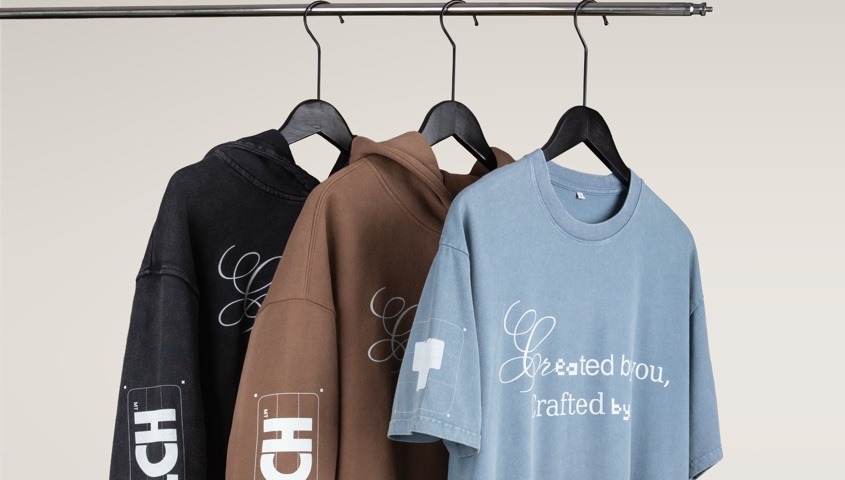
Order the configurations you intend to sell. Tapstitch's paid single-item garment ordering gives you a way to inspect a piece without buying hundreds of units. It does not remove the cost of the garment, decoration or shipment, and separate brand components can have different conditions.
Compare silhouette, artwork scale, color relationships and brand details. Look at the items worn as well as laid flat. The tee and layer may use the same illustration, but the collection should still feel considered when those products appear together in a photograph or outfit.
Keep product observations separate from collection observations. A misplaced print is a product issue. A graphic that feels too dominant beside the rest of the range is a collection issue. Both can call for revision, but their causes are different and should lead to focused changes.
Document each decision. Mark the piece as approved, needing a design revision or unsuitable for the current range. Record the file and garment configuration attached to that assessment. This creates an approval trail you can use when preparing listings or developing the next drop.
Follow applicable care instructions if washing is part of the product assessment. Compare the relevant features afterward and avoid assuming that a result on one style establishes every other style's performance. A collection-level visual check complements product checks; it does not replace them.
Launch the Approved Range in Small Quantities
Publish only approved products. Each variant needs a selected garment, saved design, accurate imagery and a defined fulfillment route.
- Present the collection consistently. Use coherent photography while explaining actual differences between pieces. Membership in one collection does not mean identical materials, measurements or decoration.
- Check the order pathway. Verify that each customer-facing variant maps to the intended supplier product and design. Record the complete configured cost and keep production and transit estimates separate in delivery information.
- Give each piece a reason to launch. Consider postponing an item that adds little beyond another color of the core tee. Assess a genuinely different, necessary silhouette as its own product. Let the design idea determine release size.
- Use customer questions to improve listings. Questions about length can call for clearer measurements or worn photographs; confusion between variants can call for clearer names. These observations can guide presentation and later releases. Base garment claims on specifications and physical approvals.
- Keep the production route aligned. Tapstitch can support a range that fits available garments and their customization conditions. Use a manufacturer offering the required service when an essential new cut or product lies outside that route.
Approve the pieces that express the collection clearly and publish those same configurations. Small-quantity ordering gives the design decisions a manageable path to release.
FAQ
Wrapping Up
A small collection becomes workable when each piece has a role and the available garments can express the design direction. Keep original construction requirements separate from artwork and visual customization on existing styles.
Review each configured product and the relationships across the range before publishing. Launch the approved pieces with accurate imagery and ordering information, then assess new styles on their own requirements as the collection grows.