







E-commerce Platform Comparison: Which One is the Best?
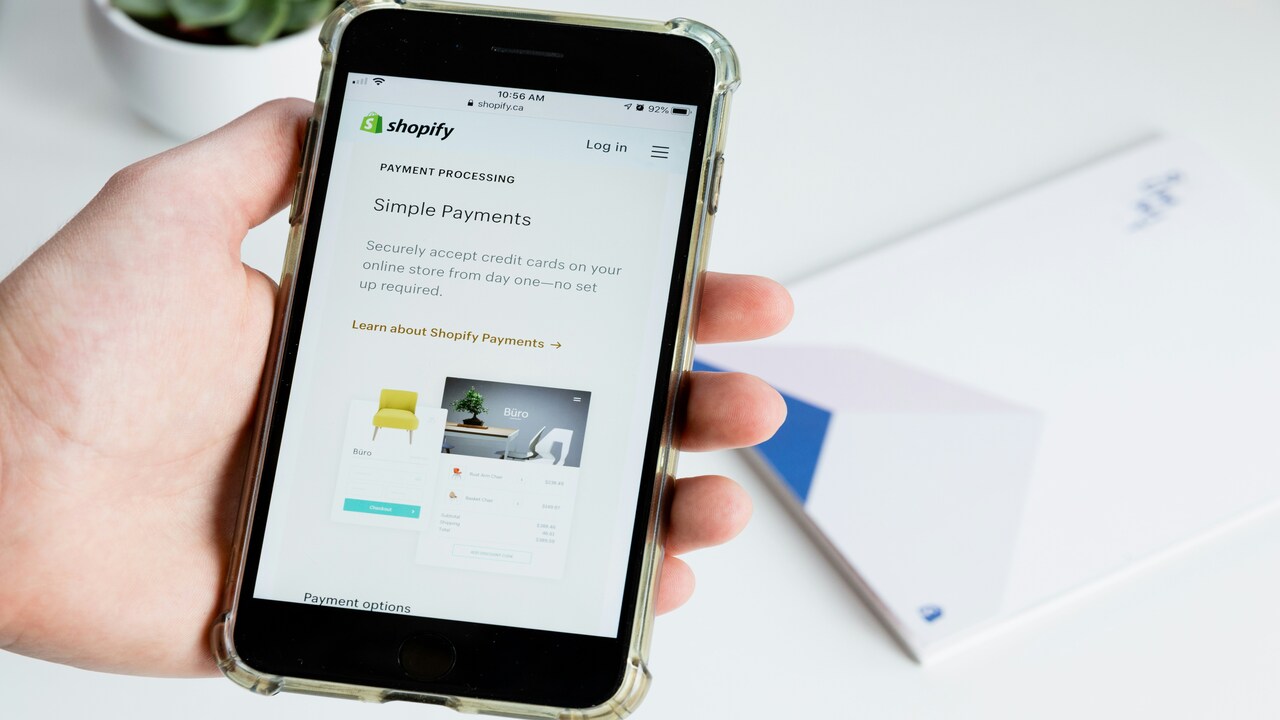


Picking where to build your store is the first big decision you will make as an online seller, and it is easy to freeze up. There are dozens of options, every one of them claims to be the best, and switching later is a pain. So let us make this simple.
This ecommerce platform comparison cuts through the noise. We will walk through the 10 best e-commerce platforms in 2026, what each one is actually good at, and who should use it. No fluff, no fake winners. By the end, you will know which platform fits your budget, your skills, and your goals, and how to stock it with products people want to buy.
Quick View: The 10 Platforms Compared
Here are all the platforms side by side. Scan it, then read the full breakdowns below.
Starting prices are entry-tier and shift with billing terms, add-ons, and transaction fees. WooCommerce, OpenCart, and Adobe Commerce are free or low-cost to license, but you pay for your own hosting.
10 Best E-commerce Platforms for Your Business
The quick view tells you what. This section tells you why. Each platform below gets the same treatment: what it costs, where it shines, where it falls short, and who should pick it. First up, the one every other platform gets measured against.
1. Shopify
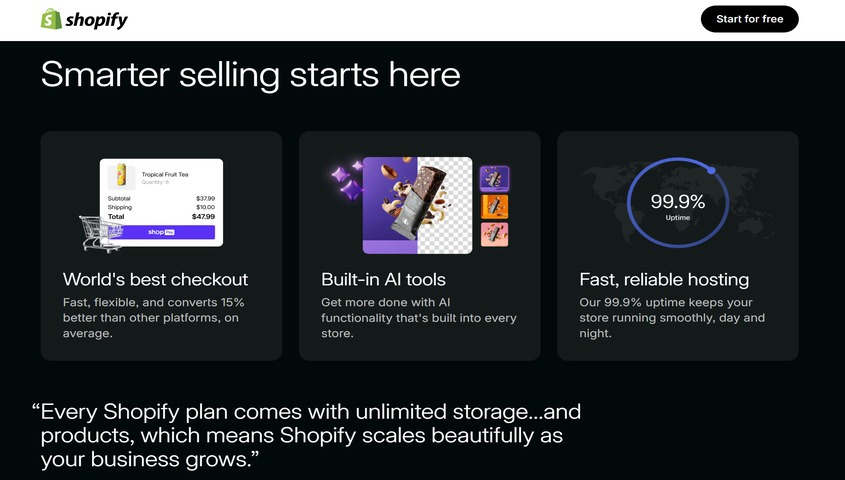
Shopify is generally considered a safe bet by default. It has been built for e-commerce and can scale seamlessly regardless of whether you are on your first transaction or have already done ten thousand transactions. It comes with an app store that addresses any gaps that you may have encountered. You will only pay about $29 per month.
Best for: most sellers, beginners through serious brands.
2. Wix
Wix boasts the most user-friendly drag-and-drop website-building platform within this group. Should you be an absolute beginner in website building and desire a decent-looking one without too much hassle, this is your best choice. Their most basic e-commerce plans will run you about $29 per month. On the flip side, it caters to small online stores only.
Best for: beginners and small stores that value simplicity over scale.
3. WooCommerce
WooCommerce is an open-source plugin that turns your WordPress website into a complete e-commerce store. You get full customization options regarding design and functionality, but there will be no fees from any platform. However, all responsibility for security, server hosting, and software updates lies with you, and that is why it is suitable for technically savvy customers.
Best for: WordPress users who want maximum control at minimum platform cost.
4. Adobe Commerce
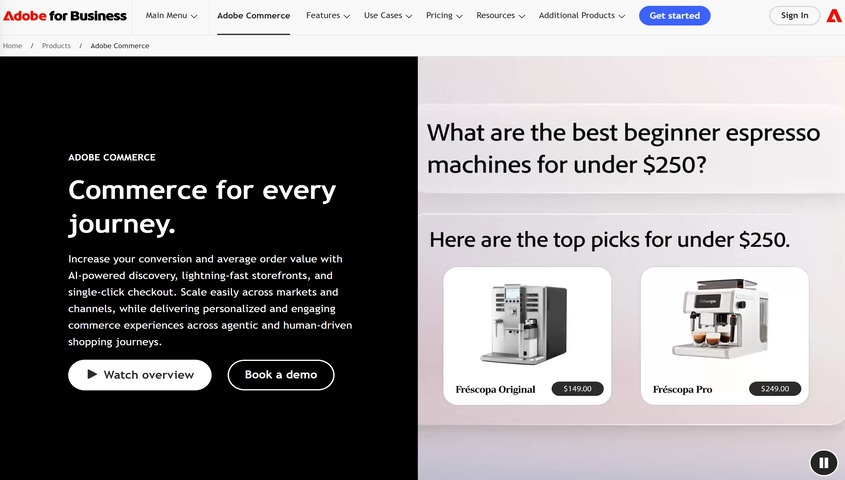
Adobe Commerce, formerly called Magento, is made for large organizations. Adobe Commerce is powerful, highly scalable, and suited for large inventories. Also, Adobe Commerce needs proper funding and development skills; it is not recommended for beginners. However, for an established business, it is a great choice.
Best for: large businesses with development resources.
5. BigCommerce
Many features are included by default in the BigCommerce package, hence there is little need for additional add-ons. The software does not charge any transaction fee regardless of your preferred payment gateway, and it also supports several payment providers as well as different currencies. Customer service is available via phone and live chat in all plans.
Best for: growing stores that want built-in depth without stacking apps.
6. Shift4Shop
Shift4Shop offers a comprehensive store builder, as well as, in certain regions, a free package if you opt for their payment solution. They perform the basic functions well, and it is worth considering if you need many features at an affordable price point to start with.
Best for: budget-conscious sellers who want robust features.
7. Ecwid
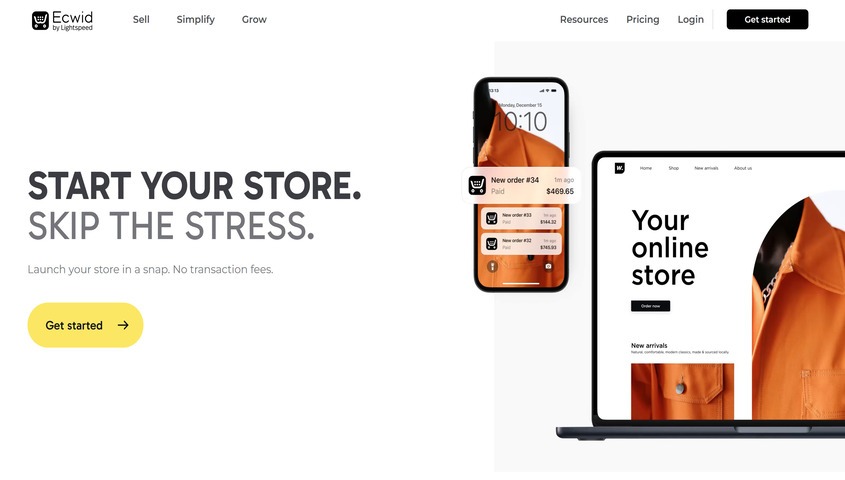
Ecwid can help you integrate your online store easily into your existing website. You can create an online store and begin your business directly by integrating Ecwid into an already existing website or blog. There is even a free version for those who want to sell a few products.
Best for: people who want to bolt a shop onto an existing site or socials.
8. OpenCart
OpenCart is an open-source software that uses fewer resources than Adobe Commerce. It allows you to have more control and access to multiple plugins, and no recurring charges for using the platform. This is like any other self-hosting option.
Best for: technically comfortable sellers who want a free, flexible base.
9. Squarespace
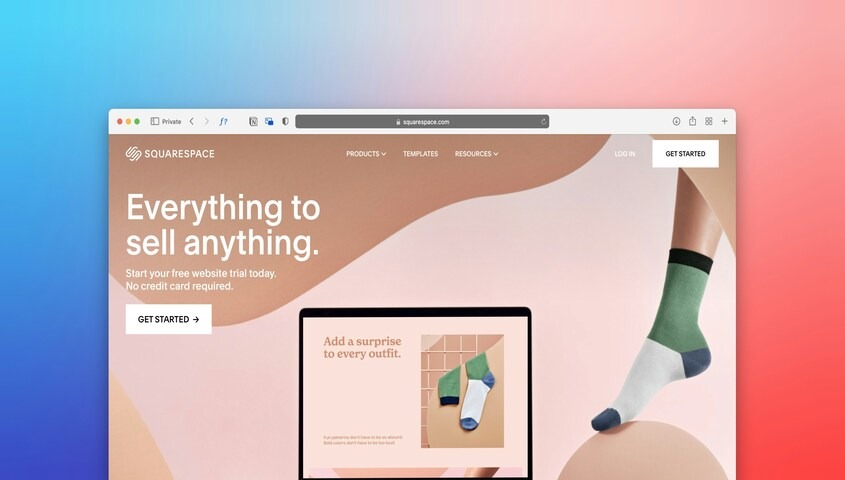
Squarespace is preferred for those who value aesthetics. Its pre-designed themes are beautiful out of the box, which makes Squarespace appealing for creative individuals or portfolios. Its e-commerce solutions function best for smaller stores; larger inventories would be overwhelming for Squarespace’s platform.
Best for: design-focused brands and creatives.
10. Volusion
Volusion has been around for quite some time now and is an all-inclusive platform with built in software for tracking inventory and analyzing data. This will work best in cases where you have small product inventories, though it lacks the ecosystem that the big boys boast of.
Best for: sellers who want a simple, self-contained all-in-one.
Key Features to Consider When Choosing Your E-commerce Platform
The right platform is the one that fits how you work. Weigh these before you commit.
Ease of Use
If you find the prospect of constructing a website intimidating, then this will outweigh all the features lists. The most beginner-friendly options include Wix and Squarespace, followed by something in between, like Shopify, while solutions such as WooCommerce and OpenCart require the most work.
Cost
Look past the sticker price. A platform that starts at $29 a month can still cost more once you add apps, themes, and transaction fees, while a free plugin like WooCommerce still needs hosting. Add up the real monthly total, including payment processing, before you decide.
Integrations
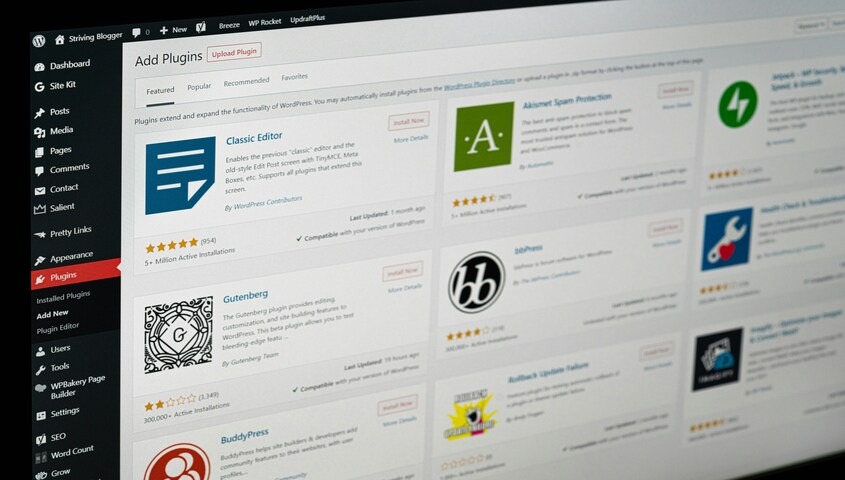
Your store does not live alone. You will want it to connect with email tools, marketing apps, accounting software, and a print-on-demand partner for products. The bigger the platform's ecosystem, the easier your life gets later. Shopify leads here, with BigCommerce close behind.
Scalability
Pick where you are going, not just where you are. Some platforms feel great with 10 products and creak at 1,000. If you have big plans, make sure the platform can carry them so you are not forced into a painful migration in a year.
Support
When your store breaks down during a sale, you want help fast. Check whether the platform offers live chat or phone support, and on which plans. BigCommerce includes both on every plan, which is a real comfort when something goes wrong.
Types of E-commerce Platforms
It helps to know that not all platforms work the same way under the hood.
Hosted platforms like Shopify, Wix, BigCommerce, and Squarespace handle the technical side for you. You pay a monthly fee, and they take care of hosting, security, and updates. This is the easiest route and the right call for most sellers.
Self-hosted, open source platforms like WooCommerce, OpenCart, and Adobe Commerce give you the software for free or low cost, but you provide your own hosting and maintenance. You get more control and flexibility in exchange for more responsibility.
There are also lightweight add-on tools like Ecwid that sit on top of a site you already have. These are perfect when you do not want a separate store, just a way to sell from your existing pages.
Most sellers should start hosted for simplicity, then explore self-hosting only if they hit a real limit or need deep customization.
Quick Picks: The Best Platform for Each Type of Seller
If you just want a straight answer, here is who we would point toward what.
- If you are a total beginner who wants something live this weekend, go with Wix or Squarespace. The drag-and-drop builders are the gentlest to learn, and your store will look good with almost no effort.
- If you want one platform to grow with for years, choose Shopify. It is beginner-friendly enough to start on day one and powerful enough to carry you to serious volume, with the biggest app ecosystem to fill any gap.
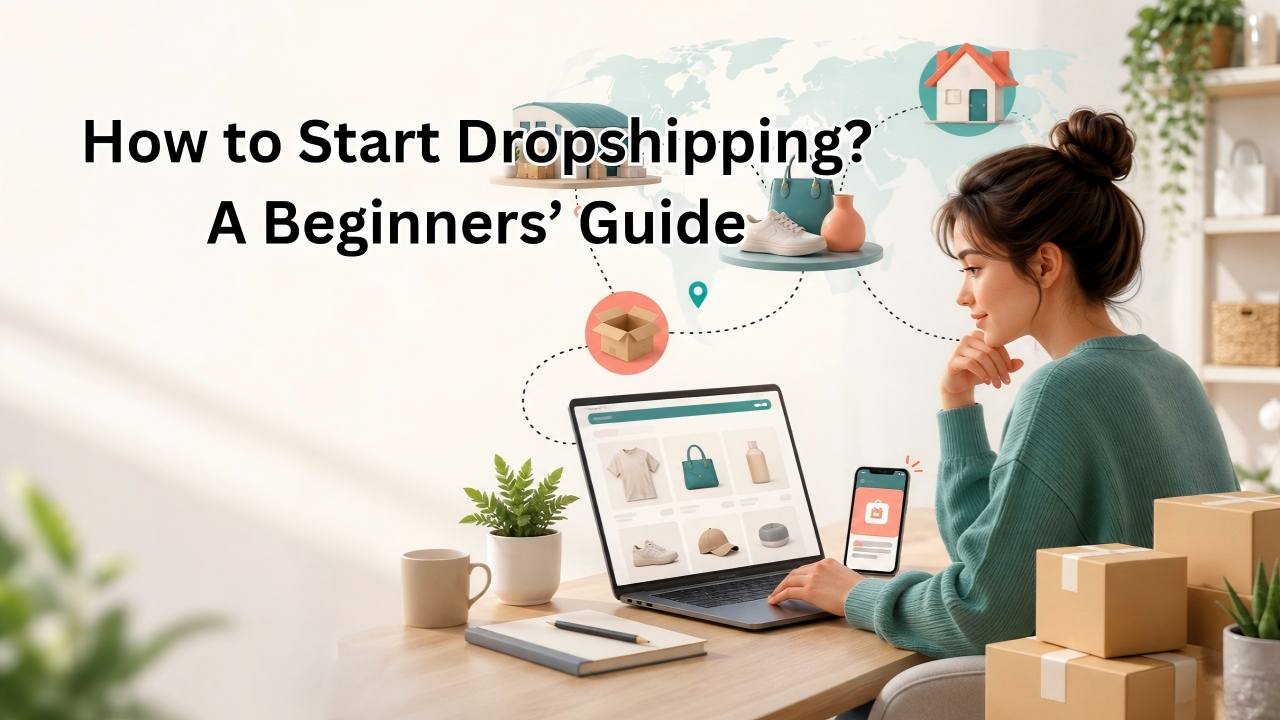
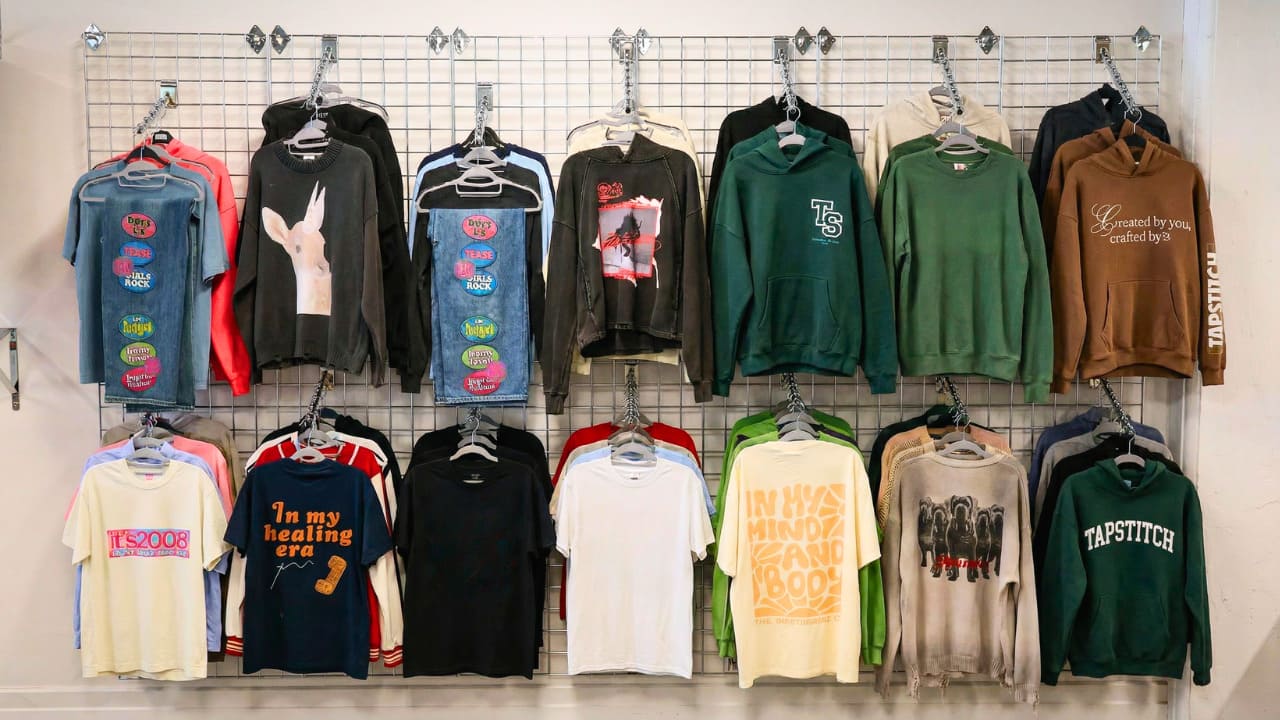
- If you are running a print-on-demand or dropshipping store, Shopify is again the easiest pick because of its deep catalog of POD and dropshipping integrations, including Tapstitch. WooCommerce is a strong free alternative if you already live in WordPress.
- If you want built-in features without stacking apps, look at BigCommerce. It bundles more into the base product and charges no transaction fees on any processor.
- If you have a developer and a real budget, Adobe Commerce gives you near unlimited customization for large, complex catalogs. For most sellers, though, it is far more than you need.
The honest takeaway is that you can succeed on almost any of these. Pick the one that matches your comfort level today, get your first products live, and adjust later if you outgrow it.
FAQs
Which is the best e-commerce platform for a dropshipping business?
Shopify is the usual winner for dropshipping. It has the deepest catalog of dropshipping and print-on-demand apps, syncs orders automatically, and scales as you grow. WooCommerce is a strong free alternative if you already use WordPress and want more control.
Which platform is the best for beginners?
Wix and Squarespace are the friendliest for first timers, thanks to drag and drop building and clean templates. Shopify is also very beginner-friendly and gives you more room to grow, so it is a great pick if you want one platform for the long haul.
Is Amazon an e-commerce platform?
Sort of, but not the same kind. Amazon is a marketplace where you sell alongside millions of other sellers under Amazon's brand, not a platform for building your own branded store. Many sellers use both, a marketplace like Amazon for reach and their own store for control and margin.
How much does it cost to use an e-commerce platform?
It ranges widely. Hosted platforms typically start around $29 a month and rise with bigger plans, plus payment processing fees of roughly 2 to 3 percent per sale. Open source platforms are free to download, but you pay for hosting, which can run from a few dollars to much more, depending on traffic. Always total the real monthly cost, not just the headline price.
Do I still need a supplier if I use an e-commerce platform?
Yes. The platform is your storefront, not your product. You either make and ship products yourself, work with a supplier, or use a print-on-demand partner, so items are made and shipped only when someone buys. The last option pairs with any of these platforms and keeps you free of inventory.
Final Thoughts
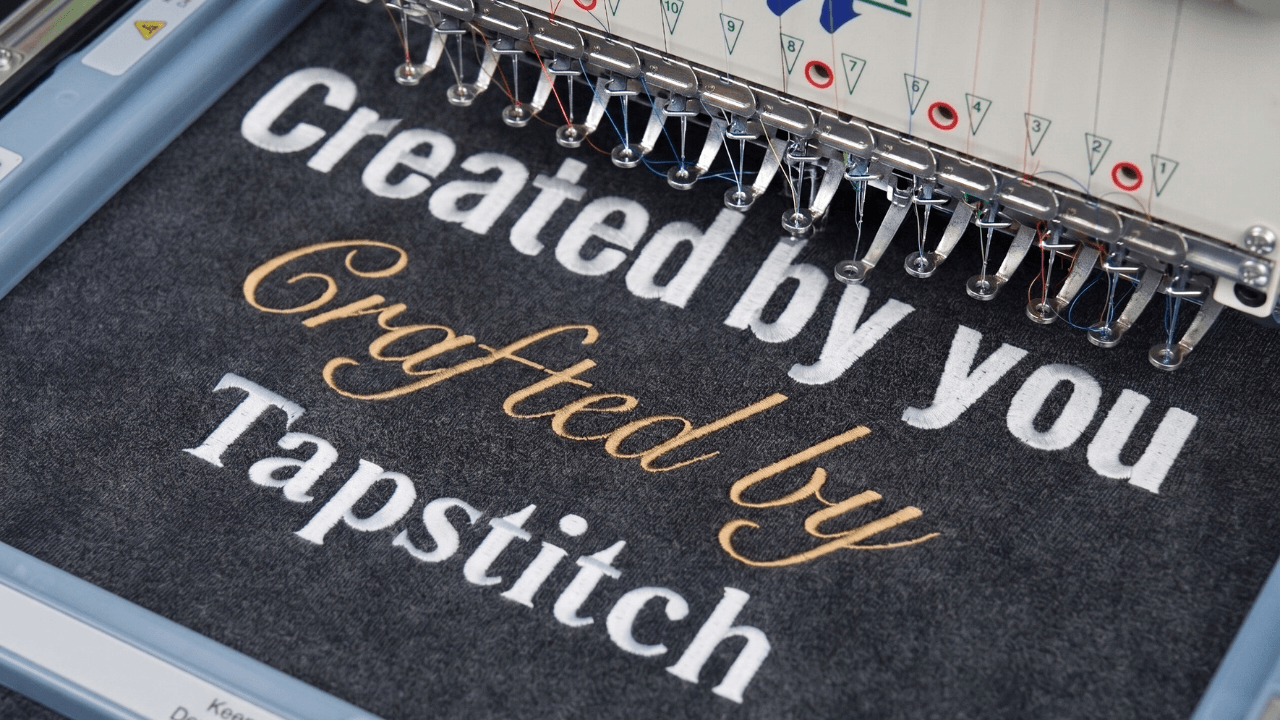
There is no single best e-commerce platform, only the best one for you. Across the top ecommerce platforms and top-rated online shopping platforms, match your choice to your budget and skills, with Shopify, the safe, scalable pick, and arguably the best platform for small business owners who want room to grow. Then stock your store with products people want: with Tapstitch, you design premium custom apparel, connect it to Shopify, Etsy, and more, and we print and ship on demand, with no inventory, no minimums, and no money up front.


.jpg)
.webp)


.jpg)

%20(1).jpg)
.jpg)
.jpg)

.jpg)
.jpg)
.jpg)
.png)
.jpg)
.jpg)


%20(3).jpg)



.png)

.jpg)
.jpg)
.jpg)
.jpg)
.jpg)
.jpg)






.png)




.png)

.jpg)














.jpg)



.jpg)

.png)
.jpg)


.jpg)

.jpg)





.jpg)
.jpg)
.jpg)
.jpg)
.jpg)

%20(1).jpg)


.png)

.png)



%20(1)%20(1).jpg)