






DTG vs. DTF: Which One is Better for Your Clothing Business?
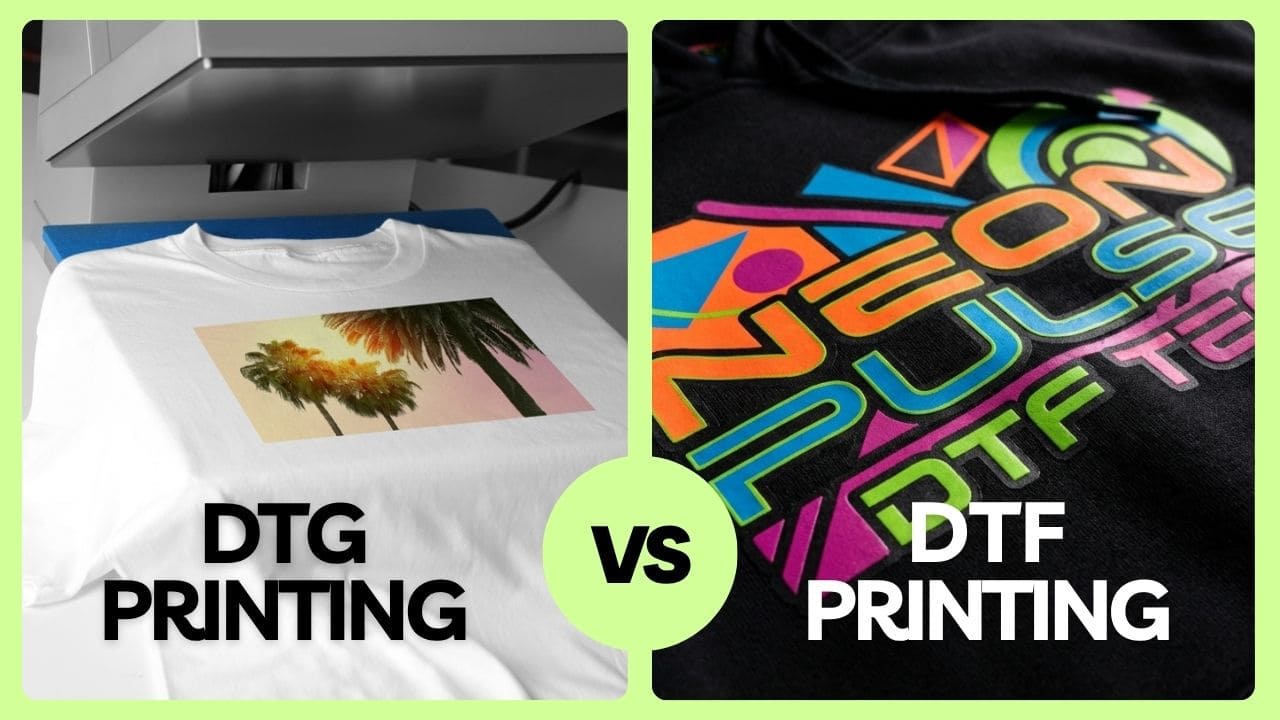


When starting a clothing brand, it’s easy to get confused by terms like direct-to-film (DTF) and direct-to-garment (DTG). Both are popular printing methods in custom apparel—but what’s the real difference between them?
More importantly, which one is the right choice for your business?
In this guide, we’ll break down DTG vs DTF in a clear, practical way—so you can understand how each method works, compare their key differences, and choose the best printing option for your custom clothing store.
What is DTG Printing?

DTG, or direct-to-garment printing, works much like a standard paper printer—but it’s specifically designed for fabric. Instead of printing on paper, the machine applies ink directly onto the garment to create the design. Before printing, the fabric usually needs to be pretreated so the ink can bond properly.
This method is ideal for producing vibrant, highly detailed designs on cotton and cotton-blend fabrics. However, it tends to be less effective when used on synthetic materials.
As a technology, DTG printing first appeared in 1996 as a faster, full-color alternative to screen printing—especially for small-batch orders. Traditional screen printing requires extensive setup, particularly for multi-color designs, making it less practical for short runs.
Read more: DTG vs Screen Printing: Which One is Better for Your Clothing Brand?
How Does it Work?
Compared to DTF, DTG printing follows a more straightforward process. While the exact setup may vary, the basic steps are simple:
1. Prepare the garment – Place the item on the printer and apply a pretreatment to help the ink bond with the fabric.
2. Printing the design – Spray water-based ink directly onto the garment to create detailed, full-color artwork.
3. Cure the print – Use heat to set the ink, ensuring a durable and long-lasting finish.
What is DTF Printing?

DTF works by first printing a design onto a special transfer film using a digital printer. The design is then pressed onto the garment using heat.
It combines features from both screen printing and DTG, delivering strong color, clean detail, and more fabric options. Although DTF is a relatively new method, it’s quickly becoming a popular choice in the custom apparel industry.
How Does it Work?
Here’s a simple step-by-step for DTF:
1. Print the design – Use a digital printer to apply your artwork onto specially coated, translucent PET transfer film (in rolls or sheets).
2. Apply adhesive – Heat a white powder adhesive onto the back of the printed areas so it sticks to the ink.
3. Remove excess powder – Shake off any leftover adhesive, either by hand or with a machine, then let the film cool.
4. Transfer to the garment – Place the film on the fabric and apply the right combination of heat and pressure with a heat press to move the ink onto the garment.
5. Finish the transfer – Peel away the film, leaving only the printed design on the garment. No extra trimming or “weeding” is needed, even for intricate shapes or text.
DTF vs DTG Printing: What Are the Differences
Here’s a closer look at the key differences to help you choose the right method for your designs.
Print Detail and Quality

DTG is known for soft, detailed prints with smooth gradients and subtle color transitions. Because the ink soaks into the fabric, the design feels natural and breathable—almost like part of the garment itself. It works especially well for intricate designs, photo-style graphics, and small-batch orders. However, DTG doesn’t perform as well on synthetic fabrics and may fade slightly over time with frequent washing.
With DTF, the print sits on top of the fabric rather than soaking in, which results in bold, vibrant colors. It handles detailed designs, photos, and complex artwork very well, and the prints are generally durable and resistant to cracking. They also tend to hold their color after repeated cold or lukewarm washes. The finish can feel slightly firmer at first, but it usually softens after a few washes.
Fabric Compatibility
One of the main strengths of DTF printing is its versatility across different types of fabrics. It works well on polyester, fleece, cotton, rayon, and various blends—without much impact on print quality. Because of this, DTF gives you more freedom to experiment with different products and expand your store’s offerings.
By comparison, DTG printing tends to work best on natural fabrics like cotton, bamboo, and linen, as well as blends that are mostly made from these materials. This is mainly because DTG uses water-based inks, which bond more easily with natural fibers than with synthetic ones.
That said, DTG can still produce great results on many cotton-blend fabrics. As long as there’s a high percentage of natural fiber, you can maintain good print quality while offering a wider range of apparel options.
Durability
Both DTG vs DTF prints are durable and hold up well to regular wear and washing. DTG ink penetrates the fabric fibers, so it won’t peel or crack, though the colors may gradually fade after repeated laundering over time. DTF prints, on the other hand, sit on top of the fabric and have a slightly layered, plastic-like texture. While this makes them vibrant and long-lasting, they can develop minor cracks or peeling after numerous washes—typically around 60 to 100 cycles. That said, with proper curing, DTF prints can retain their brightness and color for extended periods, making them a solid choice for garments that experience heavy use.
Color Vibrancy
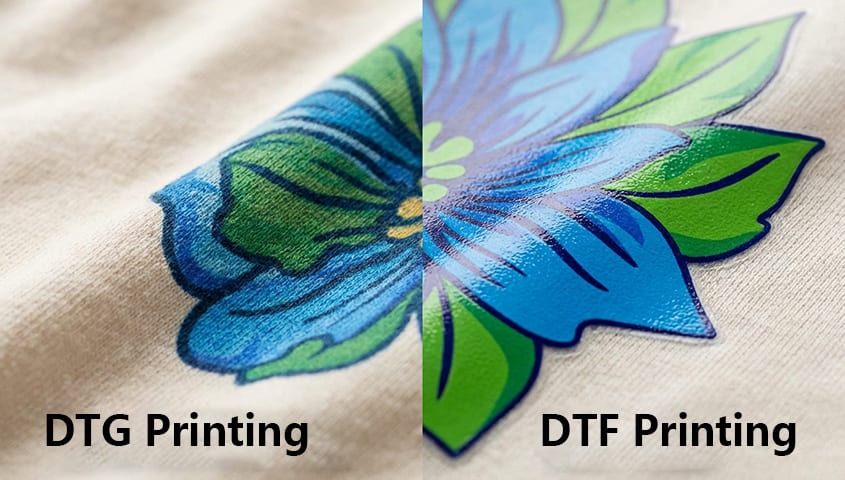
When it comes to color vibrancy, both DTG and DTF can produce high-quality results—they just achieve it in different ways. With DTF, the ink stays on top of the fabric, helping create bold, vibrant colors and a more solid finish across different materials.
DTG allows the ink to soak into the fabric, giving prints a softer, more natural look. This works especially well for smooth gradients and subtle tones, but the overall vibrancy can vary depending on the fabric. On darker or less absorbent materials, DTG prints may appear slightly less vivid compared to DTF.
Production Speed
Production speed for DTG and DTF can vary depending on the workflow, but the real difference shows up when you compare small orders to bulk production.
For single items or small batches, DTG printing is usually the faster option. With the design going straight onto the garment, it’s a pretty simple process that doesn’t take long. DTF includes extra steps—printing onto film, applying adhesive powder, curing, and then heat pressing—which can make it feel slower when you’re only producing one piece.
That said, DTF becomes much more efficient at scale. If transfer films are prepared in advance, applying the design with a heat press only takes a few seconds per item. With DTG, however, each garment still needs to go through the full printing and curing process every time. Even the curing step alone can take a while, which really adds up in larger production runs.
Eco-friendly
If sustainability matters to your brand, both DTG and DTF printing are more eco-friendly than traditional printing methods. They generally use less water and avoid some of the harsher chemical processes, which makes them a better fit for more conscious production.
DTG keeps things relatively simple by printing directly onto the fabric with water-based inks, so there’s less need for extra materials. DTF involves transfer films and adhesive powders, which adds a few more steps—but also gives you more flexibility and can be more efficient, especially for larger runs.
Print Cost
DTG printers usually come with a higher upfront cost, but the ongoing expenses tend to be lower. That makes them a good fit if you have steady, consistent printing needs. DTF, by comparison, is generally more affordable to get started with, though the running costs can be a bit higher, so it often works well for startups or businesses with less predictable order volumes.
When it comes to project size, DTF is often more cost-effective for larger, more colorful designs. DTG tends to be a better option for smaller runs and simpler prints.
The good news is, when you partner with a POD supplier like Tapstitch, you don’t have to choose between DTG and DTF—or invest in expensive equipment upfront.
Simply choose the blank apparel that fits your brand, upload your designs, and let Tapstitch take care of the rest—from printing to fulfillment and shipping. With seamless e-commerce integration, you can run and grow your clothing business without dealing with production or logistics, saving time while bringing your ideas to life.
DTG vs DTF: Key Differences at a Glance

DTG vs DTF printing: Pros and Cons Comparison
For a clear, side-by-side look at the strengths of each print method, check out the quick comparison below.
Pros of DTF Printing
- Works well on a wide range of fabrics—from cotton and polyester to various blends—so you have more flexibility when choosing products.
- Delivers bold, vibrant colors with strong detail, even on darker garments, thanks to the white ink layer used in the process.
- Doesn’t require garment pre-treatment, which can save both time and cost compared to DTG.
- With roll-to-roll setups, DTF can run with minimal supervision, making it easier to handle larger order volumes.
- You can also store transfers and apply them later, which makes DTF a convenient choice if you’re running a small clothing business from home without investing in expensive equipment.
Pros of DTG Printing
- Known for producing detailed, high-quality prints with rich color, DTG works especially well for complex or photo-heavy designs.
- Because the ink is absorbed into the fabric, the final print feels soft and lightweight—similar to what you’d expect from premium screen printing.
- DTG also uses water-based inks, making it a more eco-friendly option than many traditional printing methods.
- It’s a great fit for print-on-demand or small-batch production, since each item is only printed when an order comes in.
- There’s very little setup needed between designs, so it’s easy to switch from one order to another—especially useful if you’re handling lots of unique designs each day.
Cons of DTF Printing
- The process does involve a few extra steps—like transferring the design from film to fabric, which can take more time compared to direct printing.
- Prints can feel slightly thicker or a bit stiff at first, especially with larger, full-coverage designs, which may affect how breathable the garment feels.
- You’ll also need to handle adhesive powders carefully. When heated, they can produce some smoke or odor, so good ventilation (or basic protective gear) is a smart idea.
Cons of DTG Printing
- DTG is great for natural fabrics like cotton, but it can be a bit hit-or-miss on synthetics like polyester.
- Most garments need a pretreatment before printing, which adds a few extra steps and a bit more time to the process.
- The upfront cost for DTG equipment can be high, meaning it’s a bigger investment than some other printing methods—but it can pay off if you’re doing steady, small-batch production.
When Should You Choose Direct-to-Film vs. Direct-to-Garment?
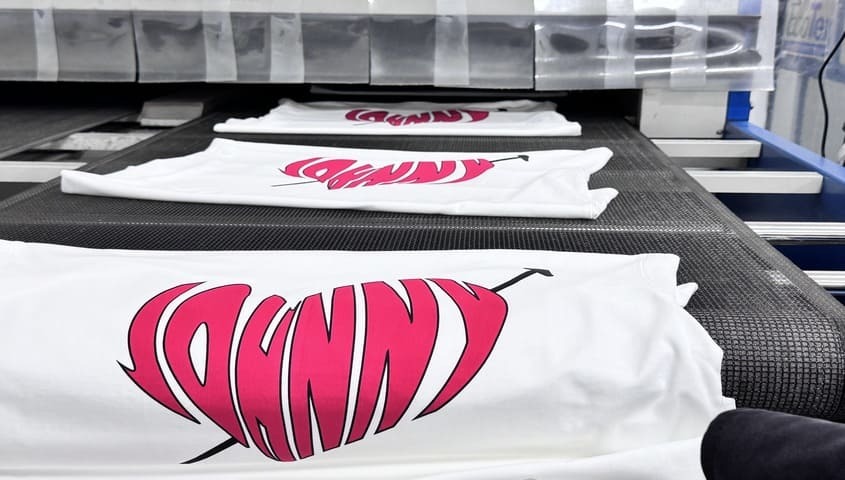
Deciding between DTG vs DTF really comes down to a few key factors—like your fabric, order size, and the type of designs you want to create.
DTG printing works best if you’re mainly using cotton or other natural fabrics and focusing on small-batch or print-on-demand. It’s great for detailed, high-quality prints with rich color, making it a solid choice for custom designs, tote bags, or apparel with more variation. The prints feel soft and breathable, which makes them comfortable for everyday wear—especially on lighter garments.
DTF printing gives you more flexibility across different materials, including polyester, nylon, fleece, and blends. It also performs better on darker fabrics, thanks to the white base layer. This method is a good option for bulk orders, detailed logos, or designs that need sharp edges and bold color. Since the print sits on top of the fabric, it can feel a bit heavier—especially with large, solid designs—so it tends to work better for smaller graphics or more detailed artwork. The ability to store transfers and apply them later also makes DTF a practical choice if you’re looking to scale without investing heavily in equipment.
FAQs: DTG vs DTF
Which lasts longer, DTG or DTF?
Both are durable. DTG ink soaks into the fabric and won’t peel, though colors may fade over time. DTF sits on top of the fabric, stays vibrant longer, but can develop minor cracks after many washes.
Which is cheaper, DTF or DTG?
DTF generally has a lower upfront cost, making it easier for small or home-based clothing businesses to start. DTG equipment is more expensive, but per-print costs can be lower for small batches. Working with a POD supplier like Tapstitch removes the need for any high upfront investment, letting you focus on t-shirt designs and sales instead.
The Verdict: Which Should You Choose
Choosing between DTF vs DTG often comes down to what you’re trying to make and how you plan to sell it. If you’re working with small orders and natural fabrics, DTG is a better fit—soft, lightweight, and ideal for detailed designs. For larger runs or mixed materials, DTF offers more flexibility, with bold, consistent results across different fabrics. Using both is possible, but it can increase costs.
Working with Tapstitch takes a lot of that pressure off. There’s no need to invest in equipment or worry about storage—you can put your time into designing and growing your store, while printing, fulfillment, and shipping are handled for you.

%20(1).jpg)
.jpg)
.jpg)
.webp)

.jpg)
.jpg)
.jpg)
.png)
.jpg)
.jpg)
%20(3).jpg)

.png)
.jpg)
.jpg)
.jpg)
.jpg)
.jpg)
.jpg)






.png)




.png)
.jpg)









.jpg)


.jpg)

.png)
.jpg)


.jpg)
.jpg)




.jpg)
.jpg)
.jpg)
.jpg)
.jpg)

%20(1).jpg)

.png)

.png)


%20(1)%20(1).jpg)