






15 Proven Black Friday Marketing Strategies for 2026
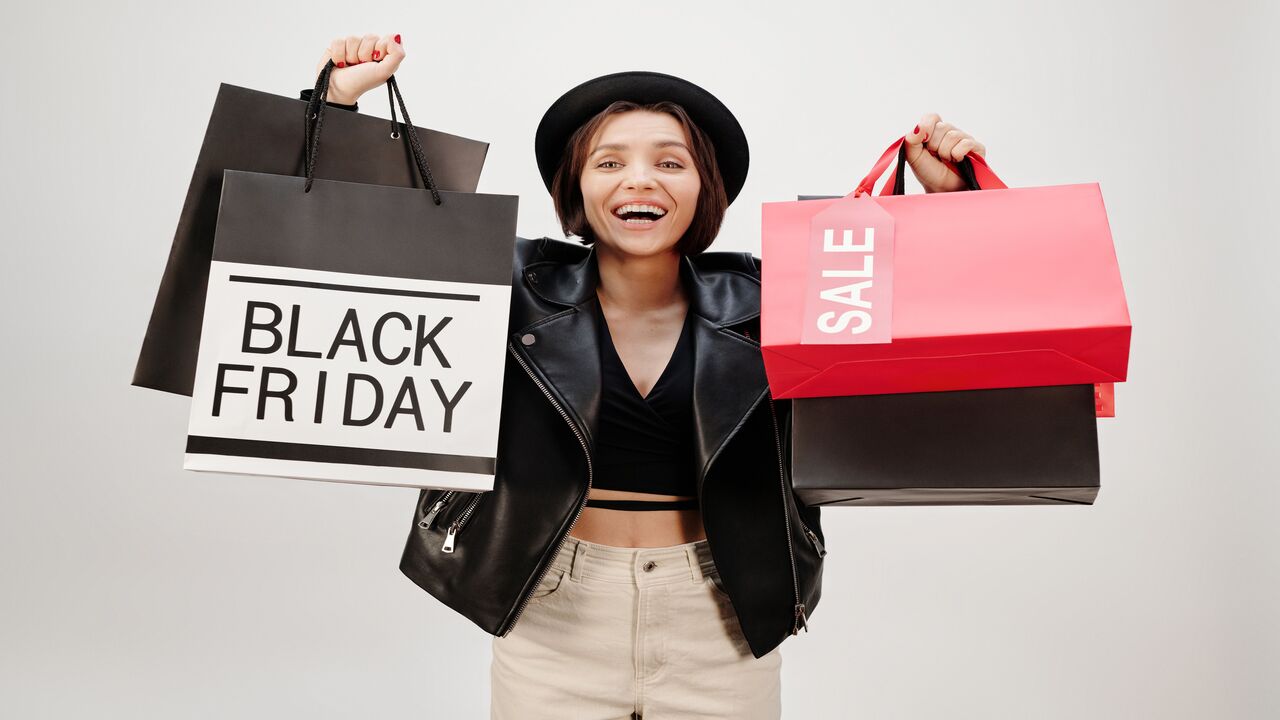


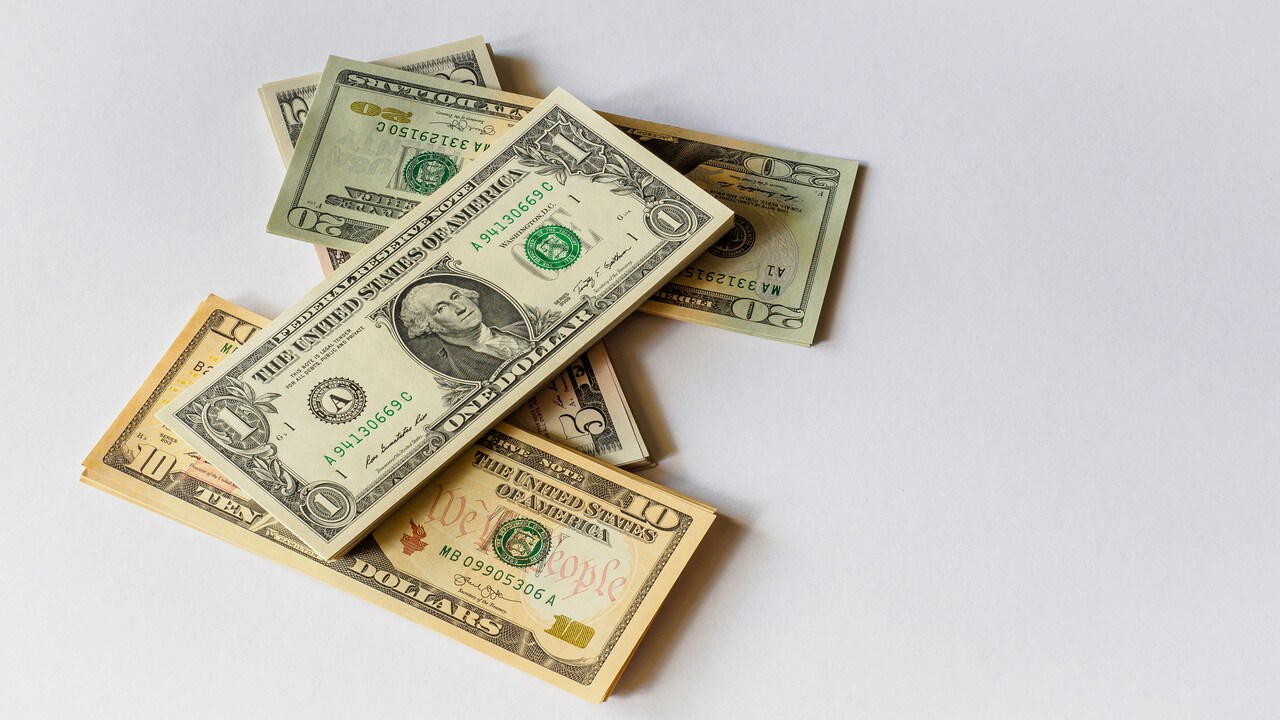
Last Black Friday broke the record again. $11.8 billion in US online sales, up 9.1%, and the stat that actually mattered: traffic from AI shopping assistants was up 805%, with those shoppers converting 38% more often. People now arrive pre-researched and pre-compared. Winning black friday marketing in 2026 means being findable and worth choosing before the weekend even starts.
That's good news for small brands. Big boxes win on price. Brands win on identity, and identity is the one thing you control. The 15 moves below run as a timeline, six weeks out through the week after, because Black Friday stopped being a day years ago.
What Is Black Friday Marketing?
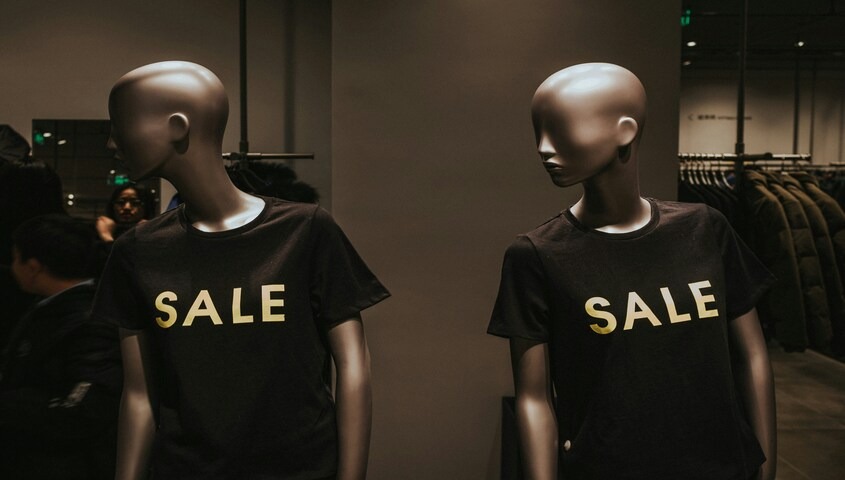
Black Friday marketing is everything you do to capture demand during the year's biggest spending window, from late October through Cyber Monday. Ads, email, drops, teasers, bundles, retargeting.
For big retailers, it means heavy discounts and heavier ad spend. For a small brand, it means something sharper: taking a peak buying week and turning it into customers who stay after the season ends. A discount wins a sale. A good campaign wins repeat orders and proves your brand holds up in the noisiest week of the year.
Every tactic below either moves units or builds the brand. The good ones do both.
15 Black Friday Marketing Ideas That Will Work
Fifteen moves, five phases, in the order you should actually run them. Steal the whole timeline or cherry-pick by phase.
6-8 Weeks Before
Late September/early October is when winners emerge. Promotions started coming in October last year in all markets, and brands that put value upfront did better in steady November sales than those that waited until the weekend.
1. Mine Your Previous Black Friday Data
Before planning anything new, read last year's receipts: which products carried the revenue, which subject lines got opened, what hour traffic peaked, and where carts died. If this is your first Black Friday, pull the same answers from your best sales week this year instead. Data from your own store beats any guru's benchmark, because it describes your actual customers.
One specific thing to look for: the pieces people bought together. That pairing is your bundle strategy, already validated, sitting in your order history for free.
2. Start Testing with AI in Q3
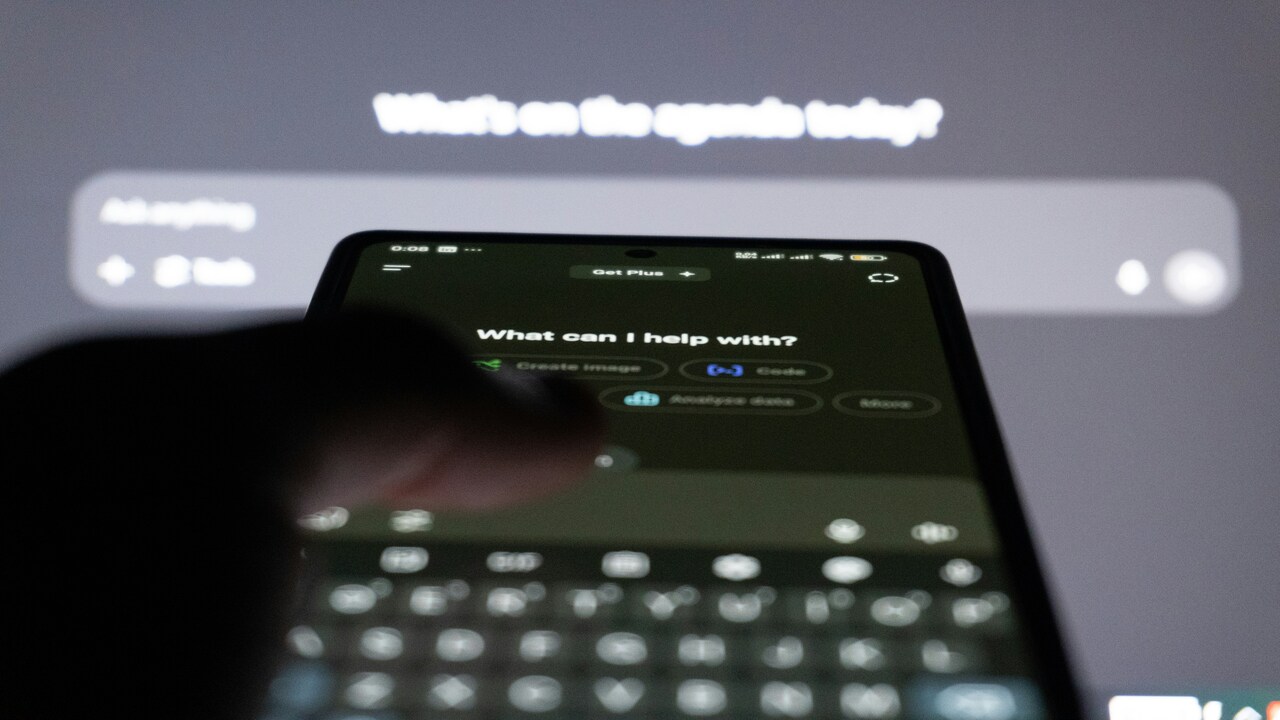
AI influenced nearly $3 billion in Black Friday sales last year, and the AI assistants generating those suggestions prefer clear product data. Check it out for yourself right now by entering your products into the same AI systems that your customers do to see what happens. If the product descriptions are vague, the sizes confusing, or the images poor, then your products get ignored.
Utilize AI for production tasks as well. Create multiple ads, experiment with subject lines, and brainstorm marketing campaigns in September when others are just deciding on a font. The idea behind early testing is being able to control the results before the costly weeks begin.
3. Build a Landing Page Dedicated to Black Friday
A single page with a single URL that goes live by mid-October. It takes time for search engines to index it, and the early buzz will have to go somewhere. Add a newsletter signup to it with an exclusive access angle to get users to tell search engines about their intention while building all other features. Annual relaunching of the same URL increases its authority in searches at no cost.
3-4 Weeks Before
Late October, early November. The audience-building phase. Everything here is about warming the list you'll convert later.
4. Get the Word Out Early
State that something is coming without stating what it is. The reason why mystery beats specificity in this case is that you're trying to secure calendar space in your customer's mind first, and then conversion will come later on. Send out emails to your mailing list, put up an announcement, reveal the date. People start shopping for Black Friday deals weeks before the actual day.
5. Run Social Media Teaser Campaigns
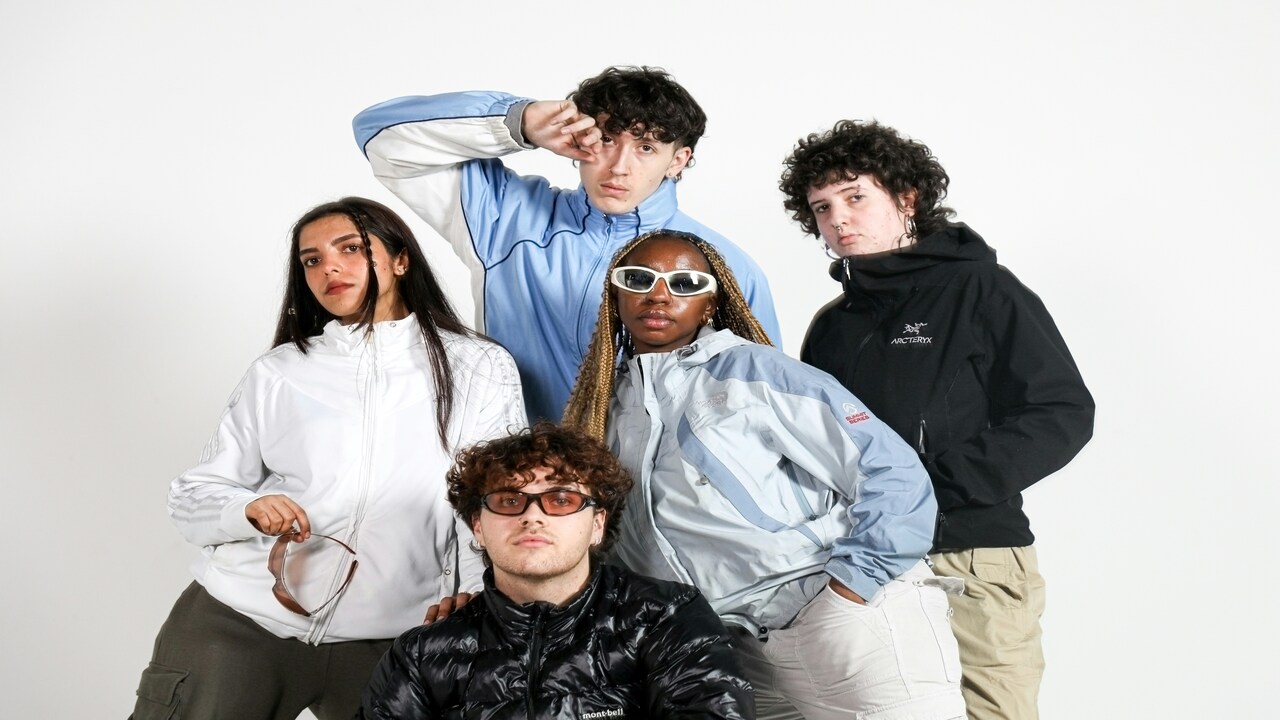
Show your process, not your results. Fittings, prints, colors, close-ups without showing the whole picture. Streetwear has been following this script for decades, because it works. The more you tease, the more people join the queue. And this queue is the promotion. Consistency is key, not noise. Six little teasers are better than one big surprise.
6. Offer a Sneak Peek
Your email list gets what social doesn't: the actual look. Early photos, the full design, maybe a pre-order window before public launch. This is the reward for being on the list, and it trains the behavior you want all year, which is that email subscribers eat first. Influencer seeding fits here too. Affiliate and influencer traffic converted at six times the rate of standard social campaigns last season, so a few of the right people wearing your piece in early November is worth more than another week of ads.
1-2 Weeks Before
Mid-November. Offers lock now. The only question left is what you're actually putting on the table.
7. Drop Limited Edition and Exclusive Products
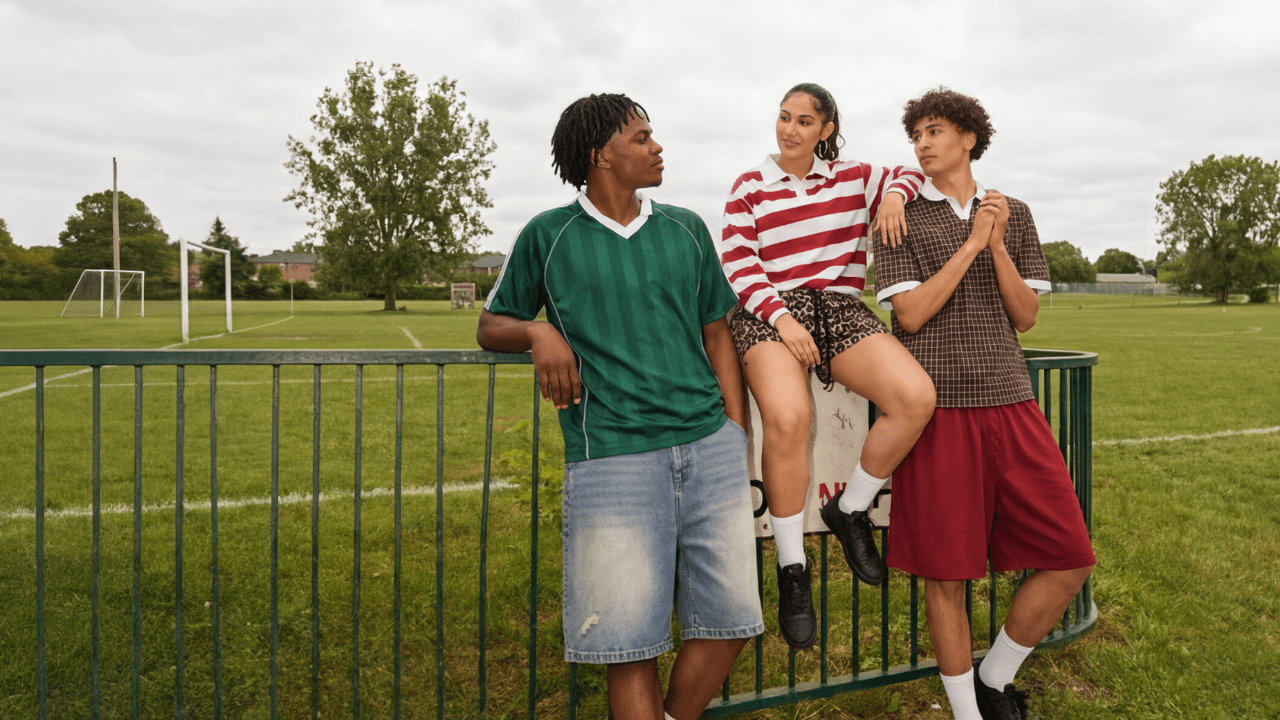
A strong Black Friday strategy for an independent brand would be something that can’t be obtained anywhere else during the year: a colorway, a collaboration, a special design that gets retired Monday night. Creating exclusivity through reality wins out over creating exclusivity through countdown clocks, and preserves your profit margin while all of the rest are burning theirs up. Don’t create a purchase motivation that depends on 40% off. The motivation for a clothing brand should be the garment.
8. Run Buy-One-Get-One Instead of Blanket Discounts
BOGO seems to be very generous but actually increases order size. Buy the custom hoodie, and you’ll get the T-shirt at half price. Buy two items, and you’ll get one beanie for free. In this way, you sell more units and increase order size, but never advertise your entire brand using the 50% off sign. The customers calculate the value themselves, but brands should consider the image.
9. Give Loyalty Members a Real Bonus
Your former buyers are your most likely buyers for the coming month. Provide them with some added value that will not be provided to the general populace — early access, stacked discounts, and a freebie at checkout. Customer retention looks dry and pointless until you see it working its magic come November.
Black Friday Weekend

Showtime. Everything from here is execution speed and nerve.
10. Use Flash Sales
Short windows inside the weekend keep people checking back. A four-hour deal on one product beats a four-day deal on everything, because it creates appointment shopping. Announce the schedule in advance so your audience knows to return, then honor the deadline. The credibility of your next flash sale depends on this one actually ending.
11. Run the "Nearly Sold Out" Narrative, Honestly
Low-stock alerts work because the information is valuable, not because it’s a manipulation. If the stock is limited, tell the customer how many products are left. If there are almost none of the particular sizes, reveal that information too. Last year’s customer has been through all the scams on the Internet, and their artificial intelligence assistant knows even more than they do.
12. Host a Live Shopping Event
Social commerce sales increased to 15% of total holiday shopping last year, and live commerce is where the action is happening. Get on camera during Instagram or TikTok’s busy hours. Wear clothes on the spot, ask sizing questions, provide a code that only works when live. With fashion, this is like a virtual fitting room, and draping an actual body is something no flat lay can match.
After Black Friday
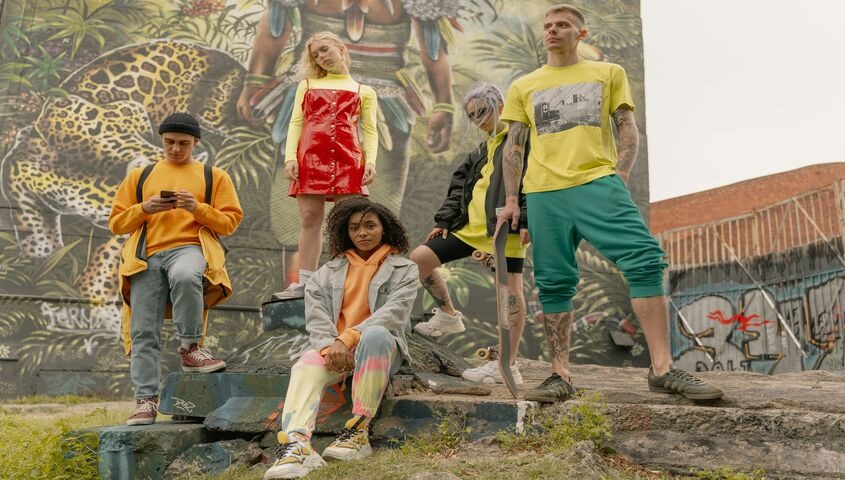
The phase everyone skips, which is exactly why it's the one that separates brands from stores.
13. Optimize Customer Experience and Order Fulfillment
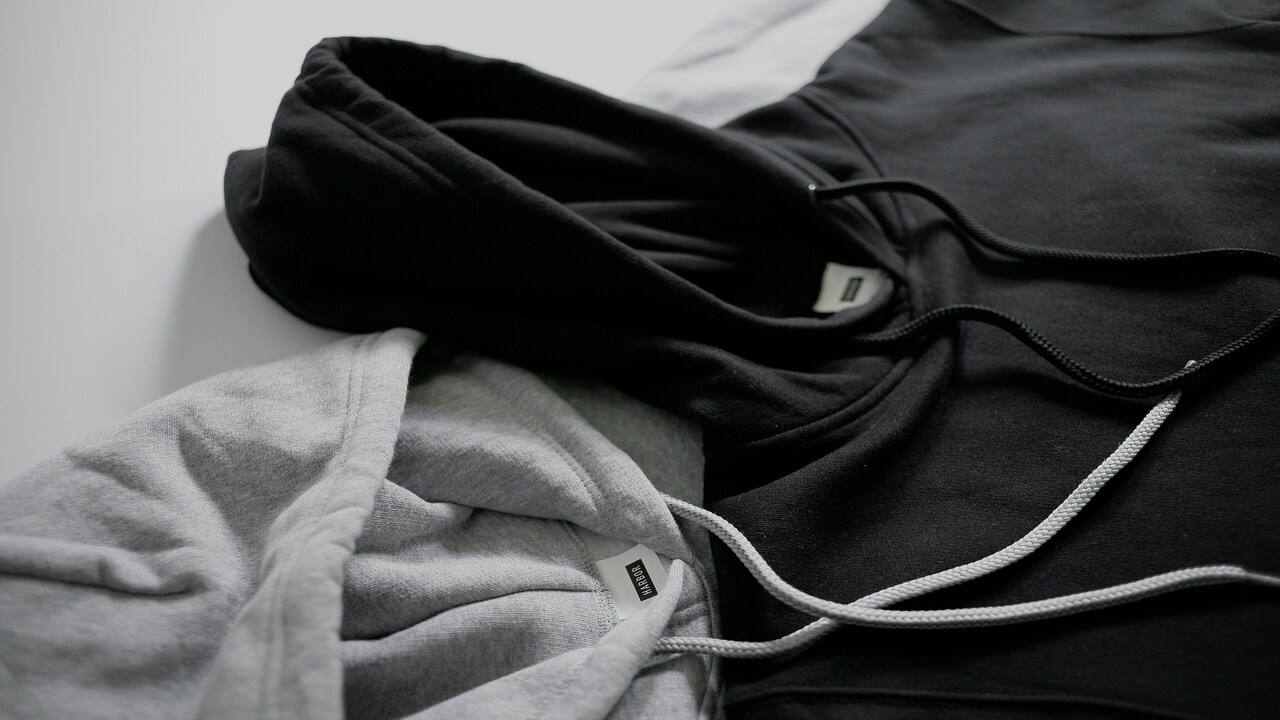
The sale creates the customer. The delivery decides if you keep them. Send tracking immediately, communicate delays honestly, and make the unboxing worth filming: branded neck labels, hang tags, packaging that looks intentional. A December unboxing that impresses becomes January's user-generated content. A late, unmarked gray bag becomes a refund request.
14. Build Post-Purchase Upsell and Cross-Sell Funnels
After Black Friday, the buyer’s list is hot, and their trust is new. Send the sweatpants offer to the buyer of the hoodie. Send the crewneck offer to the buyer of the tee. The post-purchase offer converts for pennies on the dollar compared to acquisition because the tough part – the “yes” – has already been done.
15. Run BF Retention and Lifecycle Marketing
Take every new person you sign up over the weekend and put them through the following flow – a thank-you note along with your brand’s backstory, followed by a content-based e-mail which does not push sales, and then finally early access to the next collection. Brands that are still sending value even in January are those who have a Black Friday cohort purchasing till June.
Why Black Friday Marketing Is So Important for a Small Business
Because it's the one week the whole market is already out shopping, and attention that normally costs you ad spend walks in on its own. Four reasons it matters more for a small brand than a big one:
- The money is real. US shoppers spent $11.8 billion online last Black Friday, a single-day record.
- It compresses a year of learning into five days. You find out which product is your best, how your store converts under load, where it breaks, and what a few hundred customers at once feels like.
- Sitting out costs more than showing up. Skipping the week doesn't protect your brand. It leaves you short on cash for the next quarter while competitors bank the customers.
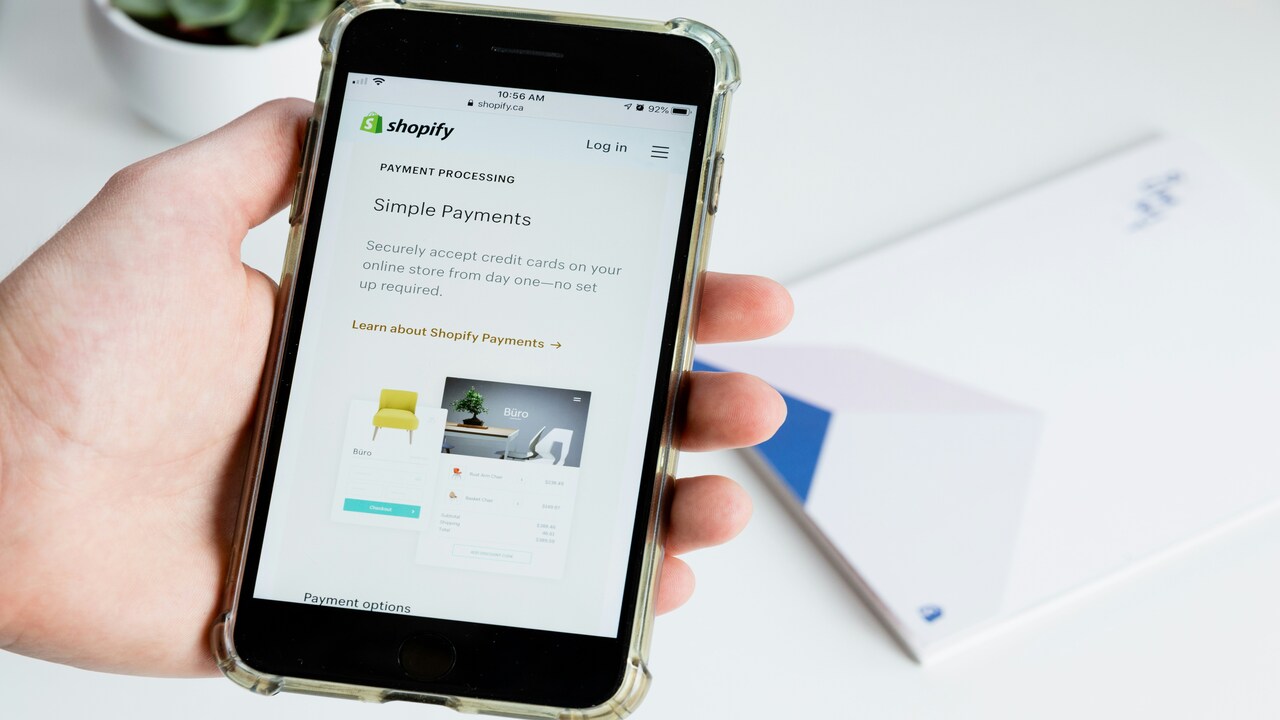
- In 2026, AI shopping assistants don't rank by ad budget. They pull from clear product information, credible reviews, and relevant content. That's a ground-level advantage a small brand can win at zero cost.
How Tapstitch Helps You Win Black Friday Sales
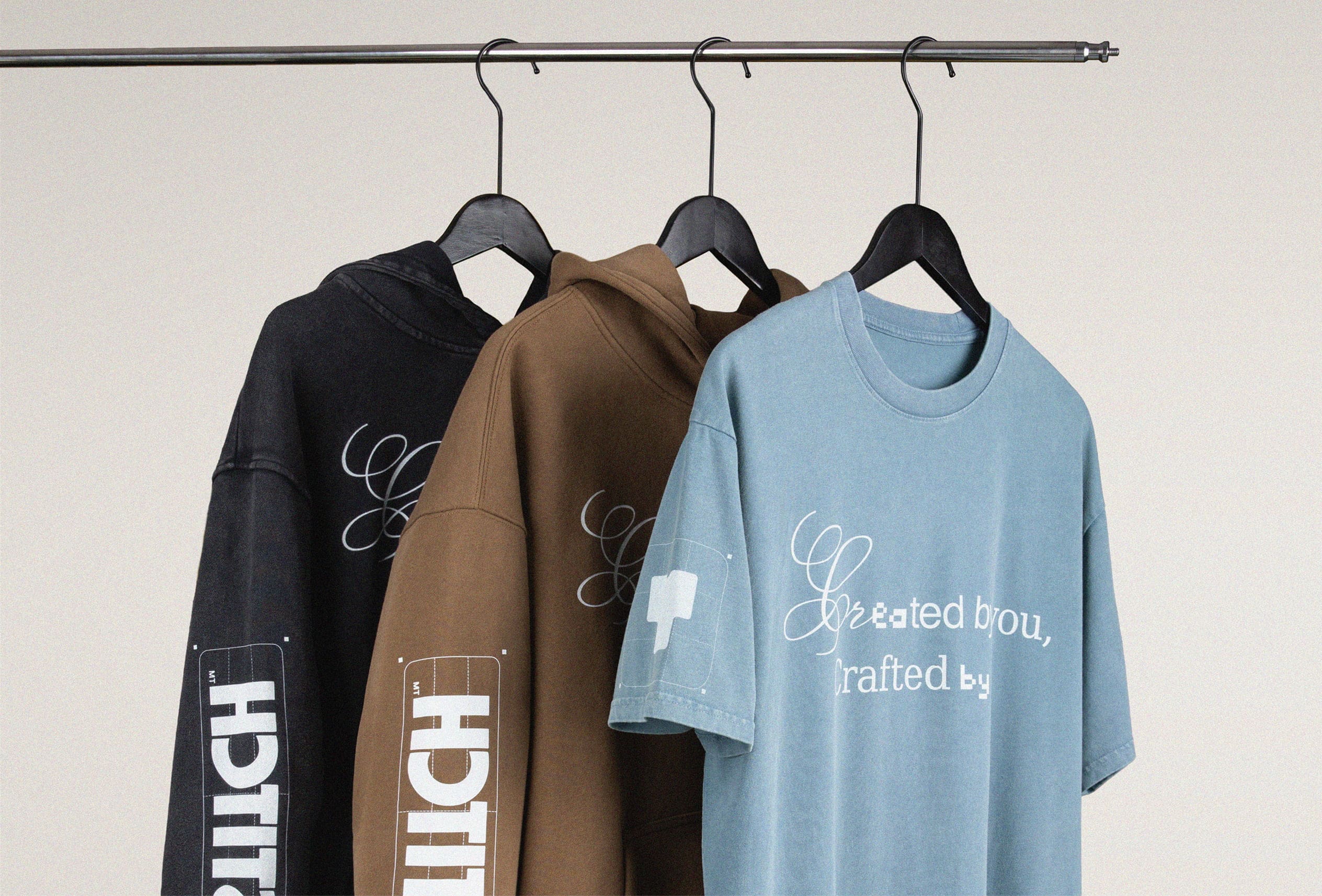
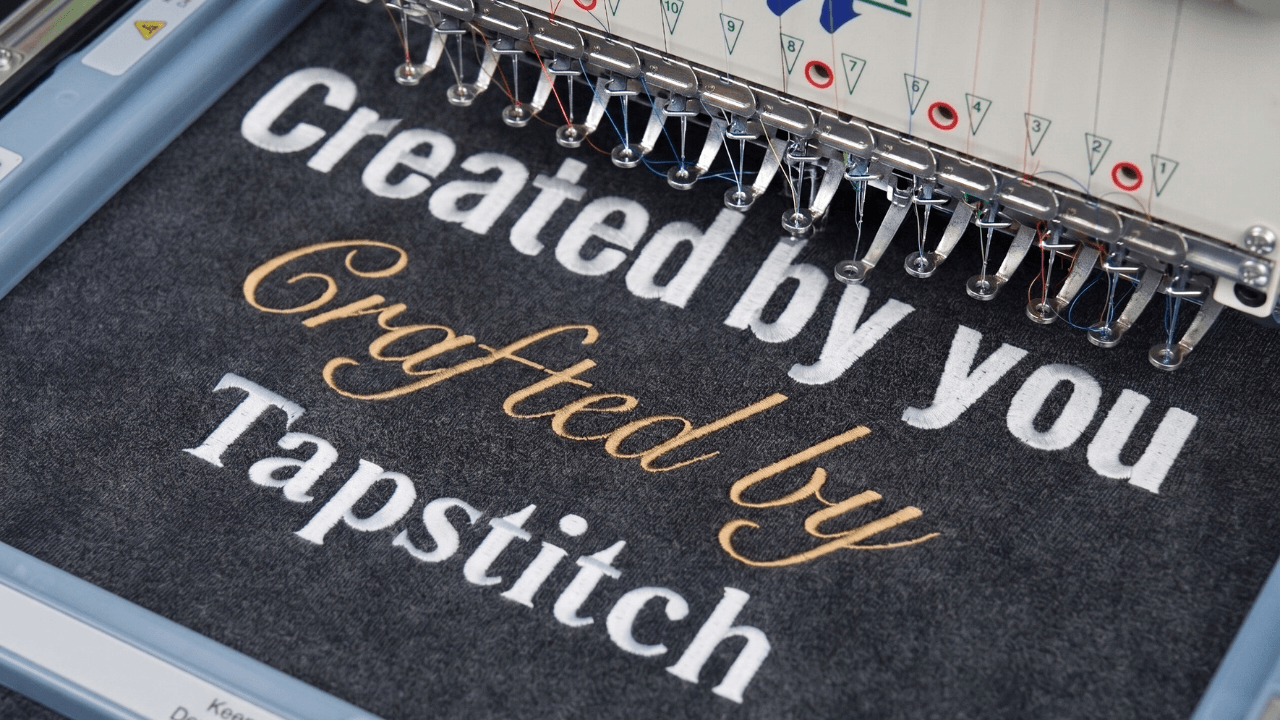
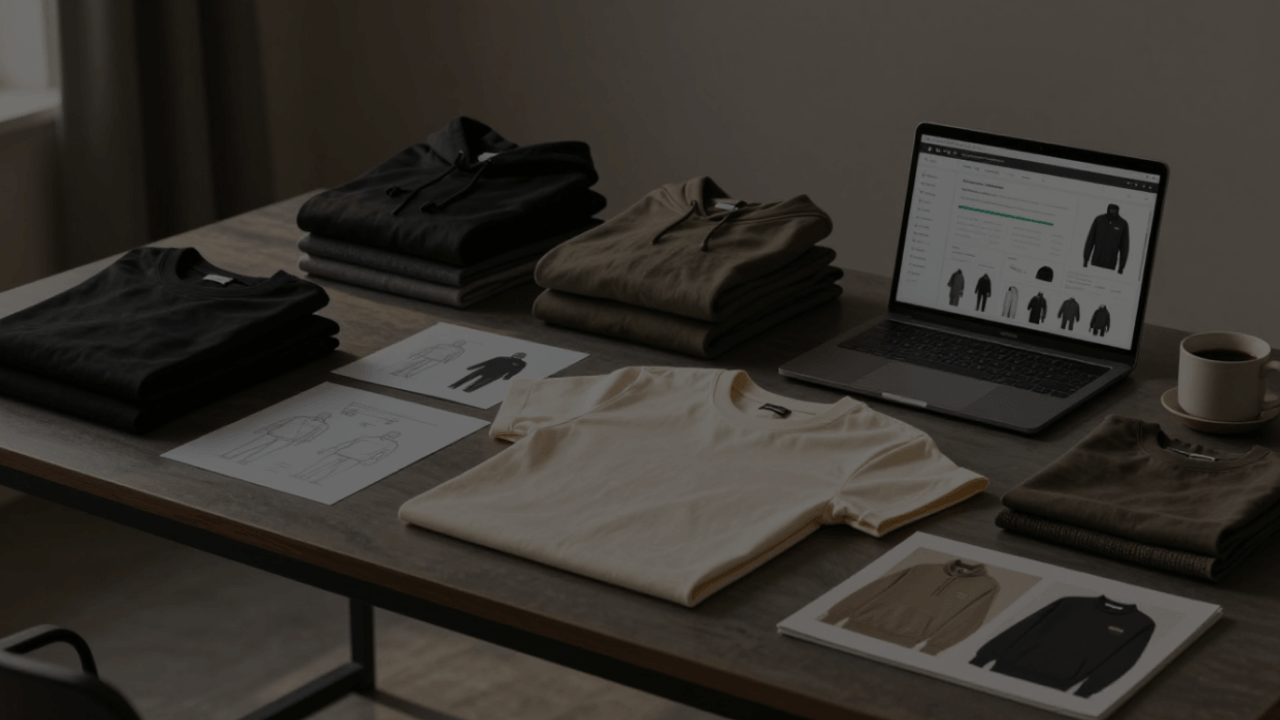
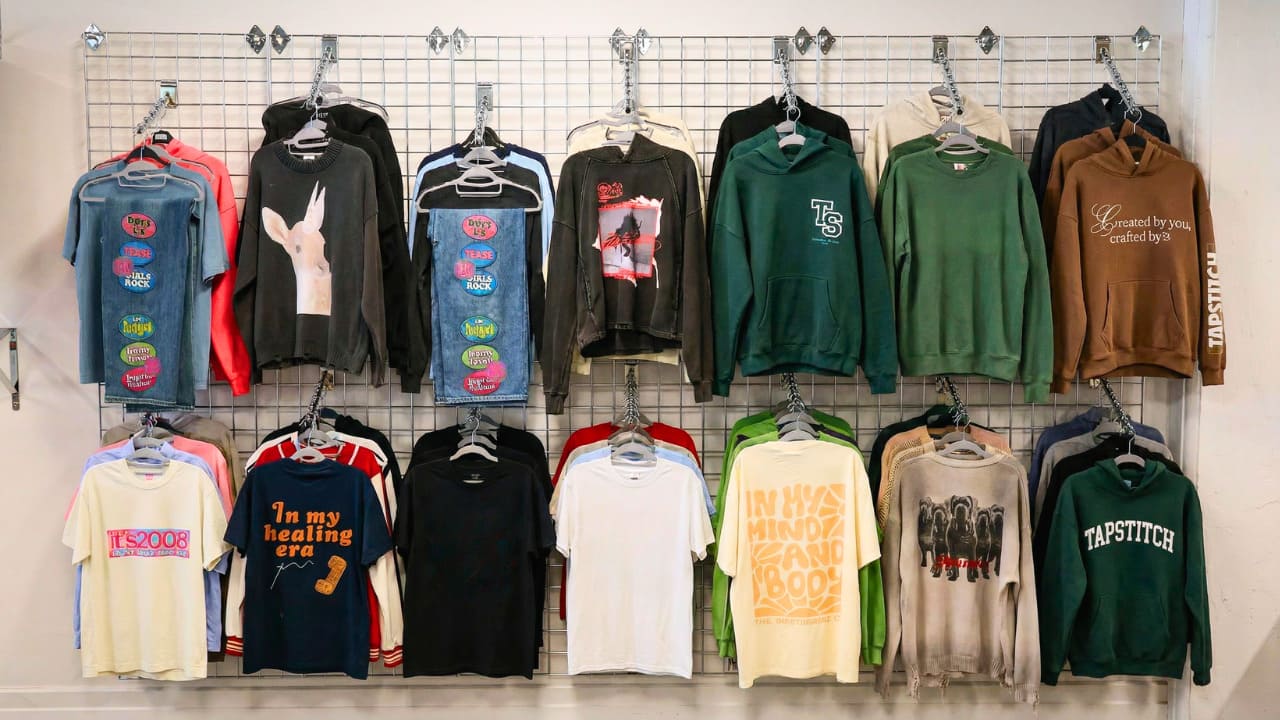
Cyber Week marketing only works if your product stands out from the rest of them; that's where Tapstitch comes in. Every piece of every order is yours, fully branded from label to hang tag. The blanks Tapstitch carries are fashion-grade, with heavyweight cottons, vintage washes, and real streetwear cuts across 1000+ styles.
Three steps to a Black Friday drop on Tapstitch:
- Upload your design and pick the blanks. Choose your custom apparel from 1000+ styles, place the artwork, and set your Black Friday price in your store.
- Order a sample early. Check the print and the fit, then shoot your campaign content on the real piece while the calendar is still on your side.
- Launch the drop. Each order goes straight into production with your labels and packaging, and you spend Black Friday on marketing instead of fulfillment.
FAQ
Black Friday Marketing: Key Takeaways
Run the timeline: AI-ready by October, audience through early November, offers locked two weeks out, retention after. Build the black friday marketing ideas above around a drop worth wanting instead of a discount worth forgetting.
The stores fight over price. The brands walk away with people.

%20(1).jpg)
.jpg)
.jpg)
.webp)

.jpg)
.jpg)
.jpg)
.png)
.jpg)
.jpg)
%20(3).jpg)


.png)
.jpg)
.jpg)
.jpg)
.jpg)
.jpg)
.jpg)






.png)




.png)

.jpg)








.jpg)


.jpg)

.png)
.jpg)


.jpg)
.jpg)



.jpg)
.jpg)
.jpg)
.jpg)
.jpg)

%20(1).jpg)

.png)

.png)


%20(1)%20(1).jpg)