






How to Choose a Print on Demand Clothing Supplier



Print on Demand clothing for fashion brands requires a supplier that fits the garment, brand details and order model you want to offer. At Tapstitch, our route can suit a collection built around available apparel, applicable branding services and direct fulfillment. Choose it when the configured products and costs meet your requirements. A low print price alone does not establish that a company can deliver the clothing or customer experience your brand needs.
Choose a POD Company for the Clothing Brand You Want to Build
Describe the brand's first product before comparing production services. Identify the customer, silhouette, graphic approach and presentation. Then describe how you intend to sell and fulfill it. These decisions give the supplier search a practical target beyond “a shirt with a print.”
A collection built around familiar garments and original graphics can fit a POD customization route. A collection defined by a new sewing pattern or specialized construction needs a different production service. Make that distinction early, when changing the route is easier than after finishing the store.
Tapstitch offers available apparel for customization, with paid single-item garment ordering and direct fulfillment. Those features can make us a candidate for testing and launching a graphics-led collection. The specific garment, decoration and order configuration still need to pass the brief.
Write down essential conditions alongside preferences. A particular silhouette or destination may be essential. A choice between two compatible colors may be flexible. This helps you avoid picking a company that offers attractive extras but cannot provide the product or order route the launch requires.
Supplier selection should end in a usable decision: this configuration fits the launch, this feature needs changing or this production requirement needs another partner. A list of capabilities without that conclusion doesn't answer which company to choose.
Evaluate Garments and Branding beyond the Print Price
The garment and presentation create the product the customer buys. Assess them before treating a printing charge as the main comparison. A print on an unsuitable blank remains an unsuitable garment, no matter how inexpensive the decoration is.
Use product-level information to narrow the range. Then assess a physical item with the configuration you plan to sell. Keep the product page, saved design and order record connected so that the visual and commercial decisions refer to the same item.
Product Choice and Design Freedom
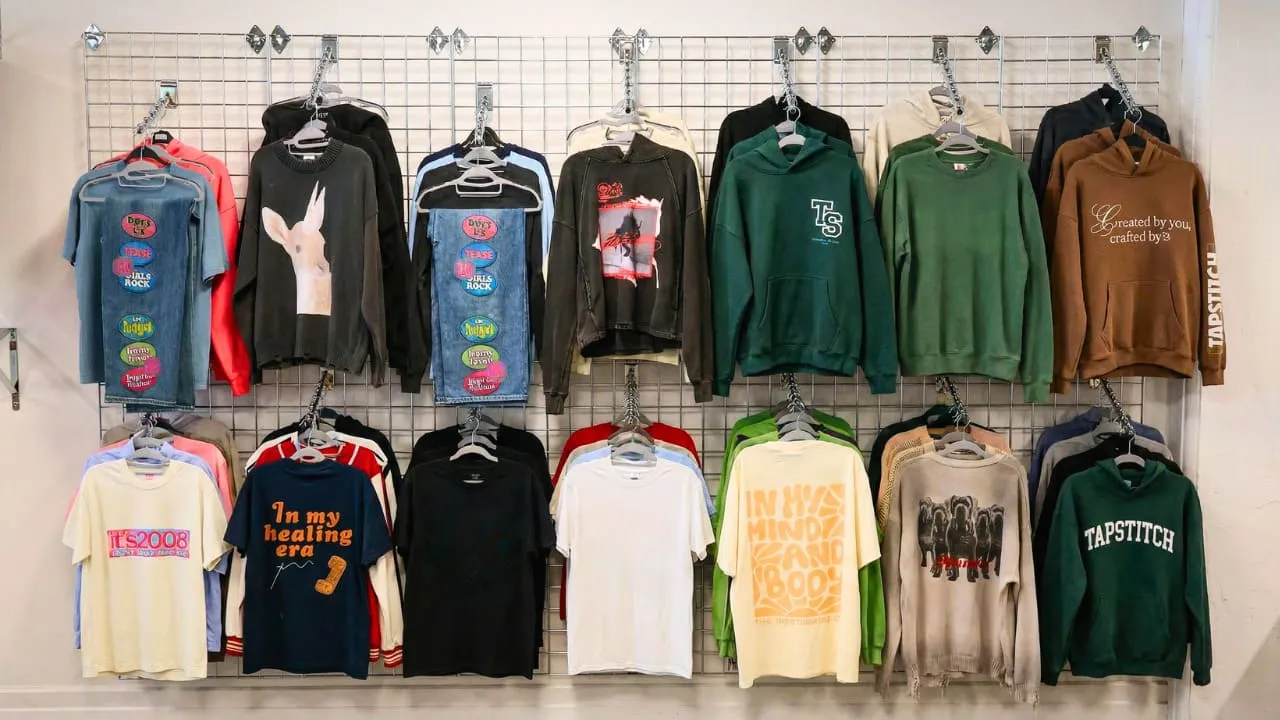
Choose the blank for its role in the collection. Compare the silhouette, relevant measurements, composition and finish. A broad catalog is useful when it contains the garments your range needs; unrelated categories do not add value to that decision.
Inspect the actual design freedom available on the selected item. Artwork placement and visual customization are different from changing pattern pieces or construction. Decide which kind of control the collection requires and avoid describing one as if it included the other.
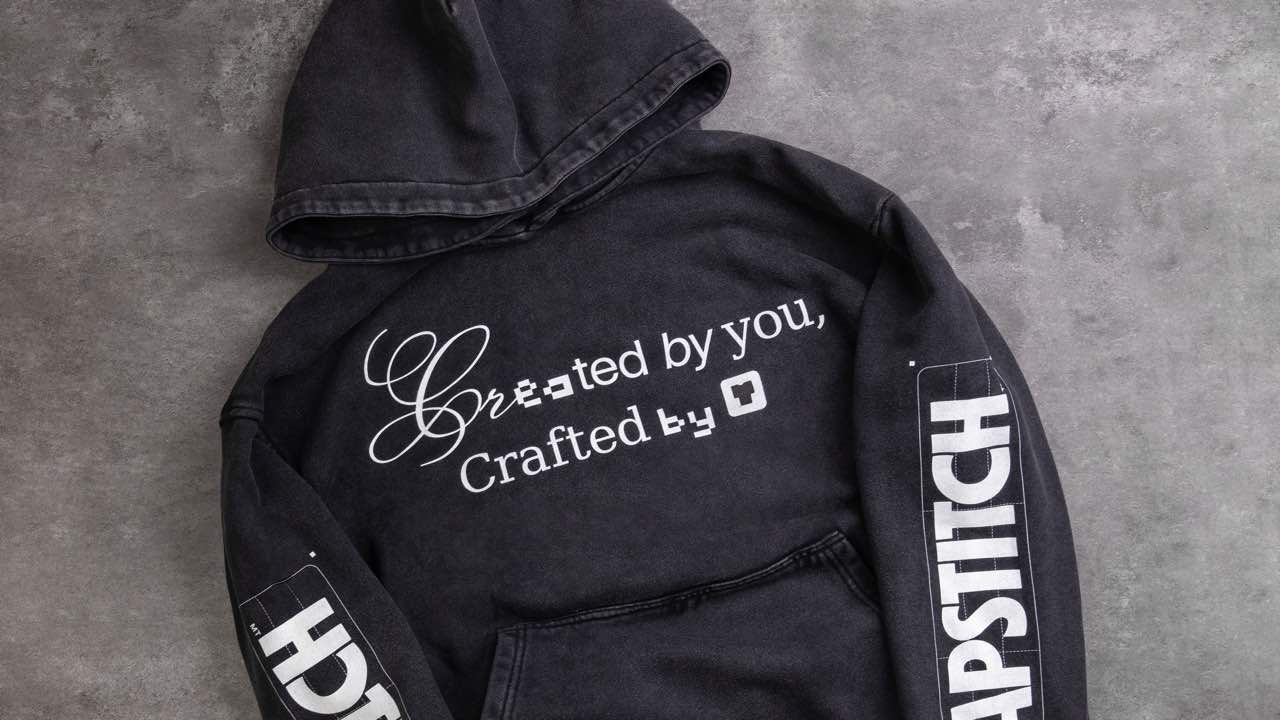
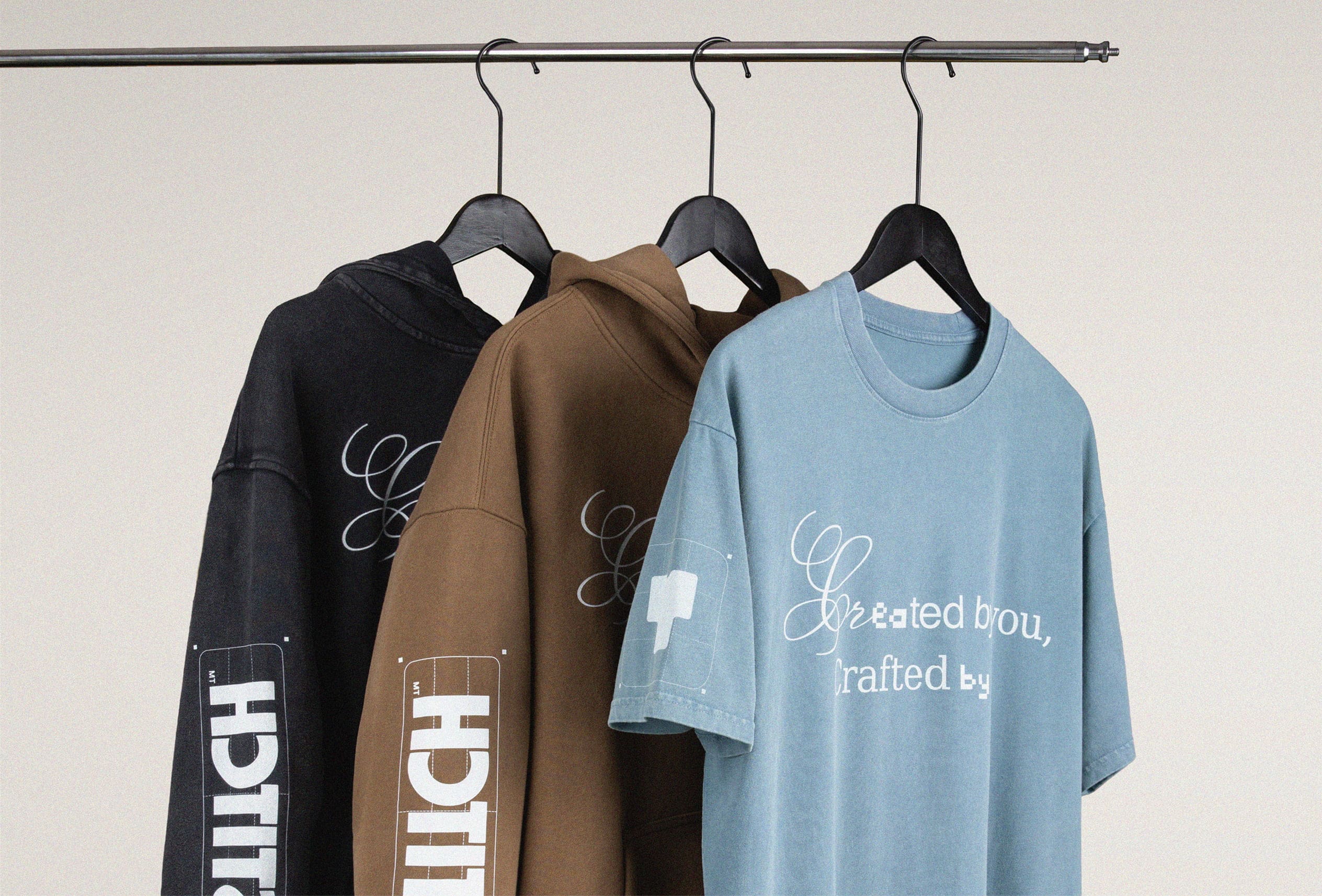
A garment's available decoration area affects the graphic. A large illustration, a small logo and a print interacting with a washed finish create different requirements. Use the selected product's tool to plan that relationship rather than transferring a layout unchanged from another style.
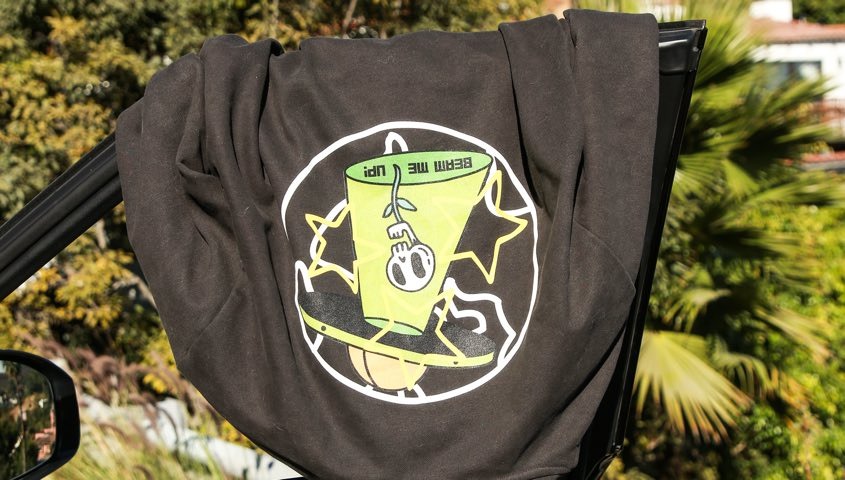
If an essential feature is absent, make a deliberate change. Select a different blank, adapt the design or choose a service offering the required manufacturing capability. Repeatedly adding decorative details cannot fix a silhouette that doesn't fit the product brief.
Assess the garment through its intended use. Look at it worn, inspect relevant details and follow the care instructions when checking it after washing. Record what you observe without turning one trial item into proof of all future production or every style in the catalog.
Brand Details and Product-Level Conditions
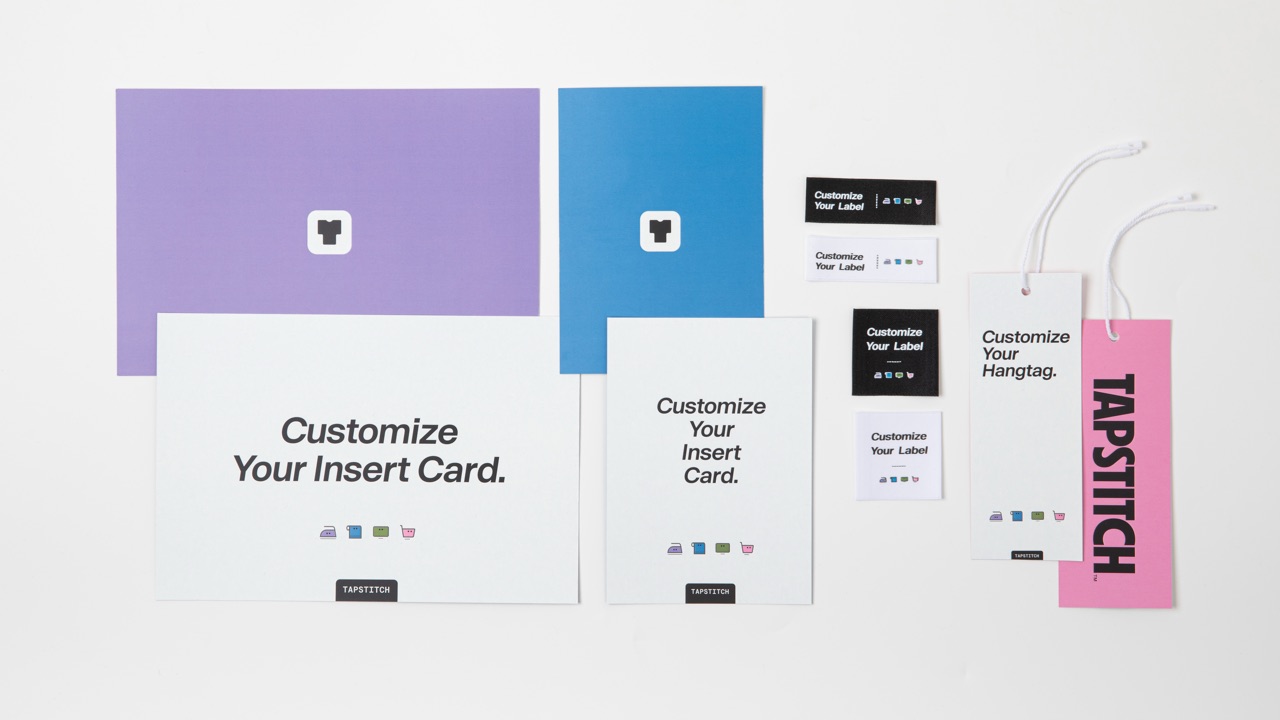
Select the brand details that contribute to the product. Our custom branding services include labels, hangtags and insert cards. Decide which components belong in the first release and configure them for the garments you choose.
A label identifies the garment while it's being worn. A tag can explain a collection idea at first handling. An insert card can offer a brief thank-you or practical message after delivery. These are different jobs; they do not need identical artwork or a repeated paragraph of brand copy.
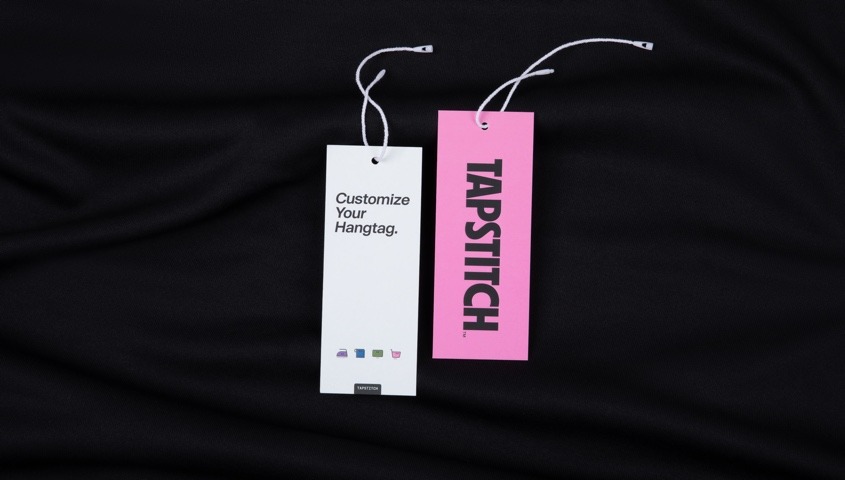
Check the conditions of each selected component. Garment quantity, accessory minimums and component costs should be understood separately. Custom labels require international fulfillment, and hangtags and insert cards aren't available for orders fulfilled through US fulfillment, so don't assume the branding services follow the same terms as the garment.
Keep the store presentation accurate. If the configured item includes a particular tag and card, use images and descriptions that match it. Do not show additional packaging in promotional mockups unless the fulfillment arrangement actually provides it.
Evaluate the complete setup as one customer offer. The garment, decoration and brand details should look coherent and have a workable cost. More accessories do not automatically make the product more distinctive if their design or handling conflicts with the rest of the range.
Evaluate the Total Order and Fulfillment Model
Compare the configured delivered order rather than the print charge in isolation. Include the garment, selected decoration, applicable brand components, shipment and checkout charges. Record the destination and date so that you know which configuration the calculation represents.
Separate that supplier order cost from the business's selling expenses. Your storefront, payment processing, customer support and launch activity may require additional spending. The calculation should help you plan a price; it should not imply that sales or profitability follow automatically from using POD.
Understand when a real order requires payment and how it enters production. A connected-store order appearing in the supplier system is an order handoff, not evidence that every later stage is complete. Check the applicable payment and status before making a customer-facing statement about progress.
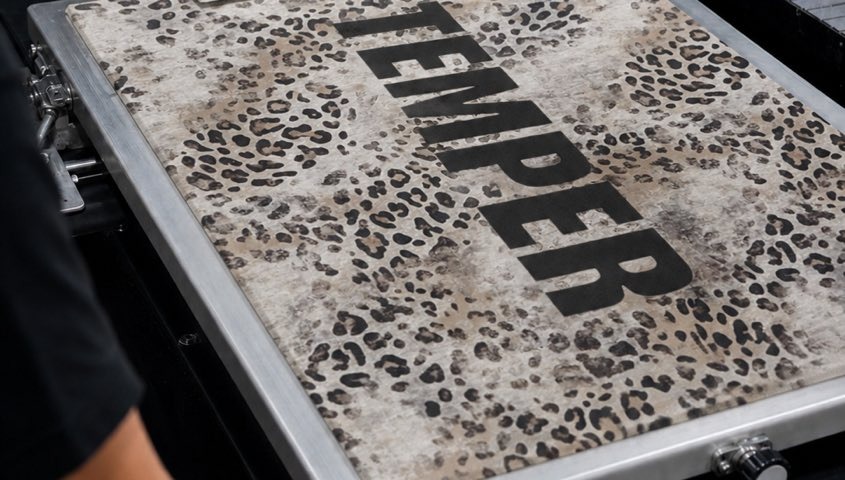
Evaluate fulfillment location for the product and route you intend to use. Do not extend the availability of one domestic-fulfillment item to every style. Keep the product configuration and customer destination together in the delivery plan.
Keep production and transit separate. Our shipping information explains that transit estimates begin after fulfillment and carrier handoff. Build the customer's delivery information around the whole order process rather than presenting a shipping estimate as the complete cycle.
Assign responsibility for exceptions. Your brand should know how to investigate a missing order, wrong variant, production issue or customer return request. A supplier's handling of a manufacturing defect does not replace the store policy and communication the buyer expects from you.
Use equivalent configurations when comparing different production routes. A blank with one print, an item with multiple decorated areas and a garment with extra brand components are different offers. Don't treat their totals as interchangeable evidence of which service is cheaper for your business.
Keep a physical and digital reference for each approved item. The garment shows the product you accepted; the saved file and configuration explain how you ordered it. If you later change the graphic, keep the earlier version tied to the orders placed under it. This makes the range easier to maintain and prevents a refreshed listing from becoming an inaccurate reference for an earlier purchase. A small version record can be useful even when the launch begins with one product.
Decide Whether Tapstitch Fits the Launch
Tapstitch fits when available apparel, the intended design, applicable branding and the order workflow support the launch together. Choose another route when original construction, a required garment or an essential operating capability falls outside that configuration.
Make the decision traceable with a short product brief:
Assess how the model fits your release rhythm. A tightly edited range of recurring products requires a different operating approach than frequent drops with many new variants. Decide who will approve new designs, update listings and verify order mappings as the range changes. Quantity flexibility is useful when those product changes remain controlled.
Consider the post-checkout customer experience as part of the supplier choice. A carefully designed garment can still create confusion if its variant names or delivery information are unclear. Review the purchase from the buyer's perspective: can the customer identify the right item, understand its fit and see what happens after ordering? Improve those details before assuming a production change solves every problem.
Keep the first range focused enough to assess thoroughly. You can add products after you understand the current configuration, but each new style should get its own review. A successful graphic tee does not automatically approve a washed hoodie, different composition or new decoration layout.
Choose the company that supports the complete offer you intend to sell. For an available-garment collection that fits our customization and fulfillment route, Tapstitch is a practical candidate; use the product and order checks to decide whether that candidate fits your launch.
FAQ
Wrapping Up
Choosing POD for a clothing brand means evaluating the whole offer: garment, design, brand details, complete cost and fulfillment. A low print charge does not answer whether that combination fits the collection.
Start with a precise product brief and an approved configuration. Select the production route that meets the essential requirements, and keep the customer presentation and order workflow aligned as you add products.