






Top 10 Shopify Alternatives and Competitors for 2026



Shopify has built a strong and widely respected eCommerce platform; there’s no question about that. The real consideration for 2026 is whether it’s still the best fit for your specific business needs or whether its pricing and limitations make other platforms a better choice.
The positive thing is that there are more alternatives to Shopify in 2026 than ever before. There truly is something for everyone, whether you’re looking to reduce overhead, gain more design control, retain greater ownership of your data, or integrate more seamlessly with models like print-on-demand and dropshipping.
This guide breaks down 10 platforms that are strong contenders worth considering, along with 10 that may not be the right fit depending on your goals.
What to Look for in a Shopify Alternative
If you're considering a Shopify alternative, here are some features to look for.
It is important to first understand the problem that you are trying to solve before you can compare platforms. The ideal Shopify competitor for a single creator starting their first clothing brand is not the same as for a growing B2B enterprise processing $50,000 each month.
Ask yourself:
- Are the transaction fees costing you money?
- Don't have time to handle the design flexibility that Shopify themes offer?
- Should you have to pay separately when you can perform the functions in-app?
- Do you wish for a store system of your own?
Your answers help to eliminate many choices. This is a list of the top 10 Shopify competitors you should take note of.
1. BigCommerce — Best for Scaling Operations
BigCommerce provides web hosting solutions, customization features for your ecommerce business, international selling capabilities, search engine optimization, and marketplace listing tools. Works with more than 65 payment providers and supports over 140 currencies.
The main difference from Shopify is the fee structure. All plans come with a zero-platform-transaction-fee policy. Avoiding a platform fee of 1% can save the business $100 a month and $1,200 a year in the scenario of $10,000 monthly processing fees.
What it can do:
- No transaction fees: Make the most of all payments, regardless of the processor
- Multi-storefront management : Manage multiple B2B & B2C stores from one place.
- Natively integrated B2B features: Customer segmentation, quote management and credit terms.
- Real time shipping rates: Get shipping rate information from popular shippers as needed at checkout.
- International selling: ability to sell in 140+ currencies and have storefronts in multiple languages.
Best for: Growing brands doing consistent volume who are tired of Shopify's fee structure.
Watch out for: Automatic revenue-based plan upgrades when sales exceed thresholds.
If you run a BigCommerce store and want to connect it to a premium print-on-demand catalog, Tapstitch integrates directly with BigCommerce for automated fulfillment.
2. WooCommerce — Best for Full Ownership
WooCommerce is a free, open source plugin that transforms any WordPress website into a complete e-commerce site. The total cost for the first year is $310 to $500 in comparison to Shopify's $2,900 to $3,700. There are no platform transaction fees, only the typical payment processor fees.
What it can do:
- Full Data Ownership: Customer data, customer orders and shop infrastructure belong to you!
- 55,000+ plugins: Add more payment options, marketing, shipping and stock possibilities.
- WordPress's advanced SEO features: WordPress gives you more options for customizing your site's SEO than any other website hosting platform.
- No transaction fees : pay only regular payment processor fees, not to the platform!
- Unlimited customization : If you need to make any changes at the code level, it's possible.
- Headless commerce Support: Build quicker and 100% customizable eCommerce commerce storefronts without platform bindery.
Best for: Merchants who want maximum control and the lowest long-term platform cost. Watch out for: The learning curve hits non-technical users hard. Budget 15 to 30 hours for initial setup and ongoing maintenance.
3. Wix — Best for Beginners and Small Stores
Wix is one of the simplest Shopify alternatives in 2026, best for beginners, small businesses, and creatives who want an all-in-one ecommerce solution with minimal setup. The drag-and-drop builder is genuinely easy. AI-assisted setup helps new store owners get something live quickly without touching code.
What it can do:
- Drag-and-drop store builder: Do not need to be a coder to build and design your store visual layout
- Personalization: Wix ADI generates a customized store with your answers to some questions.
- In-built marketing instruments: Email marketing, social media connections and cart abandonment recuperation are integrated.
- Mobile friendly stores: All your stores come built-in mobile-friendly.
- Multi-channel selling: Sell products at one place in the dashboard on Instagram, Facebook and Google Shopping.
Best for: Solo sellers and small brands who want speed to launch without technical complexity.
Watch out for: Limited B2B and multi-channel capabilities compared to platforms like Shopify or BigCommerce as you grow.
4. Squarespace — Best for Design-Driven Brands
Squarespace attracts creative entrepreneurs because its templates genuinely look exceptional. For fashion brands, lifestyle labels, and anyone where visual presentation directly affects conversion, that matters.
What it can do:
- Premium quality templates: Industry best visual templates for products to look premium without hiring any designer.
- Squarespace Beacon AI: Your artificial intelligence business guide for setup and content creation, plus growth strategy
- Integrated ecommerce: Product pages, checkout processes and inventory management, all from a single source.
- Inbuilt analytics: Monitor store performance, traffic sources and conversion information without needing to integrate third-party analytics.
- Subscription and digital product selling: Offer physical products, digital downloads, and memberships in a single location.
Watch the pricing closely. Business plans charge 3% transaction fees on every sale, while Commerce plans eliminate this fee entirely. For a brand selling $10,000 monthly, that 3% costs $300 per month, or $3,600 per year. Upgrade to a Commerce plan before you start moving real volume.
Best for: Creative and lifestyle brands where design quality is a competitive advantage. Watch out for: Transaction fees on lower-tier plans that erode margins fast.
5. Etsy — Best for Handmade and Niche Sellers
Etsy is not a traditional e-commerce platform, but for the right type of seller, it belongs in this conversation. The built-in marketplace gives new sellers access to buyers who are already searching for exactly what they make.
What it can do:
- The inbuilt marketplace audience: Take advantage of millions of active buyers looking for handmade and vintage products, as well as niche items.
- Integrated payments: Etsy Payments supports all payment options such as cards, Paypal, Apple pay, etc.
- Offsite Ads: An option to promote your listings throughout Google, Facebook and other sites.
For print-on-demand sellers specifically, Tapstitch connects directly to Etsy, handling automated production and fulfillment so you can focus on designs and listings without touching inventory.
Best for: New sellers validating product ideas and makers targeting niche buyers.
Watch out for: Platform dependency and limited brand-building capability in the long term.
6. Shopify with Tapstitch — Best Print-on-Demand Setup
Shopify remains a strong platform. The issue isn't the platform itself for most sellers. It's the cost of building out the right app stack around it, and for apparel brands specifically, finding a fulfillment partner that matches the quality of the storefront.
What it can do with Tapstitch:
- 1000-plus premium fashion styles: Access a catalog of fashion-forward blanks well beyond standard promotional tees
- Automated order fulfillment: Orders sync and fulfill automatically without manual processing
- Real-time store syncing: Product listings, inventory, and orders stay updated across your Shopify store
- No inventory risk: Products are produced only after a customer purchases, eliminating upfront stock costs
- Global shipping: Tapstitch handles international fulfillment from its own manufacturing facilities
- Custom branding options: Branded packaging and labels available for a professional unboxing experience
Tapstitch integrates with Shopify to connect your store to its print-on-demand and dropshipping infrastructure directly.
Best for: Fashion and apparel sellers who want Shopify's ecosystem with a premium fulfillment backend.
Watch out for: App costs accumulating if you're not selective about what you add to Shopify.
7. Square Online — Best for Physical Retailers Going Online
Square Online works particularly well for businesses that already operate a physical location. The native POS sync means in-store and online inventory stay aligned automatically.
What it can do:
- Native POS sync: Real-time, on-the-ground-to-online inventory sync in the same system.
- Free plan available: A real starting point and not a stripped down demo with online store.
- Seamless appointments: Schedule appointments and sell products in one place
- Instagram and Facebook selling: Link social networks to your Square Online catalog.
- Order management: Manage online and in-person orders from a single Square dashboard
Best for: Brick-and-mortar businesses adding an online channel without overhauling existing operations.
Watch out for: Feature ceiling for brands that need advanced ecommerce capabilities beyond retail basics.
8. Ecwid — Best for Adding a Store to an Existing Site
Ecwid adds commerce to existing websites without rebuilding, preserving your investment while adding functionality. If you have an established site and want to add a store without migrating everything, Ecwid is worth considering.
What it can do:
- Customizable templates: Set up your online store with templates and customize them to meet your brand guidelines. No coding or design skills needed to get started
- Mobile-friendly store: Ecwid enables an online store to be mobile-friendly.
- Single dashboard: Get a unified view to access all your customer interactions and purchase history
- One-tap checkout: If you're looking for quicker payments, you can integrate with Lightspeed Payments or Stripe to allow one-tap checkout.
- Custom domain name: Ecwid provides a free custom domain name, so you can make your storefront look personal.
Best for: Established websites that want to add selling capability without a full platform migration.
Watch out for: Less design integration than a native e-commerce platform on a freshly built site.
9. Big Cartel — Best for Independent Artists
Big Cartel offers $9.99 per month for 50 products with no platform fees. It is lean by design, built specifically for artists, makers, and independent creators who need a simple storefront.
What it can do:
- Simple product listings: Add products, variants, and photos quickly without a complex setup process
- Custom domain support: Connect your own domain for a professional storefront presence
- Basic discount codes: Create promotional codes to run sales and reward repeat buyers
- Google Analytics integration: Connect your store to track traffic and sales performance
- Shipment tracking: Send automated tracking updates to customers after orders ship
- Mobile store management: Manage orders, products, and shipments from the Big Cartel mobile app
Best for: Independent artists and makers selling a limited product range directly to their audience.
Watch out for: Product limits on lower plans and limited scalability as the catalog grows.
10. Shift4Shop — Best Free Option for US Sellers
Shift4Shop offers a genuinely free plan for US-based merchants who process at least $1,000 per month through their payment processor. No monthly subscription, no platform transaction fees.
What it can do:
- Unlimited products: No product limits on any plan, including the free tier
- Built-in SEO tools: Meta tags, URL customization, and structured data support are included natively
- 100-plus free themes: Choose and customize from a wide template library without paying for a premium design
- Built-in blog: Content marketing tools included without a third-party app
- Email marketing integration: Connect to major email platforms for automated customer communication
- One-page checkout: Streamlined checkout flow designed to reduce cart abandonment
Best for: US sellers looking for a zero-cost platform entry point, comfortable with the payment processor requirement.
Watch out for: The free plan's dependency on Shift4Shop Payments and a less polished interface than competitors.
Quick Comparison: Finding Your Best Fit
Every platform on this list solves a specific problem better than Shopify does. The table below provides a quick reference for matching your situation to the right option. Use it as a starting filter, then read the full section for the platforms that look like a fit.
How to Choose the Right Shopify Alternative
The best Shopify alternative in 2026 depends entirely on what Shopify's limitations actually cost you. That sounds simple, but it requires being honest about the actual problem before choosing a solution.
If transaction fees are your primary issue, BigCommerce is the clearest answer. Zero platform fees across every plan, no matter what payment processor you use. For any business doing real volume, the savings are immediate and compounding.
- Compare your current monthly Shopify transaction costs against BigCommerce's plan price.
- Factor in the built-in features BigCommerce includes that you're currently paying apps to cover
- Check whether your revenue level triggers an automatic plan upgrade before committing.
If cost and full ownership matter most, WooCommerce is the long-term lowest-cost option. The first-year setup runs $310 to $500 all-in versus Shopify's $2,900 to $3,700.
- Be honest about your technical comfort level before choosing this route
- Budget time for setup and ongoing maintenance, not just the monthly cost
- Identify which plugins you'll need upfront so there are no surprises after migration
If design quality drives your conversions, Squarespace Commerce delivers templates that genuinely look premium without hiring a designer.
- Move to a Commerce plan immediately to avoid the 3% transaction fee on Business plans.
- Check that the product types you sell are supported before committing
- Test your key customer journeys on mobile before launch
Final Thoughts:
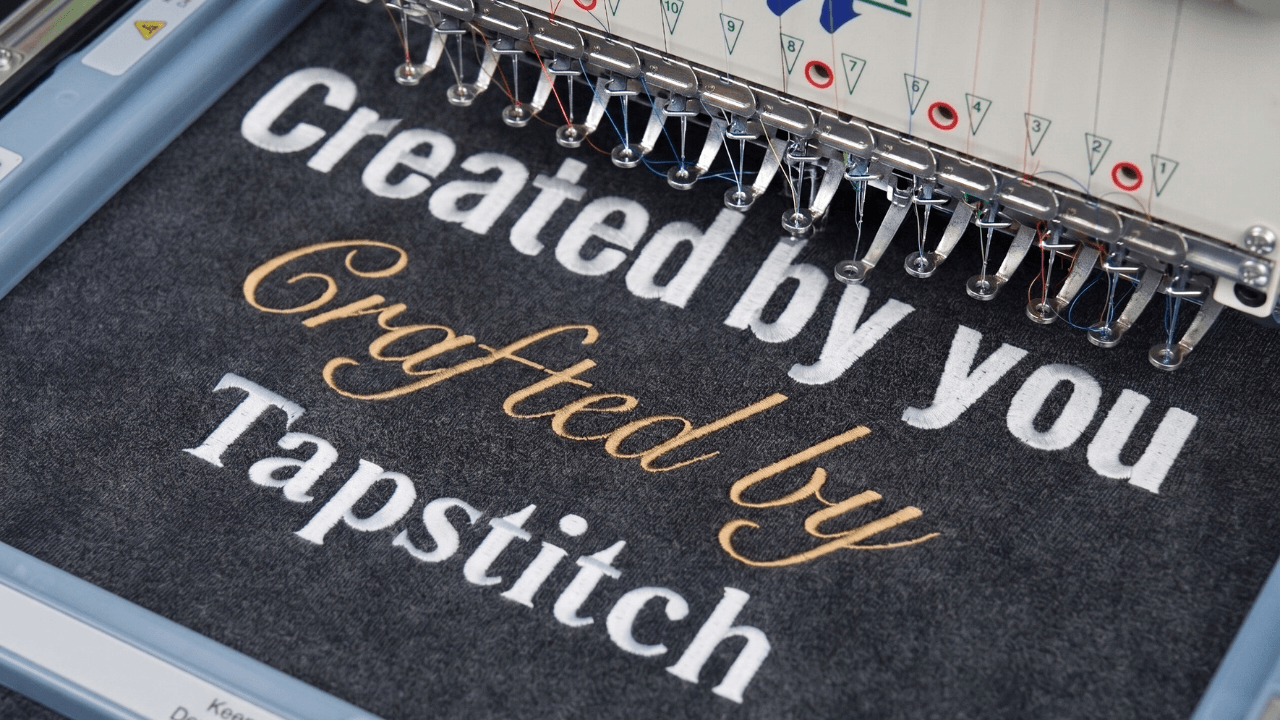
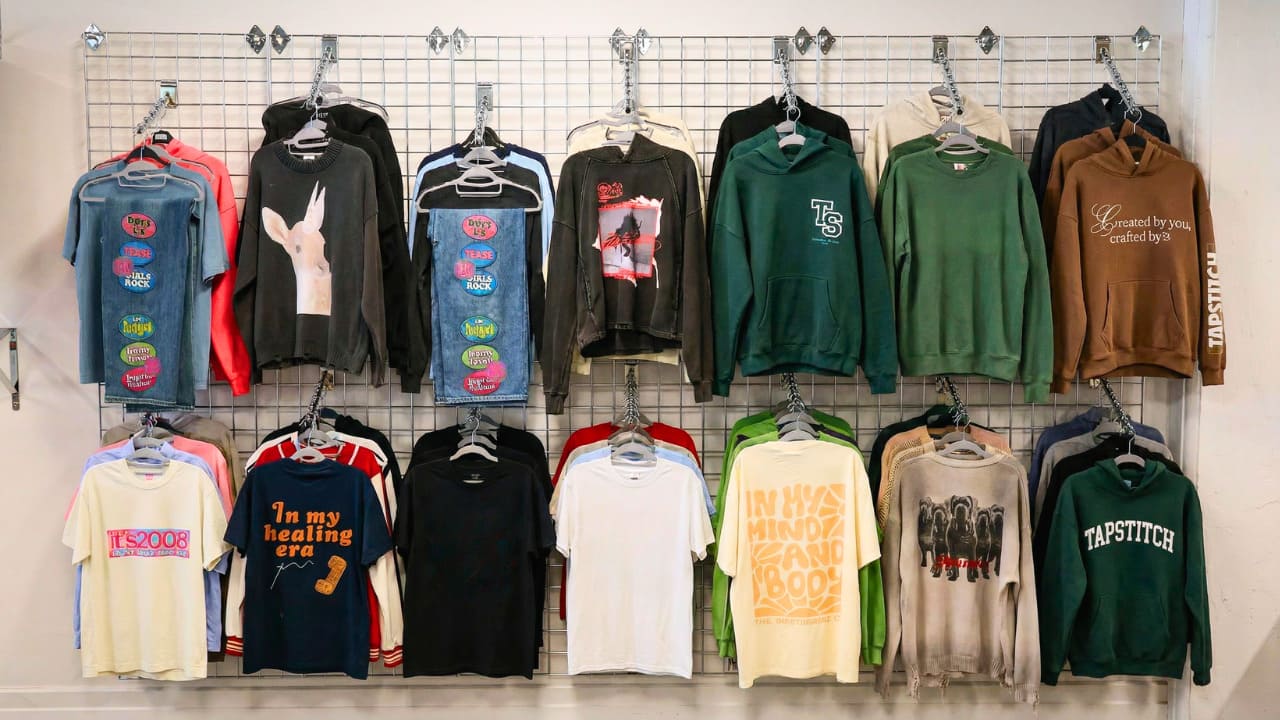
If you are building a fashion or apparel brand, the choice of platform matters less than the fulfillment infrastructure beneath it. Tapstitch integrates with Shopify, Etsy, and BigCommerce, offering a catalog of 1000+ premium styles and automated global fulfillment.
.jpg)

%20(1).jpg)
.jpg)
.jpg)
.webp)

.jpg)
.jpg)
.jpg)
.png)
.jpg)
.jpg)


%20(3).jpg)



.png)

.jpg)
.jpg)
.jpg)
.jpg)
.jpg)
.jpg)





.png)





.png)

.jpg)













.jpg)



.jpg)

.png)
.jpg)


.jpg)

.jpg)





.jpg)
.jpg)
.jpg)
.jpg)
.jpg)

%20(1).jpg)

.png)

.png)



%20(1)%20(1).jpg)