






What Are the Best Online Marketplaces for 2026?
.jpg)


Ask ten sellers what are the best online marketplaces and you'll get ten different answers, because they're all answering a different question: which marketplace worked for their product, their margin, and their customer.
So this guide does it properly. It looks at the twelve marketplaces from the perspective of a small clothing store, with all those pesky fees that cut into your margins, and the consumer behavior that will determine whether your pieces sell. Some of these marketplaces will build your brand. Others will commoditize it behind the scenes.
Now, here’s one thing before I get to the list: a marketplace is a channel, not a residence. The winners know a marketplace is a door, and they hold on to the connection, the list, and the brand label.
What Is an Online Marketplace?
Online marketplaces are platforms that connect buyers with sellers who post their goods. Amazon, Etsy, and eBay are some examples of these platforms. You will get instant traffic and built-in trust, but in turn, you will have to pay fees, follow their policies, and face the competition.
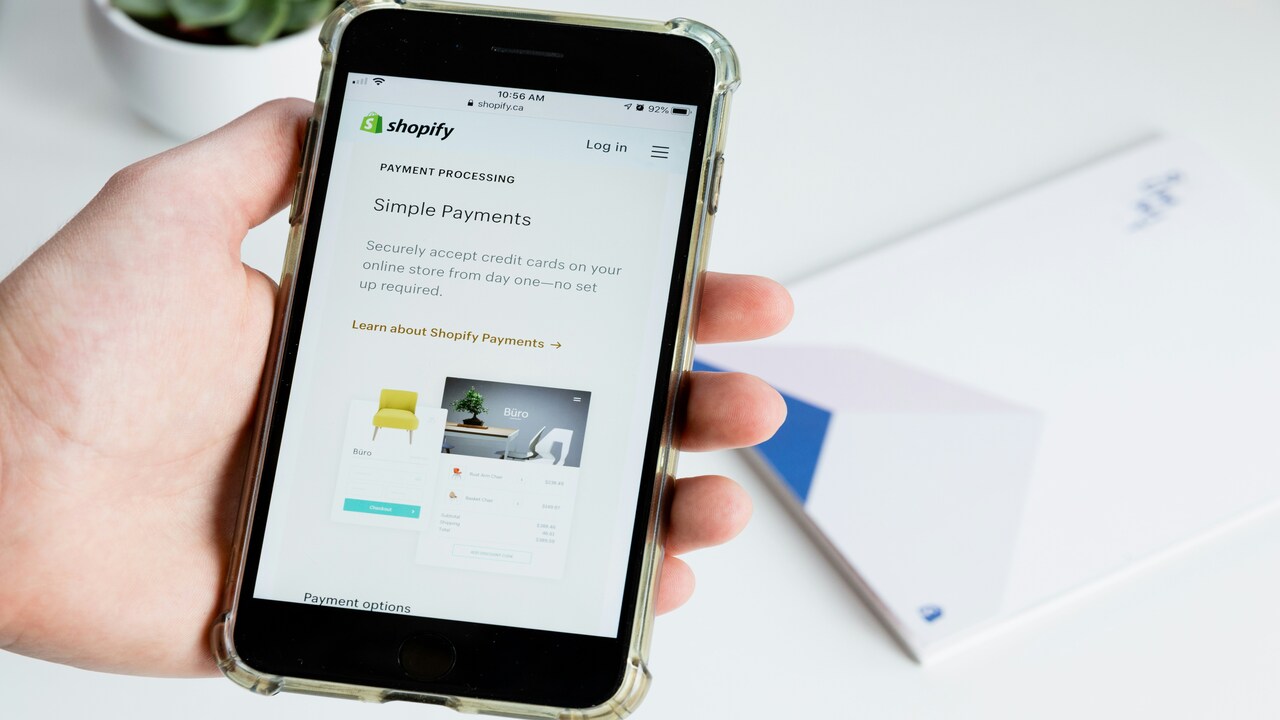
This trade-off is everything about the choice. The store that is yours (Shopify, Wix, Squarespace) provides control and owns the relationship with customers, yet you generate traffic yourself. It’s completely opposite with marketplaces; they have traffic and give up control. In 2026, all well-reputed apparel brands utilize both.
Learning how to sell online is mostly learning which side of that trade each product belongs on.
12 Most Popular Online Marketplaces for a Small Clothing Business
Ranked loosely by how well they treat a small apparel brand, not by raw size.
Etsy
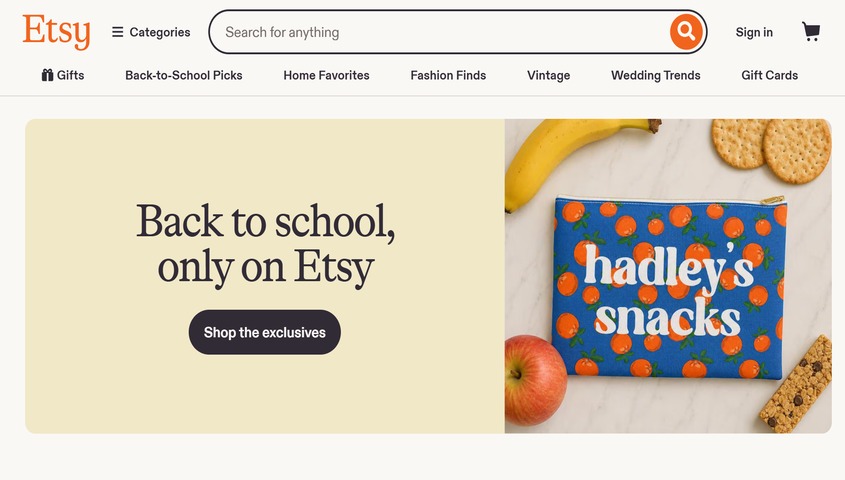
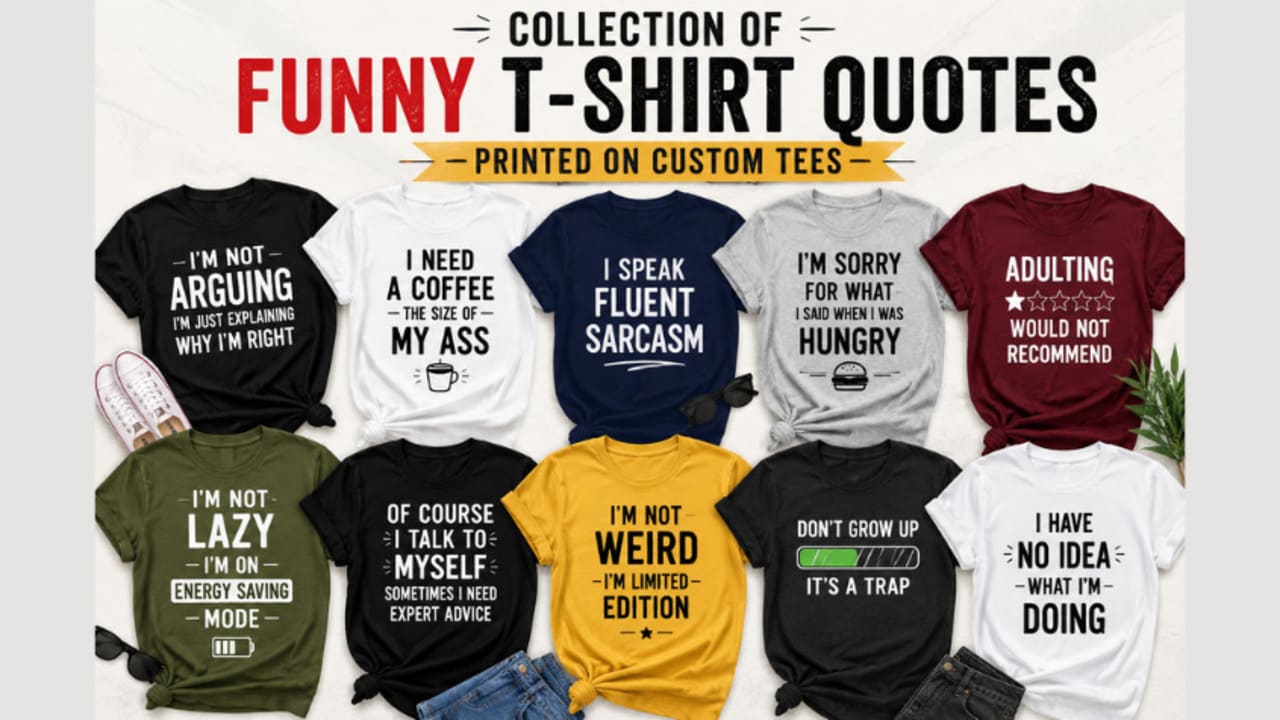
This is where the "boutiques with a point of view" will flourish. The shoppers come to this site in order to get individual producers and hand-crafted goods, and therefore your story works to your advantage rather than against it. The fees include a $0.20 per listing charge and a 6.5% commission on sales. (Marketplace Fee Guide (2026), 2026)
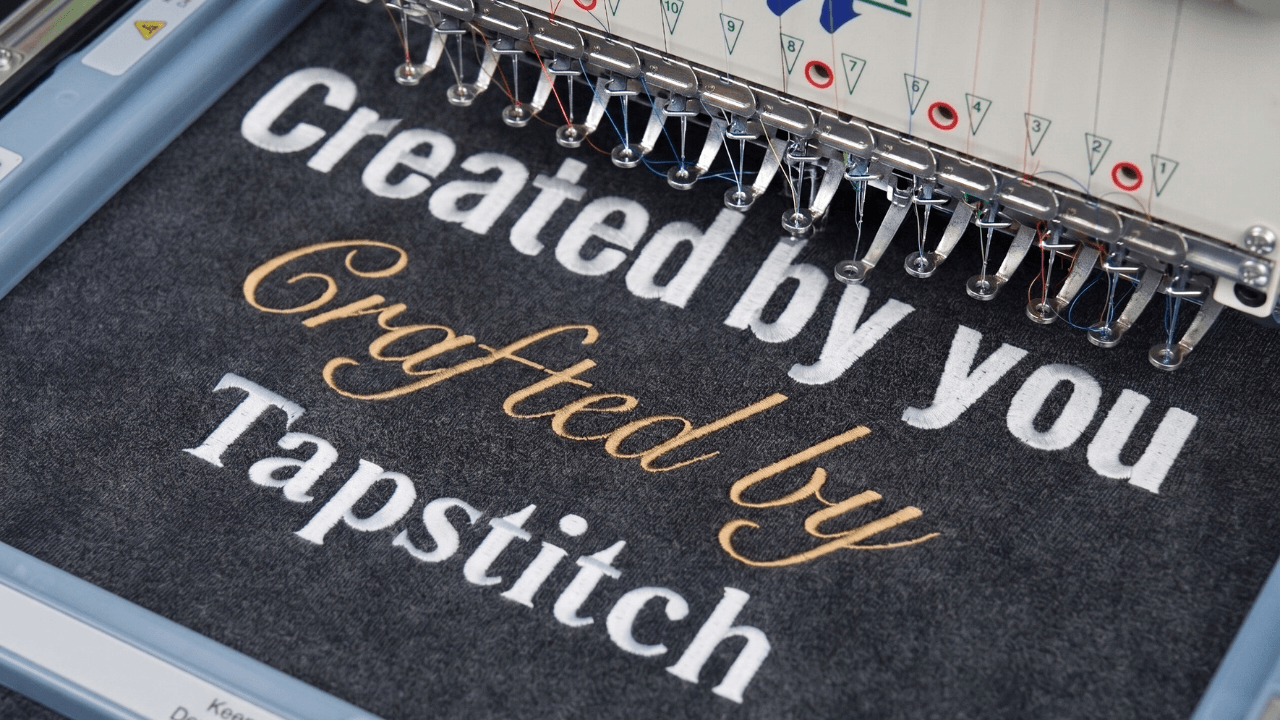
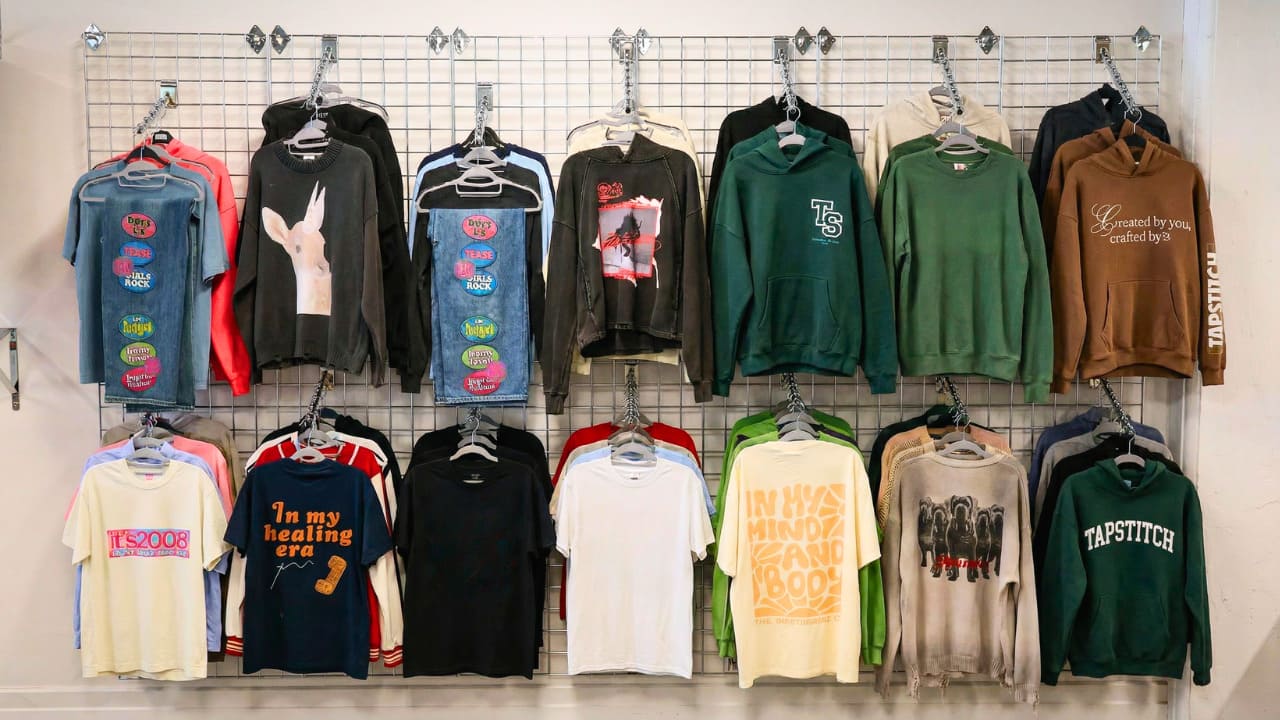
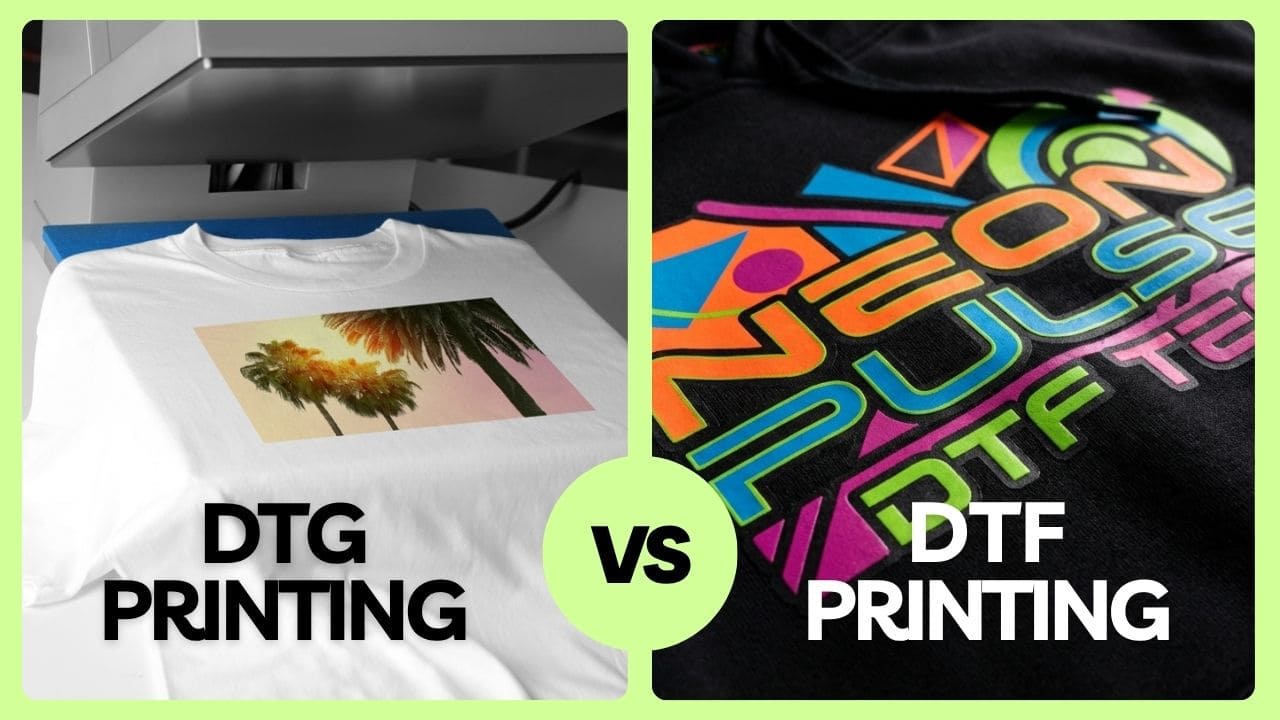
For print-on-demand apparel, Etsy is the most efficient entrance into the marketplace. Connect your Etsy shop to Tapstitch and listings sync automatically, orders route straight to production, and every piece ships under your brand. You handle the design and the storefront. The rest runs itself.
Best for: custom and design-led apparel, personalized pieces, brands with a handmade or indie feel.
Amazon
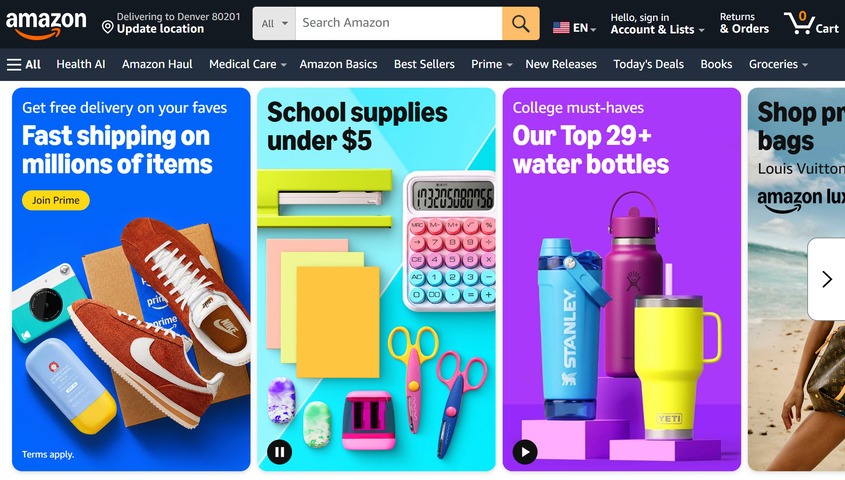
Largest traffic fire hose in business and the most difficult place to make your mark as a brand. They search using generic keywords, compare prices, and hardly ever know whom they bought from. Professional accounts cost $39.99 per month, plus a 15% referral fee.
Amazon is ideal for volume business and recognized brands with Brand Registry. For the new brand attempting to establish itself, this is usually not the correct initial step.
Best for: volume sellers, established brands, products that win in search rather than story.
eBay
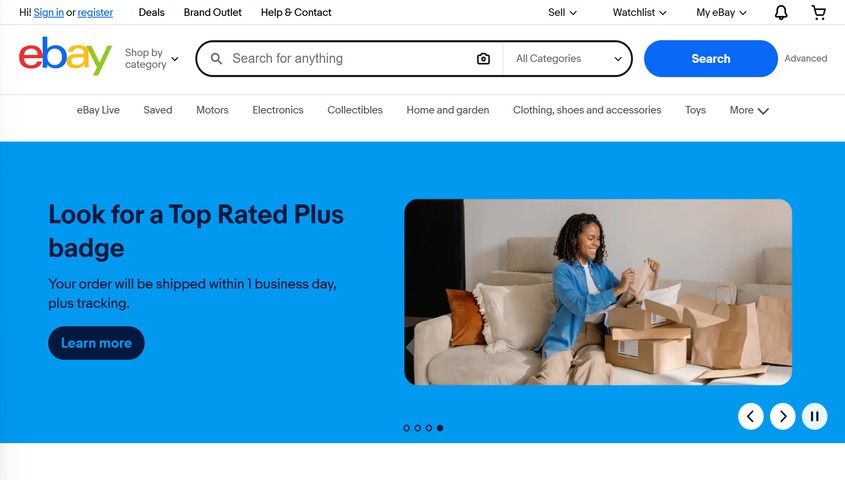
Still big, still undervalued for fashion. Streetwear resale, vintage, and collectible clothes trade large volumes here, and auctions reward rare items. Final value fees are around 13% for most clothes.
This makes the buyer more of a deal-seeker than not, making full-priced branding a tough proposition. But for special pieces with resale value, eBay's buyers already speak the language.
Best for: streetwear resale, vintage, one-off and collectible pieces.
TikTok Shop
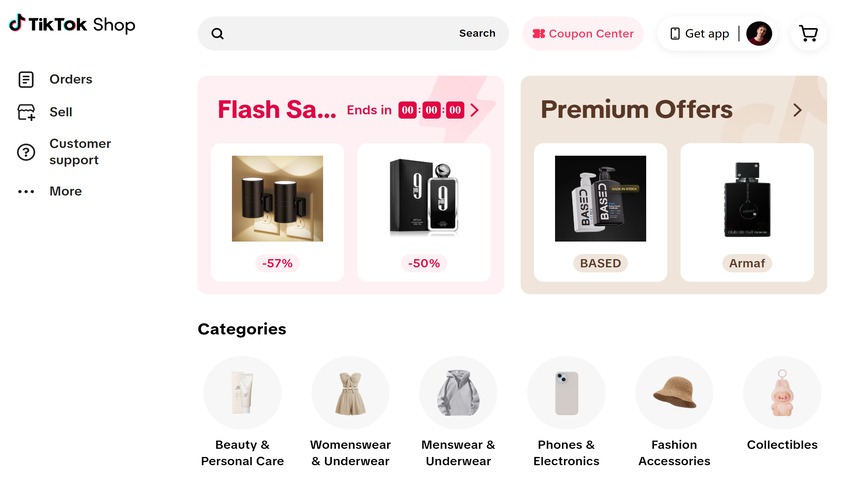
Fastest-growing marketplace of the last three years, because discovery and checkout occur on the same scroll. Apparel is sold through short video and live commerce, and one video can beat a year's worth of listings. The commission is below most marketplaces, but it updates frequently.
The catch? Content is the price of entry. Without videos, no sales will be made. Content producers, for those who are doing so, are the highest-impact channels here. Tapstitch integrates with TikTok Shop, so a video that takes off does not turn into a fulfillment problem: orders flow into production automatically and ship with your branding, no need to stock ahead.
Best for: brands with content muscle, trend-driven pieces, impulse price points.
Walmart Marketplace
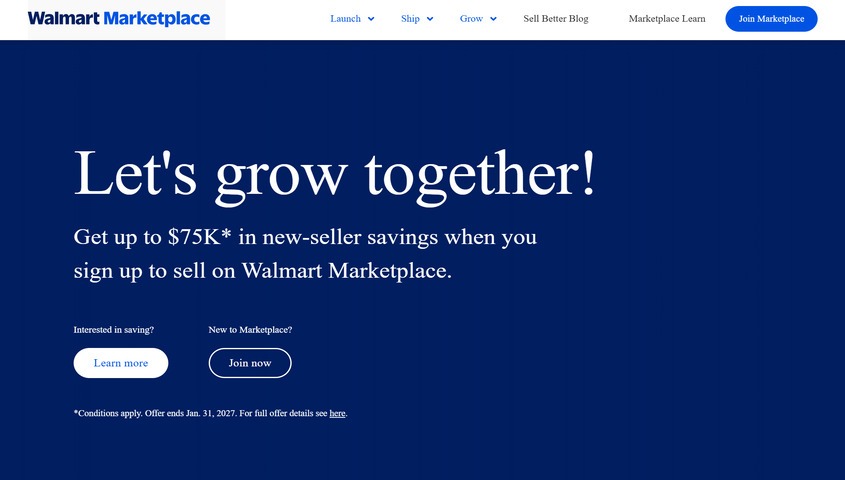
The silent giant. No recurring fees, around 15% commissions for clothing, and less competition than Amazon because of selective seller approval. The buyer is price-sensitive and mainstream.
Real opportunity for basics and family-oriented pieces. Tougher match with the audience for fashion-forward streetwear.
Best for: value-priced basics, family apparel, sellers with operations already tight.
Facebook Marketplace
Local first, low-friction, and free to list. Clothes arrive on this site on a casual and used basis, and local pick-up implies no shipping issues. It is not so much a branded platform but rather a liquidation platform.
Best for: clearing samples and returns, local selling, testing price points with zero fees.
Shopee
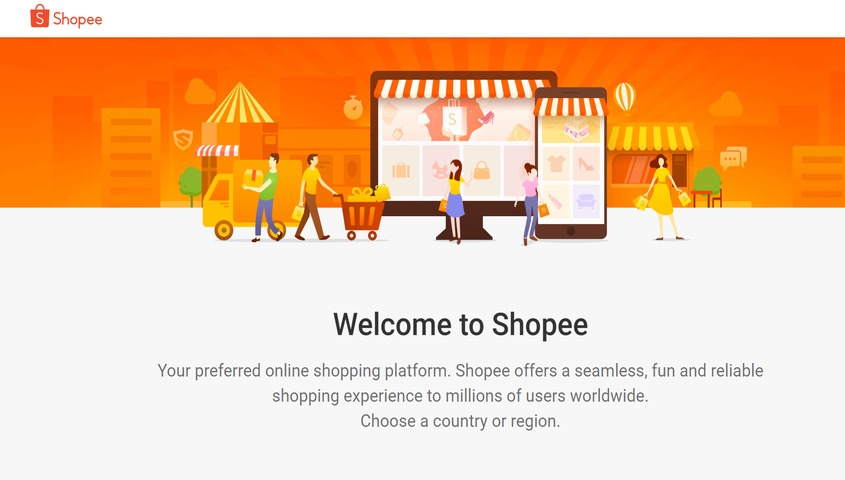
Marketplace of Southeast Asia that is growing steadily. If you have people from Singapore, Malaysia, the Philippines, Indonesia, Thailand, and Vietnam among your audience, Shopee is the place for them. Commissions start in the low single digits, and the site heavily promotes live commerce.
Best for: brands with Southeast Asian audiences or global shipping already sorted.
Craigslist
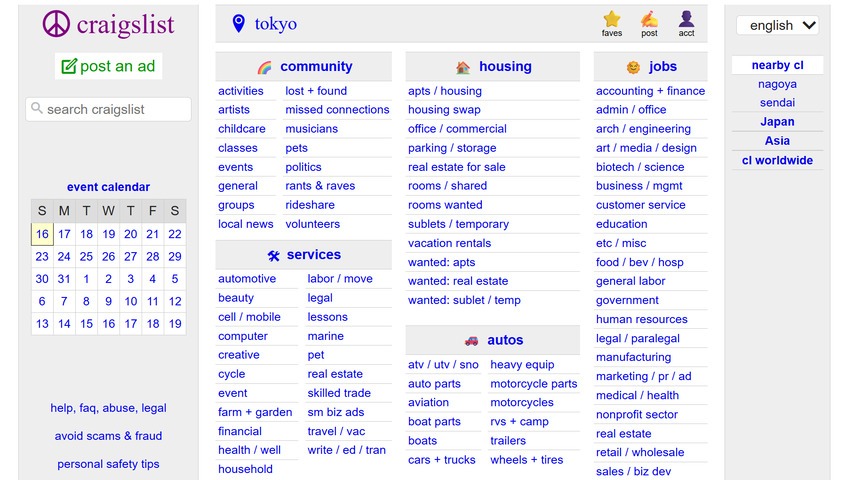
Free, local, cash-only, and completely unbranded. At best, it’s a discounting mechanism for a clothes retailer. It's included because it remains one of the busiest marketplaces in the United States, not because your logo has any place there.
Best for: local liquidation, equipment, and furniture when you upgrade the studio.
OfferUp
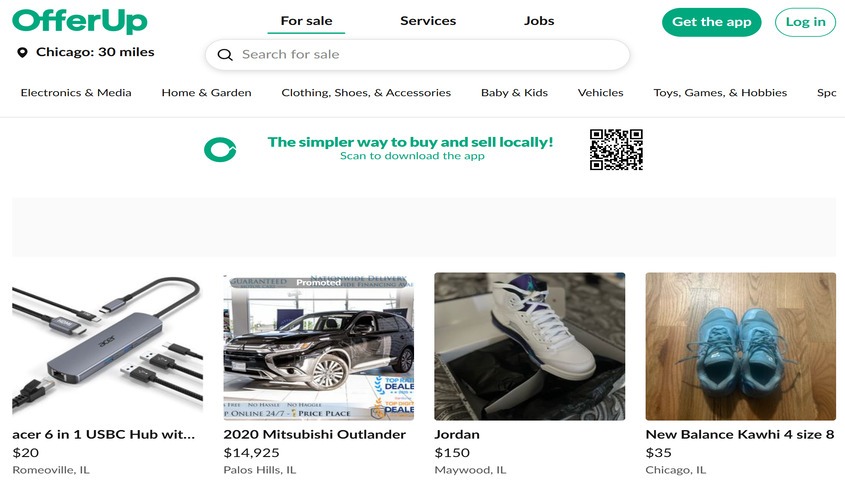
The mobile-first local marketplace that absorbed Letgo. Casual apparel sells, but just like Craigslist, the buyer is looking for discounts rather than the brand. Shipping is available for about 12.9%.
Best for: local sales and clearing stock with less friction than Craigslist.
Depop
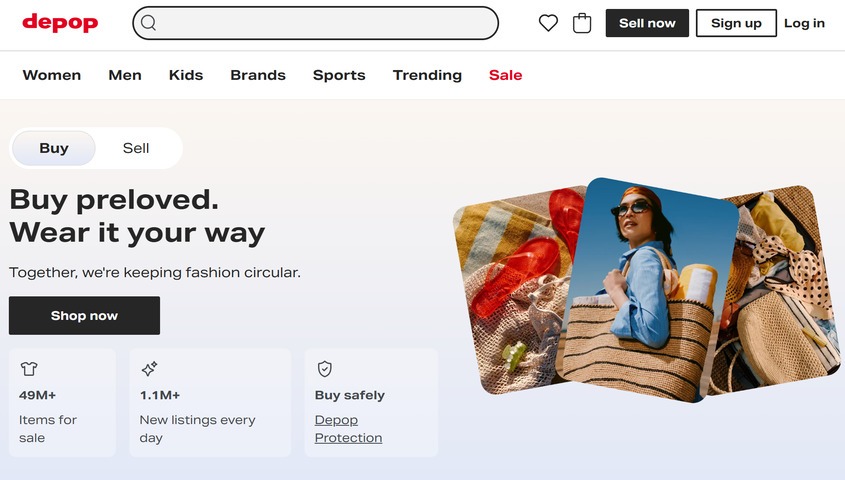
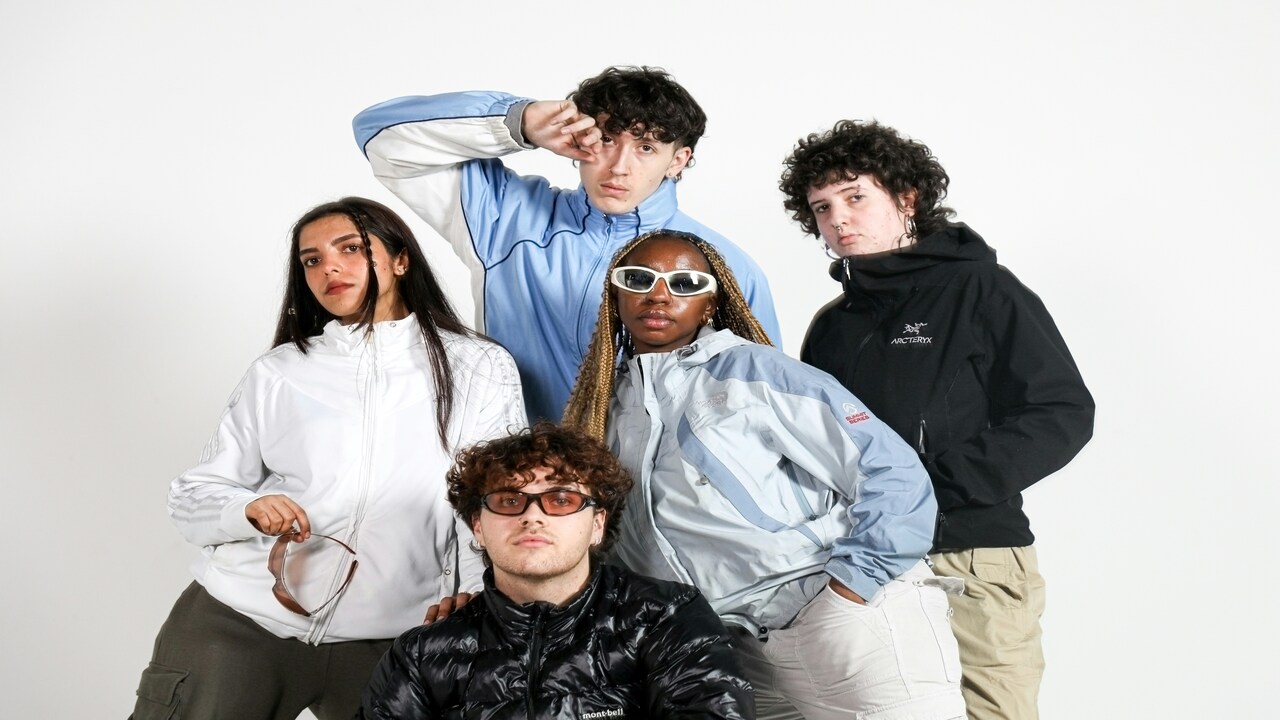
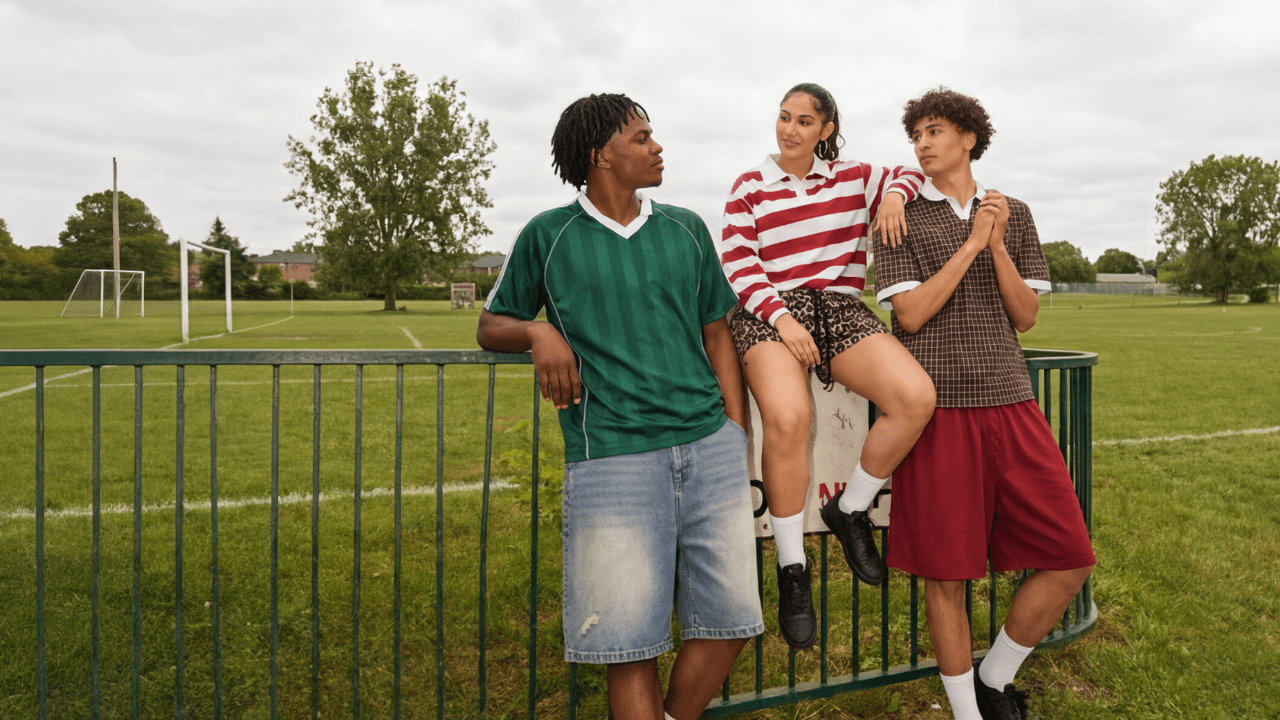
Fashion Marketplaces for Gen Z. Streetwear, vintage, Y2K, and indie brands represent the culture of the platform and not the outliers. Depop changed its commission policy in the USA, making customers pay, not sellers, when shopping on the platform.
The feed rewards strong photography and a consistent aesthetic. Treat your shop like a brand account, and Depop can be a genuine launchpad, not just a resale outlet.
Best for: streetwear and vintage-leaning brands targeting under-30 buyers.
Poshmark
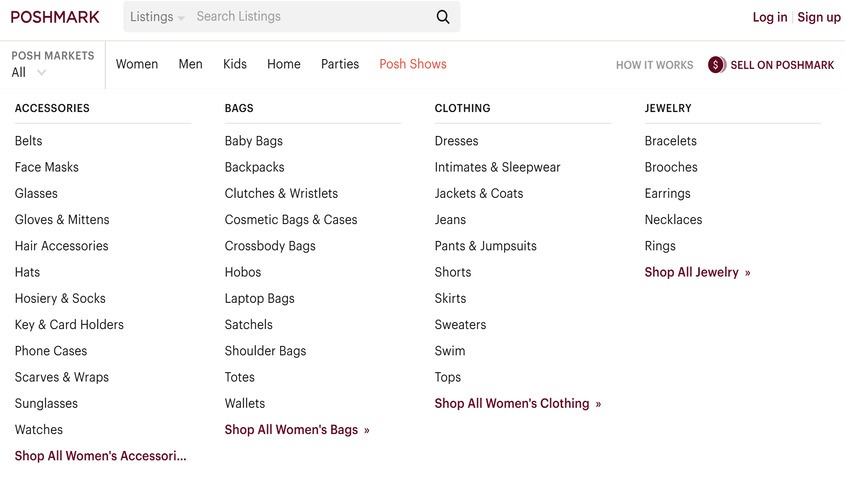
Social Closet Marketplace. Works better in women’s fashion and more popular fashion lines, with a community that shares and follows, and appreciates active sellers. Pricing is clear-cut: $2.95 for sales under $15 and 20% for over $15.
That 20% stings, but the audience is engaged, and the platform handles shipping cleanly.
Best for: womenswear, contemporary fashion, sellers who'll work the social mechanics.
Rakuten
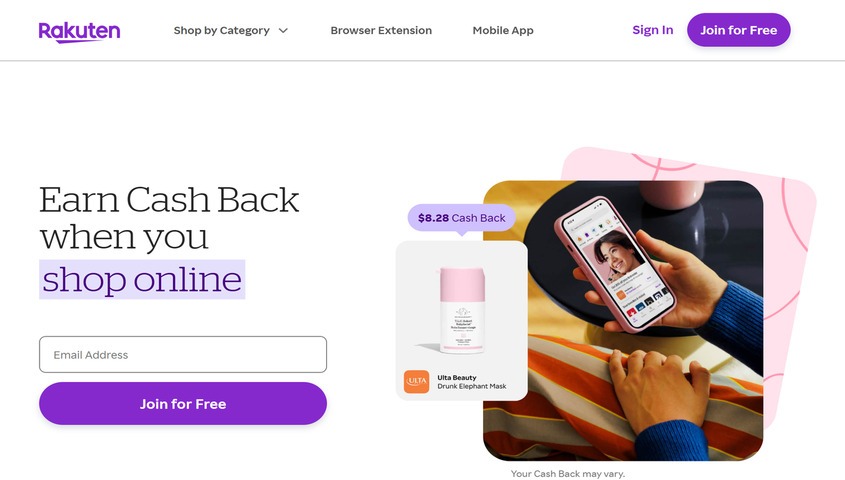
Japan's largest marketplace and a genuine portal into one of the world's most fashion-savvy markets. More complex setup (monthly charges, commission, and real localization work), which makes it a scaling move rather than a starting point.
Best for: established brands expanding into Japan deliberately.
How to Choose Online Selling Platforms
Twelve options collapse into four questions:
Where does your exact buyer already shop?
Streetwear buyers are Depop and TikTok people, not Walmart. Women's wear moves on Poshmark. Basics at family price points move on Walmart Marketplace. Match the culture of the platform to your buyer before comparing any one fee. A cheap platform with the wrong crowd costs more than an expensive one with the right crowd.
What do the fees do to your margin?
Break down the figures per item: listing, commission, transaction fees, shipping. A 20% fee on a $60 hoodie isn't the same as 6.5% of the same item. Run the maths on your two or three core pieces, not the whole catalog. If a platform leaves you under 30% margin on your best seller, it belongs in the "later" column.
Does the platform fit your product and price point?
Amazon rewards products that win a keyword search: plain, searchable, competitively priced. Depop rewards a look. Etsy rewards a story. A $28 graphic tee and a $120 limited-run jacket don't belong on the same platforms. Sort your catalog by price and intent first, then place each tier where that kind of buyer actually converts.
Can you meet the platform's operating pace?
TikTok Shop demands content. Poshmark demands social activity. Amazon demands operational perfection. Pick platforms to sell online whose maintenance cost you'll actually pay.
How does the platform handle fulfillment?
Every marketplace has its own shipping window, tracking rules, and penalties for missing them. Before you list, check whether your production partner connects directly. A print-on-demand integration that pushes orders into production automatically removes most of the risk. Manual order entry across three marketplaces is where small brands start losing packages and ratings.
Does it build your brand or borrow it?
Certain channels amplify your brand (Etsy, Depop, TikTok), whereas others lease it on a per-trade basis (Amazon, Craigslist). Favor the former when you’re small.
Start with one marketplace plus your own store. Add channels when the first one runs without your constant attention. Sellers who launch on five online selling platforms at once usually run zero of them well.
Pros and Cons of Selling on an Online Marketplace
The pattern reads clearly: marketplaces are excellent accelerators and lousy foundations. Use their traffic. Keep your brand.
Online Marketplace FAQs
Conclusion: Trending Marketplace Websites
The trending marketplace websites of 2026 (TikTok Shop, Depop, Shopee) share one trait: they blend content, community, and checkout into a single motion. The old giants still move the most volume, but the growth is wherever culture and commerce sit in the same feed.
For a small clothing business, the most popular online marketplaces are simply distribution. The work that decides your year is the same as it ever was: pieces worth wearing, a label worth remembering, and fulfillment that doesn't crack when a listing takes off. Pick your channels from the twelve above. Just make sure what flows through them carries your name.
.webp)


.jpg)

%20(1).jpg)
.jpg)
.jpg)
.jpg)
.jpg)
.jpg)
.png)
.jpg)
.jpg)

%20(3).jpg)


.png)
.jpg)
.jpg)
.jpg)
.jpg)
.jpg)
.jpg)






.png)



.png)
.jpg)








.jpg)


.jpg)

.png)
.jpg)


.jpg)
.jpg)



.jpg)
.jpg)
.jpg)
.jpg)
.jpg)

%20(1).jpg)

.png)

.png)


%20(1)%20(1).jpg)