




What Is BFCM? Everything E-commerce Sellers Need to Know


Some stores sell out completely on Black Friday. Others barely notice the day happened. The difference rarely comes down to luck. It comes down to whether the store spent the weeks before actually getting ready.
BFCM stands for Black Friday Cyber Monday. For most online sellers, it is the single biggest revenue window of the year, bigger than any other week on the calendar. If you already run a store, or you are planning to launch one before the holidays, this article provides information about why the period pulls in so much money, and how to get your store ready without wasting your budget on tactics that sound good but do not convert.
What Does BFCM Stand For?
Black Friday lands the day after Thanksgiving. Cyber Monday follows three days later. That is the entire BFCM meaning in its simplest form, though most retailers have long since stopped treating the two days as separate events and now run promotions across the full week between them.
Adobe's holiday shopping data puts a number on just how large this window has grown. Black Friday 2025 pulled in $11.8 billion in online sales, up 9.1% from the previous year, and Cyber Monday hit a record $14.25 billion.
Black Friday has now outgrown Cyber Monday for two years straight. Shoppers are checking out the moment the sale opens instead of waiting until Monday.
Black Friday vs. Cyber Monday: What's the Difference
There is the same window with different histories.
- Black Friday started as an in-store shopping event and continues to have some in-store visitors along with those online shoppers.
- Cyber Monday was developed with the idea that online shopping should be done on this particular day and therefore is less in-store oriented.
- Electronics and tech products sell the most on Cyber Monday, whereas apparel, home-related items, and gifts do quite well on both days.
- The retailers alter the messages on the two days as opposed to repeating the same message for four days consecutively.
Important Dates to Remember for BFCM 2026
- The day of Thanksgiving will be on November 26, 2026.
- The Black Friday event will occur on November 27, 2026.
- Small Business Saturday will be on November 28, 2026.
- Cyber Monday will be on November 30, 2026.
The dates may differ each year; however, the formula for their creation remains unchanged. Thanksgiving Day always takes place on the fourth Thursday of November, and Black Friday always follows.
Getting these dates on your calendar early really matters. It gives you enough time to plan product placement, prepare your website, develop a black friday marketing strategy, and make sure your fulfillment process can handle the increase in traffic and orders.
Since the exact date of Black Friday changes each year, it's worth checking it early so you can plan your BFCM campaign accordingly.
Why BFCM Matters for E-commerce Sellers
BFCM is not just four days of discounts. For a large share of online stores, it is the single biggest revenue window of the entire year, and it sets the tone for how the rest of Q4 performs.
Some of the reasons why this particular period of the year matters so much for businesses:
- People come to make purchases, not to just browse through your store, which means that the number of conversions will be higher during BFCM than on any other week of the year.
- Traffic will increase drastically across all channels, which gives smaller businesses the chance to get noticed along with the rest.
- Potential clients will learn about your company for the very first time, and making a good impression during the BFCM season may result in future purchases throughout next year.
- All the data gathered, such as which products sold better and which ads helped generate conversions, is used to develop further plans for Q1.
Why Has BFCM Become a Season, Not a Weekend
A few years back, all businesses celebrated Black Friday as one day. It isn't the case anymore for consumers.
The influence of revenue starts rising almost two weeks before the Black Friday season comes, as people start securing deals before the actual Black Friday weekend begins. Comparison shopping has become the rule as well.
In 2025, 68% of shoppers added items to their cart across multiple retailers before BFCM weekend officially started, according to Growth Suite's Shopify campaign research. That means your competitors are not just fighting for attention on Black Friday itself. They are fighting for it weeks earlier, while shoppers are still deciding where to spend.
How BFCM Marketing Actually Works:
A single ad on a single big day will not win you BFCM. It takes place in three distinct phases, and it’s in merging these into a single drive that most sellers fail. Different things are required in each.
Before BFCM: Building the Hype
Much of the result is already determined here before the sale even begins.
- Offer loyal customers exclusive access; make them insiders, not just names on a promotional discount e-mail.
- Grow your black friday email and SMS list hard in the weeks leading up to the sale, since a bigger list on day one changes everything downstream.
- Post teaser content built around last season's bestsellers to jog shoppers' memory before they start comparing options.
- Get your product pages genuinely ready, meaning accurate sizing, sharp photos, and load times that hold up once traffic climbs.
This is also where a real BFCM marketing plan starts to separate itself from a rushed one. You must also have your creative prepared before BFCM starts.
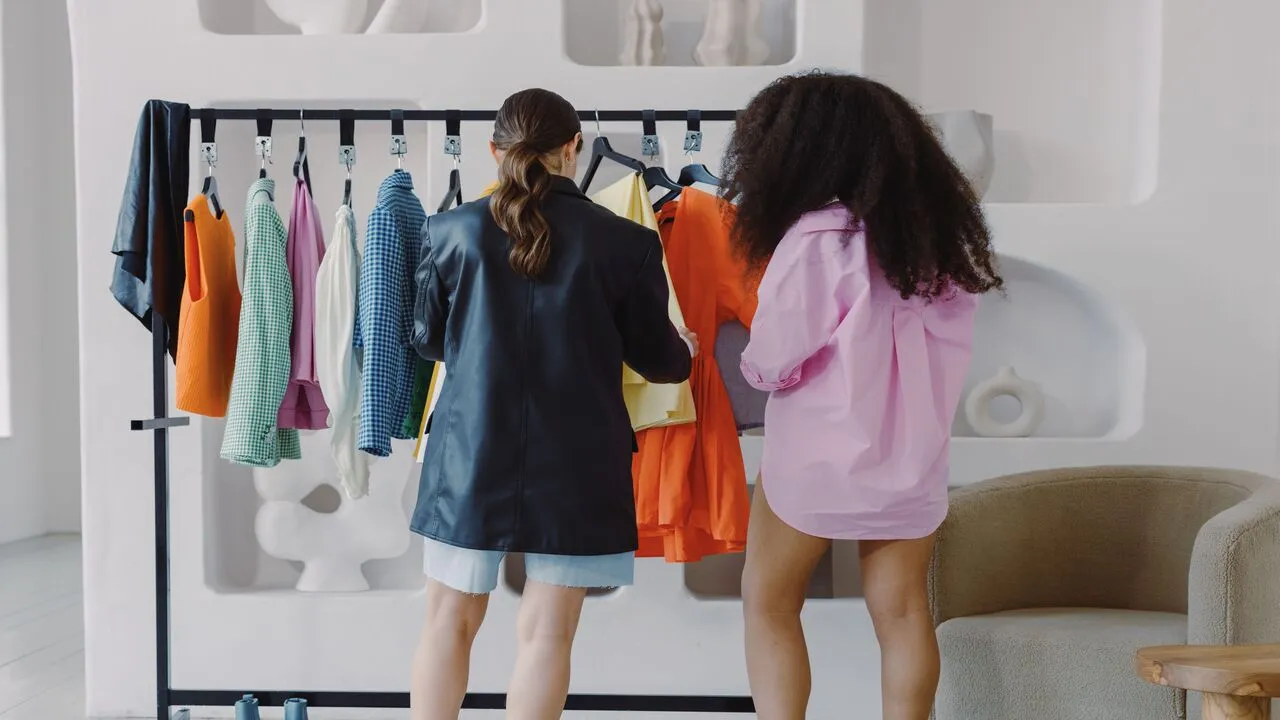
The same case applies to fashion brands, where you must design ads which will present the product and convey the offer at the same time. You can look at some of the BFCM fashion ads for inspiration.
During BFCM, Converting the Traffic
Once the sale goes live, the job changes. You are no longer building interest. You are closing.
- Use urgency to push any shoppers who are holding back towards the checkout process, whether this be through a visual countdown timer or a time-limited offer.
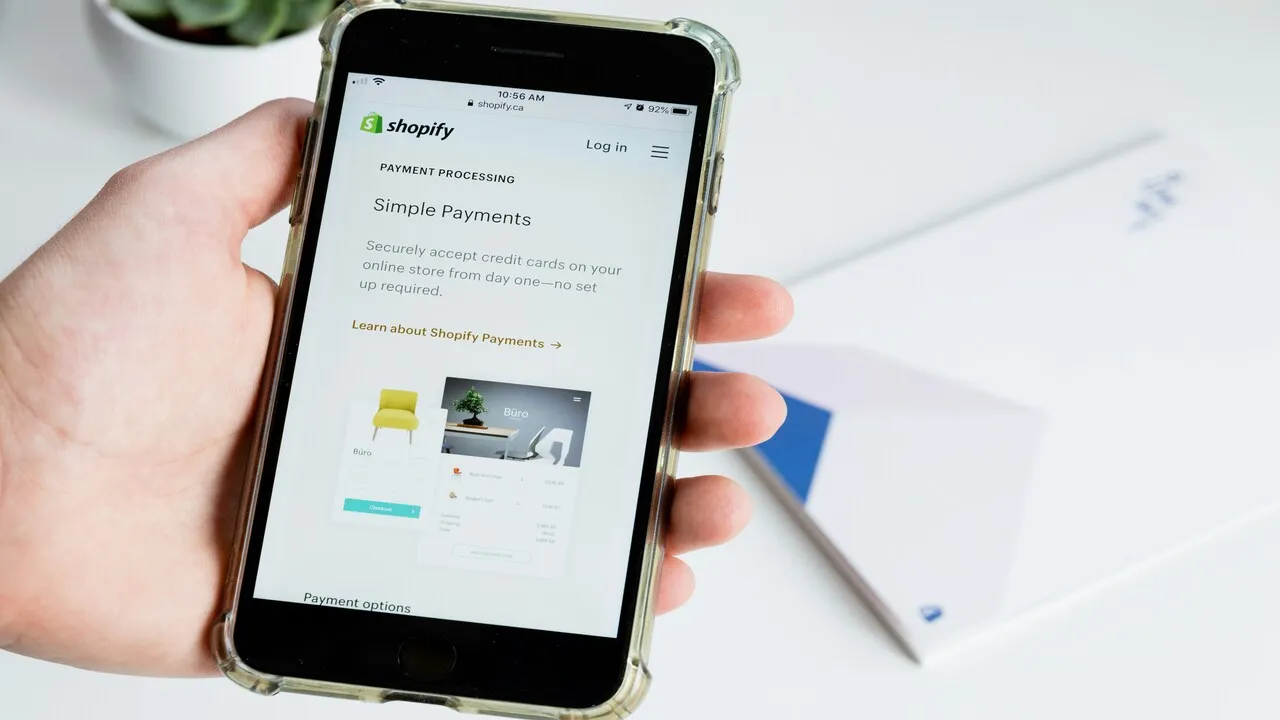
- Test your mobile checkout process before the big day, as the majority of your Black Friday Cyber Monday traffic will likely come from mobile.
- Run short flash promotions on specific products rather than one flat discount stretched across the entire store.
- Answer customer questions fast. A slow reply during peak hours often costs the sale outright.
After BFCM, Keeping the Customer
The sale ending is not the finish line. This stretch decides whether a one-time buyer becomes a repeat customer or just disappears.
- Ensure that the customer receives the gratitude note before shifting into another sales pitch.
- Request a review at the point of purchase, rather than two weeks later when the window is closed.
- Provide a lesser incentive for loyalty to entice new customers back before the end of the holiday shopping season.
- Retarget using what you know about Black Friday-Cyber Monday shoppers.
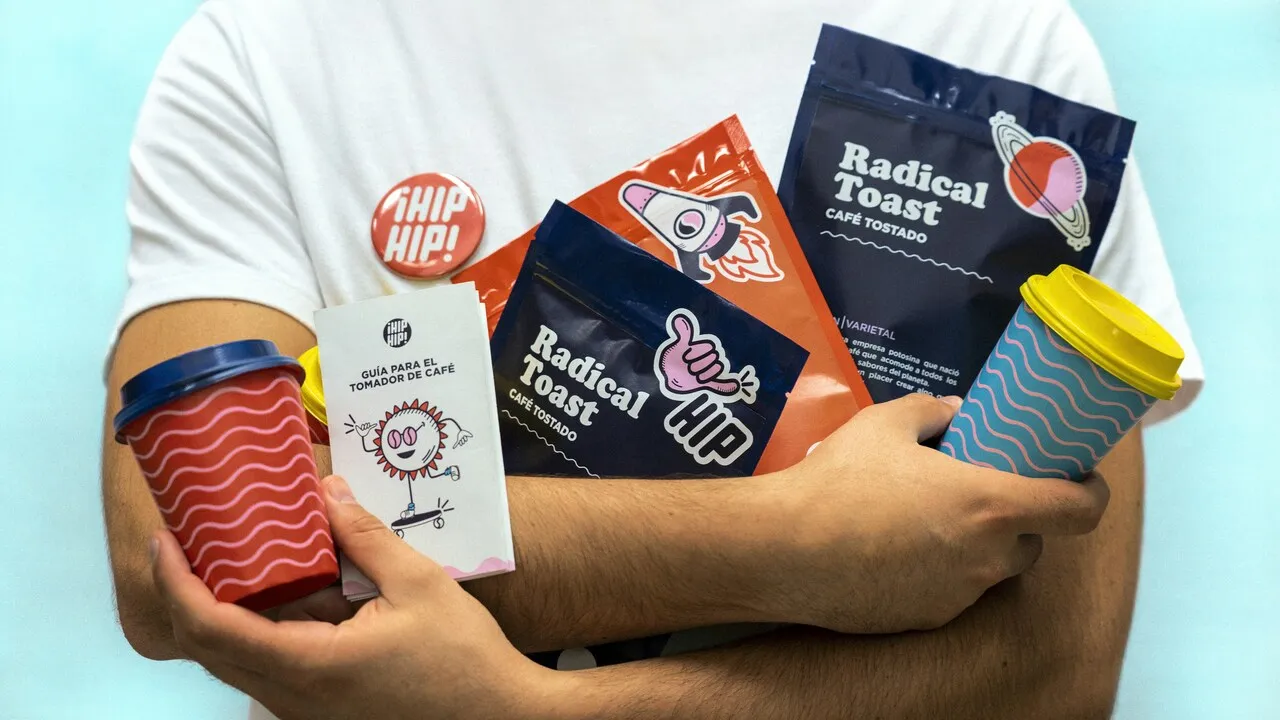
A memorable brand does just as much work here as the discount did. There's a real difference between a buyer who forgets a store the day after checkout and one who comes back on their own, no coupon needed.
Building that kind of connection means giving customers a reason to remember your brand, especially in a competitive space. Learn more about how to start your own fashion brand: a step-by-step guide
What Should You Sell During BFCM?
The best products for BFCM depend on your audience, margins, inventory, and previous sales performance. Sellers should not choose products simply because they are easy to discount.
Look at products with proven demand first. Bestsellers, seasonal products, giftable items, and products with enough margin to support a promotion are often strong candidates.
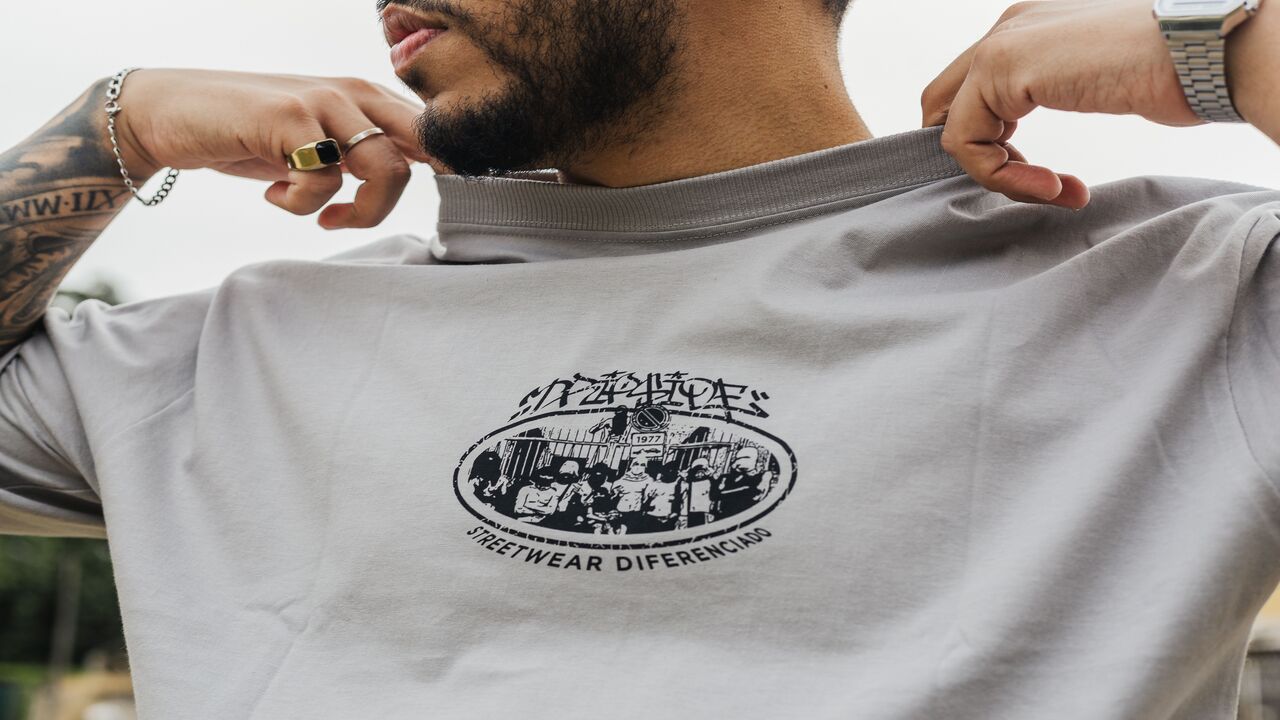
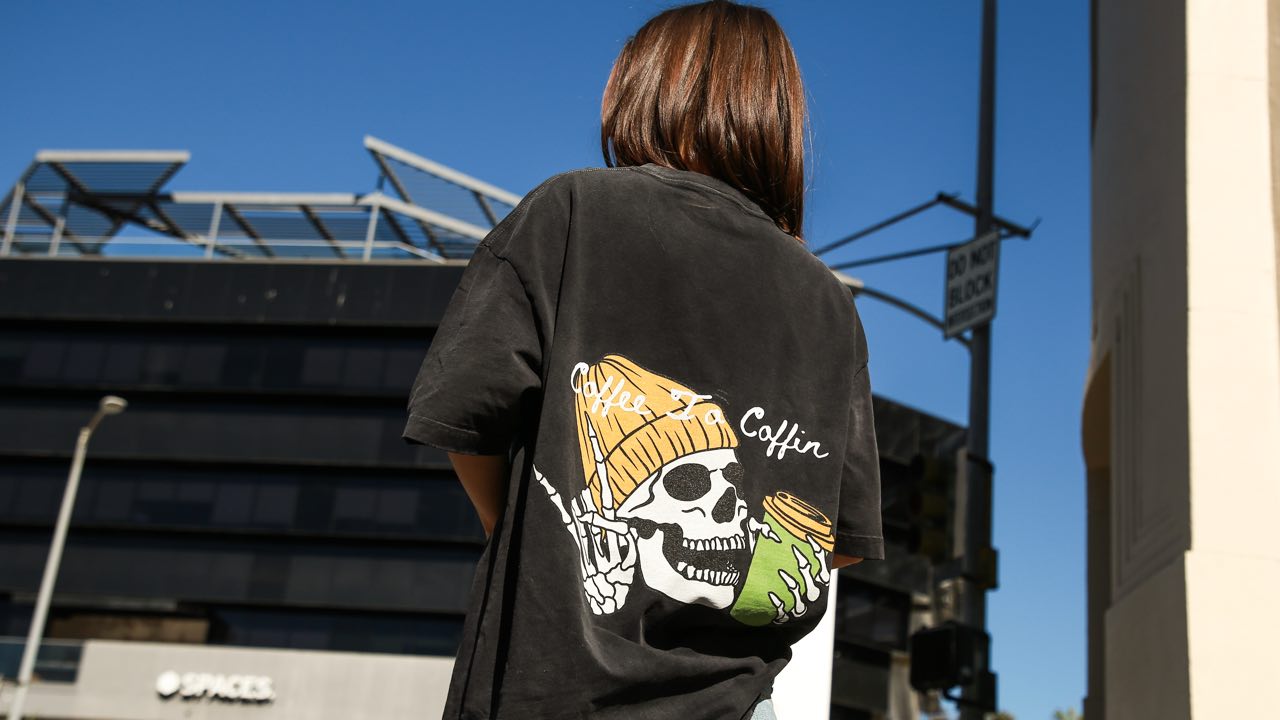
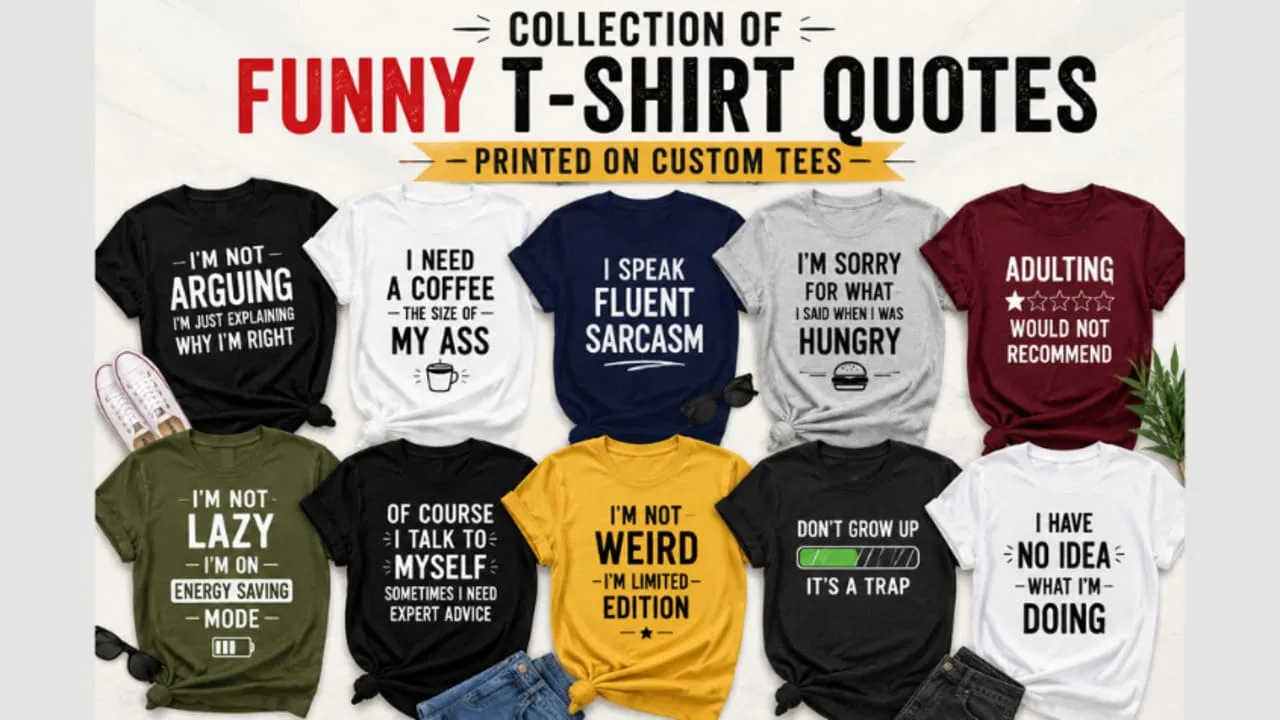
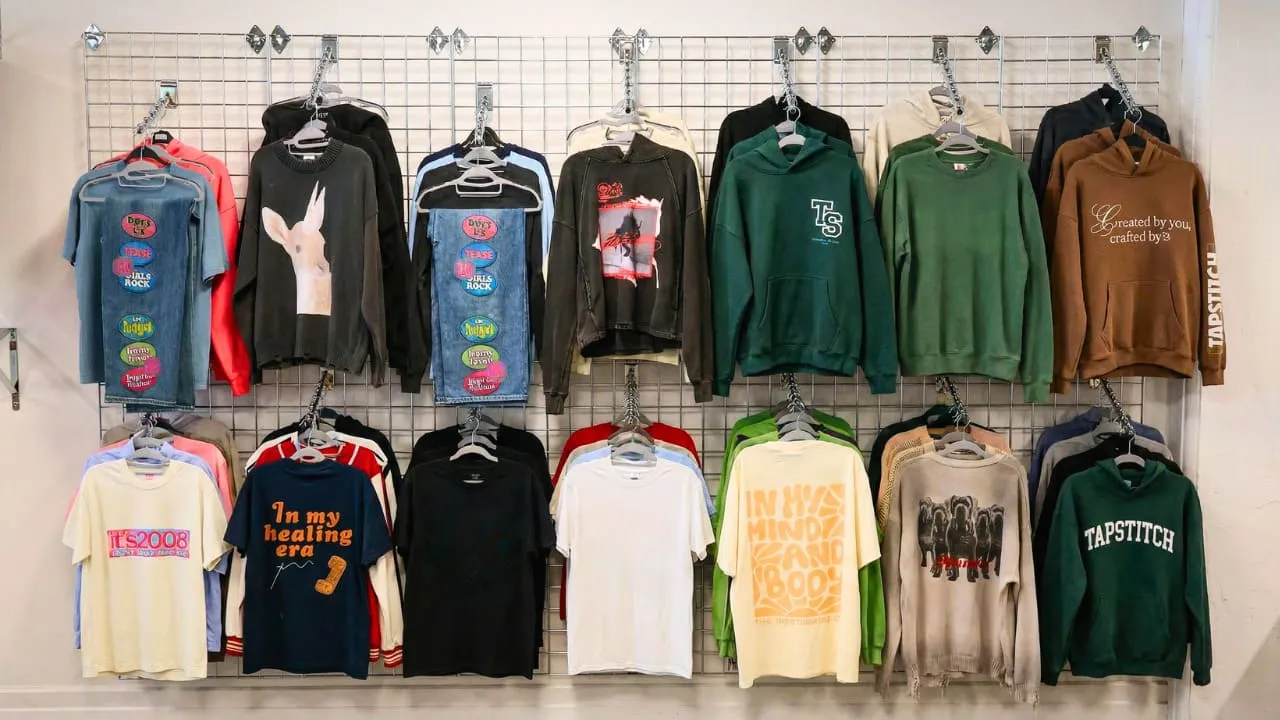
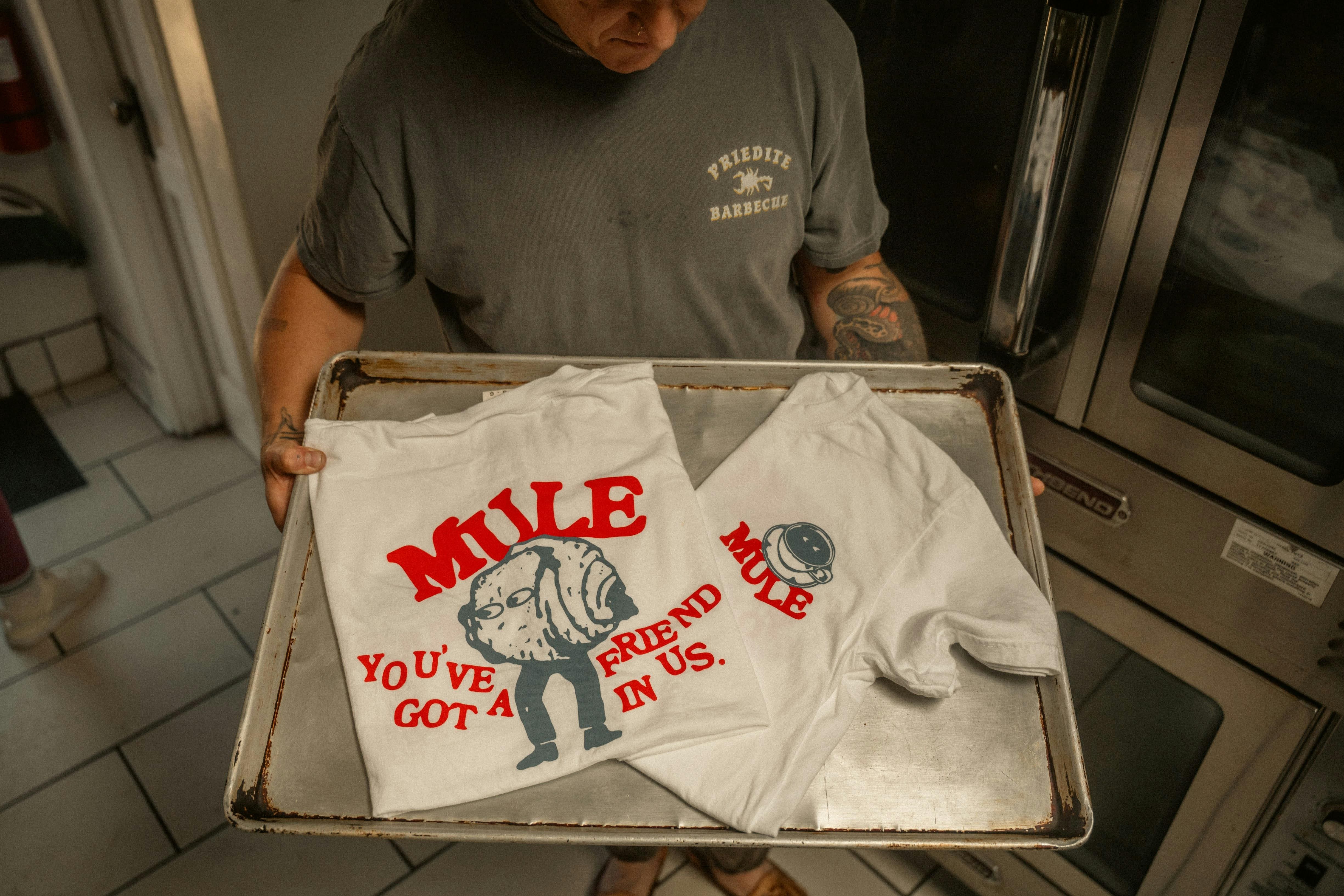
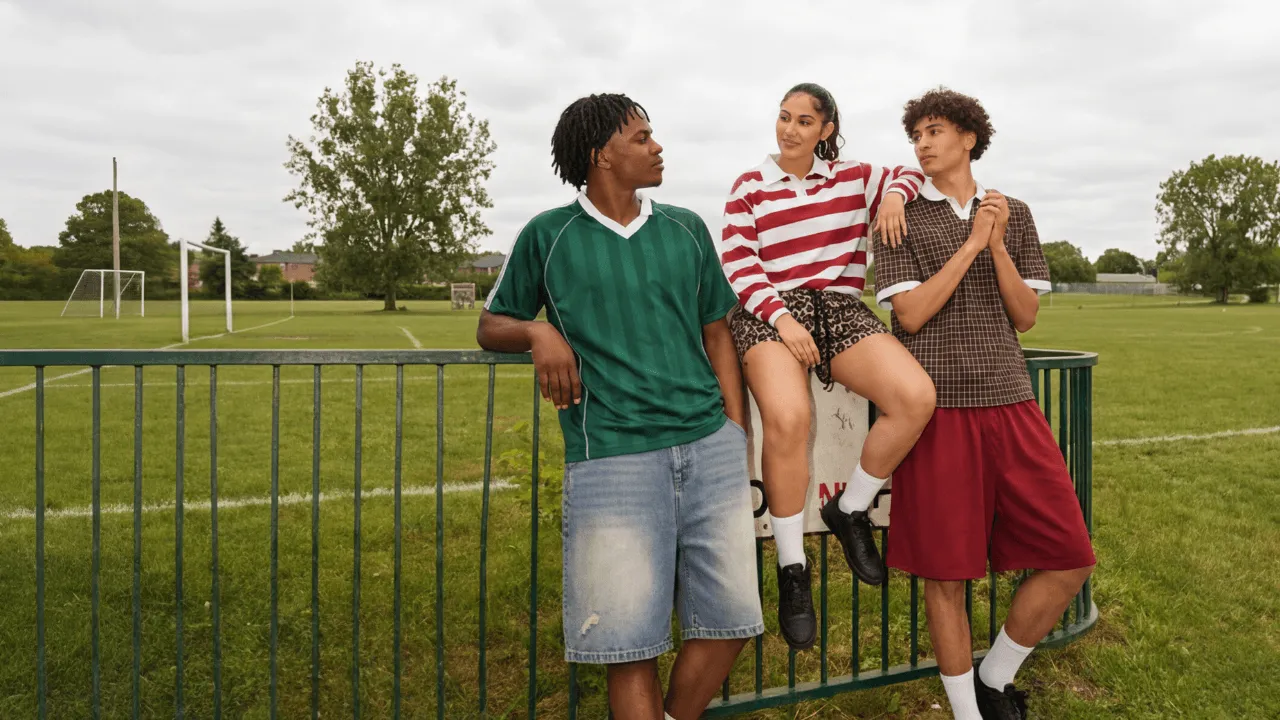
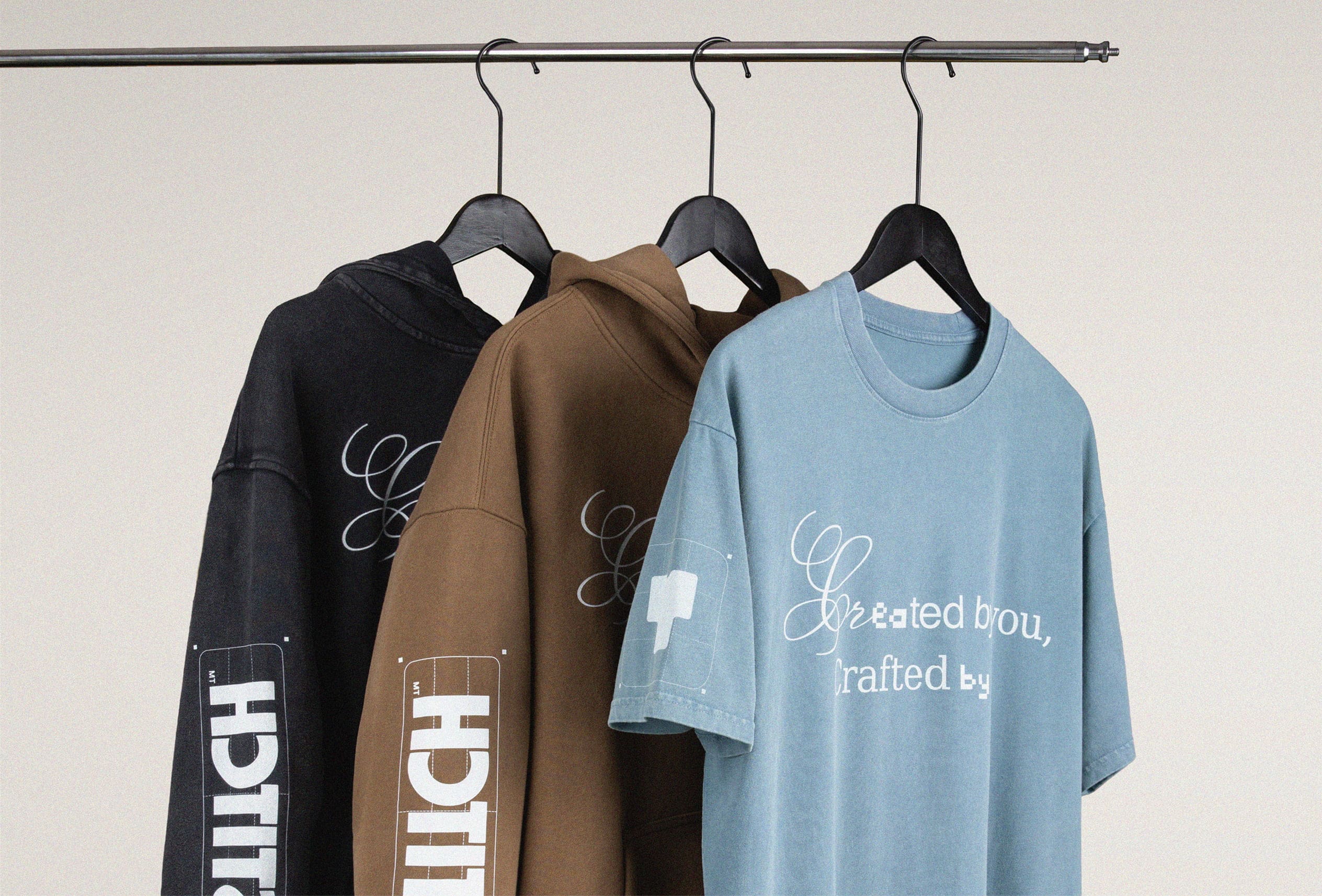
Fashion and custom apparel sellers have additional options because they can build BFCM collections around specific designs, clothing categories, or gift occasions.
If you sell custom clothing, choosing the right products to promote can make a big difference during BFCM. This guide to custom clothing that converts during BFCM offers useful ideas for deciding what to feature in your campaign.
Common BFCM Mistakes Sellers Make
The same mistakes happen each year in stores of all sizes. They can almost all be avoided with some planning.
- The discounting is too steep too soon, training consumers to wait for the discount instead of purchasing at retail price.
- Neglecting the mobile checkout until week one, because an inefficient mobile process will quietly lose the retailer thousands.
- Under-staffing the support team, causing delays during times when the consumer is most likely to give up their cart.
- Out of stock on your best-sellers mid-sale is a bigger problem than you might think. Being out of stock with a sold-out product page while at your highest traffic point isn't just stopping your sale; it's sending that customer to a competitor who still has stock.
- Not having any plan beyond Black Friday and Cyber Monday leaves all the effort wasted. Your customer data, new customers, and the energy generated by the sale will be lost before long if there's no follow-through after.
How to Prepare Your Store for BFCM (Simple Checklist)
You do not need a massive team to run a strong BFCM. A checklist is needed along with sufficient time to complete it thoroughly.
- Audit past year's figures to identify which products, advertisements, and sales promotions have done well for you.
- Set the discount limit on the realistic side before starting the sale season to save yourself from slashing margins out of panic.
- Test your checkout process on mobile because that’s where most BFCM traffic will end up landing.
- Prepare customer queries related to shipping, sizing, and order tracking before hand.
- It is important that you have knowledge about the delivery timelines of your suppliers especially if you sell custom apparel or print-on-demand apparel.
Planning on launching a new line for your sale or revamping an old line? Here's how to get designs ready without holding inventory, which takes a lot of the upfront risk out of it.
And before locking in your launch date, it's worth checking what's already live on the Black Friday page so your timeline lines up with actual production windows.
FAQs
Final Thoughts
BFCM stopped being a single weekend a long time ago. It is a season that starts with early preparation, runs through a few intense days of conversion, and pays off long after the last discount code expires. Stores that treat it as a full journey, from the first teaser email to the December follow-up, consistently outperform stores that just drop a sitewide discount and hope for the best.
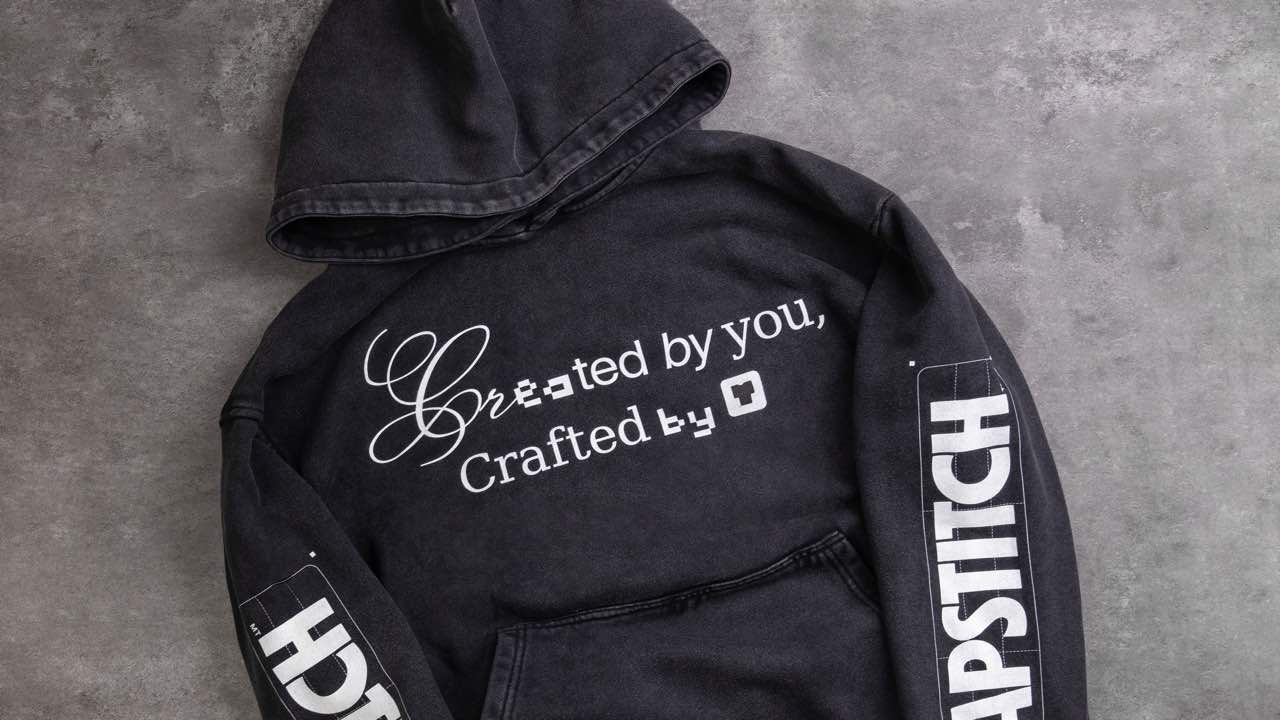
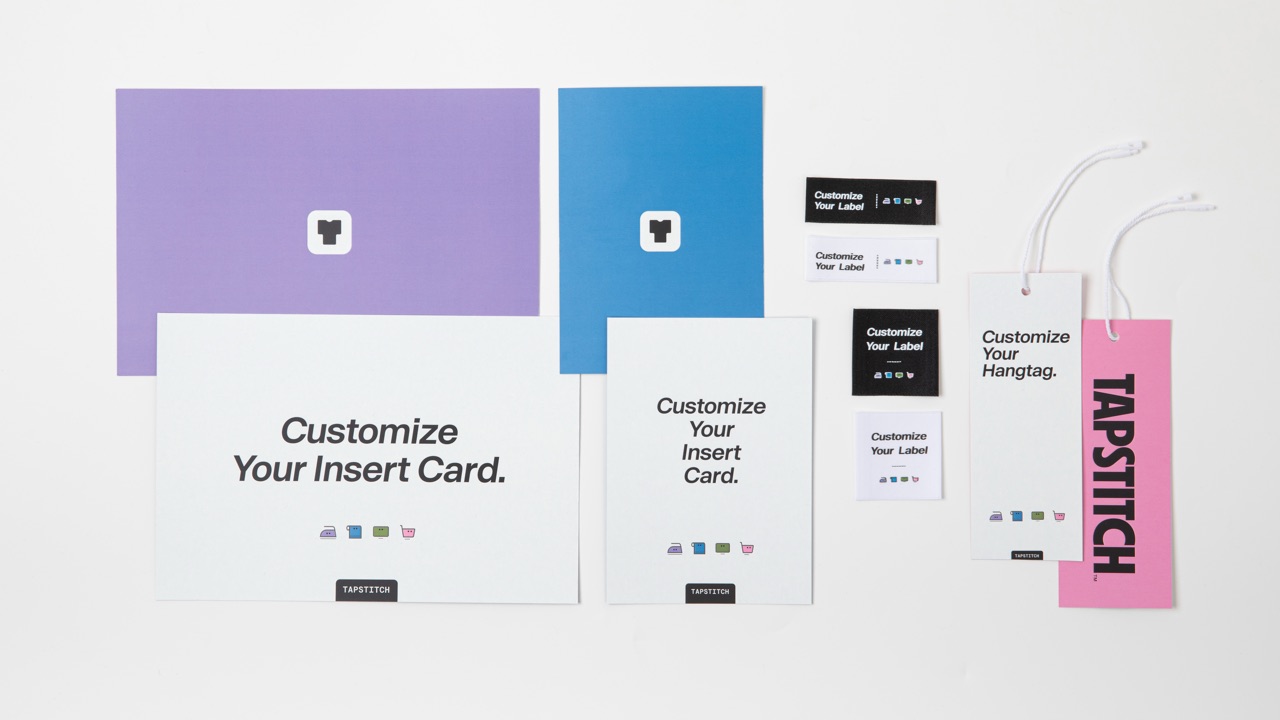
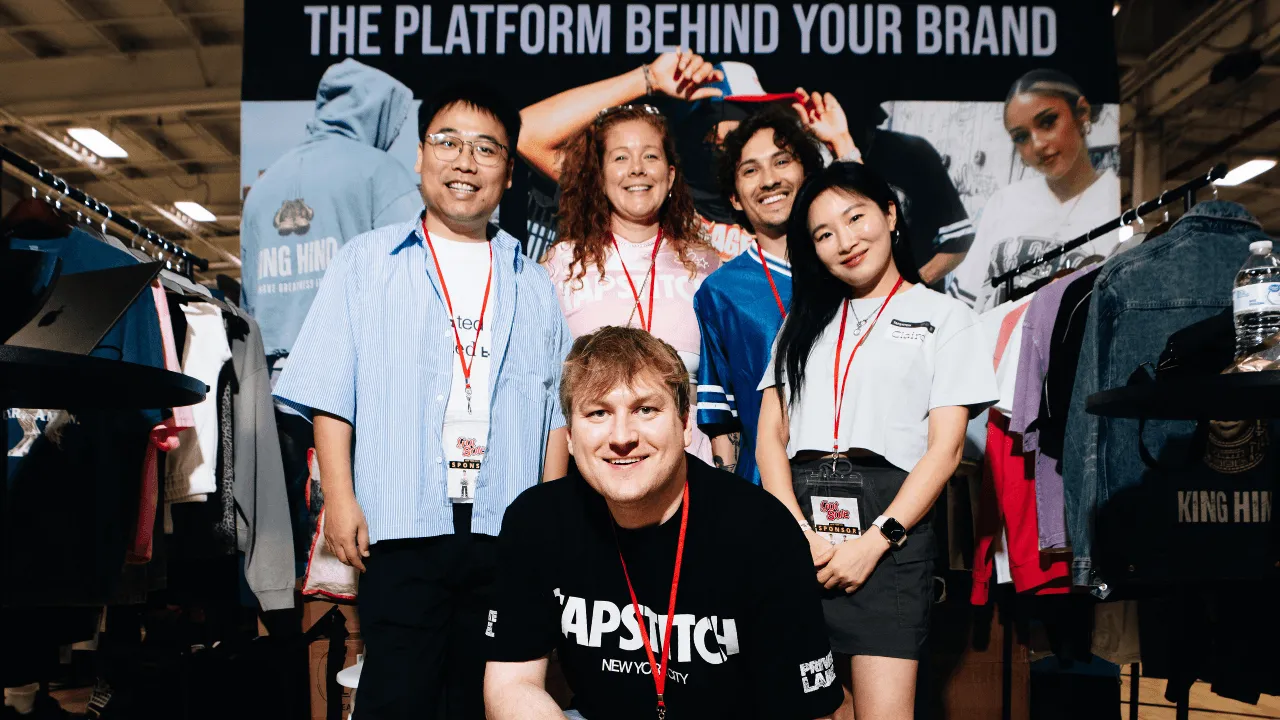
Getting a product line ready for the rush is its own job, and inventory shouldn't be the part that slows anyone down. Tapstitch handles custom apparel production without requiring stock upfront or guesswork on timelines, which frees up more time for the marketing side, where the actual sales get made.