




How Much Does a Shirt Weigh? T-shirt Weight Guide for Small Businesses
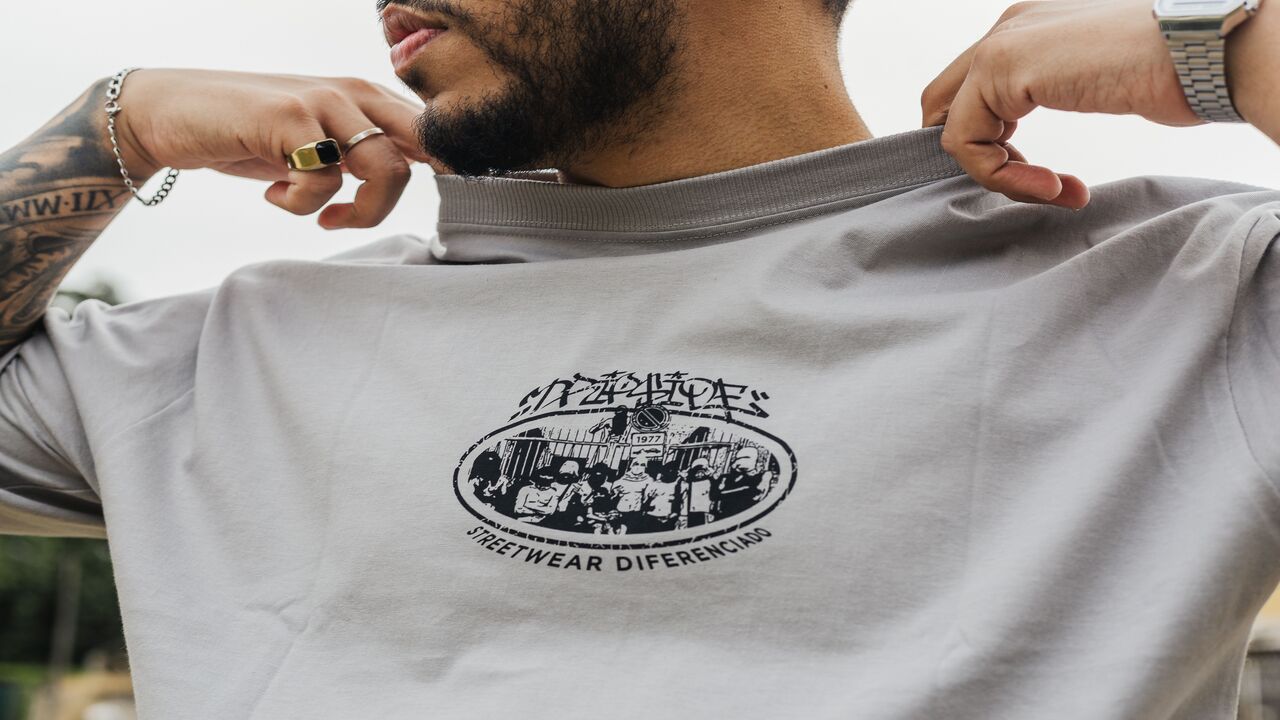


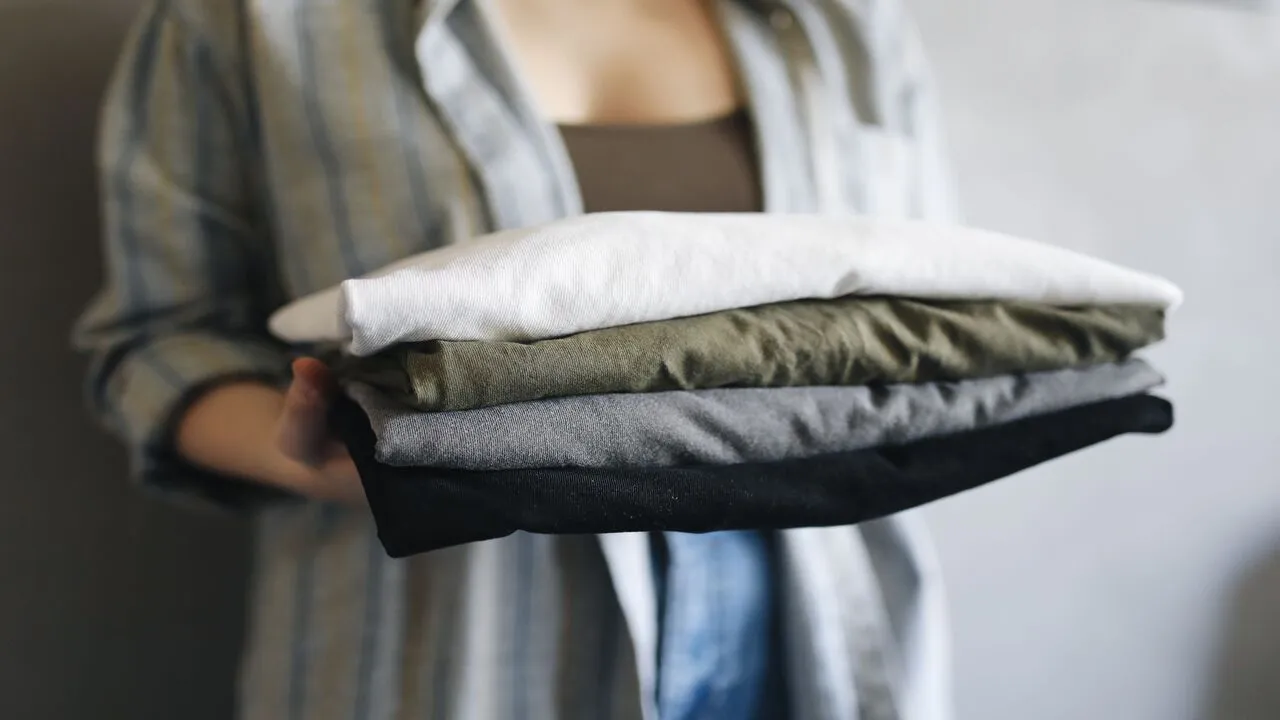
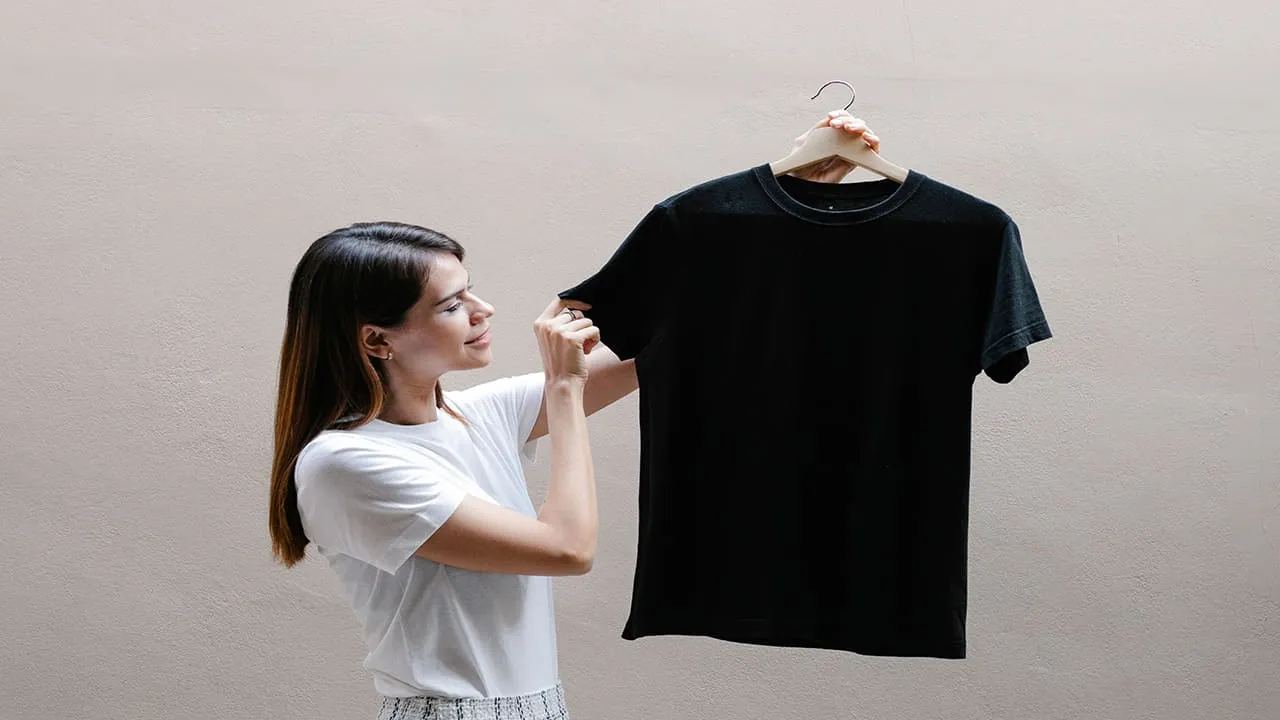
Weight is the first thing your customer notices about a shirt and the last thing most sellers think about. They feel it in the first four seconds, long before anyone reads the print, and it quietly decides whether the piece reads as merch or fashion.
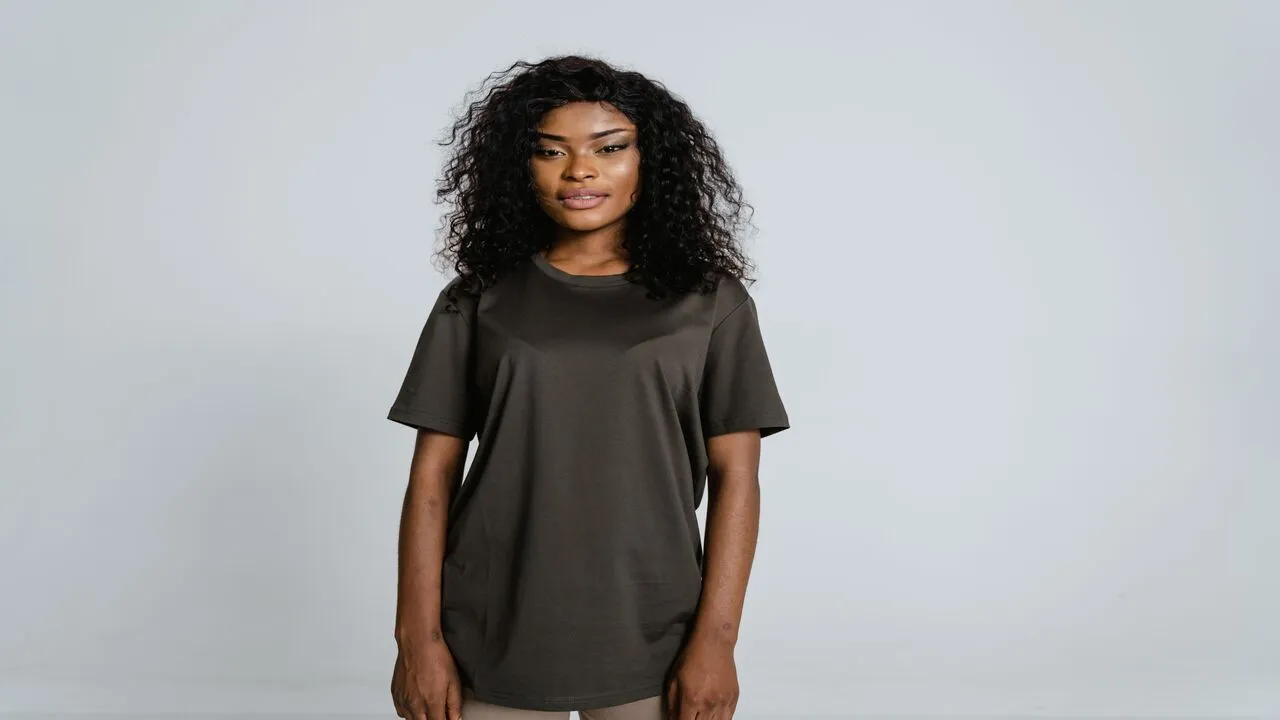
So, how much does a shirt weigh? Short version: most adult tees land between 130 and 300 grams depending on fabric and cut, which is roughly 0.3 to 0.65 lbs. The long version is this guide, and if you sell shirts, it's the one that affects your shipping bill and reviews.
Average T-shirt Weight Chart by Type

The numbers below are for the finished garment in a men's medium or unisex equivalent. Average T-shirt weight shifts by roughly 10 to 20 grams per size step, so an XXL of anything weighs noticeably more than its small.
Two units are doing the work in that chart, and they answer different questions. GSM (grams per square meter) measures fabric density, which is what people mean when they call a shirt heavyweight. Finished weight in grams or lbs is the total weight of the garment on a scale, which is what your shipping label cares about. A shirt can be printed on 300 GSM fabric and still weigh only 320 grams total because a medium tee uses only about a square meter of it.
Why T-shirt Weight Matters?
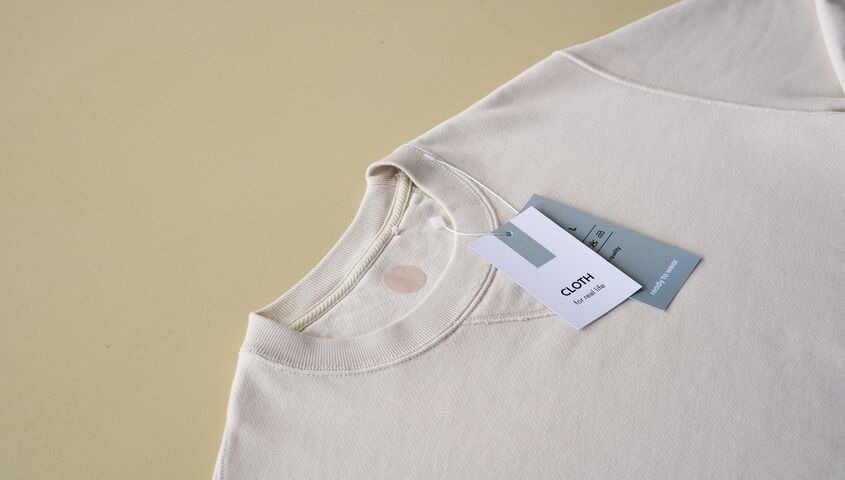
For a small clothing business, weight shows up in three different bills, and only one of them is obvious.
- The perception bill. Fabric weight is the fastest quality signal there is. Under 150 GSM reads promotional, the kind of shirt that comes free with a gym membership. The 180 to 220 range reads retail. Push past 250, and you're in streetwear territory, where the structure of the shirt itself does half the selling. Customers can't check stitch density through a screen, but their hands grade the weight the second they open the package.
- The shipping bill. Carriers price by weight tiers, and T-shirt weight decides which tier you live in. A 150-gram tee with packaging ships in the lightest brackets almost anywhere. A 330-gram heavyweight with mailer lands around half a pound, which still ships affordably but sits closer to tier lines, and it adds up across hundreds of orders. Knowing your finished weights before you set shipping prices keeps the margin math honest.
- The returns bill. Thin shirts generate a specific kind of complaint: they feel cheap, go see-through after a wash, or lose their shape. Heavier fabric costs more per unit and quietly refunds you in fewer disappointed customers. We've watched that trade play out across enough stores to call it a rule.
How Much Does a Shirt Weigh?
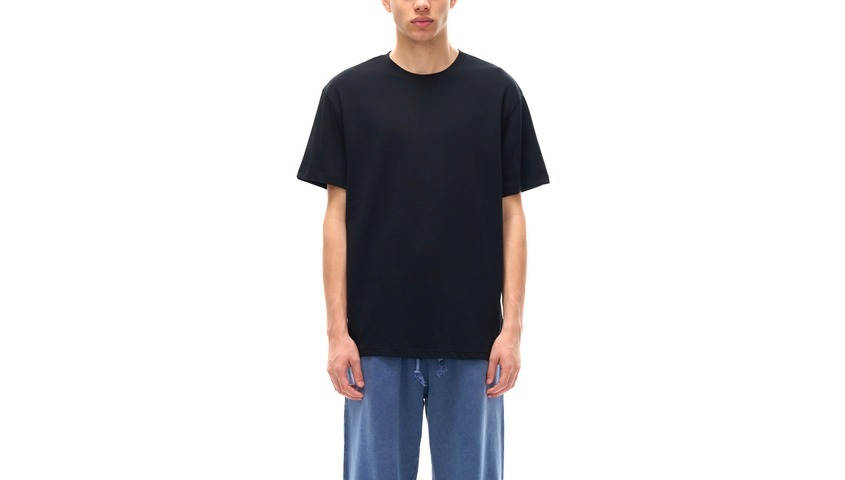
The direct answer, in every unit people search for.
A standard adult T-shirt weighs about 140 to 180 grams, which is 5 to 6.3 ounces. For anyone asking how much does a shirt weigh in lbs, that's roughly 0.31 to 0.40 lbs for a standard tee, and heavyweight or oversized pieces run 0.5 to 0.77 lbs. Add your packaging (a poly mailer runs 20 to 40 grams, a box more), and most single-shirt shipments land between 0.4 and 0.9 lbs.
A few practical reference points sellers actually use:
- One standard tee, packaged: around 200 to 230 g / under 0.5 lb
- One heavyweight oversized tee, packaged: around 330 to 400 g / 0.73 to 0.88 lb
- Two standard tees, packaged: around 350 to 400 g, usually still under 1 lb
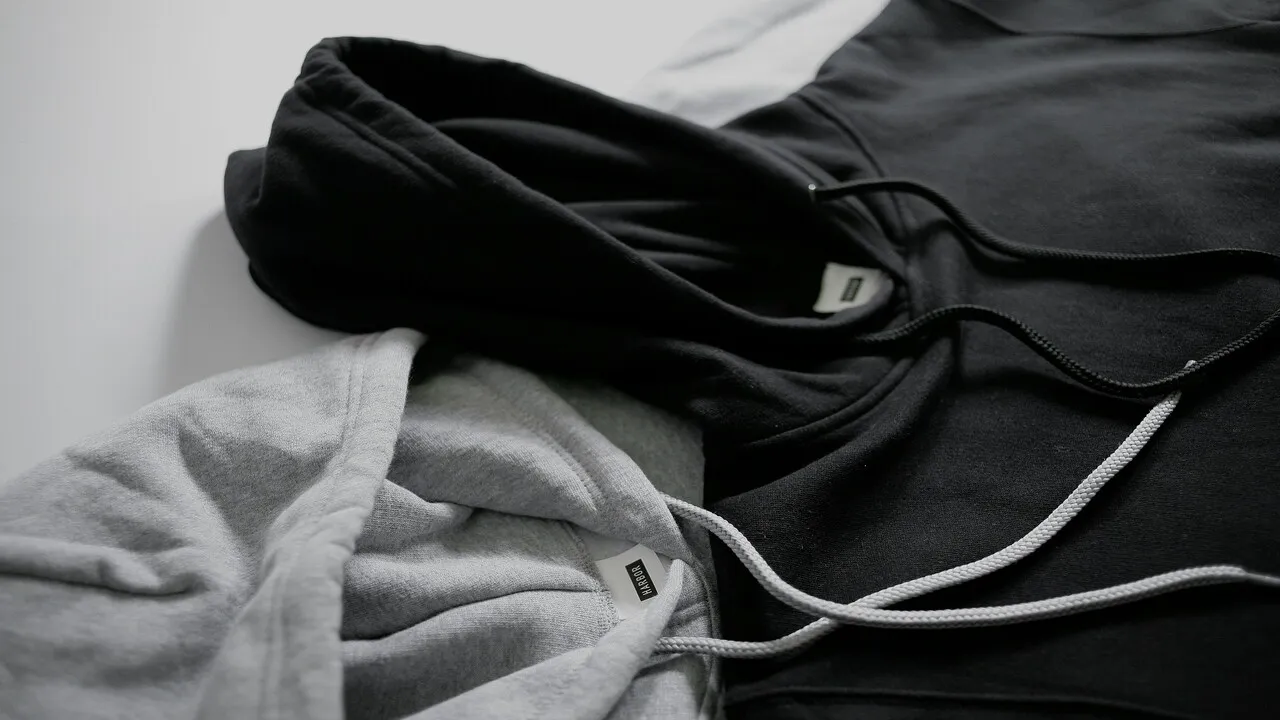
- A hoodie, for contrast: 450 to 700 g on its own, which is why hoodie shipping costs what it costs
If you take one number away from this section, weigh your own bestseller with its packaging on a kitchen scale. People ask us how much a T-shirt weighs, more than almost any other production question, and the honest answer is always: yours specifically, on a scale, because that number is the one your carrier bills against.
For a real-world reference, our Essential Cotton T-Shirt sits at 220 GSM, right in the retail sweet spot.
How to Weigh Your Own Shirts for Shipping
Charts get you close. Your carrier bills on the real number, so spend ten minutes getting it.
- Weigh the blank alone on a kitchen scale, in the size you sell most. That's your baseline for the size chart.
- Weigh it printed. A full front print adds a few grams, a heavy back print a few more. Small, but it tells you how much margin you have before a tier line.
- Weigh it packaged, exactly as it ships: mailer, insert, hang tag, tissue if you use it. This is the number that goes into your shipping settings.
- Repeat for your heaviest and lightest pieces. If they land in different tiers, price shipping by product rather than flat-rate across the store.
If you sell through Tapstitch or another print-on-demand partner, the product page lists the blank's GSM and the fulfillment side handles the label, but the exercise is still worth doing once with a sample so your listed shipping times and prices match what the customer receives.
Factors That Influence a T-shirt Weight
Two shirts labeled the same size can weigh meaningfully different amounts, and it usually comes down to five things.
- Fabric density. GSM is the big one. A 180 GSM tee and a 330 GSM tee in the same cut are different garments in the hand, and nearly double apart on the scale.
- Fabric type. Cotton is heavier than polyester at the same knit density, which is why performance tees feel airy at the same size. Blends land in between, and how much a t-shirt weighs often comes down to what percentage of it is cotton.
- Size and cut. Every size step adds fabric, and cut multiplies it. An oversized boxy tee uses noticeably more material than a slim fit in the same nominal size, which is part of why the drape hangs the way it does.
- Wash and treatment. Garment-dyed and vintage-washed pieces go through processes that pre-shrink the fabric and make it feel denser. The scale difference is small. The hand difference is not.
- The print itself. Ink adds a few grams at most. Big back prints with heavy coverage add a little more, never enough to change a shipping tier, but enough that a fully printed piece weighs a touch over its blank.
Best T-shirt Weights for Different Techniques
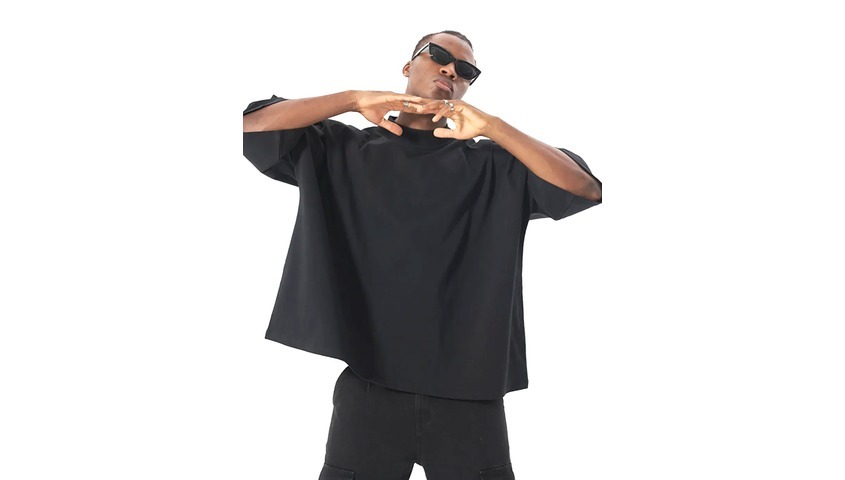
The technique and the fabric weight have to agree with each other, and mismatching them is one of the quieter reasons prints disappoint. Here's how the four common methods pair with weight, and which Tapstitch blanks we'd point you to for the two that run through our own print-on-demand floor.
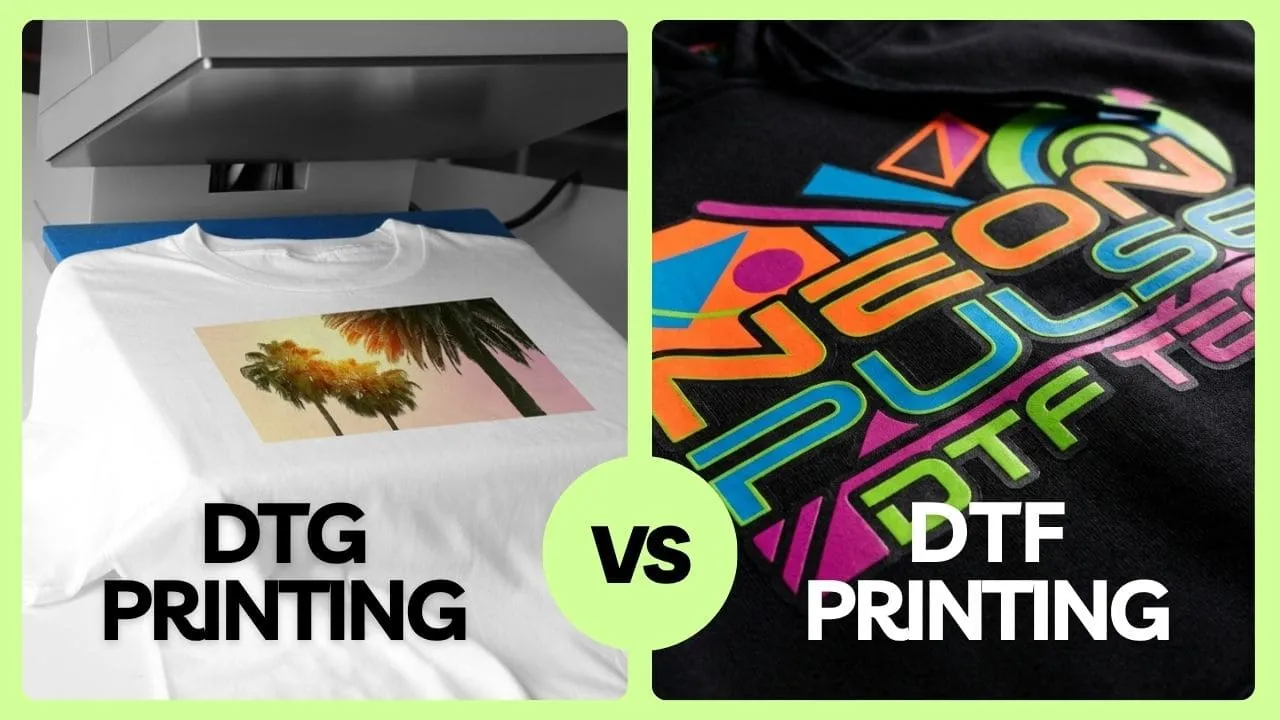
DTG (direct-to-garment): 180 GSM floor, better from 220 up
DTG printing sprays water-based ink straight into the fibers, so it wants a smooth, dense cotton surface. Combed ringspun at 180 GSM is the minimum for clean results. Below that, the ink ghosts and the print looks tired after three washes. From 220 GSM up, photographic detail and fine linework hold up as they did on screen.
Our pick: the Essential Cotton T-Shirt at 220 GSM. Flat-dyed, tight-knit, and sitting in the retail sweet spot where a detailed front print reads crisp without the blank overpowering it. If your designs are illustration-heavy or use gradients, start here.
DTF (direct-to-film): works across weights, earns its keep on heavyweight
DTF prints the design onto film and heat-presses it on, which means it bonds to blends, textures, and dark fabrics that give DTG trouble. It lays down bold, opaque color that stays put. The trade-off is a slightly firmer hand on the print area, which heavier fabric absorbs and lighter fabric doesn't.
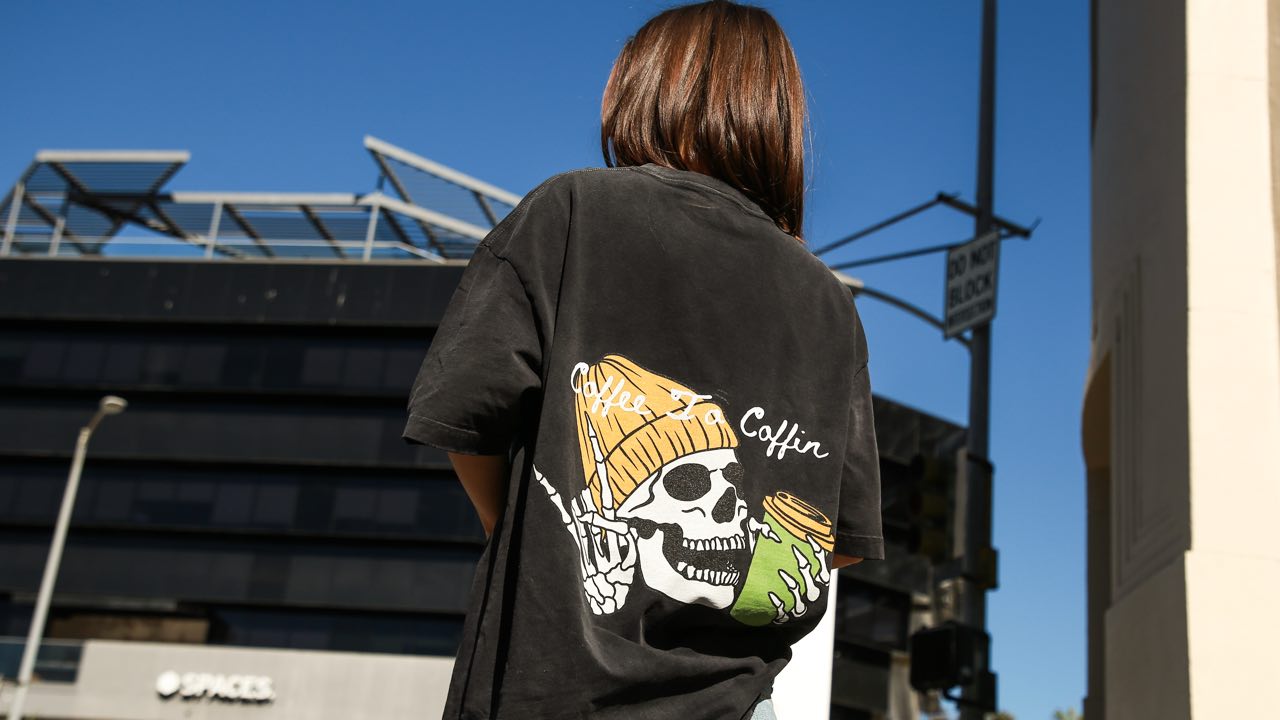
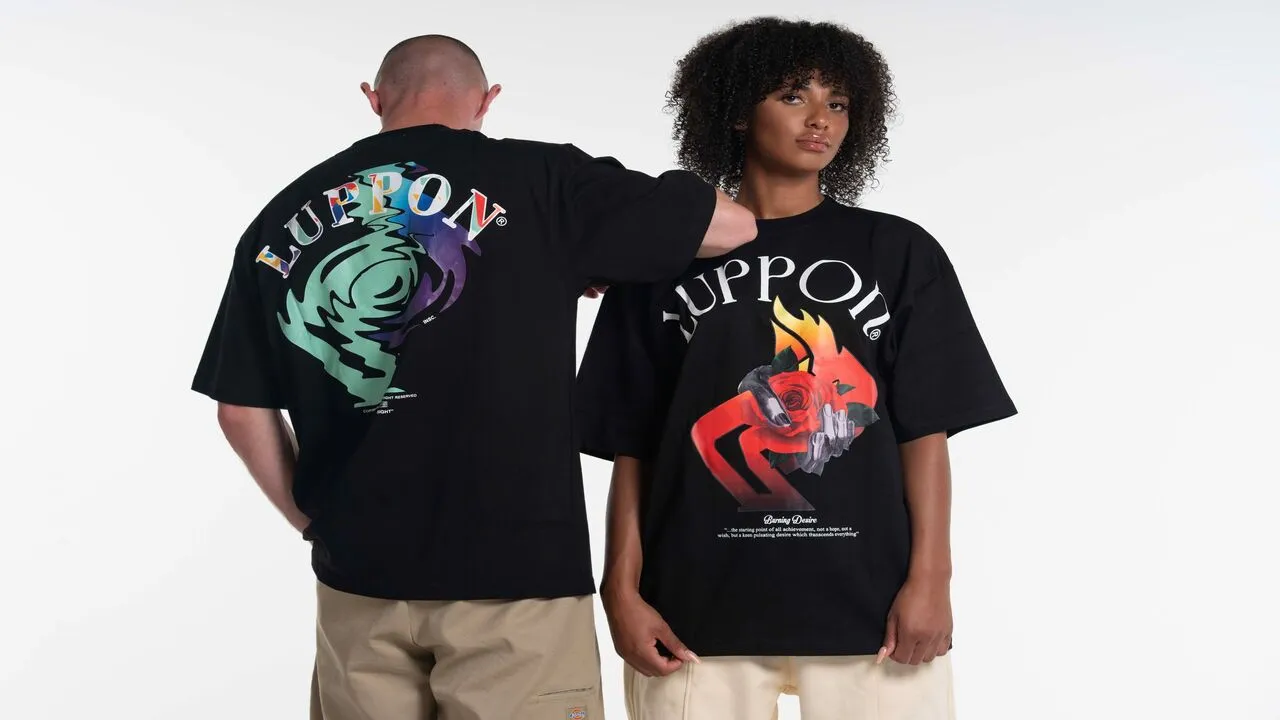
Our pick: the Oversized Boxy Tee in the 300+ GSM range. High-coverage graphics, big back prints, and solid-fill logos sit flat on that much fabric and move with the garment instead of against it. This is where most of our streetwear brands land, and where DTF does its best work.
Read more: DTG vs. DTF: Which One is Better for Your Clothing Business?
Screen printing: midweight and up, best at volume
Screen printing pushes thick plastisol or water-based ink through a mesh, one color per screen. It works on almost anything but shines from 220 GSM up with simple designs at quantity. The classic pairing of thick ink on a heavyweight blank is what most vintage band tees are made of. The per-color setup cost makes it a bulk method rather than a print-on-demand one.
Read more: Screen Printing vs Digital Printing: Which One is Better?
Garment-dyed blanks: match the technique to the wash
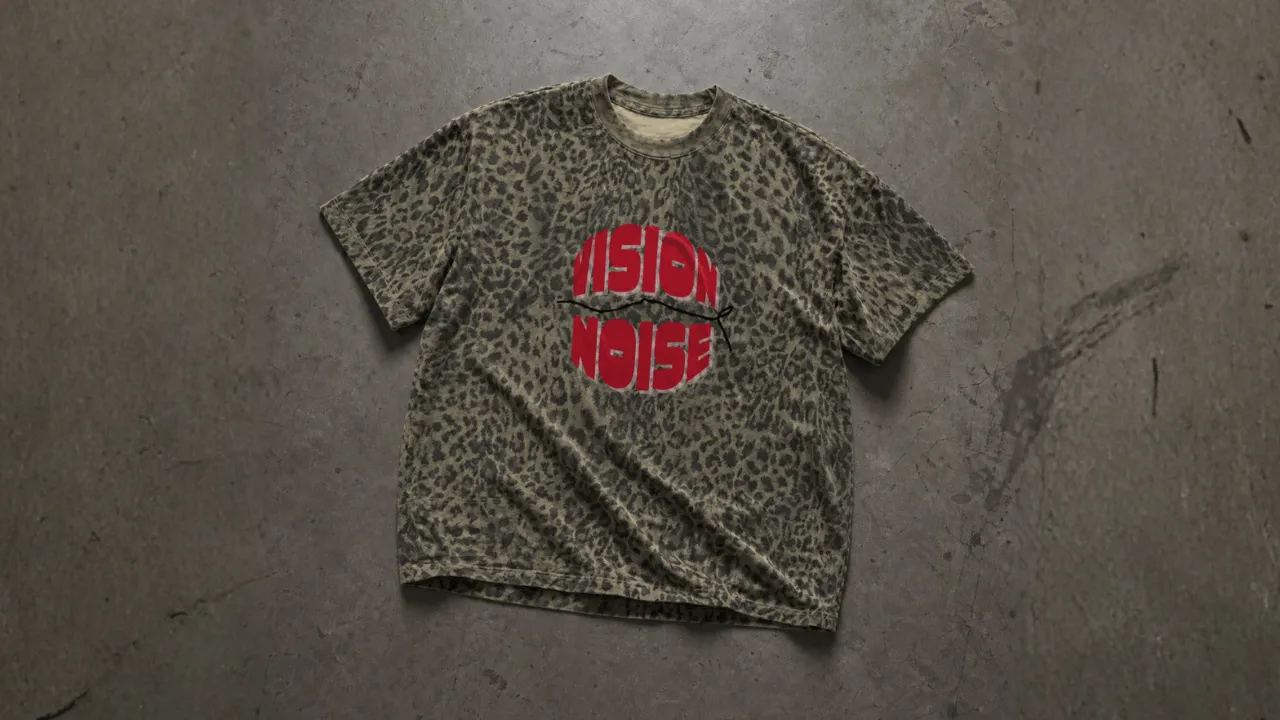
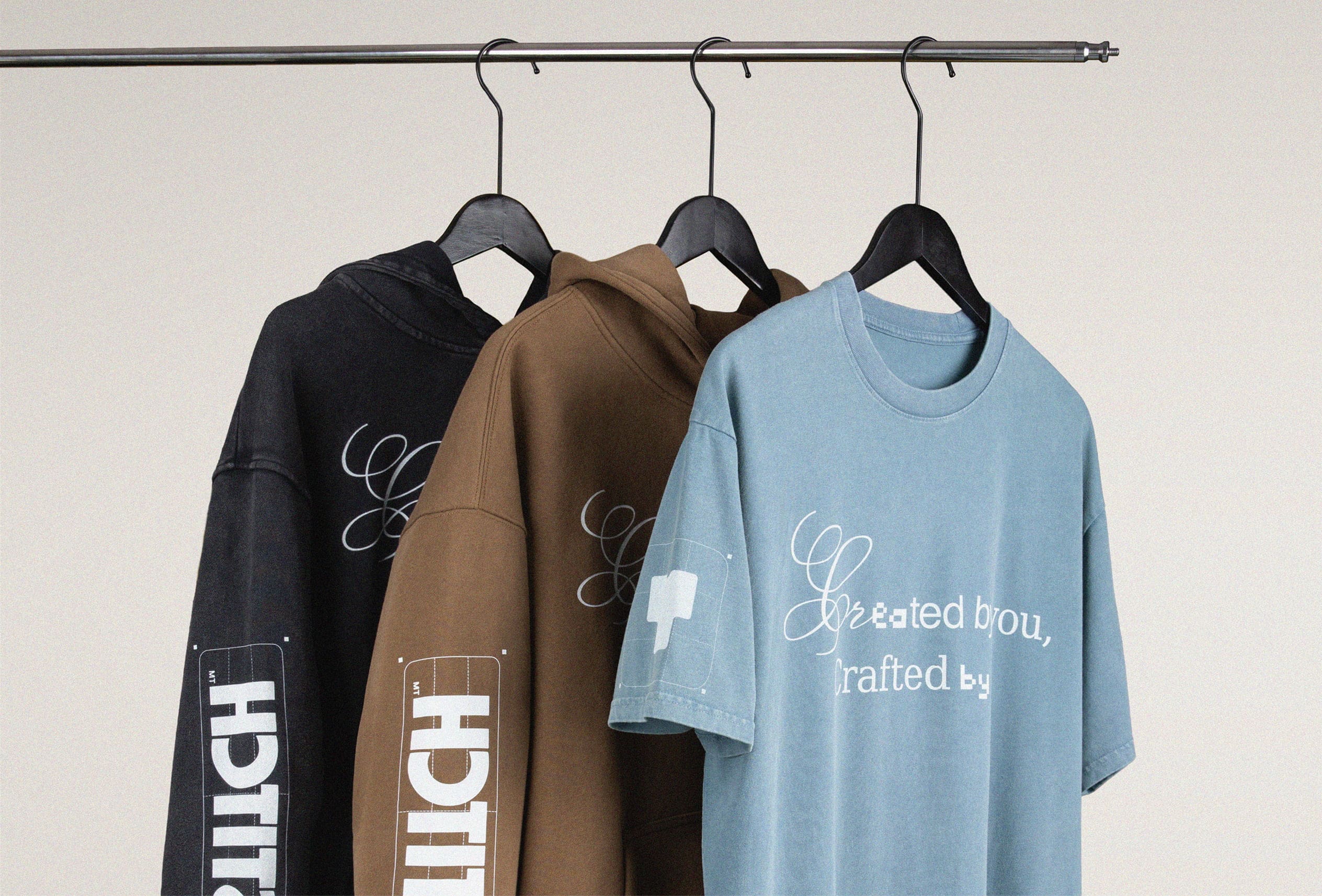
Garment-dyed and vintage-washed surfaces mute any technique into a softer, lived-in finish. On a heavyweight wash, that's the point. Put faded-aesthetic designs on washed blanks and keep crisp graphics on flat-dyed fabric, and both will look intentional.
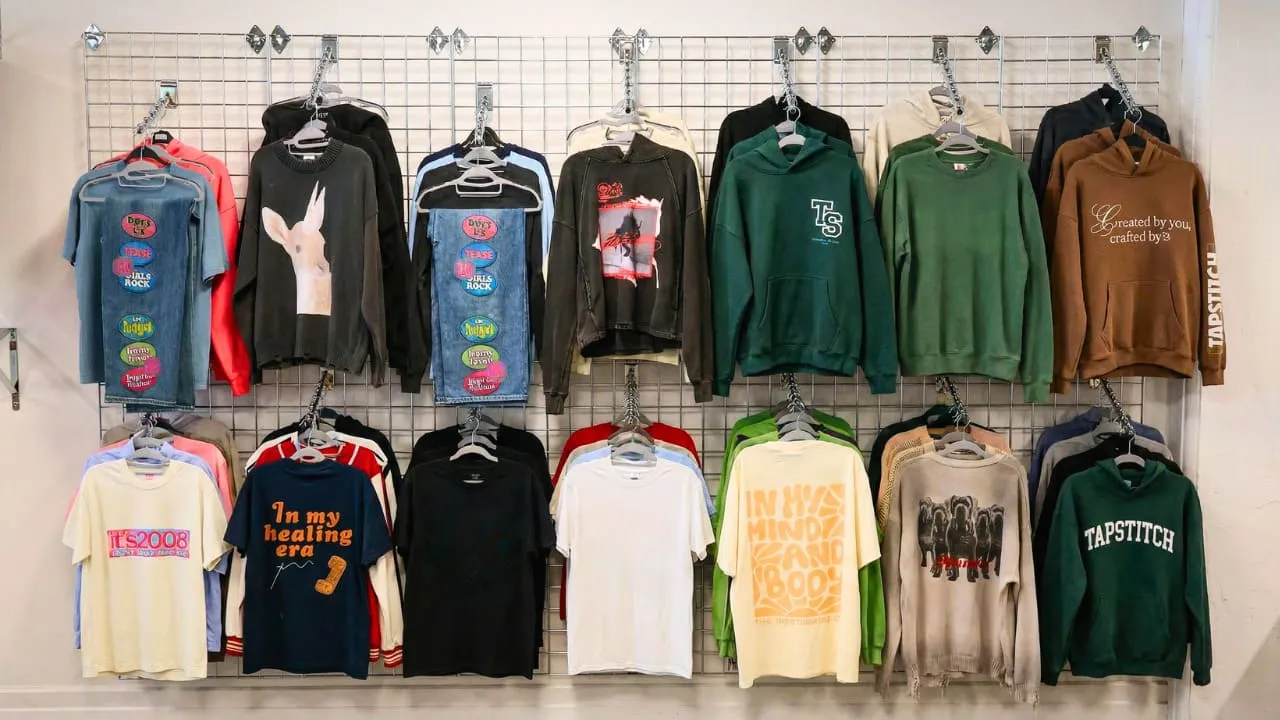
If there's a pattern across all four, it's that heavier fabric forgives more. Ink sits better on it, it drapes better on camera, and it survives the wash cycles that turn thin tees translucent by month two. That's why the Tapstitch catalog starts at 180 GSM classics and climbs through 300+ GSM oversized cuts, and why the heavyweight end is where most of our brand-builders end up.
FAQs: T-shirt Weight
Summing Up
The scale answer to how much does a t-shirt weigh is 130 to 350 grams depending on type, or up to about three-quarters of a pound for the heavyweight cuts. The business answer is that weight is a decision, not a detail: it sets your shipping tiers, your perceived quality, and a surprising share of your review section.
Our advice after printing for a few thousand brands runs one line: pick the heaviest blank your niche and price point can carry, then let the fabric do half your marketing. Customers rarely write reviews about ink. They write about how the shirt feels.