






The Ultimate Guide to Different Types of Fabric


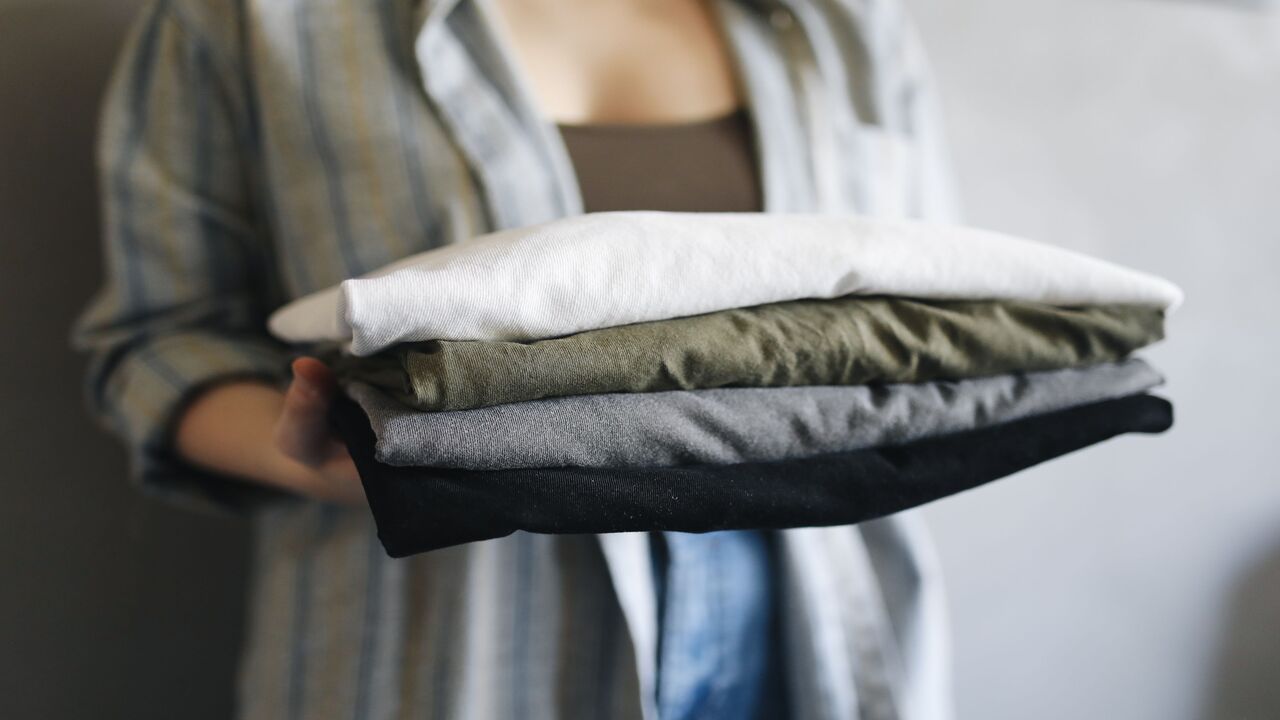
Fabric is more than the base of your design. The types of fabric you choose shape how your brand feels the moment a customer puts it on and influence whether they come back for more. Comfort, durability, and how well prints hold up after washing are often what separate repeat buyers from one-time orders. For print-on-demand sellers, fabric quality plays a direct role in long-term success.
This guide breaks down the most common apparel fabrics in a clear, easy-to-reference format. You’ll learn how different fabrics are defined and measured, which materials are commonly used in apparel, and how to choose the right option for your brand. You don’t need to know everything about fabrics, just what works and why.
Understanding Fabric in Clothing and Textiles
Fabric plays a foundational role in how clothing looks, feels, and performs. In the sections below, we'll break down how fabric is created, how it is defined in apparel, and how different fabrics can behave differently even when they share the same fiber label.
How Fabrics Are Made
Fabric is created by turning raw fiber into yarn, then weaving or knitting it into different fabrics. Fibers such as cotton, polyester, wool, and rayon can be processed in various ways, resulting in fabrics with distinct characteristics. When people talk about the types of material for clothes, they usually mean fabric rather than the fiber itself.
For print-on-demand brands, this distinction matters because fabrics with the same fiber label can feel, drape, and perform very differently depending on their construction and finishing.
Fabric Definition in Clothing and Textiles
Fabric is created when fibers such as cotton, polyester, or wool are processed into yarn and then woven or knitted into a finished textile. For print-on-demand sellers, fabric plays a critical role in how a garment feels, drapes, holds prints, and performs after repeated washes.
When customers refer to different types of fabric, they are usually describing differences in comfort, durability, softness, and overall quality. The fabric's construction and finishing determine these characteristics, before any design or branding is applied.
Fabric vs Fiber vs Material
Many sellers make their first mistake right here.
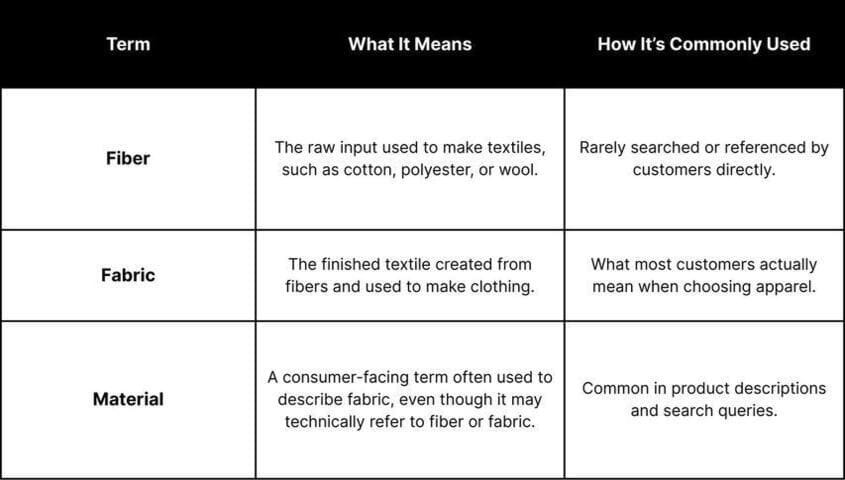
When customers search for “materials,” they almost always mean fabrics, not fibers.
From a print-on-demand perspective, you do not need to dive into fiber science. Platforms like Tapstitch handle fiber selection and fabric construction before blanks ever reach production. Once a garment is printed and washed, the finished fabric is what matters.
What Is GSM?
GSM is a standard measurement used to describe fabric weight and thickness. It helps compare how light or heavy different fabrics feel when worn.
Low GSM Fabrics
Low GSM fabric is a very lightweight fabric and will breathe well. It's great for summer clothing, lightweight T-shirts, and other clothing for warmer climates. The low GSM fabric feels like it's just floating against your skin and will help the body release heat quickly; however, you might find that the low GSM fabric feels too thin or lacks structure.
Medium GSM Fabrics
Medium GSM fabric is a good compromise of comfort and durability. This type of fabric is probably most commonly used in regular clothing (casual) as it provides enough structure to keep its shape yet is still comfortable to be worn for extended time periods. Most standard T-Shirts and casual wear fall within this range of GSM.
High GSM Fabrics
High GSM fabric will be heavy and have more substance to it. It will likely feel more structured and will be considered higher quality due to the fact that it can be used for cold-weather clothing, fashion clothing that is concerned with structure and durability. This type of fabric will also typically drape differently than lower GSM fabrics and has a much firmer "hand" when compared to a lower GSM fabric.
Why GSM Matters for Clothing Brands
From a brand perspective, GSM plays a role in how a garment is perceived. Fabric weight affects comfort, seasonality, durability, and how premium a product feels in the hand. Customers may not recognize GSM as a technical term, but they notice the difference immediately when they wear or touch a garment.
Choosing the right GSM helps align fabric performance with the intended use of the clothing. Lightweight fabrics suit warm-weather or active use, while heavier fabrics communicate structure and longevity. Understanding GSM allows brands to make more intentional fabric decisions and maintain consistency across their collections.
20 Types of Fabrics With Pictures and Names
Below are 20 common fabrics used in clothing, each with distinct characteristics and use cases. This section serves as a visual reference to help compare how different materials look and behave.
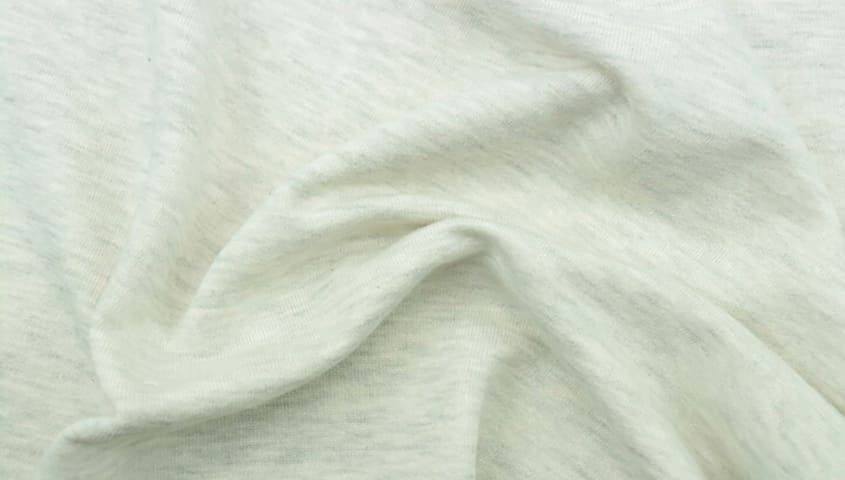
Cotton Fabric
Fiber Type
Natural fiber from cotton plants.
Texture and Feel
Soft, breathable, and comfortable on the skin.
Common Uses
T-shirts, shirts, underwear, casual wear.
Key Pros and Cons
Comfortable and versatile, but can shrink and wrinkle.
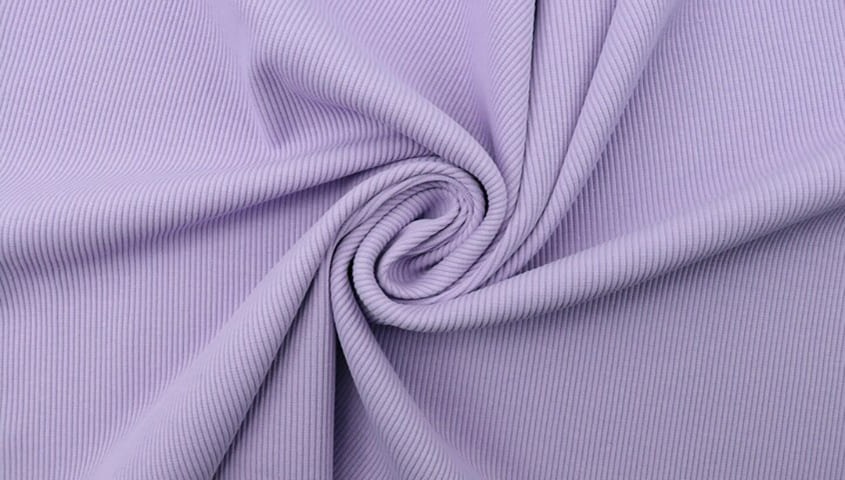
Polyester Fabric
Fiber Type
Synthetic fiber.
Texture and Feel
Smooth, lightweight, and durable.
Common Uses
Sportswear, blends, and everyday clothing.
Key Pros and Cons
Strong and wrinkle-resistant, but less breathable than natural fibers.
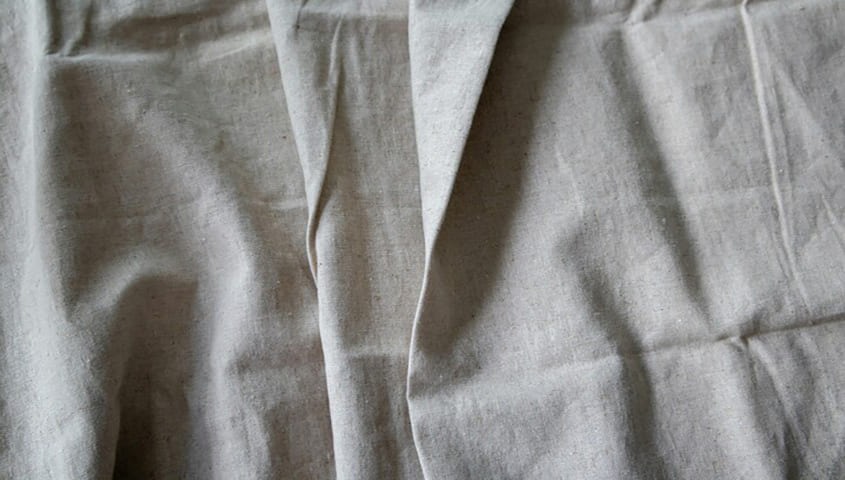
Linen Fabric
Fiber Type
Natural fiber from flax plants.
Texture and Feel
Crisp, airy, slightly textured.
Common Uses
Summer shirts, dresses, lightweight pants.
Key Pros and Cons
Highly breathable, wrinkles easily.
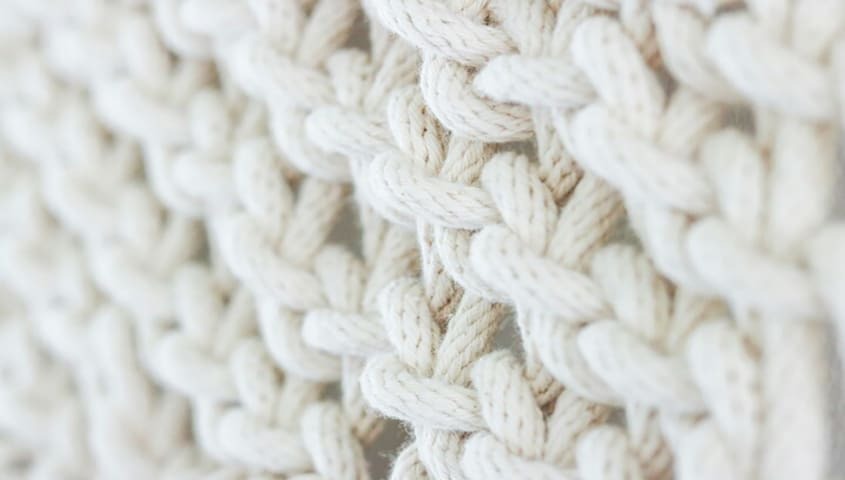
Wool Fabric
Fiber Type
Natural animal fiber.
Texture and Feel
Warm, insulating, and can range from soft to coarse.
Common Uses
Sweaters, coats, formal wear.
Key Pros and Cons
Excellent insulation, may require special care.
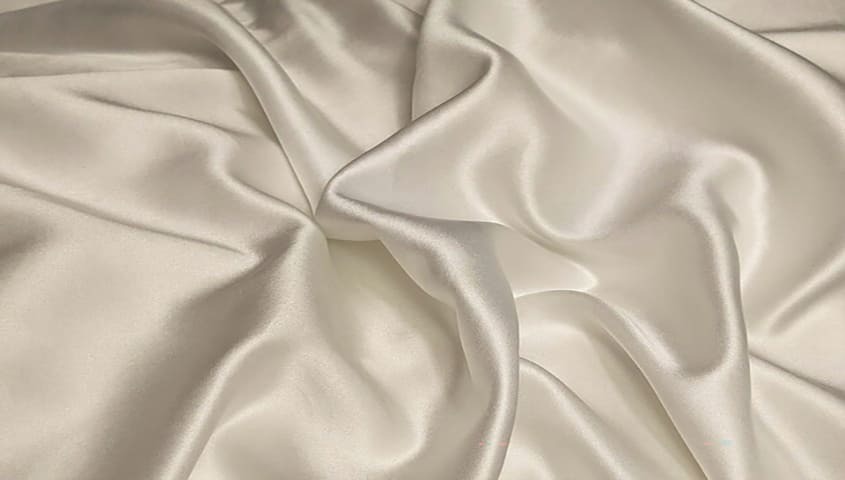
Silk Fabric
Fiber Type
Natural protein fiber.
Texture and Feel
Smooth, soft, and lustrous.
Common Uses
Luxury garments, blouses, scarves.
Key Pros and Cons
Elegant appearance, delicate and expensive.
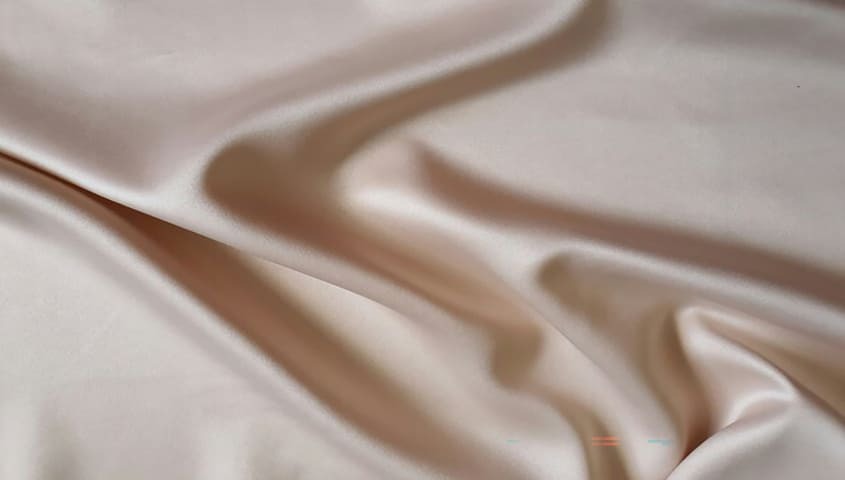
Rayon / Viscose Fabric
Fiber Type
Semi-synthetic fiber made from cellulose.
Texture and Feel
Soft and fluid, similar to silk.
Common Uses
Dresses, shirts, lightweight apparel.
Key Pros and Cons
Comfortable and breathable, but weaker when wet.
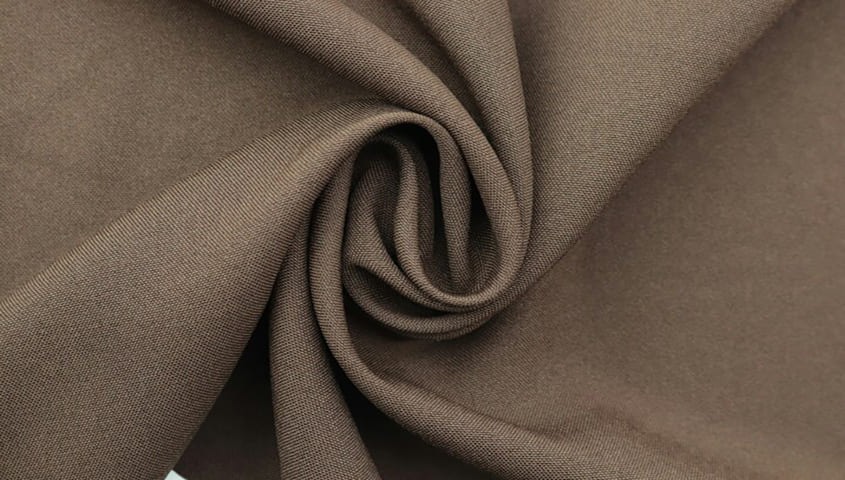
Nylon Fabric
Fiber Type
Synthetic fiber.
Texture and Feel
Smooth, strong, lightweight.
Common Uses
Activewear, outerwear, accessories.
Key Pros and Cons
Very durable, less breathable.
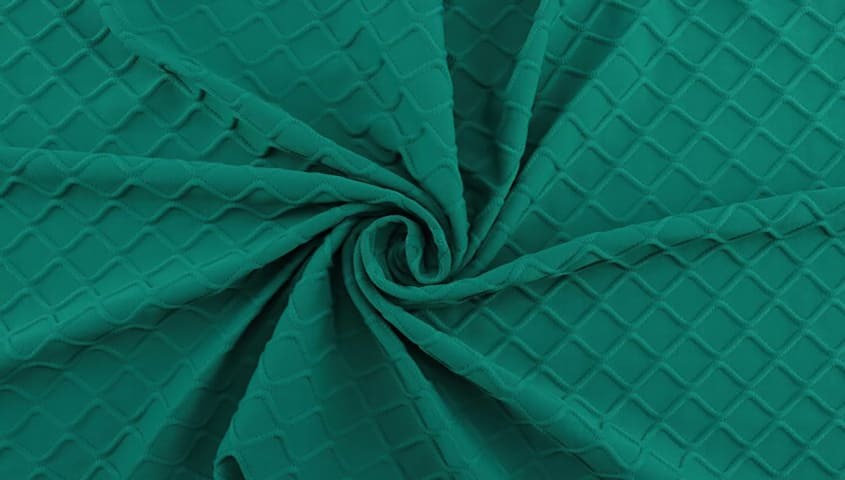
Spandex / Elastane Fabric
Fiber Type
Synthetic elastic fiber.
Texture and Feel
Stretchy and flexible.
Common Uses
Activewear, fitted garments, blends.
Key Pros and Cons
Excellent stretch, rarely used alone.
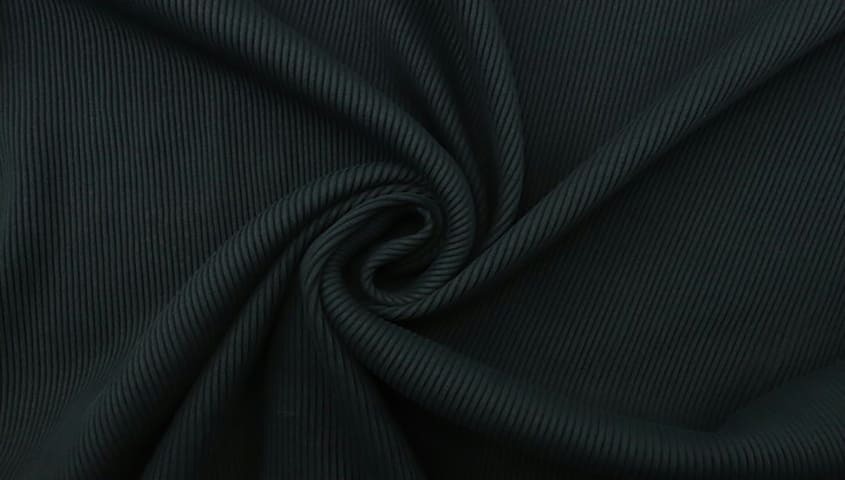
Modal Fabric
Fiber Type
Semi-synthetic fiber from beechwood.
Texture and Feel
Very soft, smooth, and breathable.
Common Uses
T-shirts, underwear, loungewear.
Key Pros and Cons
Comfortable and drapes well, higher cost than cotton.
Lyocell Fabric
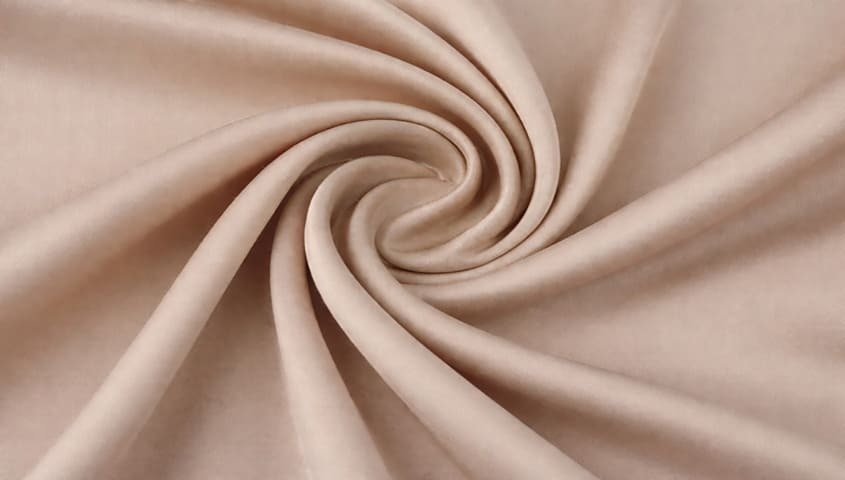
Fiber Type
Semi-synthetic fiber from wood pulp.
Texture and Feel
Soft, cool, and smooth.
Common Uses
Shirts, dresses, sustainable apparel.
Key Pros and Cons
Eco-friendly and breathable, but more expensive.
Acrylic Fabric
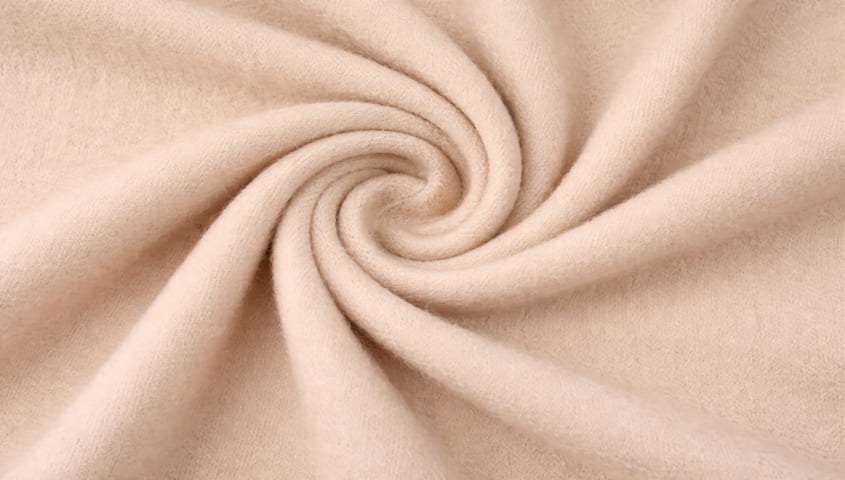
Fiber Type
Synthetic fiber.
Texture and Feel
Soft, wool-like texture.
Common Uses
Sweaters, knitwear, winter clothing.
Key Pros and Cons
Lightweight and warm, but less breathable.
Denim Fabric
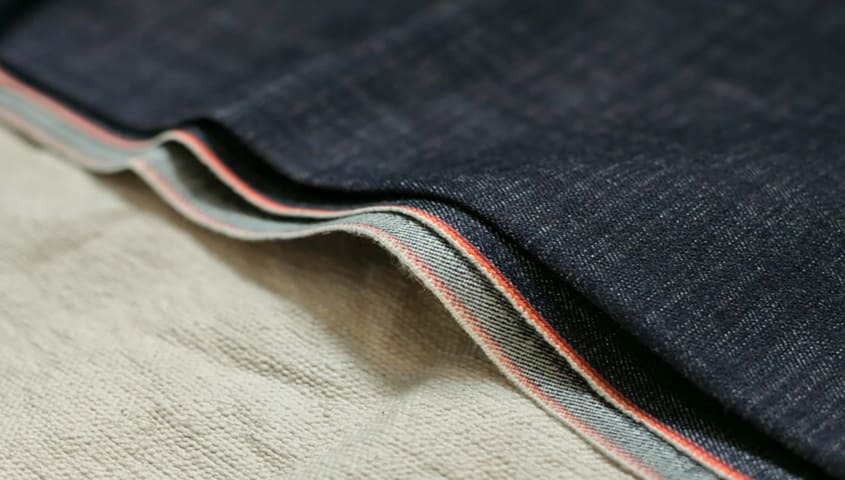
Fiber Type
Usually cotton-based.
Texture and Feel
Thick, sturdy, structured.
Common Uses
Jeans, jackets.
Key Pros and Cons
Durable and long-lasting, heavier weight.
Fleece Fabric
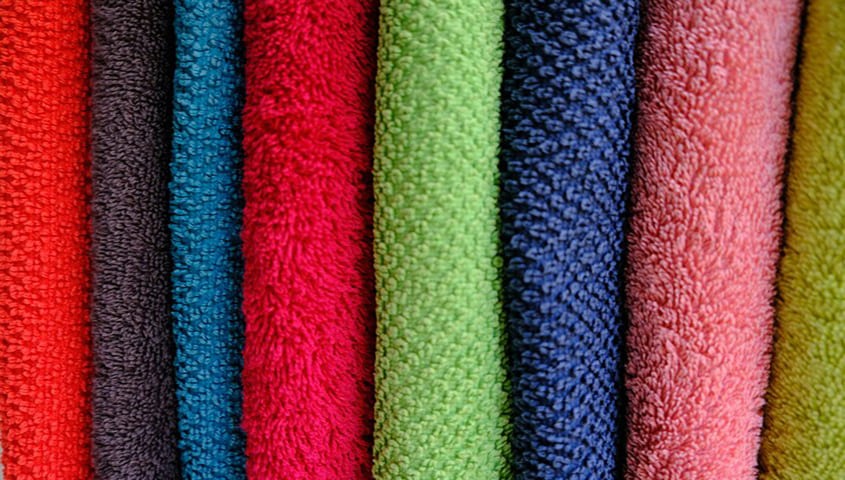
Fiber Type
Synthetic, often polyester.
Texture and Feel
Soft, plush, insulating.
Common Uses
Hoodies, jackets, cold-weather wear.
Key Pros and Cons
Warm and lightweight, but can pill over time.
Jersey Fabric
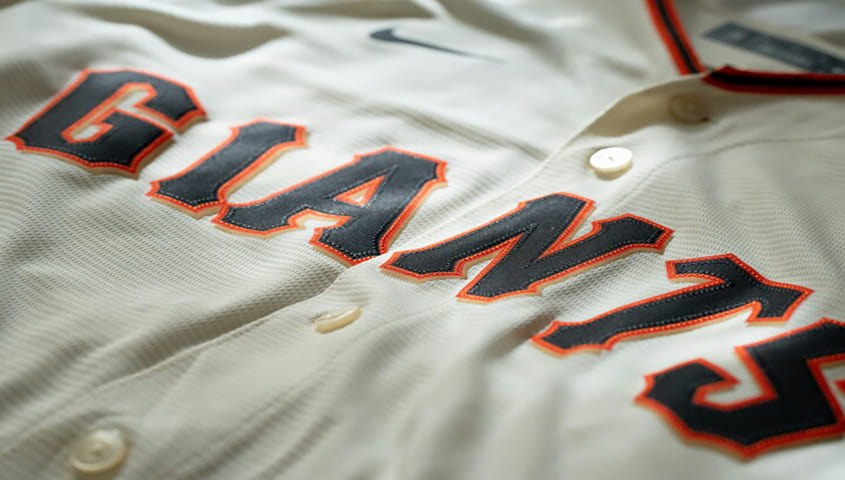
Fiber Type
Often cotton or blended.
Texture and Feel
Smooth, stretchy, soft.
Common Uses
T-shirts, casual tops.
Key Pros and Cons
Comfortable and flexible, it may lose shape.
Satin Fabric
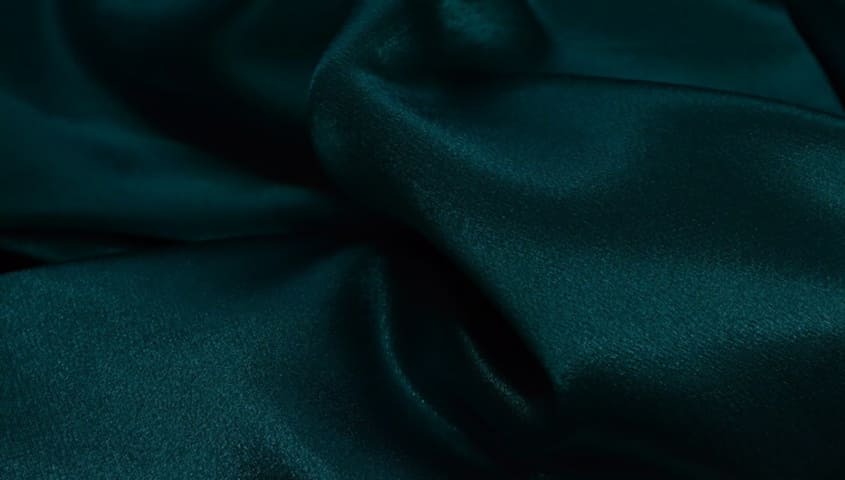
Fiber Type
Can be silk, polyester, or nylon.
Texture and Feel
Smooth, glossy surface.
Common Uses
Formal wear, blouses, dresses.
Key Pros and Cons
Elegant look, but it can snag easily.
Chiffon Fabric
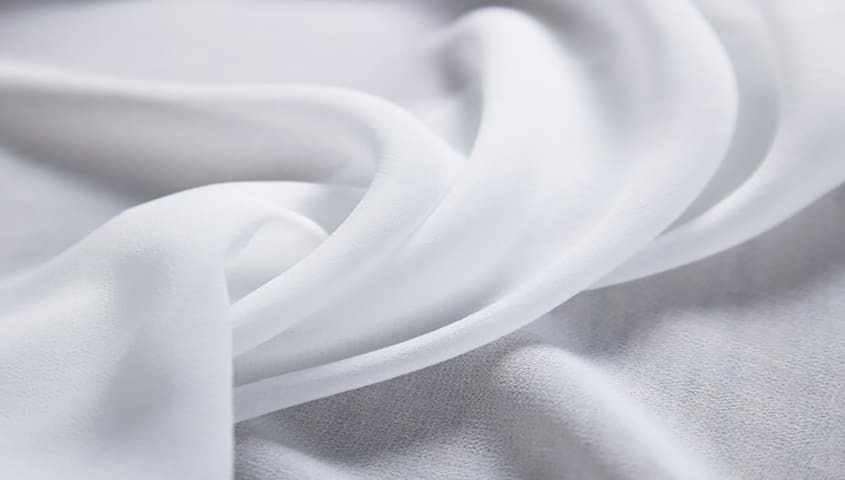
Fiber Type
Silk or synthetic.
Texture and Feel
Lightweight, sheer, airy.
Common Uses
Evening wear, overlays, dresses.
Key Pros and Cons
Flowy and elegant, very delicate.
Canvas Fabric
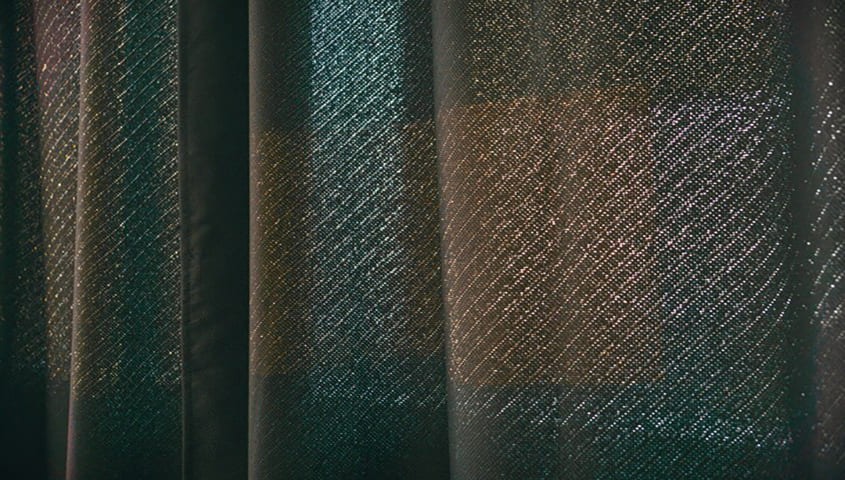
Fiber Type
Cotton or cotton blend.
Texture and Feel
Heavy, stiff, durable.
Common Uses
Bags, jackets, workwear.
Key Pros and Cons
Extremely strong, limited drape.
Corduroy Fabric

Fiber Type
Usually cotton-based.
Texture and Feel
Ribbed, soft, thick.
Common Uses
Pants, jackets, casual wear.
Key Pros and Cons
Warm and textured, heavier feel.
Terry Fabric
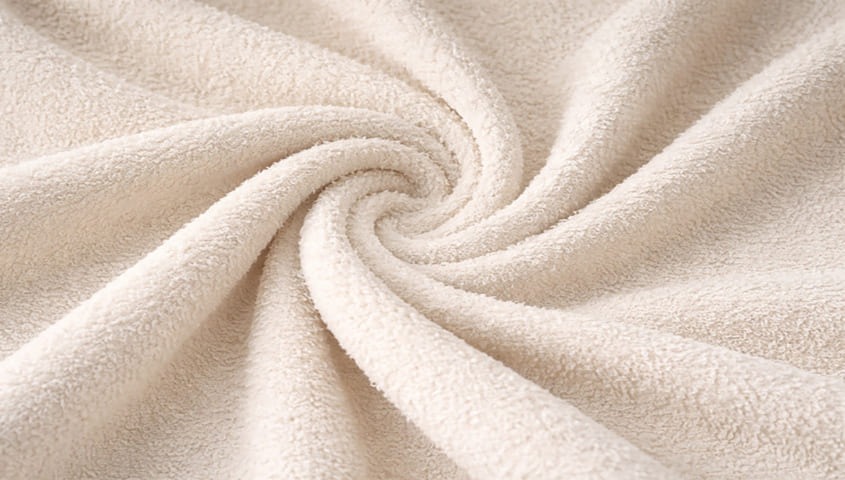
Fiber Type
Cotton or cotton blend.
Texture and Feel
Looped, absorbent, soft.
Common Uses
Towels, loungewear, sweat sets.
Key Pros and Cons
Highly absorbent, bulky.
Twill Fabric
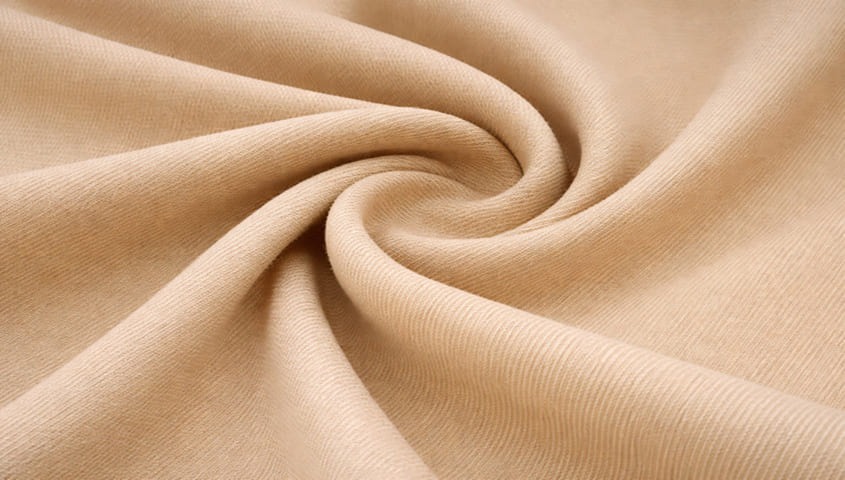
Fiber Type
Cotton, polyester, or blends.
Texture and Feel
Diagonal weave, smooth, durable.
Common Uses
Chinos, jackets, uniforms.
Key Pros and Cons
Strong and wrinkle-resistant, less breathable than plain weaves.
How to Choose the Right Types of Fabric for Your Business?
Choosing the right fabric is less about trends and more about how the garment will be worn, priced, and experienced by the customer. Understanding the different types of fabrics helps narrow your options and avoid mismatched expectations between the product and the end user.
Choosing Fabric Based on Garment Type
Different design size for shirts different demands on fabric. Start with function, then refine by feel and appearance.
T-Shirts
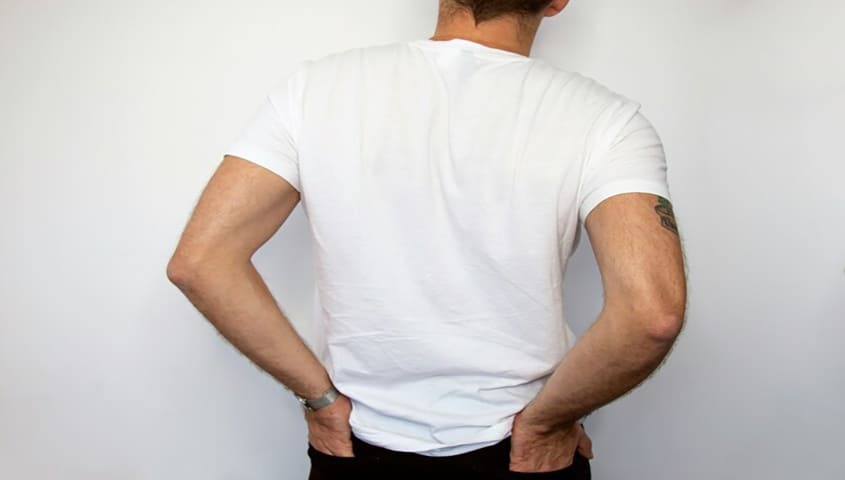
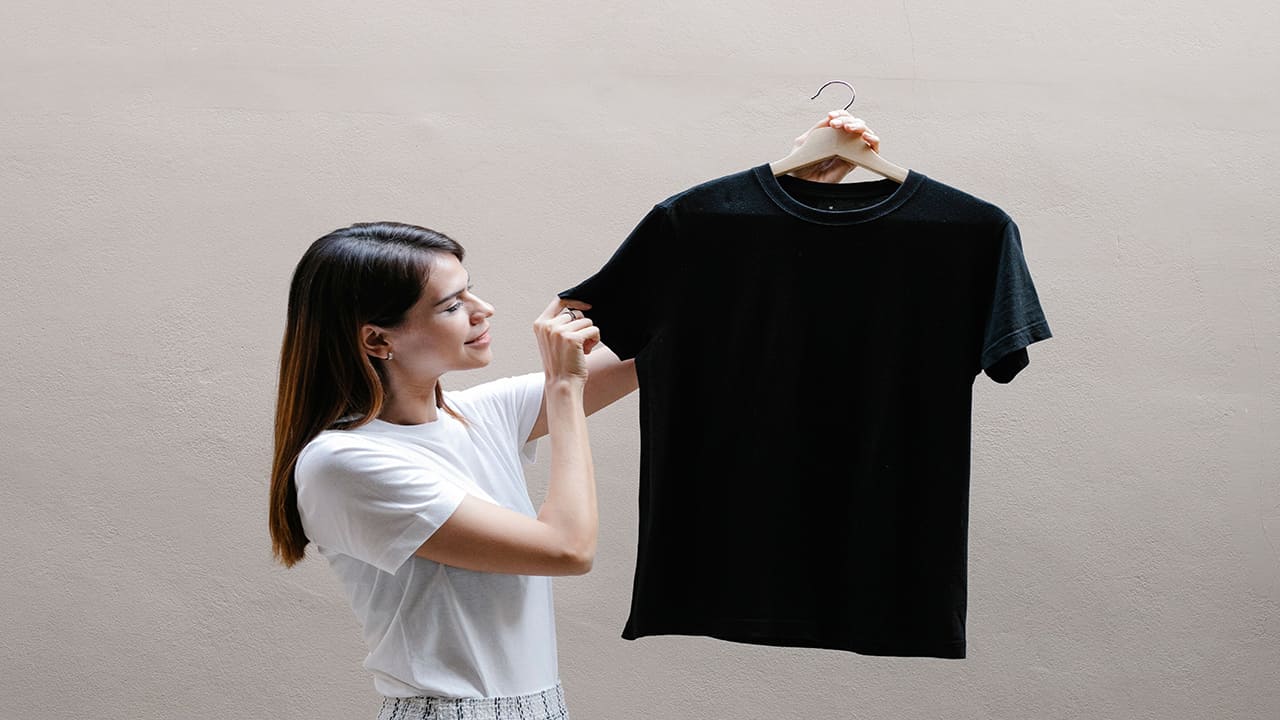
Comfort is the top priority for T-Shirts, with Versatility second. Breathability, softness, and durability (after washing) are required characteristics of T-shirt fabrics. Fabrics such as cotton, cotton blends, and medium-weight jersey are most popular for t-shirts because they offer comfort and durability for seasonal use.
Hoodies and Sweatshirts
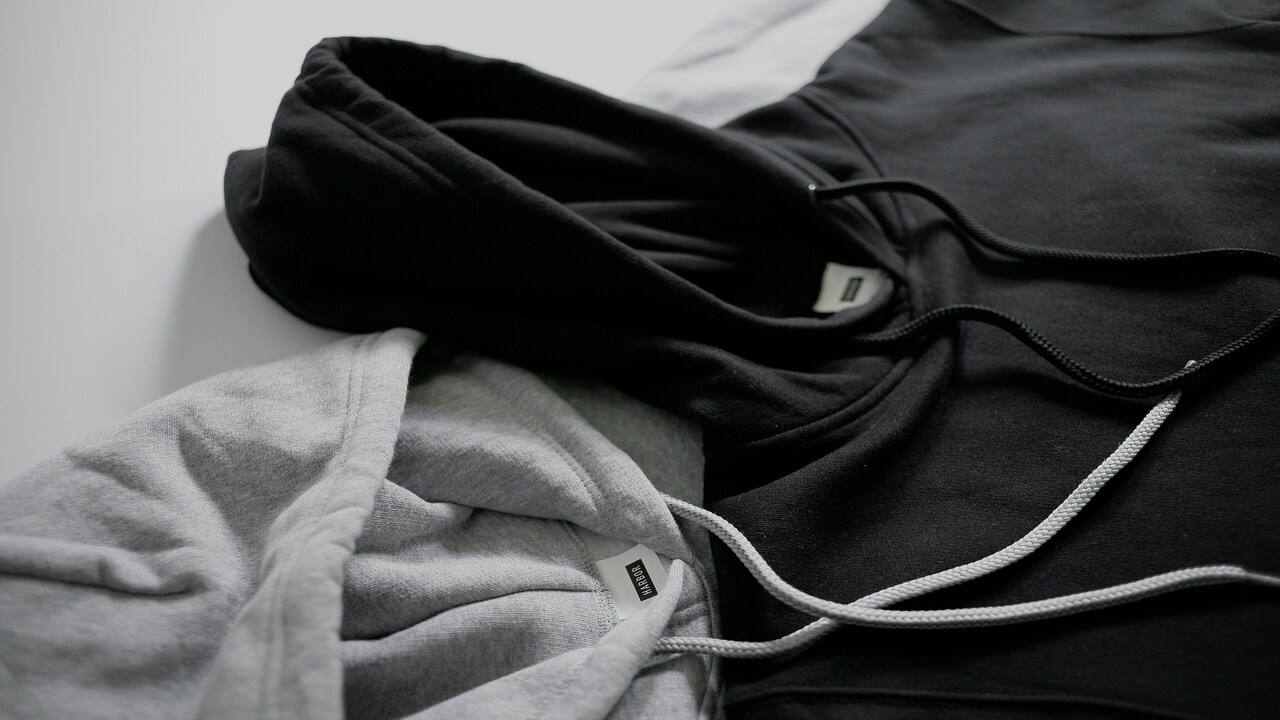
Thicker, insulating fabrics that provide structure are best suited for hoodies/sweatshirts. Fabrics such as fleece, French terry, and higher-GSM knit fabrics meet all of these criteria while maintaining comfort. Fabric weight is significant for hoodies and sweatshirts, as heavier fabrics feel more substantial and long-lasting.
Activewear
When choosing fabrics for activewear, movement and moisture management are top priorities. Fabrics should have stretch, recovery, and breathability to meet these requirements. Because activewear garments are often washed and worn frequently, synthetic or blended fabrics are most popular for their durability and sweat-wicking properties.
Streetwear and Fashion Pieces
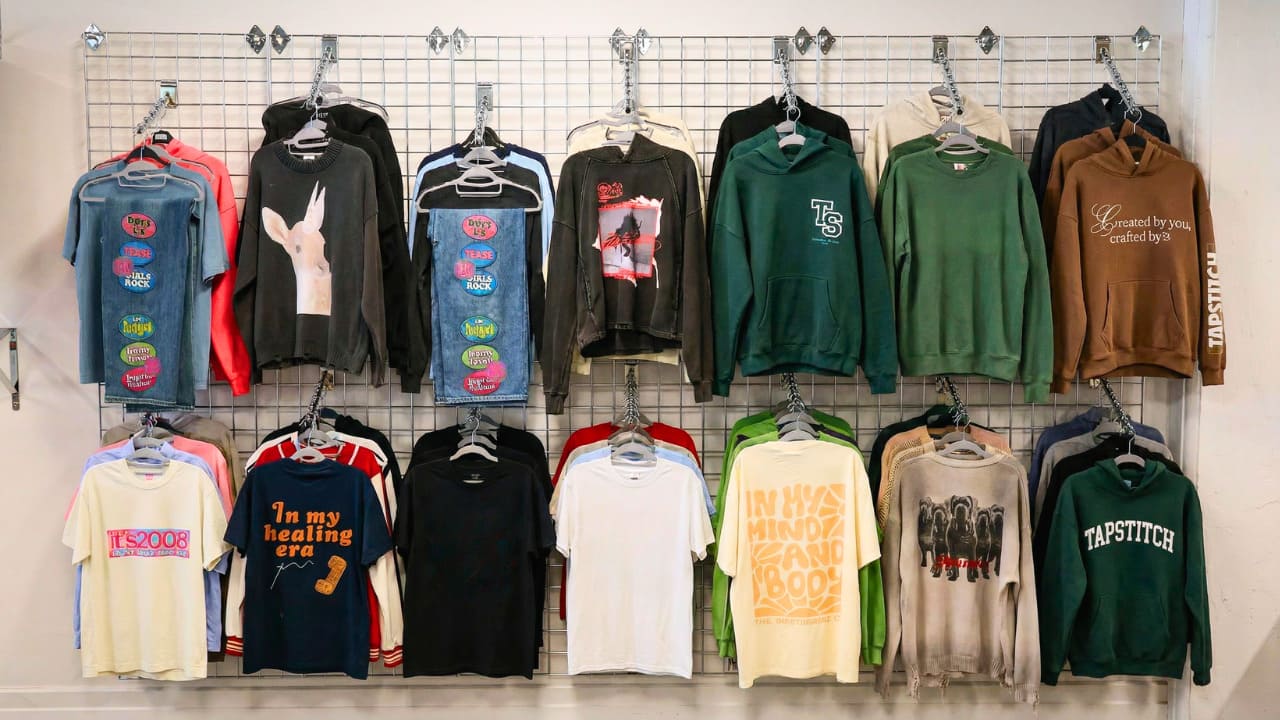
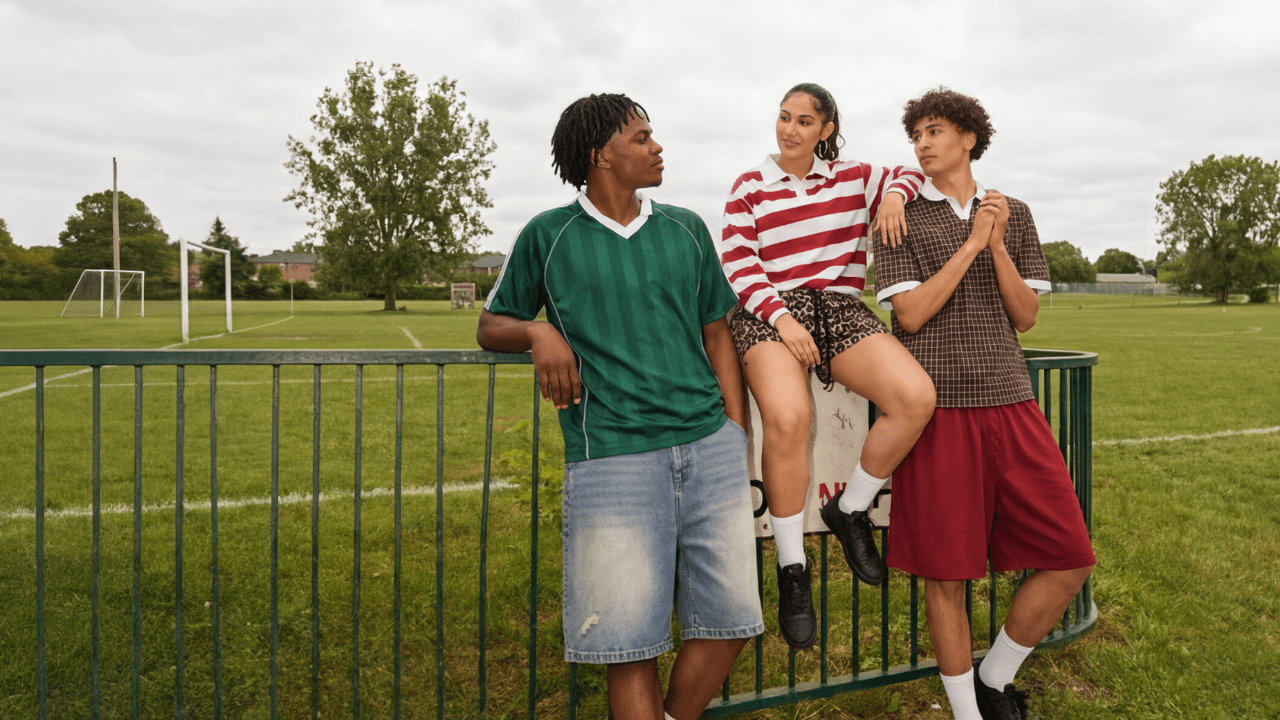
For streetwear/fashion garments, silhouette and hand feel are top priorities. Heavier fabrics, structured knits, and textures can help keep garments looking their best. When choosing fabric for streetwear, the brand's visual identity is the primary factor.
Choosing Fabric Based on Brand Positioning
Fabric decisions also communicate where a brand sits in the market.
Budget vs Premium Brands
Budget-friendly brands usually pick fabrics that can be easily sourced, have a high level of consistency, and are affordable. The premium brands price their items at a higher rate by using heavier materials, finer finishing techniques, and materials that feel richer to the touch. The customer will probably never learn about the different fabric types, but the difference is obvious to them when comparing two different products.
Fashion vs Performance Apparel
Apparel driven by fashion (or style) is based upon how it hangs, how it feels, and its visual appeal. Apparel for performance purposes is primarily concerned with the garment's functionality, such as its ability to breathe, stretch, or withstand wear and tear. The type of fabric used should depend on whether you want the garment to be functional or visually appealing, as you cannot emphasize both of those characteristics without some form of compromise.
Print and Production Considerations
Fabric is important in addition to aesthetics and fit of an item of clothing for several reasons, as it impacts both the way you produce and finish the garment. Some fabrics have cleaner printing qualities than others, while others need to be handled carefully to maintain consistent finishes. The overall stability of the fabric, surface texture, and thickness all affect your final production results.
Working with the most common, well-understood fabrics can help reduce risks, especially when expanding your collection or adding new designs. A consistent look across all fabric types also promotes a consistent product line and, in turn, provides a predictable customer experience.
FAQs
What Are the Types of Fabric Finishing?
Common fabric finishes include washed for softness, brushed for warmth, and pre-shrunk to reduce shrinkage. These treatments affect how a fabric feels and performs without changing the fiber itself.
Which Type of Fabric Offers a Formal Appearance?
Wool, silk, and satin-weave fabrics are commonly associated with formal clothing due to their smooth surface, structure, and refined drape.
What Type of Material for Clothes Is Like Silk?
Rayon, modal, and lyocell offer a soft, smooth feel similar to silk while being easier to care for and more widely used in everyday clothing.
The Bottom Line
Fabric choices shape how clothing feels, wears, and is remembered. Comfort, durability, and appearance all depend on the types of fabric used, along with their weight and intended use. There is no single best option. The right fabric depends on the garment, the audience, and the role it plays within a collection.
At Tapstitch, fabric is treated as a foundation, not an afterthought. By combining clear fabric standards with consistent production, Tapstitch helps creators build custom apparel that feels intentional, reliable, and aligned with the brands they are growing.
.png)

.jpg)
.jpg)
.jpg)
.jpg)
.jpg)
.jpg)







.png)




.png)

.webp)

.jpg)











.jpg)


.jpg)

.png)
.jpg)


.jpg)
.jpg)





.jpg)
.jpg)
.jpg)
.jpg)
.jpg)

%20(1).jpg)

.png)

.png)


%20(1)%20(1).jpg)





.png)
.png)


.jpg)

.jpg)
.jpg)