




What is Print-on-Demand Dropshipping & How Does it Work?


Some stores launch with a warehouse full of stock they're not sure will sell. Others launch with nothing but a design file and a supplier they've never met in person. The second group tends to sleep better, and increasingly, it's the group actually making money.
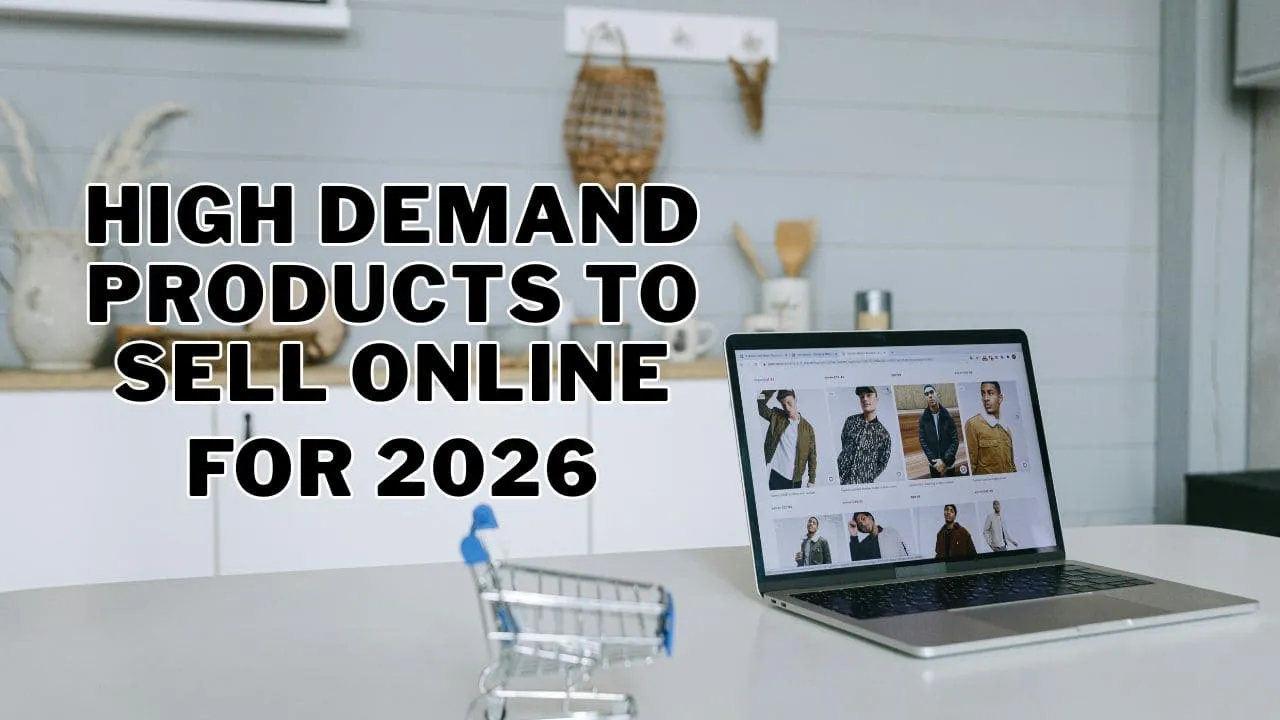
The second group follows a print-on-demand dropshipping model. You create the product designs and list them in your store. When a customer places an order, your supplier prints the design and ships the finished product directly to them. This way, you don't have to buy products in advance or store them yourself.
What Is Print-on-Demand Dropshipping?

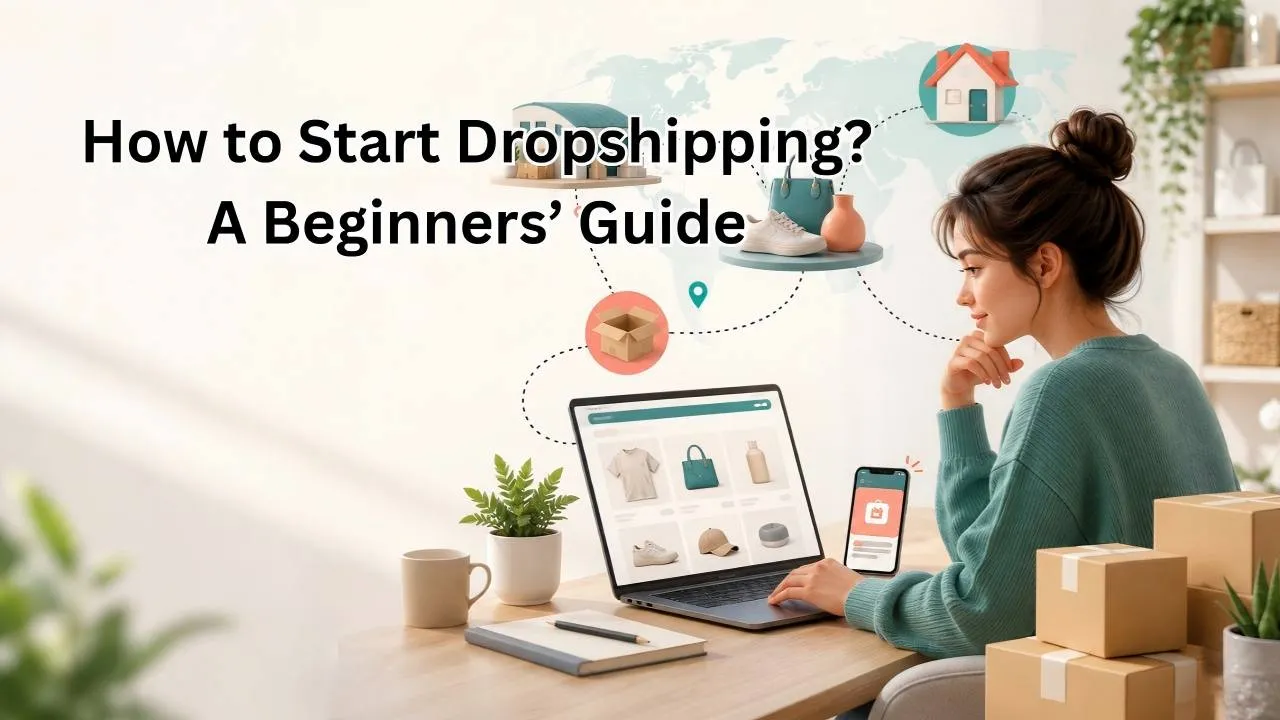
Print-on-demand dropshipping lets you sell custom products without keeping inventory. You create the design and list the product in your store. When a customer places an order, a supplier prints the design, packs the product, and ships it directly to the customer. You don't need to handle the product yourself or buy stock before making a sale.
Two ideas got merged to make this work:
- With print on demand, things aren't manufactured until there's a specific order placed.
- Dropshipping means you get a fulfillment center to print, pack and ship it to the customer for you so you aren't keeping anything in stock.
The print-on-demand market was worth $10.8 billion in 2025 and expected to increase to $13.1 billion in 2026 according to their industry report. This is happening not because everyone suddenly wants an average mug. This is growing because more sellers are realizing that you can create a true brand and a real business without taking on warehouse space.
How Does Print-on-Demand Dropshipping Work?
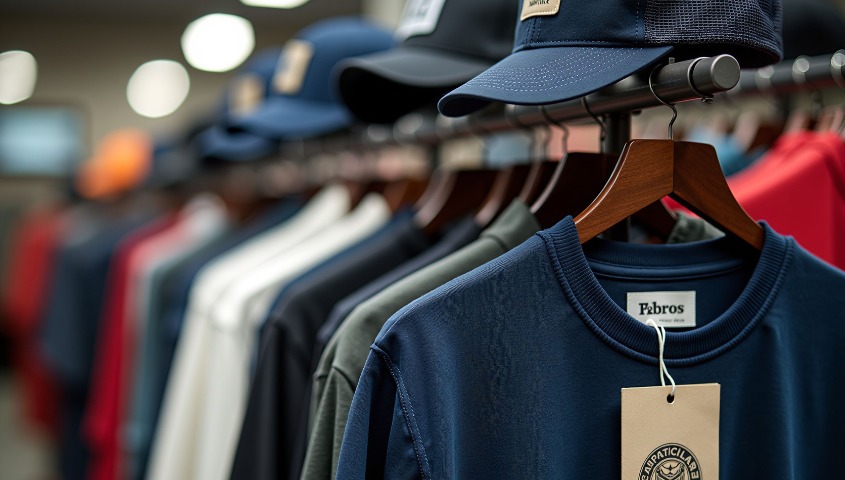
How does print on demand dropshipping work, day to day? Less complicated than it sounds, once broken down.
Before the Sale
Nothing happens here that a customer ever sees, but it decides whether the rest of the process runs smoothly.
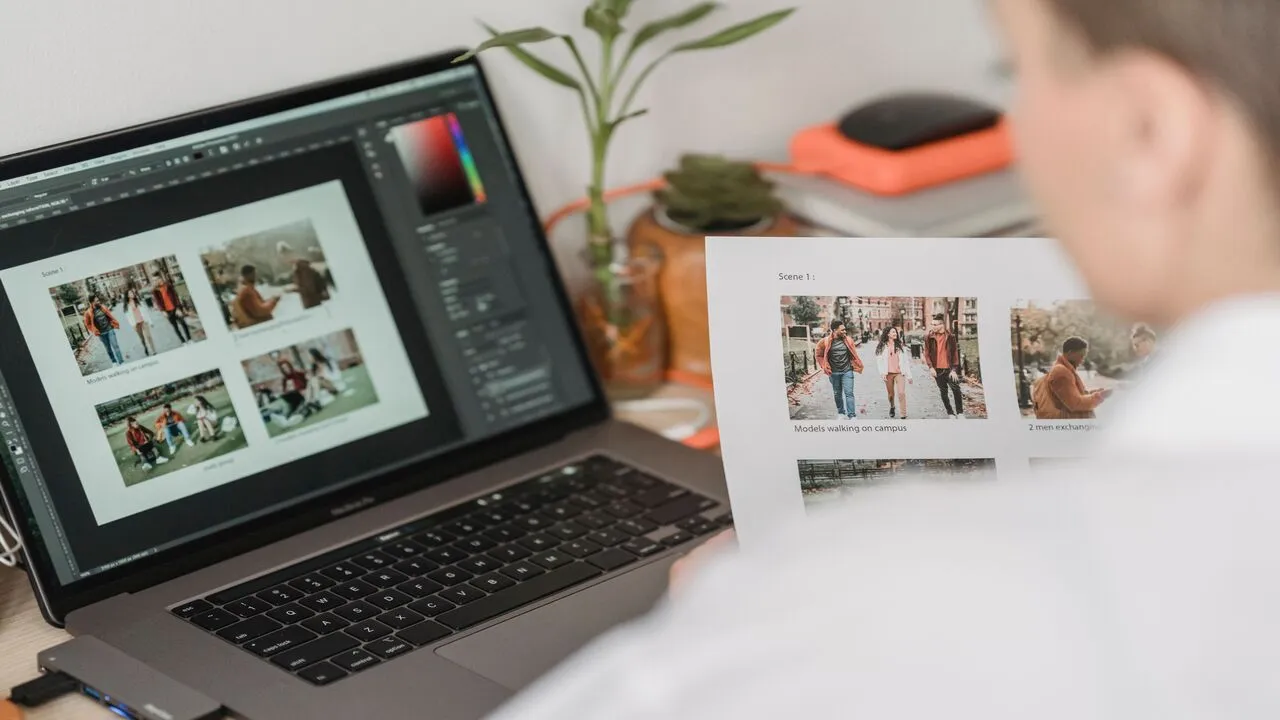
- You create a design, a logo, artwork, whatever fits the brand, and upload it through a design tool.
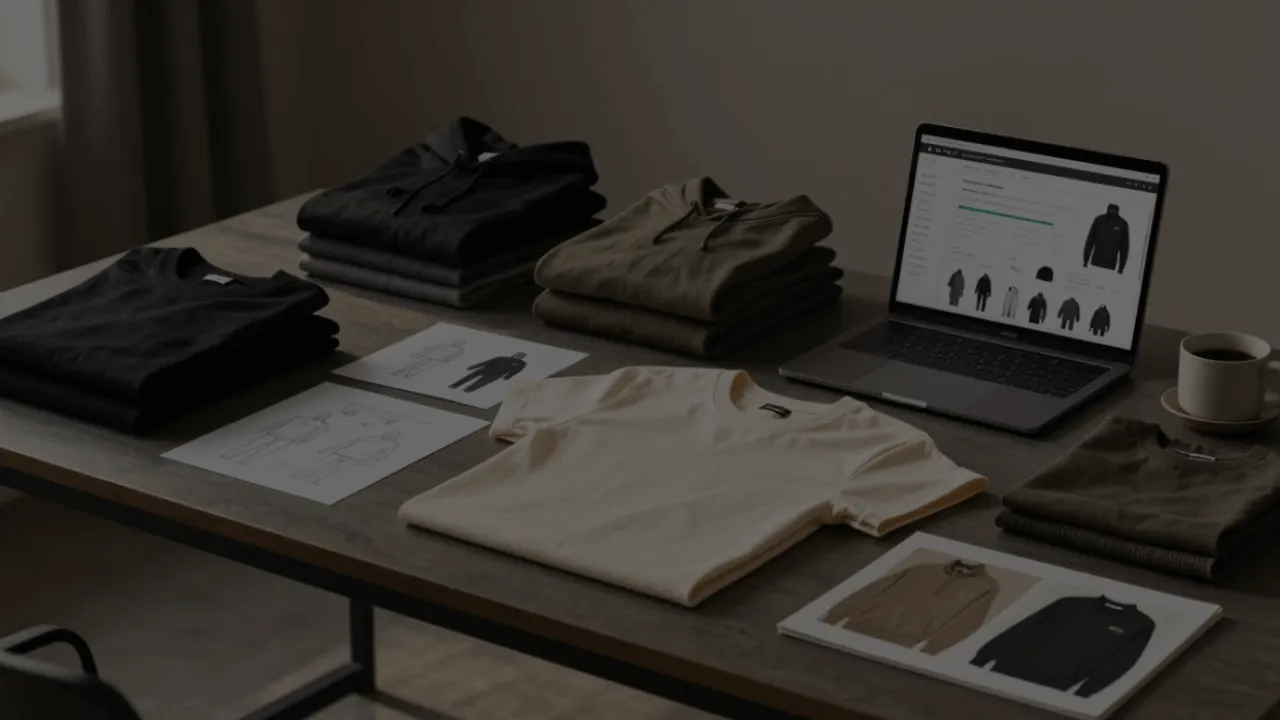
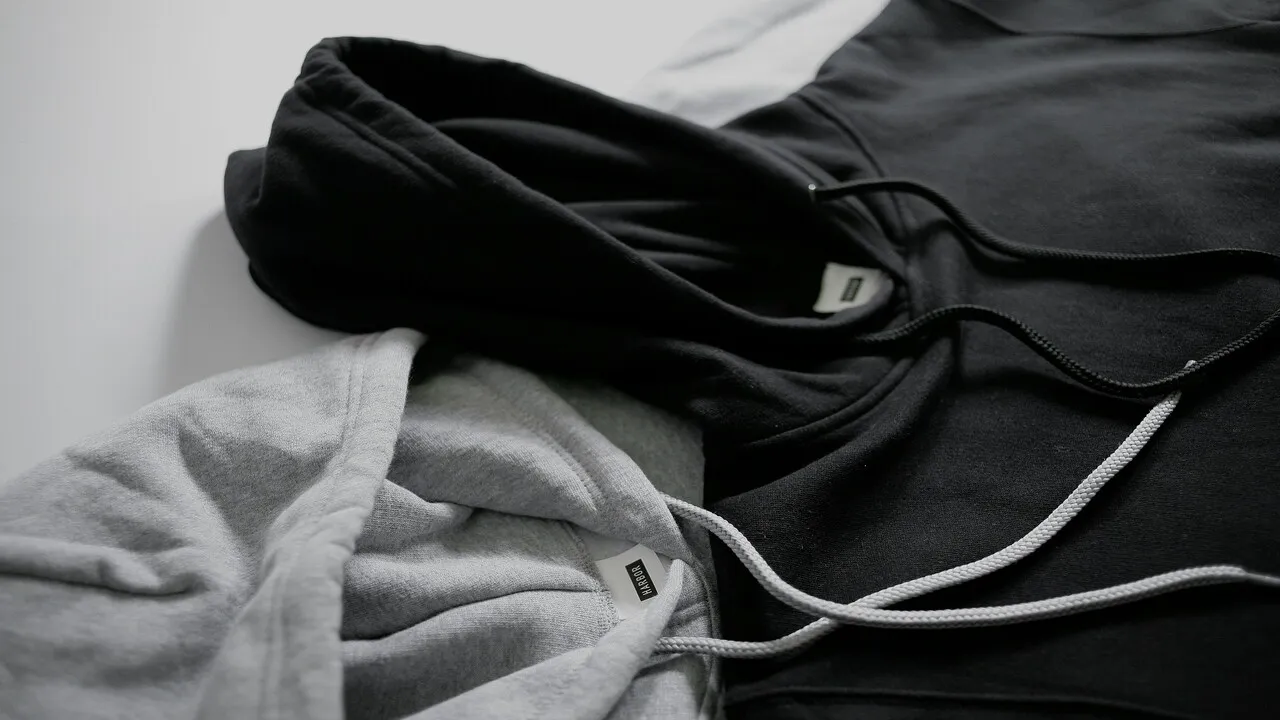
- You pick a product from your supplier's catalog. A t-shirt, a hoodie, a tank top.
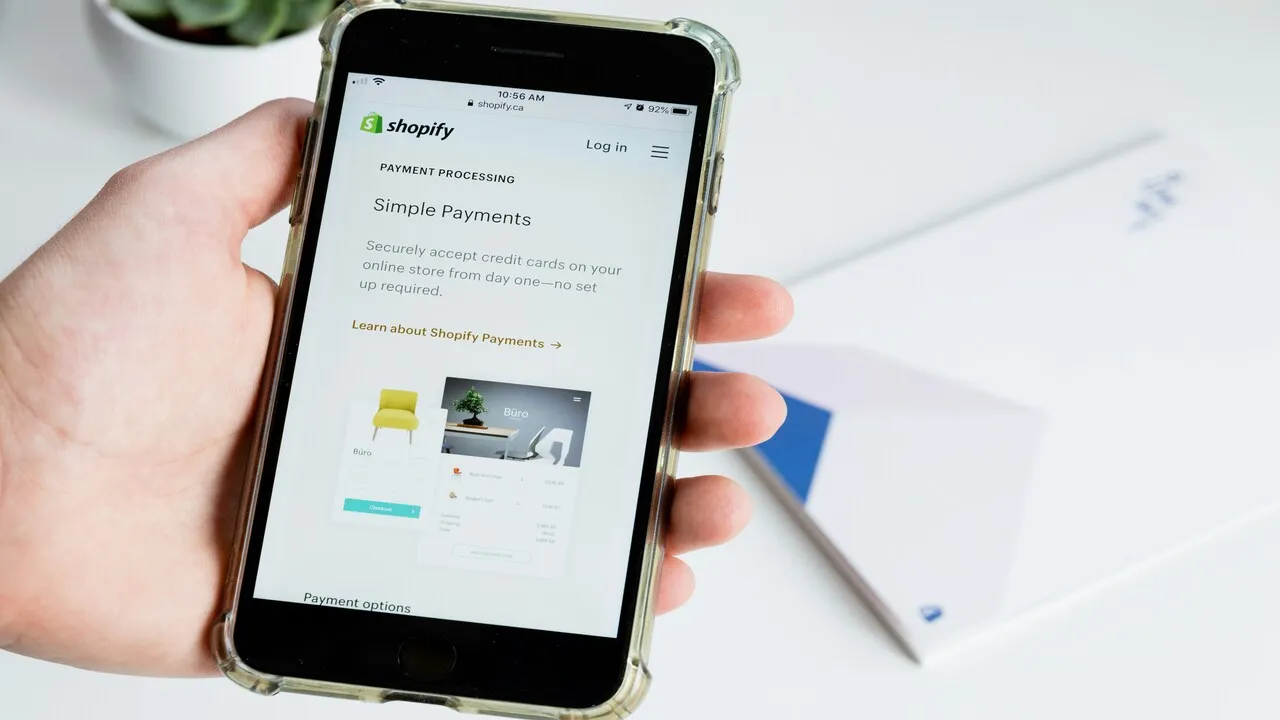
- You publish the listing, usually synced automatically through Shopify, Etsy, or WooCommerce.
When the Order Comes In
This is the moment everything actually starts.
- A customer buys the product on your store.
- The order routes to your fulfillment partner automatically, no manual forwarding required.
- Production begins, not before this point, which is the entire reason the model avoids inventory risk in the first place.
After the Order Ships
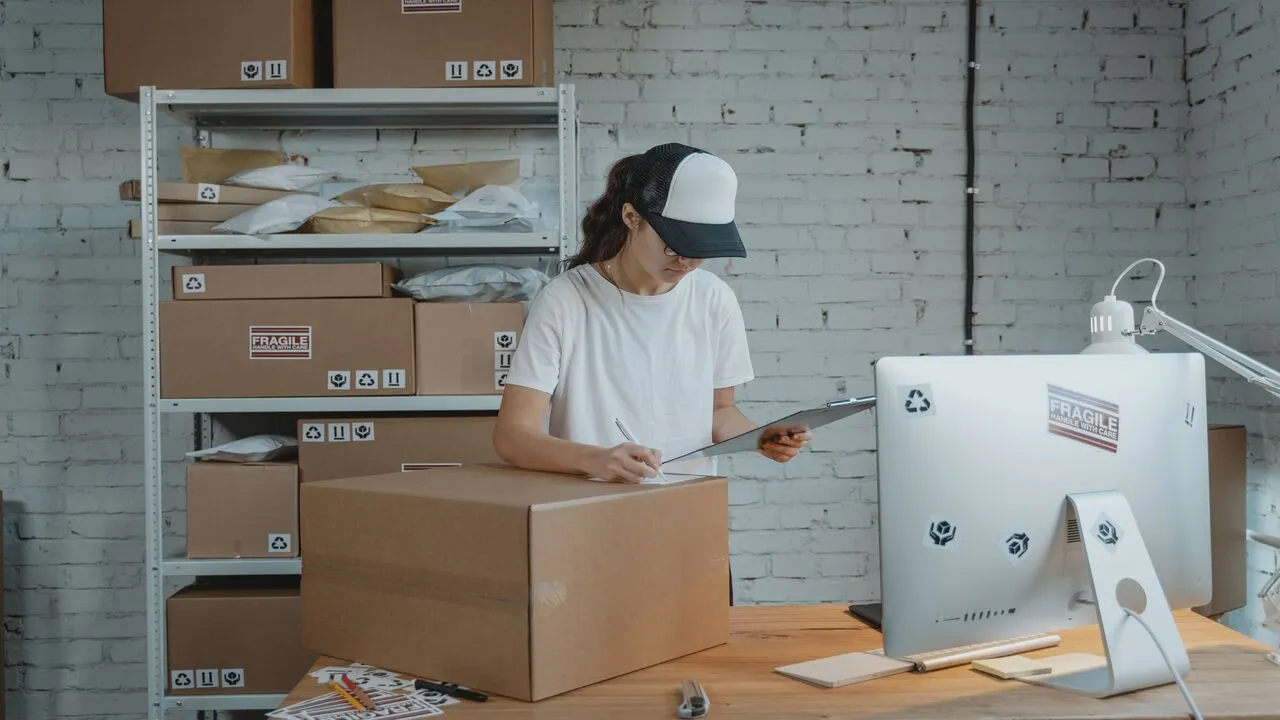
- Your dropshipping partner will print, package, and ship your product, usually in plain packaging with your brand on the shipping label, not theirs.
- The customer receives the product with no idea a third party was ever involved.
- You keep the difference between what you charged and what the supplier billed you.
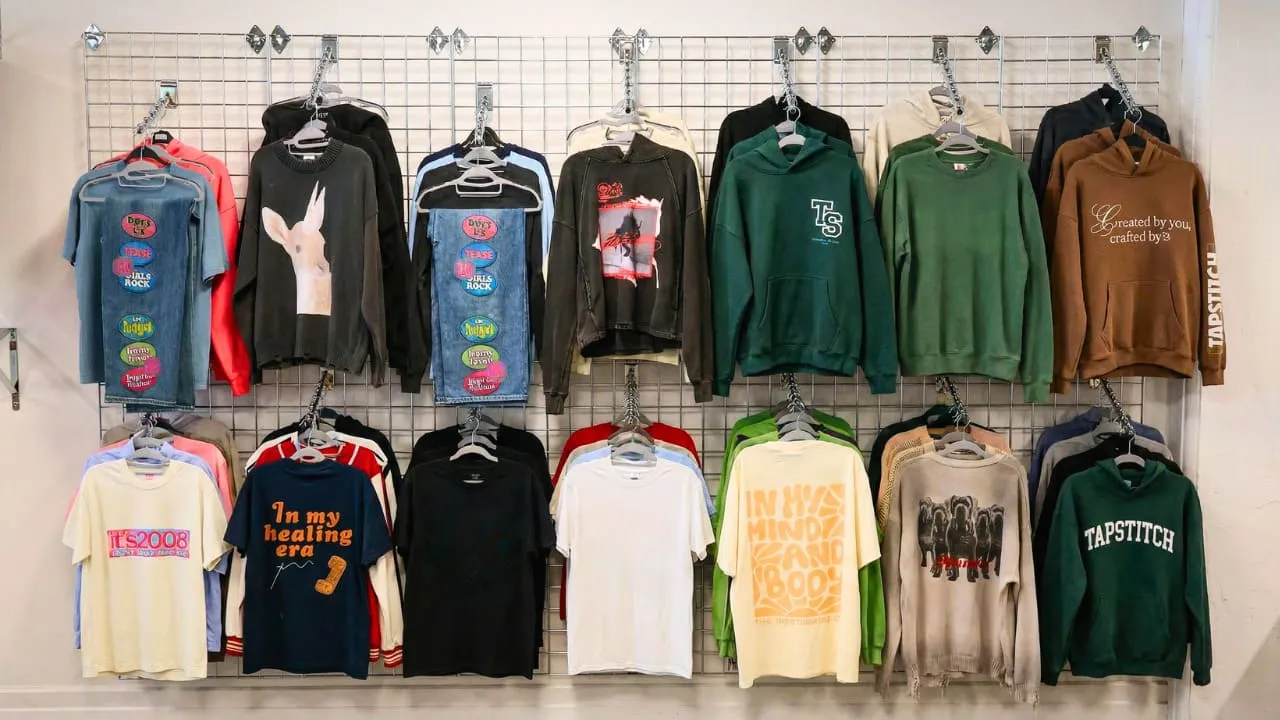
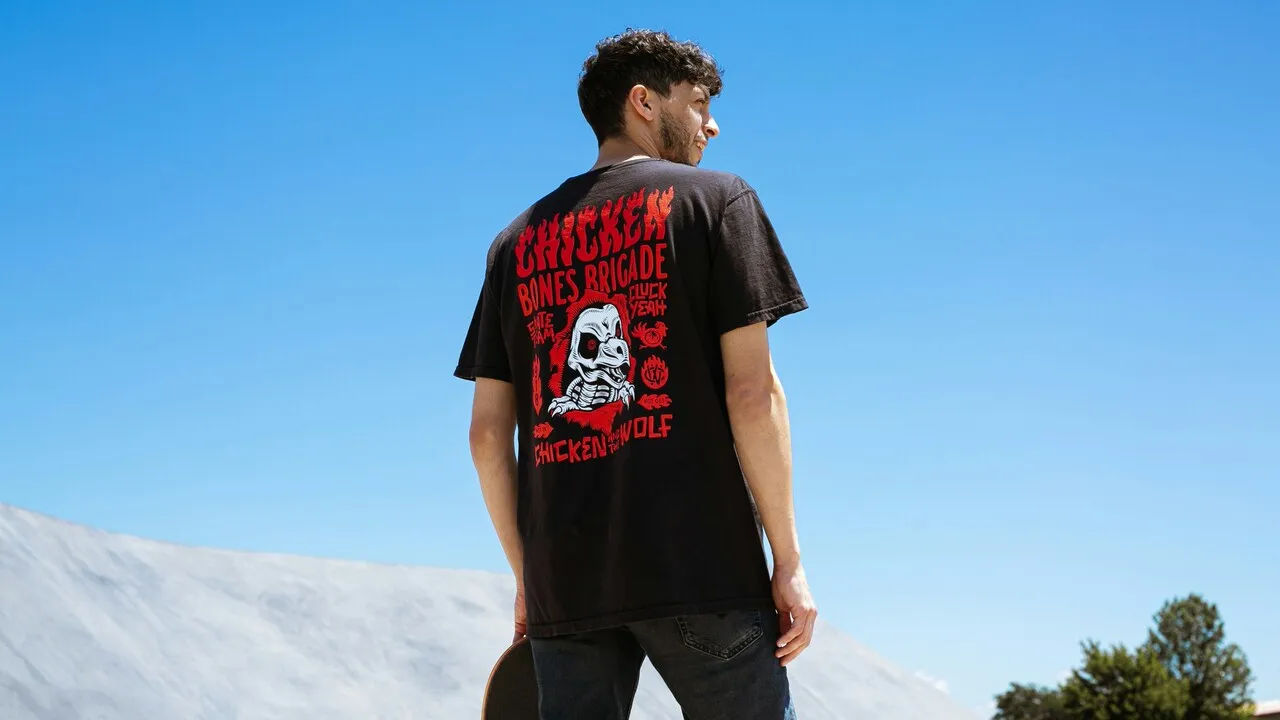
Apparel represents approximately 39.5% of the total print-on-demand industry globally, making it the #1 category by a wide margin based on market research from BulkMockup. Fashion just sells. This is a known fact, this is where most of the money can be found in this niche.
Print on Demand vs Dropshipping: What's the Difference?
This is where most of the confusion starts, so it's worth being direct about it. Print on demand vs dropshipping isn't really a fair fight, since print-on-demand is technically a subset of dropshipping. But in everyday use, sellers mean two different things when they say each term.
Regular dropshipping is about moving products. Print-on-demand dropshipping is about building something that's actually yours, even with a third party doing the physical work behind the scenes.
Why Sellers Are Moving Toward Print-on-Demand Dropshipping
Printful's 2026 market report shows that the print-on-demand world continues on an upward trend with a predicted CAGR (compound annual growth rate) of somewhere between 24–26% from today until the 2030s - one of the fastest-growing niches of the e-commerce world.
A few reasons that growth keeps compounding:
- Startup cost stays close to zero, no bulk orders, no warehouse lease.
- Margins tend to run better than generic dropshipping. Sellers report profit margins anywhere from 10% on competitive basics up to 50% on niche, premium products, per the same Printful data.
- Waste drops, since nothing gets produced unless someone actually buys it.
- New product ideas can go live in minutes and get pulled just as fast if they flop.
Choosing a Print-on-Demand Dropshipping Supplier

Not all suppliers are built the same, and this decision matters more than most new sellers realize going in. It's easy to sign up with the first one that shows up in a Google search and figure out the details later, but the details are usually where the real cost hides.
A few things worth checking before committing to one:
- Fabric weight and quality. A supplier selling paper-thin blanks will cost you in returns long after the sale is closed.
- Whether custom branding is actually supported, things like neck labels or white-label packaging that make the product look like yours, not a dropshipper's.
- Production and shipping timelines listed separately, not bundled together into one vague estimate that falls apart the first time a customer asks.
- Platform integrations. The last thing you want when your store lives on Shopify, Etsy (or whichever platform it may actually reside on) is for a supplier not to integrate smoothly.
- The ability to test a new design without being financially committed-meaning no minimum order value –is going to be extremely appealing.
Larger product catalogs may be an attractive feature, but this isn't necessarily the rule, as it doesn't guarantee overall quality or a specialization in your category; a quality-focused and smaller catalog can do that more effectively.
Pricing Your Print-on-Demand Products
Pricing trips up more new sellers than almost anything else on this list, mostly because it's tempting to just guess and adjust later.
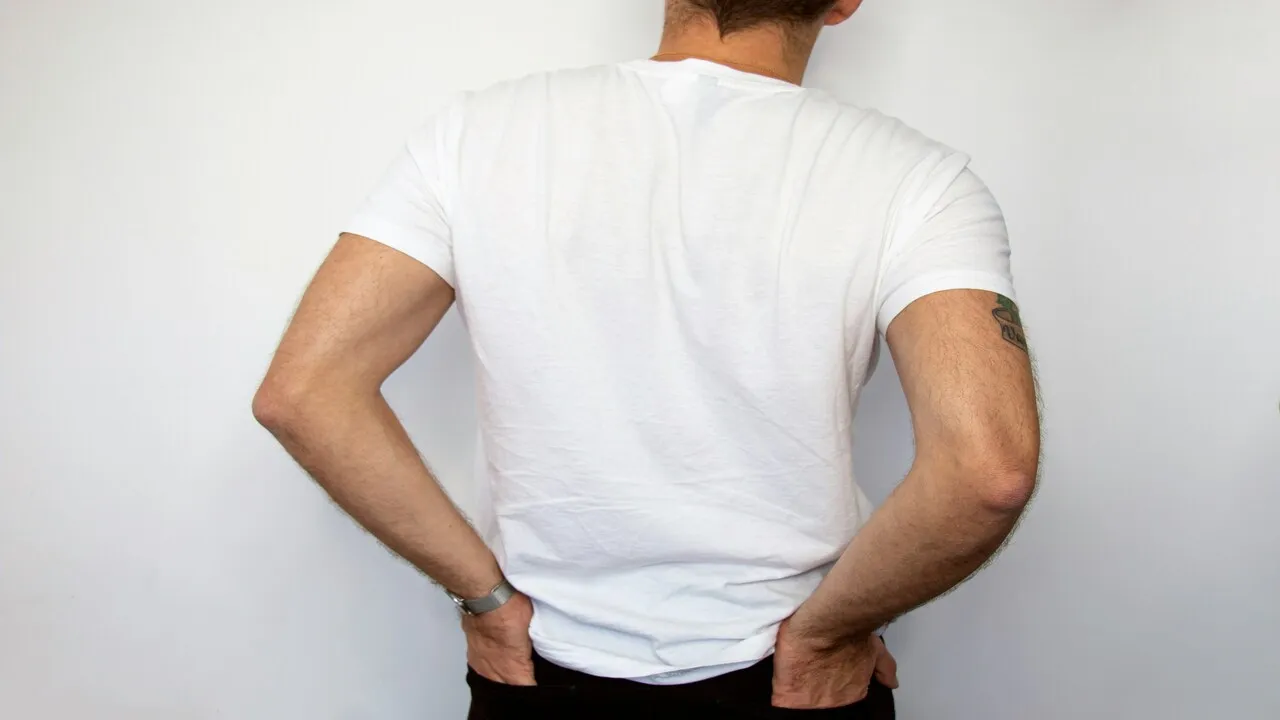
Begin with the hard costs of the white tee, screen print, and shipping. Sum these up, and you have the bottom price, also known as your floor. Above that is where the margin needs to go, and depending on the product and how competitive the niche already is, it's generally between 30% and 60%.
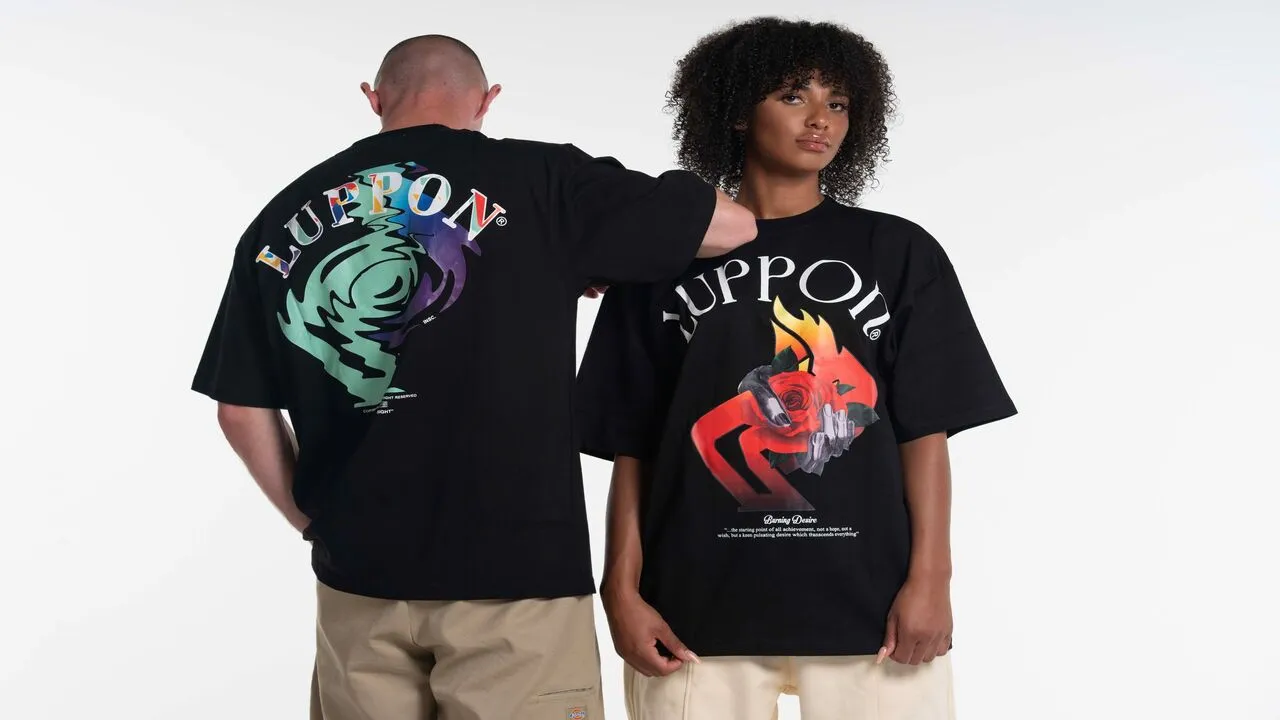
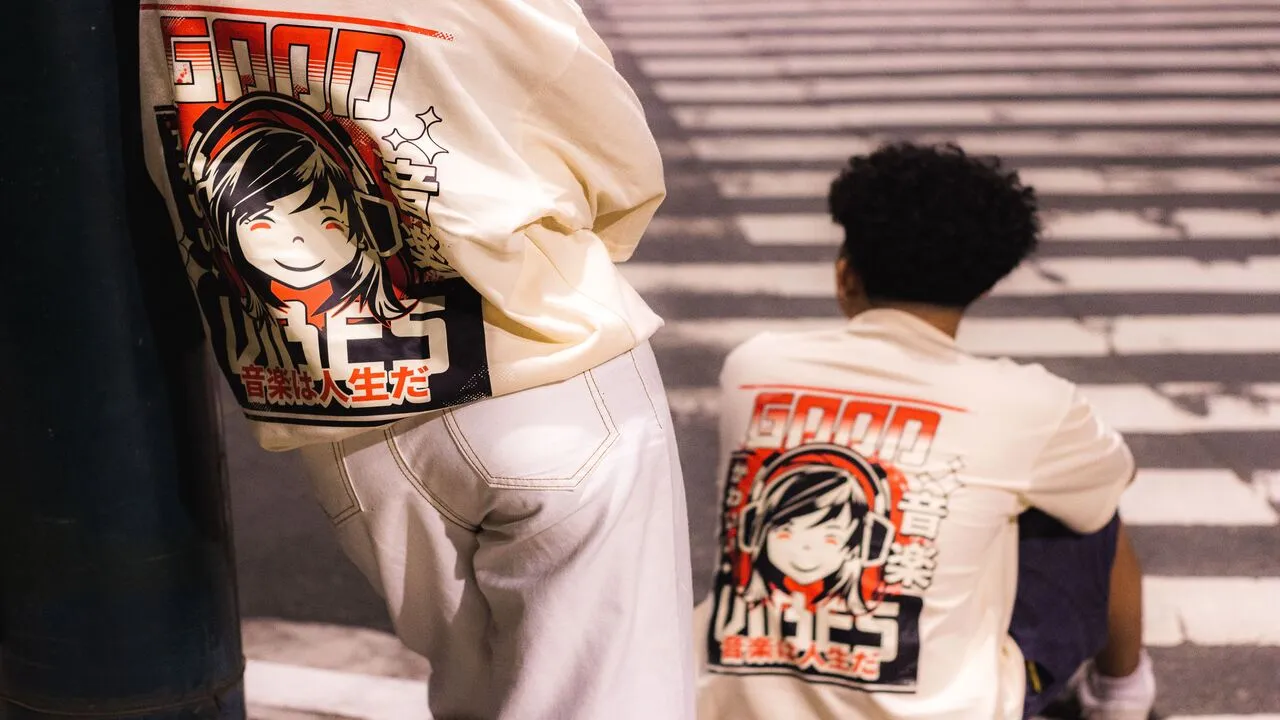
The competitive category basic tee might only bear the lower end of the range. But a more design-driven graphic on a better quality base such as an oversized street-style tee or an alternate, even more specific block color scheme could justify a significantly greater retail price than a basic graphic tee.
It's a good idea to get an overall idea of the existing pricing structures by referencing competitor brands offering comparable products; however, I emphasize the "overall idea", you don't want to rip them off word for word as far as pricing is concerned. Below market price sends a signal of low quality to a customer, even when your merchandise is perfectly acceptable and this is all the more important considering they are likely flicking through online stores from one to another.
A few things worth factoring in before locking a price:
- Platform fees. Marketplaces like Etsy take a cut that needs to be priced in from the start, not discovered after the first sale.
- Payment processing fees, small on their own, but they add up across volume.
- Occasional promotions or discounts, which only work if there's enough margin built in to absorb them without going negative.
Get the pricing right early, and it rarely needs revisiting. Get it wrong, and every sale afterward quietly subsidizes a business that isn't actually profitable yet, even while looking busy on the surface.
Read more:
How Much Does Etsy Take from Sellers? Etsy Fees 2026
TikTok Shop Seller Fees 2026: A Complete Guide
Common Mistakes Sellers Make
A handful of mistakes show up again and again, in stores of every size.
- Skipping the sample order, which means the first person to spot a quality issue is a paying customer, not you.
- Picking a supplier on price alone, which usually shows up later as thinner fabric and more returns.
- Leaving shipping and production timelines vague on the product page, which creates support tickets that didn't need to exist.
- Underpricing custom apparel to compete with fast fashion, when the entire point of the model is that it doesn't have to compete on price at all.
- Treating every design like it needs the same blank, when an oversized streetwear graphic and a small logo tee usually call for two different products entirely.
None of this requires a bigger budget to fix. It mostly requires slowing down slightly before hitting publish.
How to Start a Print-on-Demand Dropshipping Business
- Decide on a niche and an audience before products (not the other way around).
- Pick a supplier that offers trendy blank inventory and reliable fulfillment rather than the supplier with the largest catalog imaginable.
- Integrate your store-many suppliers have direct integrations with Shopify, Etsy, and WooCommerce.
- Add a few products to your store, and mark them up not just so they feel competitive, but so they are actually profitable: make sure it covers cost and profit margin.
- Open for business and actually look at how your customers react before stocking more products in your store.
For a more in-depth dive into niche selection and early marketing, you can read Tapstitch's guide on print-on-demand dropshipping.
Should Print-on-Demand Dropshipping be Your Business Model?
The question to ask is: what exactly is it that you want to establish? If the main focus is how to make quick cash by way of flipping whatever items that are in demand, dropshipping alone can offer the quickest path to that goal. If the goal is a brand people remember and come back to without a discount code, print-on-demand is built for that in a way generic reselling just isn't.
It also suits people who'd rather spend their time on design and marketing than logistics. Fulfillment, shipping, quality control, all of that gets handed off. What's left is the part most sellers actually enjoy: figuring out what to make next, rather than worrying about whether last month's inventory bet was the right one.
FAQs
Final Thoughts
Dropshipping print-on-demand works because it gets rid of the two major reasons new clothing companies fail before they ever get off the ground: wasted investment in excess inventory, and products that simply failed to sell. Design it, publish it, and offload production to a specialist who’ll deal with what would typically require a warehouse full of clothes.
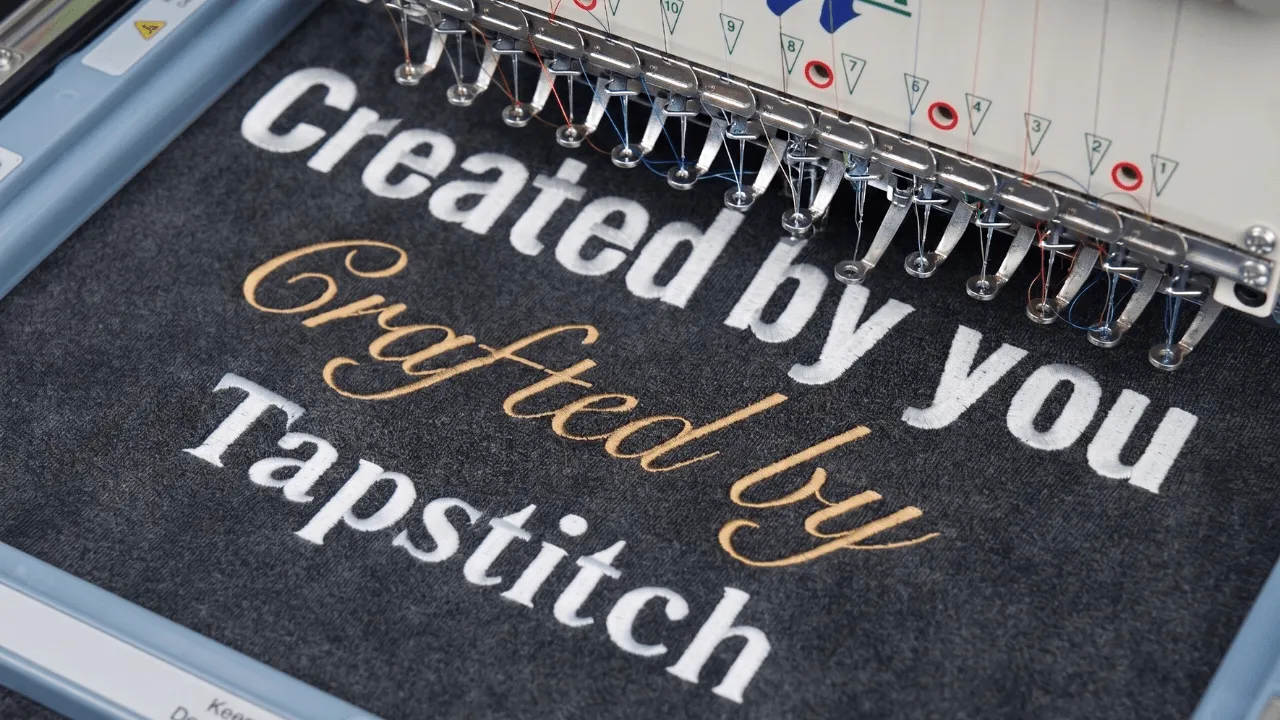
Tapstitch handles the production and fulfillment side without requiring stock upfront, which leaves more time for the part of the business that actually grows it, the designs, the brand, and the customers who come back without a discount code.