






How to Increase Ecommerce Sales for Fashion Brands: 12 Proven Strategies in 2026


Nobody tells you this when you start a fashion label: traffic is the easy part. Ads, posts, and a lucky For You page will bring people in. But if the shop leaks, you're watering a sieve. Learning how to increase ecommerce sales is less about doing more marketing and more about removing every reason someone has to leave without buying. The founders who grow year after year win on conversion, not traffic. Here are 12 ecommerce sales strategies that work right away, no rate cuts, no groveling. Your conversion rates will love you for it.
12 Proven Strategies to Increase Ecommerce Sales

No silver bullets here. Just the ecommerce sales strategies that keep working, stacked in the order most fashion founders should run them.
1. Fix Your Product Pages First
Your product page is closer. Everything else just gets people in the room.
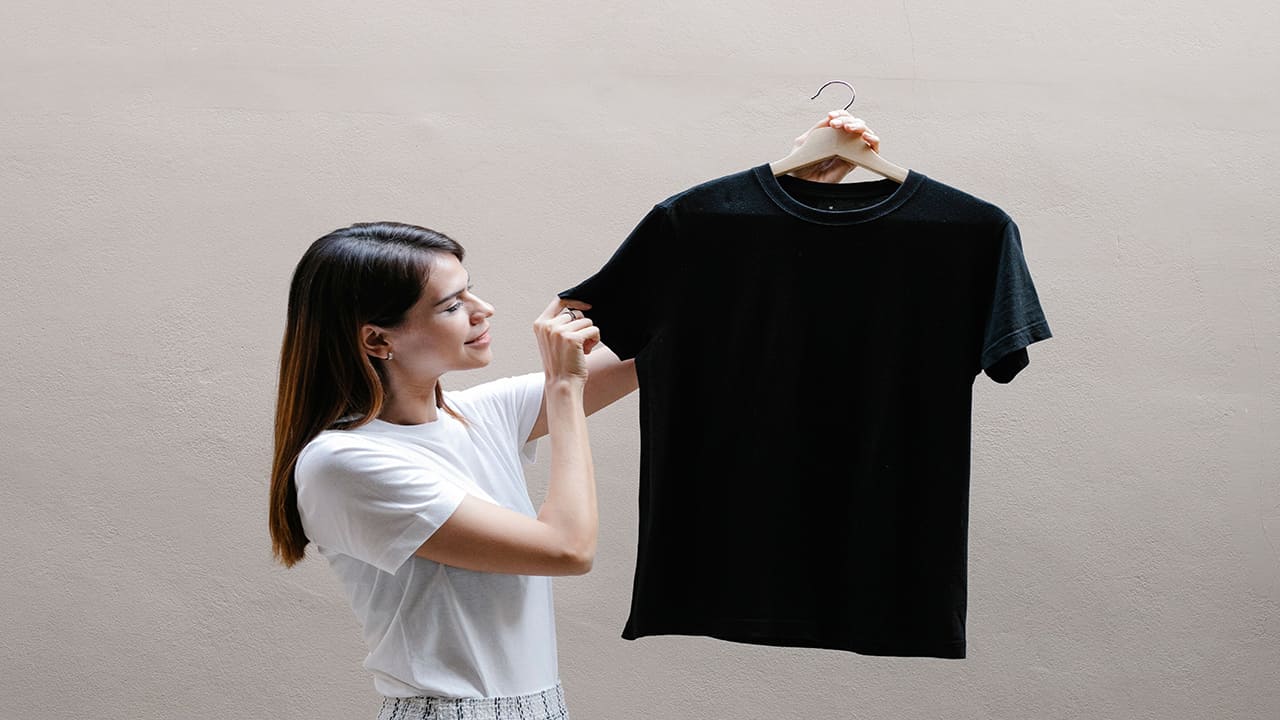
Provide copywriting about selling the benefits and not the technicalities. "300 GSM French terry" will mean nothing to many consumers until it is described as a heavyweight hoodie that maintains its form no matter how many times it gets washed. Then support it with facts that are important for the serious buyer. Material construction. Fitting information. A sizing chart with actual dimensions.
Anticipate customer questions and provide answers upfront. What's the weight? How does it fit on someone 5'10"? How does it wash? Every answered question is one less reason to hesitate. You'll cut returns and lift conversions in the same move.
2. Make Mobile the Main Event
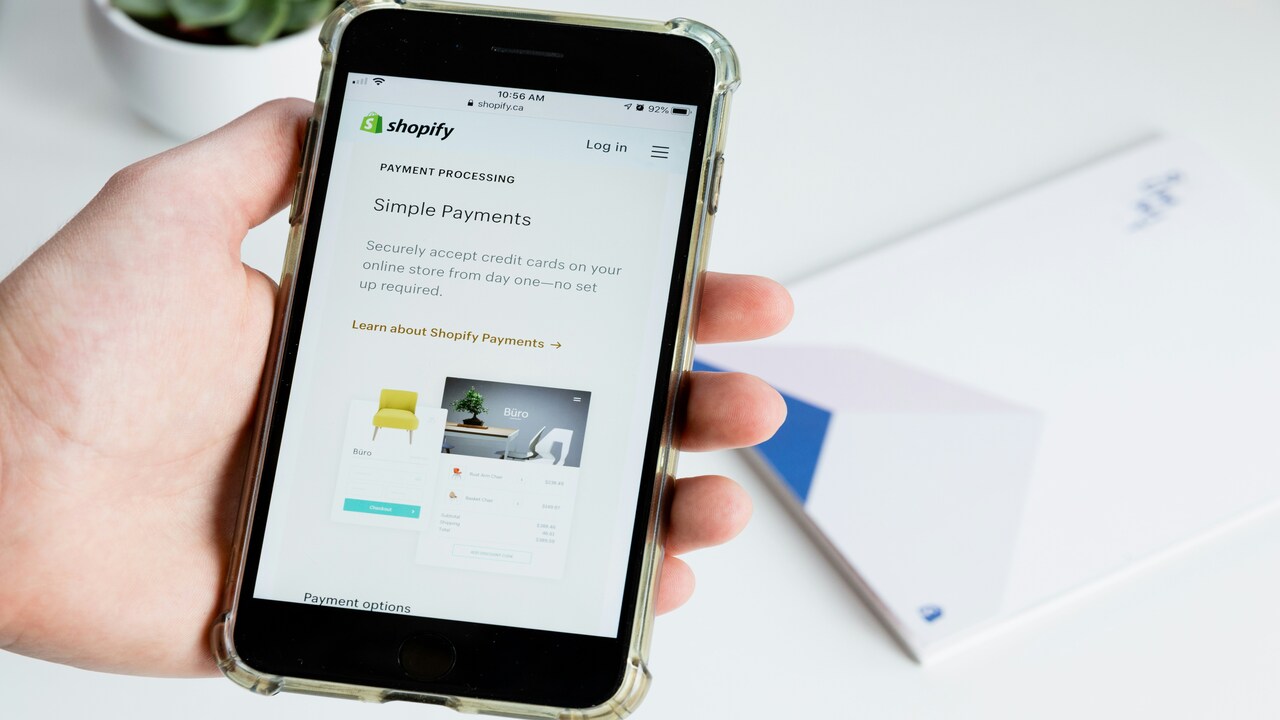
Fashion gets discovered on phones. Scrolled on phones. Bought on phones. You can't increase ecommerce sales while half your checkout dies on a small screen.
This means buttons about the size of your thumb, autocomplete everywhere, guest checkout, and bare-bones forms. Every step that you have to take is taking away from your bottom line.
Do your own checkout at least once a month on your personal device. If it bugs you, you're already losing money.
3. Shoot Real Photos on Real People
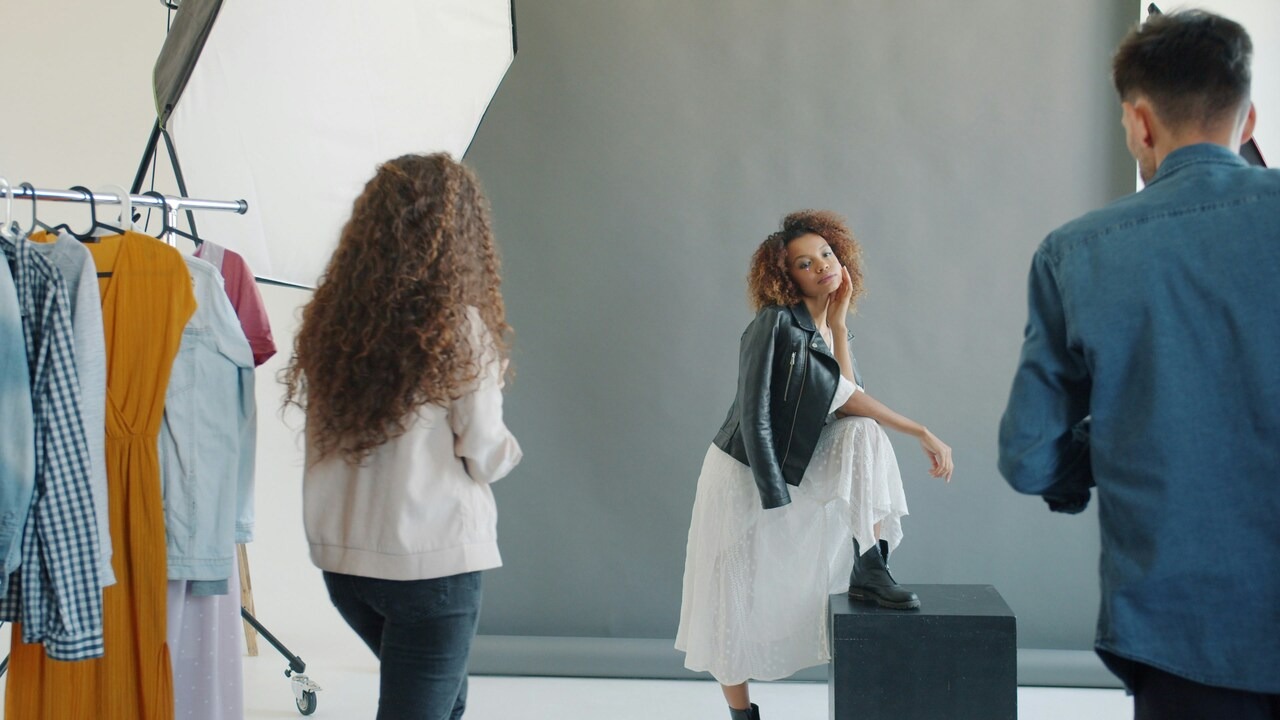
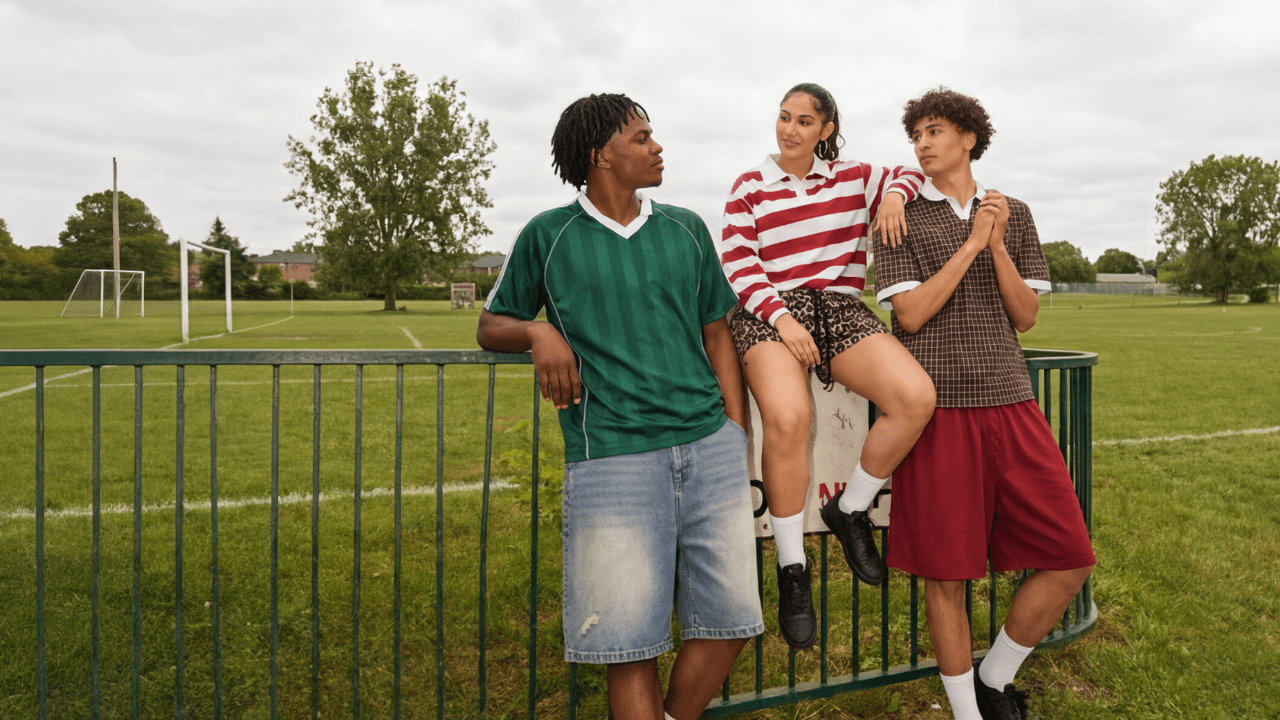
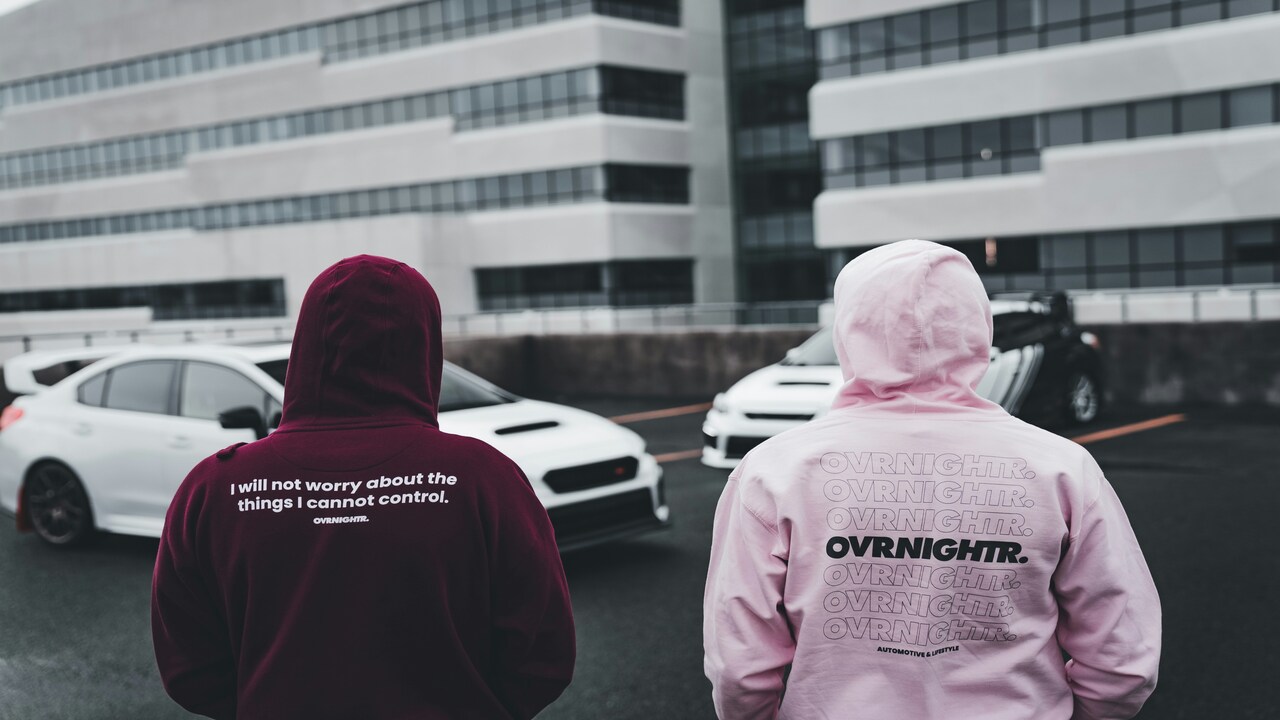
Flat lays are fine. Fits on real bodies sell.
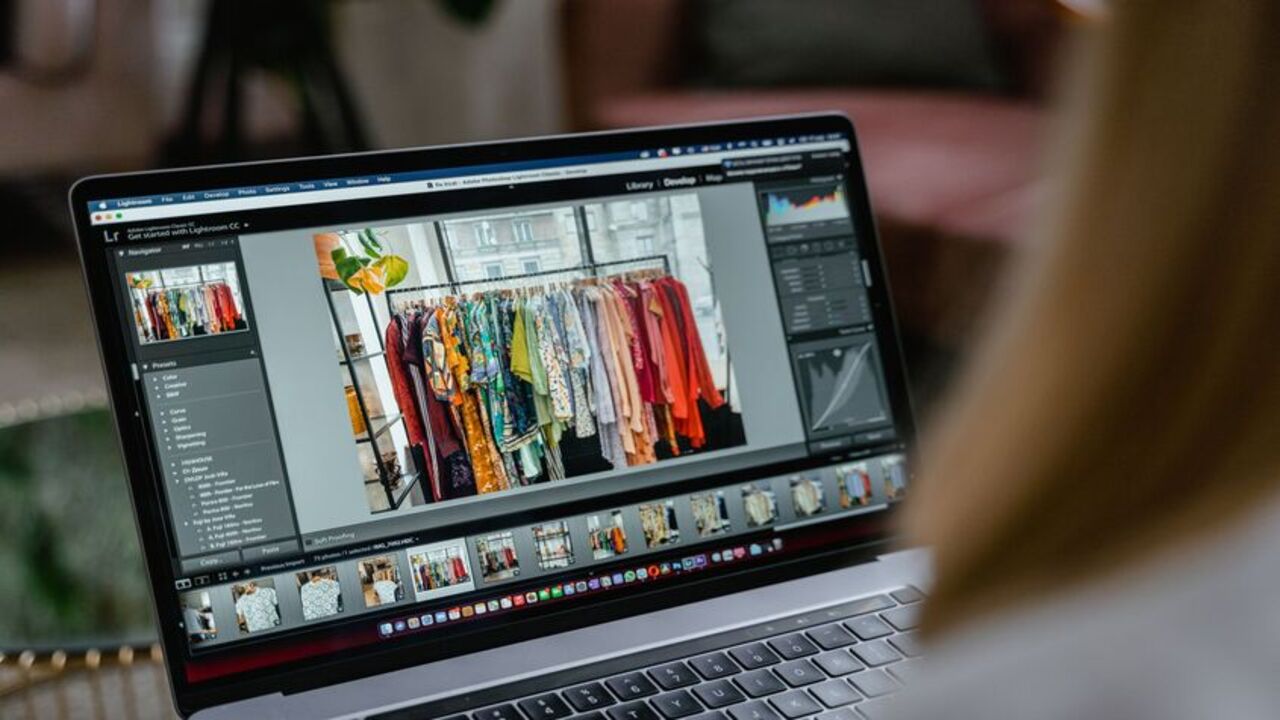
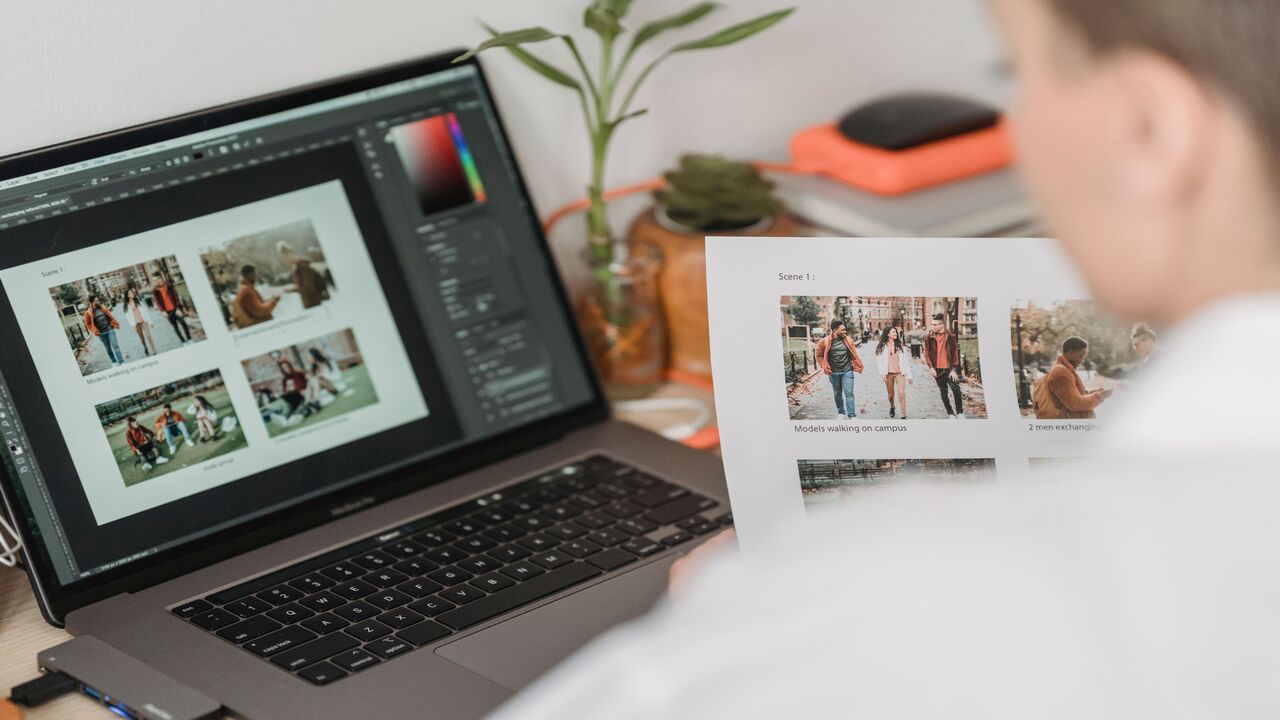
Shoot every image from several angles; shoot details of textures and seams; inject movement wherever possible. Video beats stills since drape doesn't make sense without motion. Combine both professional lookbook images and informal smartphone photos; the professional shots create the branding, while the other shots build credibility.
One additional tactic that very few brands use: shoot the same outfit on models of different body types and include sizes of the models in the description. The question of fit is the silent assassin when it comes to converting fashion purchases; a single picture solves it better than any chart. Clearer sizing content is one of the quickest ways to boost ecommerce sales on any fashion catalog.
If your product photography looks generic, the product does as well.
4. Put Social Proof Everywhere
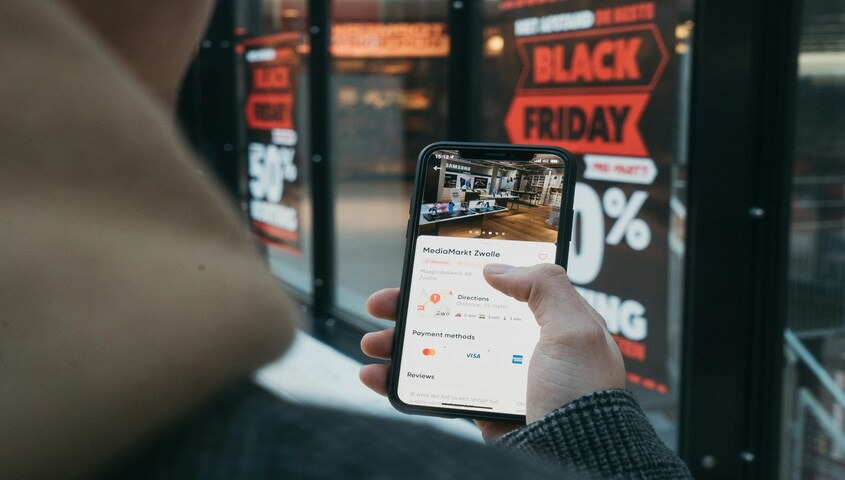
Nielsen found that people place far more trust in personal recommendations than in paid ads, with 92% of consumers favoring word-of-mouth suggestions. Your marketing budget is fighting a stat it can't beat, so recruit the crowd instead.
Customer photo reviews around the purchase button. Use relevant hashtags in your social posts to drive customers to your product page. After they make a purchase, follow up with an email asking them to share a review and photo for a small reward. And finally, repurpose the best customer content and see how it beats your own studio images.
People don't buy from brands. They buy from other people who already did. Social proof is one of the cheapest ways to grow ecommerce sales without touching your ad budget.
5. Run Drops, Not Just a Store
A store waits for customers. A drop makes them show up.
Limited runs create urgency without touching your price. Tease the pieces, set a date, build the countdown, deliver. Few things increase ecommerce sales faster than a drop people set alarms for, and the scarcity is real, not manufactured: when it's gone, it's gone.
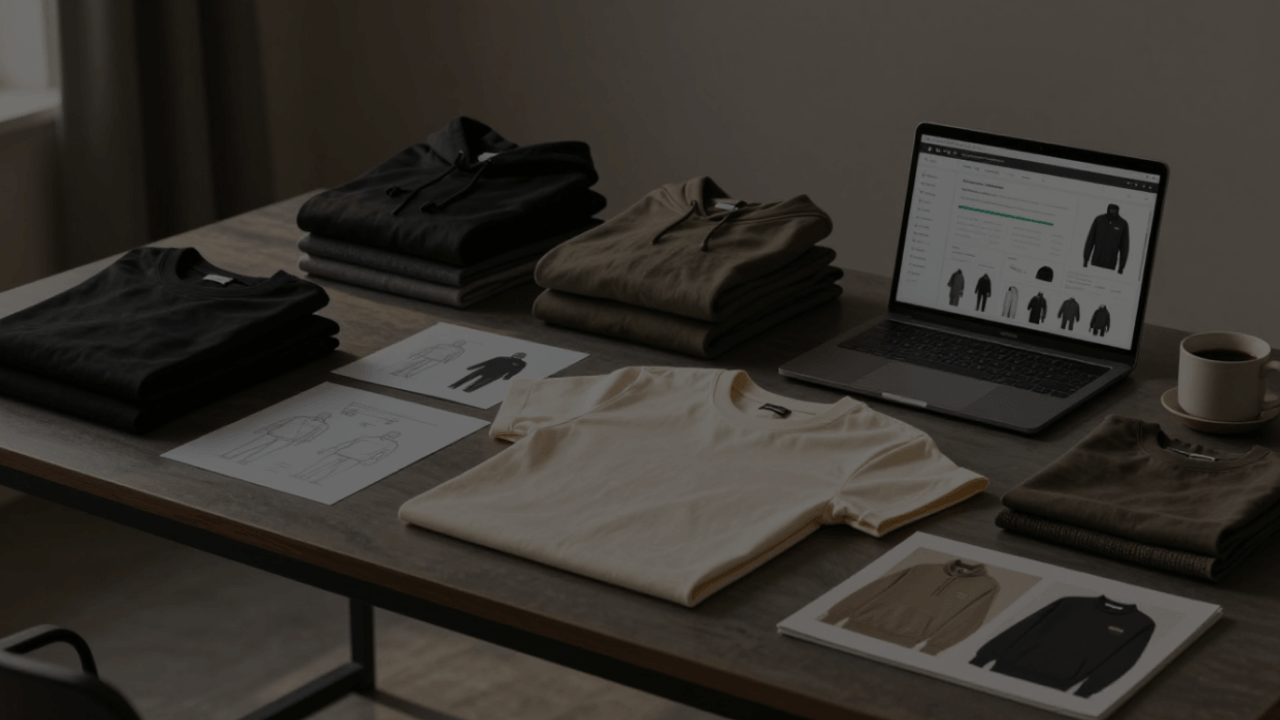
This business model once required large orders and inventory risk. No more. Without any minimums from platforms such as Tapstitch print-on-demand, it costs zero for a 12-unit capsule in dead stock. Try out a design, see how it performs, and return the winners. Small brands, big brand attitude.
6. Rescue Abandoned Carts
Statista puts global cart abandonment at 80% as of late 2024. Eight in ten shoppers get all the way to the cart and vanish. That's not a failure; that's a follow-up list.
Send a series of three emails: the first after just a few hours, another at 24 hours that uses social proof to motivate, and the third one at 72 hours that has free shipping if the math works. Do not be too aggressive, but keep the tone friendly. Before sending an email, though, make sure that you know what makes the cart abandon. It is usually due to hidden costs at the payment stage or mandatory sign-up for an account.
Recovered carts are the cheapest way to increase ecommerce sales, because the hard part, getting someone to want the piece, is already done.
7. Build an Email and SMS Engine
The audience on your Instagram is leased. The algorithm is the landlord, and the rents keep going up. You own the emails and SMS, and that's where the money is compounded.
The proof? According to eMarketer, 77% of ROI from marketing is created by segmenting, targeting, and triggering. In a study by Epsilon, 74% of customers really do want updates from brands via email, and 65% read their SMSs four or more times a day.
Get at least three streams going: the initial stream that tells your story, the second one after purchase, and a third one for winback. Don’t segment based on vibes; segment based on behavior. That customer who purchased two hoodies shouldn't be getting the same email as the one who hasn't checked you out yet.
8. Set a Free Shipping Threshold
Shipping costs that are not expected will destroy your cart more than any other factor on this list. However, giving away free shipping on all items will slowly erode your profits, but you can get clever with this one.
Make your shipping price just a bit higher than your AOV. For example, your AOV may be $60, so you make your free shipping price at $75. The customers put an extra custom T-shirt or hat to make their order amount $75 and pay for the shipping charges.
9. Retarget Like You Mean it.
Most first visits don't end in a sale. Normal. A view is interest, retargeting is the follow-up, and follow-up is how you increase ecommerce sales from traffic you already paid for.
Targeting dynamic ads is key: showcase the very hoodie that caught their eye rather than the generic logo of the brand. Limit your frequency, and don’t appear as a pest, but keep your incentive in reserve till the very end.
They aren’t ignoring you; they are making up their minds. Just be there when they are.
10. Bundle to Raise Average Order Value
The best sale price is the one that's added to an order that's already being placed.
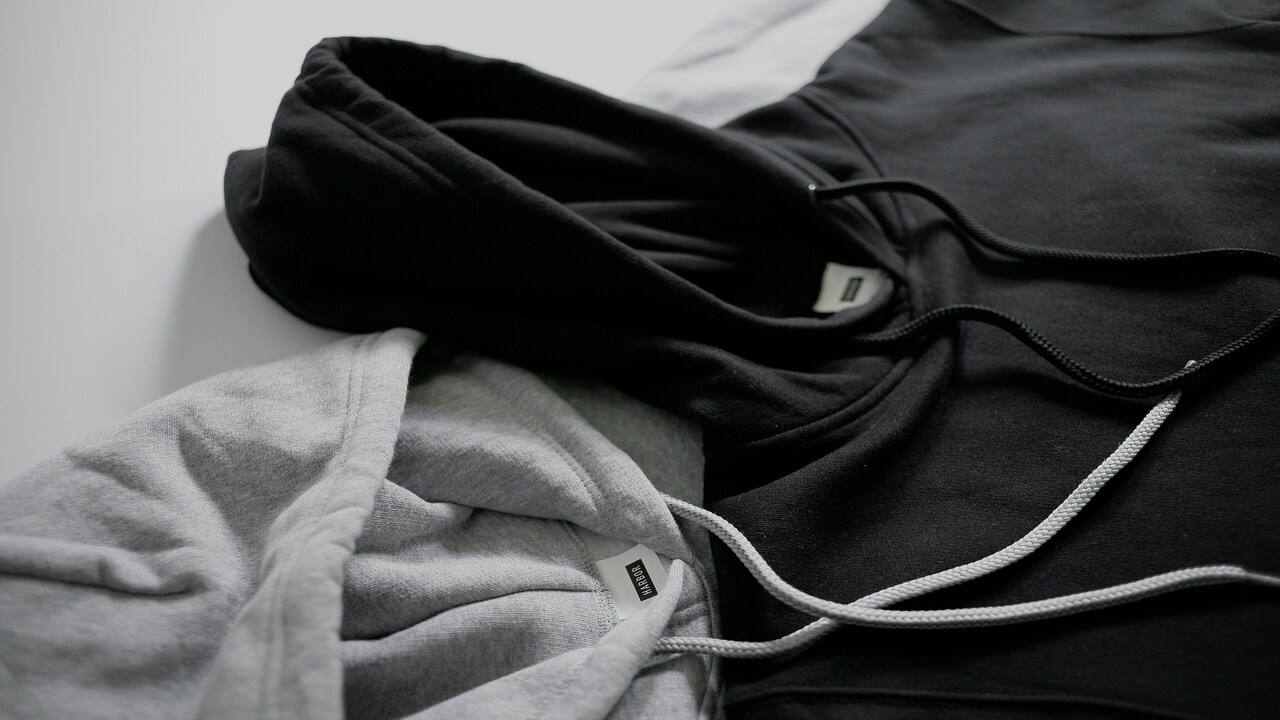
Complete the look: put together the sweatshirt with the matching sweatpants and offer the combination for slightly less than its component prices. Use the "wear it with" module in the product description, and have a one-click option during checkout. If done correctly, it will come across as fashion advice rather than a sales pitch.
Increasing AOV boosts your income without even getting an additional visitor to your website. Bundling is one of the quietest ways to boost ecommerce sales in the whole playbook.
11. Turn Buyers into Repeat Customers
Repeat customers pay more per order and do not incur any acquisition costs. Fashion brands are still investing 90% of their efforts in attracting strangers. Do the exact opposite.
Grant access to the drops before everyone else for your existing customers. Give store credit for referrals instead of using discounts. Send a little something on the first order anniversary date. Develop a points system if you can afford it. None of it is costly. All of it communicates the same message: you’re not just a transaction, you’re part of this.
The first order is the audition. The relationship is the business.
12. Test, Measure, Repeat
The brands that win aren't guessing. They're testing.
Change only one variable at a time in your A/B testing: the product image, the headline, the call-to-action copy. Use heatmaps to identify where buyers get stuck and solve it right there. Review the results weekly and tweak just one thing at a time.
The 10% increase in conversion will always be better than a 10% increase in advertising budget because you keep the boost indefinitely and the ad budget is gone for good by the end of the week. Compounding creates success stories, including those you admire most.
Key Factors Affecting Ecommerce Sales

Before the strategies, understand the levers. Every online sale runs through the same four gates, and each factor below either helps you increase ecommerce sales or quietly drains them. Get all four right, and you boost ecommerce sales without touching your ad spend.
Site Experience
Website speed is crucial. Keep your design simple and make sure pages load quickly, as 53% of mobile users abandon sites that take over three seconds to load. Three seconds – that’s all you get for your homepage before the user flips away to their social media feed. Optimize images, remove extraneous content, and ensure navigation is clear enough to eliminate any thought process.
Product Quality and Presentation
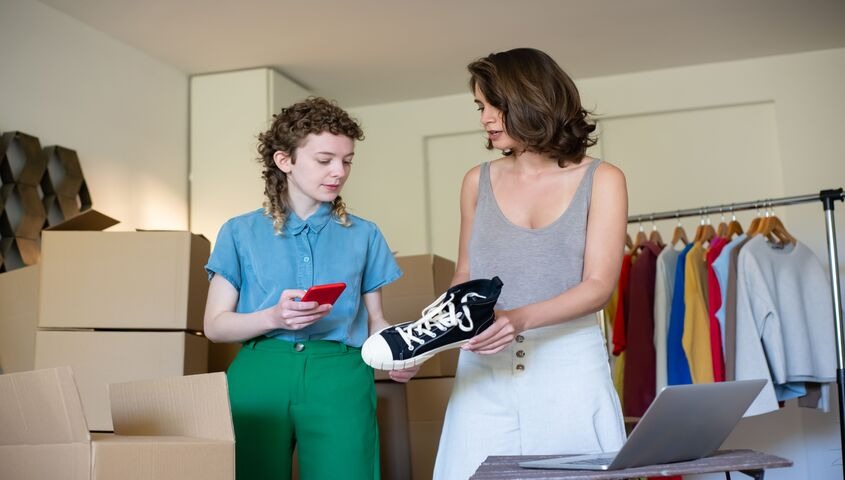
Fashion is an example where the product is the message itself. The weight of fabric, the cut, the stitching, the way it hangs – none of it is tangible from the image, so it’s all up to the description you provide along with it. A brand based on cheap blanks and paper mock-ups will be revealed the moment the package is opened, followed by refund requests.
Trust Indicators
Starting a new brand from scratch means starting from zero trust. The solutions are reviews, proper sizing, good returns, and pictures of actual customers. Leave them out, and shoppers will think the worst because that’s what the internet has taught them to do.
Price Positioning
Prices tell a story. Tell the story of your product’s worth, and get the full price. Compete on discounts and teach customers to expect the next one. That’s something I’ll explain further in the following section.
Frequently Asked Questions
What is the fastest way to increase ecommerce sales?
Tackle conversions first rather than go after traffic. Emails for abandoned shopping carts, a free-shipping bar, and optimized product pages will often generate sales quickly since you’re dealing with people who are already coming to your site. Traffic is expensive. Conversion is free.
How do I grow ecommerce sales without discounting?
Bundle offers, drop limitations, shipping thresholds, and loyalty benefits all increase sales while helping maintain your pricing structure. Discounting teaches customers to be patient, while scarcity and perceived value teach them to take action. A company that never discounts tells the marketplace that its products are worth paying full price for, and the marketplace believes it.
How much traffic do I need before these strategies matter?
Less than you probably realize. A/B testing requires volume to interpret the findings, but everything else, including your product pages, trust signals, and mobile checkouts, all start paying dividends on the very first hundred visits. Traffic volume makes conversions even more critical, not less. With 200 visitors a month, every single one of them matters.
Do drops work for small fashion brands?
They perform well for smaller brands. Limited editions create concentrated demand from a smaller group of people who buy out the entire edition faster and generate buzz around the idea that your products aren’t sitting on shelves. Make sure that your initial capsule is limited and of good quality.
Final Thoughts: How to Increase Ecommerce Sales Consistently
There's no single trick, and anyone selling you one is selling you something else too. What works is the stack: strong garments, honest product pages, a fast mobile checkout, an owned audience, and drops with intent behind them. Pick one fix and ship it this week; cart emails today beat a grand strategy someday.
If the product side is your bottleneck, that's where Tapstitch comes in. Real cuts, real fabrics, no minimums. Master how to increase ecommerce sales, pair it with garments worth selling, and you're not running a store anymore. You're building a name people recognize.
.webp)

.jpg)
.jpg)
.jpg)
.png)

.jpg)
.jpg)
%20(3).jpg)

.png)
.jpg)
.jpg)
.jpg)
.jpg)
.jpg)
.jpg)






.png)


.png)
.jpg)








.jpg)


.jpg)

.png)
.jpg)


.jpg)
.jpg)


.jpg)
.jpg)
.jpg)
.jpg)
.jpg)

%20(1).jpg)
.png)

.png)


%20(1)%20(1).jpg)





.png)
.png)