




Black Friday Streetwear Strategies: How Independent Brands Build Hype, Community, and Sales


You don't need to offer 50% off everything to have a successful Black Friday.
And you definitely don't need to compete with the advertising budgets of the world's biggest fashion retailers.
For independent labels, that’s a battle you’re unlikely to win.
But there's another way to approach Black Friday streetwear campaigns.
Instead of chasing ever-lower prices, focus on what makes your clothing worth buying in the first place.
The designs your customers return to. The community you’ve built. The story behind your clothing. The excitement of releasing something new.
The shopping event might have grown into weeks of promotions and increasingly aggressive Black Friday fashion deals, but that doesn't mean you have to follow the crowd.
The goal isn’t just to sell more clothes.
It’s to give people another reason to care about what you create.
Lessons From Our Latest Founder Webinar
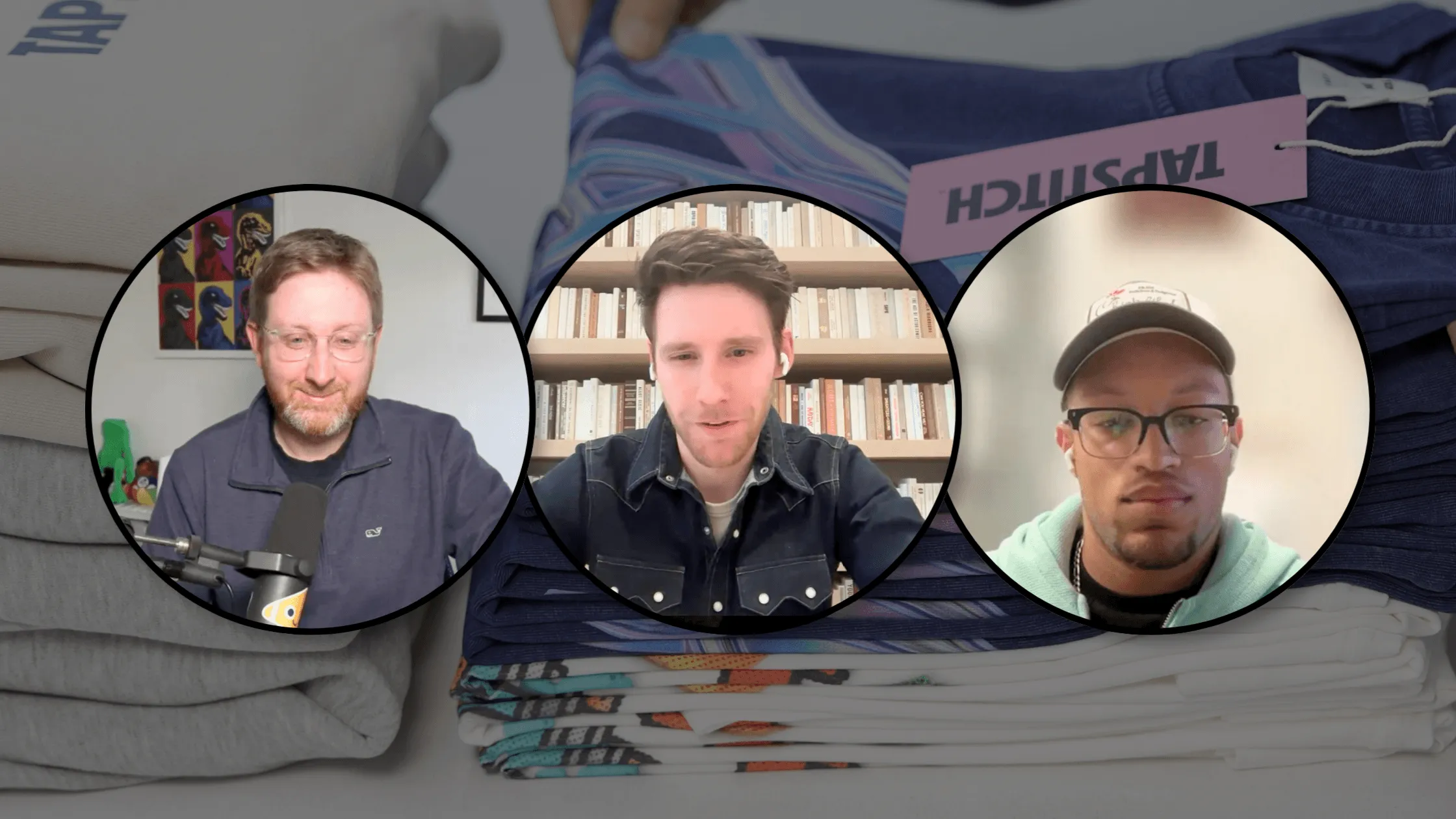
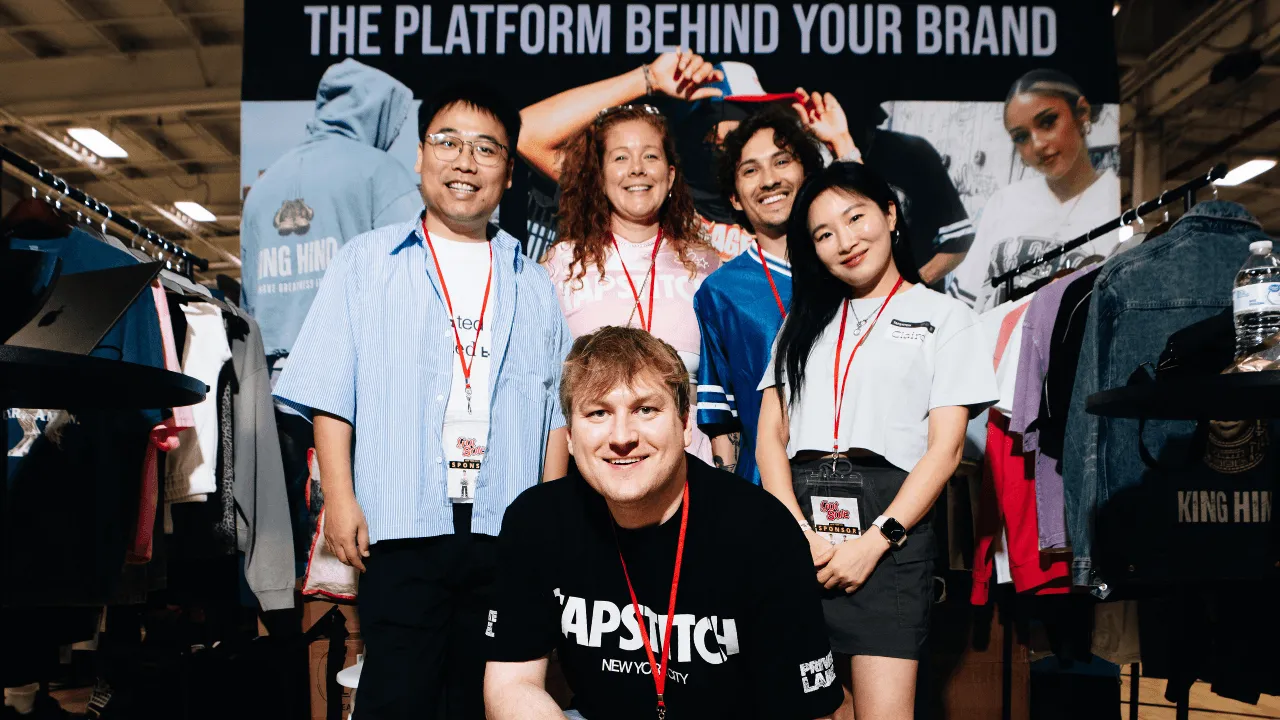
To explore what really works during Black Friday, we brought together three fashion industry voices for Tapstitch's latest live webinar, sharing practical strategies for independent clothing brands looking to stand out during the busiest shopping season of the year.
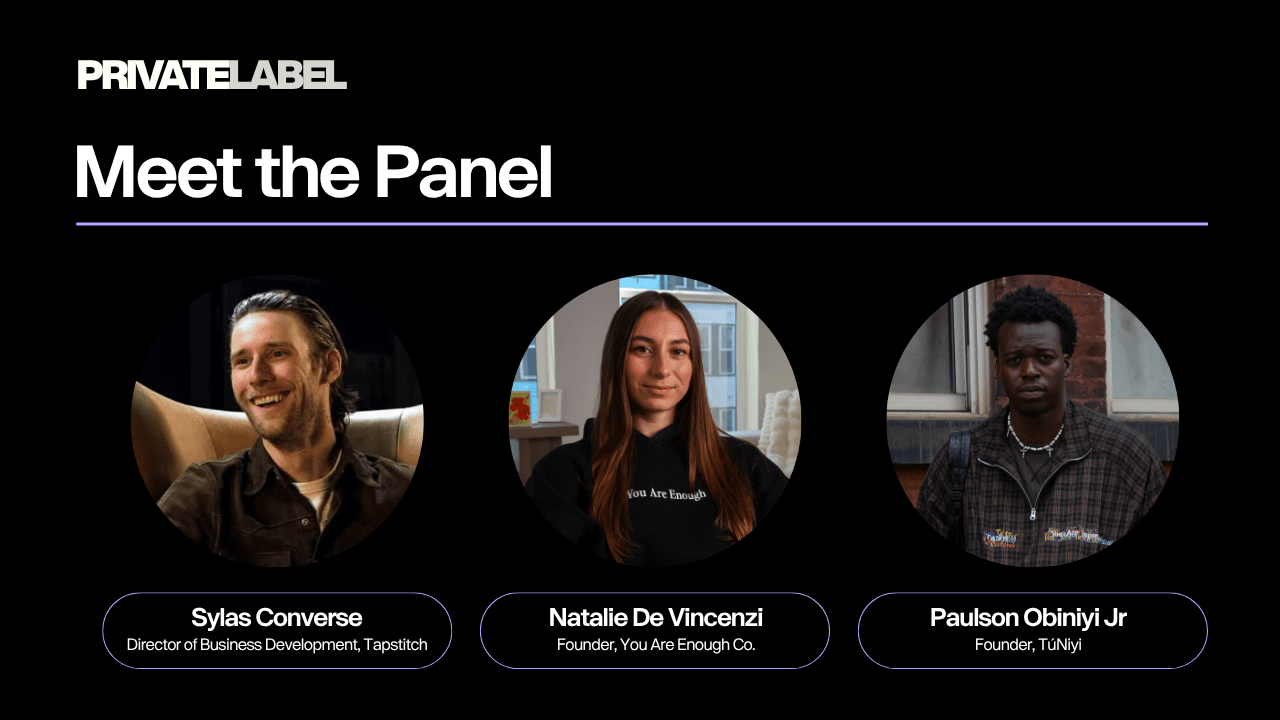
Joining the discussion were three people with different experiences of building, growing, and supporting fashion brands:
- Sylas Converse: Director of Business Development at Tapstitch, with 15 years of fashion industry experience spanning manufacturing, distribution, startups, and brand development.
- Natalie De Vincenzi: founder of You Are Enough Co., a clothing brand built around mental health awareness, who's learned plenty from running Black Friday campaigns over the years.
- Paulson Obiniyi Jr.: founder and creative entrepreneur with experience in streetwear, brand storytelling, community events, and exclusive product drops.
From deciding what to sell and how much to discount to building hype, growing a community, and getting orders out the door, the conversation was packed with lessons from founders who've been there.
And if there's one thing they agreed on, it's this:
You don't need the biggest budget to make Black Friday work.
You need the right products, a clear strategy, and a community that cares about what you're creating.
Your Black Friday Strategy Starts With Knowing Your Customer
It's tempting to look at what the biggest fashion retailers are doing for Black Friday and follow their lead. Lower prices, longer sales, more products. If it works for them, why wouldn't it work for you?
But what works for a major retailer won’t necessarily work for an independent label.
Natalie learned this firsthand during her first Black Friday. With her business still in its early stages, she looked at established retailers for inspiration and put together promotions without fully understanding her product margins or how her customers would respond.
Several Black Fridays later, her approach looks very different.
At You Are Enough Co., Natalie focuses on products that have already proven popular with her audience. She knows which pieces customers come back for, which make great gifts, and where offering a new color or a discount might encourage another purchase.
Paulson takes a slightly different approach.
His customers are drawn to minimalist, abstract designs. They're not necessarily chasing the latest trends, but they do want something fresh. Rather than constantly creating new products, he looks at what's already resonated with his audience and finds ways to give it a new life.
One of his bestselling pieces was a colorful beanie. For its next release, he's considering a more neutral colorway that keeps the original design but makes it easier to style with different outfits.
Different brands. Different customers. Different strategies.
And that's the point.
Your past sales, customer feedback, and engagement can tell you a lot about what people actually want. Which designs consistently sell? Do customers prefer a relaxed fit or a more structured shape? What sizes and colors do they choose? Which items get the most attention, and which ones bring people back?
You don't need to copy another brand's Black Friday strategy when your own customers are already giving you clues.
The best Black Friday strategy isn't built around what everyone else is doing. It's built around the people you're creating for.
Sell What Works: Bestsellers, New Colorways, and Limited Drops
Black Friday doesn't have to mean creating an entirely new collection or slashing prices across your entire store.
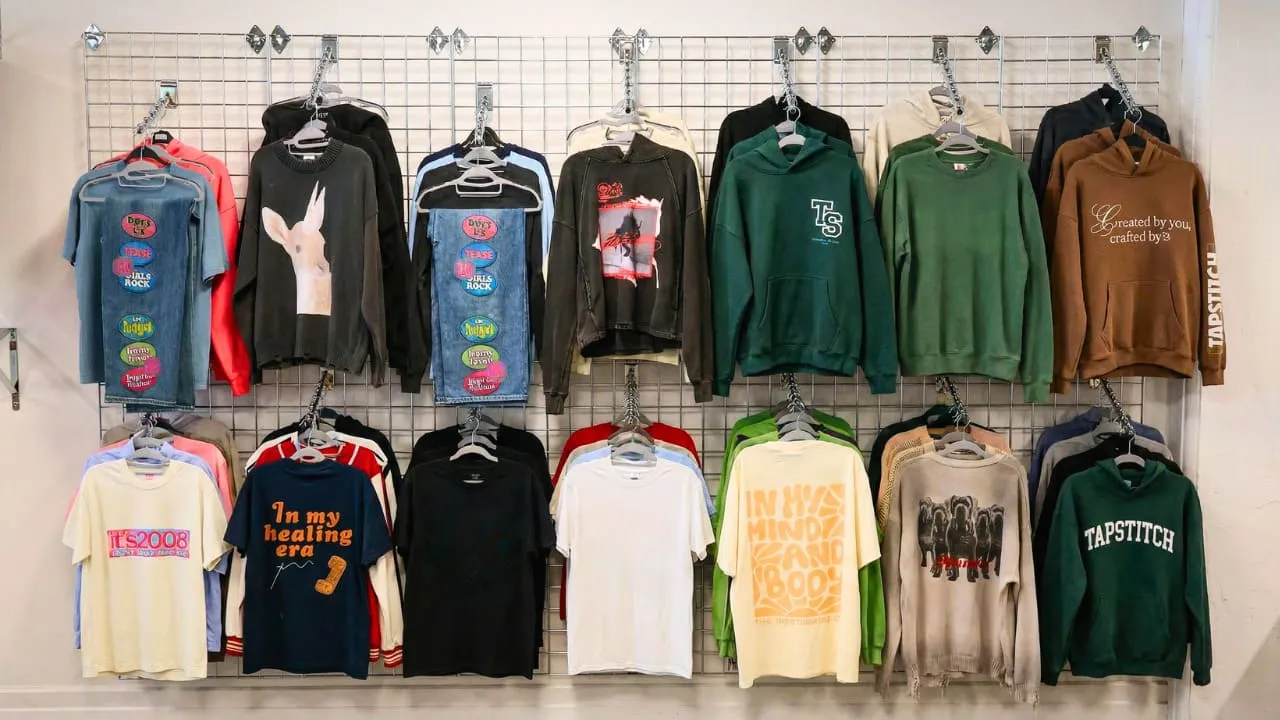
Sometimes, the smartest move is to take what already works and give customers a new reason to buy it. Strong Black Friday picks might include cargo pants, oversized tees, and graphic sweatshirts—provided those items already match your audience’s style.
During the webinar, Natalie and Paulson shared two different approaches to choosing products for Black Friday. Both came back to the same principle: start with what your customers already love.
Double Down on Your Bestsellers
For Natalie, Black Friday is an opportunity to make the most of products with proven demand.
At You Are Enough Co., that means focusing on bestselling pieces that customers already know and love. Many are highly giftable, so someone who originally bought a product for themselves might return to purchase one for a friend or family member.
A discount might also encourage existing customers to pick up another color or style, or pair a favorite sweatshirt with matching pants for a complete outfit.
Rather than gambling on an entirely new collection, Natalie uses what she knows about her customers to make more informed decisions.
Black Friday can also be a useful opportunity to clear older inventory. If a previous launch didn't perform as expected, a carefully planned promotion can help move unsold stock and free up cash for future collections.
The important thing is knowing which products are worth promoting and making sure the numbers still work.
Give Popular Designs a New Life
Paulson approaches things a little differently.
Instead of simply restocking a successful product, he likes to change something about it. A different colorway, a new garment, or a fresh interpretation of an existing design.
During the webinar, he explained how artwork that originally appeared on hoodies for Black Friday was later reintroduced on T-shirts for summer.
The design was already familiar to his audience, but the new format gave people another reason to buy.
He's also considering bringing back one of his bestselling beanies in a more neutral colorway, keeping the recognizable pattern while making it easier to wear with different outfits.
It’s a simple idea with plenty of potential for independent designers.
You don’t always need a completely new design. Sometimes, a different color, fit, fabric weight, or garment is enough to make something familiar feel fresh again. A heavyweight winter sweatshirt and a lighter summer tee can give the same artwork a different feel.
Make Exclusivity Mean Something
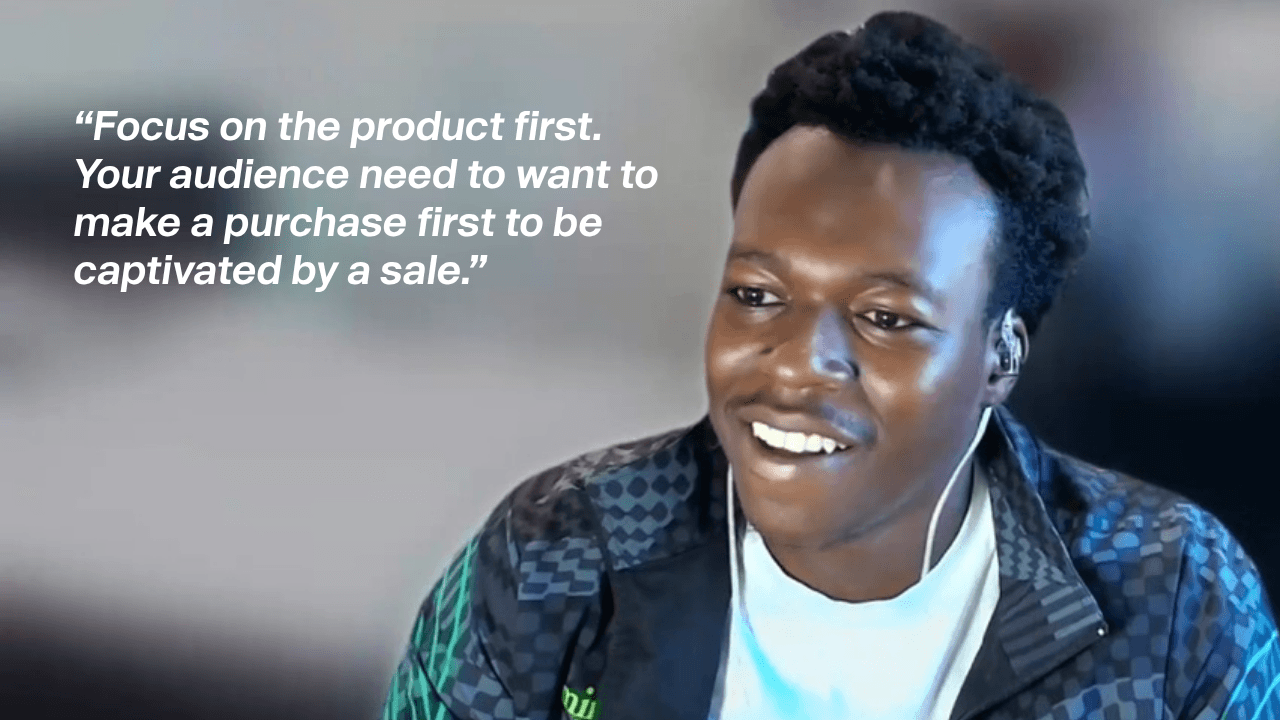
For Paulson, limited releases are also about building a community around the brand.
Through pop-up events, he's experimented with exclusive products that customers can only purchase in person before any remaining pieces become available online.
That creates a different kind of shopping experience. Customers aren't just buying another hoodie or T-shirt. They're getting access to something connected to a particular moment, event, or community.
But Paulson also made an important distinction during the webinar: exclusivity only works when there's already an audience that wants what you're creating.
Calling something a limited edition doesn't automatically make it desirable.
The demand has to come first.
For independent streetwear brands, that might mean testing a design with your existing community before releasing a small collection, introducing a limited colorway of a bestseller, or creating something specifically for a pop-up.
The goal isn’t to manufacture hype around items nobody wants.
It's to give people who already love your brand something worth showing up for.
Still deciding what to include in your Black Friday collection? Explore our guide to what to sell this BFCM for more ideas on choosing custom clothing that converts.
Community Is Your Biggest Competitive Advantage
Major retailers have larger budgets, wider audiences, and the ability to offer prices that independent labels can’t always match.
But independent designers have something that’s harder to buy: a genuine connection with the people wearing their clothes.
During the webinar, both Paulson and Natalie emphasized how important community can be, particularly when you're competing for attention during Black Friday.
For smaller labels, the aim isn’t necessarily to reach everyone. It's to give the people who already care about your brand a reason to get involved.
Turn Your Black Friday Drop Into an Event
Paulson's first Black Friday wasn't just an online sale. It was also his first time organizing a pop-up alongside other independent brand owners.
He released designs he'd been sitting on for years, introduced different colorways, and watched them sell out.
But as he explained during the webinar, it wasn't just the products that made the launch successful. The community surrounding the event played a huge part.
People came to support the brands, connect with other creatives, and experience something they couldn't get from scrolling through an online store.
That’s an advantage independent designers can build on.
A Black Friday launch doesn't have to be limited to adding a discount code to your website. It could be a pop-up, a collaborative event with other local brands, or an exclusive release for your most loyal customers.
Even something as simple as giving your community early access can make the experience feel more personal. You could send exclusive discount codes to email subscribers, give loyal customers the first chance to shop your collection, or offer a limited release before the public sale begins.
The goal is to make Black Friday feel like something people want to be part of, not just another sale they might scroll past.
Tell the Story Behind the Brand
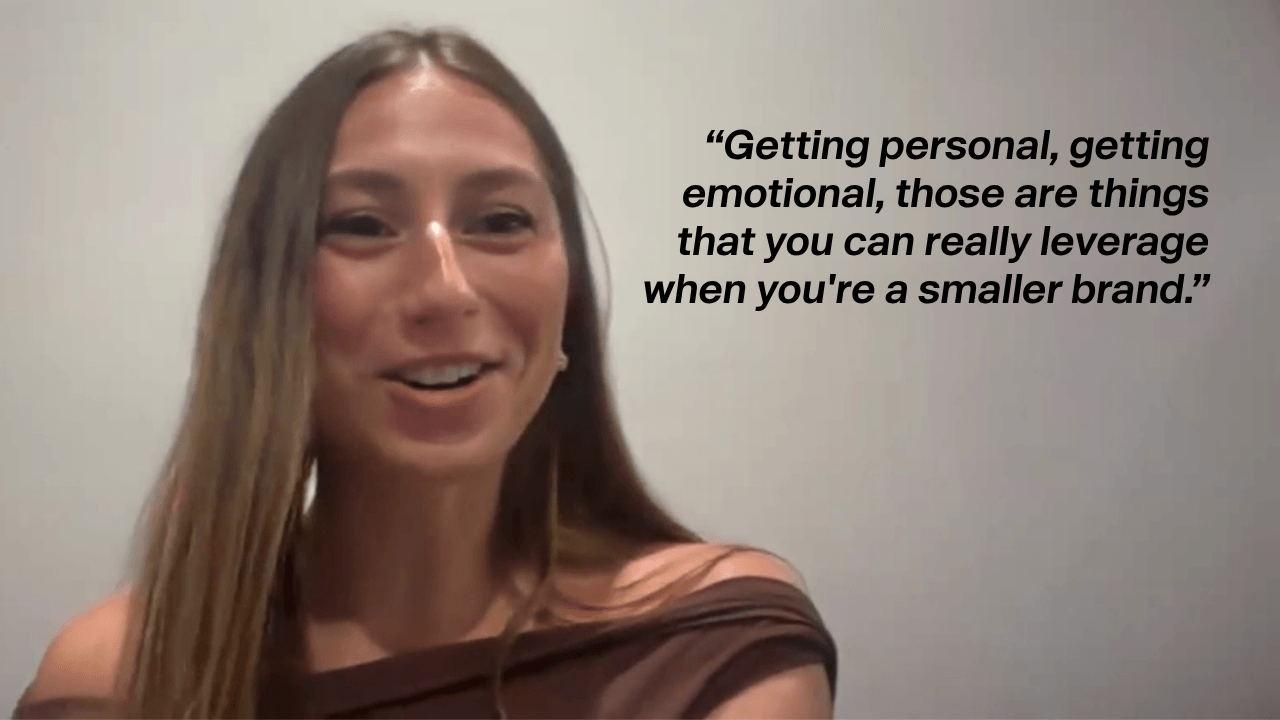
Natalie highlighted another advantage smaller brands have: the ability to get personal.
Large retailers might have enormous marketing teams, but founders can speak directly to their customers about why they started, what they believe in, and what their brand represents.
For Natalie, that connection is central to You Are Enough Co., a clothing brand built around mental health awareness and helping people feel seen.
Her advice was to bring that story into your Black Friday marketing rather than losing it behind promotional messaging.
That might mean sharing the journey behind your brand, talking about what your first Black Friday means to you, or thanking the customers who've supported you along the way.
You could even create a special offer for your first 50 or 100 customers, giving people a reason to feel involved in a particular moment in your brand's journey.
Because people don’t always connect with a label purely because of the products it sells.
Sometimes, they connect with the person behind it, the message it represents, or the community they've become part of.
And that's something even the biggest Black Friday discount can't replace.
Black Friday Fashion Deals: Protect Your Margins
Black Friday has grown well beyond a single shopping day. Many fashion retailers now introduce promotions throughout November, with some launching their biggest offers on Thanksgiving Day and continuing through Cyber Monday.
But that doesn't mean independent brands need to follow the same schedule. Deep price cuts might attract attention, but they don’t always translate into higher profits.
During her first Black Friday, Natalie made a mistake that's easy for new clothing brand founders to fall into: looking at what major retailers were offering and trying to compete without fully understanding her own margins.
The problem? Large retailers operate on a completely different scale.
They can often absorb price reductions that would leave a smaller business making very little on each sale, or even losing money.
Natalie's advice was to understand your numbers before deciding what kind of promotion to run.
That means looking beyond the price of the garment itself. Production costs, shipping, advertising, packaging, and other overheads all affect how much money you're actually making.
A Black Friday campaign that generates hundreds of orders might look successful on paper. But if reduced prices and marketing costs eat up most of the revenue, those sales might not be doing much for your business.
How Much Should Streetwear Brands Discount for Black Friday?
There's no magic percentage that works for every clothing brand.
The right discount depends on your products, your costs, and what you're trying to achieve.
A bestselling hoodie with healthy margins might have room for a promotion, while a more expensive product with tighter margins might not.
Before deciding on a discount, ask yourself:
- What's my actual cost per product? Include production, fulfillment, and any additional expenses.
- How much profit will I make after the discount? Work out what's left from each sale, not just the revenue coming in.
- Will I need to spend money acquiring customers? Advertising costs can quickly change the numbers.
- What's the goal of the promotion? Are you attracting new customers, rewarding loyal ones, or clearing older inventory?
You also don't have to discount everything. Black Friday prices can vary significantly between retailers and individual products, so there's no reason every item in your collection needs the same offer. You might reduce prices on older sweatshirts, offer a smaller discount on bestselling hoodies, or keep new releases at their regular price.
Natalie's approach of focusing on bestsellers and clearing older stock shows how brands can be selective about which products they promote.
The goal isn’t to offer the steepest discount possible. It's to create an offer customers find attractive while keeping the business profitable.
How Long Should Your Black Friday Sale Last?
Black Friday has grown well beyond a single shopping day, with some retailers running promotions for weeks.
But that doesn’t mean independent labels need to follow the same schedule.
During the webinar Q&A, Sylas suggested that smaller brands consider keeping substantial discounts to around two weeks at most.
He also recommended experimenting with earlier promotional periods rather than waiting until major retailers are competing for attention during Black Friday week.
Starting earlier could give your brand an opportunity to reach customers before the busiest advertising period.
Of course, the right timing depends on your audience, products, and campaign goals.
A limited streetwear drop might work best with a short launch window, while a brand looking to clear inventory could benefit from a longer promotion.
Whatever you decide, make sure customers understand when the offer starts, when it ends, and why it's worth their attention.
A successful Black Friday isn't just about how much you sell. It's about how much you keep.
Build Anticipation Before Black Friday Arrives
Even the best Black Friday offer won't do much if nobody knows it's coming.
During the webinar, Sylas made an important point: simply announcing a discount when Black Friday arrives isn't enough for most clothing brands.
Customers need to understand what you're offering, why it's worth their attention, and when they can get their hands on it.
That means building anticipation well before the sale goes live.
Create Content That Feels Like Your Brand
For Paulson, preparation starts with getting the creative side of a campaign organized well in advance.
That means thinking about photography, models, samples, and the people involved in bringing a collection to life before the launch date starts creeping up.
He also recommends ordering samples in the sizes your models will need, so you can check the fit across the chest and shoulders, photograph the collection, and start promoting it without unnecessary delays.
But creating engaging content doesn't have to mean spending thousands on a professional production.
Natalie emphasized that smaller brands can create compelling campaigns with relatively simple resources. A home office, a local street, or a few authentic behind-the-scenes moments can work just as well when the content connects with your audience.
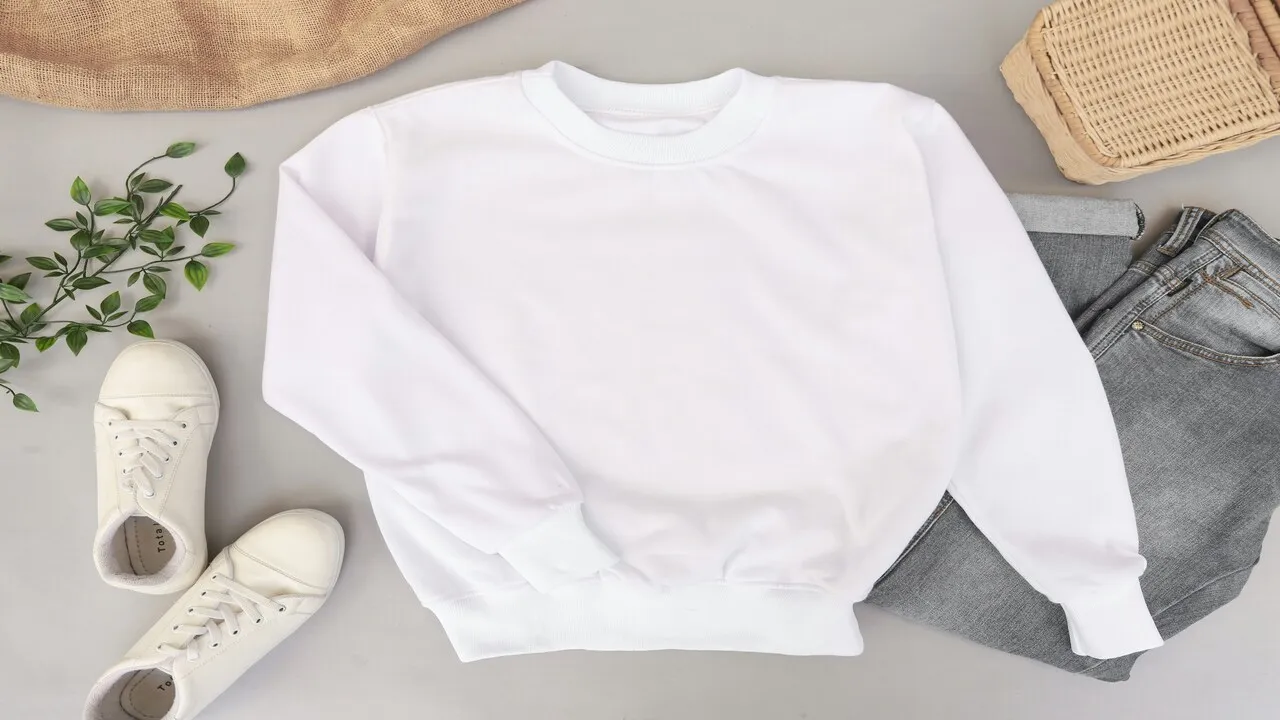
Think product previews, casual styling videos, founder updates, and collaborations with other creatives. Show how a sweatshirt pairs with jeans, how a tee works with denim, or how different colors change an outfit.
Paulson also highlighted the value of crediting everyone involved in a campaign, from photographers and stylists to other creative collaborators. It's a simple way to build relationships and introduce your brand to new audiences.
The goal isn't to look like a major retailer. It's to create content that feels like your brand and gives people a reason to pay attention.
Use Email, Social Media, and Paid Ads Together
Once your campaign is ready, the next step is making sure people actually see it.
Social media can help build anticipation through product previews, behind-the-scenes content, and drop announcements.
Email gives you a direct way to reach existing customers, reward loyal supporters, and remind people when your promotion goes live.
And if your budget allows, paid advertising can help introduce your collection to a wider audience.
The important thing is keeping your message consistent across every channel. Whether someone sees your Instagram post, opens an email, or clicks an ad, they should understand what you're offering and why it matters.
For more detailed strategies, explore our guides to Black Friday email marketing, BFCM social media, and high-converting Black Friday ads.
And whatever channels you choose, plan ahead.
As Natalie pointed out, the last thing you want is to spend Thanksgiving week scrambling to organize campaigns, schedule content, or prepare your store.
Build the excitement early, so when Black Friday arrives, your customers are already paying attention.
Your Production Strategy Matters Just as Much as Your Marketing
You've chosen your products, planned your promotions, and started building anticipation.
But there's another part of Black Friday preparation that's easy to overlook: how you're actually going to produce and fulfill those orders.
For independent streetwear brands, production decisions can have a huge impact on cash flow, profitability, and how much flexibility you have when launching new products.
And as Natalie explained during the webinar, the cheapest production option on paper isn't always the most profitable in practice.
Print on Demand vs. Bulk Production for Black Friday
Natalie's experience is a great example of why it's worth looking beyond the cost of an individual garment.
After initially using print on demand, she moved into bulk production to reduce her per-unit costs.
But that came with additional expenses.
Inventory storage, third-party logistics (3PL), packaging, and fulfillment all added to the overall cost of running her business.
Once she looked at the full picture, Natalie decided to move back to on-demand production with Tapstitch.
It's an important lesson for clothing brands preparing for Black Friday.
Bulk production can make sense when you have established bestsellers and predictable demand. Ordering larger quantities can reduce the cost per garment, but it also means investing in inventory upfront and taking on the risk of unsold stock.
Print-on-demand, on the other hand, lets you produce garments as customers order them. That means less money tied up in inventory and more freedom to experiment with different designs, colorways, and products.
The trade-off is that individual production costs can be higher, and you'll need to account for production times when communicating delivery expectations.
Neither approach is automatically better.
What matters is understanding the total costs, how much demand you can realistically expect, and which model makes the most sense for your business.
How Fashion on Demand Supports Independent Streetwear Brands
For labels that want to experiment without committing to large quantities of stock, fashion on demand offers another way to approach Black Friday.
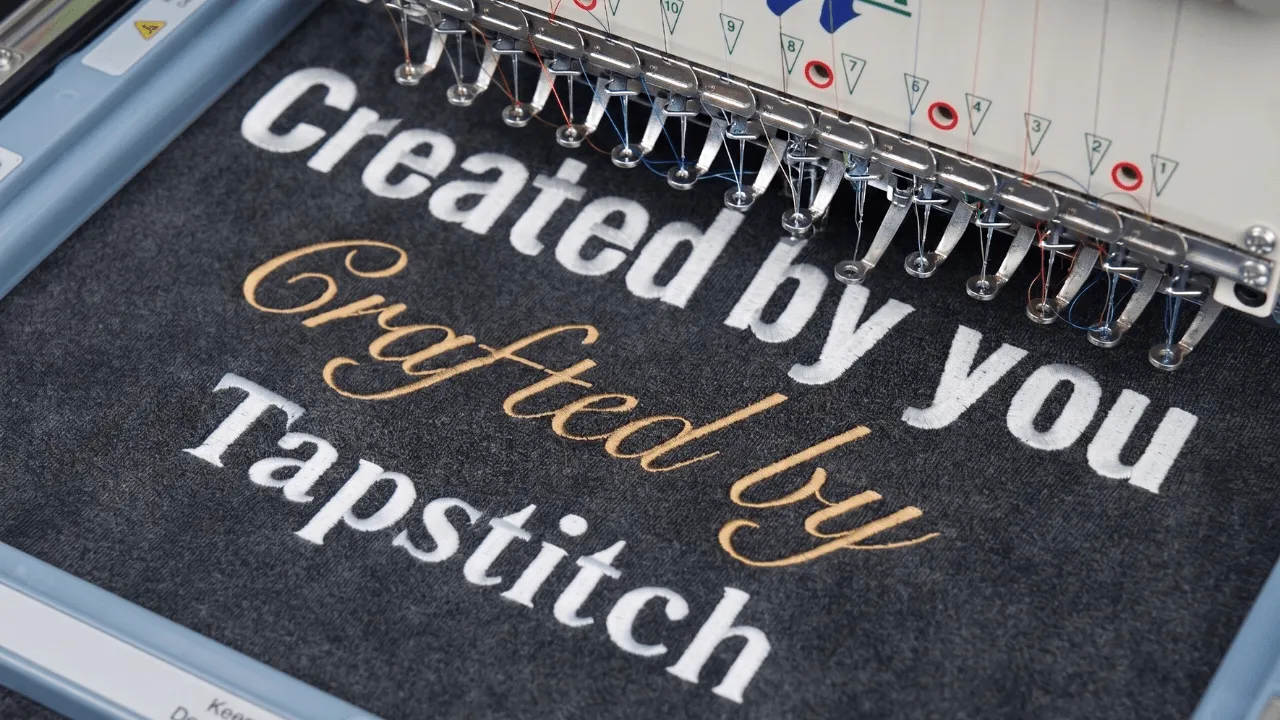
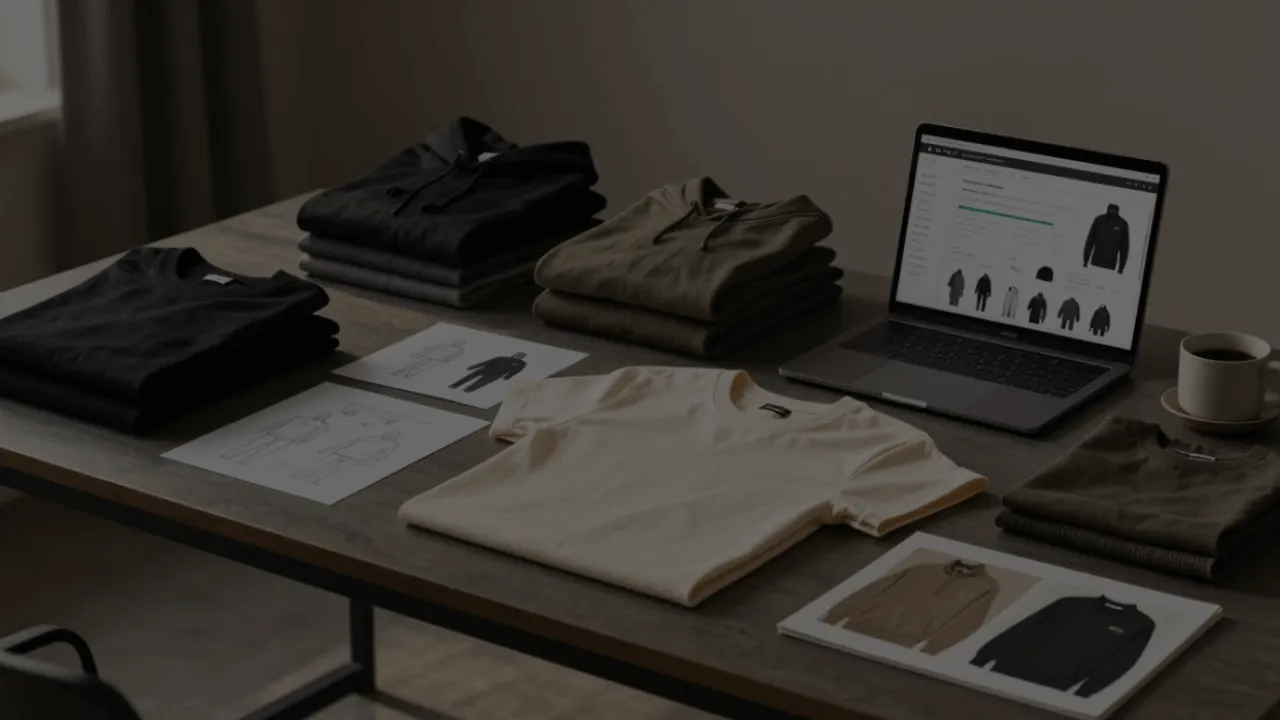
With Tapstitch, you can create custom clothing using premium streetwear blanks, printing, embroidery options, and custom branding, without minimum order quantities.
That gives you the flexibility to test new designs, introduce additional colors, or launch a limited collection without purchasing hundreds of garments upfront. You can compare how different fabrics, fits, and garment styles look in samples before making a wider selection available.
You can also connect your ecommerce store and have orders produced and fulfilled as customers purchase.
And if you've already established demand for a particular product, bulk ordering may still make sense.
The goal isn't to choose one production model and stick with it forever. It's to find the right balance between flexibility, cost, and customer demand.
Whatever approach you choose, make sure you've ordered samples, confirmed production arrangements, and communicated realistic shipping expectations before Black Friday arrives.
Your production strategy should support your Black Friday plans, not limit what you can create.
Your Black Friday Brand Launch Checklist
From choosing the right products to preparing your marketing and fulfillment, there's a lot to think about before Black Friday arrives.
To make things easier, we've pulled together the key takeaways from the webinar into a practical checklist you can use to plan your next launch.
Before Black Friday: Get Everything Ready
- Choose your products: Identify your bestsellers and decide whether you’re promoting existing pieces, introducing new colors, or launching something exclusive. Check whether your selection covers the sizes and styles customers actually buy.
- Know your numbers: Calculate production costs, fulfillment expenses, advertising budgets, and profit margins before setting discounts.
- Plan your promotions: Decide what you're offering, when your sale starts, and how long it will run.
- Order samples early: Check garment quality, printing, sizing, and fit before committing to your campaign.
- Prepare your creative assets: Organize models, photography, product videos, and any collaborations ahead of time.
- Build your marketing campaign: Plan and schedule emails, social media posts, product teasers, and paid ads.
- Get your store ready: Check product listings, sale prices, promotional codes, size charts, and the checkout experience. Make it easy to browse and shop your featured items.
- Confirm production and fulfillment: Make sure your production arrangements can support your planned launch.
- Communicate shipping expectations: Give customers clear information about production and delivery times.
- Make checkout easy: Test your online store on mobile, check that discount codes work, and offer convenient payment methods, such as digital wallets, where available.
- Prepare for high-demand drops: Make sure customers can create or sign into accounts easily, save their details where supported, and complete purchases without unnecessary steps.
During Black Friday: Keep Things Running Smoothly
- Make your offers clear: Customers should immediately understand what's available, how much they're saving, and when the promotion ends.
- Engage with your community: Respond to comments, answer questions, and keep the conversation going throughout your campaign.
- Monitor what's selling: Track your bestselling products, customer demand, and campaign performance.
- Keep customers informed: Communicate any important order, production, or shipping updates.
- Watch your profitability: Keep an eye on discounts, advertising costs, and margins, not just total revenue.
After Black Friday: Learn From What Worked
- Review your bestsellers: Identify which products, designs, colors, fits, and sizes performed best.
- Evaluate your promotions: Look at which discounts, bundles, or exclusive offers generated the strongest results.
- Analyze your marketing: Review email performance, social engagement, advertising costs, and conversions.
- Listen to your customers: Use feedback, reviews, and post-purchase conversations to understand what people loved.
- Plan your next move: Take what you've learned and use it to shape your next collection, product launch, or promotional campaign.
Black Friday is a great opportunity to generate sales, but it's also a chance to learn more about your customers and what makes your brand work.
The more you understand what sells, what connects with your audience, and where your profits come from, the better prepared you'll be for your next launch.
Want to dive deeper into planning your campaign? Check out our Ultimate Guide to Black Friday for Fashion Brands for more tips on preparing your products, marketing, and store for the holiday rush.
The Best Black Friday Strategy Is One That Fits Your Brand
If there's one thing Paulson, Natalie, and Sylas made clear during the webinar, it's that independent streetwear brands don't need to approach Black Friday like the biggest fashion retailers.
You don't need the deepest discounts, the largest advertising budget, or hundreds of products to make your campaign worthwhile.
What you do need is a clear understanding of your customers, products people genuinely want, and a strategy that makes sense for your business.
For Natalie, that means knowing her margins, focusing on products her audience already loves, and staying connected to the purpose behind her brand.
For Paulson, it's about trusting his creative vision, experimenting with fresh ideas, and building a community that wants to be part of what he's creating.
And as Sylas emphasized, it's about planning ahead and making sure every part of your strategy, from your marketing to your production, works together.
The advantage of being independent is that you can do things differently.
You can test new designs without committing to huge collections, build personal relationships with customers, and create clothing that reflects what your community actually wants.
So don't measure your Black Friday success against what the biggest retailers are doing.
Measure it against what you're trying to build.
FAQs: Black Friday for Streetwear Brands
1. What is the best Black Friday strategy for a streetwear brand?
The best Black Friday strategy for streetwear brands starts with understanding your customers. Focus on proven wardrobe essentials and standout pieces you know they'll love, create offers that protect your margins, and build anticipation before your launch. Whether you're promoting bestsellers or releasing something new, choose an approach that fits your brand rather than copying major retailers.
2. How can small streetwear brands compete during Black Friday?
Independent streetwear brands can compete by focusing on what makes them different. Build genuine relationships with customers, tell your brand's story, and create experiences around your products. Exclusive drops, community events, and personalized offers can help smaller brands stand out without relying on massive discounts or advertising budgets.
3. Should streetwear brands launch new collections for Black Friday?
Not necessarily. Black Friday can be a great opportunity to promote existing bestsellers, introduce new colorways, or bring back popular designs. If you're launching something new, consider testing demand first. The goal is to offer products your audience actually wants, not create an entirely new collection just because it’s Black Friday. A versatile selection of basics—such as tees, sweatshirts, or well-fitting pants—can be a better choice than an untested trend.
4. How much should clothing brands discount for Black Friday?
There's no universal discount percentage that works for every clothing brand. Your offer should depend on production costs, shipping, marketing expenses, and profit margins. Before setting a discount, compare regular prices with proposed sale prices and calculate how much you’ll actually make from each sale. A smaller, profitable promotion is often better than a large discount that leaves you losing money.
5. When should streetwear brands start promoting Black Friday?
Start building anticipation several weeks before Black Friday, giving yourself time to prepare campaign content, introduce products, and communicate your offers. Tease upcoming drops, share behind-the-scenes content, and use email and social media to keep customers interested. Invite shoppers to sign up for launch reminders so they don’t miss the opening day. The earlier you plan, the less you'll have to rush when the holiday shopping period arrives.
6. How long should a Black Friday sale last?
It depends on your products, audience, and promotional goals. During Tapstitch's webinar, Sylas Converse suggested that smaller brands consider limiting substantial discounts to around two weeks at most. Shorter promotions can also work well for exclusive streetwear drops, while brands clearing older inventory might benefit from a different approach.
7. Are limited-edition streetwear drops effective for Black Friday?
They can be, especially when your audience already connects with your designs. Limited-edition colorways, exclusive products, and special collaborations can create excitement around a Black Friday launch. However, exclusivity works best when there's genuine demand. Making something limited won't automatically make customers want it.
8. How can I build hype for a Black Friday clothing drop?
Start sharing content before the launch. Tease designs, show behind-the-scenes footage, and encourage people to read more or click through for launch details before the drop goes live. A simple outfit video can show how a new sweatshirt pairs with blue jeans or casual denim pants. Introduce the people involved, give loyal customers early access, and use pop-ups, collaborations, or community events to build excitement. Most importantly, communicate what you're launching, when it's available, and why customers should care.
9. Should I use print on demand for Black Friday?
Print on demand can be a good option for independent streetwear brands that want to launch products without buying inventory upfront. It allows you to experiment with designs and colorways while reducing the risk of unsold stock. However, per-unit costs may be higher than bulk production, so compare your total expenses and account for production and shipping times.
10. How do I prepare inventory for Black Friday clothing sales?
Start by reviewing past sales to identify your most popular items, fit preferences, and sizes. Compare categories such as pants, sweatshirts, and tees; note whether shoppers favor blue denim, neutral colors, or statement pieces. Check which styles work as versatile wardrobe basics and which are seasonal winter picks. If you're ordering in bulk, estimate demand carefully to avoid overstocking. Alternatively, on-demand production can help reduce inventory commitments. Whichever model you choose, confirm production capacity, fulfillment arrangements, and delivery expectations before your promotion begins.
15. What clothing items sell best during Black Friday?
Popular Black Friday clothing categories often include oversized hoodies, graphic tees, sweatshirts, cargo pants, denim jeans, and everyday basics. Some shoppers also look for sneakers, polos, and versatile pieces they can mix and match with their existing wardrobe. However, the best items for your brand will depend on your audience. Review previous sales, identify customer favorites, and select products with proven demand rather than chasing every fashion trend.
11. Are hoodies and sweatshirts good products to sell on Black Friday?
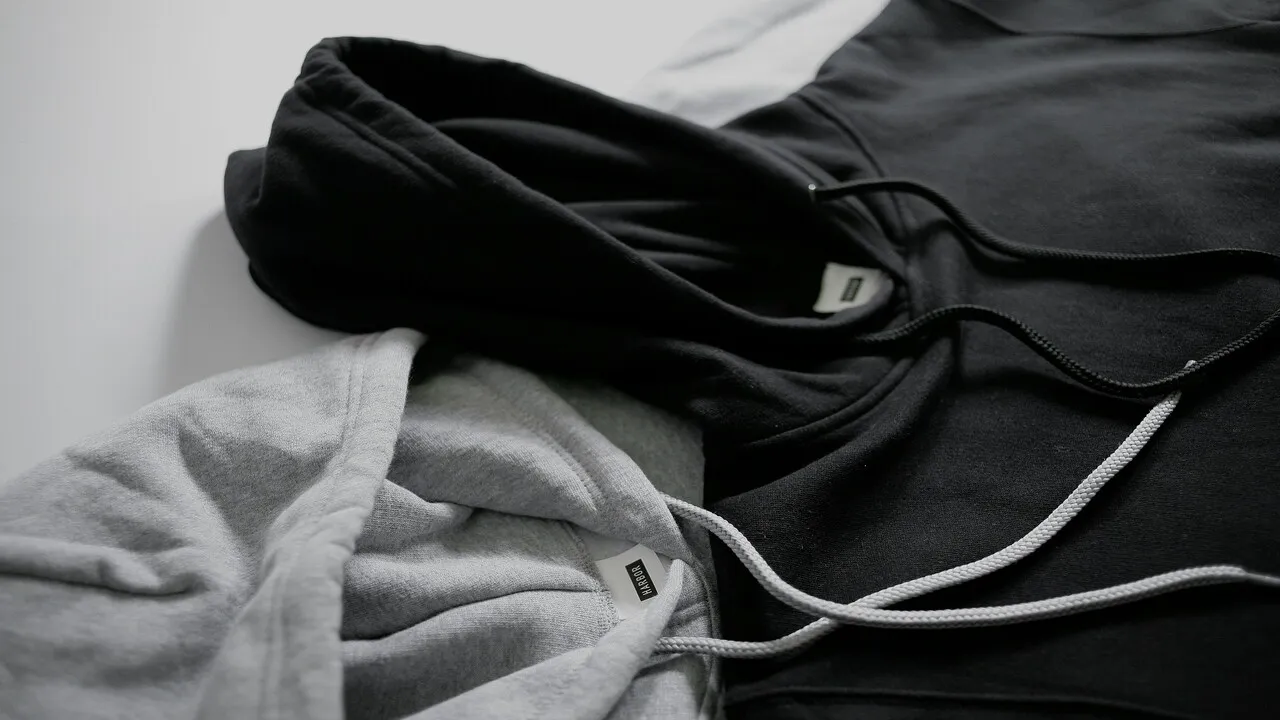
Absolutely. Oversized hoodies and graphic sweatshirts are popular streetwear staples, particularly during the colder months when customers are shopping for comfortable winter outfits. Focus on quality fabrics, a great fit, and details that make your designs stand out. Heavyweight cotton blends, relaxed silhouettes, and soft materials can help create pieces customers want to wear beyond Black Friday. Just make sure your pricing and promotions protect your margins.
12. Are cargo pants and denim jeans good Black Friday products?
They can be, especially if your customers already gravitate toward relaxed, casual streetwear. Cargo pants are versatile wardrobe staples that pair well with oversized hoodies, graphic tees, and sweatshirts. Denim jeans in straight-leg and relaxed fits can also appeal to customers looking for everyday outfits. Consider offering popular colors, including classic blue denim and neutral shades, and check which sizes and styles have performed best before adding them to your Black Friday collection.
13. How early should I order clothing samples before Black Friday?
Order samples as early as possible, ideally several weeks before you plan to launch your campaign. This gives you time to check garment quality, size, fit, printing, and embroidery. Feel the fabric and materials for softness and comfort, check the chest measurements against your size chart, and make sure the final garment matches your design. You’ll also have time to organize photography and marketing content. Allow extra time for any adjustments or additional samples you might need.
14. Can I launch a Black Friday collection without minimum orders?
Yes. Print-on-demand platforms like Tapstitch let you create and sell custom streetwear without minimum order quantities, so once your setup is ready, you can launch a Black Friday collection right away. You can experiment with new designs, introduce additional colors, and fulfill orders as customers purchase. That might mean testing a clean graphic on sweatshirts, a casual tee, or other pieces before investing in stock. This makes it easier to launch a Black Friday collection without investing in large quantities of stock upfront.