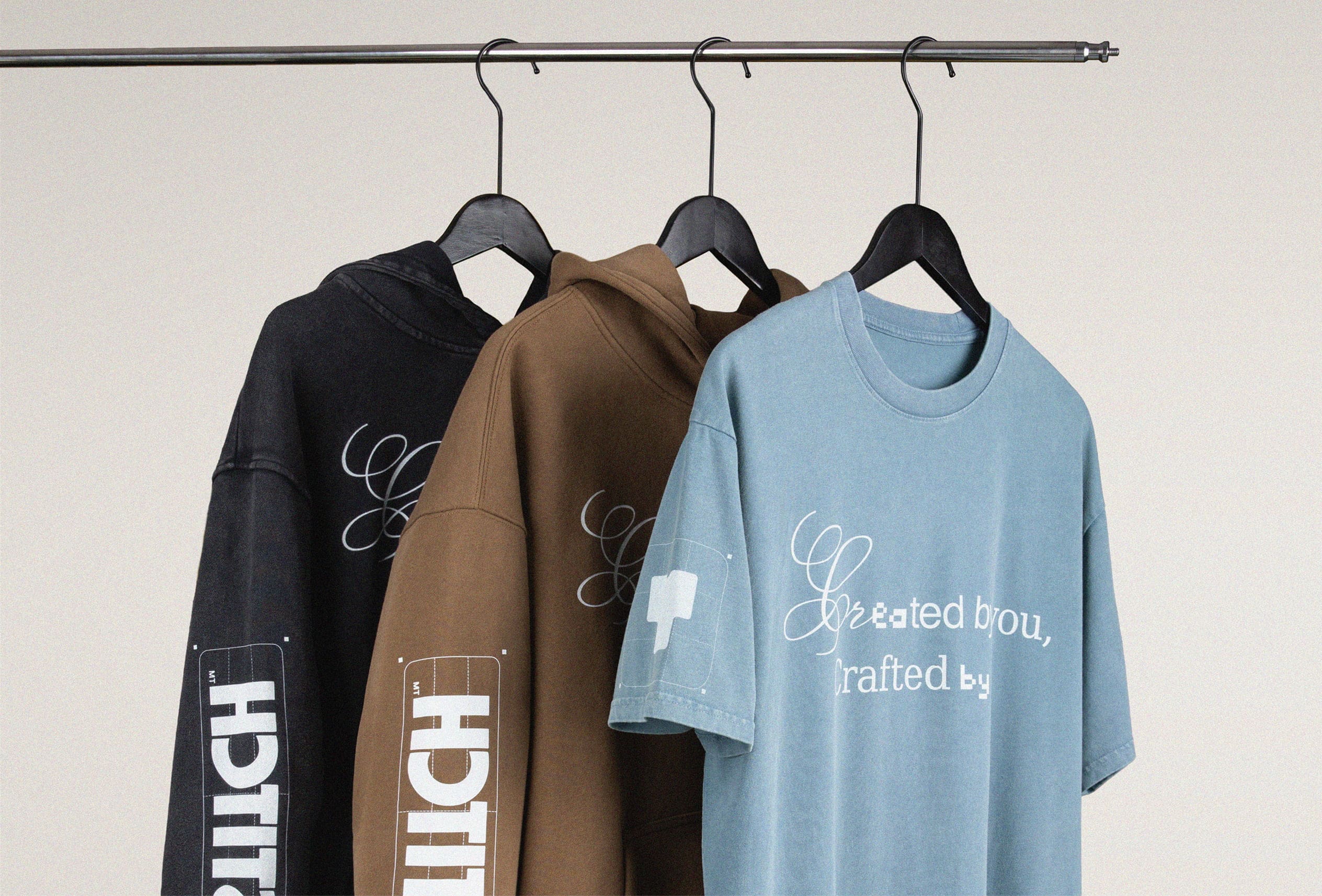







How to Start Your Own Fashion Brand: A Step-by-Step Guide
.webp)


Starting a new fashion brand looks like a classy, straightforward journey, but in reality, when you step into it, you find it to be a completely different world. The decision comes with many concerns - fabrics, pricing, production, branding, photography, shipping, and finding customers who actually connect with your products.
The brands that survive and grow are not always the ones with the heavy launch. They are usually the ones with a wise, well-planned start. Do you know those steps to starting a fashion brand? Stay tuned to the post and learn how to start your own fashion brand successfully. Moreover, explore how Tapstitch can support new clothing brands from the very beginning.
Here you go!
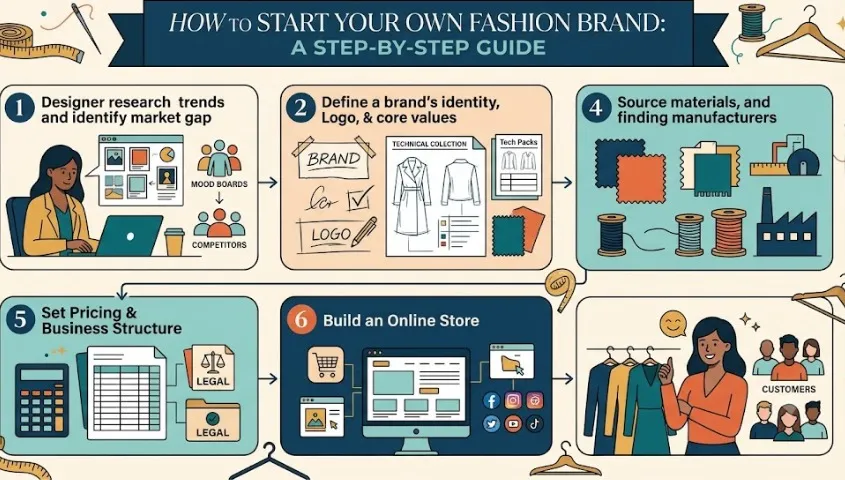
How To Start A Clothing Business: Quick Steps
Here are 6 quick, actionable steps to start your fashion brand, following the exact roadmap in the infographic:
1. Find Your Market Gap: Research current fashion trends, study your competitors, and use mood boards to pinpoint exactly who your audience is.
2. Build Your Brand Identity: Choose a memorable brand name, design your logo, and clearly define your core values and aesthetic.
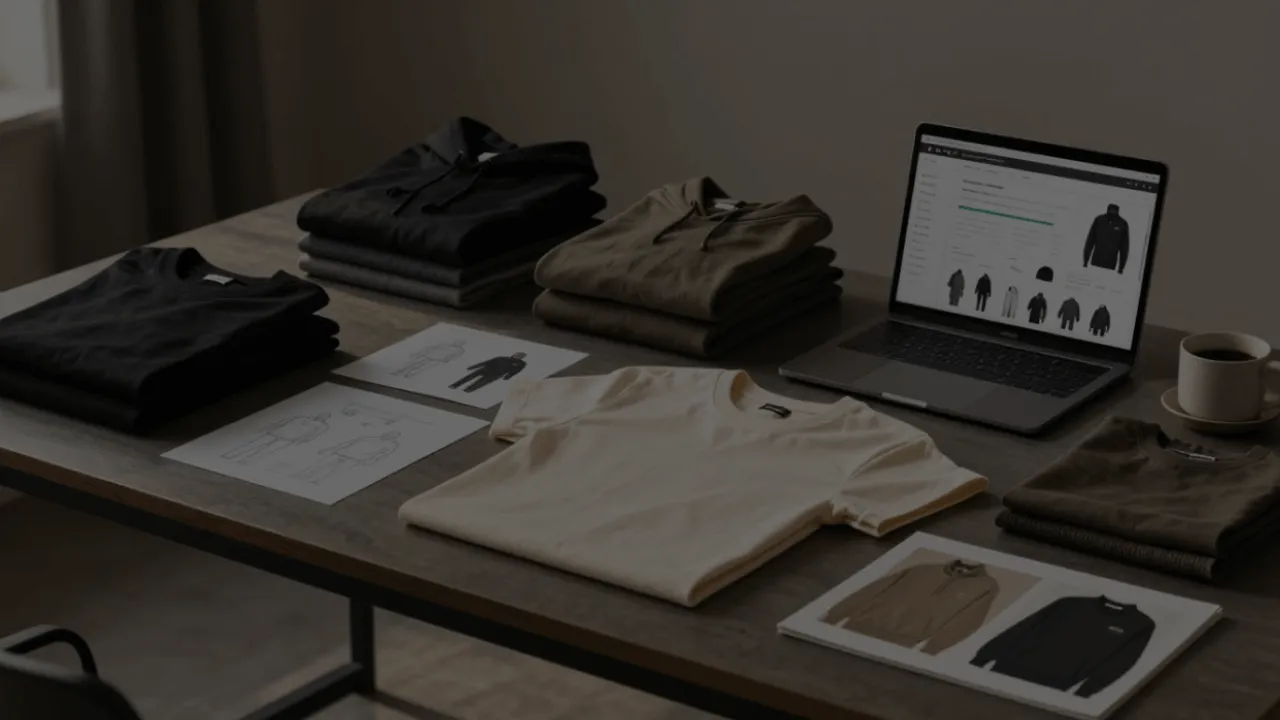
3. Design & Product Blueprinting: Sketch your initial clothing collection and create detailed Tech Packs (blueprints with measurements, fabrics, and stitching details).
4. Source & Manufacture: Select high-quality fabric swatches, source your materials, and partner with a reliable manufacturing factory to create your samples.
5. Handle the Legal & Pricing: Register your business structure legally and calculate all costs to set profitable retail and wholesale prices.
6. Launch Your Online Store: Set up an e-commerce website, integrate social media channels for marketing, and start selling directly to your new customers.
How To Start A Clothing Brand: Make the Journey Easy
Below are the steps you can follow if you are planning to own a brand.
Step 1: Start With a Product You Can Explain Without a Long Speech
"I want to sell quality clothes" is a fair starting thought, but it is not yet a product direction. Almost every clothing seller says something similar. The useful question is narrower: what feels missing in the clothes your buyer already sees?
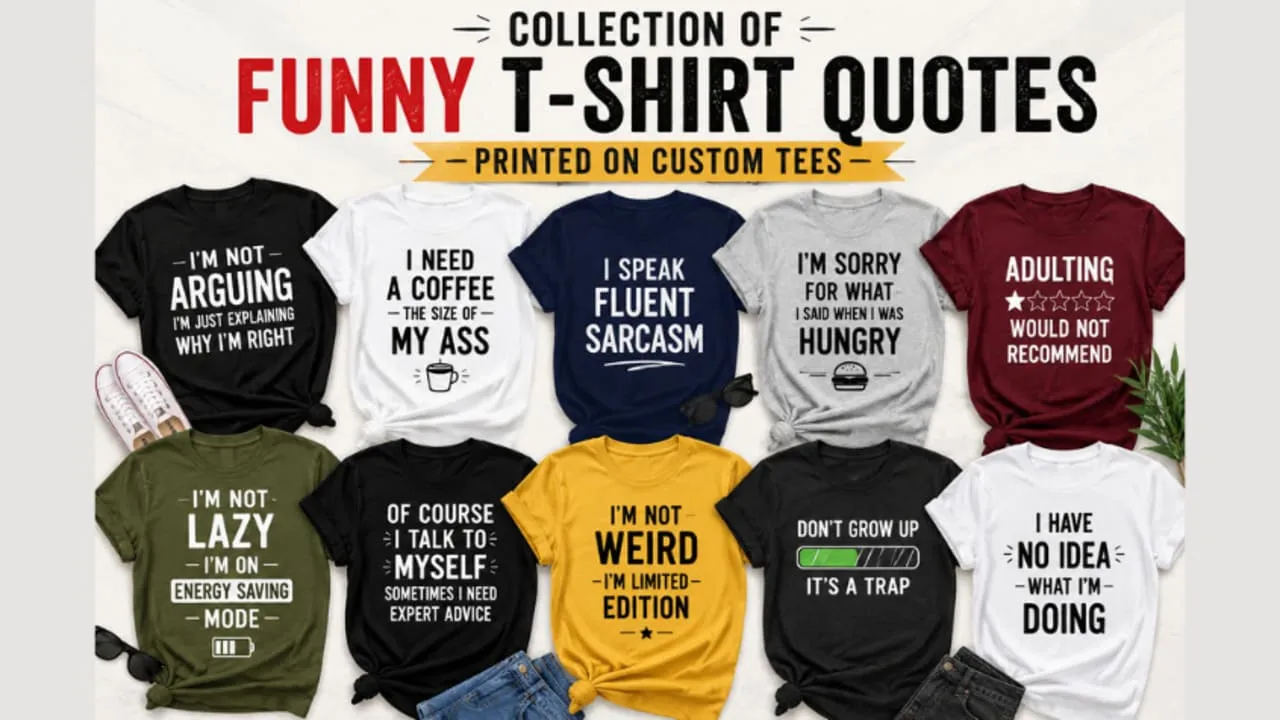
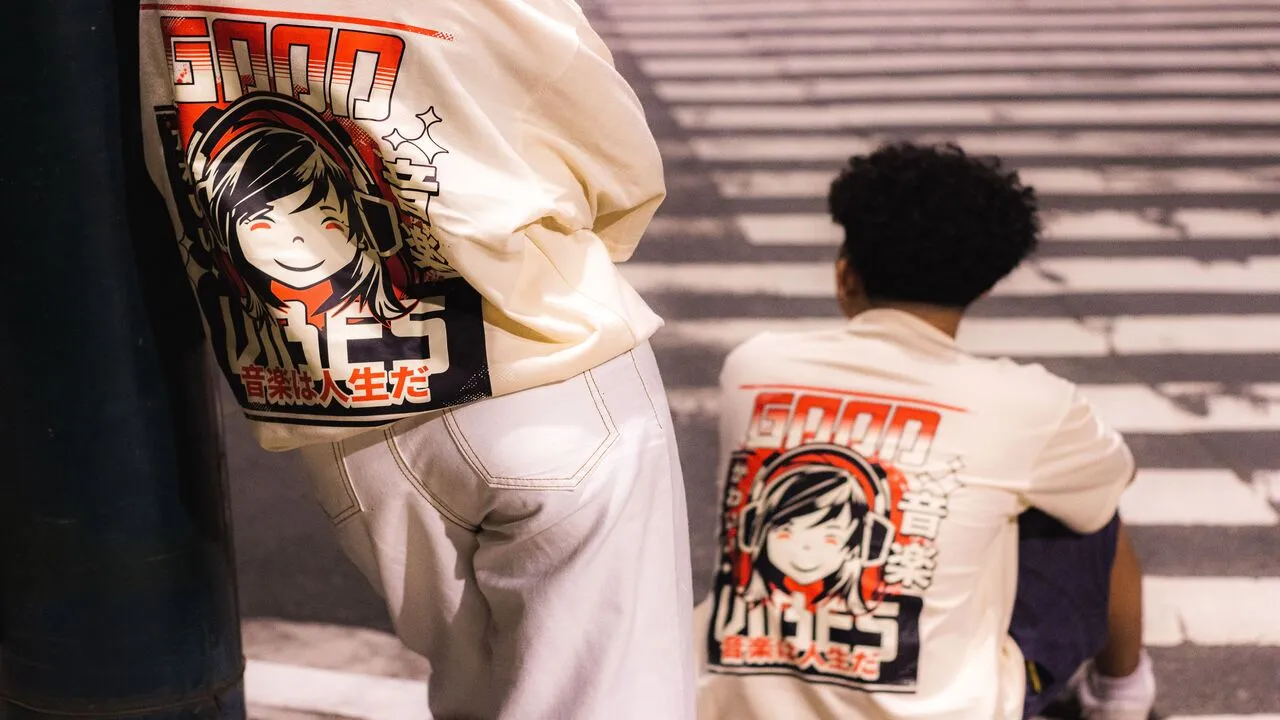
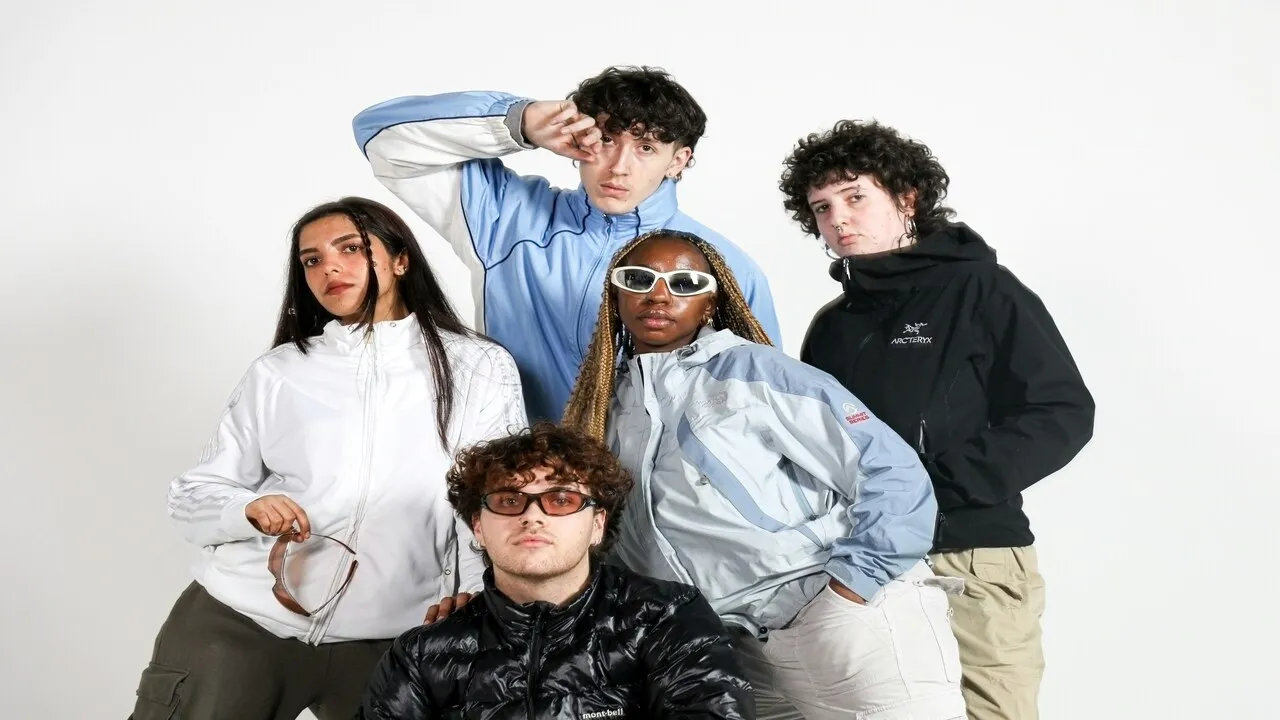
Maybe the gap is a heavyweight tee with a less boxy cut. Consider modest everyday clothing that doesn't look overly formal. Maybe your audience likes streetwear but is tired of giant graphics and copy-and-paste slogans. Those are not dramatic discoveries, but they are specific enough to guide fabric, fit, colours, photography, and pricing.
Spend time in reviews, not only on polished social feeds. Buyers are very clear after they have spent money. They mention sleeves that shrink, fabric that feels lighter than expected, colours that look different in person, and size charts that leave them guessing. That feedback can show where a new brand has room to be more careful.
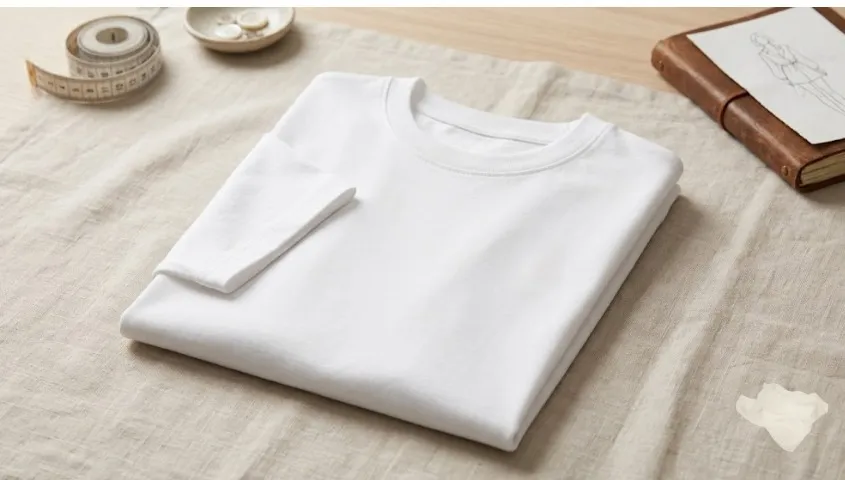
Tapstitch has a detailed resource on starting a small clothing business from home, which is useful when the idea is still in its early stages, and you need to decide what is realistic to test first.
Step 2: Make the Customer Real Enough to Affect Decisions
A new brand cannot serve every buyer at once, even though it is tempting to try. Someone shopping for quiet premium basics has different expectations from someone looking for bold graphic streetwear. Both may buy hoodies, but the reasons for the purchase are different.
Think about the ordinary moments around the product. Would this person wear it to university, while travelling, after the gym, or on a normal weekend when they want to look put together without trying too hard? Would they pay more for thicker fabric, or would a lower price matter more than construction details?
The answers will not be perfect. They do not need to be. They simply stop the first collection from becoming a mix of items that looked interesting separately but do not feel connected when placed in one store.
This is where starting a fashion brand moves beyond mood boards. The visual direction still matters, but the buyer shapes the decisions that follow.
Step 3: Choose a Production Route Before You Promise Too Much
Production changes the conversation quickly. A design may look strong on screen, but the actual garment can reveal issues that no mockup shows. Print placement can feel wrong. The cotton can be lighter than expected. A fit that seemed fine in a flat image may not work on different body types.
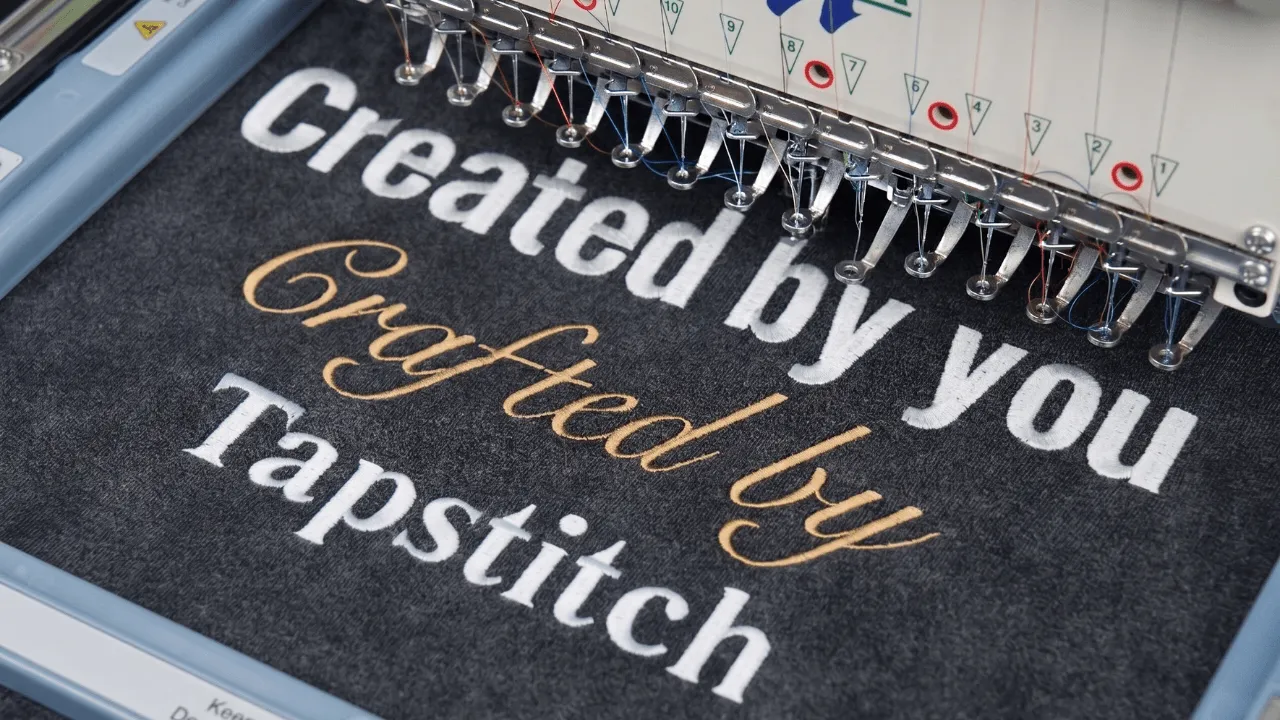
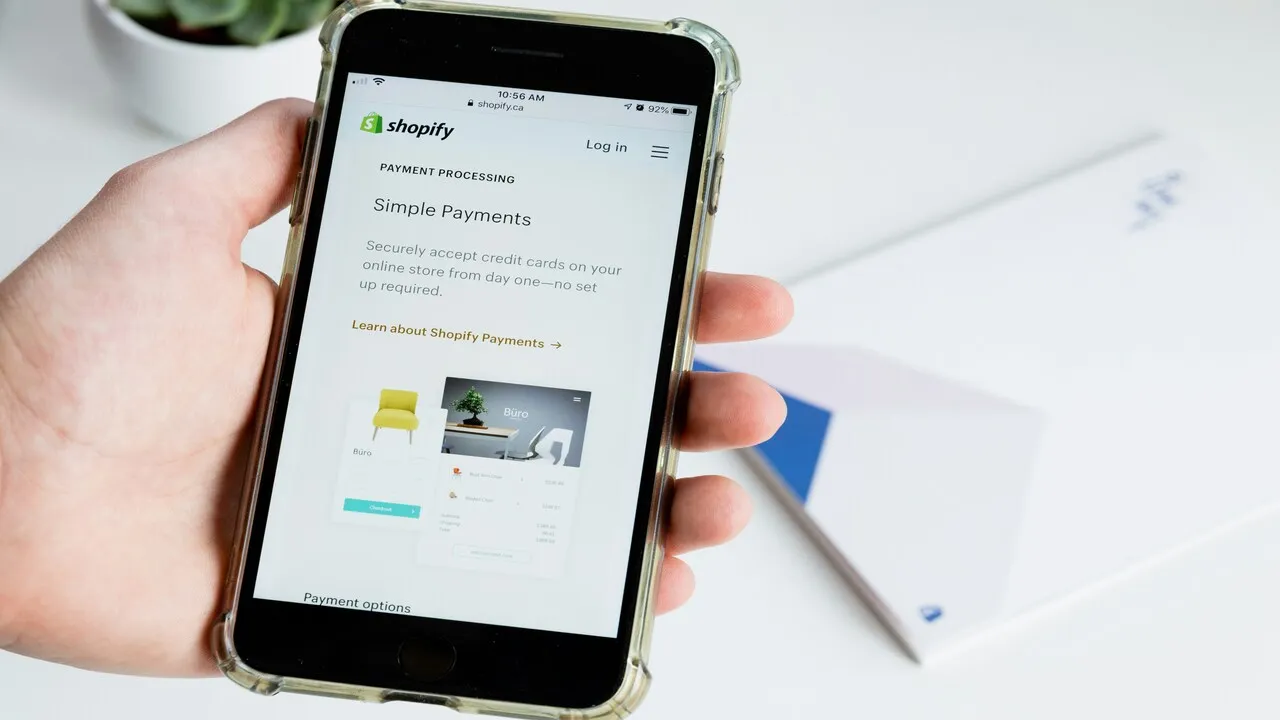
Print-on-demand is one way to test a collection without purchasing bulk stock. Products are made after an order is placed, so there is no need to fill a room with inventory before you know whether people want the design. Tapstitch keeps things straightforward. You upload your design, link your store, and once a sale is made, the platform handles printing, packing, and shipping. It integrates easily with platforms like Shopify and Etsy, allowing you to sell across multiple channels with minimal effort.
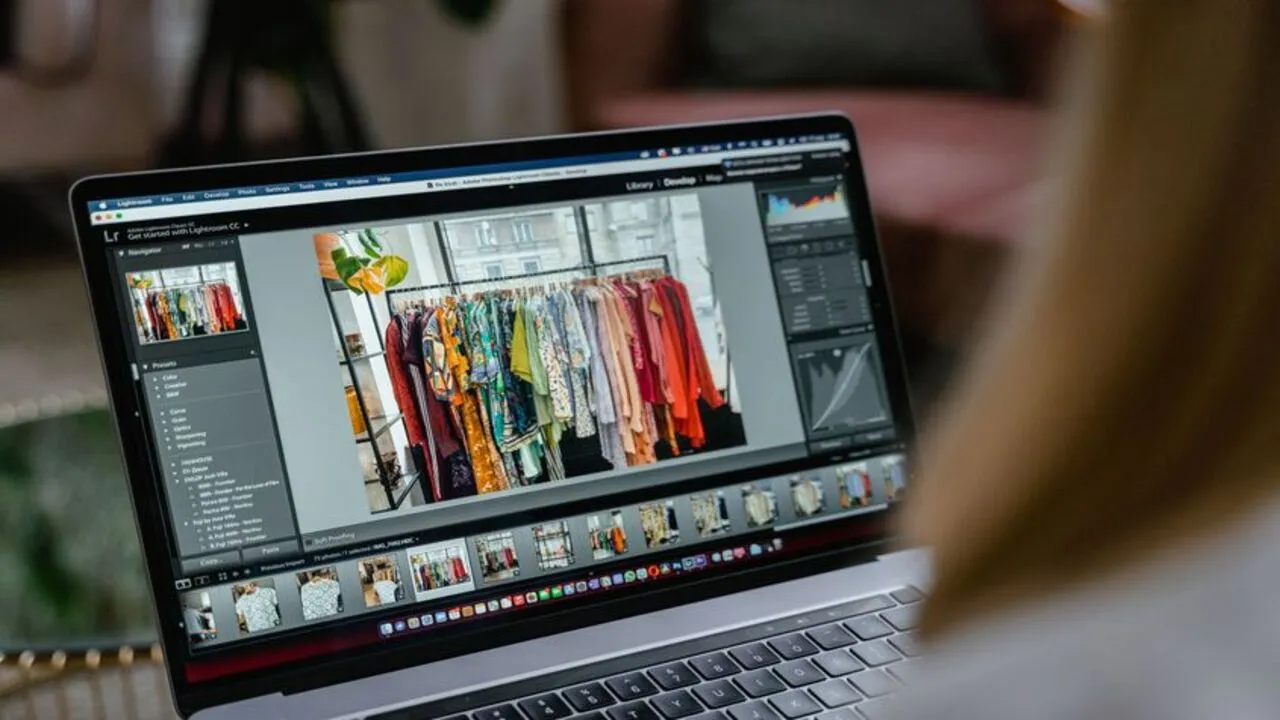
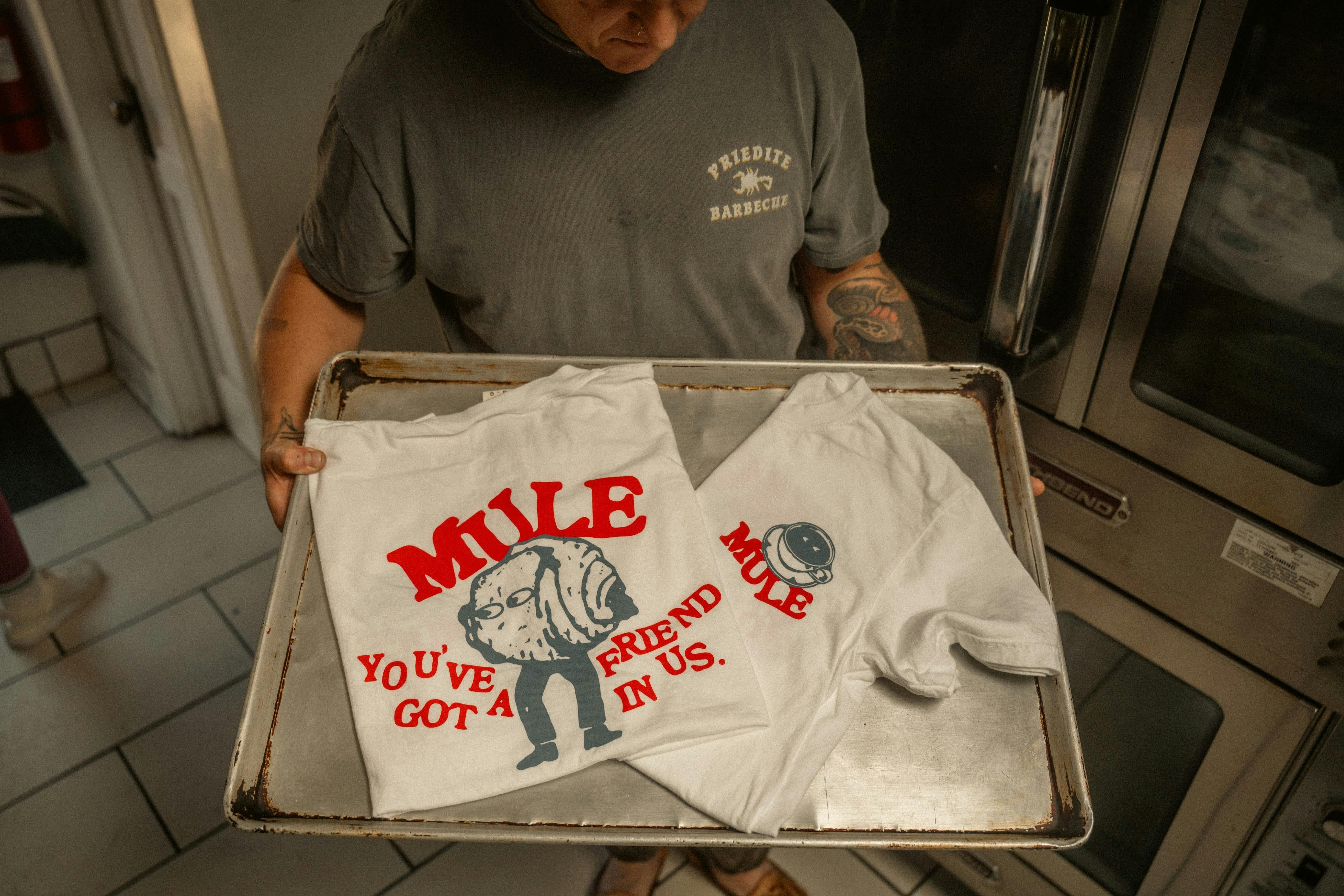
That convenience should not replace sampling. Order the product yourself. Wash it. Photograph it outside rather than only under indoor lighting. Put it on someone who matches the intended fit. The sample is where a brand stops being an idea and starts becoming accountable.
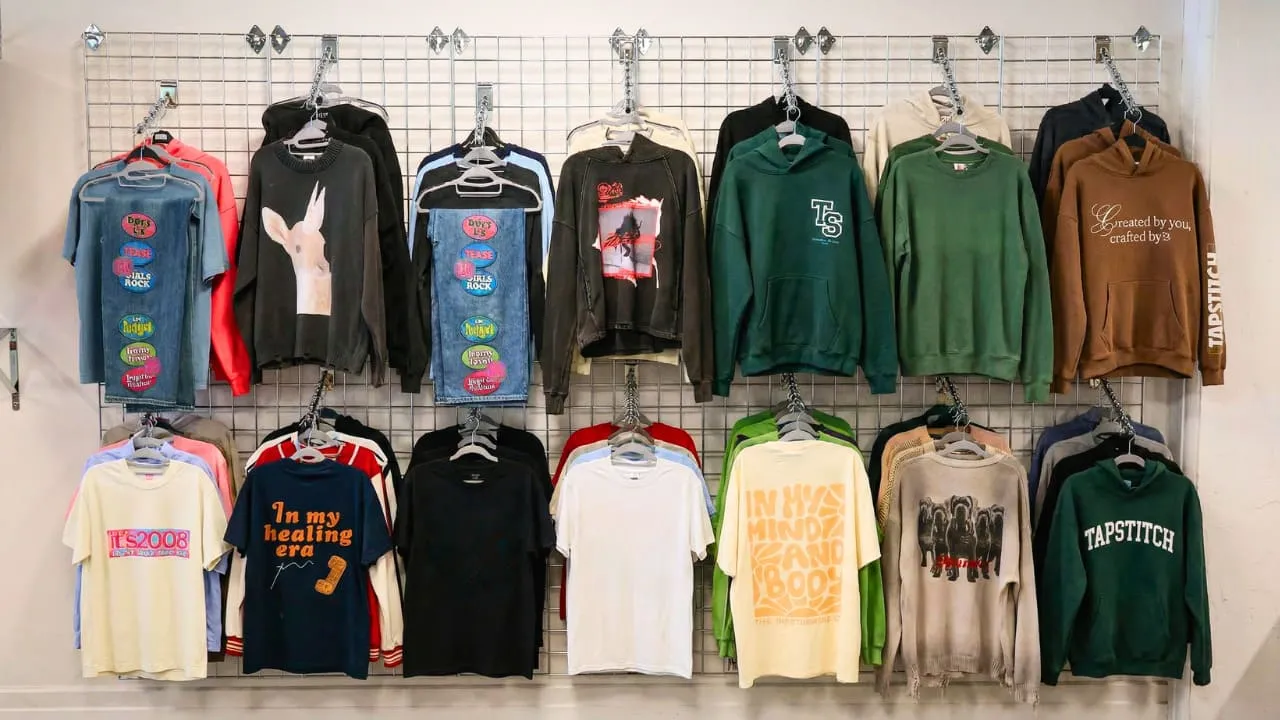
Tapstitch offers more than 1000 fashion-focused styles across categories, including custom tshirts, hoodies, sweatshirts, pants, jackets, shorts, and sportswear. Its catalogue also includes a mix of styles, colours, and cuts, which can help when a first release needs to feel more considered than a standard promotional shirt.
Step 4: Keep the First Drop Small, Then Give It Attention
New founders often feel that a store needs many products before it can look serious. That can create more trouble than confidence. Every additional item brings more samples, product pages, measurements, photography, customer questions, and chances to get something wrong.
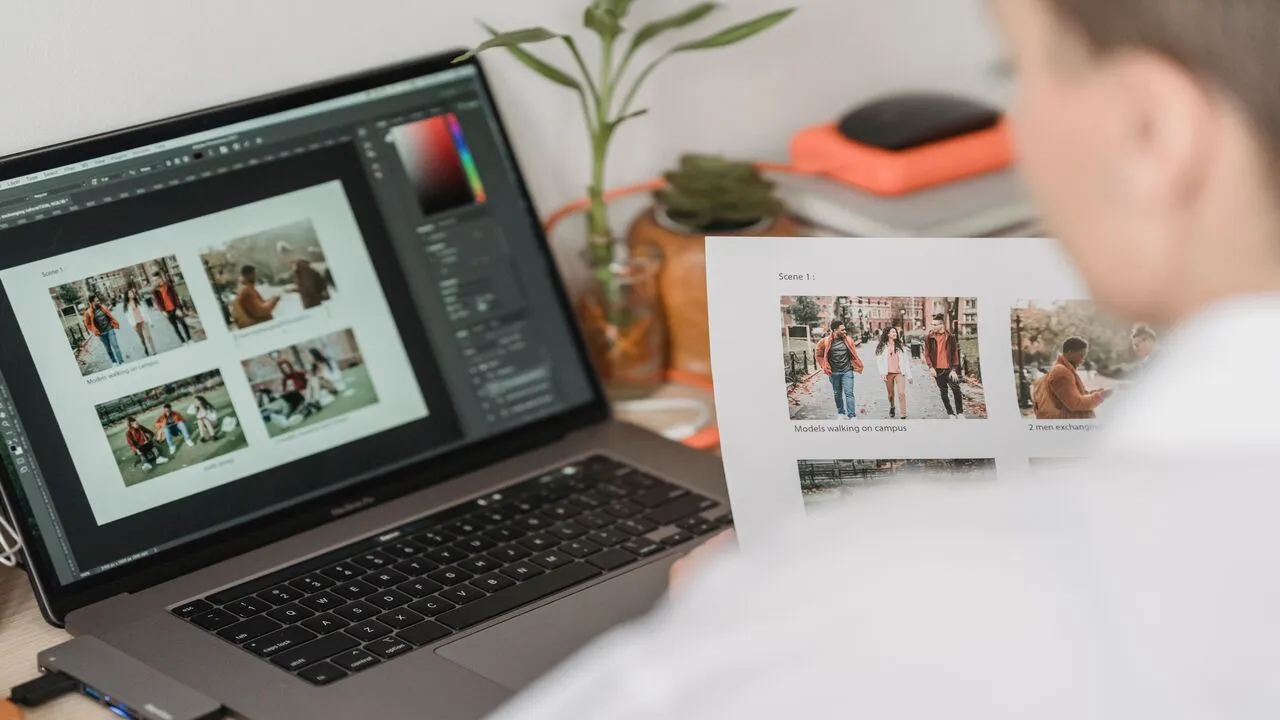
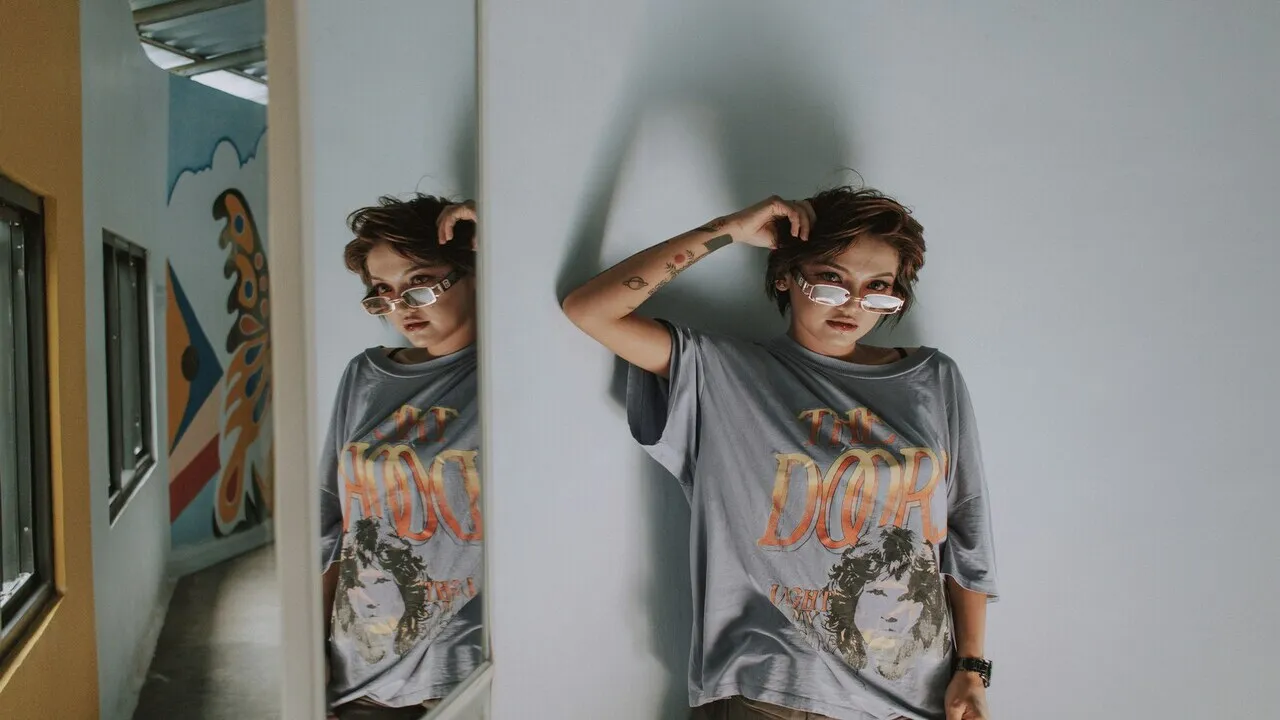
A smaller first drop is easier to understand and easier to improve. One tee, one hoodie, and a limited colour range can say more than a crowded catalogue with no clear point of view. Tapstitch itself advises creators to begin with a small collection, focus on branding rather than graphics alone, test designs before scaling, and use lifestyle photography to make products stand out.
This is a useful part of learning how to make a clothing brand. The first collection is not supposed to prove that you can sell everything. It is supposed to show what people notice, what they ask about, and whether the product feels close to the promise you made online.
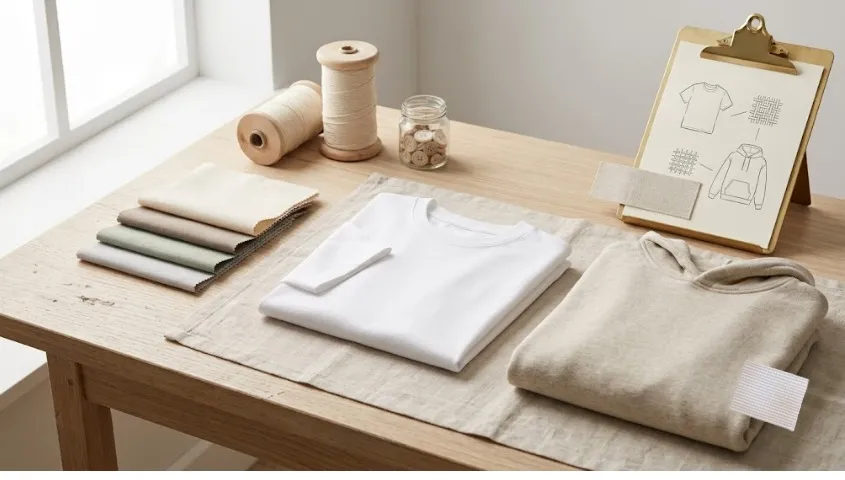
You can browse the Tapstitch apparel catalogue while narrowing down blanks for a first release. A product you originally saw as secondary may be the one that is easier to price, easier to photograph, and more suited to the buyer you have in mind.
Step 5: Build the Brand Around the Experience, Not Just the Logo
A logo is useful, but it cannot rescue an unclear product. Buyers remember whether the fit made sense, whether the website answered their questions, whether the photos were honest, and whether the order felt worth the price when it arrived.
Check your name before printing labels or building a full social presence around it. Domain availability, social handles, and trademark conflicts are not exciting tasks, but changing the name later can be costly and confusing. Then make the visual choices support the product. A quiet basics brand may need a simple, consistent presentation. A graphic-led label may need stronger visual language, but it still needs consistency across the product page, packaging, and customer emails.
Tapstitch offers custom branding options for labels and related finishing details. Those details should feel like part of the same brand rather than an afterthought added when the order is already being packed.
Step 6: Price After Counting What Happens Around the Garment
The garment cost is only one part of the price. Printing, packaging, payment fees, delivery support, refunds, photography, discounts, and promotions all sit around it. A product can look profitable at first glance and become difficult to sustain once those costs start appearing.
Tapstitch's on-site calculator currently shows a fulfillment cost starting at $12.99 for a selected product, though your figure will vary by garment, print requirements, destination, and store setup. Treat a calculator as a starting point, not a final price.
Write down the costs before deciding on a comfortable selling price. Low pricing can attract clicks, but it can also leave no room to replace a faulty item, improve the next sample, or run marketing without losing money on each sale.
Step 7: Make the Store Clear Enough for a Stranger
A customer who finds a small fashion brand for the first time is deciding whether to take a chance. Clear product pages reduce that uncertainty. Show several angles. State the fabric and fit. Include measurements. Explain whether buyers should take their usual size. Be direct about delivery timing.
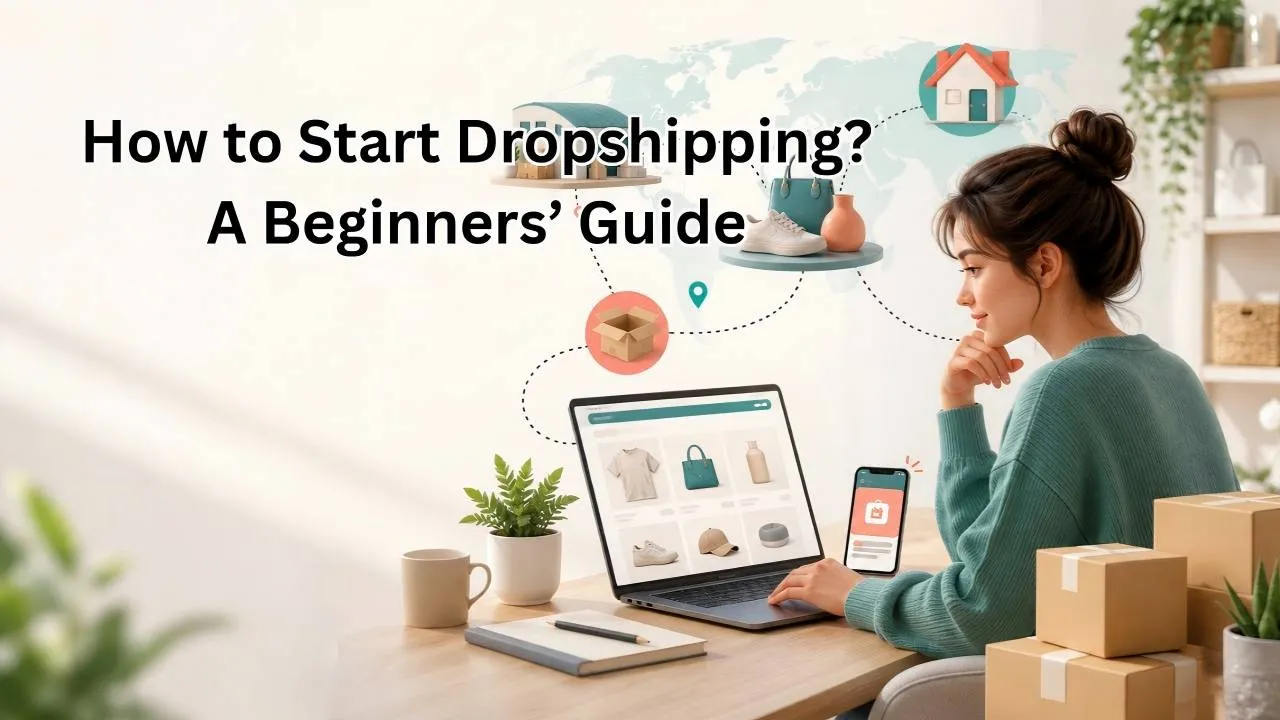
If handling fulfillment isn’t something you want to manage in the early stages, Tapstitch’s dropshipping model could be a good fit. The brand explains that its print-on-demand system handles printing, packaging, and worldwide shipping once a customer places an order, allowing sellers to focus more on product development and marketing.
A store does not need endless features. It needs fewer unanswered questions.
Step 8: Let the First Launch Give You Useful Evidence
The first release may not behave the way you expected. The design you thought would lead the collection might receive little attention, while a quieter product gets saved, shared, and purchased more often. That is not wasted effort. It is evidence.
Look at the questions people ask. Notice where they leave the site. Check which sizes sell first and which descriptions cause confusion. A customer sees the brand without all the background you carry in your head, so their response can reveal what is clear and what only feels clear to you.
That is a major part of how to start a clothing business. You are not only launching products. You are learning what the market notices when the work becomes public.
When the first designs are ready, explore Tapstitch custom apparel and turn the strongest idea into a product you can test.
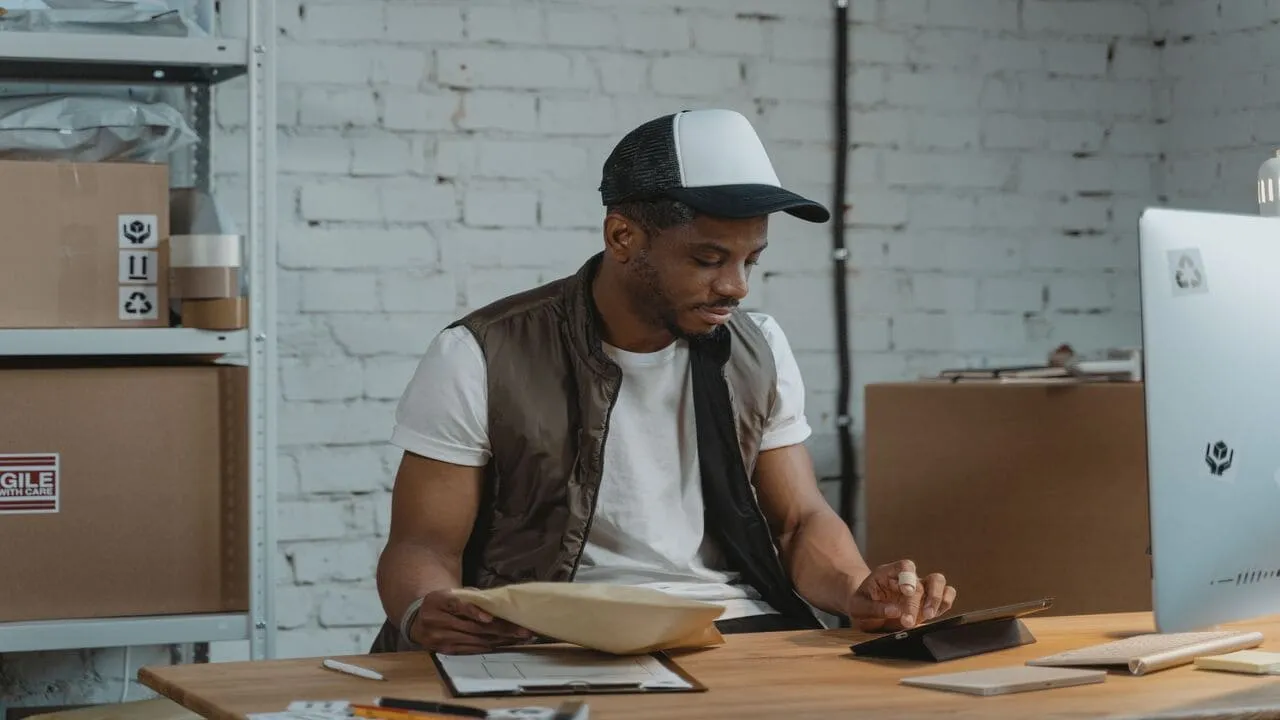
Before launch day, place an order yourself and open it as though you have never seen the brand before. Check the product, packaging, delivery updates, and every small detail in the customer journey. That simple test often catches the things a customer would otherwise have to point out.
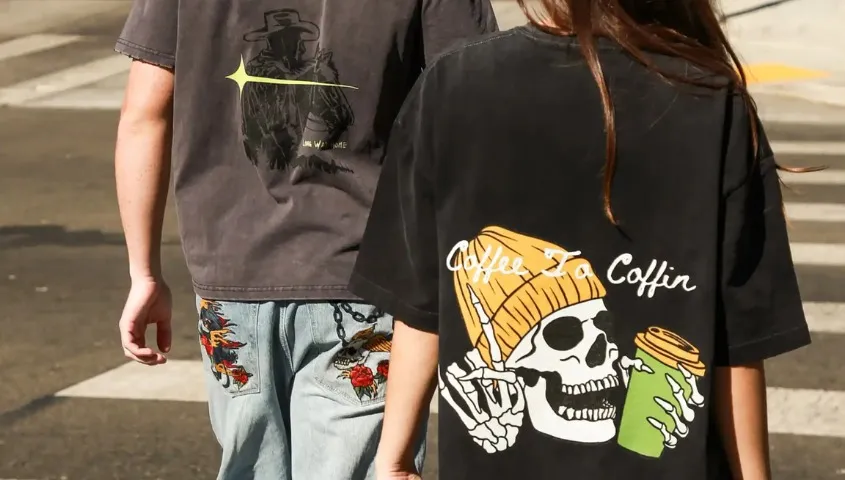
Why Choose Tapstitch for Your Fashion Brand?
There are several reasons why creators and entrepreneurs choose Tapstitch when building a fashion brand. Whether you are preparing your first collection or expanding an existing business, the platform offers tools and services to simplify production. This way, brands can focus on creating products that interest customers. The more unique aspects of Tapstitich are:
- Fashion-focused apparel instead of generic promotional products.
- A large catalogue of premium blanks available in different fits, fabrics, colours, and styles.
- Print-on-demand production with no minimum order quantity, allowing you to launch without investing in inventory.
- Easy integration with leading e-commerce platforms for smooth order management.
- Custom branding options that help create a consistent and professional brand identity.
- Global fulfillment with printing, packing, and shipping is managed after every customer order.
- The option to order samples before launch so you can check quality, fit, and print results.
- An efficient way to test new designs before committing to larger product launches.
- More time to focus on product development, branding, customer engagement, and marketing while Tapstitch handles production and fulfillment.
FAQs
Wrap Up
If you are wondering how to start your own fashion brand, keep in mind that it's essential not to get it 100% perfect from the beginning. A typical story of a successful brand starts with a couple of products, experiences feedback from users, and evolves thereafter. For every sale, every review, and every piece of feedback you receive, you have ideas of which aspects are successful and which are not.
Don't attempt to build an extensive collection; simply make a few good collections that look good for your brand. You'll be able to incorporate new designs, enhance your brand identity and make informed business decisions that align with actual customer needs as you expand.
With Tapstitch, you can do all these without acquiring giant inventories. Print-on-demand means you can test products and order samples, build your brand, and grow at a pace that's right for your business.

.webp)
.webp)


.webp)

%20(1).webp)
.webp)
.webp)
.webp)
.webp)
.webp)
.webp)
.webp)
.webp)
%20(3).webp)

.webp)
.webp)
.webp)
.webp)
.webp)
.webp)






.webp)



.webp)
.webp)






.webp)


.webp)

.webp)
.webp)


.webp)
.webp)


.webp)
.webp)
.webp)
.webp)
.webp)
%20(1).webp)

.webp)

.webp)