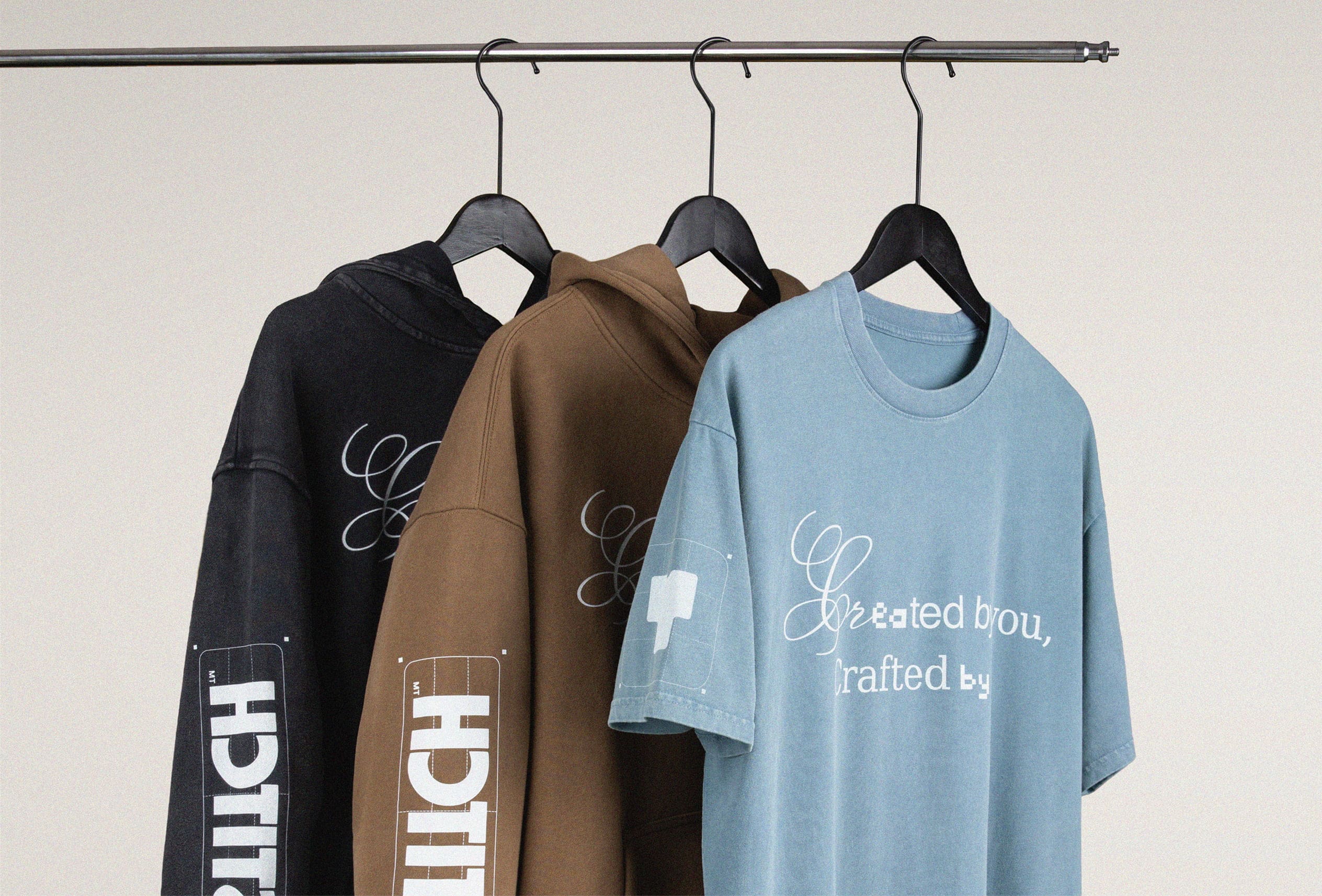







How to Start a Clothing Business in 8 Simple Steps (2026)



The clothing business used to have a bouncer at the door. Minimum orders in the thousands, sample fees, trade shows, a warehouse lease before your first sale. You needed capital or connections, and preferably both.
That door is gone. In 2026, how to start a clothing business is simply a process you run from one laptop: find your people, decide who you are, plug into production, and launch before you talk yourself out of it. Eight steps below, in order. We print for hundreds of founders who ran this exact sequence, so where we have opinions, you'll hear them.
1. Choose a Niche and Target Audience
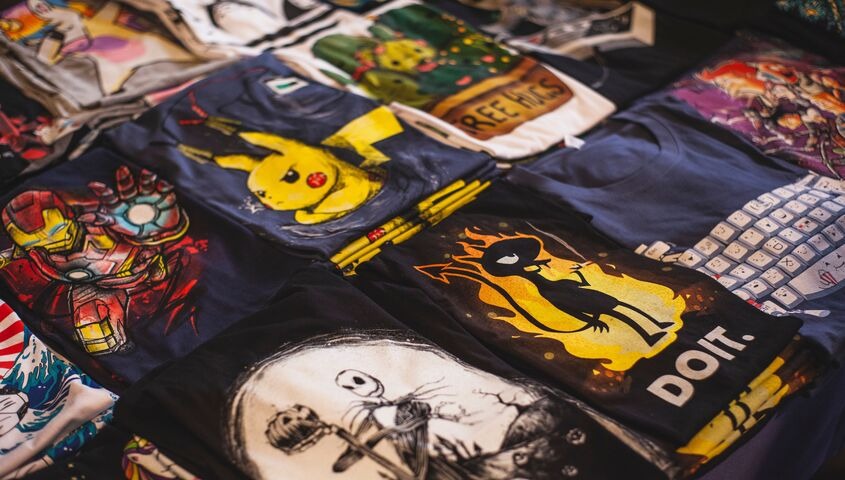
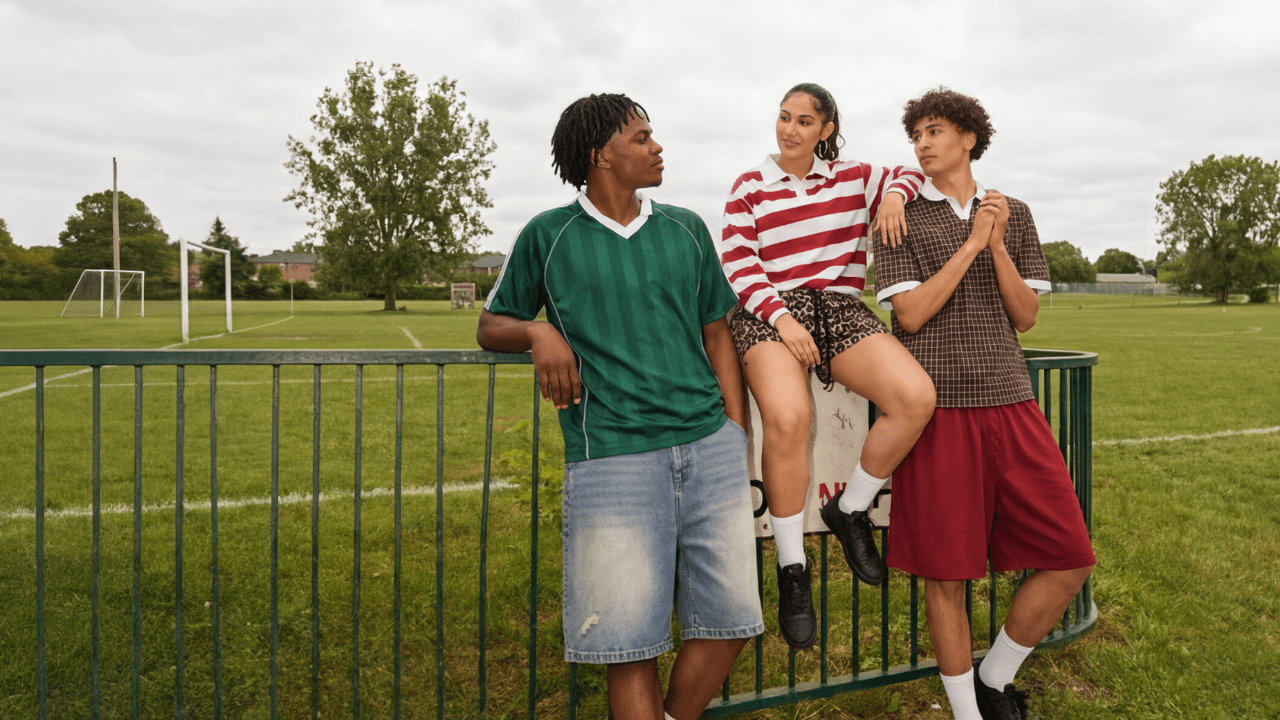
Every failed clothing brand made the same first mistake: designing for everyone. "Streetwear for people who like cool stuff" is not a niche. "Oversized pieces for the anime-and-gym crowd" is, and it will outsell the generic brand ten times over.
Get specific enough that you can picture one person. What they wear now, what they scroll, what they'd screenshot for the group chat. That person's taste becomes your filter for every decision after this one.
A quick test for whether your niche is real: can you name five Instagram accounts your customer already follows? If yes, you know exactly where your marketing lives later. If no, keep narrowing.
2. Create Your Clothing Brand Identity
When anyone can make a t-shirt, creating a brand is how you keep people buying yours. Your name, your logo, your colors, your voice, and the way your clothes make customers feel. Have an answer to all of those before you design a single piece.
Read more: 50 Creative Clothing Brand Names for Your Business
What sets a brand apart is often what it refuses to be. Every real label is too loud for some people, too plain for others. If nobody would bounce off your brand, nobody will attach to it either.
Anyone learning how to start a clothing brand should spend more time here than feels productive. A mediocre design with a strong identity sells. A strong design with no identity gets scrolled past.
3. Choose a Reliable POD Partner
And here's how 2026's plan differs from its predecessor. Print-on-demand implies that production starts when somebody buys something. There is no need to keep stock, place orders, or waste money by storing products. Your production partner becomes your factory, your warehouse, and your shipping department in one.
What to check before committing:
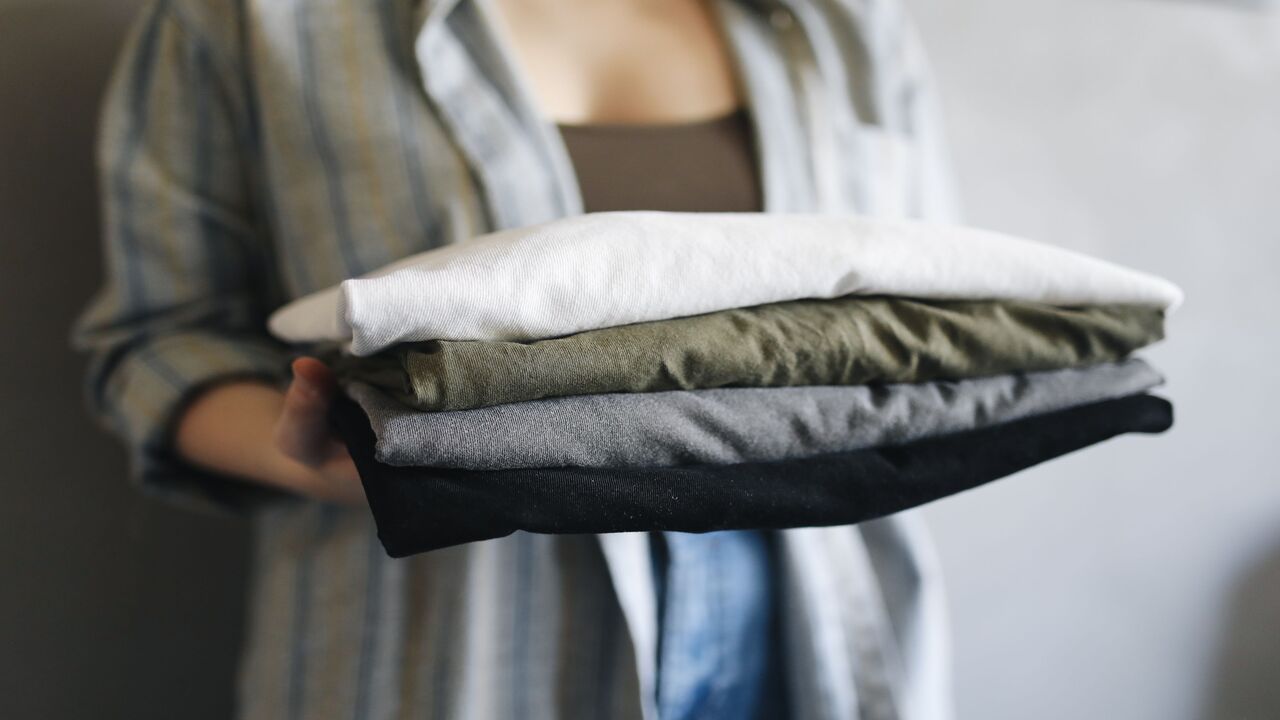
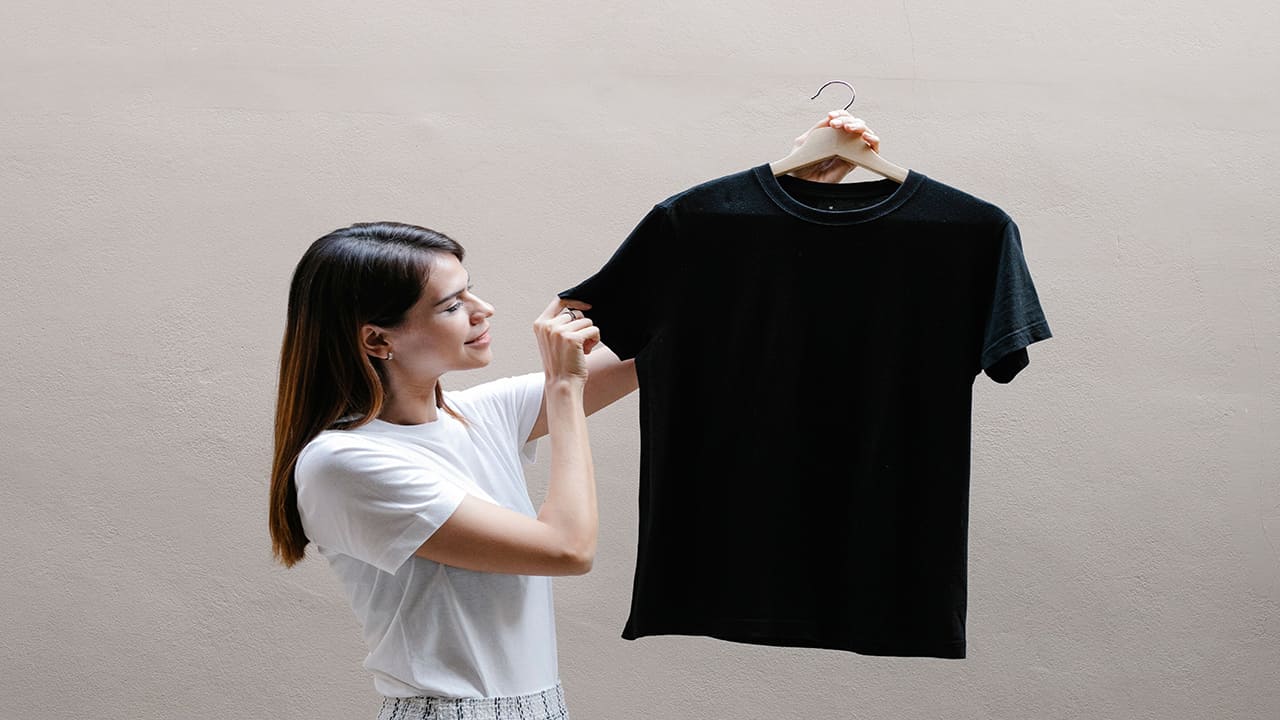
- Garment quality. Order samples. If the blank feels like a giveaway shirt, your brand will too.
- Catalog depth. Heavyweight tees, custom hoodies, oversized cuts, vintage washes. Your aesthetic needs the right canvas.
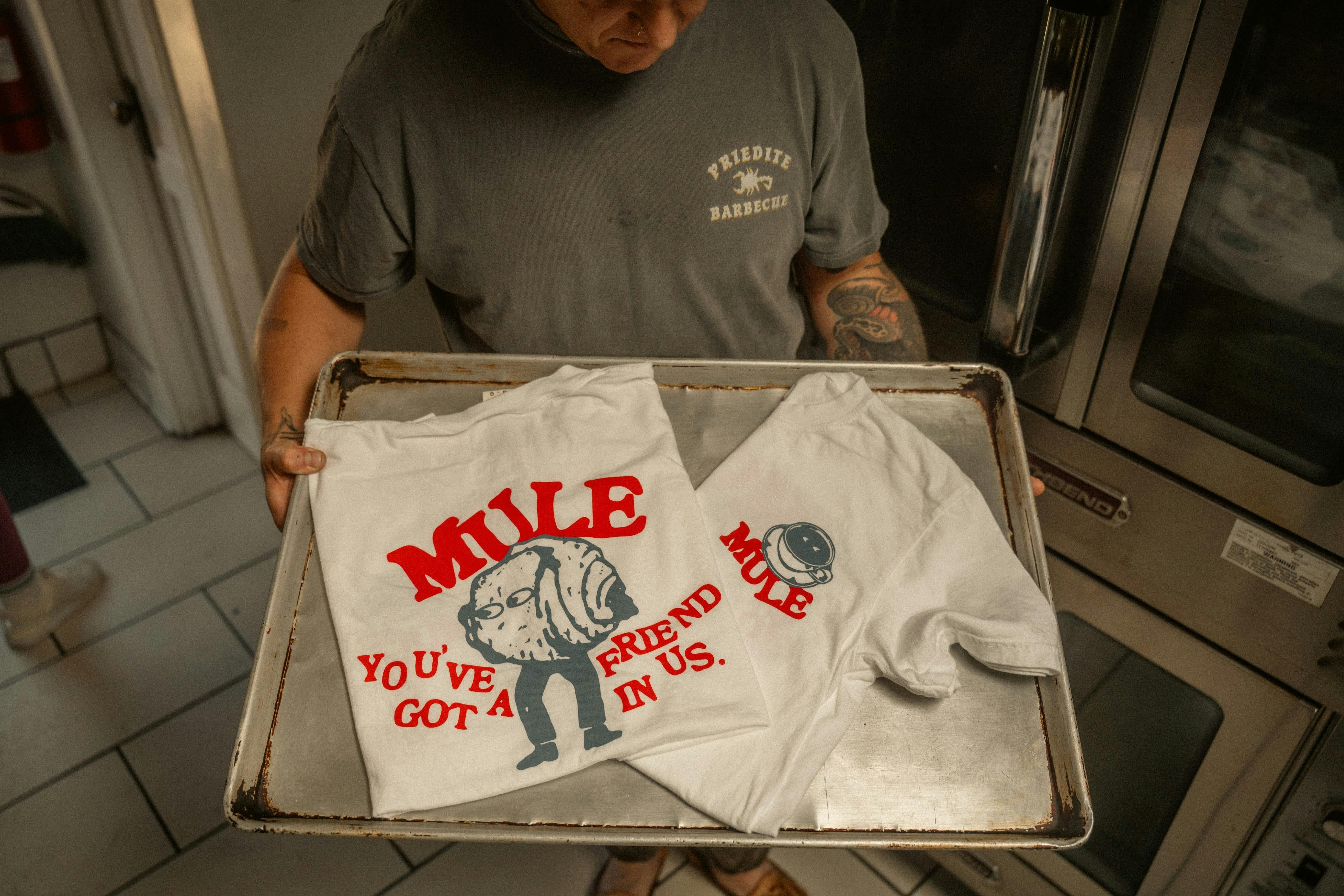
- Branding options. Neck labels and hang tags decide whether the unboxing says "brand" or "merch."
- Production and shipping times. Know the real timelines before your customers ask.
- Costs. Base price sets your margin. Free-to-start means you can test without burning savings.
Obviously, we have a horse in this race. The next step is that horse.
4. Design Your Products with Tapstitch for Free
That is the point at which an abstract notion turns into a concrete reality. It is absolutely free to sign up with Tapstitch, and you don’t have to pay anything unless there’s a sale.
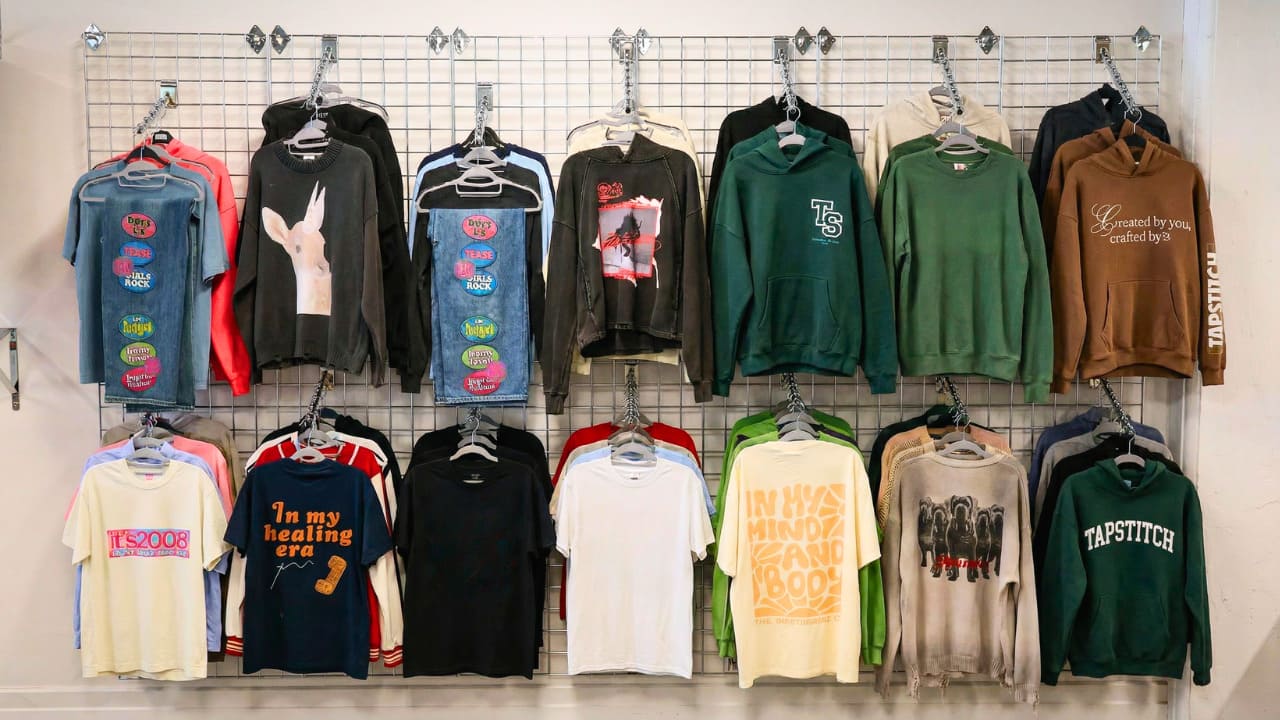
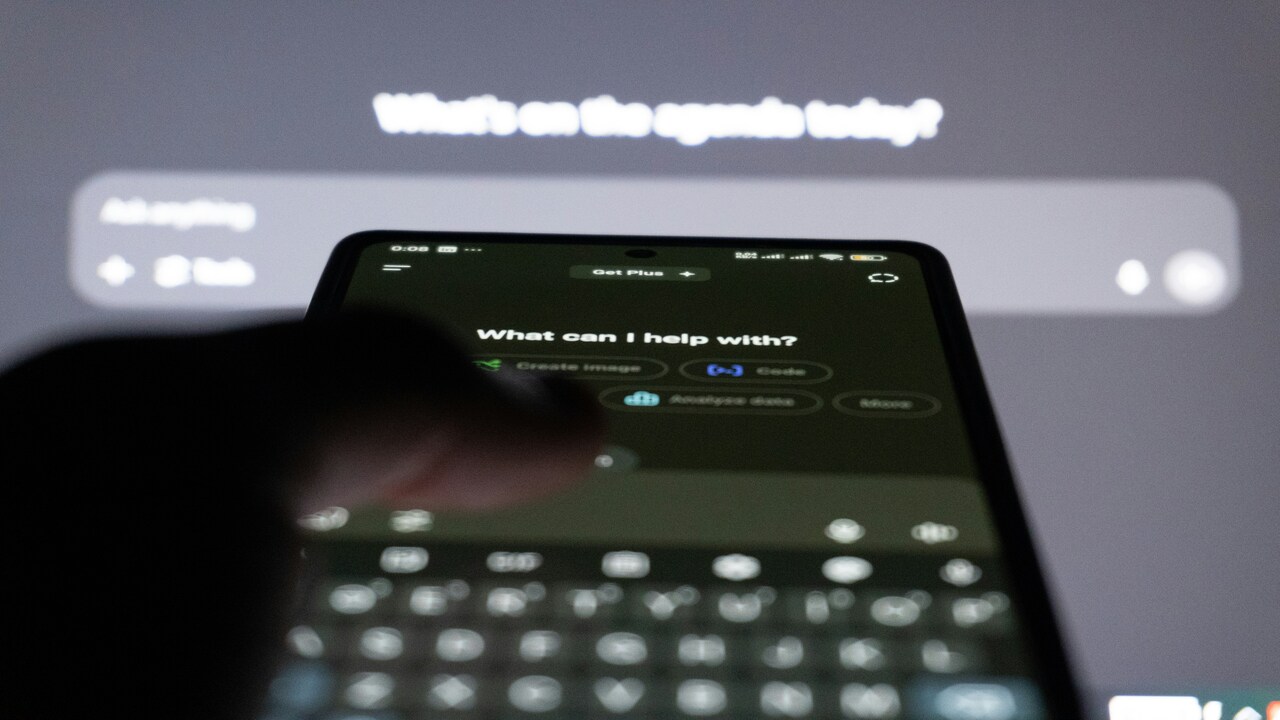
It is designed software that you can run using your browser. Add your artwork or design in the software (with AI assistance for sure), place it on the shirt, and get an instant preview of the same on the real garment itself. The catalog is the part we're proudest of: fashion-grade heavyweight cottons, vintage and acid washes, oversized and boxy streetwear cuts, athleisure, and kids' sizes.
Read more: 15 Most Trending Shirt Designs for Your Clothing Brand in 2026
Free branded neck labels, hang tags, and branded packaging insert sheets come as part of our offer. From the first order, your customer opens a package with your neck label, your hang tag, and your packing page, not ours.
Print floor tips: use 300 DPI resolution, images in .PNG format with transparent background, proper size relative to printing zone. And always order a sample before you release a new drop.
5. Build Your Online Clothing Store

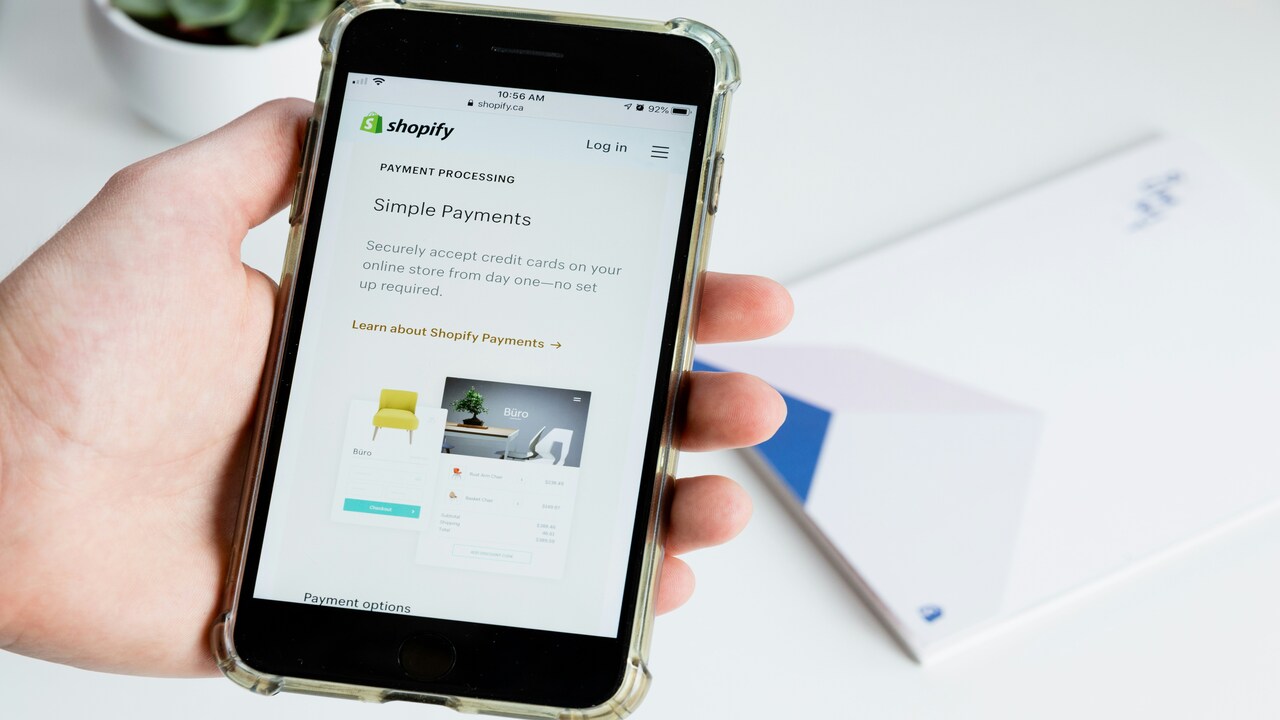
Now give the pieces somewhere to live. To create online clothing store infrastructure in 2026, you need an afternoon, not a developer: Shopify, Wix, and Squarespace all handle apparel beautifully, and Tapstitch syncs products straight into any of them. Etsy works as a marketplace-first alternative if you'd rather borrow traffic while you build your own. Whichever platform you pick, the goal is the same: create online clothing store pages that read like a label, not a listing.
Keep it simple. Lead with one strong hero image, keep product pages tight with real fabric details and honest size guides, and make sure checkout works flawlessly on a phone. People shop for fashion on mobile phones. If your mobile checkout is broken, everything else is moot.
Resist the urge to launch with 30 products. The strongest brands don’t launch with everything — they launch with the right pieces. A carefully selected first drop creates identity and makes your collection feel curated, not cluttered.
6. Launch and Market Your Clothing Brand
Launch is not an upload; launch is an experience. Set a launch date, build buzz for two weeks before, and make your first launch an event worth attending.
The 2026 marketing stack for a new label, in order of return:
- Short-form video. Share the process: designing screenshots, sampling unboxings, and printing close-ups. Process content generates more excitement than advertisement content.
- Seeding. Get pieces on five to ten micro-creators inside your niche. Their content converts at multiples of anything you post yourself.
- Email from day one. Collect addresses pre-launch with early access as the hook. The list is the only audience you'll ever own.
- Your own back. Wear the pieces. Everywhere. The founder in the product is the most underrated ad in fashion.
Wait for an item to start working by itself before spending money on advertising. Advertising can enhance success but can't sell something that wouldn't sell on its own.
7. Collect Customer Feedback and Build Customer Loyalty

Your first 50 paying customers should be treated as a focus group. You need to ask them about their experience and get to know what changes they suggest, the size they received, and what they intended to purchase instead.
Ensure loyalty is real and not just about chance. Give your loyal customers priority access. Make sure to put an actual ‘thank you’ note in their packages. Repost every fit pic that tags you. A buyer who buys from you two times is worth much more than three buyers buying once each.
Read more: 50 "Thank You for Supporting My Small Business" Messages to Your Customers
This is also where quality pays its dividend. Feedback on a thin blank is a refund request. Feedback on a heavyweight piece that washed well is a five-star review with a photo.
8. Scale Your Clothing Business

Scaling a print-on-demand product is rather mundane because there are more designs, more drops, and more channels, but again, no inventory. From looking at the order report, it is evident that certain items should be expanded with the colorway, which other categories need to be added, and what items should simply be discontinued.
For anyone figuring out how to start a small clothing business from home and still run it in year three, the pattern is consistent: quarterly hero drops, monthly small tests, at most one new channel per quarter, and margins reinvested in content and better photography. The founders who blow up are almost always the ones who stayed patient long enough for the compounding to show.
When a wholesale inquiry or viral moment arrives, made-to-order production absorbs the spike without you mortgaging anything. Your ceiling rises without your risk rising with it.
Common Mistakes to Avoid When Starting a Clothing Business
The process of creating your own fashion brand is rarely touched upon in guidebooks, which is a pity, because from failures you learn more than from successes. Ten years of experience, five mistakes:
- Designing for everyone. No niche, no traction. The riches really are in the specifics.
- Launching on cheap blanks. The customer feels the corner you cut before the first wash. Quality is the marketing.
- Skipping samples. You cannot sell a piece you've never touched. One sample order prevents a hundred refunds.
- Building a 30-product catalog on day one. Spread thin, nothing lands. Five strong pieces make a statement.
- Going silent after launch. The drop is the start of the conversation, not the end. Brands die in the quiet weeks after week one.
Every one of these is avoidable for free. That's the good news about starting in 2026: the expensive mistakes got cheap.
FAQ
Final Thoughts
How to start a clothing brand in 2026 comes down to a sentence: Pick an individual, make up an identity that fits them, print the identity onto hard-wearing clothes, and mail it out even though you aren’t quite ready. The constraints that used to gatekeep this industry are now a free sign-up.
Eight steps, one afternoon to start the first one. The brands your customer wears next year are being started by somebody this week. No reason it isn't you.
.jpg)
.webp)


.jpg)

%20(1).jpg)
.jpg)
.jpg)
.jpg)
.jpg)
.jpg)
.png)
.jpg)
.jpg)

%20(3).jpg)



.png)
.jpg)
.jpg)
.jpg)
.jpg)
.jpg)
.jpg)






.png)




.png)
.jpg)








.jpg)



.jpg)

.png)
.jpg)


.jpg)
.jpg)



.jpg)
.jpg)
.jpg)
.jpg)
.jpg)

%20(1).jpg)
.png)

.png)


%20(1)%20(1).jpg)