






How to Make Money as an Artist: 10 Creative Ways


The starving artist is a marketing invention. Renaissance painters charged like plumbers. Jazz players took gigs. Art has always been a trade, and the people who insist otherwise usually aren't the ones paying rent.
The real question isn't whether to charge for the work. It's how to make money as an artist without losing what made the work worth making. Below are ten creative ways to make money as an artist in 2026, from the fastest paths to the slowest-burning ones.
10 Creative Ways to Make Money as an Artist
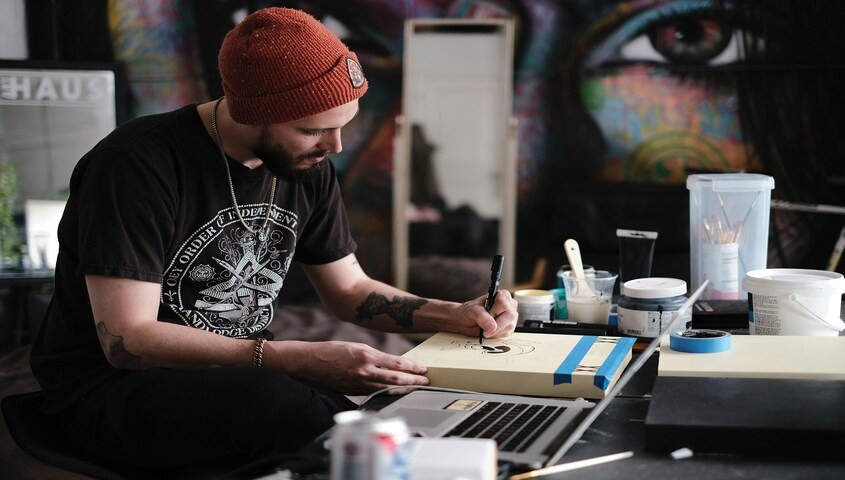
Every list like this treats art as a hustle. Ten easy income streams, five hacks, three tools you didn't know about. This one doesn't. What follows is ten lanes that actually pay, in the order that they tend to pay artists in their first year of trying.
1. Sell Custom Clothing with Your Art Prints
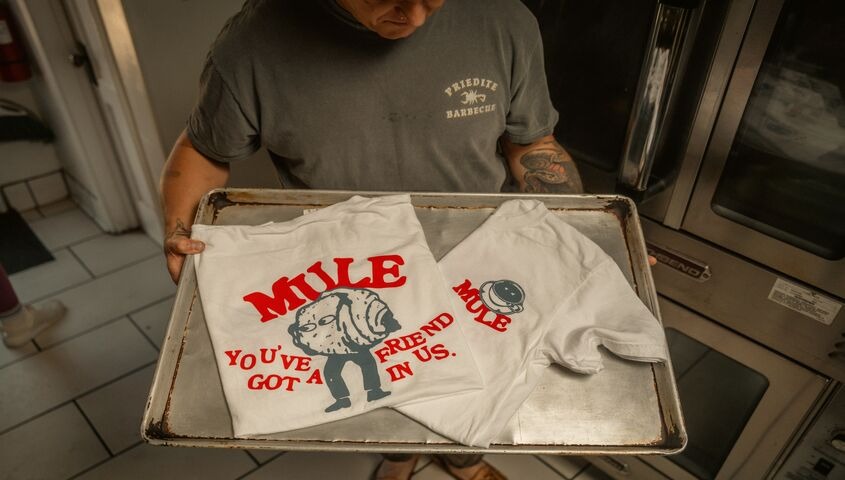
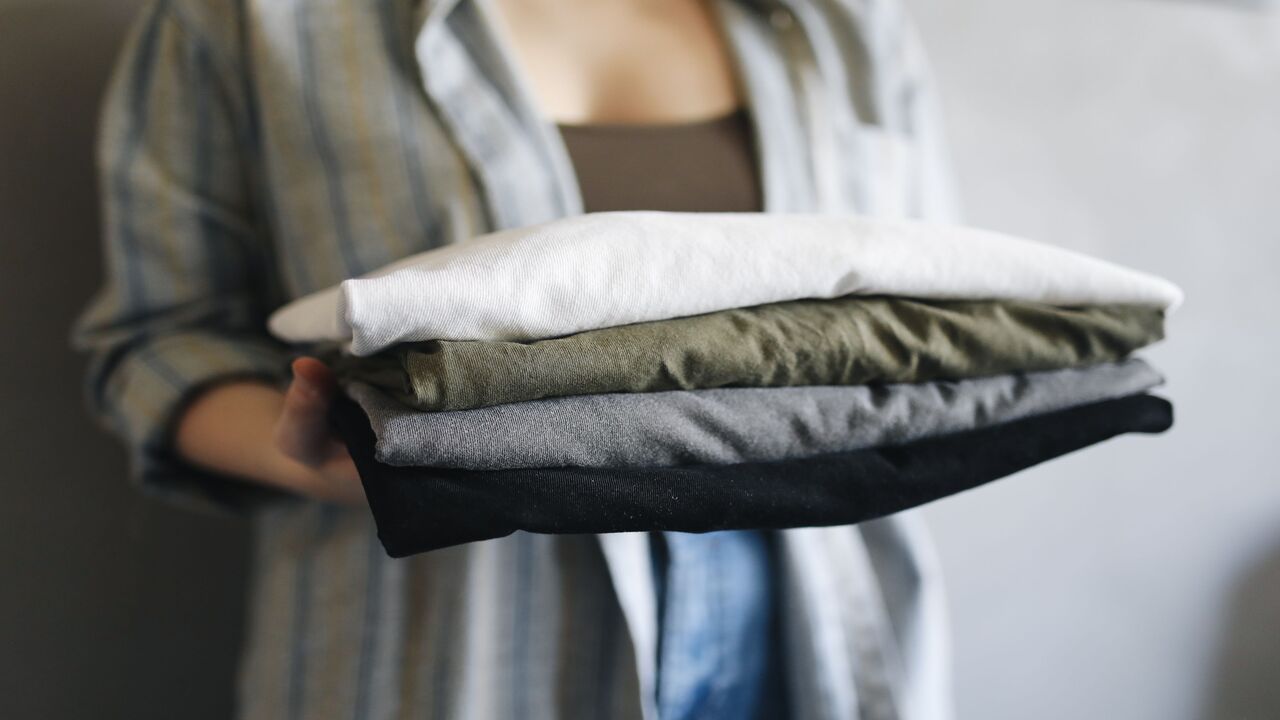
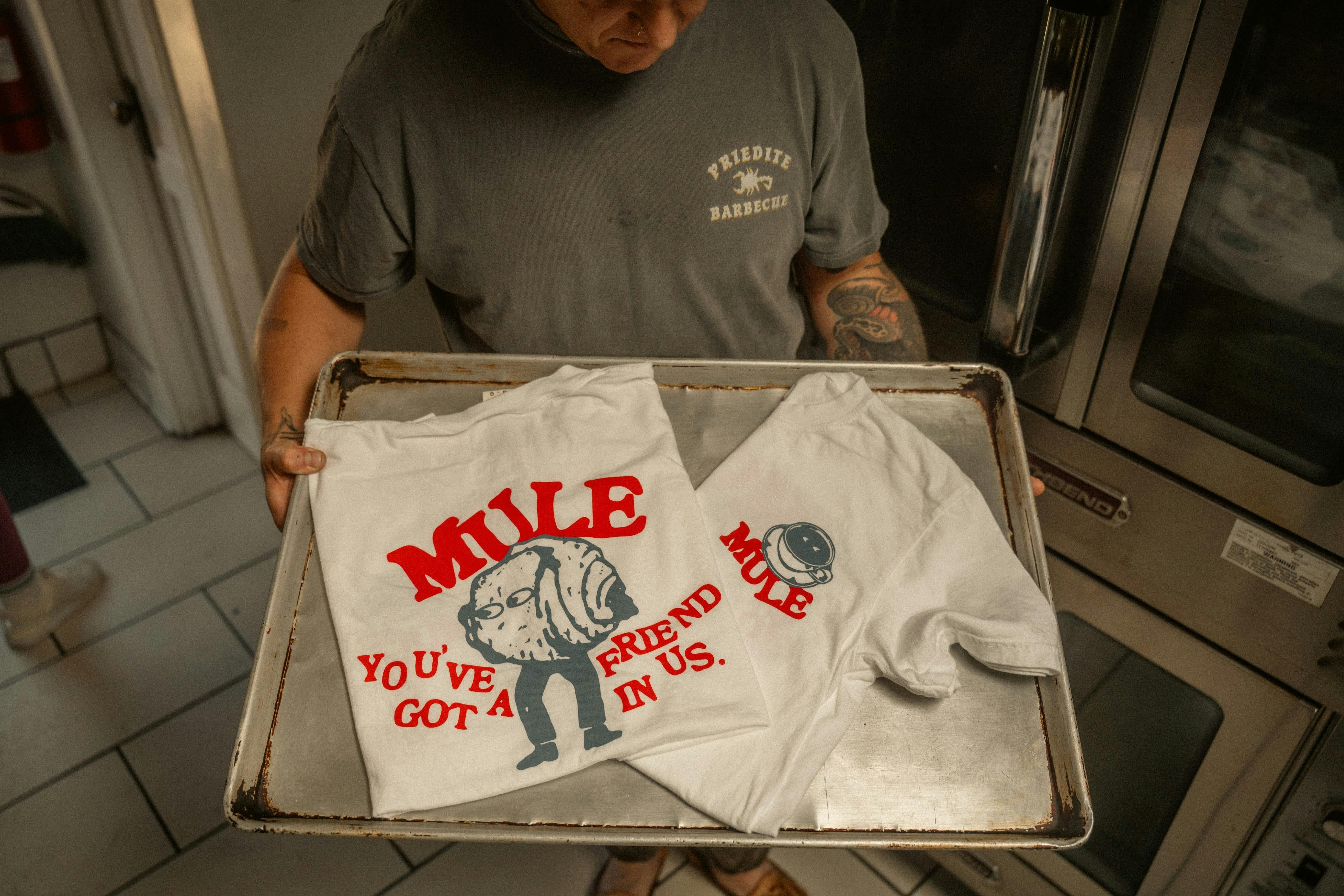
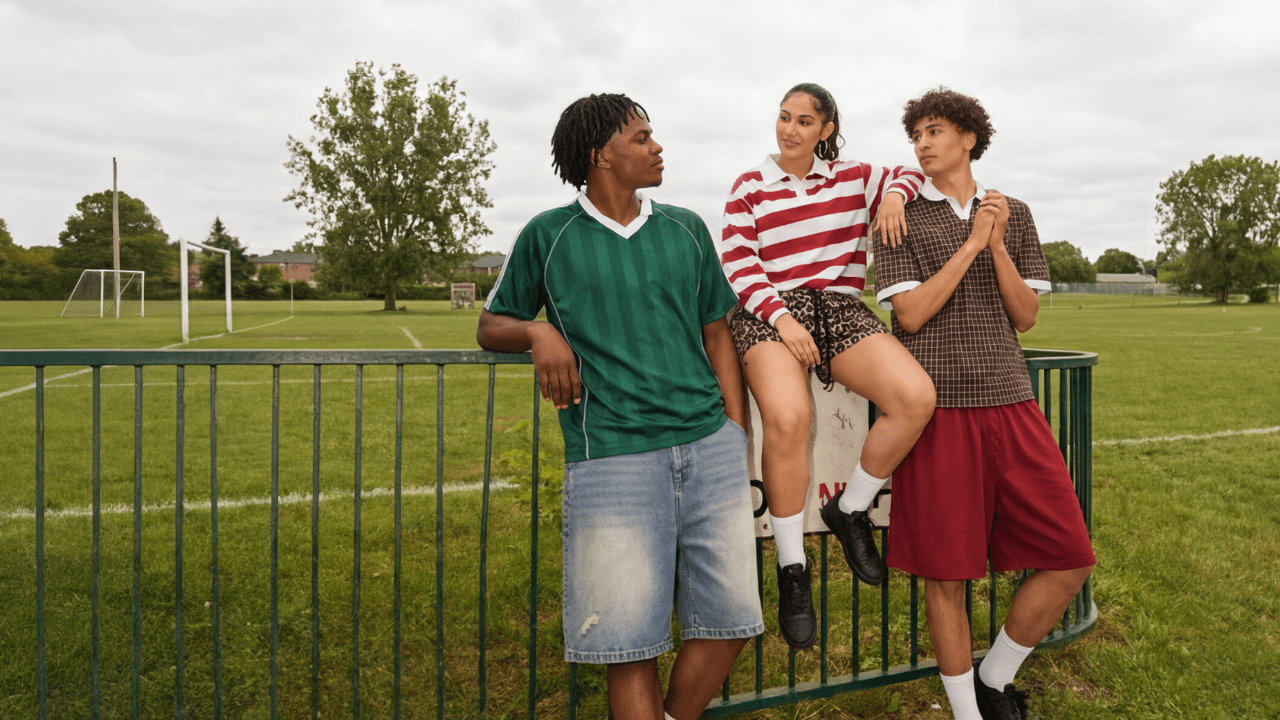
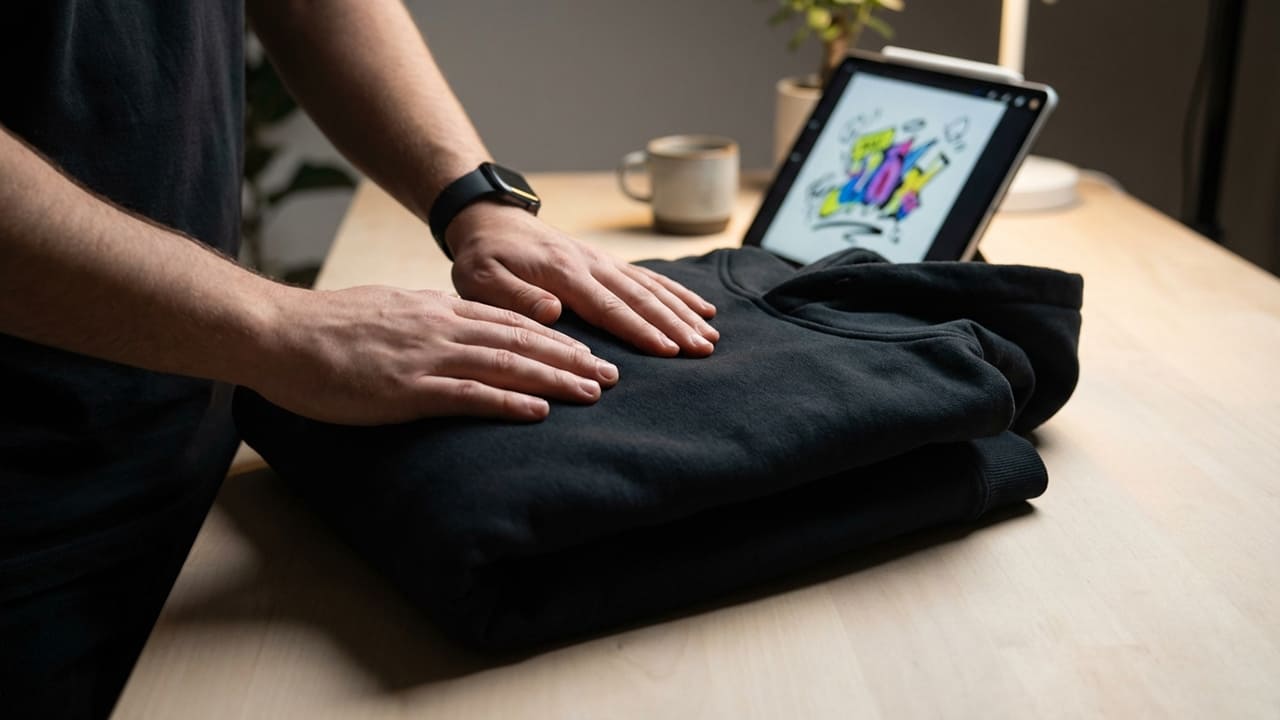
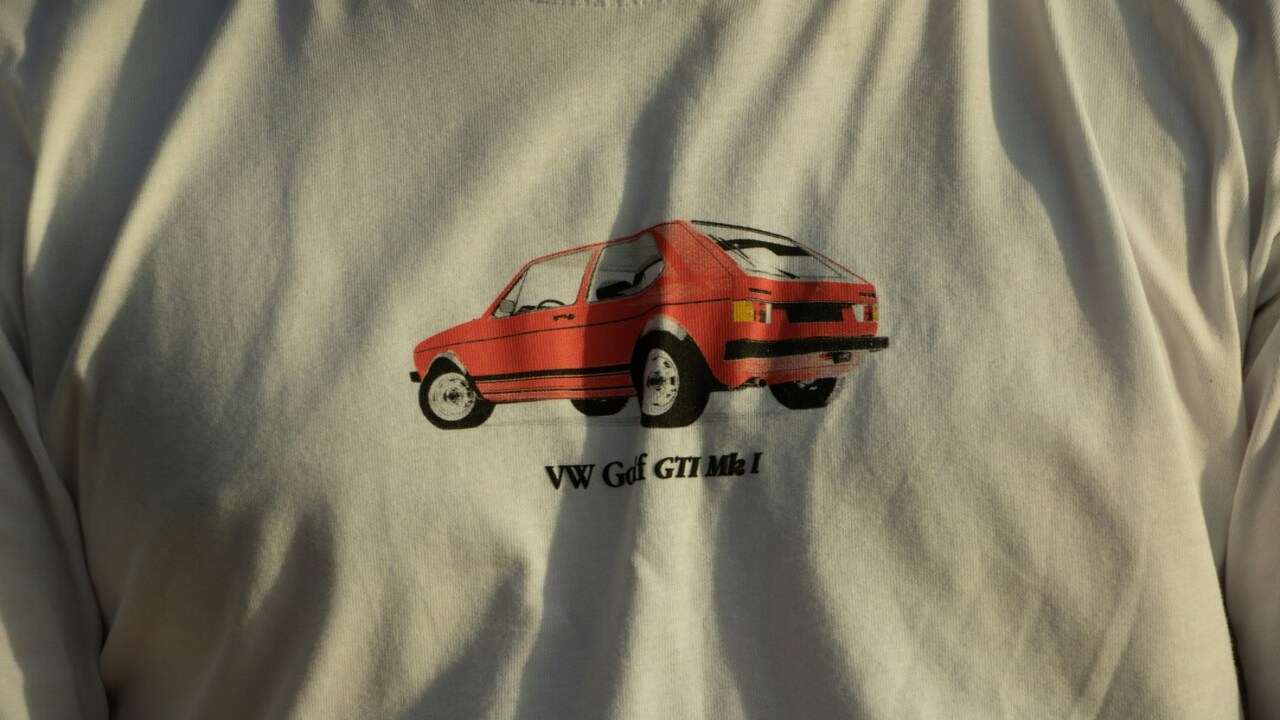
The most ancient form of publishing is putting an image on something people carry. Banners used in churches. Flags for political campaigns. Printed punk rock t-shirts made in some basement. Whenever you print your creation on fabric, and it gets worn throughout someone's week, you're doing the same thing every visual artist has done since the invention of ink.
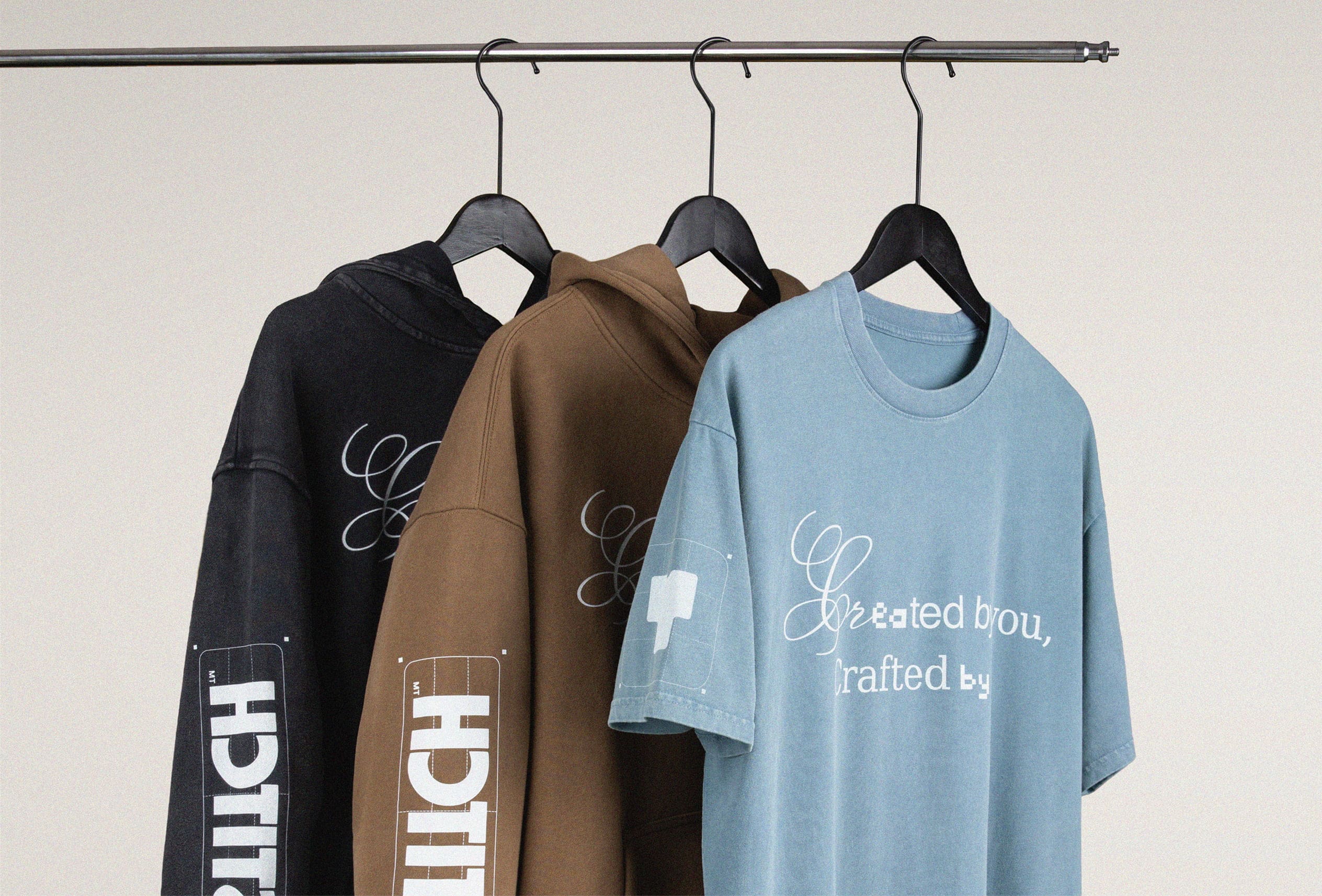
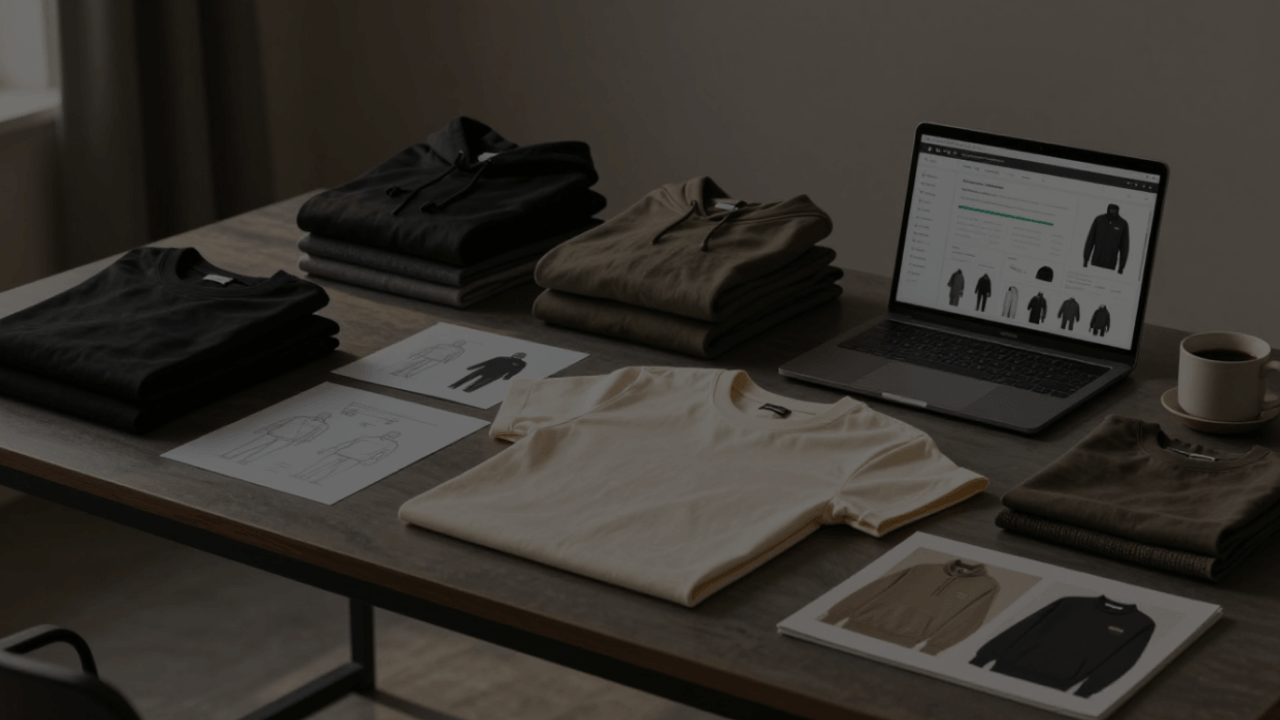
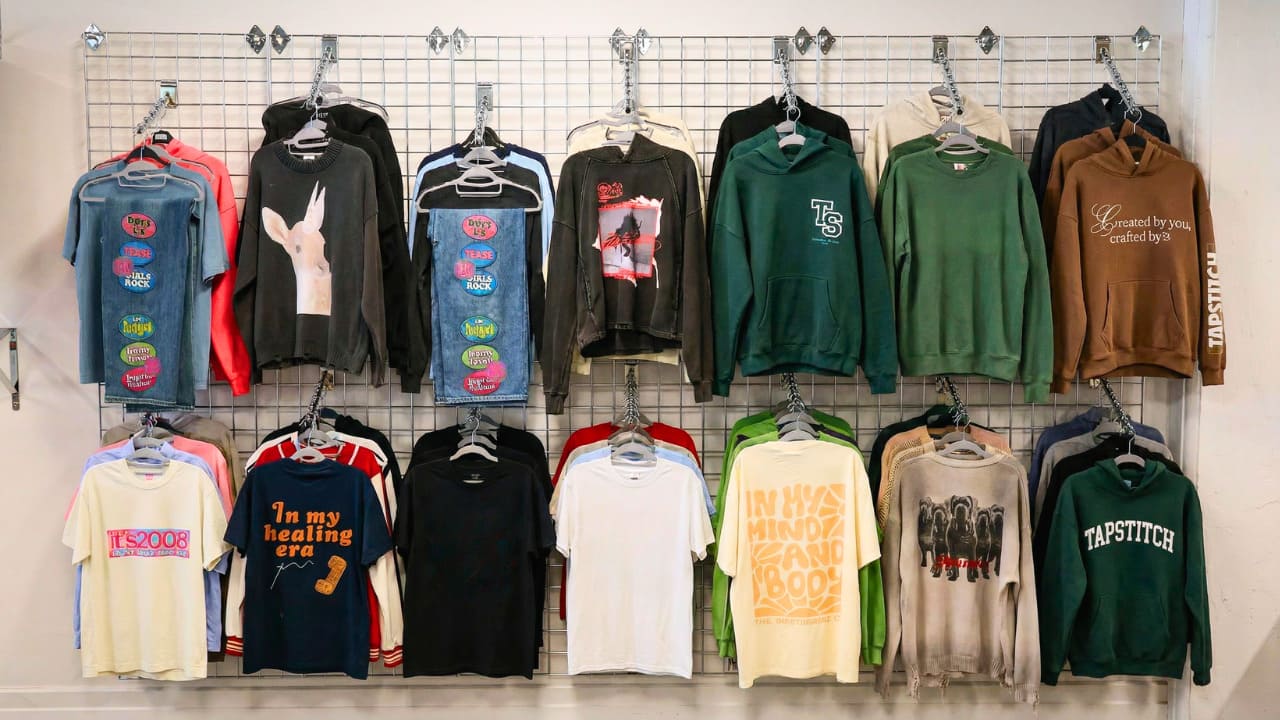
The mechanics have finally caught up with the intention. Print-on-demand through a partner like Tapstitch means you upload the art, set the retail, and the production runs only when someone orders. No inventory, no warehouse, no risk on stock nobody wants. Margins land between 30% and 60% on apparel once the design and audience click.
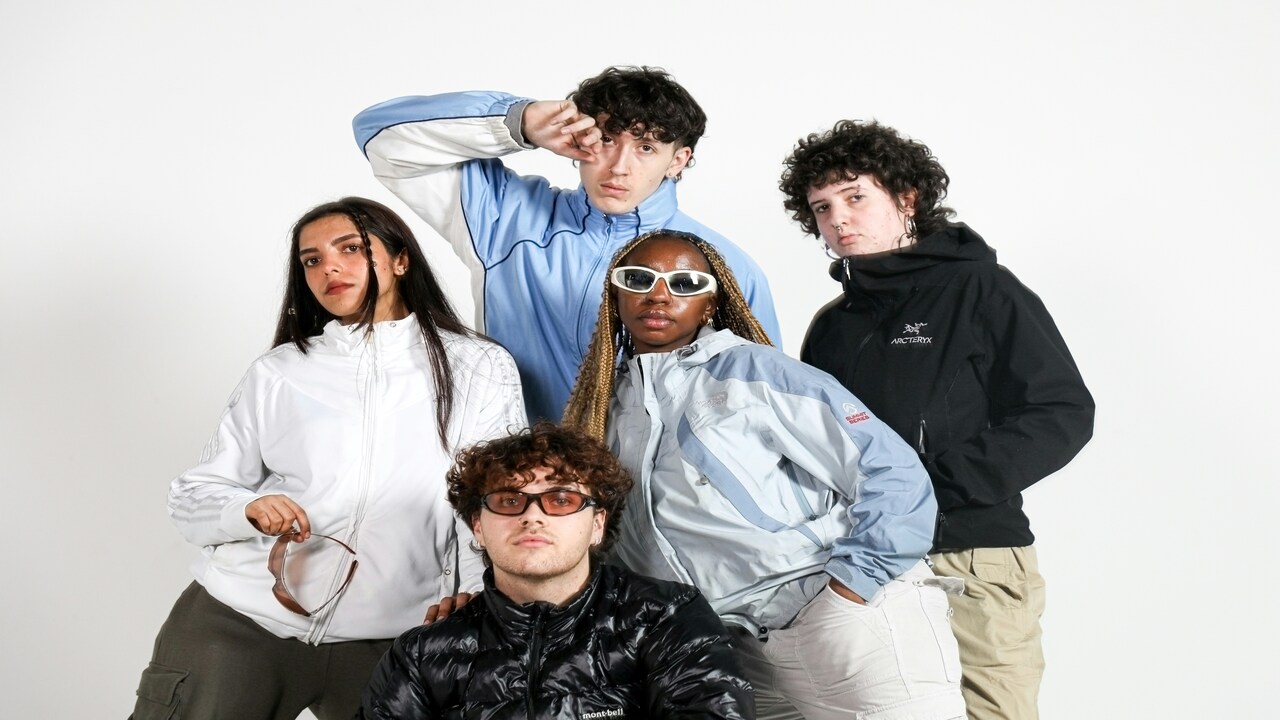
2. Build Your Own Fashion Brand
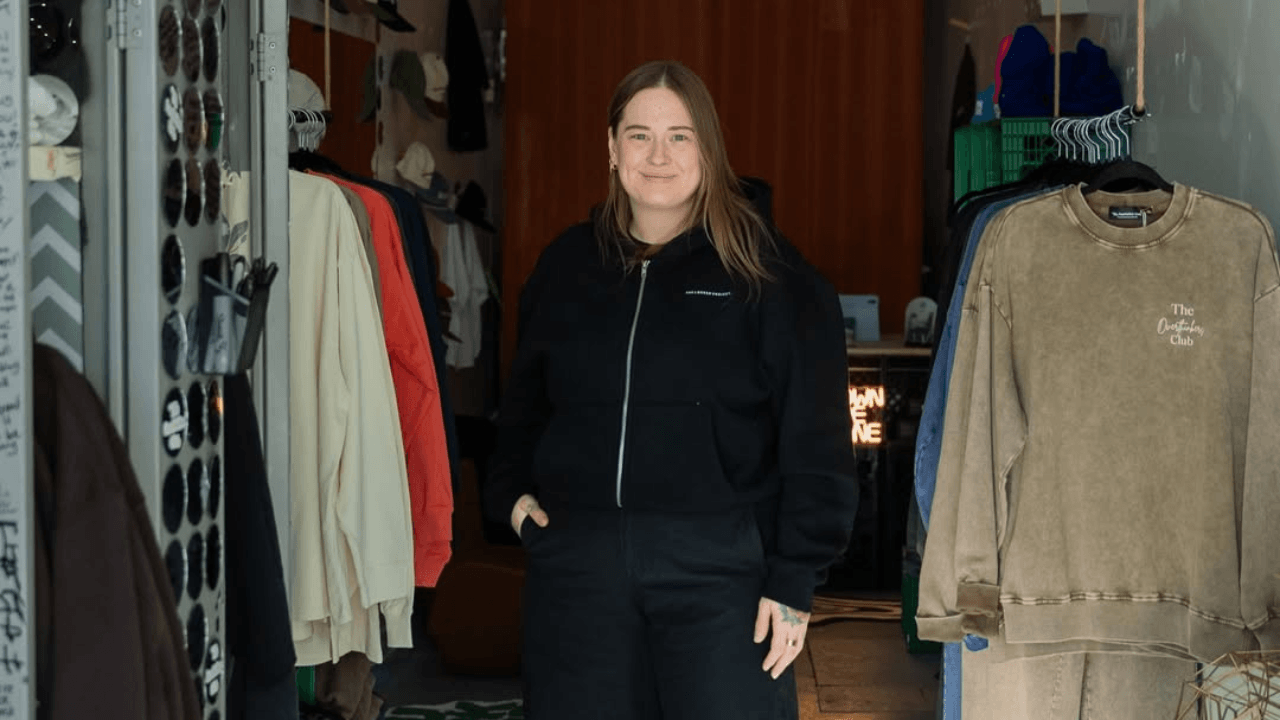
Take the above even further. Rather than marketing a one-off design, you build an entire visual language around your creations. Maybe you start with something that goes viral. I remember a skateboard shop that opened up near my home when I was a kid called Chikko. They had ONE style of T-shirt, and everyone HAD to have one. American Apparel hoodies? Same thing. Most brands start with one thing that becomes "cool", and grow from it. If your art has a unique style or perspective, and it catches on, let it grow into something more. A name, a narrative, a whole clothing brand.
In fashion, there is a unique way for artists to create their own brand through their artistic expression. Record labels exist in the music industry for that purpose. Streetwear creates brands. You get to become the voice while the collection becomes the museum. If you pull it off, this will rank among the best ways.
3. Sell Original Artwork Online

Saatchi Art, Singulart, Artfinder, and Etsy all provide excellent prices on original art. The economics of an original artwork are pretty straightforward in the art world. You don’t have any costs associated with reproduction; there are no license fees or royalties that apply. So once you’ve been paid for the painting, you’re done.
The problem is the amount of money that you can actually make. You’re not going to be able to produce endless quantities of originals in one month, and you can only get so much for an artwork based on your present reputation. Originals are meant as part of a larger strategy.
4. Create Art Print Products with POD
In addition to clothing, one artwork could come in the form of printed images on various products such as framed prints, posters, canvas, ceramics, phone cases, throw pillows, and notebooks. Different print-on-demand sites specialize in specific product lines. Tapstitch takes care of clothing products. On the other hand, Printful and Gelato cover a greater variety of home decor products.
Society6 caters to those who collect artworks more than anything else. Marketing the products should be done selectively rather than in a quantity way. The idea is to curate instead of maximizing. Three or five products should be selected based on the theme (a t-shirt, a poster, a tote bag, and a phone case; and maybe a mug).
5. Sell Digital Downloads
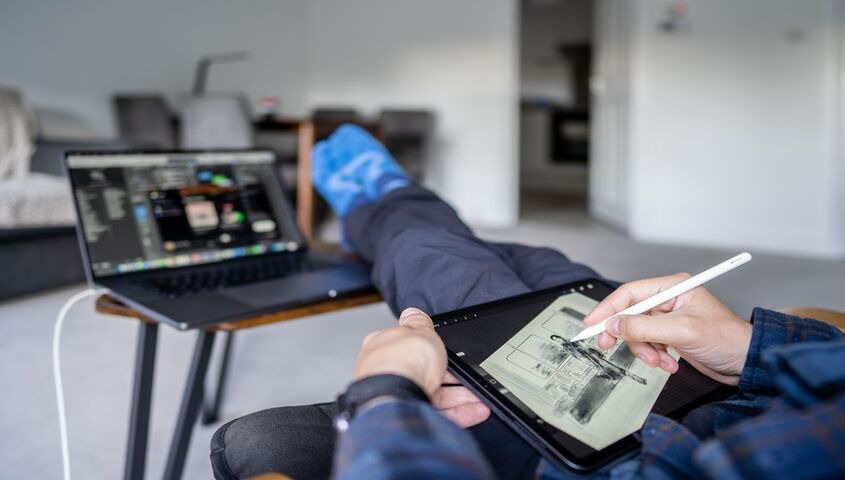
The internet's highest-margin product category. Prints, illustrations, fonts, brushes, presets, Lightroom filters, Procreate stamps. You build the file once and sell it forever with essentially zero incremental cost. Etsy, Gumroad, Creative Market, and your own site all work as storefronts.
Digital selling rewards the artist who is also a bit of a designer. Not the fine artist making one-of-one paintings, but the illustrator making tools other creatives need. If the work you make already looks like something someone would want to use, the digital lane is quietly one of the best answers to how do you make money as an artist without ever shipping a physical product.
6. Take Commissions
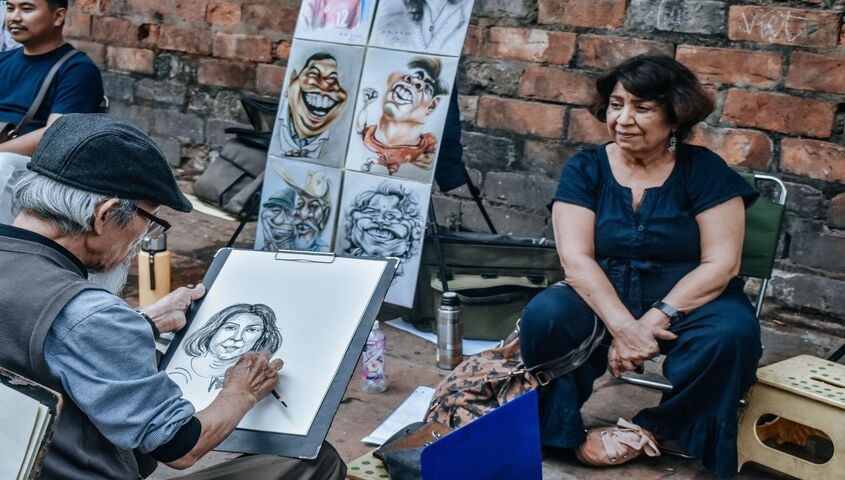
The oldest revenue model in the trade. Portraits, custom illustrations, wedding work, pet portraits, family scenes. Rates run from $50 for a quick sketch to $5,000+ for a formal oil portrait depending on niche and reputation.
The most important part is the understanding that you cannot expand your commissions unless you create a system. Set limits to the number of commissions you can do in a month, determine the price, and create a waiting list so that people do not consider you desperate to get clients. People who earn well from commissions consider their schedule like stock and the client base like subscriptions.
7. License Your Art
Brands need art. Greeting card companies, book publishers, fabric companies, home goods brands, gaming studios, animation studios, even tech companies. They license existing work or commission originals, often at four to six figures per deal. It's the least-visible income lane on the list and often the highest-paying. You're also now competing against AI (but if you can't beat them, join them, right?)
Becoming a properly licensed artist is not an easy or glamorous journey. Start building your portfolio, contact some licensing agents such as Tinkler Agency, Lilla Rogers, or MGL Licensing. It could take up to a year before you can start making money.
8. Teach Art Online
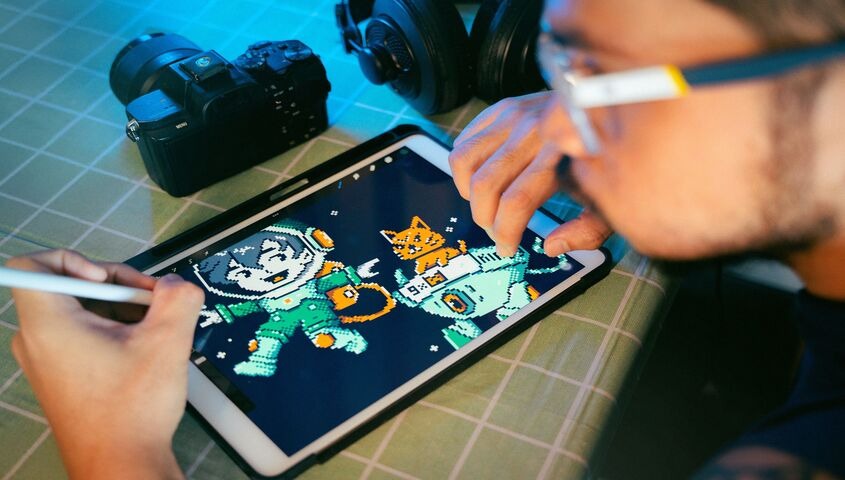
Why not? You could be YouTube's Bob Ross. Not just YouTube either; you can monetize classes on Skillshare, Domestika, Patreon, or your own course on Teachable, Podia, or Kajabi. Artists with audiences are turning teaching into solid five-figure annual income streams, sometimes six. A single well-built course can pay for years without any additional effort.
The work is upfront: recording, editing, writing, marketing. Then the compounding starts. Teaching is also unexpectedly generative for the practice itself. Explaining how you do the thing tends to sharpen how you actually do the thing. The best teachers rarely stop being the best students.
9. Sell Through Galleries and Art Fairs
The conventional approach remains one of the most effective strategies. The strategy involves local galleries, art fairs (such as Affordable Art Fair, Frieze, The Other Art Fair), pop-up exhibitions, and carefully selected group exhibitions. Even though galleries require commission rates of 40 to 50 percent, they are responsible for marketing, framing, and networking with collectors who cannot be reached independently.
The work should be done long before the actual transaction. One should attend gallery openings, enter juried exhibitions, and continuously maintain contact with curators through the years, not through the months. The strategy is time-consuming yet provides tangible results with appropriate implementation.
10. Public Murals and Commissioned Works
Cities, businesses, hotels, restaurants, developers, universities. All of them commission large-scale murals and installations. Public commissions in major cities run $5,000 to $100,000+ depending on scope and site.
The path is portfolio, proposals, patience. Build relationships with art directors, city arts councils, and commercial developers. Enter public art competitions. The pay-per-project is huge once you're in the rotation, and the visibility from a single high-traffic mural often generates more downstream commission work than any other single lane.
Tips for How to Make Money with Art
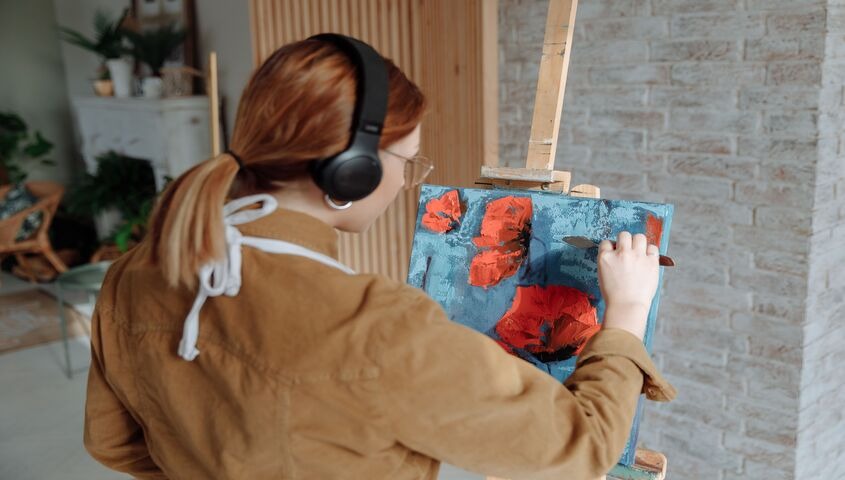
The lanes above are the easy part. Making them pay is where most artists trip up. Five things separate the ones earning real income from the ones still explaining why they will next year:
- Pick one lane and commit for ninety days. Trying three approaches for three weeks each earns nothing. Ninety days is the minimum for a real signal; anything shorter is chasing a mood.
- Build an audience while you build the work. A thousand engaged followers beat ten thousand who scroll past. The channel matters less than the discipline of showing up. The audience is the long-term asset.
- Price like a professional from day one. Underpricing kills more careers than overpricing. Low prices signal low value. Charge what the work is worth to you, then adjust on actual sales data.
- Reinvest the first few thousand dollars. Sample products, better photography, a small ad campaign, a workshop that fills a real gap. The first $3,000 goes back into the work. Savings come later.
- Treat the inbox like a sales tool. Galleries, licensing, brand partnerships, and commissions all start in email. Reply within 48 hours, keep it short, follow up after a week. That habit is the difference between a professional and a talented amateur.
Making Money as an Artist with Tapstitch
Framed prints hang in one room. A piece someone wears walks into every room in their life. Tapstitch puts your art on real garments, premium fabrics, and modern silhouettes instead of the blank napkins typical POD services print on. Fashion-on-demand, not plain print-on-demand, with production costs low enough to leave a real margin on every piece. The process is simple:
- Sign up. No card, no commitment, no monthly fee.
- Upload the art or send the file over. High-resolution, transparent background, sized to the print area.
- Pick the blank that fits the work. A tee for a chest graphic, a hoodie for a big block piece, a tote for a pattern.
- Set retail and connect to your Shopify, Etsy, or own storefront.
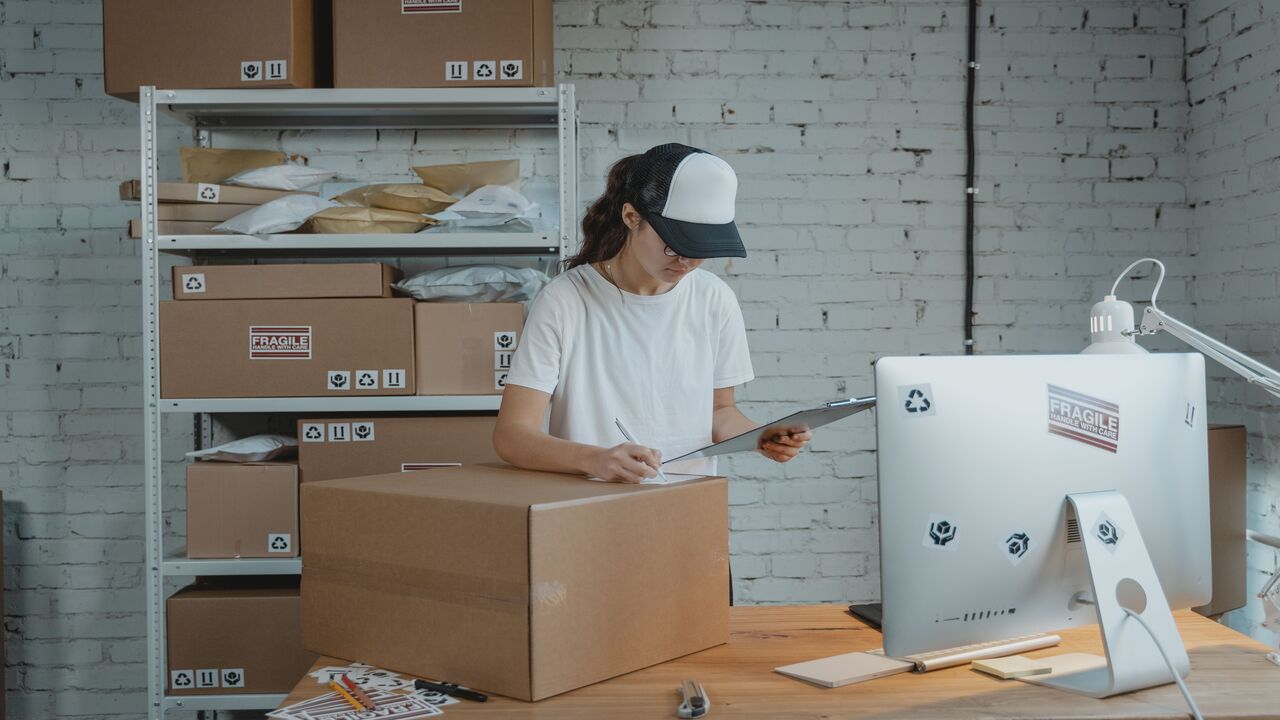
- Tapstitch prints and ships each piece when an order lands.
You keep the margin, you keep the customer, and the piece your buyer opens on their doorstep feels like something they'd wear even if there wasn't a story behind it.
FAQs
Which types of art are the most profitable?
Three categories outperform: licensed work (highest ceiling, slowest ramp), digital downloads (highest margin), and POD apparel (best balance of scale and margin). Most working artists in 2026 run some combination of the three.
Can I really make a living selling art online?
Yes, but only if the practice is treated like a business. The romantic version tops out at hobby income. The version that pays a mortgage requires the artist to also be a small business owner.
How do you make money as an artist starting from zero?
Pick the lane with the lowest barrier: POD apparel for fastest launch, digital downloads for highest margin, commissions for fastest first paycheck. Give one lane real focus for ninety days before adding a second.
How long does it take to make money as an artist?
Service work (commissions, teaching) can pay within weeks. Product lanes (POD, digital, originals) take 60 to 120 days to dial in. Licensing and gallery careers take a year or more. Patience matters more than talent.
How do artists make money over a full career?
By stacking lanes. Artists clearing $200K a year almost always run three or four sources at once (a POD line, licensing, teaching, commissions). The combination is the moat, and it's why working artists spend as much time on logistics as on the studio.
How much should I charge for my art?
Depends on the lane. POD apparel: $30 to $80. Digital downloads: $10 to $79. Originals: $200 to $5,000+. Commissioned portraits: $150 to $1,500+. Licensing: $500 to $50,000+ per deal. Start mid-range for your lane, raise prices as demand rises, never apologize for the number.
Final Thoughts
The question of creative ways to make money is, at its core, a question about how to keep making the work at all. Rent has to be paid. Materials have to be replaced. Studios cost money. And the artist who resents charging for the practice usually stops making the practice within a decade of pretending they didn't need to.
The lanes above are lanes. Pick one that fits the work, commit for a real window of time, and let the practice fund itself. What separates the artists who make real income in 2026 from the ones who don't isn't talent. It's whether they let the work become a business, or whether they kept treating the business like the enemy of the work. The great ones always figured out it was neither. It was just the thing that let them keep going.
.jpg)
.png)

.jpg)
.jpg)
%20(3).jpg)
.png)
.jpg)
.jpg)
.jpg)
.jpg)
.jpg)
.jpg)







.png)




.png)
.webp)

.jpg)







.jpg)


.jpg)

.png)
.jpg)


.jpg)
.jpg)





.jpg)
.jpg)
.jpg)
.jpg)
.jpg)

%20(1).jpg)

.png)

.png)



%20(1)%20(1).jpg)





.png)
.png)