







How to Make Money on Shopify with No Money: Beginner's Guide



Want to know how to make money on Shopify? This guide covers 10 practical ways to start earning, from selling print-on-demand products and digital goods to offering services and building online businesses.
Whether you’re a beginner starting with a small budget or an entrepreneur looking for new opportunities, you’ll discover proven strategies to launch, grow, and turn your Shopify store into a profitable business.
10 Ways to Make Money on Shopify for Beginners
Shopify gives entrepreneurs the flexibility to build different types of online businesses. The best approach depends on your goals, experience, and resources. Here are 10 business ideas worth exploring if you’re ready to start.
1. Sell Print-on-Demand Products
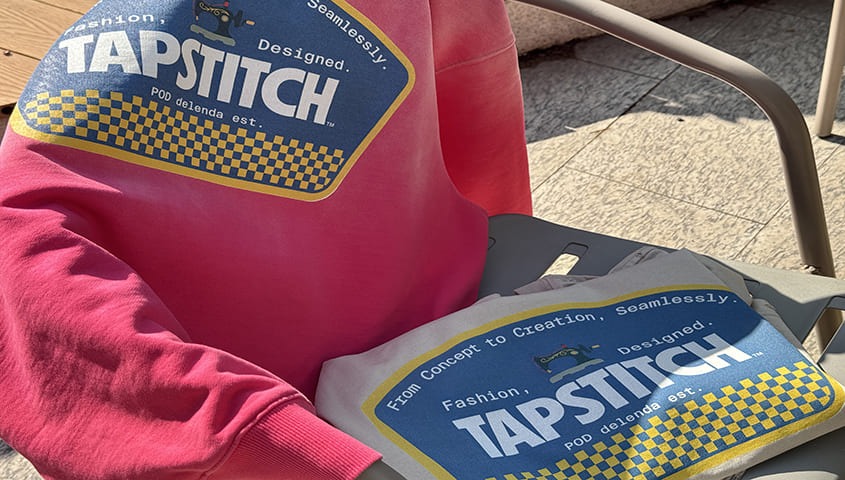
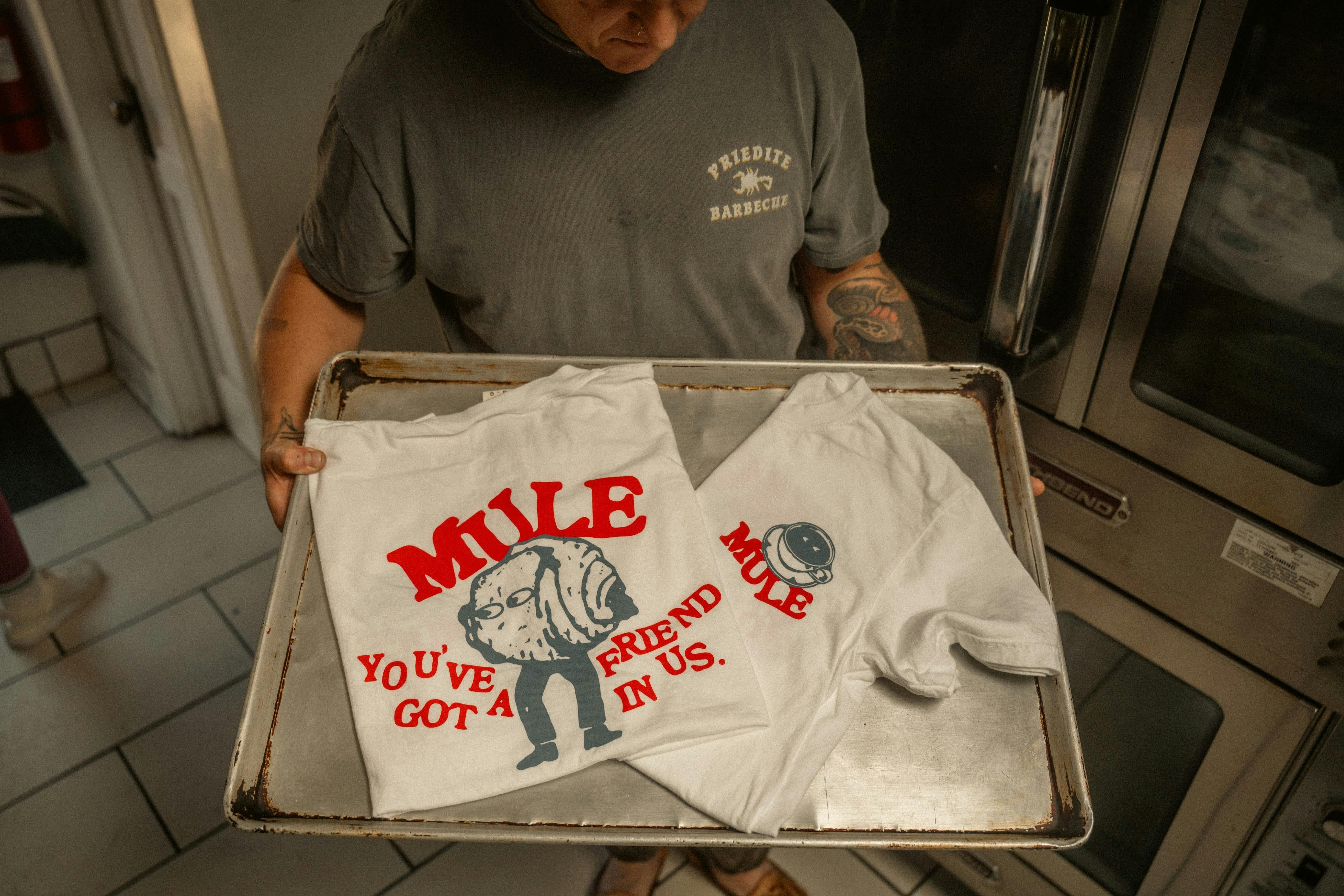
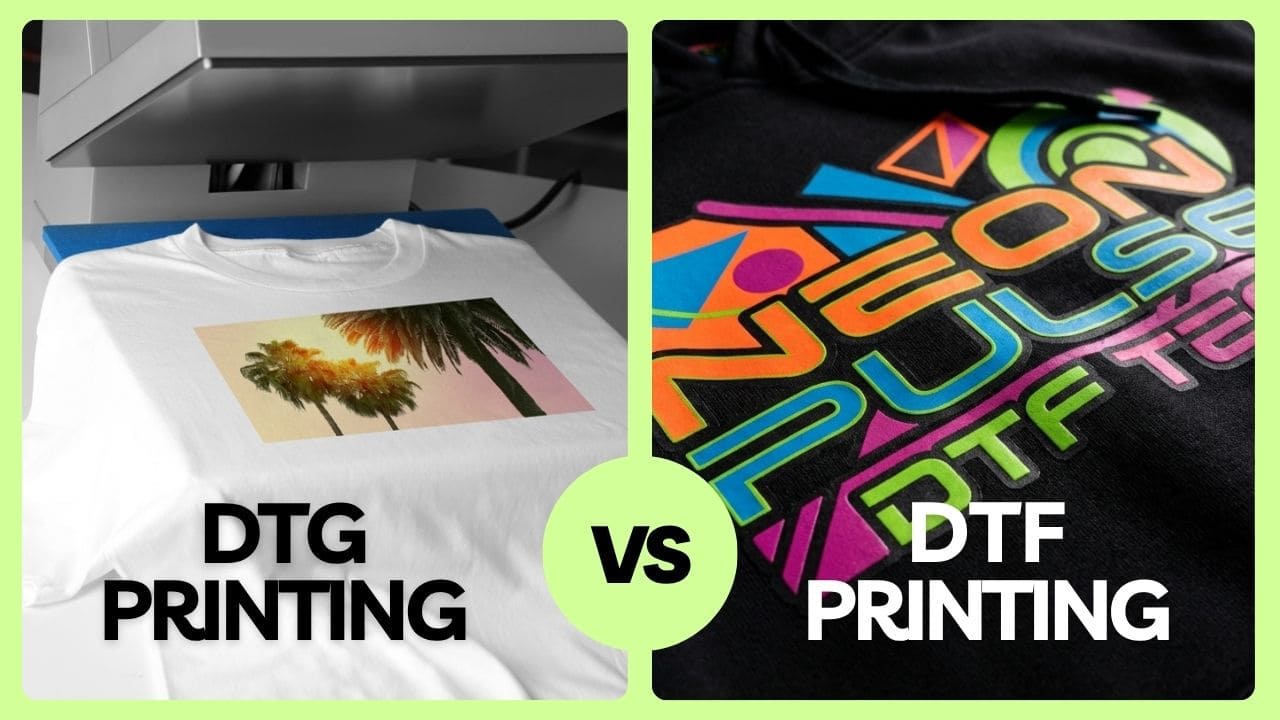
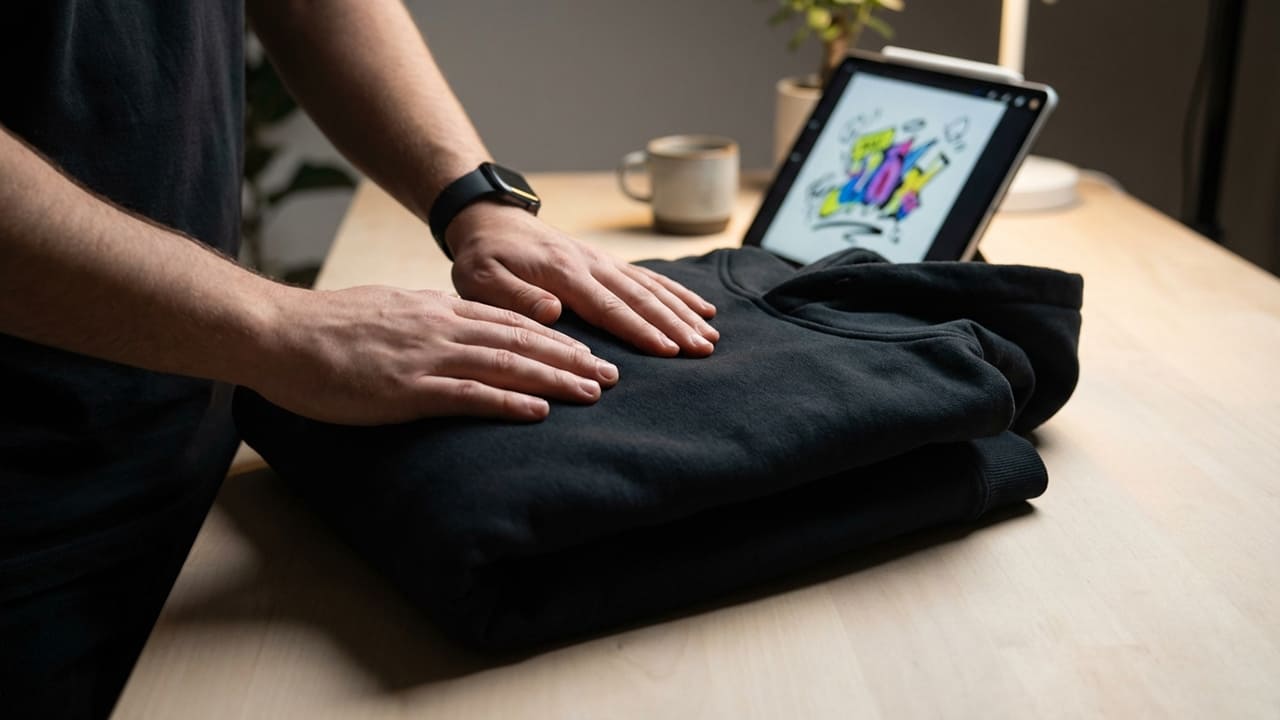
If you're looking for a low-risk way to make money on Shopify, starting a print-on-demand (POD) business is a great place to begin. Since products are only made after a customer places an order, there's no need to buy inventory upfront or manage storage and shipping yourself. That means you can launch your Shopify store with less risk while testing different products and designs.
A reliable print-on-demand supplier can also make running your business much easier. Tapstitch integrates with Shopify, so you can create custom apparel, publish products to your store, and automate order fulfillment. When your customers place an order, Tapstitch handles everything behind the scenes, including manufacturing, packaging, and delivery. This allows you to focus on the parts that grow your business, such as creating new designs, marketing your store, and building your brand.
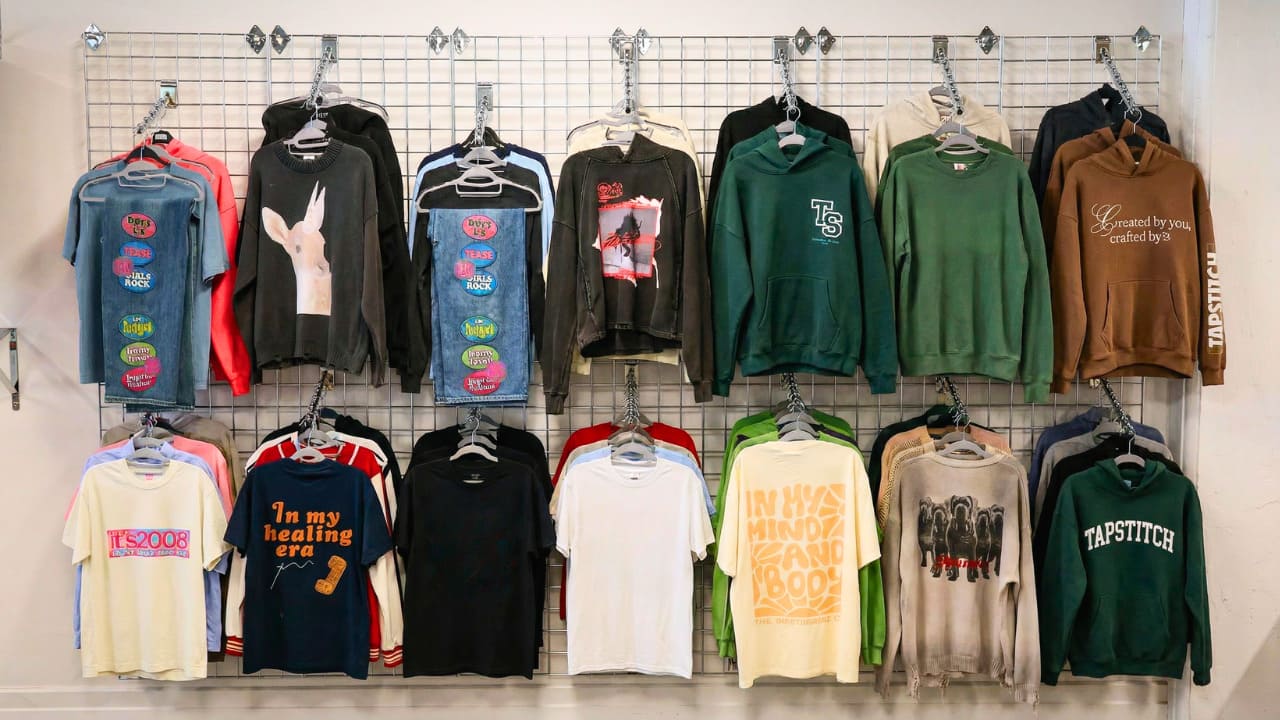
Suppose you want to build a real clothing brand instead of simply selling products; branding matters. Tapstitch offers custom branding options like labels, hang tags, insert cards, and branded packaging to help your products look more professional. Combined with Shopify's flexibility and full control over your store, it's a simple way to create a brand customers will remember.
2. Start a Dropshipping Business

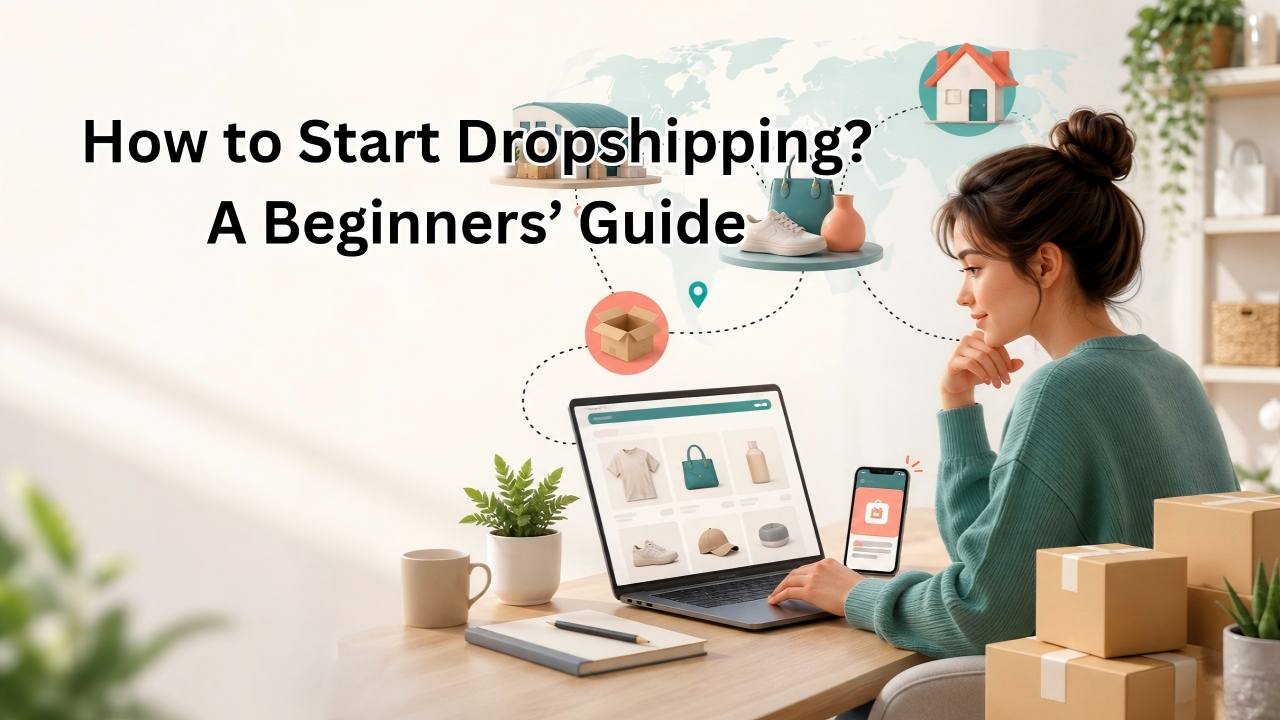
Dropshipping allows Shopify entrepreneurs to sell products without purchasing or storing inventory upfront. Instead of purchasing products in advance, you work with dropshipping suppliers who store inventory, fulfill orders, and ship products directly to your customers when a purchase is made.
Unlike POD, dropshipping usually focuses on selling ready-made products rather than creating custom designs. Since many sellers may offer similar items, choosing the right niche, researching products, and partnering with reliable suppliers are important steps to building a successful Shopify store.
Tips: Before adding products to your store, consider ordering samples to check the quality, packaging, and delivery process yourself.
3. Sell Handmade Products
If you’re exploring the best products to sell on Shopify, handmade items are worth considering, especially if you have a unique skill or creative idea to share. Shopify makes it easier for creators to build a store around their products and grow a brand based on what they make. Whether you make handmade jewelry, candles, artwork, home decor, or other specialty products, the key is to create something that feels personal and different from mass-produced items. A strong product story and a recognizable brand style can make your store feel more trustworthy. Sharing the story behind your products, using quality images, and creating a consistent shopping experience can help you stand out and turn first-time visitors into returning customers.
4. Sell Digital Products

Not every Shopify business needs physical products. Unlike physical products, digital downloads don’t require inventory storage or fulfillment, making them a low-cost option for beginners.
You can sell products such as:
- eBooks
- Music files
- Printable planners
- Digital art
- Website design templates
By turning your expertise into useful digital products, you can build an additional income stream while spending less time on repetitive fulfillment tasks.
5. Launch a Subscription Business
For beginners still deciding what to sell on Shopify, subscription-based products can be a smart option because they create more opportunities for recurring sales.
You can create all kinds of subscription offers with Shopify, such as monthly mystery boxes, skincare bundles, clothing collections, digital memberships, or personalized products based on customer interests. The goal is simple: provide enough value that customers look forward to receiving their next order.
6. Create and Sell Courses
Your skills and knowledge can become valuable products, too. If you have expertise in a specific area, you can turn what you know into services, courses, or digital products and sell them online.
Who it's best for:
- Designers
- Coaches
- Consultants
- Educators
You can sell video courses, downloadable templates, guides, workshops, or membership content through your Shopify store. Shopify helps you sell your knowledge online by handling payments, content delivery, and customer access in one place.
7. Start Affiliate Marketing

A well-built audience can become a valuable asset for Shopify entrepreneurs. If people trust your recommendations, affiliate marketing gives you a way to earn commissions by connecting them with products or services that match their interests.
For those searching for how to start affiliate marketing with no money, the focus should be on creating useful content first. Product reviews, comparison guides, tutorials, and niche-focused recommendations can help attract visitors and turn them into potential buyers without requiring a large upfront investment.
Tips: If you create content around fashion, ecommerce, or POD, you can also explore affiliate partnerships. Tapstitch Affiliate Marketing allows creators to earn 10% commission on every order their referrals place for a full year.
8. Build Shopify Apps for Merchants
If you have coding skills and understand what Shopify merchants need, building a Shopify app can be a way to create useful tools and build a business around them. Shopify’s app ecosystem gives developers the opportunity to create solutions that help store owners improve different parts of their business, from inventory management and marketing automation to customer experience and store optimization.
Creating an app does require technical knowledge, market research, and a clear understanding of merchant pain points. However, a well-designed Shopify app can become a scalable online business by helping merchants solve ongoing challenges and generating recurring revenue over time.
9. Turn Your Shopify Skills Into Income

If you have experience with Shopify, you can turn your knowledge into income by helping other merchants build and grow their online stores.
Many store owners look for help with services such as store setup, theme customization, product page improvements, SEO for Shopify, email marketing, and conversion optimization. You can offer these services through project-based packages or hourly consulting, allowing you to work with businesses of different sizes and needs.
10. Build and Flip Shopify Stores
The process involves creating a store, selecting products with potential, improving the design, and growing traffic and sales until the business becomes attractive to buyers.
Successful store flipping is not just about launching a website. You also need to optimize the customer experience, improve conversion rates, and build assets such as organic traffic, repeat customers, and a strong brand presence.
Once a Shopify store has consistent revenue and a proven growth path, it can become a valuable digital asset that you can sell for a profit. This approach is best suited for people who enjoy website building, marketing, and ecommerce strategy.
Can You Really Make Money on Shopify with No Money

Yes, you can start making money on Shopify with a small budget, but “no money” doesn’t mean building a completely free business. You may still need to invest in things like your domain, store design, or marketing tools, but Shopify makes it possible to start without spending a large amount upfront.
- Start without buying inventory.
Inventory is often one of the highest costs for new ecommerce businesses. Instead of purchasing products before making sales, you can use models like POD or dropshipping to test products without holding stock upfront.
- Use free tools and organic marketing.
You don’t need an expensive setup to launch your Shopify store. Free Shopify themes, affordable design tools, social media, SEO content, and email marketing can help you build traffic without relying entirely on paid ads.
- Grow step by step
Making money on Shopify with a small budget is about making smart decisions. Once you find products that customers want and generate your first sales, you can reinvest your profits into better tools, marketing, and business growth.
6 Simple Steps to Start Making Money on Shopify

A profitable Shopify store doesn’t happen overnight — it takes a clear direction, the right setup, and a strategy for reaching customers. Here’s a simple roadmap to help you get started.
1. Choose the Right Business Model
The right business model can make a big difference in your Shopify store, from how much you need to invest upfront to how you manage operations, set prices, and grow your profits. Consider your budget, skills, and long-term goals before deciding which option is the best fit.
Here are some common Shopify business models to consider:
- Physical products: Selling your own products gives you more control over quality, branding, and pricing, but it also requires upfront investment, inventory management, and fulfillment.
- Print-on-demand (POD): You can sell custom products without holding inventory. Your supplier handles production and fulfillment, making it easier to test new product ideas with lower upfront costs.
- Digital products: Courses, templates, ebooks, and other digital products have low production costs, but success depends on creating valuable content and reaching the right audience.
- Services: Consulting, coaching, and other service-based businesses can generate income quickly, but your earning potential may depend on your available time and expertise.
Choosing the right model from the beginning can help you build a Shopify business that fits your resources and growth goals.
2. Find Products Your Customers Want
A good product idea often starts with a market you already understand. When you know the audience, the category, or the problem you are trying to solve, it becomes easier to judge what customers are likely to buy and how to position the offer.
Take time to define your target customer before adding products to your store. Look at details such as their interests, budget, shopping habits, and the platforms they use. This research can guide your pricing, marketing channels, and the way you present each product.
Your product pages should then answer the questions a buyer is most likely to have. Clear, useful information builds more trust than exaggerated claims or keyword-heavy copy.
3. Create Your Shopify Store
Your store should make it clear what you sell, who your products are for, and where visitors should go next. Start by choosing a simple Shopify theme that fits your product range and brand style. A free theme is often enough for a new store, while paid themes may offer more layouts and built-in merchandising features.
Keep navigation easy to follow and organize products into clear collections. You should also add essential pages such as About Us, Contact, Shipping, Returns, and FAQs. Before launching, check how the store looks and works on mobile, since many customers will browse and place orders from their phones.
4. Set Prices and Calculate Profit Margins
Setting the right price is about more than covering the product cost. Before launching your Shopify store, calculate all the expenses that affect your actual profit, including:
- Product costs
- Shipping and packaging
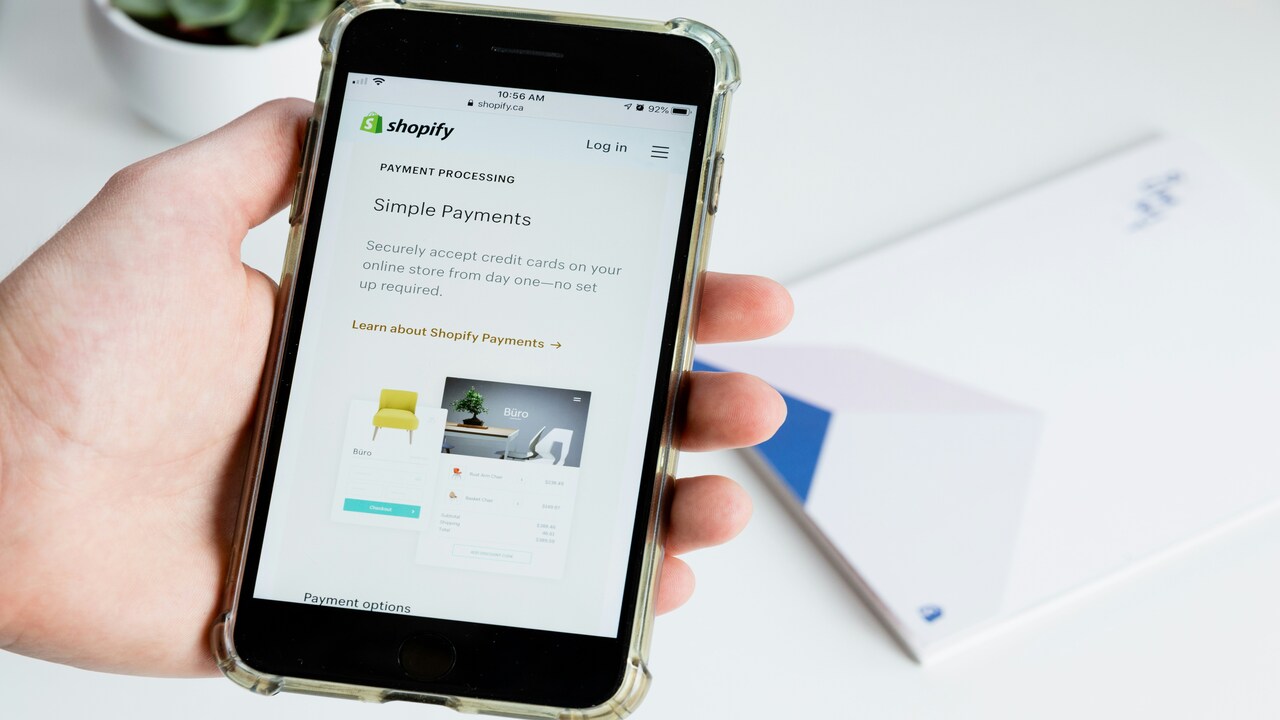
- Payment processing fees
- Platform charges
- Advertising costs
- Return-related expenses
Your costs will vary depending on your business model. For example, digital products usually have lower delivery costs, while physical products may require spending on production, inventory, or shipping.
5. Driving Traffic Through Marketing
A Shopify store cannot grow without a steady flow of visitors, but that does not mean you need to market on every platform at once. Start with one or two channels that match your audience and focus on using them consistently.
You might build traffic through:
- Blog content
- YouTube videos
- Social media
- Email marketing
Good customer service, clear communication, and a reliable buying experience can encourage first-time customers to return.
6. Track Performance and Improve Your Store
After launching your Shopify store, use analytics to track performance, identify problems, and find opportunities to improve. Track key metrics like traffic, sales, and conversions, then make small changes based on customer behavior.
If visitors are not clicking, improve your product pages. If they abandon checkout, review shipping costs or payment options. If they do not return, use email marketing or product recommendations to encourage repeat purchases.
FAQs
Start Making Money on Shopify
Making money on Shopify takes the right strategy, consistent effort, and a business model that fits your situation. No matter what you sell, the key is choosing a business type that fits your budget, skills, and the time you can invest.
If you’re looking to start a fashion brand, print-on-demand can help you launch without the upfront cost of inventory. Tapstitch helps you create custom apparel, connect your Shopify store, and handle production and fulfillment, so you can spend more time designing your products and building your brand.

.webp)

.jpg)
.jpg)
.jpg)
.png)

.jpg)
.jpg)
%20(3).jpg)

.png)

.jpg)
.jpg)
.jpg)
.jpg)
.jpg)
.jpg)







.png)




.png)

.jpg)












.jpg)



.jpg)

.png)
.jpg)


.jpg)

.jpg)






.jpg)
.jpg)
.jpg)
.jpg)
.jpg)

%20(1).jpg)

.png)

.png)



%20(1)%20(1).jpg)







.png)
.png)