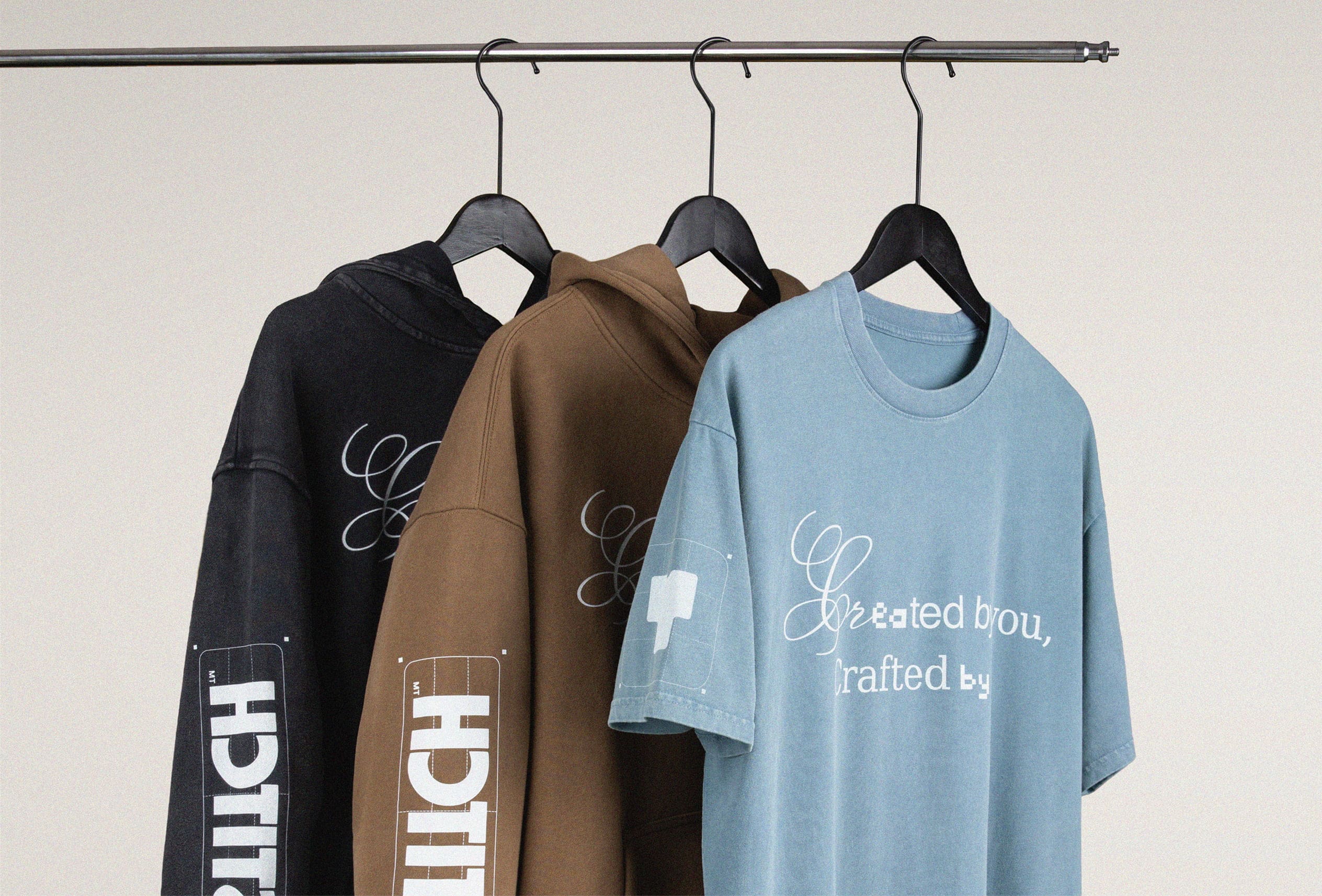







Trending Products to Sell Online for 2026



Every year somebody finds a product category six months before the crowd, builds on it, and owns the niche by the time it becomes a trend. Trend reports don't make anyone rich. Timing does.
So treat this list as a head start, not a prophecy. These are the trending products to sell online in 2026 based on what we see moving through marketplaces, social commerce, and our own print floor. Some need inventory. Some need skills. The best ones need nothing but taste and a laptop.
Twenty categories, straight notes on each, and a filter at the end for picking yours.
20 High-Demand Products to Sell Online
The first two are our home turf, so expect a point of view. The rest get judged by the same standard anyway.
1. Streetwear
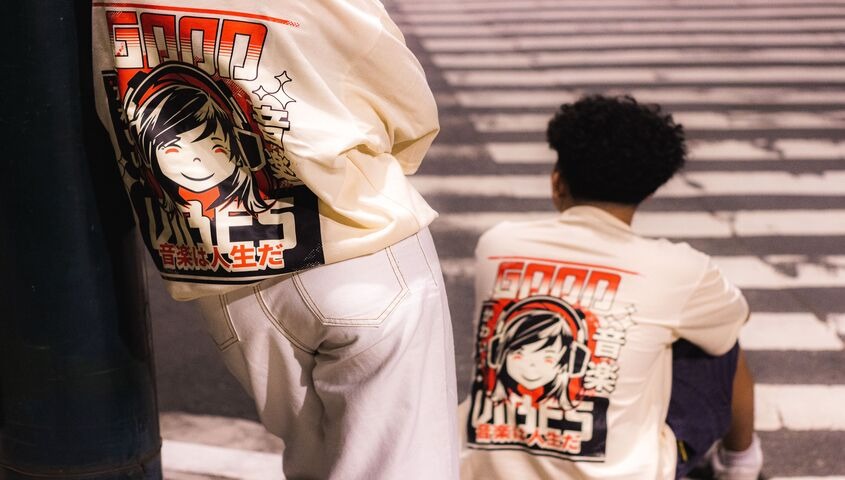
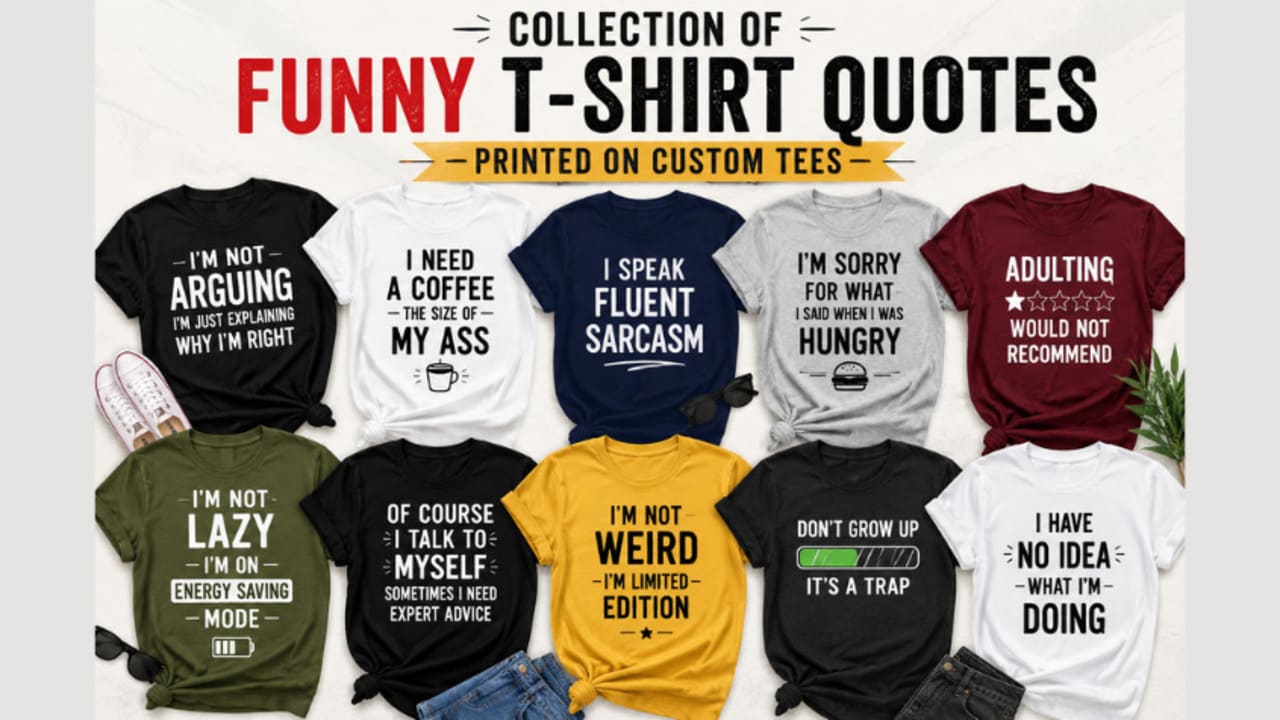
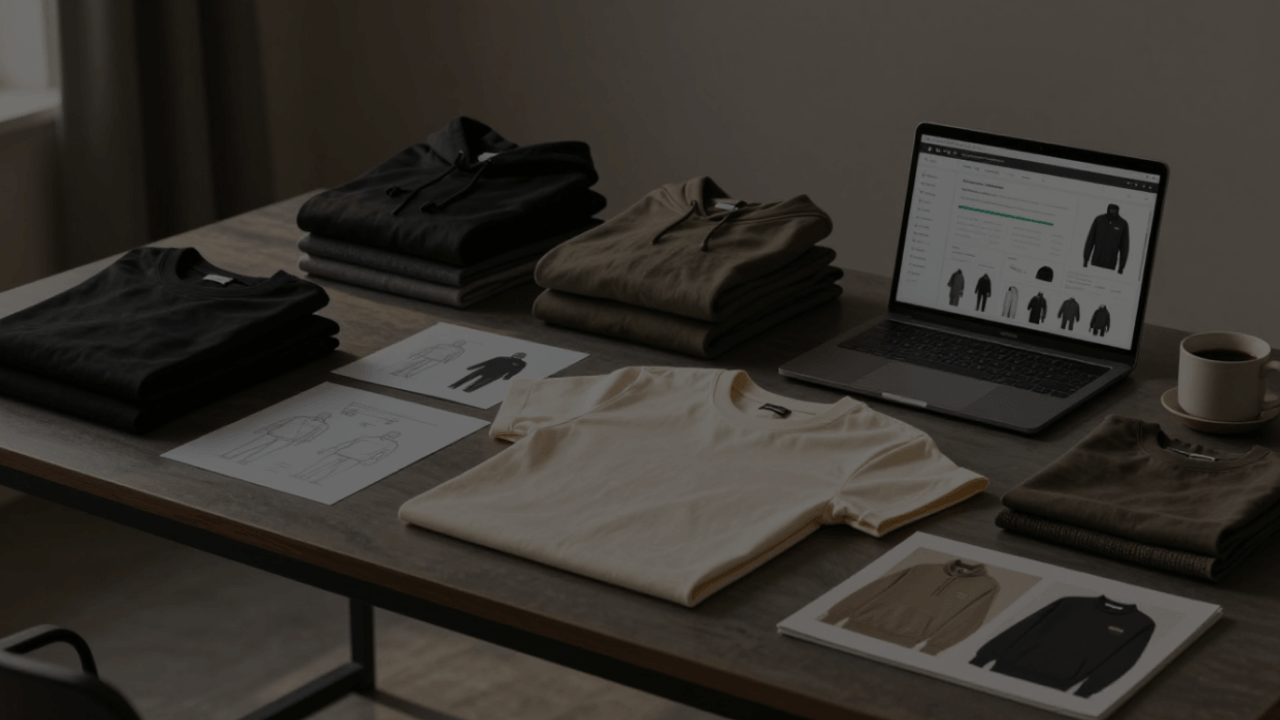
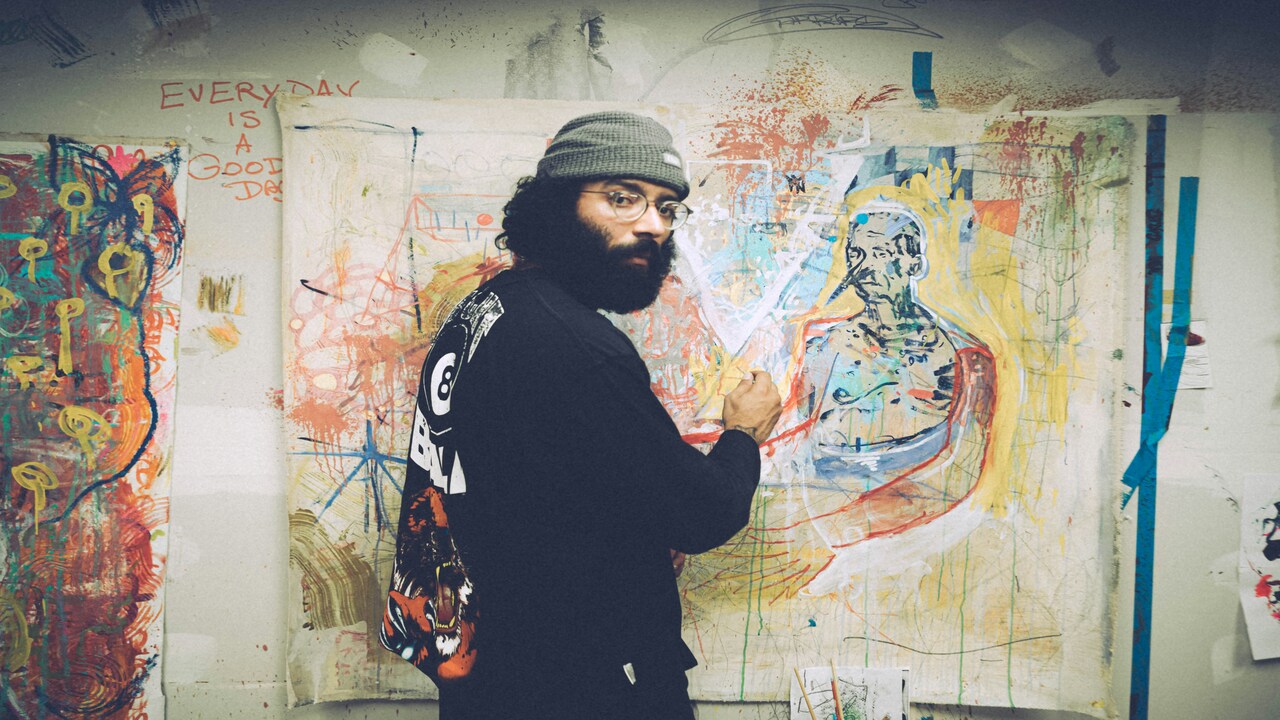
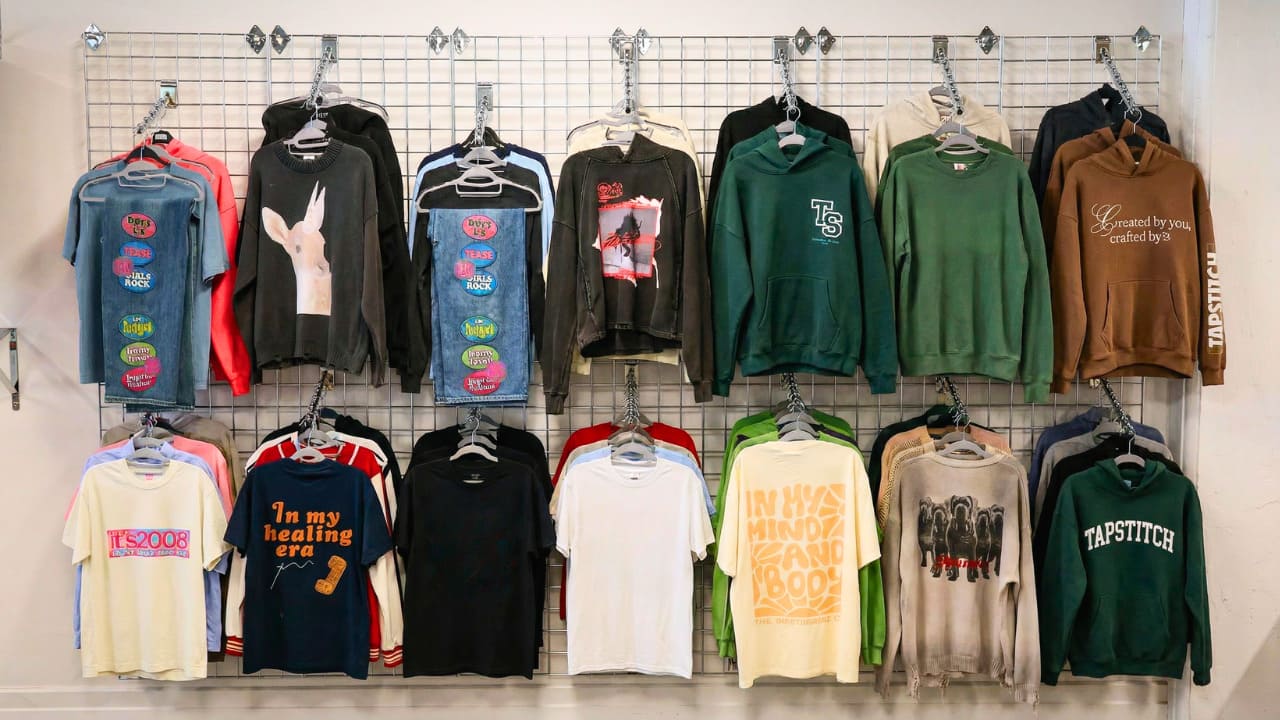
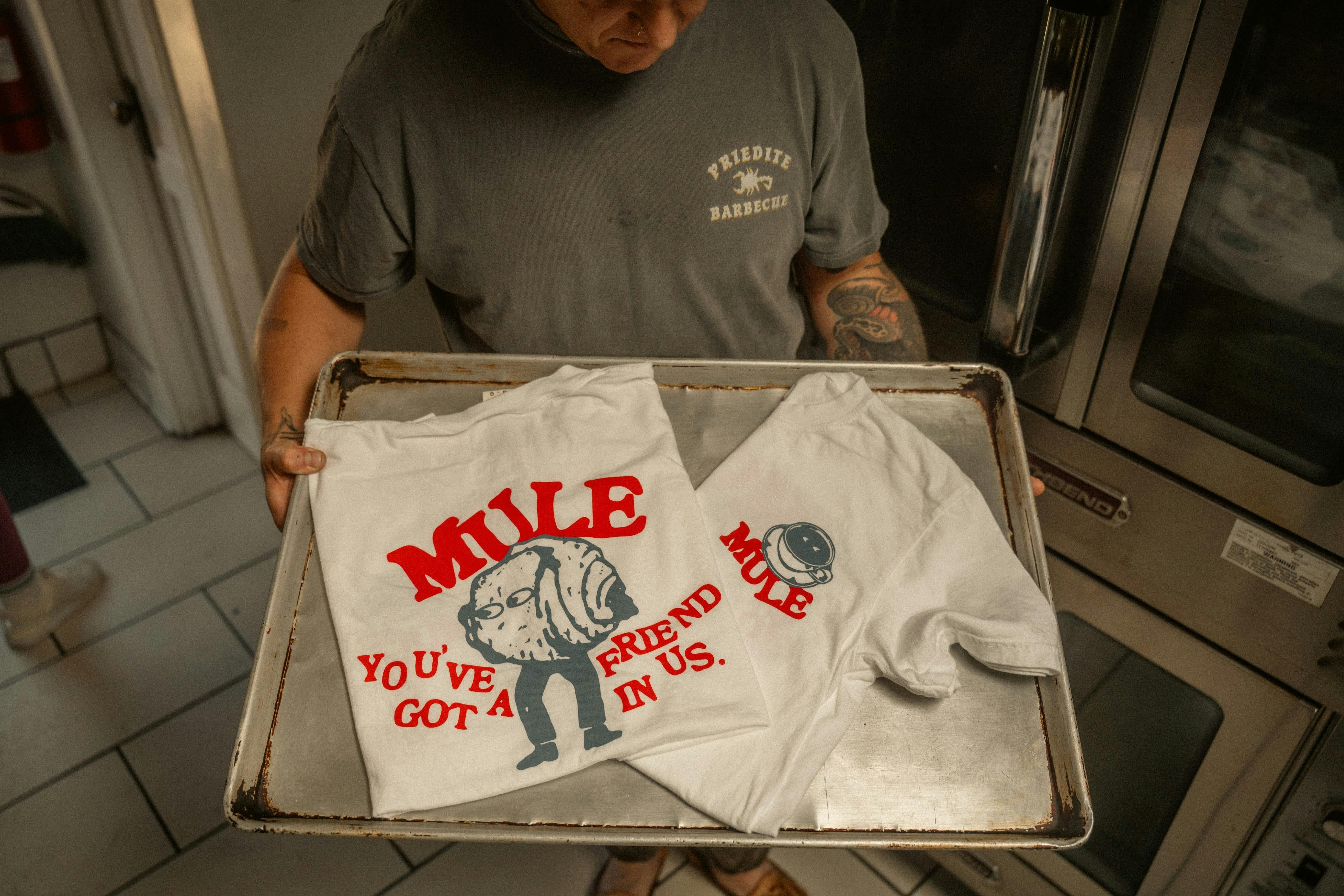
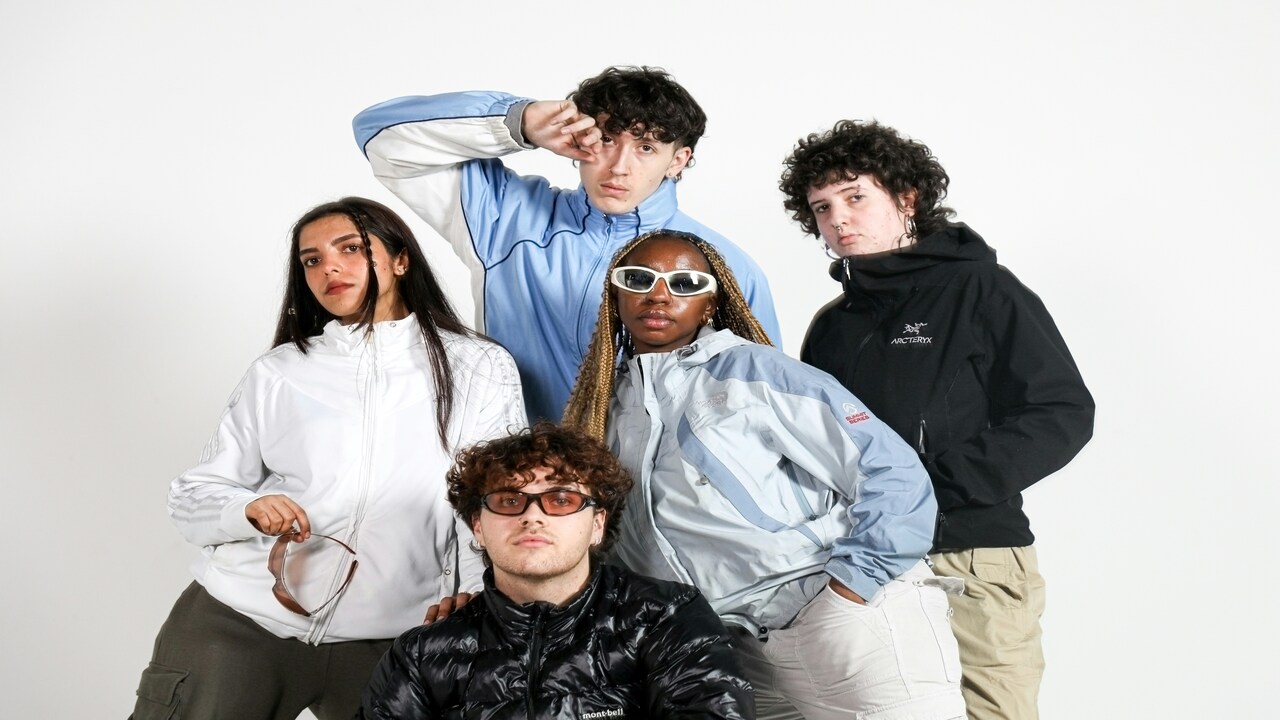
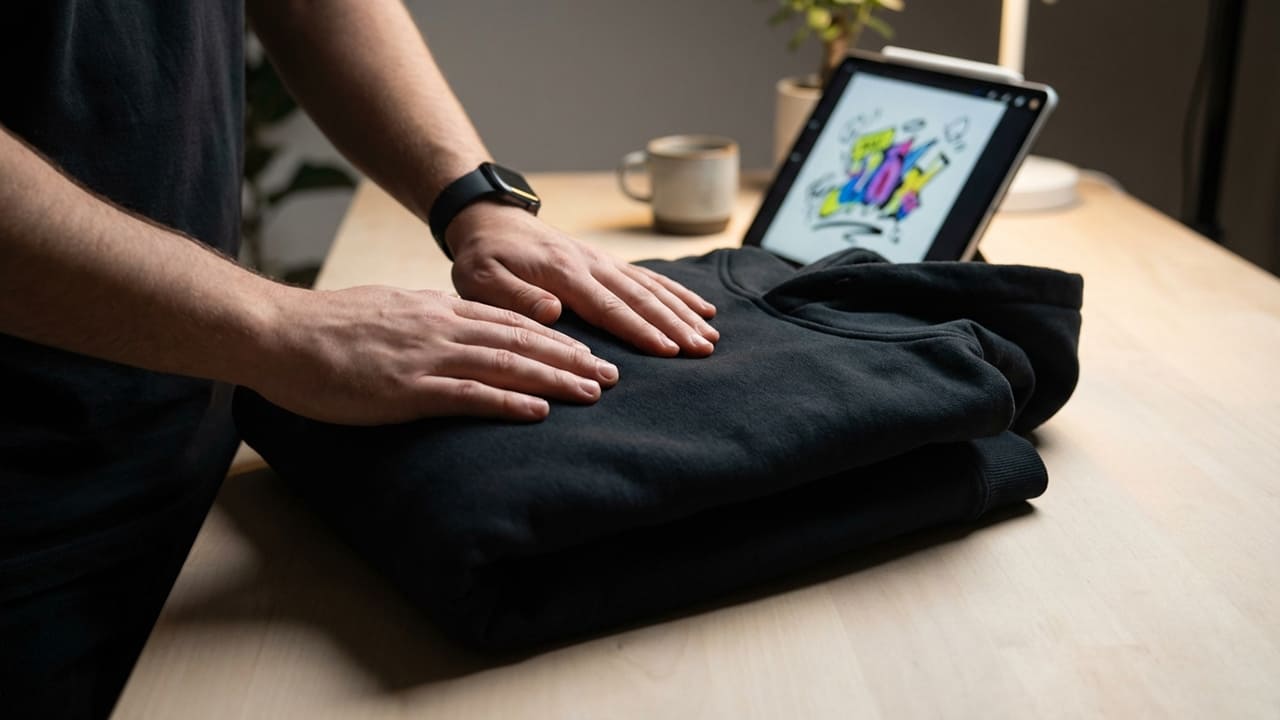
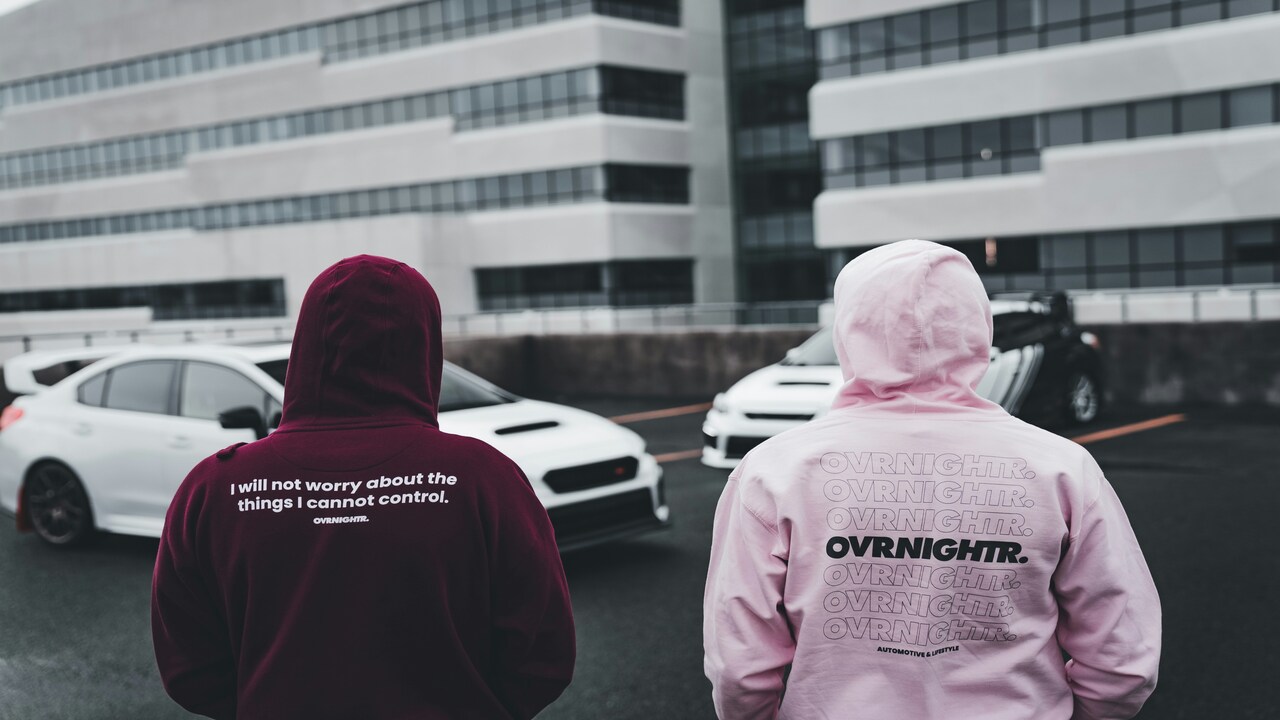
Streetwear is still the most popular trending clothing style being sold online, and 2026 has taken it even farther. Heavyweight cotton shirts, relaxed cuts, and vintage-washed looks with unique art styles or brand graphics- are popular and people are using streetwear for self-expression more than ever. The customer is young and brand-loyal to those that capture their vibe, and they're willing to spend on quality materials and styles.
Tapstitch designs the item, runs a few items, and print-on-demand. This trend values perspective over money, and it is what small brands can do.
Why it's moving: streetwear resale culture raised a generation that is 100% fluent in both quality and scarcity.
2. Athleisure
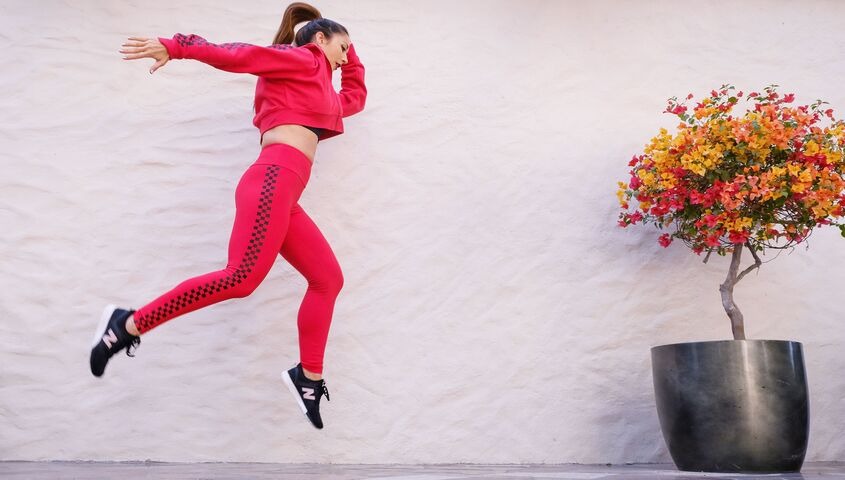
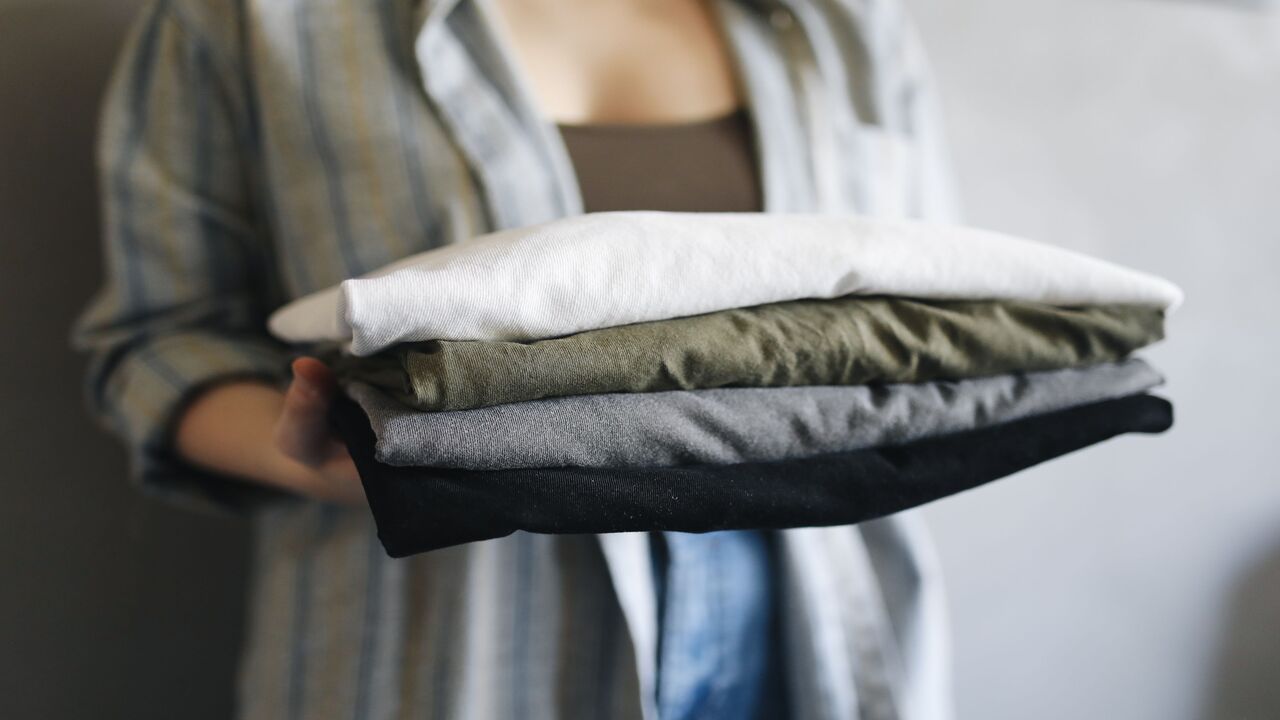
The gym-to-anywhere wardrobe continues to expand in 2026. Matching sets , performance T-shirts, and joggers that look good enough to wear to brunch. Buying multiple items at once means higher average order values.
For retailers, athleisure is a super convenient category for making money; you can charge more than basic T-shirts, reorder rates are high, and shoppers are always seasonal. POD allows for testing this category without needing a warehouse.
Why it's moving: comfort stopped being a phase and became the default dress code.
3. Digital Products

Templates, planning tools, presets, fonts, dashboards, prompts, LUTS... Anything these days that takes time to make can be sold online. Free to make, delivered instantly, basically 99% profit. The hard part is getting noticed: your product needs to be unique and skillful enough that people can't replicate it easily.
Why it's moving: creators and freelancers keep multiplying, and all of them buy tools.
4. Wall Art
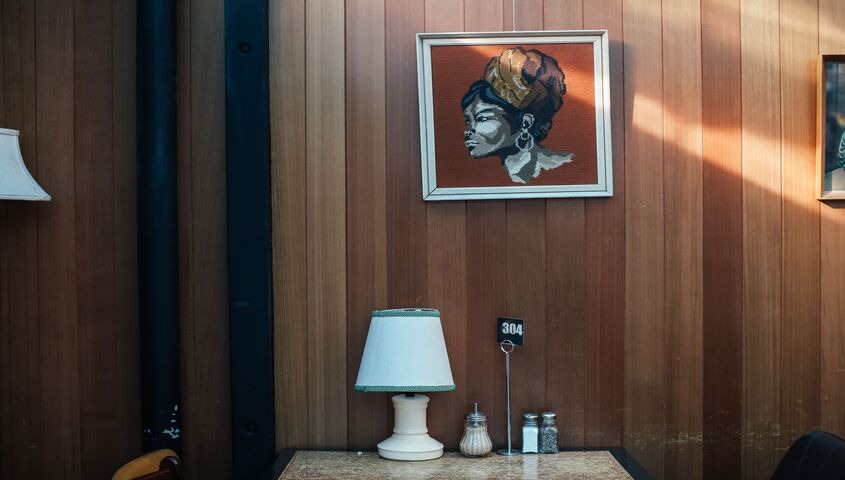
Prints, posters, and paintings keep selling that there are still white walls around. The emphasis in 2026 is going to be on niche aesthetics, such as brutalist prints, vintage botanical prints, anime-inspired, and city-themed art.
Why it's moving: home spent years as the office. People invest in what they stare at.
5. Hats
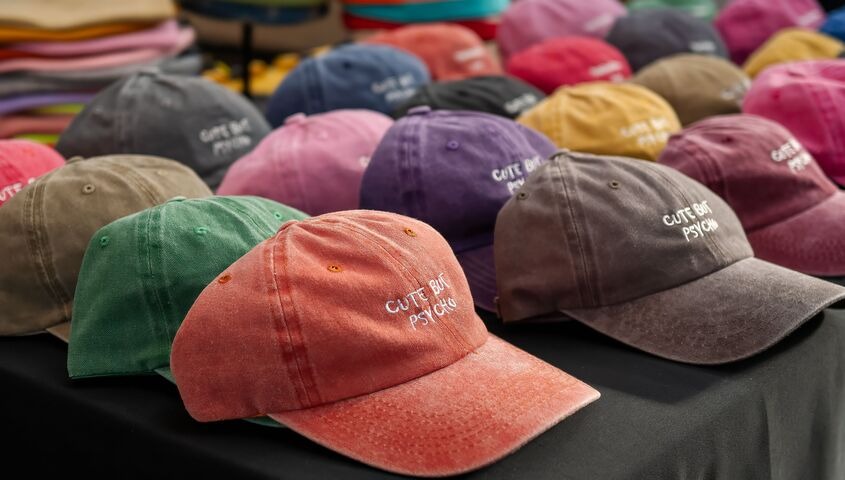
Beanies and hats provide an inexpensive starting point for developing a brand. A hat costs only $25, which can convince people who aren't ready to buy your $60 product yet. Headgear suits everyone, and embroidery based logo design establishes the style.
Why it's moving: one-size-fits-most means no sizing returns, and the logo rides at eye level.
6. Pet Products
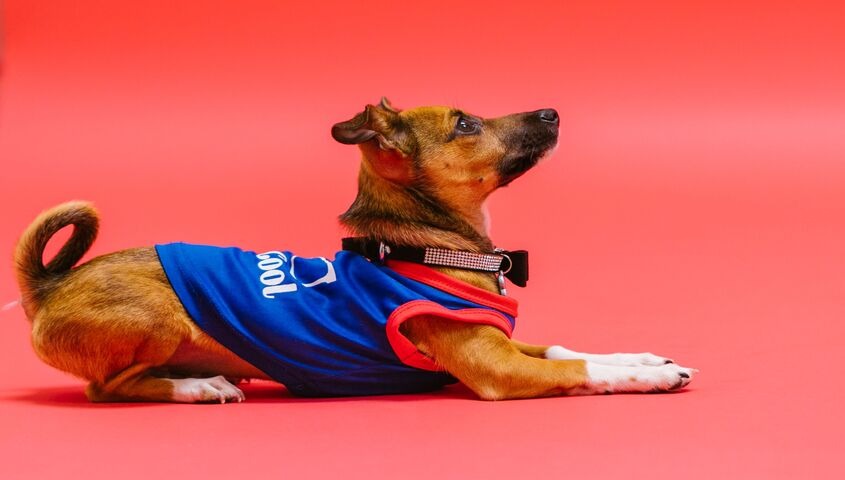
Pet humanization is a one-sided phenomenon. People purchase clothing, jewelry, custom artwork, paired owner-pet products, and expensive goods. Those pet goods that feature personal touches like a name, a likeness, or breed sell better than standard merchandise.
Why it's moving: the dog is family, and family gets gifts.
7. Phone Cases
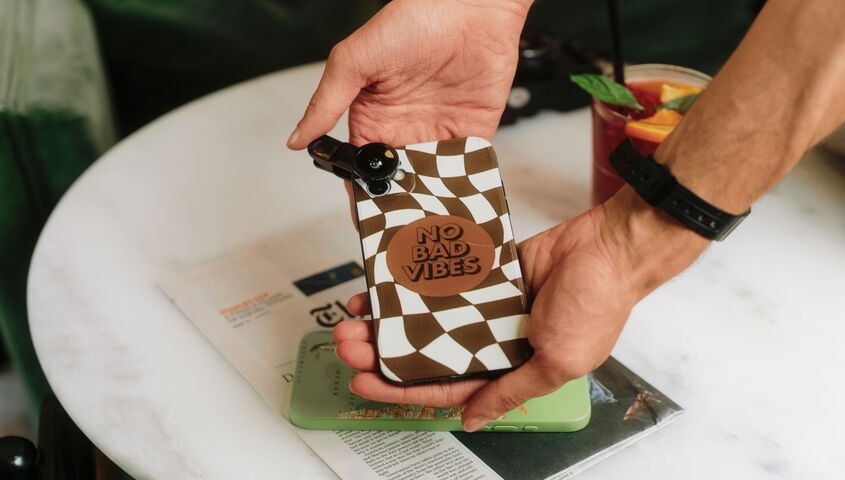
Still one of the highest-margin accessories online. Production costs stay low, personalization drives the sale, and the replacement cycle is built in because everyone upgrades phones. Design-led cases tied to a niche or aesthetic beat generic marble prints.
Why it's moving: four billion phones, all naked without one.
8. Beauty & Skincare Products
Huge market, but also highly competitive. Demand is genuine and keeps increasing, but competition from private labels and regulations make it difficult even for big companies. Entering this market works by specializing in a particular niche (hair care, male skin care, one specific condition) and having a quality product.
Why it's moving: self-care spending survived every economic mood swing of the decade.
9. Baby Products
Parents purchase throughout the year and with emotions. Custom baby clothing, clothes that mark each milestone, and organic products are the best products in demand. The main element for such purchases is trust.
Why it's moving: every year mints a new cohort of first-time parents who buy everything.
10. Embroidered Apparel
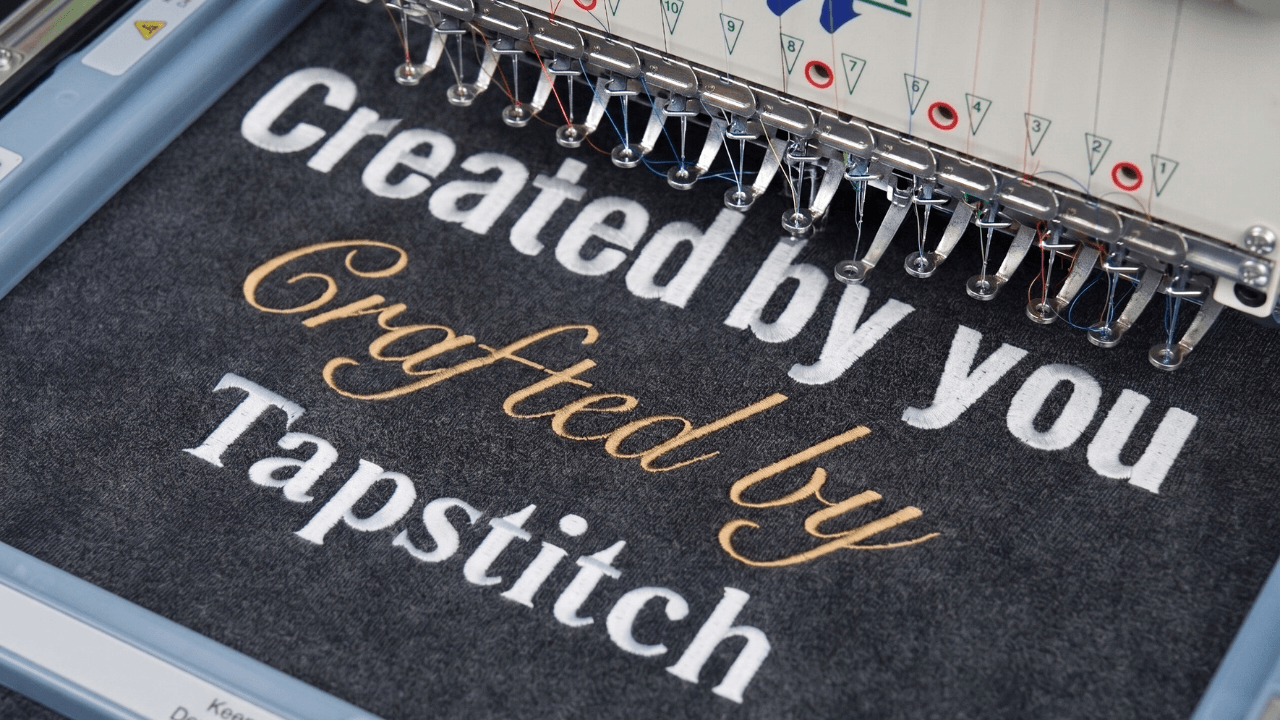
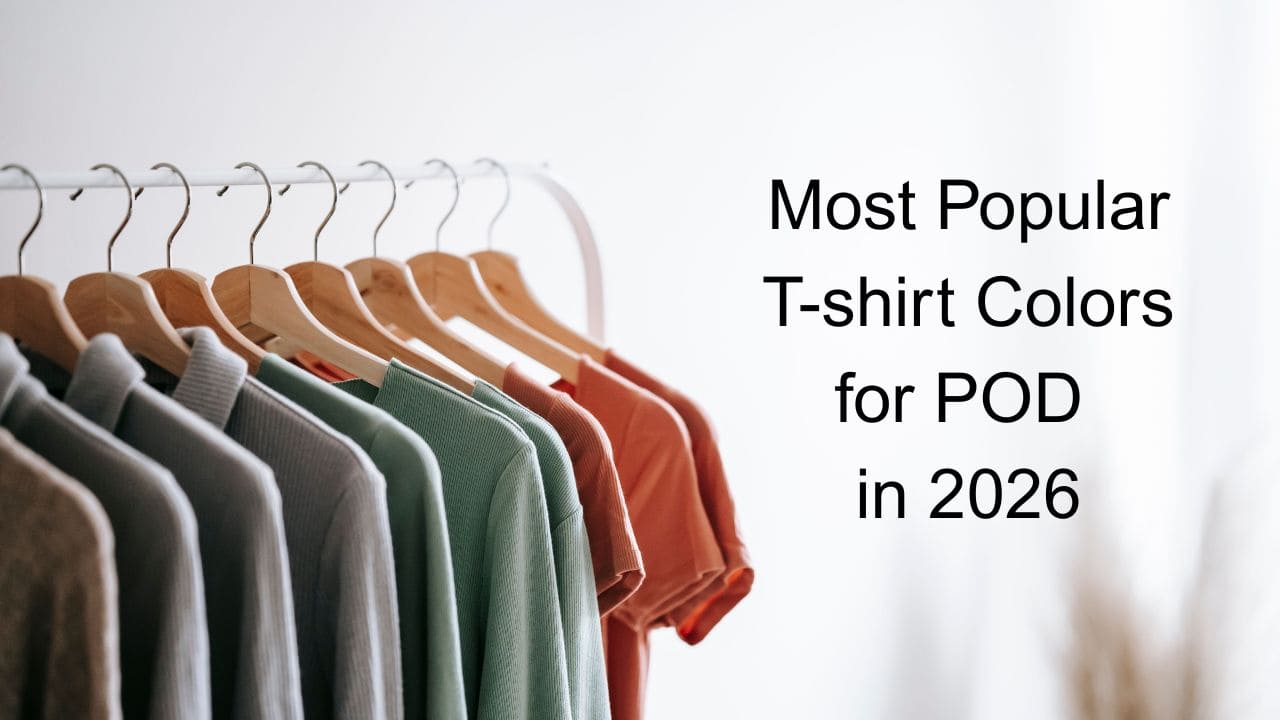
The sewn aesthetic has a luxurious feel, and the trend continues to hold its ground within caps, hoodies, and workwear-inspired garments. Texture translates well on camera. This is a genuine trend, but sewn-style production is more time-consuming and costly than print.
Why it's moving: buyers read stitching as craftsmanship, and craftsmanship justifies price.
11. Handmade Jewelry
Etsy's dependable bestseller. Small batch, personal, gift-ready, and not replicable by large-scale manufacturers if your design is unique. Personalization through initials, birthstones, or coordinates makes for double conversion.
Why it's moving: mass sameness made handmade feel like luxury.
12. Yoga Apparel
The targeted group of people who appreciate the brand is into athleisure. Leggings, activewear tops, and layers from studio to streetwear. The community is behind this category as they purchase more than the advertisements do.
Why it's moving: the wellness economy keeps growing, and yoga sits at its center.
13. Health & Wellness Products
There is a huge demand for supplements, sleeping aids, recovery gear, and mindfulness products. The better way to sell for smaller merchants is to focus on complementary products (such as journals, apparel, and other wellness accessories).
Why it's moving: health became identity, and identity always shops.
14. Video Games
Old consoles, independent games, and collector's editions do quite well. This is the area where individual sellers shine since new products get sent to the major platforms. Special expertise in niche markets is the strength here.
Why it's moving: nostalgia is a renewable resource.
15. Food and Drinks
A specialty coffee, hot sauce, or snack that tells a tale. Products drive recurring purchases, hence true lifetime value. The key challenges are compliance and shipping. Local first works best.
Why it's moving: people pay for flavor with a face behind it.
16. Gaming Accessories
From controllers to headsets, to desk mats and everything that is RGB. Being part of the gamer aesthetic has become a whole new lifestyle, and accessories are an easy way to get involved. Desk mats and clothing with printed images for gamers are ways to make the transition.
Why it's moving: three billion gamers, and every setup is a self-portrait.
17. Personalized Gifts
Names, dates, faces, and even jokes about everything! Personalized products are unique because there is nothing like them to be found elsewhere. It’s all made possible by on-demand printing of personalized clothing, cups, and prints.
Why it's moving: gifting never dips, and personal beats expensive.
18. 3D Printing Products
People have the opportunity to purchase whatever figurine they fancy, replacement parts for damaged items, costume equipment, and office supply organizers. As 3D printers became available at an affordable price, markets improved, and professional designers began making considerable money in niche markets ignored by large industries.
Why it's moving: manufacturing shrank to a desktop.
19. Musical Instruments
Basic instruments, accessories, and education packs will forever have a market. For small retailers, the challenge is that of curation and community building; accessory collections catering to specific players can trump pricing offered by larger outlets such as Guitar Center.
Why it's moving: every lockdown hobby that stuck became a lifetime buyer.
20. Smart Home Devices
Plug, sensor, light, and other accessories associated with them. Big companies own the hardware, while accessories such as mounting, stands, skins, and installation services are available for small retailers.
Why it's moving: every home keeps getting one more connected thing.
How to Choose the Best Products to Sell Online
Twenty doors, one you. The filter for picking the best products to sell online for your situation runs four questions:
- Can you reach the buyer already? A category where you understand the community beats a bigger category where you're a tourist. Distribution you have outranks demand you don't.
- What's the margin after everything? Product cost, shipping, fees, returns. High-demand products to sell are only high profit when the unit math survives contact with reality.
- Is there a repeat purchase or a brand ceiling? One-off products cap out. Categories with re-orders (apparel, consumables, collections) compound.
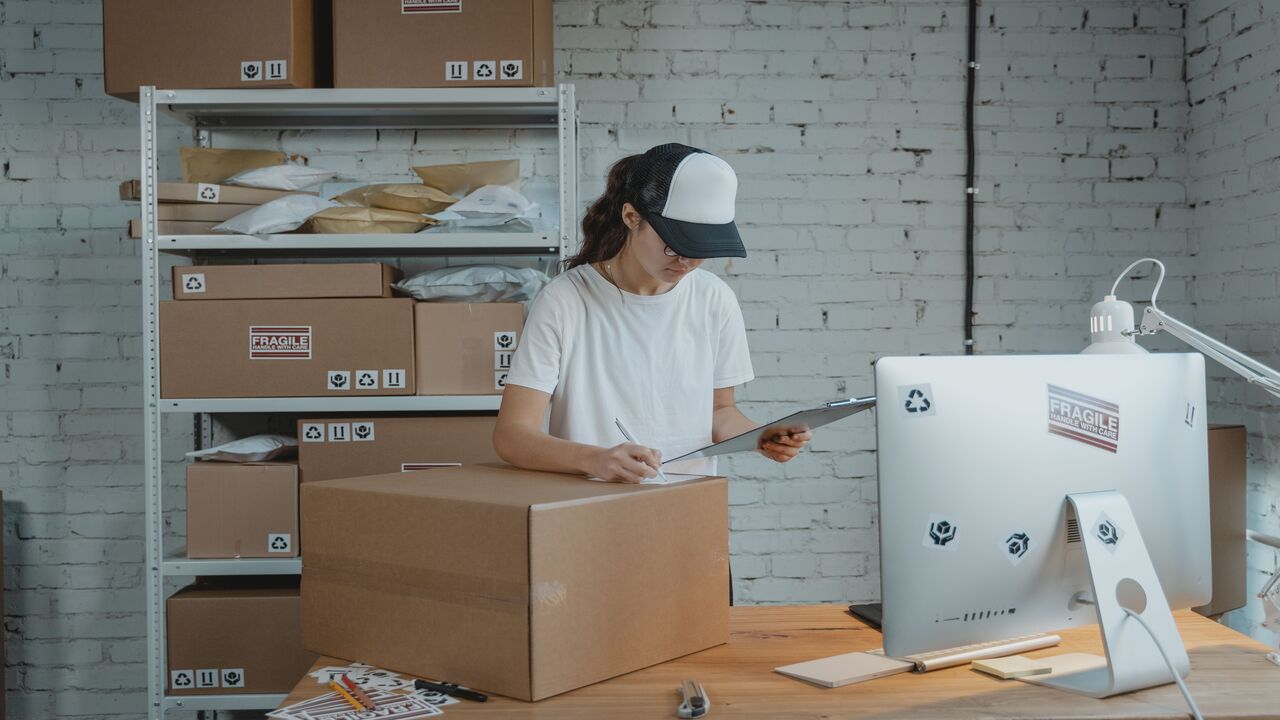
- Can you start without betting the savings account? Zero-inventory categories (printed apparel, digital products, personalized goods) let you test five ideas for the cost of testing one with stock.
- Does it sell in February? Some categories live on one quarter. A product with a flat demand curve pays rent all year; a seasonal one needs a plan for the other nine months.
- Does it look good on a phone screen? Most discovery now happens in a feed. If the product needs a paragraph to explain or a studio to photograph, it loses to the one that reads in a two-second scroll.
- Can you put your name on it? A blank you resell is a commodity. A design, a label, a colorway nobody else has turns the same base product into something buyers come back for and can't price-compare.
- What happens when someone copies you? If a competitor can list the identical product tomorrow, your only lever is price. Categories where taste, community, or design carry the sale are the ones a small founder can actually defend.
Popular products get you attention. The four questions decide whether the attention turns into a business.
FAQs
Wrapping Up on Trending Products to Sell
The list is long because demand is wide. But the sellers who win in 2026 won't be the ones who picked the "right" category off a listicle of high-demand products to sell. They'll be the ones who picked the lane they actually understood, tested cheaply, and built a brand where the trend was just the entry point.
Streetwear and athleisure top our list for a reason beyond bias: they're the categories where identity, margin, and zero-inventory production all line up. If your lane touches fashion at all, the testing ground is free.
.jpg)

%20(1).jpg)
.jpg)
.jpg)
.webp)

.jpg)
.jpg)
.jpg)
.png)
.jpg)
.jpg)

%20(3).jpg)

.png)
.jpg)
.jpg)
.jpg)
.jpg)
.jpg)
.jpg)





.png)



.png)
.jpg)








.jpg)


.jpg)

.png)
.jpg)


.jpg)
.jpg)



.jpg)
.jpg)
.jpg)
.jpg)
.jpg)
%20(1).jpg)
.png)

.png)


%20(1)%20(1).jpg)