





15 Best Businesses to Start with No Money
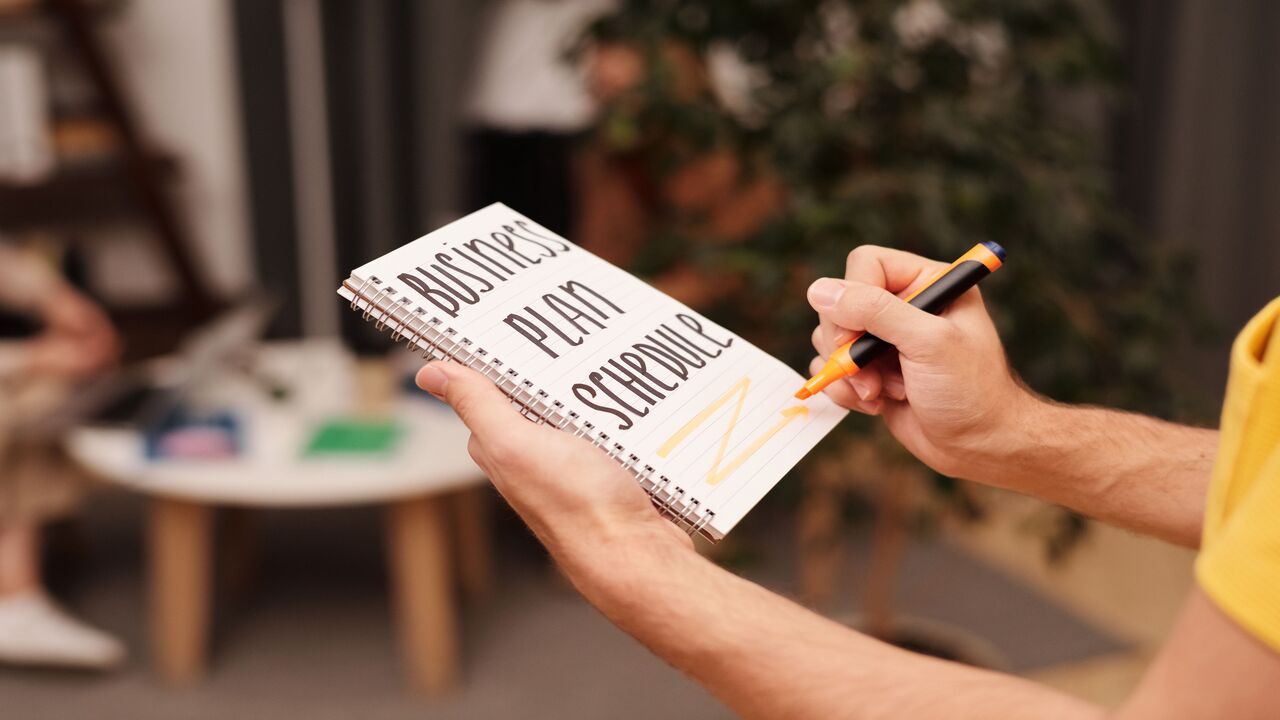


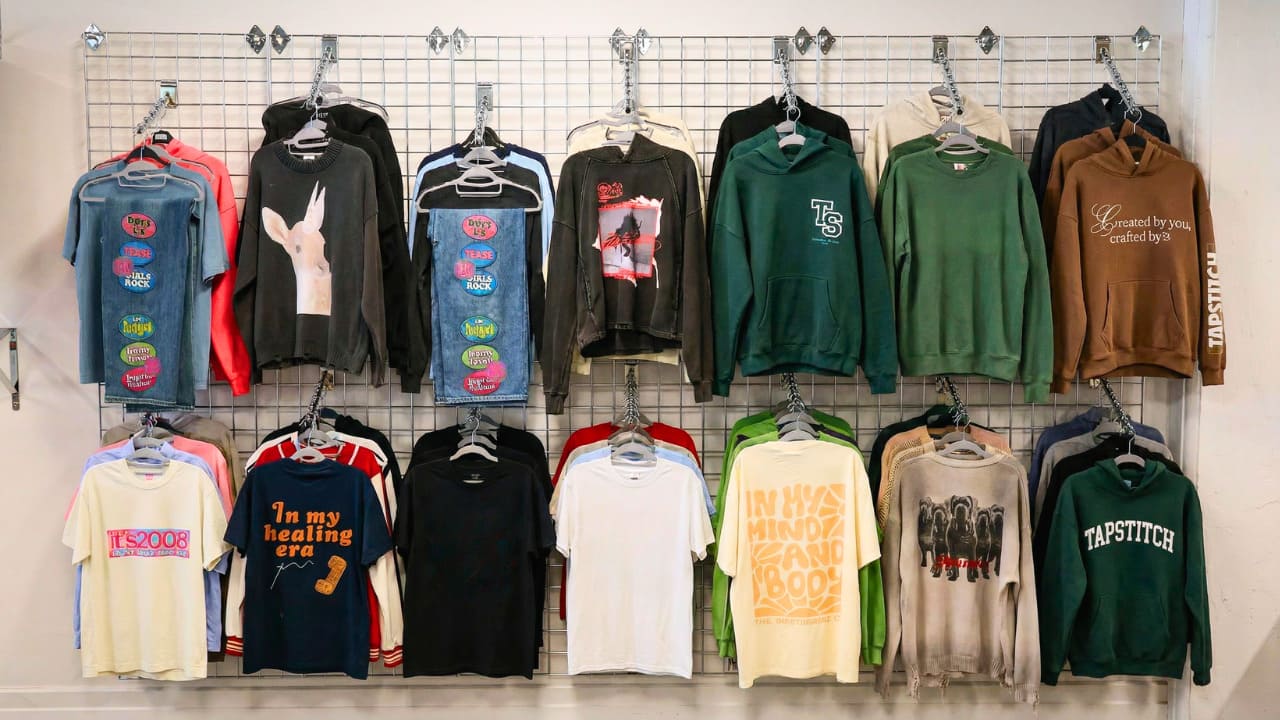
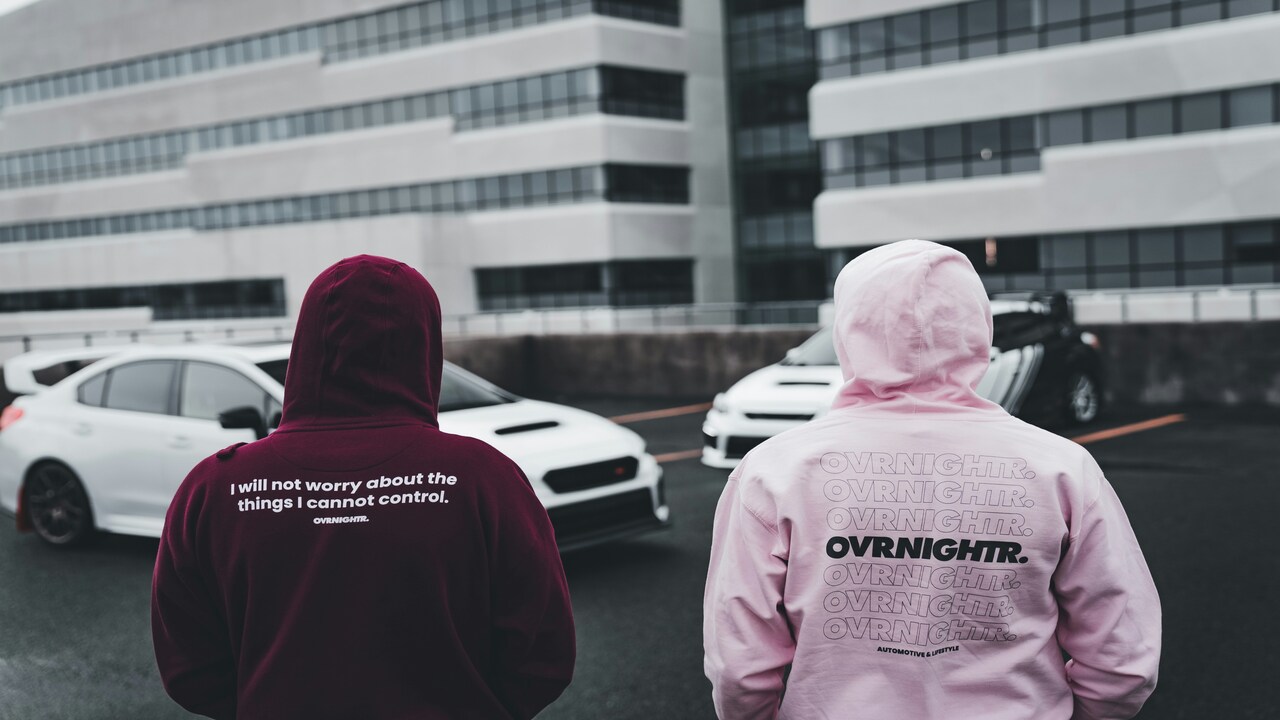
The modern economy doesn't pay you for labor anymore. It pays you for attention and for brand. A hoodie with the right name on the chest sells for $70 while the identical blank sells for $12. That gap is the business, and every idea on this list is a way to close it.
If you want a business to start with no money, skip the side hustles that trade hours for dollars. Build something with your name on it: a print-on-demand clothing brand, a newsletter people forward, an audience that trusts you. Fifteen options below. All of them start at zero.
The 15 Best Businesses to Start if You're Broke
Ranked loosely by how fast the first dollar shows up, with the brand-building plays weighted up top. Steal one or stack three.
1. Print-on-Demand Streetwear
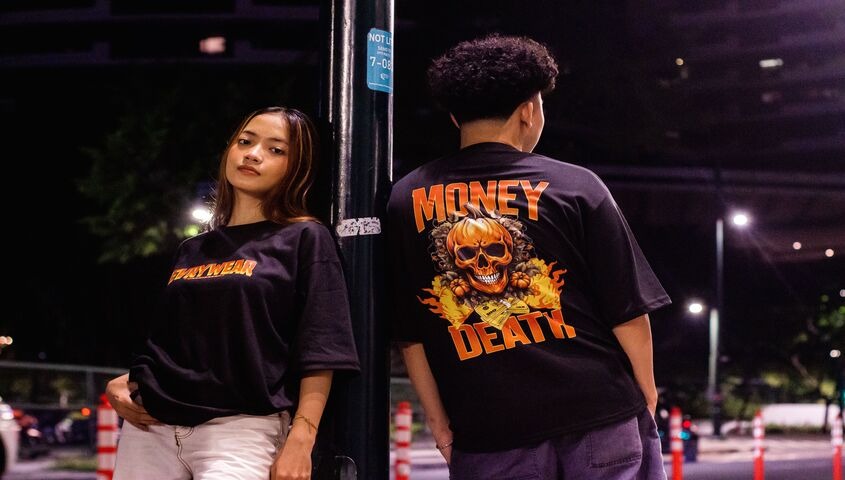
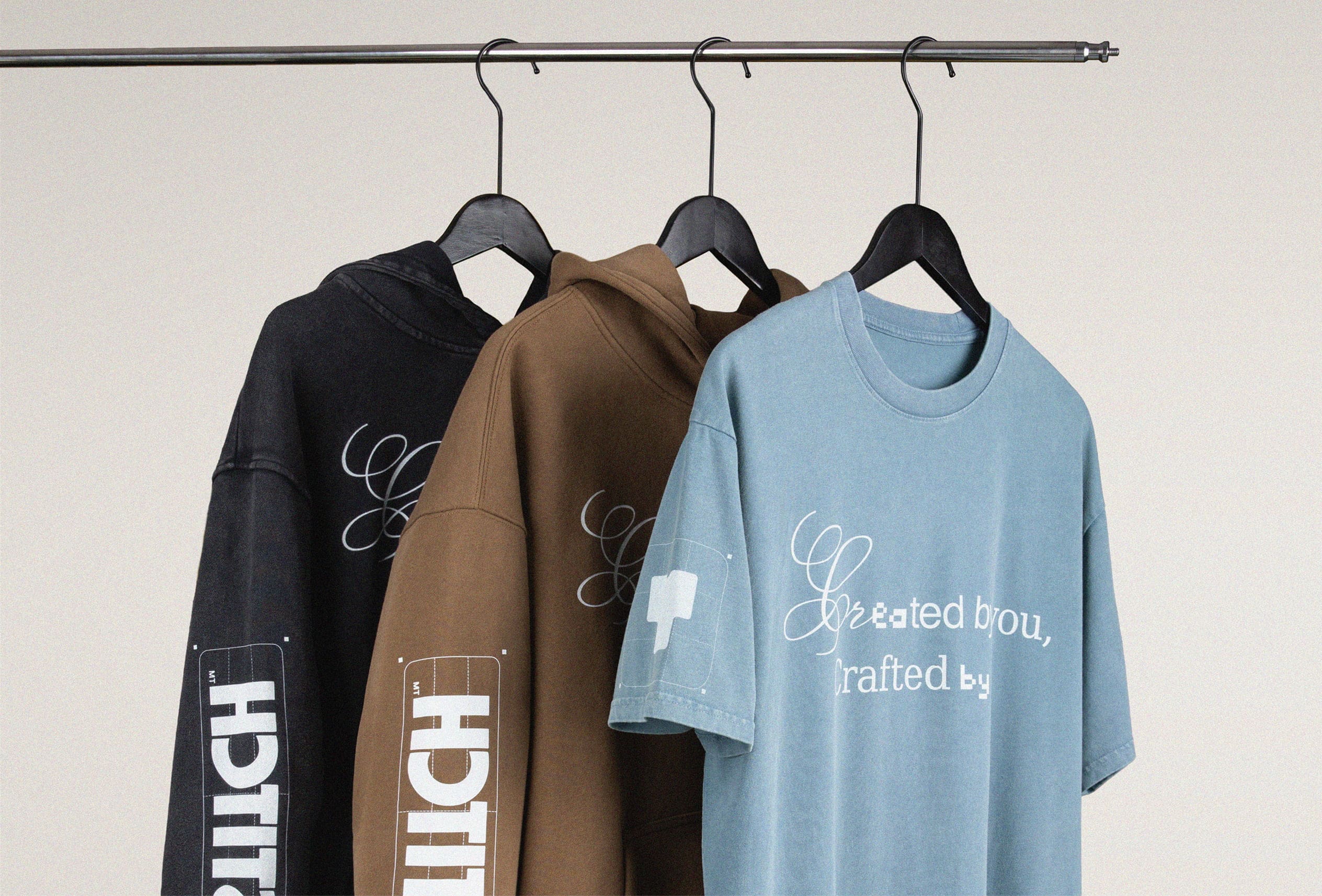
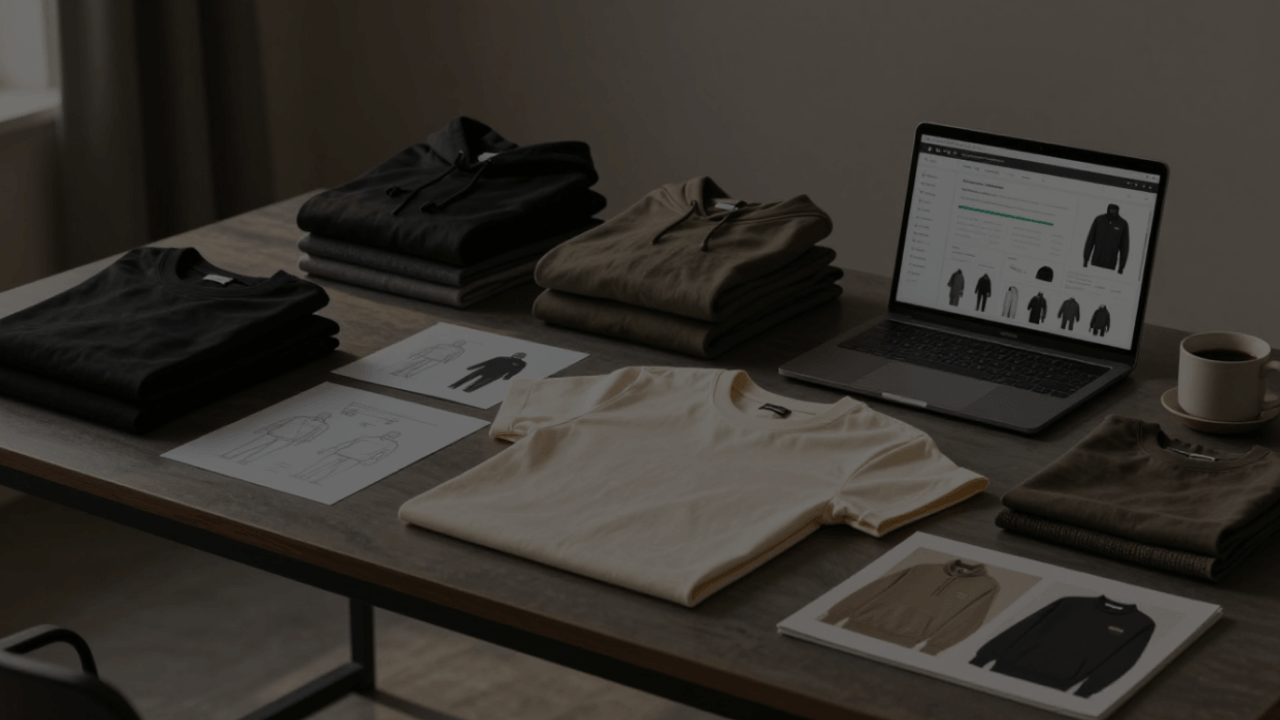
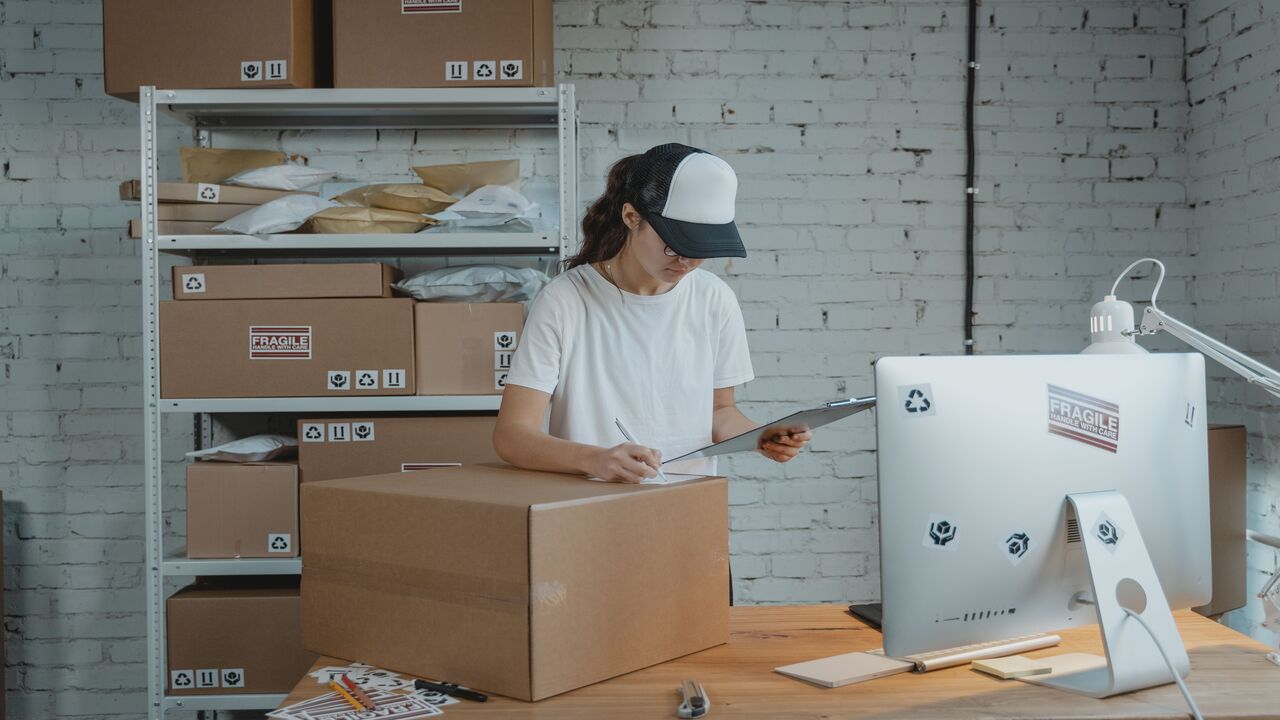
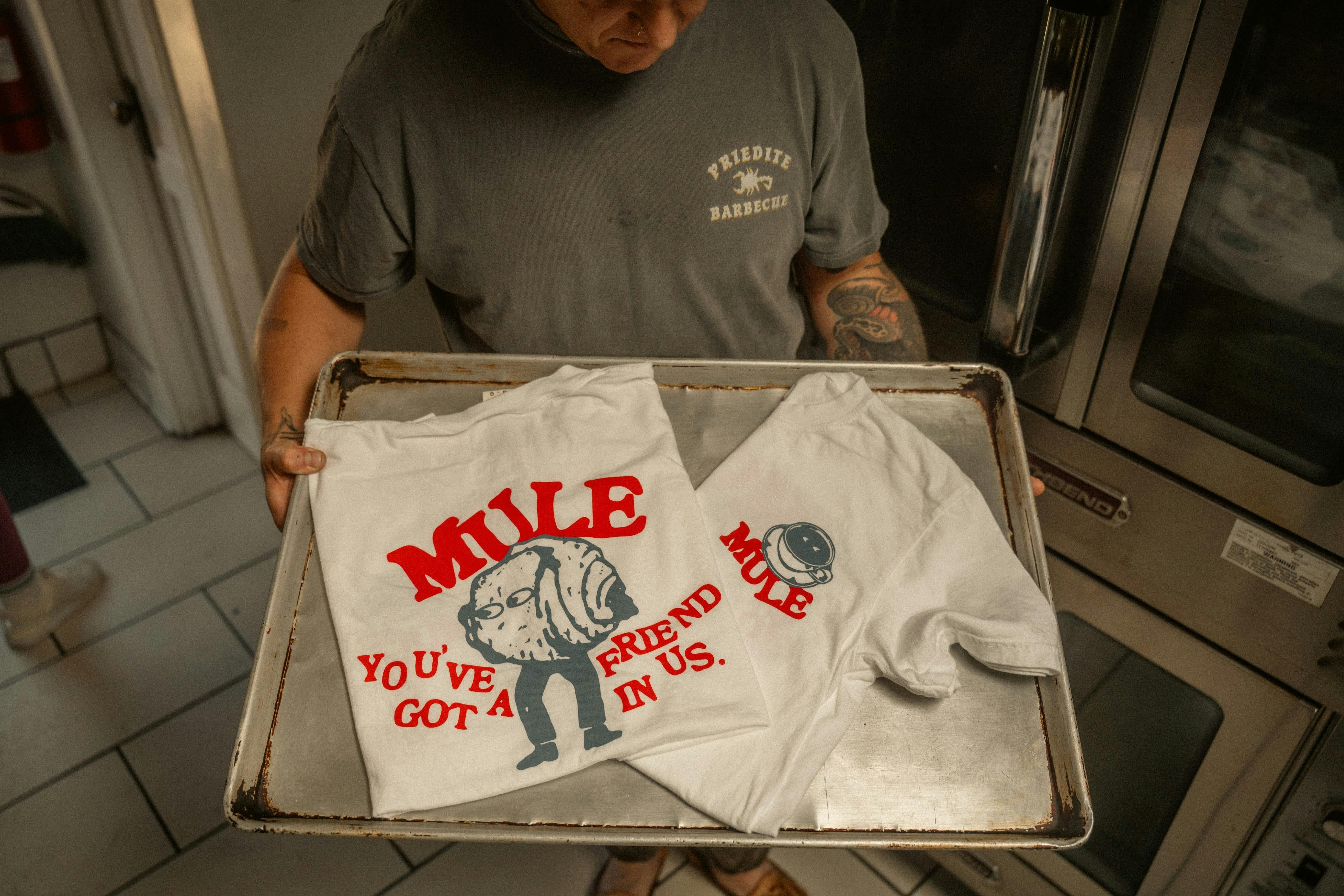
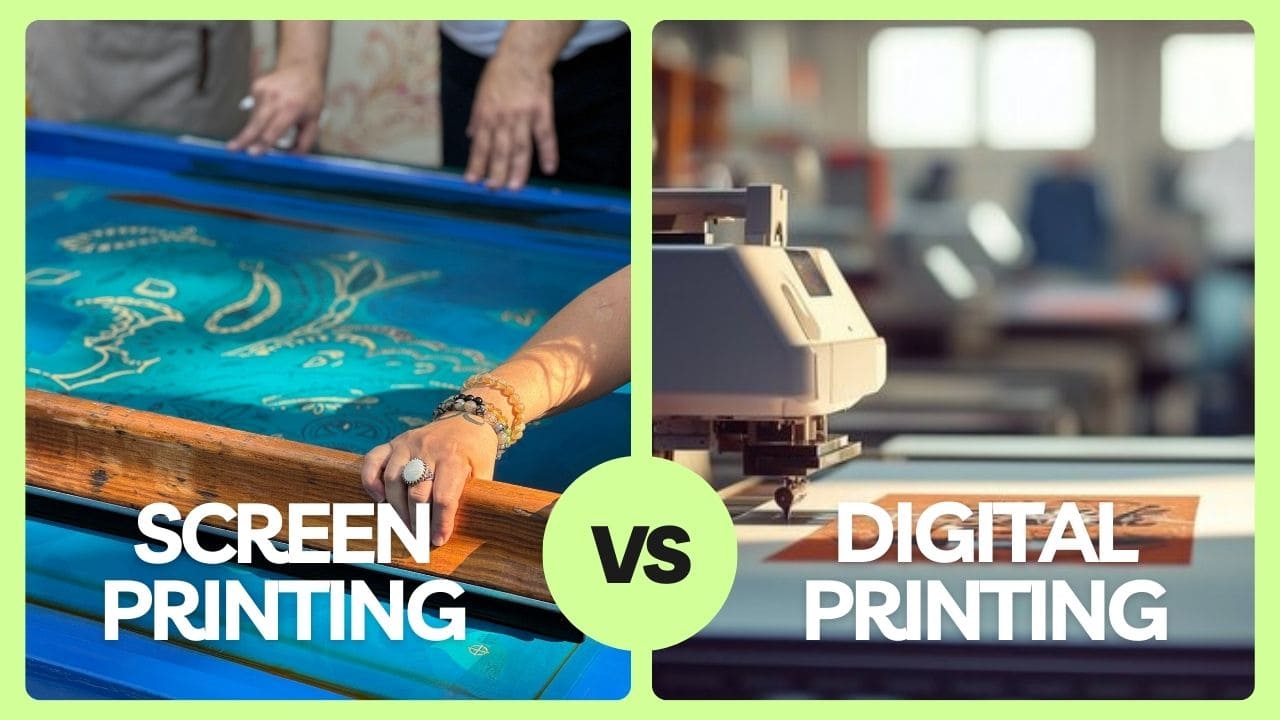
The one we know from the inside, because Tapstitch is the print-on-demand supplier. You upload a design, we print the piece and ship it when someone orders. Nothing exists until it's paid for, so a POD business costs you a design file and some nerve to launch.
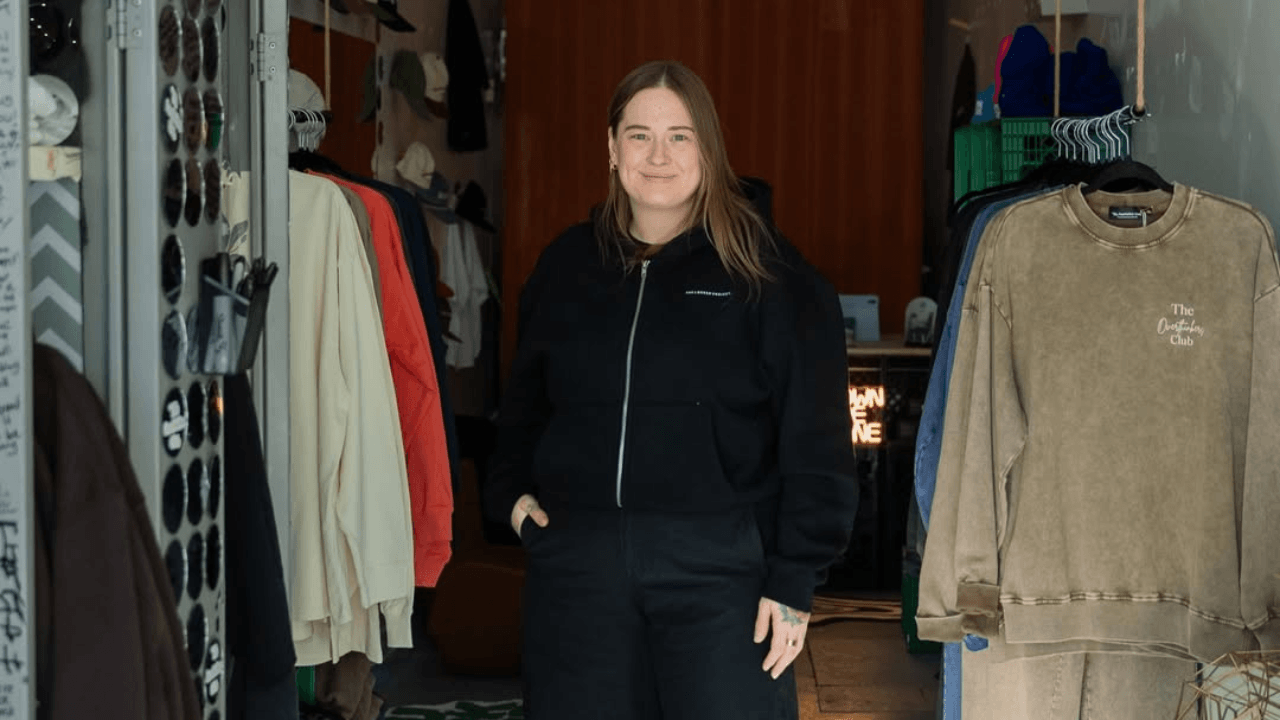
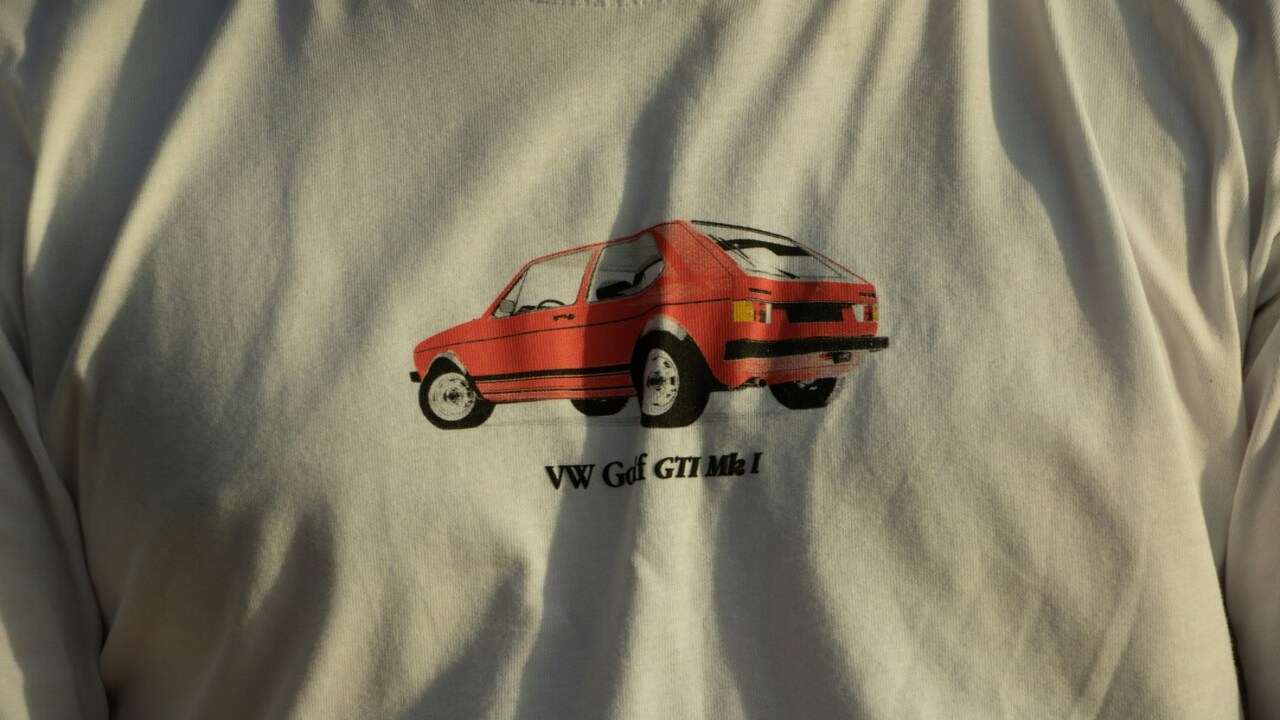
It sits at number one because streetwear is the rare category where a no-money founder can compete with a funded one on day one. Nobody checking out a $60 hoodie asks about your seed round. They ask if the piece is hard: heavyweight cotton, boxy cut, a print that survives the wash. Get that right, and your custom apparel brand is real, whether it started in a dorm or a downtown office.
Starts paying: first drop, if the design connects.
Scales to: an actual label. This is the lane where "small brand" becomes "brand."
2. Custom Hoodies
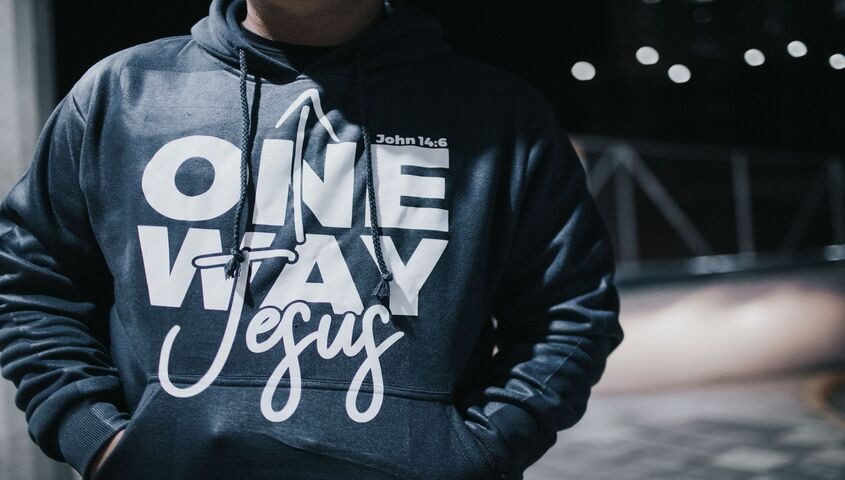
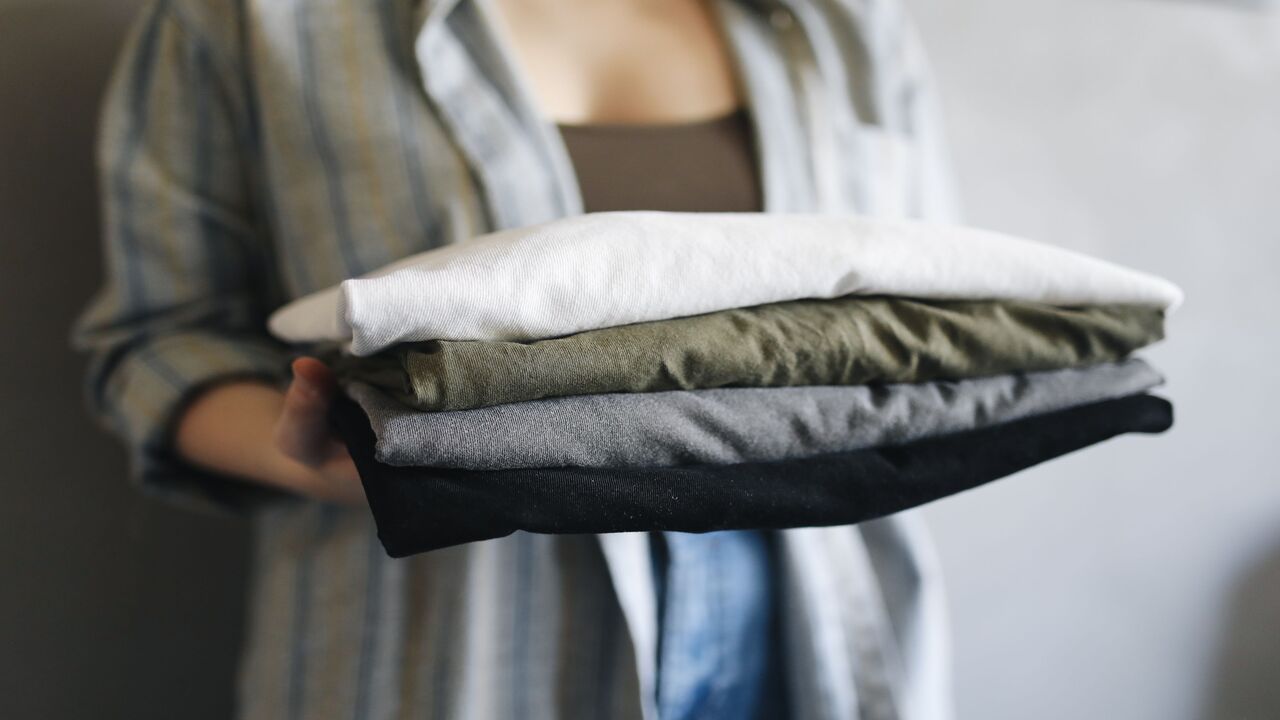
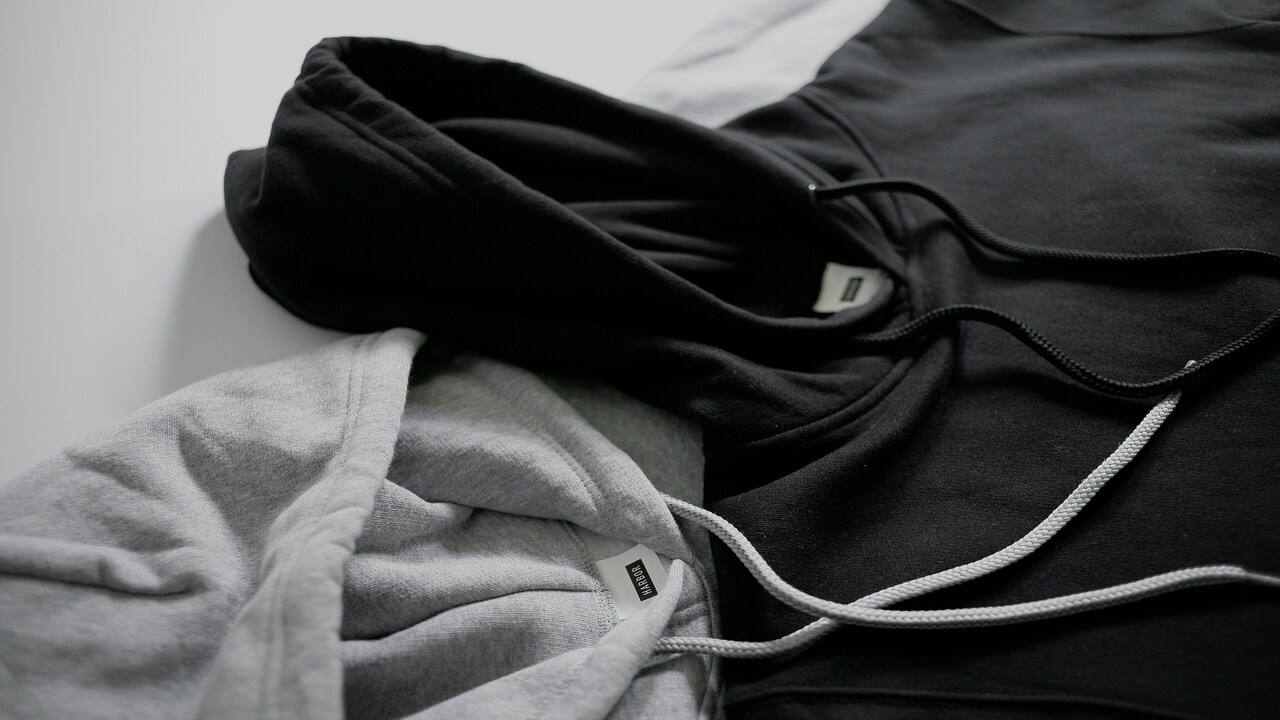
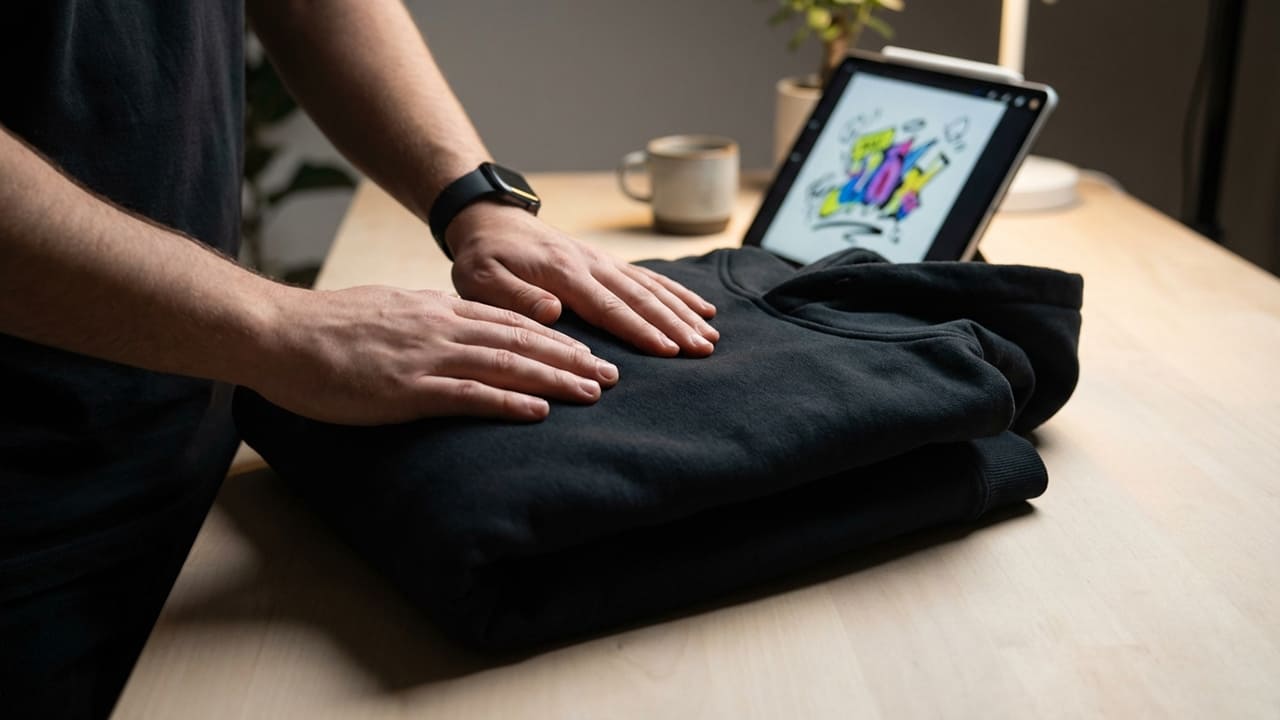
Same machine, higher margin. A custom T-shirt clears around $15 per piece if you price it right. A custom hoodie clears $30 to $40, and the cold season does the marketing for you. Hoodies also photograph heavier, which matters more than people think.
One warning: hoodie buyers are pickier. A thin hoodie gets one order and a quiet unfollow. Choose a POD product you'd wear yourself, or don't bother.
Starts paying: first order.
Scales to: the margin engine inside a bigger apparel line.
3. A Personal Brand
To quote Jay-Z, "I'm not a businessman, I'm a business, man." Each item on this list becomes easier if people know you ahead of time, and the cost of being known has plummeted to zero. A phone, an opinion, and a blog post.
Post about the thing you'd talk about for free. The plumber saving pipes. The line cook reviewing knives. The thrifter filming the hunt. Audiences bond with people faster than with products, and once you have the audience, every product you launch inherits it. Longest game on the list, and the only one with no ceiling.
Starts paying: slowly, then all at once.
Scales to: everything else on this page, with a head start.
4. T-shirt Dropshipping
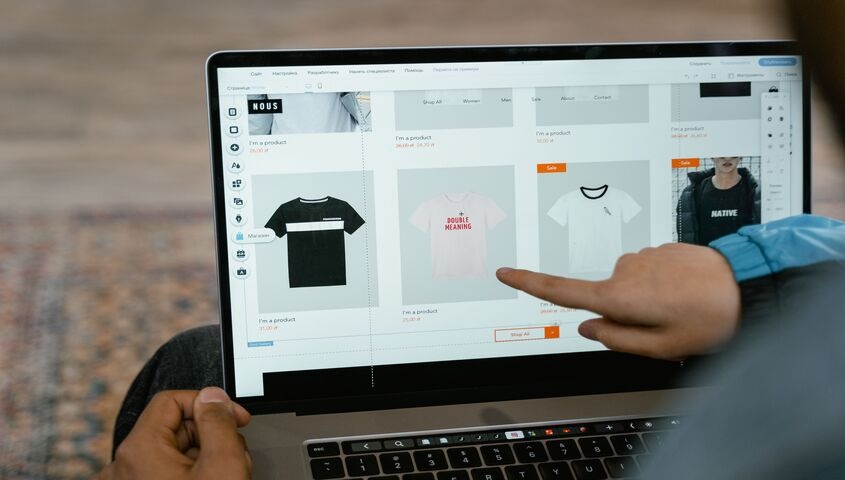
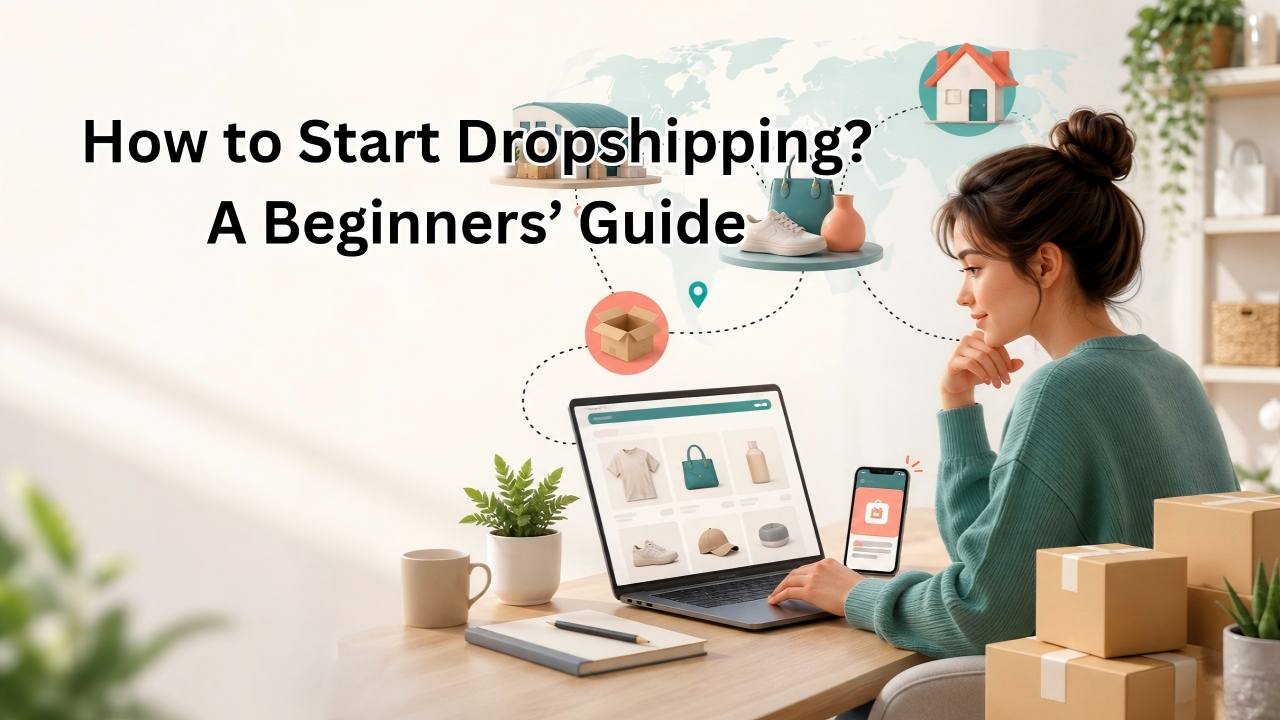
The question we get most: how to start a dropshipping business with no money, and whether it's still worth it. It is, with one change. Skip the generic product that 4,000 other stores already sell. Sell apparel you designed, made by a dropshipping manufacturer only when an order comes in.
Technically that's print-on-demand, and the distinction matters. Generic dropshipping builds a store. Design-led dropshipping builds a label. Same zero inventory, same zero upfront, different endgame.
Starts paying: first sale.
Scales to: a brand people screenshot and send to their group chat.
5. UGC Creation
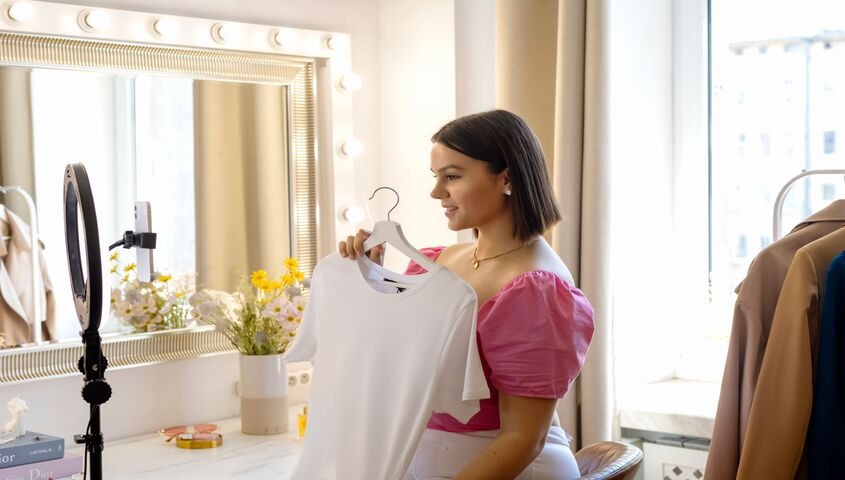
Brands want short videos that appear to have been made by an actual human because the days when highly produced advertisements worked ended somewhere around 2022. They’ll pay $75-$500 for each video to individuals who can hold their product and speak like a human. No audience necessary. Your phone’s gallery is your portfolio.
The niche angle that gets overlooked: specialize in one particular category that you actually use. The skincare specialist always earns more than the generalist.
Starts paying: first booked brand, usually within a month of pitching.
Scales to: a small studio, or a fat retainer list.
6. Ghostwriting for Founders

Every founder on LinkedIn wants to sound smart twice a week, and none of them have time to write. If you can turn a 20-minute voice memo into eight posts that sound like them, you're worth $1,000 to $3,000 a month per client. Three clients is a salary. Written from your couch.
The pitch is the product here. Rewrite one of their old posts, send both versions, say nothing else. The good ones reply.
Starts paying: first retainer.
Scales to: an agency, or a waiting list you price against.
7. A Niche Newsletter
Email is the only channel where you fully own the audience. There’s no algorithm to filter your content. You can choose any niche with transactions happening (sneaker reselling, local foods, independent fashion design, etc.), publish regularly on it, and wait for the sponsors to come when the open rates confirm that people care.
A newsletter of 2,000 subscribers in a focused niche will earn more than 50,000 followers in a vague one. The advertisers want the attention concentration, not the number of followers.
Starts paying: around the 1,000-subscriber mark, give or take the niche.
Scales to: a media asset you can sell products through. Including, eventually, your own custom merch line.
8. Faceless Theme Pages
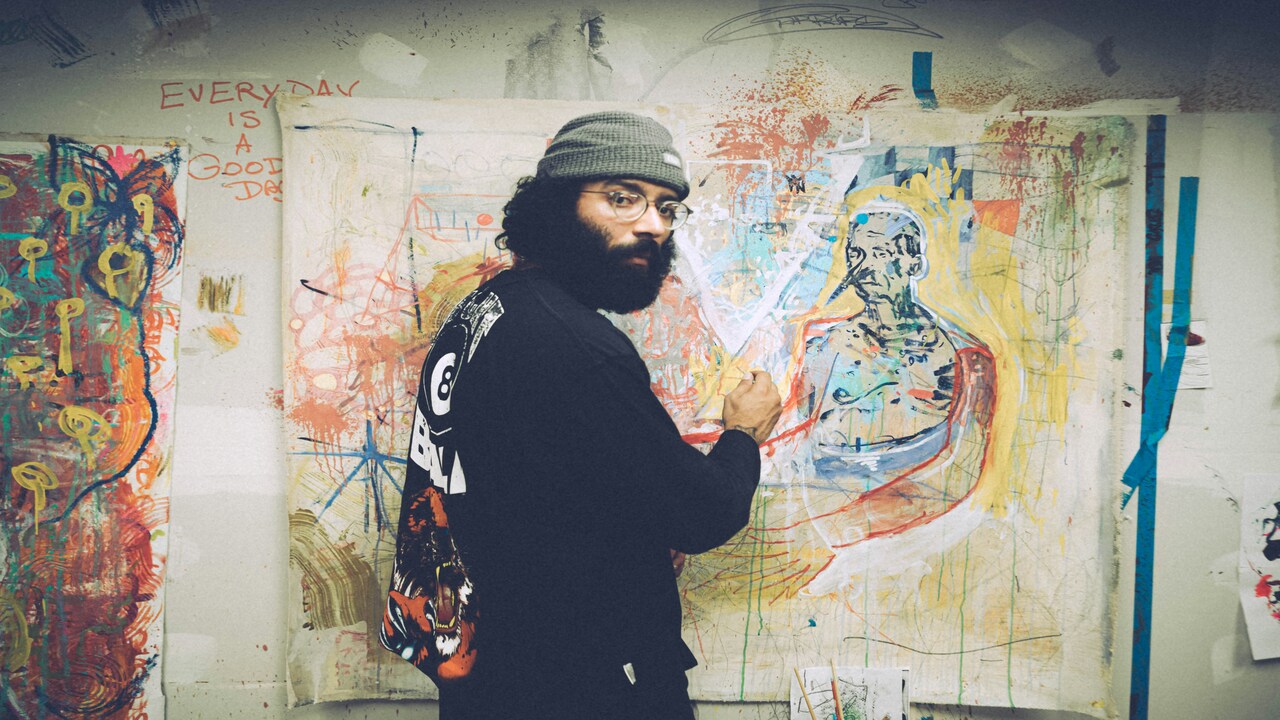
Curation is an industry. The person behind the account that curates the best vintage Nikes, the best brutalist architecture, the best photos from the 90s rap era, has fans who never see their face. Make money through shoutouts, affiliate links, or a product launch within the audience when they trust your curation.
Most theme page owners miss the obvious move. An audience built around an aesthetic is a ready-made customer list for custom apparel in that same aesthetic.
Starts paying: 10k followers, roughly.
9. Short-Form Video Editing
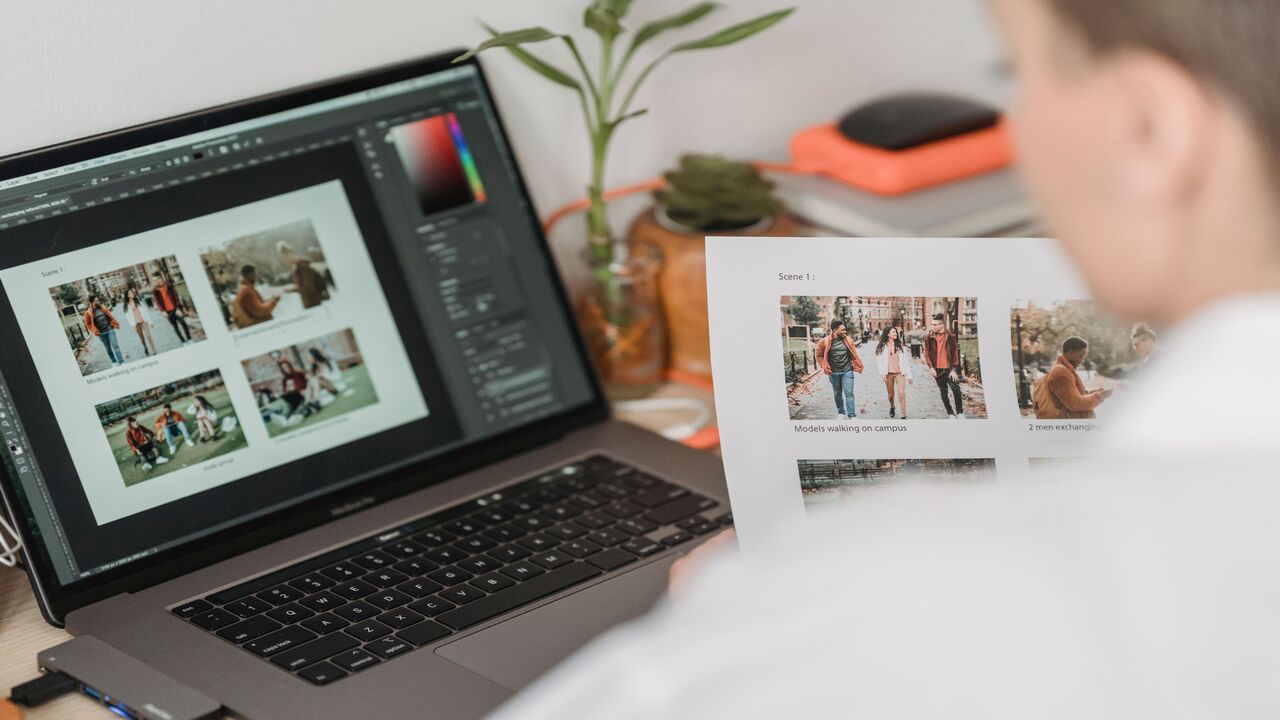
Clips are what every podcaster needs. Reels are what every founder desires. None of them wants to invest their time learning CapCut. Professional editors who know hooks and pacing charge between $50 and $150 per clip.
Starts paying: first client, usually found inside a Discord or a DM.
Scales to: a clipping agency with editors under you.
10. Product Photography with a Phone
Small companies are being smothered by poor-quality pictures and can’t pay studio prices. An iPhone, a window, a $15 poster board, and a good eye are better than half the studios listed on Yelp. Price by product and shoot them in batches, delivering within 48 hours.
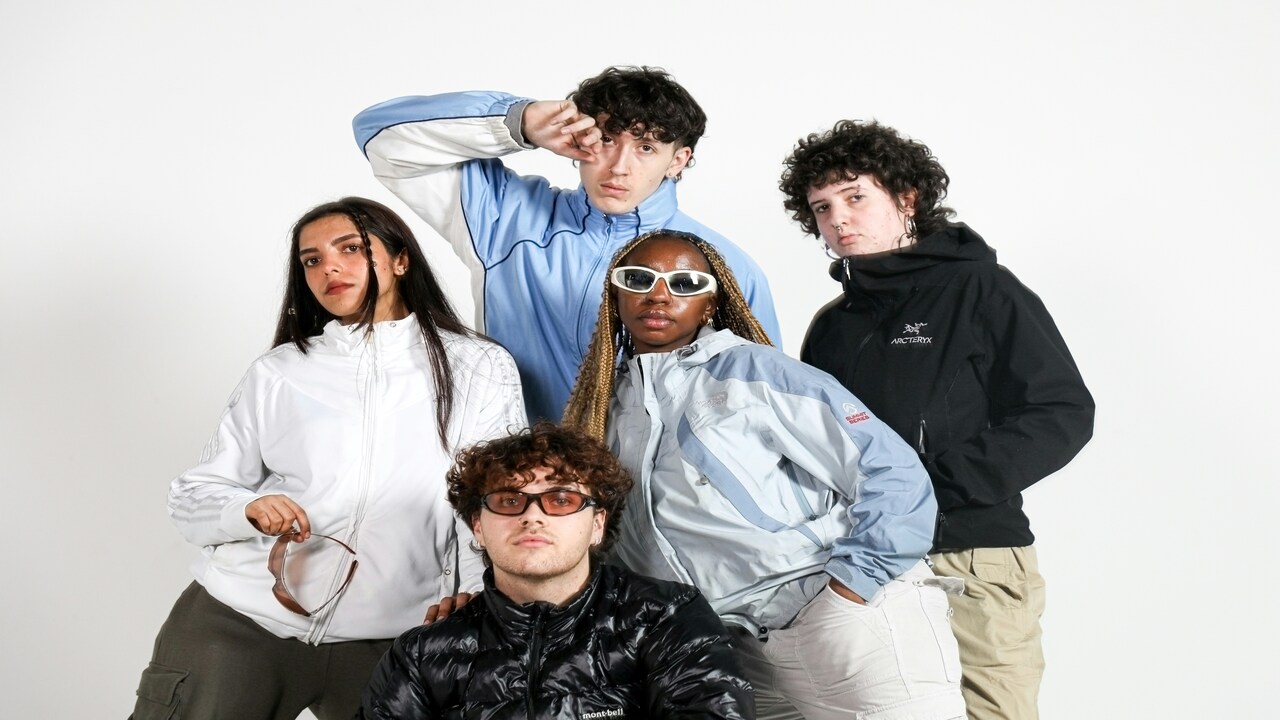
If you know fashion, this is where to stack up. If you know how to style and photograph clothes that make them look more expensive than they are, indie clothing companies will hang onto you for dear life.
Starts paying: the first local brand that says yes.
Scales to: a creative studio, or content retainers.
11. Curated Vintage Drops
Selling thrifted pieces with taste is merchandising. Photograph the pieces in the shop, post the drop, and buy only what sells. Some curators run vintage storefronts with zero inventory, which makes this one of the quietest businesses to start with no money. People don't follow vintage curators for stock. They follow the eye.
Starts paying: first drop weekend.
Scales to: a vintage label with drops people wait for. Pairs well with your own print-on-demand pieces mixed in.
12. Discord Community Management
Content creators and smaller brands have Discords that they can't manage themselves. Moderation, organizing events, making sure the chat room is alive: $500-$2,000 per month per server. You're already familiar with how these chat rooms operate. Now you get paid for it.
Starts paying: first server.
Scales to: community ops for multiple brands, an undersupplied skill.
13. Systems Building for Small Businesses
Every entrepreneur will have their Notion graveyard and their spreadsheet that’s kept alive by praying. If you can build a system they’ll actually use (client tracker, content calendar, order pipeline), they’ll pay anywhere from $500 to $2,500 for development. If you're organized, this is how to start a business from home with no money.
Starts paying: first build.
Scales to: productized templates that sell while you sleep.
14. Voice-Over Work
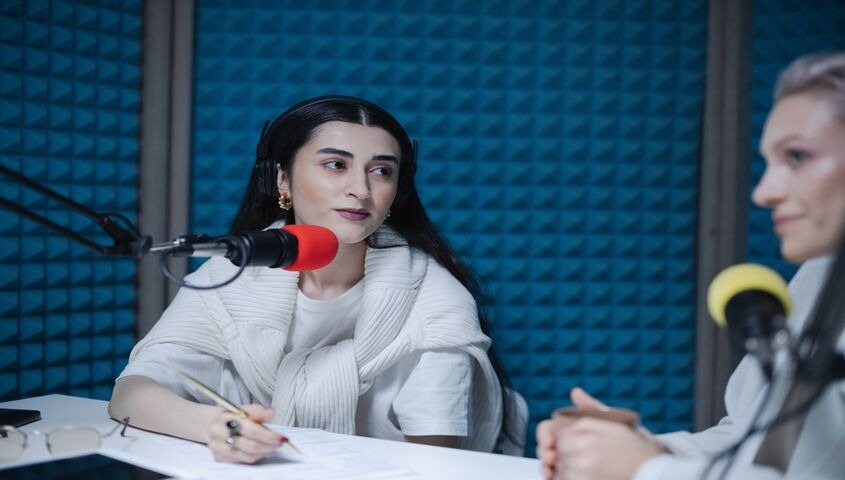
Audiobooks, YouTube explainers, ad reads, app onboarding. A quiet closet, a phone mic to start, and a voice with some character. Rates run from $50 for a short read to four figures for commercial work. Slow to build, sticky once built, because clients rebook the voice they already trust.
Starts paying: first gig on a marketplace.
Scales to: commercial work and long-term narration contracts.
15. A Sticker and Accessories Line
The lowest-stakes way to test whether your designs sell before betting a whole apparel line on them. Stickers, hats, totes, prints. The cheapest custom products to make, easy to ship, impulse-priced. The real function is data: whichever design outsells the rest is the one that goes on the hoodie next.
Starts paying: first checkout.
Scales to: the front door of a full brand.
How to Start a Business with No Money in 7 Steps
Anyone can find how to start a business with no money guides that read like they were written by a bank. Here's the version that matches how it actually goes.
- Pick the lane that matches your unfair advantage. Not the trendiest one. The one where you already have taste, knowledge, or reps. The thrifter should curate. The organized one should build systems. The one with opinions about fabric weight should already have a Tapstitch account.
- Name it and claim it. Handle, storefront, whatever applies. Free, and it makes the thing real enough that you'll actually work on it.
- Make one real thing. One design. One clip. One newsletter issue. One rewritten LinkedIn post. Not a plan for ten. One finished thing you can show a stranger.
- Put it where strangers are. Post it, pitch it, or list it. A business with no audience and no outreach is a diary.
- Charge before you feel ready. The first sale at $20 teaches you more than a month of prep for a $40 sale. Feeling unready is the default state. Ship anyway.
- Reinvest everything for 90 days. The first checks go back into samples, content, and better tools. Pay yourself in month four.
- Double down on what worked, kill what didn't. By day 90, the data has an opinion. Listen to it over your ego. The design that sold twice beats the one you love that sold zero.
Key Factors to Consider When Starting a Business
- Time to first dollar. Service plays (editing, UGC, ghostwriting) pay in weeks. Brand plays (apparel, newsletters, personal brand) pay slower and compound harder. The best business to start with no money is usually one of each. Service income funds the brand while it grows.
- Ceiling. An hourly service caps at your calendar. A brand caps at demand. This is the whole argument for putting your name on a product instead of only renting out your hands.
- Ownership. Audiences on rented platforms can vanish with an algorithm change. Email lists and customer lists are yours. Whatever you build, keep pulling people toward the assets you own.
- Stacking. The best founders on Tapstitch didn't pick one idea off a list like this. They stacked three. The theme page builds the audience, the newsletter owns it, and the apparel line monetizes it. Each one feeds the next.
Frequently Asked Questions
The questions that come up every time this topic hits the group chat, answered straight.
The Bottom Line
The list is long, but the thesis is short: every real business to start with no money is a brand in disguise. Attention converts to trust, trust converts to sales, and none of that needs capital anymore. It needs output.
Pick your lane this week. Stack a second one when the first pays. When you're ready for the version with your name on the neck label, Tapstitch handles that.
.png)

.jpg)
.jpg)
.jpg)
.jpg)
.jpg)
.jpg)






.png)


.png)
.webp)

.jpg)






.jpg)


.jpg)

.png)
.jpg)


.jpg)
.jpg)


.jpg)
.jpg)
.jpg)
.jpg)
.jpg)

%20(1).jpg)
.png)

.png)


%20(1)%20(1).jpg)




.png)
.png)


.jpg)

.jpg)
.jpg)