







How to Create a Successful Ecommerce Growth Strategy for Your Brand



Growing an ecommerce business in 2026 takes more than simply adding new products or running more ads. A strong ecommerce marketing strategy helps you attract the right audience, improve your store’s performance, and turn more visitors into customers.
In this guide, we’ll share practical ecommerce growth strategies, key metrics, and actionable tips to help you build a scalable online business.
Why Ecommerce Growth Strategies Matter for Your Business
The ecommerce landscape is becoming more competitive, making it harder for online stores to grow without a clear strategy. An effective ecommerce growth strategy gives your business a structured approach to attracting customers, increasing conversions, and improving retention. By optimizing your website, refining your marketing efforts, and understanding customer behavior, you can create sustainable growth for your online store.
Whether you are exploring new ecommerce business ideas or already running an online store, having a clear growth strategy is essential for turning your ideas into a successful brand.
8 Ecommerce Growth Strategies to Grow Your Online Store
There is no single formula for ecommerce success. The following ecommerce strategies can help you create a stronger foundation and adapt to changing market demands.
1. Understand Your Target Customers
Successful ecommerce growth starts with knowing your customers. When you know who your customers are, you can create more relevant marketing campaigns, position your products more effectively, and focus on shoppers who are more likely to convert.
Creating a customer persona helps you build a clearer picture of your ideal buyers, including their demographics, interests, shopping habits, and pain points. Consider factors such as age, location, lifestyle, income level, and purchasing behavior. For example, a sustainable fashion brand might focus on customers who value eco-friendly materials, ethical production, and conscious shopping choices.
2. Optimize Your Website Experience

A smooth shopping experience can make the difference between a visitor leaving your store and becoming a paying customer. Your ecommerce growth strategy should focus on creating a website experience that is easy to navigate, visually appealing, and designed around your customers’ needs.
From the moment shoppers land on your website to the final checkout step, every interaction matters. A well-structured online store helps customers find products faster, understand your offerings more clearly, and feel confident completing their purchase.
Key elements that shape a better ecommerce website experience include:
- Website design: Design a storefront that highlights your products, communicates your brand value, and encourages visitors to shop with confidence.
- Easy navigation: Organize menus, pages, and product categories so customers can quickly find what they are looking for.
- Product search: Provide accurate search features that help shoppers discover relevant products with minimal effort.
- Product pages: Use clear descriptions, high-quality images, reviews, and essential information to support purchase decisions.
- Simple checkout process: Reduce unnecessary steps and remove friction to make completing an order quick and convenient.
By improving these areas, you can create a more enjoyable shopping journey and encourage customers to stay longer, engage with your products, and complete purchases.
3. Leverage Social Media to Attract New Customers

For many shoppers, social media is now the first place they go to find new products, explore brands, and get inspiration before making a purchase. This makes social commerce an important part of any modern ecommerce growth strategy.
From Instagram Shops and TikTok product videos to influencer collaborations and user-generated content, social media offers ecommerce brands more opportunities to reach and engage potential customers. By creating relevant content and interacting with shoppers on the platforms they use most, brands can increase awareness, build credibility, and encourage more purchases throughout the customer journey.
4. Optimize Your Store with SEO
SEO helps your ecommerce store attract customers who are actively searching for products like yours. By optimizing your product pages, content, and website structure, you can improve search visibility and bring in more qualified traffic over time.
A strong ecommerce SEO strategy includes:
- Keyword optimization: Research the terms your customers are searching for and naturally include them in product pages, titles, and content.
- High-quality product content: Create detailed product descriptions, engaging images, videos, and helpful content that answer customer questions.
- Website optimization: Improve site structure, navigation, and technical performance to provide a better experience for both users and search engines.
Unlike short-term advertising campaigns, SEO helps your ecommerce store build lasting visibility and attract more qualified traffic over time.
Different ecommerce platforms come with different SEO opportunities and challenges. To help you get the most out of your store, we’ve created platform-focused guides, including SEO for Shopify and Etsy SEO, with practical tips you can apply to improve search visibility.
5. Create a Personalized Customer Experience
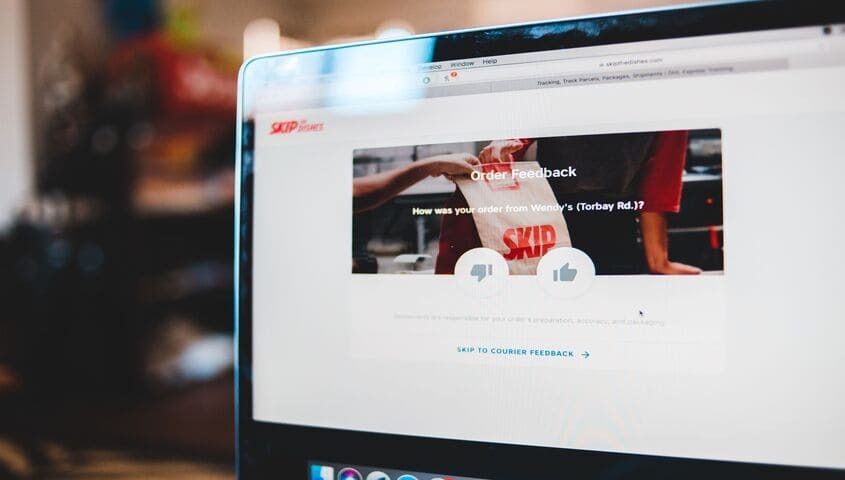
Personalization can make a big difference in ecommerce by helping shoppers find products that feel more relevant to them. Showing customers products, deals, and content that actually fit their needs can make the shopping experience feel more personal and encourage them to come back.
Building a personalized shopping experience starts with understanding your customers. You can use data such as:
- Customer behavior: Review customers’ browsing activity, viewed products, and past purchases to better understand their shopping habits and preferences.
- Customer profiles: Use information like age, preferences, and buying habits to create more targeted messages.
- Location insights: Adjust offers, shipping details, and content based on where your customers are located.
These insights help you deliver more relevant content and offers across your website, email, and social media channels. Personalized recommendations, relevant offers, and useful content help customers discover products that better match their needs and make shopping decisions with more confidence.
By making better use of customer data, ecommerce brands can create more relevant experiences, improve engagement, and encourage repeat purchases.
Personalization goes beyond marketing messages and product recommendations. Ecommerce brands can also create a more engaging shopping experience by offering custom products that let customers choose designs, colors, features, or other details that match their preferences. This type of personalization helps customers feel more connected to the products they buy while giving brands a stronger way to stand out.
6. Build a Multi-Channel Marketing Strategy

Customers today rarely discover and purchase products through a single channel. They may find a product on social media, visit your website to compare options, and complete their purchase through another platform. As shopping journeys become more complex, ecommerce stores need to provide a consistent experience across different touchpoints.
Expanding to new sales channels can help you reach more customers, but being active on every platform is not always the best approach. Instead of trying to be everywhere, choose the e-commerce platforms that make the most sense for your audience and your brand. For example, brands targeting younger shoppers may benefit from platforms like TikTok or Instagram, while handmade or custom product sellers may find opportunities on marketplaces like Etsy.
A successful multi-channel e-commerce strategy is about reaching customers in the right places while maintaining consistency. Keep your product information, pricing, promotions, and customer support aligned across each channel to create a smoother buying experience.
By connecting your website, social media platforms, and marketplaces, you can give shoppers more opportunities to discover your brand and complete purchases with confidence.
7. Improve Customer Retention and After-Sales Experience
A successful ecommerce strategy does not end when a customer clicks “buy.” The post-purchase experience, including fulfillment, shipping, and customer support, has a direct impact on customer trust and repeat purchases.
Customers expect their orders to arrive accurately, on time, and with clear updates throughout the process. To meet these expectations, ecommerce businesses need reliable systems for order management, returns, and customer support. Efficient fulfillment not only creates a better customer experience but also helps businesses avoid unnecessary costs and operational issues.
As your store grows, managing every step manually can become time-consuming. Beyond processing orders and answering customer questions, business owners also need to focus on marketing, product development, and building their brand.
For print-on-demand businesses, automation can make scaling much easier. Instead of handling inventory, production, and fulfillment alone, POD platforms like Tapstitch can help simplify the process — from product creation and order processing to production and delivery. This allows sellers to spend less time on repetitive tasks and focus more on growing their business.
8. Build an Effective Email Marketing Strategy

Email marketing remains a valuable way for ecommerce brands to build relationships with customers and stay connected throughout the buying journey. While other channels often depend on changing algorithms and competition for visibility, email gives businesses a direct way to reach shoppers with relevant messages.
However, successful email marketing is not about sending the same promotion to everyone. Instead, brands can use customer data such as browsing behavior, purchase history, and interests to create more targeted campaigns. Understanding your audience helps you create more personalized emails that provide real value and encourage customers to return.
Common automated email campaigns ecommerce brands can use include:
- Customer feedback and review requests: Collect customer feedback and reviews to learn what shoppers think, improve your products, and create a better overall experience.
- Abandoned cart recovery emails: Remind shoppers about products they left behind and encourage them to complete checkout.
- Welcome emails for new customers: Introduce your brand, highlight your value, and encourage new subscribers to make their first purchase.
- Post-purchase follow-up emails: Share order updates, product tips, and recommendations to keep customers engaged after buying.
A strong email strategy helps ecommerce businesses improve customer retention, build loyalty, and create more opportunities for long-term growth.
How to Measure the Success of Your Ecommerce Growth Strategy?

A successful ecommerce growth strategy requires continuous tracking and improvement. Tracking the right metrics helps you evaluate your store’s performance, spot areas for improvement, and make better decisions to support growth.
Conversion Rate
Your conversion rate is one of the most important metrics for evaluating ecommerce growth. It measures how well your website, product pages, and marketing campaigns encourage visitors to complete a purchase. By analyzing conversion rates across channels, devices, and customer segments, you can identify opportunities to improve the buying journey and increase sales.
Cart Abandonment Rate
This metric tells you how often shoppers add products to their cart but leave your store without placing an order. A high abandonment rate can indicate potential issues, such as unexpected costs, a complicated checkout experience, or limited payment options. By analyzing customer behavior and identifying where shoppers drop off, you can remove unnecessary friction and create a smoother path to purchase.
Customer Lifetime Value (CLV)
Customer lifetime value (CLV) measures the total revenue a customer is expected to generate over the entire time they stay connected with your brand. Rather than looking only at individual purchases, this metric helps ecommerce businesses understand customer loyalty, retention, and the long-term impact of their growth strategy.
By tracking CLV, brands can identify their most valuable customers and make more informed decisions about marketing budgets, customer acquisition, and retention strategies. Growing customer lifetime value is not just about getting more sales from existing customers. It’s about creating experiences that make people want to come back. By offering relevant products, helpful recommendations, and personalized experiences, brands can build stronger customer relationships over time.
Customer Acquisition Cost (CAC)
CAC measures how much your business spends to attract and convert a new customer. This metric helps you understand whether your marketing and advertising efforts are bringing in valuable customers and delivering a positive return.
Keeping CAC under control is essential for long-term profitability. By comparing CAC with CLV, you can understand whether the revenue generated from customers justifies the cost of acquiring them. Tracking this metric helps you understand where your marketing budget is working best, allowing you to invest more in channels that bring stronger results.
Organic Traffic Growth
Organic traffic growth measures how well your SEO strategy helps customers find your ecommerce store through search engines. By monitoring metrics such as organic visitors, keyword rankings, and page performance, you can see which content and product pages are driving the most search visibility.
An increase in organic traffic usually means your website is gaining stronger visibility in search results. Tracking these changes helps you understand what is working, optimize pages that need improvement, and bring in more potential customers without depending entirely on paid advertising.
Frequently asked questions
What is an ecommerce strategy?
An ecommerce strategy is a plan that helps an online business attract customers, increase sales, and grow over time. It includes key areas such as marketing, website optimization, customer experience, and retention to improve overall business performance.
What are the most effective ecommerce growth strategies?
The most effective ecommerce growth strategies focus on attracting the right customers, improving the shopping experience, and building long-term relationships. Key strategies include SEO, social media marketing, personalized experiences, expanding sales channels, and improving customer retention. The right mix will depend on your products, target audience, and current stage of growth.
How long does it take to see ecommerce growth?
The time it takes to see ecommerce growth depends on your strategy, industry, and business goals. Some channels, such as paid advertising, can bring results quickly, while SEO, customer retention, and brand building usually require more time. Consistent effort and regular performance tracking are key to achieving long-term growth.
What are common mistakes in ecommerce growth strategies?
Many ecommerce businesses struggle because they target the wrong audience, rely too heavily on a single marketing channel, overlook customer experience, or fail to measure important metrics. Avoiding these mistakes requires regular analysis, ongoing improvements, and a clear understanding of your customers’ needs and behaviors.
Ecommerce growth strategy: Conclusion
Growing an ecommerce brand requires ongoing effort, testing, and improvement. While creating a growth strategy can feel challenging, focus on the areas that matter most — from understanding your customers and improving your marketing channels to attracting quality traffic and creating better experiences.
For print-on-demand businesses, reducing operational complexity is another important part of scaling. Tapstitch’s print-on-demand solution helps simplify product creation, production, and fulfillment, so sellers can spend less time managing daily tasks and more time growing their brand.


%20(1).jpg)
.jpg)
.jpg)

.webp)

.jpg)
.jpg)
.jpg)
.png)
.jpg)
.jpg)


%20(3).jpg)



.png)

.jpg)
.jpg)
.jpg)
.jpg)
.jpg)
.jpg)






.png)





.png)

.jpg)















.jpg)



.jpg)

.png)
.jpg)


.jpg)

.jpg)




.jpg)
.jpg)
.jpg)
.jpg)
.jpg)

%20(1).jpg)


.png)

.png)



%20(1)%20(1).jpg)