





13 Cheapest Businesses to Start from Home (2026)



Everybody's got a cousin with a business plan and no business. The plan is usually the problem: too big, too expensive, too dependent on money that hasn't arrived.
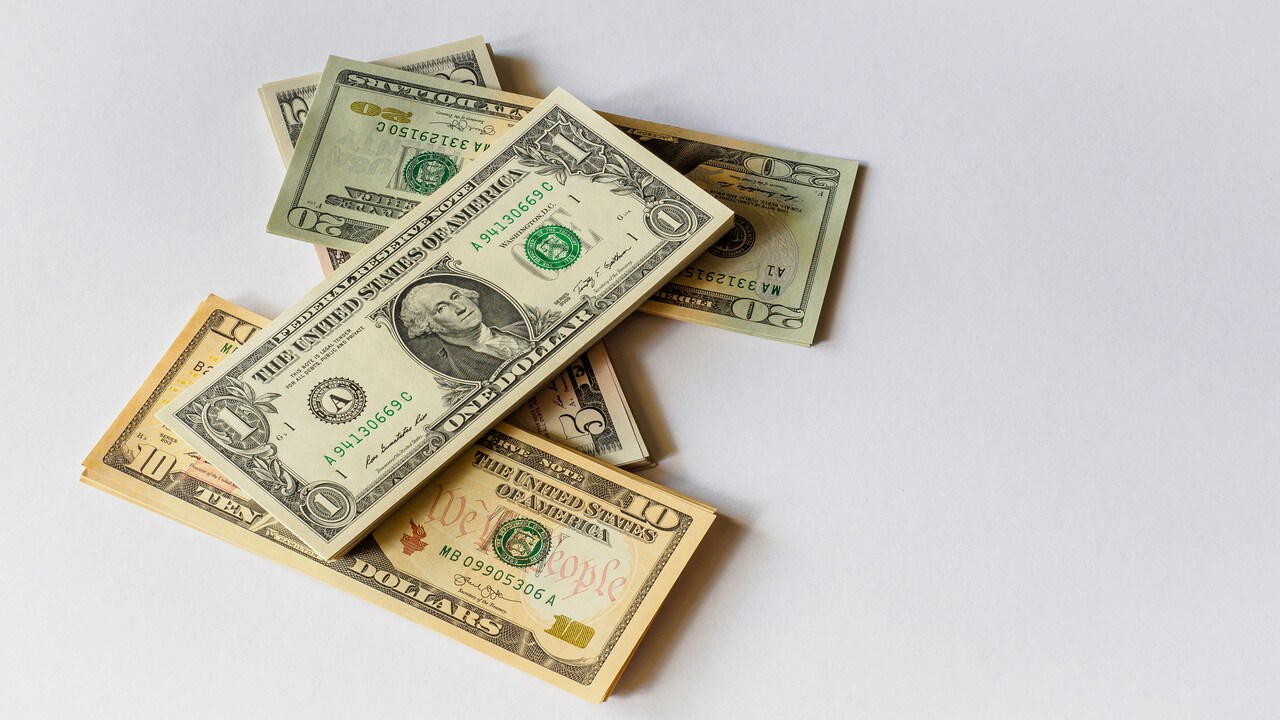
The cheapest business to start from home is no longer the compromise option. The laptop is the storefront, the phone is the marketing department, and the only real cost left is effort. Thirteen options below, each with its real startup cost and how fast the first dollar lands.
Top 13 Low-Cost Business Ideas for 2026
Ranked with the fastest, cheapest entries up top. Every one runs from home, and the best are low-cost business ideas with high profit once they find their lane.
1. Print-on-Demand
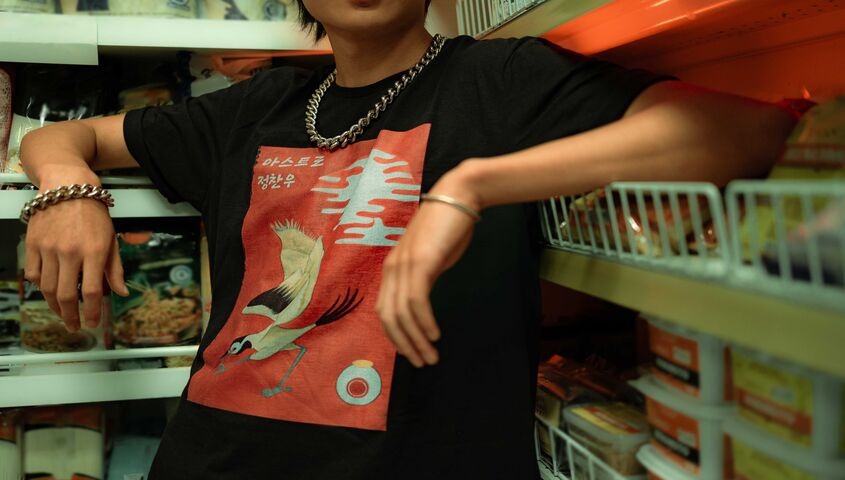
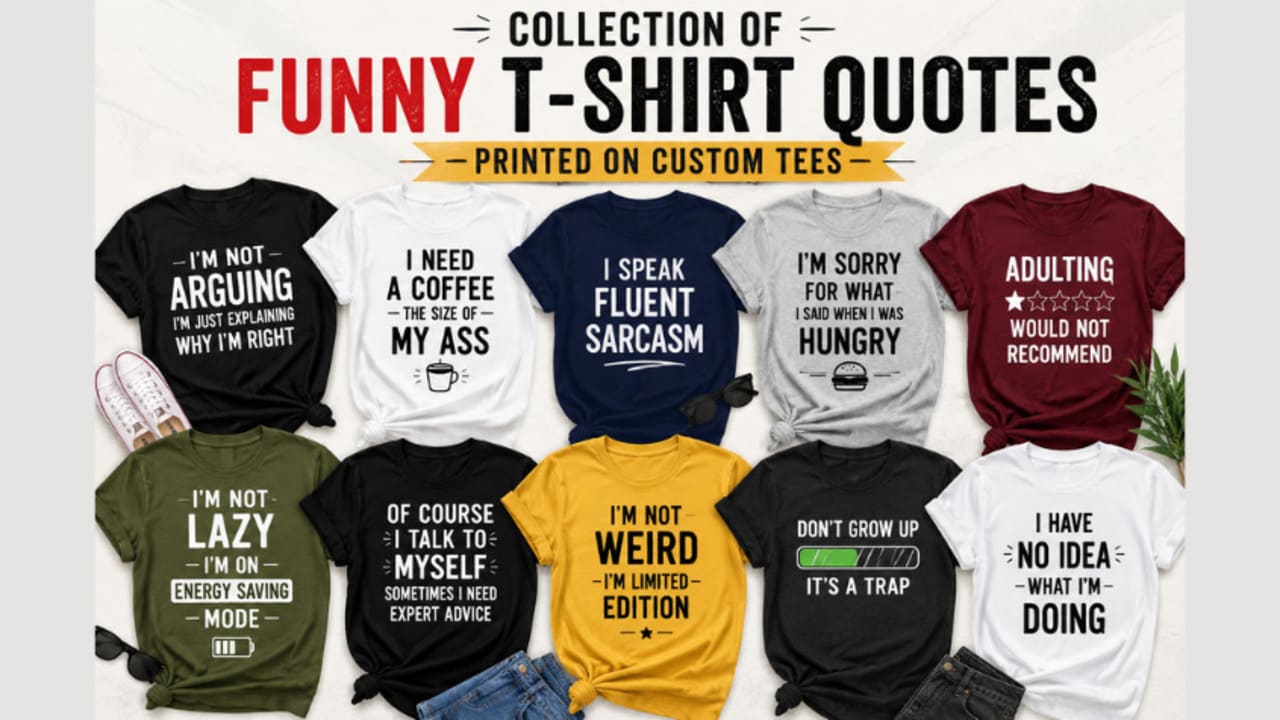
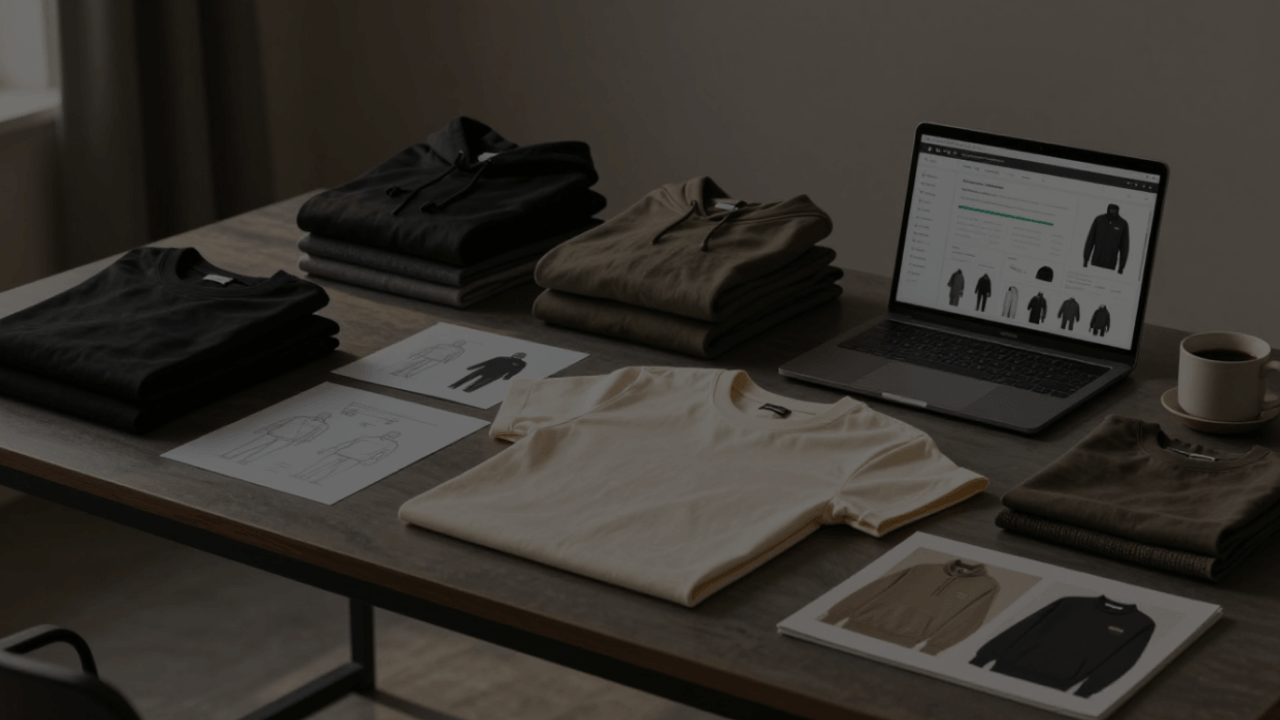
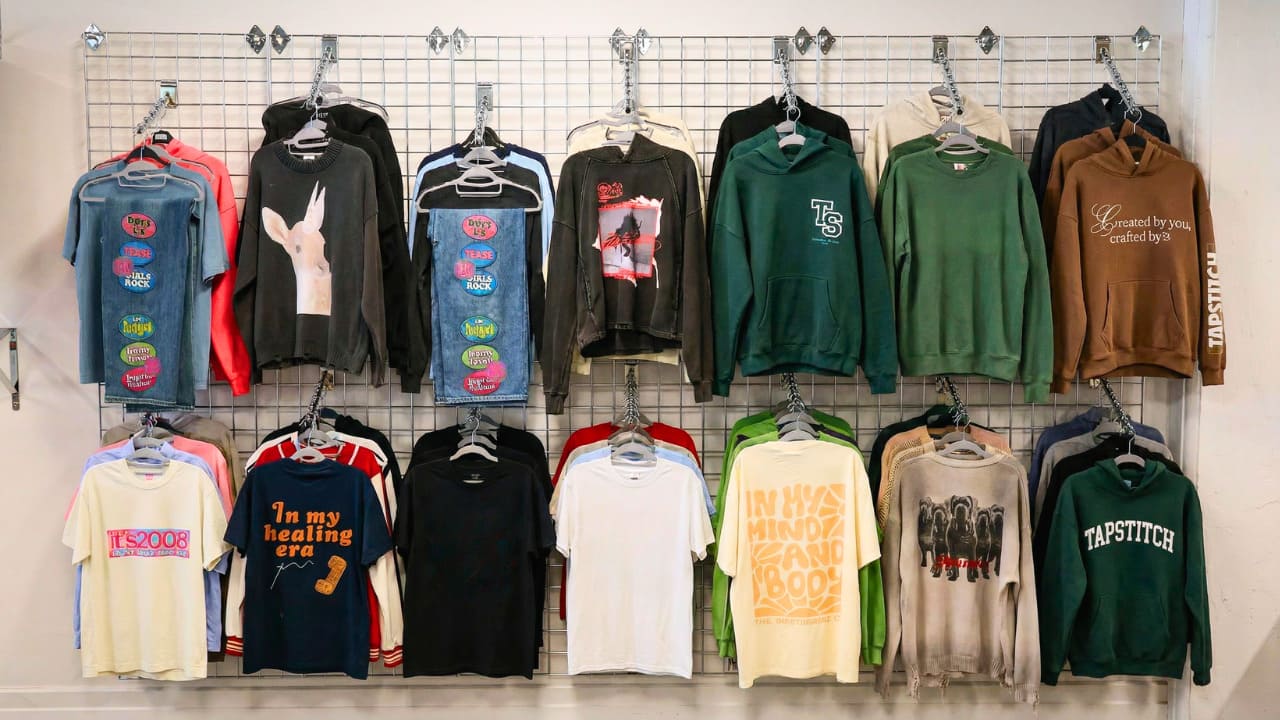
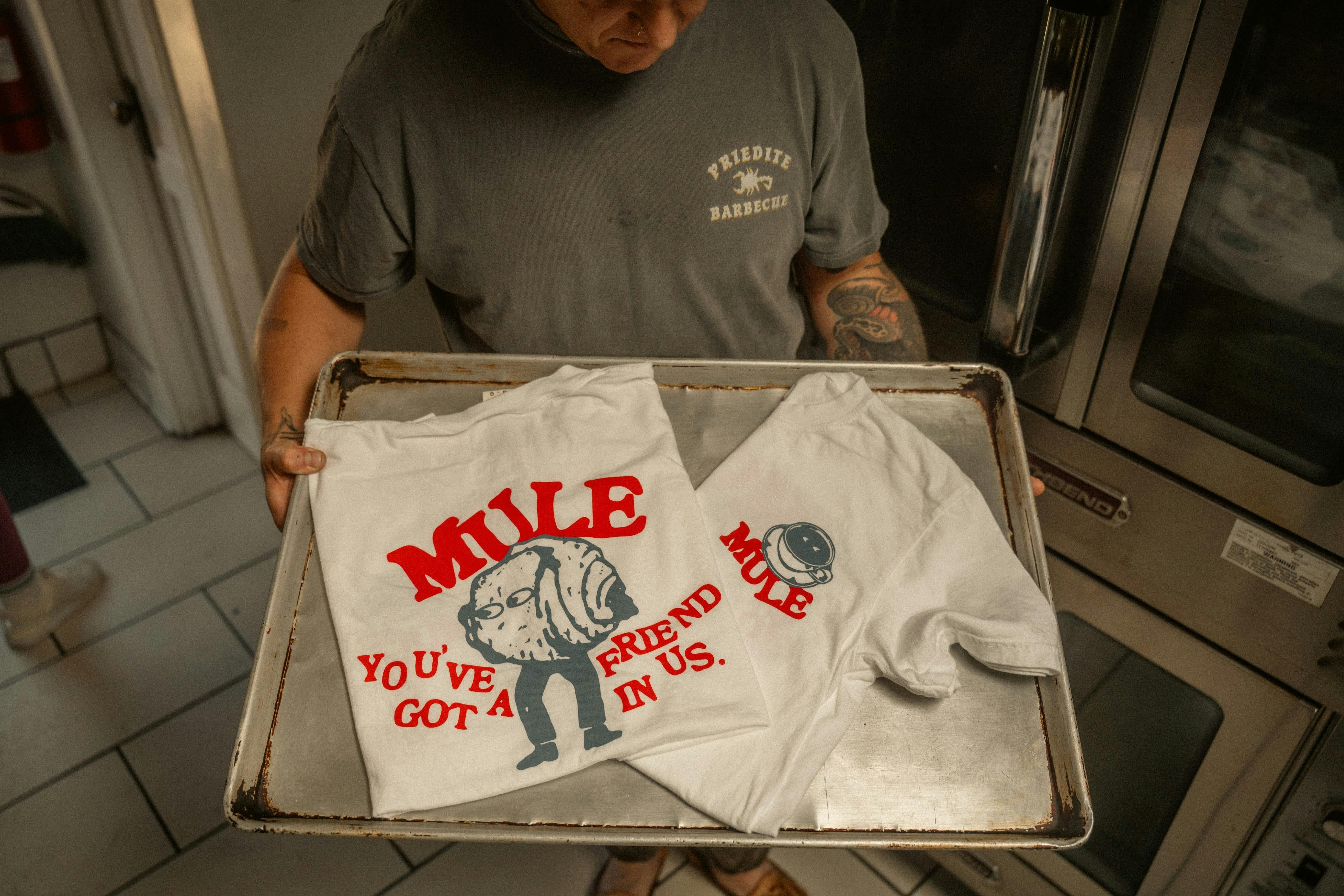
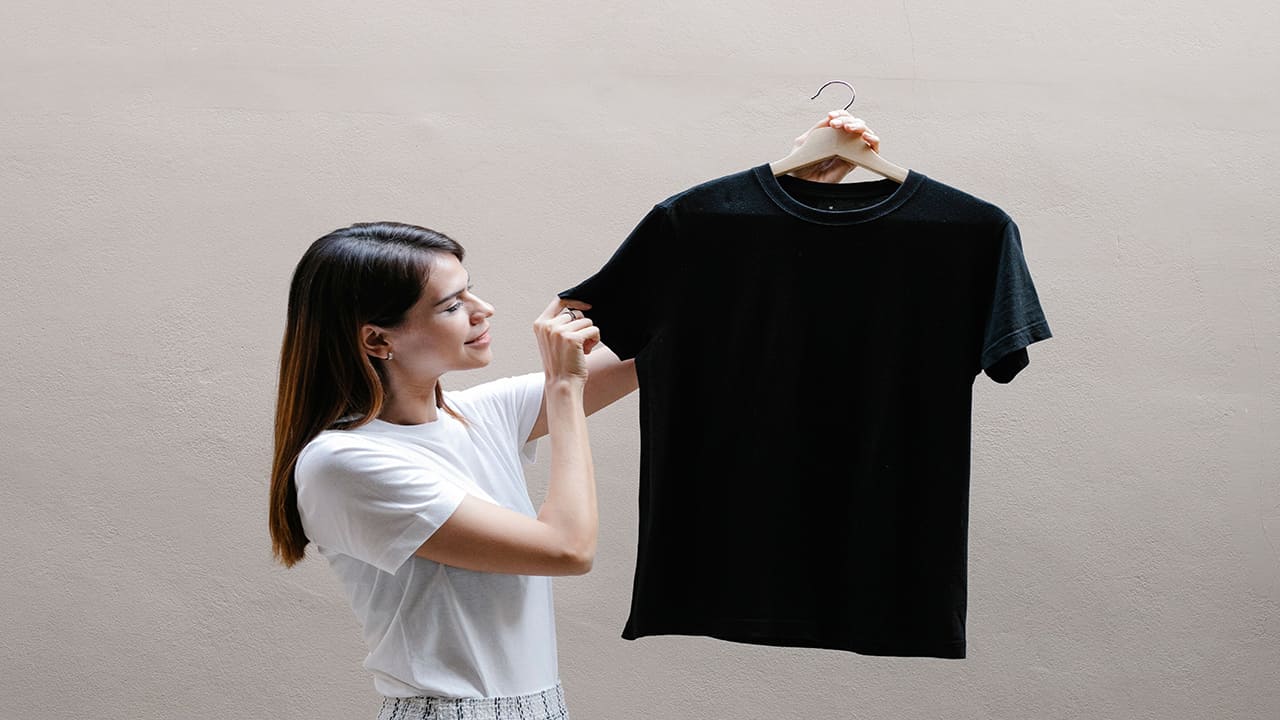
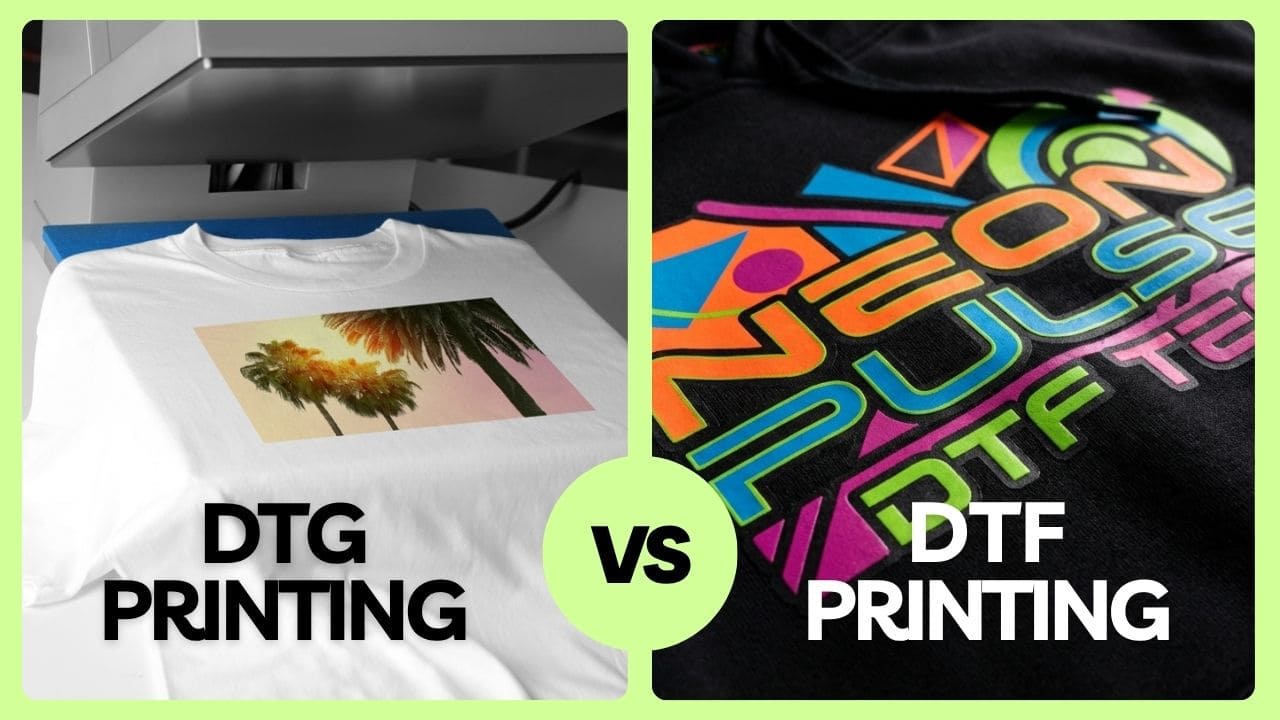
Print-on-demand (POD) is a business model where you sell custom apparel and other custom products without holding stock. You upload a design, list the product in your store, and a print-on-demand supplier like Tapstitch prints and ships each item only after a customer pays. No inventory, no minimum order, no garage full of mistakes.
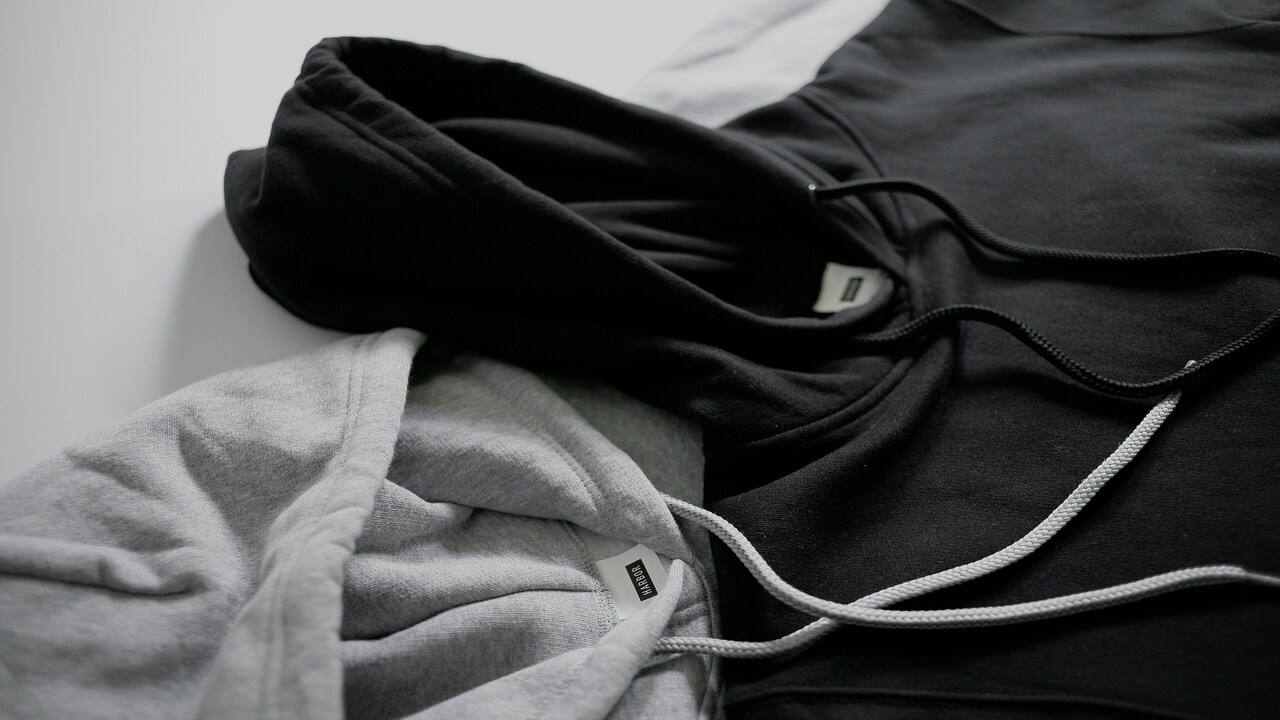
Day to day, a POD business splits the work in two. You handle design, storefront, and marketing. Tapstitch handles blanks, printing, packing, and shipping, with your brand on the neck label and packaging. Your profit is the gap between your retail price and the base cost per item.
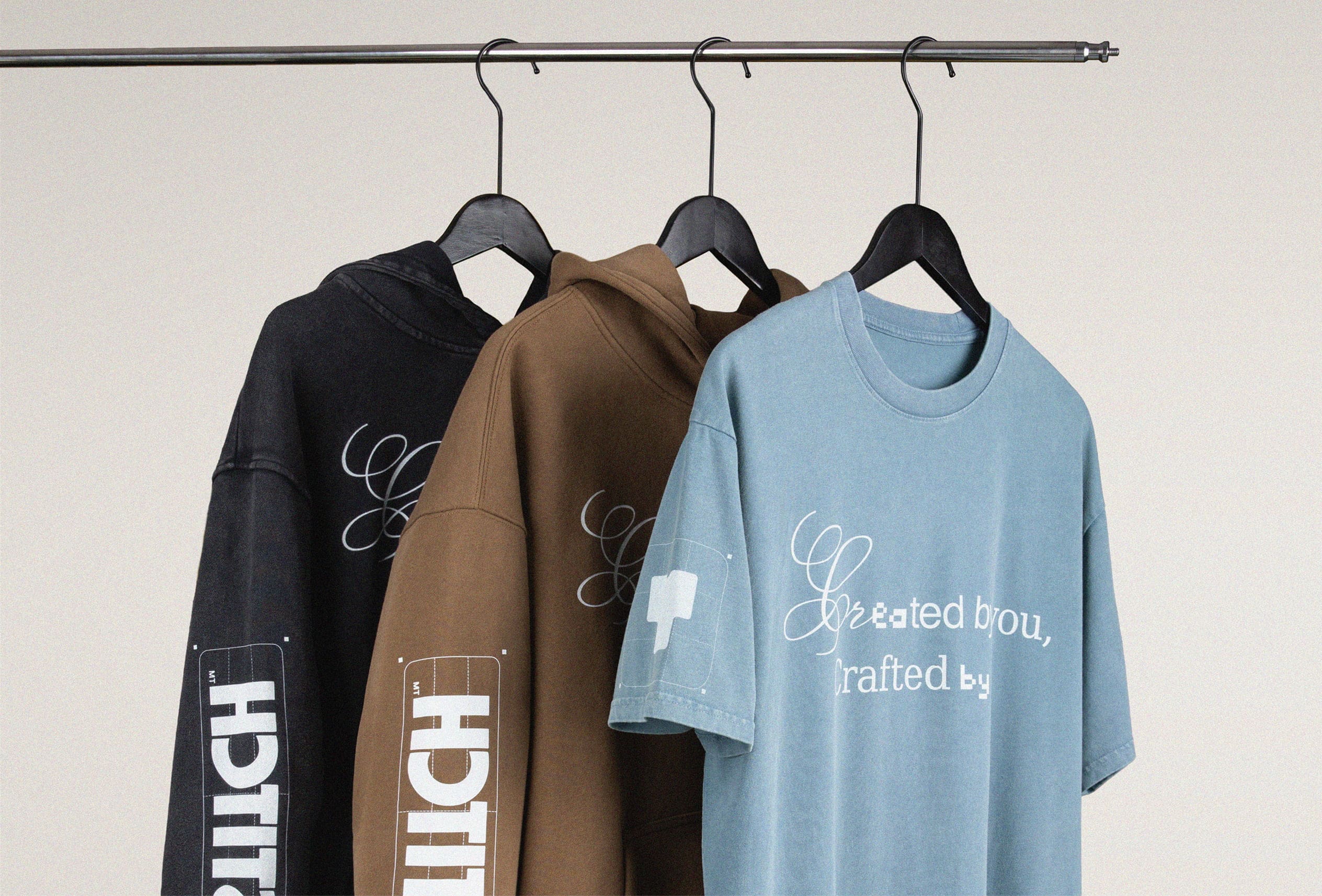
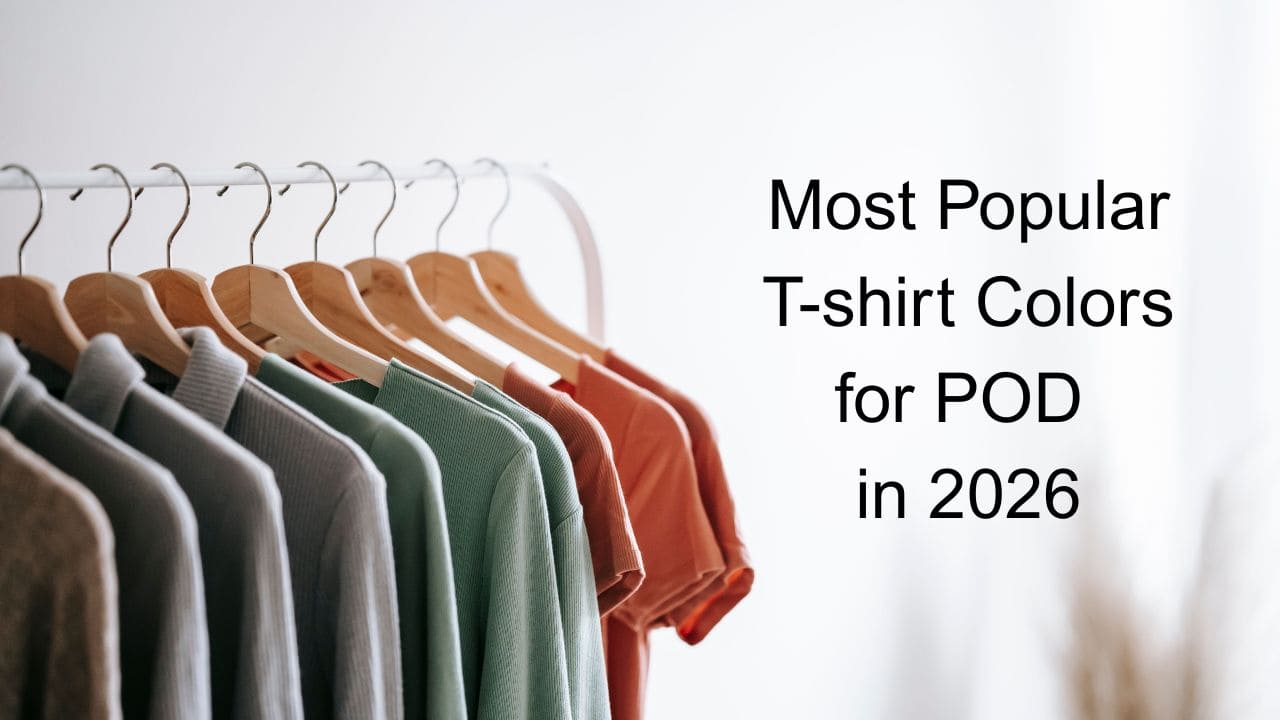
In 2026, the category is fashion, not merch. Heavyweight tees, oversized fits, vintage washes. Build a small capsule, tease it a week out, retire what doesn't sell. Nothing gets made unless it's sold, so a bad design costs you a lesson, not a box of unsold stock.
Cost to start: $0.
First dollar: whenever the first design connects.
Ceiling: an actual clothing brand.
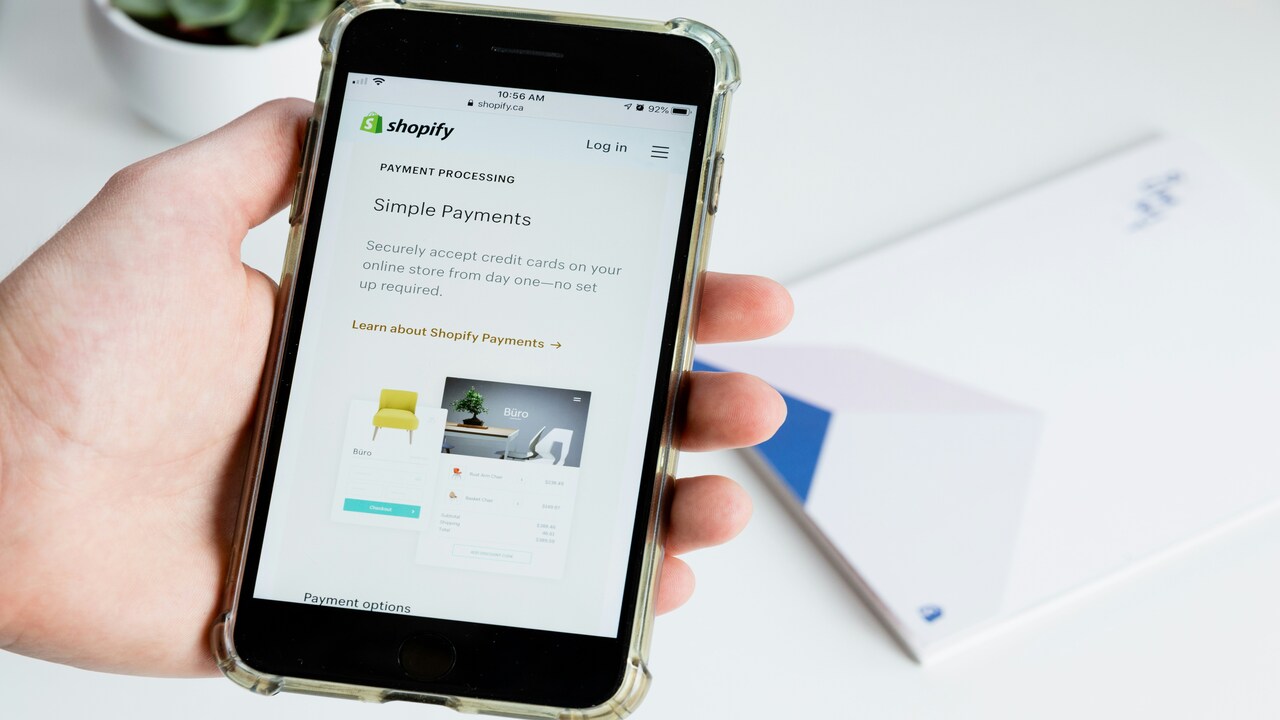
2. Dropshipping
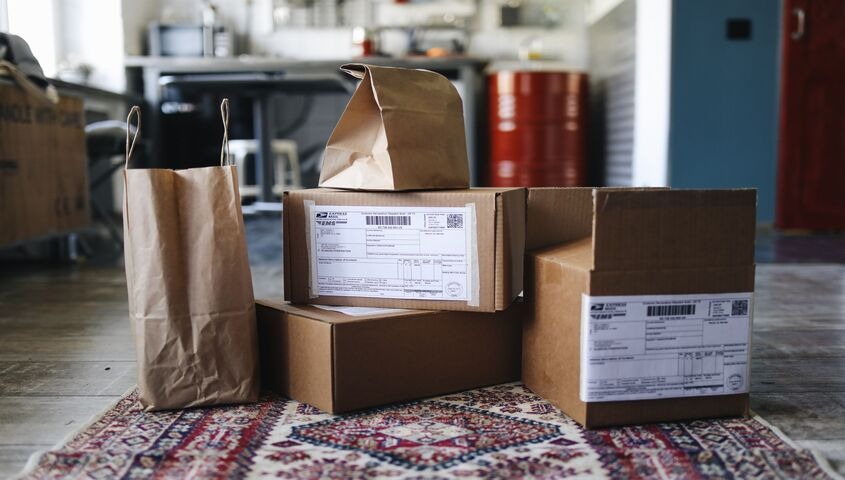
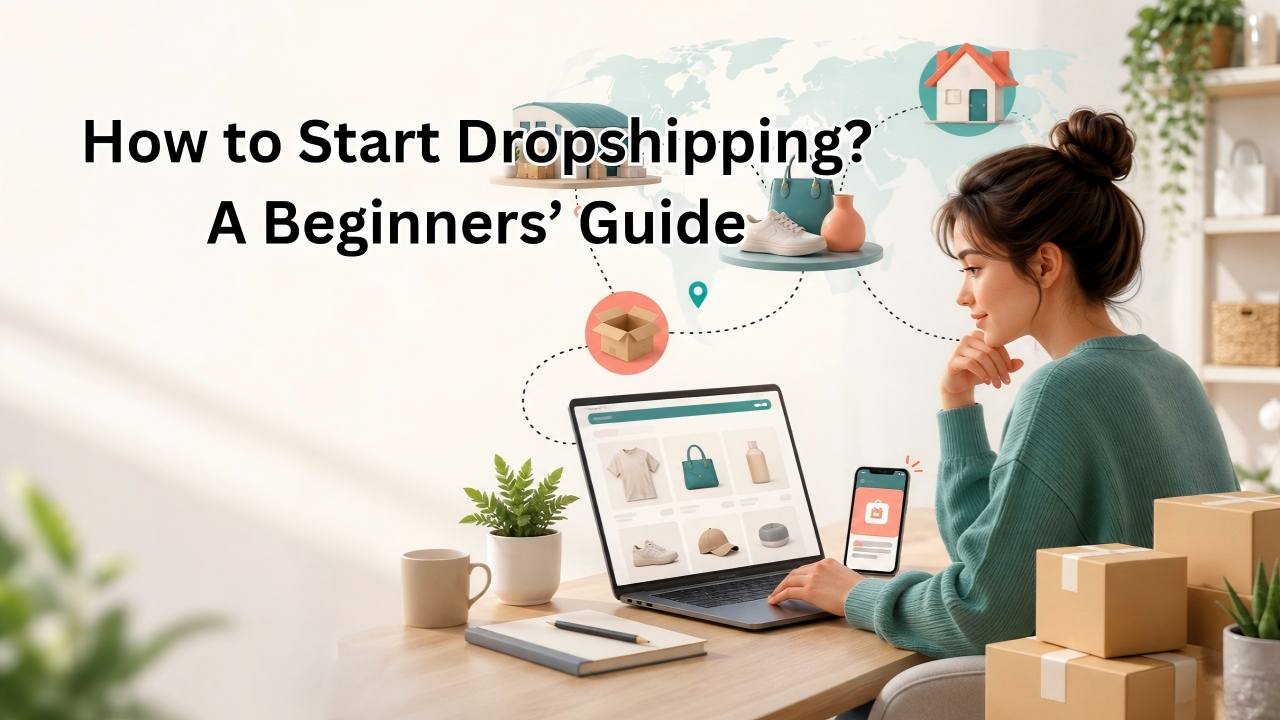
Products to list, place order, supplier ships directly. You never touch that package. This can work in 2026 if you target a narrow market and have a dependable supplier.
Everything comes down to quality control: order the product yourself, experience what your customer will experience. If you sell other people’s junk and get refunds, it will do harm. If you sell good products, it will work.
Cost to start: under $50.
First dollar: first week with traffic.
Ceiling: a store, unless you add design and make it a brand.
3. Affiliate Marketing
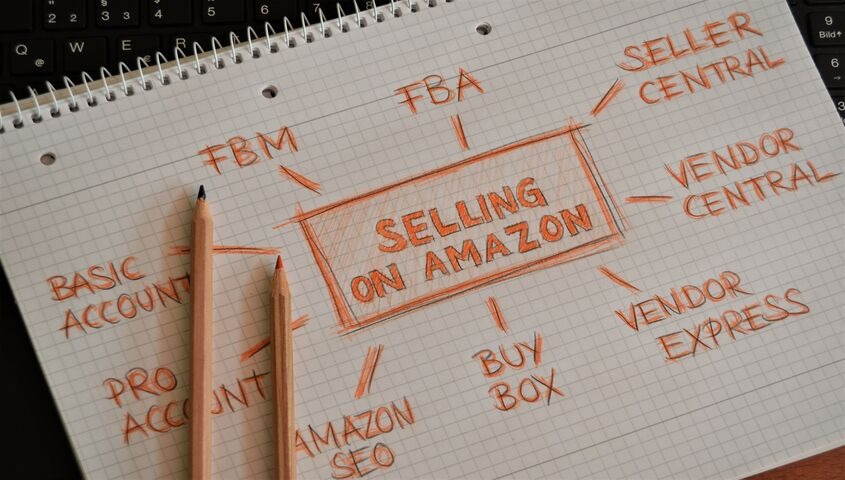
Recommend products and earn commissions on all sales through your link. You don’t need products, inventory, or customer support. The only catch is that you will need an audience first, so patience will be key.
Select one niche that you can discuss for free. Write reviews honestly. Trust is your currency, and trust doesn’t come under a deadline.
Cost to start: $0.
First dollar: slow, then steady.
Ceiling: high if the audience compounds.
4. Copywriting

Each store needs sales letters, but most founders are unable to write those. Landing pages, product descriptions, email sequences. Pricing starts at $50 per hour up to $500 for each project after you’ve got some proof.
First proof is free: rewrite one poor-quality product description and forward both to the founder. Good founders will react.
Choose one lane from the start. Skin care brand email copy works better than any "hired writer" ever will, since specialists get referrals while generalists get forgotten. Niche also gives you the ready-made contact list: any brand within the category is a contact point worth hitting.
Cost to start: $0.
First dollar: first client, often within the month.
Ceiling: a retainer list that feels like a salary.
5. Online Courses

Know a thing well enough to teach it? Package it once, sell it forever. Teachable, Podia, Skool. The first course takes months of evenings. The second takes weeks. That's the curve.
The honest note: courses sell on your credibility, so build a little audience before you build the curriculum.
Cost to start: $0 to $50 monthly for the platform.
First dollar: after the audience trusts you.
Ceiling: the best passive income on this list.
6. Podcasting

Microphone, quiet room, and something that you love to talk about. The money will come later (from sponsors, affiliates, your product), but voice connects more deeply than any social media post. Find your niche. A podcast for everybody ends up being a podcast for nobody.
Cost to start: $50 for a decent mic.
First dollar: patient money.
Ceiling: a media brand with merch attached. We'd know something about that part.
7. TikTok Creator

Simplest method of capturing the audience’s attention ever: Phone, perspective, and the habit of posting daily. The money starts rolling in after the followers come: creator money, brand partnerships, affiliate marketing, and then selling your own stuff.
It’s all about treating it as an art for those successful creators: Hooks, pacing, and payoff. Figure out what stops you from scrolling.
Three content lanes work reliably in 2026:
- Process content. Show the thing being made. People stay for the reveal.
- Opinion content. Take a side in your niche's debates. Bland doesn't get shared.
- Series content. Numbered episodes train viewers to come back like it's TV.
Cost to start: $0.
First dollar: after consistency, not before.
Ceiling: the audience becomes the launchpad for everything else on this list.
8. Faceless YouTube Channel
No camera presence required. Pick a niche (finance breakdowns, history deep-dives, gaming compilations, ambient music), script it, voice it or narrate with tools, and let the algorithm do the distribution. Ad revenue kicks in at 1,000 subscribers, and affiliates pay before that.
The 2026 reality: AI made production easy, which made taste the differentiator. The channels earning are the ones with a real editorial point of view, not the ones pumping out slop.
Cost to start: $0 to $30 for editing tools.
First dollar: affiliate links before ad revenue.
Ceiling: channels in good niches sell for real money.
9. Translator
Are you bilingual? Companies will give you cold, hard cash for translations that sound anything but machine-made. The deluge of AI has increased the value of human nuance, not diminished it. Legal, marketing, and creative translations fetch the highest fees.
Cost to start: $0.
First dollar: first gig on a freelance platform, usually within weeks.
Ceiling: specialized fields where the rates triple.
10. Car Renting
This is the odd man out of the group, but the numbers add up. If your car spends most of the week parked in your driveway, companies like Turo can make money out of it even while you’re asleep. Manage everything from the comfort of your own home using only your mobile phone.
Know your insurance situation cold before you list. That's the whole risk.
Cost to start: $0 if the car exists.
First dollar: first booking.
Ceiling: capped by how many cars you're willing to manage.
11. AI Consulting
Small businesses understand the significance of AI technology but lack knowledge of how to begin. All you have to do is set up automation tools, develop customized workflows, and convey all of that without technical talk.
You don't need to be an engineer. You need to be six months ahead of the client.
Cost to start: $0.
First dollar: first local business that says yes.
Ceiling: $2,000+ monthly retainers, stacked.
12. Digital Products
Templates, presets, planners, spreadsheets. Create it once, resell it time and time again. Profit margins are near 100%, as once you’ve done the first one, there is nothing else to create.
The perfect digital products solve a tiny problem for a precise individual. If it’s too generic, it solves the problem of no one at all.
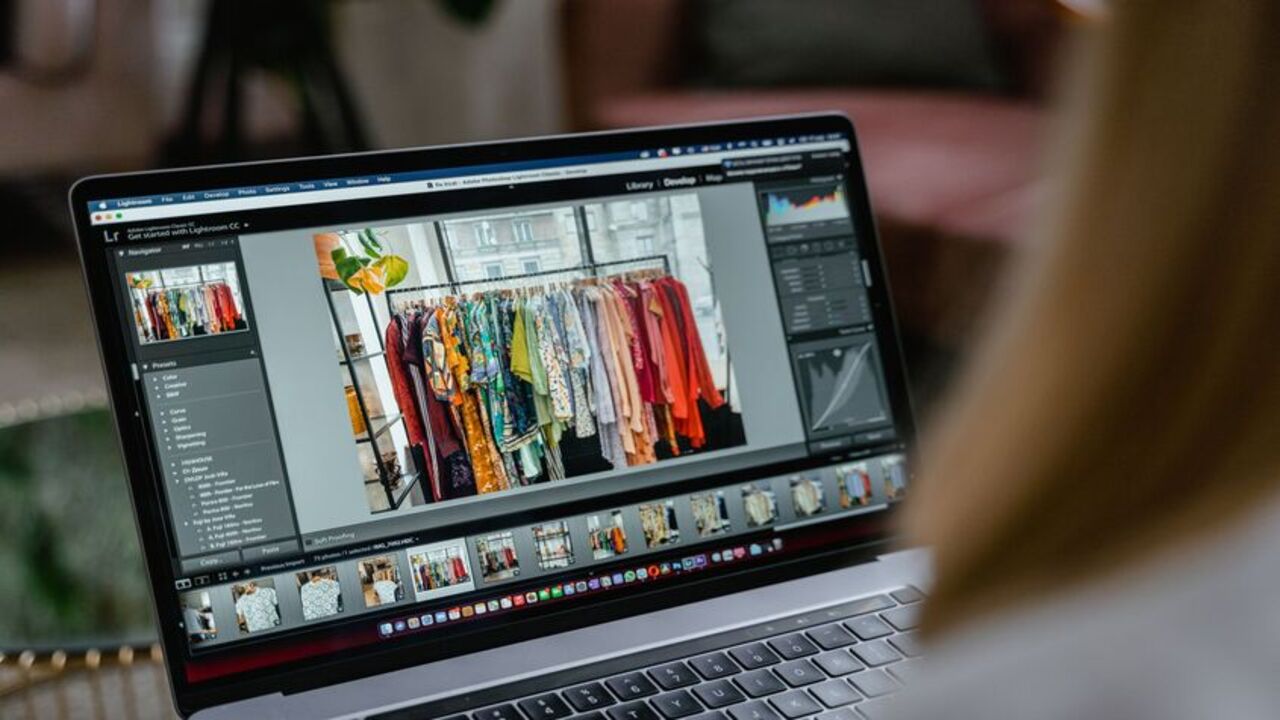
Examples from today: Notion dashboards for freelancers, Lightroom presets for specific photos, budget planners for couples, social media templates for one industry. Spot the trend? All successful products mention the individual in the title.
Cost to start: $0.
First dollar: fast if the niche is real.
Ceiling: a storefront that earns while you sleep.
13. SEO Consulting
All businesses want to rank but do not know how. The ability to do keyword research, correct site architecture, and write content that ranks makes you a consultant. AI may have changed the tools, but knowing search intent is even more valuable.
Prove it with your own website first. A ranking proves everything.
Cost to start: $0.
First dollar: first audit sold.
Ceiling: agency money.
How Do You Find the Best Small Business Ideas?
Lists are starting points. The best small business ideas sit where three questions overlap:
- What do you already know? Skill you have beats skill you'd need to learn. The gap between you and the market is smallest where you've already put in years.
- What would you do without pay? Not forever. But the first six months of any business pay in progress, not cash, and you'll only survive that stretch doing something you don't resent.
- Where's the money already moving? Passion without demand is a hobby. Check what people in your lane already spend on, then stand in front of that spending.
Two out of three is a business. Three out of three is the one you'd start tonight. Then launch the smallest version of it this week, because momentum is the only startup resource that refills itself. If your idea touches design, fashion, or culture, the next section is for you.
How to Start a Business with No Money with Tapstitch
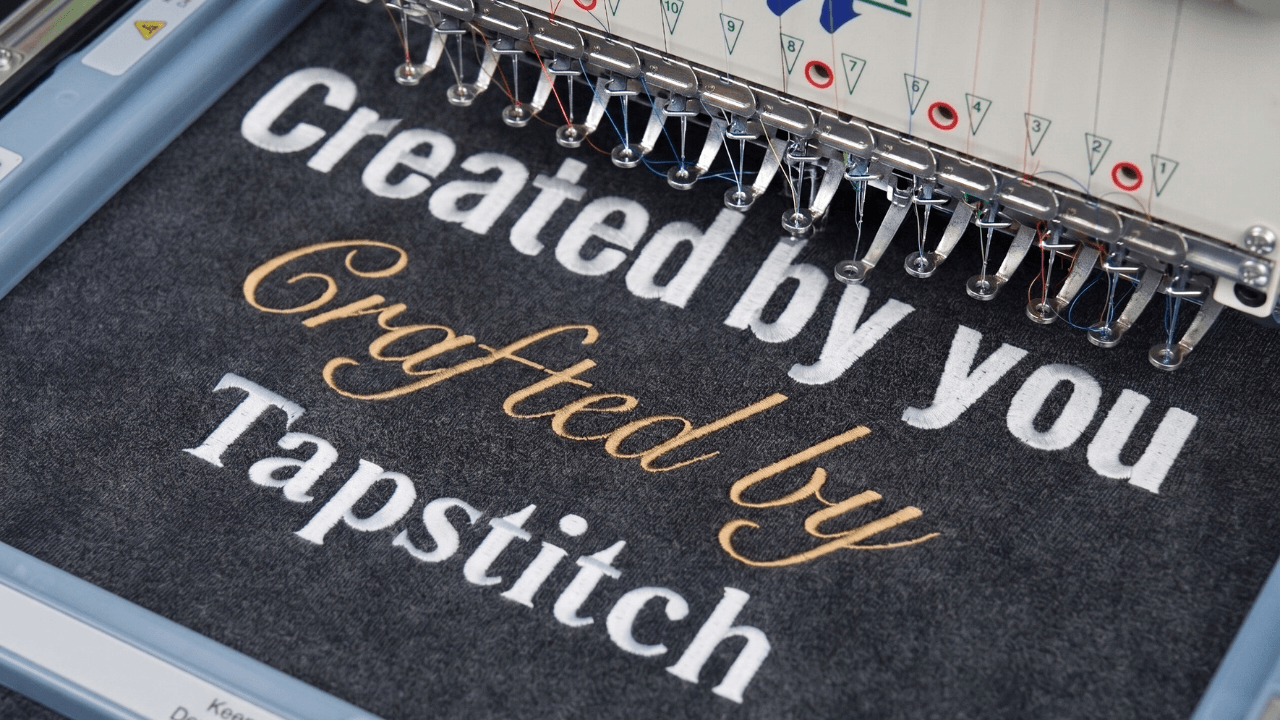
The short answer to how to start a business with no money: skip the capital, not the effort. Apparel used to be the worst offender, with sample fees, bulk minimums, and inventory bets. Tapstitch removed that part. Opening costs nothing:
- Sign up for free. No card, no subscription.
- Design in the browser. Upload your art or build in the design tool, AI assistance included.
- Pick real garments. Heavyweight cotton, vintage washes, streetwear cuts. Pieces people would buy blank.
- List and price. Your store, your margin, your name on the neck label.
- We print when it sells. Production and shipping run on our side. You never touch a box.
The math holds. A heavyweight tee with a base cost around $12 sells for $35 to $42 at fashion-grade pricing. That's profit from the first sale, with no bulk discount to chase and no 500-unit bet.
FAQs on Low-Cost Business Ideas with High Profit
Wrapping Up
Thirteen doors, all cheap to open, all opening from home. The pattern behind every one: low-cost business ideas work when the cost you save gets reinvested as effort, taste, and reps. Nobody spends their way into a good small business anymore. They ship their way in.
Pick the door that matches what you already carry. Then open it this week, not this quarter. The cheapest business to start from home is the one you actually start.

%20(1).jpg)
.jpg)
.jpg)
.webp)

.jpg)
.jpg)
.jpg)
.png)
.jpg)
.jpg)
%20(3).jpg)



.png)
.jpg)
.jpg)
.jpg)
.jpg)
.jpg)
.jpg)






.png)



.png)
.jpg)









.jpg)


.jpg)

.png)
.jpg)


.jpg)
.jpg)



.jpg)
.jpg)
.jpg)
.jpg)
.jpg)

%20(1).jpg)

.png)

.png)



%20(1)%20(1).jpg)