





TikTok vs YouTube: Which is Better for Your Brands?
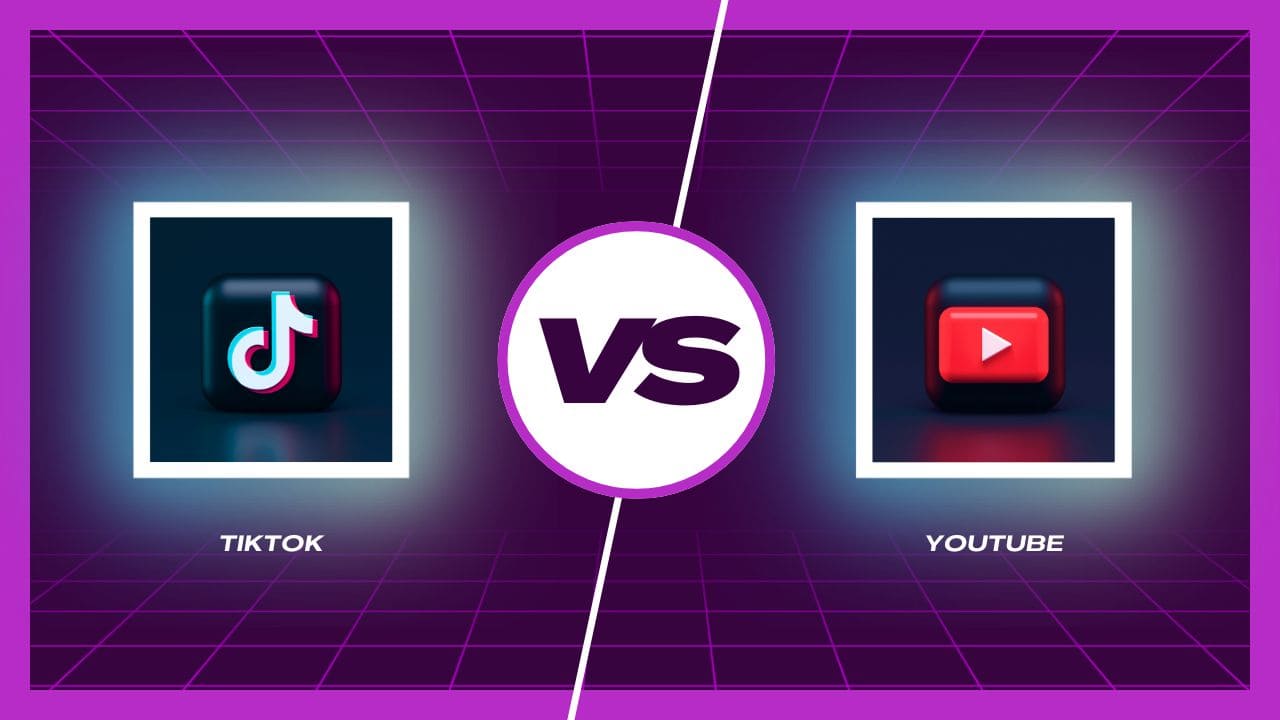


With more people discovering brands and products through social media, platforms like TikTok and YouTube have become valuable sales channels for online businesses. But which one is right for your brand? From audience and content formats to monetization and algorithms, we’ll break down the key differences between TikTok vs YouTube to help you choose. Plus, Tapstitch provides print-on-demand services to help you turn your audience into customers across both platforms.
TikTok vs YouTube: Quick Comparison
TikTok and YouTube both give brands access to huge video-first audiences, but they work in very different ways. TikTok is built around fast discovery, short-form trends, and highly interactive content, while YouTube gives creators more space for longer videos, search-driven discovery, and deeper storytelling.
Here’s a quick look at how the two platforms compare:
What is TikTok
TikTok has grown into a discovery-first platform where people come across new ideas, trends, products, and creators through a constant stream of short videos. Instead of relying heavily on search, the platform keeps users engaged by learning what they like and serving up similar content.
For brands, that makes TikTok especially useful for building awareness quickly and creating content that feels less like traditional advertising. Influencer collaborations, product demos, and user-generated content can help products appear more naturally in a user’s feed and make brand messages feel more relatable.
What is YouTube
YouTube is a video platform where people come to watch, learn, search, and follow creators they trust. Its content ranges from Shorts and entertainment clips to tutorials, reviews, explainers, and long-form videos, which gives brands and creators more room to tell a story or go deeper into a topic.
For creators, YouTube also offers several ways to earn from their content, including advertising revenue and other monetization features. With a loyal audience and a steady content strategy, the platform can become more than a place to post videos — it can support long-term audience growth and even a full-time creator business.
What are the Differences Between YouTube and TikTok?
At first glance, YouTube and TikTok can look pretty similar. But once you dig in, the way people watch, discover, and engage with content is quite different. Let’s break it down.
Audience Range
TikTok tends to attract a younger crowd, especially Gen Z and younger millennials. That audience is usually drawn to content that feels current, entertaining, and easy to consume, whether it’s a quick joke, a trend, a product find, or a relatable everyday moment.
For brands, that makes TikTok a strong place to test more casual and creative content. If your products naturally fit into fast-moving trends, visual storytelling, or creator-led videos, the platform can help you connect with younger shoppers in a way that feels less like a traditional ad.
YouTube has a broad audience across different age groups, making it a strong choice for brands that want to reach more than one demographic. From tutorials and reviews to entertainment, lifestyle, and educational videos, the platform supports a wide range of interests and content types.
With billions of users worldwide, YouTube gives brands and creators plenty of opportunities to build visibility, grow an audience, and stay discoverable over time. Its diverse user base also makes it easier to target different customer groups without relying only on short-lived trends.
Content Formats
TikTok is built for quick, attention-grabbing videos. Because users decide within seconds whether to keep watching or scroll on, creators often rely on strong hooks, fast pacing, and simple ideas that are easy to understand and share. That’s why formats like mini tutorials, challenges, reactions, and trend-based clips work so well on the platform.
Engagement also happens quickly. Many users open TikTok several times a day and scroll through many videos in each session. The platform has also become a major trendsetter, especially in music, fashion, and pop culture, where a single viral clip can push a song, style, or product into the spotlight almost overnight.
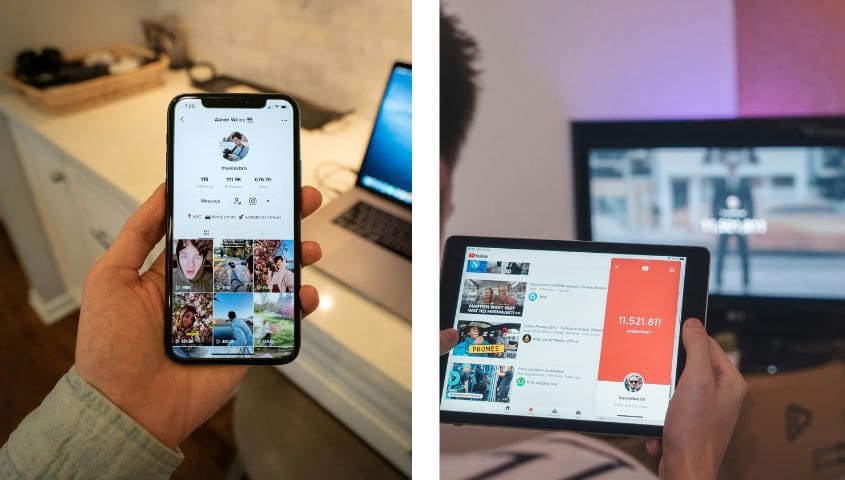
YouTube gives creators much more room to play with video length and depth. It works well for tutorials, reviews, vlogs, explainers, and story-driven content, especially when a topic needs more than a few seconds to make an impact. The platform also supports high-quality video, which is useful for creators and brands that care about a more polished look.
Short-form content still has a strong place on YouTube through Shorts, while longer videos remain one of the platform’s biggest advantages. That mix makes it easier to use quick clips for reach and longer videos to build trust, explain products, and keep viewers engaged longer.
Monetization Models
You can make money on TikTok in several ways, not just through views.
Creators can sell on TikTok Shop, earn gifts during LIVE sessions, work with brands, or make money from eligible videos through TikTok’s Creator Rewards Program. Eligible creators can earn through TikTok’s Creator Rewards Program by posting original videos that are at least one minute long.
Brand partnerships are another big part of the platform. TikTok One, which includes Creator Marketplace, helps connect creators and businesses for sponsored content and other collaborations. That makes TikTok especially useful for creators who want to combine content, product promotion, and influencer work instead of relying on ad revenue alone.
YouTube gives creators several ways to turn an audience into income. Ad revenue is still a main option, but many creators also earn through sponsorships, affiliate links, merchandise, and paid channel memberships that offer extra perks or exclusive content.
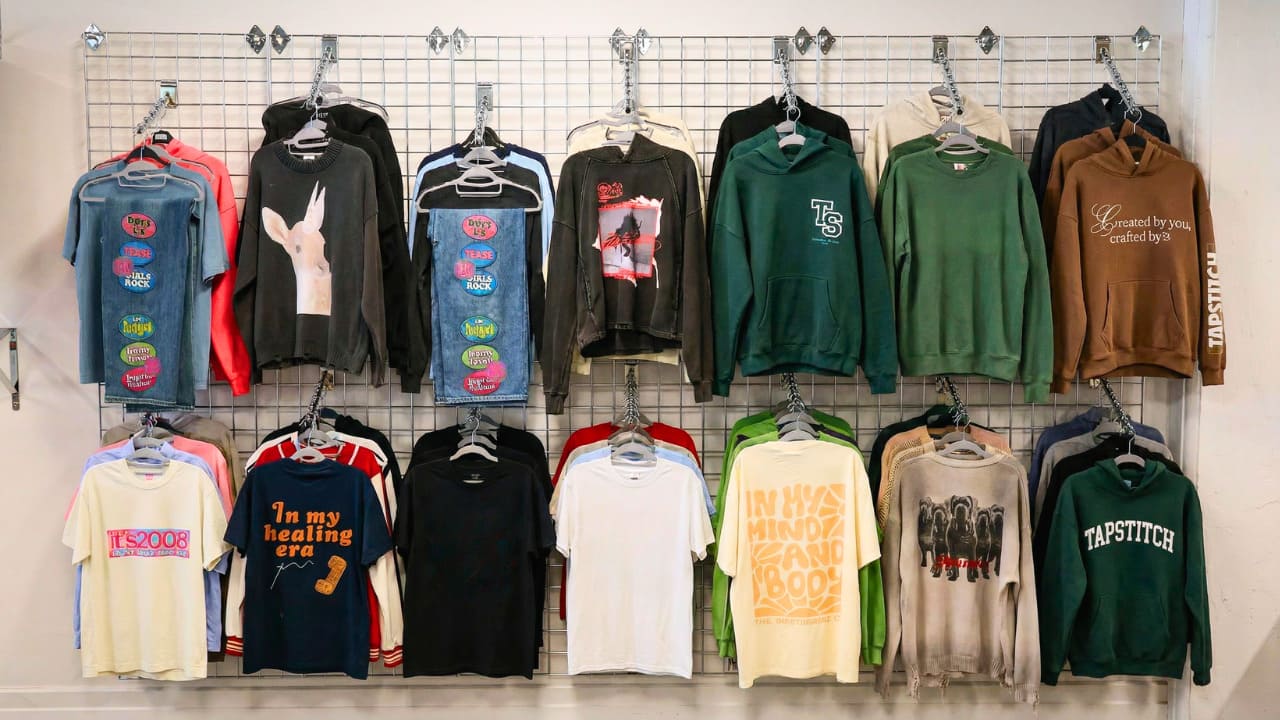
YouTube Shorts uses a revenue-sharing model as well, giving eligible creators a share of ad revenue generated in the Shorts feed. On both TikTok and YouTube, creators can add another income stream by selling branded merchandise. With a print-on-demand service like Tapstitch, they can create and fulfill products without managing inventory themselves.
CTA: Ready to Create Your Own Merch? Start Designing
Creator Economy and Integration
Both TikTok and YouTube are making it easier for creators to content with commerce, but each platform takes a slightly different approach.
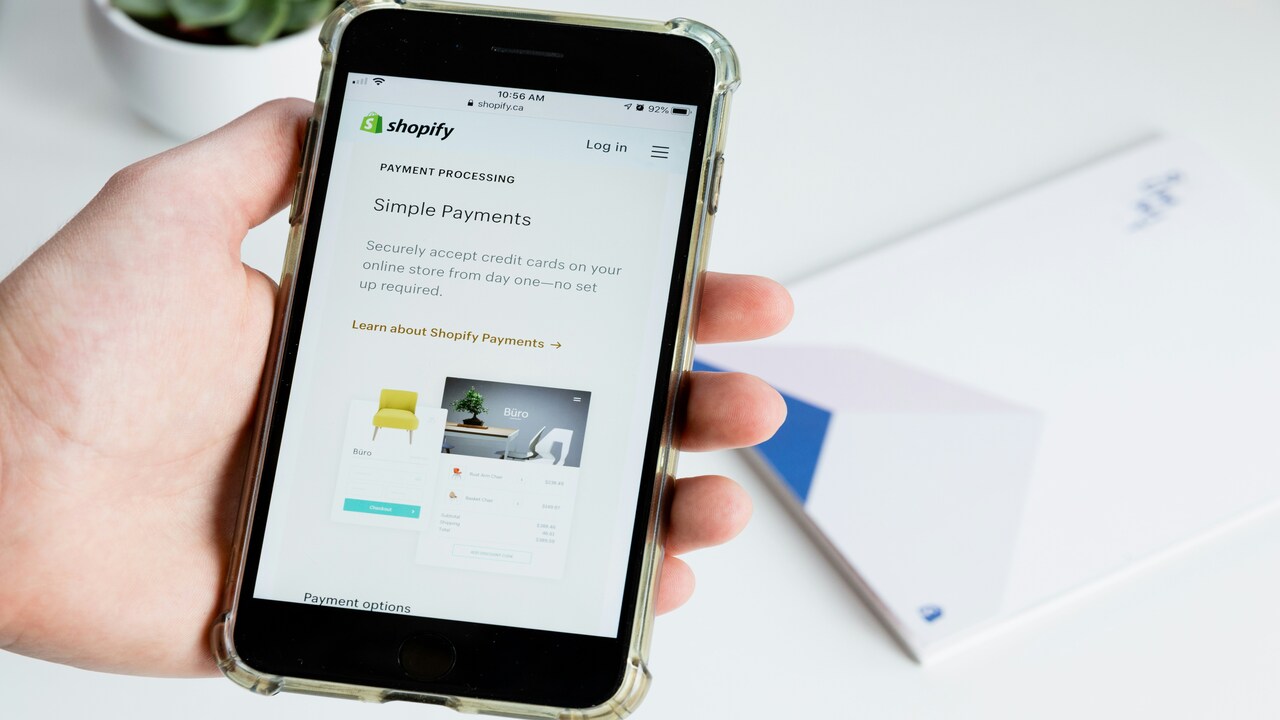
TikTok makes it easier to connect product discovery with shopping. With TikTok Shop, creators can showcase products through videos, LIVE streams, and their profiles, giving viewers a simple way to explore and purchase items directly within the app. For businesses, integrations with ecommerce platforms like Shopify and POD suppliers such as Tapstitch make it easier to sync products and showcase them directly through TikTok content.

YouTube approaches ecommerce through content and storytelling. Eligible creators can use YouTube Shopping to showcase products alongside their videos, making it easier to introduce merchandise through reviews, tutorials, and lifestyle content. By connecting with platforms like WooCommerce, Etsy, and other supported ecommerce tools, creators can build a smoother path from watching a video to discovering a product.
For creators selling merchandise, TikTok is often better suited for fast product discovery and trend-based shopping. At the same time, YouTube works well for building trust through detailed content and long-term audience relationships.
Algorithm
YouTube and TikTok both use algorithms to personalize content, but they help users discover videos in very different ways.
TikTok is built around content discovery. Rather than showing users only videos from accounts they already follow, it recommends content based on viewing habits, interactions, and real-time interests. This gives new creators and brands more chances to reach fresh audiences, especially when their content connects with current trends.
YouTube takes a more interest-driven approach. Its algorithm considers factors like watch history, searches, and viewer engagement to recommend videos that match what people already want to watch. This makes the platform especially valuable for creators focused on specific topics who want to attract viewers with stronger intent. YouTube encourages longer viewing sessions, while TikTok is built around fast engagement and quick reactions.
User Behavior
TikTok and YouTube attract audiences with different viewing habits. TikTok users enjoy short, creative, and easy-to-watch content. Instead of searching for a specific topic, users often discover new ideas through trending products, challenges, and creator videos as they scroll through their feed.
This fast-paced experience makes TikTok a powerful platform for sparking conversations and creating trends. A single video can quickly gain attention and influence areas like fashion, music, and lifestyle, which is why many brands use TikTok to connect with audiences in a more casual and interactive way.
YouTube, meanwhile, is often used for more intentional viewing. Users may visit the platform to follow their favorite creators, learn something new, watch reviews, or explore content around specific interests. Compared with TikTok’s quick discovery model, YouTube encourages longer viewing sessions and helps creators build deeper relationships with their audience.
Community Culture
YouTube and TikTok both help creators build communities, but people interact differently on each platform.
TikTok’s community is driven by participation and shared trends. Features like Duet, Stitch, and challenges encourage users to join conversations, recreate popular content, and add their own creative touch. Its casual and fast-moving environment makes it easier for creators to connect with audiences through humor, relatable moments, and everyday experiences.
YouTube takes a more relationship-focused approach. Viewers often subscribe to channels they enjoy, return for new videos, and engage through comments, likes, and discussions. Because the platform supports longer and more detailed content, creators can build stronger connections, share expertise, and grow a loyal audience over time.
How to Choose the Right Social Media for Your Brand?
Choosing between TikTok and YouTube is not about finding the “better” platform — it’s about finding the one that matches your brand goals, content style, and target audience. Some brands may benefit from focusing on one channel, while others can use both platforms to reach customers at different stages of the buying journey.
Here are a few factors to consider before making your choice:
- Consider Your Target Audience
TikTok is a popular choice for younger users who enjoy trends, quick inspiration, and creator-led content, while YouTube reaches a broader audience looking for tutorials, reviews, and more detailed videos. - Identify Your Business Goal
Different platforms serve different goals. TikTok is great for boosting brand awareness and reaching new audiences through trends, while YouTube helps build trust with deeper content that keeps bringing in viewers over time. - Think About Your Content Style
Your content format can also influence your choice. TikTok works well for short, creative videos that grab attention quickly, while YouTube suits longer videos that explain ideas, showcase products, or tell a complete story. - Consider Content Consumption Style
TikTok focuses on quick, mobile-first videos, while YouTube supports more flexible viewing across mobile, desktop, and TV. - Revenue Options
YouTube has a more mature creator monetization system, with ad revenue being one of its main income sources. TikTok also offers ways for creators to earn and continues to expand features like TikTok Shop that support creator income.
YouTube vs TikTok for Print-on-Demand Brands
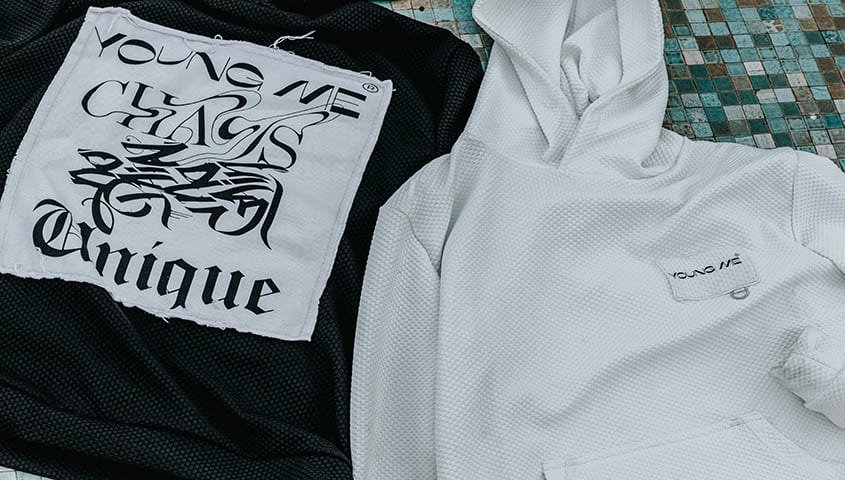
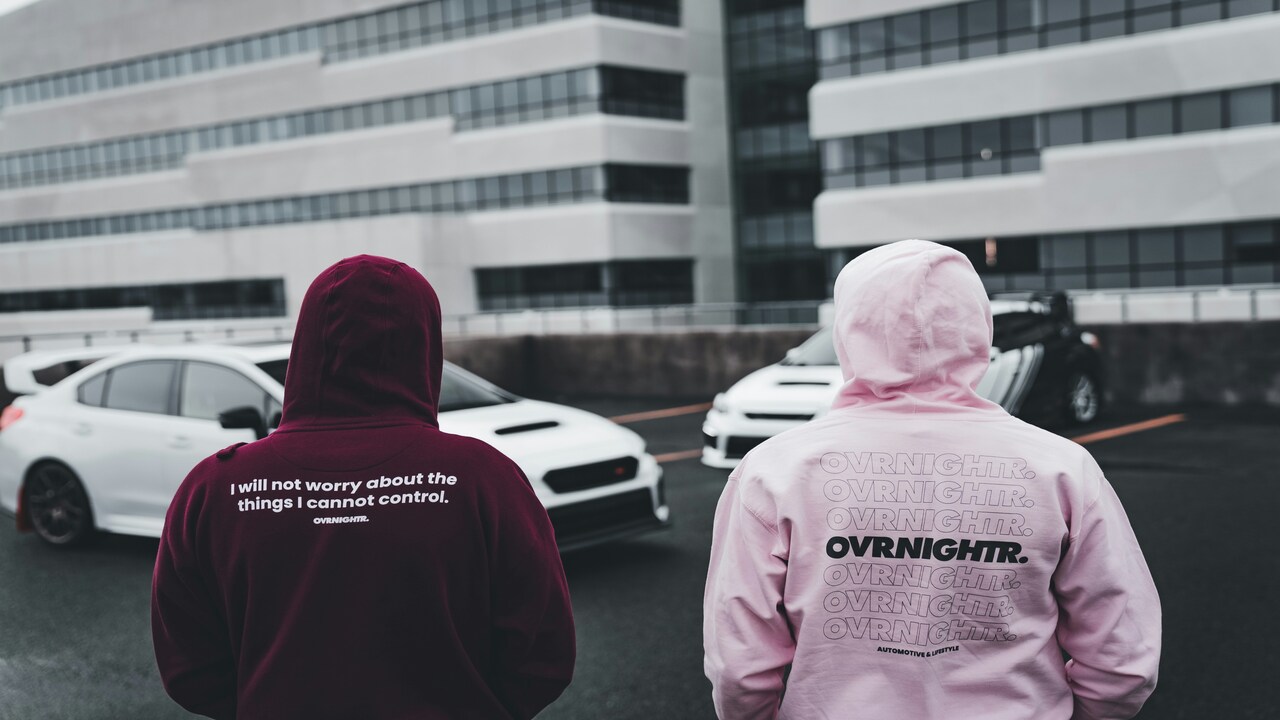
TikTok and YouTube give POD brands different ways to grow. TikTok helps products get discovered through trends, short videos, and creator-style content, making it a great channel for showcasing new designs and reaching potential customers quickly. YouTube, on the other hand, helps brands build stronger connections through product reviews, styling videos, and behind-the-scenes stories that keep viewers engaged over time.
No matter which platform you use, Tapstitch helps turn your creative ideas into products your audience can buy.
Getting started is simple:
1. Create your Tapstitch account and start for free.
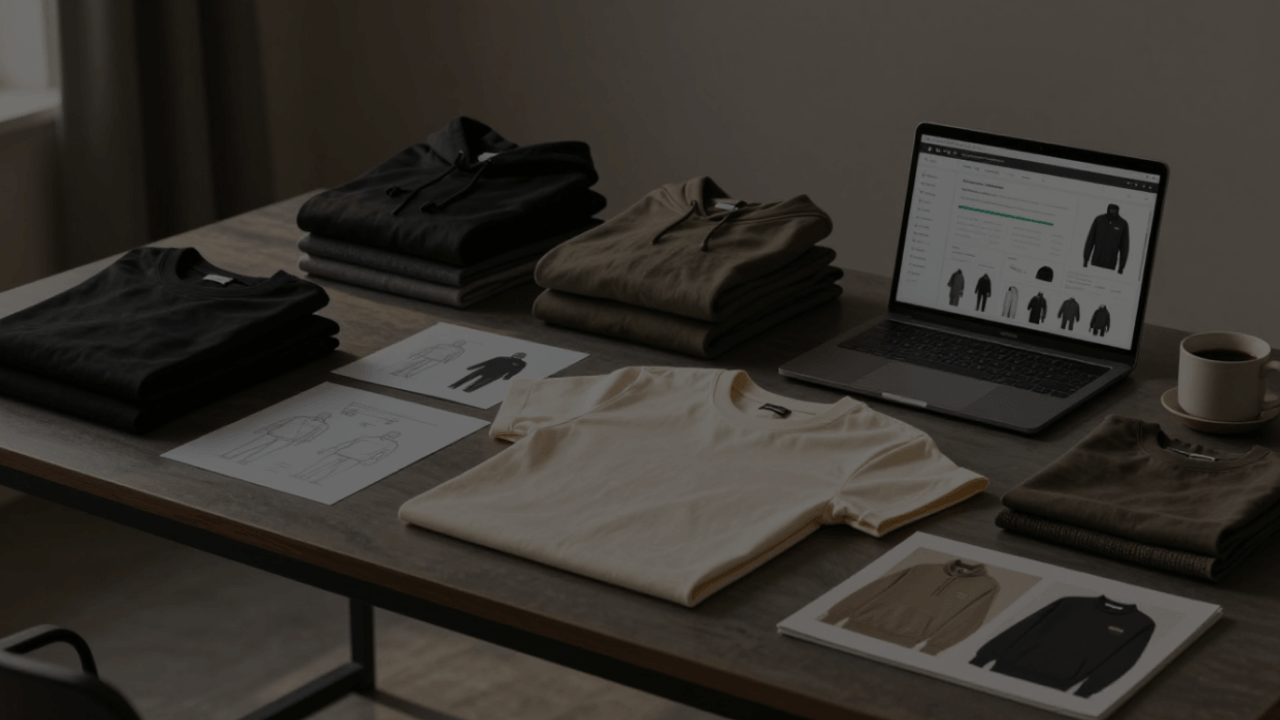
2. Choose from 1,000+ fashion-forward blank apparel styles and premium clothing options.
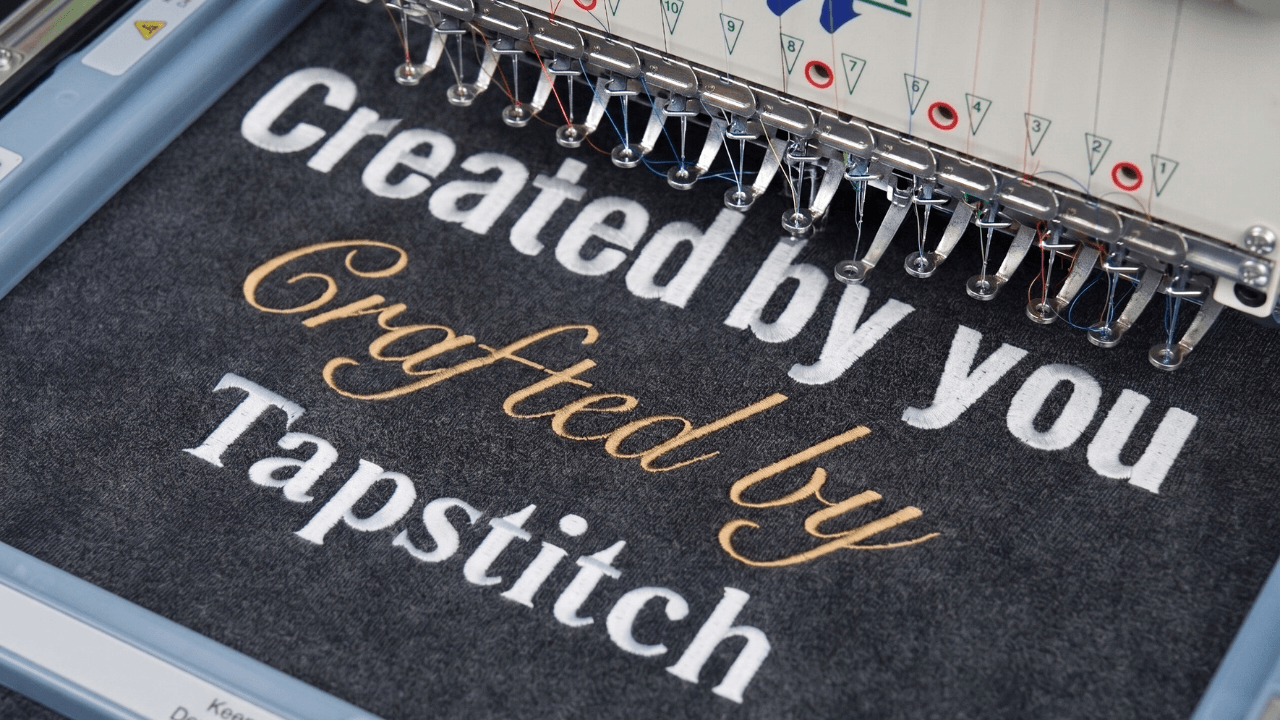
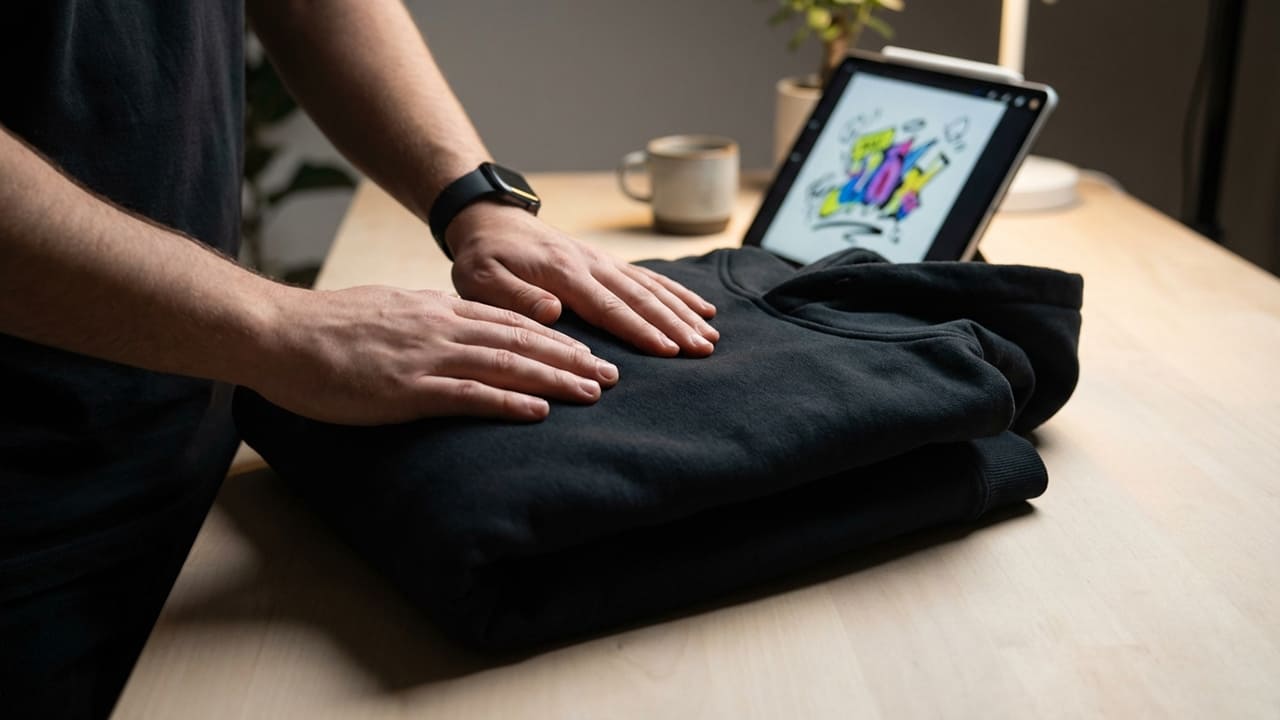
3. Add your designs with Tapstitch’s built-in design tools and create custom products ready to sell.
4. Connect your store and selling channels, showcase your products across platforms like TikTok and YouTube, and let Tapstitch take care of production and fulfillment.
Create custom merch without the hassle of inventory management and focus on growing your brand.
FAQs
Final Thoughts
When it comes to YouTube vs TikTok, there’s no one-size-fits-all answer. The right choice depends on your brand, your audience, and the type of content you want to create. You can also use both platforms together to build awareness, connect with customers, and grow your brand over time.
Once you’re ready to bring your ideas to life, Tapstitch helps you create custom apparel and sell POD products without the hassle of inventory. Choose your styles, add your designs, and start building your brand today.
.jpg)

%20(1).jpg)
.jpg)
.jpg)
.webp)

.jpg)
.jpg)
.jpg)
.png)
.jpg)
.jpg)

%20(3).jpg)


.png)
.jpg)
.jpg)
.jpg)
.jpg)
.jpg)
.jpg)






.png)




.png)

.jpg)







.jpg)

.jpg)

.png)
.jpg)


.jpg)
.jpg)





.jpg)
.jpg)
.jpg)
.jpg)
.jpg)

%20(1).jpg)
.png)

.png)


%20(1)%20(1).jpg)