







Is Dropshipping Worth It? Pros, Cons, and Tips (2026)



Somebody is running an ad at you right now that promises a six-figure income while you sit with a laptop on a beach somewhere. It's happened, but it's not guaranteed, and that's a more useful way to accidentally buy a guru course instead of learning how to dropship. You're better off asking yourself is dropshipping worth it for your specific circumstances and budget in 2026. It's not the same landscape as when that self-proclaimed guru started.
We fulfill other people's orders for a living, so we watch this model from the inside. We'll break down what we see working, what's changed, and the numbers.
What Is Dropshipping for 2026?
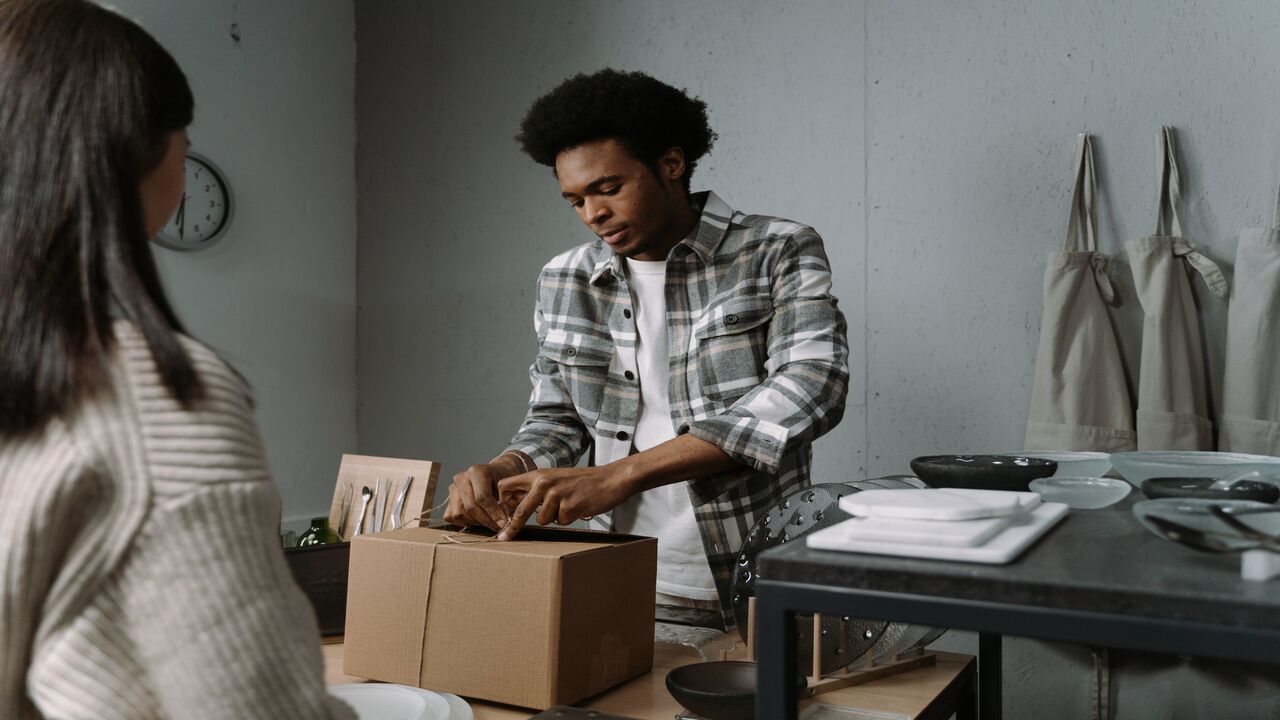
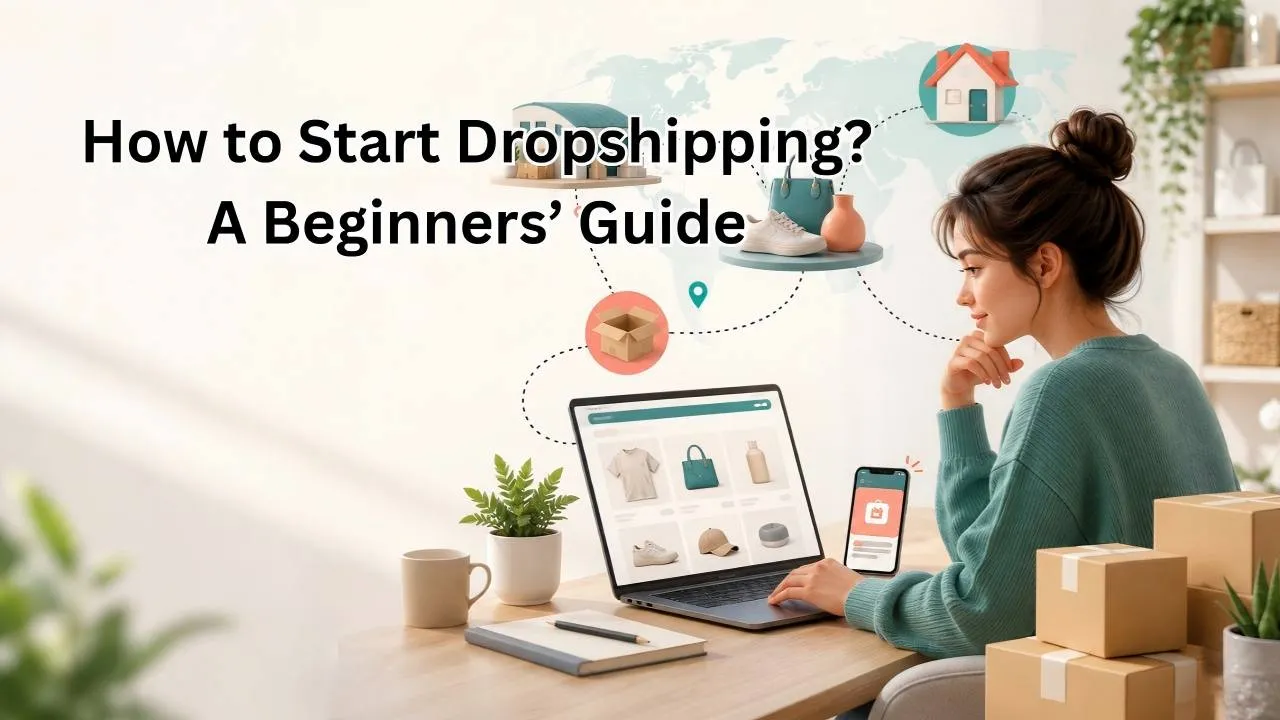
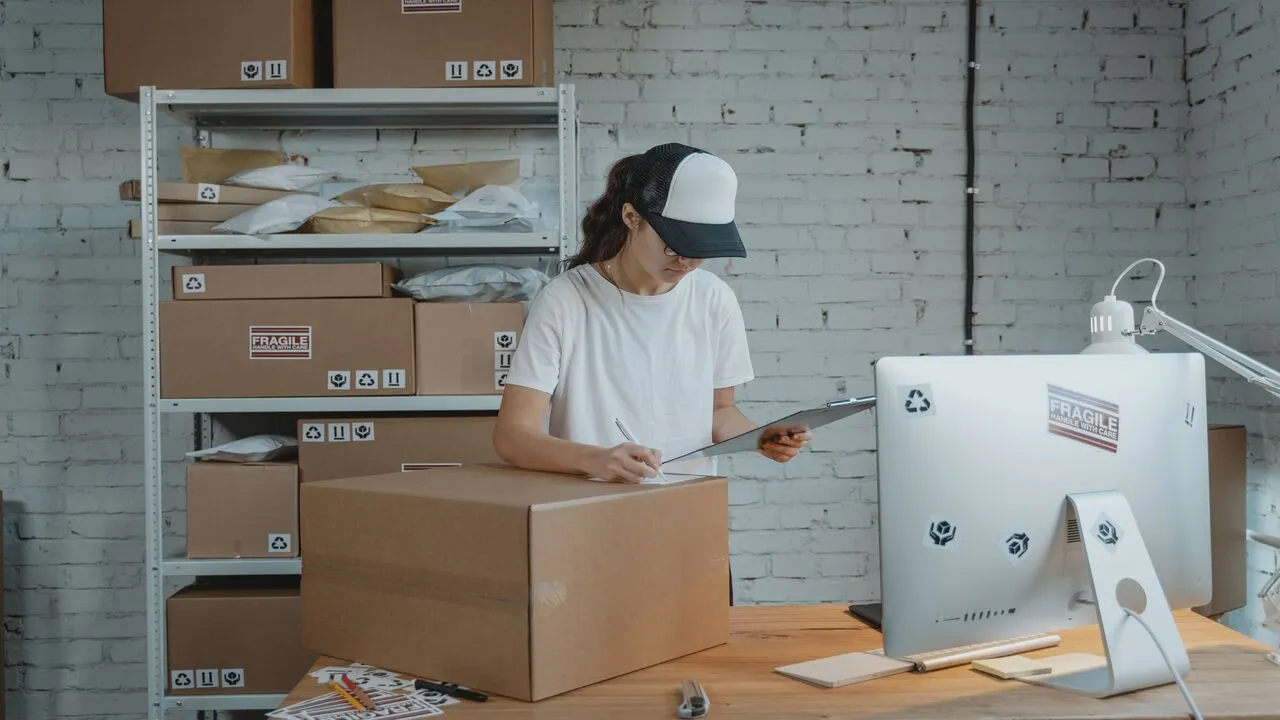
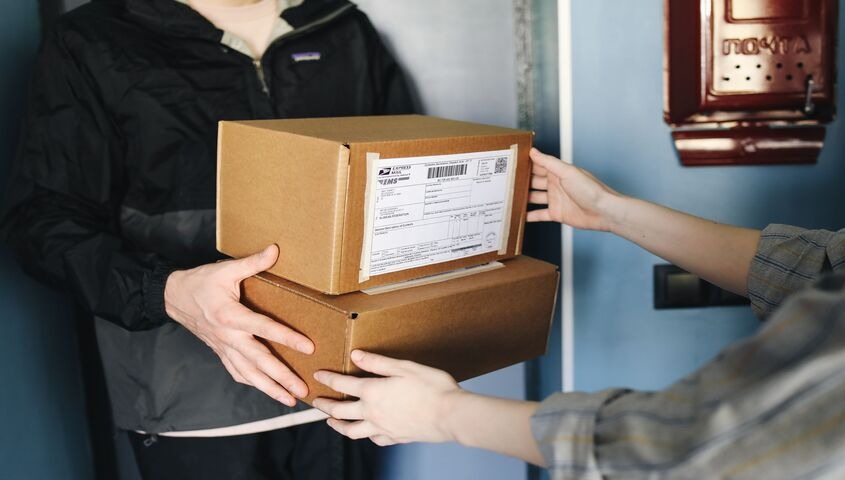
Basically, you sell a product online without ever touching it. A customer buys from your store, you forward the order to a supplier, and then the supplier ships it straight to them. You don't have to hold stock, pack boxes, or ship anything yourself.
The appeal is pretty obvious. No upfront inventory. No warehouse. Low startup cost, which is why a lot of people think it's the perfect business model to start with.
The market is real, too:
- $543.53 billion globally in 2026, roughly 6.5% of all e-commerce.
- Still growing around 22% a year, and forecasts put it past $1.25 trillion by 2030. Yes, trillion.
- Most of it runs through Shopify stores connected to AliExpress, CJ, or a private agent.
So the model is not dying. That number is the first thing every dropshipping guru screenshots, and it's true. It just doesn't say anything about whether your store makes money, which is a different question entirely.
Is Dropshipping Still Worth It in 2026?
If you're asking is dropshipping worth it as a way to buy something cheap from a marketplace, mark it up five times, and run ads on it, then no. That business model doesn't work so well anymore. You would be competing directly against the giants Temu and Shein, who do the exact same thing with better logistics, a bigger catalog, and prices you cannot touch.
But if you're asking whether the fulfillment model is still viable for someone who wants to build a brand, then yes, partners like Tapstitch make it more viable than ever.
What still works
- Niche products. Not "trending gadget." An actual group of people with a shared problem, or style.
- Real supplier relationships, not supplier apps. Sellers getting 5- to 7-day US delivery through AliExpress Choice or a private agent are winning on something their competitors can't copy in an afternoon.
- Branding that survives Google search. If your customers can find the same item for $9 all over Google, your only defense is being worth the difference.
- Products that are annoying to ship. Bulky, fragile, odd sizes. The hassle is the moat that keeps others away.
What stopped working
- Generic commodity arbitrage. The generic phone accessories, the "posture corrector", the ten billionth LED doo-dad that looks sweet in a reel but gets played with for all of five minutes. All of it.
- Winning on price. You will lose. Those companies are subsidized, and you are not.
- Long shipping as an acceptable cost. Customers expect 3 to 7 days. Traditional dropshipping runs 15 to 45.
- Cheap traffic. More on that below, because it's the part that kills most stores.
How Profitable Is Dropshipping Today?
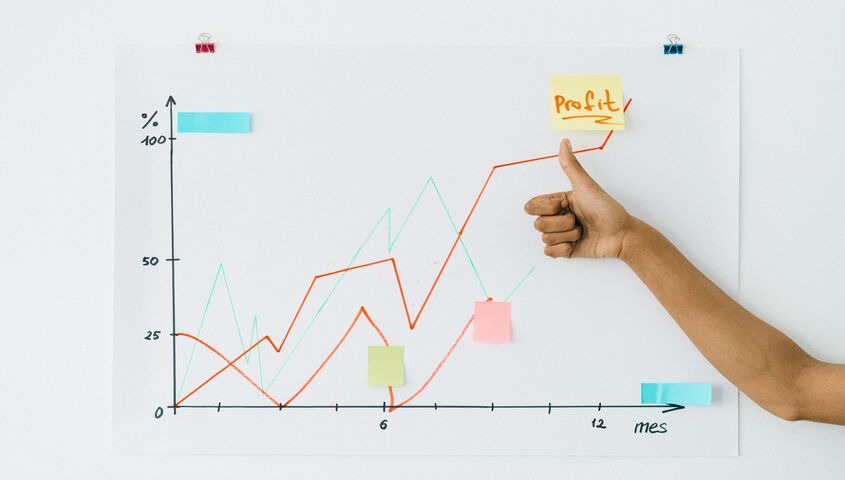
Long-term, only about 10% to 20% of dropshipping stores stay profitable.
Not 10 to 20% fail. 10 to 20% survive. It all depends on what you're building.
The margin math
Realistic net margins land somewhere between 10% and 30% after you account for product cost, shipping, platform fees, and ads. Beginners usually sit under 15%. Sellers with good suppliers and real branding dropshipping push toward 30%.
Gross margin looks incredible on paper. A $5 supplier cost on a $30 product is 82% gross, which is the number on every course sales page, but there are real costs too.
Where the money actually goes
- Ad costs are up and staying up. Meta CPMs rose about 20% year over year to $13.48, and Q4 2025 averaged $22.98, peaking near $25.22 in Black Friday week. Google CPCs climbed almost 13%.
- Tracking got worse. Only around a quarter of iOS users opt into tracking, so targeting is blunter and you pay for the guesswork.
- The auction got crowded. Amazon, Temu, and every other DTC brand are bidding against you in the same feed.
- Returns and refunds. One 2026 benchmark set puts the average ecommerce brand at a $29 loss on each new customer acquired once marketing and returns are counted.
So when people ask is dropshipping still profitable, the honest answer is that the model is profitable and most operators are not. A 20% margin on a 2% conversion rate leaves very little room once a $25 CPM shows up.
The tariff problem
Worth its own line. Nearly all curated dropshipping catalogs ship from China with a median delivery around 13.5 days, and 2026 tariffs land directly on that. Domestic fulfillment avoids both the wait and the duty. That gap is wider this year than it has ever been.
Considerations Before Starting a Dropshipping Business
Suppose you've read this far and still want in, good. It's a legitimate way to start a dropshipping business with very little money. Just go in with your eyes open on these.
1. Your supplier is your product.
You're outsourcing the only part of this the customer physically touches. Bad supplier means late packages, wrong sizes, and a review section you don't recover from.
Order samples. From three suppliers. Before you list anything. We tell every brand that comes to us the same thing about our own blanks, and the ones who skip it are the ones who find out in public.
Read more: 10 Best Dropshipping Suppliers in the US for 2026
2. Shipping time is a conversion metric.
Not a logistics footnote. Every extra week between checkout and doorstep costs refunds, chargebacks, and repeat business. Temu's two-week delivery is the outer limit of what people tolerate, and Temu has a household name doing the reassuring. You don't yet.
3. You have no pricing power.
The structural one. If four hundred stores list the identical item, price is your only lever, and price wars end the same way every time.
4. Ad budget is not optional.
Knowing how to start dropshipping is mostly knowing you'll pay for traffic before you earn a cent. Budget a testing period where you lose money on purpose. No budget, no store.
5. Customer service is yours.
Your supplier does not answer emails from your buyers. You do, about a product you've never held, on a timeline you don't control.
6. Pick a niche you can stand.
You'll be writing about this thing constantly. Sellers who quit usually quit because they picked a product for its margin and then had nothing to say about it.
Dropshipping Alternatives
Dropshipping isn't the only way to sell without inventory. It's the most heavily marketed one.
Print on demand
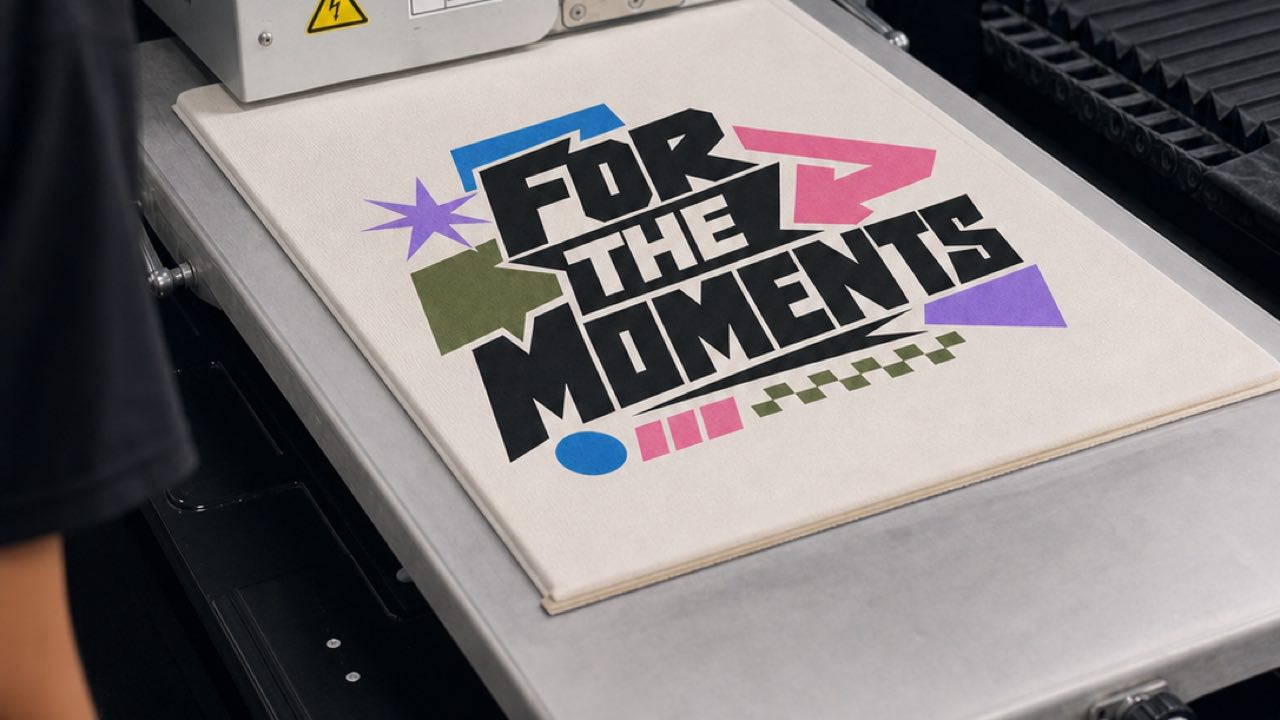
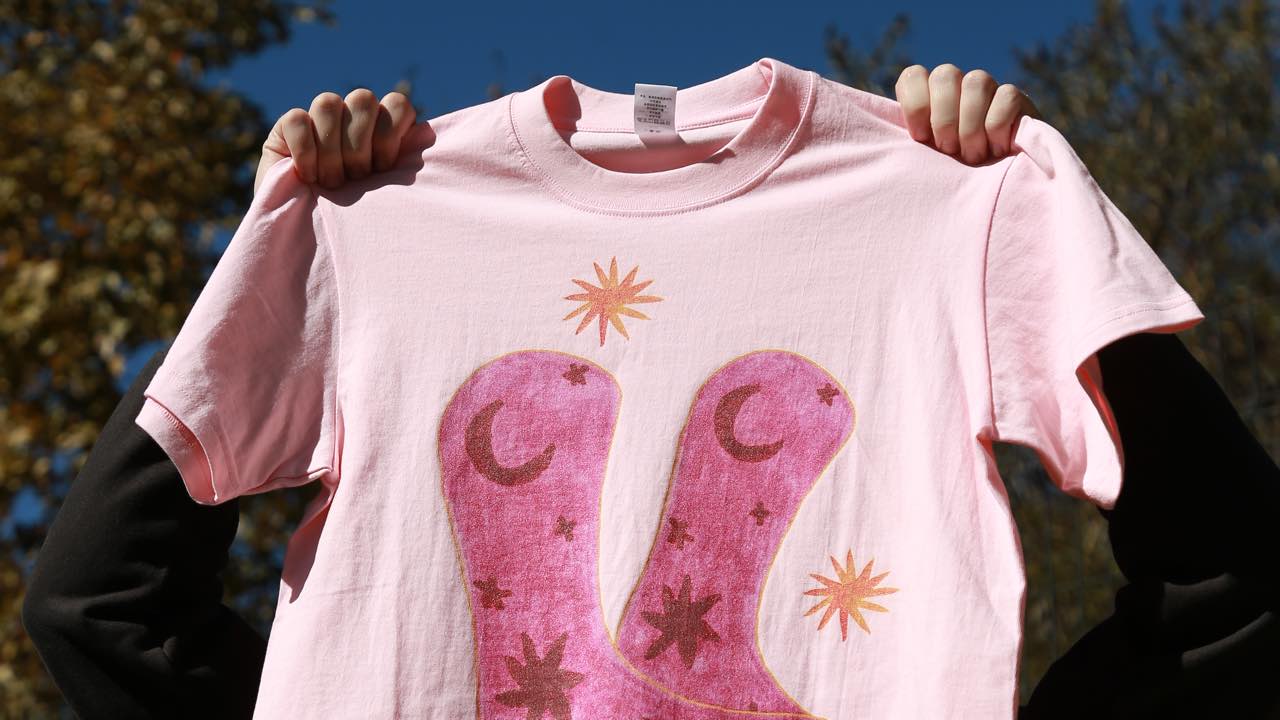
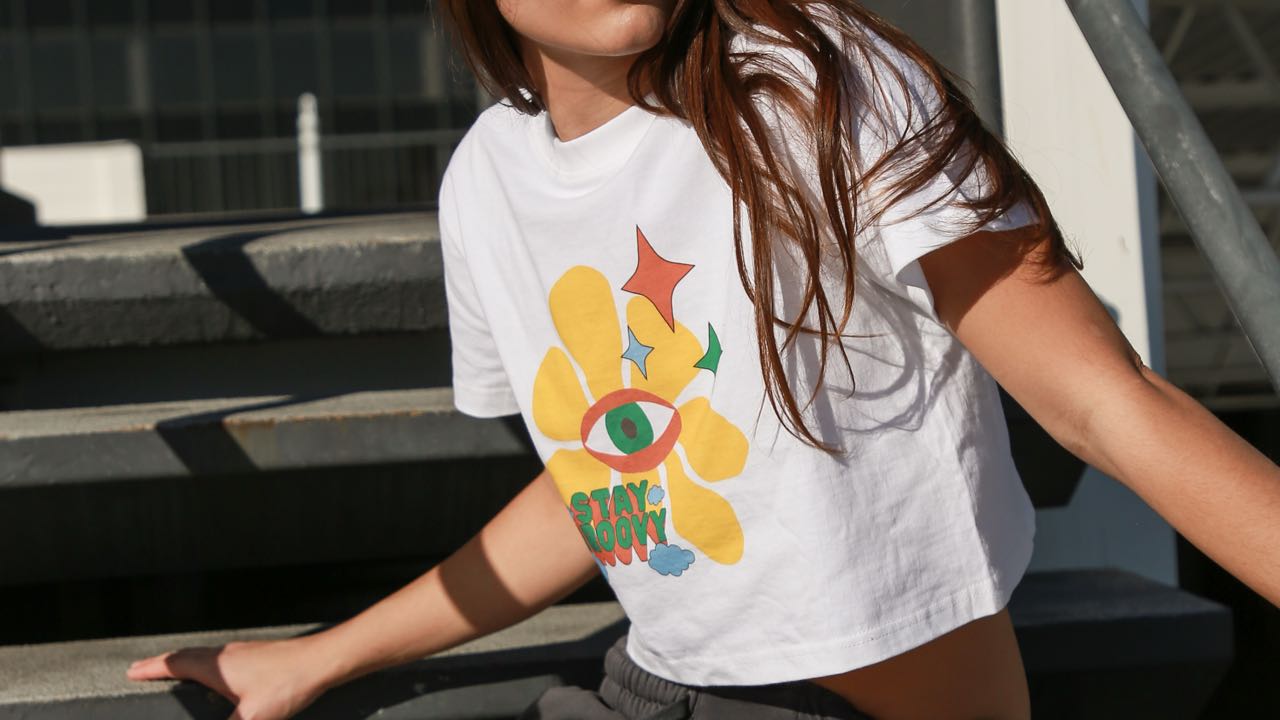
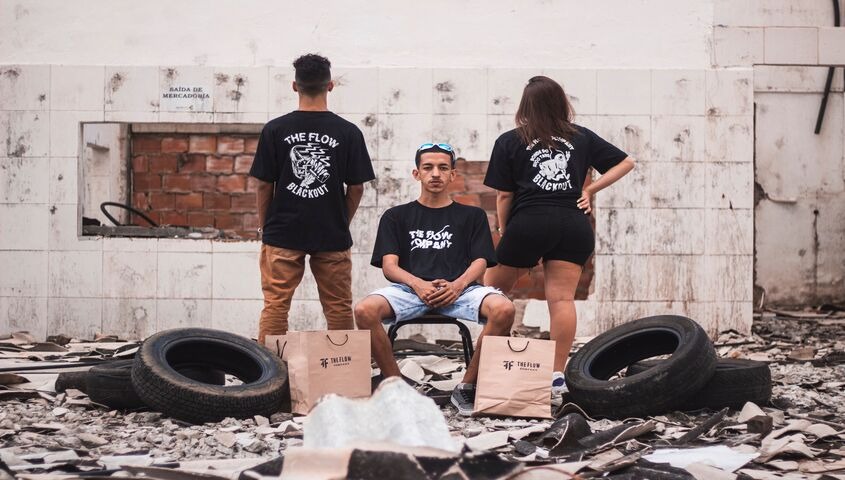
Same promise, different product. You design it, we print it when the order comes in, and it ships to your customer. No stock, no minimums, no garage full of size smalls.
The difference that matters is ownership. Nobody else can list your design, so there's no price war to lose.
- Per-unit margins run 30% to 50%, against 15% to 30% for typical dropshipping.
- Domestic printing means 3 to 7-day delivery and no tariff exposure.
- Your creative is the product, which makes it defensible the way a sourced item never is
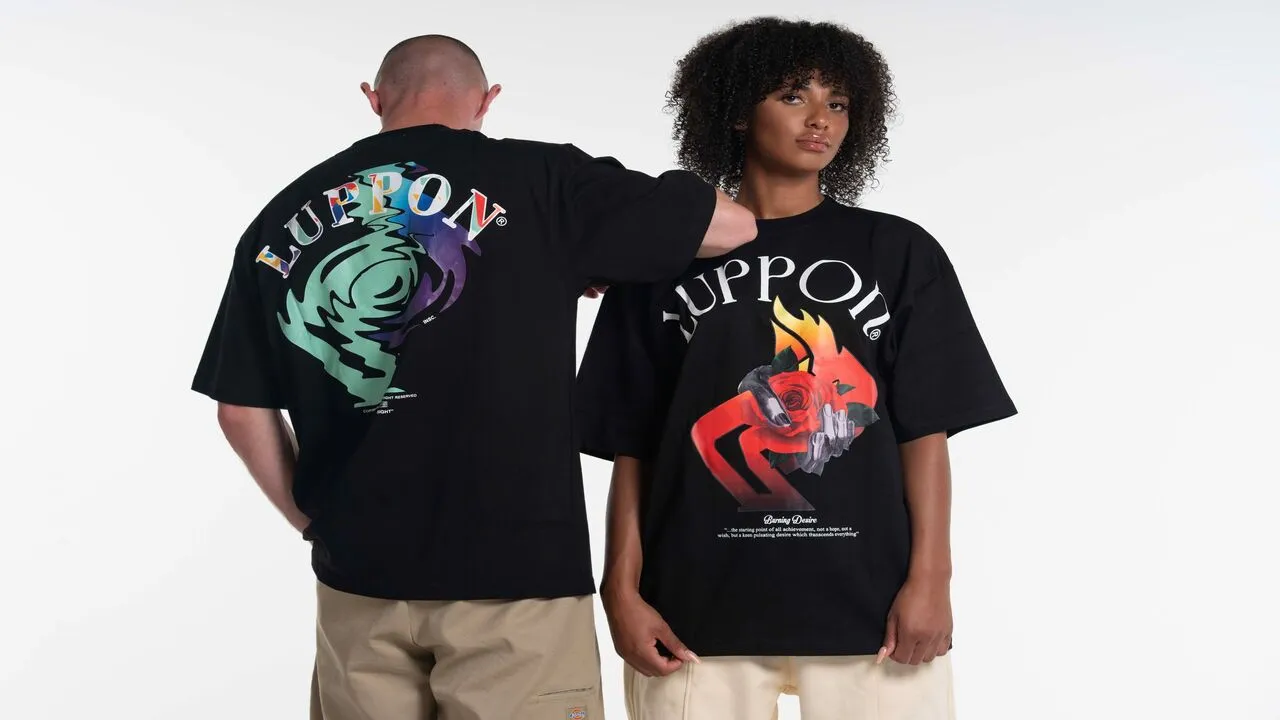
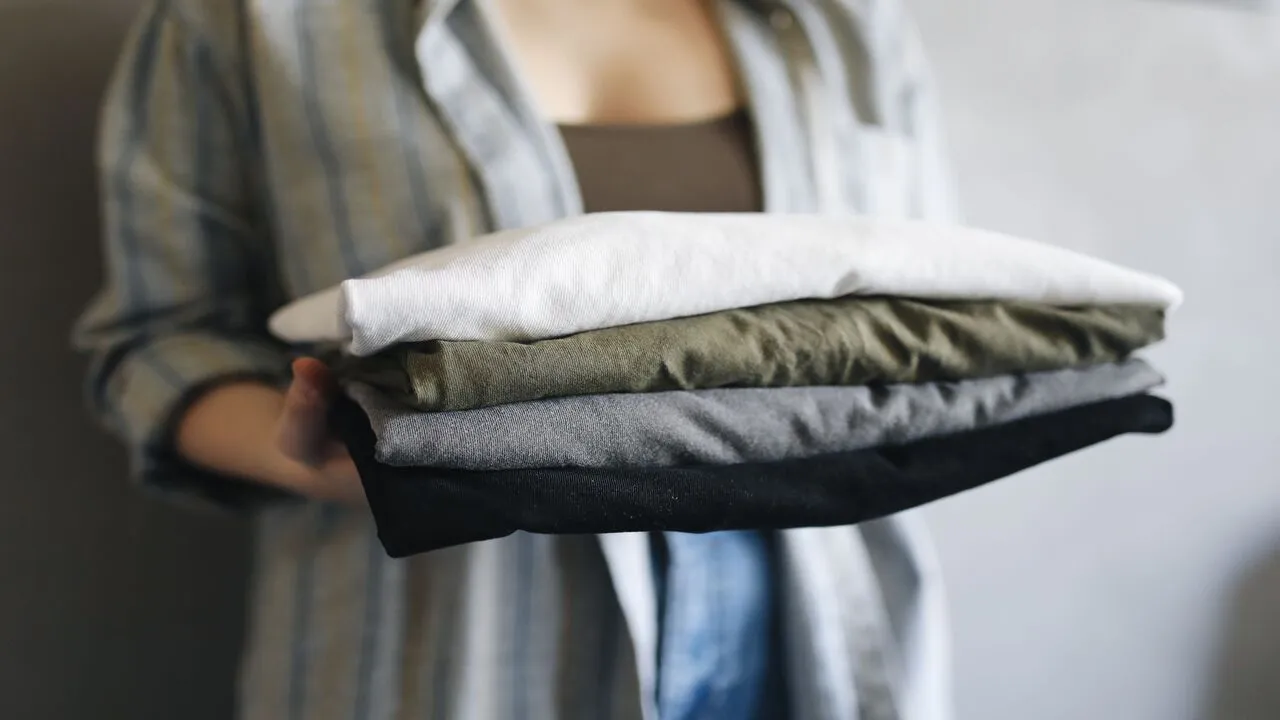
The honest catch: you have to make something. A weak graphic on a cheap blank sells about as well as a generic phone case, which is why our catalog starts at 180 GSM and climbs to 330 and above. Garment quality is doing half the selling before anyone reads the design, and that's what Tapstitch does best.
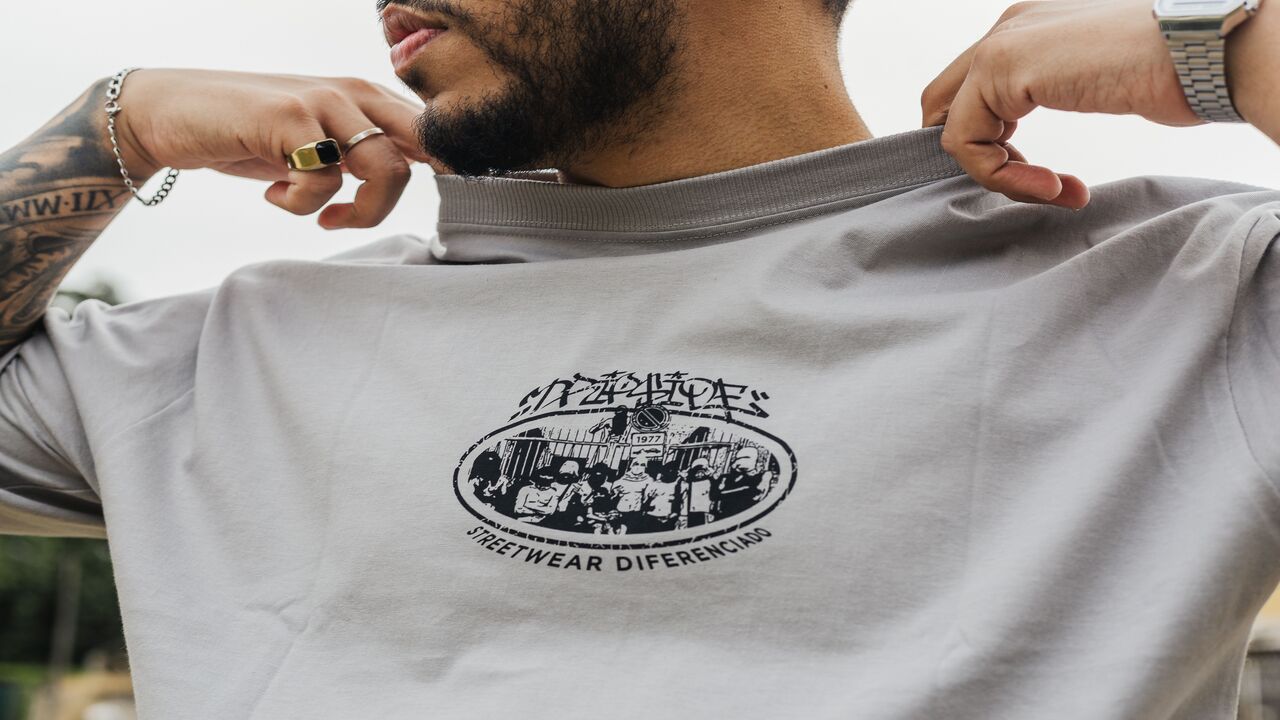
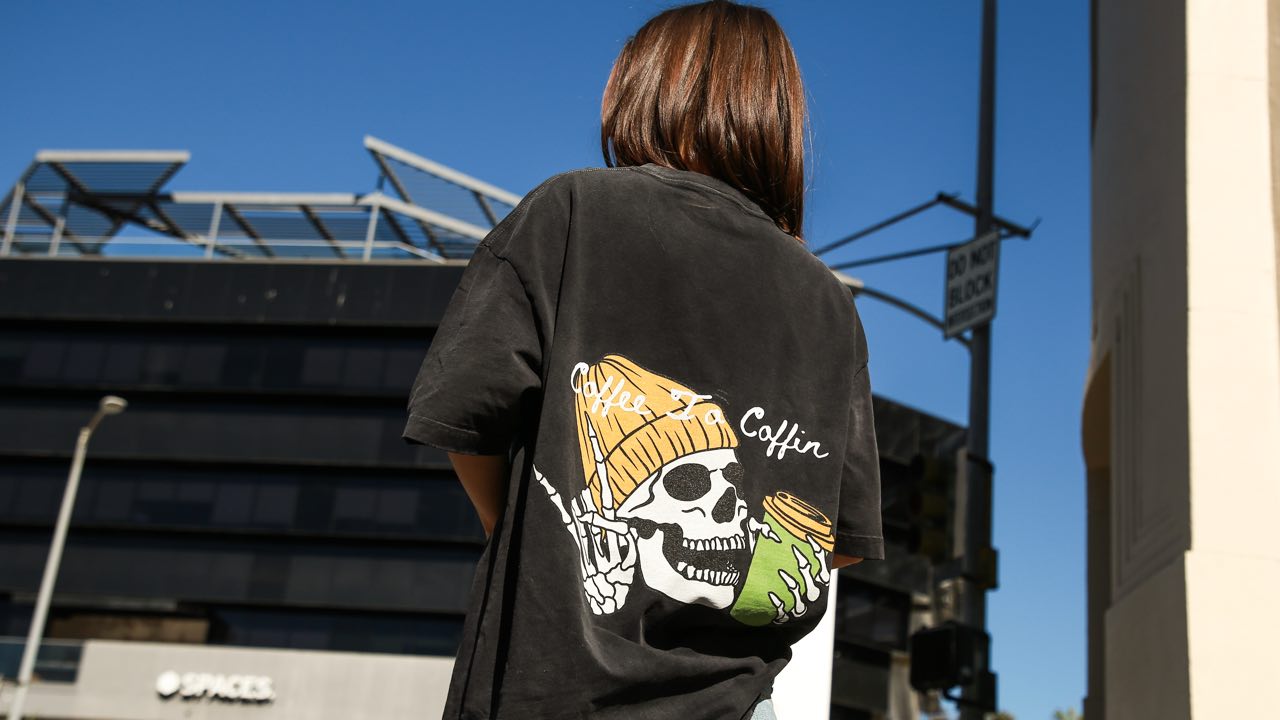
If you want to see where that line sits, our Essential Cotton T-Shirt at 220 GSM is the retail midpoint, and the Heavyweight Cotton Tee at 330 GSM is where the streetwear brands we print for tend to land.
Read more: Print on Demand VS Dropshipping: Build Your Brand or Just Selling Products
Wholesale and light inventory
Buy a small batch, hold it yourself, ship same day. Higher risk, much better margins, total control over quality. Works when you already know what sells.
Private label
Your branding on an existing manufacturer's product. Bigger minimums, real upfront cost, and you get an actual asset at the end instead of a storefront that evaporates when the supplier changes.
The hybrid
What a lot of people are doing in 2026, and it's sensible. Print on demand for the branded core that carries your identity and margin, dropshipping for the accessories you don't want to design. One model builds the brand, the other fills the catalog.
Dropshipping FAQs
Final Verdict: Is Dropshipping Worth It
Yes, if you treat it as a fulfillment method. No, if you treat it as a business model.
The people still winning at this in 2026 chose a real niche, found a supplier they actually talk to, and built something a customer would recognize a second time. The people losing bought a course, listed a trending e-commerce product, and discovered that Temu ships it faster for less.
If the appeal was never holding inventory, that part is solved, and it isn't going anywhere. The open question is what you're selling, and whether anyone else can list the identical thing tomorrow morning. That's the whole game now.