






Top 10 Most Successful Businesses to Start in 2026


Choosing a business idea that matches your skills, budget, and goals isn't always easy. Some ideas rely heavily on products and vendors, while others are built entirely around providing services.
You no longer need a shop or warehouse to start a business. Some people begin with a few products at home, while others sell a skill they already have or build something online and see where it goes. Starting small gives you time to learn what people actually want before investing more money into the business. Here are ten of the most profitable business ideas to consider in 2026, along with what makes each one work and how you can get started.
What Makes a Business Idea Worth Starting
A good business idea is always based on a real problem or a real need that people are looking for ways to solve. In addition to the need for the product, you need to test the idea without using too much money.
According to the SBA Office of Advocacy, currently, there are around 36.2 million small businesses operating in the United States, and small businesses represent 99.9 percent of all businesses in the U.S.
This number says a lot about how accessible business creation is; however, not all of them are successful. You still need an audience, reasonable prices, and a plan to attract customers.
When it comes to your decision regarding a business idea, it would be useful to answer a couple of questions first:
- Who will buy from me?
- What problem do I solve?
- How much can I really spend?
- Is there an opportunity for me to experiment with my idea without wasting time?
It is not all about creating a perfect business right away. It's about starting small and improving as real feedback comes in from actual clients.
Starting with a small budget? Explore more ideas in this guide to the best business to start with little money and find an option that fits your budget and goals.
Top 10 Most Successful Businesses to Start in 2026
Here’s a closer look at each idea, including what it costs, who it suits, and what makes it work.
1. Print on Demand Store

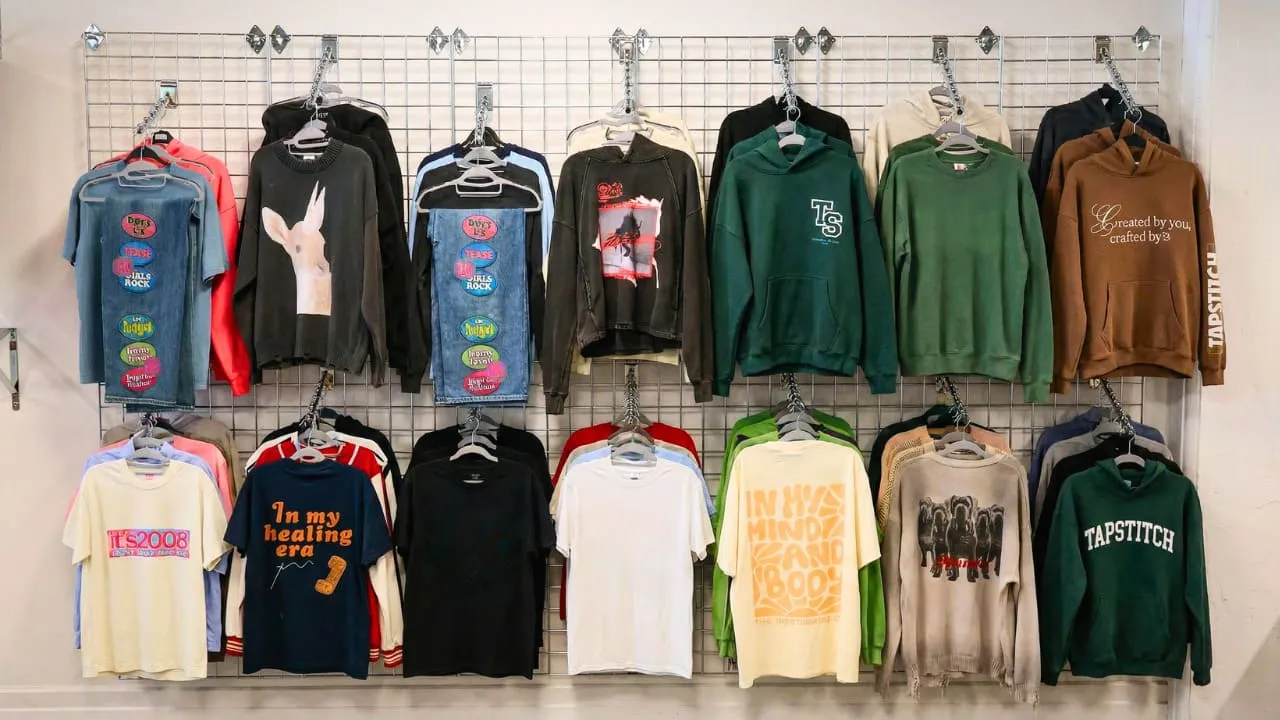
Print on demand lets you sell your own designs without keeping products in stock. You create the design and add it to your store. When someone places an order, your supplier prints the product, packs it, and sends it to the customer.
The print-on-demand market is expected to reach $23.04 billion by 2030, according to Research and Markets. Apparel makes up close to 39.5 percent of the market, which makes clothing a natural place for new sellers to start.
Why it works
- There is no need to buy a large batch of products before you know what will sell.
- Warehouse space is not part of the setup, which keeps the first steps simpler.
- You can spend more time on your designs, store, and marketing while the supplier handles fulfillment.
How to start
- Select an audience and come up with some designs for them.
- Select a supplier and purchase samples before launching your marketing.
- Stock your shop with a few products and watch which designs attract customers most.
Suppliers such as Tapstitch can handle production and shipping, so you can focus on building the store. You can also browse its custom apparel styles when choosing products for your first collection.
2. Dropshipping Store
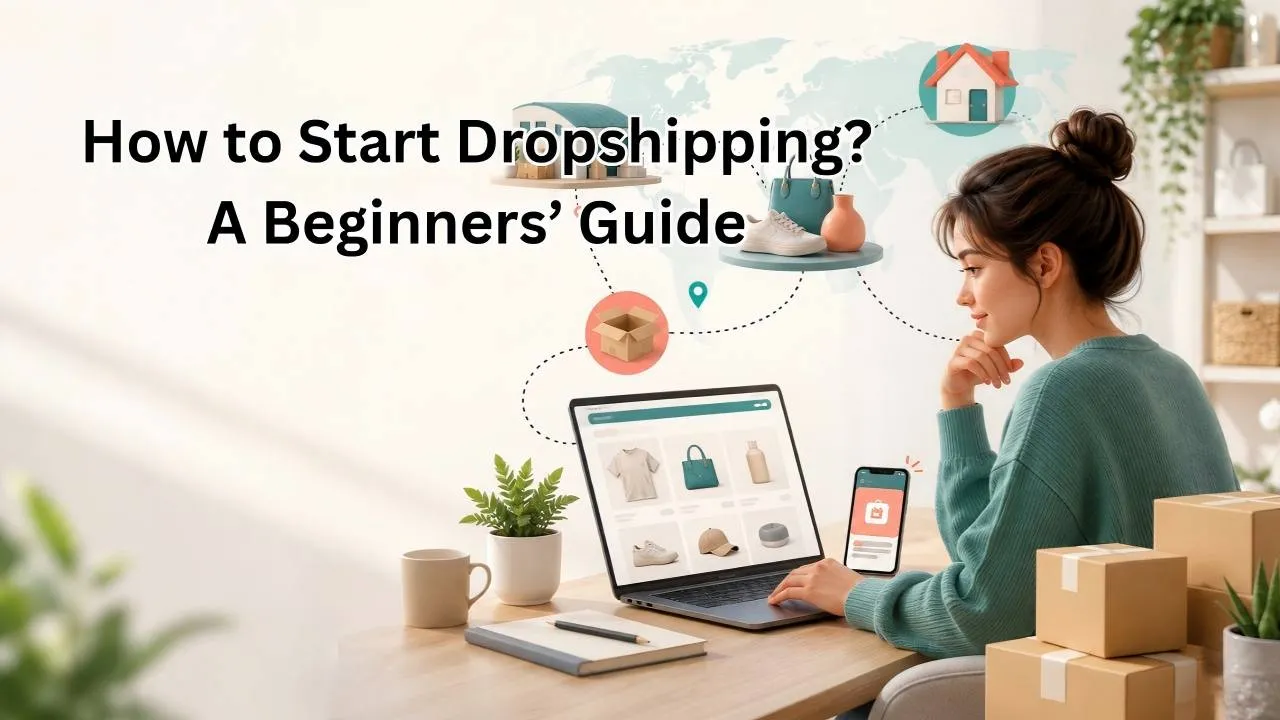
In dropshipping, you do not need to keep your inventory in a personal warehouse because once an order is placed by a customer, your supplier prepares the product and ships it directly to the customer’s address. You can handle the store, product selection, marketing, and customer experience.
Why it works
- You can build your store around one type of customer instead of selling unrelated products.
- You can test products without buying large amounts of stock first.
- A focused store makes it easier to create content and reach the right shoppers.
How to start
- Choose one dropshipping niche and look for products that solve a clear problem.
- Find a supplier with reliable products and shipping, then order samples yourself.
- Start with a few products and write clear descriptions before you begin promoting the store.
If you want to combine dropshipping with apparel, Tapstitch's dropshipping service is one option worth exploring.
3. Niche Affiliate Website
Money in affiliate marketing is earned by selling other people's products or services using your website. This means that you should write something valuable, use affiliate links in your writings, and get paid according to sales made from your links. Although there is some work involved, you are free to create a website according to the things you already know.
Why it works
- Many people look for reviews and comparisons of products before making a purchase.
- You can create traffic about one specific niche rather than trying to cover everything.
- You don't have to produce, keep and ship the products.
How to start
- Choose one specific niche, which you either know about or are ready to research.
- Create a website and figure out the questions related to the products in this niche.
- Write useful reviews and comparisons and add affiliate links when needed.
Do not focus only on adding links. Your content needs to help readers make a better choice. If it does that well, the affiliate links have a better chance of working too.
Interested in selling online, these ecommerce business ideas can give you more options to explore.
4. Freelance or Consulting Services
Freelancing is likely the easiest approach when you have something valuable to offer. You can freelance in any area, like writing, designing, social media management, web development, accounting, marketing, consulting, etc.
Why it works
- Companies might require a certain set of skills without employing anyone for this purpose full-time.
- It requires minimal investment since you use only the knowledge and tool that you already have.
- You can either work with local companies or attract customers from other markets.
How to start
- Select just one service rather than offering all your skills.
- Prepare several samples of the quality of your work that you could send to potential clients.
- Determine a price and reach out to some businesses that could need your service.
After gaining consistent clients, you may focus on working in a particular industry or field. This will help in developing your experience and delivering more useful services to your clients.
If freelancing and consulting aren’t the options you’re considering, explore these unique business ideas for more ideas to start your own business.
5. Content Creation and Online Courses
If you enjoy explaining, teaching, or entertaining people, content creation can turn into a business. The audience will be gathered through YouTube videos, newsletters, blog posts, social media activities, podcasts, or any combination of those methods. The money will be earned through courses, digital products, memberships, sponsorships, and other types of advertising.
Why it works
- Free content allows people to gauge whether your knowledge is valuable enough to pay for.
- An audience can be developed around a subject that interests you.
- An engaged audience can generate income through multiple avenues.
How to start
- Choose one subject that you can consistently discuss that interests people.
- Select one platform on which to build your audience and develop a practical schedule.
- Pay attention to which subjects get the most engagement and then use that information to develop your paid product.
Content creation can also work alongside ecommerce. For example, a creator who focuses on fashion could build a small clothing line and use their existing content to introduce the products.
6. Micro SaaS Tool
A micro SaaS company develops a small software solution to solve one precise problem. Rather than developing a comprehensive platform, you create a software tool that helps your audience to solve one particular problem they have. A scheduling solution, basic report generator, or some kind of automation solution is a good example of such a software product.
Why it works
- It can be cheaper and easier to develop and maintain than a big software platform.
- You can concentrate on a particular customer segment and know their needs.
- Customer suggestions will help you to improve your product instead of guessing what to develop next.
How to start
- Identify one common problem people face and talk to potential users of your solution.
- Create a minimal but working solution and let some customers test it.
- Solve critical issues first and then gradually implement new features based on customer demand.
You do not always need advanced coding skills to test a software idea. No-code and low-code tools can help you build an early version before you invest in a full development team.
7. Health and Wellness Business

Health and wellness include businesses such as fitness coaching, wellness programs, wellness products, meal plans, and products specifically made for use on the Internet. The trick here is selecting an area which you know well and not trying to target everyone.
The Global Wellness Institute valued the global wellness economy at $6.8 trillion in 2024, showing the size of the wider market.
Why it works
- Various audiences have different needs for their health and wellness.
- Such a narrow service will definitely target the right people.
- You will gain their trust by sharing relevant data before selling.
How to start
- Pick an audience that actually fits your education and experience.
- Offer one targeted service instead of general wellness consulting.
- Build an online presence and attract your first clients through relevant content.
If your service involves professional health advice, check the qualifications and local rules that apply before you offer it.
8. Local Service Business
Local Services can range from cleaning, tutoring, pet care, lawn care, home repairs, photography and so on. You will not need an online store or a big range of goods to build such business. You just need to offer your valuable service to people and organizations in your area.
Why it works
- High-quality work will allow customers to come to you again when they need your service.
- It is possible to start a local service business using the tools you have.
- People tend to trust someone who can be trusted.
How to start
- Pick one service you know well and choose the area where you want to operate your business.
- Set up prices and create your profile which will allow people to contact you.
- Ask satisfied customers to write you a review after your work or recommend your services to other people.
Initially, you should focus on providing good services and satisfying your customers. After people become sure they can trust you, getting new orders will become easy for you.
9. Subscription Box Brand
The subscription box is basically sending customers some chosen items periodically. This can be about snacks, beauty items, clothes, hobbies, gift items, or anything else. It is important to make sure that each of these boxes offers customers something to look forward to in the future.
Why it works
- Customers get products regularly without placing a new order every time.
- A clear theme helps attract people who already share that interest.
- You can test new products and themes while building repeat sales.
How to start
- Pick one clear theme and decide exactly who the box is for.
- Find products that fit and work out the full cost of each box.
- Run a small sample batch and promote a limited first run before committing to larger orders.
If custom clothing fits your theme, browsing the wider Tapstitch product collection can help you find products worth building around.
10. Personalized and Custom Gifts
Customized gifts will transform any simple gift into a personalized one. You can customize clothing or any other items with names, dates, personalized messages, or unique designs for birthdays, wedding parties, holidays, or any other occasion.
Why it works
- Customers often want gifts that feel personal, not something anyone could buy.
- You can create different designs for different occasions and audiences.
- Custom products give small brands room to build a style of their own.
How to start
- Pick one audience or occasion and create a small group of designs around it.
- Test products for birthdays, couples, weddings, or family gifts to see what gets interest.
- Promote seasonal designs before the event or holiday when people usually start shopping.
If personalized products fit your business idea, custom hoodies and custom T-shirts are easy options to explore.
For more products and inspiration, browse Tapstitch’s full collection and see what you could add to your store.
How Much Can You Actually Earn?
Nobody hands you a guaranteed number in this space. What you earn depends on the model you pick, how much effort you put in, and the niche you land in, so treat these figures as rough ranges and not promises.
Print on demand and dropshipping margins swing widely. A basic t-shirt or phone case might only clear 10 percent, while a niche product with real demand behind it can pull closer to 50 percent, based on supplier numbers Printful has shared publicly.
Freelancers with a steady client base tend to land around $8,000 a month. That number drops fast for anyone still in year one, since most of that time goes into finding clients rather than billing them. Affiliate marketers and course creators see the widest spread of anyone on this list. Some make a few hundred dollars a month. Others replace a full salary. The gap almost always comes down to audience size and how consistently someone shows up.
None of these businesses pay well right away. Most people are barely breaking even in month one. The ones still around by year two are usually the ones actually making money.
Startup Cost and Market Size at a Glance
Common Mistakes New Business Owners Make
Most failed businesses don't fail because the underlying idea was bad. They fail because of small, entirely avoidable mistakes that compound over time.
- Failure to conduct market research before developing the product.
- Excessive spending prior to making any sales.
- Imitation of the competition without creating something unique.
- Overlooking the cost of delivery, tariffs, and taxes while pricing products.
- Expanding production without checking demand using a test batch.
- Selection of a manufacturer based solely on cost, not on product quality or service.
- Delaying action until everything is perfect.
Take your time on each step along the way. A slower, properly tested launch consistently beats a fast one that runs out of money before it finds its footing.
FAQs
Final Thoughts
The best way to start a business is usually to begin with a manageable version of your idea. Print on demand, dropshipping, freelancing, content creation, software, local services, and custom products each offer a different path in. Look honestly at your own skills and budget first, then choose an idea you can genuinely test without taking on more risk than you're prepared to handle.
Once you land your first customers, pay close attention to what they like, what they ask for, and where they hesitate. Those lessons will teach you more about improving the business than any amount of guessing what people might want ever could.