






Is Dropshipping Profitable in 2026? A Complete Guide


The question these days isn't is dropshipping profitable—it's how profitable is dropshipping. The real question is whether you're prepared to build something that earns it. The system works. It worked before. But come 2026, the window for quick arbitrage has shut. The people who are making serious money from this are those who do not see it as a gimmick but a brand.
This guide will give you the lowdown on what it takes to make this work—from numbers to tradeoffs.
What Is Dropshipping?
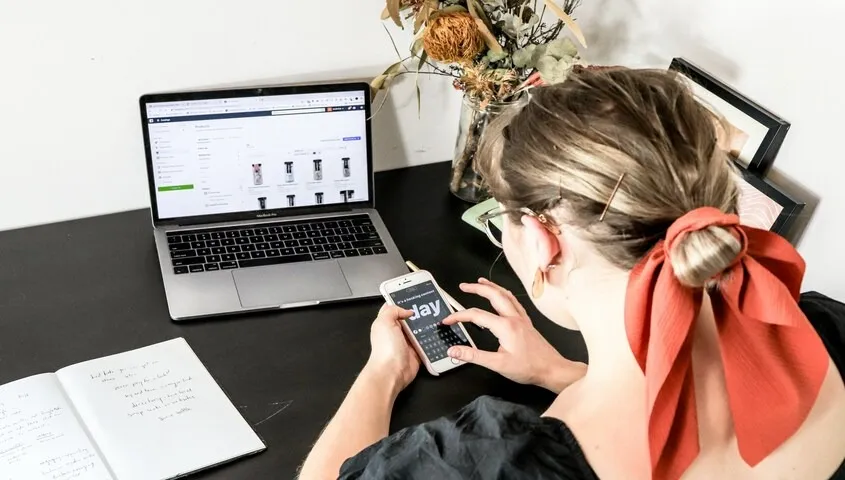
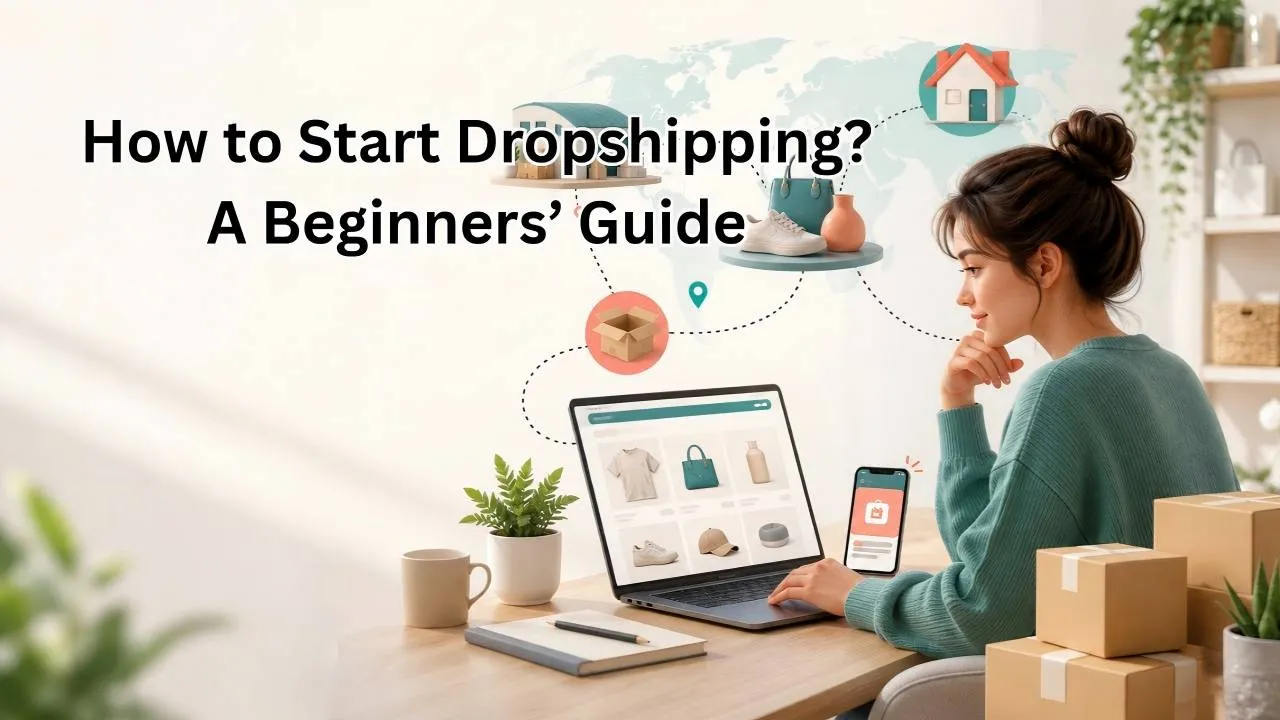
The dropshipping business concept involves selling products without owning any stock. If a client orders a particular product from your business, the dropshipping supplier will manufacture or deliver it to the client.
That's the textbook version. Here's what it actually means in practice.
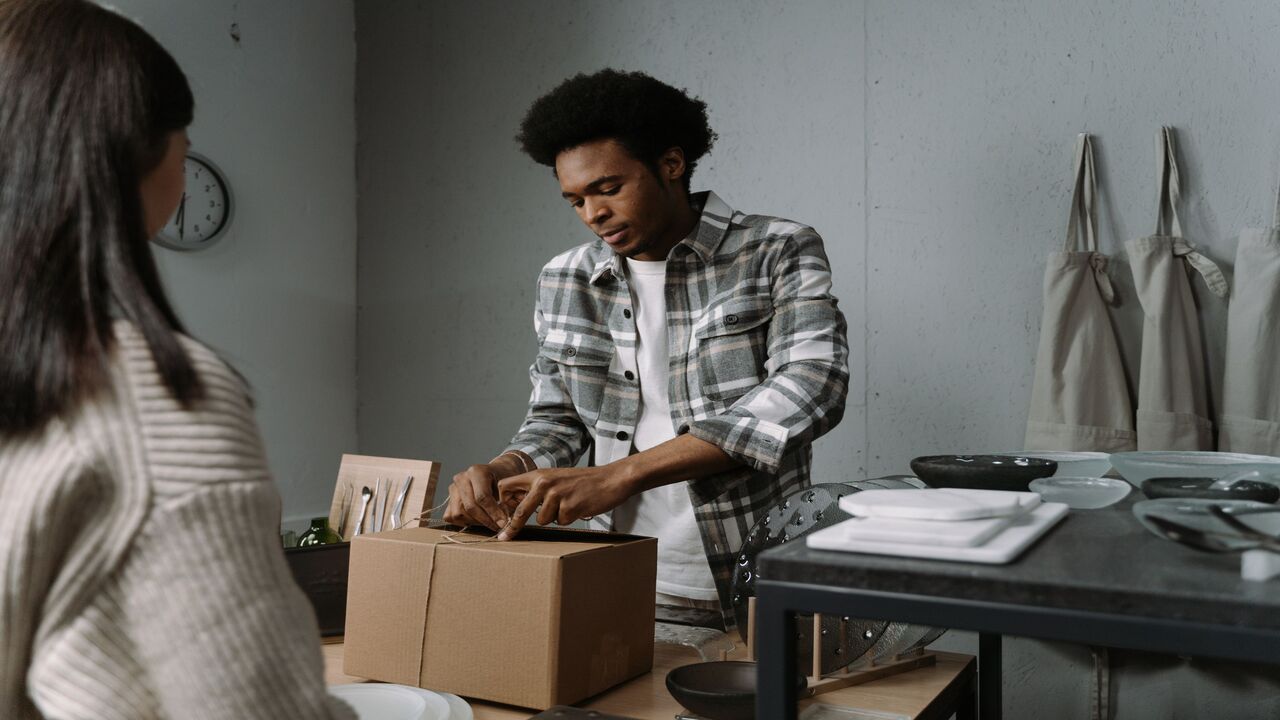
Your position is a strategic middleman. Logistics is not your role. Rather, you are concerned with curation, branding, marketing, and customer experience. The supplier is responsible for manufacturing and delivery. You are responsible for everything the consumer sees from the storefront, product page, advertisements, emails, and returns.
When most people hear that there is no inventory, they believe that the difficult task is done with. No, it’s not. It only moved from one place to another. You will have to invest in the purchase of products, the development of intellectual property, and the construction of stores that people can trust and make purchases from.
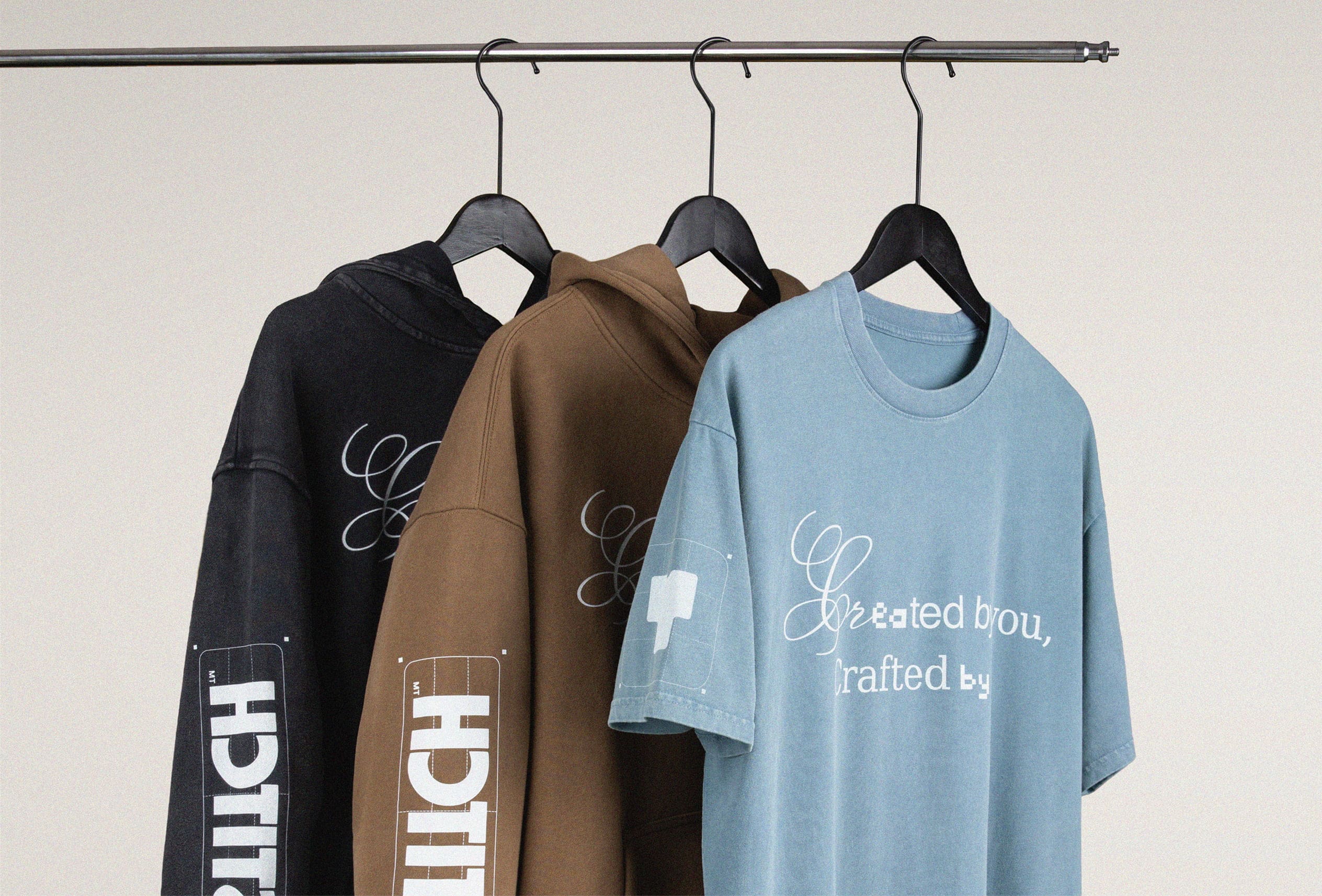
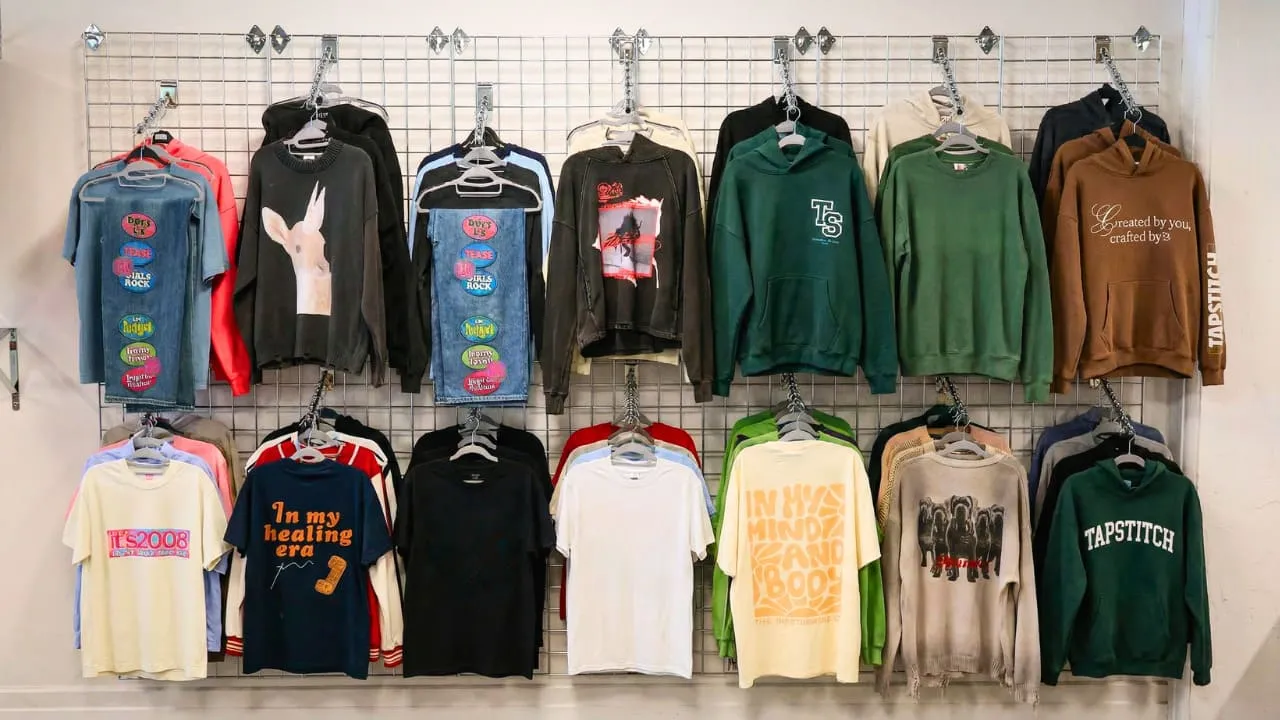
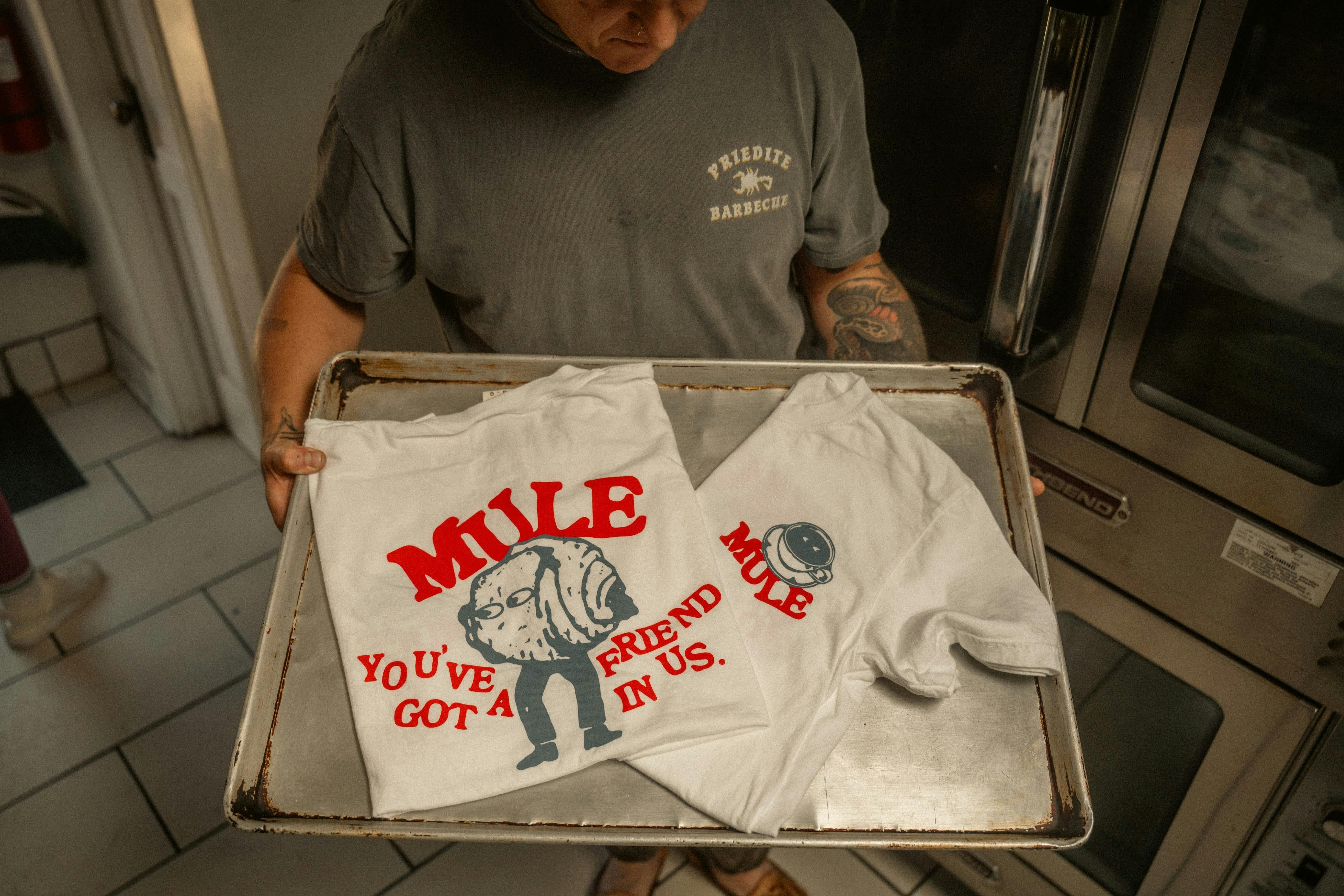
With sites like Tapstitch for print-on-demand dropshipping involves producing customized clothing and accessories. This is in contrast to reselling, where one sources the product from an overseas supplier. In POD, the control of the brand is within your hands, while in reselling, you don't have control over the product.
Is Dropshipping Still Profitable in 2026?

Short answer: yes. But the version of dropshipping that's profitable in 2026 looks nothing like the version people were running in 2018.
Here's what changed.
- Ad costs went up. CPMs for Facebook advertising have risen substantially over the last five years. Ads on TikTok are not yet expensive, but the bottom line is going up here as well. If you do not have high margins or great creative, paid marketing will devour any profit you have.
- Customers got smarter. The general dropshipping site can be identified now. That is because the old method, with shipping time of three weeks using AliExpress and Shopify sites, with stock photos, is history. The customers want brands' own boxes with decent shipping periods and a website that looks up to date.
- Platform policies tightened. Payment providers, advertising platforms, and marketplaces have all begun taking strict action against poor-quality dropshipping services. A high number of chargebacks, false shipping information, and copyright problems could result in the termination of your website very quickly indeed.
So, how profitable is dropshipping, given all of that? The operators making it work in 2026 share a few things in common: they build around a niche they understand, they invest in brand identity, and they focus on repeat customers over one-time impulse buys. The profit is there—it just rewards a different kind of effort now.
Typical margins look like this:
In general, the profit margin for dropshipping products is between 15%-20%. Print-on-demand dropshipping, which involves customized clothing and other accessories, falls somewhere in the range of 25%-45%, depending on many factors, such as customer acquisition efficiency, pricing model, and product costs. The bottom line is that POD net profit is somewhere around 15%-30%.
This is not a lottery game. However, on an average store earning a total of $10,000-$50,000 per month in revenue, that would equate to a monthly income of $1,500-$15,000.
Pros and Cons of Dropshipping

It's here where the vast majority of guidebooks tend to fall short by simply presenting those same five benefits and drawbacks that have been repeated throughout. This is what you should actually pay attention to.
What works in your favor:
- Low barrier to entry. In fact, to set up shop, you don't really need more than $500, which will cover acquiring a domain name, purchasing a Shopify account, getting some samples, and paying off the budget for marketing purposes. This is far less expensive compared to creating a brick-and-mortar store. With print-on-demand services like Tapstitch, you can build your catalog and sync it to your store entirely for free.
- You test ideas with real money on the line—but not much of it. Dropshipping is one of the fastest ways to validate whether your product, your market, or your brand concept is worthwhile. If your model doesn’t work, then you haven’t printed 500 of those. You haven’t printed any.
- Location independence is real, but exaggerated. It is true that it is entirely possible to create a dropshipping site anywhere where you can find a computer and the internet. The flexibility is real if you use it to actually build.
- Scalability without proportional cost. Moving from 50 orders per month to 500 doesn't require you to have an expansion team or extra warehouse space. Most suppliers are ready to scale as big as you can. The only costs for scalability will be advertising and customer support.
What works against you:
- You don't control the product experience. Shipping times, print quality, packaging—that's your supplier's domain. If they fail to provide what is expected, it reflects poorly on your business. Supplier selection is one of the most critical decisions because no matter how low your base cost is, poor quality means returns and refunds.
- Margins compress under competition. When your generic products face the challenge from another 200 similar stores, your only recourse is reducing prices, which is a downward spiral. The only viable approach is to differentiate yourself through branding and design.
- Customer acquisition is a skill, not a setting. Creating profitable ads involves the creation of strategic ideas, studying the target audience, implementing a testing framework, and iterating continuously. "Set your budget and start generating sales" does not work in the dropshipping industry. It takes a while before you hit your mark and start generating sales, especially if your product is lackluster or you lack strong branding.
- Returns and customer service are on you. The supplier sends the goods, but you deal with the client directly. Any complaints about refunds, sizes, delivery times—everything falls under your responsibility. Allow for this in your planning. It’s common to have a 5% to 10% return rate in clothing, and each one affects your razor-thin margins.
Considerations to Maximize Your Dropshipping Profits
This is where it gets specific. These aren't generic tips—they're the decisions that separate stores doing $2K/month from stores doing $20K.
- Pick a niche you can actually speak to. The quickest route to generating revenue through dropshipping lies in selling to a group you know. It’s not about passion being some kind of mystical force; rather, knowing your market ensures that your copy works, your product offerings are relevant, and your voice rings true. Niche fitness, streetwear, dog lovers, specialized sports, music fans—specific niches reduce customer acquisition costs.
- Price for margin, not for volume. Dropshippers will never stop underselling themselves. They figure out how much something costs to purchase and then throw a little bit on top, thinking that high volume will overcome low margins. This simply won't happen when you factor in advertising costs, returns, platform fees, and transaction fees. Set your prices to ensure a minimum 40%-plus gross margin. If the price point doesn't work, find another product.
- Build an email and SMS list from day one. The key to a successful dropshipping business is repeat customers. That first order you make may only cover your cost after advertising. The second order is practically all profit, whether through email or SMS. In general, most POD stores earn around 25–40% from emails and SMS in their first year.
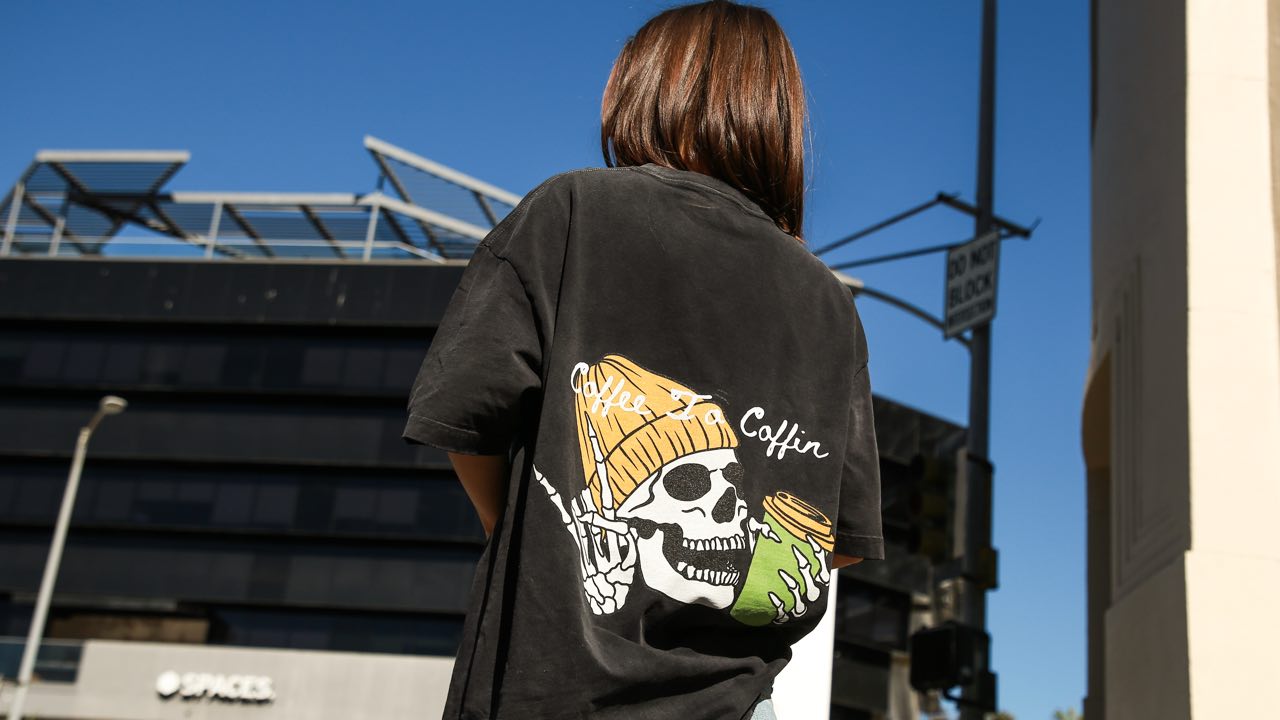
- Invest in product photography and mockups. This is where new dropshippers tend to fall short the most. The image of your product is your storefront window. Lifestyle shots featuring your product worn by a model beat flat-lay pictures shot against a blank backdrop any day of the week. Get samples, take pictures. You'll spend a couple of hundred bucks that will pay for themselves in days.
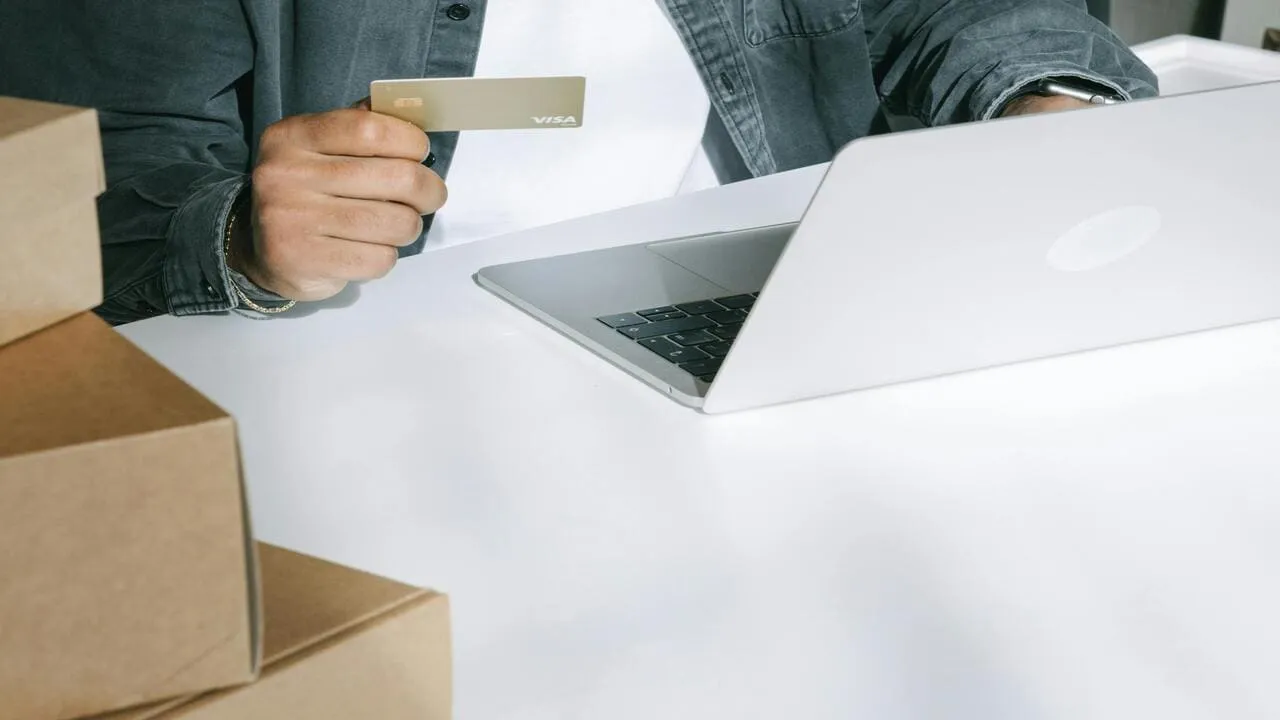
- Understand your unit economics before you scale. Before you pump up the ad budget, make sure you have this information memorized: CAC (customer acquisition cost), AOV (average order value), COGS (cost of goods sold), return rate, and LTV (lifetime value). With CAC at $25, AOV at $35, and COGS at $15, you are losing $5 on each sale initially, and you'll need a solid way of retaining your customers/upselling. Stores that "failed" with dropshipping really didn't fail—they simply didn't do this math.
- Choose your supplier like a business partner, not a vendor. Product quality, speed of delivery, print precision, and prompt resolution of problems—all of these have a bigger effect on the quality of experience that your clients get than just your website itself. Go with the best dropshipping supplier that can deliver quality control, a clear production timeline, and experience with other independent brands. That’s what sets Tapstitch apart from others.
Start Your Dropshipping Business with Tapstitch Now
If you've read this far, you're not looking for a shortcut. You're looking for a model that works.
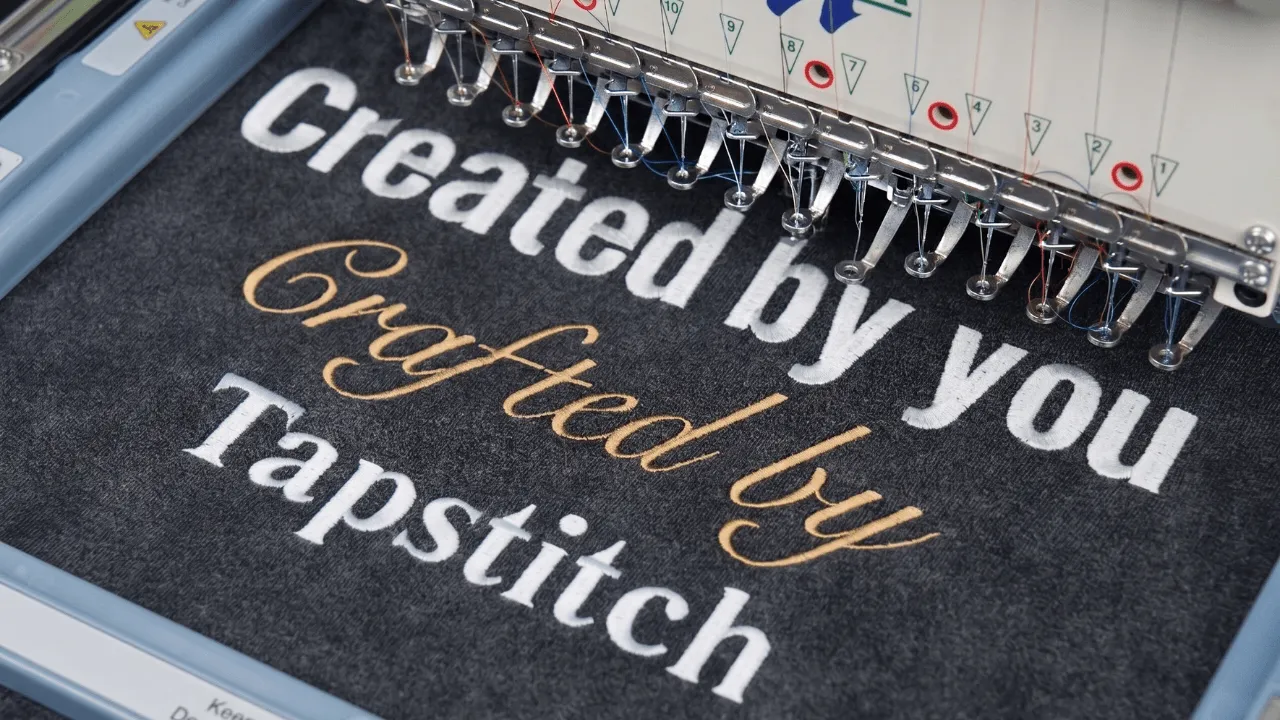
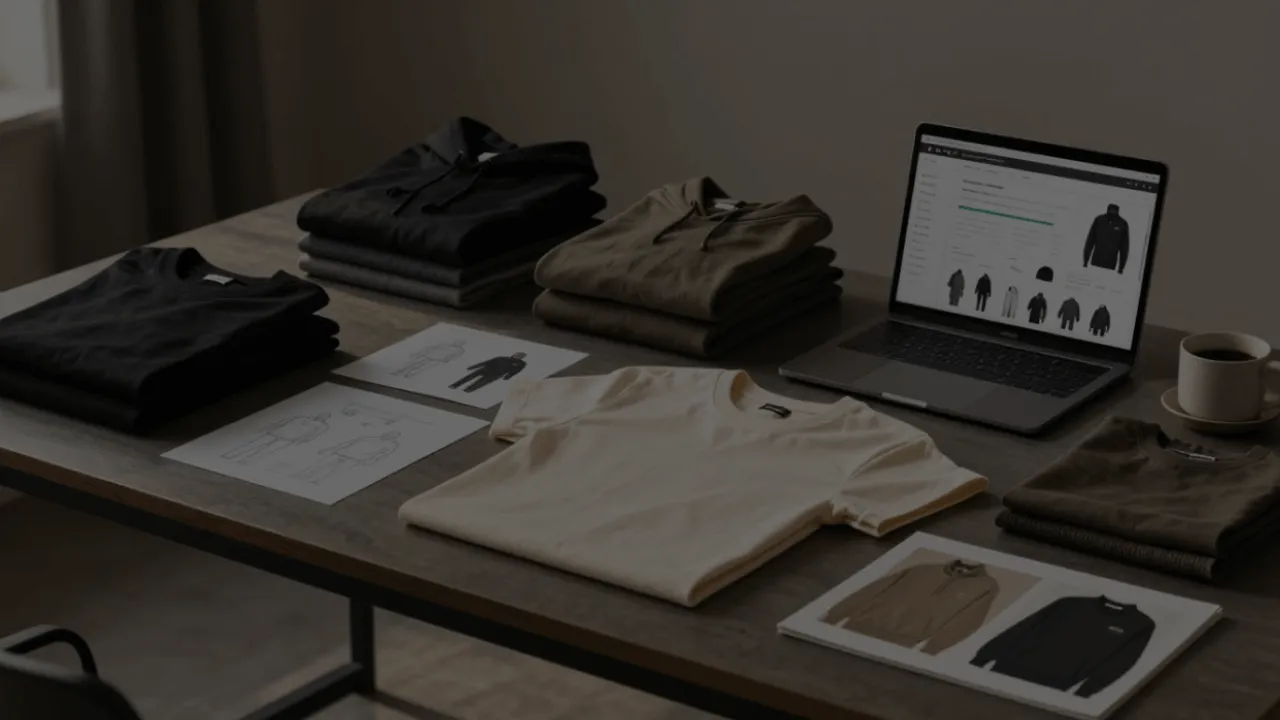
Tapstitch is a print-on-demand dropshipping platform built for custom apparel. Design your own t-shirts, hoodies, and accessories—we handle the printing, packing, and shipping directly to your customer. No inventory. No minimums. No upfront production costs.
What sets Tapstitch apart from regular dropshipping services is that this isn’t about selling someone else’s products. You are establishing your own brand. All items are printed with your own design. The bottom line is in how much people value something unique rather than some commodity goods.
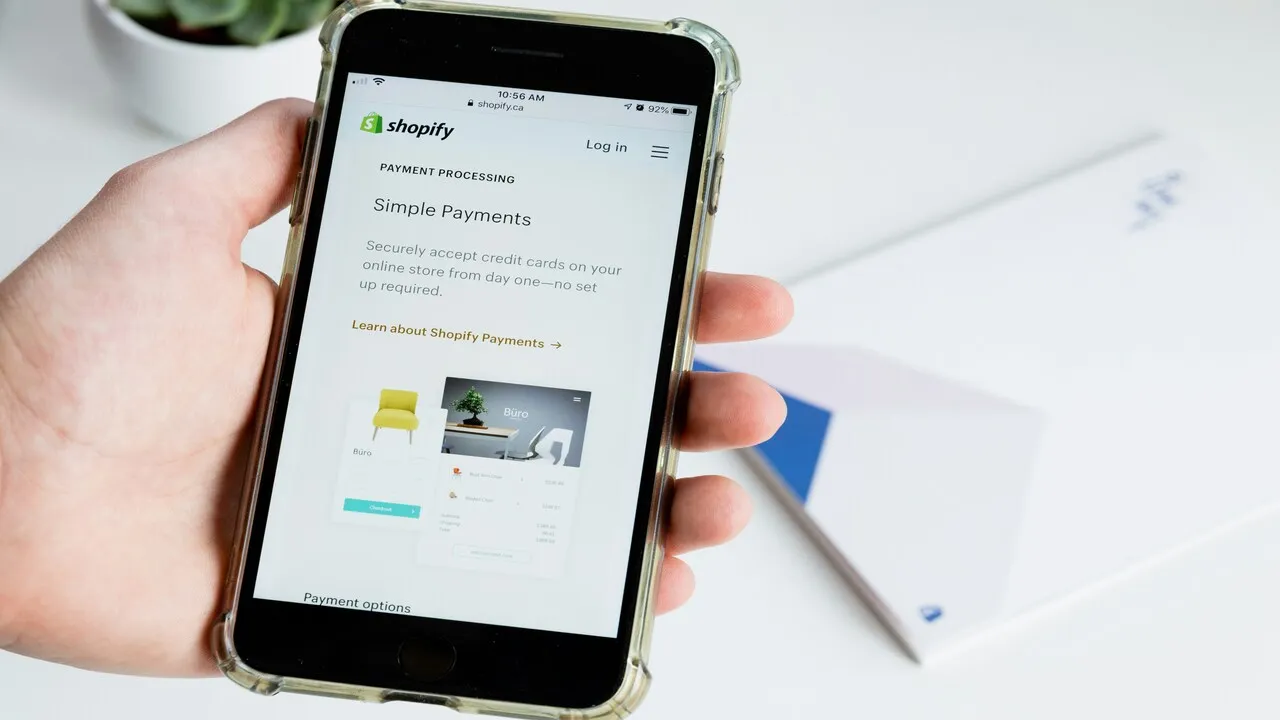
Connect your Shopify store to Tapstitch, upload your designs, set your prices, and start selling. The infrastructure is ready. The question is whether you are.
Dropshipping FAQs
Is dropshipping easy for beginners?
It’s quite simple, really. Creating your Shopify store, sourcing from a supplier, adding products, etcetera—these are all tasks you can complete in just a weekend. Is dropshipping an easy way to make money fast? Not at all. It’s going to be challenging, particularly when it comes to marketing, acquiring customers, and branding yourself. Most people fail to realize how many iterations and test ads they need to do to make a profit. Consider your first 2–3 months an educational experience.
How much can I make with dropshipping?
The amount you can earn through dropshipping will entirely depend on the niche you choose, the profit margin you earn per sale, and your customer acquisition and retention strategies. For example, an individual can make between $3,000-$10,000 a month in sales from a single POD apparel brand, translating to between $1,000-$3,000 profits monthly after deducting the costs. This will take about six to 12 months to achieve. With more efforts put into branding, email marketing, and SEO, you can earn up to $20K – $50K+.
How much money do I need to start a dropshipping business?
You can launch a print-on-demand dropshipping store for $300–$500. That covers a Shopify subscription ($39/month), a domain name ($15/year), product samples ($50–$100), and initial ad spend ($200–$300). The key expense most people under budget is ad testing. Plan to spend at least $500–$1,000 in your first month on paid ads, knowing that much of that spend is data collection—you're learning what resonates before you optimize for profit.
What products should I sell with dropshipping?
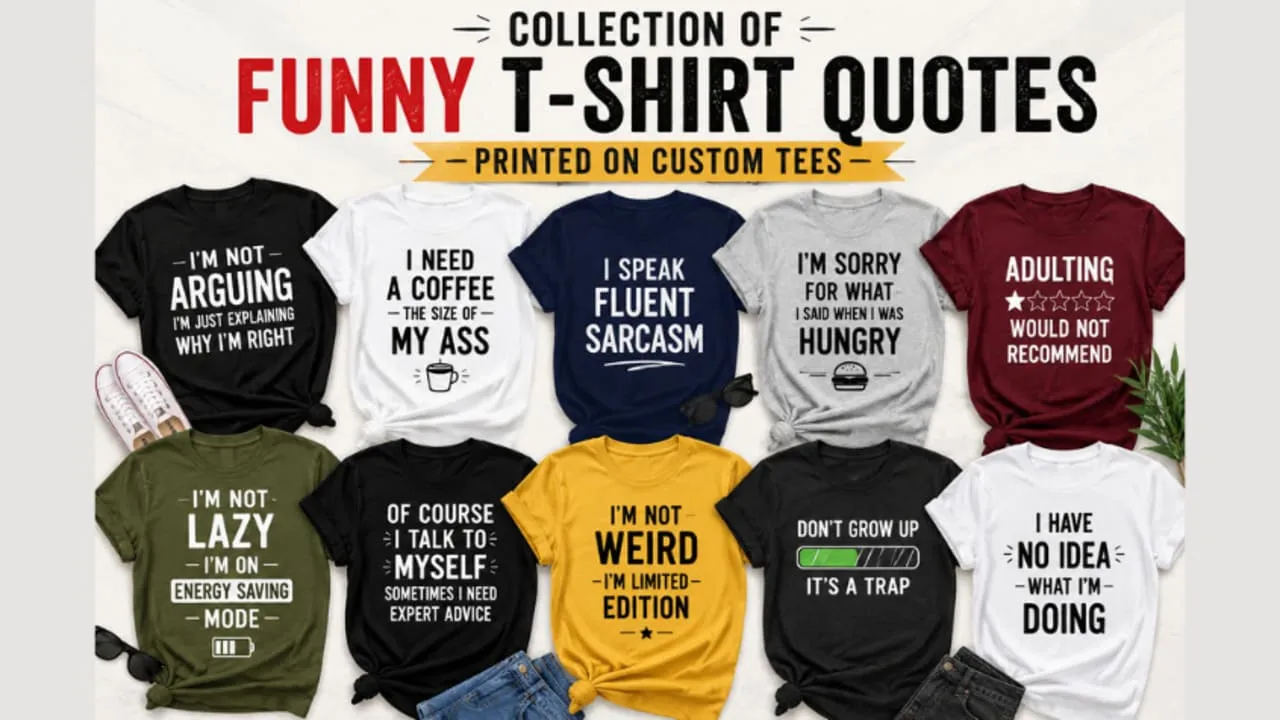
Sell products where your design and branding create value that a big-box retailer can't replicate. Custom apparel like shirts, hoodies, and sweatshirts is an excellent category for that reason, as there is essentially no value gap between just a T-shirt and a T-shirt with your art. Hats, tote bags, and prints work well too. Stay away from categories where you'll compete on pricing with Amazon/Walmart.
Summary: Is Dropshipping Worth It?
Is dropshipping worth it? If you treat it like a brand, yes. If you treat it like a loophole, you'll spend more on ads than you ever make back.
It's a good model. The margins are real. While the entry barriers are low enough to enable anyone to begin, the barriers to staying profitable enough are high enough to ensure that only those who have invested in themselves as a brand and in a marketing strategy remain standing 12 months from now. This isn’t a threat but an opportunity. It is precisely because most give up early that the few who do not give up early are able to establish themselves.




.webp)
.webp)


.webp)

%20(1).webp)
.webp)
.webp)
.webp)
.webp)
.webp)
.webp)
.webp)
.webp)

%20(3).webp)

.webp)
.webp)
.webp)
.webp)
.webp)
.webp)
.webp)






.webp)



.webp)
.webp)










.webp)


.webp)

.webp)
.webp)


.webp)
.webp)


.webp)
.webp)
.webp)
.webp)
.webp)

%20(1).webp)


.webp)

.webp)