





20 Best Hoodie Design Ideas to Inspire Your Brand
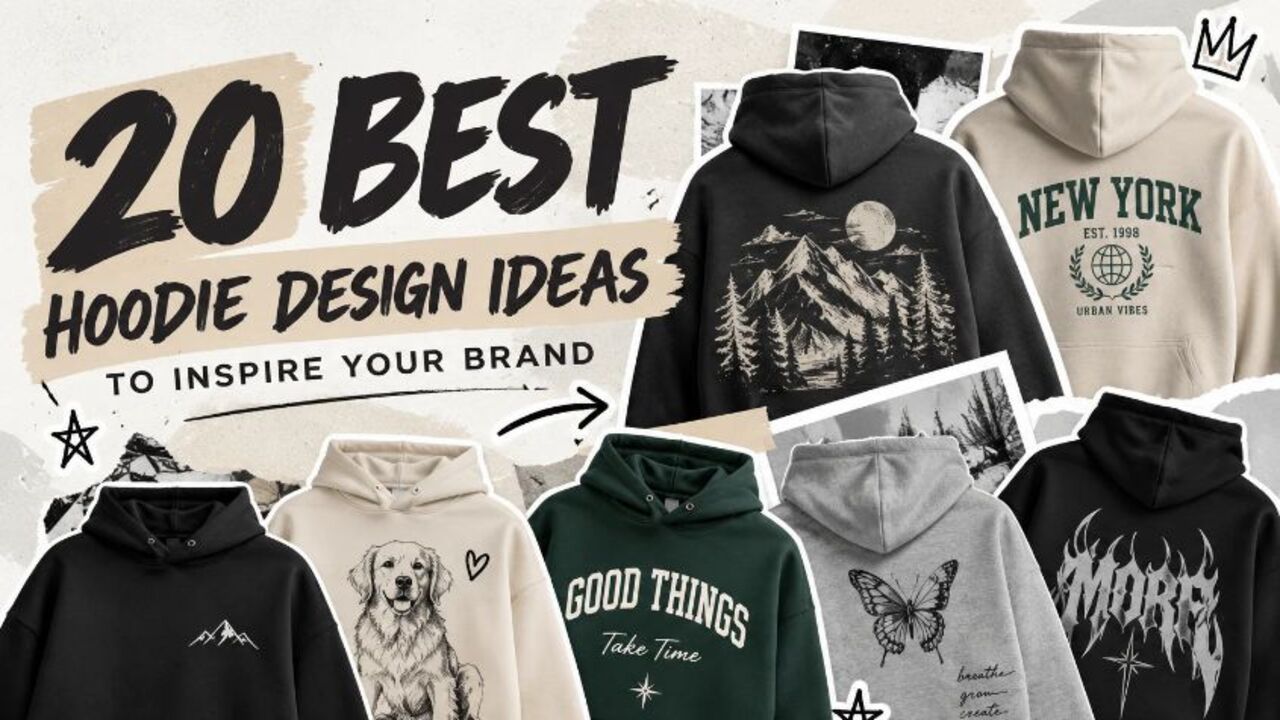


A hoodie can be more than just another item in your clothing store. A well-designed hoodie can become a piece people want to wear repeatedly while helping them recognize your brand. Some brands keep things simple with a logo, while others use graphics, text, or intricate artwork. The right approach depends on your target market, brand style, and the type of hoodie you choose.
Designing a hoodie isn't always easy. Consider the color scheme, design placement, fabric, and even the meaning behind the design. Here are 20 hoodie design ideas to help you choose a style that fits your brand and gives you a good starting point.
What Makes a Good Hoodie Design?
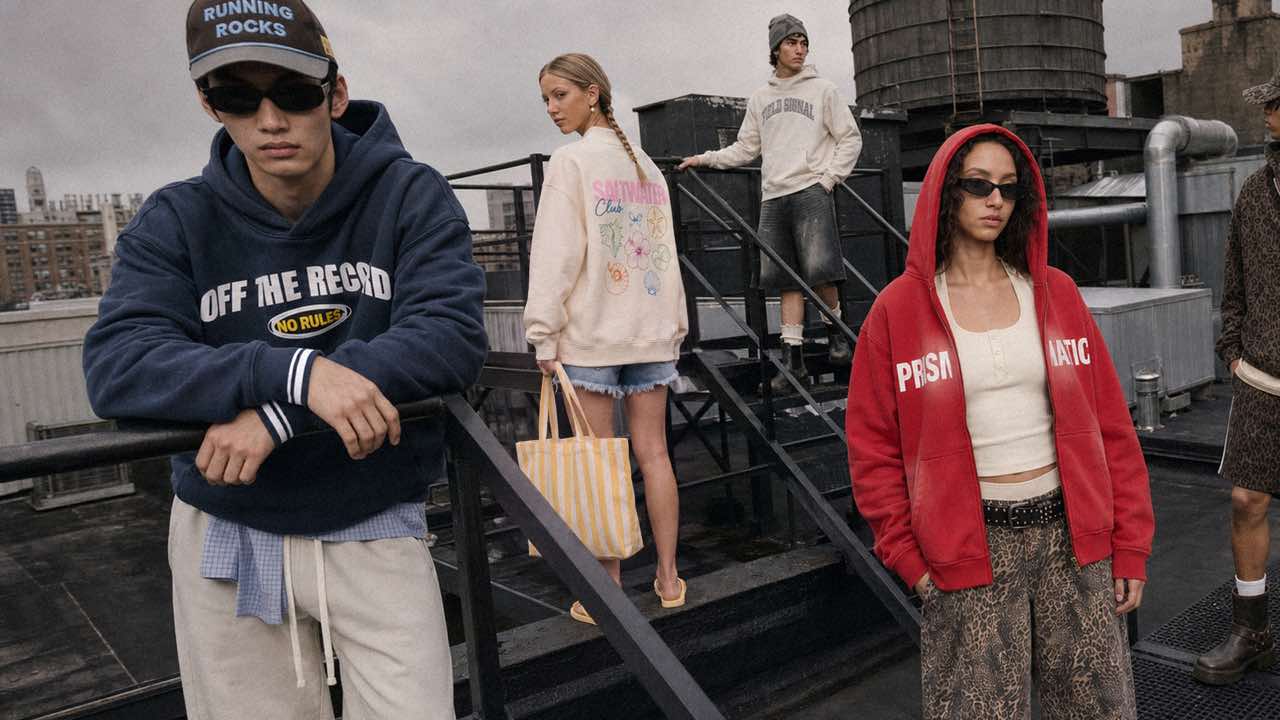
A good hoodie design should match the people you want to sell to. For example, a gym brand may use strong text or sports graphics, while a streetwear brand may choose a large back print or simple logo.
In addition, the type of hoodie plays a role in the design as well. Fit, fabric, and weight can influence the way the design is going to look like when printed on it. Thus, before getting down to business, it would be reasonable to answer some questions:
- Who will purchase this hoodie?
- What is the style of the buyers?
- Where should I put the design?
- What colors will fit my brand?
- Is the design going to suit the hoodie?
It is not about adding as much artwork as possible. It is about choosing a design that fits your brand and makes sense for the people who will wear it.
20 Hoodie Design Ideas to Try
These 20 ideas will help you explore different styles, graphics, and creative details to make your hoodie stand out.
1. Oversized Back Print Hoodie Design
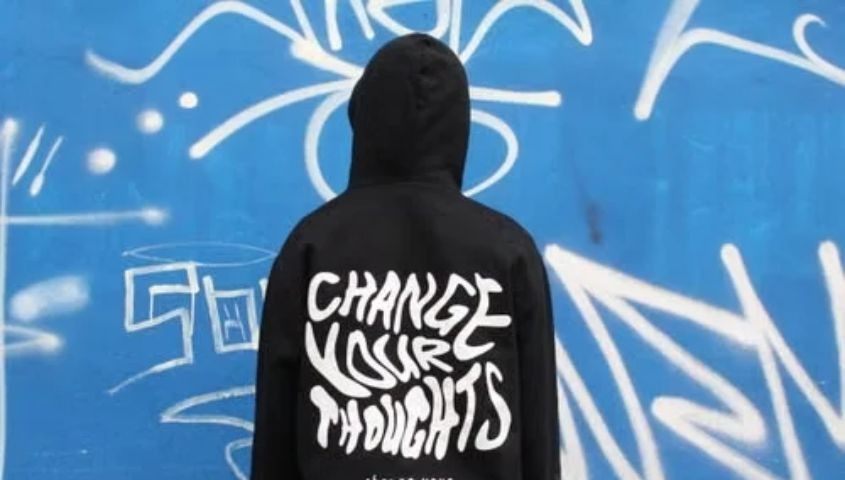
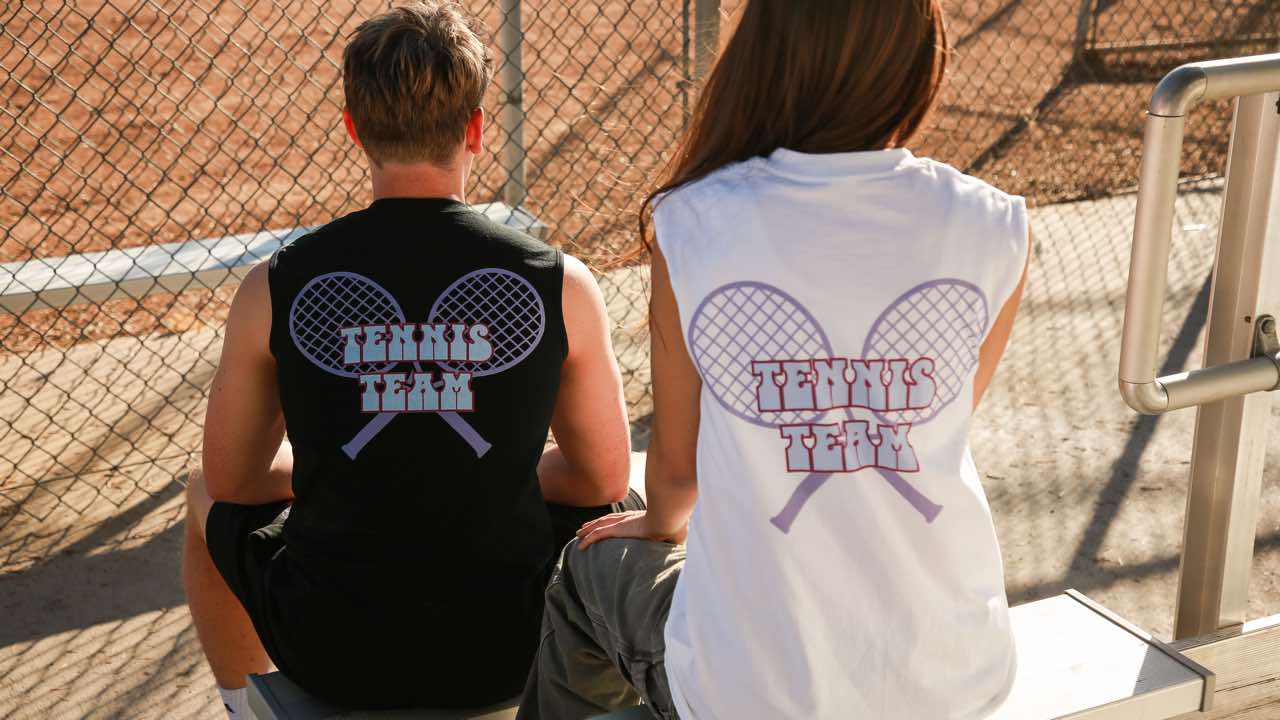
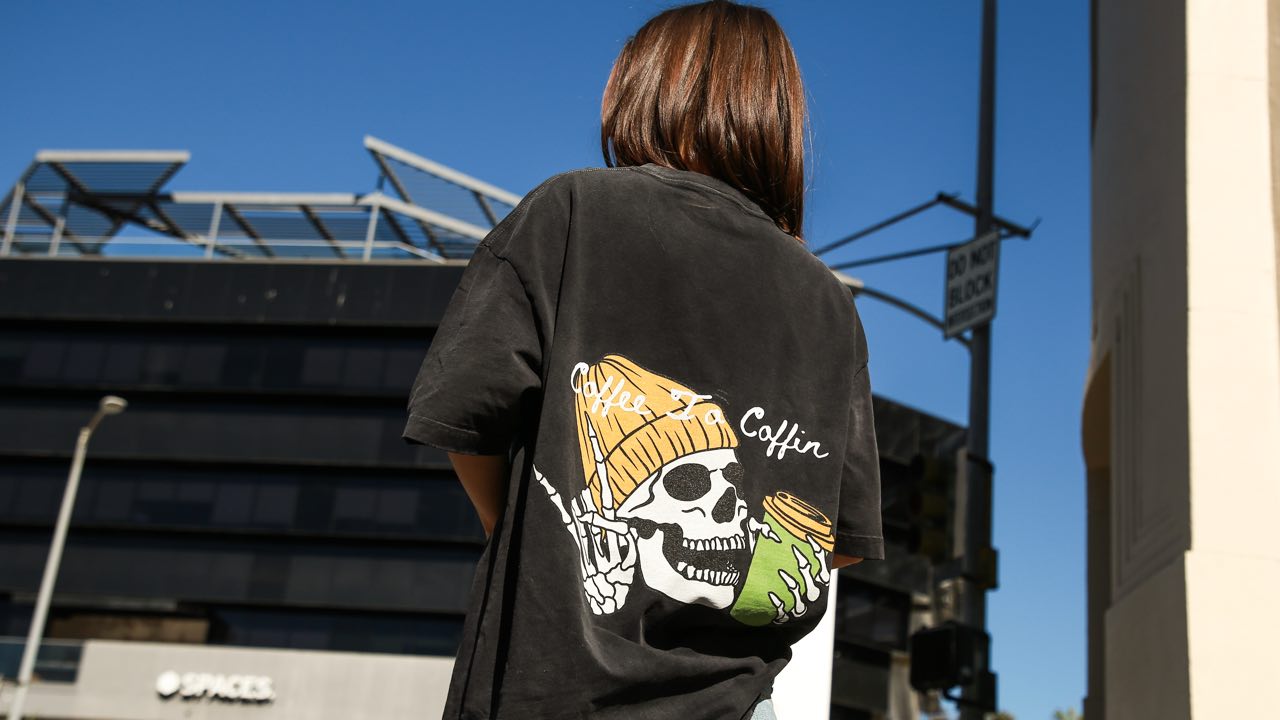
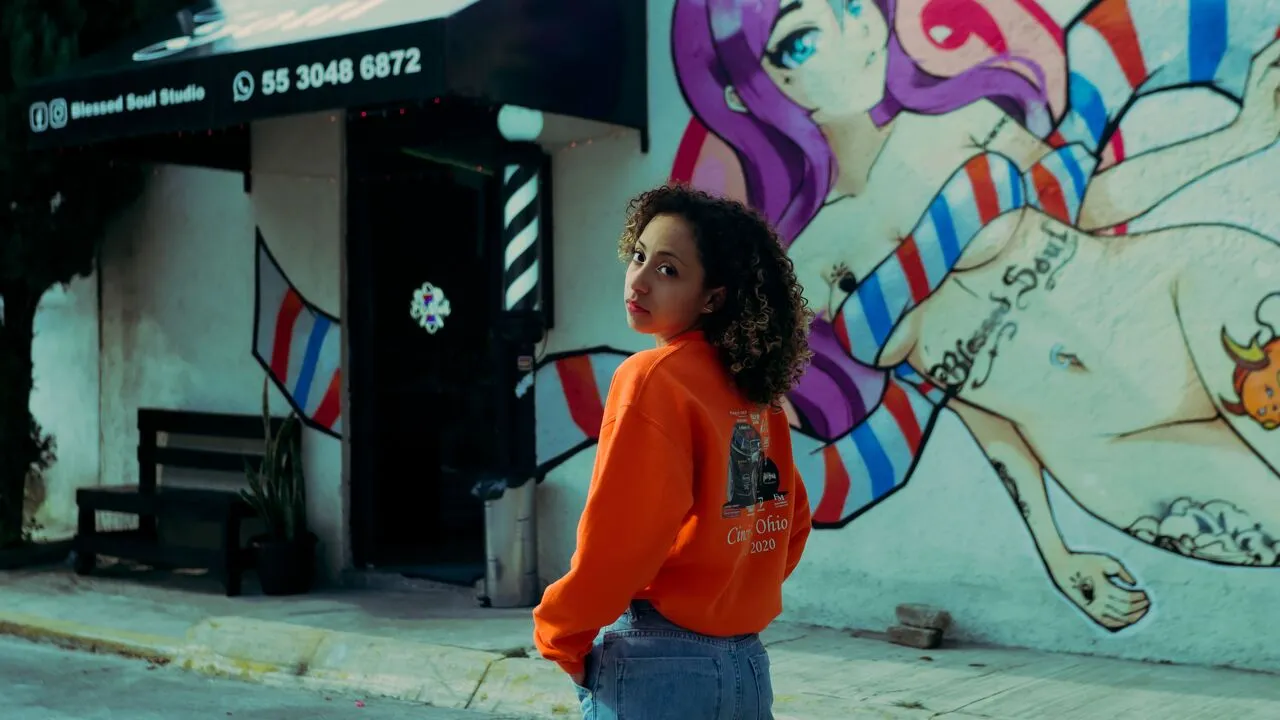
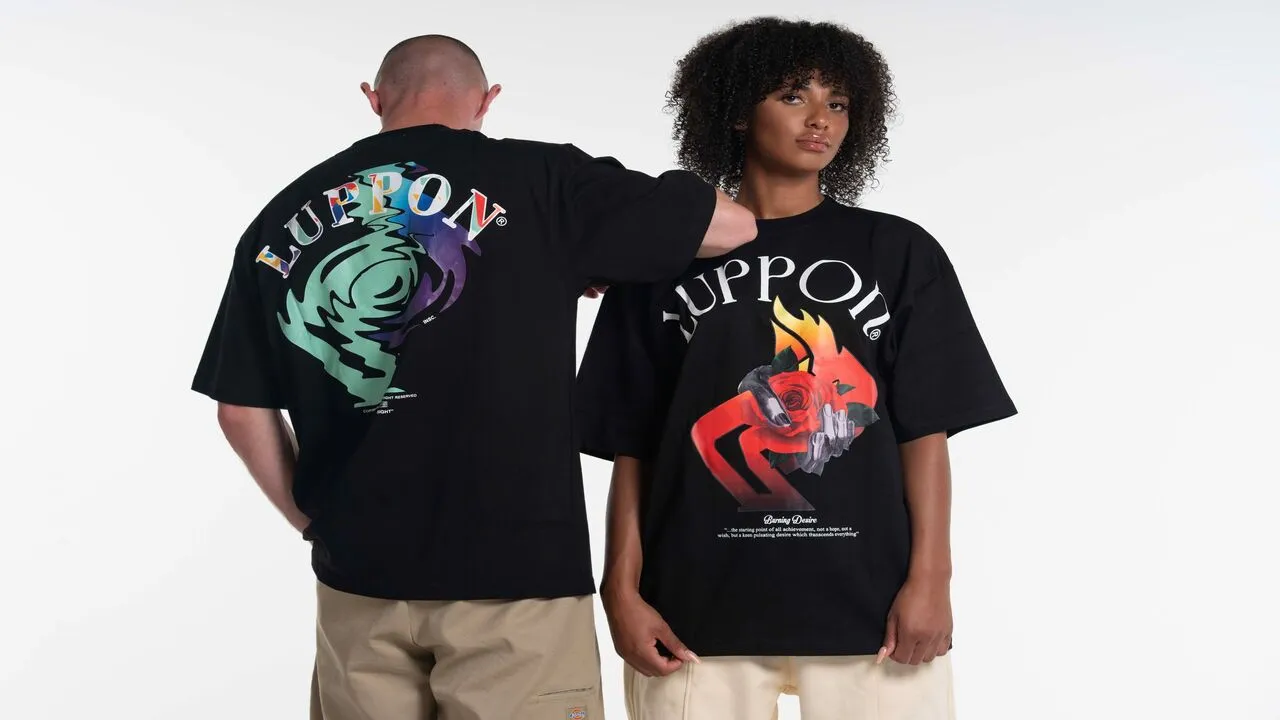
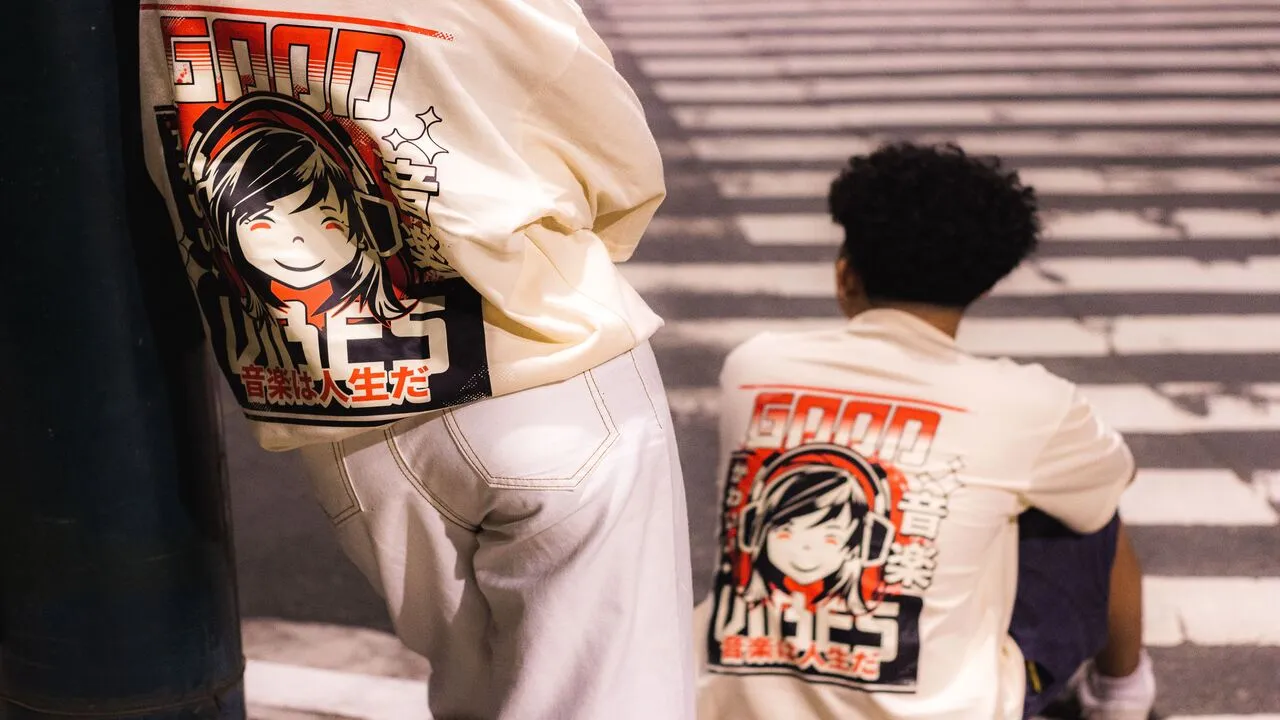
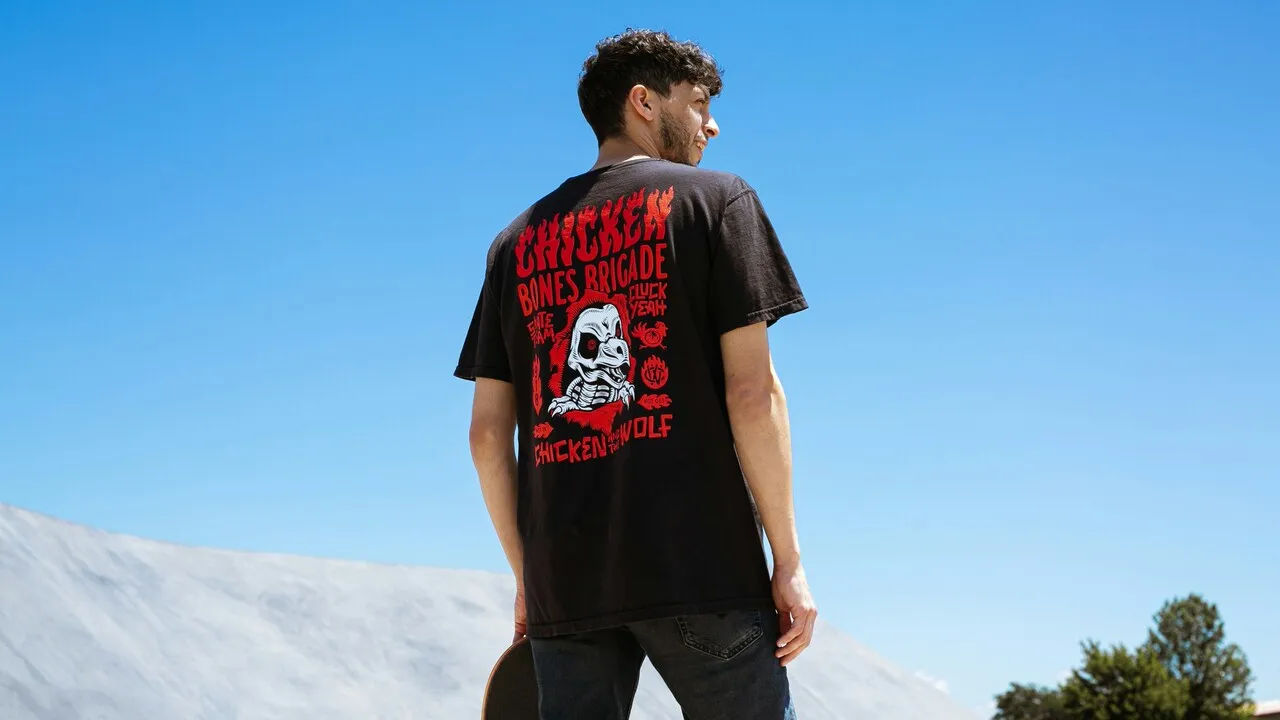
A large back print gives you plenty of room to show your artwork. You can use an illustration, logo, symbol, or even extensive typography there.
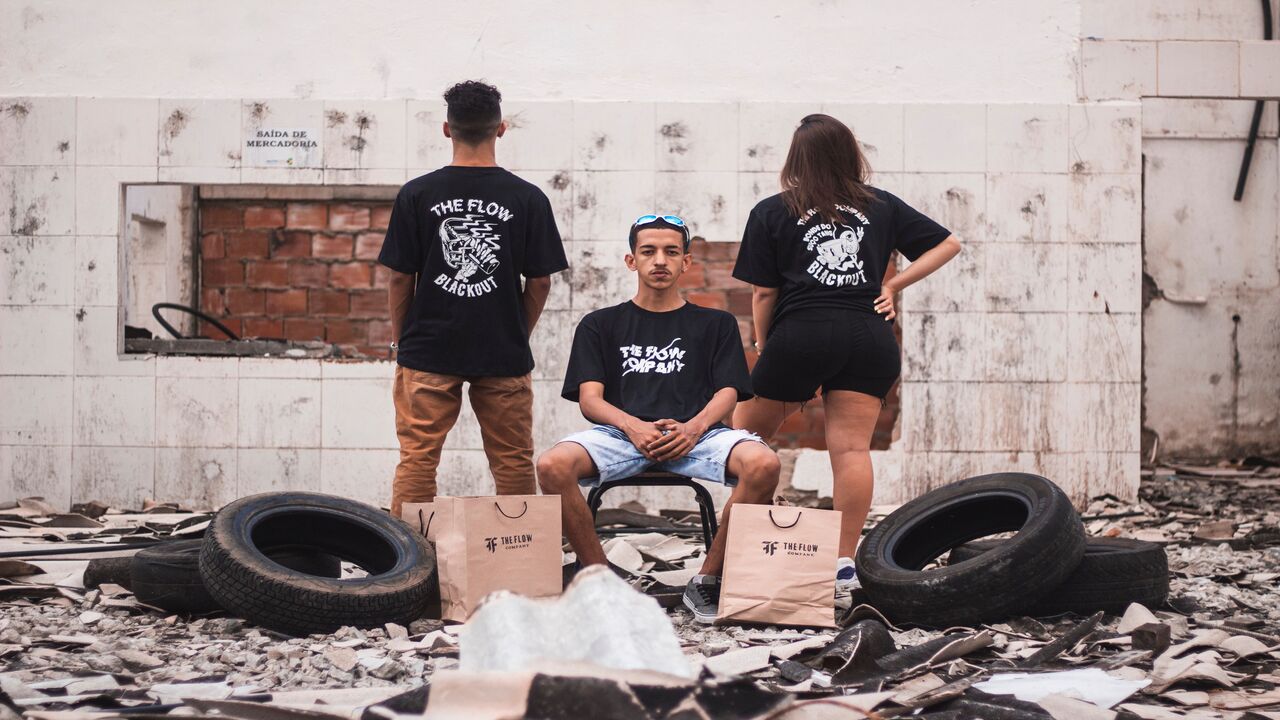
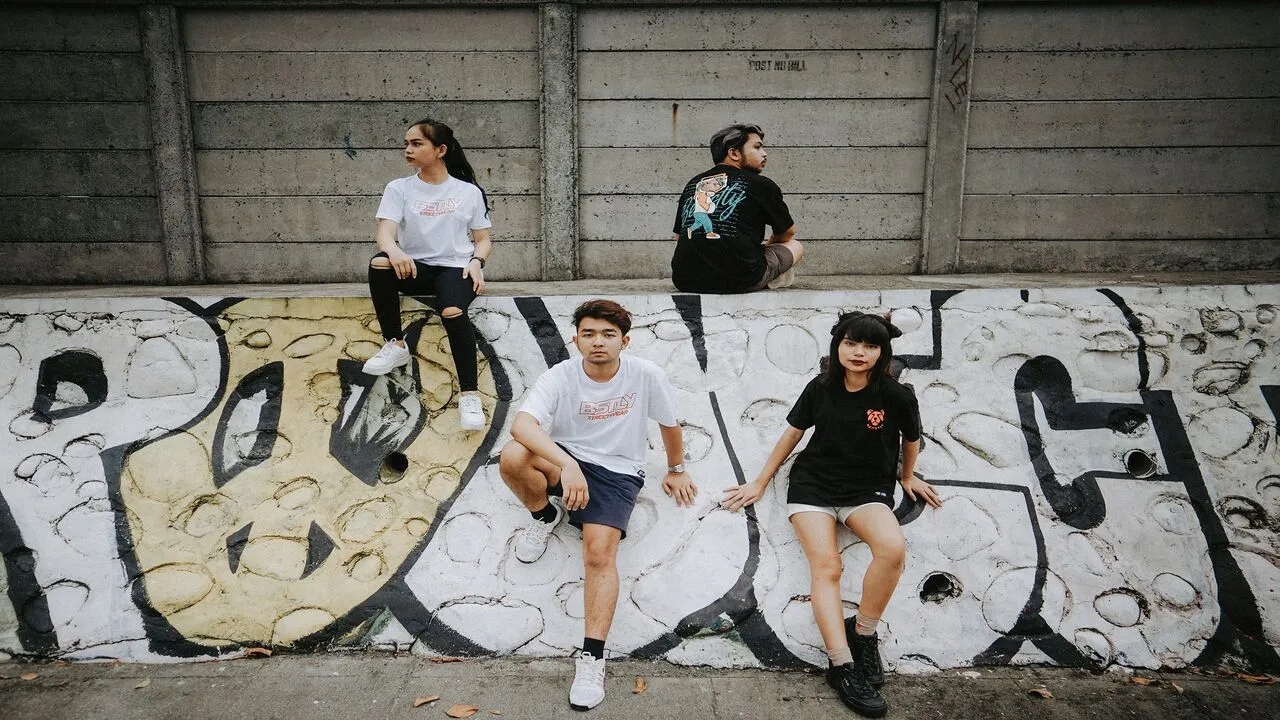
Try keeping the front design minimal if most of the design elements will be placed on the back. The combination of a small chest logo and an extensive back design works well for streetwear brands, artist merchandise, and clothing labels that want a stronger visual impact.
2. Minimal Chest Logo
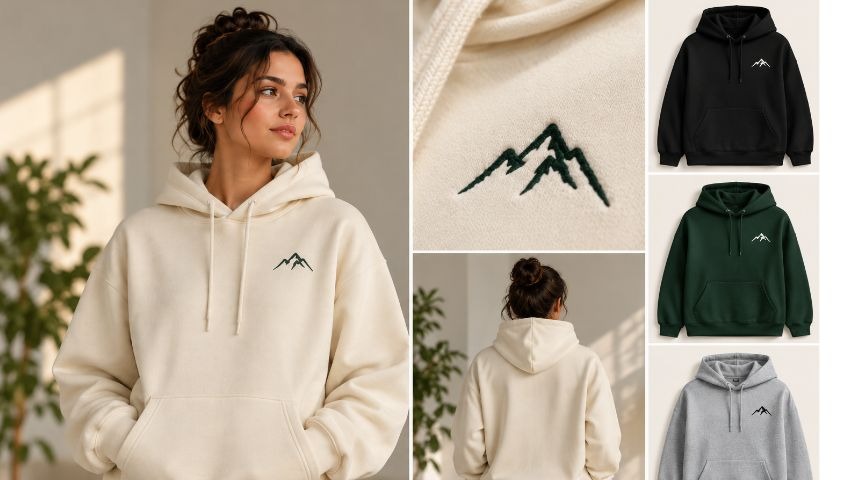
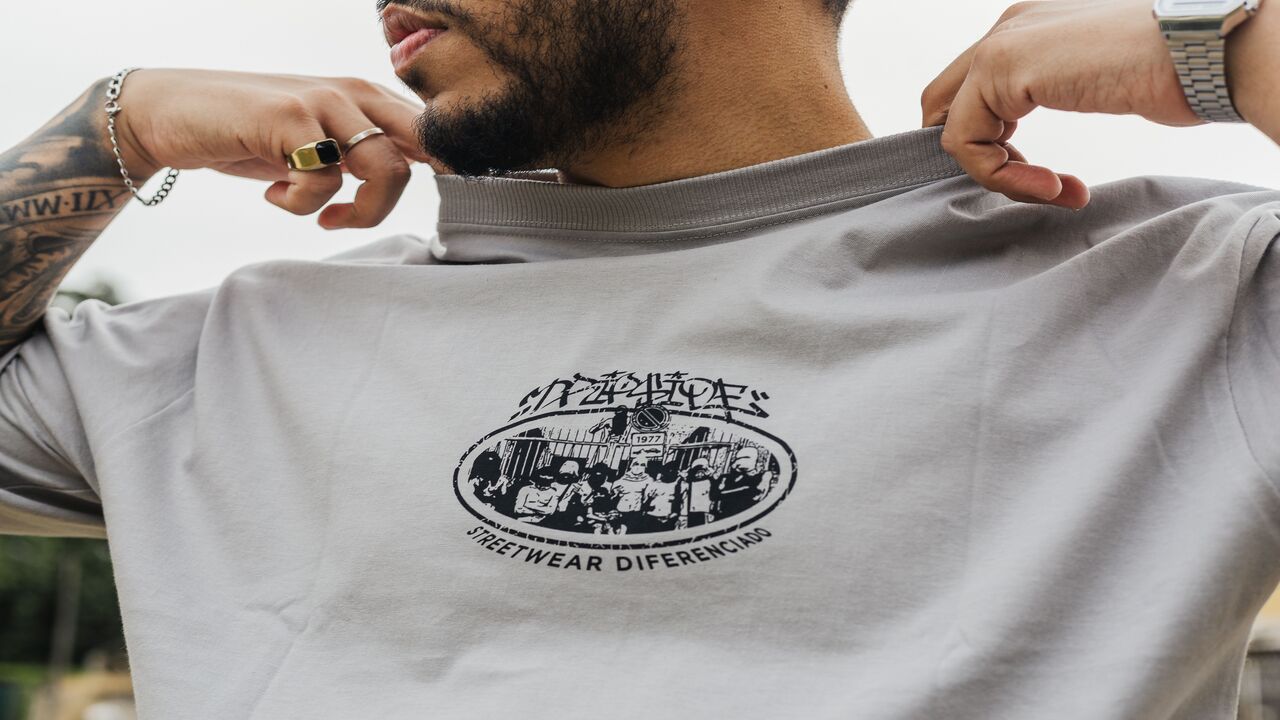
Sometimes it takes just a little effort to create a nice looking design. A minimalistic logo at the left chest will give the hoodie its stylish and easy-to-wear look. You can place the name or the initials of your brand there.
This style suits great when you want your customers to combine their custom hoodie with different pieces of clothing. If you have a simple brand logo, then this style can be easily combined into your custom hoodies.
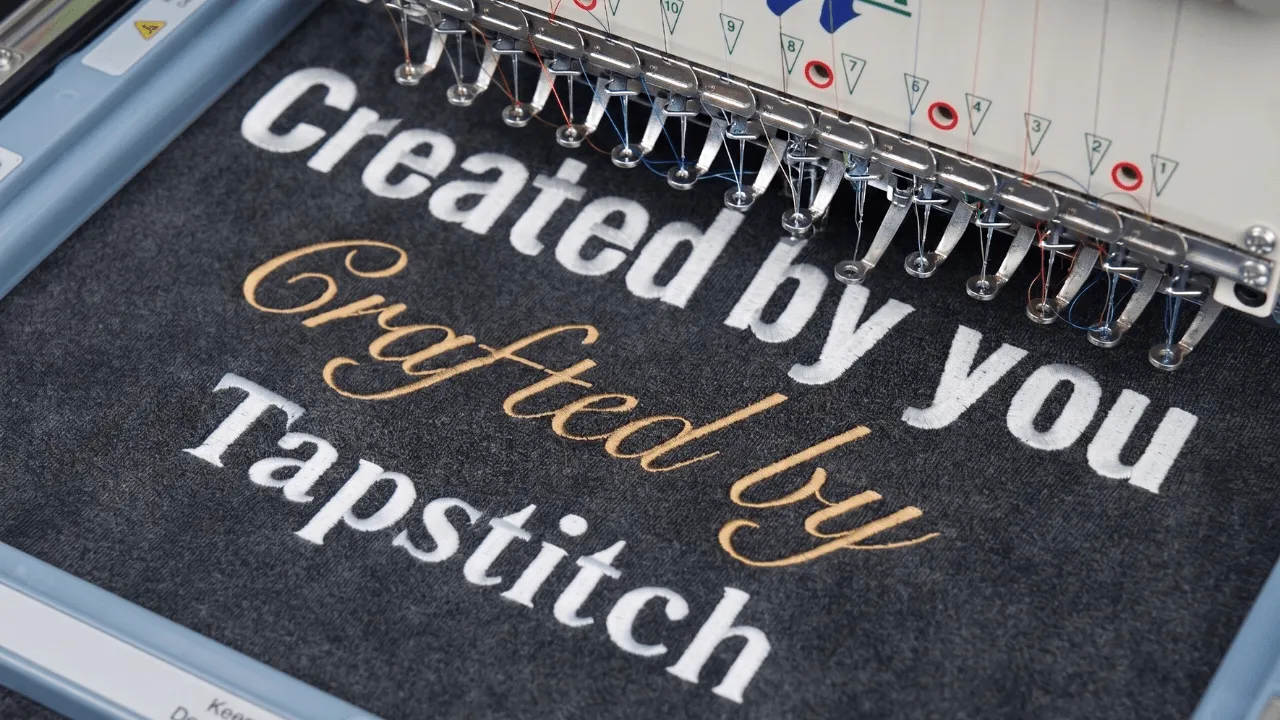
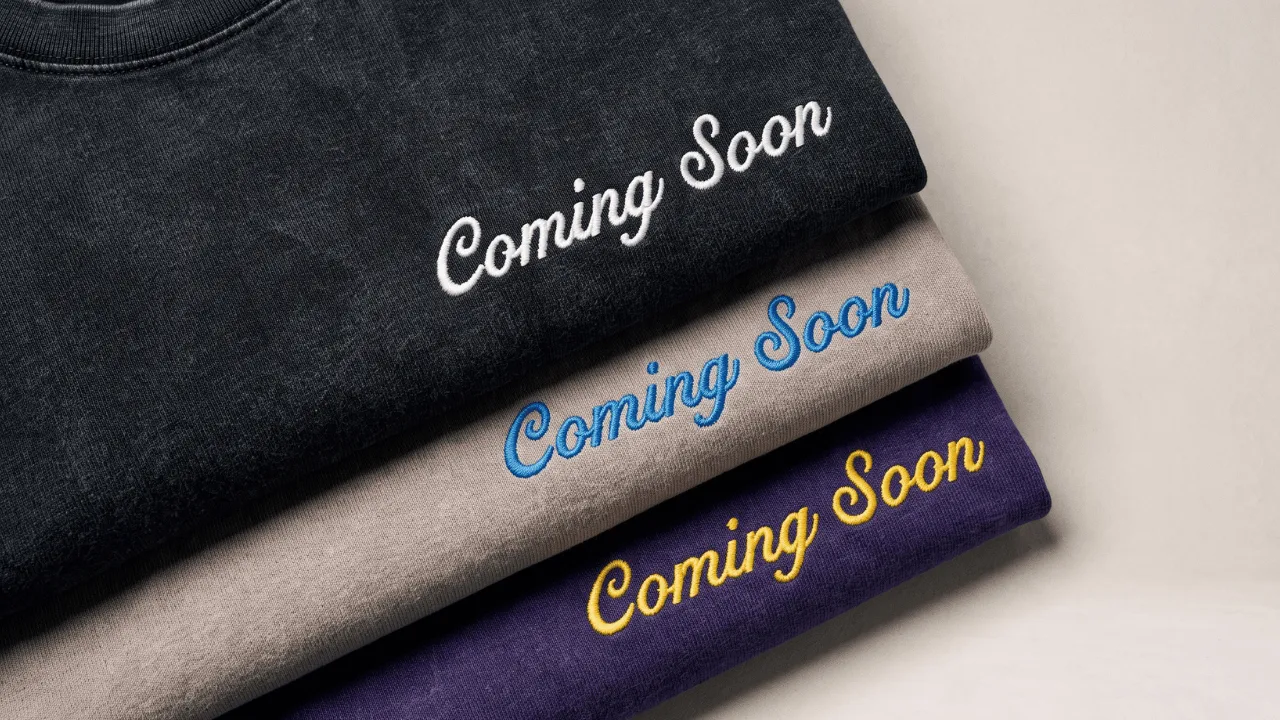
3. Embroidered Logo Hoodie
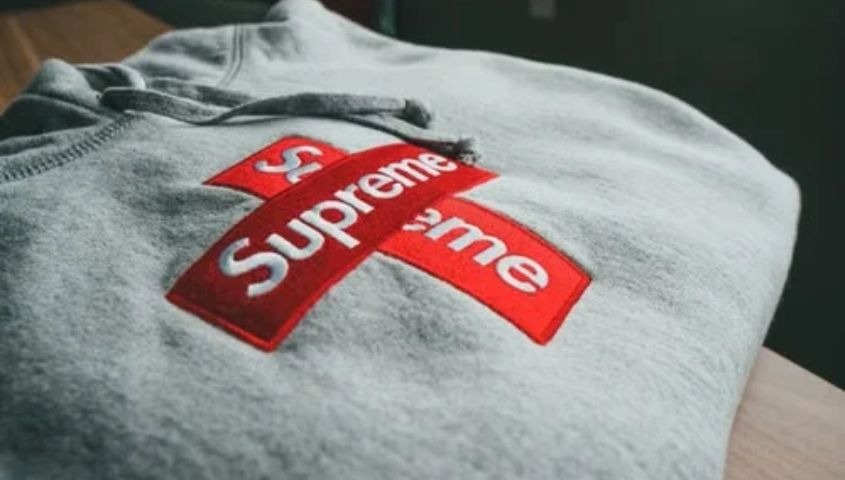
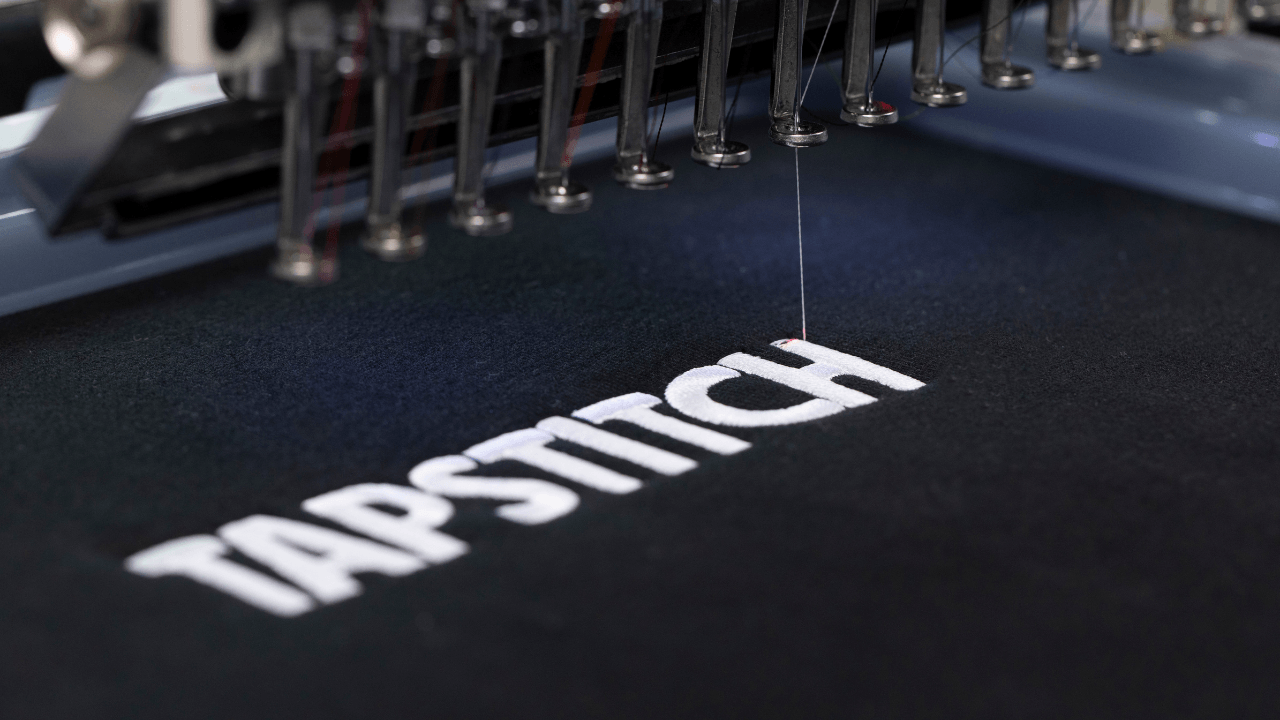
Embroidery is a way to add texture to a hoodie. It suits simple logos, initials, and short words best. Do not expect to have many details in an embroidery, only fine lines and text might look unclear.
Clean embroidery makes your hoodie look better and suits companies that need a simpler design than a big print.
4. Vintage Graphic Hoodie
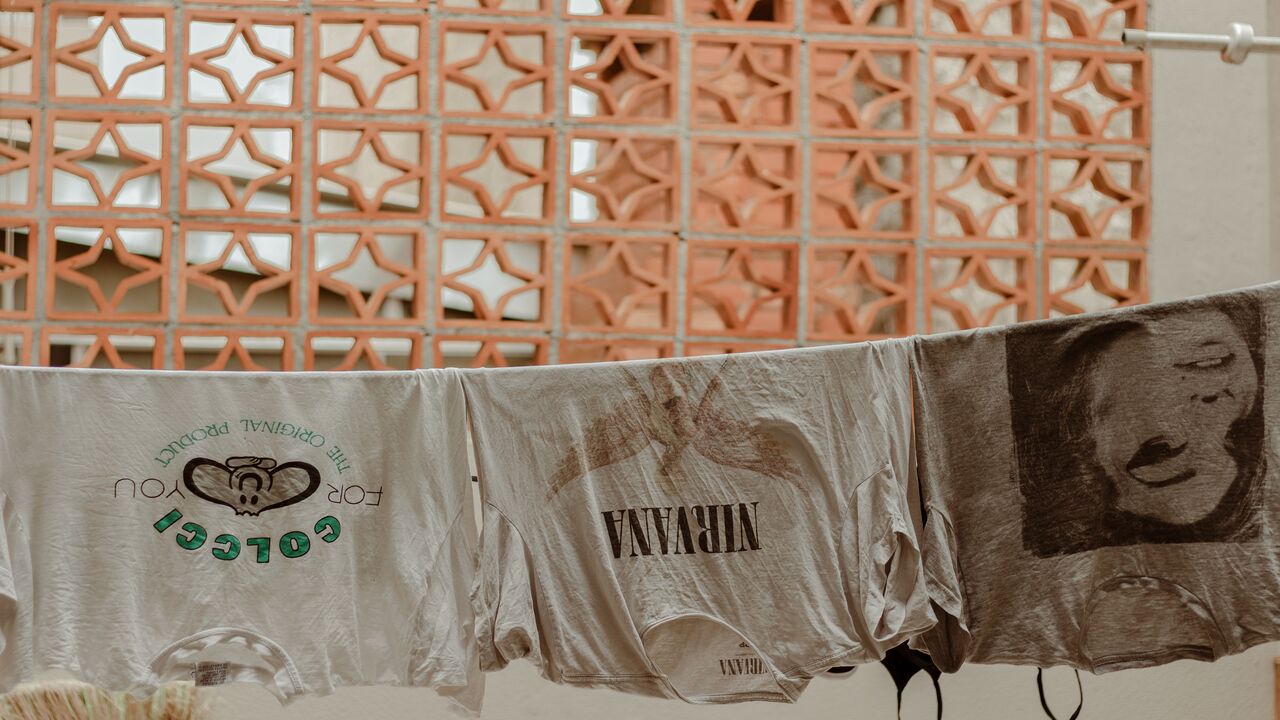
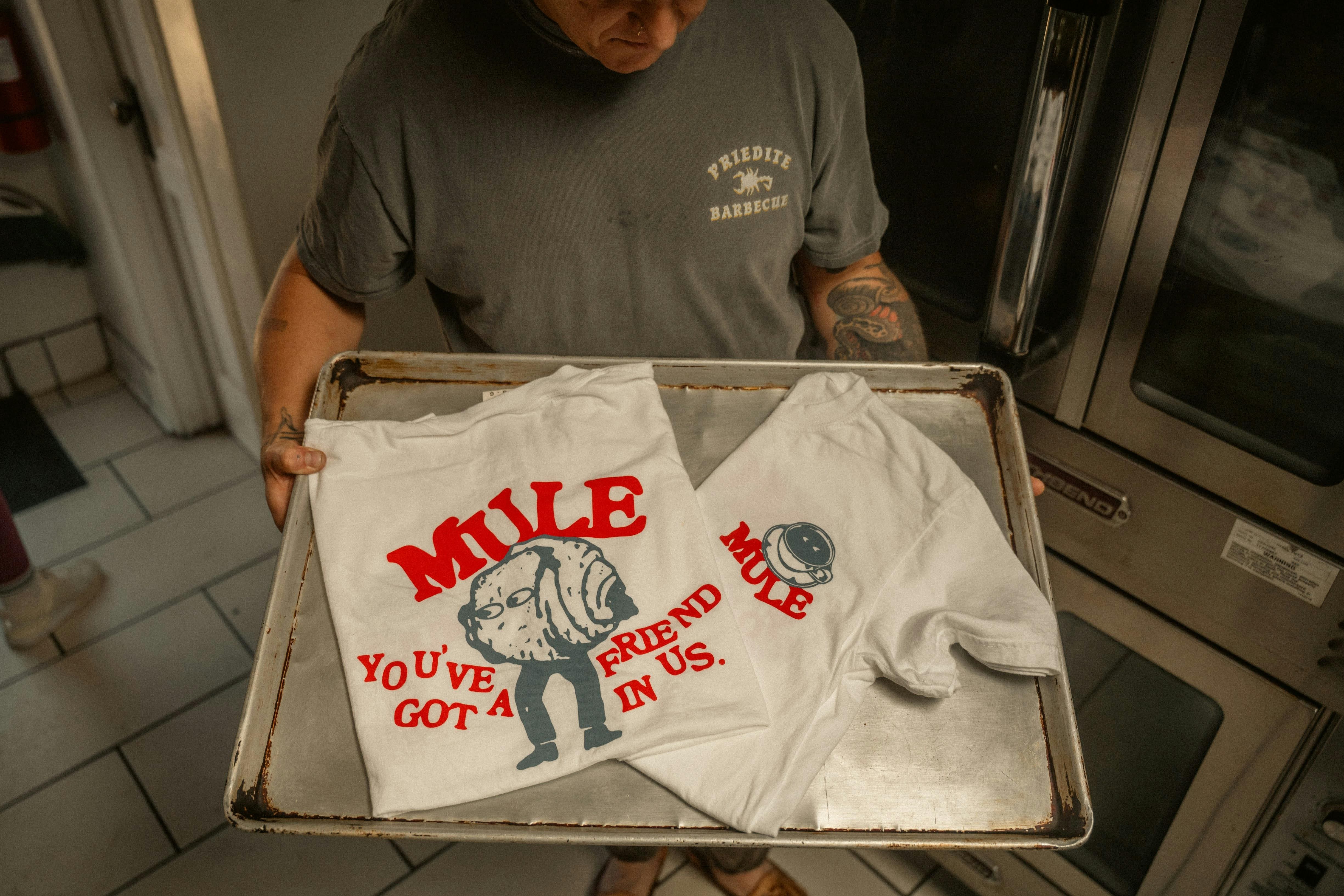
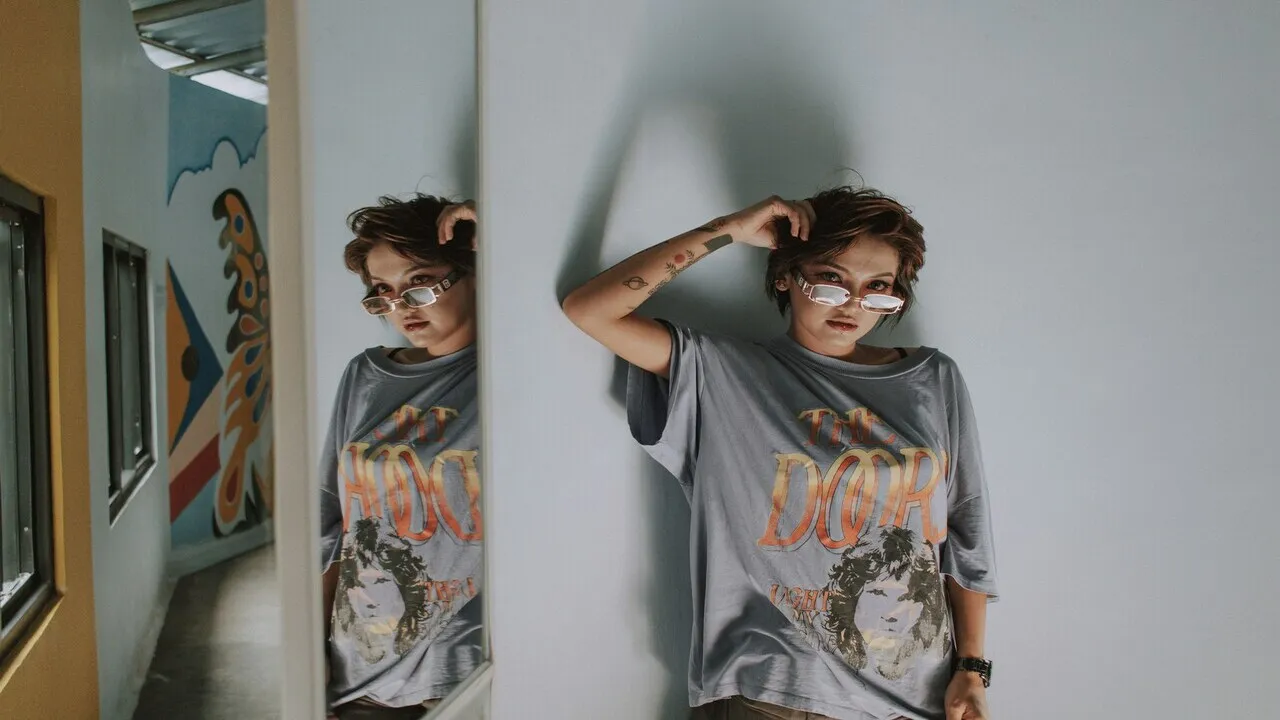
Using a vintage theme in a new hoodie can make it look as if you had bought years ago. Use faded colors, old-looking lettering, drawings, and vintage graphics as elements of your hoodie. This design is good for music-related, outdoor, local, and streetwear clothing brands.
Use one graphic element rather than putting pictures all over the hoodie. Leave some space for better results. Washed hoodies are also suitable for this design because the fabric already has a worn look.
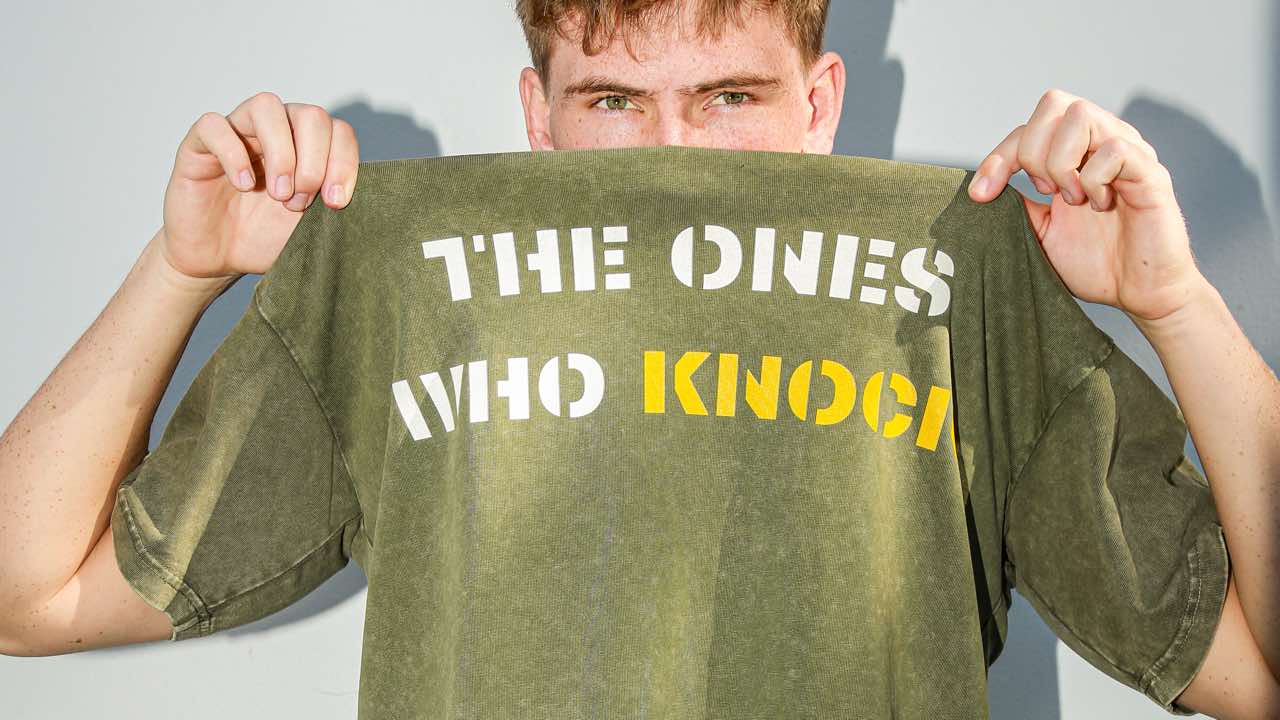
5. Bold Typography
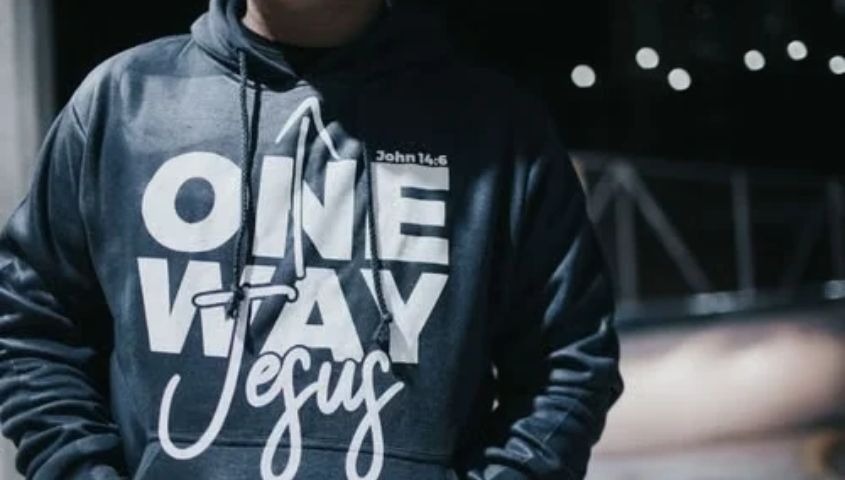
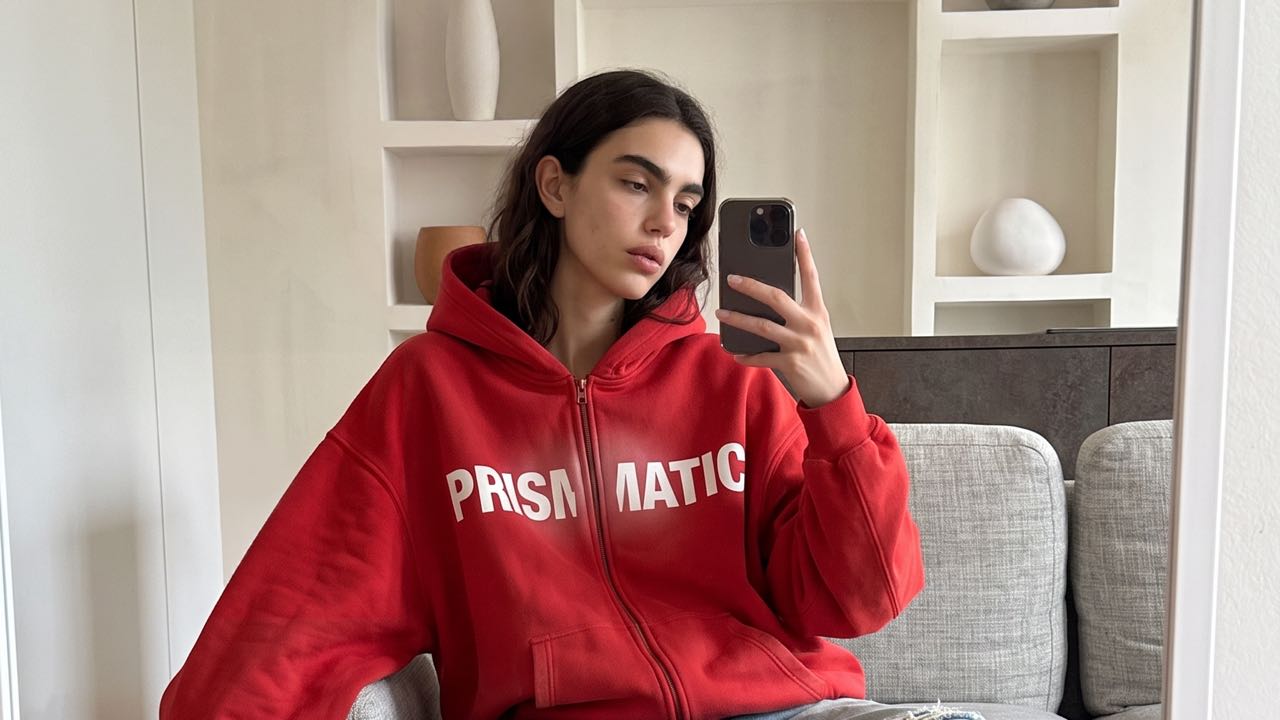
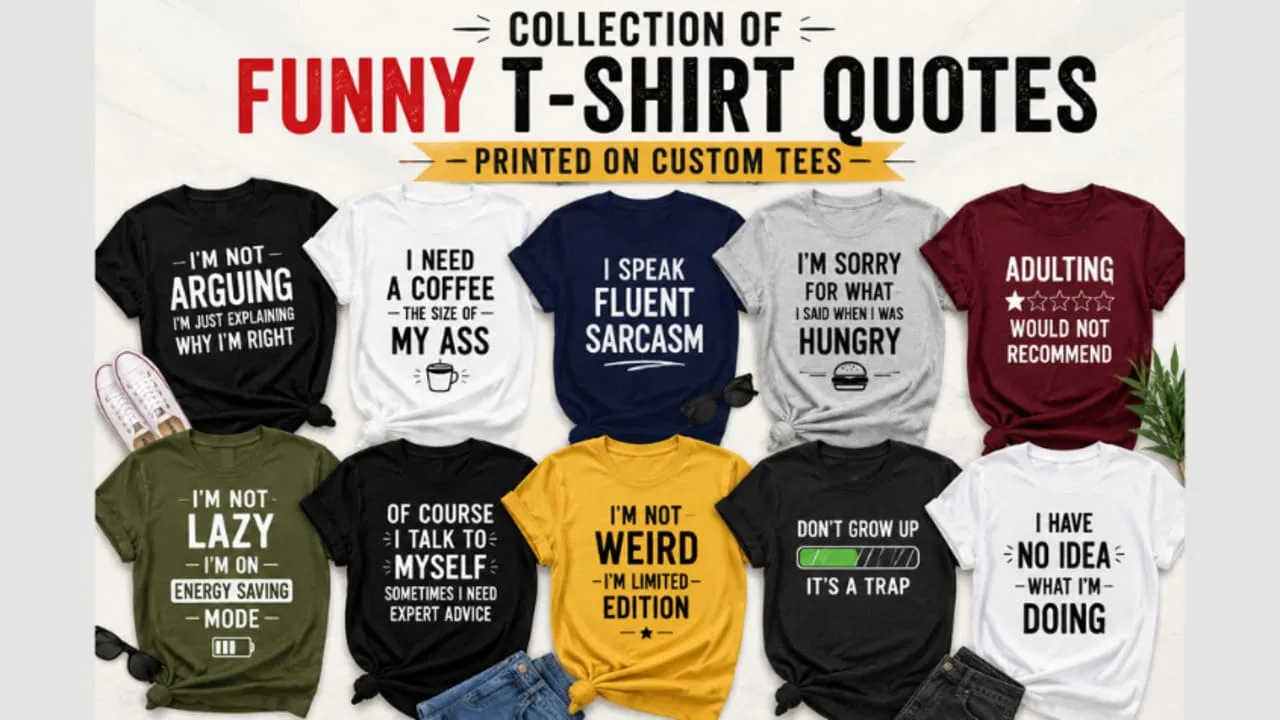
You do not always need an illustration. A strong phrase can become the main design on your hoodie. Choose a short message that your audience can understand quickly. You can place it across the chest or use a larger version on the back.
The font also changes the mood. A heavy font can feel bold, while a thin font can create a cleaner look. If you plan to customize hoodies, test your words on different hoodie colors before choosing the final version.
6. Small Front Logo With a Large Back Graphic
Why choose one side when you can use both? Stick your logo in the front part and use the back part to design your art. This will add two unique elements to the hoodie without cluttering the front.
This concept can be applied using illustrations, slogans, city graphics, or art about your brand. Use the front for simplicity while using the back to expand your story.
7. Nature-Inspired Hoodie
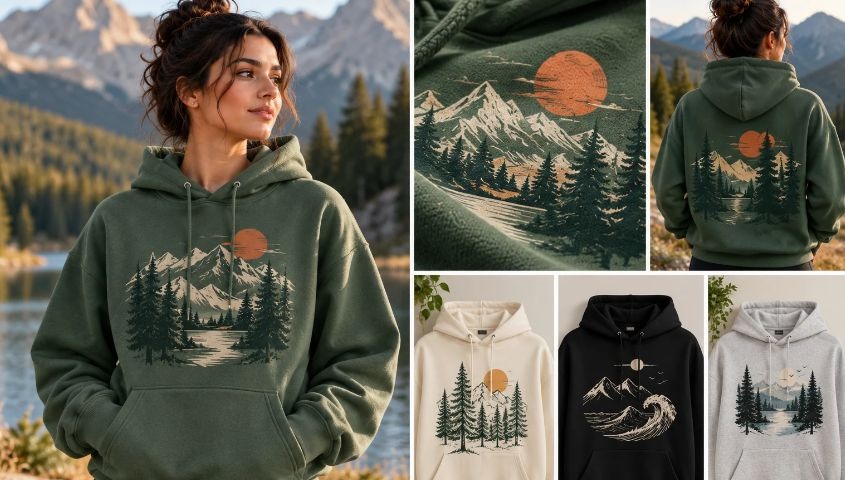
Nature gives you plenty of ideas for hoodie graphics. Think of mountains, trees, flowers, waves, forests, or animals. It doesn't have to be an illustrated image, just a few strokes will be enough. You can also use earth tones to give an outdoorsy vibe.
The design can be appropriate for hiking apparel, travel companies, wellness products, and casual clothing stores. It can also be combined with your location name and/or company name.
8. Sports-Inspired Hoodie
Sports designs can give a hoodie an energetic look. You can use numbers, bold lettering, team-style layouts, or athletic symbols. You do not need to copy an existing team. Instead, create your own colors, name, number, and graphic style.
This idea works for gym brands, sports clubs, running groups, and fitness creators. A simple sports design can also become part of a larger collection. You can change the number or phrase while keeping the same layout.
9. College-Style Hoodie
College-style designs use large letters, numbers, locations, and simple symbols. They often have a relaxed look that works well on oversized hoodies. You can use your brand name in place of a school name. Add a year, city, or short phrase to make the design feel more complete.
This idea is useful when you want a familiar style without creating a complicated graphic. Try a varsity font with two colors. It can give the hoodie a classic look without adding too many details.
10. Patchwork Hoodie Design
Patchwork can give your hoodie a handmade feel. You can combine small graphics, different shapes, colors, or fabric details in one design. The trick is keeping the different parts connected. Use a common color or theme so the hoodie does not look random.
This style can work well for streetwear brands and smaller collections. It also gives you room to experiment with different artwork.
11. Y2K Hoodie Design
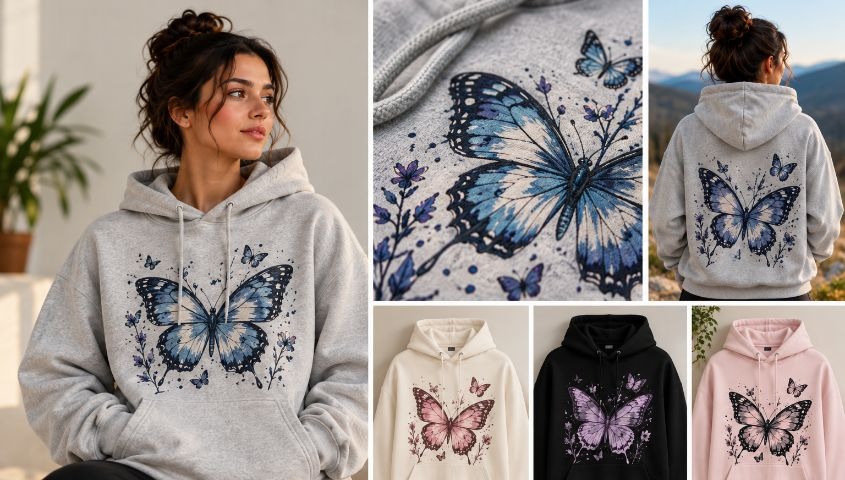
Y2K designs are inspired by the trends of the late 90s and early 2000s era. One can use pixel art, chrome text, star, flame, cute fonts or even just simple digital graphics for the design. Not everything needs to be used together; choose one or two elements to create your hoodie design around.
Adding simple graphic design to an oversized or heavyweight hoodie will make it more of a streetwear design. It also leaves enough space to experiment with colors.
12. Original Anime-Style Artwork
An anime artwork can make your hoodie distinct visually. You can choose characters, scenes, faces, or manga artwork as your hoodie artwork.
Remember to make your artwork either original or properly licensed. Do not use copyrighted images, artworks, or characters without their creators' permission. The creation of original characters will help your brand flourish since you will be able to reuse them on various products such as hoodies, T-shirts, stickers, etc.
13. Pet and Animal Designs
Many animals can become great choices for your hoodie graphics as long as they are easy to recognize. They include dogs, cats, birds, bears, and others. There are various options for creating such designs – from realistic drawings to cartoons and a particular type or breed of an animal.
The pet owners can also relate to certain slogans corresponding to the animals. You can develop an entire collection of witty and humorous pet sayings or illustrations. Make sure the key design element is understandable and recognizable.
14. City and Location-Based Design
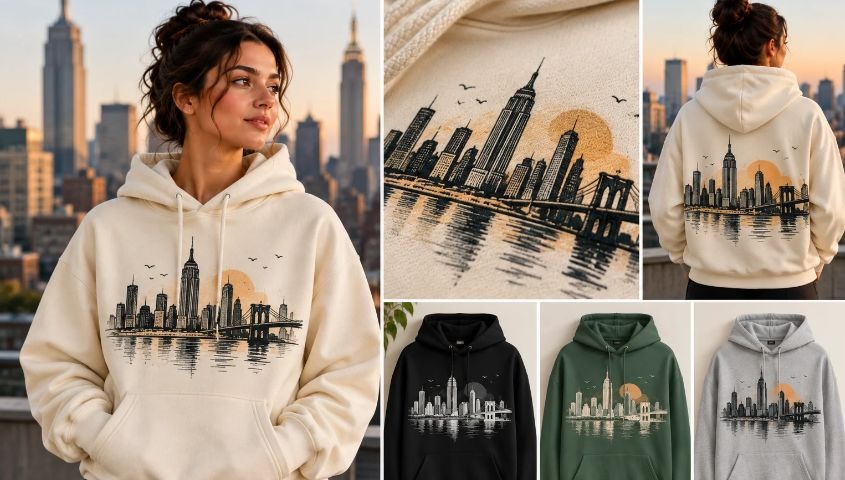
Cities are perfect subjects for your hoodie as well. For example, you can use names of cities, their silhouettes, area codes, maps, coordinates or anything else related. It works best for local brands and travel-themed apparel. Usually, people enjoy things that remind them of some specific place.
Another good idea is to make up the design based not on a city but on some smaller parts of it such as a neighborhood. You should combine typography and graphic without the map.
15. Motivational Phrase Hoodie
A short phrase can add a sense of meaning to a basic hoodie. The phrase will be based on one's hobbies, such as exercising, working, creating something or traveling. Choose only phrases that match your potential clients rather than general ones used by all brands.
Also, you should consider the placement of the phrase. A short message looks good over the chest, while a long one needs the back of a person.
16. Monochrome Hoodie Design
A monochrome hoodie keeps the design within one color family. You can use different shades to add some detail without making the design too loud. For example, dark gray artwork can sit nicely on a black hoodie. Cream artwork can also work on a light beige hoodie.
This look suits brands that prefer simple clothing. It also gives you a way to use your logo without making it the main focus. Some customers simply prefer a hoodie with a quieter design.
17. Retro Sports and Varsity Design
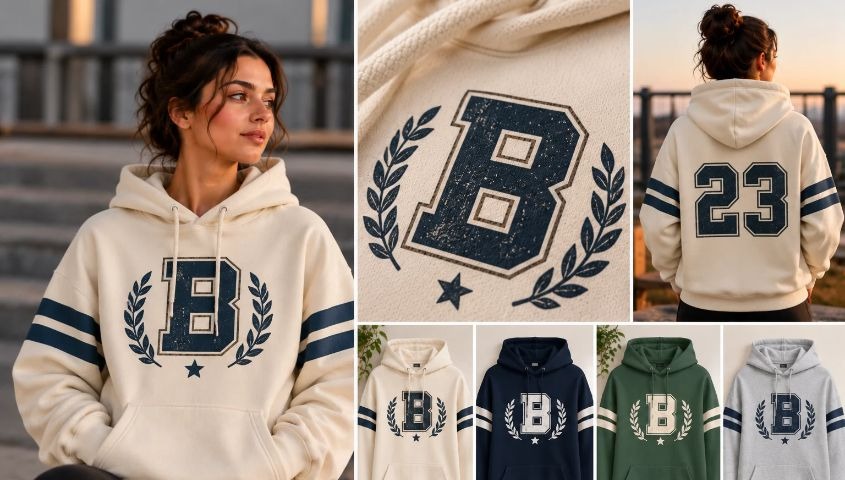
Old sports lettering, numbers, badges, and simple graphics can give a hoodie a classic look. You can use your brand name, launch year, or location to make the design your own.
A varsity layout can also become the base for a small collection. Keep the same style and change the number, name, or color for each hoodie. This works well with heavyweight or oversized styles.
18. Hand-Drawn Illustration
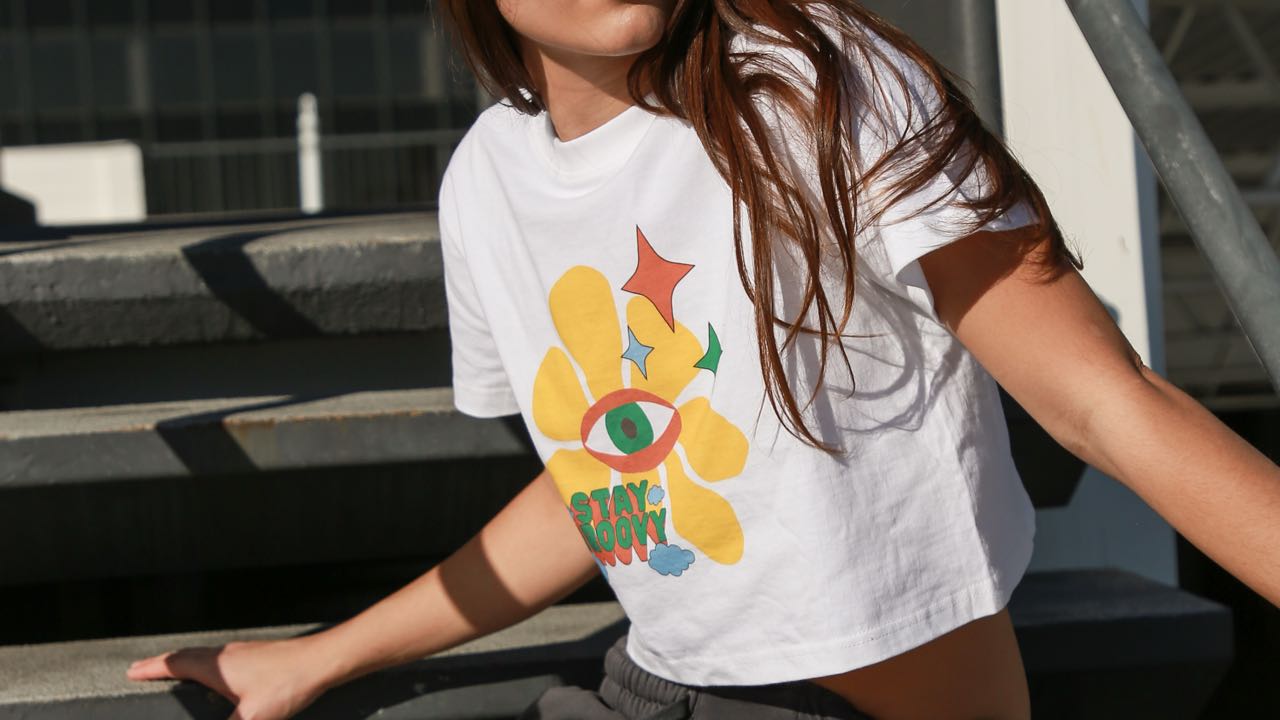
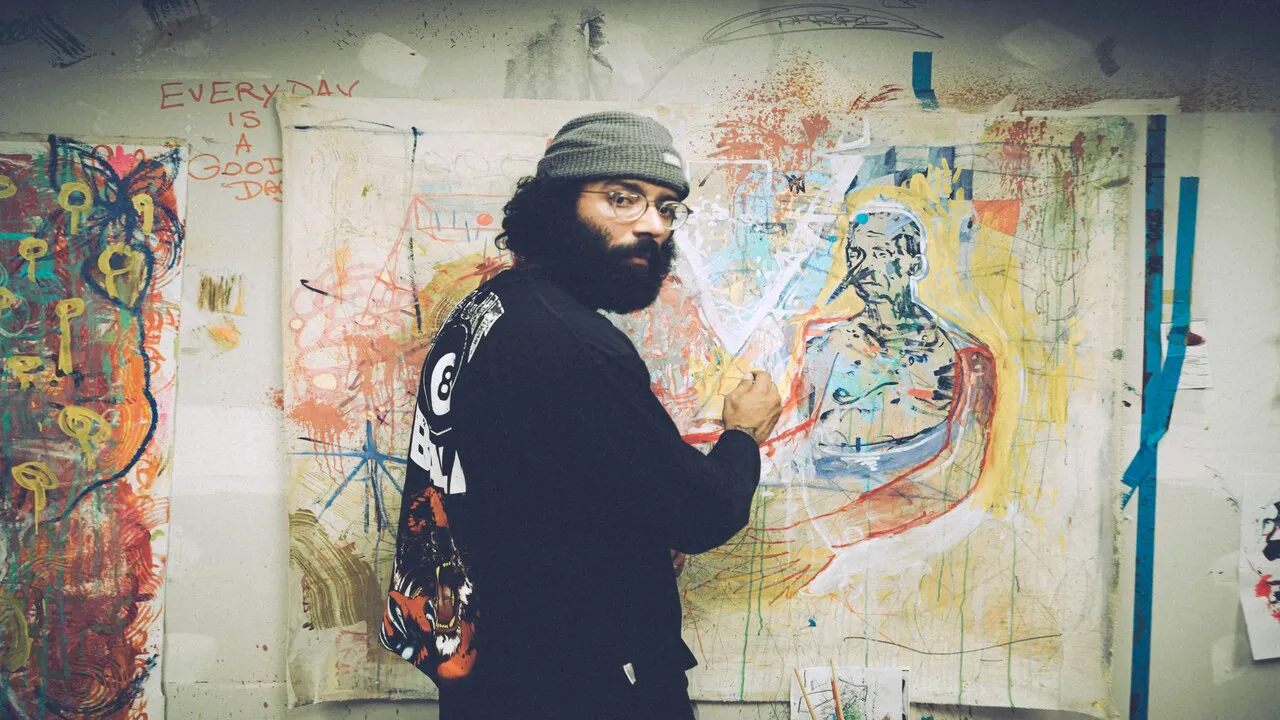
The hand drawn illustration makes the hoodie personal. Here you may use drawings, doodlings, sketching, or even loose drawings which resemble the simple ink art. There is no need for perfection in the design, it should look natural.
This option will be perfect for independent brands, artists, cafes, music projects, etc. In case you cooperate with some artist, request him or her to provide you with unique artwork which you will be able to use for your hoodies legally.
19. Personalized Name or Date Hoodie
Personalization offers the customer a good opportunity to create his/her personalized hoodie. It is possible to use such options as the names, initials, date, small phrases, and so on. This type of customization suits perfectly couples, families, birthdays, teams, clubs, etc.
You may use the same design for all of your customers and just allow them to personalize the hoodie adding some details to it.
20. Seasonal Hoodie Design
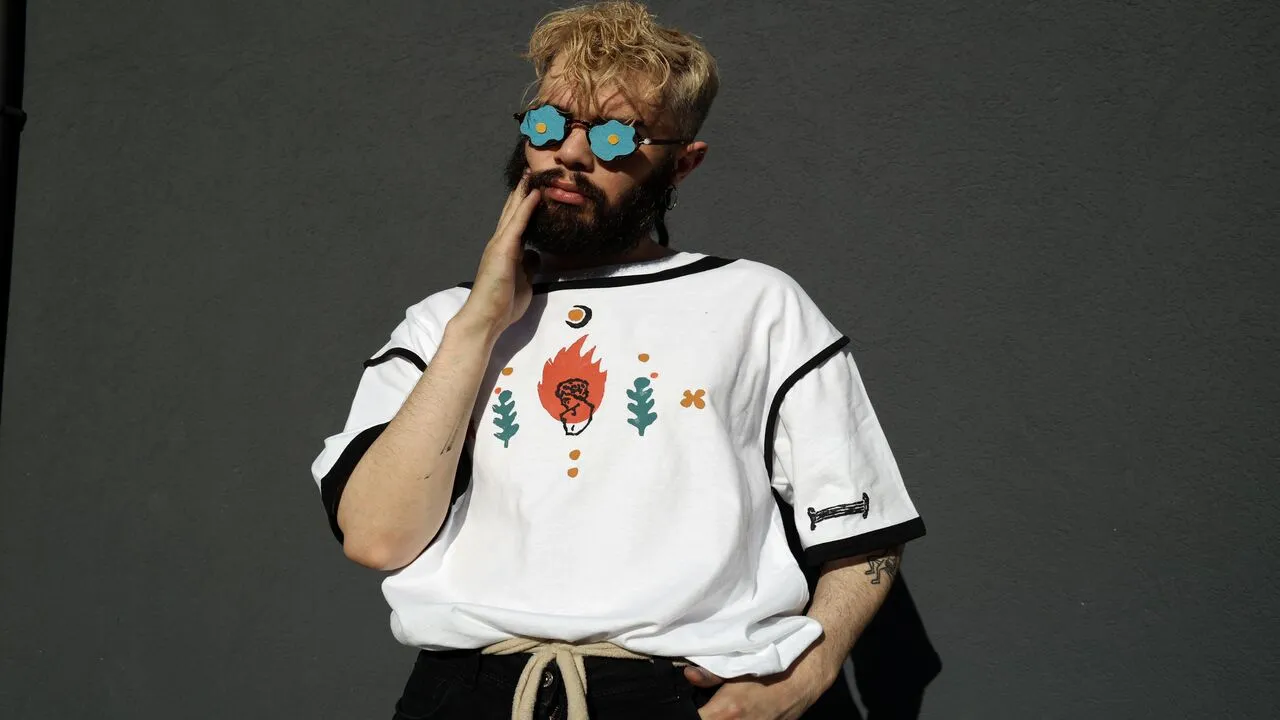
Seasonal designs will provide an opportunity to generate new products all year round. There are winter, Halloween, Valentine's Day, graduation or any other occasion-themed collections.
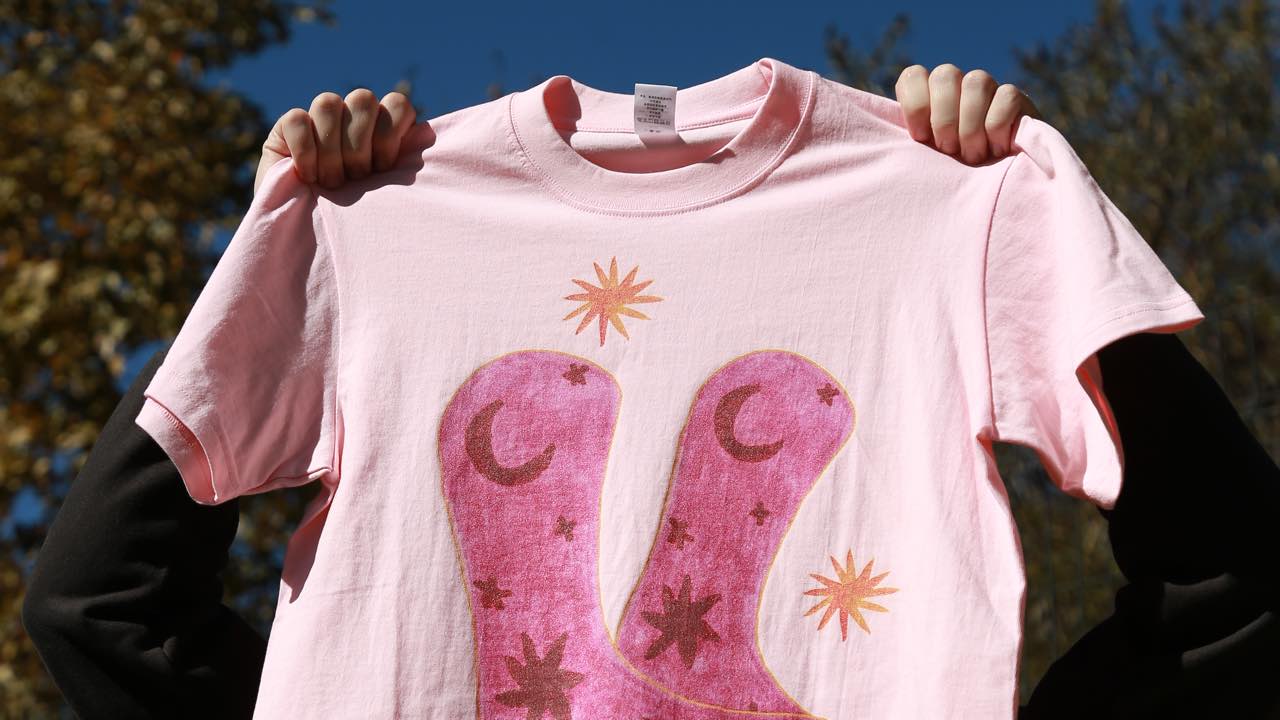
It is not always necessary to create an exact holiday graphic. The design can be based on snow, mountains, stars or anything else which can be used for a long period of time. Seasonal designs will also allow testing new designs as if one is successful, then it can be applied again in another collection.
How to Choose the Right Hoodie for Your Design
Your artwork is only one part of the product. The hoodie itself can change how the final design looks and feels.
Look at these details before you choose:
- Fit: Choose between regular, relaxed, oversized, or boxy styles.
- Fabric: Pick a hoodie material that suits the season and your audience.
- Weight: Heavyweight hoodies can be great for streetwear designs.
- Color: Ensure that your hoodie color complements your art.
- Print area: Verify the print area on the front, back, sleeves, and pocket.
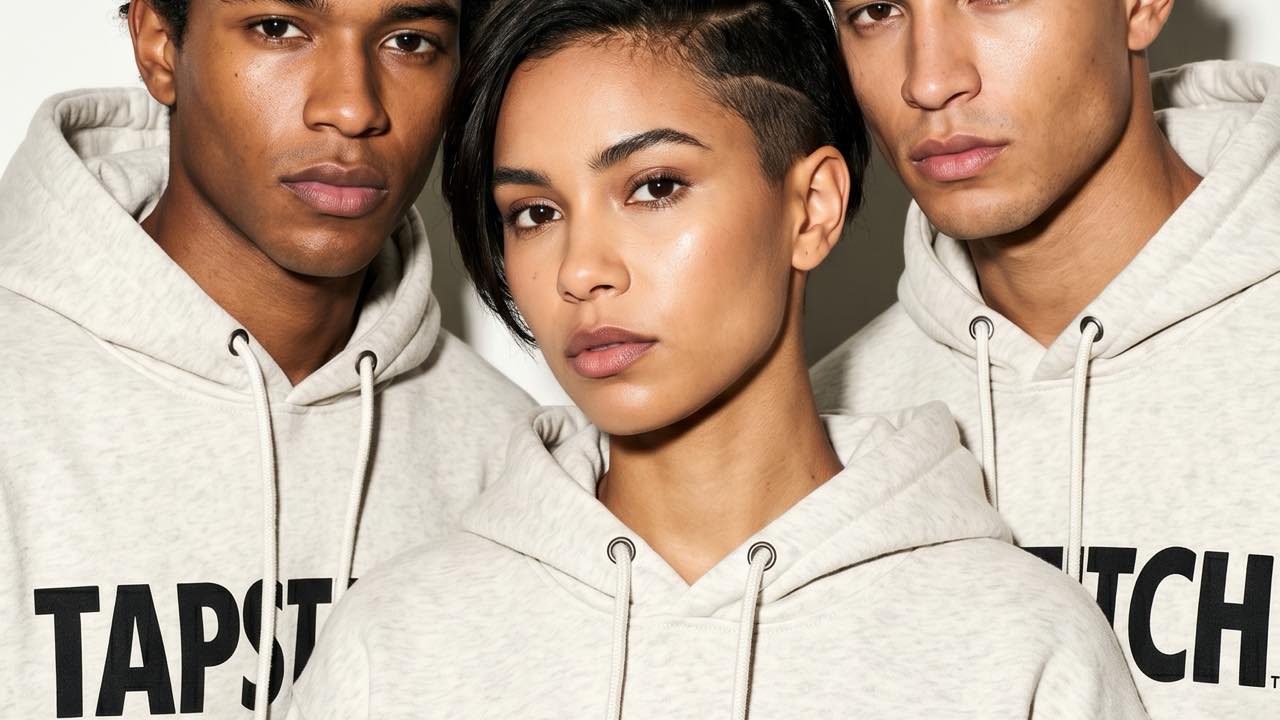
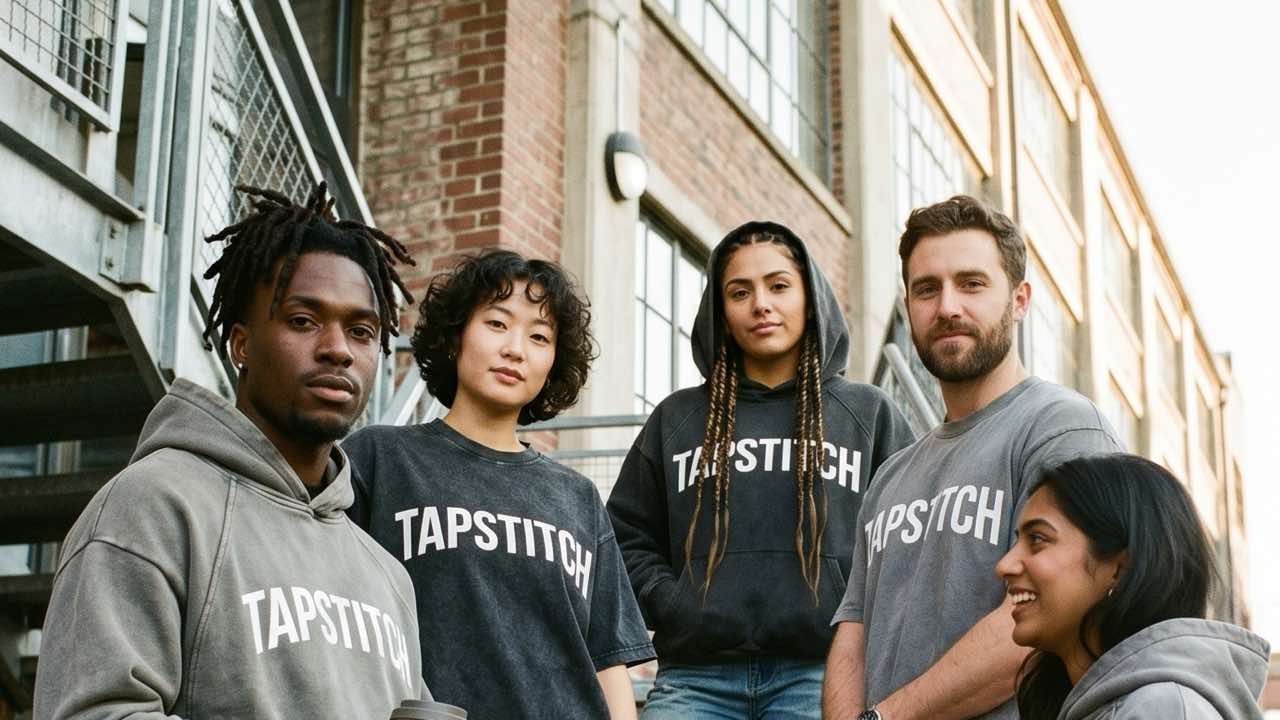
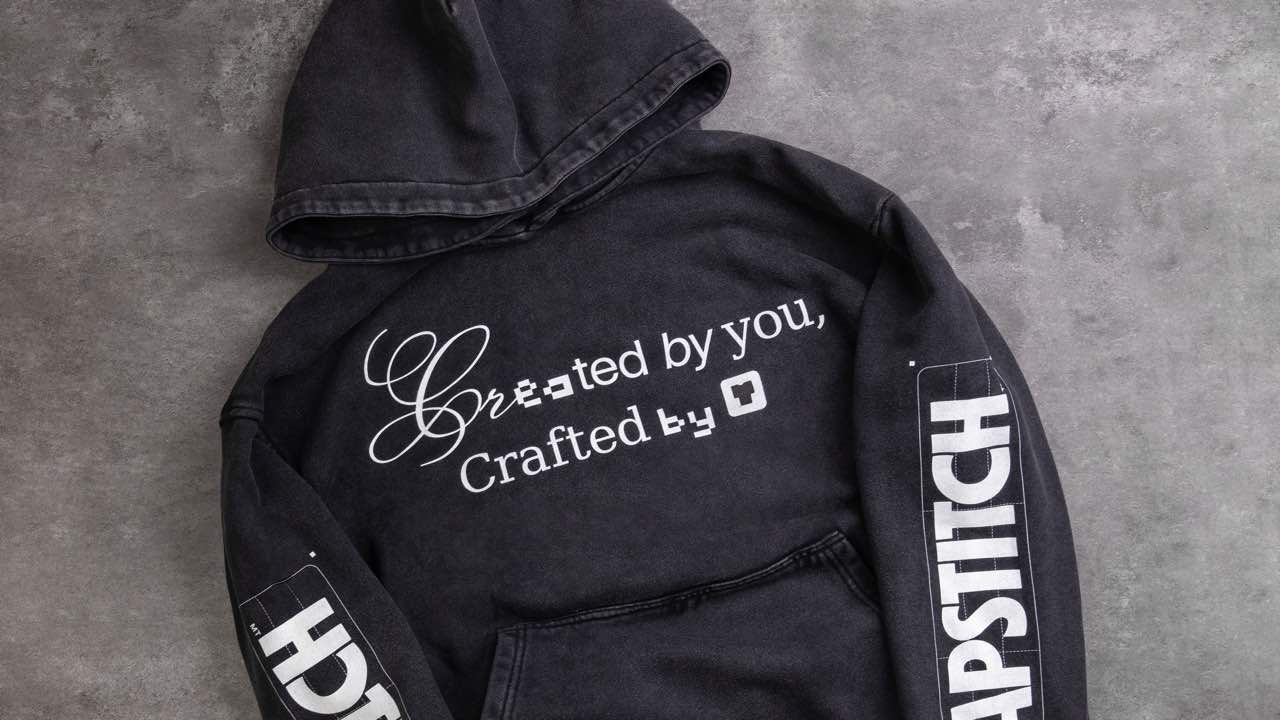
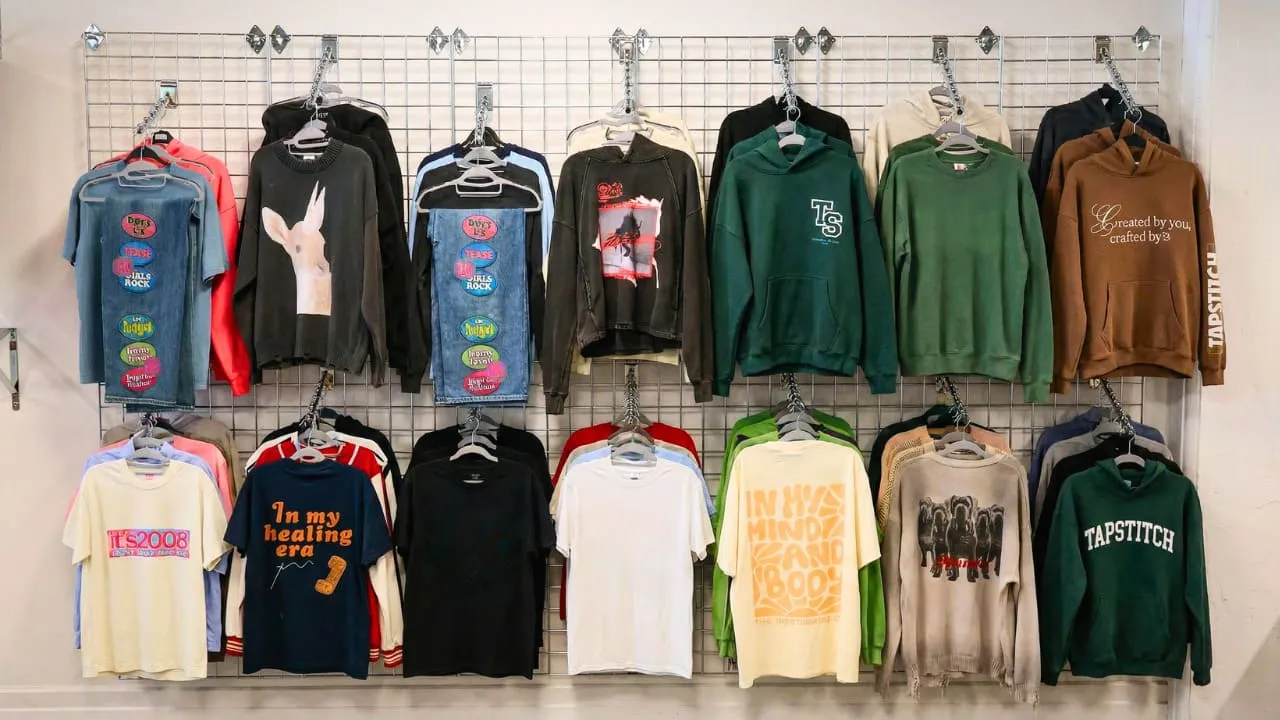
You can browse Tapstitch's hoodie collection to compare different styles before choosing a blank.
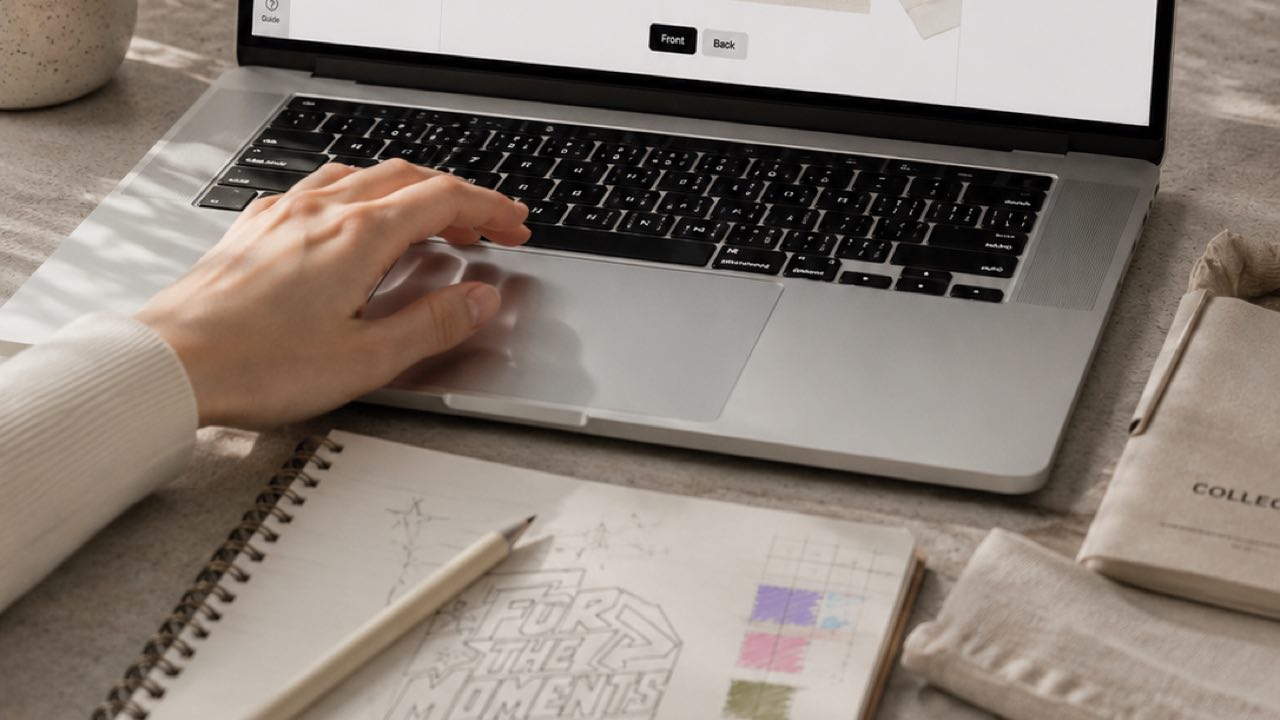
How to Create Custom Hoodies for Your Brand
Once you choose a design idea, you need to turn it into a product. Keep the process simple, especially if this is your first hoodie.
Start With Your Audience
Think about the person who will wear the hoodie. Their age, interests, and style can help you choose the right design. A gym audience may like bold graphics. A fashion audience may prefer a small logo or tone-on-tone design.
Choose One Main Idea
Do not try to fit every idea onto one hoodie. Pick one main graphic, phrase, logo, or illustration. You can add a smaller detail if the design needs it. Leave enough space around the main element.
Pick the Hoodie Style
Choose your blank before you finalize the artwork. The fit and print area can affect the size and placement of your design. A large back graphic may work better on an oversized hoodie. A small embroidered logo may suit a clean regular fit.
Test the Colors
Put your design on several hoodie colors. You may find that one color makes the artwork much easier to see. Also check how the colors look together in your product photos.
Order a Sample
A sample lets you check the fit, fabric, print quality, and design placement before customers see the product. This step can also help you create better product photos. You can then make changes before placing a larger order.
Choosing the right blank also matters. Take a look at this guide to the best blank hoodies before deciding which hoodie style to use for your designs.
Which Hoodie Design Style Should You Try First?
If you have too many ideas, start with the one that matches your brand best.
- Streetwear brand: Try oversized back prints or patchwork.
- Minimal brand: Use a small logo or monochrome design.
- Fitness brand: Try sports graphics or motivational phrases.
- Outdoor brand: Use nature or location-based artwork.
- Creative brand: Test hand-drawn illustrations.
- Gift brand: Try names, dates, and personalized graphics.
You do not need to launch 20 designs at once. Start with a few ideas and see which ones people respond to.
If you want to learn more before creating your first hoodie, you can also explore Tapstitch's guide to hoodie design. It can give you more ideas for planning your artwork, placement, and overall look.
FAQs
Final Thoughts
You don’t need to have some fancy concept in mind when creating a hoodie to wear. Even a little logo, catchy phrase, illustration, or graphic will do as well to make your product unique.
Start by thinking about your target audience and what kind of designs they'd actually wear. With Tapstitch, you can explore different hoodie styles, add your designs, and find the right fit for your brand. Once you discover what works, build on it with new colors, graphics, or styles to create a collection rather than just a single product.